


Naples Travel Guide

Must See Attractions in Naples
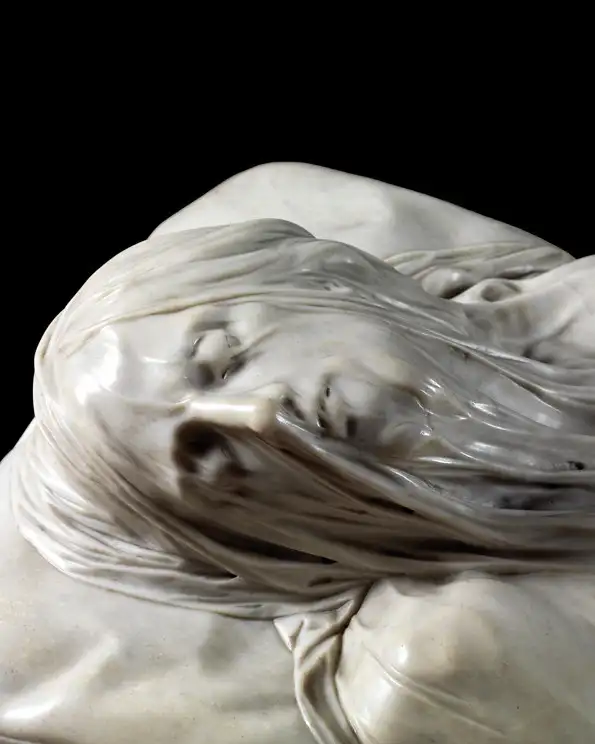
Situated on a narrow street in the maze-like historic district, the modest exterior of Cappella Sansevero might fool you into believing it’s an ordinary chapel. Behind the museum entrance, however, lies a collection of intricate Baroque sculptures flanked by astounding wall and ceiling frescoes. While each sculpture is a masterpiece in its own right, it’s the sculpture of the Veiled Christ, which draws in thousands of visitors every year. This Baroque marble sculpture depicts Jesus after his crucifixion. Lying on his back, Jesus is draped head to toe in a transparent sheet through which you can see every subtle detail, from the holes in his hands to the pain frozen on his face. The realism is so accurate that it produced a legend; it’s believed that alchemy was involved in the creation of this sculpture.
Read more
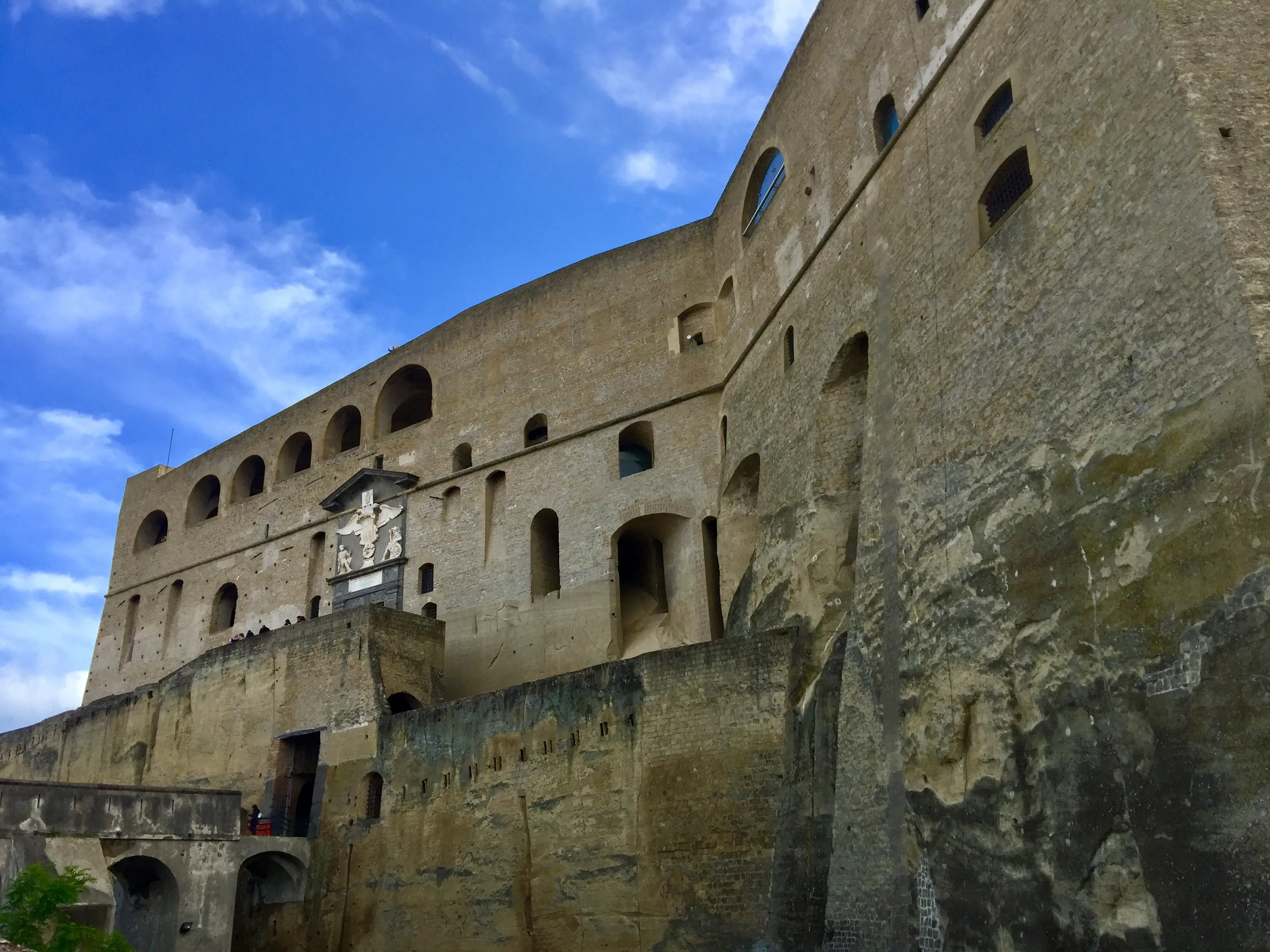
Situated on Vomero hill at one of the city’s highest points, this ancient medieval fortress offers incredible views of the Bay of Naples and Mt. Vesuvius. Castel Sant’Elmo has served various roles throughout the centuries, including a church, a castle, and a political prison. If you visit today, you’ll find a museum filled with the works of Neapolitan artists. Wander through the maze of rooms to admire the remarkable assemblage of 20th-century paintings and sculptures. When you’ve had your fill, head up to the lookout point, where you can snap some gorgeous photos for your own collection.
Read more
Commissioned by the Bourbon King Charles III of Naples, the Teatro San Carlo is the main opera house of Naples. Although the original 1737 opera theater burned down in 1816, the 19th-century reconstruction by Antonio Niccolini’s is just as opulent as the original. Balconies with ornate moldings are arranged on six levels, and the massive, 3,600-square-meter stage has hosted performances by some of the world’s greatest singers and conductors. The interior sings just as much as the performers, with rings of red velvet and gold flanking the magnificent ceiling fresco. If you have time on your visit to Naples, book tickets to see a performance at this grand theater. If not, you can still schedule a guided tour to see the lavish interior for yourself.
Read more
A trip to Naples just wouldn’t be complete without visiting one of the largest and most famous archaeological museums in the world. The National Archaeological Museum is a treasure trove of Greek and Roman antiquities, from classical busts of famous Roman emperors to marble sculptures depicting the gods and heroes from Greek mythology. There are countless corridors and rooms to explore in this massive museum. Check out the mosaics, frescoes, and other artifacts excavated from Pompeii and Herculaneum. These two towns were destroyed by the eruption of Mount Vesuvius in the year 79 A.D. If that’s not enough to sate your curiosity, head downstairs for the ancient Egypt exhibit, featuring an impressive collection of mummies and sarcophagi.
Read more
Located in the Centro Storico, or historic district of Napoli, Via San Gregorio Armeno is an alley famous for the hundreds of artisan workshops selling handcrafted Nativity scenes and figurines. These pastori (nativity cribs) are a defining aspect of the Neapolitan identity. If you take a closer look at each intricate detail and colorful stroke of paint, you’ll understand why these miniatures are more than souvenirs. They are tangible local pride and traditions that characterize Southern Italy. Over half a million tourists come to this street to stock up on their nativity figures. Although the shops are open year-round, the best time to visit is during September or October. Just before the busy season, this is the time when the artisans are preparing their shops for Christmas.
Read more
Housed in the Palazzo Reale, The National Museum of Capodimonte is a must-visit for any visitor with even a slight interest in art. It’s one of the largest museums in Italy and features a wealth of Neopolitan art from the 13th- to 18th-centuries. You can see works by the great Italian and Neapolitan painters such as Titian, Raphael, Caravaggio, Bruegel the Elder and Jusepe de Ribera. From porcelain and tapestries to coins and armor, there are so many treasures to behold within the palace walls. Once you’ve made your way through, head outside to the 306-acre park where you can stroll along one of the trails and check out the viewpoint overlooking the Bay of Naples.
Read moreShow more
Optional Day Trips from Naples
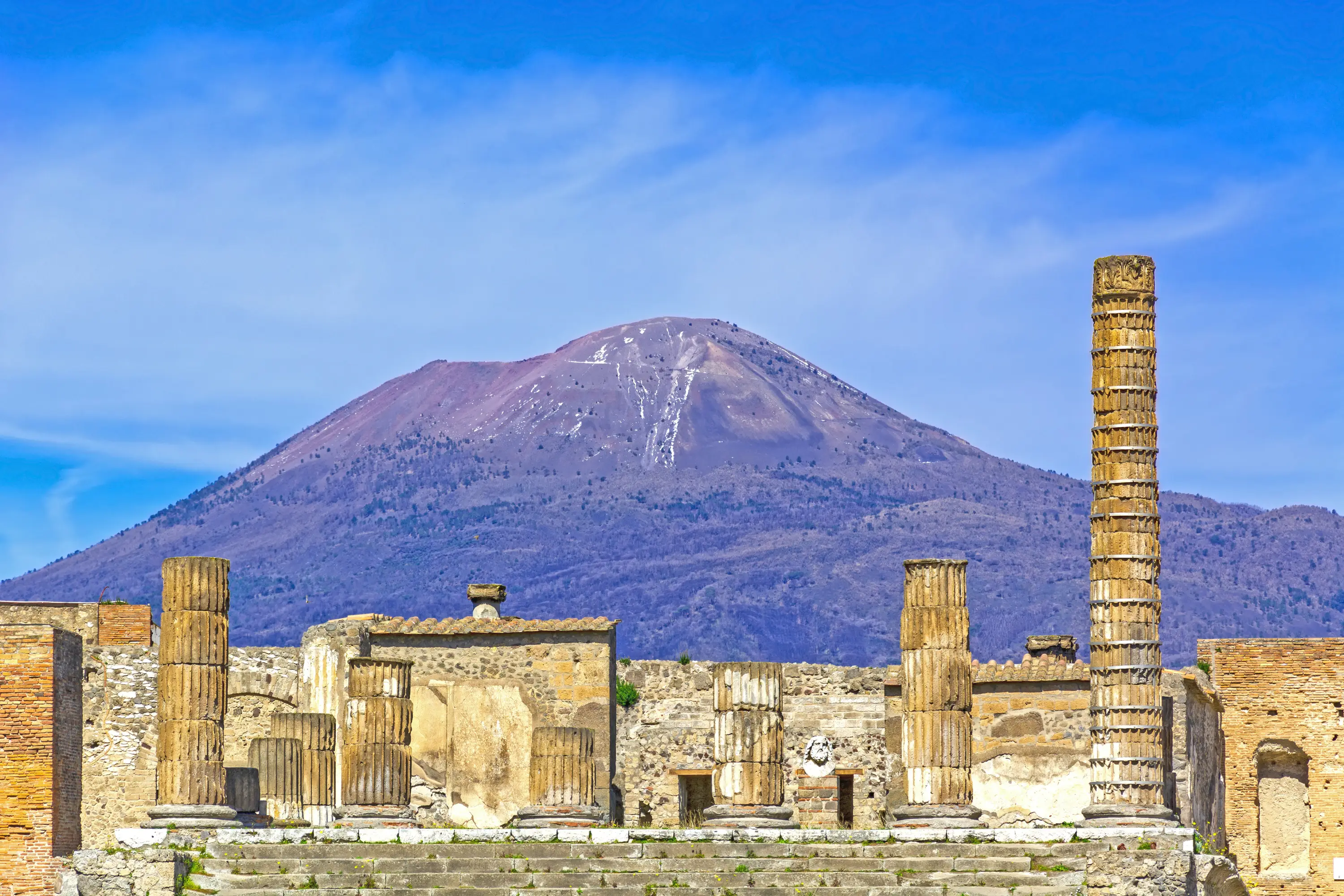
Less than an hour from Naples, the UNESCO World Heritage Site at Pompeii is unlike anywhere else on earth. In the year 79AD, Mount Vesuvius erupted, destroying Pompeii and killing 20,000 of its inhabitants. The vast amount of ash that covered Pompeii after the eruption hardened, preserving the town in almost its original state. The result is a collection of ruins that are remarkably unchanged even after nearly two millennia. On your visit to Pompeii, you can wander around its ruined amphitheater, forum, and basilica. You’ll leave the town with an unusually clear glimpse into an ancient world that ceased to exist long ago.
Read more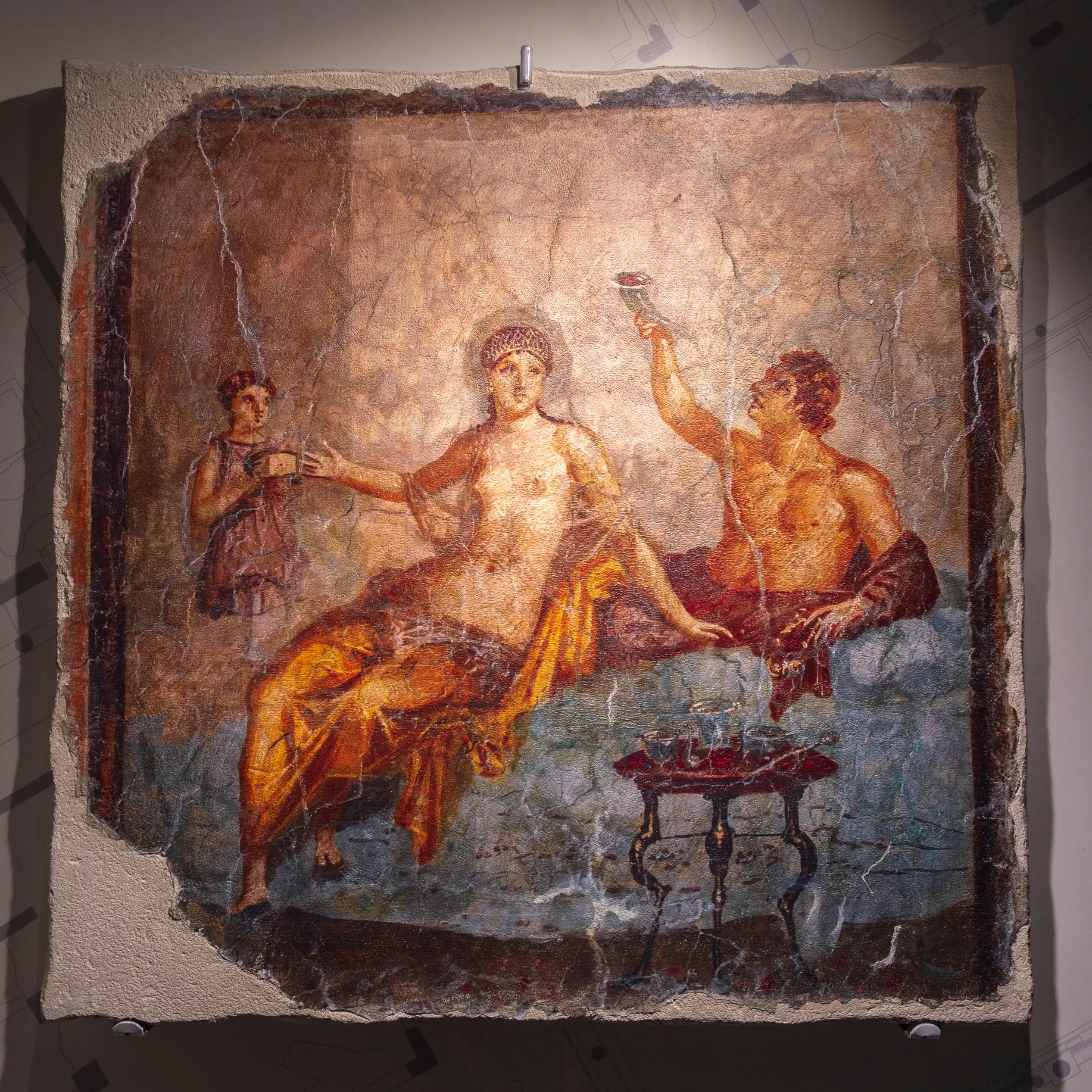
Herculaneum is a town that suffered a similar fate to Pompeii but escaped the same level of destruction. Most of Herculaneum’s inhabitants were able to flee when Mount Vesuvius erupted, although hundreds were still killed. Although less famous than Pompeii, Herculaneum is exceptionally well-preserved because it was further from the eruption, and its buildings didn’t collapse in the same way. Today, as Herculaneum isn’t accessible by tourist buses, it’s much less crowded than Pompeii. The ruins here include baths and several villas, an insight into an ancient wealthy community, literally frozen in time.
Read more
The Amalfi Coast personifies Mediterranean charm. A UNESCO World Heritage site, this collection of fishing villages strung along the shore is famous for all the right reasons; hot sun, cooling water, and knock-out scenery. Craggy cliffs drop into azure seas, and lush vegetation snakes around sandy pathways and pastel houses. There are several major attractions to see in Amalfi, like the 13th Century Cattedrale di Sant’Andrea and the beautiful, colorful village of Positano. The quiet fishing village of Cetara is famed for its dining. The best way to fill your time in Amalfi is to explore and appreciate it all at your own pace.
Read more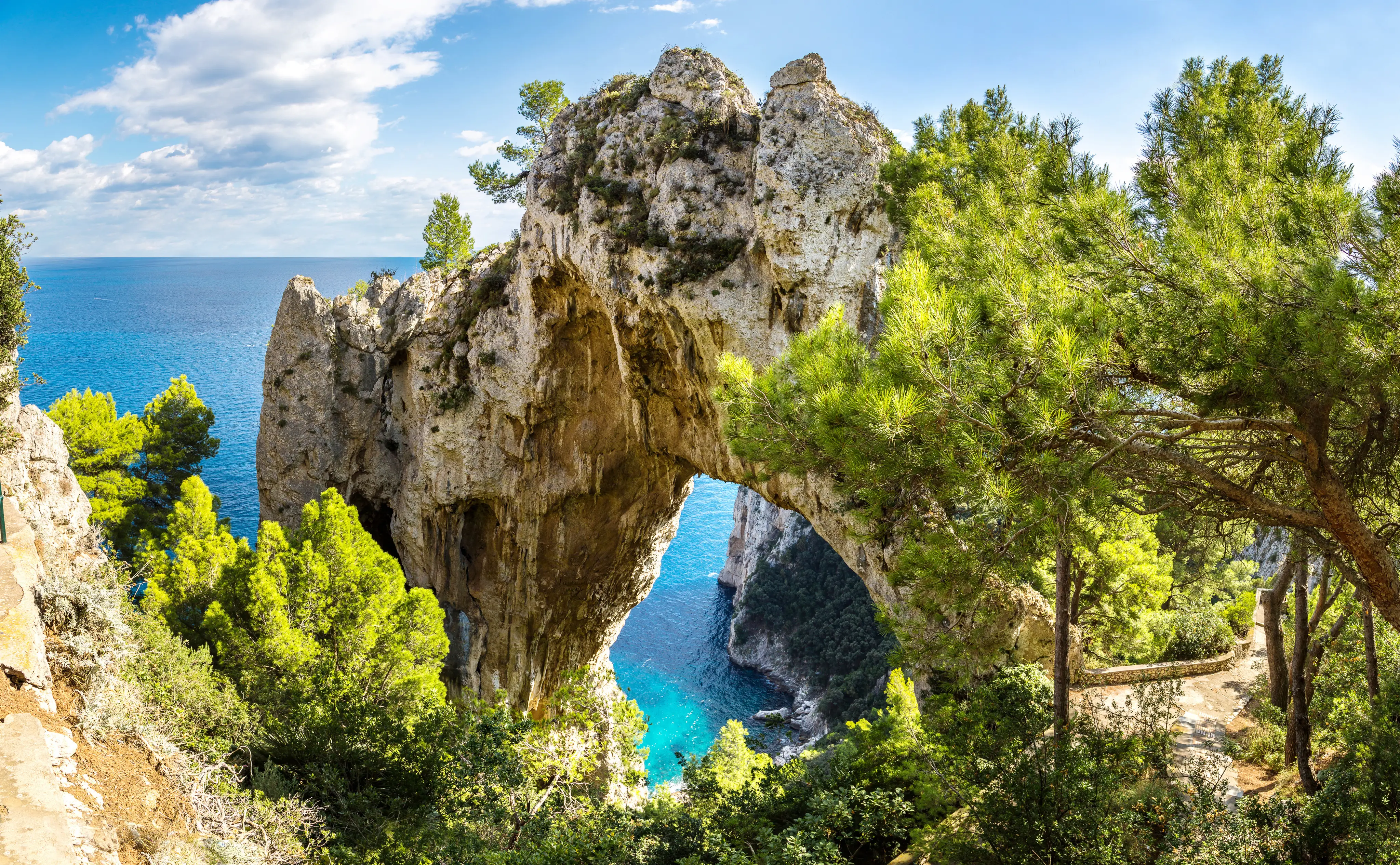
Capri is a small island not far from Naples, a place that was once a popular retreat for Roman Emperors. It’s not hard to see why — every inch of Capri is stunningly beautiful. Capri offers deep blue waters ebbing against rocky cliffs, and pretty villages clustered along the seafront amid tangles of lemon trees and olive groves. While Rome’s Emperors are long gone, Capri is still associated with the rich and famous. This makes the island an expensive pleasure, but the quality of dining and shopping here reflects the price. For those on a slightly tighter budget, there’s still a lot to do, from hiking and swimming to boat trips and sightseeing.
Read more
In 79AD, Mount Vesuvius erupted, laying waste to the surrounding area and destroying the towns of Pompeii and Herculaneum. Today the volcano lies dormant, carefully monitored by vulcanologists. Hundreds of thousands of people still live in its shadow, and the looming mountain serves as a brooding reminder of nature’s awesome and violent power. Today, you can hike around the volcano and peer into the colossal crater at its center. On a clear day, there are unparalleled views of Pompeii and the Bay of Naples far below. The surrounding ruins draw crowds of tourists year after year, keen to see the lingering effects of this powerful force of nature.
Read more
The city of Caserta in Campania is home to the Palazzo Reale, the Royal Palace of Caserta. One of the largest palaces in Europe, it was built in the 18th Century to house the Kings of Naples. Now a UNESCO World Heritage Site, you can explore the Palazzo Reale and its grounds. Modeled in many ways on the Palace of Versailles, the palace gardens cover several kilometers and contain numerous fountains, cascades, and sculptures. Enjoy the exquisite baroque architecture and marvel at the majesty of this place, a relic of a lost age.
Read more
The Monte Cassino monastery in Lazio was founded by St Benedict in 529 AD. Action at the monastery peaked during the Second World War when it was the site of several crucial battles, culminating with the U.S. dropping 1400 bombs on the area. Afterward, the monastery was reconstructed and is now open for anyone to explore. Today tours cover the whole site, including overviews of the former battlegrounds. There are graveyards separated by nationality, peacefully overlooking the surrounding area. The Abbey, Abbazia di Montecassino, contains a small museum with medieval relics and artifacts.
Read more
Salerno is a port town near Naples, most famous for its historic old town. For Catholics, Salerno is a popular place of pilgrimage, with the tomb of the apostle Saint Matthew found in its 11th-century cathedral. An excellent way to spend a day here is to simply walk around. Explore the winding alleyways and medieval architecture of the old town, and hunt down landmarks like the Duomo and the Castello di Arechi. Salerno is also home to some beautiful green spaces and views, making for a relaxing day away from hectic Naples.
Read more
The largest island in the Bay of Naples, Ischia is renowned for its thermal spas, beautiful landscapes, and delicious food. It’s a perfect example of the Mediterranean — and specifically Italian — culture. While less popular than the nearby island of Capri, Ischia is, in many ways, superior, with its own humble and down-to-earth charm. There is plenty to see and do here. Botanical gardens, villas, churches, and famous thermal spas built out of natural hot springs are just some of the activities on offer. Visit the impressive Castello Aragonese, enjoy the excellent food and wine, and take a dip in the sparkling Mediterranean waters.
Read moreShow more
Create a custom trip
plan for Naples
Travelling made easy:
- ✓ 100% customizable trip
- ✓ On-trip support, around the clock
- ✓ Local travel expertise





Featured Blogs





Pair Naples with


Your custom trip package includes

A day to day itinerary

Centrally located hotels

Door to door transportation
Self-guided & private tours
Create Your Perfect Trip in Minutes
Discover A Better Way To Travel.
Once you Go Real, you’ll never go back to ordinary travel.