


Florence Travel Guide

Must See Attractions in Florence
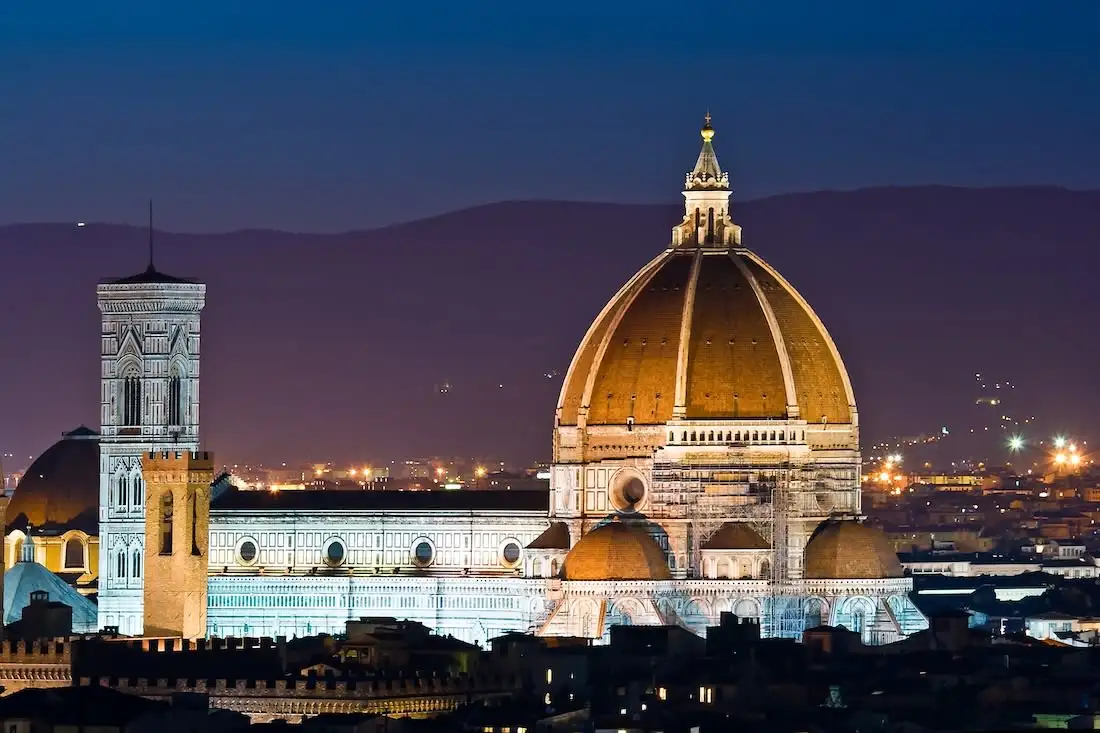
With its iconic red-brick dome, the Duomo dominates the city skyline, both day and night. Duomo is Italian for 'cathedral'; the actual name for this world-famous Renaissance church is the 'Basilica di Santa Maria del Fiore'. The other main two structures within the piazza include the octagon-shaped Saint John’s Baptistry with notable bronze doors, and the Opera del Duomo, home to many of the original works of art created for the cathedral. If you get lost within the maze-like streets of Florence, find your way back to the Piazza del Duomo by directing your gaze upwards. Much like the city itself, standing under the cathedral’s majestic architecture and colored-marble facade feels like being in the presence of artistic greatness.
Read more
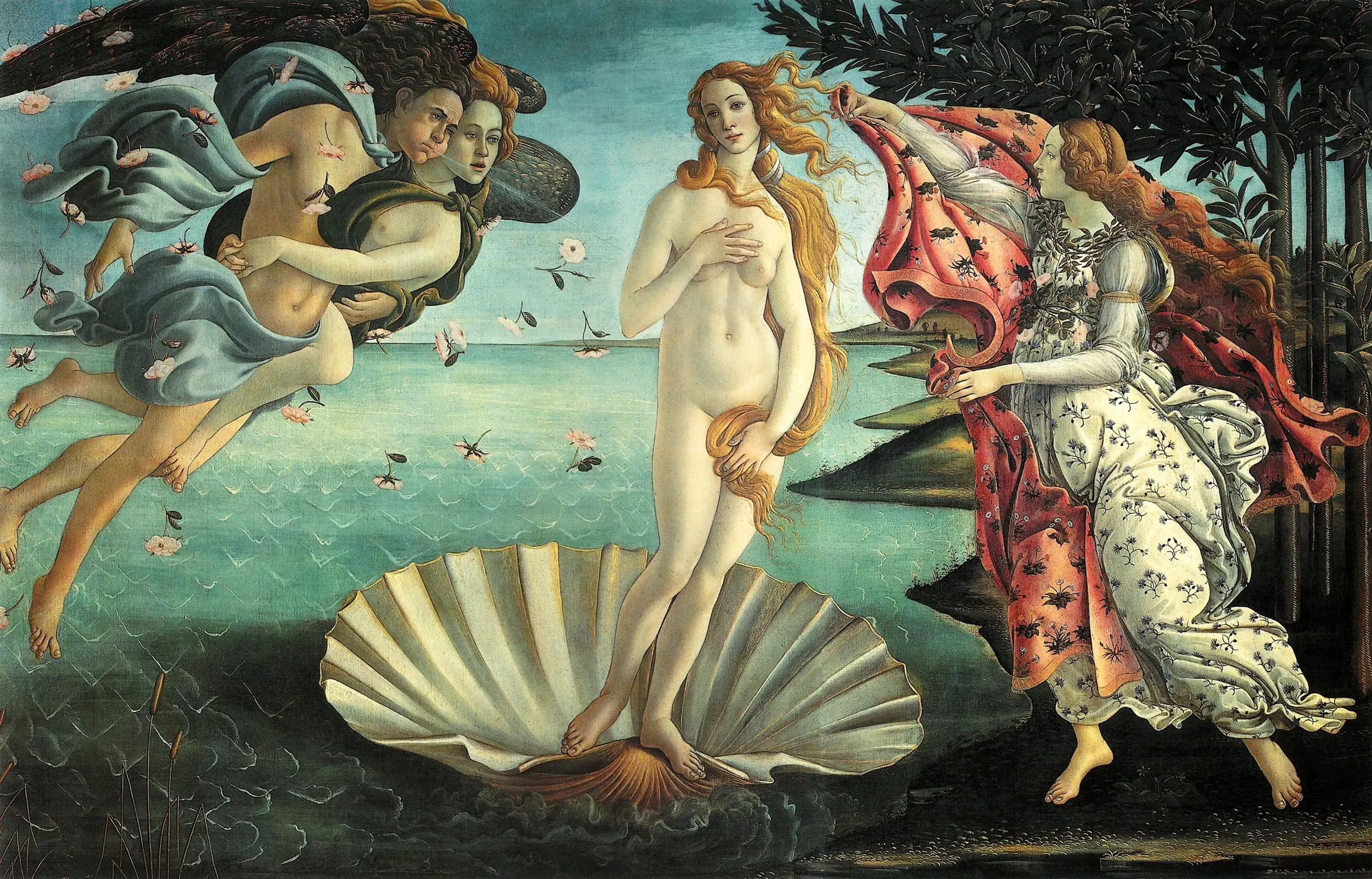
The Uffizi Gallery (or Galleria degli Uffizi, in Italian) is the most famous museum in Florence, as well as one of the most important in the world. With over 1,800 pieces of artwork spread out between 45 halls and two floors, the Uffizi Gallery is an art lover’s dream. The gallery houses some of the most important works of art by Botticelli, Giotto, Cimabue, Michelangelo, Leonardo da Vinci, and Raffaello. Lining the long hallways are stunning marble sculptures that capture Roman and Greek mythology and history. Don’t miss out on the chance to see Botticelli’s Birth of Venus up close. This is the gallery’s most iconic Renaissance painting and depicts the beautiful goddess Venus standing on a shell after rising from the sea.
Read more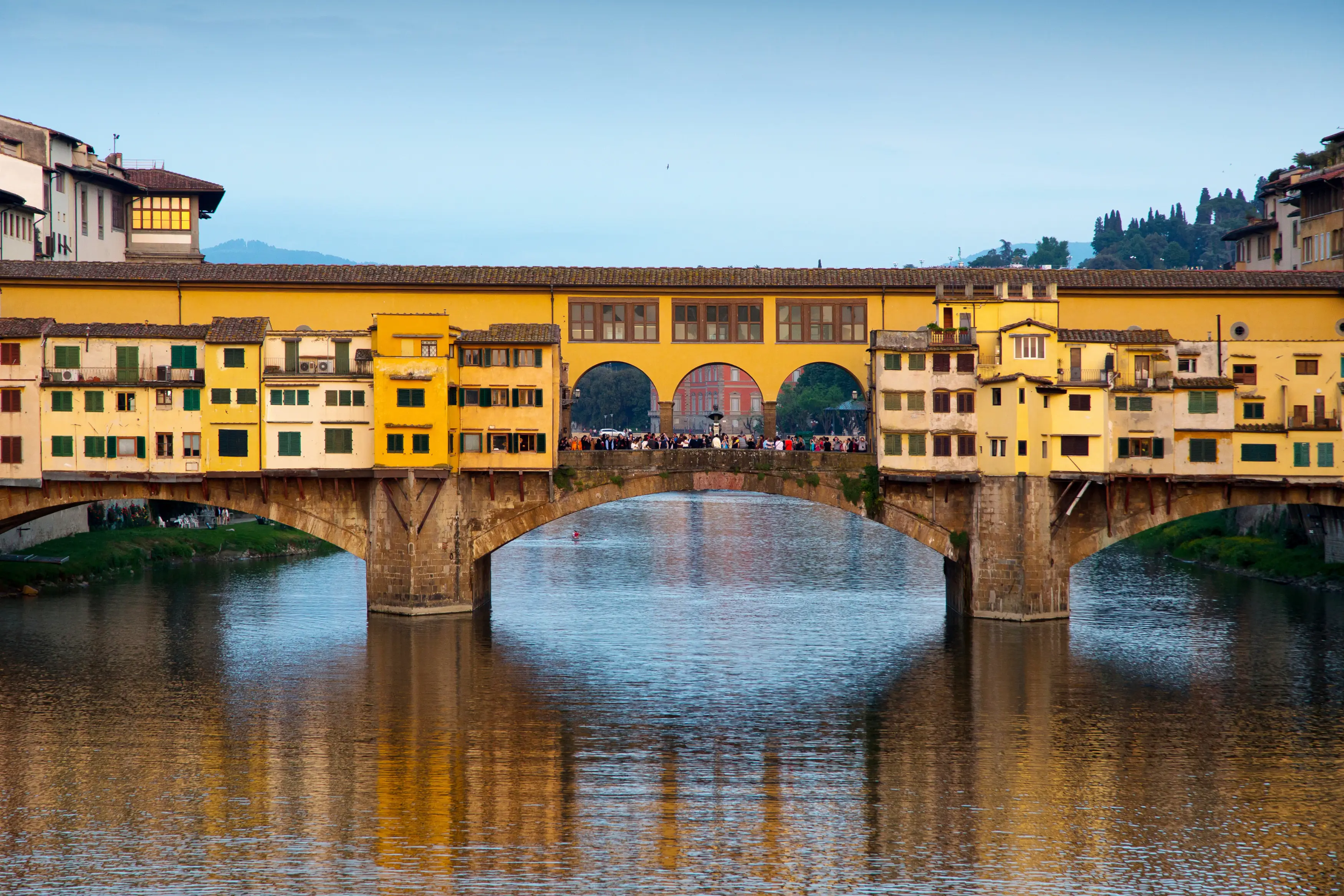
Pre-dating Venice’s Rialto Bridge by several centuries, the Ponte Vecchio is one of the world’s most famous bridges. Built close to the original Roman crossing at the narrowest section of the river, the Ponte Vecchio, or Old Bridge as it is known in English, was the only bridge across the Arno in Florence until 1218. Characterized by its three arches, the pedestrian-only bridge is renowned for its multitude of craft shops. If you’re hunting for souvenirs, these stalls are known for selling the most elegant gold and jewelry in the city. In the middle of the Ponte Vecchio, the Vasari corridor links the Piazza Signoria to the Palazzo Pitti. This enormous palace is one of Florence's most significant architectural monuments and is home to a vast collection of Florentine art.
Read more
The Galleria dell'Accademia is home to Michelangelo's David. This marble masterpiece is a wonder to behold; it depicts the biblical hero, David, before his famous battle with Goliath. As one of the most important works of the Renaissance, David showcases Michelangelo’s skill for human-like detail. Spend a few moments studying the lines in the flexed muscles and the intense expression on David’s face. This sculpture is likely to leave a long-lasting imprint. The gallery also houses a magnificent collection of paintings from the 14th- and 15th-century. After you’ve taken it all in, stop by the Palazzo Medici-Riccardi, the first grand palace built by the Medici family, to see the extraordinary gallery fresco of The Apotheosis of the Medici. The Spedale degli Innocenti (Hospital of the Innocents), contains an emotional museum dedicated to the social conditions in medieval Florence and the treatment of its unwanted children.
Read more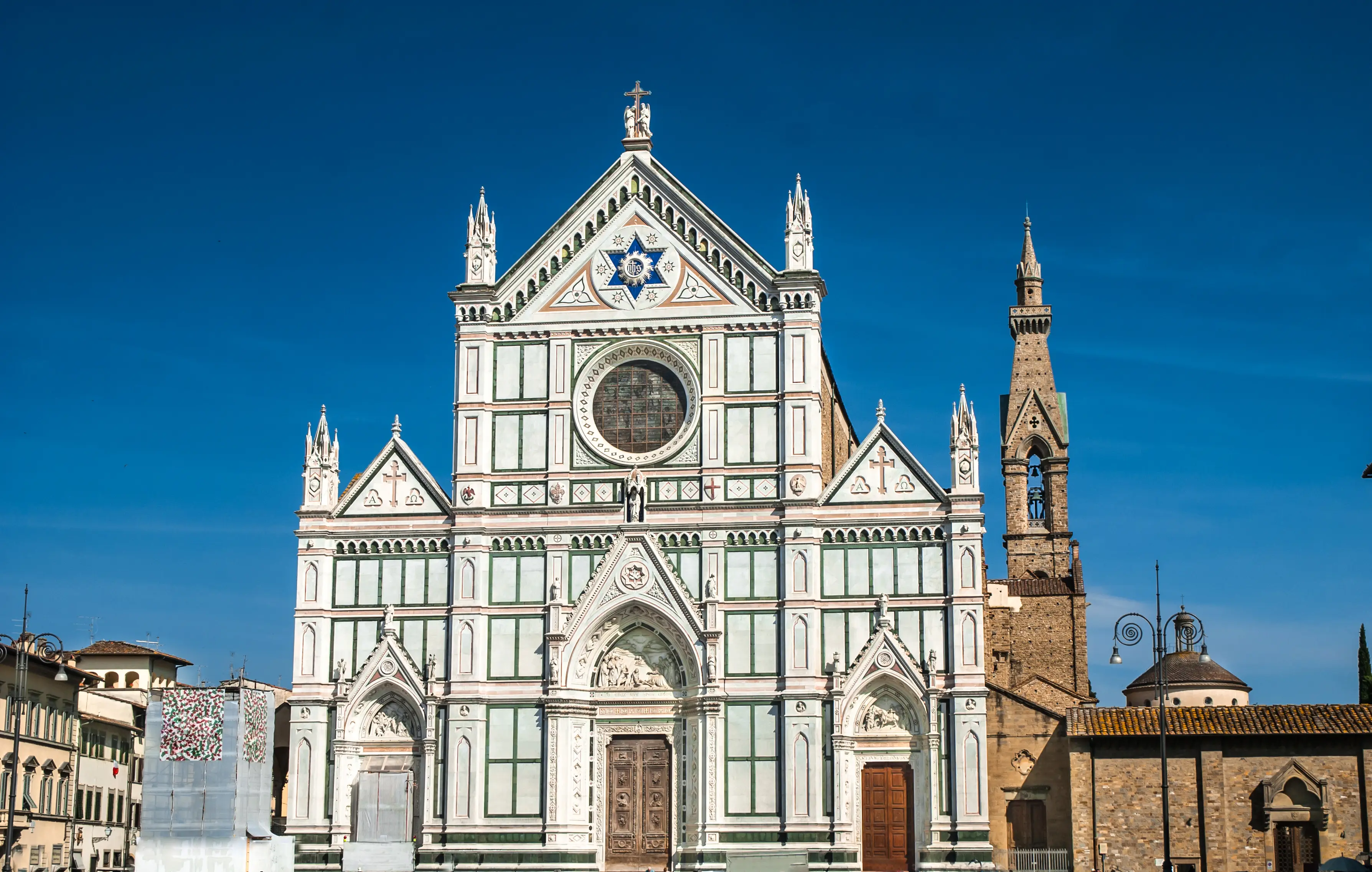
Piazza Santa Croce is one of Florence's largest squares. This bustling piazza features a myriad of leather goods shops and a vibrant al fresco dining scene. After a full day of sight-seeing, rest your tired feet on the basilica steps, enjoy a glass of wine, and watch the talented street performers entertain the crowds. The square is home to the Basilica of Santa Croce, famous for its extraordinary fresco cycles. The basilica is a burial place for many prominent Italians, including Buonarroti, Machiavelli, and Galileo. In front of the basilica is a marble statue dedicated to Dante Alighieri, the most influential and well-known Italian poet.
Read more
Piazza Della Signoria represents the very soul of Renaissance Florence and Italy. It was here that the rulers of Florence began commissioning work from the great masters of the Florentine, Roman, and Venetian art world. The square is still home to beautiful statues and sculptures, including the Fountain of Neptune and Perseus Holding the Head of Medusa The world famous Bargello Gallery contains the overflow of masterpieces from the Uffizi Gallery, including Donatella's famous rendering of David, while the Loggia dei Lanzi houses some of the greatest statuary to have come out of Renaissance Italy. Smaller than the other museums in Florence, you’ll likely find this gallery a great place to admire Renaissance sculpture and escape the crowds.
Read more
Located near the Ponte Vecchio, Oltrarno might be less frequented than the center of Florence, but it’s a highlight nonetheless. Home to the Pitti Palace and the Boboli Gardens, you'll find a host of beautiful gardens and artistic churches. Make the 20-minute uphill walk to the Piazzale Michelangelo, and you’ll be rewarded with one of the best lookout points in all of Florence. The Church of San Miniato al Monte is the crown jewel of this square with its stunning Romanesque architecture.
Read moreShow more
Optional Day Trips from Florence

Home to the world’s most famous leaning tower and at least a million leaning selfies, Pisa is famous across the globe with thanks to its slanting foundation. While most tourists tend to stick to the sights of the ‘Campo dei Miracoli’ (the Field of Miracles), the actual city of Pisa is often overlooked. After taking your own photo of the iconic tower, wander off to experience the vibrant atmosphere, excellent restaurants, and attractive architecture that lies beyond. The handsome Duomo and domed Baptistery are every bit as impressive as their neighboring tower.
Read more
Characterized by its 13th-century city walls and collection of soaring house towers, San Gimignano is a must when adventuring through Tuscany. This well-preserved medieval town offers a host of quirky museums, quaint cafes, wine bars, and local delicacy shops, which sell goods produced in Tuscany. Take in panoramic views of the surrounding countryside from the observation deck of the Rocca di Montestaffoli, one of the city’s less-visited sights. Here you can also walk around the 14th-century fortress ruins and rest beneath the shade of its scenic olive groves.
Read more
A UNESCO World Heritage Site since 1995, Siena is a popular day trip from Florence. Among its attractions is Piazza del Campo, considered to be one of Europe’s most magnificent medieval squares. It’s also the setting for Siena’s il Palio, a historic horse race that takes place twice a year in the summer. Wander through this medieval oasis, and you’ll find an array of fascinating sights, from historic architecture and churches to bustling squares with local performers and artists. Climb the steep steps of the Torre del Mangia for the most spectacular views of this famous city.
Read more
Often forgotten about in favor of Venice or Florence, Bologna is a great medieval townscape with Renaissance palaces, gravity-defying towers, and miles and miles of colonnaded arcades. It’s also home to Europe’s oldest university and, of course, an abundant collection of artwork. If you’re here to satisfy your stomach, Bologna’s infamous pasta dish, Spaghetti Bolognaise, will not disappoint. Still, it’s not the only meal you should seek out during your trip as the verdant region of Emilia-Romagna is a foodie’s paradise. This is where a lot of Italy’s most well-known produce comes from, including prosciutto, parmesan cheese, and balsamic vinegar from Modena.
Read more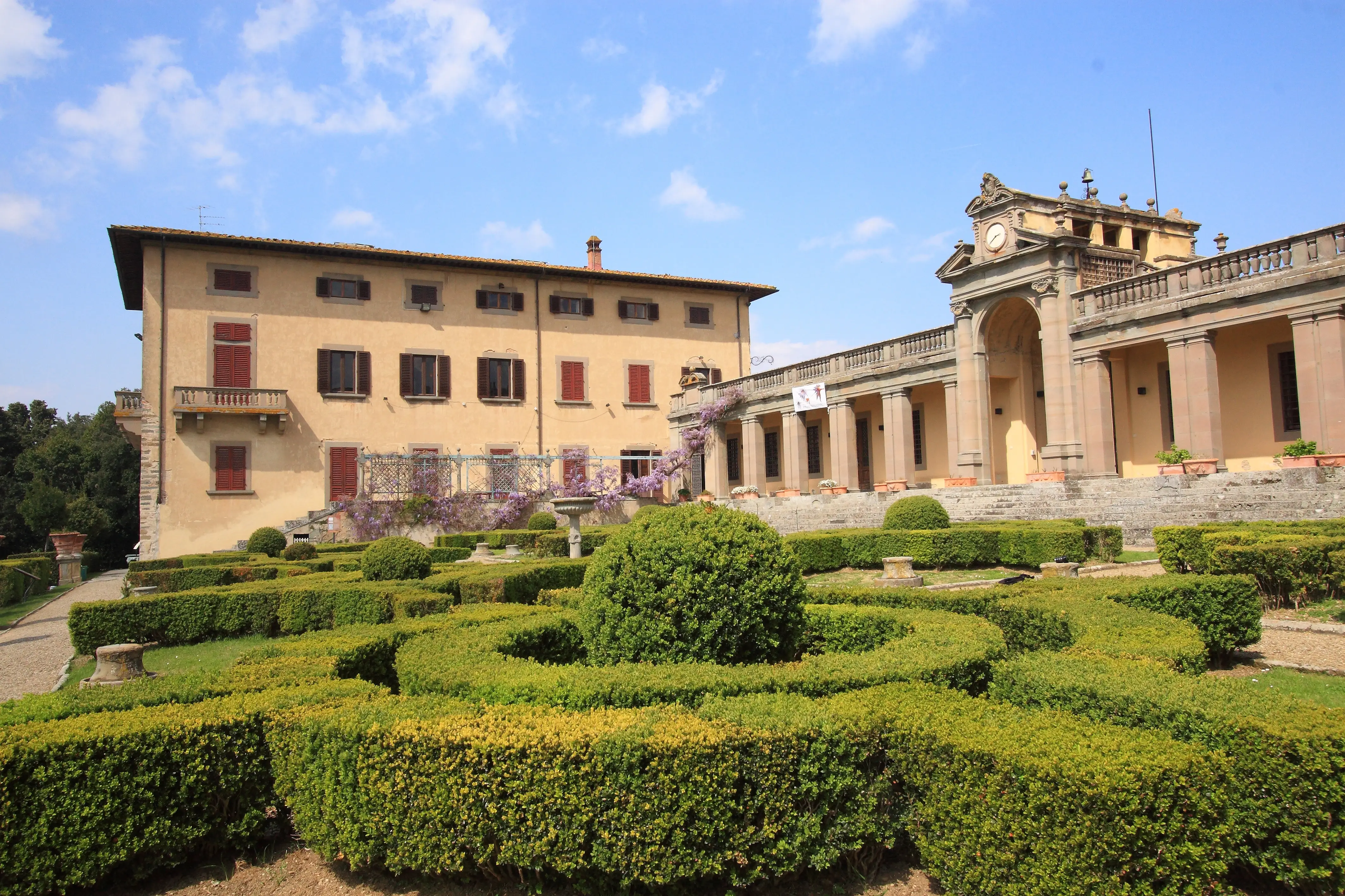
The Medicis and other powerful families of Renaissance Florence constructed country villas in the foothills surrounding Florence. These elaborate villas were often surrounded by beautiful gardens populated with rose bushes, manicured hedgerows, and citrus trees. You can explore some of these beautiful villas which are concentrated in an area just a short bus ride from the city center of Florence. The Petraia Villa Medici is among the most beautiful, while the Castello Villa Medici is known for its lush garden landscapes.
Read more
People go to Chianti for the wine, but they stay for the scenery. This rural region captures southern Tuscany at its finest, with quaint towns, stone villas, and rustic farmhouses situated amongst rolling hills and vineyards. The area is also a haven for walking and biking, giving you a chance to soak in the incredible scenery. Greve in Chianti is one of the leading destinations for wine tours. On a guided day tour, you can visit two celebrated wineries and taste Chianti Classico, Super Tuscan, and Vinsanto wines. Stopovers in the charming hill towns of Montefioralle, Panzano, Castellina are also included.
Read moreShow more
Create a custom trip
plan for Florence
Travelling made easy:
- ✓ 100% customizable trip
- ✓ On-trip support, around the clock
- ✓ Local travel expertise


Featured Blogs




Your custom trip package includes

A day to day itinerary

Centrally located hotels

Door to door transportation
Self-guided & private tours
Create Your Perfect Trip in Minutes
Discover A Better Way To Travel.
Once you Go Real, you’ll never go back to ordinary travel.