
This website uses ‘cookies’ to give you the best, most relevant experience. By using this website, you consent to our Privacy Policy
×


Brussels Travel Guide

Must See Attractions in Brussels
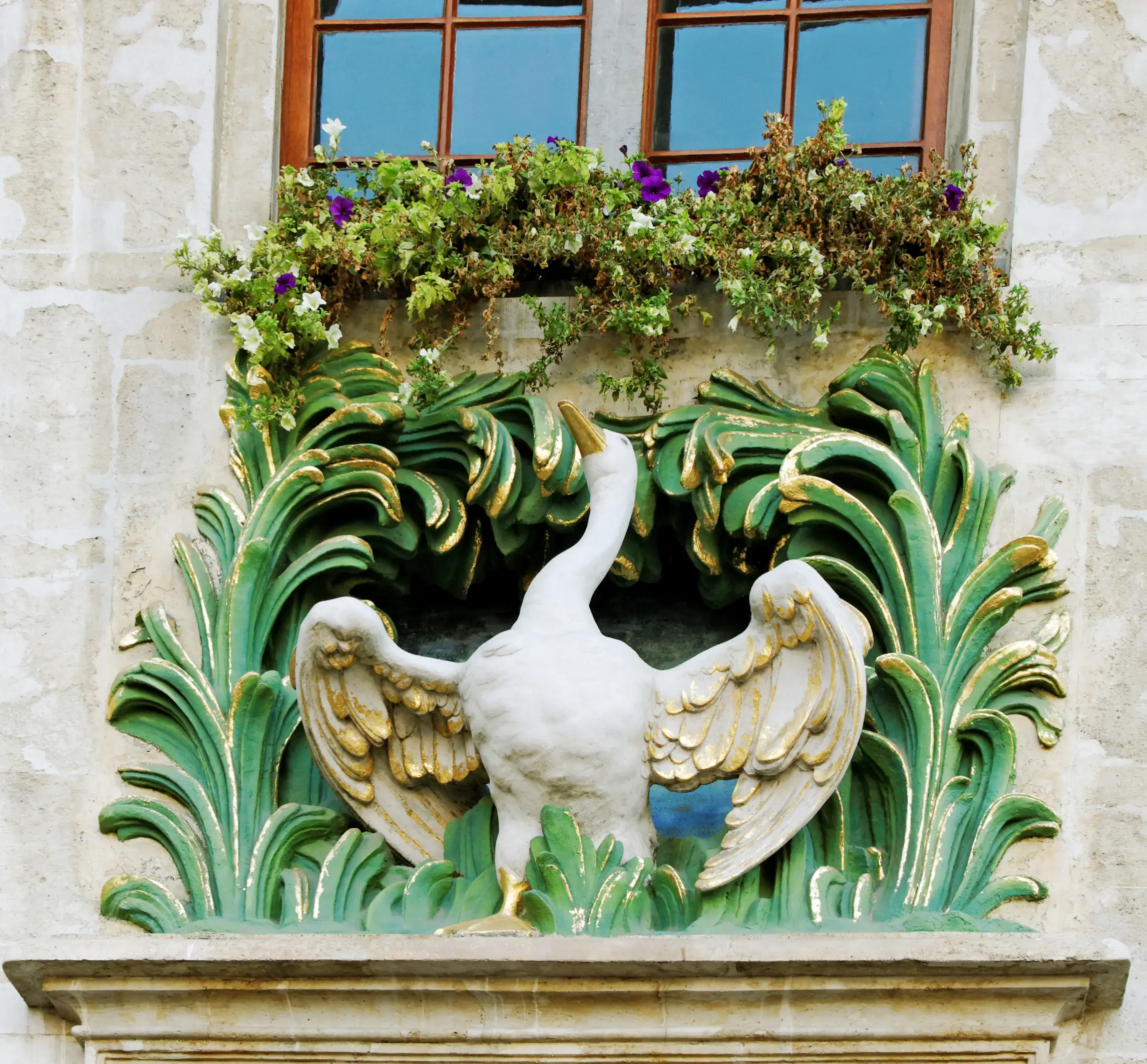
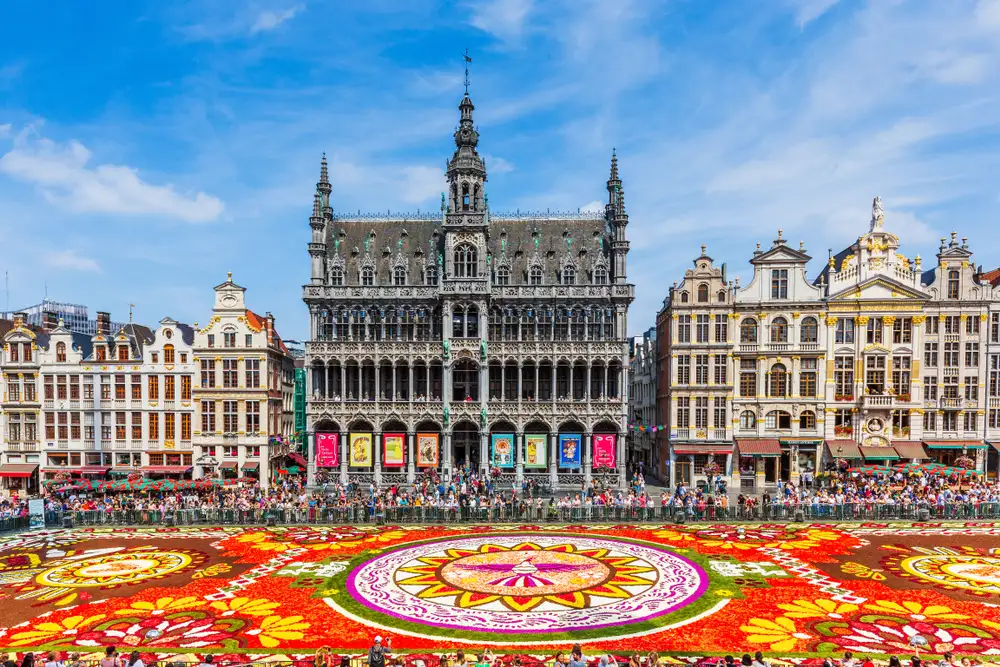
The illustrious Grand Place of Brussels is one of the most admired in Europe, to the extent UNESCO has deemed it a World Heritage site. The square is comprised of two major landmarks: the Brussels Town Hall and the King’s House, or ‘Breadhouse’. Between these two show-stopping buildings stand a succession of guildhalls. Guilds were medieval merchant associations, and for 15th-century Brussels, they were big business. Goods like lace, fur, salt-fish, swords, and gold were hot commodities on the middle-age market, and when the guilds that produced these items prospered, they built fancy gildhalls to announce their success. The guildhalls in the Grand Place have been restored to their early glory, and their beautiful detailing picked out in gold.
Read more
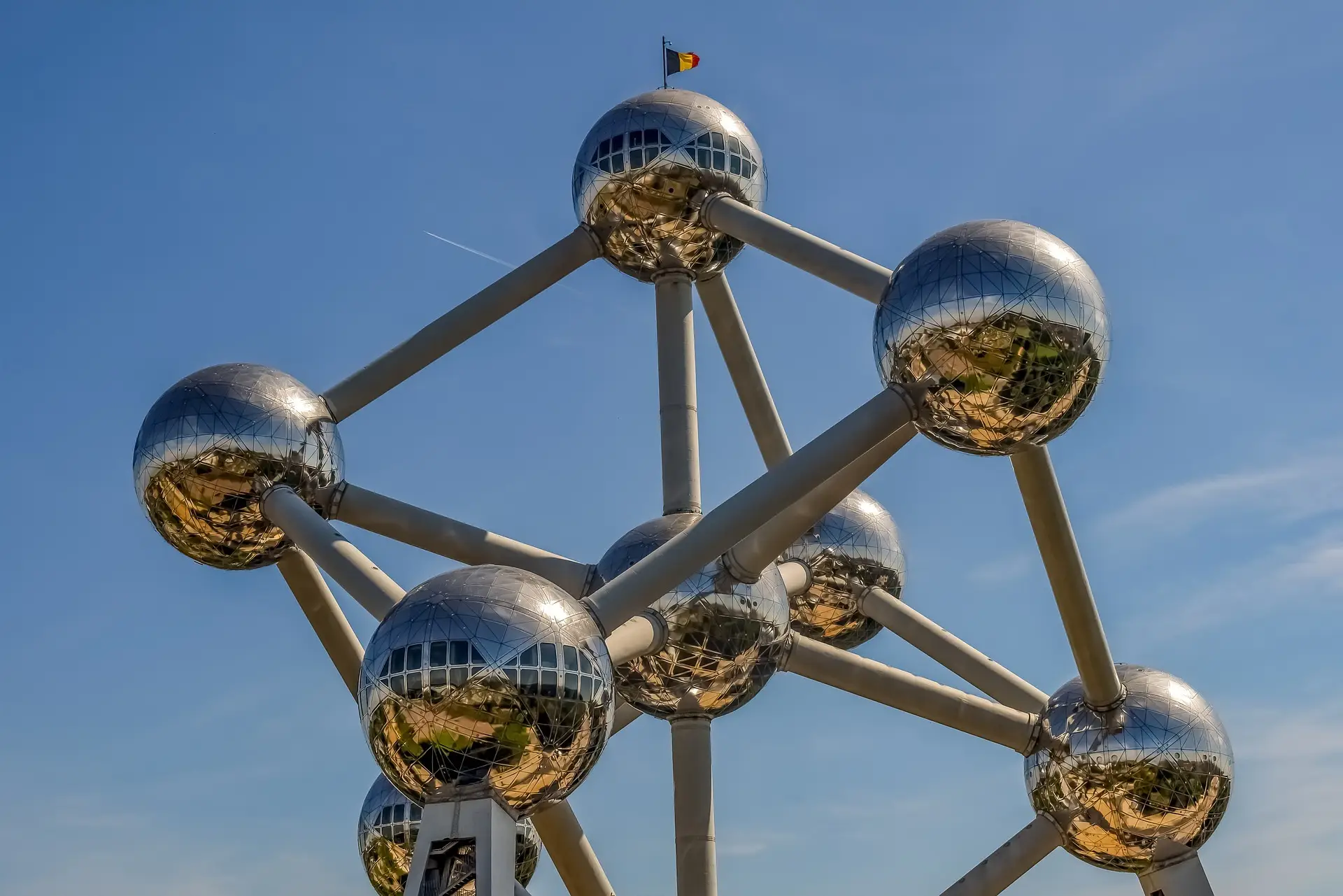
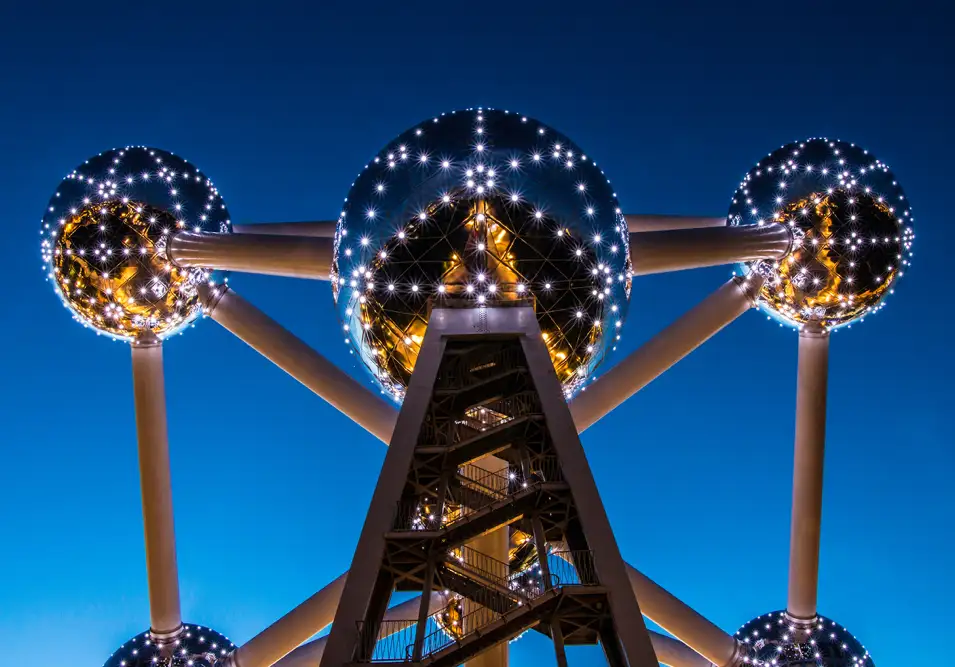
Like the Chicago Bean or Eiffel Tower of Paris, the Atomium of Brussels is an iconic symbol of Brussels. You haven’t really been to Brussels unless you’ve taken a snap by the Atomium; a giant, multi-pronged, stainless steel model of an atom with nine spheres. Built for the 1958 World’s Fair, the Atomium represents an iron crystal magnified 165 billion times. Perhaps because the 1958 World’s Fair was the first to be held after WWII, there is a certain triumphant gleam to the atom, said to represent faith in the power of science and, even more, in nuclear power. The interior is an exhibition space, and visitors can traverse between the spheres via escalators.
Read more
The Royal Museums of Fine Arts is a group of art museums spread across the Coudenberg hill in central Brussels. The three main museums showcase the extent to which Belgians cherish their artists. René Magritte, the surrealist master painter, and son of Brussels is celebrated with his very own museum, the Musée Magritte. If you like tricksy optical illusions, this is the stop for you. Painters like Bruegel, Hieronymus Bosch, and Anthony van Dyck are proudly claimed by the Belgians and their work adorns the walls of the Oldmasters Museum. This museum also houses the finest Flemish Primitive paintings anywhere in Europe. For a whirl back in time, head to the Musée Fin-de-Siècle, showcasing art from the turn of the 20th century.
Read more
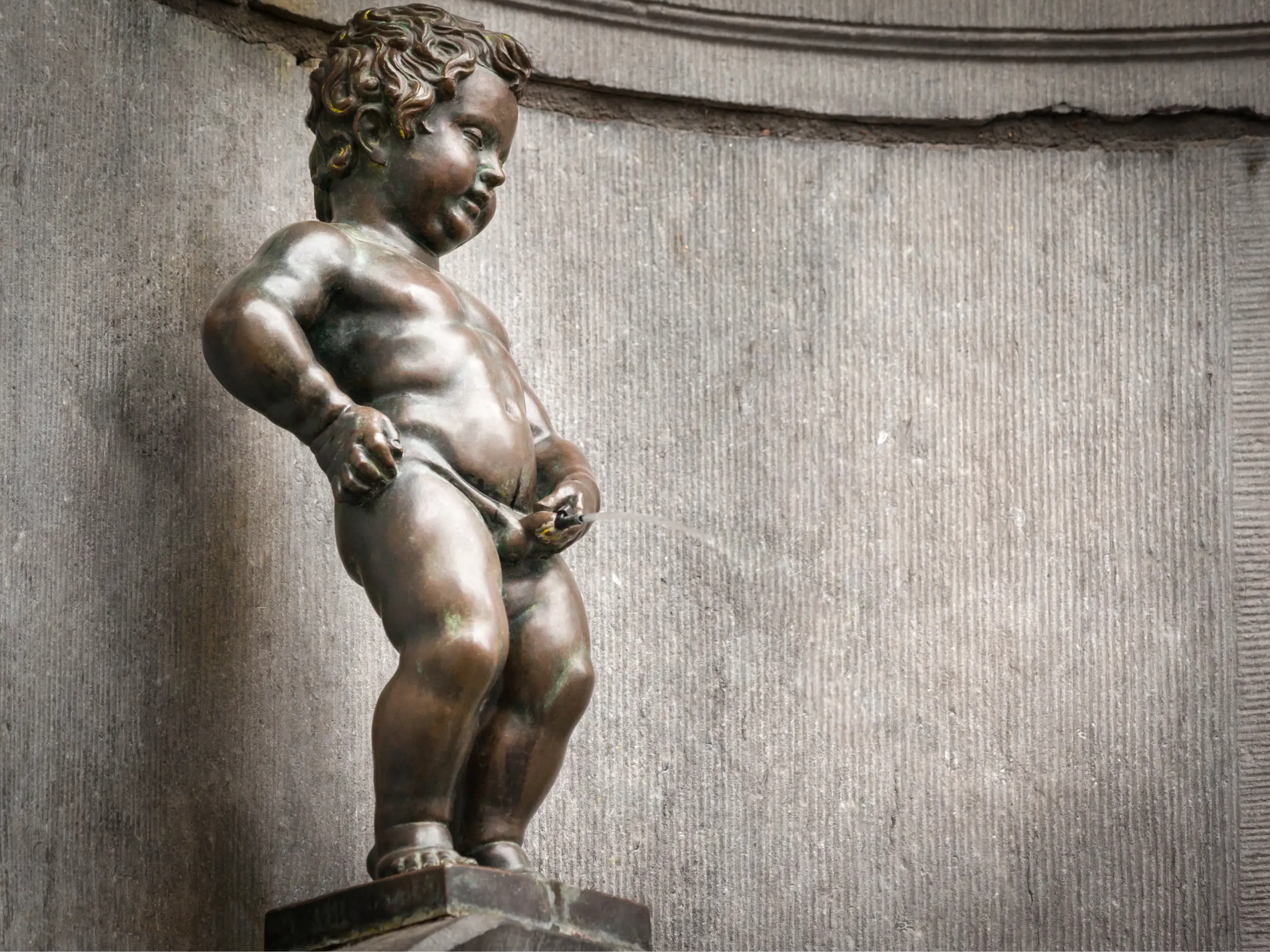
Just off the Grand Place is a small bronze statue of a boy urinating into a fountain. One of the best-known symbols of Brussels, locals are fond of this unique sculpture because they say it represents their sense of humor and independence. The city will even dress it up in special costumes throughout the year. There are many legends surrounding Mannekin Pis; all involving a boy who went to pee and saved the city from a fire. Not the only statue of his kind in Brussels, be on the lookout for Jeanneke Pis, the girl version who was created as part of the feminist movement, and Zinneke Pis, the urinating dog statue.
Read more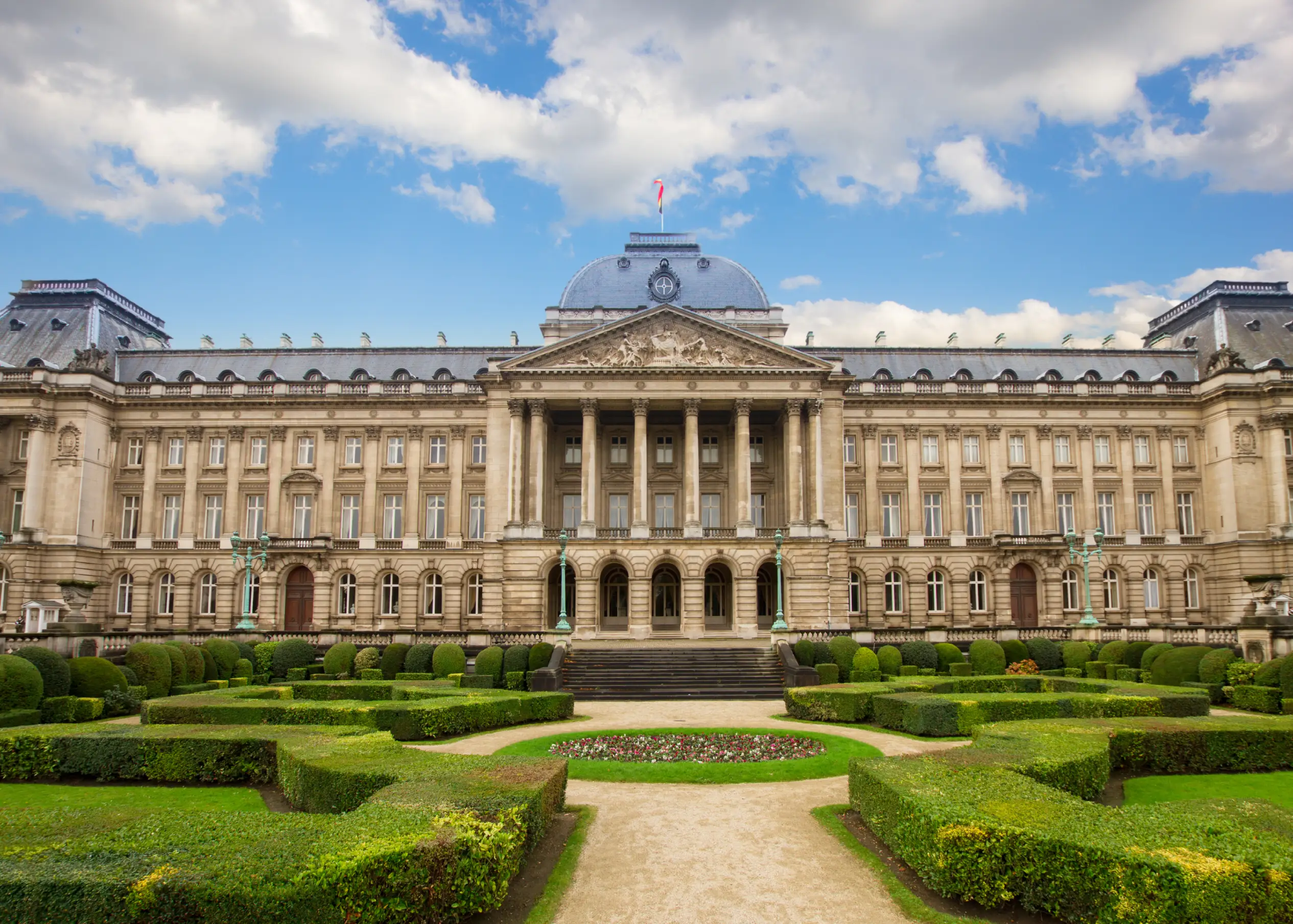
A working palace, the Royal Palace is where the Belgian King does most of his royal administration duties. Literally fit for a king, it must be one of the most lavish offices in the world. Marble staircases give way to decadent chambers lined with royal portraits and stately antique furniture, evidence of the prestige of the Belgian monarchy. Although a castle has stood on the Coudenberg Hill since the 11th century, the palace was recently renovated in the early 1900s by King Leopold II, Belgium’s longest-reigning monarch. Leopold is responsible for the palace’s imposing facade. In summer, the palace opens for tours, an unmissable chance to rummage through the hallways of royalty.
Read more
The Brussels Town Hall is one of the finest in Europe and the oldest remaining medieval building on the Grand Place. The building’s tower, made of ash grey stone, is so intricate it could be a bone carving. The spire rises above the square, topped by a golden statue of the archangel Michael slaying a devilish dragon. Micheal is the patron saint of Brussels, although the building is embellished with many more saints, nobles, and mythical figures. The Town Hall is an outstanding example of the Brabantine Gothic style, although it is notoriously asymmetrical, a misfortune of construction that was rumored to have driven the architect mad. Nevertheless, the building is still much admired.
Read more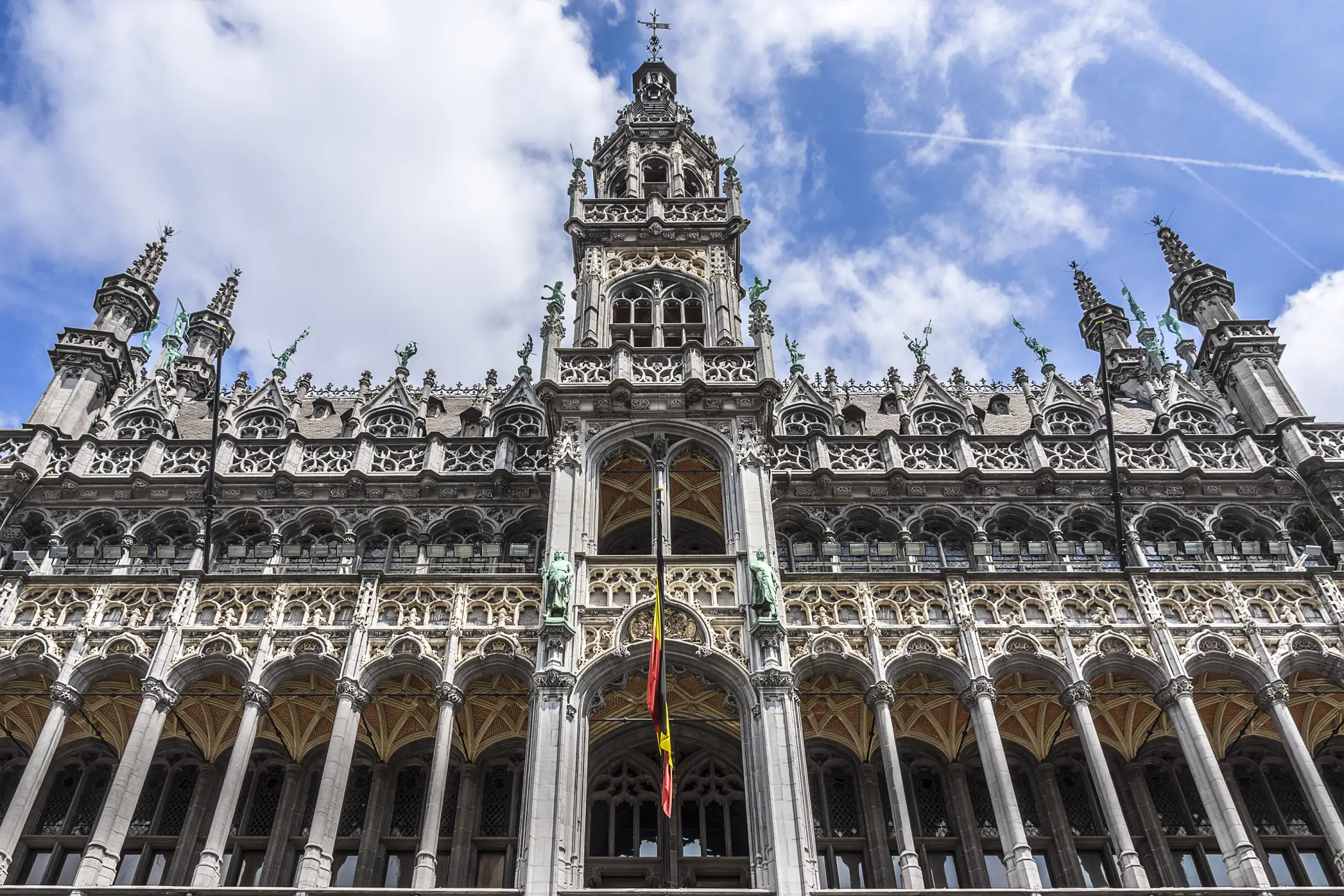
The ‘attic’ of Brussels, the Brussels City Museum contains relics from Brussels’ yesteryears. History buffs will love the old maps, which illustrate the city’s rise from a small medieval commercial trading point to the ‘Capital of Europe’ it is today. Throughout the ages, Brussels has been contested territory. In 1695, it was bombarded by the French, resulting in a devastating fire that destroyed much of the town. The museum explains this and many other historic junctures faced by Brussels throughout the ages. On a lighter note, you'll also get a close look at past costumes for Mannequin Pis, exhibiting Brussels’ long-held sense of levity.
Read more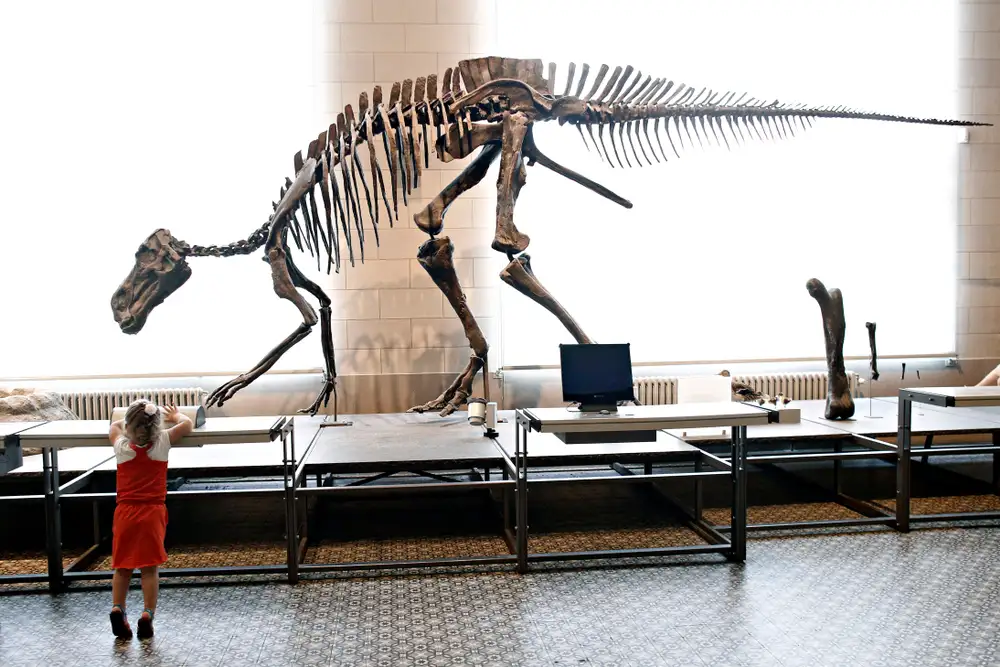
The Museum of Natural Sciences is probably most famous for its Bernissart Iguanodon Collection. These are some 30 fully intact Iguanodon skeletons, discovered in a Belgian coal mine in 1878. The skeletons were encrusted with pyrite (fool’s gold) and beautifully preserved. Not just one for the dino geeks, the Bernissart Iguanodons fascinate all who encounter them. This museum appeals to visitors of all ages and is one of the most well-regarded natural history museums in the world. The shell gallery, taxidermy displays, and humankind exhibition are just some of the must-sees here.
Read more
Located in the Leopold Quarter, Brussels’ European Parliament Buildings are remarkably transparent and open to visitors for free. If you want an in-depth education on the history and function of the European Union, this is the best place to acquire it. Scope out the ‘Parlamentarium’ which explains the formation and evolution of the EU, or enter the Hemicycle and get ringside seats to live debates and parliamentary action. If your thirst for European relations still isn’t sated, stop off at the House of European History. Dedicated to the political history of Europe, this museum will furnish you with a near-expert level of knowledge, certain to impress friends and family on your return home.
Read moreShow more
Optional Day Trips from Brussels
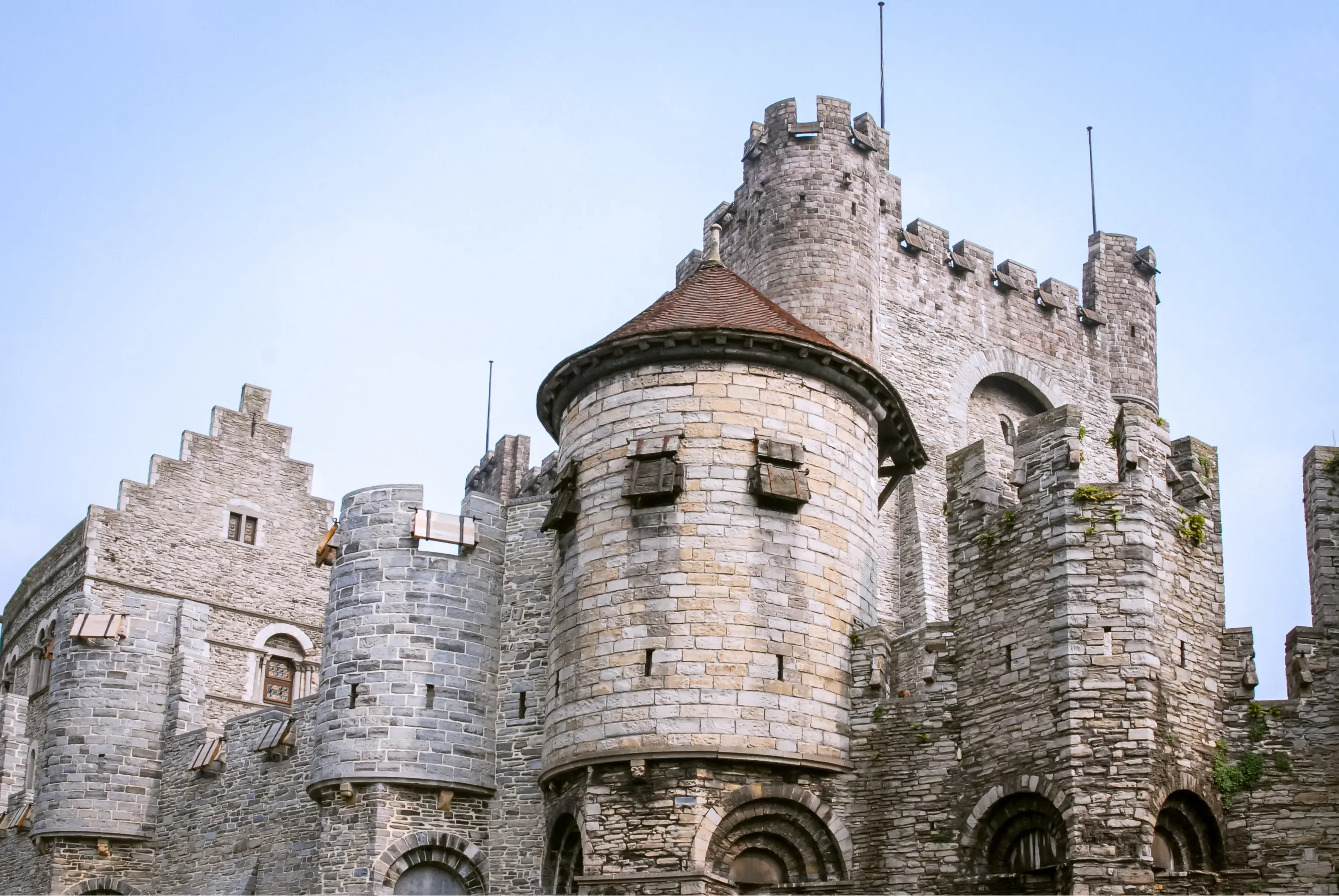
Ghent is a historical city where time never stopped. A web of canals, medieval red-brick houses, Romanesque and Late-Gothic architecture, inner-city Ghent has retained its old-world charm; however, young people from the nearby university inject the city with a youthful hum. A day in Ghent is easily planned. Explore Gravensteen, Ghent’s crumbling medieval castle, climb the town Belfry, or cast your eyes around Saint Bavo’s cathedral, home to Jan van Eyck’s ‘Adoration of the Sacred Lamb’. Otherwise known as the Ghent Altarpiece, this polyptych has been stolen no fewer than seven times, making it one of the most coveted works of art in Europe. Once you check out Ghent, you’ll soon understand why - you too might want to take a piece of the town away with you.
Read more
One of the most prized UNESCO heritage sites in Europe, old town Brugges is an essential stop as you make your way through Belgium. The name Brugges is likely derived from Old Dutch for 'bridge'; not surprising when you see the many canals that thread through the town. As you roam the quaint cobbled streets of the town, it's hard to believe 800 years have gone by. Gothic medieval remains in the city include the Market Hall, Belfry Tower, and Town Hall. The astounding Chapel of the Holy Blood contains the Chapel of St. Basil, and a gold casket reputed to hold a few drops of Christ's blood. Combined with the narrow brick canal houses, homely taverns, and moody waterways, Brugges has a dreamy, surreal atmosphere.
Read more
It's impossible to overstate the wealth that historically flowed through Antwerp. One of Europe's richest and most inventive cities, 16th-century Antwerp was central Europe's 'sugar capital', importing the substance by the bagful from Spain and Portugal. Combined with its diamond cutting and moneylending industries, Antwerp became a highly-cultured powerhouse. Visitors to Antwerp can still enjoy its bounty, in the persisting diamond district, which polishes the majority of rough-cut diamonds. For another kind of treasure, step inside the Cathedral of Our Lady, boasting four paintings by local art superstar, Peter Paul Rubens. Across town on Meir Shopping Street, Antwerp's fashion houses also call out for attention. A day in Antwerp is lavish, artsy, and absolutely Belgian.
Read more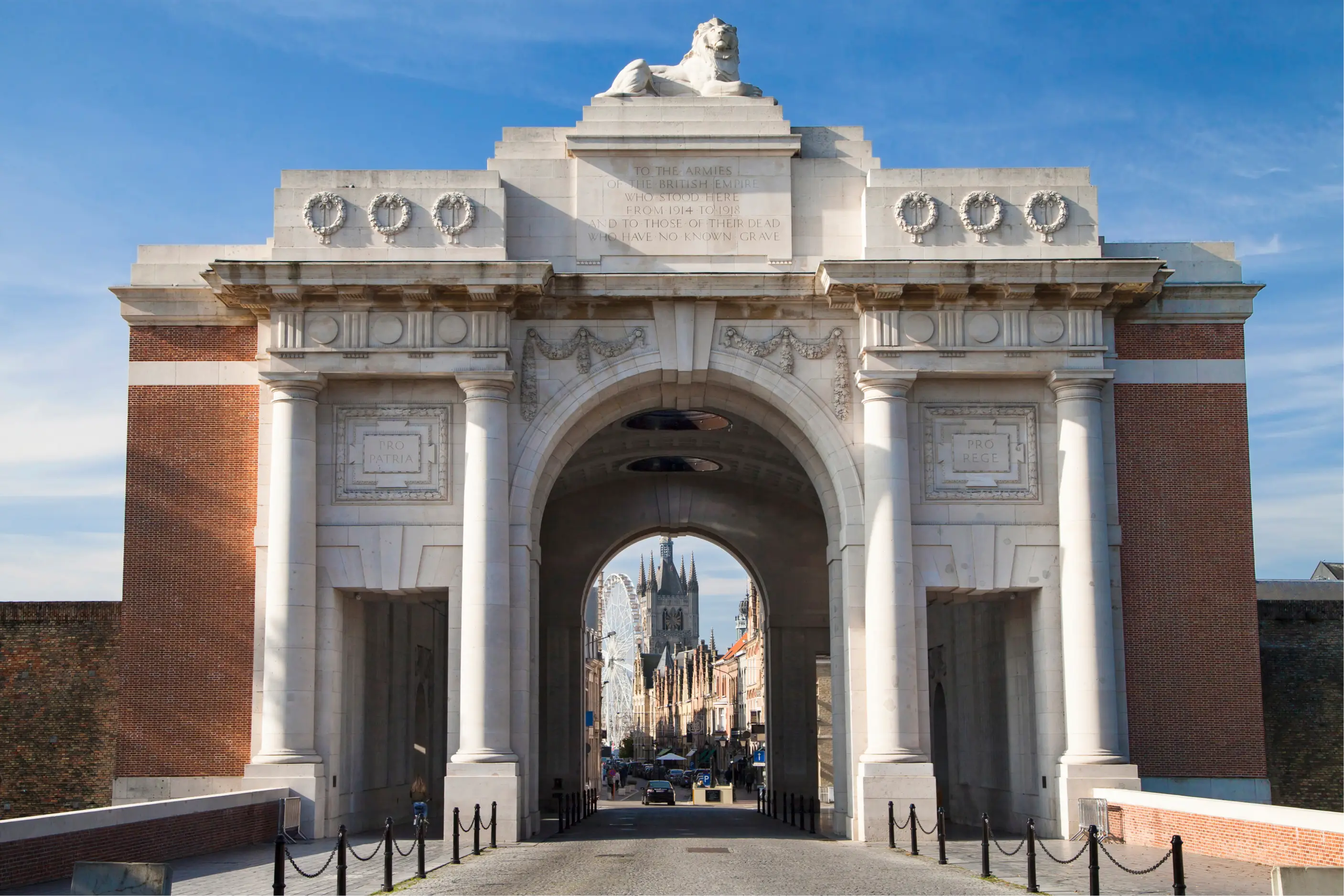
A trip to Ypres reveals a more somber aspect of Belgium’s history. WWI turned the fertile fields of the Belgian province of Flanders into a vast sea of mud, with grim battles played out within earshot of Brussels. The battlefields, numerous war graves, monuments, and WWI museums are now memorialized around Ypres. A guided tour of the infamous Ypres Salient or Passendale battlefields is a chance to understand better the traumatic events which occurred on the site. Alternatively, cycle around the fields before or after a visit to the magnificently restored medieval Cloth Hall in Ypres, which now houses the fascinating In Flanders Field Museum. If you visit Ypres between May and August, you may even see red poppies blooming, the flower which became the symbol of WWI’s fallen. Take a guided tour of the infamous Ypres Salient or Passendale battlefields, or cycle around them before or after a visit to the magnificently restored medieval Cloth Hall in Ypres, which now houses the fascinating In Flanders Field Museum.
Read more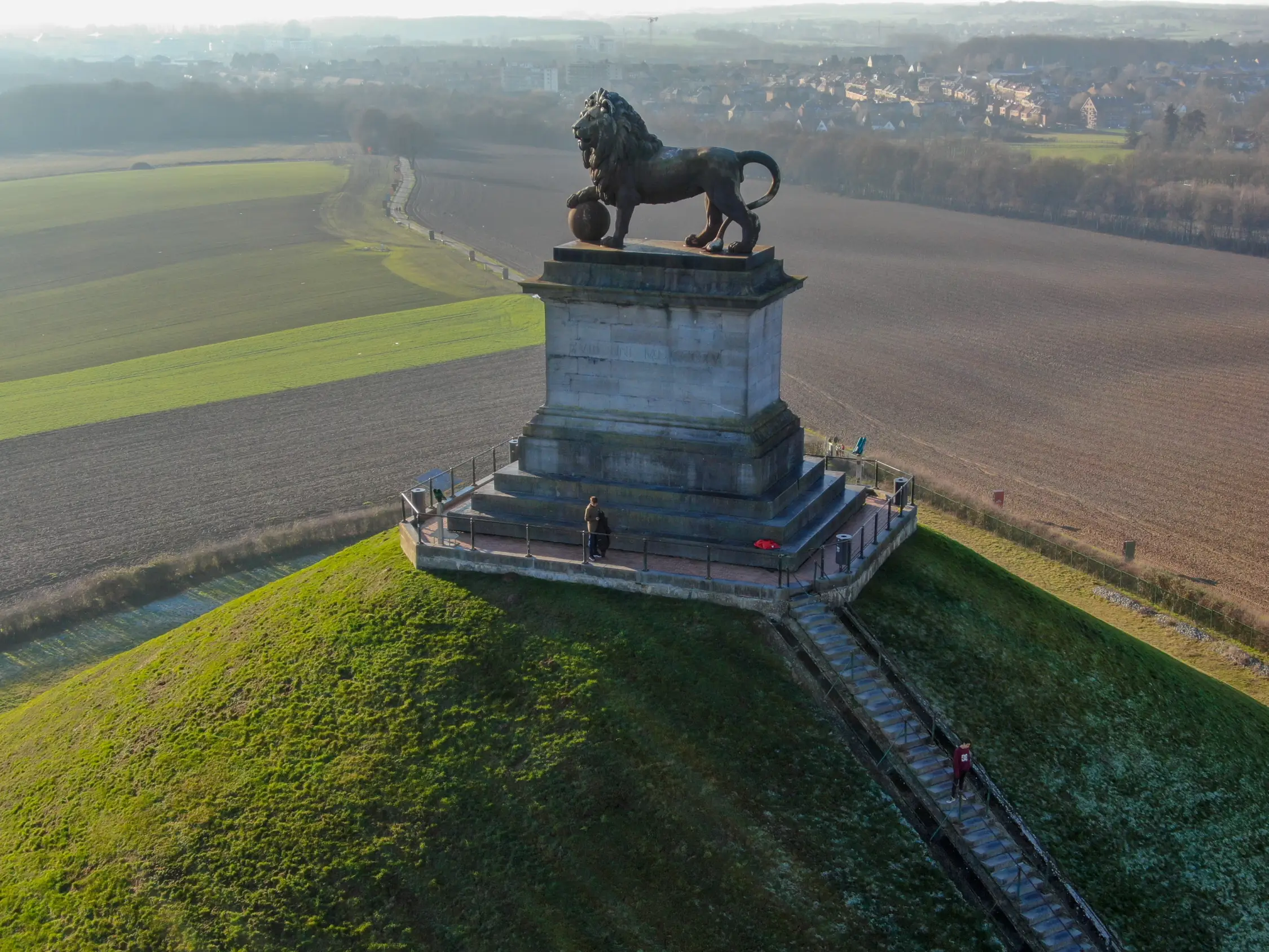
"My, my, at Waterloo Napoleon did surrender!" Thanks to the attention of well-known Napoleonic War historians Björn & Benny, Agnetha & Anni-Frid (collectively known as Abba), most of the post-1970s generation labors under the apprehension that Napoleon threw in the towel on the battlefield of Waterloo, following his defeat to the Duke of Wellington Marshall and Marshal Blücher. The truth is the Battle of Waterloo is far more dramatic than even the Abba song makes it sound. A visit to the Wellington Museum in Waterloo and the brilliantly evocative museum at the 1815 Memorial will open your eyes to this landmark battle of the Napoleonic Wars.
Read moreShow more
Create a custom trip
plan for Brussels


Travelling made easy:
- ✓ 100% customizable trip
- ✓ On-trip support, around the clock
- ✓ Local travel expertise
Trips Plans Including Brussels



14 Days

14 Days
Featured Blogs


Your custom trip package includes

A day to day itinerary

Centrally located hotels

Door to door transportation
Self-guided & private tours
Create Your Perfect Trip in Minutes
Discover A Better Way To Travel.
Once you Go Real, you’ll never go back to ordinary travel.
Hi! Need help planning your dream trip? 🌍