



Aix en Provence Travel Guide
- Country
- France
- Currency
- Euro (€)
- Average high temperature
Daily highs averaged over 2015–2024, from Open-Meteo Jan Feb Mar Apr May Jun Jul Aug Sep Oct Nov Dec 11° 12° 15° 18° 22° 28° 31° 31° 25° 21° 15° 12°
Aix en Provence is a warm city baked into the Provence-Alpes-Côte region of Southern France. Often referred to as simply ‘Aix’, this city is a starting point for traveling the Provencal region. Aix is set amongst a backdrop of rambling vineyards, quaint villages, and the imposing Sainte-Victoire mountain range. It’s no surprise that artists like Cézanne have devoted lifetimes to painting this landscape. Aromatic lavender fields in the north blossom once a year with a scent that defines the French countryside. Head south and you’ll find the rocky Mediterranean shore with dramatic Calanques cliffs and clear blue waters.
In the midst of all this beauty, the city of Aix itself is very easy on the eye. Roman and medieval architecture give the center of town a crumbling old-world appeal. Settled by Ancient Greeks, who planted the area with grapevines and olives, Aix has its literal roots in the classical world. When the Romans arrived in the 1st century, they were so besotted by the town that they crowned it a regional capital. They were also the first people to build the many fountains that still bubble throughout the town. In fact, Aix is known as the City of a Thousand Fountains. As you explore the narrow, winding streets, you’ll hear the soothing sound of trickling water.
Residents of Aix pass their days sipping rosé or coffee on cafe terraces and basking in the Provencal sun. It’s all too easy to join them. The locals here are friendly and quick to help you find your way or to sit around and chat about life in their beguiling little town. Don’t be surprised if you’re offered a sample of homemade aioli or tapenade, spread over a crusty baguette. Provence is a region of many delicacies and specialties, and people here love nothing more than to show them off. At the city’s lively marketplaces you’ll find everything from luxurious textiles to artisan soaps, heavy with the fragrance of lavender.
Whether you are cycling around the Luberon Villages, trying the local Rosé wines, or just soaking up the breathtaking landscapes of the countryside, it is not hard to fall in love with Aix-en-Provence and its sunny ‘c’est la vie’ philosophy. This mellow city has everything you could ask from a French vacation.
Must-See Attractions in Aix en Provence

Cours Mirabeau
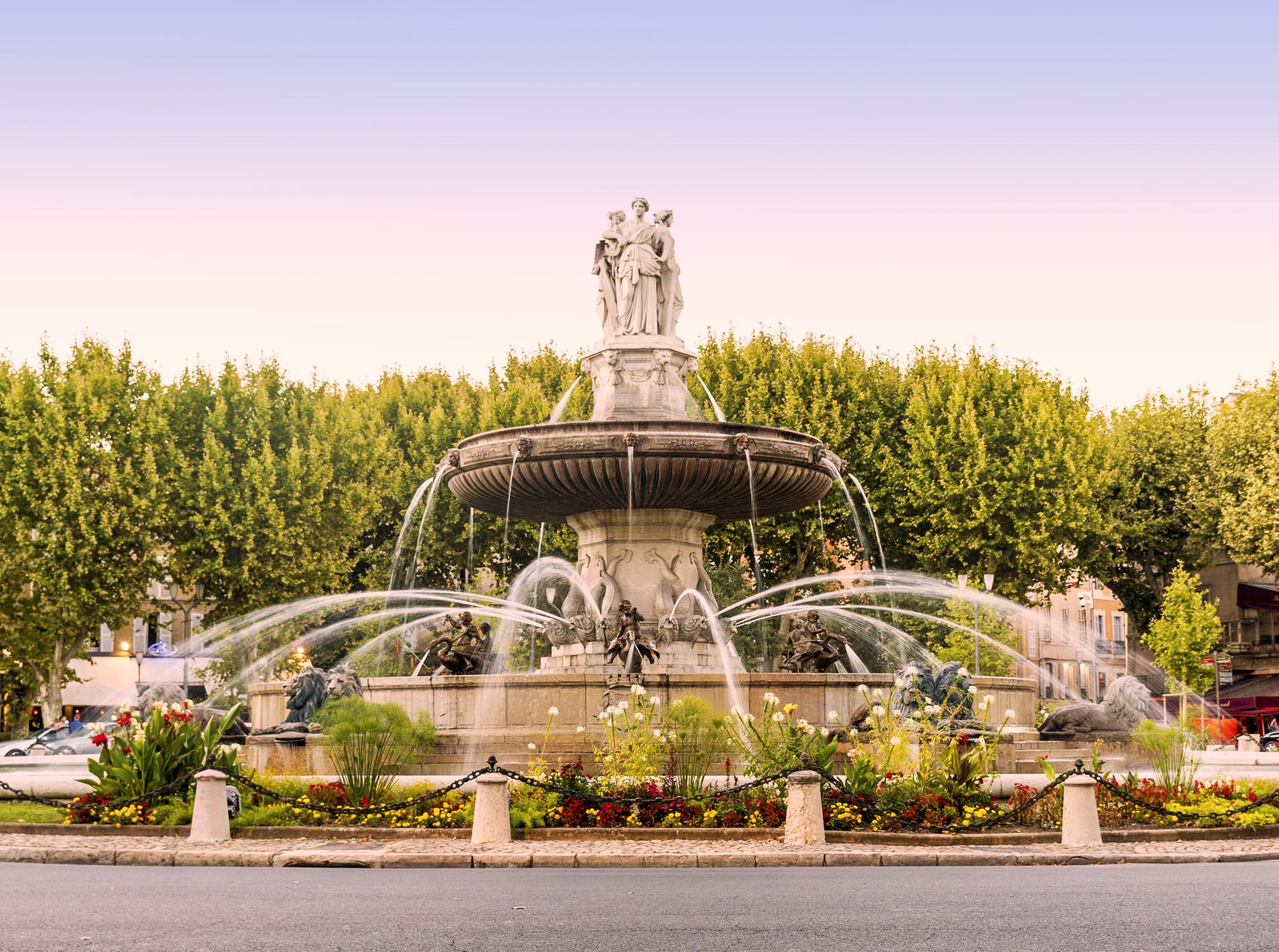
Cours Mirabeau is one of the liveliest boulevards in Aix en Provence. Originally this grand avenue was built when the city was enlarged in the 17th century when bourgeois home-owners wanted a road for carriages and pedestrians. The former luxury mansions that once wrapped around the entire block now hold chic cafes and swanky shops. Lush trees and moss-covered fountains complete the picture. Of all the streets in Aix, this is the place to see and be seen. Beginning at the Fontaine de la Rotonde, the Aix’s show-stopping fountain, you can stroll beneath the trees while admiring the marvelous architecture around you. Sip espresso on a terrace or a glass of local wine in between shopping for luxurious scarves or bargaining on antiques.
Read more

Lavender Fields
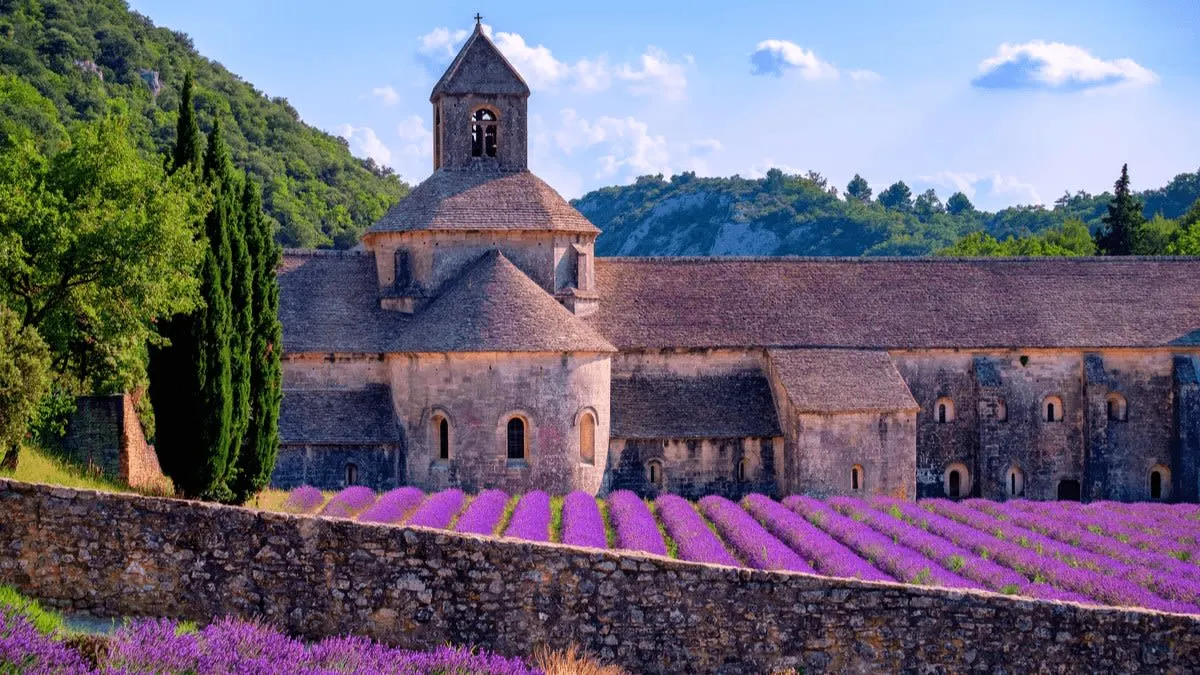
Once a year in June and July, the fields outside Aix-en-Provence bloom with picture-perfect lavender flowers. Provencal lavender is used for many purposes, including herbal remedies, perfumes, and most recently, Instagram fodder. Located just a short drive outside of Aix, they are a must-see if you visit during this season. When you stand in the middle of a lavender farm, it is purple for as far as your eyes can see, and you are engulfed in the delicate fragrances of this Provencal flower. Especially at sunset, the lavender fields make the perfect backdrop for a romantic couple’s photoshoot, or simply provide a calming moment during a hectic itinerary. If you are a photographer, this one should be at the top of your hit list.
Read more
Cezanne's Studio
The artist Paul Cézanne was born, lived, and ultimately died in Aix-en-Provence, and the Provencal landscape is prevalent throughout his paintings. Although Cézanne’s art was misunderstood and discredited for most of his life, he is now recognized as one of the most important 19th-century painters. Especially for his work in the movement of Cubism, Cézanne now is widely regarded as a genius. Cézanne’s studio in Aix has been preserved exactly the way it was when he died. On a visit, you can bask in the sun of the warm and brightly lit room that the artist used every day for the last four years of his life. You can practically feel Cézanne’s presence in this space, where his still life models, easels, and pallets still remain.
Read more
Luberon Villages
As you make your way across the hilly landscape of Luberon, you can’t miss its little villages of Gordes, Roussillon, Lacoste, and Bonnieux. The houses and churches here seem to be carved into the very mountainsides. Built over 1000 years ago, these small villages retain an ancient, old-world feel. Although they are inhabited, it is like modern development passed these places by. At each village, you can linger in cafes and shops, purchase artisan specialties and learn about local Provencal life. Taste the wines from the surrounding vineyards while you gaze upon the dreamy vistas around you. If you find an especially good perch, it can be an ideal place to stay and take in the sunset.
Read more
Aix-en-Provence Markets
Food, flowers, craftwork and old books… Aix-en-Provence's markets are a feast for the senses. Whether you are visiting during the lavender harvest, or the Christmas markets in December, there are always local delicacies and crafts on offer, reflecting the seasons. Taste the abundance of produce and specialties at the daily market on Place Richelme. Or try some new clothes and hunt down a great bargain at the town’s largest weekly flea market. Here you can also browse a large book and antique section. It is nearly impossible to not find some quirky knick-knack or tchotchke around the many stalls.
Read more
Paroisse Cathédrale Saint Sauveur
Rumored to be built on the base of an ancient Roman temple, Aix’s premier cathedral took 13 centuries to build. This lead to a variety of architectural styles as Saint Sauveur slowly upgraded over the years. To the south, the 12th-century Romanesque gate meets a Roman wall. To the north, a bell tower constructed between 1323 and 1425 looms over a richly carved Gothic gate from the 15th century. Inside, the cathedral's elegant interior evokes peace and tranquility. If you’re lucky, you’ll hear music from the stunning green and gold organ while you behold the nave. The octagonal baptismal font rests on a stand dating back to the 5th century. Saint Sauveur will leave you with a new reverence for Aix-en-Provence’s history.
Read moreOptional Day Trips from Aix en Provence

Côtes de Provence
Côtes de Provence is characterized by its stunning mountain and seaside scenery. Aside from the breathtaking views, some of the most world-renowned wines are grown in three main areas of this region, with the vineyards covering over 50,000 acres of land. While most famous for rose wines, you won’t be hard-pressed to source fine reds and whites as well. A guided wine tour of the quaint villages that are home to the many cellars and vineyards, is the best way to experience Côtes de Provence. Learn about the history of the vineyards and the winemaking process as you sample some of the finest wines that the region has to offer.
Read more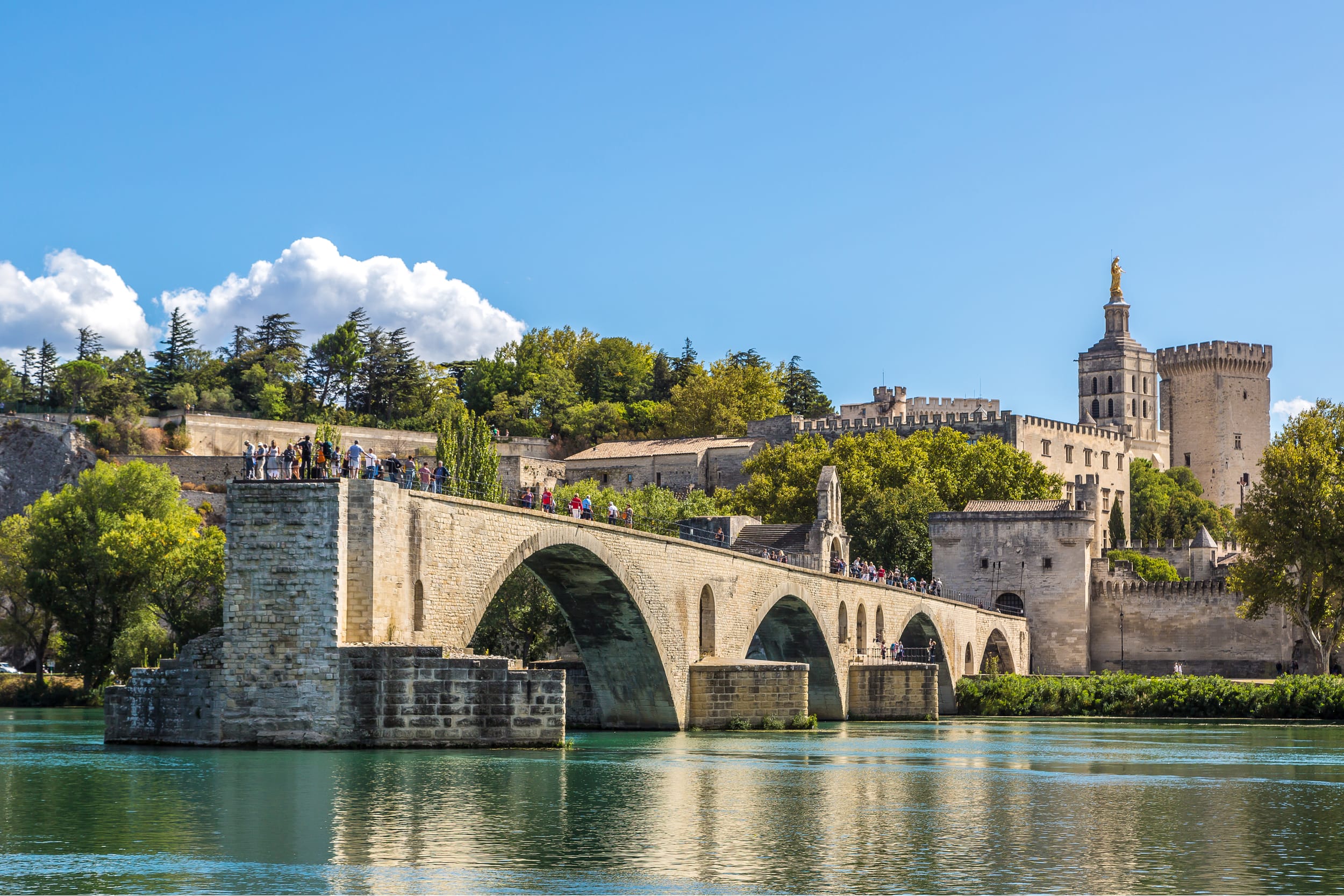
Avignon
Avignon reached historical importance back in the 14th century for becoming the home of the pope outside of Rome. It remained the sole capital of the church until 1377 and one of the residences of the papacy during the Great Schism when popes ruled in Avignon and Rome. All around the city are remnants of a past life, from the old city walls to the Pope’s palace. Stroll the ancient cobbled stones until you reach Pont d’Avignon, the town’s bridge that only extends halfway into the Rhone river. Visit one of the city’s many museums or rest up at one of the many modern bars and cafes. Or simply relax and unwind in Avignon’s enchanting Jardin des Doms.
Read more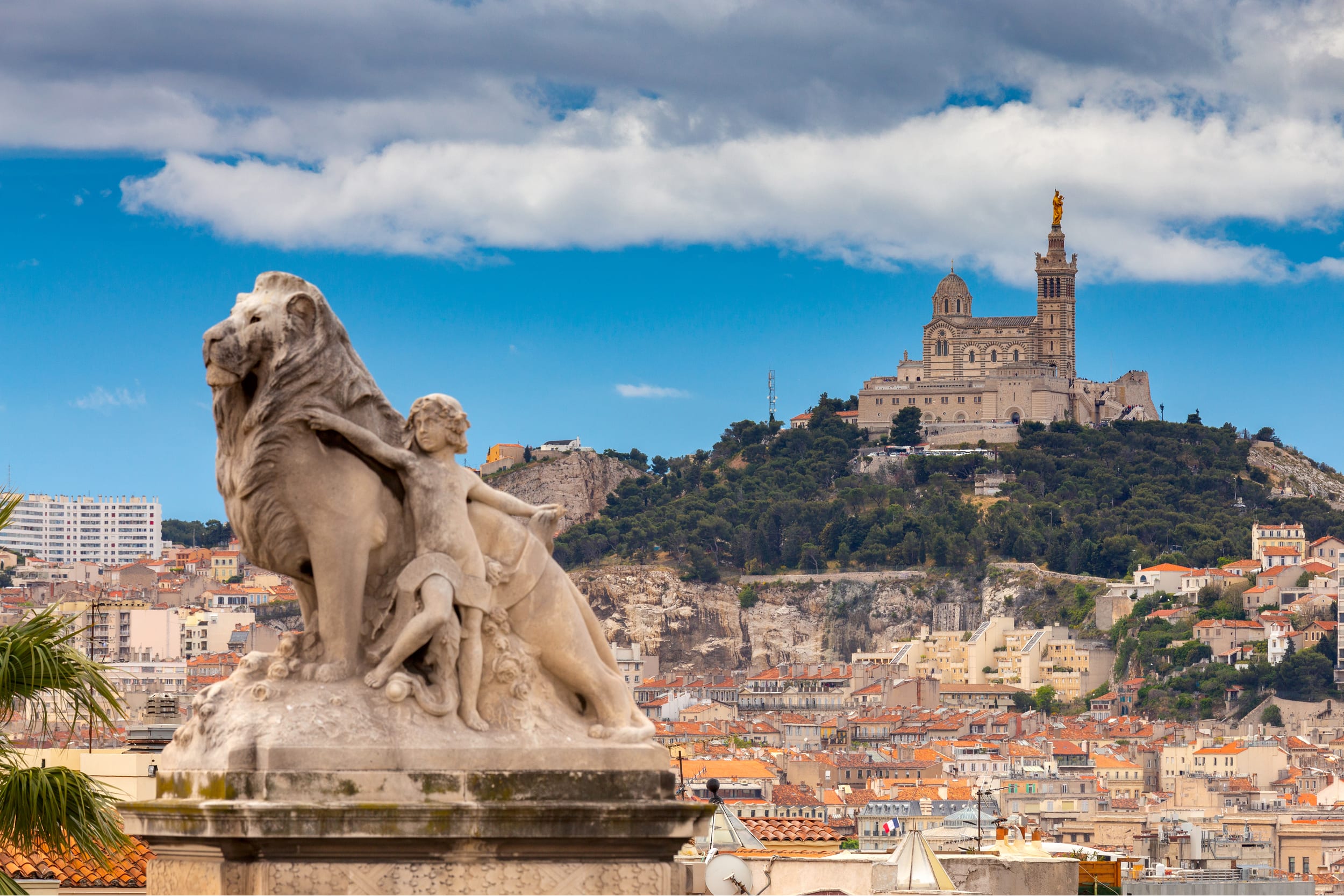
Marseille
As a port city in Provence, it’s no surprise that Marseille is way edgier than the charming villages and country towns the region is known for. It’s also the second-largest city in France, which is why there’s plenty of culture, history, and art to explore within the center. From landmark museums and basilicas to bustling seaports and hidden coves, this Mediterranean gem will keep all your senses entertained. Throughout history, Vieux Port has been the city’s bustling hub, as it was once an important stop along the maritime trade route. Today, it draws in tourists and locals who wish to sample the seafood, sip wine on one of the many terraces surrounding the port, or take a boat trip out to the Calanques. If you’re looking for some world-class museums, discover the history of Mediterranean civilization at MuCeum, the Greek and Roman ruins at the Marseille History Museum, or trek up to the city’s Notre Dame de la Garde at the highest point in the city.
Read moreYour trip, your way
Plan a Trip Including Aix en Provence
Create a personalized itinerary fully tailored to your needs, preferences, and travel style.
Pairs beautifully with (optional)
Add other destinations in the next step
100% customizable No commitment
Explore popular Aix en Provence trips
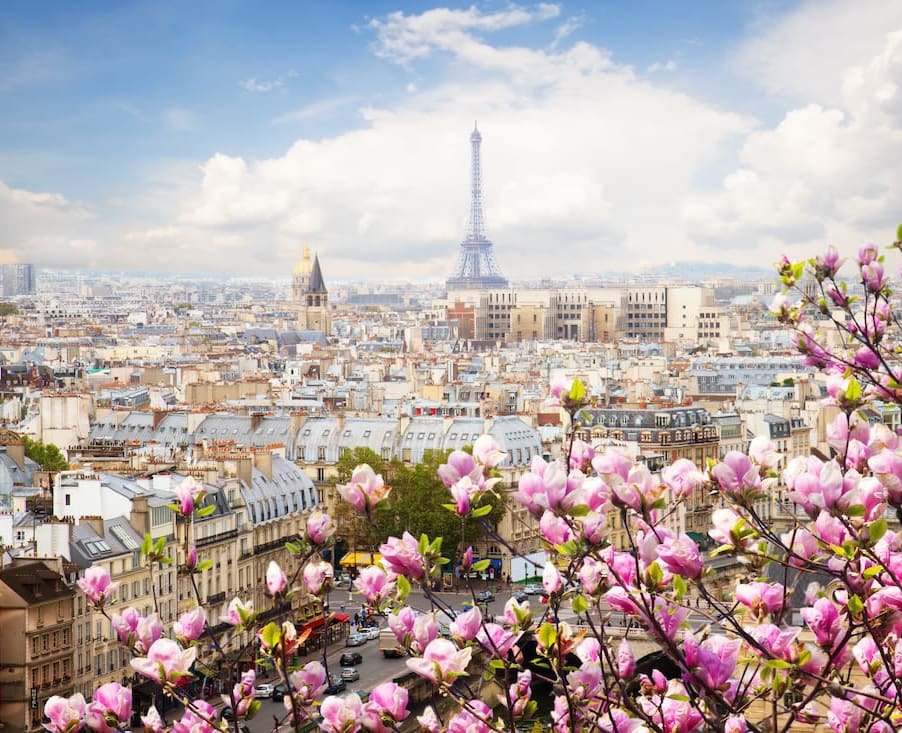 Family-Friendly France TripParis, Bayeux, Rennes & Aix en Provence
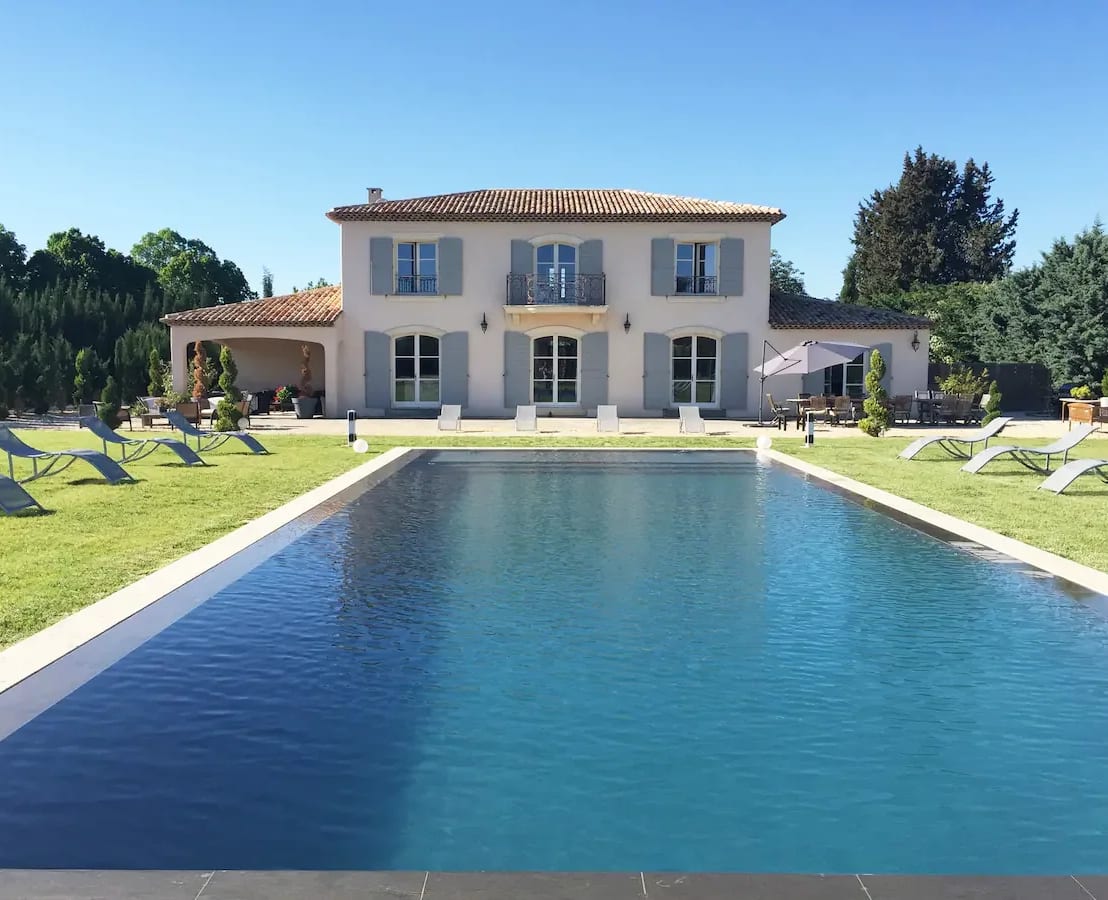 Provence’s Charming Escape TripAix en Provence
Trip Plans Including Aix en Provence
Proven routes our travelers love. Every trip is fully customizable.
15 Days


8 Days
15 Days
8 Days
15 Days
8 Days
What Travelers Say About Go Real Travel
Our latest reviews from across all trips on Trustpilot.
Your Custom Trip Package Includes

A Day to Day Itinerary

Centrally Located Hotels

Door to Door Transportation
Self-Guided & Private Tours
Pair Aix en Provence with

























Your Custom Trip Package Includes
A Day to Day Itinerary
Centrally Located Hotels
Door to Door Transportation
Self-Guided & Private Tours
Featured Blogs




Create Your Perfect Trip in Minutes
Discover A Better Way To Travel.
Once you Go Real, you’ll never go back to ordinary travel.