

Kuala Lumpur Travel Guide
- Country
- Malaysia
- Currency
- Malaysian ringgit (RM)
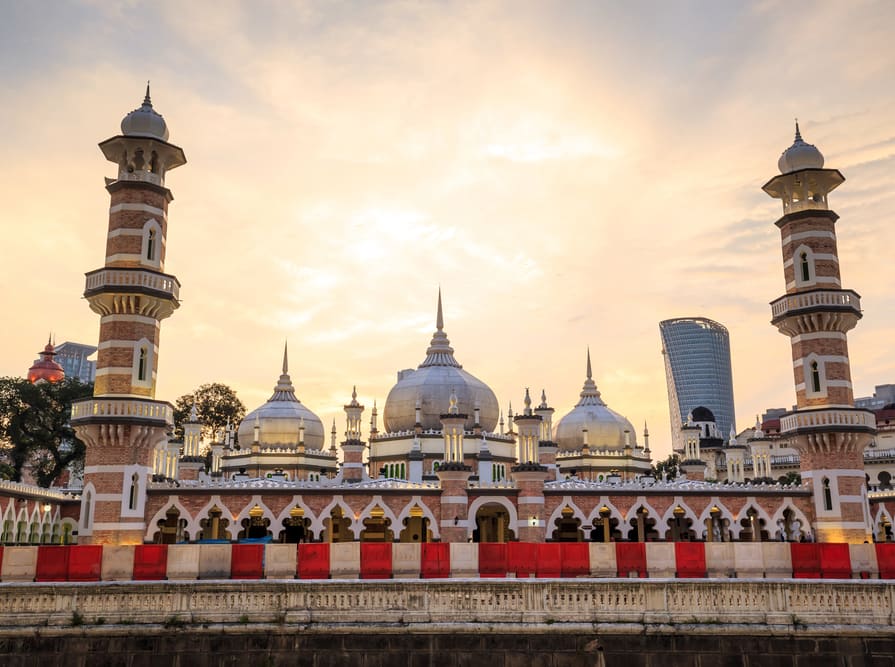
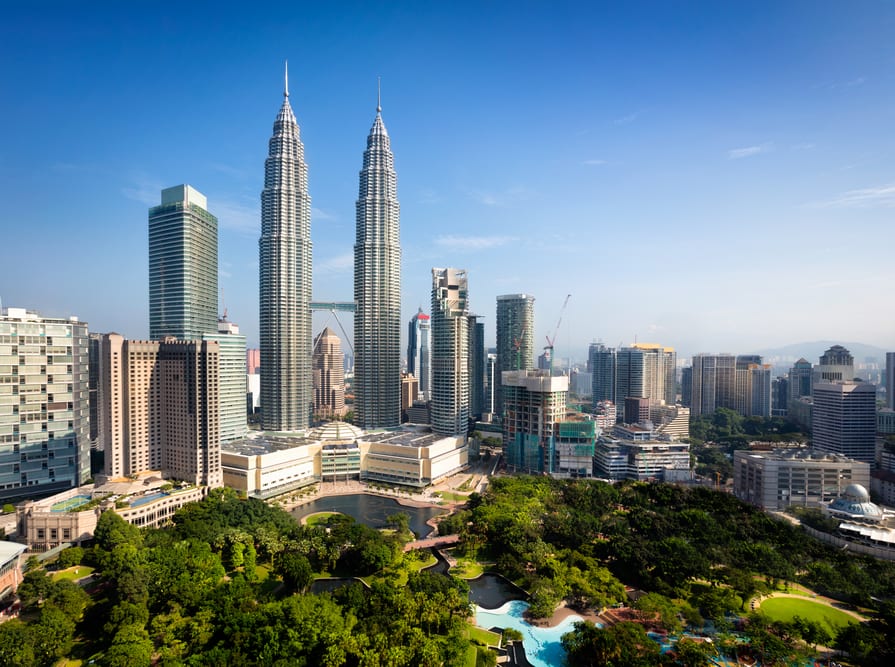
Kuala Lumpur, the capital of Malaysia, is a charming, multifaceted city where Chinese, Malay and Indian ethnic groups live together in solidarity. This ethnic makeup makes Kuala Lumpur so unique as there are a number of culturally enriching experiences on offer from all three backgrounds. You can indulge your taste buds at some of the local food markets and restaurants offering a vast selection of delicacies from Chinese, Indian and Malay cuisine, explore the incense-charged Hindu, Buddhist and Taoist temples in Chinatown and check out one of the eloquently decorated Islamic mosques dotted around the city. Meanwhile, there are countless museums showcasing Kuala Lumpur’s broad history from when it was fought over by the British, Dutch and Portuguese. The colonial period has led to signs and labels being in English all over the city, reflecting its status as the second language and it's this, along with its ever-expanding public transport network that makes it an extremely easy city to navigate.
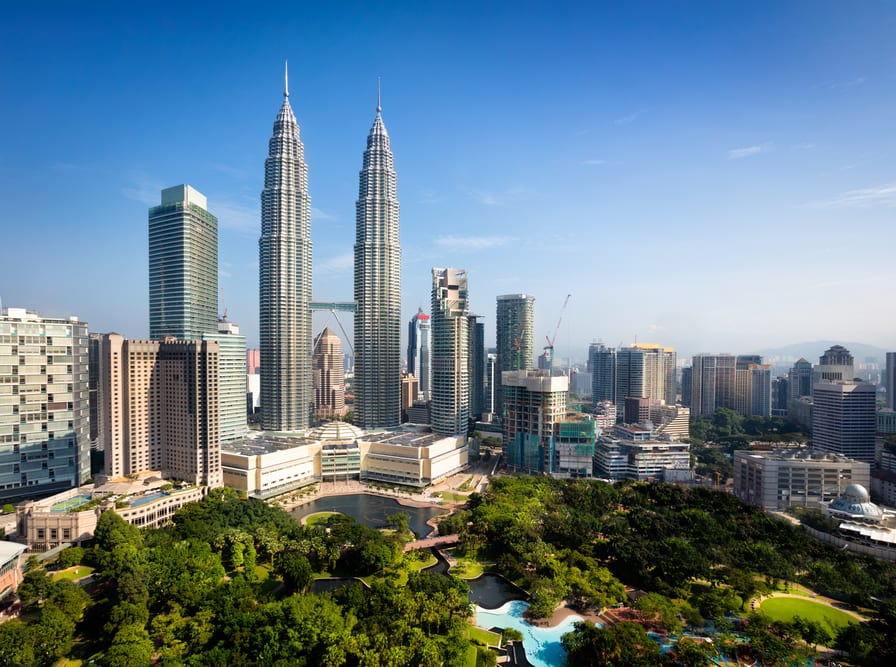
It comes as no surprise that Kuala Lumpur is known as the 'Garden City of Lights' - there are a number of recreational parks that house wildlife in the form of birds, butterflies and deer, as well as thousands of species of tropical plants. The parks provide a green lung to a bustling city that comes to life even more after dark - it’s vividly lit high rise skyscrapers provide the perfect backdrop to its vibrant night-life. And it is at night where you can really see the tallest twin towers in the world, the Petronas Towers, standing in all their glory dominating the skyline like two rockets of glass and steel. Along with its ever prominent neighbour, the KL Tower, they proudly overlook the business district - a representation of the dazzling economic success of Malaysia. Inspired by the architecture of traditional Asian Islam, skyscrapers like these are commonplace in Kuala Lumpur.
Beyond this district of prosperity lies the immense agglomeration of Kuala Lumpur, nourished by the idea of development where skyscrapers grow like mushrooms. Year on year, entire neighbourhoods rise from the ground, paths turn into avenues and avenues into highways. Kuala Lumpur or KL (as it is known) is a constantly expanding capital. Despite this, it still retains its vast history; there are still grandiloquent monuments of the colonial era, magnified by a Mughal or Moorish touch.
Must-See Attractions in Kuala Lumpur
Petronas Towers
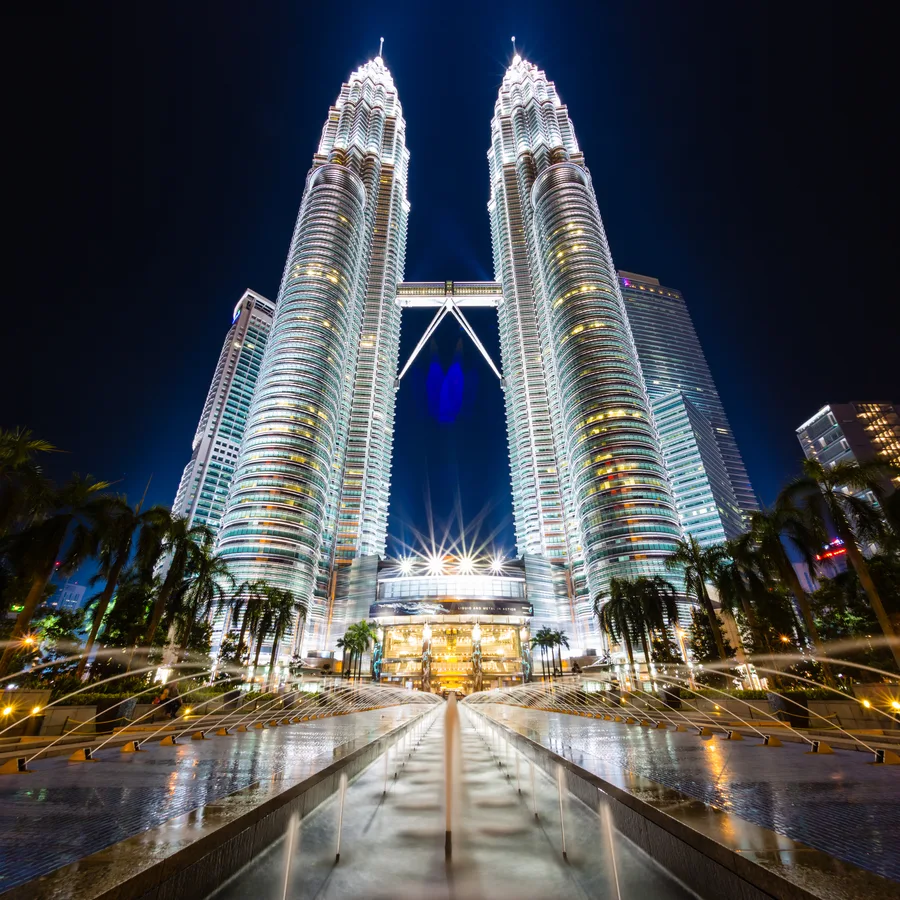
Since their inauguration in 1996, the Petronas Towers stand proudly in Kuala Lumpur's business district as the tallest twin towers in the world. They are the most obvious and dominant landmark in Kuala Lumpur - a true representation of Malaysia's economic success. Measuring 452 metres high and providing unsurpassed views of the city, they adorn the tropical sky like two rockets of glass and steel. The challenge to build a set of twin towers as a 21st-century icon for Malaysia was given to Argentine architect Cesar Pelli who went with a distinctive postmodern design reflecting Islam, the national religion of Malaysia. The contract was given to South Korean and Japanese companies who only took 6 years to complete the build. Today, the towers provide office space to a number of global companies as well as housing a shopping mall and a philharmonic hall.
Read more
Perdana Botanical Gardens
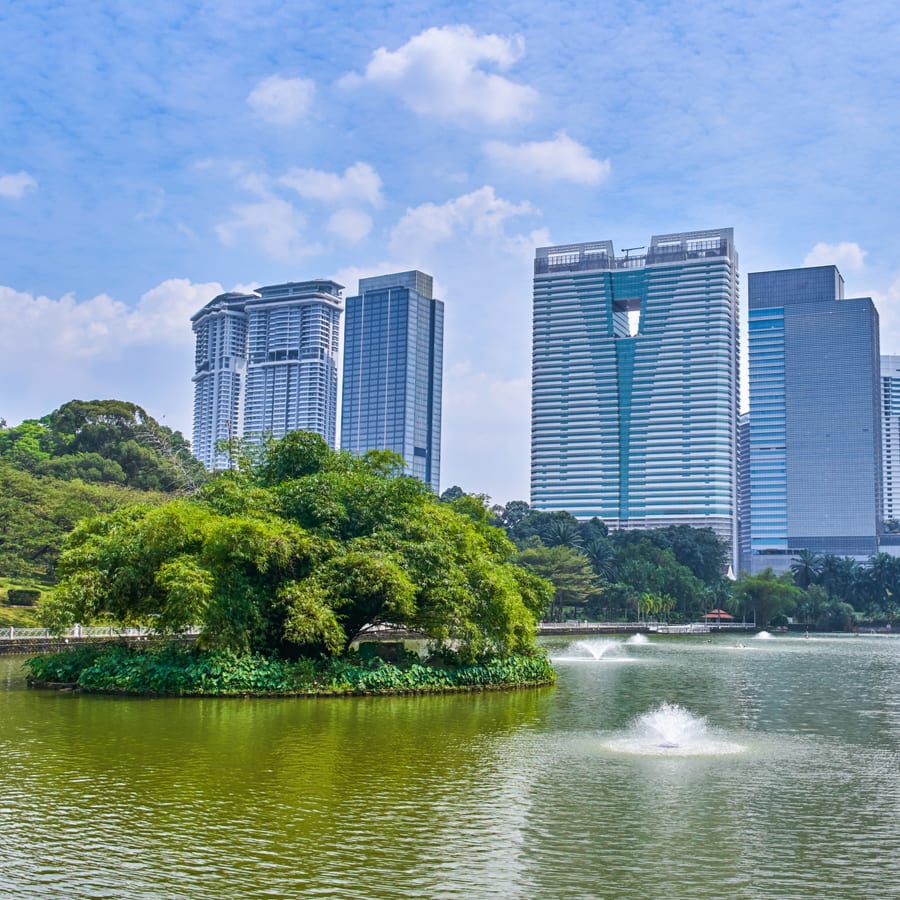
Opened in 1888, Kuala Lumpur's Perdana Botanical Gardens, better known by their former name "Perdana Lake Gardens", is the first large-scale and arguably the most popular recreational park in Kuala Lumpur. Located on the edge of the city, it was here that the British elite built their elegant mansions during the colonial era. Today, landscaped hills and beautiful trails are enjoyed by joggers and early morning Tai Chi enthusiasts. The main attraction of the park lies with the artificial lake, which is surrounded by lush vegetation on a surface of 92 hectares and offers a refreshing atmosphere. Stroll among the aviaries of the bird and butterfly park or roam through the beautiful hibiscus and orchid gardens or explore the planets and Malaysia's vast history at one of the museums on site. An utterly idyllic spot to enjoy some peace and shade.
Read more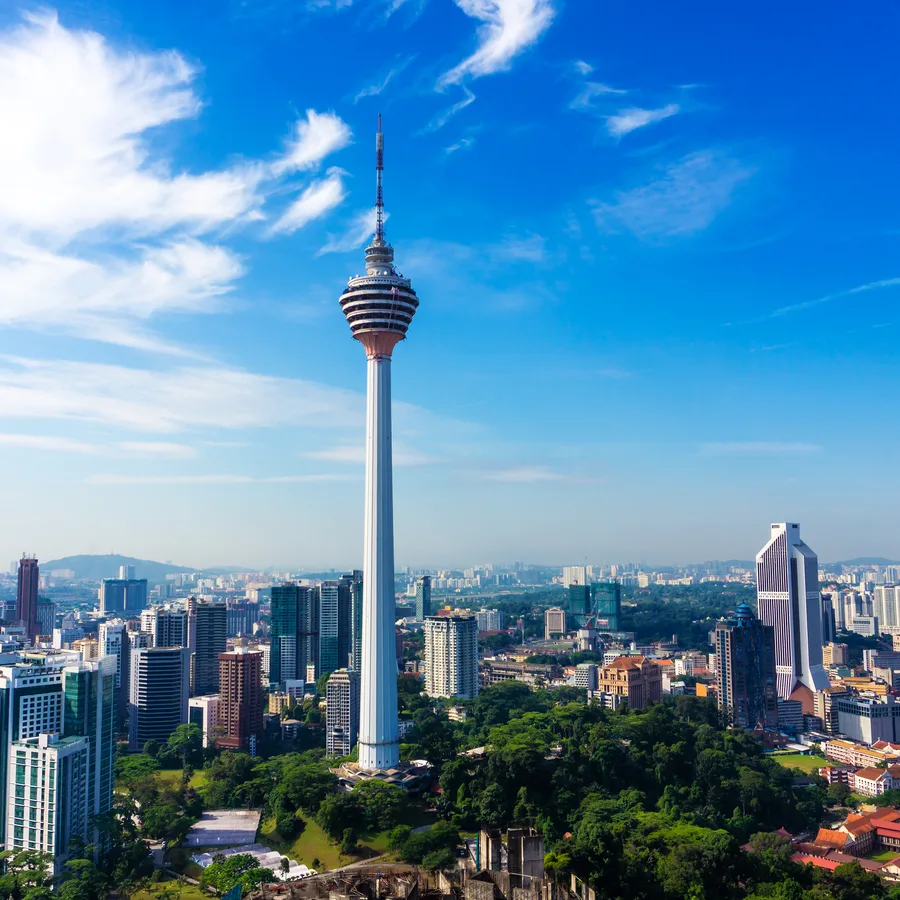
KL Tower
The KL tower, also known as Menara Kuala Lumpur, is the highest point in and around Kuala Lumpur. The tower sits on a hill, making it appear taller than the city's famous Petronas Towers; KL Tower measures 1,381 feet (421 meters) high while the Petronas Towers measures 1,483 feet (452 meters). It's easy to get to and is surrounded by the beautiful canopies of the Eco-Park as well as other attractions including an upside-down house, aquarium and petting zoo. The revolving Atmosphere 360 restaurant up at the top of the tower provides fantastic panoramic views of the city while you indulge yourself in some fine dining. Enjoy the scenic landscape of KL at two different levels; the Sky Deck - an open-air platform at the very top with its very own stomach-churning skybox, as well as the cheaper Observation Deck which provides some cover for the less adventurous sorts.
Read more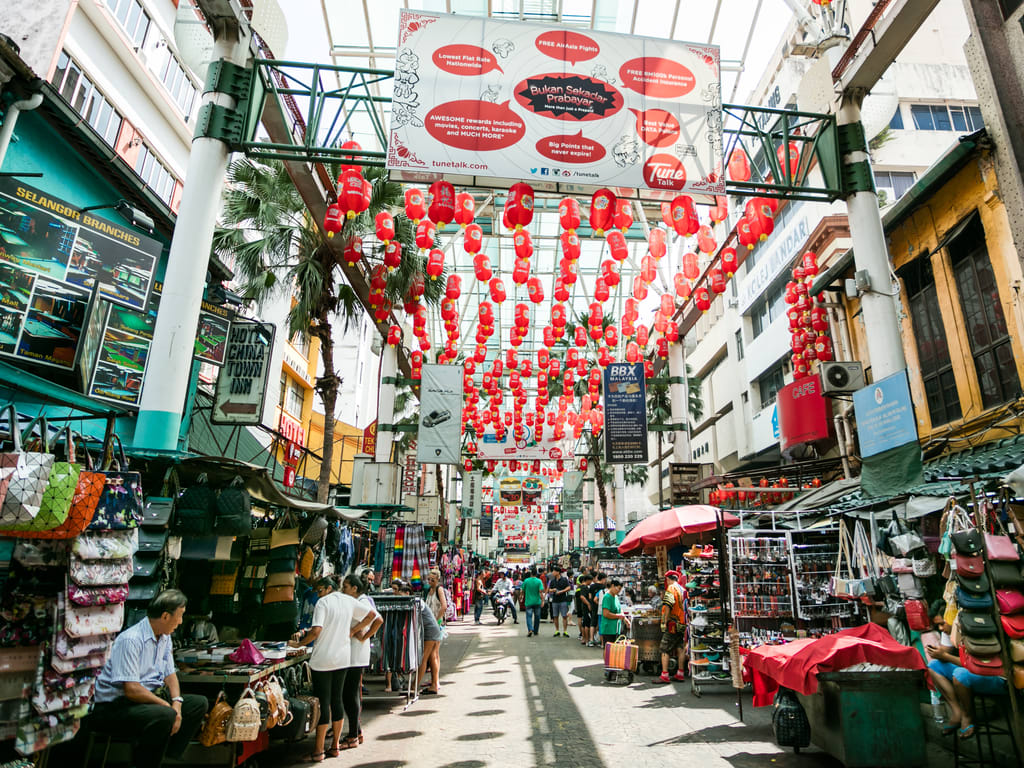
Chinatown
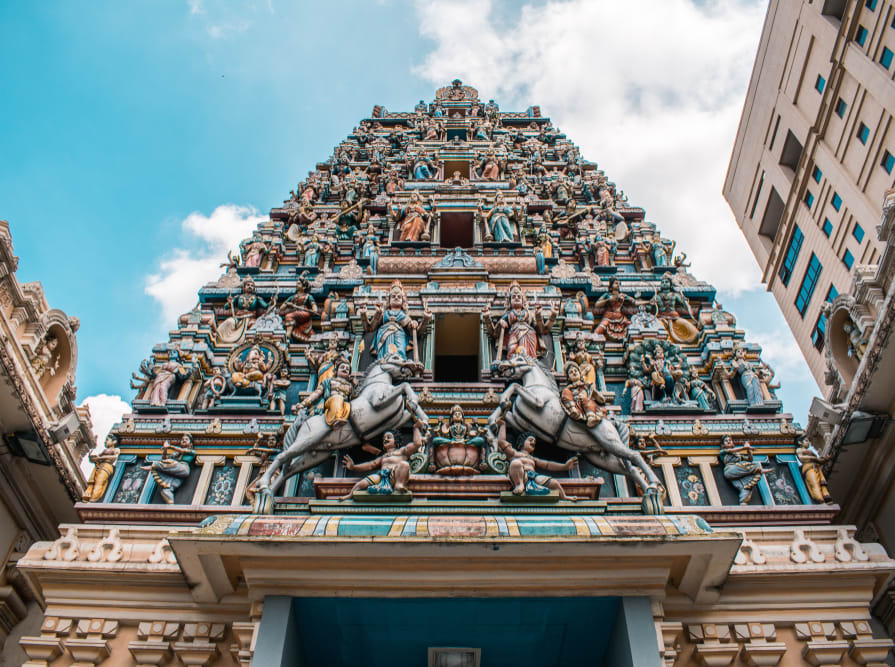
The Chinese make up 25% of Malaysia's multicultural population and it comes as no surprise that Chinatown is one of Kuala Lumpur's most popular visitor attractions due to its historic temples, shophouses, food centres, markets, restaurants and nightlife. Explore the heart of Kuala Lumpur's Oriental culture, heritage and history on our Chinatown walking tour, taking in the busy tourist areas of Petaling Street, Central Market as well as the beautiful temples that adorn the area including the serene Guan Yin Temple, and the beautifully decorated Sri Mahamariamman Temple. You'll also get to try some of the world's best Chinese and Malay food along Madras Lane and Petaling Street.
Read moreOptional Day Trips from Kuala Lumpur
Cameron Highlands
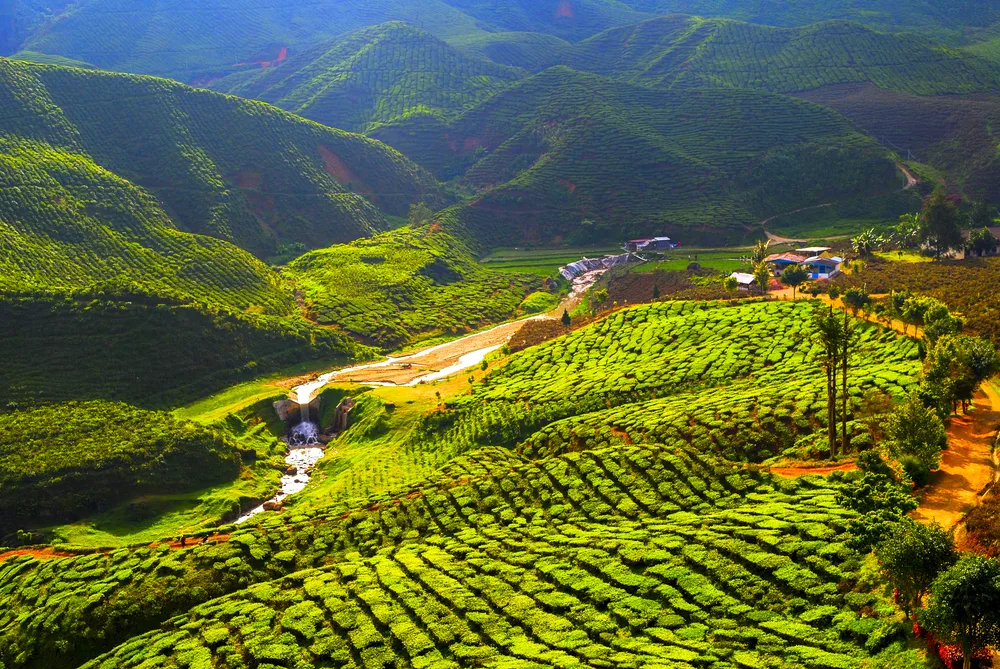
The Cameron Highlands were named after William Cameron, a British surveyor who stumbled across the plateau in 1885 during a mapping expedition. Located about 1500m above sea level, it is one of the most popular highland retreats in Malaysia and has a charm of its own with its Tudor architecture style buildings and tea plantations that provide greenery and breathtaking scenery. On the excursion, enjoy the old favourite English pastime of having afternoon tea and scones with Devonshire cream. Being a primarily agricultural domain, you will find an abundance of vegetable, flower and fruit farms in the highlands where three main townships at different elevations can be explored; Ringlet, Tanah Rata and Brinchang.
Read more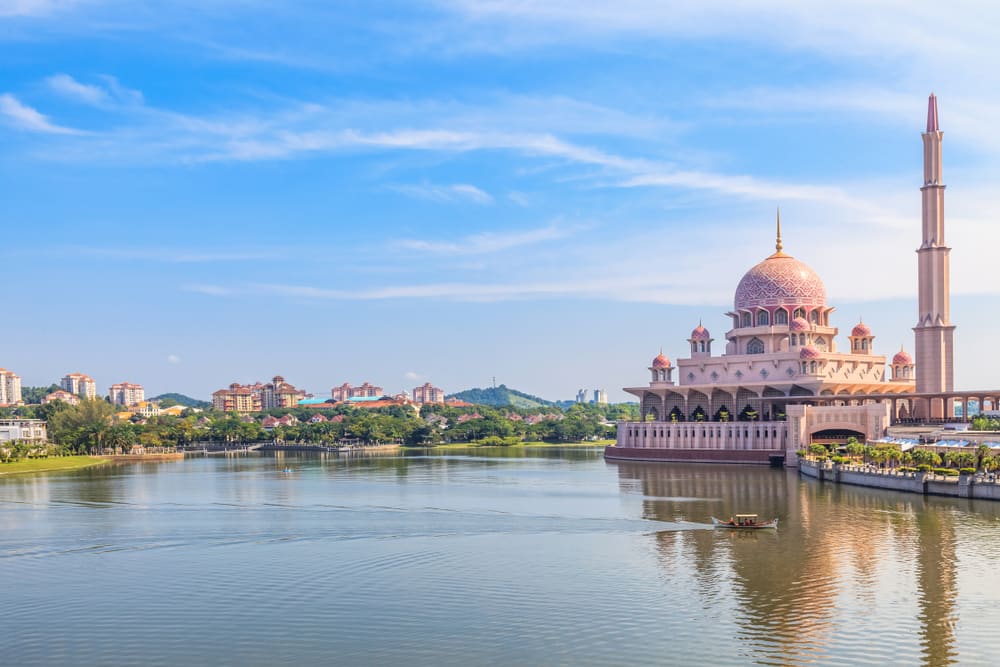
Putrajaya
The journey from Kuala Lumpur to Putrajaya takes around 50 minutes via highway. Among the attractions in Putrajaya is Taman Warisan or Agricultural Heritage Park which is a 'living' museum of mango, rubber, cocoa, palm oil, durian, jackfruit, herbs etc. You will end up at the grandiose Putrajaya Government Centre, a new township which houses numerous new government complexes, with the most imposing structure being the pinkish Putra Mosque that faces the charming Putrajaya Lake. It incorporates architectural elements from Turkestan, Kazakhstan and Morocco. Another eye-catching building is the unmissable Prime Minister’s office – Putra Perdana, its construction having been inspired by Malay, Islamic and European cultures as such Palladian and Neoclassicism.
Read more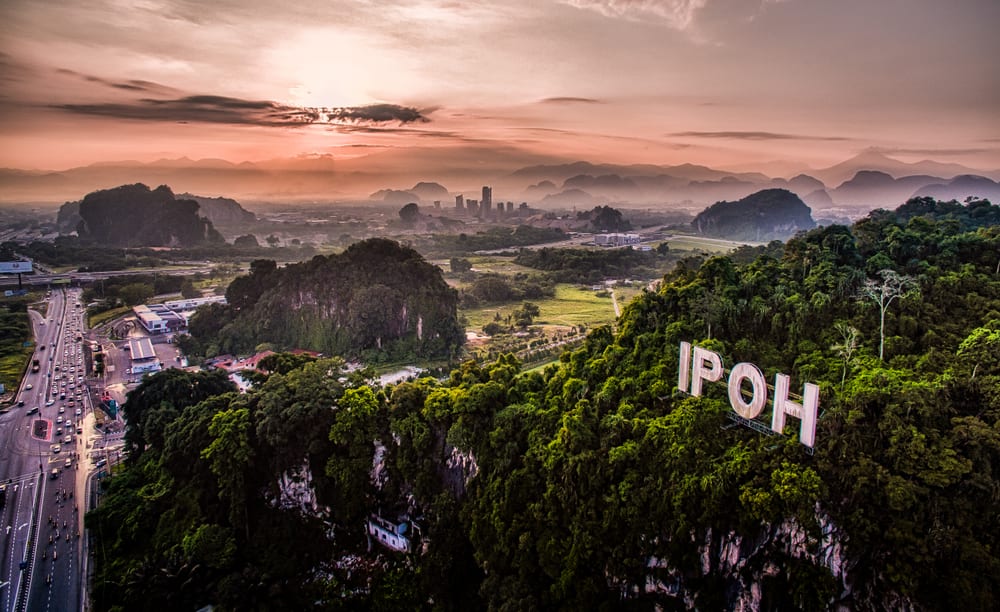
Ipoh
Ipoh is the capital city of Perak. It is located in the Kinta District, 205 kilometres north of Kuala Lumpur and 170 kilometres south of George Town, Penang. Ipoh is the fourth largest city in Malaysia. There is a vibrant commercial district with many historical ‘shophouses’ centred around Leech Street (now known as Jalan Bandar Timah). The city is surrounded by limestone hills, which can be found around suburban areas to the northeast, east and southeast of the city. The limestone hills extend 20 km north of Ipoh and also 20 km to the south. The Kek Look Tong Cave Temple is a tourist attraction situated in the natural and picturesque area of Gunung Rapat in the south of Ipoh – the capital of Perak state in west Malaysia.
Read moreYour trip, your way
Plan a Trip Including Kuala Lumpur
Create a personalized itinerary fully tailored to your needs, preferences, and travel style.
100% customizable No commitment
What Travelers Say About Go Real Travel
Our latest reviews from across all trips on Trustpilot.
Your Custom Trip Package Includes

A Day to Day Itinerary

Centrally Located Hotels

Door to Door Transportation
Self-Guided & Private Tours
Pair Kuala Lumpur with



Your Custom Trip Package Includes
A Day to Day Itinerary
Centrally Located Hotels
Door to Door Transportation
Self-Guided & Private Tours
Featured Blogs


Create Your Perfect Trip in Minutes
Discover A Better Way To Travel.
Once you Go Real, you’ll never go back to ordinary travel.