


Dresden Travel Guide

Must See Attractions in Dresden
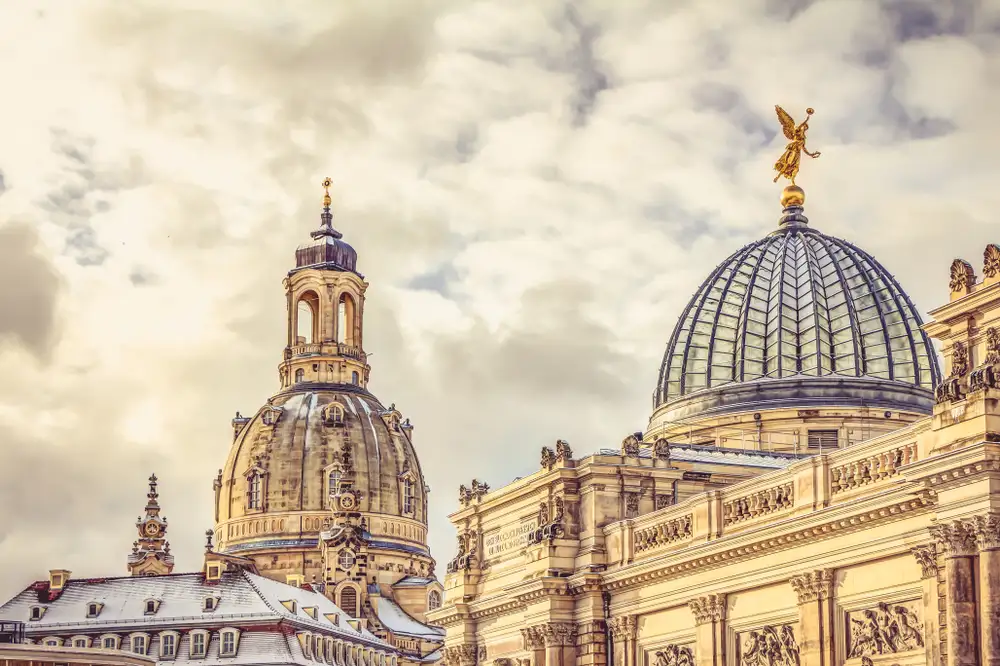
Installed in a magnificent Renaissance Revival building, the Albertinum is one of the finest art museums in all of Germany. The collections at the Albertinum originated with the Kings of Saxony, making it literally art fit for kings. Inside, the Skulpturensammlung, or Sculpture Collection, features works by masters like Auguste Rodin, and Edgar Degas. There is a remarkable collection of busts and casts, clustered together from different ages in history. Paintings are collected under the Galerie Neue Meister, or New Masters Gallery, and there are some real gems. Heavy hitters include Romantic German artist Casper David Friedrich, and Die Brucke painters like Ernst Ludwig Kirchner. This is one of those well set out museums where wandering is half the fun, and you'll never know what you'll see next.
Read more
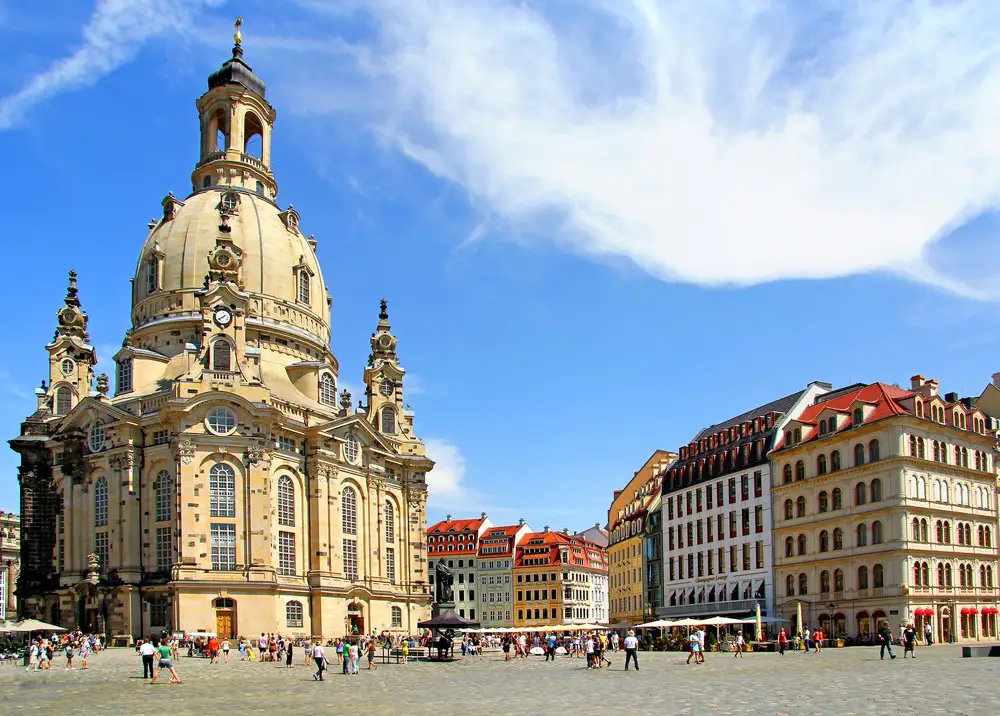
Long-suffering and glorious, the Church of Our Lady, or Frauenkirche is the hard-won heart of Dresden. Considered the zenith of Baroque architecture, and the most famous building in the city, the Frauenkirche sits like a grand old dame in an elaborate ballgown. The bell-shaped dome is one of the largest in Europe and cascades down toward spindly clock towers and tall arched windows. The history of the church befits its dramatic exterior. This is where Johann Sebastian Bach delivered organ recitals, the Prussians attacked in 1760, and revolutionary riots kicked off in 1849. When Dresden suffered its drastic firebombing in 1945, the Frauenkirche was sadly not immune, collapsing in on itself two days into the bombing. Eerily and miraculously, the church's altar was relatively unscathed. The Frauenkirche was rebuilt some 50 years later after Communism ceased in East Germany.
Read more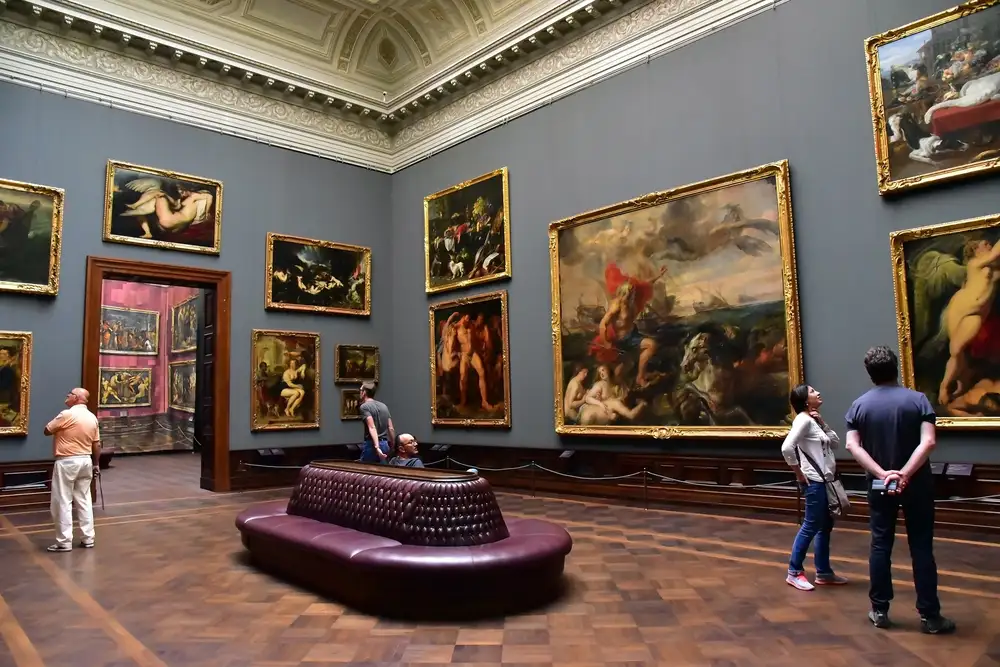
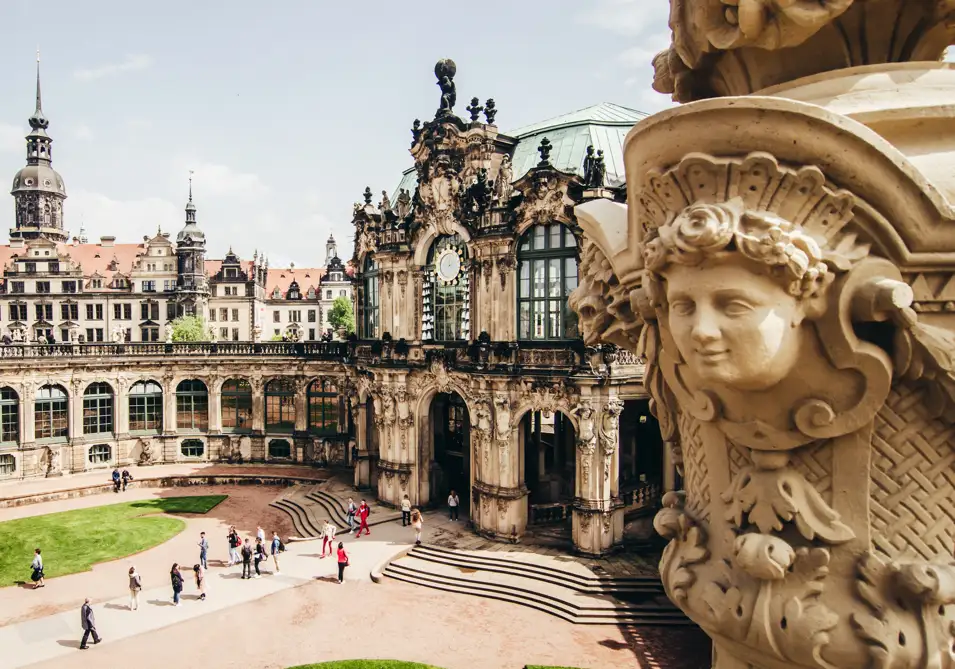
The Zwinger Palace is one of the most striking things you'll see in Dresden. An 18th-century Baroque work of architectural genius, the palace was commissioned by hotshot Saxon King, Augustus the Strong. Augustus, like other 18th European rulers, wished for a palace to rival that of Versailles in France. When you see the Zwinger, you might agree he succeeded. The palace's grand gates, pavilions, opulent formal gardens, fountains, sculptures, and bas reliefs are so elegant it's impossible not to be impressed. Once inside the palace, you'll find multiple museums to choose from. Visit the superb collection of old masters at the Gemäldegalerie Alte Meister, and see the exquisite paintings by Canaletto that cast Dresden's reputation as the Florence of the North. Check out the Dresden Porcelain Collection, or if royal china isn't your thing, maybe the Royal Cabinet of Mathematical and Physical Instruments will tickle your fancy.
Read more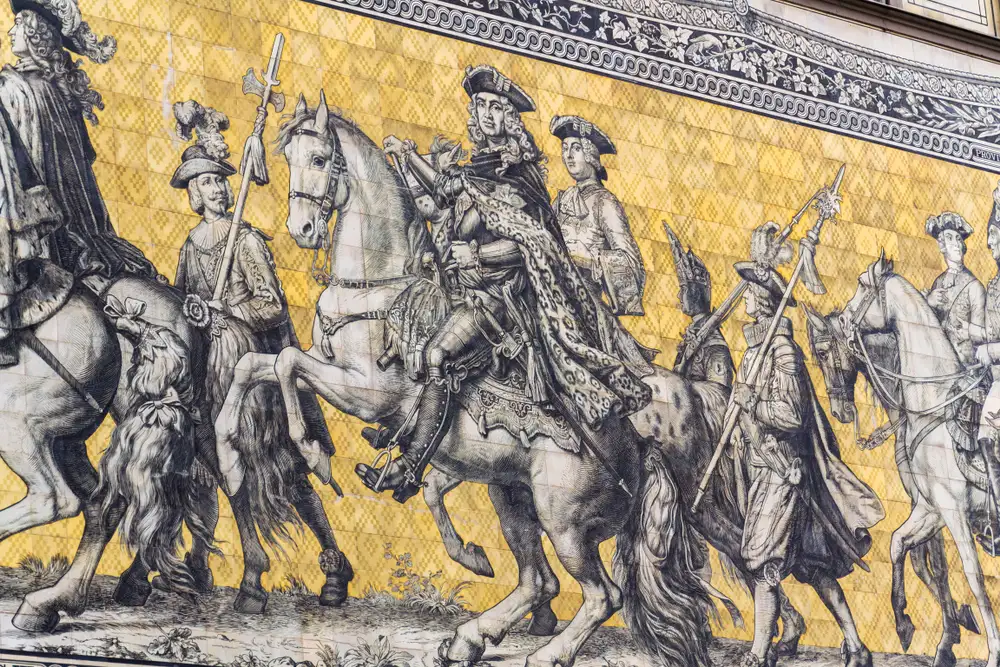
The Procession of the Princes is a 335 feet long tiled mural made from Meissen Porcelain, set into the side of what once was the Royal Mews. Known as the Fürstenzug in German, the mural's 23,000 tiles tell the story of Saxony's Royal lineage, in a procession of monarchs from the 12th - 20th centuries. The names of the royals are written on a frieze below their feet. The princes are accompanied by peasants, farmers, scientists, artists, and children. Of the 96 total figures, look out for the one female, a young girl. One of the delights of this mural is watching the clothing, crowns, and styles of the various figures evolve and modernize. Painted in 1876 to mark 800 years of the Wettin Dynasty, this mural is one of the few public artworks to survive Dresden's firebombing in 1945.
Read more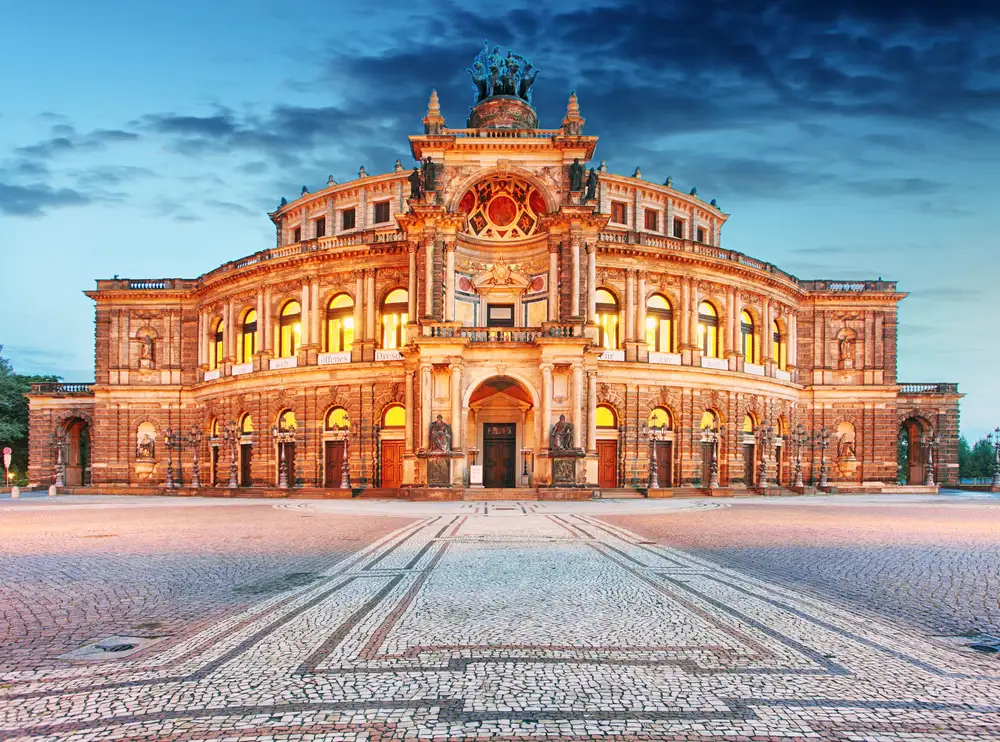
It's hard to miss the tripled layered columned Semperoper Opera House, adorned with statues of Dionysus, Shakespeare, Goethe, and other theatrical geniuses. Completed in 1841, the Opera House is named for its architect Gottfried Semper. It is a lavish Neo-Renaissance, Baroque wedding cake of a building. In 1869 the Opera House was ravaged by fire. The people of Dresden demanded Semper reconstruct their Opera House. Controversially, since building the Opera House, Semper had been exiled from Dresden after his activities in the May Revolution of 1849. From exile, Semper ultimately had his son complete the reconstruction. If you have a chance, make sure you take a tour of the Opera House interior or even go to a performance there. The auditorium has been graced by German Opera greats such as Richard Wagner and Richard Strauss.
Read more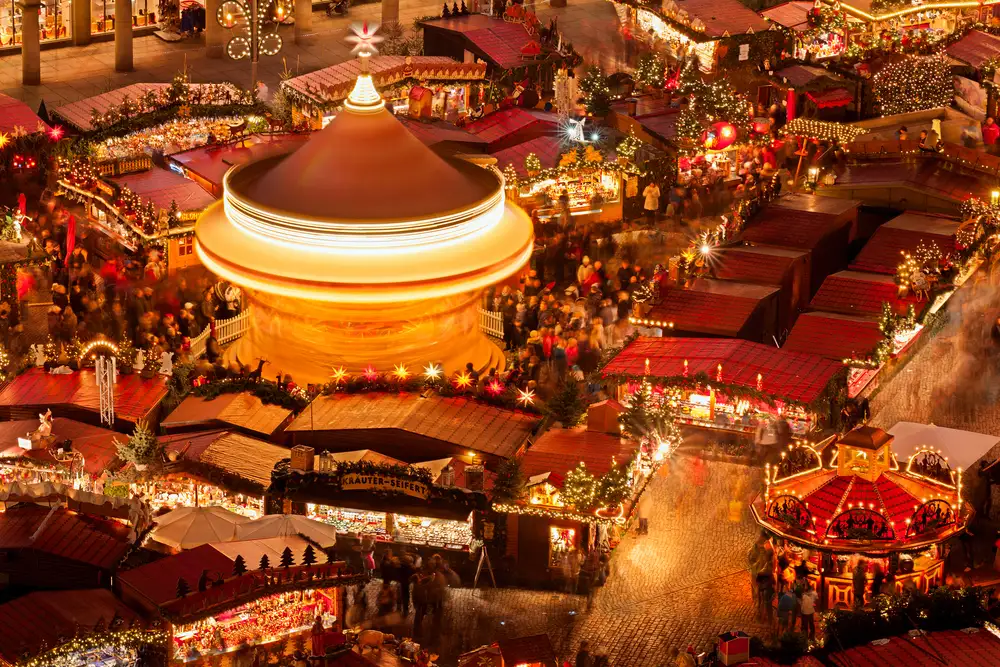
It's worth going out of your way to visit Dresden at Christmastime. Home to Germany's oldest, and arguably most beautiful Christmas Markets, the entire city is transformed by a wild array of lights, carols, and festivities. Christmas in Dresden is the stuff of childhood wonderment. Known to locals as the Striezelmarkt, the first Christmas market was held in Dresden in 1434. The medieval feeling remains today. As you wander the fairy-lit market stalls with pine needle trimmed roofs, nearly 600 years of tradition is upon you. Immerse yourself in quaint local customs, such as eating stollen fruit cake and buying pflaumentoffel — a doll made of prunes that resembles a chimney sweep. Or, simply sip on some mulled wine and take in all the Christmas magic.
Read moreShow more
Optional Day Trips from Dresden
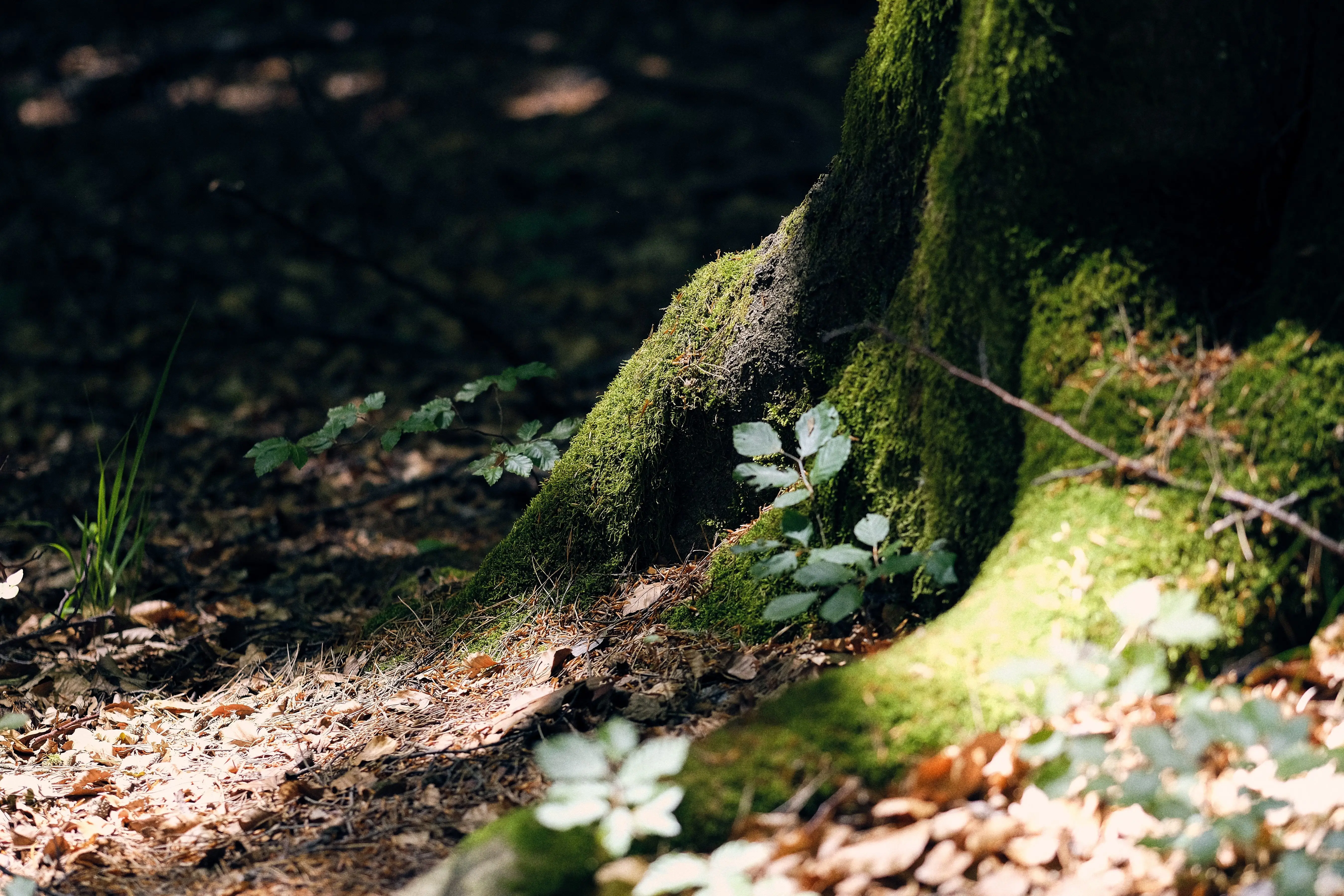
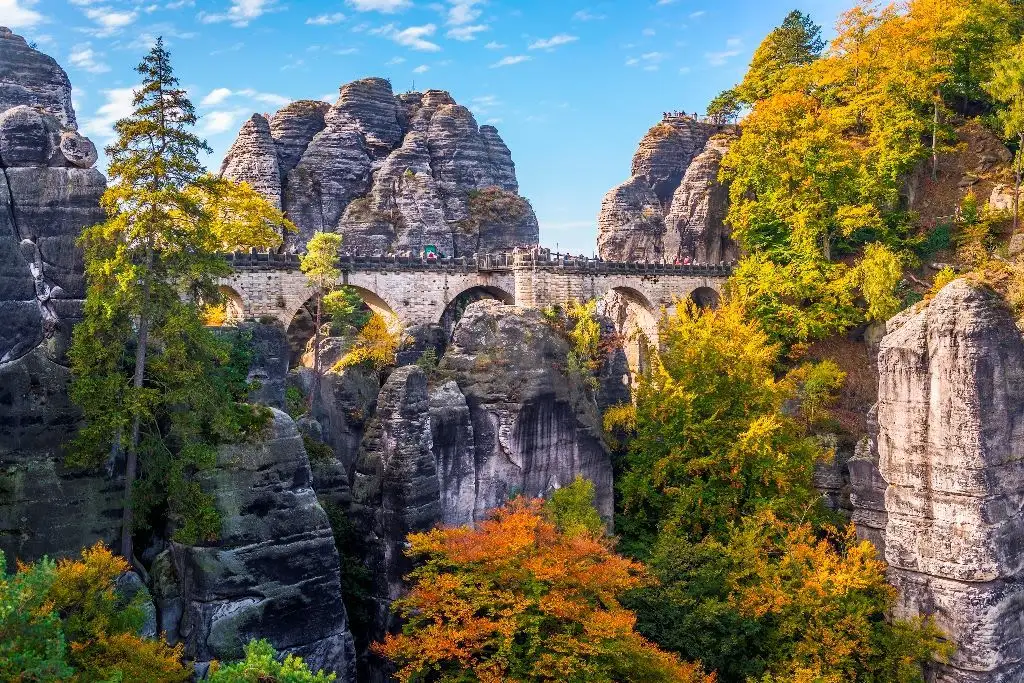
The Elbe Sandstone Mountains in Saxon Switzerland National Park in Germany is one of the top day trip options from Dresden. Located only 30 kilometers southeast of Dresden, the national park offers a wild landscape of soaring limestone pillars, hundreds of walking trails and stunning views straight down to the Elbe. The park is also home to Königstein Fortress, one of Saxony's most famous historical sites. This mighty fortress was built in the 1200s and saw endless battles, sieges, and takeovers from surrounding empires. In later years, it became a state prison, used by governments to hold prisoners or protect important people until the beginning of the 1900s. Needless to say, the fortress is filled with exciting stories and legends you can hear about during your visit.
Read more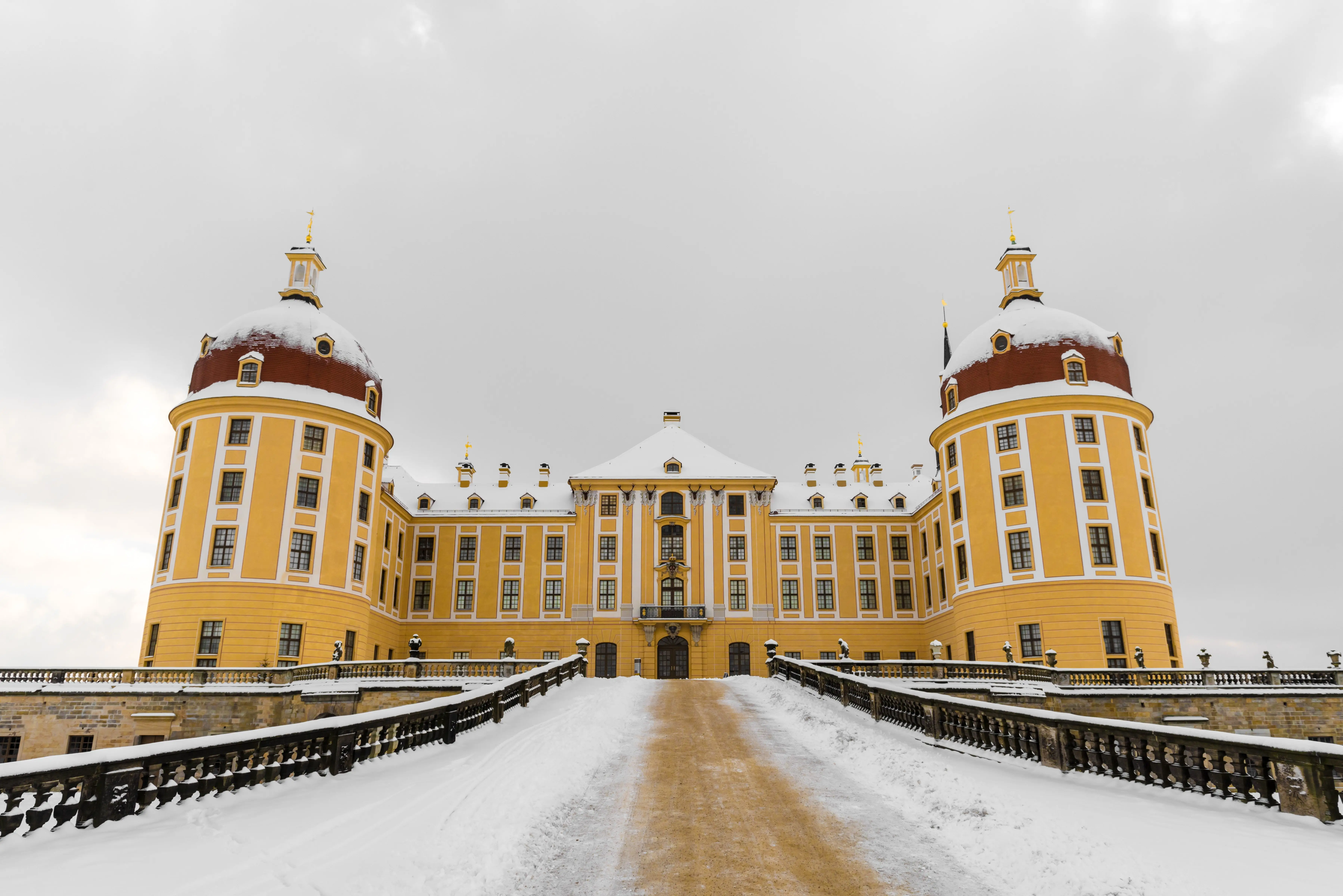
The Moritzburg Palace was built on an artificial island, approximately 14 kilometers northwest of Dresden, in the middle of what was once the hunting grounds for Saxon Kings. With its four rounded towers, and peach and russet red color scheme, the palace is a sweet example of baroque design. Moritzburg's interior never fails to amaze its visitors, featuring walls wrapped in gold-gilded leather, hunting trophies, and ornate decorations. Near the main palace, you'll find its younger brother, the 'Little Pheasant Castle'. This sweet, blush pink pavilion is much smaller than the main Palace, and wouldn't be out of place in a Wes Anderson film. Exploring the Moritzburg grounds makes for a charming day out.
Read more
Dating back over 1300 years, Meissen has a long and captivating history. Meissen hosts Europe's oldest residential Palace and the continent's first porcelain factory. Known today as "the Cradle of Saxony", this historic town boasts cobblestone streets, numerous towers, churches, a rich food and wine culture, and a unique significance to porcelain arts. If you like ceramics and pottery, a visit to The Meissen Porcelain Manufaktury is a must-see. This 300-year-old factory is a repository of over 10,000 different colors and 700,000 molds. Today you can explore the factory museum to see the classic and contemporary use of porcelain, and join a tour at the workshop to understand how these beautiful items are made.
Read more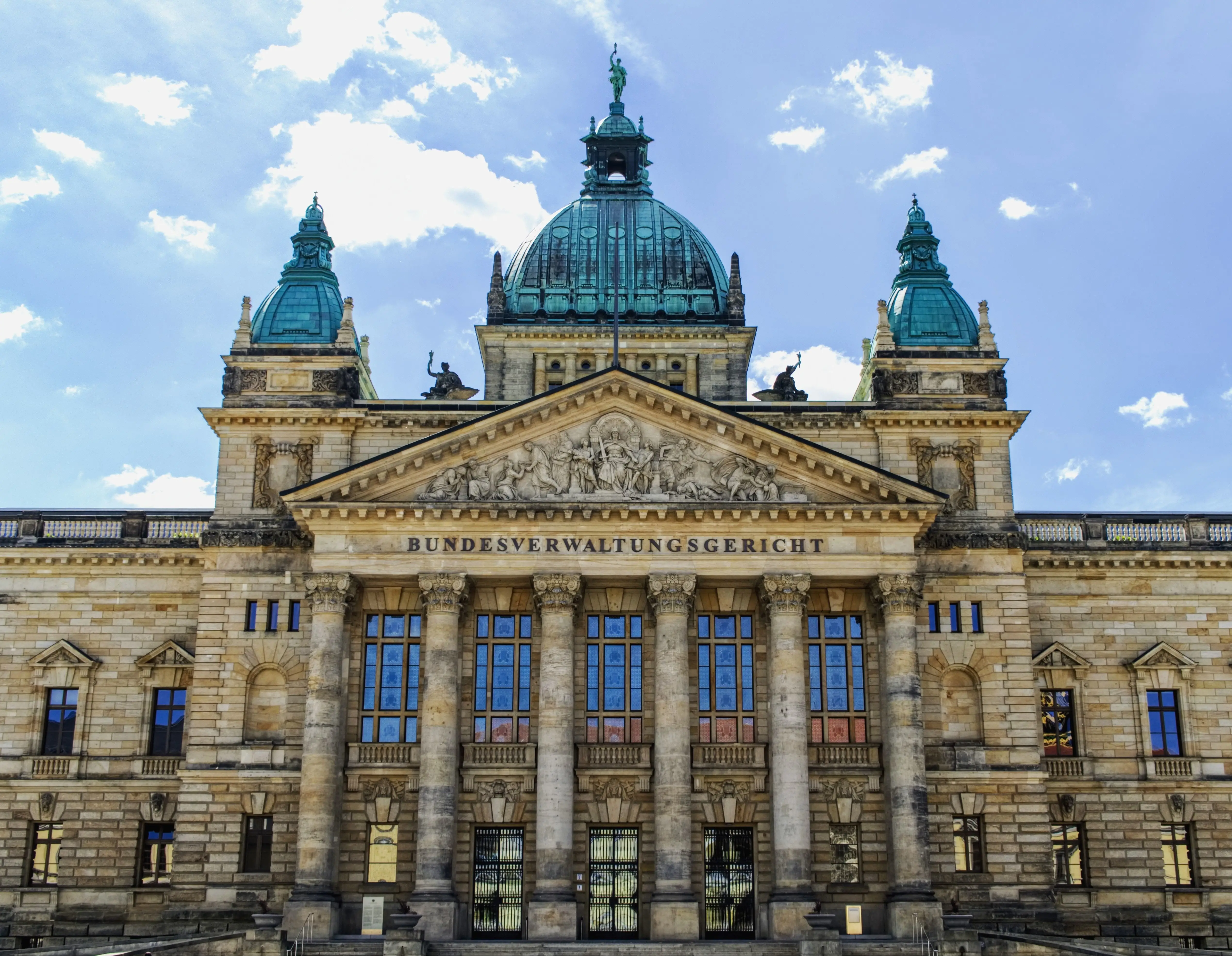
Saxony's largest city is surprisingly cool, often referred to as the new hip and cheap Berlin. Although it deserves much more than a day-trip, a visit to Leipzig from Dresden is perfect for those on a tight schedule. Bright with energy from Germany's up and coming creative class, Leipzig is a town full of cafes, art galleries, and evening hotspots. The town even has an art movement named after it; the New Leipzig School, a style of modern painting which rose to prominence after Germany reunified. However, underneath all the trendiness, Leipzig is still a very historic town, famously associated with German writers and musicians like Schiller, Goethe, Bach, Wagner, Schumann, and Mendelssohn. As you browse the area, you'll see monuments and museums devoted to this cultured history.
Read more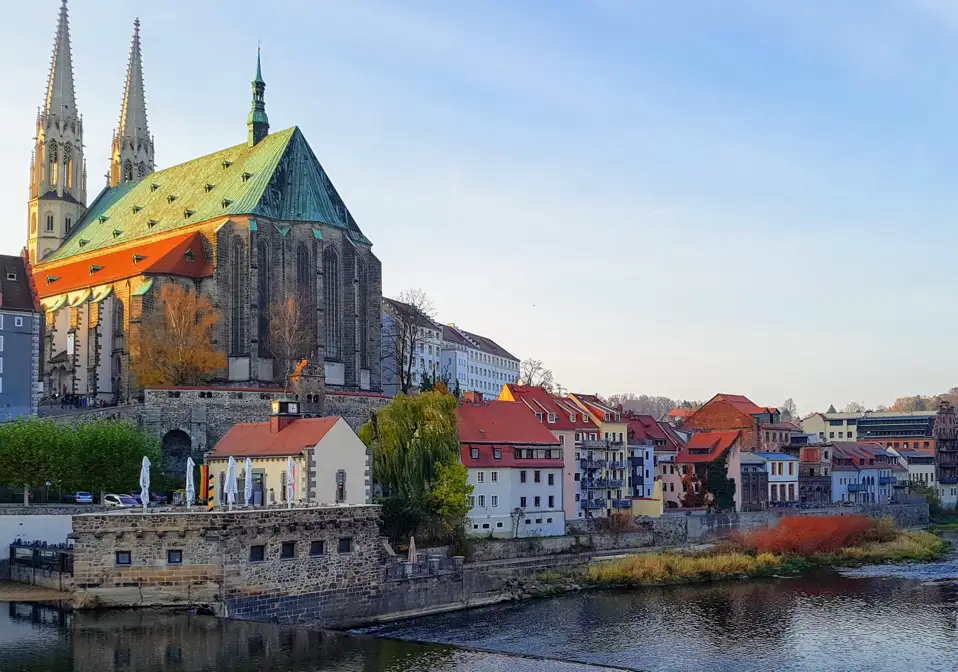
Görlitz rests on the border of Germany, Poland, and the Czech Republic. This rare trifecta means with a visit to Görlitz, you can claim to have visited three countries in one day. But that's not the only reason to visit. Nicknamed 'Görliwood' for the number of Hollywood movies filmed there, Görlitz has provided locations for films like Inglourious Basterds, The Book Theif, and The Reader. Perhaps most famously, Görlitz was the site of Wes Anderson's Grand Budapest Hotel, which tells the story of a fictional eastern European country. Locations around town, like the Jugendstil Art-Nouveau Kaufhaus, were used extensively in the film. The pristine cobbled streets and Baroque buildings of Görlitz will have you reaching for your camera.
Read moreShow more
Create a custom trip
plan for Dresden


Travelling made easy:
- ✓ 100% customizable trip
- ✓ On-trip support, around the clock
- ✓ Local travel expertise
Trips Plans Including Dresden




Featured Blogs





Your custom trip package includes

A day to day itinerary

Centrally located hotels

Door to door transportation
Self-guided & private tours
Create Your Perfect Trip in Minutes
Discover A Better Way To Travel.
Once you Go Real, you’ll never go back to ordinary travel.
Hi! Need help planning your dream trip? 🌍