




Amsterdam Travel Guide

Must See Attractions in Amsterdam

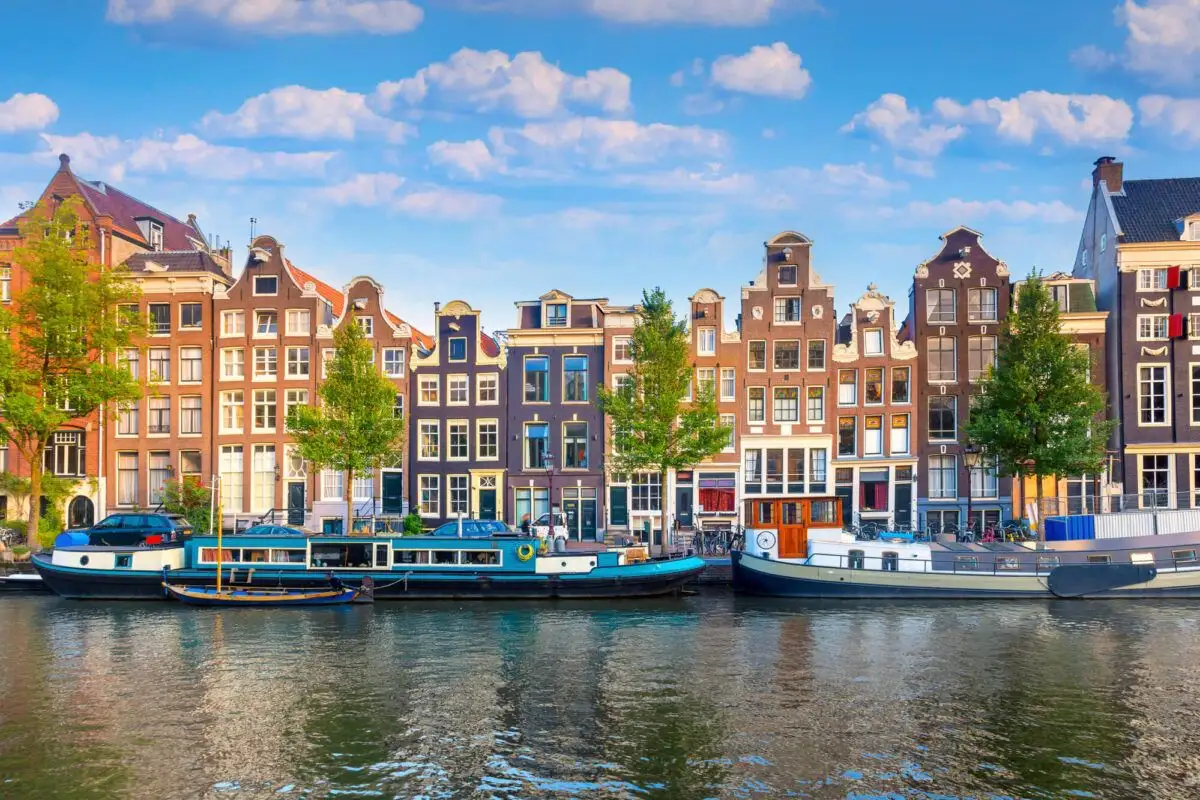
The basis of the old joke that 'God created Earth, but the Dutch created the Netherlands' can best be seen in the horseshoe-shaped old center of Old Town Amsterdam. Early Amsterdamers reclaimed much of their city from the sea, building the perfectly straight canals to keep the new land dry. As you explore the old town, you see most of the picture-perfect gabled houses still retain their winch beams and hooks for hauling goods to the attic. You can easily spend a day wandering the cobbled streets and canals, taking pictures, inspecting the houseboats that line the channels, and stopping off at cafes and bars.
Read more

The Museum Quarter forms the cultural hub of Amsterdam and is a mecca for art and culture lovers. Arranged in a tight knot on the aptly named Museumplein, this area is home to a trio of museums that showcase the best of Dutch art from throughout the ages. The venerable Rijksmuseum boasts a much-admired collection of paintings by Rembrandt, Vermeer, and Frans Hals, stars of the 17th century Dutch Baroque style. Across the way at the Van Gogh Museum, sunflowers wither and irises bloom in the world’s largest collection of paintings by the Post-Impressionist master. Meanwhile, modern art, a specialty of the forward-looking Dutch, can be found at the Stedelijk Museum.
Read more
A hop-skip away from the commotion of inner-city Amsterdam is the cultured, happening neighborhood of Jordaan. What started out as a poor and working-class area is now a trendy hotspot filled with farmer’s markets, art galleries, local boutiques, and cute cafes. Jordaan fans out behind Westerkerk, the 17th-century church that Amsterdam has adopted as its city icon. In the web of streets behind the church, you’ll find a plethora of street markets, selling everything from brand name items and textiles, to fresh produce and handmade souvenirs. As you wander Jordaan, you can browse the stalls and sample a taste of the local lifestyle.
Read more
Jewish heritage is enshrined in this district of Amsterdam, known as Jodenbuurt. Jewish people have lived in this part of Amsterdam for centuries. The area’s main synagogue, the Portuguese Synagogue, illustrates what life would have been like in the 17th century. Also known as Esnoga’s, the synagogue interior has never been adapted to modern times. It has no heating or electric lighting and is illuminated with almost 1,000 candles. For both Jewish and non-Jewish people alike, visiting this temple is a reverent experience and something special to behold. This area is not without its tragic past. Before the Holocaust and WWII, approximately 75-80,000 Jewish people lived in Amsterdam. After the war, not many returned. The Jewish Historical Museum, Holocaust Museum, and Holocaust Memorial pay respect to the fates of those who never came back.
Read more
The Eastern Districts of Amsterdam include the Eastern Docklands, Weesperbuurt, and Plantage. This part of town makes for a great family-friendly day out, with a wide array of museums and activities suitable for all ages. Have a blast at ARTIS Royal Zoo or experiment at the NEMO Science Museum. Both boast plenty of hands-on exhibits. Culture aficionados will appreciate the National Opera & Ballet and the Hermitage Museum, Amsterdam’s chapter of the famed museum in Saint Petersburg. A leisurely stroll through Amsterdam Hortus Botanicus, one of the oldest botanical gardens in the world, is sure to appeal to any nature fans.
Read more
The Anne Frank House is an essential pilgrimage for anyone familiar with Anne Franks’s diary. During the Nazi occupation of Amsterdam, teenage Anne and her Jewish family spent two years and one month hiding from the authorities, surviving in an annex built behind a warehouse. They were tragically discovered and sent away to concentration camps. Only Anne’s father, Otto Frank, survived. Anne kept a diary of her time in the annex, which was published shortly after the war. This diary has become an international symbol of hope and youth in times of conflict and persecution. Today you can tour the rooms where the family hid. More than just a place to see, the Anne Frank House is somewhere you can feel as you imagine the lives of the people who hid there.
Read more
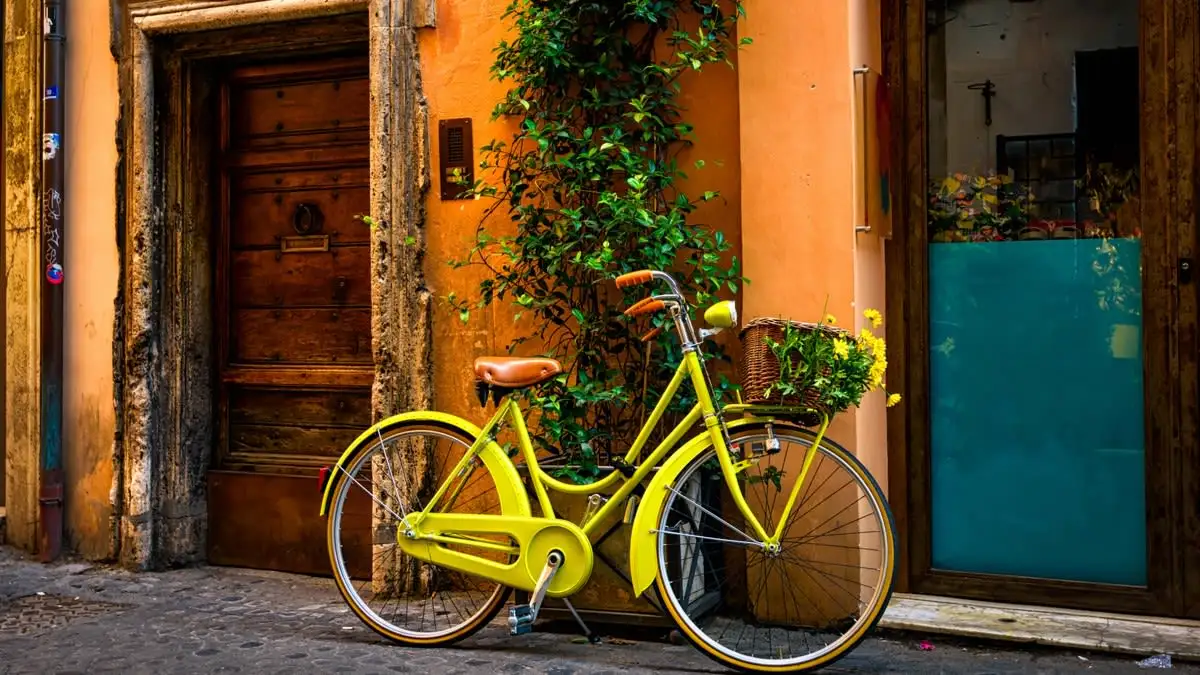
Biking is one of the top forms of transportation in the Netherlands, and for a good reason. The country is relatively flat and compact, making it easy to cycle from place to place. Amsterdam is known to be one of the most bike-friendly cities in the world. You’ll find everyone navigates the city by bike, from children and the elderly to locals and tourists alike. Thanks to the many cycling lanes throughout the city, and well-directed traffic, cycling is often easier than taking Amsterdam’s public transport system. Even tourists find the city simple to navigate. As well as being cheap to rent, a bicycle offers the freedom to explore the city as you please, making stops wherever takes your fancy.
Read moreShow more
Optional Day Trips from Amsterdam

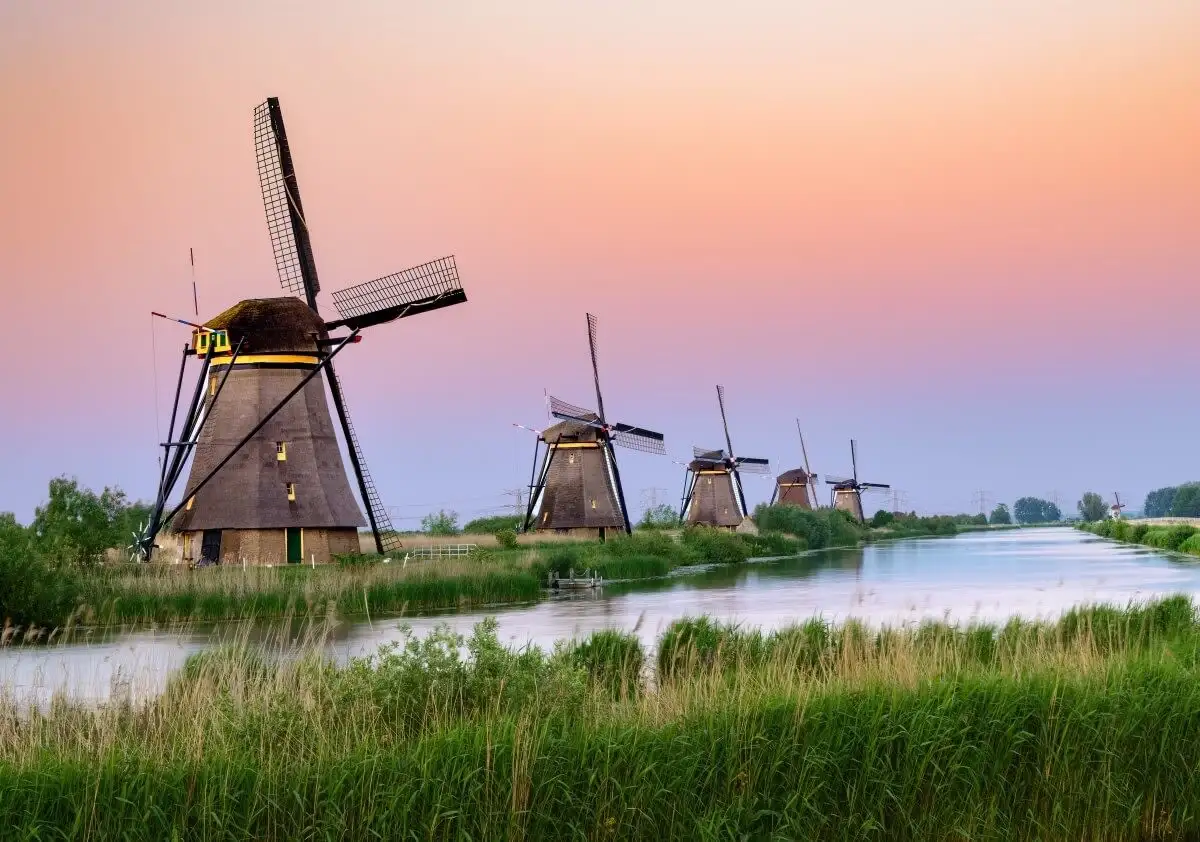
The Zaan Region is especially scenic. If you have a picture in your head of ‘old Holland’, with twirling windmills and barges floating by on a misty canal, it can be found in Zaanse Schans. When you arrive in Zaanse Schans, stroll past the bakery museum and enjoy the smell of fresh cookies, or take a look at the warehouse where clogs are made. In its heyday, the Zaan region was an important industrial area, producing linseed oil, paint, snuff, mustard, paper, and other products. A trip to Zaanse Schans offers a peep into life in Holland in the 17th and 18th centuries.
Read more
As a day trip, the Hague is full of unexpected delights. Although best known as the seat of the country’s parliament and residence of the Dutch royal family, the Hague is more than a stately home of power. In fact, the Hague is a flourishing city, with enough museums, restaurants, and nightlife to entertain any visitor. Where else can you tour the International Criminal Court then immerse yourself in a sculpture park buried in Scheveningen sand dunes? Wander the grounds and stables of Noordeinde Palace, or go on a guided walk through the Binnenhof, the parliamentary buildings near the center of town. Grand, prestigious, and right on the North Sea coast, the Hague makes for a fascinating day away from Amsterdam.
Read more
Rugged, romantic, and well off the beaten path, Texel is the largest of the West Frisian Islands, which cluster together in the Wadden Sea. A remote location for centuries, people on Texel speak a variation of West Frisian Dutch, a dialect unique to the island. Although 178.83 square miles, Texel has a history larger than its landscape. Created in a near-biblical flood that altered the entire region in 1170, Texel has subsequently seen many a naval battle, including aiding American naval commander John Paul Jones during the War of Independence. Today you can visit Texel to hang out with seals, learn about the special West Frisian sheep and climb the island’s very photogenic red and white lighthouse. ern shore to get a panoramic view of the area. The island is the perfect place for those looking for something a bit off the beaten path.
Read more
Delft is situated between Rotterdam and The Hague, making it an ideal spot for lunch while traveling between the two larger cities. This pretty riverside town is also best known for its blue-and-white patterned pottery called Delftware. Originally styled on Chinese porcelain, Delftware ceramics usually depict scenes of riverboats and windmills, painted in an inky blue dubbed ‘Delft blue’, the color developed in the town. Wandering the town square and marketplace it is easy to see the inspiration for these scenes. The birthplace of famous Dutch painter Vermeer, and home to the science of microbiology, Delft has been influential throughout history.
Read more
Sometimes referred to as the “Amsterdam without tourists”, Utrecht is a place to get a sense of the ‘real Netherlands’ and a chance to get to know the Dutch as they are at home. Historically religious, and a long-standing university city, Utrecht is a curious blend of stone churches and youthful student energy. Utrecht is enriching, lively, and utterly Dutch. Gaze out over the city from the top of the Dom Cathedral tower, and you’ll see the town unfold before you, with pointy roofed houses bedded between tree-lined canals. Or, head out to the Kasteel de Haar, one of the most beautiful castles in the Netherlands, gently restored by the Rothschild family. Wherever you go in Utrecht you’ll find a more mellow pace of life.
Read moreShow more
Create a custom trip
plan for Amsterdam
Travelling made easy:
- ✓ 100% customizable trip
- ✓ On-trip support, around the clock
- ✓ Local travel expertise


Featured Blogs



Your custom trip package includes

A day to day itinerary

Centrally located hotels

Door to door transportation
Self-guided & private tours
Create Your Perfect Trip in Minutes
Discover A Better Way To Travel.
Once you Go Real, you’ll never go back to ordinary travel.
Hi! Need help planning your dream trip? 🌍