


Krakow Travel Guide

Must See Attractions in Krakow
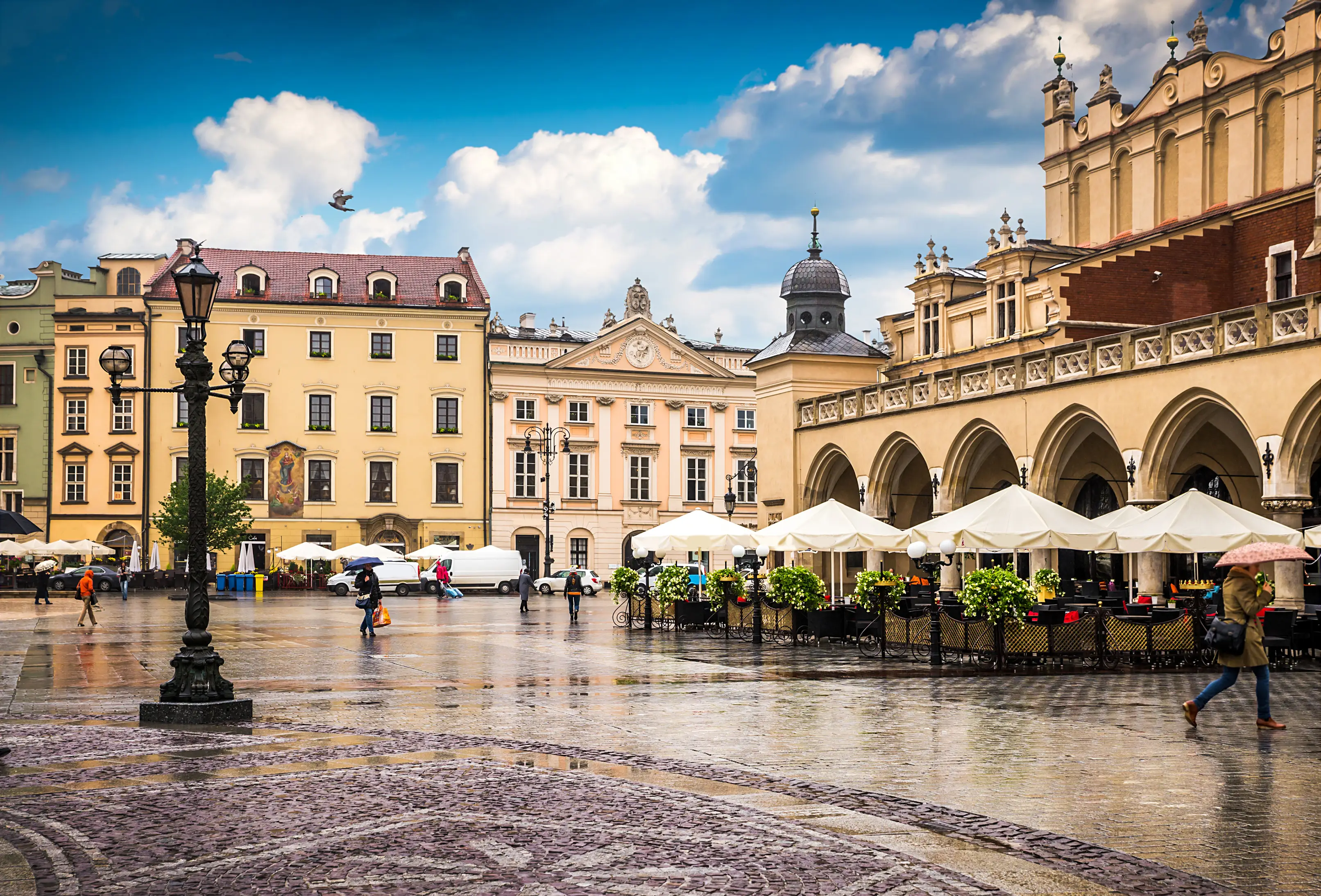
Still thriving after a turbulent past, it's no surprise that Krakow's resilient Old Town was selected as one of the first-ever UNESCO World Heritage sites. As the center of Polish politics until 1596 when the capital was moved from Krakow to Warsaw, Krakow's charming center is home to beautiful churches, museums, and halls. You can't miss the Krakow Cloth Hall, a gorgeous Romanesque building housing a market hall, located in the center of the Old Town Square. If you're interested in Medieval Poland, then the museum inside has exhibits dedicated to the pastoral life. When you've had enough of castles and churches, head for one of the cellar pubs and dive bars scattered about Old Town, welcoming local and traveler alike with a good Polish beer.
Read more
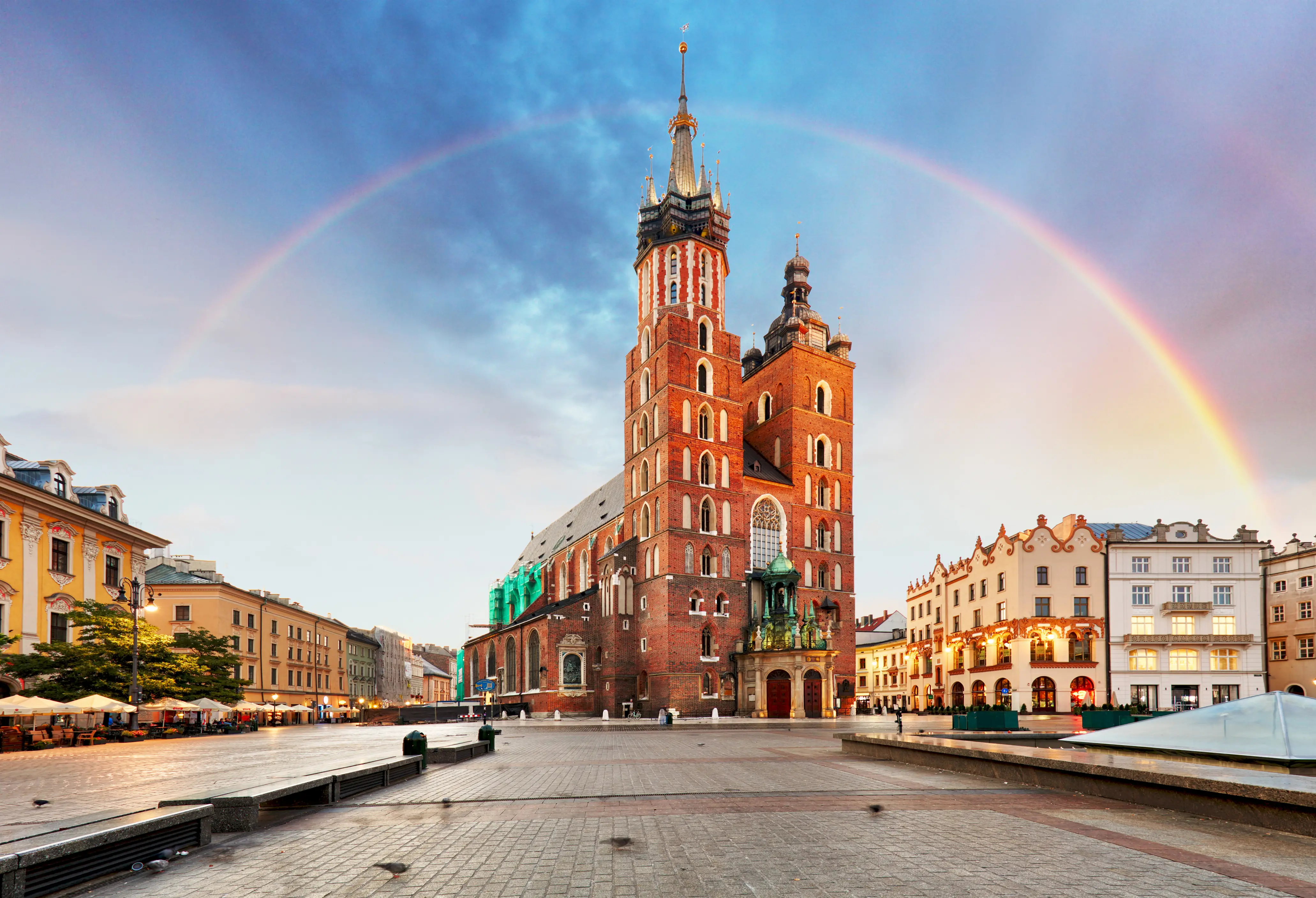
Adjacent to the market square is St. Mary's Basilica. Built in the 14th century, this church contains Wit Stwosz's famous wooden altarpiece, a national treasure of Poland, and the largest surviving wooden altarpiece in the world. The towers of the Basilica are home to one of the country's most strangely wonderful traditions. Every hour, a trumpet is sounded from taller of the two towers but is interrupted mid-note. This ritual commemorates the trumpeter who was killed by an arrow when trying to sound the alarm as Mongol invaders attacked the city.
Read more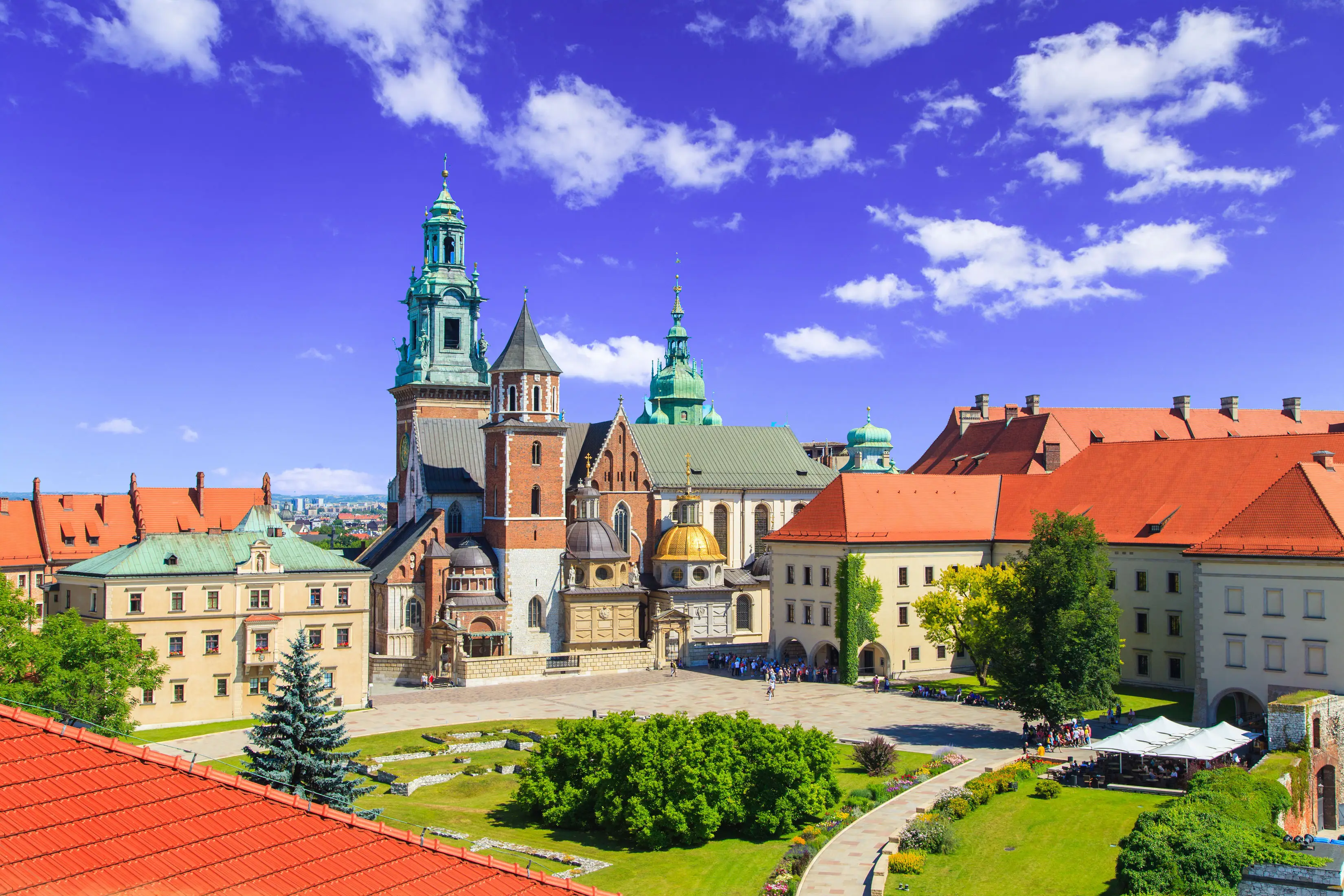
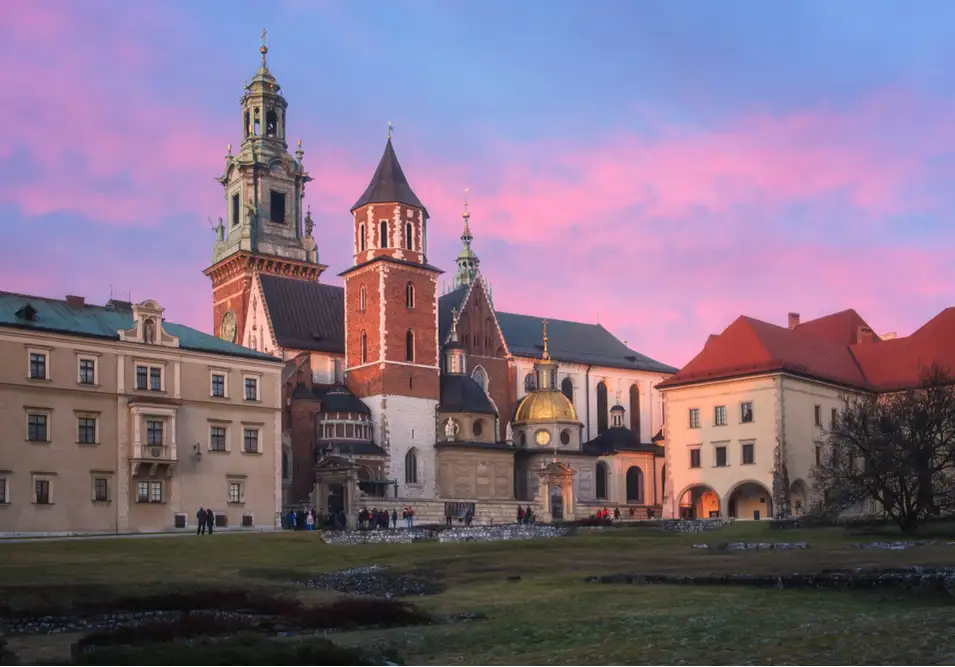
Perched on a hill and overlooking the river, it is easy to see why the early settlers of Krakow thought this was the best place for a fortification. Built in the 13th and 14th centuries, Wawel castle is now home to the nation's premier art museum and considered by many to be the most culturally significant site in the country. When you find yourself atop Wawel hill, be sure to visit the private royal chambers, the armory exhibition, and the Rennaissance paintings and sculptures at the art museum. After entering through the imposing iron doors of the Wawel Cathedral, you'll be amazed by the extravagant interior, which once served as the coronation and burial site for nearly all Polish kings.
Read more
The Schindler Museum is located at the site of Oscar Schindler's famed factory, where he employed nearly a thousand Jews throughout the Nazi occupation in order to protect them from the death camps. One of the most important things you can see in Krakov, the museum is not only a dedication to Schindler's exploits, but also a glimpse at what life in Krakow under Nazi occupation was like. The factory tells a painful story, but it's also one of the best museums in Krakov, with painstaking attention given to every exhibit. As you wander through the 45 rooms of the museum, you'll find that each one was designed to simulate a scene from everyday life under the Third Reich.
Read more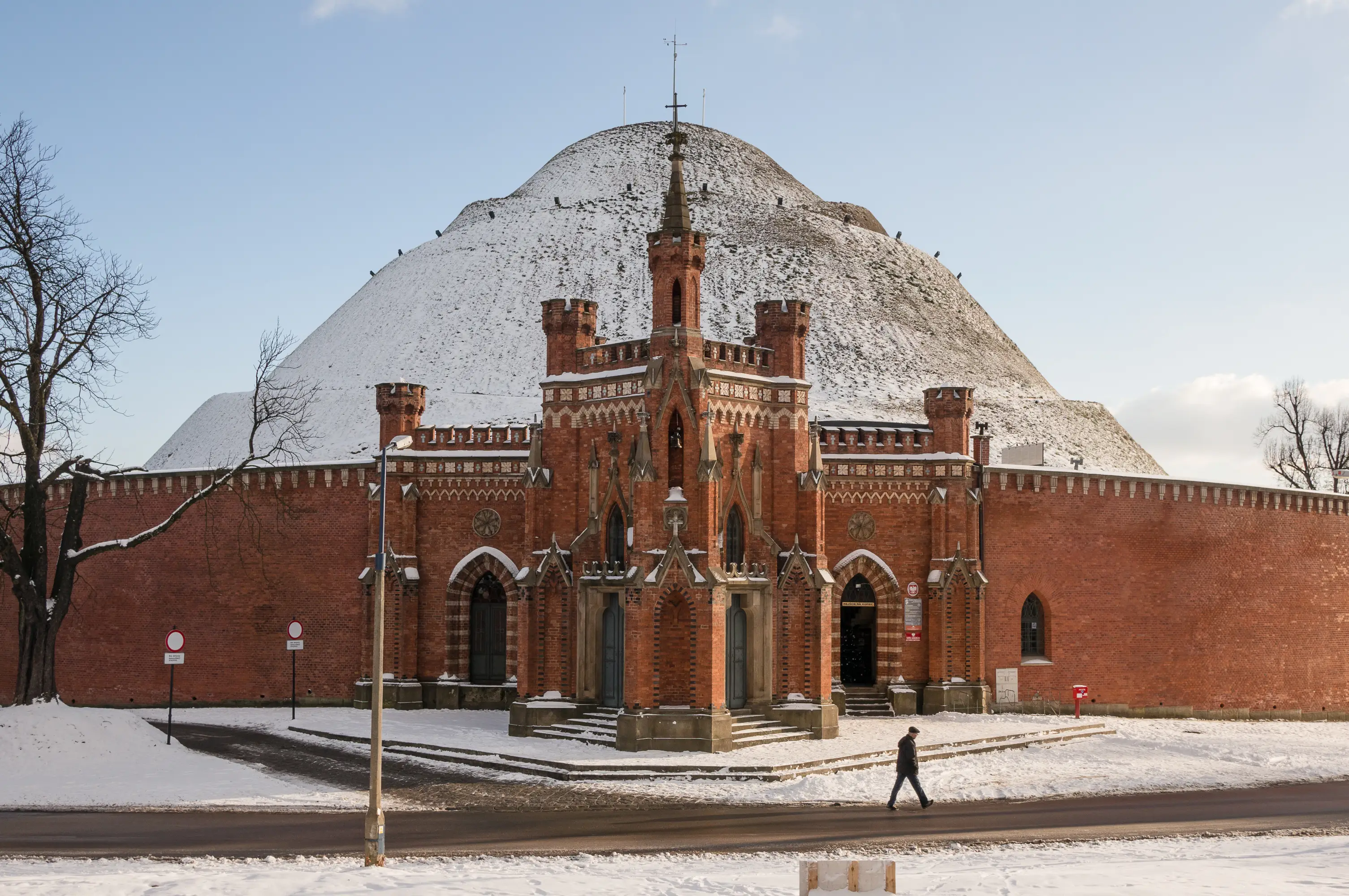
The Kosciuszko Mound was built as a monument to Tadeusz Kosciuszko, a national hero in both Poland and the United States for his contributions to the independence of both nations. A winding path leads to the top of the mound, where you can take in panoramic views of the city. If you can survive the climb to the top, then a trip to Kosciuszko Mound makes the perfect bookend for your time in Krakow. A tip from many locals is to climb the mound just before sunset, so you can watch the sky change colors over the river.
Read moreShow more
Optional Day Trips from Krakow

About an hour outside of Krakow is the Auschwitz concentration camp — the largest mass murder site in history and Nazi Germany's largest concentration and death camp. Over 1 million Jews were murdered at Auschwitz, as well as many thousands of Poles, gypsies, and other persecuted groups. The camp is divided into two parts; Auschwitz I, which held most of the SS offices and warehouses where prisoners worked, and Auschwitz II-Birkenau, the site of the gas chambers where nearly all Jewish prisoners were killed. Take a half-day guided tour to both concentration camps and walk beneath the wrought iron gates, with the ironic admonition that “Arbeit Macht Frei” (work makes you free), and into the vast guarded complexes where so much suffering occurred. It's an emotional visit, but at the same time, a necessary reminder of the evil mankind is still capable of exercising.
Read more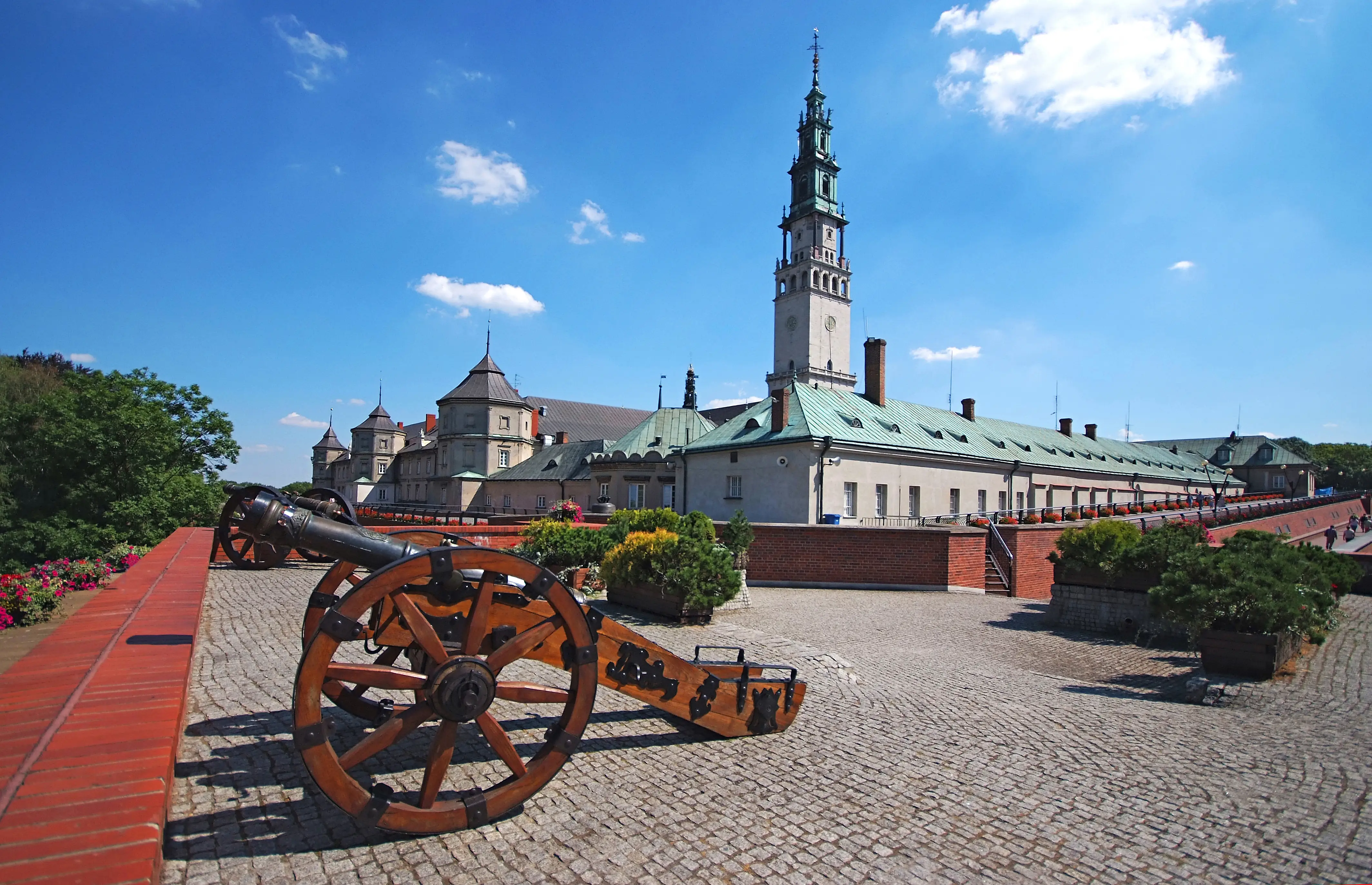
The village of Czestochowa, in Polish Silesia, is a holy place for many. Thousands of visitors make a pilgrimage to the Jasna Góra monastery every year to see the Black Madonna, a revered icon of the Virgin Mary. Seeing the Black Madonna is a given, but there are other cultural sights of note in the city. In the center is the Adam Mickiewicz Theatre, which hosts events for the annual night of culture. There's also the Cemetery of the Lusatian Culture, dedicated to the bronze age inhabitants of Central Europe.
Read more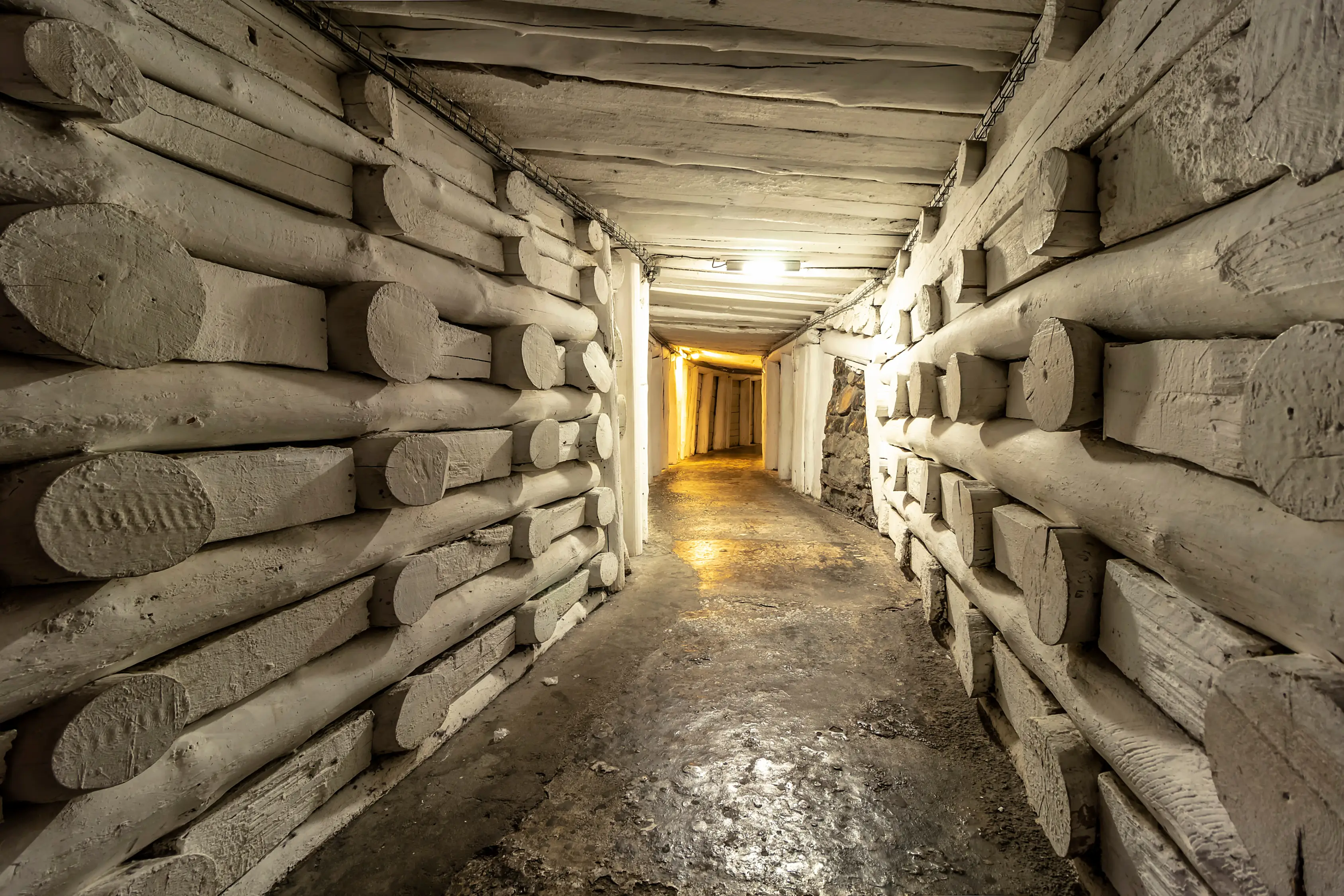
The Wieliczka Salt Mine is an underground kingdom carved from rock salt, which contains a maze of hidden corridors and chambers. Once a major producer of table salt, the site is now a historical monument that draws in thousands of locals and tourists every year. A trip to a salt mine may not sound very exciting, but this one is like no other. Other than the displays of ancient mining equipment, the salt mine contains underground saline lakes and four chapels carved out of the ground by miners. You can also take a tour of the mines as the miners saw them, complete with using pickaxes and saws. Be sure to bring water, however, as it is quite the workout.
Read more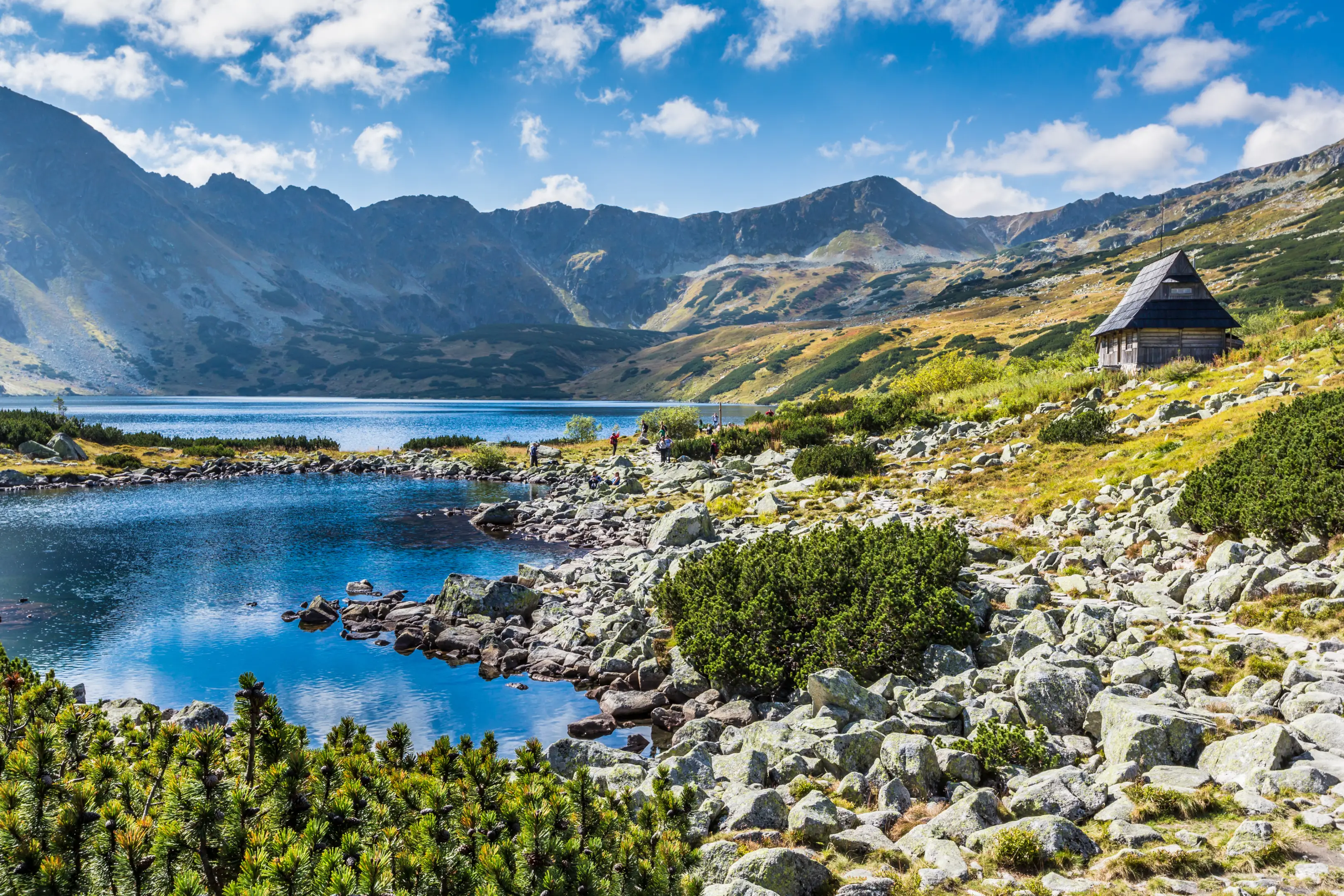
Located in the very south of Poland, near the Slovak border, Zakopane is a venerable winter wonderland. Famed for its skiing and mountaineering, Zakopane lies at the foot of the Tatra Mountains, and in the summer months, it's the perfect setting for hiking and cycling. The alpine-like landscape surrounding the Zakopane resort is stunning, whether you're gazing up from the town center or looking down from the top of the Tatras. For a trip about the town, Krupówki street is a popular destination, with a variety of stores, pubs, and dance clubs. If you aren't afraid of heights, take a funicular up the Gubalowka Mountain for panoramic views of the entire valley.
Read moreShow more
Create a custom trip
plan for Krakow


Travelling made easy:
- ✓ 100% customizable trip
- ✓ On-trip support, around the clock
- ✓ Local travel expertise
Trips Plans Including Krakow




Featured Blogs



Your custom trip package includes

A day to day itinerary

Centrally located hotels

Door to door transportation
Self-guided & private tours
Create Your Perfect Trip in Minutes
Discover A Better Way To Travel.
Once you Go Real, you’ll never go back to ordinary travel.
Hi! Need help planning your dream trip? 🌍