


Frankfurt Travel Guide

Must See Attractions in Frankfurt
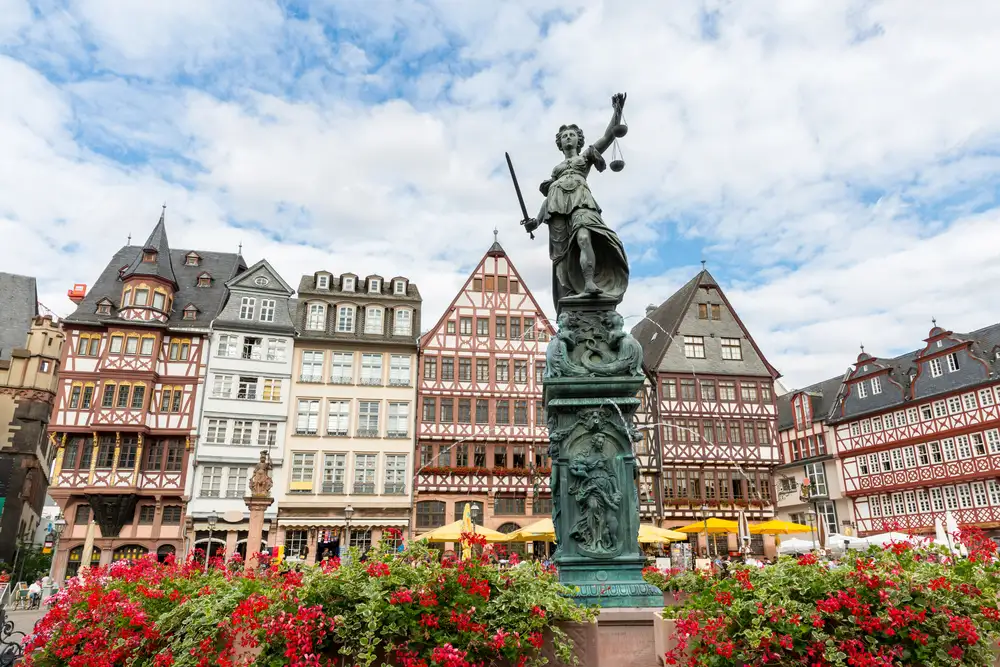
Amidst the glass and steel of commercial Frankfurt, the Old Town Square of Römerberg is an oasis of half-timbered houses, fountains, and old statues. These are made all the more miraculous when you learn everything in Römerberg is entirely a product of German reconstruction. The only house in the square that survived the storms of history is Haus Wertheym, a restaurant that has been serving food since 1479. The rest of the Römerberg was destroyed by bombs in WWII. Deemed too important for Frankfurt to leave in the past, Römerberg was reconstructed, piece by piece, anchoring Frankfurt to its history. The Römerberg is a must-see on your tour of the city.
Read more
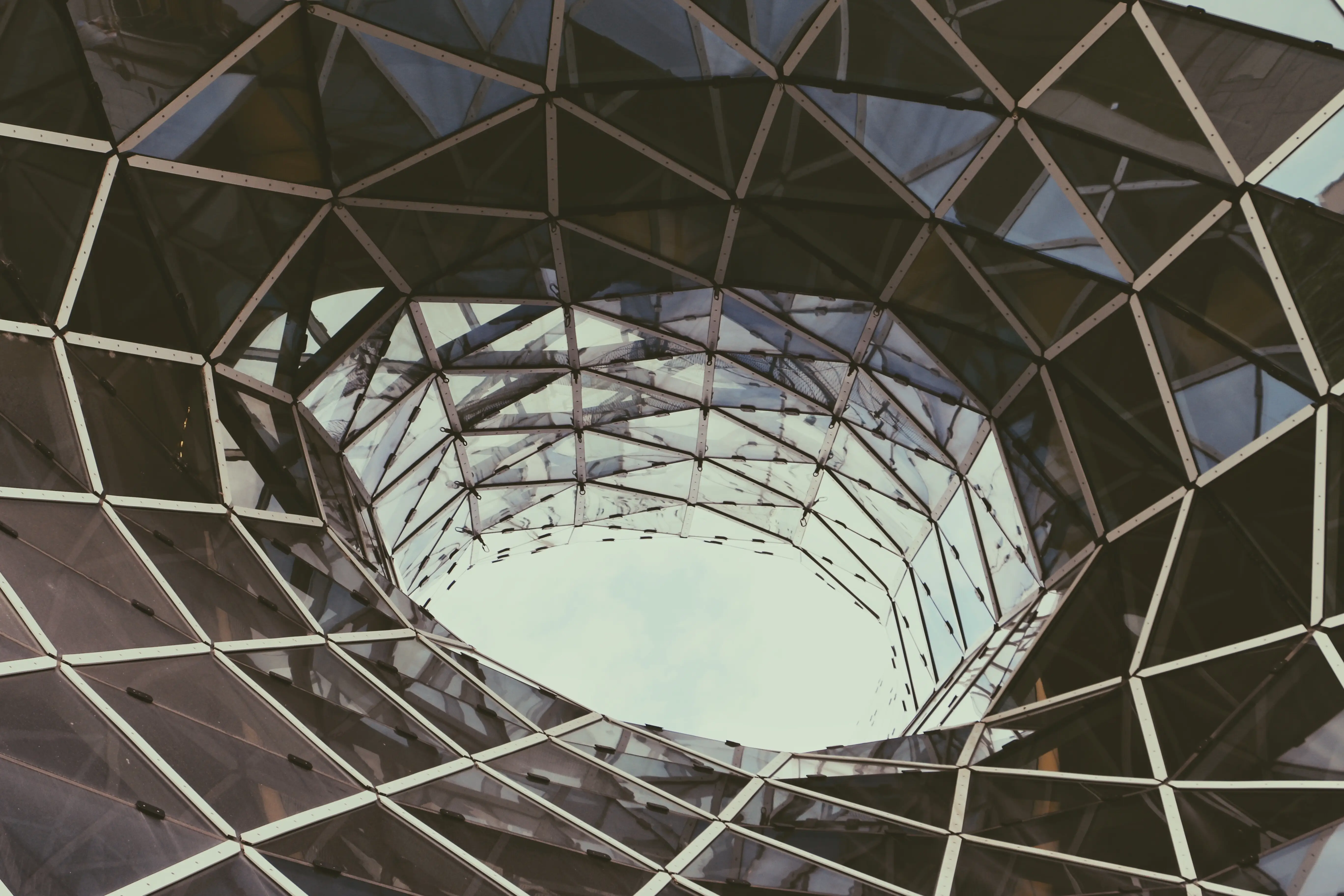
There are many shopping districts within Frankfurt, but the oldest and most popular one, Zeil, is located just outside of Römerberg. Historically, Zeil was a prestigious address for those who owned apartments along the street. In the 19th century, merchants caught on and it became a mecca for shopping among the German middle class. The MyZeil Mall is an architecturally-ambitious shopping mall that opened in 2009. Even if you don't have any shopping to do, the mall is a sight to see, an elaborate prism of angular glass and steel, with a twisting interior like a nautilus shell. Shopping in MyZeil is like wandering a futuristic bazaar that overflows with German fashion, dining, and electronics.
Read more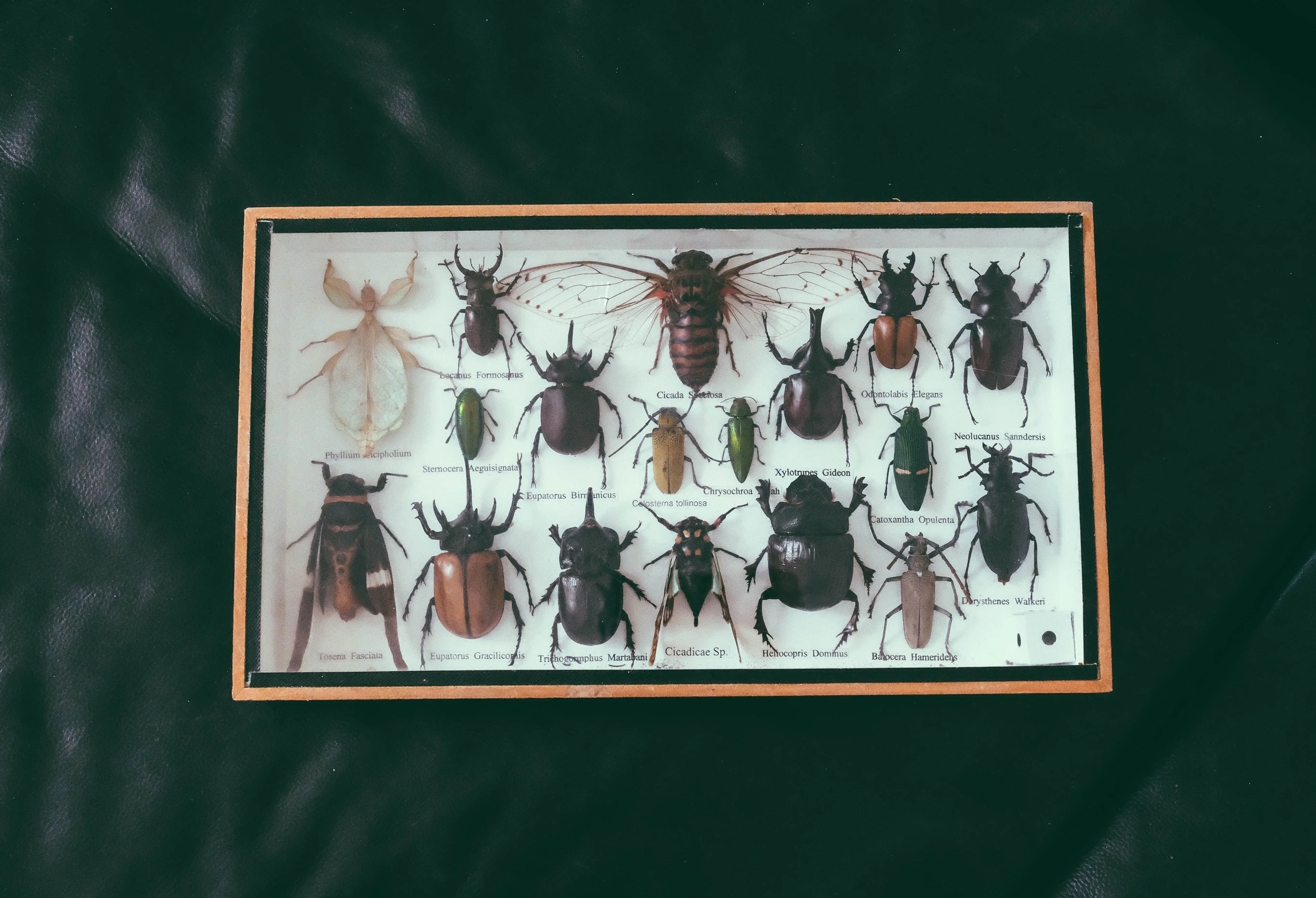
Frankfurt's Natural History Museum (Naturmuseum Senckenberg) is the second-largest natural history museum in Germany. Founded by 18th-century naturalist Johann Christian Senckenberg, the museum's collection of taxidermy and dinosaur exhibitions is a delight for casual and avid science lovers alike. The museum boasts the largest collection of dinosaur fossils in Europe, even showcasing one with preserved scales. There's a cast of Lucy, a rare, almost complete skeleton of an upright hominid. Dino fans will geek out when they see the completed skeleton of a Tyrannosaurus Rex. The museum also offers a terrace restaurant, so when you're done dino-ing, you can dine in.
Read more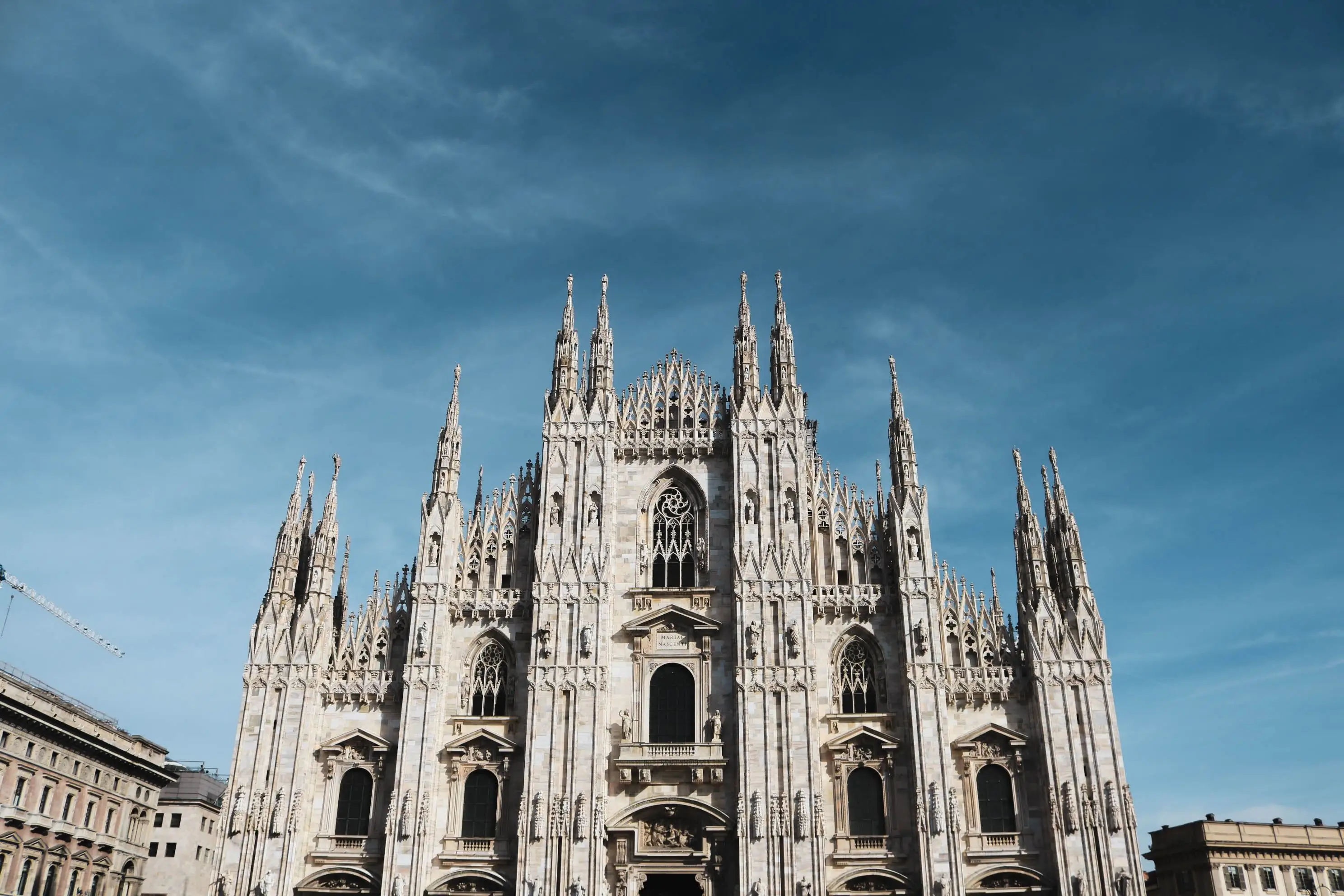
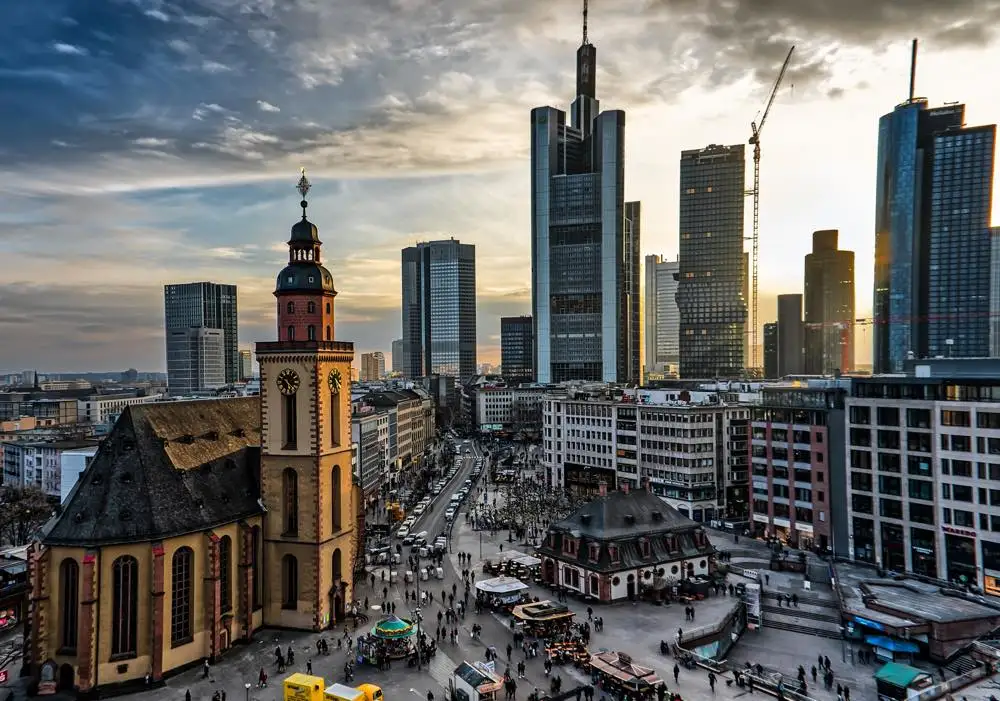
St. Bartholomew's Cathedral is an endearing Gothic heap of a church, much adored by Frankfurters, as it is one of the city's few remaining pieces of pre-war architecture - with a few rebuildings here and there. The cathedral was established in the 7th century and evolved many times across the centuries. The current neo-Gothic style emerged after the building suffered extensive fire damage in 1867. After the cathedral was bombed to pieces in WWII, it was rebuilt to rectify its former glory in 1953. One of the cathedral's big drawcards is its tower, which you can ascend if you can stomach climbing some 330 steps to the top. The views across Frankfurt and the river Main are truly spectacular.
Read more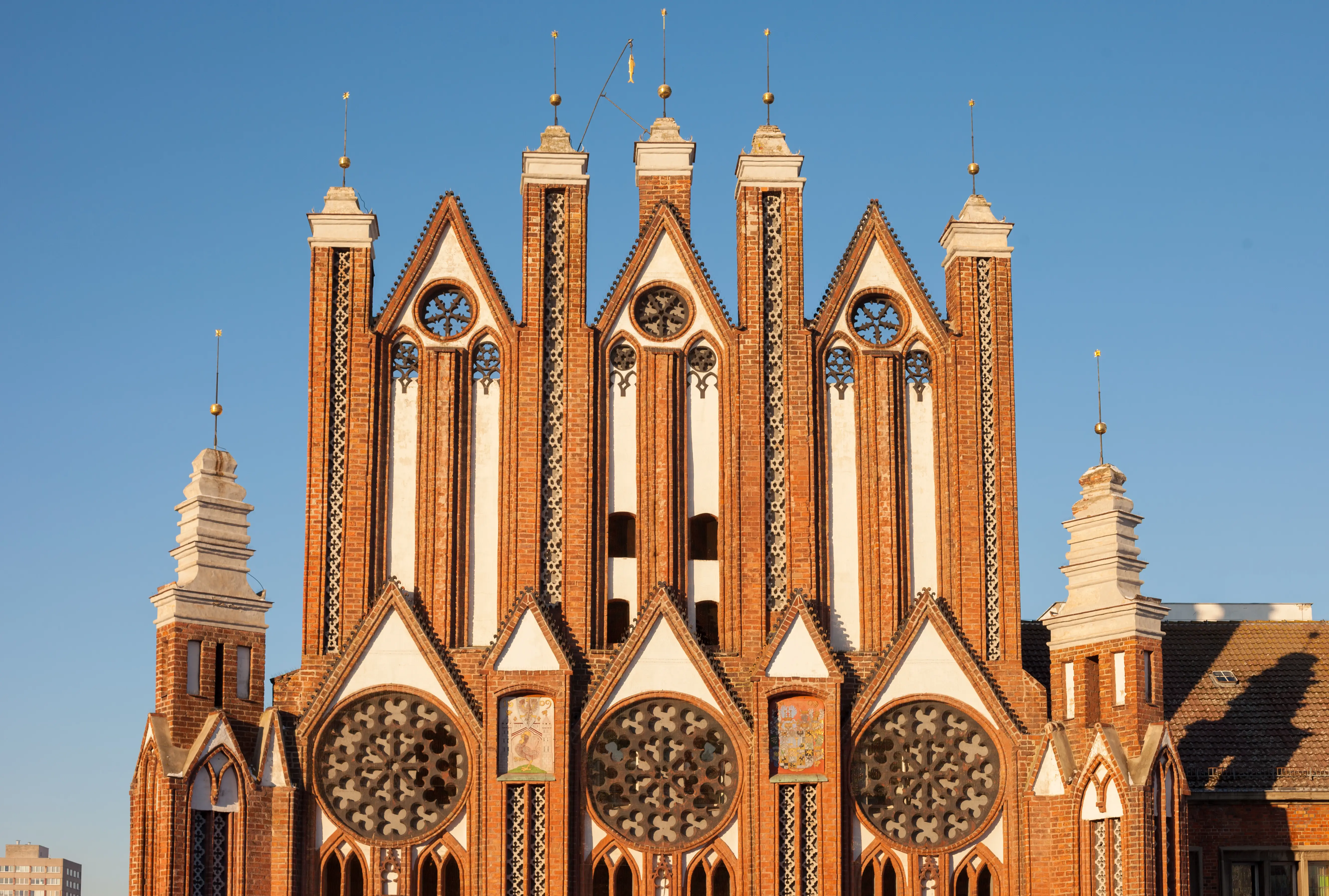
One of the benefits of Frankfurt's commercialism is the run-on effects for the city's arts scene. The Museumsufer area is on both sides of the riverbank, boasting no fewer than 12 museums dedicated to the arts, films, and technology. Before you even enter one of the museums, the area is already a pleasure to stroll and take in the sweeping Frankfurt skyline. Of the museums, the most popular include the MMK Museum of Modern Art, the Frankfurt Jewish History Museum, and the Städel Museum, which features Renaissance and Baroque masterpieces. You can pick and choose to suit your tastes, but whichever you visit will undoubtedly deepen your knowledge and appreciation of German culture.
Read more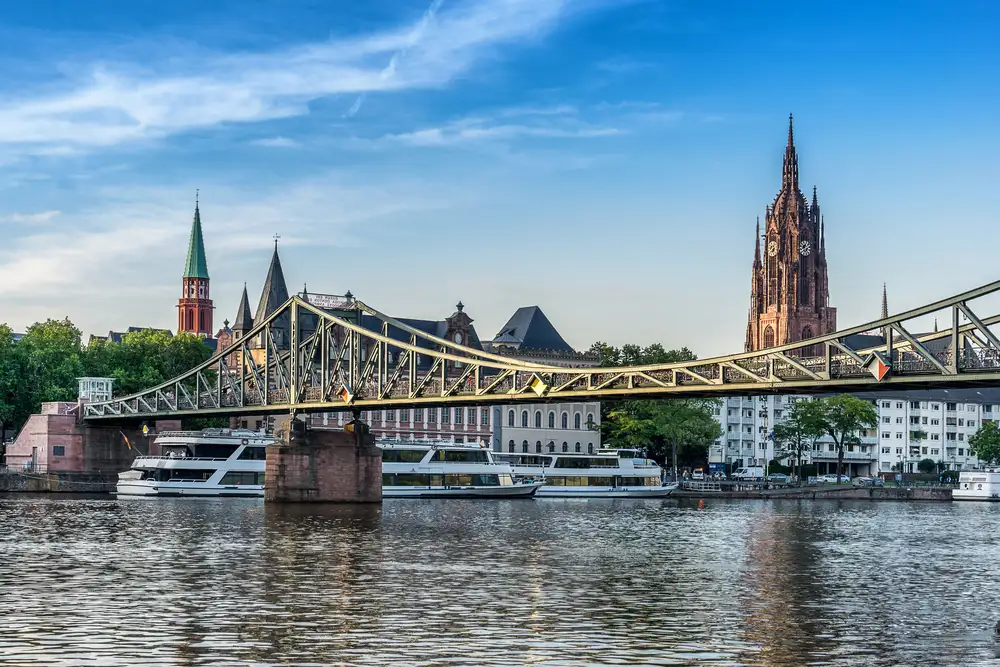
The Eiserner Steg is the 170m iron footbridge that connects Frankfurt's north and south banks: the Römerberg area to the north, and the Sachsenhausen to the south. The bridge offers scenic views of both sides of the river - and undoubtedly the best view of Frankfurt's famous skyline. Literally 'Iron Bridge' in German, the Eiserner Steg was first built in 1868 and has since been replaced multiple times. As the curtain closed on WWII, the Wehrmacht destroyed the bridge to disable it from the encroaching Allies. Today the bridge hangs with 'lovelocks' - padlocks fastened by two lovers who fling the keys into the river below.
Read moreShow more
Optional Day Trips from Frankfurt
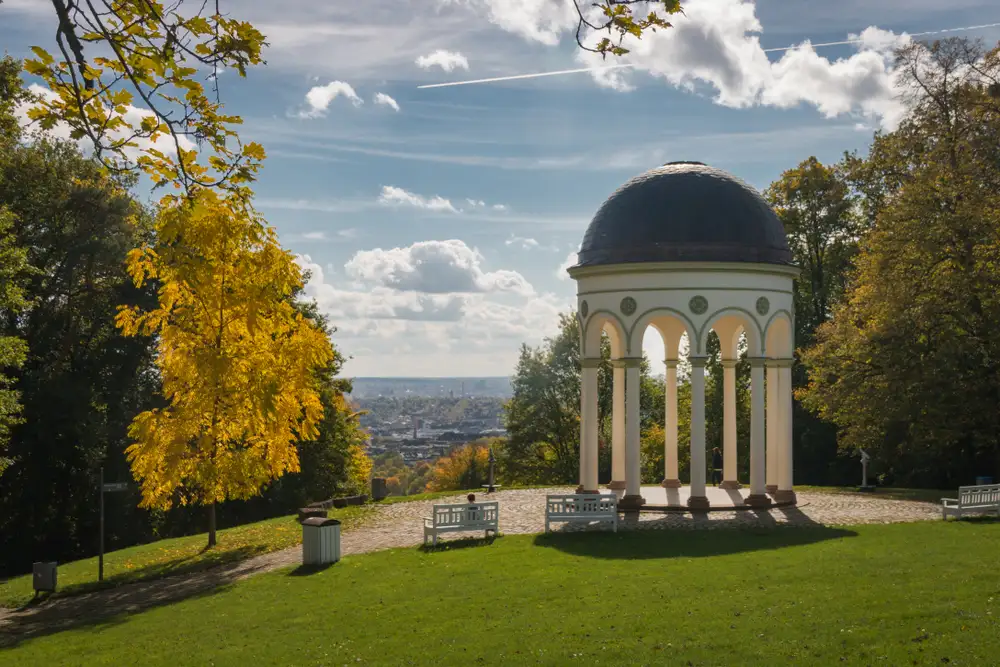
The ancient thermal baths at Wiesbaden were written about by Pliny the Elder in the 1st century AD. The Roman army would bathe their horses in the pools at Wiesbaden, for the water's therapeutic qualities. Inherited by the Franks, Napoleon, and the Prussians, Wiesbaden found its footing in the 18th century as a medicinal spa town, popular among the Russian nobility. As a result of the spa sector, Wiesbaden never needed to industrialize. When you visit the town, you'll find it replete with natural green spaces, 26 natural hot springs, and innumerable health clinics. Due to the unique microclimate, snow melts in Wiesbaden as soon as it touches the ground, and the trees flutter with local valley parrots. An easy journey from Frankfurt, Wiesbaden is the ideal German town to luxuriate and unwind.
Read more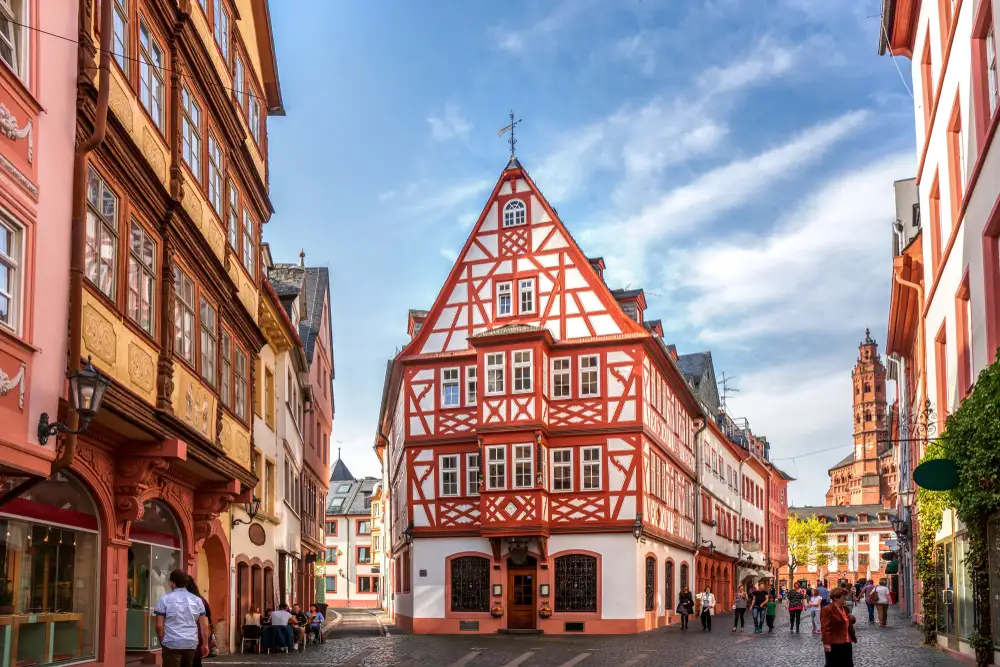
Mainz is a place for lovers of books and literature. Located west of Frankfurt, where the Rhine meets the Main River, Mainz is most well known for being the birthplace of Johannes Gutenberg, inventor of the moveable printing press and namesake of the Gutenberg bible. As you walk the streets of Mainz, though the city is small and heavily reconstructed after WWII, it feels as though you are somewhere important on history's doorstep. This feeling only increases as you check out the town's many museums and noble cathedral. The Gutenberg Museum, the Museum of Ancient Navigation, and the Landesmuseum (featuring art donated by Napoleon himself) all tap into Mainz's deeply-rooted past.
Read more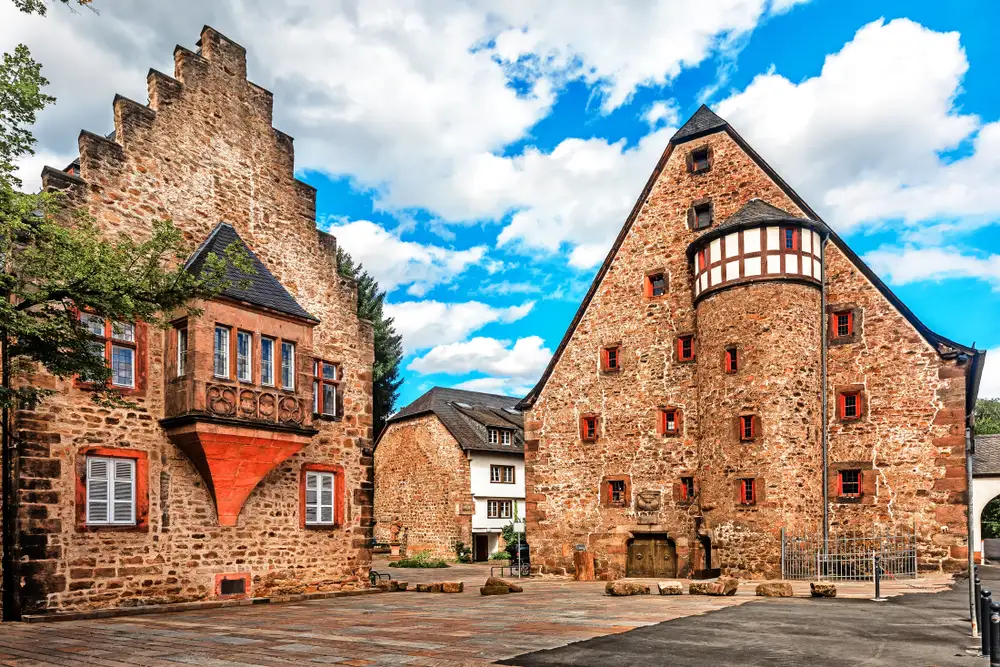
If you know of fairy tales like 'the Frog Prince', 'Sleeping Beauty', or 'Rumpilstilzkin' then you have already fallen under the influence of Marburg. Marburg, a university town, is where brothers Jabob and Wilhelm Grimm studied and collected German folktales in the 18th century. If you have a picture in your head of 'Old Europe' from childhood storybooks, chances are that Marburg is its originator. When you see Marburg's beautiful castles, oddly slanting churches, and eerie walkways, it's easy to tell where the brothers drew their inspiration. The 'Grimm Trail' takes you through a themed route of the old city, filled with mysterious sculptures, installations, and curiosities related to the legendary tales of the Brothers Grimm.
Read more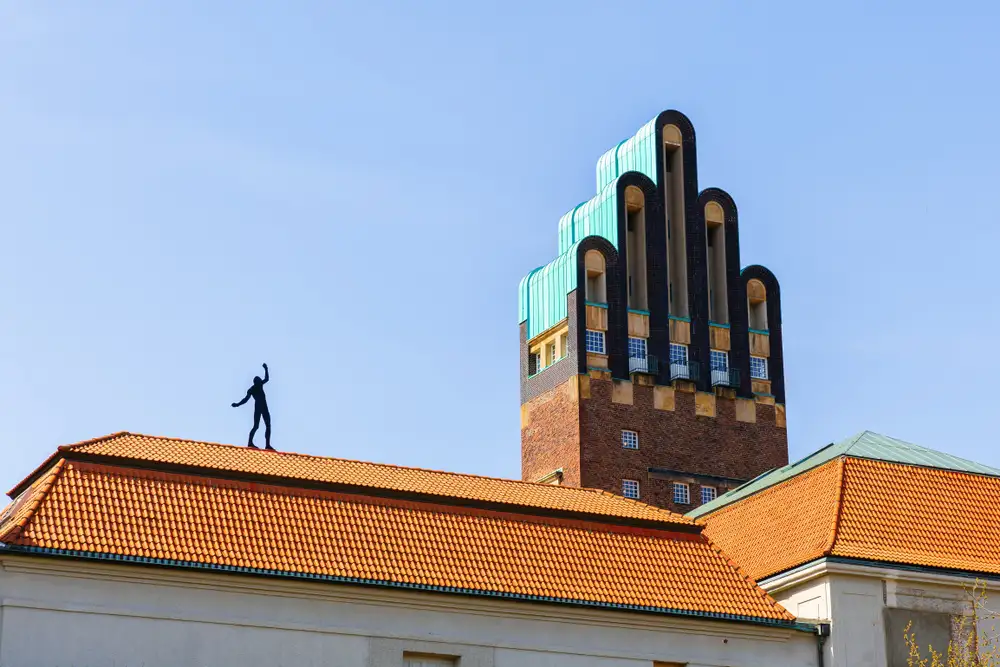
A break from the medieval and renaissance architecture of wider Hesse, Darmstadt is most well known for its Art Nouveau buildings. The German iteration of Art Nouveau is known as Jugendstil, and Darmstadt is a mecca for this round-edged, sleek, modern style. Fans of 20th-century architecture venture to Darmstadt to see iconic buildings such as the 'five-fingered' wedding tower in the Mathildenhöhe district. The architects and designers who created Jugendstil were centered by an artist's colony based in Darmstadt. Today the city has enshrined their work at the Museum Künstlerkolonie, which displays a host of textiles, ceramics, and jewelry within the home of a former artist.
Read moreShow more
Create a custom trip
plan for Frankfurt


Travelling made easy:
- ✓ 100% customizable trip
- ✓ On-trip support, around the clock
- ✓ Local travel expertise
Trips Plans Including Frankfurt


10 Days

10 Days
10 Days
Featured Blogs




Your custom trip package includes

A day to day itinerary

Centrally located hotels

Door to door transportation
Self-guided & private tours
Create Your Perfect Trip in Minutes
Discover A Better Way To Travel.
Once you Go Real, you’ll never go back to ordinary travel.
Hi! Need help planning your dream trip? 🌍