


Hamburg Travel Guide

Must See Attractions in Hamburg

It is hard to miss the blackened ruins of St. Nikolai looming over central Hamburg. Once a Neo-Gothic Lutheran church, St. Nikolai was one of the many pieces of Hamburg destroyed during the Allies' July 1943 firebombing of the city. 42,600 people died in this attack, one of the worst assaults on civilians of all time. The charred ruins of St. Nikolai were left standing in testimony to the horror of war. Today, the crypt below the church is a museum, and visitors can ascend the church tower to an observation deck. Every Thursday at noon, a campanologist plays bells in the tower. The reflective, haunting sound of the bells is a special experience for all who hear them.
Read more

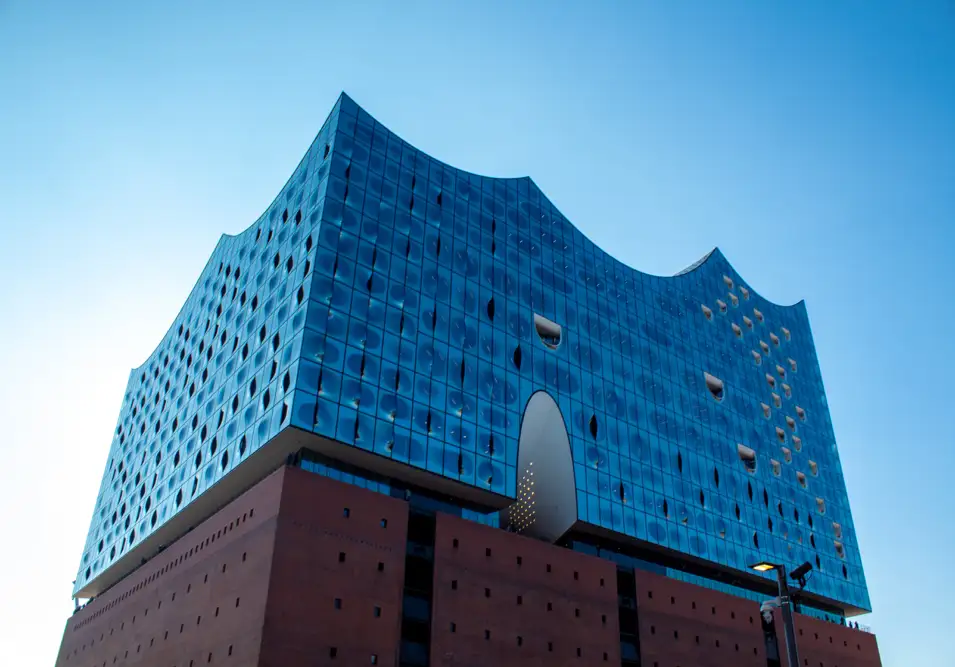
Speicherstadt is the must-see area of Hamburg. This smart brick port warehouse district is where Europe stashed its goods for trade in the 19th century. The impressive neo-gothic Wilhelminian warehouses are now celebrated by UNESCO as a World Heritage Site. The striking impression they cast over the canals will have you reaching for your camera. The Speicherstadt also features Hamburg's latest architectural icon, the Elbphilharmonie concert hall, which sits in pride of place in the harbor, feted globally for its quality acoustics and views across the port. The area also serves up some of the most traditional food in Hamburg, perfect for a pause between sightseeing or an evening out.
Read more
John Lennon once declared, "I might have been born in Liverpool - but I grew up in Hamburg". The Beatles' mark on Hamburg was made in St. Pauli, the city's iconic red-light district. The Reeperbahn, or 'ropewalk' street is a grungy Vegas-like strip, sordid, yet beloved by locals. The area has a staunch seafaring history, still visible at the weekly Fishmarket and sailor's bars. Hamburg's China Town was also historically on the borders of St. Pauli. Many bars in St. Pauli here have been owned and run by the same families for years. Some even claim themselves to be 'St Paulianian' rather than Hamburgian. A visit to St. Pauli - day or night - certainly exposes a unique aspect of Hamburg's identity.
Read more
The Hamburg Town Hall is more than the seat of the city's government. The very history of Hamburg is knitted into the building itself. A masterpiece of the neo-renaissance style, the carvings, statues, and stained glass windows at the Town Hall contain many veiled references to Hamburg's former mayors, townspeople, and gossip. Perhaps the most significant of these symbols is the phoenix, fluttering below the clock face on the building's tower. This was initially put in place to celebrate Hamburg's rise from the ashes after the fire of 1842, however after Hamburg has born through subsequent tragedies, this bird seems especially poignant.
Read more
Hamburg is home to an assortment of excellent art museums. The five main museums are grouped together and known as the 'Kunstmeile' (or mile of art). All are located within easy walking distance of the inner city. The Hamburger Kunsthalle is perhaps the most popular of all five, and it's easy to see why. The museum boasts some of the best old German art in the entire country. However, the Museum Für Kunst Und Gewerbe holds its own as an applied arts museum, while the Bucerius Kunst Forum, Deichtorhallen Hamburg, and Kunstverein in Hamburg showcase smartly curated modern and contemporary art. If you wish to view all five museums at a discount, you can acquire a Kunstmeile Card, or simply pick and choose which museum most takes your fancy.
Read moreShow more
Optional Day Trips from Hamburg

You may know Bremen from the Brother's Grimm tale 'The Town Musicians of Bremen'. This folkish reputation speaks to the age of the city, which has over a millennium of history under its belt. Spanning the Weser River, Bremen is a fun, slightly quirky town to pay a visit. Wander the Böttcherstraße street, take in architecture the Nazis called degenerate, and listen to the Glockenspiel House's 30-bell carillon. Afterward, have a drink in the rustic town hall wine bar. Known as the "delicious foundation" of the town hall, the Ratskeller houses the largest collection of German wines in the world. One oak barrel contains a wine that has been fermenting since 1653. Unfortunately, nobody is able to sample it anymore!
Read more
The medieval town gate of Lübeck is iconic throughout Germany. Known as the Holstentor Gate, this brick gatehouse has two conical towers, set at a tipsy angle as they have slowly sunk into the earth over the centuries. The Holstentor is just the starting point to a town crowned by UNESCO as a special world heritage site. One of the principal cities of the Hanseatic League, Lübeck is famous for its considerable Brick Gothic architecture. Indulge a sweet tooth at the Niederegger Marzipan Museum, go back in time at the Buddenbrook Museum, and definitely look through Marienkirche, the town's remarkable Lutheran church.
Read moreShow more
Create a custom trip
plan for Hamburg


Travelling made easy:
- ✓ 100% customizable trip
- ✓ On-trip support, around the clock
- ✓ Local travel expertise
Trips Plans Including Hamburg

14 Days



14 Days
14 Days
Featured Blogs





Your custom trip package includes

A day to day itinerary

Centrally located hotels

Door to door transportation
Self-guided & private tours
Create Your Perfect Trip in Minutes
Discover A Better Way To Travel.
Once you Go Real, you’ll never go back to ordinary travel.
Hi! Need help planning your dream trip? 🌍