




Salzburg Travel Guide

Must See Attractions in Salzburg
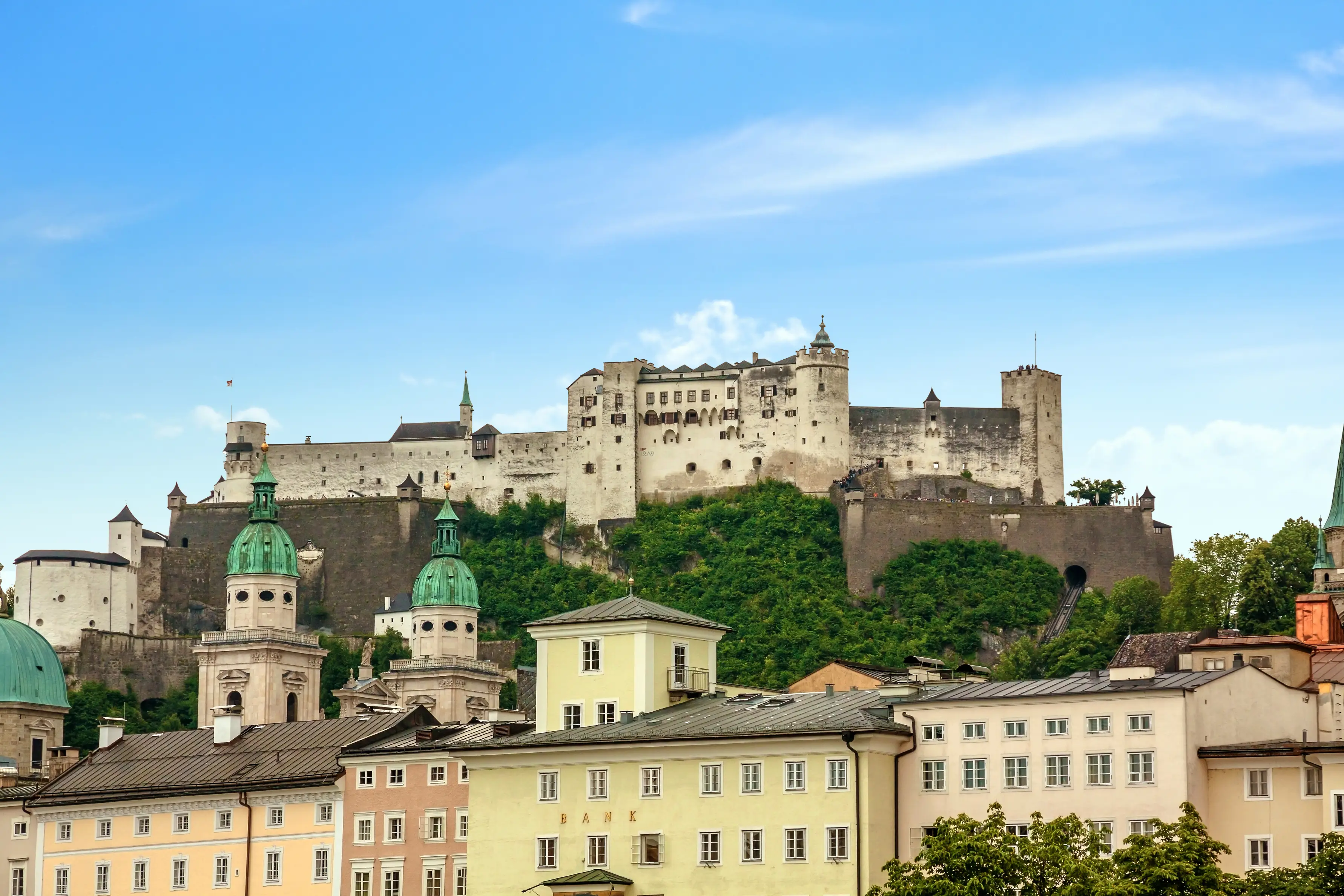
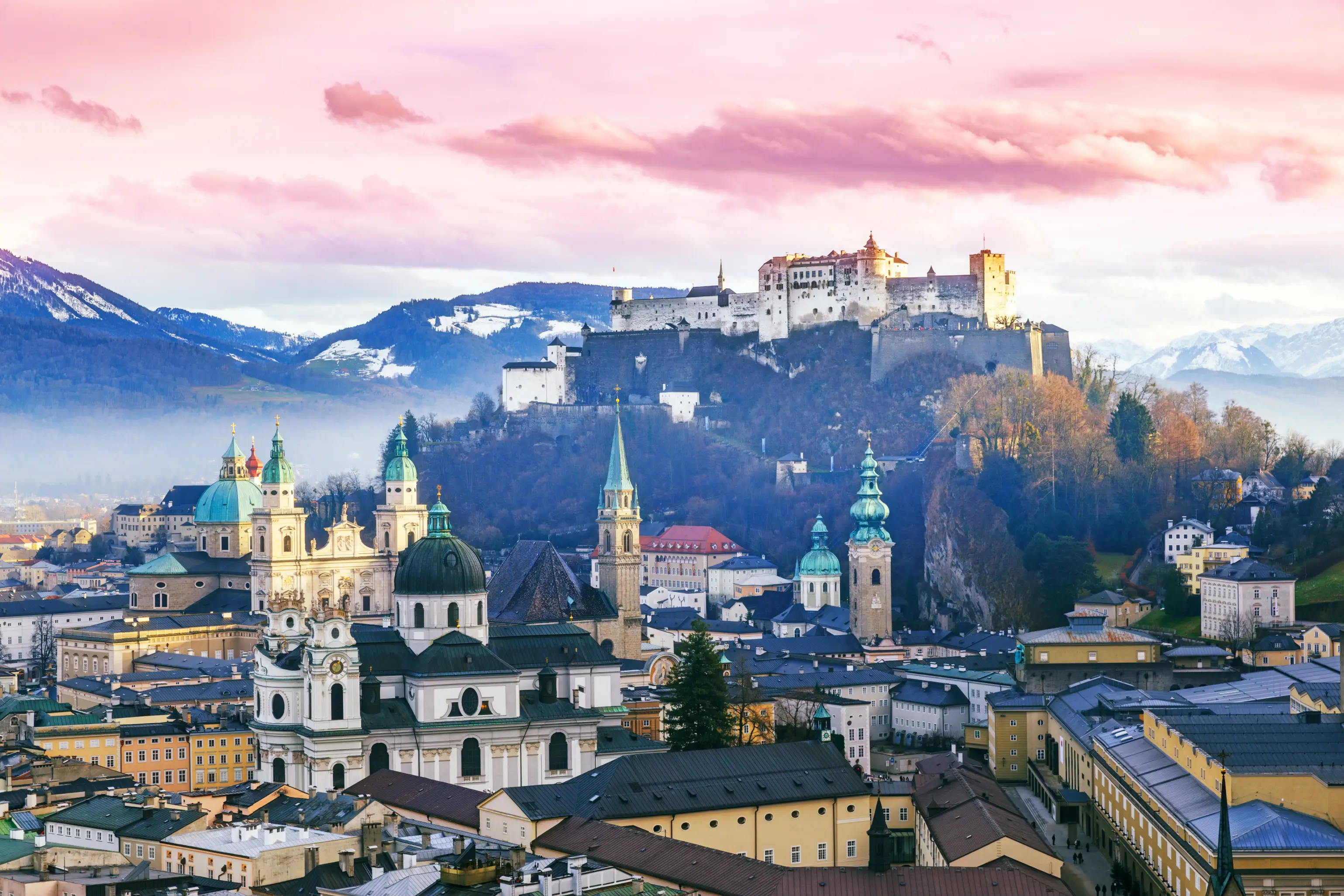
Dating back to 1077, Hohensalzburg Fortress is the main landmark of Salzburg and perched atop a cliff overlooking the city. Initially built by the archbishop to show off the power of the Catholic Church and protect the town from attacks, the fortress only ever served as a storage space and a dungeon. Because the fortress was never conquered or even attacked, it's now one of the largest fully-preserved castle complexes in Europe. To reach the fortress, you can either hike up the hill or take a ride on the funicular, which opened in 1892 and is considered to be the oldest of its kind. At the top, there are over 8 acres to explore. Check out the terrace for a spectacular view of the Austrian Alps and the Altstadt below. Stroll through the interiors of the fortress, which still boast Gothic decorations like wood carvings and paintings. You'll get to see the Golden Hall, Golden Chamber, the dungeon, and decorated staterooms that used to belong to influential archbishops.
Read more

Salzburg's Old Town, also known as Altstadt, is a UNESCO World Heritage site thanks to its well-preserved Baroque architecture and historic buildings. Dominated by medieval churches and monasteries along with majestic domes and spires, walking through Old Town will take your breath away. Old Town is home to many historic monuments for you to visit. Don't let the outstanding beauty distract you for too long: you can experience some culture and learn something as well. Visit the Old City Hall, the birthplace of Mozart, which has now been turned into a museum celebrating his life, and the Getreidegasse — Salzburg's most famous shopping street. You can also explore Salzburg's many elegant squares, including Residenzplatz and Mozartplatz. With so much to see and do in Old Town, you'll just have to experience it for yourself.
Read more
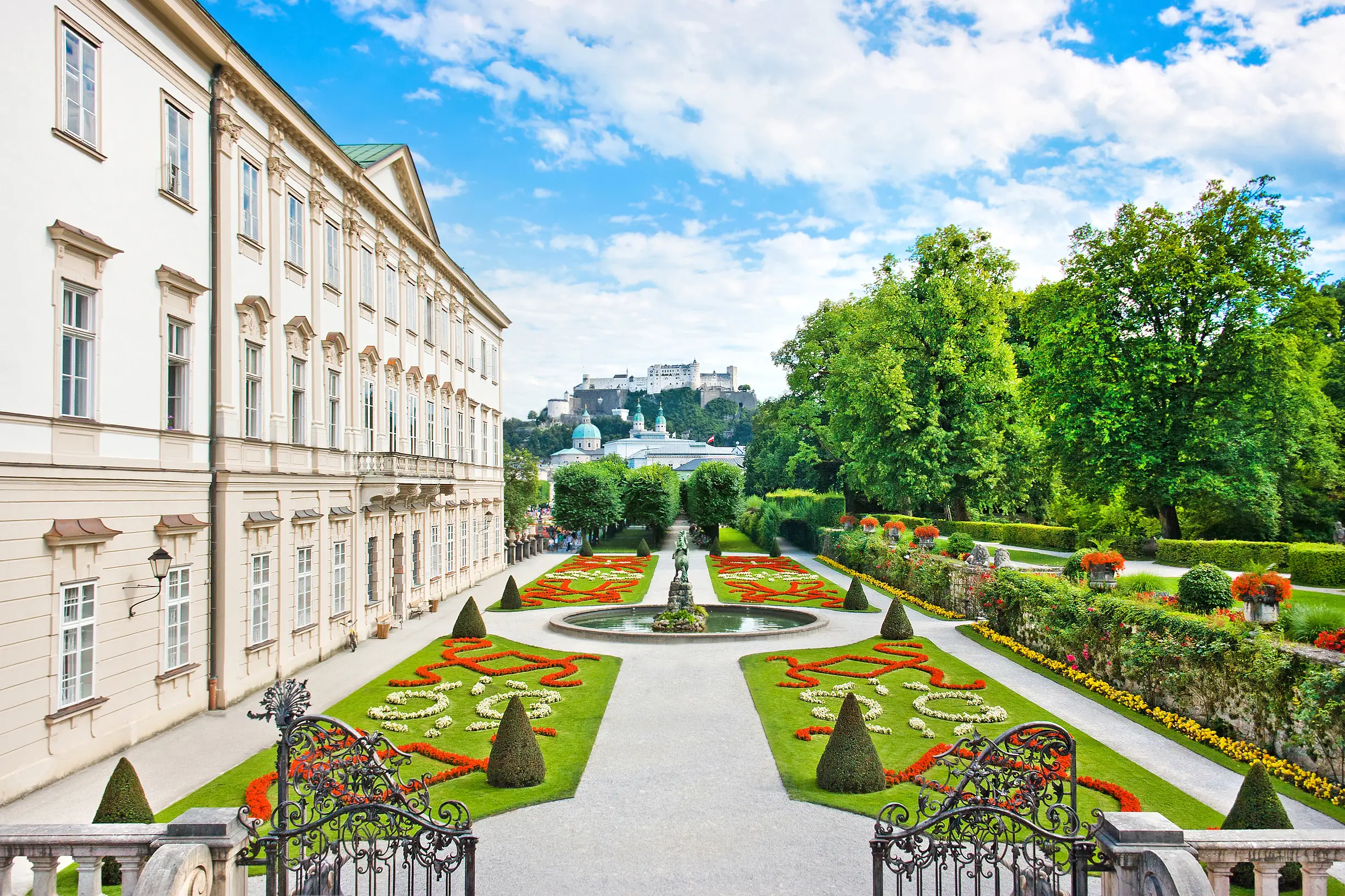
Mirabell Palace dates back to 1606 when Prince-Archbishop Wolf Dietrich had it built for no other reason than to impress his lover. Since then, the Baroque palace has made an appearance in the classic film The Sound of Music and has been named a UNESCO World Heritage site. Nowadays, the palace is a popular wedding venue. The palace and gardens are open to the public and free of charge, so you can go back as many times as you please. The most popular attraction inside is the Marble Hall, along with the Baroque Donnerstiege, or staircase of thunder, leading up to it. The Marble Hall used to be the dining hall of the prince-archbishops and now hosts Mozart concerts almost nightly. Outside, you'll find a manicured garden paradise. Highlights of the manicured gardens include the Rose Garden and the Pegasus Fountain, which were both featured in The Sound of Music, along with the Dwarf Garden and the Hedge Theater.
Read more
Built in 1612 as a summer residence for the prince-archbishops, Hellbrunn Palace was meant as a place of fun and relaxation. A beautiful example of Mannerist architecture, Hellbrunn is the only surviving example of the fun water parks that used to be characteristic of Italian aristocracy. The interior of the palace is magnificent, with its grand ballrooms and historic chambers, but the real highlight lies outside. The palace park is home to trick water fountains that you can try to navigate without getting sprayed ( it's almost impossible!). From fountains and water-powered animated figures to ponds and caves, the grounds are full of surprises. This type of attraction is best visited in summer, but during the winter, it's home to beautiful Christmas markets for you to browse.
Read more
The Mönchsberg, which gets its name from the Benedictine monks of St. Peter's Abbey, is a mountain rising 507 meters above sea level in the middle of Salzburg. Providing magnificent views of Altstadt on one side and the fortress on the other, the Mönchsberg is a must-visit for all outdoor enthusiasts. Topped by meadows and woodlands, the mountain is a popular recreation destination for tourists and locals alike. If you're not much of a hiker, you can reach the top using the Mönchsberg lift, which will take you straight to Salzburg's Museum of Modern Art. Or, follow an easy footpath or one of the more challenging hiking trails to reach the top. Once there, you can explore the scenic lookout points, relax in the grass, or visit the museum and the adjoining restaurant, all while enjoying the unbeatable views.
Read moreShow more
Optional Day Trips from Salzburg

Untersberg is a mountain in Salzburg that also straddles the German border. Reaching a peak of 1853 meters above sea level, this mountain attracts outdoor enthusiasts and alpine sports lovers during all seasons. With that kind of elevation, you can be sure that Untersberg provides brilliant views of the city of Salzburg, along with Rositten Valley and the surrounding alpine ranges. The subject of many folk legends because of its huge mysterious caves, the Untersberg today is a favorite for tourists and locals alike. Hikers and climbers flock there in the summer, while skiers hit the slopes in the winter. Explore the peaks and plateaus of the mountain until you tire out, then stop in one of the cozy mountain huts for refreshments. If you're really trying to save your energy, take the cable-car to the top of the mountain instead of hiking it.
Read more
Situated just across the border in Germany, Königssee Lake is part of the Berchtesgaden National Park. This crystal-clear alpine lake, which was carved by glaciers, is Germany's deepest and cleanest lake and has served as an outdoor leisure area for centuries. The area around the lake was a hunting ground for Bavarian rulers in times of old. You can take a cruise across the water on an electric boat to sightsee in the area surrounding the lake. Besides the beautiful natural scenery of the mountains and the trees, visit the community of Schönau am Königssee, a traditional Bavarian town. One of the most famous sights here is the monastery of St. Bartholomä, built in the Baroque style. During your cruise across the lake, a tour guide will demonstrate the incredible echo created by the rocky cliffs that surround it by enthusiastically singing traditional folk songs of the region — feel free to join in!
Read more
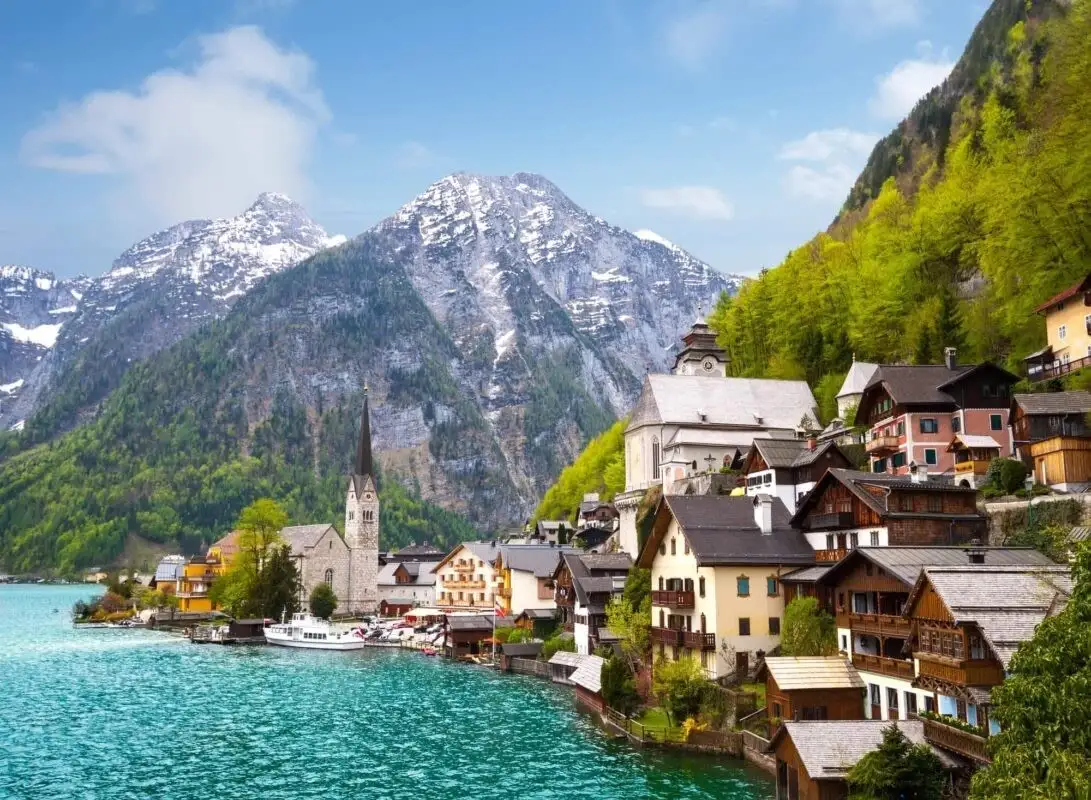
Hallstatt, a small village nestled even further into the Alps than Salzburg on Lake Hallstatt, wasn't always as picturesque as it is today. Dating all the way back to the early Iron Age, Hallstatt was once a salt mining center. As a result of the salt mines, the village played a significant role in the region's economy, despite the fact that it was difficult to reach without a boat. The first road to the town was built in 1890, but thanks to the mountains and the lake surrounding it, it's still pretty secluded. Situated between mountains and shore, you can be sure that everywhere you look, there's an incredible photo opportunity. The pastel houses and the tranquil lake are a sight to behold. Visit some of Hallstatt's historical monuments, like the oldest salt mine in the world and the ossuary. To end a busy day in Hallstatt, take a relaxing boat ride on the glassy lake and marvel at the scenery around you.
Read more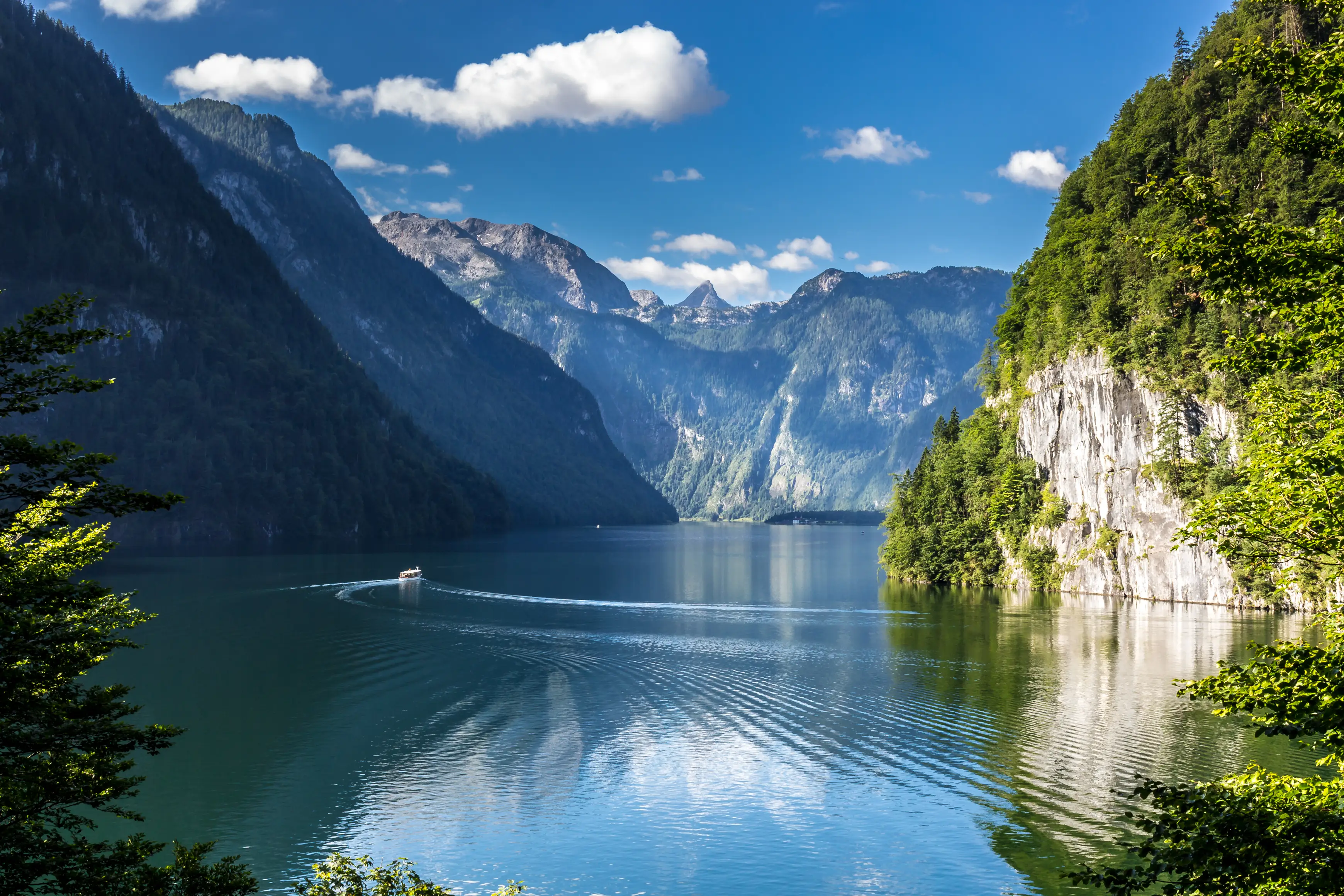
Berchtesgaden is a charming town just across the border in Germany, nestled in the Bavarian Alps. Once the center of an independent ecclesiastical principality, it became part of the Kingdom of Bavaria in the early 19th century. The surrounding Berchtesgadener Land is renowned for its protected alpine landscapes, including Berchtesgaden National Park. Today, Berchtesgaden is an ideal starting point for exploring the region’s mountain trails and outstanding sights. Visit the Eagle’s Nest, a Nazi-era mountaintop retreat with sweeping alpine views, or take a boat across Königssee, a striking emerald-green lake enclosed by steep mountain walls. Other highlights include the Watzmann, Germany’s second-highest mountain at 2,713 meters, the historic salt mines, and the local Hofbräuhaus.
Read more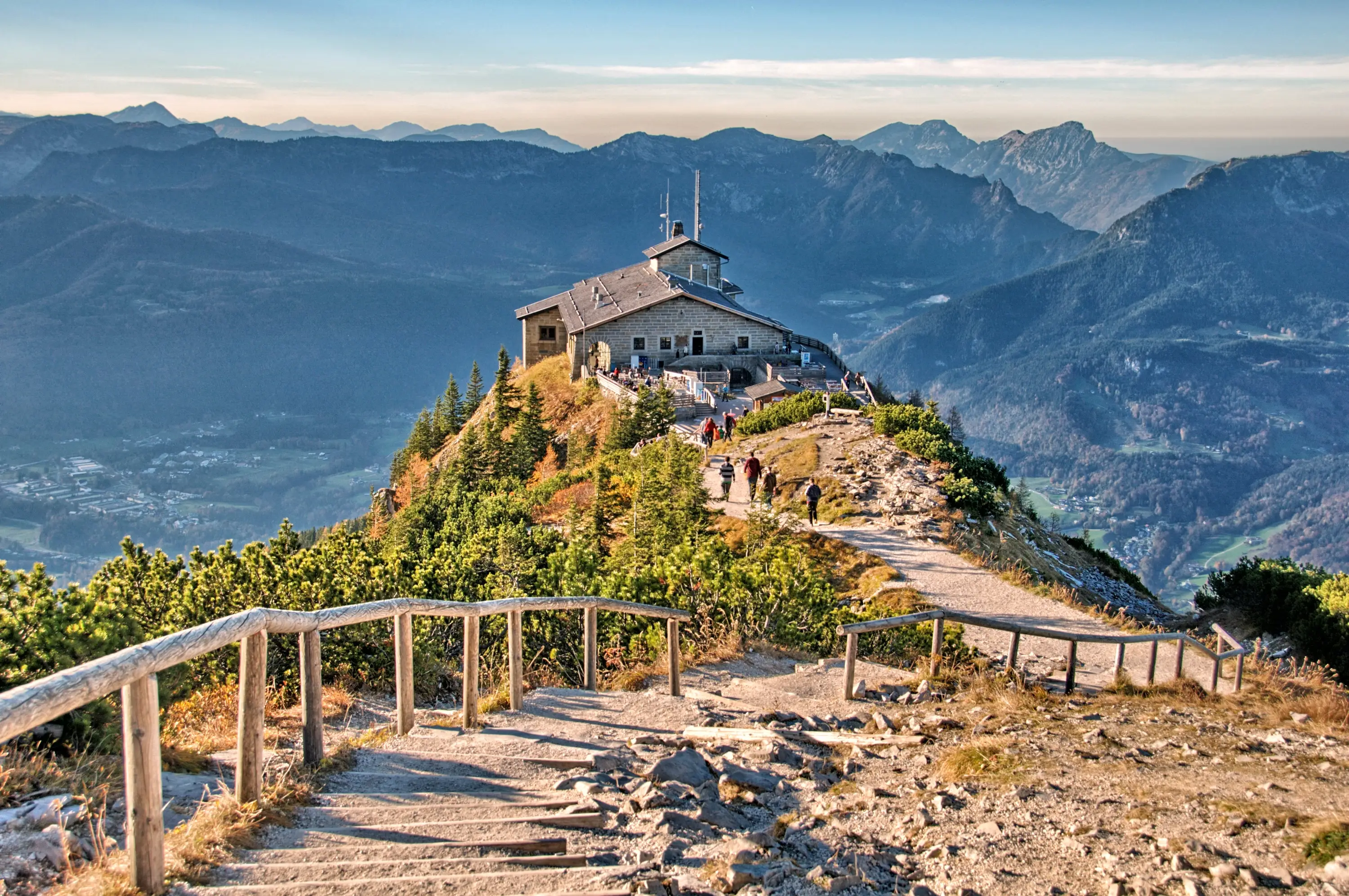
The Eagle's Nest, also known as the Kehlsteinhaus, located at the top of Obersalzberg Mountain, is a testament to the dark side of Europe's history. At 1820 meters above sea level, the Eagle's Nest was originally built by the Nazi Party as a 50th-birthday gift for Adolf Hitler. During WWII, the building was used for state visits and other government meetings. Since it was never attacked or otherwise affected by the war, the building stands in its original form today. Instead of being used for government purposes, it now houses a mountain-top restaurant with an incredible panoramic view of the surrounding mountain ranges and the villages below.
Read more
Hohenwerfen Castle was built in 1077 as a fortress and has been damaged and destroyed several times by peasant revolts, neglect, fires, and finally, Nazi rule. It wasn't until the 1980s that the castle was finally restored and opened as a tourist attraction. Today you can enjoy guided tours of the castle and take part in the most popular attraction: the daily falconry shows. The Hohenwerfen Castle is also in close proximity to the Eisriesenwelt, or ice caves. Discovered for the first time in 1879, these are the world's largest accessible ice caves, covering 30,000 square meters and including 42 kilometers of trails deep within the mountain. The highlight of the ice caves has to be the Eispalast, or ice palace, where the ice crystals glisten in the light when a magnesium flare is held to them. The Hohenwerfen Castle and the Ice Caves are easily doable in one day, but just make sure to dress warmly.
Read more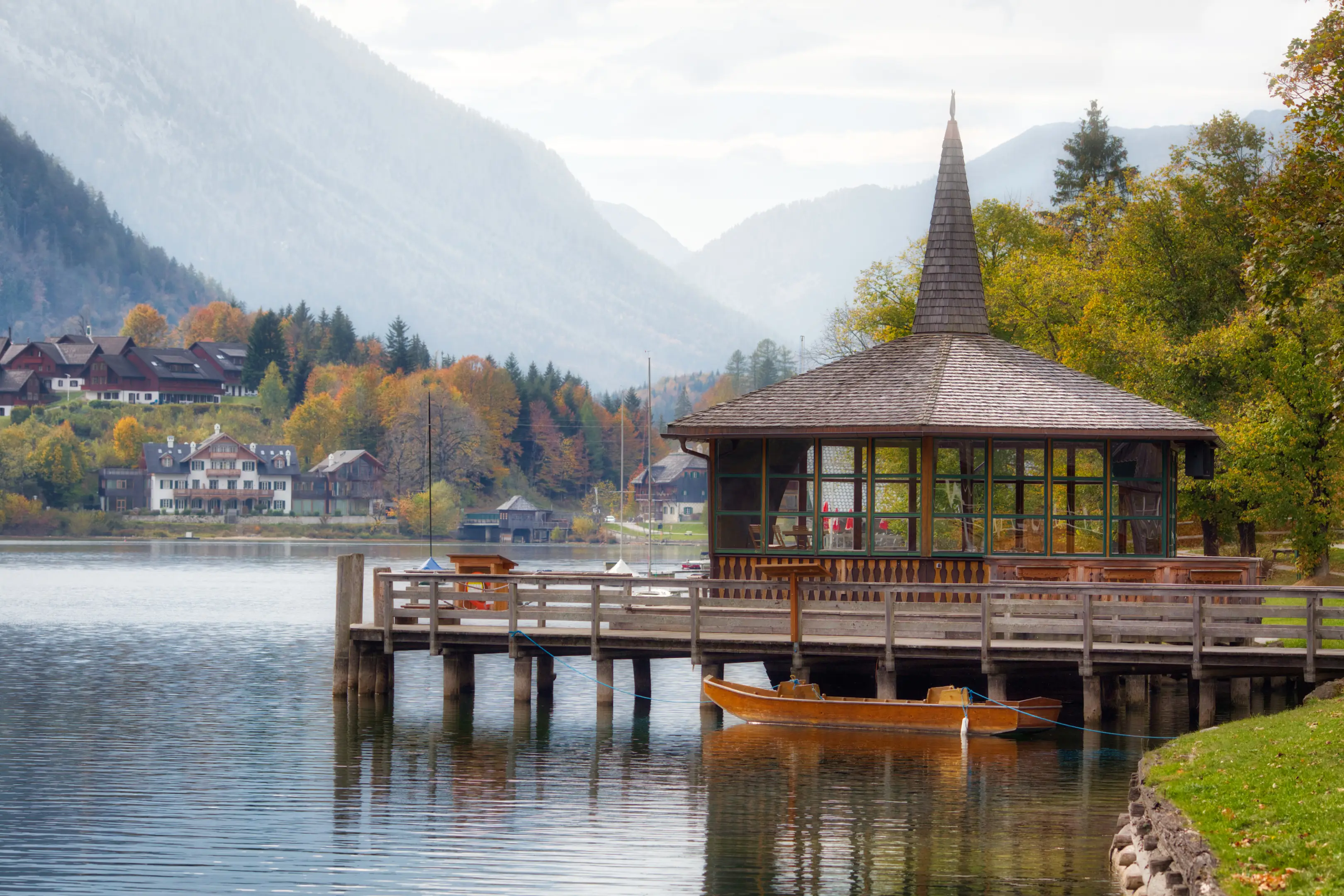
Known as one of the most scenic districts in Austria, the Salzkammergut, or Property of the Salt Chamber in English, is famous for its salt mining history, which dates back 2000 years ago, starting with the Romans. Another filming location for The Sound of Music, the Salzkammergut is home to some fantastic views that attract tourists and locals alike. Characterized by glassy lakes in deep valleys and mountain peaks rising high above the cozy villages, the Lake District offers an unparalleled sense of tranquility. The lakes are perfect for boating, swimming, and fishing, while more active vacationers might want to go hiking or sightseeing. The Salzkammergut has even more to offer than its impressive natural landscape. You can visit the Seeschloss Ort, which overlooks a lake in the village of Gmunden, or check out the Kaiservilla, the former summer residence of Emperor Franz Josef.
Read moreShow more
Create a custom trip
plan for Salzburg
Travelling made easy:
- ✓ 100% customizable trip
- ✓ On-trip support, around the clock
- ✓ Local travel expertise


Featured Blogs




Your custom trip package includes

A day to day itinerary

Centrally located hotels

Door to door transportation
Self-guided & private tours
Create Your Perfect Trip in Minutes
Discover A Better Way To Travel.
Once you Go Real, you’ll never go back to ordinary travel.
Hi! Need help planning your dream trip? 🌍