


Rome Travel Guide

Must See Attractions in Rome
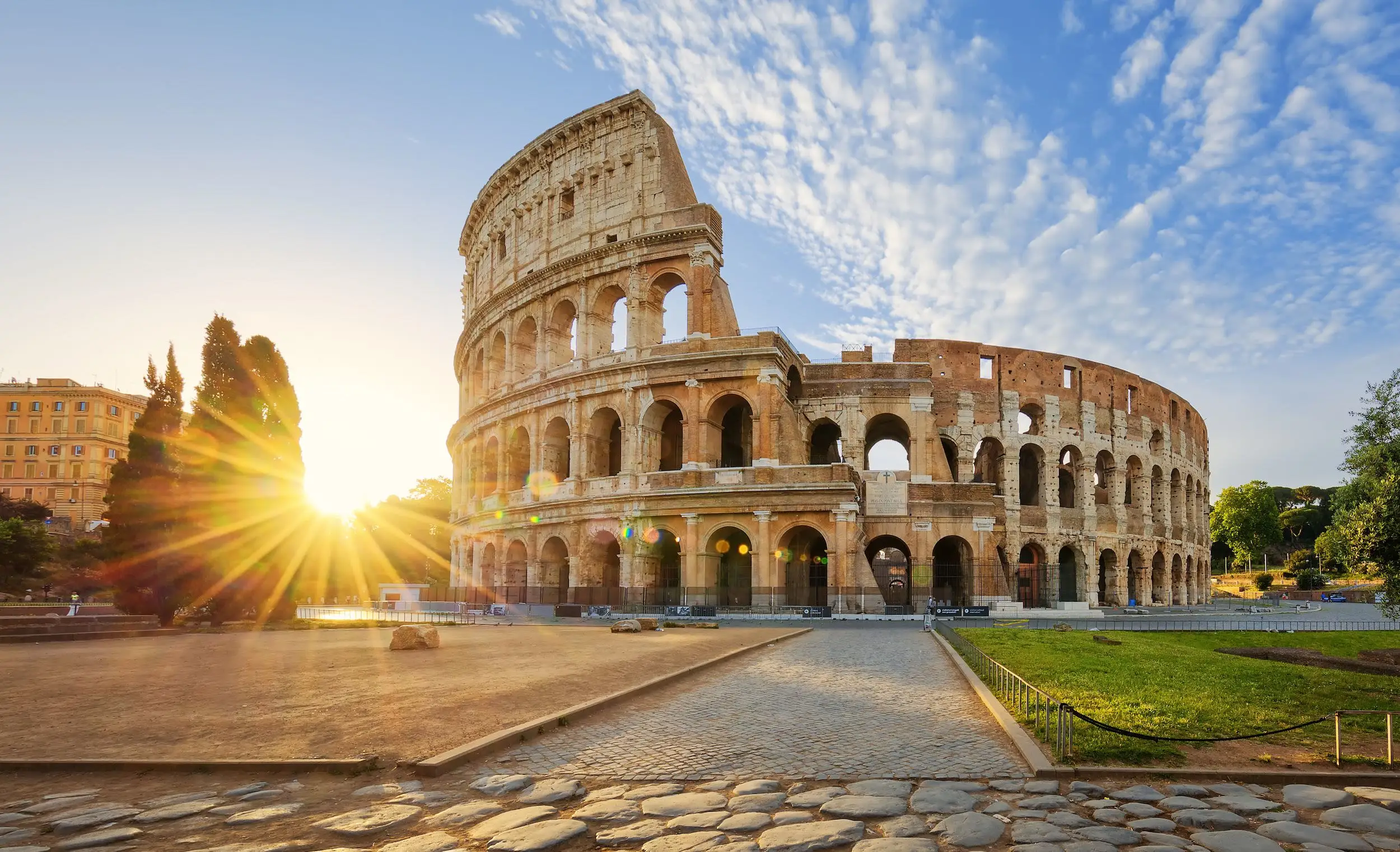
The most famous archeological site in Italy, the Colosseum opened in AD 80 as an entertainment venue for the citizens of ancient Rome. Crammed into three tiers of seats encircling the stone amphitheater, spectators screamed and cheered as gladiators faced off in bloody battles to the death. Hidden beneath the sand-covered arena was a labyrinth of underground tunnels, slave-holding cells, and exotic animal dens. Visit the Colosseum on a guided tour through the travertine columns lining the upper terraces of the amphitheater. You don’t need to be a lover of architecture to marvel at this legendary symbol of Rome’s dark history.
Read more
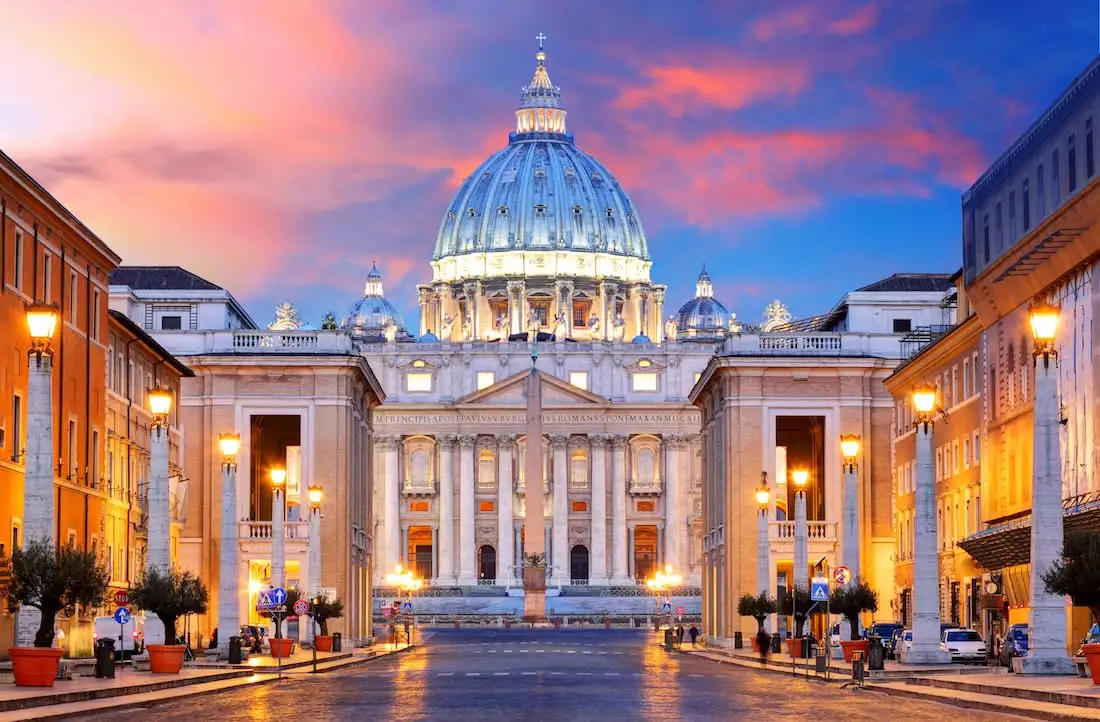
Vatican City is a sovereign city-state, making it the smallest country in the world. Although famous as home to the Pope and the center of the Roman Catholic Church, you don’t need to be religious or even Catholic to appreciate what lies within the guarded enclosure. St. Peter’s Basilica and Michaelangelo’s gorgeous ceiling frescoes in the Sistine Chapel are among the city’s many treasures. A trip to Rome wouldn’t be complete without a full day in Vatican City. The Vatican City museum complex is the largest in the world, filled with Baroque and Renaissance paintings, tapestries, and sculptures depicting famous religious scenes. If you’re lucky, you might even have the opportunity to see the Pope; he makes a public appearance on Wednesday mornings and Sundays.
Read more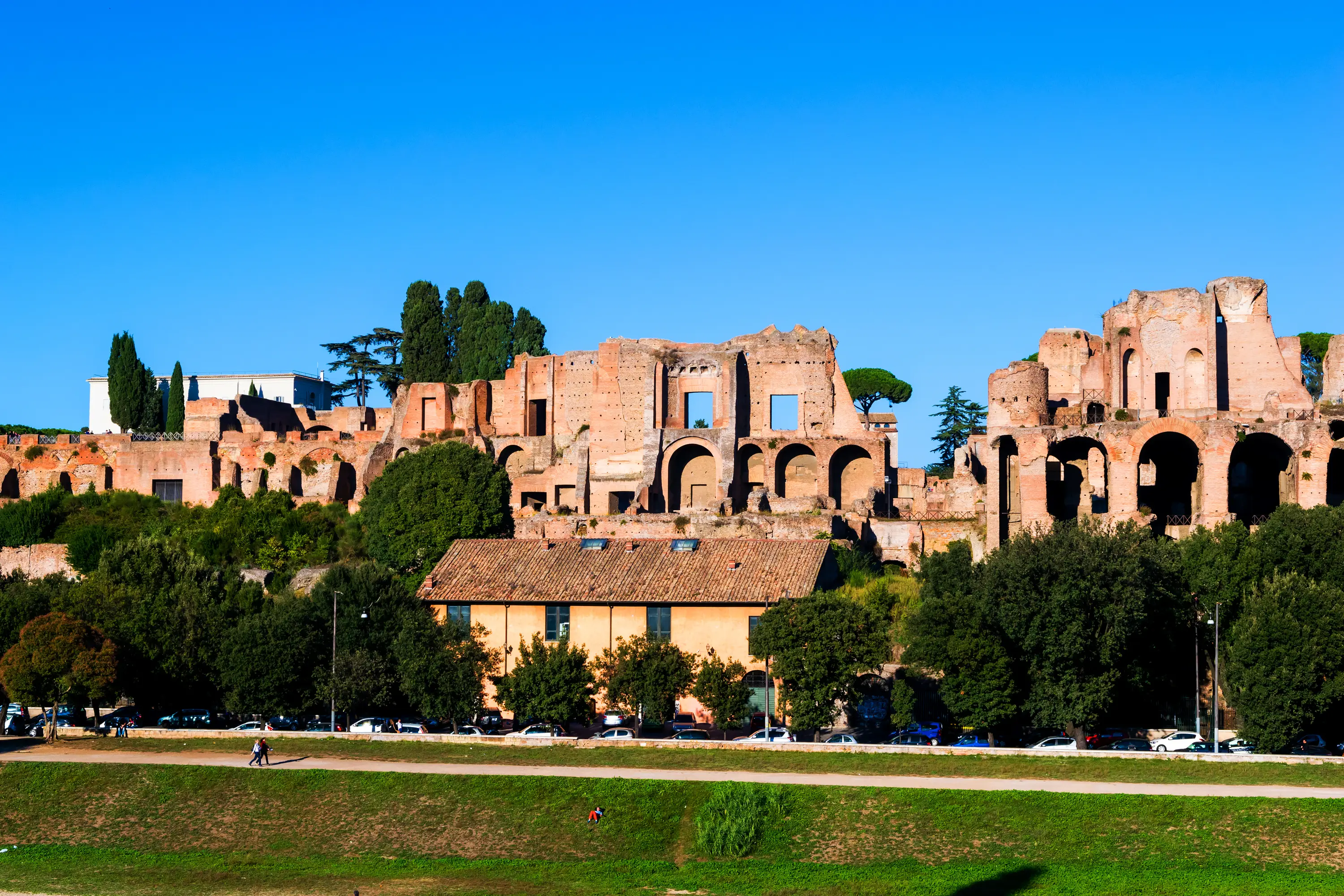
As the center of life in ancient Rome; the Roman Forum once served as a political playground, place of worship, and meeting point for the empire’s most esteemed members. Nowadays, the vast archaeological site still serves as a reminder that the foundations of the Roman Empire and the western world began here. Overlooking the forum is Palatine Hill, the “seven hills of Rome” where the imperial palaces of wealthy Roman aristocrats were situated. Schedule a guided tour of the Roman Forum and Palatine Hill to understand the history behind the maze of standing and fallen columns, triumphal arches, and temple ruins.
Read more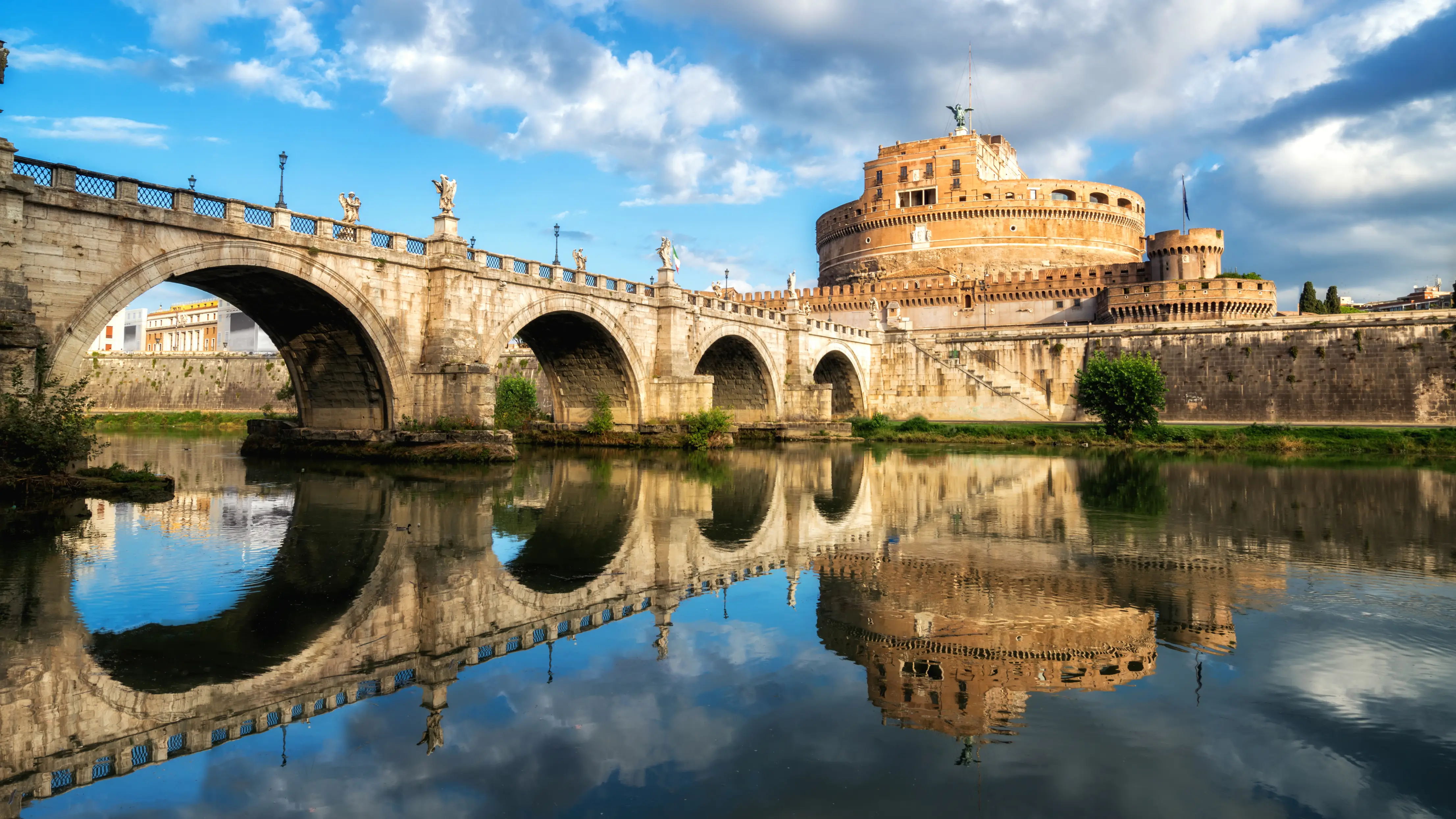
Castel Sant’Angelo, also known as the Mausoleum of Hadrian, is a towering cylindrical castle situated on the right bank of the River Tiber. From mausoleum, military fortress and prison, to a 14th-century papal residence, it’s safe to say this incredible structure suffered a bit of an identity crisis over its long history. Today it stands as a museum with plenty of historical artifacts to marvel over. Stroll along the ‘Bridge of Angels’, one of the city’s most underappreciated gems, to reach the fortress. As the bridge name suggests, a succession of stone angels line the length of the bridge, telling the story of Christ. Once inside the fortress, head to the top level for a gorgeous view of Rome.
Read more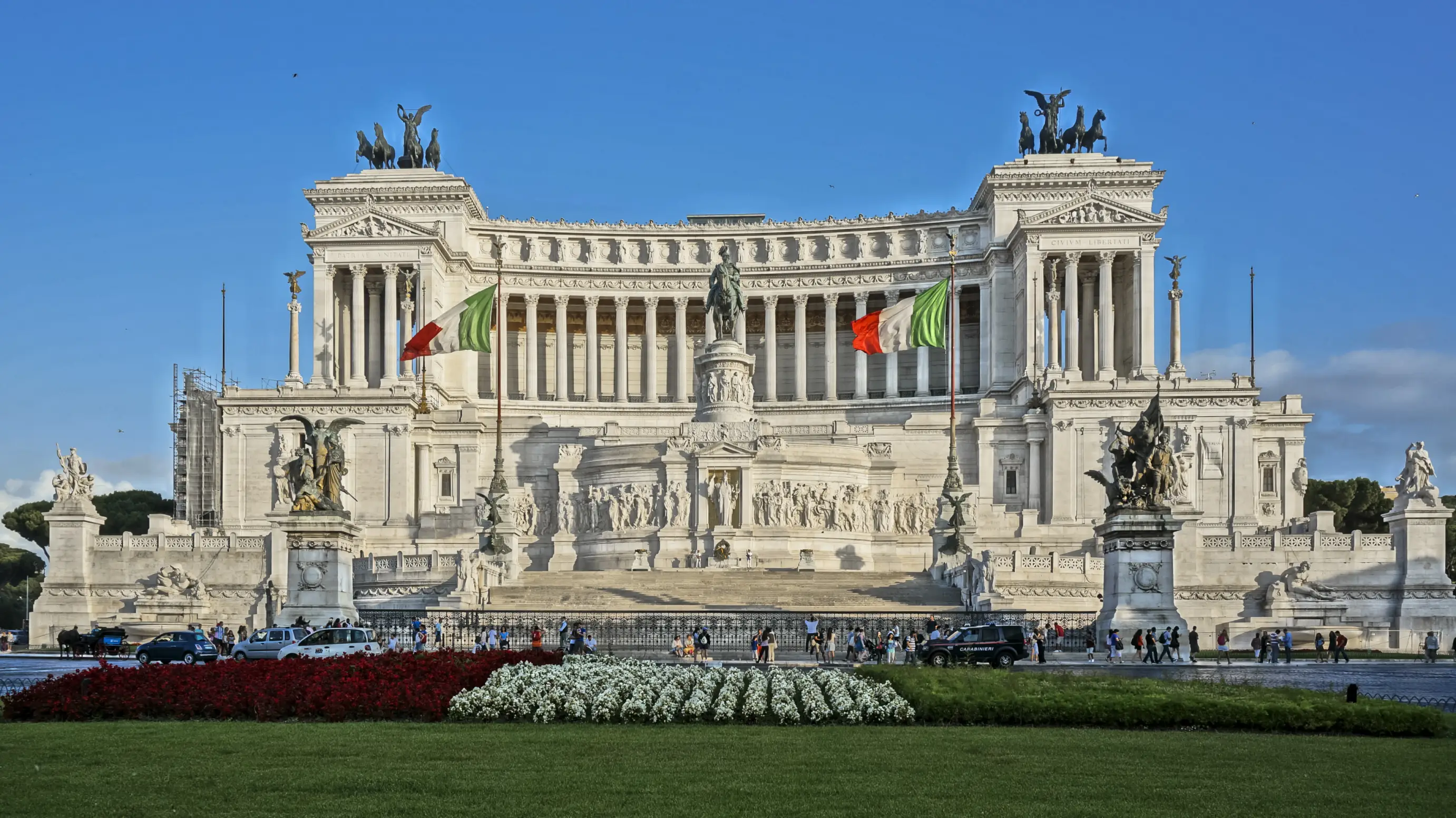
Neighboring the Roman Forum is Trajan’s Forum, the largest and most spectacular of all the Forums in Rome. This complex housed a variety of structures, from political offices to libraries and places of worship. However, Trajan’s Market, the earliest resemblance to a shopping mall, is arguably the most interesting of the sites, offering a strong glimpse into the everyday life of the citizens of ancient Rome. Walk through the multi-storied ruins, and you’ll find a maze of well-preserved arcades and columns that once featured over 150 stalls selling the rarest treasures from the far reaches of the Roman Empire. Close by you’ll also find the Piazza Venezia. Following the death of King Victor Emmanuel II, the new state constructed a giant monument as a symbol of a united Italy. You can visit the large marble monument and ascend to the roof via an elevator at the back for wonderful views of the Roman Forum and Colosseum.
Read more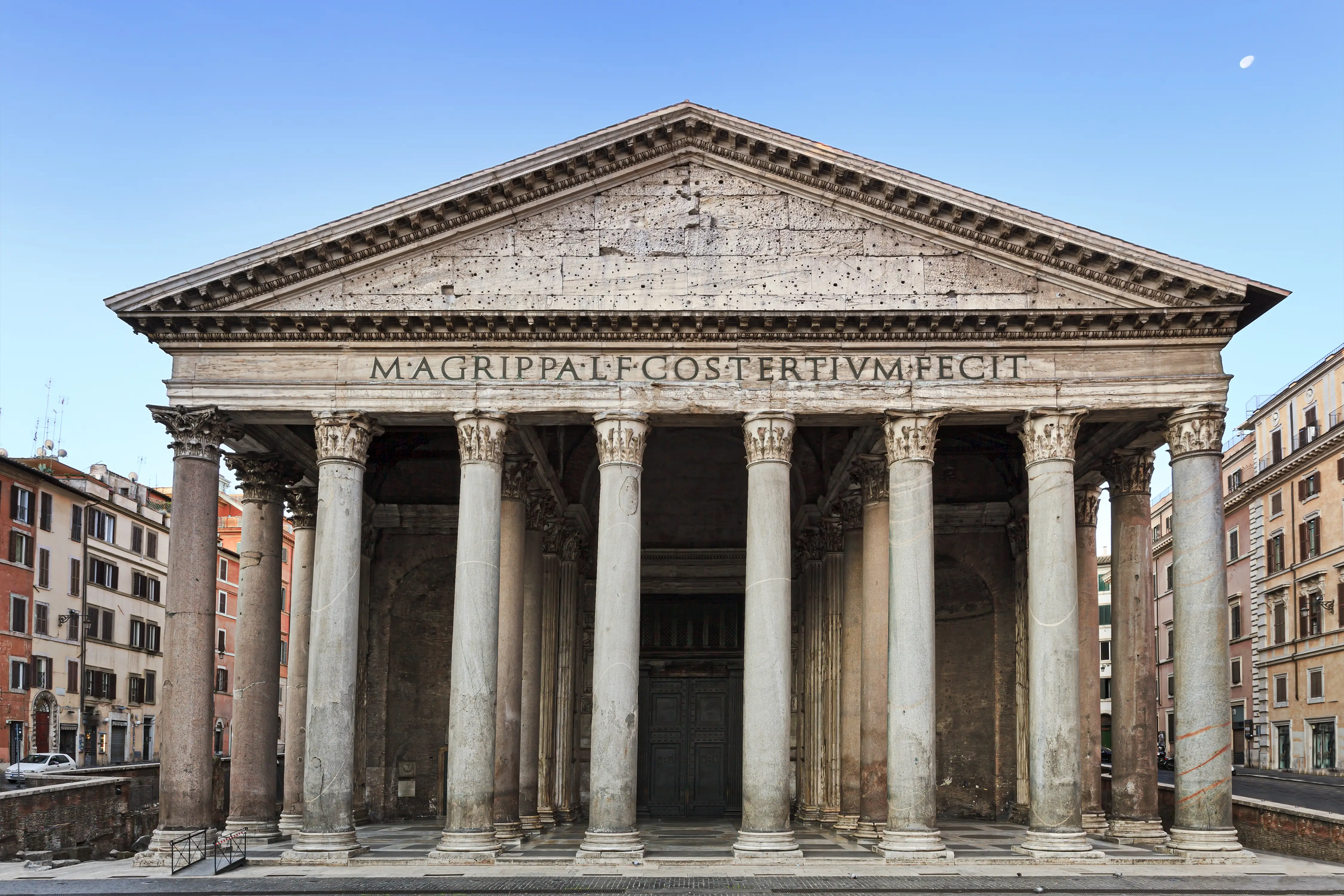
With its iconic domed ceiling and classic marble pillars, the Pantheon is one of the most famous preserved monuments of ancient Rome. Surprisingly, the Pantheon is over 2000 years old and still entirely intact (aside from being re-built for the third and final time in 125 AD). Created as a temple for the gods, one of the Pantheon’s most astonishing features is the oculus, the hole at the center of the dome, which allows sunlight to flood its interior. You don’t have to pay an admission fee to enter the Pantheon. Follow the procession of visitors into the magnificent temple and gaze upwards at the dome’s opening. As the Pantheon was later converted to a church, the interior now houses the tombs of two Italian kings (Vittorio Emanuele II and his successor, Umberto I), and is the resting place of Raphael, one of Italy’s greatest artists.
Read more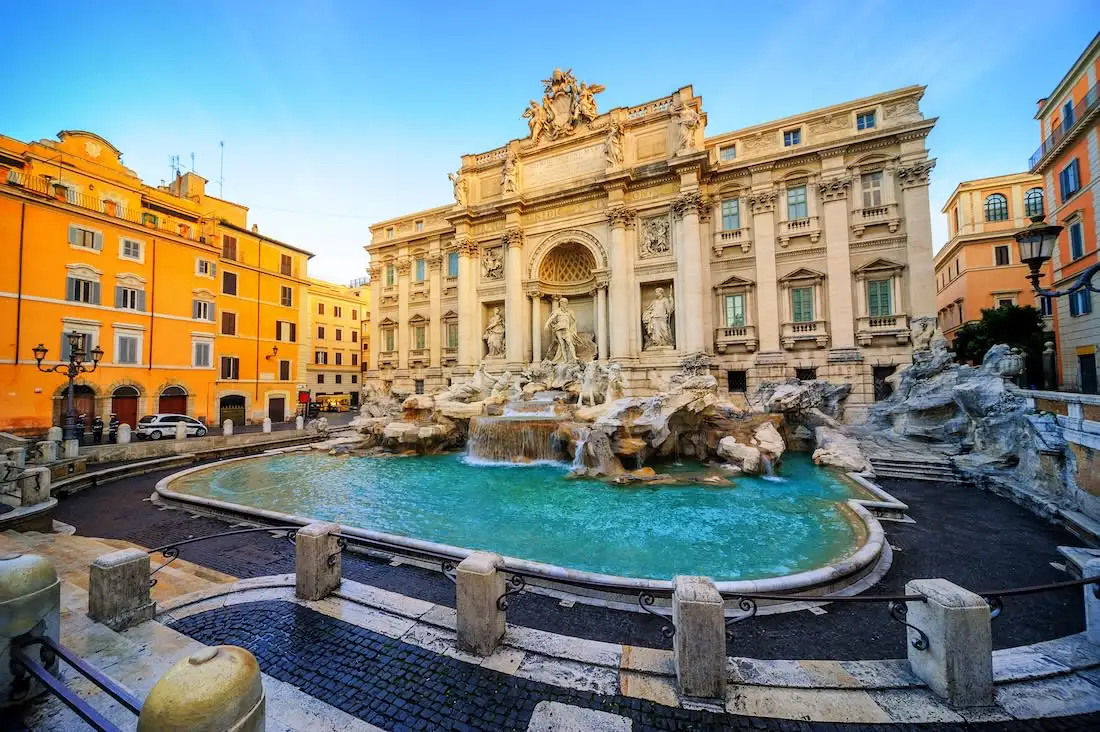
Demanding the attention of all locals and tourists who pass by, this grandiose Baroque fountain can be found at the site of an ancient aqueduct where three cobbled streets converge. The legendary promise of tossing a coin into the Trevi Fountain for good fortune and return to Rome is one reason this is one of Rome’s most famous landmarks. According to myth, you must stand with your back to the fountain and toss a coin over your left shoulder. But once that’s done, turn around and admire the stone-carved Oceanus, as he stands beneath a heavenly arch at the center of the fountain. His horse-drawn chariot looms over the cascading waterfall.
Read more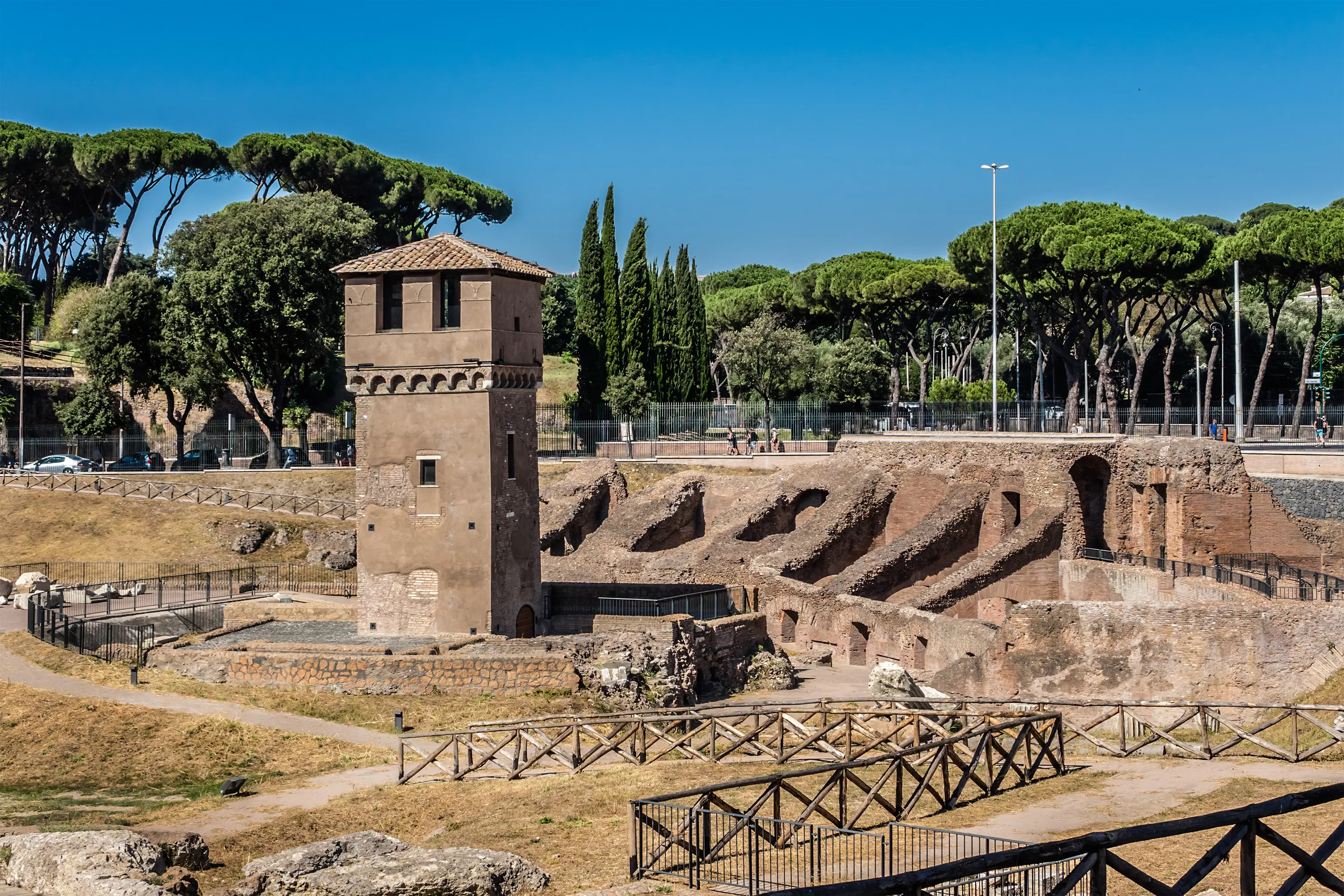
The Colosseum wasn’t the only entertainment venue of importance to the Roman empire. Circus Maximus is an ancient Roman chariot-racing arena constructed between the Palatine and Aventine hills in 6th century BC. Other events that were held here include gladiator battles, animal hunts, and lavish parades. Not much remains of the Circus Maximus, however, a walk around the park where its ruins lie can help you make sense of the grand size of the arena. Today, it continues to be one of Rome’s most important public spaces, hosting huge crowds at music concerts and rallies.
Read moreShow more
Optional Day Trips from Rome
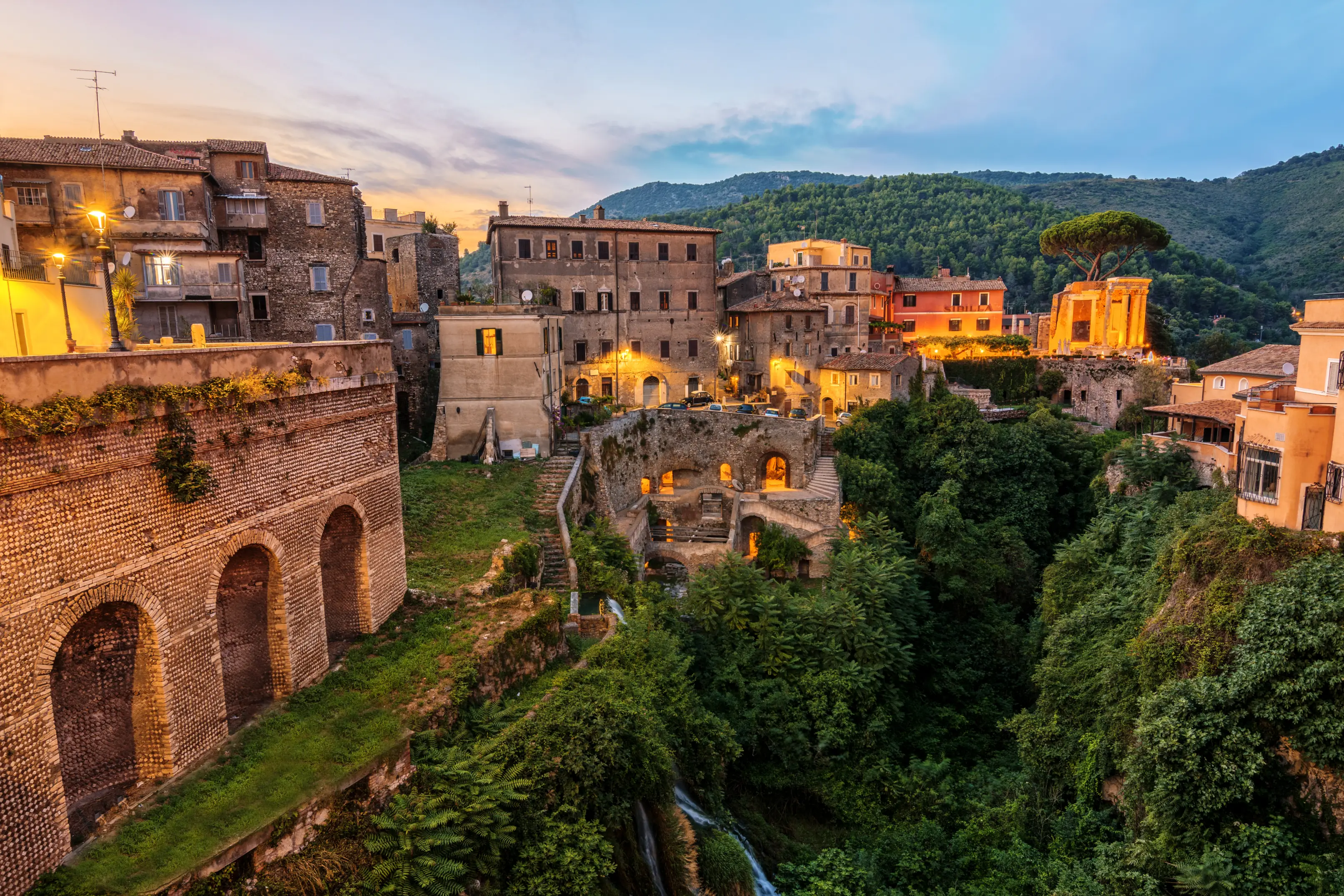
Located only 20 miles outside of Rome, the town of Tivoli is the perfect destination if you want to escape the hustle and bustle of Italy’s capital. Known as Tibur to the Ancient Romans. Tivoli is home to both the ancient Temple of Vesta and the Villa d’Este, a masterwork of 16th-century architecture, and it’s famed Neptune Fountain. A day in Tivoli is a trip through the history of Italy. The Villa d’Este houses the Museum of the Book, a fascinating collection of ancient books, and the Temple of Vesta predates even those. From this town’s hilly perch, an enchanting view of the Roman lowlands is the perfect cap to your journey.
Read more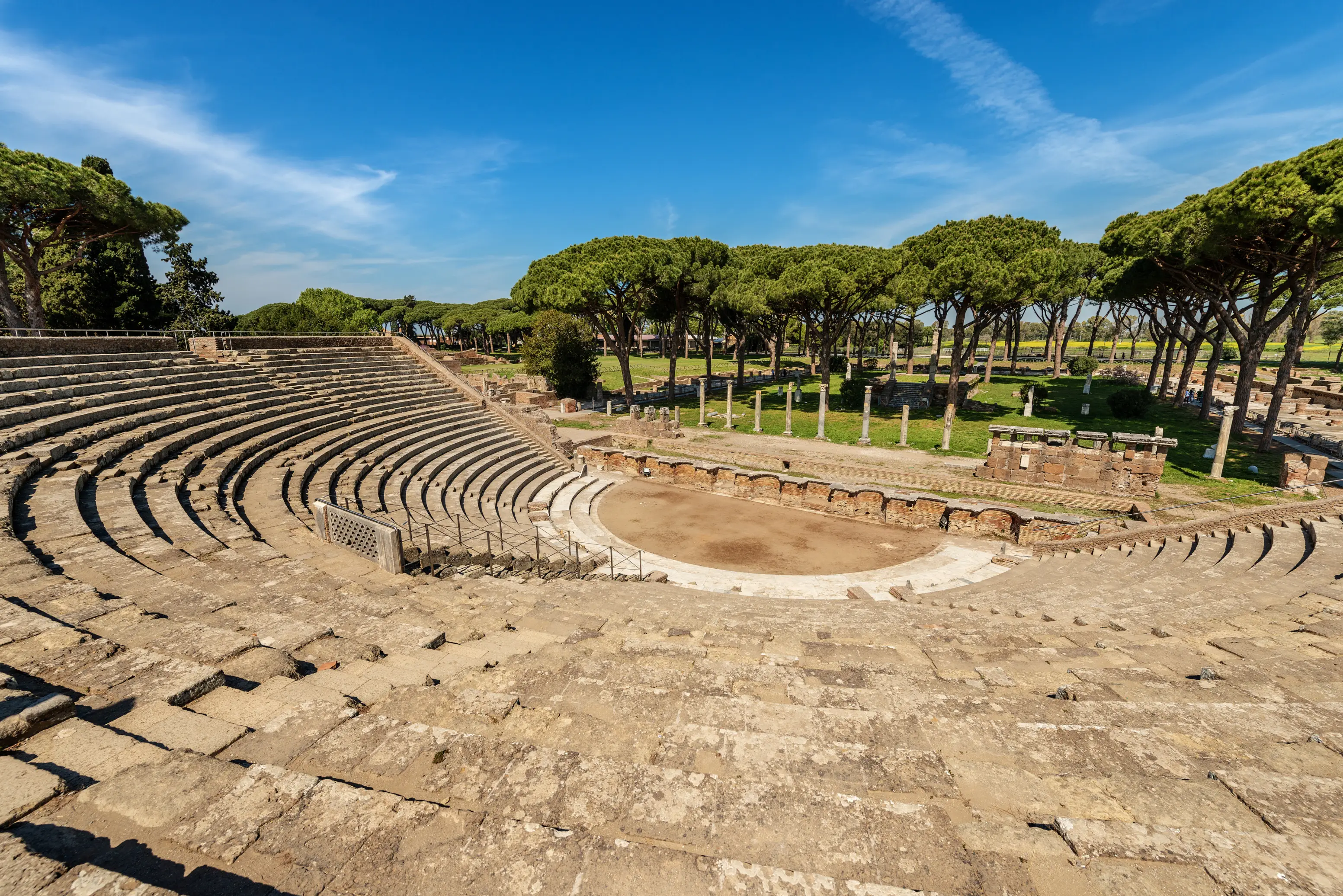
Not far from the town of Ostia, lies the archaeological site of Ostia Antica. Dating back to the earliest days of the Roman civilization, Ostia is believed by some historians to be the first permanent settlement outside of Rome. The stone ruins are steeped in history, spanning from the before the days of the Republic, until the settlement’s abandonment in the 9th century. Today Ostia Antica is open to the public. The town’s stone walkways and ancient buildings have been remarkably preserved. Historical artifacts, some dating from the 4th century BC, are on display at the Museo Ostiense. If your feet tire of the cobblestones, there are plenty of green spaces to rest in, and the caffetteria degli scavi is the perfect place to get refreshments. Finally, if you are there in the summer months, Ostia’s remarkable ancient theatre is often home to cultural events.
Read more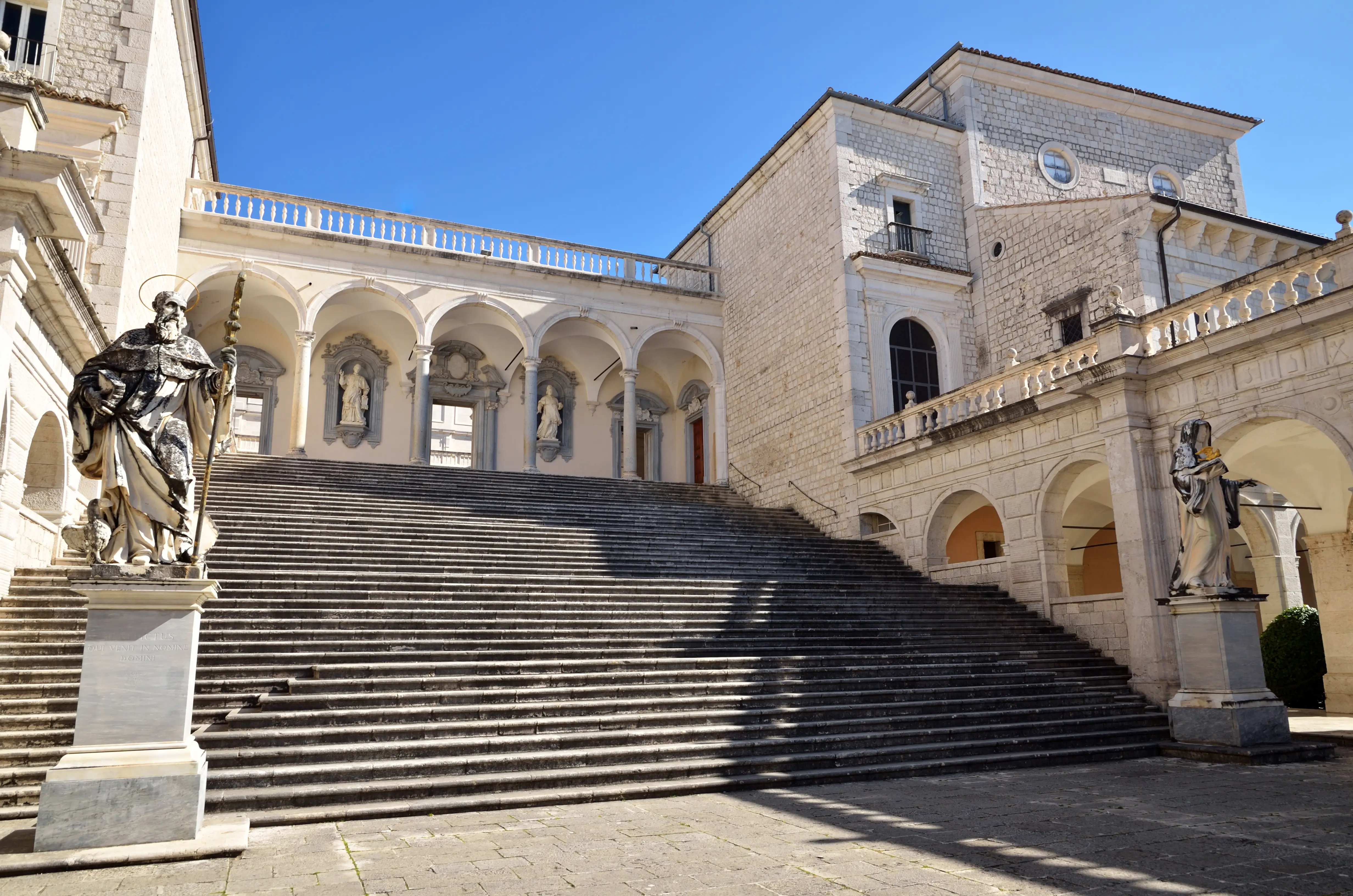
The hill of Monte Cassino is home to a historic abbey initially built as a house for the Benedictine Order of the Catholic Church c. 529. The monastery experienced a Golden Age in the 11th and 12th centuries with its patronage of fine art. Its monks became cardinals, bishops, and, in three cases, popes. The subsequent years, however, were not so kind. The abbey, being of strategic importance, was mainly used to house military troops, and was sacked by invading armies several times. The most significant devastation came during the Second World War when the abbey was destroyed during a large battle between the German and Allied troops that claimed the lives of 70,000 people.
Read moreShow more
Create a custom trip
plan for Rome
Travelling made easy:
- ✓ 100% customizable trip
- ✓ On-trip support, around the clock
- ✓ Local travel expertise


Featured Blogs


Your custom trip package includes

A day to day itinerary

Centrally located hotels

Door to door transportation
Self-guided & private tours
Create Your Perfect Trip in Minutes
Discover A Better Way To Travel.
Once you Go Real, you’ll never go back to ordinary travel.