


Vienna Travel Guide

Must See Attractions in Vienna
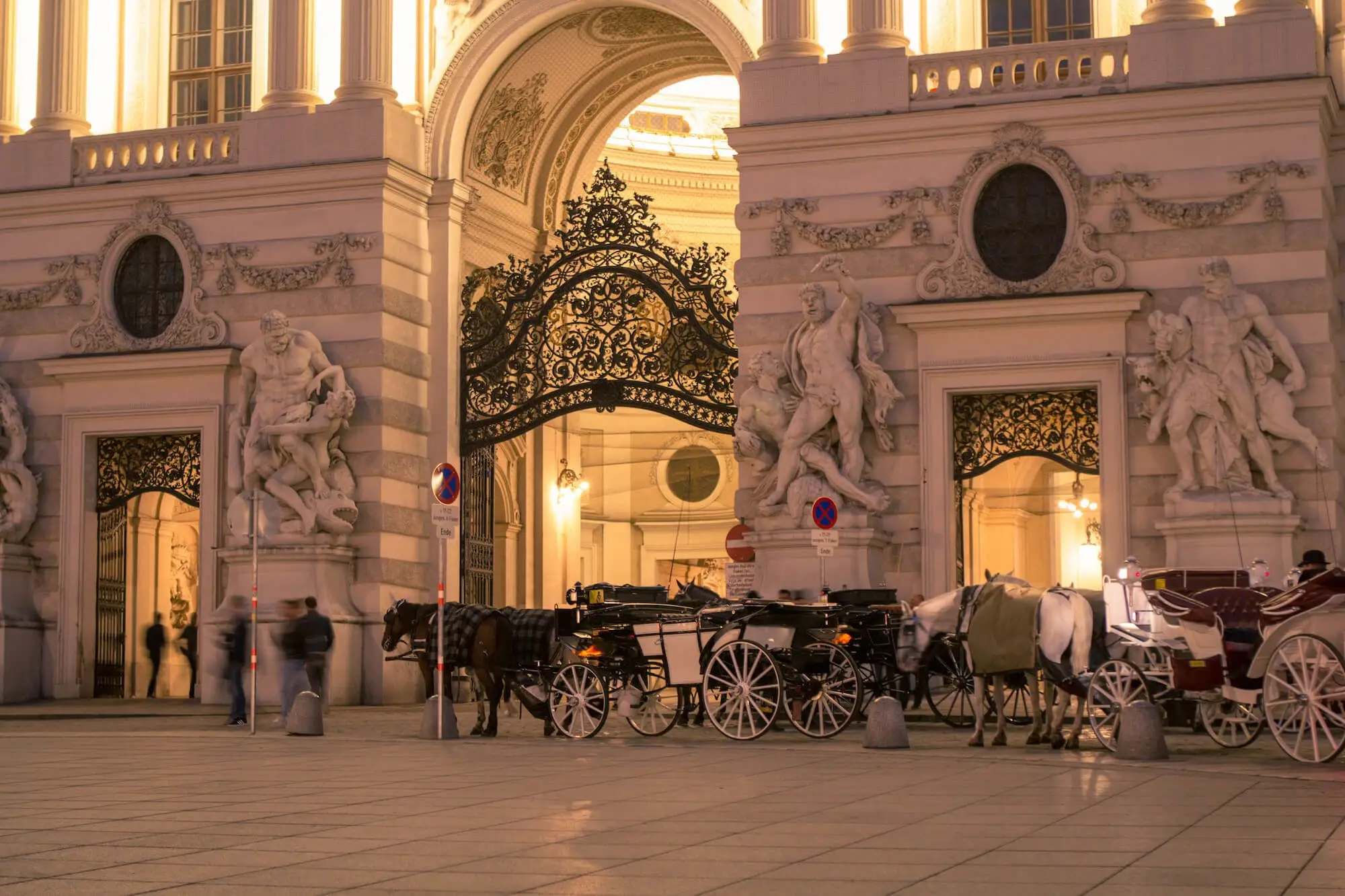
Originally built as a fortified castle in the 13th century, the Imperial Hofburg Palace was the seat of the Habsburg monarchy for centuries until the end of WWI in 1918. Today, it serves as the seat of the Austrian President. The Hofburg is one of the largest palace complexes in the world and boasts many different architectural styles ranging from Gothic to Classical. Often referred to as a city within a city, the palace covers 59 acres and is made up of 18 groups of buildings and 19 courtyards. Today, visitors to the Hofburg Palace have a few options. You can check out the impressive Imperial Silver Collection, which features over 7000 items of both ceremonial and everyday objects from the dining collection of the Habsburgs. The palace also houses the Sisi Museum, dedicated to the legendary Empress Elisabeth, with over 300 of her personal items on display. Lastly, you can visit the Imperial Apartments, where each member of the ruling family had their own living quarters — still decorated in the Baroque and Rococo styles.
Read more

St. Stephen's Cathedral dates back to the 13th century and is one of the most important Gothic structures in the country. Today, the only original parts remaining from the 13th century are the gate and the Heathen Towers, while the rest of the cathedral has undergone reconstruction several times. The cathedral you see today is almost totally a result of reconstruction that took place in the 1900s after it was destroyed during WWII. The vibrant colored roof is perhaps the most notable feature of St. Stephen's Cathedral. Nowadays, you can explore the unique and impressive features inside the Cathedral. The interior is richly adorned with colors and wood furnishings. You can visit several valuable altars and climb up to the towers to enjoy the view. Pay a visit to the catacombs, the final resting place for some members of the Habsburg family.
Read more
Museumsquartier was officially opened in 2001 and has quickly become one of the largest artistic and cultural complexes in the world. Located near the Imperial Palace, this area was originally built as the imperial stables of Vienna and continued to expand throughout the centuries, creating the mix of Baroque and contemporary architecture you know it as today. Museumsquartier is home to several renowned museums, including the Leopold Museum, the Museum of Contemporary Art, and MUMOK. The complex includes exhibition spaces, as well as many bars, cafes, and restaurants to choose from. Museumsquartier is proud to provide a creative space for people from all over the world to hang out, forge connections, and share ideas, so be sure to check it out if you're interested in rubbing elbows with worldly creatives during your visit.
Read more
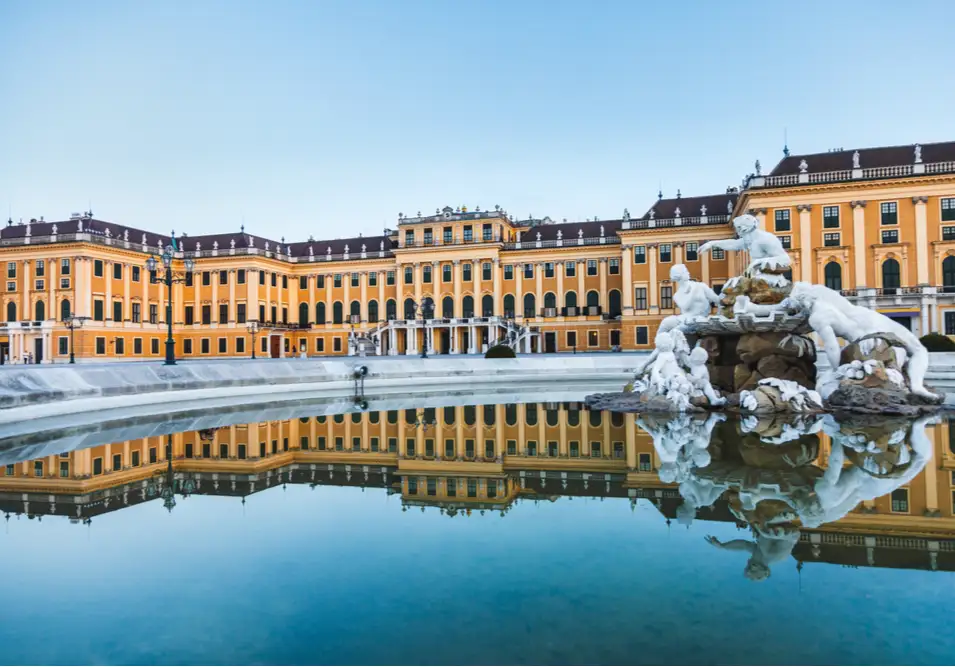
Schönbrunn Palace was built in the 1600s as a summer residence of the Habsburg family and today is known to be one of Europe's most beautiful Baroque palace complexes. As a result, the Schönbrunn Palace is a UNESCO World Heritage site. A wealth of history occurred within the walls of this palace: Mozart wrote music, Napoleon held conferences, and Emperor Charles I signed the document that ended the monarchy forever. Of the 1441 rooms in the palace, 45 of them are open to the public today. Explore the regal interiors of the palace, adorned with rosewood in the Rococo style. During the warmer months, you can tour the zoo and gardens, which were opened to the public in 1779. Nowadays, it's the oldest zoo in the world and home to 700 species, some of which are endangered. The gardens and zoo are truly some sights to behold, so don't miss these while you're in Vienna.
Read more
The Spanish Riding School, originally built to provide noble children an opportunity to learn equestrian skills, is the oldest riding school in the world. It's also the only place that continues to preserve and practice Renaissance equestrian skills in their original form. Now home to Austria's famous Lipizzaner stallions, it has earned its place on UNESCO's intangible cultural heritage of humanity list. During your visit to the Spanish Riding School, you'll enjoy gala performances in the most beautiful riding hall in the world. You can also watch the morning trainings with music, a testament to the hard work of both stallion and rider as they become one right before your eyes.
Read more
Ringstrasse, or Ring Road, is a circular boulevard built during the 19th century on the site of former medieval fortifications. It's now known as the most beautiful boulevard in the world. The Ringstrasse is 5.3 kilometers long and completely encircles Vienna's historic center, bridging the high society and working class of the past. Ringstrasse is home to many of Vienna's most well-known sights, including the Imperial Palace, Vienna State Opera, and Parliament. You can also discover large parks and historical monuments along the boulevard. If you'd prefer not to walk it, biking is also a great way to explore everything the area has to offer.
Read more
Built for Prince Eugene of Savoy in 1718, Belvedere Palace is one of the world's most elegant Baroque palaces. The structure consists of two buildings — Upper Belvedere and Lower Belvedere — and landscaped gardens from which you can enjoy a panoramic view of Vienna. The nearby Karlskirche, or St. Charles' Church, was also built in the Baroque style by Emperor Charles VI when Vienna was finally free from the plague. Belvedere Palace houses an impressive collection of Austrian art, including Viennese art nouveau and other 19th- and 20th-century works in Upper Belvedere. In Lower Belvedere, you'll find exhibitions of the former residence of Prince Eugene. Marvel at the frescoed Marble Hall and treasures from the Middle Ages in the stable. Karlskirche is most notable for its colorful frescoed domes inside, which you can take an elevator up to for a better look.
Read moreShow more
Optional Day Trips from Vienna

Not far from the outskirts of Vienna, Klosterneuburg is a small town steeped in history. Dating back to the 1st century, it was originally the site of the Roman fortress Asturis. Klosterneuburg didn't begin to thrive until the 1100s when Margrave Leopold III built the city up to be his new residence. The town is most famous for Klosterneuburg Abbey, a 900-year-old Baroque monastery which once served as the residence for both the Habsburgs and Babenbergs. A visit to the monastery is a peek into one of Austria's oldest cultural and religious centers — including Austria's oldest vineyard. It's home to a plethora of sacred works of art, including the Verdun Altar, the best-preserved work of the Middle Ages. Tour the monastery, marvel at the historic furnishings, and taste the monastery's wine at the end of a long day in Klosterneuburg.
Read more
Situated between the towns of Krems and Melk, the picturesque Wachau Valley stretches for about 25 miles and is the heart of Austria's wine country. Its significance lies in several different fields: visual, agricultural — as it's known for its apricot trees — and historical. As a result, it's now a UNESCO World Heritage site. Melk Abbey is a circa-1736 Benedictine monastery that overlooks the town of Melk and the Wachau Valley itself. On a visit to Melk Abbey, you can explore the library, church, and surrounding park, and admire the intricate Baroque furnishings and accents. Tour the vineyards in the valley, as Wachau is known for its exquisite wines. The Wachau Valley is also perfect for hikers, cyclists, and other outdoor enthusiasts looking to explore the nature of Austria.
Read more
Durnstein Castle is situated above the Danube river in the town of Durnstein, within the scenic Wachau Valley. The castle was built in the 12th century and demolished in the 17th century by the Swedes. Today, all that's left of the castle are ancient ruins. The site is famous for being the prison of Richard the Lionheart after he tore the Austrian flag and refused to share his treasures of war with Leopold V. The ancient ruins are accessible for free all year round. You can reach the castle by taking a day cruise through the Danube river, which passes by beautiful, wine-covered hillsides. After hiking up to the top, you'll be rewarded with a beautiful view. The best way to reach the ruins is the Wachau World Heritage Trail, a famous hiking trail with 14 different legs.
Read more
Located just across the border, Bratislava has been the capital city of Slovakia since the country gained independence in 1993. A strange yet intriguing mix of history and modernity, Bratislava is the perfect example of a city that doesn't take itself too seriously. On a walk through the center, you'll encounter weird pieces of art such as the "man at work" statue coming out of a sewer right down the street from the historic main square. Bratislava is a very walkable city, so it will be easy to explore it in a short period of time. Make sure to visit the futuristic UFO bridge, just a short distance away from the Bratislava Castle. While you're there, enjoy some local specialties like halušky, the national food of Slovakia, and the black currant wine.
Read more
An old Viennese wine town, Grinzing Wine Village is a must-visit for wine enthusiasts. Built on top of ancient Roman ruins, this town dates back to the 1100s and has a turbulent history. Destroyed several times by fires and invasions alike, Grinzing managed to bounce back and become one of the best wine towns in Austria when Emperor Joseph II exempted wine from sales tax. The quaint village is dotted with Heurigen, small wine taverns located close to the vineyards themselves. Grinzing produces several types of fine Austrian wine, and each year, it hosts a wine tasting and lively competition.
Read more
Originally a hunting ground, Prater is a large public park in Vienna that has become a place of leisure and culture. Various events and exhibitions have been held there throughout the centuries, such as 1873's World's Fair. Home to live music, puppet theaters, and other activities, this area within the park became known as the Wurstelprater. The Prater was mostly destroyed during WWII but rebuilt by private individuals after the war was over. The Wurstelprater is the oldest amusement park in the world, featuring roller coasters, carousels, cafes, cinemas, and many other attractions for all ages. Entry to the Prater is free and open 24/7, but the attractions will cost you a small fee.
Read moreShow more
Create a custom trip
plan for Vienna
Travelling made easy:
- ✓ 100% customizable trip
- ✓ On-trip support, around the clock
- ✓ Local travel expertise


Featured Blogs




Your custom trip package includes

A day to day itinerary

Centrally located hotels

Door to door transportation
Self-guided & private tours
Create Your Perfect Trip in Minutes
Discover A Better Way To Travel.
Once you Go Real, you’ll never go back to ordinary travel.
Hi! Need help planning your dream trip? 🌍