


Cologne Travel Guide

Must See Attractions in Cologne

The Cologne Cathedral is one of the most unforgettable sights you’ll see in Germany, if not your entire trip to Europe. The 13th-century cathedral, affectionately dubbed Kölner Dom by locals, is a towering stone colossus, with twin spires that stretch dramatically toward the sky. The face of the cathedral is adorned with tracery, pinnacles, and other lacey hallmarks of Gothic architecture. Especially at sunset, the effect is dazzling. Something about the cathedral seems otherworldly, almost too majestic to have been made by human hands alone. Inside, the cavernous space is flooded with light filtering through stained glass windows. The cathedral’s reliquary contains some rare treasures, including the Crucifix of Bishop Gero, and the Shrine of the Three Kings, which is believed to contain the bones of the Magi. Regardless of religious affiliation, being inside the cathedral is a deeply humbling experience.
Read more
Both fascinating and disturbing, Cologne’s National Socialism Documentation Center is a memorial that takes a long, hard look at Germany’s Nazi past. Although it is of great interest to historians and those who wish to commemorate victims of Nazism, the Centre is not for the faint of heart, exhibiting with explicit detail the atrocities which occurred during the Third Reich. One of the most vivid, and perhaps distressing aspects of this museum is its location. Housed in the EL-DE building, Cologne’s former Gestapo headquarters, the museum is on the site where hundreds of people were imprisoned and murdered. The museum handles this history as tactfully as possible. Although harrowing, a visit to this site will open your eyes to the horrors of fascism.
Read more
The Cologne Carnival is far more than a single festival comprising of an entire season of festivities. In fact, the Carnival, or “Fastelovend” in German, is known as the ‘fifth season’ in Cologne, that kicks off on the 11th of November, pauses for Christmas, and picks up again well into the new year. An intriguing mix of Christian and pagan traditions, the carnival peaks the week before Ash Wednesday, with the ‘crazy days’; Cologne’s very own mardi gras. During this time, people in full masquerade take to the streets, dancing, drinking beer, and crying out ‘Kölle Alaaf!’ (‘Cologne above all!’) to one another. The Carnival’s maiden, prince, and peasant - select individuals who pay for their honor - ride through the streets on colorful floats. If you enjoy spectacles, this is definitely one for you.
Read more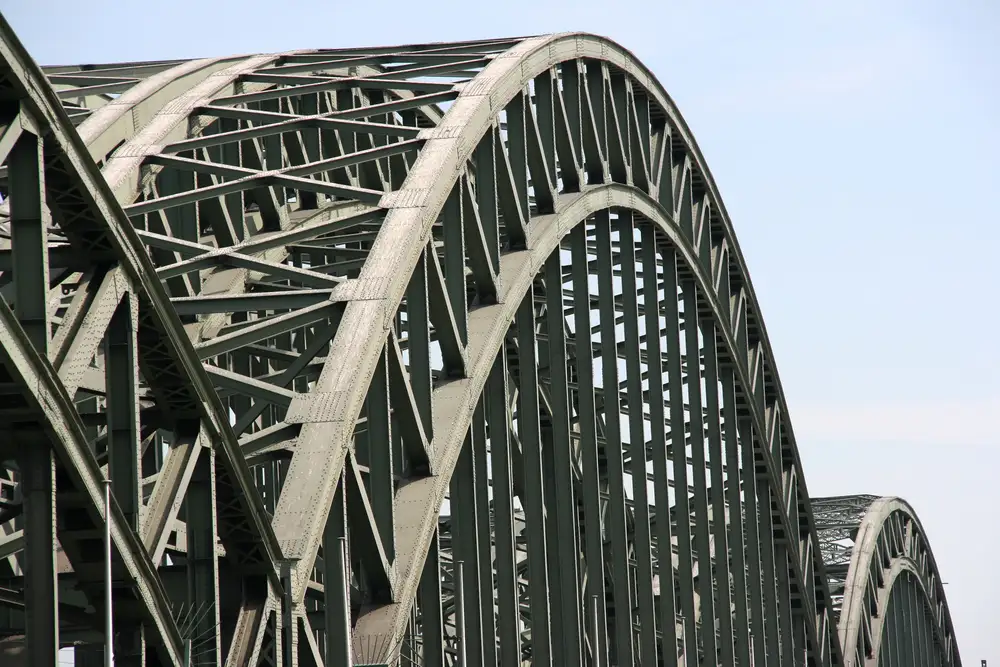
A surprising complementary modern pairing with the 13th-century cathedral on its Western side, the Hohenzollern Bridge is a beautiful piece of engineering, and one with a compelling history. Flanked by statues of Prussian and German Emperors on both ends, the bridge is named for the House of Hohenzollern, one of Germany’s major ruling dynasties before becoming a republic. During World War II, the Hohenzollern Bridge was highly prized for its strategic position. Although the bridge survived the war, give or take a few minor hits, when Allied troops approached Cologne in 1945, the Germans destroyed the bridge with explosives. Duly reconstructed by 1948, today the bridge is one of the best spots to stand and admire Cologne.
Read more
A real-life Willy Wonka Chocolate Factory, this museum is dedicated to the history and production of chocolate. Founded in 1993 by Hans Imhoff and his wife, the Schokoladenmuseum gives you a taste of the history of chocolate as it was used by the Mayans and the Aztecs. The tour includes a walk-through palm house to show the environment in which cocoa beans are grown. The museum is a working chocolate factory, and visitors can see the production of chocolate from start to finish behind glass walls. You can even create your very own custom bar of chocolate. A delicious attraction, and a popular one, the Chocolate Museum is not to be missed.
Read moreShow more
Optional Day Trips from Cologne
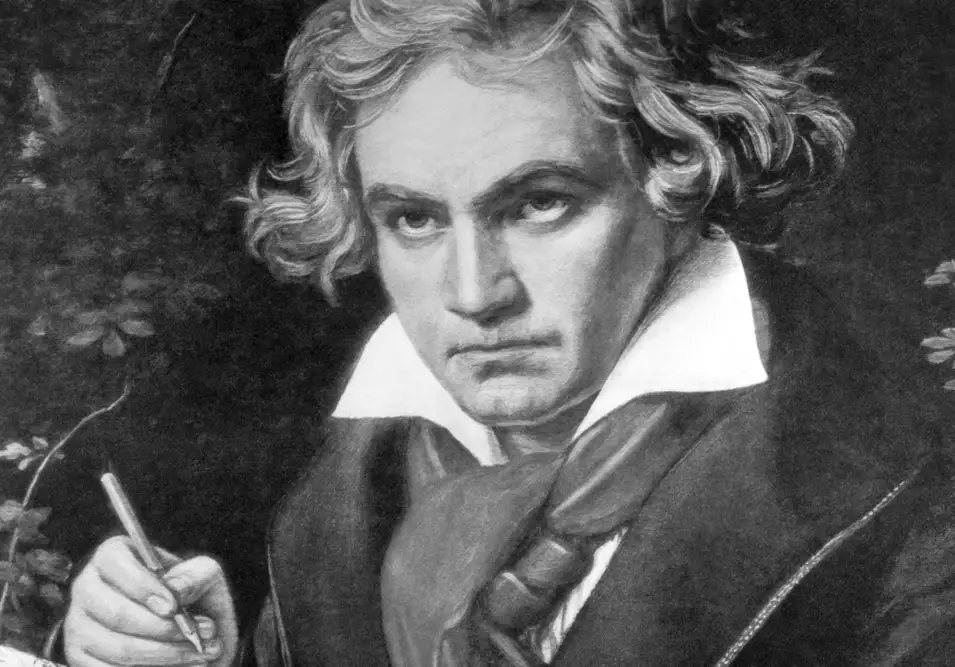
Bonn is a dappled, leafy city to the southeast of Cologne, the next major stop as you make your way up the Rhine. Once a sleepy town, Bonn was startled into life after WWII, when it became the provisional capital of the Federal Republic of Germany (West Germany). The cold war era in West Germany remains known informally as 'the Bonn Republic'. When Germany reunited in 1990, the capital was moved to Berlin. Today you can wander around Bonn through a succession of browse-worthy museums and well-appointed government monuments. The city makes the most of its associations with Beethoven, and you can pay a call at the maestro's place of birth.
Read more
Aachen was built around its baths. Founded in 800AD by the Romans, who knew a good thermal hotspot when they saw one, people have been bathing in Aachen for over a millennium. When the Holy Roman Emperor Charlemagne visited the baths, he was so compelled by the powers of Aachen's waters that he moved his medieval residence to the town. Aachen grew up around the Emperor's palace and St. Mary's church. When you visit Aachen, you can take a dip into this history, and enjoy a bath of your own. Soak up the town's museums and historical attractions and then soak in Carolus Thermen, one of the many hydro spas around town.
Read more
Known for its Imperial Abbey, powerhouse industrial mines, and Folkwang Museum, Essen must have one of the most unusual histories in Germany. Art aficionados will know the Folkwang for its important modern art collection. The museum rose to prominence in the 1920s and 30s and was subsequently denounced by the Nazis. Works by Braque, Cezanne, de Chirico, and Matisse were purged from the museum walls. Surprisingly, although the Folkwang is still a great museum, it is the town's coal mine that UNESCO celebrates as a World Heritage Site. The Bauhaus design of Shaft VII, in the Zollverein Coal Mine Industrial Complex, is much admired for its architectural and technical beauty. A trip to Essen will open your eyes to new ways of appreciating the aesthetic of the past.
Read more
Lying in what at first seems like the industrial suburbs of Cologne, Brühl is a classic Rhineland town that slowly became enveloped as Cologne grew up. The unexpected delight of Brühl is the illustrious Augustusburg Palace. The sumptuous residence of the prince-archbishops of Cologne, Augustusburg Palace is among the finest examples of Rococo architecture in 18th-century Germany. Just around the corner, you'll find a museum paying homage to Brühl's most famous son, the artist Max Ernst, a primary pioneer of the Dada movement and Surrealism, once married to Peggy Guggenheim. The nearby Phantasialand theme park also beckons, for those who want to finish the day in Brühl with some pure-hearted fun.
Read moreShow more
Create a custom trip
plan for Cologne


Travelling made easy:
- ✓ 100% customizable trip
- ✓ On-trip support, around the clock
- ✓ Local travel expertise
Trips Plans Including Cologne


10 Days


10 Days
Featured Blogs



Your custom trip package includes

A day to day itinerary

Centrally located hotels
Door to door transportation
Self-guided & private tours
Create Your Perfect Trip in Minutes
Discover A Better Way To Travel.
Once you Go Real, you’ll never go back to ordinary travel.
Hi! Need help planning your dream trip? 🌍