
Culinary Delights of Rome, Sorrento & the Amalfi Coast
 9 Day Tour of Rome, Naples and Sorrento
Overview
Trip Map
Itinerary
Inclusions
Reviews





How Long Is the Southern Italy’s Coastal Gems Trip and What Does It Cost?
 Duration9 days / 8 nights
- Best timeJan-Dec
 From$3790 / person (Flights not included)
- Dive into history with a private guided tour of Ancient Rome and its iconic monuments.
- Experience Rome's favorite dining district on a Twilight Trastevere food tour in Rome.
- Immerse yourself in the rich culinary heritage of Naples on a private guided food-tasting tour.
- Relish a full day gourmet tour from Sorrento, featuring Limoncello tasting and olive oil class.
- Wander the old town of Sorrento, stopping along the way in quaint boutiques and limoncello shops.
- Dive into history with a private guided tour of Ancient Rome and its iconic monuments.
- Experience Rome's favorite dining district on a Twilight Trastevere food tour in Rome.
- Immerse yourself in the rich culinary heritage of Naples on a private guided food-tasting tour.
- Relish a full day gourmet tour from Sorrento, featuring Limoncello tasting and olive oil class.
- Wander the old town of Sorrento, stopping along the way in quaint boutiques and limoncello shops.


Must see sights
Starting from
$3790
per person
 Not included
 Price varies by group size, hotel selection, and travel season.
Secure Your Customizable Trip
Enter your details to embark on a journey that can be tailored just for you.
Start
Travelers
Preferred Hotel Stars

Craft Your Own Itinerary
Select your interests and destinations for a trip plan inspired by you.
Where Does the Southern Italy’s Coastal Gems Trip Trip Go?
| ← | Move left |
| → | Move right |
| ↑ | Move up |
| ↓ | Move down |
| + | Zoom in |
| - | Zoom out |
| Home | Jump left by 75% |
| End | Jump right by 75% |
| Page Up | Jump up by 75% |
| Page Down | Jump down by 75% |


Click To Make Map Interactive
Southern Italy’s Coastal Gems Trip Timeline
Arrival
3 nights
Rome
Italy
Train: 1.5h
2 nights
Naples
Italy
Shuttle: 1h10m
3 nights
Sorrento
Italy
Departure
What Does the Southern Italy’s Coastal Gems Trip Itinerary Look Like?

Day 1
Arrive Rome

Day 1
Arrive Rome


To Be Determined
Private Transfer to your Hotel
For your arrival in Rome, we will provide information on the customs and passport procedures. We will schedule a pick up for your flight's arrival time. You will be met at arrivals inside the terminal by a driver holding a sign with your name on it. The transfer is for your party only - you will not be sharing a vehicle. The cost of the ride will be included in your itinerary package and you will be taken directly to your hotel. IMPORTANT NOTE: Please be aware the car service can fit up to 1 checked item of luggage and 1 personal item per person, such as a purse or small backpack. If you think you will have more baggage, please inform your travel consultant as this may result in an additional fee.

Day 1
Arrive Rome

Day 1
Arrive Rome
To Be Determined:
Private Transfer to your Hotel
Mid-Day/Afternoon:
Rome's Historic Center
Afternoon/Late Afternoon:
Dining in Piazza Navona
Private Transfer to your Hotel
OverviewPrivate Transfer to your Hotel
For your arrival in Rome, we will provide information on the customs and passport procedures. We will schedule a pick up for your flight's arrival time. You will be met at arrivals inside the terminal by a driver holding a sign with your name on it. The transfer is for your party only - you will not be sharing a vehicle. The cost of the ride will be included in your itinerary package and you will be taken directly to your hotel. IMPORTANT NOTE: Please be aware the car service can fit up to 1 checked item of luggage and 1 personal item per person, such as a purse or small backpack. If you think you will have more baggage, please inform your travel consultant as this may result in an additional fee.
Private Transfer to your Hotel
OverviewPrivate Transfer to your Hotel
For your arrival in Rome, we will provide information on the customs and passport procedures. We will schedule a pick up for your flight's arrival time. You will be met at arrivals inside the terminal by a driver holding a sign with your name on it. The transfer is for your party only - you will not be sharing a vehicle. The cost of the ride will be included in your itinerary package and you will be taken directly to your hotel. IMPORTANT NOTE: Please be aware the car service can fit up to 1 checked item of luggage and 1 personal item per person, such as a purse or small backpack. If you think you will have more baggage, please inform your travel consultant as this may result in an additional fee.
Private Transfer to your Hotel
OverviewPrivate Transfer to your Hotel
For your arrival in Rome, we will provide information on the customs and passport procedures. We will schedule a pick up for your flight's arrival time. You will be met at arrivals inside the terminal by a driver holding a sign with your name on it. The transfer is for your party only - you will not be sharing a vehicle. The cost of the ride will be included in your itinerary package and you will be taken directly to your hotel. IMPORTANT NOTE: Please be aware the car service can fit up to 1 checked item of luggage and 1 personal item per person, such as a purse or small backpack. If you think you will have more baggage, please inform your travel consultant as this may result in an additional fee.
Private Transfer to your Hotel
OverviewPrivate Transfer to your Hotel
For your arrival in Rome, we will provide information on the customs and passport procedures. We will schedule a pick up for your flight's arrival time. You will be met at arrivals inside the terminal by a driver holding a sign with your name on it. The transfer is for your party only - you will not be sharing a vehicle. The cost of the ride will be included in your itinerary package and you will be taken directly to your hotel. IMPORTANT NOTE: Please be aware the car service can fit up to 1 checked item of luggage and 1 personal item per person, such as a purse or small backpack. If you think you will have more baggage, please inform your travel consultant as this may result in an additional fee.
Private Transfer to your Hotel
OverviewPrivate Transfer to your Hotel
For your arrival in Rome, we will provide information on the customs and passport procedures. We will schedule a pick up for your flight's arrival time. You will be met at arrivals inside the terminal by a driver holding a sign with your name on it. The transfer is for your party only - you will not be sharing a vehicle. The cost of the ride will be included in your itinerary package and you will be taken directly to your hotel. IMPORTANT NOTE: Please be aware the car service can fit up to 1 checked item of luggage and 1 personal item per person, such as a purse or small backpack. If you think you will have more baggage, please inform your travel consultant as this may result in an additional fee.
Day 2
Rome
Day 2
Rome


9:30 AM - 12:30 PM
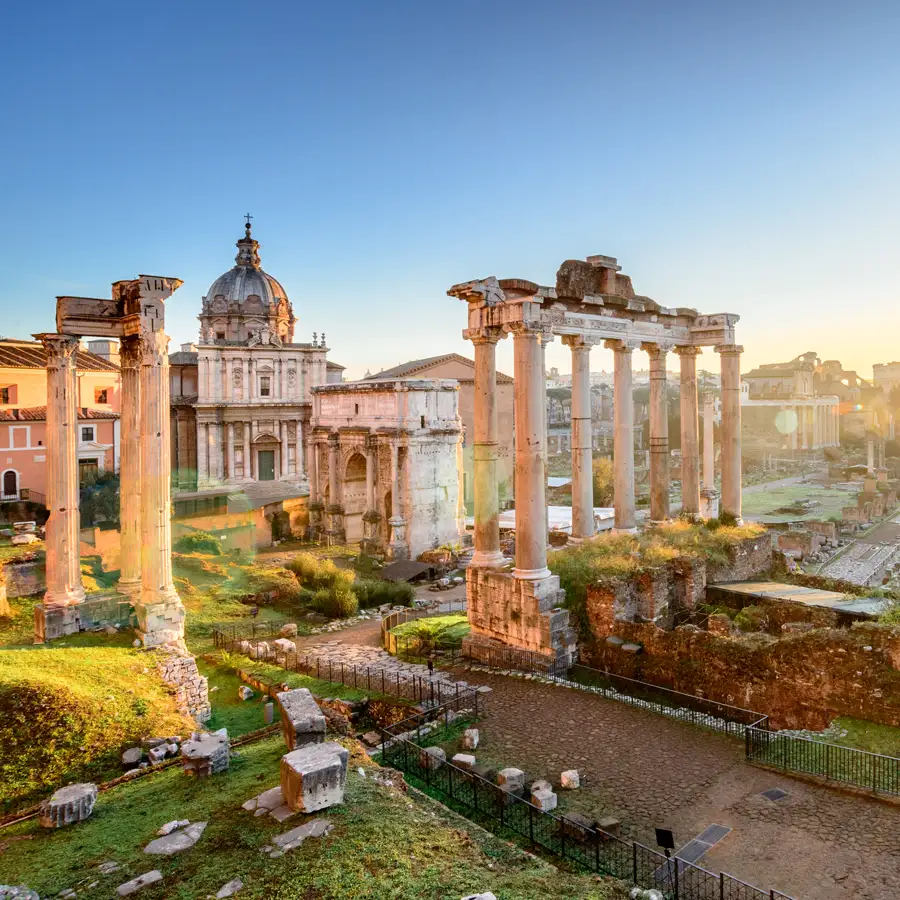
Ancient Rome Guided Walk
On this 3-hour private guided tour, you will explore the imposing remains of ancient Rome. Your guide will explain the extraordinary history of the birth of Rome, life in the city and everything about the fall of the Empire. Visit the Colosseum, the monumental ruins of the Roman Forum, and end the tour on the Capitoline Hill, the smallest and most important of the seven hills of Ancient Rome.
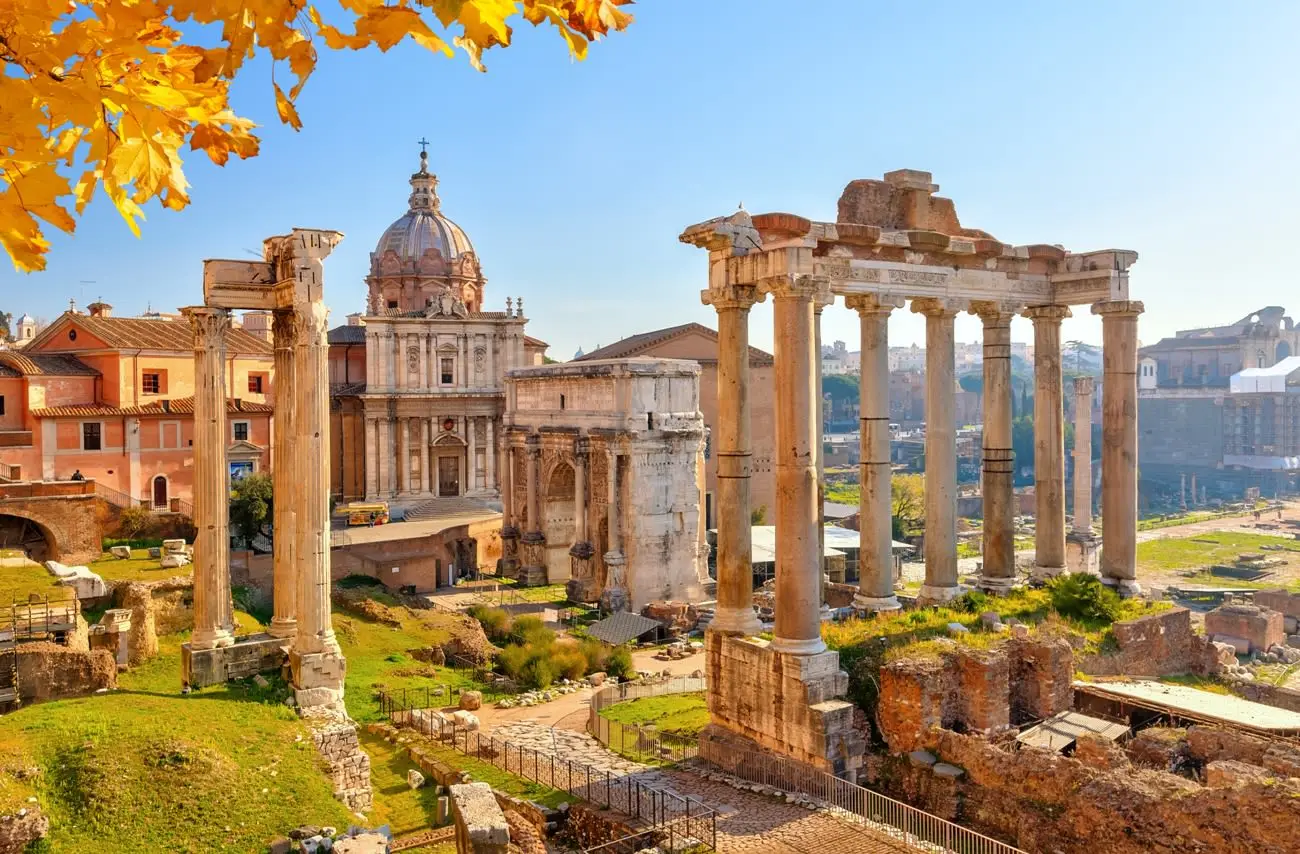

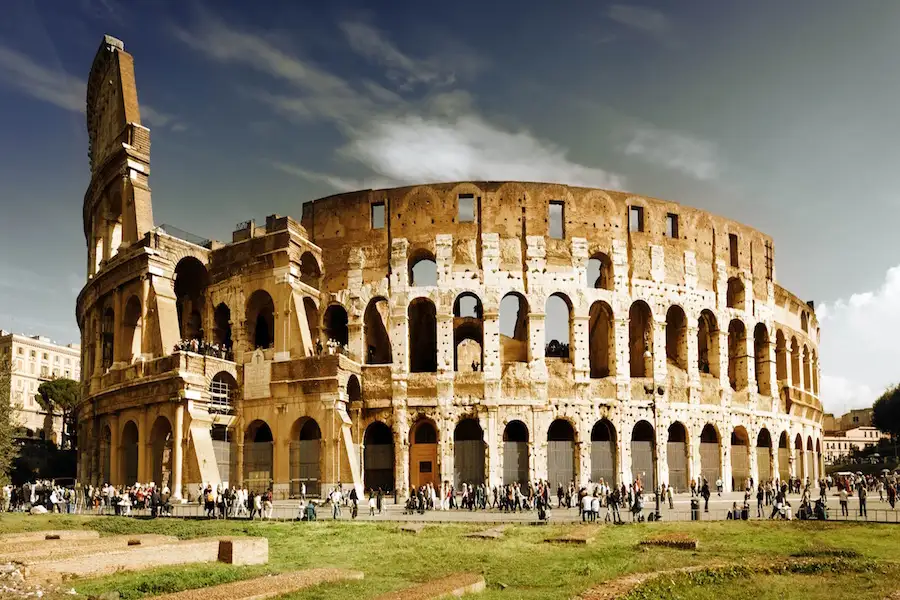
Ancient Roman Ampitheater
Show MoreAncient Roman Ampitheater
Show MoreAncient Roman Ampitheater
Show MoreDay 2
Rome

Day 3
Rome
Day 3
Rome
Early Morning to Mid-Day
Vatican City
Rome is unique in the world in that it contains an independent country within its city limits - the Vatican City, from where the Pope administers the Catholic Church. The symbolic center of Catholicism is St Peter's Basilica, the second-largest Catholic church in the world and among the most beautiful. The Vatican Museum contains one of the greatest collections of art in existence, including Michelangelo's jaw-dropping Sistine Chapel. The popes had a bigger influence on Rome than just the collection of art. The Pope's title is actually Bishop of Rome, and popes administed the city for centuries, shaping its architecture & public spaces. Rome was re-built to be an example of urban beauty, and the Vatican was meant to be the showcase within the showcase. Their success is evident from the throngs of visitors who flock here even today.

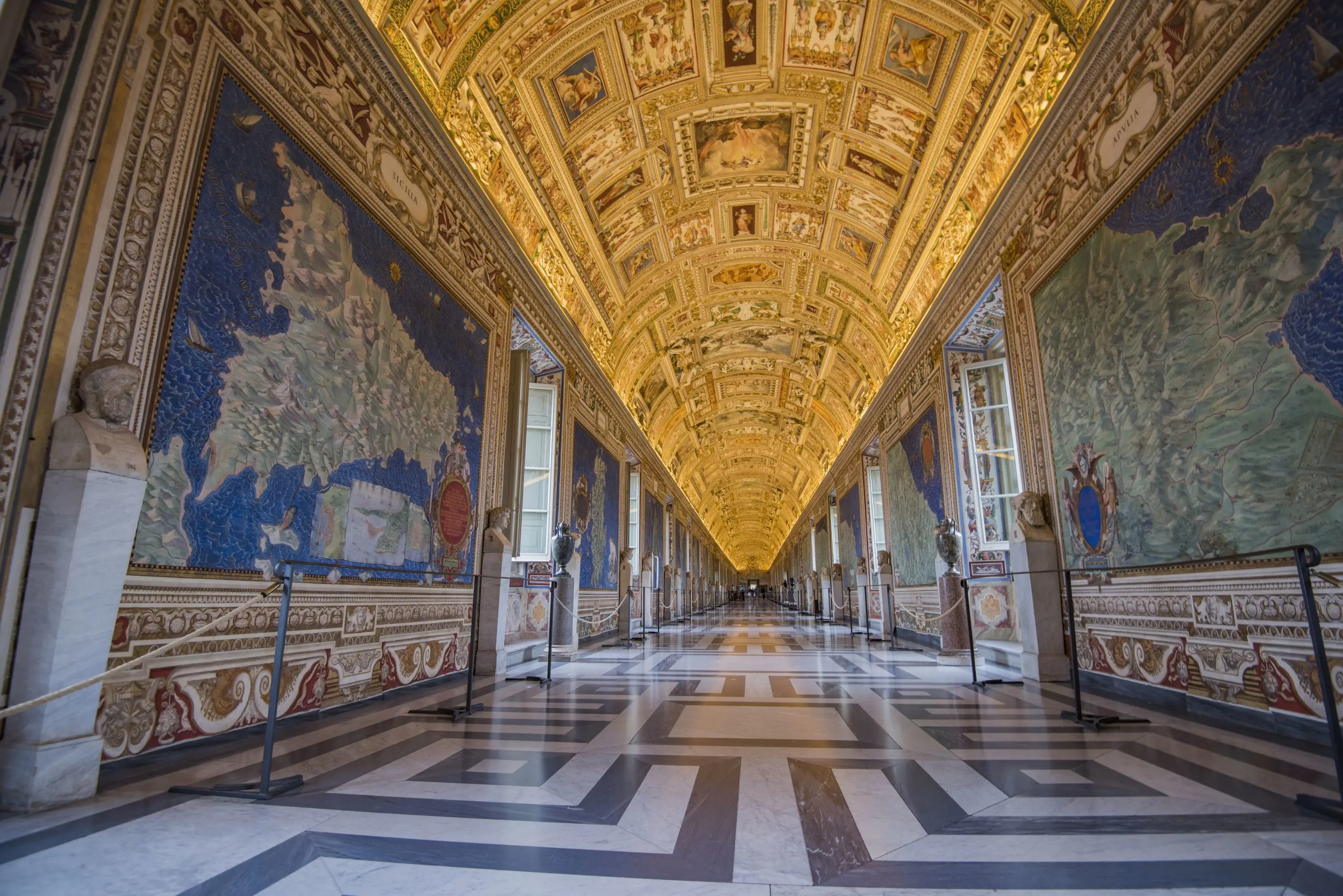
Book early if you want to see the Vatican Museum's monumental works of art from the greatest Italian artists of the Renaissance.
Show More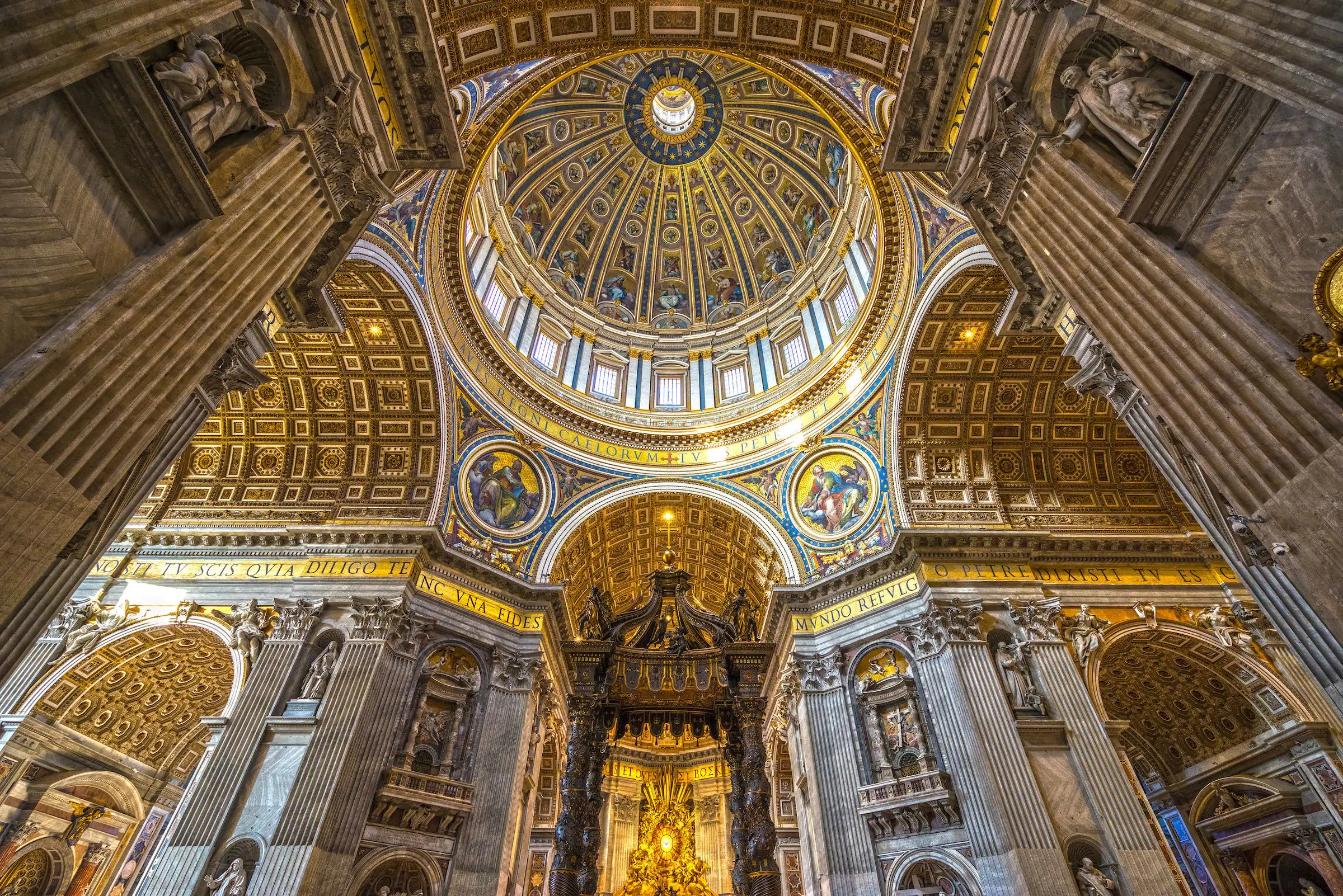
Explore the gigantic and incredibly beautiful church known as "the greatest of all churches of Christendom".
Show More
Escape the crowds in this oasis of green hidden behind the walls of the Vatican.
Show More
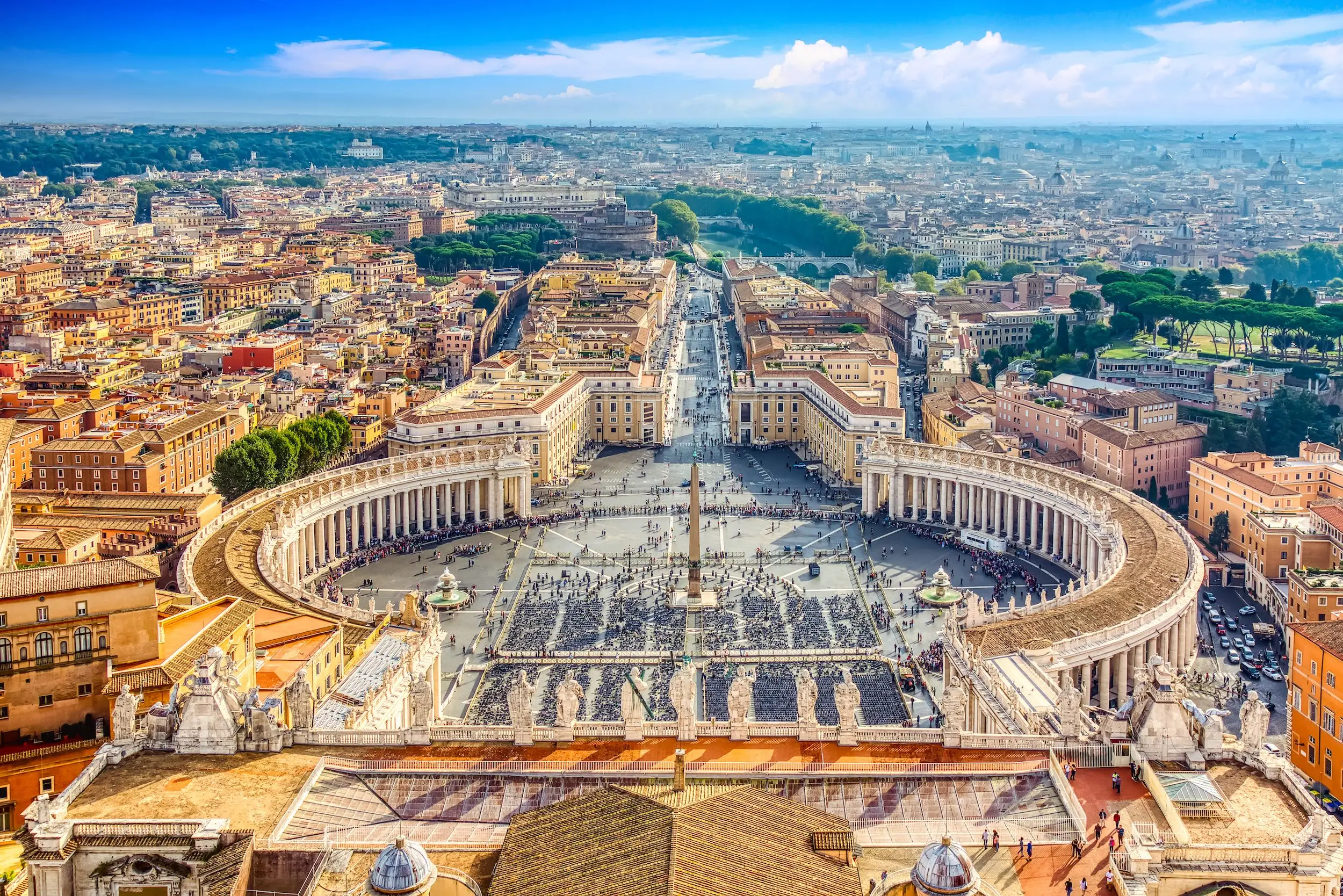
Stand in the middle of this famous square in which the faithful gather to hear the Pope give audiences and celebrate mass.
Show More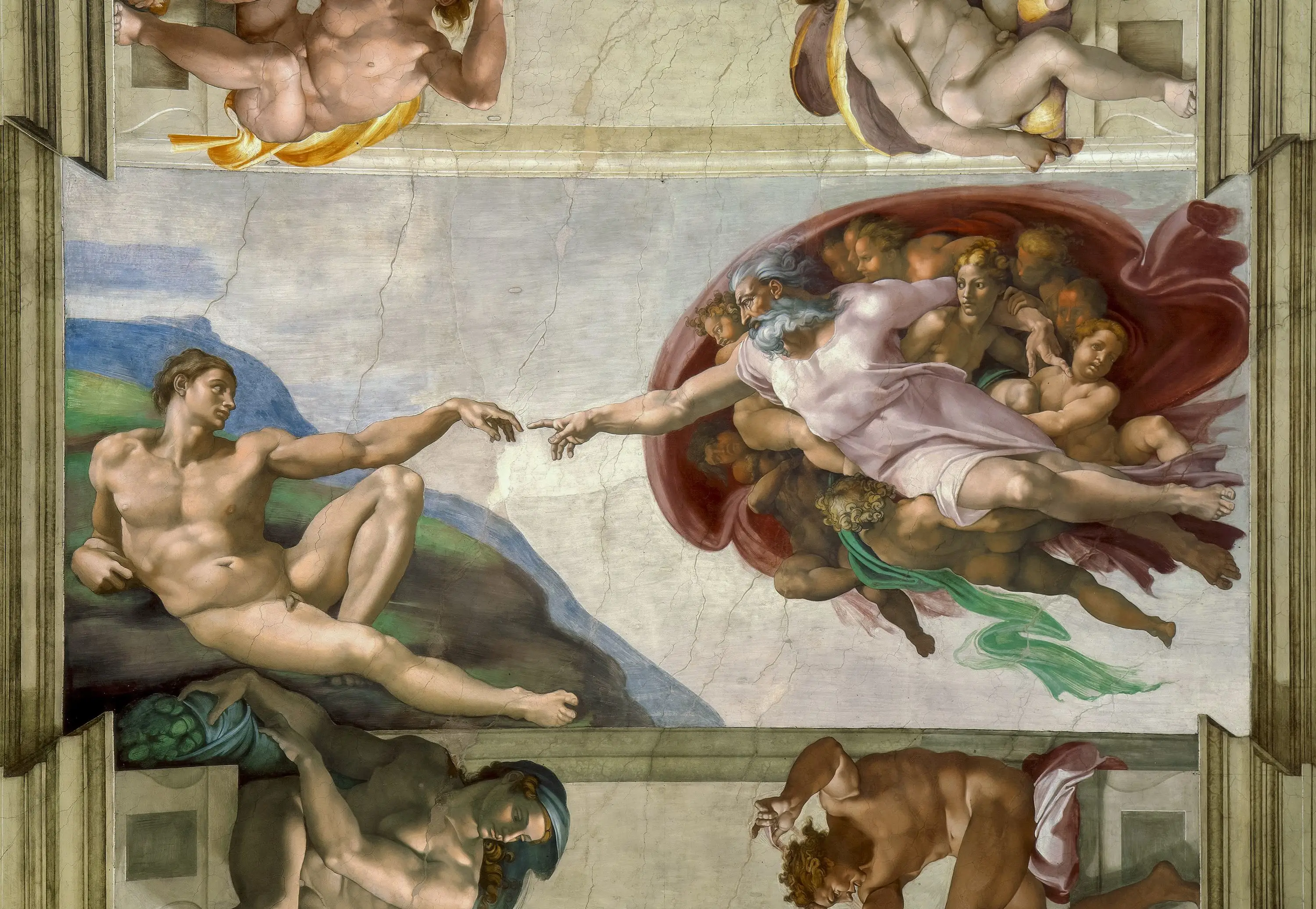
Gaze up at the world's most famous ceiling, the masterpiece of Michelangelo.
Show MoreBook early if you want to see the Vatican Museum's monumental works of art from the greatest Italian artists of the Renaissance.
Show MoreExplore the gigantic and incredibly beautiful church known as "the greatest of all churches of Christendom".
Show MoreEscape the crowds in this oasis of green hidden behind the walls of the Vatican.
Show MoreStand in the middle of this famous square in which the faithful gather to hear the Pope give audiences and celebrate mass.
Show MoreGaze up at the world's most famous ceiling, the masterpiece of Michelangelo.
Show MoreDay 3
Rome
Day 4
Rome to Naples
Day 4
Rome to Naples


8:55 AM
Transfer to Rail Station
Most trains depart from Roma Termini station, the largest station in the city. Before spending money on a transfer, be sure to check whether your hotel is within easy walking distance. You can also reach the station by public bus, but admittedly this can be an unpleasant and difficult experience if traveling with bags. If staying at a hotel, they can order a reliable taxi. Some private transfers will even help with your bags. Uber is also available for those with the app.

Day 4
Rome to Naples

Day 5
Naples
Day 5
Naples

10:00 AM - 1:00 PM
Food Tasting, Guided
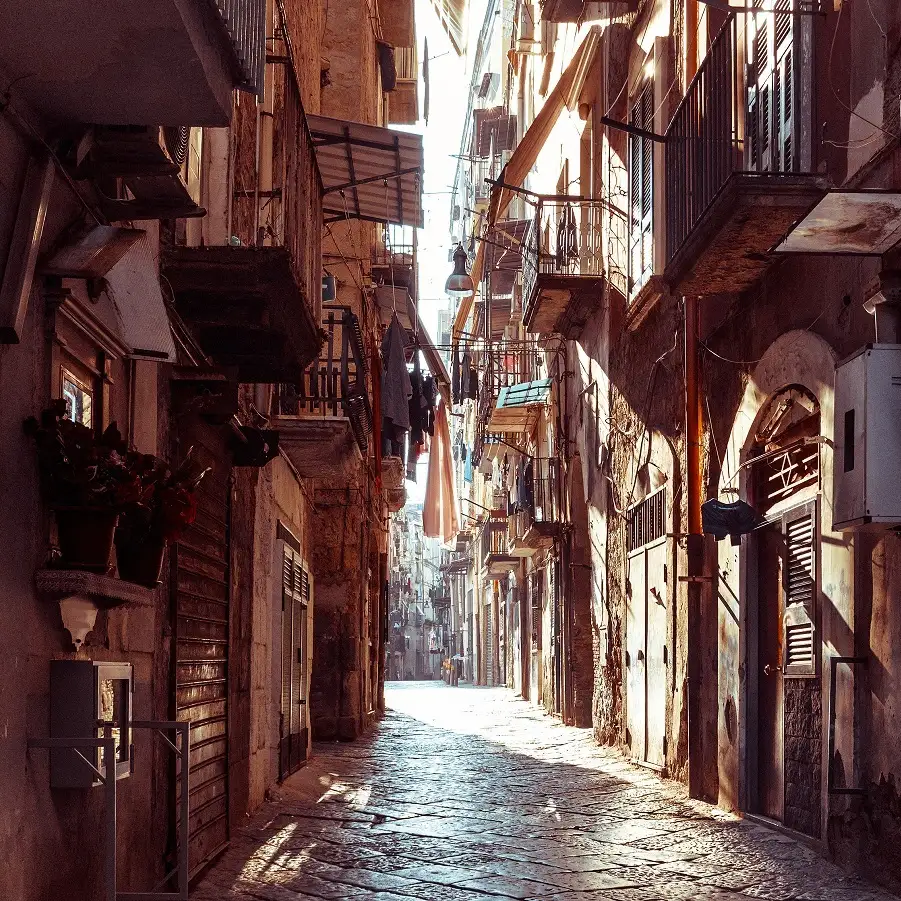
Food is a vital part of Neopolitan cultural heritage, spirit, and identity. Your private tour guide will accompany you off the beaten path, through the lively narrow streets and hidden corners of the old town of Naples to provide you with an insider's look at the food scene of one of the greatest culinary centers in Italy.

Taste the most famous pizza in Naples at the pizzeria featured in Eat, Pray, Love.
Show More
One of the best pasta places in Naples.
Show More
Taste the most famous pizza in Naples at the pizzeria featured in Eat, Pray, Love.
Show MoreOne of the best pasta places in Naples.
Show MoreTaste the most famous pizza in Naples at the pizzeria featured in Eat, Pray, Love.
Show MoreDay 5
Naples

Day 6
Naples to Sorrento
Day 6
Naples to Sorrento


9:30 AM
Private Transfer from Naples to Sorrento
A private transfer service will pick you up from Naples and take you directly to your hotel in Sorrento. The journey will be in an air-conditioned vehicle with an English-speaking driver and will take around 1 hour 10 minutes in normal traffic. IMPORTANT NOTE: Please be aware the car service can fit up to 1 checked item of luggage and 1 personal item per person, such as a purse or small backpack. If you think you will have more baggage, please inform your travel consultant as this may result in an additional fee.

Day 6
Naples to Sorrento

Day 7
Sorrento
Day 7
Sorrento
8:30 AM - 5:00 PM
Gourmet Tour
Experience the culinary traditions of the Sorrento Peninsula on a full-day journey through its local flavors. Begin among picturesque lemon orchards with a tasting of limoncello and olive oil, then travel to Vico Equense to meet a local master cheesemaker and discover the area’s cheese-making traditions. Return to Sorrento for a light lunch of caponata with fresh mozzarella, followed by artisan gelato. After lunch, enjoy some free time to explore Sorrento before returning to your hotel.

Day 7
Sorrento

Day 8
Sorrento
Day 8
Sorrento
Early Morning to Mid-Day
Amalfi Coast
The wildly scenic Amalfi Coast that runs from Sorrento to Salerno is infamous for its coastal road which is known as one of the best white-knuckle scenic rides in Europe. Given the hairy driving, impossible parking and traffic, and overcrowded public buses, the Amalfi Coast is best explored by private boat or public ferry, where you can enjoy the scenic beauty of the coastline and hop from town to town in comfort and without any delays. Unfortunately, the boats do not run all year, so depending on when you travel, your best bet for exploring the area may be with a guided tour by vehicle. The guide's local knowledge can help you avoid some of the traffic and cover the most beautiful spots. Of course a private tour at your own pace, by boat or car, is the ideal option.
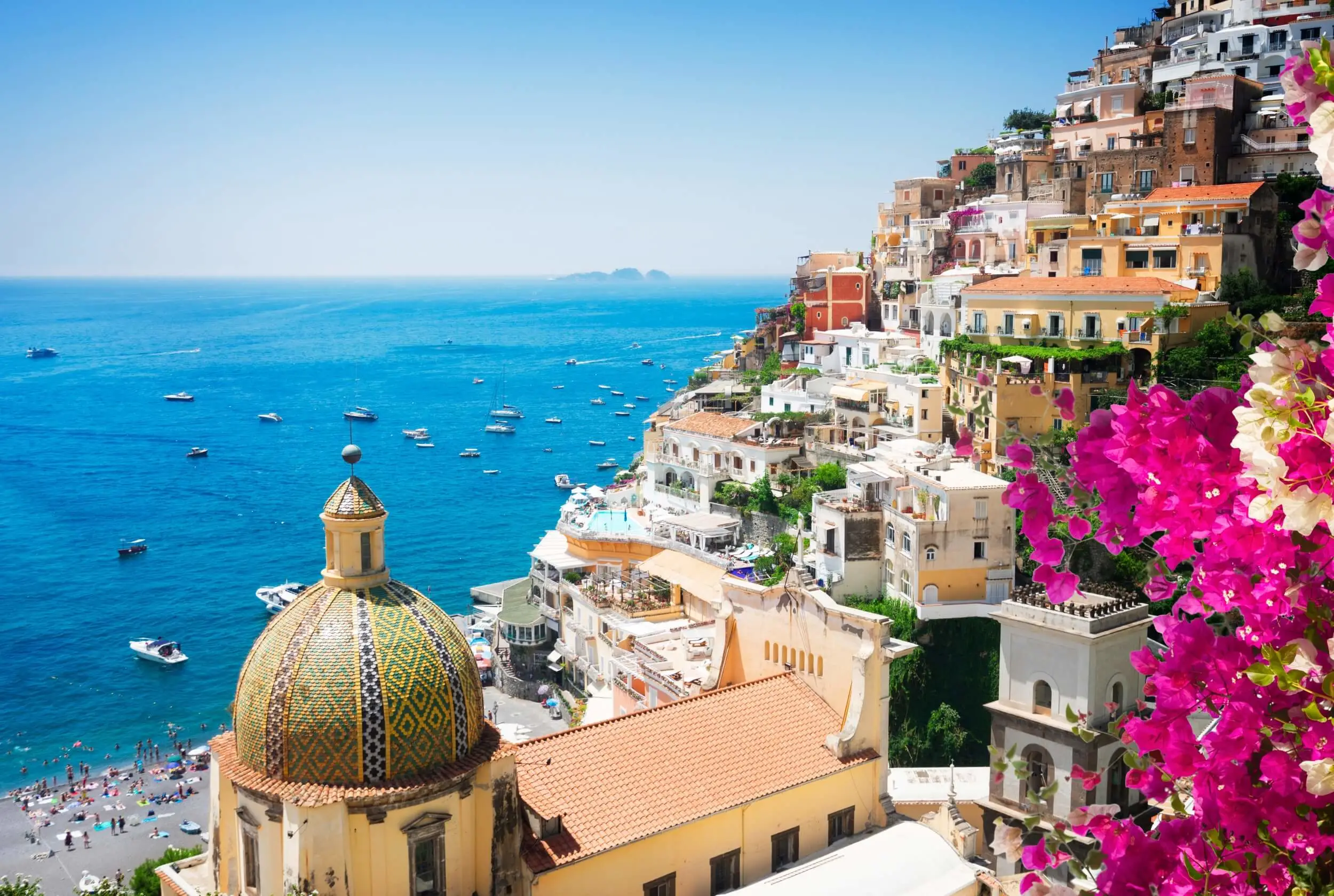
Visit the most beautiful and most popular town on the Amalfi Coast.
Show More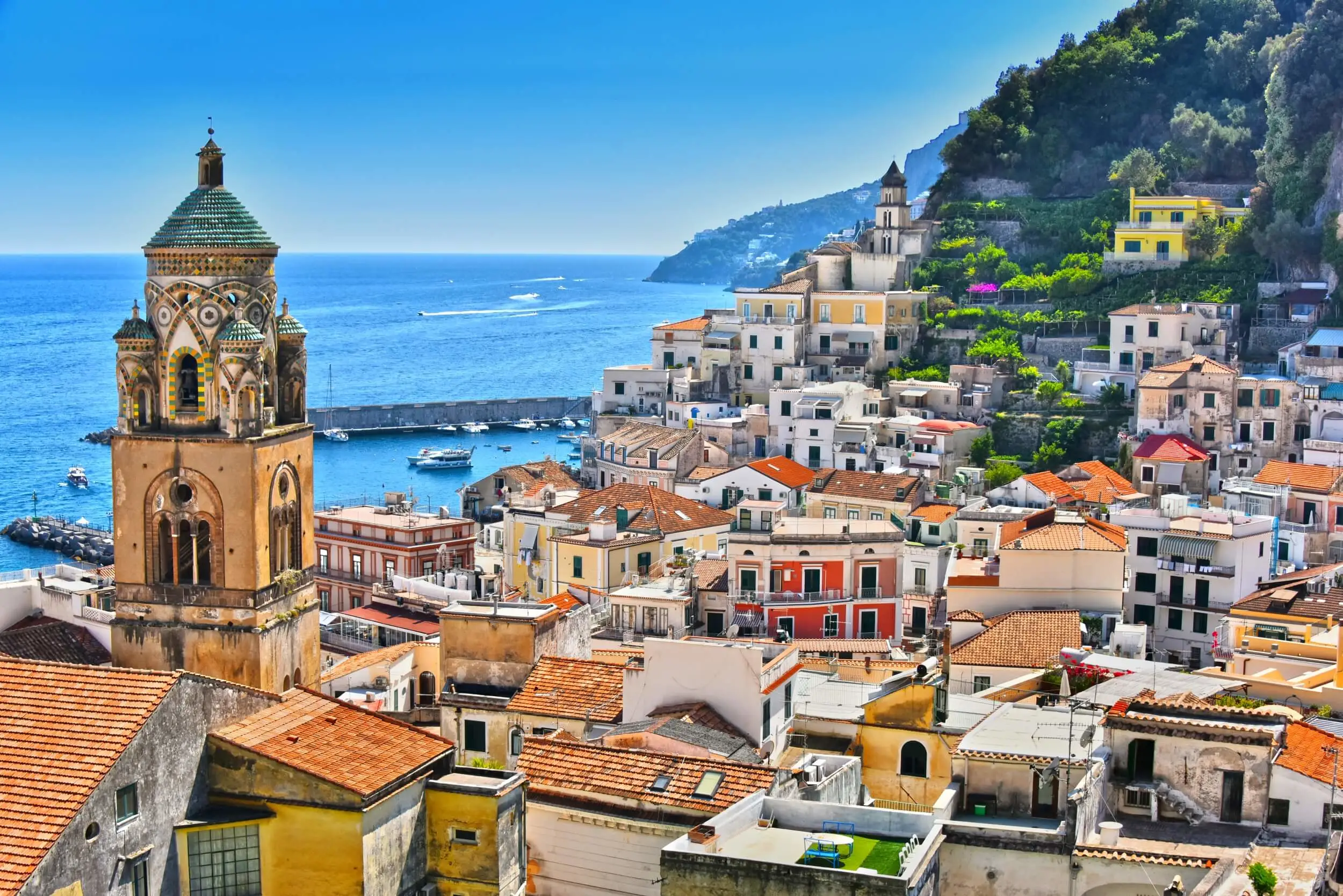
Visit the largest town on the Amalfi Coast known for its culture, history and beaches.
Show More

Visit one of the most important Cathedrals on the Amalfi Coast.
Show MoreVisit the most beautiful and most popular town on the Amalfi Coast.
Show MoreVisit the largest town on the Amalfi Coast known for its culture, history and beaches.
Show MoreVisit one of the most important Cathedrals on the Amalfi Coast.
Show MoreDay 8
Sorrento

Day 9
Depart Sorrento
Day 9
Depart Sorrento
To Be Determined
Private Transfer to Naples Airport
A private transfer service will pick you up from the N/A and take you directly to Naples Capodichino Airport. This is a private transfer for you and your travel party. You do not need to pay the driver as the cost of the transfer is included in your itinerary. IMPORTANT NOTE: Please be aware the car service can fit up to 1 checked item of luggage and 1 personal item per person, such as a purse or small backpack. If you think you will have more baggage, please inform your travel consultant as this may result in an additional fee.

Day 9
Depart Sorrento
What's Included in the Southern Italy’s Coastal Gems Trip Trip?
Pre-Paid Tours and Activities:
- Heart of the Empire: Private Tour of Ancient Rome & the Colosseum
- Twilight Trastevere Group Food Tour
- Food Tasting Tour
- Full Day Sorrento Coast Gourmet Tour
- City Card for Rome, including discounts to many popular attractions

Pre-Paid Transportation:
- 2nd Class Train Tickets from Rome-Naples
- Shuttle Service from Naples to Sorrento
- Public Transport Tickets for Rome and Naples
- Private Transfer from Rome Fiumicino to Hotel
- Private Transfer from Sorrento to Naples Airport

Accommodation:
- 3 nights at a hotel of your choice in Rome
- 2 nights at a hotel of your choice in Naples
- 3 nights at a hotel of your choice in Sorrento

Go Real Travel Mobile App:
- Itinerary Plan & Reservations Info
- Points of Interest
- Detailed Travel Information
- Maps & Directions
Other Trips You May Like





Featured Blogs





Our Customers Say It Best


Malini Dutta, Boston, Massachusetts

Bev and Mark Frankel, Williamsburg, Virginia
Marianne Strydom, Paarl, South Africa
Otto Chuy, Los Angeles, California
Malini Dutta, Boston, Massachusetts
Bev and Mark Frankel, Williamsburg, Virginia
Marianne Strydom, Paarl, South Africa
Otto Chuy, Los Angeles, California
Malini Dutta, Boston, Massachusetts
Bev and Mark Frankel, Williamsburg, Virginia
Marianne Strydom, Paarl, South Africa
Otto Chuy, Los Angeles, California



Explore cities in more detail
Venice
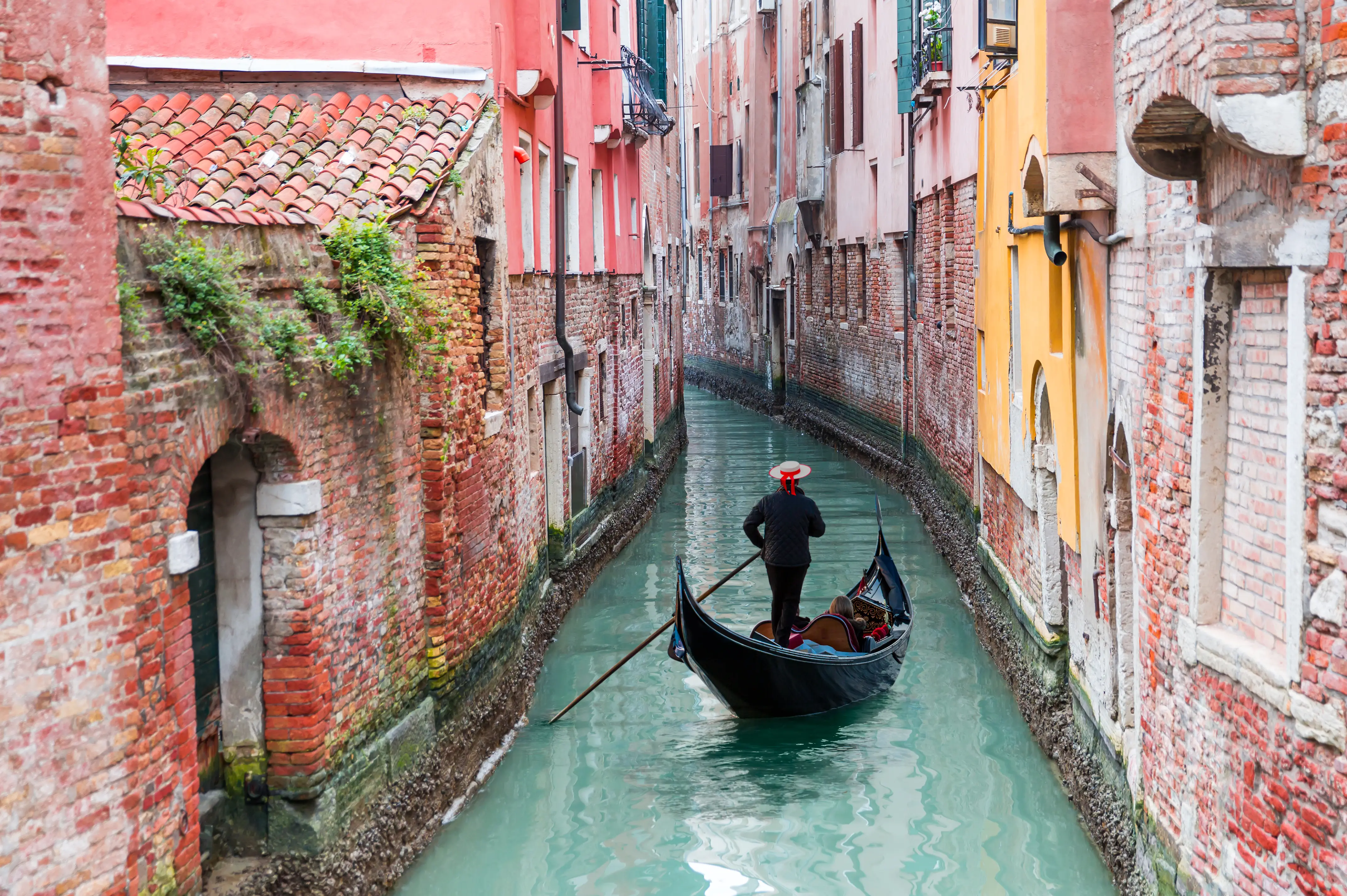
Venice is a city with no equal. Built on a series of islands on a lagoon, it was once a powerful city-state. Echoes of that old magnificence can be seen everywhere here, from the stunning buildings that rise out of the canals, to the bridges that arc across them. Take a Gondola ride through the canals that form the city’s veins, or wander through the winding streets drinking in the sights. You’ll see Venice attracts tourists in huge numbers, and that’s with good reason. It’s home to a seemingly limitless amount of art, culture, history, and architecture. St Mark’s Basilica, the Doge’s Palace, and the Campanile di San Marco just barely scratch the surface. There’s a 700-year-old market, Rialto, which is still open today. The Ponte di Rialto bridge connects the neighborhoods of San Marco and San Polo, stretching across the Grand Canal. Venice has weathered the last several centuries with elegance and pride, a place that will surpass even your highest expectations.
Florence
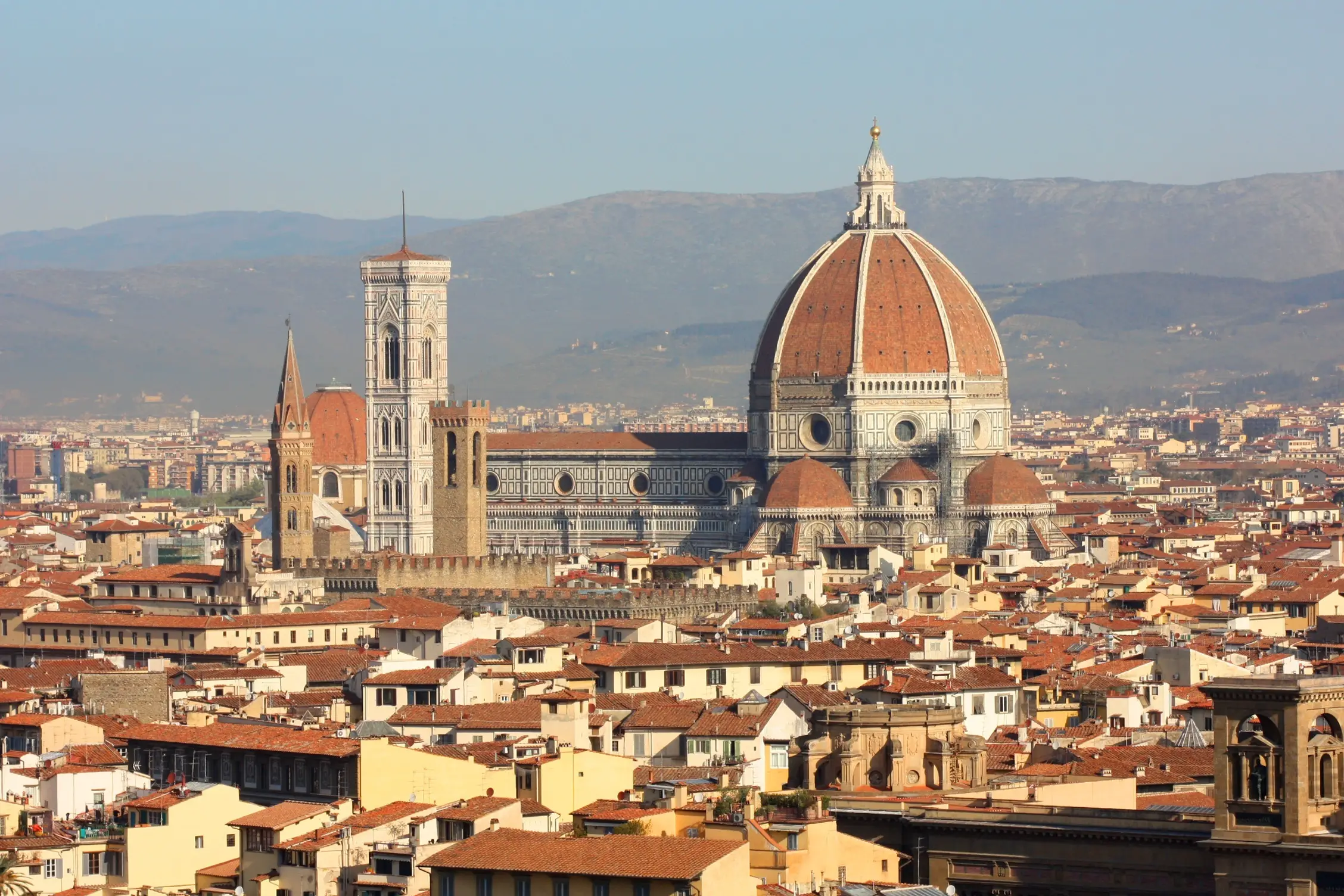
Culture and history are thick in the air in Florence. Located on the banks of the Arno River in Tuscany, Florence’s past is deeply compelling. The birthplace of the Renaissance, Florence is where innovators like Dante, Machiavelli, Michelangelo, and Da Vinci made their fortunes. Centuries of art, politics, and commerce have left their mark on every stone in this Northern Italian city. In the 15th and 16th centuries, Florentine banks funded new enterprises that went on to change the history of the world. Powerful families like the Medici’s financed some of the finest art in history and pioneered new ways of doing statecraft and politics. As you stand in the Piazzale Michelangelo and gaze upon the city below it’s hard to take it all in at once. It feels like behind every door in Florence might hide a work of genius. Michelangelo’s David and Botticelli’s Primavera can be found just a short walk away. After a long day wandering the streets and gazing at art, fueled by exquisite coffee and gelato, relax like the locals do: with a glass of some of the best wine in the world.

Milan
Milan is Italy’s most forward-looking city. An international center for fashion, fine dining, and design, it seems as though Milanese people breathe style. From the gleam on your wine glass to the twists of its cathedral’s spires, everything in Milan is finished to perfection. Home to the Italian stock exchange, a world-famous fashion industry, and a frantic business district, Milan is fast-paced and commercially minded. The shopping in Milan is second to none. At the Galleria Vittorio Emanuele II, one of the world’s oldest shopping malls, a glass-iron ceiling soars over brands like Louis Vuitton, Gucci, Massimo Dutti, and Amani. Along with the fashion, Milan’s cathedral, castle, and canals are also must-sees. But to view the city’s most prized possession - Leonardo da Vinci’s Last Supper, you must make an appointment. Tickets to view this mural sell out weeks in advance. It is truly a bucket-list worthy work of art. After a day taking in all the glamor and culture, take a seat in one of Milan’s well-appointed eateries. The Navigli Quarter is packed with restaurants, bars, and cafes, perfect for a relaxed Aperol spritz or pizza along the city’s canals.

Rome
One of the must-sees of Italy, and indeed all of Europe, Rome is a city with history flowing through its veins. There is an endless amount to see, do, and learn here, with something for every taste and disposition. Rome was the center of Western civilization for a Millenium and during that time, accumulated a list of historical and cultural treasures that no other destination can truly match. The Pantheon, Colosseum, Roman Forum, and Cirus of Maxentius are just a few examples of what can be seen and experienced in Rome, which at times feels more like a giant outdoor museum than a city. At Rome’s heart, you’ll find the Vatican, home of the Roman Catholic Church and the Pope. Here visitors can see the legendary Sistine Chapel. Transcending a mere building, the chapel is a walk-in work of art. Although historical sights can be found on just about every corner, it’s entirely possible to fill a day just wandering around Rome. The city’s charming streets and open Piazzas are filled with beautiful sights and places to sit, grab the best Cappuccino in the world, and enjoy the view.
Naples
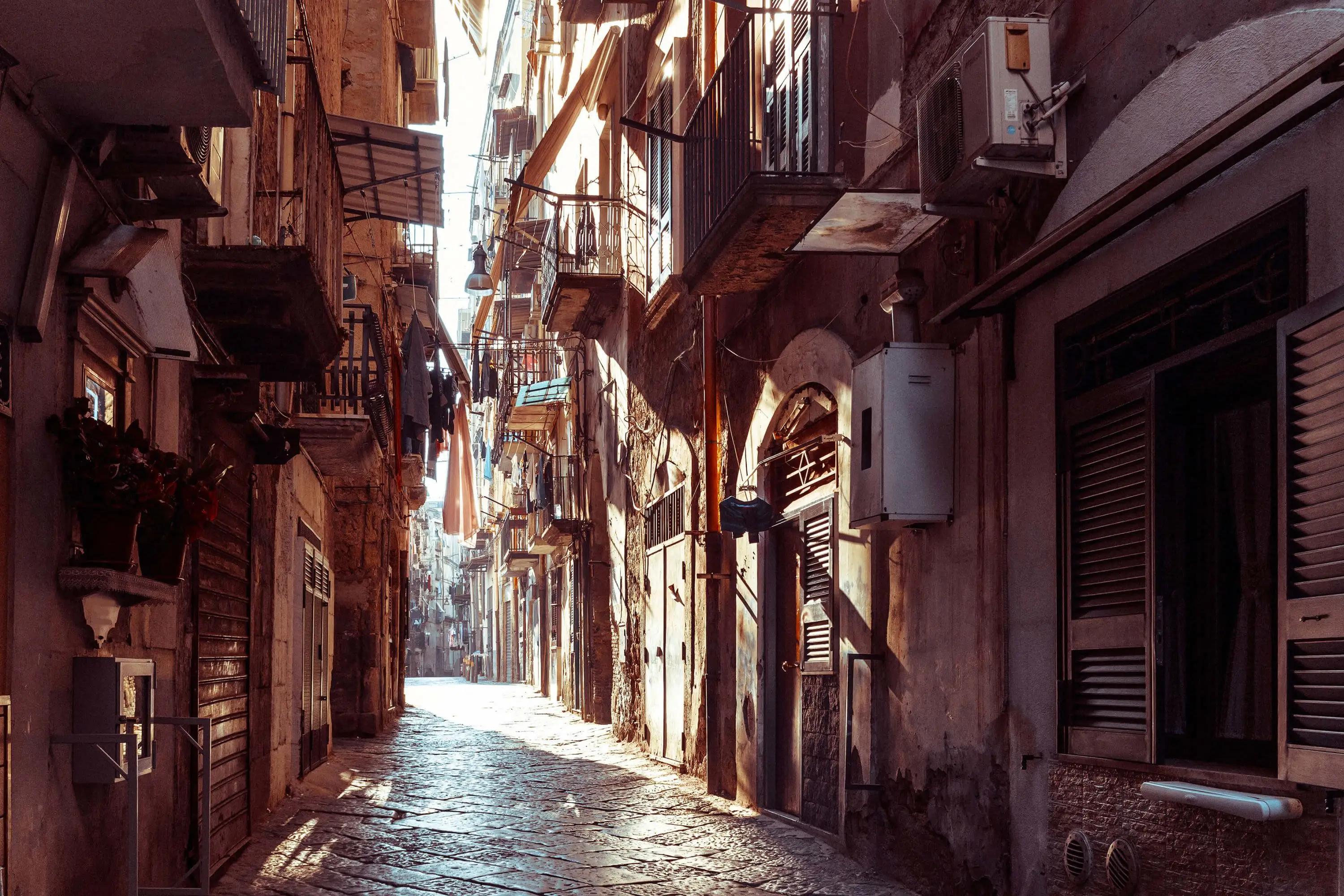
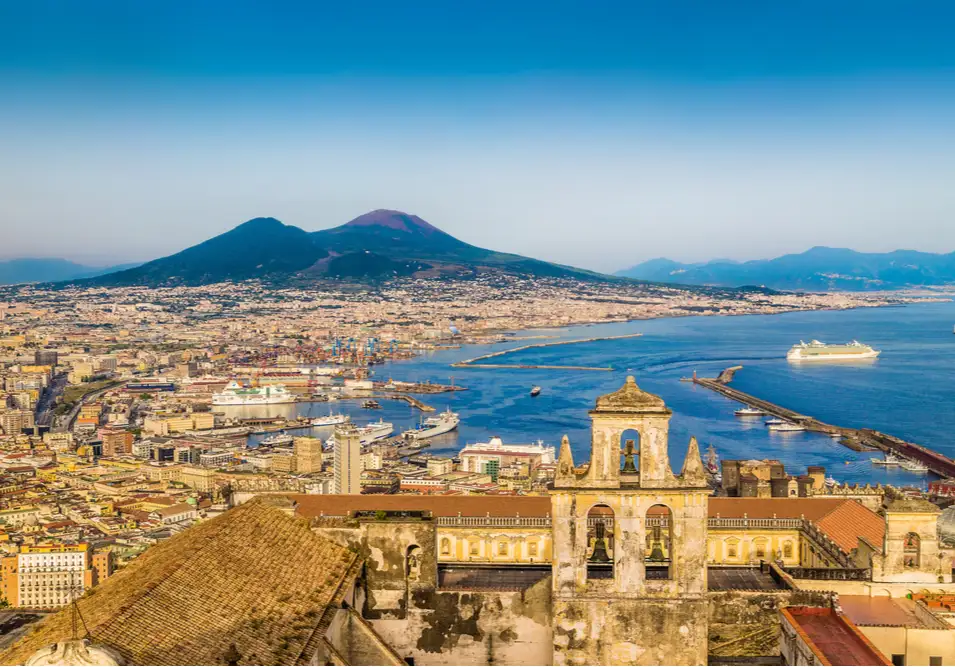
Gritty and chaotic Naples calls to travelers who want to experience the real Italy. Pressed along the coast of Campania, hilly Naples is jammed with maze-like streets, strung with outdoor clotheslines, descending toward the sea below. A much deserved UNESCO World Heritage site, Naples is famous for its churches, museums, castles, and catacombs. As you navigate the city, you’ll find yourself immersed by its culture and history. You can easily occupy a full day gazing at churches like the Naples Cathedral, San Francesco di Paola, and Cappella Sansevero. If you cast your eyes toward the Gulf of Naples, you’ll see Mount Vesuvius looming over the harbor. This foreboding volcano erupted in AD 79. Not far from the inner city — less than an hour by train — you’ll find the ancient town of Pompeii, its dramatic ruins still preserved in ash from the eruption. One of the best things you can do in Naples is to eat. This is the city where pizza was born. Propped up by its ripe tomatoes, local cheeses, and fresh fish, food from Naples has come to define what many see as the height of Italian cuisine. Everything you taste in Naples seems like a delicacy. Authentic and vivid, Naples is a true Italian city where the ancient world meets the modern-day with a bang.

Sorrento
Sorrento is the perfect place to bask in the Mediterranean mood, somewhere to enjoy the sun, the sea, fine dining, and good wine. Churches like the Duomo and the Church del Carmine beg to be explored, along with museums, galleries, and castles. But mostly Sorrento is somewhere to kick back and, for a few days, focus entirely on the business of living - and living well. Seafood dinners, Limoncello evenings, swimming, hiking, and boat trips are all perfect ways to pass time in this seaside haven. If you really tire of all that, Sorrento is well-placed for those looking to explore its surrounding region. A train ride away from Naples, and within fairly easy reach of Pompeii, Sorrento is the doorstep to the attractions of Campania. A short ferry ride away is the island of Capri, with its own collection of beaches, restaurants, and excellent hiking. It’s not necessary, however, to pack the days full of exploring and adventure. While all that is certainly possible, a perfectly acceptable alternative is just to relax and soak in the special Mediterranean vibe.
Venice
Venice is a city with no equal. Built on a series of islands on a lagoon, it was once a powerful city-state. Echoes of that old magnificence can be seen everywhere here, from the stunning buildings that rise out of the canals, to the bridges that arc across them. Take a Gondola ride through the canals that form the city’s veins, or wander through the winding streets drinking in the sights. You’ll see Venice attracts tourists in huge numbers, and that’s with good reason. It’s home to a seemingly limitless amount of art, culture, history, and architecture. St Mark’s Basilica, the Doge’s Palace, and the Campanile di San Marco just barely scratch the surface. There’s a 700-year-old market, Rialto, which is still open today. The Ponte di Rialto bridge connects the neighborhoods of San Marco and San Polo, stretching across the Grand Canal. Venice has weathered the last several centuries with elegance and pride, a place that will surpass even your highest expectations.
Florence
Culture and history are thick in the air in Florence. Located on the banks of the Arno River in Tuscany, Florence’s past is deeply compelling. The birthplace of the Renaissance, Florence is where innovators like Dante, Machiavelli, Michelangelo, and Da Vinci made their fortunes. Centuries of art, politics, and commerce have left their mark on every stone in this Northern Italian city. In the 15th and 16th centuries, Florentine banks funded new enterprises that went on to change the history of the world. Powerful families like the Medici’s financed some of the finest art in history and pioneered new ways of doing statecraft and politics. As you stand in the Piazzale Michelangelo and gaze upon the city below it’s hard to take it all in at once. It feels like behind every door in Florence might hide a work of genius. Michelangelo’s David and Botticelli’s Primavera can be found just a short walk away. After a long day wandering the streets and gazing at art, fueled by exquisite coffee and gelato, relax like the locals do: with a glass of some of the best wine in the world.
Milan
Milan is Italy’s most forward-looking city. An international center for fashion, fine dining, and design, it seems as though Milanese people breathe style. From the gleam on your wine glass to the twists of its cathedral’s spires, everything in Milan is finished to perfection. Home to the Italian stock exchange, a world-famous fashion industry, and a frantic business district, Milan is fast-paced and commercially minded. The shopping in Milan is second to none. At the Galleria Vittorio Emanuele II, one of the world’s oldest shopping malls, a glass-iron ceiling soars over brands like Louis Vuitton, Gucci, Massimo Dutti, and Amani. Along with the fashion, Milan’s cathedral, castle, and canals are also must-sees. But to view the city’s most prized possession - Leonardo da Vinci’s Last Supper, you must make an appointment. Tickets to view this mural sell out weeks in advance. It is truly a bucket-list worthy work of art. After a day taking in all the glamor and culture, take a seat in one of Milan’s well-appointed eateries. The Navigli Quarter is packed with restaurants, bars, and cafes, perfect for a relaxed Aperol spritz or pizza along the city’s canals.
Rome
One of the must-sees of Italy, and indeed all of Europe, Rome is a city with history flowing through its veins. There is an endless amount to see, do, and learn here, with something for every taste and disposition. Rome was the center of Western civilization for a Millenium and during that time, accumulated a list of historical and cultural treasures that no other destination can truly match. The Pantheon, Colosseum, Roman Forum, and Cirus of Maxentius are just a few examples of what can be seen and experienced in Rome, which at times feels more like a giant outdoor museum than a city. At Rome’s heart, you’ll find the Vatican, home of the Roman Catholic Church and the Pope. Here visitors can see the legendary Sistine Chapel. Transcending a mere building, the chapel is a walk-in work of art. Although historical sights can be found on just about every corner, it’s entirely possible to fill a day just wandering around Rome. The city’s charming streets and open Piazzas are filled with beautiful sights and places to sit, grab the best Cappuccino in the world, and enjoy the view.
Naples
Gritty and chaotic Naples calls to travelers who want to experience the real Italy. Pressed along the coast of Campania, hilly Naples is jammed with maze-like streets, strung with outdoor clotheslines, descending toward the sea below. A much deserved UNESCO World Heritage site, Naples is famous for its churches, museums, castles, and catacombs. As you navigate the city, you’ll find yourself immersed by its culture and history. You can easily occupy a full day gazing at churches like the Naples Cathedral, San Francesco di Paola, and Cappella Sansevero. If you cast your eyes toward the Gulf of Naples, you’ll see Mount Vesuvius looming over the harbor. This foreboding volcano erupted in AD 79. Not far from the inner city — less than an hour by train — you’ll find the ancient town of Pompeii, its dramatic ruins still preserved in ash from the eruption. One of the best things you can do in Naples is to eat. This is the city where pizza was born. Propped up by its ripe tomatoes, local cheeses, and fresh fish, food from Naples has come to define what many see as the height of Italian cuisine. Everything you taste in Naples seems like a delicacy. Authentic and vivid, Naples is a true Italian city where the ancient world meets the modern-day with a bang.
Sorrento
Sorrento is the perfect place to bask in the Mediterranean mood, somewhere to enjoy the sun, the sea, fine dining, and good wine. Churches like the Duomo and the Church del Carmine beg to be explored, along with museums, galleries, and castles. But mostly Sorrento is somewhere to kick back and, for a few days, focus entirely on the business of living - and living well. Seafood dinners, Limoncello evenings, swimming, hiking, and boat trips are all perfect ways to pass time in this seaside haven. If you really tire of all that, Sorrento is well-placed for those looking to explore its surrounding region. A train ride away from Naples, and within fairly easy reach of Pompeii, Sorrento is the doorstep to the attractions of Campania. A short ferry ride away is the island of Capri, with its own collection of beaches, restaurants, and excellent hiking. It’s not necessary, however, to pack the days full of exploring and adventure. While all that is certainly possible, a perfectly acceptable alternative is just to relax and soak in the special Mediterranean vibe.
Hi! Need help planning your dream trip? 🌍
Go Real Travel Assistant
OnlineWelcome! Where are you in your journey?
Pick the option that fits you best so we can route you to the right help.