
2-Week Journey Through Central & Eastern Europe: History
 14 Day Tour of Berlin, Prague, Vienna, Budapest and Krakow
Overview
Trip Map
Itinerary
Inclusions
Reviews



How Long Is the Central & Eastern Europe Trip and What Does It Cost?
 Duration14 days / 13 nights
- Best timeJan-Dec
 From$2875 / person (Flights not included)
- Visit Berlin’s Jewish Museum and see Checkpoint Charlie and remains of the Berlin Wall.
- Stroll across Prague’s Charles Bridge and wander the courtyards of its famous castle complex.
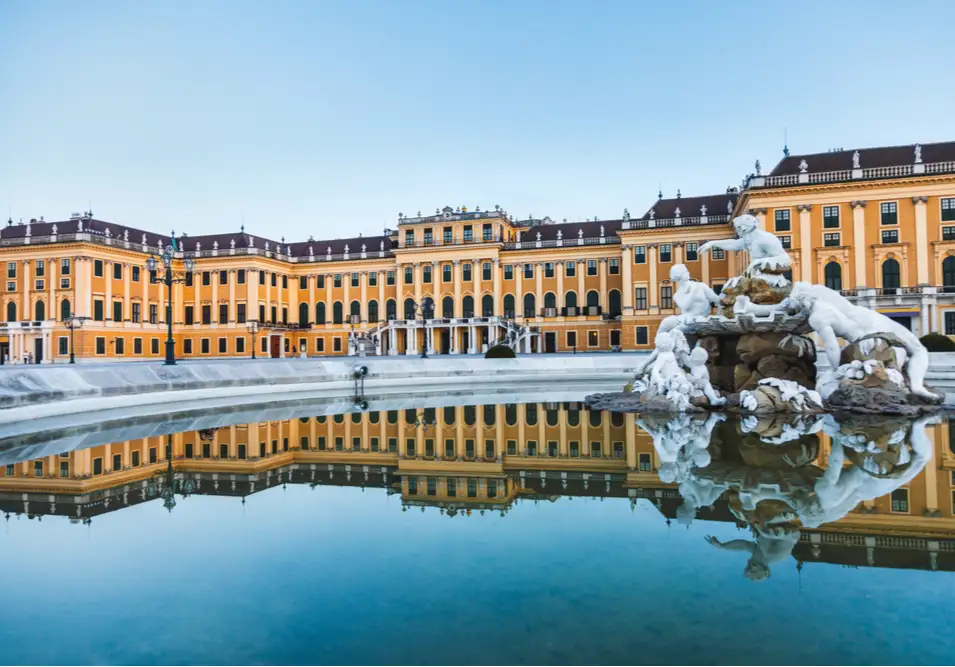
- Experience the opulent architecture and lush gardens of the Schönbrunn Palace in Vienna.
- Cruise along the Danube River in Budapest, passing under stunning bridges and illuminated monuments.
- Explore Krakow’s magnificent Wawel Castle, a symbol of Polish royal history.
- Visit Berlin’s Jewish Museum and see Checkpoint Charlie and remains of the Berlin Wall.
- Stroll across Prague’s Charles Bridge and wander the courtyards of its famous castle complex.
- Experience the opulent architecture and lush gardens of the Schönbrunn Palace in Vienna.
- Cruise along the Danube River in Budapest, passing under stunning bridges and illuminated monuments.
- Explore Krakow’s magnificent Wawel Castle, a symbol of Polish royal history.


Must see sights
Starting from
$2875
per person
 Not included
 Price varies by group size, hotel selection, and travel season.
Secure Your Customizable Trip
Enter your details to embark on a journey that can be tailored just for you.
Start
Travelers
Preferred Hotel Stars

Craft Your Own Itinerary
Select your interests and destinations for a trip plan inspired by you.
Where Does the Central & Eastern Europe Trip Trip Go?
| ← | Move left |
| → | Move right |
| ↑ | Move up |
| ↓ | Move down |
| + | Zoom in |
| - | Zoom out |
| Home | Jump left by 75% |
| End | Jump right by 75% |
| Page Up | Jump up by 75% |
| Page Down | Jump down by 75% |


Click To Make Map Interactive
Central & Eastern Europe Trip Timeline
Arrival
2 nights
Berlin
Germany
Train: 4.5h
3 nights
Prague
Czech Republic
Train: 4.5h
2 nights
Vienna
Austria
Train: 3h
3 nights
Budapest
Hungary
Shuttle: 8h
3 nights
Krakow
Poland
Departure
What Does the Central & Eastern Europe Trip Itinerary Look Like?

Day 1
Arrive Berlin

Day 1
Arrive Berlin


Late Afternoon
Courtyards of Berlin
With booming 19th-century population growth, nearly every unoccupied space in Berlin was filled by tenement buildings surrounding small courtyards. The Spandauer Vorstadt neighborhood possesses some of Berlin’s most beautiful courtyards, the Hackesche Höfe, as well as other courtyards which better recall the crowded conditions of industrial Berlin. Here you can discover the partially reconstructed New Synagogue, the former site of the Jewish cemetery, and many hidden reminders of a once vibrant community.
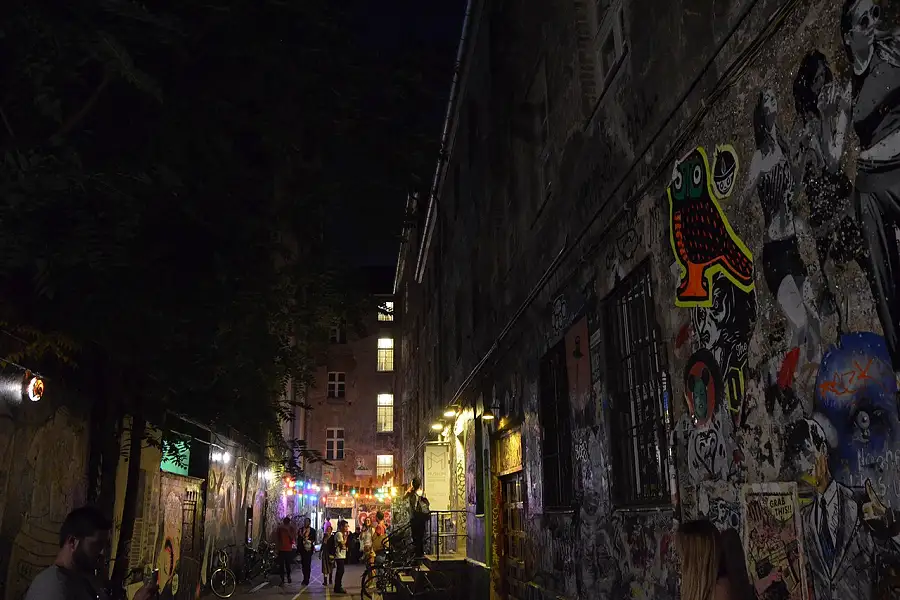
Explore a traditional Berlin alleyway courtyard which harbours a trio of small museums relating to the Jewish experience during WWII.
Show More
Visit one of the most important legacies of Berlin's pre-Holocaust Jewish community.
Show More


Stop for a drink or go shopping within Berlin’s most beautiful courtyards.
Show MoreExplore a traditional Berlin alleyway courtyard which harbours a trio of small museums relating to the Jewish experience during WWII.
Show MoreVisit one of the most important legacies of Berlin's pre-Holocaust Jewish community.
Show MoreStop for a drink or go shopping within Berlin’s most beautiful courtyards.
Show MoreDay 1
Arrive Berlin

Day 1
Arrive Berlin
To Be Determined:
Airport Transfer
Mid-Day/Afternoon:
TV Tower & Old Berlin
Late Afternoon:
Courtyards of Berlin
:
:
Haus Schwarzenberg
 Highlight of Courtyards of Berlin
Explore a traditional Berlin alleyway courtyard which harbours a trio of small museums relating to the Jewish experience during WWII.
The courtyard's crumbling and grafittied facades give visitors a feel for Berlin tenement life during the late 19th and early 20th centuries. Among the museums is the fascinating Museum Blindenwerkstatt Otto Wendt (free; open 10am-8pm daily). It is located in the former rooms of a broom and brush factory run by one Otto Wendt, whose employees were mainly deaf, blind and Jewish. He managed to protect his workers from the concentration camps by having the factory declared essential to the war effort.
New Synagogue
Highlight of Courtyards of BerlinVisit one of the most important legacies of Berlin's pre-Holocaust Jewish community.
The partially reconstructed synagogue was damaged on Kristallnacht, an anti-Jewish Nazi pogrom. It was not completely destroyed thanks to the intervention of the local police chief. Its ultimate destruction was left to Allied bombers and reconstruction didn’t begin until the late 1980s. While large parts remain unreconstructed, it is still possible to visit the interior.
Courtyards of Berlin
OverviewCourtyards of Berlin
With booming 19th-century population growth, nearly every unoccupied space in Berlin was filled by tenement buildings surrounding small courtyards. The Spandauer Vorstadt neighborhood possesses some of Berlin’s most beautiful courtyards, the Hackesche Höfe, as well as other courtyards which better recall the crowded conditions of industrial Berlin. Here you can discover the partially reconstructed New Synagogue, the former site of the Jewish cemetery, and many hidden reminders of a once vibrant community.
Hackesche Höfe
Highlight of Courtyards of BerlinStop for a drink or go shopping within Berlin’s most beautiful courtyards.
These nine courtyards are classic examples of Art Deco. Built in 1905-1907 to house businesses, flats and places of entertainment, Hackesche Höfe was conceived of as an antidote to the dowdy and overcrowded courtyards of working-class Berlin. They are elaborately decorated with blue mosaic tiles and other artistic finishes, but nevertheless preserve a layout that was highly typical of much of pre-war Berlin.
Haus Schwarzenberg
Highlight of Courtyards of BerlinExplore a traditional Berlin alleyway courtyard which harbours a trio of small museums relating to the Jewish experience during WWII.
The courtyard's crumbling and grafittied facades give visitors a feel for Berlin tenement life during the late 19th and early 20th centuries. Among the museums is the fascinating Museum Blindenwerkstatt Otto Wendt (free; open 10am-8pm daily). It is located in the former rooms of a broom and brush factory run by one Otto Wendt, whose employees were mainly deaf, blind and Jewish. He managed to protect his workers from the concentration camps by having the factory declared essential to the war effort.
New Synagogue
Highlight of Courtyards of BerlinVisit one of the most important legacies of Berlin's pre-Holocaust Jewish community.
The partially reconstructed synagogue was damaged on Kristallnacht, an anti-Jewish Nazi pogrom. It was not completely destroyed thanks to the intervention of the local police chief. Its ultimate destruction was left to Allied bombers and reconstruction didn’t begin until the late 1980s. While large parts remain unreconstructed, it is still possible to visit the interior.
Courtyards of Berlin
OverviewCourtyards of Berlin
With booming 19th-century population growth, nearly every unoccupied space in Berlin was filled by tenement buildings surrounding small courtyards. The Spandauer Vorstadt neighborhood possesses some of Berlin’s most beautiful courtyards, the Hackesche Höfe, as well as other courtyards which better recall the crowded conditions of industrial Berlin. Here you can discover the partially reconstructed New Synagogue, the former site of the Jewish cemetery, and many hidden reminders of a once vibrant community.
Hackesche Höfe
Highlight of Courtyards of BerlinStop for a drink or go shopping within Berlin’s most beautiful courtyards.
These nine courtyards are classic examples of Art Deco. Built in 1905-1907 to house businesses, flats and places of entertainment, Hackesche Höfe was conceived of as an antidote to the dowdy and overcrowded courtyards of working-class Berlin. They are elaborately decorated with blue mosaic tiles and other artistic finishes, but nevertheless preserve a layout that was highly typical of much of pre-war Berlin.
Day 2
Berlin
Day 2
Berlin


9:00 AM - 12:00 PM
Guided Walking Tour of Berlin
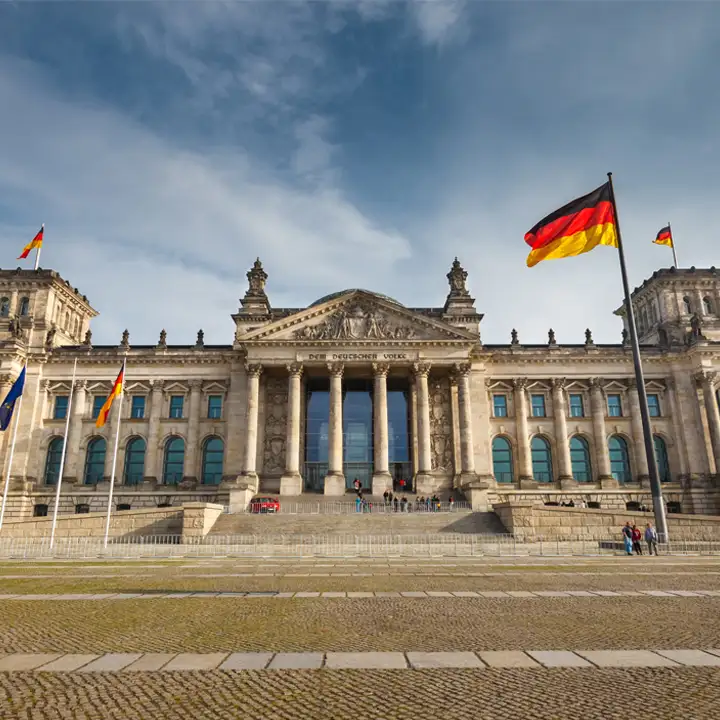
On this 3 hour tour, your guide will show you the highlights of Berlin and help you understand what makes this city so unique. Sites visited will include the boulevard Unter den Linden, the Gendarmenmarkt, Check Point Charlie, remnants of the Berlin Wall, Potsdamer Platz, the Holocaust Memorial, the Brandenburg Gate, and the Reichstag.
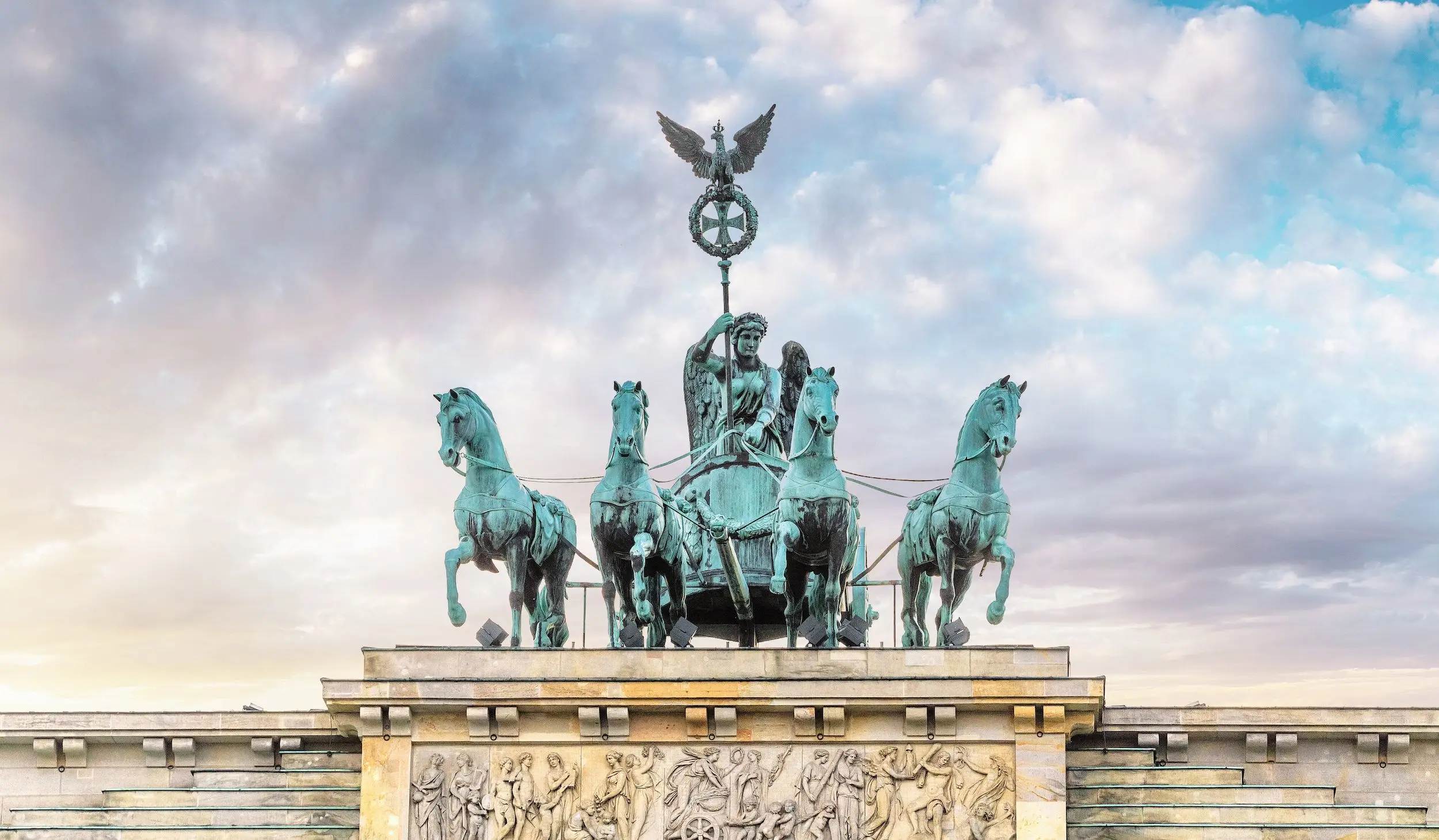
Quadriga. Hey, There's a Word to Know When Learning About this Historic Gate
Show More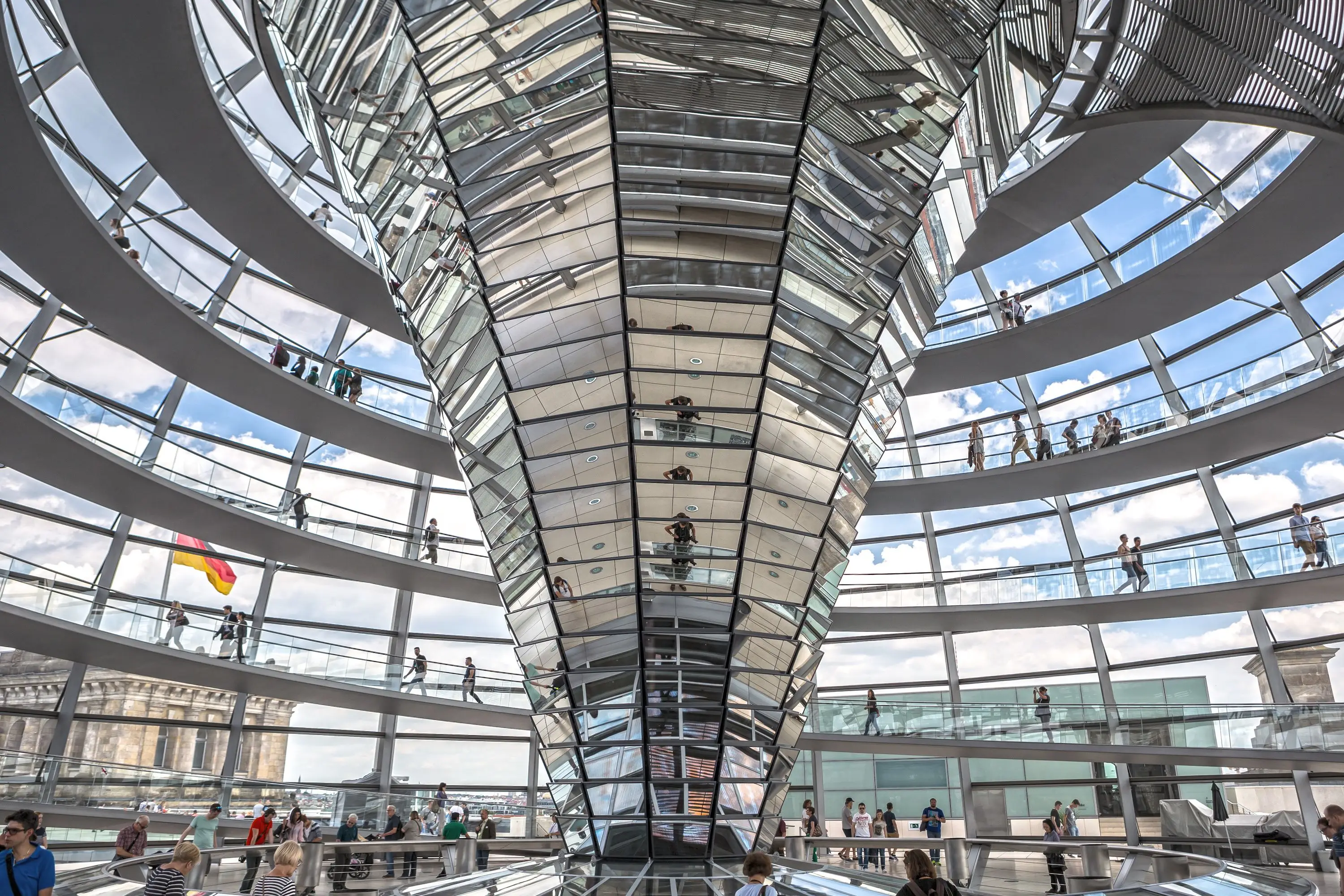
Make your way to the top of the dome enjoying amazing views and looking down at debating members of the German Parliament below.
Show More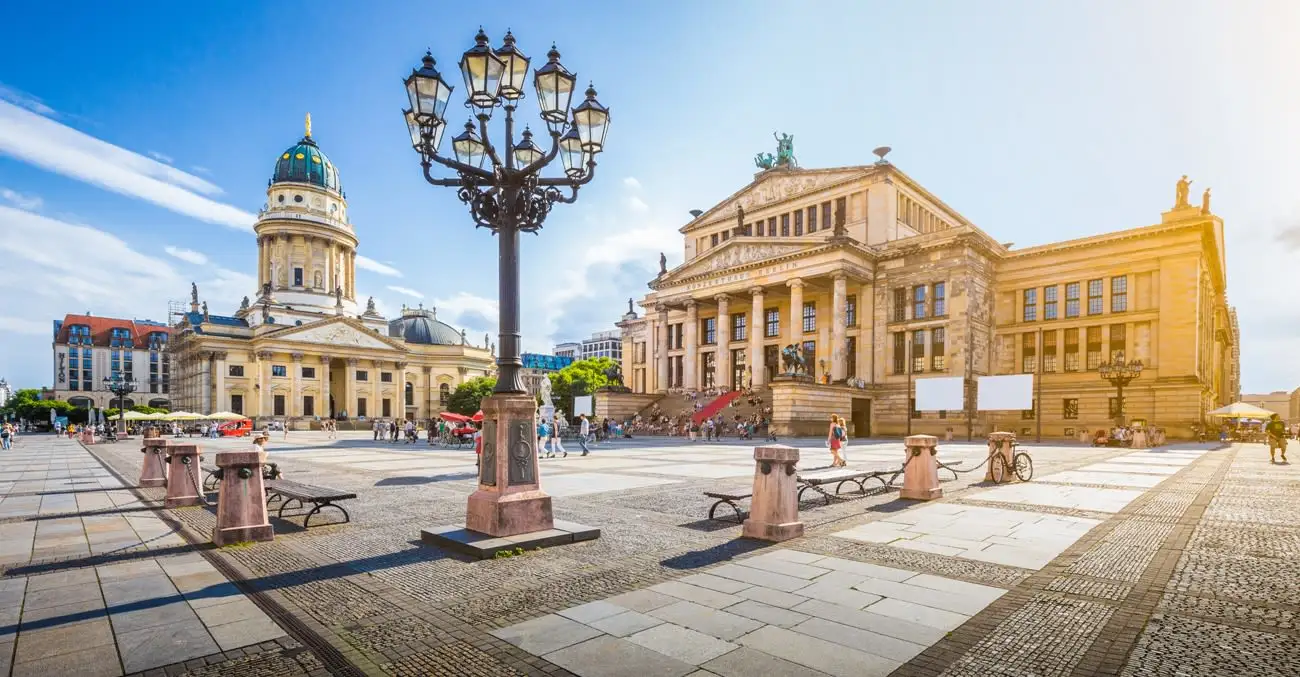
Quadriga. Hey, There's a Word to Know When Learning About this Historic Gate
Show MoreMake your way to the top of the dome enjoying amazing views and looking down at debating members of the German Parliament below.
Show MoreQuadriga. Hey, There's a Word to Know When Learning About this Historic Gate
Show MoreDay 2
Berlin

Day 3
Berlin to Prague
Day 3
Berlin to Prague


Morning
City West
In the 1920's the elegant, tree-line boulevard known as the Kurfürstendamm was the center of Berlin's nightlife and leisure scene, attracting writers, film stars, and artists. WWII left it in ruins, and today at the end of the boulevard you'll discover a chilling reminder of that destruction: the purposefully unrecontructed remains of the Memorial Church. During the Cold War, the Kurfürstendamm and its surroundings were central to West Berlin's revitalized identity. This was perhaps best symbolized by the famous KaDeWe, the gigantic department store which served as a symbol of market capitalism lodged in the heart of the Iron Curtain.
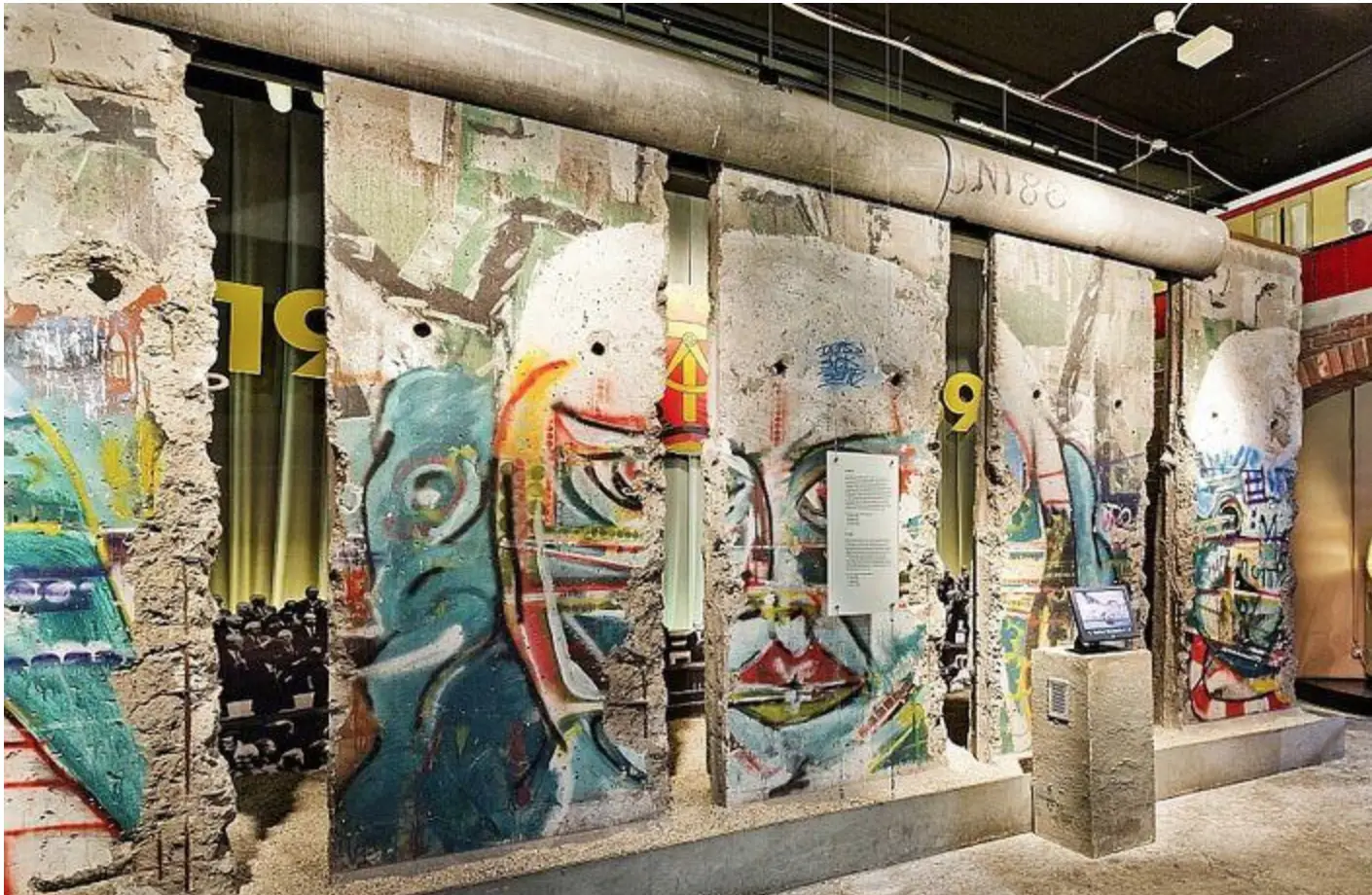
Take an interactive crash course in Berlin history. (Re-opening Autumn 2021)
Show More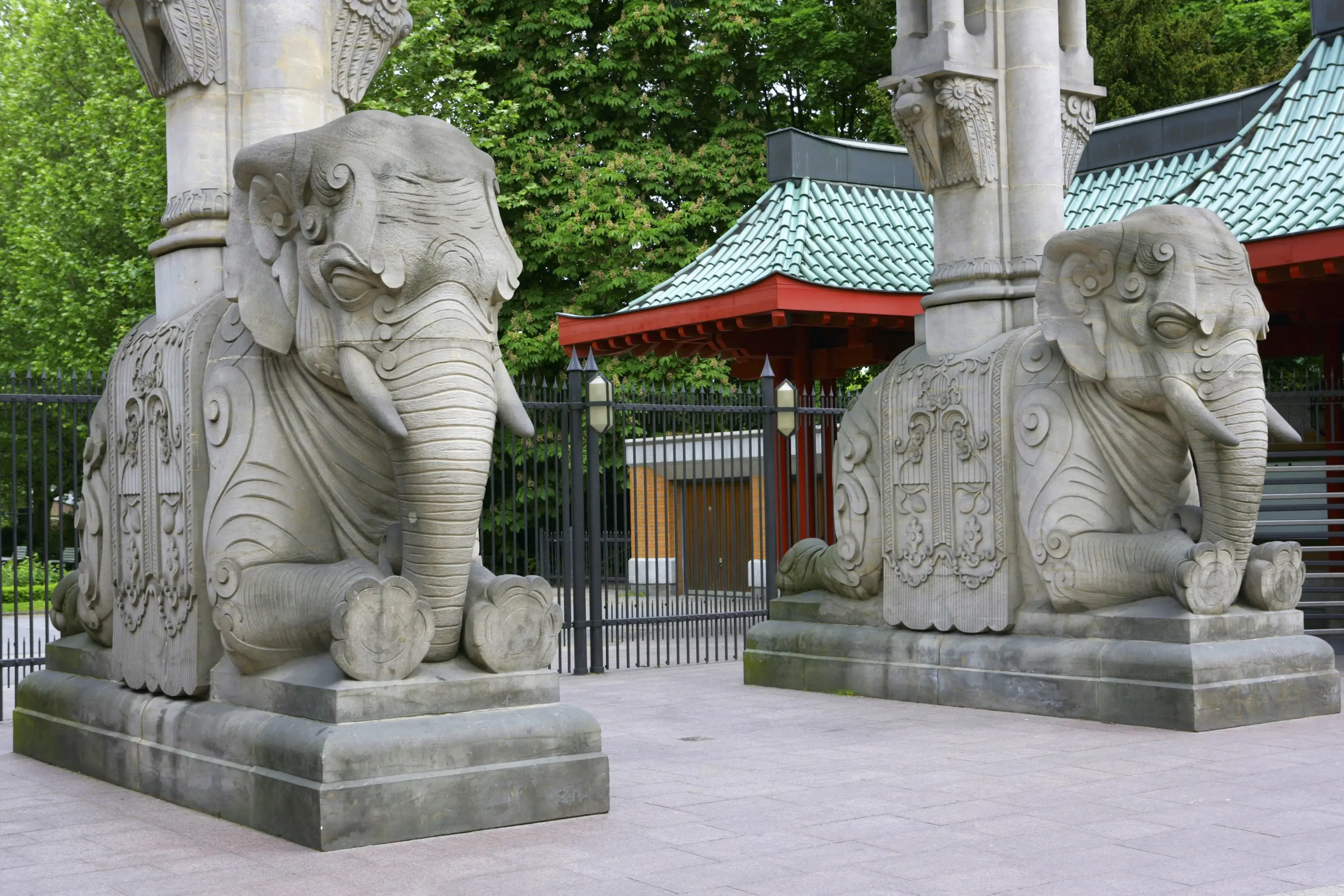
Visit Germany's Oldest and Best Known Zoo.
Show More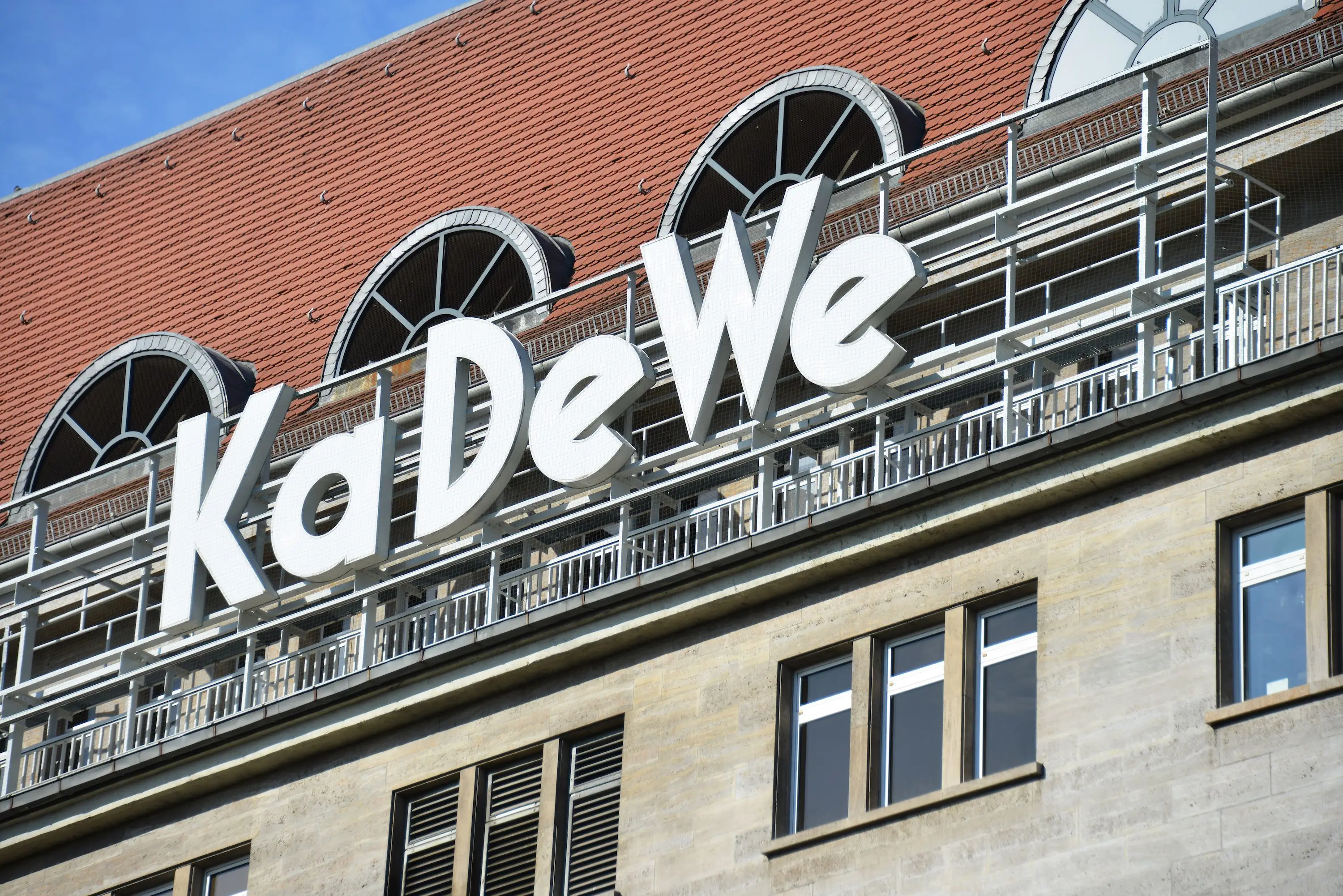
Shop in the iconic department store of capitalist West Berlin
Show More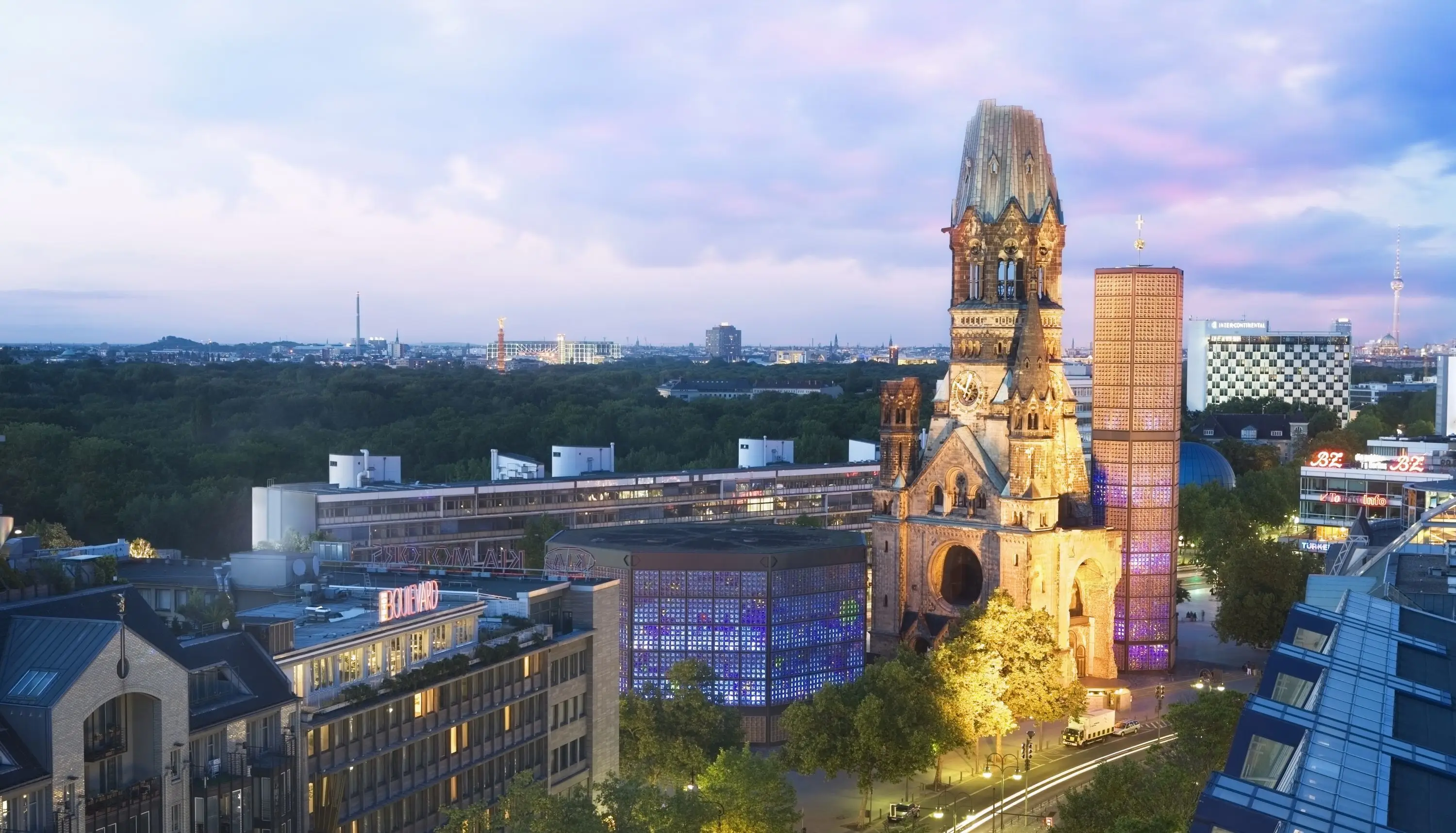
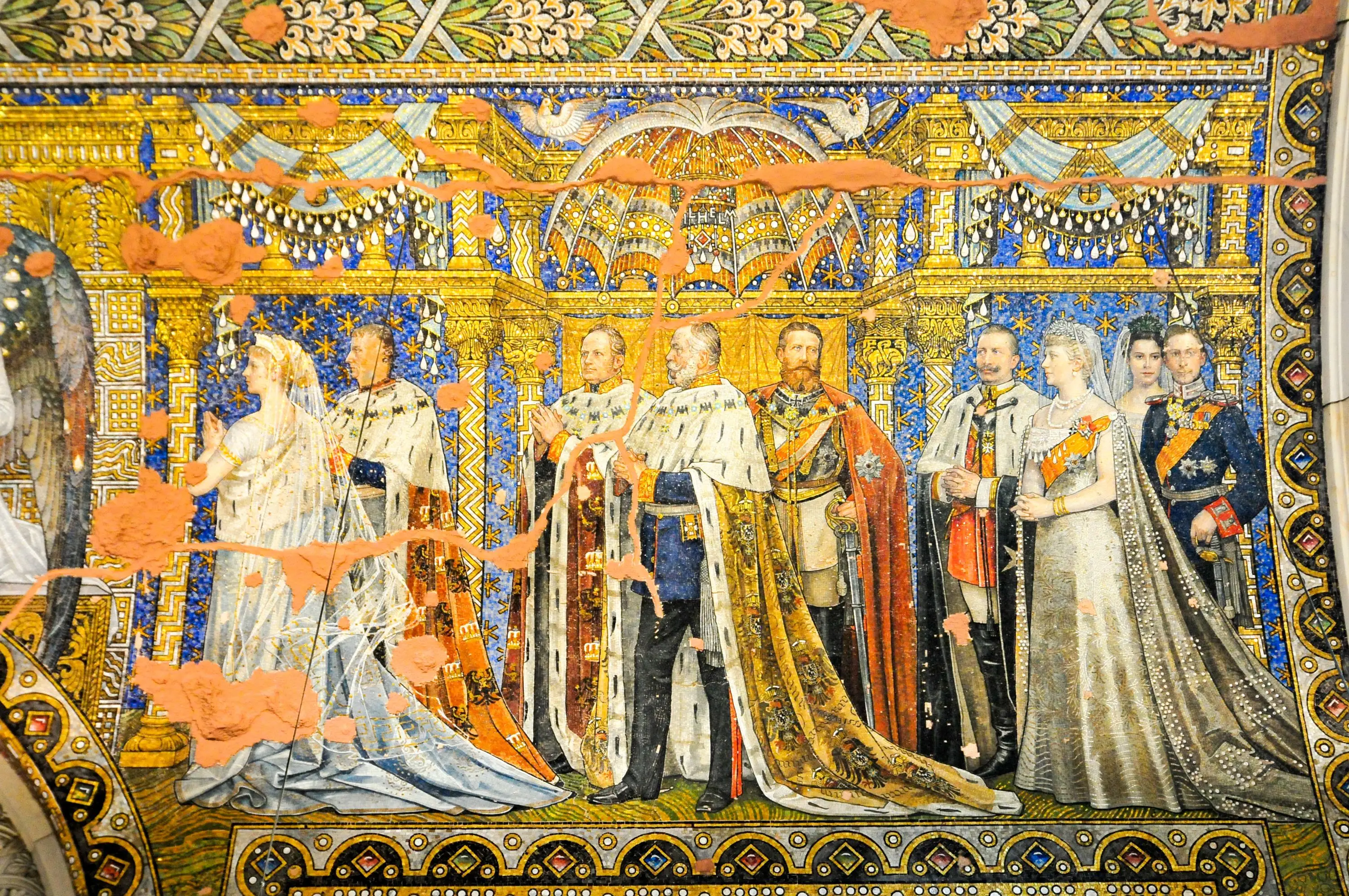
Remind yourself of war's destructiveness by visiting the ruins of this church destroyed during WWII.
Show MoreTake an interactive crash course in Berlin history. (Re-opening Autumn 2021)
Show MoreVisit Germany's Oldest and Best Known Zoo.
Show MoreShop in the iconic department store of capitalist West Berlin
Show MoreRemind yourself of war's destructiveness by visiting the ruins of this church destroyed during WWII.
Show MoreTake an interactive crash course in Berlin history. (Re-opening Autumn 2021)
Show MoreDay 3
Berlin to Prague
Day 4
Prague
Day 4
Prague

9:00 AM - 12:30 PM
Royal Route Guided Tour
On this charming guided walk, you will explore the Prague Castle, the largest castle complex in all of Europe. To reach the castle you will trace the Royal Coronation Route and cross the Charles Bridge, whose “speaking stones” reveal the amazing and often cruel history that occurred there. Your tour guide will then take you either through the castle courtyards and into the dramatic St. Vitus Cathedral in the center of the castle complex, or through the upper part of the castle district around the oversized palaces of the old Catholic nobility and the top of the Castle Steps for incomparable views over the red rooftops of the Little Quarter.

Cross the river dividing Prague's most historic neighborhoods, and experience one of Europe's most iconic landmarks.
Show More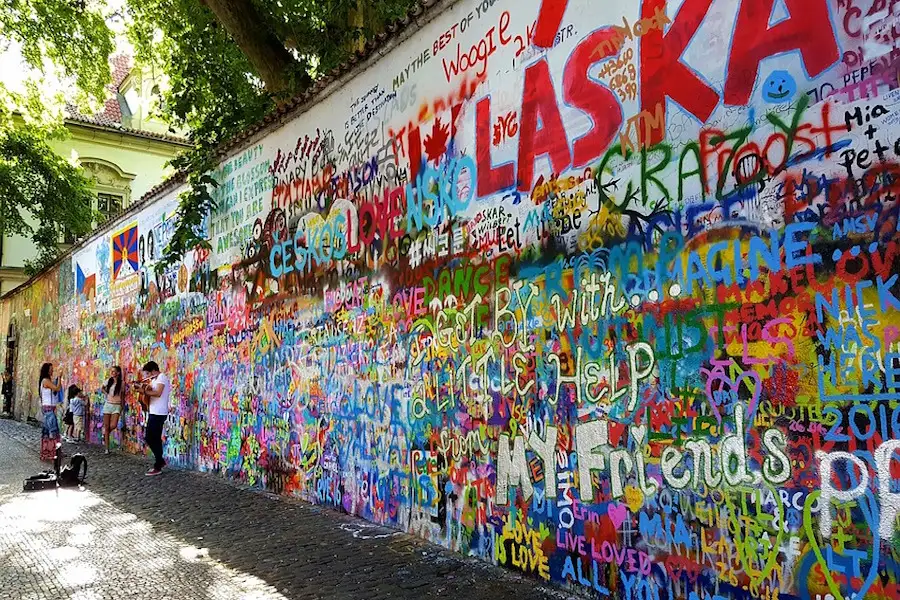
See a historic wall that has been covered in John Lennon-inspired graffiti since Communist days.
Show More

Prague Castle is one of the main attractions in Prague and is also the largest castle complex in the world.
Show MoreCross the river dividing Prague's most historic neighborhoods, and experience one of Europe's most iconic landmarks.
Show MoreSee a historic wall that has been covered in John Lennon-inspired graffiti since Communist days.
Show MorePrague Castle is one of the main attractions in Prague and is also the largest castle complex in the world.
Show MoreDay 4
Prague

Day 5
Prague
Day 5
Prague
Morning
New Town
Despite being 700 years old, the New Town (Nové Město) is the youngest of the original five independent towns that made up Medieval Prague. The heart of New Town is one of the three original markets around which the town was planned, Wenceslas Square. Not fully given over to tourism like the Old Town, the New Town combines a historic atmosphere with the daily commercial and social life of locals, making it a great place to get a taste of the real Prague.

Stroll down the river to find this curvaceous office block designed by Frank Gehry, and whi msically nicknamed Fred & Ginger.
Show More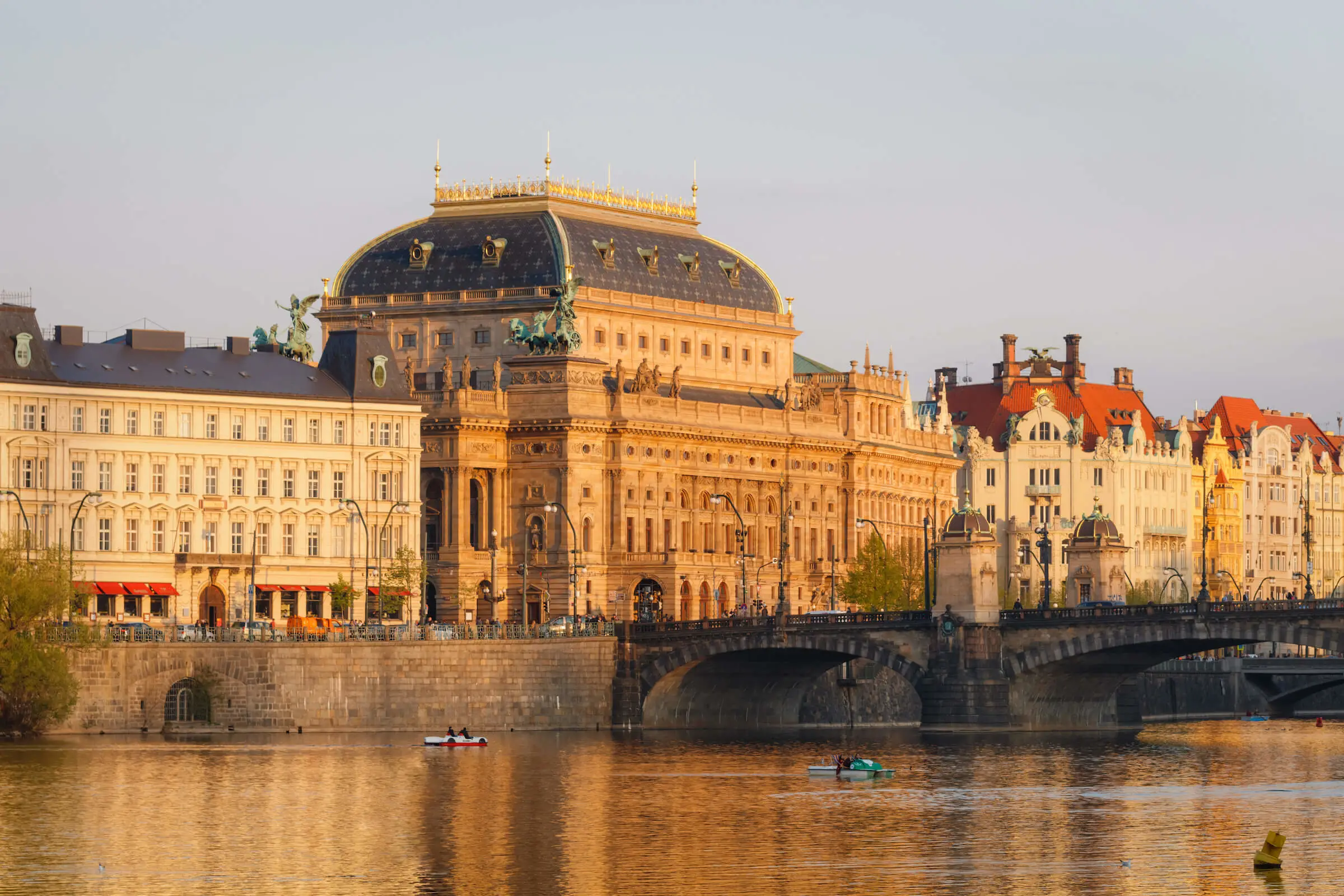
Experience nationally-sponsored ballet & opera in a magnificent venue.
Show More
Explore an interesting museum collection in a grand building completed in 1891.
Show More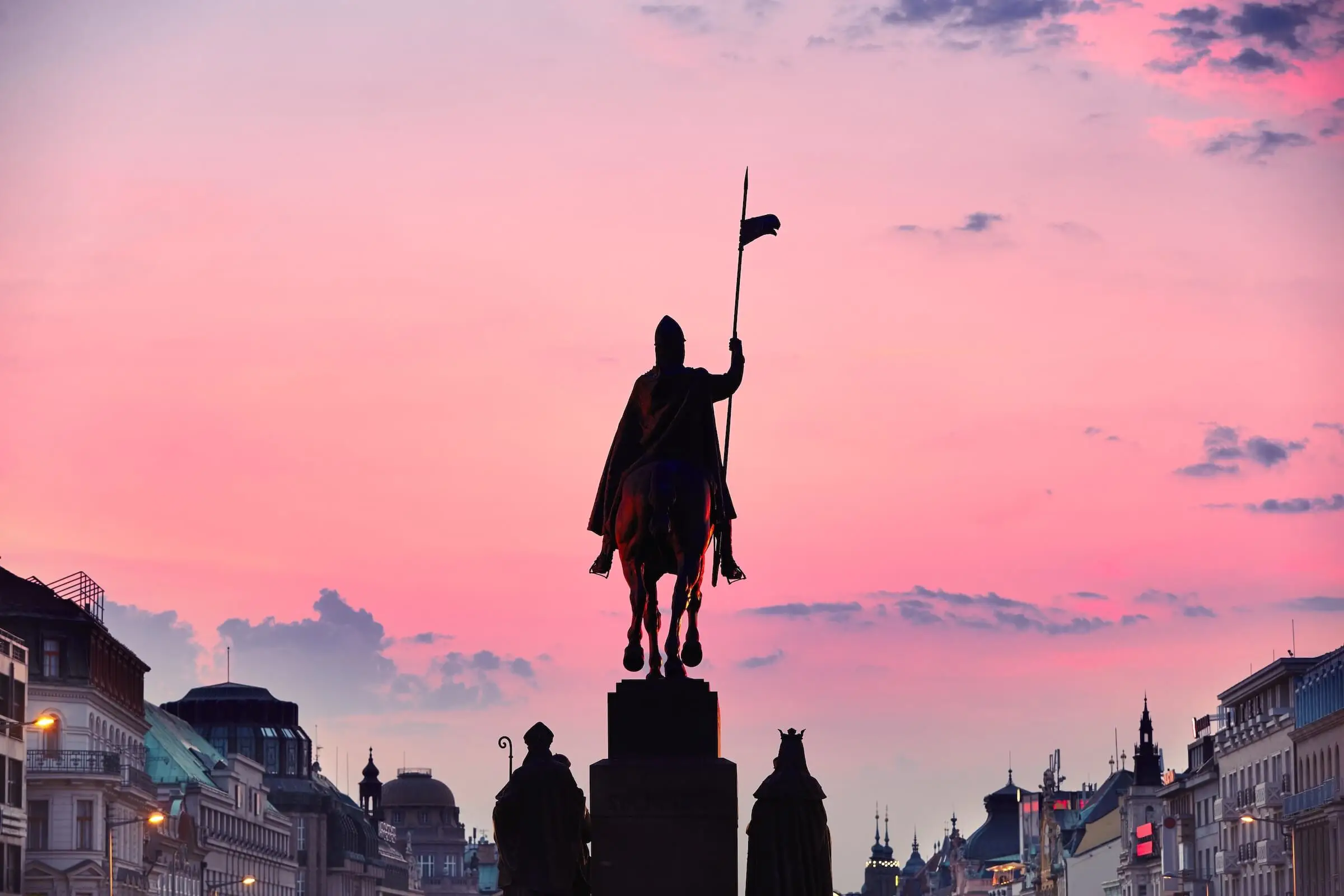

Experience a mishmash of interesting architecture on Wenceslas Square, Prague's main commercial center.
Show More
Tour a breathtaking art nouveau venue and stay for a concert, opera, or ballet.
Show MoreStroll down the river to find this curvaceous office block designed by Frank Gehry, and whi msically nicknamed Fred & Ginger.
Show MoreExperience nationally-sponsored ballet & opera in a magnificent venue.
Show MoreExplore an interesting museum collection in a grand building completed in 1891.
Show MoreExperience a mishmash of interesting architecture on Wenceslas Square, Prague's main commercial center.
Show MoreTour a breathtaking art nouveau venue and stay for a concert, opera, or ballet.
Show MoreDay 5
Prague
Day 6
Prague to Vienna
Day 6
Prague to Vienna

Morning
Vyšehrad Fortress
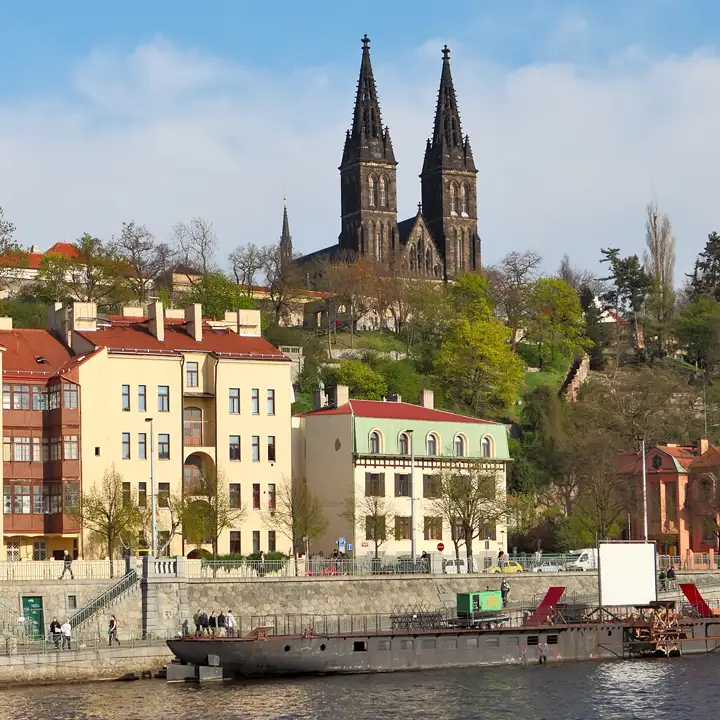
The castle of Vyšehrad was the seat of Bohemia's kings from the 11th to the 12th centuries. Due to its strategic position on a hill overlooking the Vltava River and Prague, it became an important army garrison in the 17th century, and it was transformed into a fortress with huge walls, gates, and ramparts. Walking along these ramparts will offer you wonderful views of the city and river. The interior of the fortress is now given over to a pleasant and quiet park which is a favorite of locals.
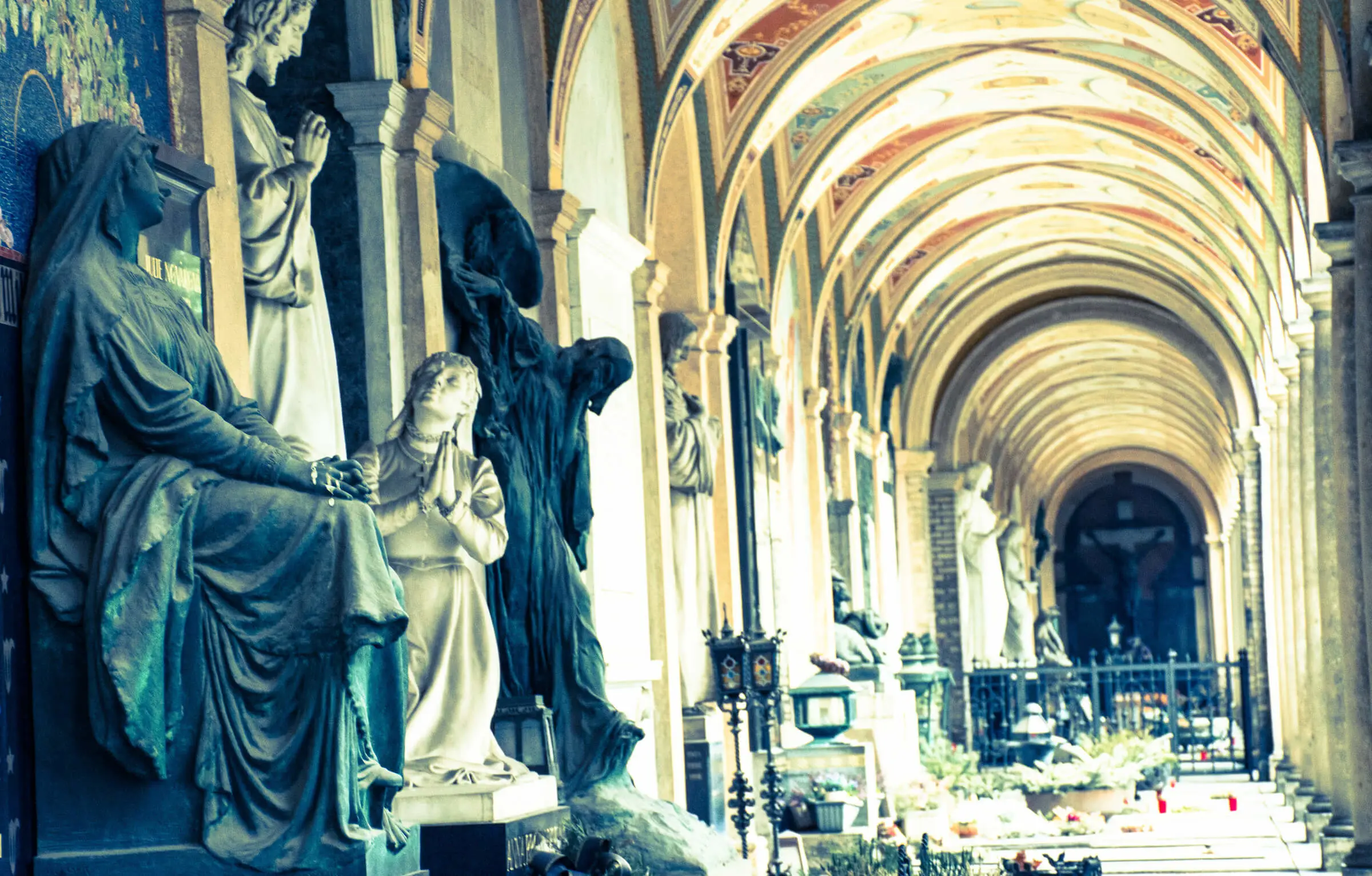
Wander in a graveyard where many prominent Czechs are buried, such as famed composers Dvořák & Smětana.
Show More
Enjoy stunning city views from atop the fortress walls.
Show More

Venture within the fortress's massive 17th-century walls and gates.
Show MoreWander in a graveyard where many prominent Czechs are buried, such as famed composers Dvořák & Smětana.
Show MoreEnjoy stunning city views from atop the fortress walls.
Show MoreVenture within the fortress's massive 17th-century walls and gates.
Show MoreDay 6
Prague to Vienna
Day 7
Vienna
Day 7
Vienna
9:00 AM - 11:30 AM
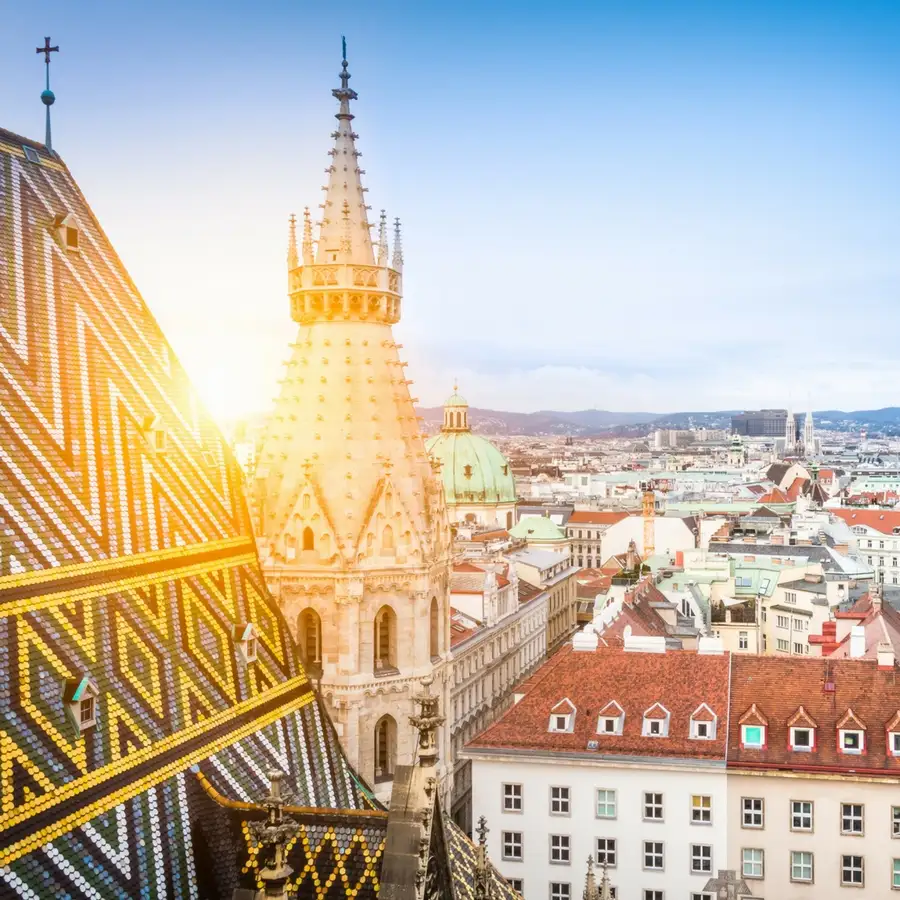
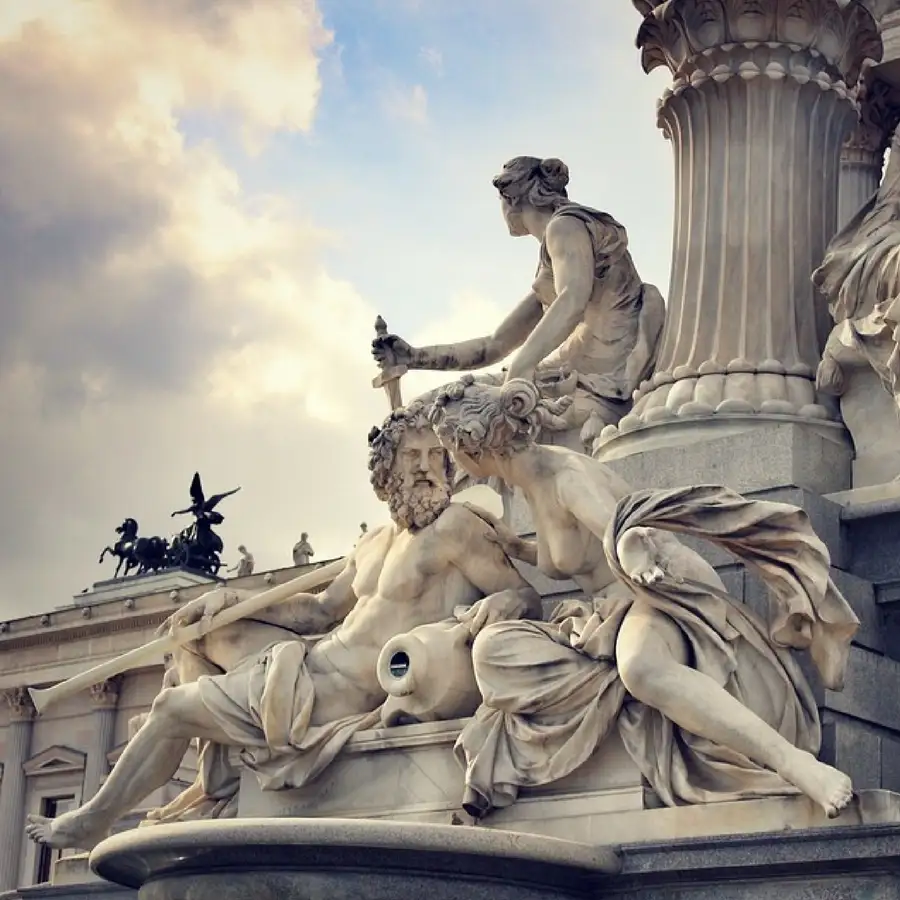
Guided Walk of the Inner City
This tour takes you back in history to explore the Vienna that stood within the old city walls. You will learn about the humble beginnings of Vienna before it became the capital of a great empire and one of the most important cities in Europe. You will discover how Vienna's early inhabitants lived and how they left their mark on the city and its beautiful Medieval, Renaissance, and Baroque architecture.

Day 7
Vienna
Day 8
Vienna to Budapest
Day 8
Vienna to Budapest
Morning
Schönbrunn Palace
The magnificent Baroque palace of Schönbrunn is most famously associated with Empress Maria Theresa, who lived here surrounded by 16 little archdukes and duchesses who also happened to be her children. On your tour of the palace, you will see how Maria Theresa and other past imperial residents lived. No visit is complete without a stroll in the vast gardens surrounding the palace.

Join local families enjoying one of Europe's best zoos.
Show More
Get lost in the huge imperial gardens.
Show More
Join local families enjoying one of Europe's best zoos.
Show MoreGet lost in the huge imperial gardens.
Show MoreJoin local families enjoying one of Europe's best zoos.
Show MoreDay 8
Vienna to Budapest
Day 9
Budapest
Day 9
Budapest
9:00 AM - 12:30 PM
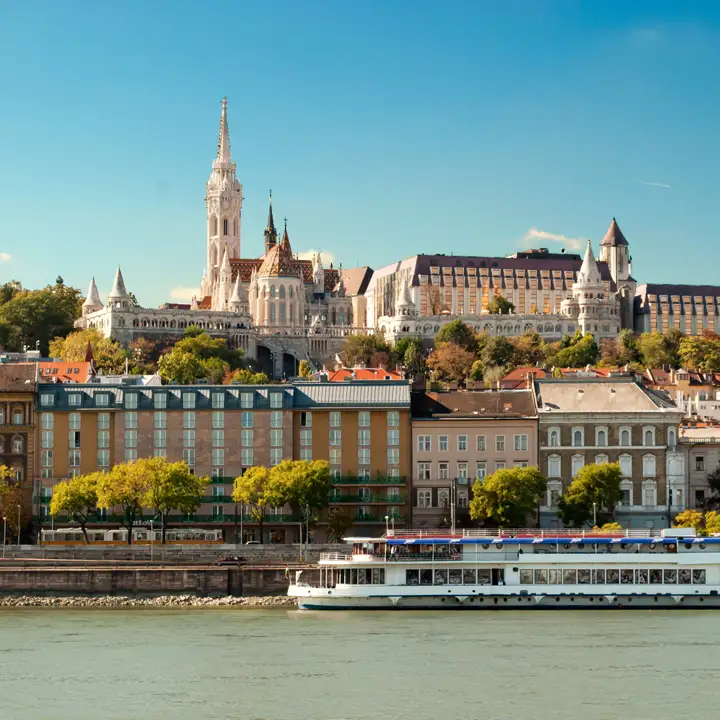
Guided Walk in Budapest
During your tour you will take in a gorgeous vista of the city from the Fisherman's Bastion, explore the winding streets of the Castle District, gaze in awe at the striking interior of St. Stephen's Basilica, travel along the city's most elegant avenue and more. Along the way you will experience the city as a local does, stopping to check out intimate courtyards, enjoying a pastry and soaking in the ambiance of Budapest's most elegant cafes.

Day 9
Budapest

Day 10
Budapest
Day 10
Budapest
Morning/Mid-Day
Andrássy Avenue
The wide, tree-lined Andrássy Avenue is Budapest's most prominent street, and is lined by imposing neo-Renaissance palaces and buildings. It is home to the breathtakingly beautiful State Opera House, making it the musical heart of Hungary. You will also find the superb House of Terror museum, which focuses on the horrors inflicted by 20th century totalitarian regimes.
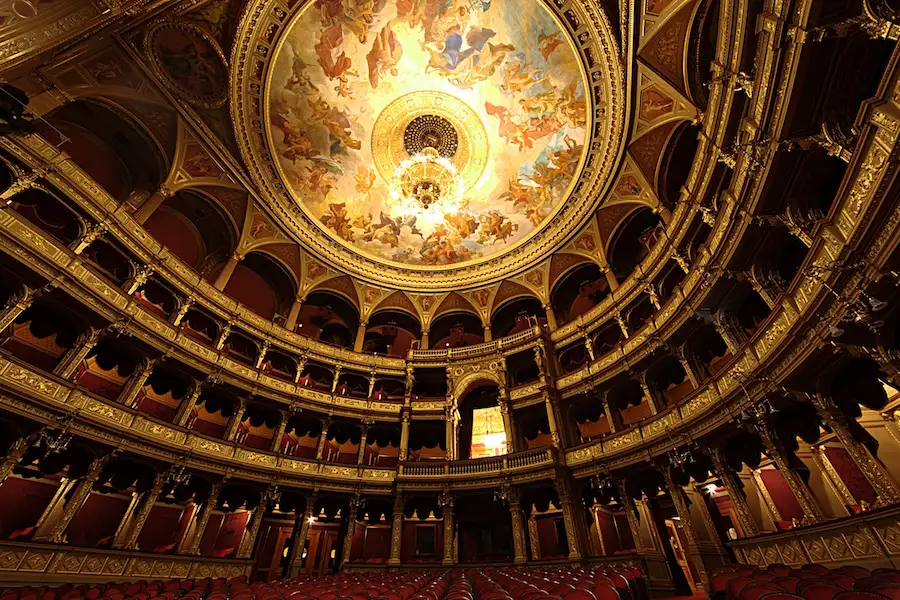
Experience an unforgettable visit to the incredibly lavish neo-Renaissance Hungarian State Opera House.
Show More
Experience a chilling museum documenting the terrors of Fascism & Communism in Hungary .
Show More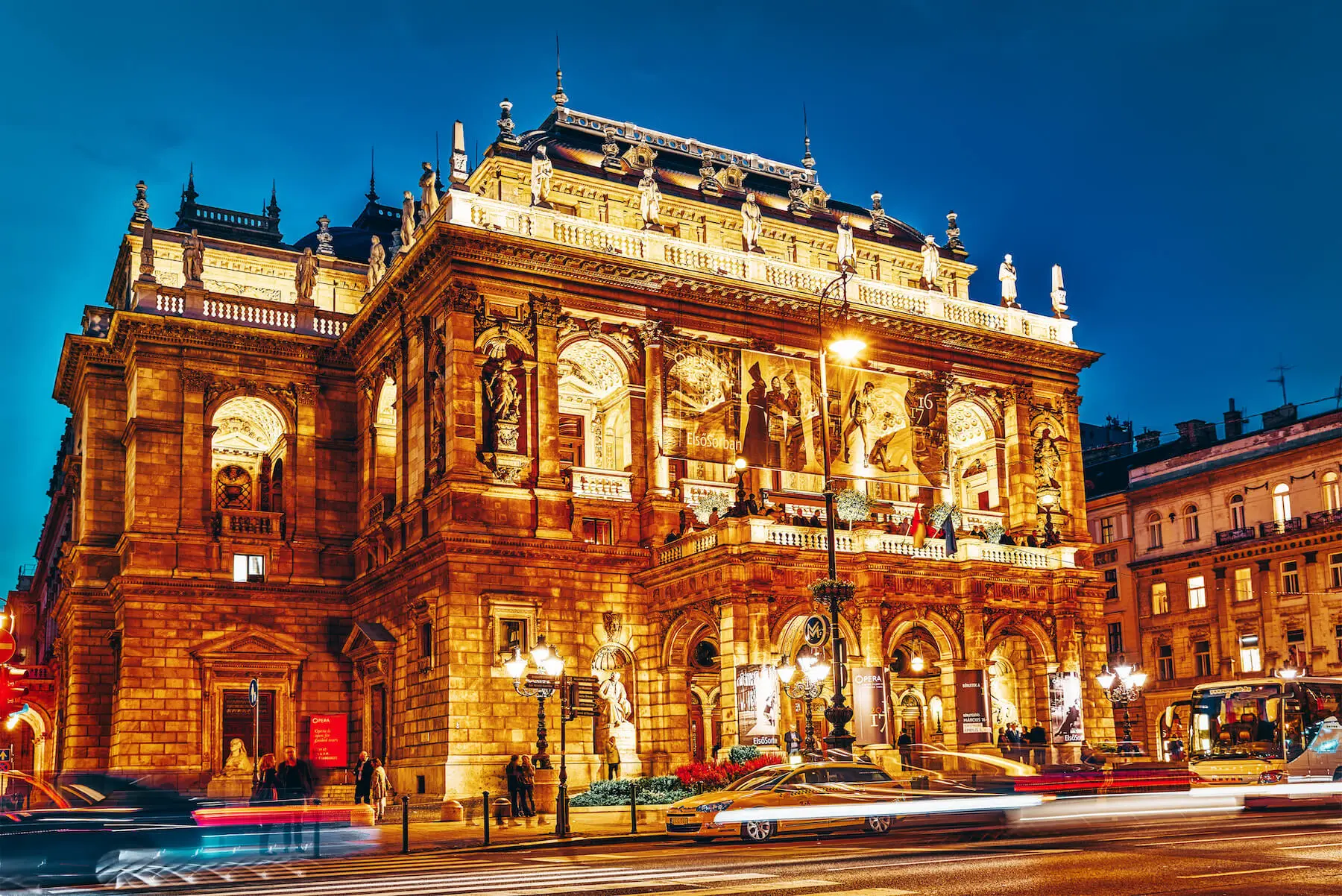
Experience an unforgettable visit to the incredibly lavish neo-Renaissance Hungarian State Opera House.
Show MoreExperience a chilling museum documenting the terrors of Fascism & Communism in Hungary .
Show MoreExperience an unforgettable visit to the incredibly lavish neo-Renaissance Hungarian State Opera House.
Show MoreDay 10
Budapest
Day 11
Budapest to Krakow
Day 11
Budapest to Krakow

8:00 AM - 4:00 PM
Shuttle to Krakow
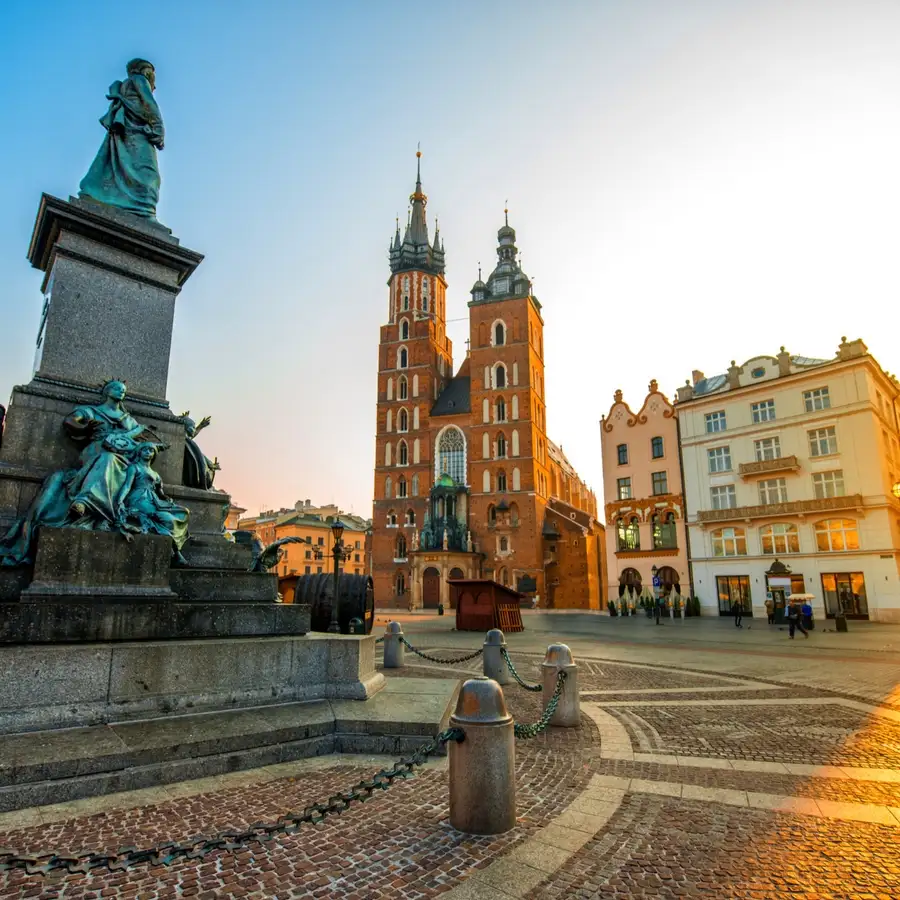
A private transfer with door-to-door service is certainly the most convenient way to travel. Unfortunately, there are no good train or bus connections between the cities, so while private transfers are expensive and not-so-carbon-friendly, they are the best option in this case. The 7-8 hour journey to Krakow takes you through the breathtaking landscape of mountainous Slovakia. While some of the route is along major highways, much of it will be along winding mountain roads, allowing you to experience the dramatic landscape, and see off the beaten path sights such as the dramatic Orava Castle.

Day 11
Budapest to Krakow
Day 12
Krakow
Day 12
Krakow
9:00 AM - 12:00 PM
Krakow Guided Walk
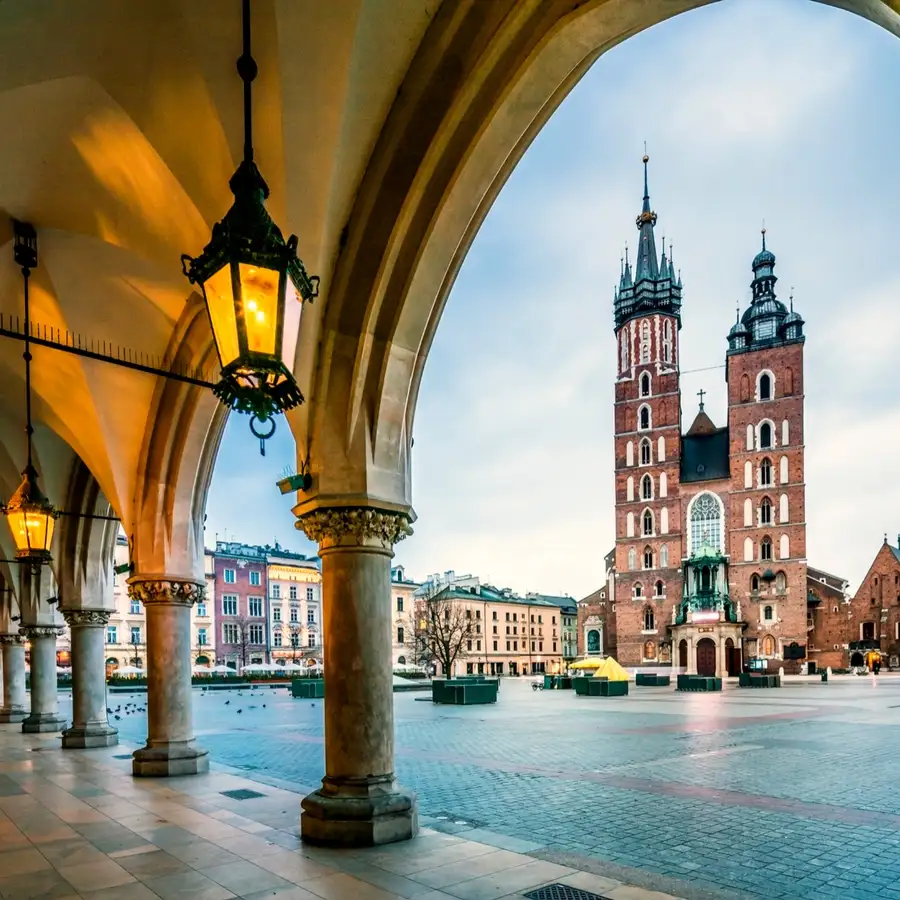
On this three-hour guided walking tour, you will discover the history and legends of old Krakow and gain an excellent overview of the city. The many layers of the city will be revealed to you as your guide points out medieval, Renaissance, and Baroque architecture. You will learn about not only Krakow's glory days many centuries past but also about its more recent struggles during Nazism and Communism oppression.

Show More

Take home something special from a vast market hall built in the 14th century, which is surrounded by arcaded passageways and topped with rows of gargoyles.
Show More
Show More
Take home something special from a vast market hall built in the 14th century, which is surrounded by arcaded passageways and topped with rows of gargoyles.
Show MoreShow More
Day 12
Krakow
Day 13
Krakow
Day 13
Krakow
Morning/Mid-Day
Schindler's Factory Museum
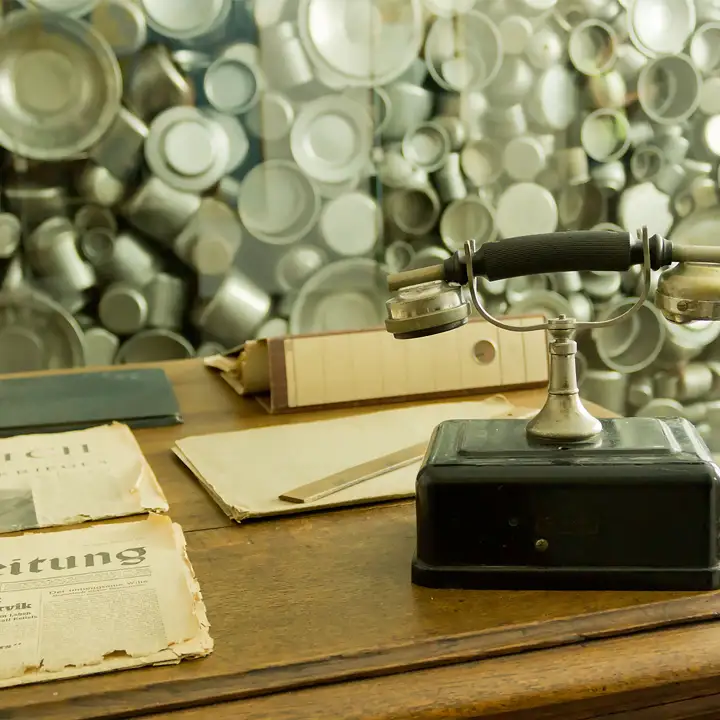
During World War II Oscar Schindler saved the lives of more than 1,100 Jews by employing them in his enamelware factory in Krakow. Until recently still used as a factory, the building now houses one of Europe's most impressive new museums. It tells not only the story of Schindler and the Jews he protected, but of the wider experience of Krakow during World War II.

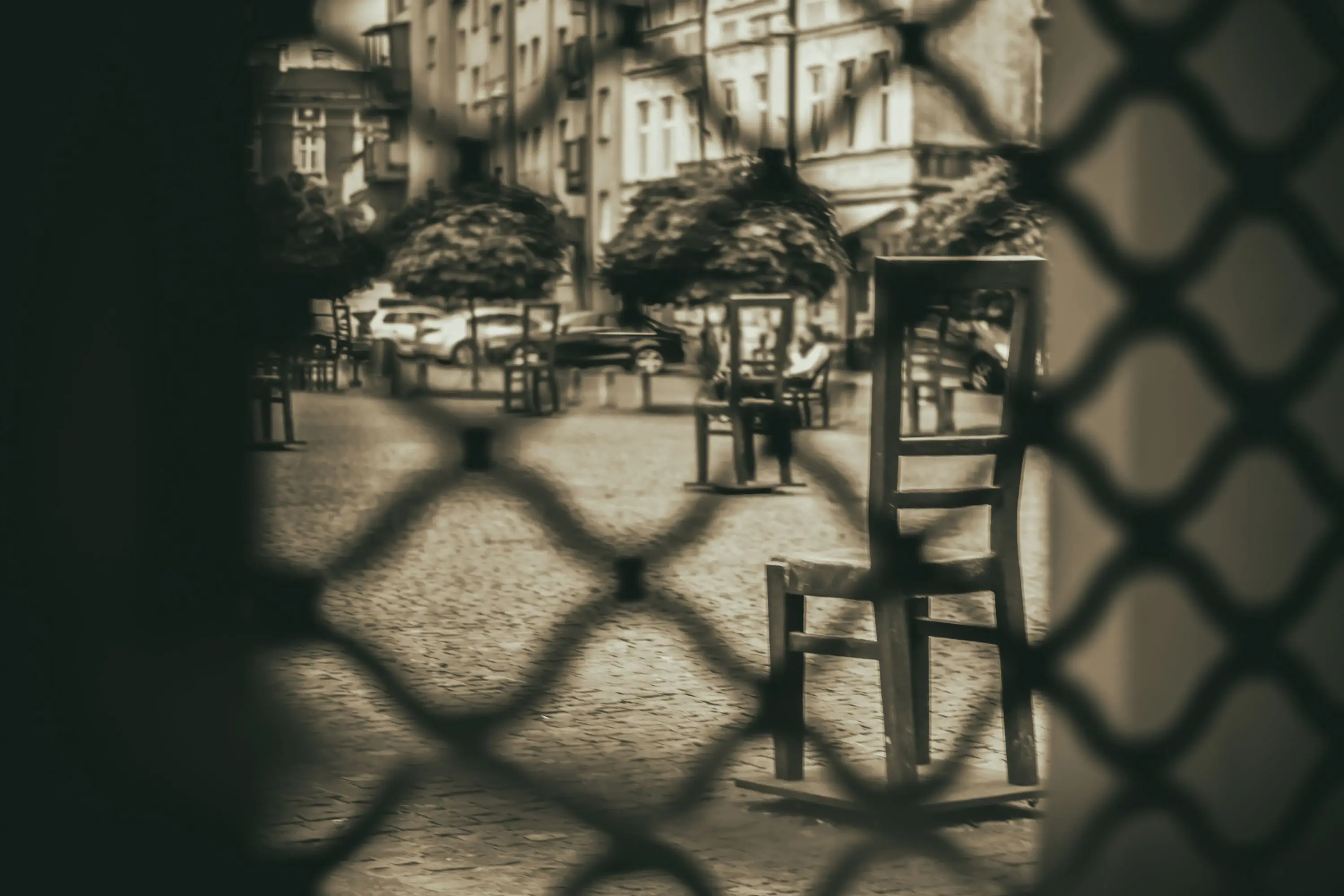
Wander the streets of the former Jewish Ghetto.
Show MoreWander the streets of the former Jewish Ghetto.
Show MoreWander the streets of the former Jewish Ghetto.
Show MoreDay 13
Krakow

Day 14
Depart Krakow
Day 14
Depart Krakow
To Be Determined
Transfer to Airport
Krakow has one main airport, Kraków John Paul II International Airport, where almost all visitors depart. The most affordable and fast way to reach the airport is by train. The regional train takes less than 20 minutes and leaves directly from the main station in central Krakow. Your hotel can also arrange a reliable taxi or if you have the app, Uber is also a good option. You can also arrange a private transfer. If you are picked up about two hours and 45 minutes before your departure time, you should arrive at the airport with over 2 hours to spare, depending on traffic. If you are leaving during rush hour, you may want to budget an extra fifteen to thirty minutes.

Day 14
Depart Krakow
What's Included in the Central & Eastern Europe Trip Trip?
Pre-Paid Tours and Activities:
- Highlights of Berlin Guided Walking Tour
- Prague Castle & Royal Route Guided Walk
- Guided Walk through Vienna's Inner City
- Best of Budapest: Half-Day Walking Tour of Highlights & Hidden Finds
- Walking Tour of Krakow's Historic Center
- City Cards for Berlin and Krakow, including discounts to many popular attractions

Pre-Paid Transportation:
- 2nd Class Train Tickets from Berlin Hbf to Praha hl.n.
- 2nd Class Train Tickets from Praha hl.n. to Wien Hbf
- 2nd Class Train Tickets from Wien Hbf to Budapest-Keleti
- Shuttle Service from Budapest to Krakow
- Public Transport Tickets for Krakow, Berlin, and Vienna
- Private Transfer from the Budapest Rail Station

Accommodation:
- 2 nights at a hotel of your choice in Berlin
- 3 nights at a hotel of your choice in Prague
- 2 nights at a hotel of your choice in Vienna
- 3 nights at a hotel of your choice in Budapest
- 3 nights at a hotel of your choice in Krakow

Go Real Travel Mobile App:
- Itinerary Plan & Reservations Info
- Points of Interest
- Detailed Travel Information
- Maps & Directions
Other Trips You May Like





Featured Blogs



Our Customers Say It Best


Malini Dutta, Boston, Massachusetts

Bev and Mark Frankel, Williamsburg, Virginia
Marianne Strydom, Paarl, South Africa
Otto Chuy, Los Angeles, California
Malini Dutta, Boston, Massachusetts
Bev and Mark Frankel, Williamsburg, Virginia
Marianne Strydom, Paarl, South Africa
Otto Chuy, Los Angeles, California
Malini Dutta, Boston, Massachusetts
Bev and Mark Frankel, Williamsburg, Virginia
Marianne Strydom, Paarl, South Africa
Otto Chuy, Los Angeles, California



Explore cities in more detail
Budapest
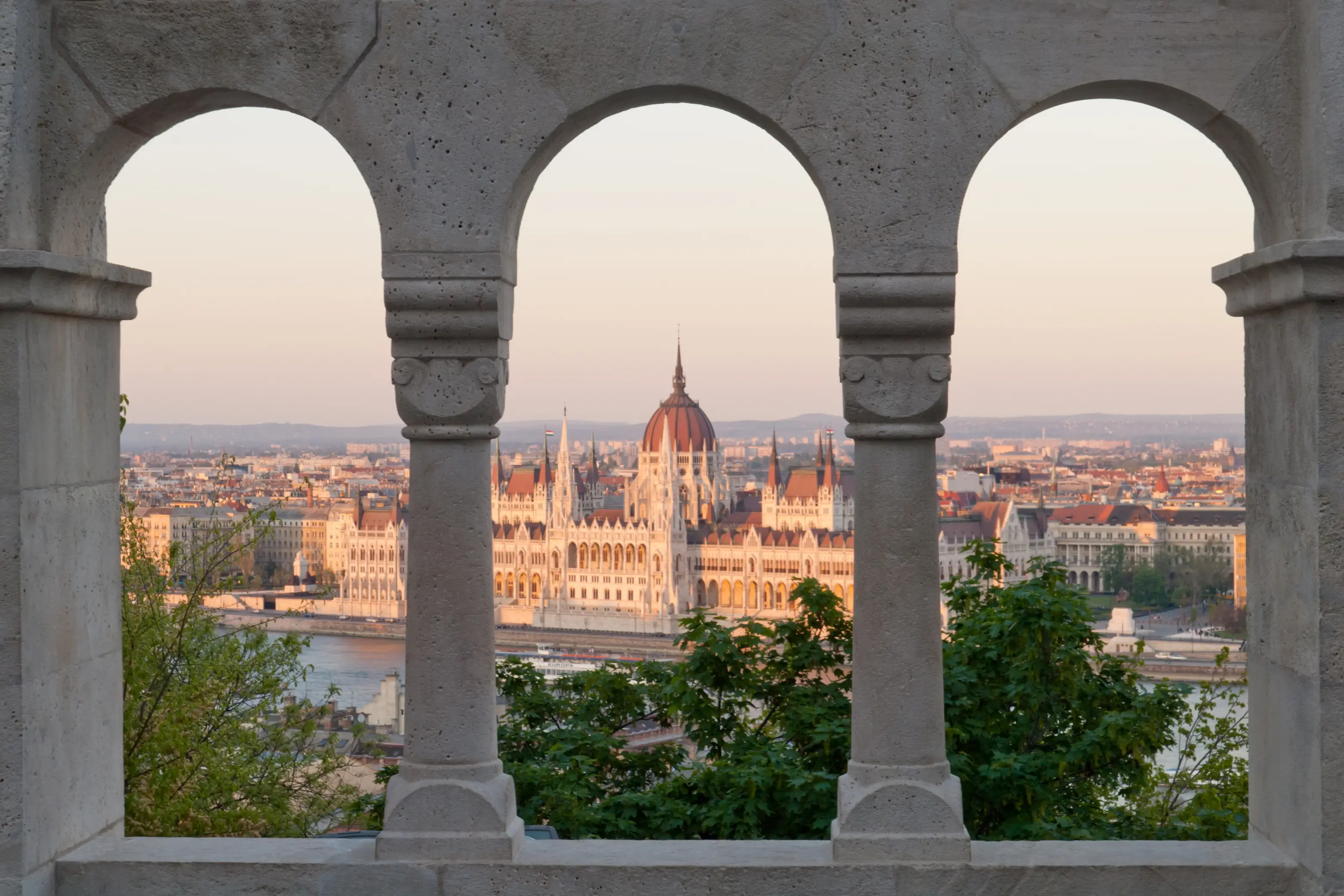
Situated at the heart of Europe, Budapest is the capital of Hungary, appropriately named 'The Pearl of the Danube,' for its fixating and almost haunting beauty. Formerly two separate cities, Buda and Pest were forged into one by time, occupation, and the eight bridges that anchor them together today. From the Romans to the Communists, each occupier left its flavor profile in Budapest, evident in the famous spicy Hungarian stew known as 'goulash.' Budapest is a melting pot of history, culture, and taste, from the magnificent Baroque and neo-Gothic architecture to the Turkish thermal baths. After a long day of sightseeing, treat yourself to a glass of Tokaj, what King Louis XIV of France referred to as the "Wine of Kings, King of Wines". Budapest has a flavor to satisfy any taste.
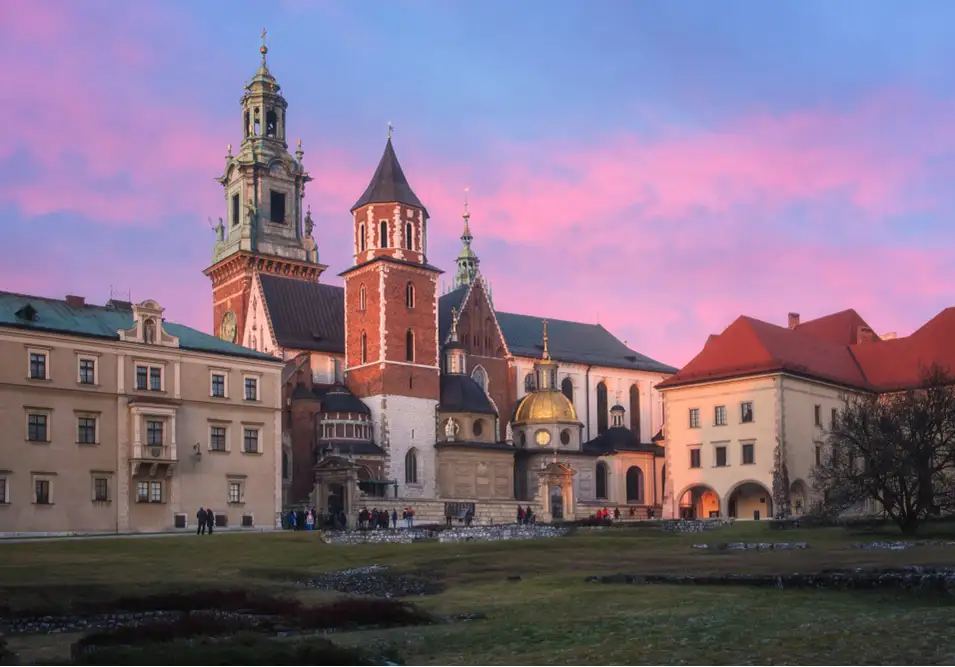
Krakow
Krakow is a city in the south of Poland and the country’s former royal capital. Thought to have been inhabited for tens of thousands of years, the history here seems to sit comfortably alongside the vibrant, young city that is Krakow today. The main market square at Krakow’s center is overlooked by St Mary’s Basilica, a perfect example of Polish Gothic architecture and a UNESCO World Heritage Site. The square itself is usually filled with life, as the pubs and restaurants around the edges spill out onto the sidewalks. Winter is cold here, but that’s just a perfect excuse to slip inside a cozy, well-heated pub and sip hot mulled wine over a hearty Polish dinner. With all of Krakow’s heady charm, it can be easy to forget the all-too-recent atrocities that occurred in this region. A short trip to the Auschwitz-Birkenau concentration camp nearby, where the Nazis committed their genocide, provides a sober but important reminder of that past. A hard past exists alongside a happy and electric present in Krakow, a city that has endured centuries of trials and emerged looking better than ever.
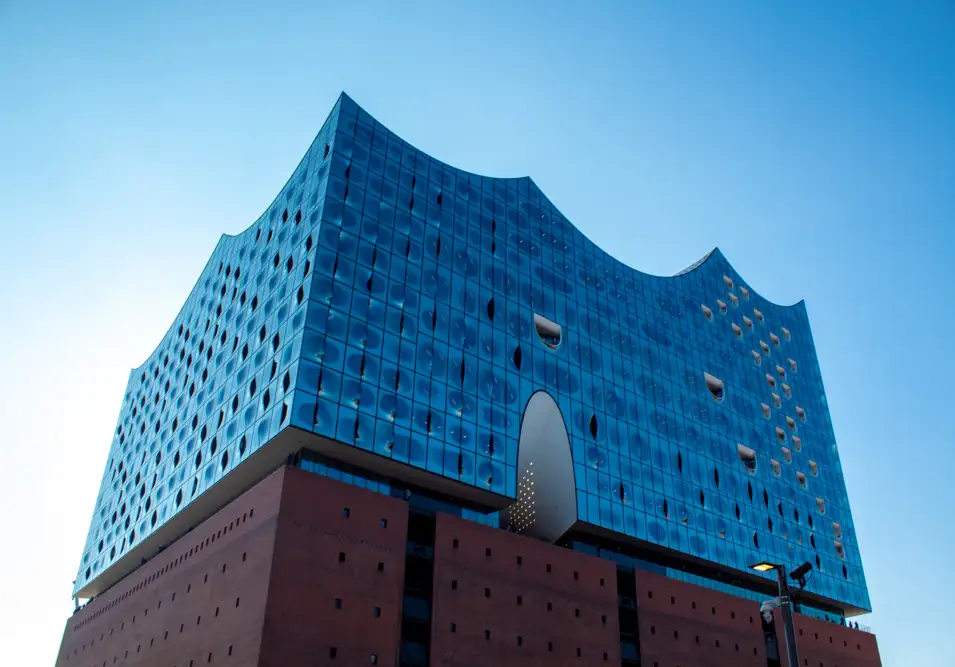
Hamburg
Compared to other German cities, Hamburg has a moody, nautical charisma all of its own. Despite being battered throughout history by floods, fires, and bombs, Hamburg has always held its head up high. Resilience is in the air in Hamburg, along with the briny smell of the North Sea. In recent years Hamburg has garnered a reputation for commerce and nightlife. Frequent travelers whisper that Hamburg is Germany’s ‘undiscovered’ city, the place to go for a little business and a lot of fun. Known as Germany’s ‘gateway to the world’, ships dock in Hamburg as they haul cargo up and down the Elbe River. The city thrives as Germany’s primary seaport and has been a center of trade since the middle ages. Its affluence shows in the 19th-century brick warehouses, flourishing restaurant scene, and recently constructed Elbphilharmonie concert hall, which floats majestically in the harbor, part ship and part island. Hamburg is a city for those who like to live large - in a cultured, German kind of way. Attend a performance at the orchestra, cruise on a boat around the Außenalster Lake, or have a night on the Reeperbahn, the Vegas-like strip where the Beatles once performed. Whatever you do in the city, Hamburg will make you look twice and see Germany from a totally different point of view.
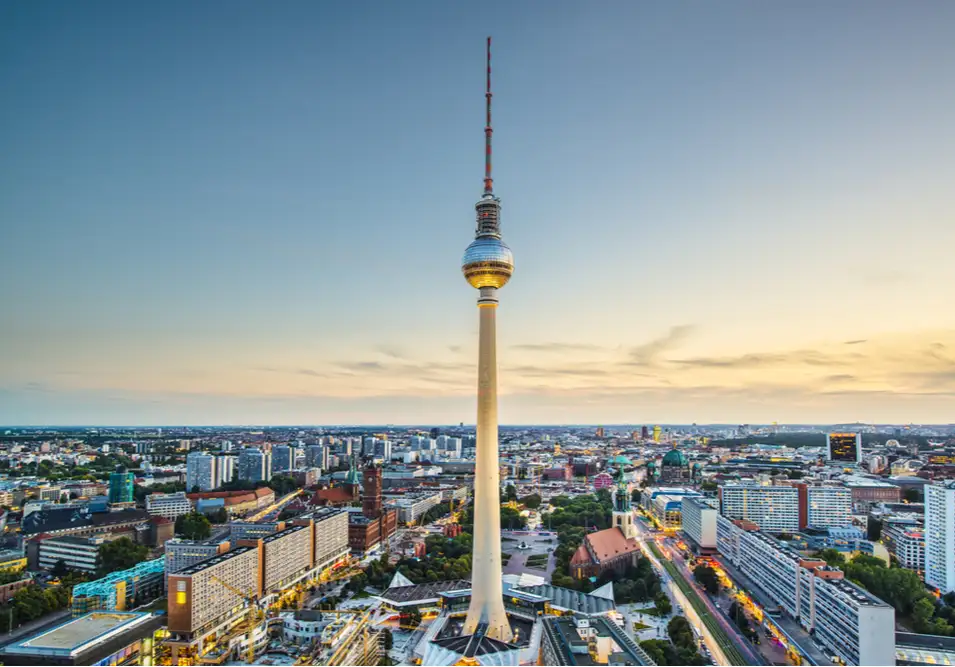
Berlin
Since the fall of its notorious wall, Berlin’s unification has seen it go from strength to strength. No wonder the city feels like it hasn’t stopped partying since the 1990s. There is so much to celebrate here. Fueled by the robust economy, a thriving tech scene, and straight-up German bonhomie, when you step into Berlin you’ll soon be caught up in its spirit. For all this gusto, Berlin hasn’t forgotten its troubled past. A visit to Berlin is to bear witness to history. Portions of the wall remain intact, and the city’s Jewish Museum offers a detailed, emotional examination of the Holocaust. Inside the reconstructed Reichstag, every attempt has been made to preserve the parliament’s beleaguered history. The buildings' glass dome addition feels less like a triumphal crown and more like a freshly healed battle scar. Days in Berlin are easily spent wandering from a cafe to the cultural institutions on Museum Island, or over to the Charlottenburg Palace. By night, crowds wander through the booming bars and nightclubs or gaze upon the floodlit Brandenburg Gate and Victory Column monuments. An international city that can offer something to everyone, Berlin is an unmissable stop on your German journey.
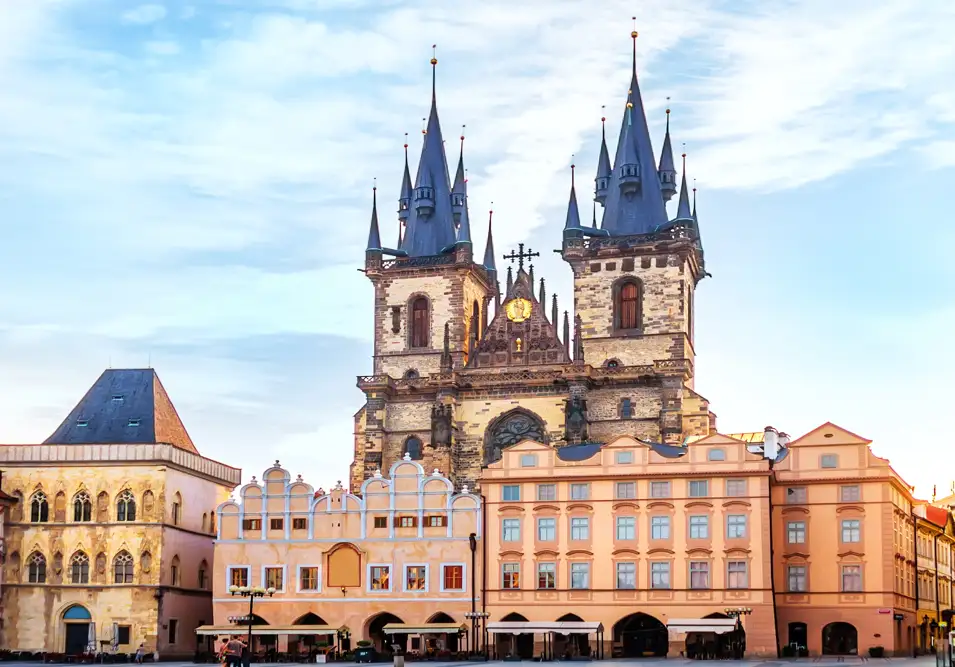
Prague
The city of Prague is indisputably the gem of Central Europe. Full of history, culture, and classic Czech pubs around every corner, Prague is teeming with nooks and crannies just waiting to be discovered. The narrow cobblestone streets and warm red rooftops give the city a homey feel, while the well-preserved medieval architecture transports you back in time. Walking across the Charles Bridge with the view of the Prague Castle will make you feel like you’re living in a fairytale, and you might as well be. As an up-and-coming destination, Prague is a perfect mix of classic and modern. New trendy cafes and bistros are always popping up, and you can always find a group of lively locals chowing down on goulash and quaffing pivo (the best beer in Europe!) at traditional Czech restaurants across the city. The clash of modernity and tradition, preservation and innovation, gives this city a mysterious air that you won’t soon forget.
Vienna
Artistic and musical, historical and elegant, Vienna is the definition of class. The seat of the Habsburg monarchy for over six centuries, it's no wonder this city is still fit for royalty. Baroque buildings and imperial palaces dominate the cityscape, while locals stride gracefully through the streets, likely on their way to a classical music concert or art exhibition. Visitors from all over the world flock to Schonbrunn Palace, historical museums, and local eateries for authentic Viennese schnitzel. Vienna is also home to world-class wining and dining. Famous dishes include Wiener schnitzel, Tafelspitz (prime boiled beef), and apfelstrudel (apple strudel), all of which pair well with a glass of fine Austrian wine. No matter how long you spend in Vienna, you'll leave with a new appreciation for the finer things in life.
Budapest
Situated at the heart of Europe, Budapest is the capital of Hungary, appropriately named 'The Pearl of the Danube,' for its fixating and almost haunting beauty. Formerly two separate cities, Buda and Pest were forged into one by time, occupation, and the eight bridges that anchor them together today. From the Romans to the Communists, each occupier left its flavor profile in Budapest, evident in the famous spicy Hungarian stew known as 'goulash.' Budapest is a melting pot of history, culture, and taste, from the magnificent Baroque and neo-Gothic architecture to the Turkish thermal baths. After a long day of sightseeing, treat yourself to a glass of Tokaj, what King Louis XIV of France referred to as the "Wine of Kings, King of Wines". Budapest has a flavor to satisfy any taste.
Krakow
Krakow is a city in the south of Poland and the country’s former royal capital. Thought to have been inhabited for tens of thousands of years, the history here seems to sit comfortably alongside the vibrant, young city that is Krakow today. The main market square at Krakow’s center is overlooked by St Mary’s Basilica, a perfect example of Polish Gothic architecture and a UNESCO World Heritage Site. The square itself is usually filled with life, as the pubs and restaurants around the edges spill out onto the sidewalks. Winter is cold here, but that’s just a perfect excuse to slip inside a cozy, well-heated pub and sip hot mulled wine over a hearty Polish dinner. With all of Krakow’s heady charm, it can be easy to forget the all-too-recent atrocities that occurred in this region. A short trip to the Auschwitz-Birkenau concentration camp nearby, where the Nazis committed their genocide, provides a sober but important reminder of that past. A hard past exists alongside a happy and electric present in Krakow, a city that has endured centuries of trials and emerged looking better than ever.
Hamburg
Compared to other German cities, Hamburg has a moody, nautical charisma all of its own. Despite being battered throughout history by floods, fires, and bombs, Hamburg has always held its head up high. Resilience is in the air in Hamburg, along with the briny smell of the North Sea. In recent years Hamburg has garnered a reputation for commerce and nightlife. Frequent travelers whisper that Hamburg is Germany’s ‘undiscovered’ city, the place to go for a little business and a lot of fun. Known as Germany’s ‘gateway to the world’, ships dock in Hamburg as they haul cargo up and down the Elbe River. The city thrives as Germany’s primary seaport and has been a center of trade since the middle ages. Its affluence shows in the 19th-century brick warehouses, flourishing restaurant scene, and recently constructed Elbphilharmonie concert hall, which floats majestically in the harbor, part ship and part island. Hamburg is a city for those who like to live large - in a cultured, German kind of way. Attend a performance at the orchestra, cruise on a boat around the Außenalster Lake, or have a night on the Reeperbahn, the Vegas-like strip where the Beatles once performed. Whatever you do in the city, Hamburg will make you look twice and see Germany from a totally different point of view.
Berlin
Since the fall of its notorious wall, Berlin’s unification has seen it go from strength to strength. No wonder the city feels like it hasn’t stopped partying since the 1990s. There is so much to celebrate here. Fueled by the robust economy, a thriving tech scene, and straight-up German bonhomie, when you step into Berlin you’ll soon be caught up in its spirit. For all this gusto, Berlin hasn’t forgotten its troubled past. A visit to Berlin is to bear witness to history. Portions of the wall remain intact, and the city’s Jewish Museum offers a detailed, emotional examination of the Holocaust. Inside the reconstructed Reichstag, every attempt has been made to preserve the parliament’s beleaguered history. The buildings' glass dome addition feels less like a triumphal crown and more like a freshly healed battle scar. Days in Berlin are easily spent wandering from a cafe to the cultural institutions on Museum Island, or over to the Charlottenburg Palace. By night, crowds wander through the booming bars and nightclubs or gaze upon the floodlit Brandenburg Gate and Victory Column monuments. An international city that can offer something to everyone, Berlin is an unmissable stop on your German journey.
Prague
The city of Prague is indisputably the gem of Central Europe. Full of history, culture, and classic Czech pubs around every corner, Prague is teeming with nooks and crannies just waiting to be discovered. The narrow cobblestone streets and warm red rooftops give the city a homey feel, while the well-preserved medieval architecture transports you back in time. Walking across the Charles Bridge with the view of the Prague Castle will make you feel like you’re living in a fairytale, and you might as well be. As an up-and-coming destination, Prague is a perfect mix of classic and modern. New trendy cafes and bistros are always popping up, and you can always find a group of lively locals chowing down on goulash and quaffing pivo (the best beer in Europe!) at traditional Czech restaurants across the city. The clash of modernity and tradition, preservation and innovation, gives this city a mysterious air that you won’t soon forget.
Vienna
Artistic and musical, historical and elegant, Vienna is the definition of class. The seat of the Habsburg monarchy for over six centuries, it's no wonder this city is still fit for royalty. Baroque buildings and imperial palaces dominate the cityscape, while locals stride gracefully through the streets, likely on their way to a classical music concert or art exhibition. Visitors from all over the world flock to Schonbrunn Palace, historical museums, and local eateries for authentic Viennese schnitzel. Vienna is also home to world-class wining and dining. Famous dishes include Wiener schnitzel, Tafelspitz (prime boiled beef), and apfelstrudel (apple strudel), all of which pair well with a glass of fine Austrian wine. No matter how long you spend in Vienna, you'll leave with a new appreciation for the finer things in life.
Hi! Need help planning your dream trip? 🌍
Go Real Travel Assistant
OnlineWelcome! Where are you in your journey?
Pick the option that fits you best so we can route you to the right help.