
Slovenia Winter Wonderland: 7 Days of Snowy Adventure
 7 Day Tour of Ljubljana
Destinations on this trip: Ljubljana
Overview
Trip Map
Itinerary
Inclusions
Reviews



How Long Is the Slovenian Winter Escape Trip and What Does It Cost?
 Duration7 days / 6 nights
- Best timeJan-Apr, Nov-Dec
 From$699 / person (Flights not included)
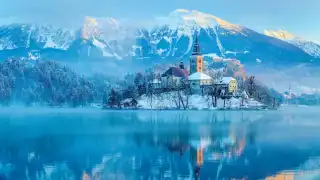
- Discover the emerald-green beauty of Lake Bled surrounded by snow-capped peaks.
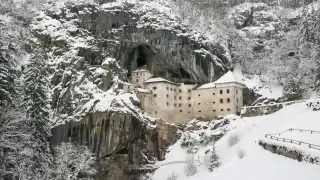
- Explore the mystical world of Postojna Cave and visit the dramatic Predjama Castle.
- Take a serene, self-guided trek along the stunning Lake Bohinj and its picturesque surroundings.
- Wander through Ljubljana’s picturesque Old Town on a private guided walking tour.
- Witness the historic charm of Škofja Loka, one of Slovenia’s oldest and most captivating towns.
- Discover the emerald-green beauty of Lake Bled surrounded by snow-capped peaks.
- Explore the mystical world of Postojna Cave and visit the dramatic Predjama Castle.
- Take a serene, self-guided trek along the stunning Lake Bohinj and its picturesque surroundings.
- Wander through Ljubljana’s picturesque Old Town on a private guided walking tour.
- Witness the historic charm of Škofja Loka, one of Slovenia’s oldest and most captivating towns.


Must see sights
Starting from
$699
per person
 Not included
 Price varies by group size, hotel selection, and travel season.
Secure Your Customizable Trip
Enter your details to embark on a journey that can be tailored just for you.
Start
Travelers
Preferred Hotel Stars

Craft Your Own Itinerary
Select your interests and destinations for a trip plan inspired by you.
Where Does the Slovenian Winter Escape Trip Trip Go?
| ← | Move left |
| → | Move right |
| ↑ | Move up |
| ↓ | Move down |
| + | Zoom in |
| - | Zoom out |
| Home | Jump left by 75% |
| End | Jump right by 75% |
| Page Up | Jump up by 75% |
| Page Down | Jump down by 75% |


Click To Make Map Interactive
Slovenian Winter Escape Trip Timeline
Arrival
6 nights
Ljubljana
Slovenia
Departure
What Does the Slovenian Winter Escape Trip Itinerary Look Like?
Day 1
Arrive Ljubljana

Day 1
Arrive Ljubljana


Mid-Day/Afternoon
Old Town
Ljubljana may be one of the smallest and newest European capitals without world-famous monuments, but what it lacks in renown it more than compensates for in spark and self-confidence in comparison to the introspection of Europe's larger cities. Having suffered little trauma from the breakup of Yugoslavia other than the 'Ten-Day War' in 1991, the Slovenian capital is now an obviously prosperous and self-assured place that has successfully absorbed and integrated a whole variety of external influences from Austria, the Mediterranean and the Balkans over the centuries, and then adapted and tailored them to produce a unique distillation that's remarkable in such a small country. It's one of the continent's greenest and most liveable capitals, having been awarded by the EU with the coveted Green Capital of Europe title for 2016. Car traffic is restricted in the center as one street per year is pedestrianized, leaving the leafy banks of the emerald-green Ljubljanica River, which flows through the city's heart, free for pedestrians and cyclists. There's even a free taxi service in the car-free city center, which is a golfcart-like electric vehicle called Kavalir. It travels slowly around the pedestrianized streets and you can jump on and off anytime you like (it holds up to 5 people at a time). In summer, cafes and restaurants set up shaded seating along the river, making it one of the liveliest (and busiest) open-air dining areas around.

Be sure to check out this beautiful church and spend some time in the surrounding square.
Show More
Discover Slovenia's art and culture at the National Gallery and other nearby institutions.
Show More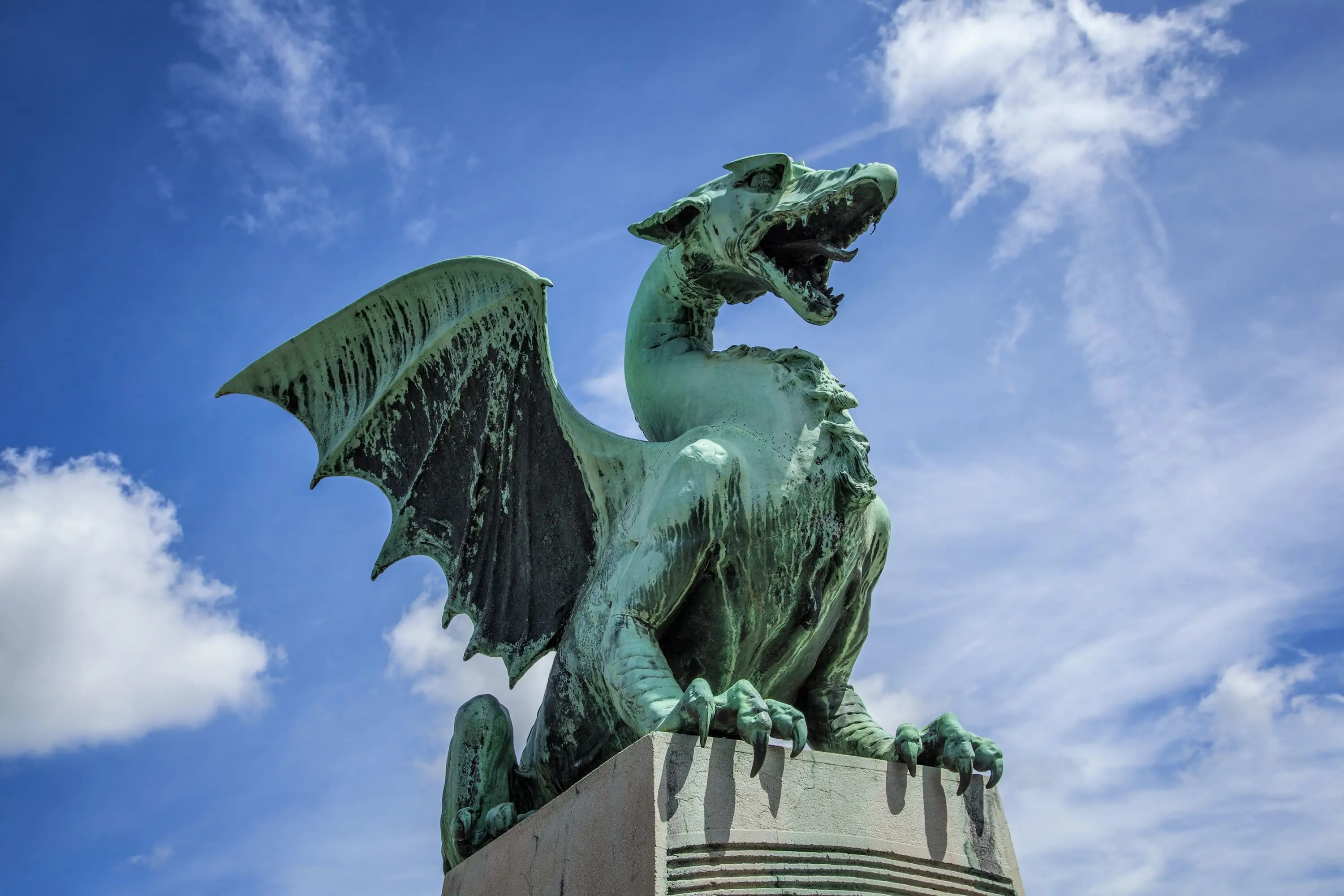
Take a picture with the iconic dragon statues on this pedestrian bridge.
Show More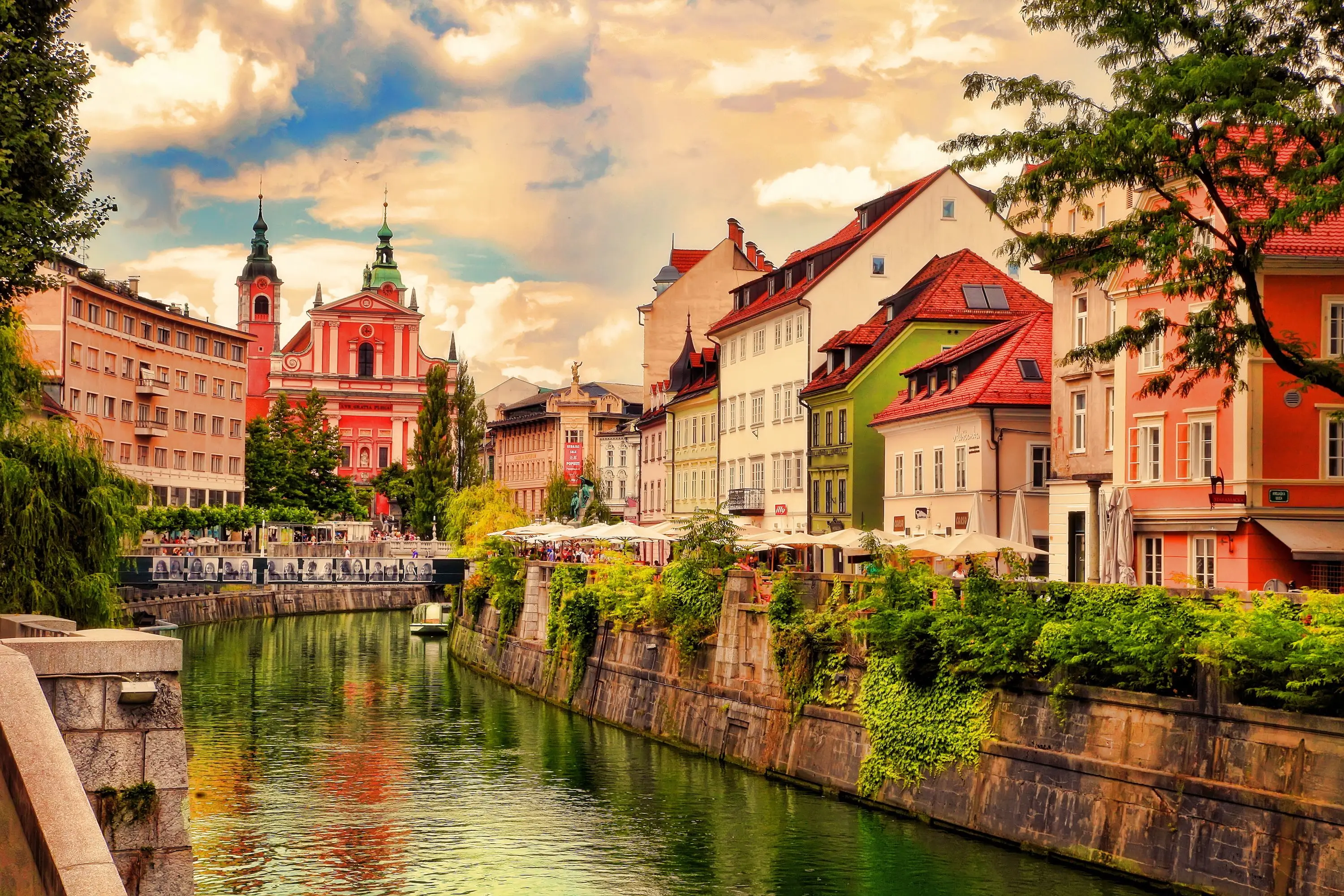


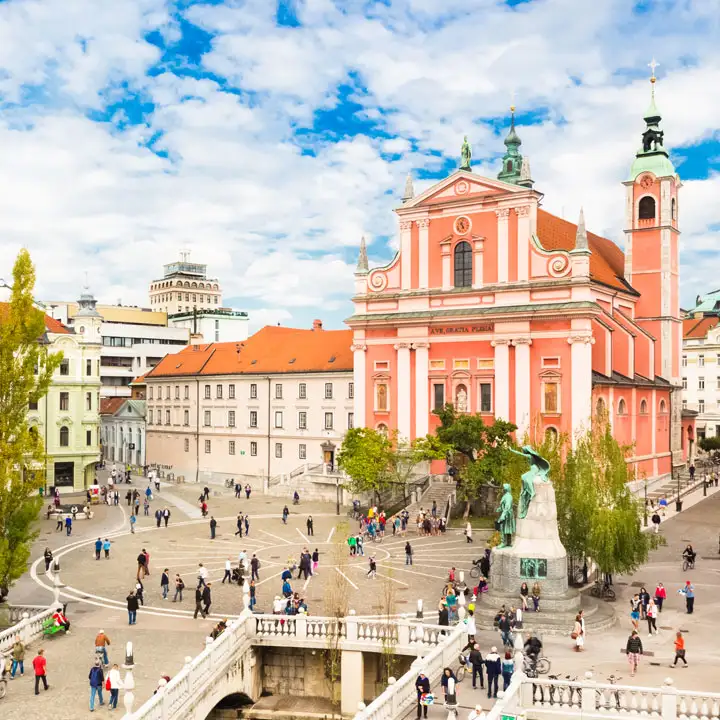
Take a walk across the most famous sight in Ljubljana - the enchanting Triple Bridge.
Show MoreBe sure to check out this beautiful church and spend some time in the surrounding square.
Show MoreDiscover Slovenia's art and culture at the National Gallery and other nearby institutions.
Show MoreTake a picture with the iconic dragon statues on this pedestrian bridge.
Show MoreTake a walk across the most famous sight in Ljubljana - the enchanting Triple Bridge.
Show MoreBe sure to check out this beautiful church and spend some time in the surrounding square.
Show MoreDay 1
Arrive Ljubljana

Day 1
Arrive Ljubljana
To Be Determined:
Transfer from Airport
Mid-Day/Afternoon:
Old Town
Ursuline Church and Congress Square
 Highlight of Old Town
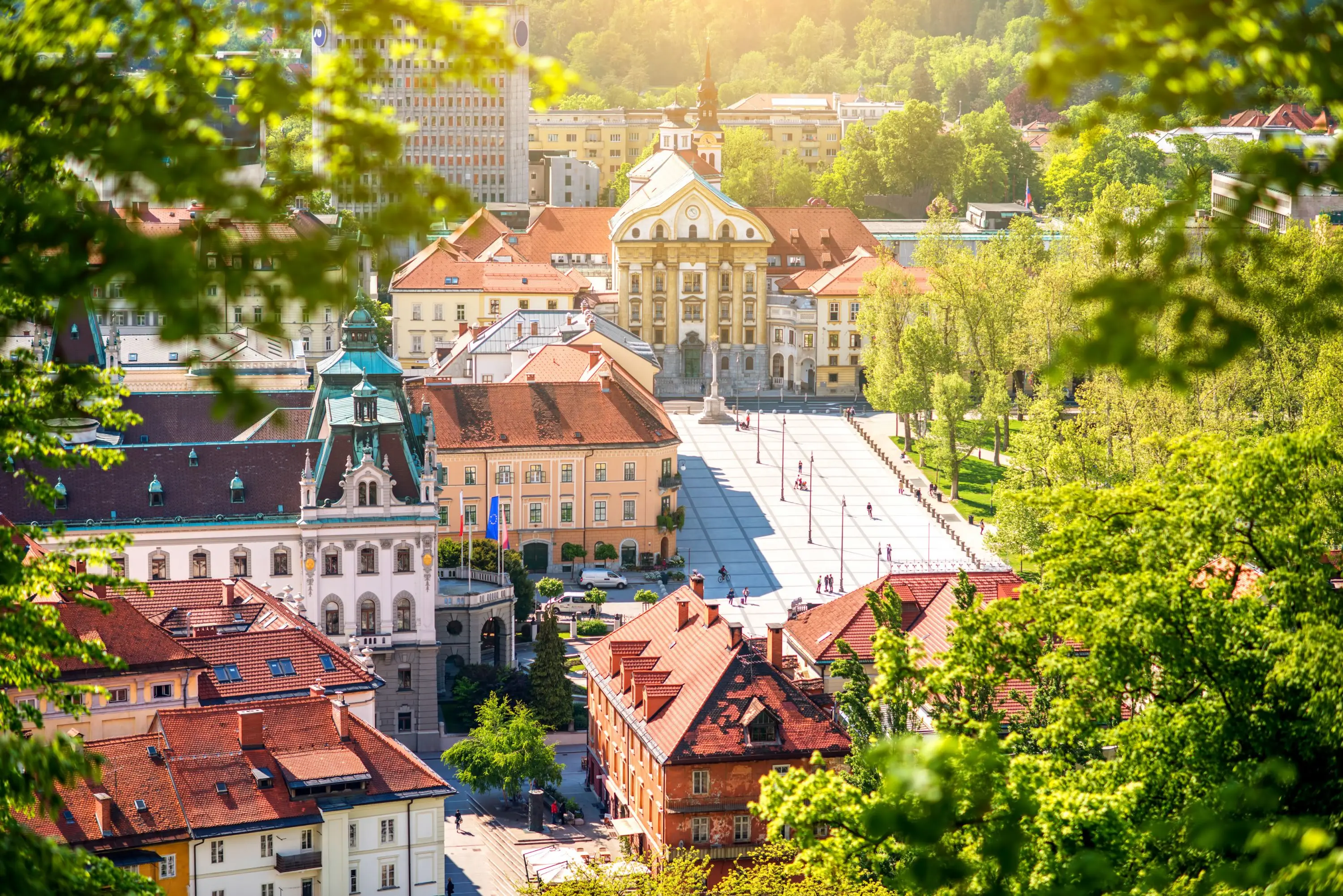
Be sure to check out this beautiful church and spend some time in the surrounding square.
You are sure to see lots of churches on any trip to Europe, but the Ursuline Church of the Holy Trinity is certainly not like most other Baroque churches from the 1700's. With its irregular roof line, six columns surrounding the entrance, and many windows, the facade looks more like that of a palace than a typical Baroque church. The beautiful white interior is also unusual in that it is not painted, although there are several ornate altars and paintings to provide some color. The church is located on Congres Square, i.e. Kongresni trg. It is a popular, grassy park shaded by leafy trees and fringed by more architectural gems. It's also a good spot to come to in the evenings for quieter repast if you wish to avoid the crowds thronging both sides of the riverbank. On one corner of the square is Kazina (Casino), a smart Classicist mansion built in 1837 for entertaining the Ljubljana elite. Cafe Zvezda housed inside Kazina is said to serve up some of the best cakes and desserts in town. The Slovene Philharmonic Hall hosts one of the oldest musical institutions in Europe, which was one of the foremost in the Hapsburg Empire. Its honorary members included Haydn, Beethoven, and Mozart, and Gustav Mahler was the in-house conductor in 1881-82. Next door is the huge neo-Renaissance university building.
National Gallery and Other Museums & Fine Arts
Highlight of Old TownDiscover Slovenia's art and culture at the National Gallery and other nearby institutions.
The National Gallery is the art gallery of Slovenia, with a permanent collection of art dating from the Middle Ages to the early 20th century. For the artistically minded, there's a cluster of institutions nearby that you should definitely check out, including the horse-shoe shaped Opera House, and the Museum of Modern Art, which picks up where the National Gallery leaves off, including exhibits from the influential Neue Slowenische Kunst (New Slovene Art) movement of the mid-1980s. Very close by on Prešernova cesta is the building that houses both the National Museum and the Natural History Museum; it's at the latter that you'll find an almost complete 20,000-year-old skeleton of a mammoth found near Kamnik in 1938. The city's main public park, Tivoli Park, opens up just across the road from the Museum of Modern Art.
Dragon Bridge & Market Colonnade
Highlight of Old TownTake a picture with the iconic dragon statues on this pedestrian bridge.
The bridge is a beautiful piece of Secessionist architecture with four carved, spitting, feisty-tailed dragons (the city symbol) sitting atop chunky pylons at each corner of the bridge. Just next to the bridge you'll discover the Market Colonnade, an elongated, gently curving pavilion sheltering a veritable smorgasbord of lovely food shops and a downstairs fish market. The colonnade runs along the length of the riverbank all the way to the Triple Bridge.
Old Town
OverviewOld Town
Ljubljana may be one of the smallest and newest European capitals without world-famous monuments, but what it lacks in renown it more than compensates for in spark and self-confidence in comparison to the introspection of Europe's larger cities. Having suffered little trauma from the breakup of Yugoslavia other than the 'Ten-Day War' in 1991, the Slovenian capital is now an obviously prosperous and self-assured place that has successfully absorbed and integrated a whole variety of external influences from Austria, the Mediterranean and the Balkans over the centuries, and then adapted and tailored them to produce a unique distillation that's remarkable in such a small country. It's one of the continent's greenest and most liveable capitals, having been awarded by the EU with the coveted Green Capital of Europe title for 2016. Car traffic is restricted in the center as one street per year is pedestrianized, leaving the leafy banks of the emerald-green Ljubljanica River, which flows through the city's heart, free for pedestrians and cyclists. There's even a free taxi service in the car-free city center, which is a golfcart-like electric vehicle called Kavalir. It travels slowly around the pedestrianized streets and you can jump on and off anytime you like (it holds up to 5 people at a time). In summer, cafes and restaurants set up shaded seating along the river, making it one of the liveliest (and busiest) open-air dining areas around.
Triple Bridge and Prešernov Square
Highlight of Old TownTake a walk across the most famous sight in Ljubljana - the enchanting Triple Bridge.
The bridge is a brilliant piece of architecture and the city's most photographed landmark. To get an idea of how 'green' and sustainable the city has become the Triple Bridge very recently still had vehicular traffic coursing over its beautifully balustraded concourse. The 'triple' in the bridge is the result of national architect Jože Plečnik's decision in 1929 to broaden the existing central bridge dating from 1842 with two lateral footbridges, in order to make access to the oldest part of town on the right bank of the river safer and more convenient for pedestrians; to top it off, he added the Renaissance balustrades, based on the rising bridges of Venice's waterways, and rows of lamps, all of which gives the bridge a magical appearance at night. Geographically and socially, the pulsing heart of the city is Prešernov trg, a small and animated square on the left bank of the river next to the Triple Bridge. It is named after France Prešeren, the national poet, whose statue also adorns the square. The square is Ljubljana's main point of reference where open-air cafes do a brisk trade, and street performers and musicians keep the tourist crowds entertained during the summer months.
Ursuline Church and Congress Square
Highlight of Old TownBe sure to check out this beautiful church and spend some time in the surrounding square.
You are sure to see lots of churches on any trip to Europe, but the Ursuline Church of the Holy Trinity is certainly not like most other Baroque churches from the 1700's. With its irregular roof line, six columns surrounding the entrance, and many windows, the facade looks more like that of a palace than a typical Baroque church. The beautiful white interior is also unusual in that it is not painted, although there are several ornate altars and paintings to provide some color. The church is located on Congres Square, i.e. Kongresni trg. It is a popular, grassy park shaded by leafy trees and fringed by more architectural gems. It's also a good spot to come to in the evenings for quieter repast if you wish to avoid the crowds thronging both sides of the riverbank. On one corner of the square is Kazina (Casino), a smart Classicist mansion built in 1837 for entertaining the Ljubljana elite. Cafe Zvezda housed inside Kazina is said to serve up some of the best cakes and desserts in town. The Slovene Philharmonic Hall hosts one of the oldest musical institutions in Europe, which was one of the foremost in the Hapsburg Empire. Its honorary members included Haydn, Beethoven, and Mozart, and Gustav Mahler was the in-house conductor in 1881-82. Next door is the huge neo-Renaissance university building.
National Gallery and Other Museums & Fine Arts
Highlight of Old TownDiscover Slovenia's art and culture at the National Gallery and other nearby institutions.
The National Gallery is the art gallery of Slovenia, with a permanent collection of art dating from the Middle Ages to the early 20th century. For the artistically minded, there's a cluster of institutions nearby that you should definitely check out, including the horse-shoe shaped Opera House, and the Museum of Modern Art, which picks up where the National Gallery leaves off, including exhibits from the influential Neue Slowenische Kunst (New Slovene Art) movement of the mid-1980s. Very close by on Prešernova cesta is the building that houses both the National Museum and the Natural History Museum; it's at the latter that you'll find an almost complete 20,000-year-old skeleton of a mammoth found near Kamnik in 1938. The city's main public park, Tivoli Park, opens up just across the road from the Museum of Modern Art.
Dragon Bridge & Market Colonnade
Highlight of Old TownTake a picture with the iconic dragon statues on this pedestrian bridge.
The bridge is a beautiful piece of Secessionist architecture with four carved, spitting, feisty-tailed dragons (the city symbol) sitting atop chunky pylons at each corner of the bridge. Just next to the bridge you'll discover the Market Colonnade, an elongated, gently curving pavilion sheltering a veritable smorgasbord of lovely food shops and a downstairs fish market. The colonnade runs along the length of the riverbank all the way to the Triple Bridge.
Old Town
OverviewOld Town
Ljubljana may be one of the smallest and newest European capitals without world-famous monuments, but what it lacks in renown it more than compensates for in spark and self-confidence in comparison to the introspection of Europe's larger cities. Having suffered little trauma from the breakup of Yugoslavia other than the 'Ten-Day War' in 1991, the Slovenian capital is now an obviously prosperous and self-assured place that has successfully absorbed and integrated a whole variety of external influences from Austria, the Mediterranean and the Balkans over the centuries, and then adapted and tailored them to produce a unique distillation that's remarkable in such a small country. It's one of the continent's greenest and most liveable capitals, having been awarded by the EU with the coveted Green Capital of Europe title for 2016. Car traffic is restricted in the center as one street per year is pedestrianized, leaving the leafy banks of the emerald-green Ljubljanica River, which flows through the city's heart, free for pedestrians and cyclists. There's even a free taxi service in the car-free city center, which is a golfcart-like electric vehicle called Kavalir. It travels slowly around the pedestrianized streets and you can jump on and off anytime you like (it holds up to 5 people at a time). In summer, cafes and restaurants set up shaded seating along the river, making it one of the liveliest (and busiest) open-air dining areas around.
Triple Bridge and Prešernov Square
Highlight of Old TownTake a walk across the most famous sight in Ljubljana - the enchanting Triple Bridge.
The bridge is a brilliant piece of architecture and the city's most photographed landmark. To get an idea of how 'green' and sustainable the city has become the Triple Bridge very recently still had vehicular traffic coursing over its beautifully balustraded concourse. The 'triple' in the bridge is the result of national architect Jože Plečnik's decision in 1929 to broaden the existing central bridge dating from 1842 with two lateral footbridges, in order to make access to the oldest part of town on the right bank of the river safer and more convenient for pedestrians; to top it off, he added the Renaissance balustrades, based on the rising bridges of Venice's waterways, and rows of lamps, all of which gives the bridge a magical appearance at night. Geographically and socially, the pulsing heart of the city is Prešernov trg, a small and animated square on the left bank of the river next to the Triple Bridge. It is named after France Prešeren, the national poet, whose statue also adorns the square. The square is Ljubljana's main point of reference where open-air cafes do a brisk trade, and street performers and musicians keep the tourist crowds entertained during the summer months.
Ursuline Church and Congress Square
Highlight of Old TownBe sure to check out this beautiful church and spend some time in the surrounding square.
You are sure to see lots of churches on any trip to Europe, but the Ursuline Church of the Holy Trinity is certainly not like most other Baroque churches from the 1700's. With its irregular roof line, six columns surrounding the entrance, and many windows, the facade looks more like that of a palace than a typical Baroque church. The beautiful white interior is also unusual in that it is not painted, although there are several ornate altars and paintings to provide some color. The church is located on Congres Square, i.e. Kongresni trg. It is a popular, grassy park shaded by leafy trees and fringed by more architectural gems. It's also a good spot to come to in the evenings for quieter repast if you wish to avoid the crowds thronging both sides of the riverbank. On one corner of the square is Kazina (Casino), a smart Classicist mansion built in 1837 for entertaining the Ljubljana elite. Cafe Zvezda housed inside Kazina is said to serve up some of the best cakes and desserts in town. The Slovene Philharmonic Hall hosts one of the oldest musical institutions in Europe, which was one of the foremost in the Hapsburg Empire. Its honorary members included Haydn, Beethoven, and Mozart, and Gustav Mahler was the in-house conductor in 1881-82. Next door is the huge neo-Renaissance university building.

Day 2
Ljubljana
Day 2
Ljubljana


9:00 AM - 11:00 AM
Guided Walking Tour of Ljubljana
On this private walking tour, you get to know the unique character of Ljubljana Old Town, where distinct Baroque and Art Nouveau architecture combines with masterly creations by the 20th-century architect Jože Plečnik. See the city's best-known sights, like the Triple Bridge, the four squares of the Old Town, the areas dedicated to the city's famous outdoor market, and the beautiful Secessionist architecture around Miklošičeva cesta.
Take a walk across the most famous sight in Ljubljana - the enchanting Triple Bridge.
Show MoreTake a picture with the iconic dragon statues on this pedestrian bridge.
Show More
Take a walk across the most famous sight in Ljubljana - the enchanting Triple Bridge.
Show MoreTake a picture with the iconic dragon statues on this pedestrian bridge.
Show MoreTake a walk across the most famous sight in Ljubljana - the enchanting Triple Bridge.
Show MoreDay 2
Ljubljana

Day 3
Ljubljana
Day 3
Ljubljana
Morning to Early Evening
Excursion to Skofja Loka
Škofja Loka has a helpfully compact and very pretty old town that can plausibly lay claim to being one of the oldest settlements in Slovenia. The historic core is the best preserved in the country with compulsory cobbled alleyways, tightly packed houses barely at arm's length from one another, theatrically dramatic Gothic churches, and sleepy open squares where the locals quietly contemplate proceedings over a pastry or two. The town castle (Loški Grad), first mentioned in 1215, is the location of the excellent Town Museum, which contains an impressive exhibition on the rise of the town craftsmen and their guilds set up the protect the interests of blacksmiths, tanners, tailors and other trades from both local and foreign competition. Upstairs there's an even more impressive ethnographic collection.

Day 3
Ljubljana

Day 4
Ljubljana
Day 4
Ljubljana
Morning to Late Afternoon
Postojna Caves & Predjama Castle
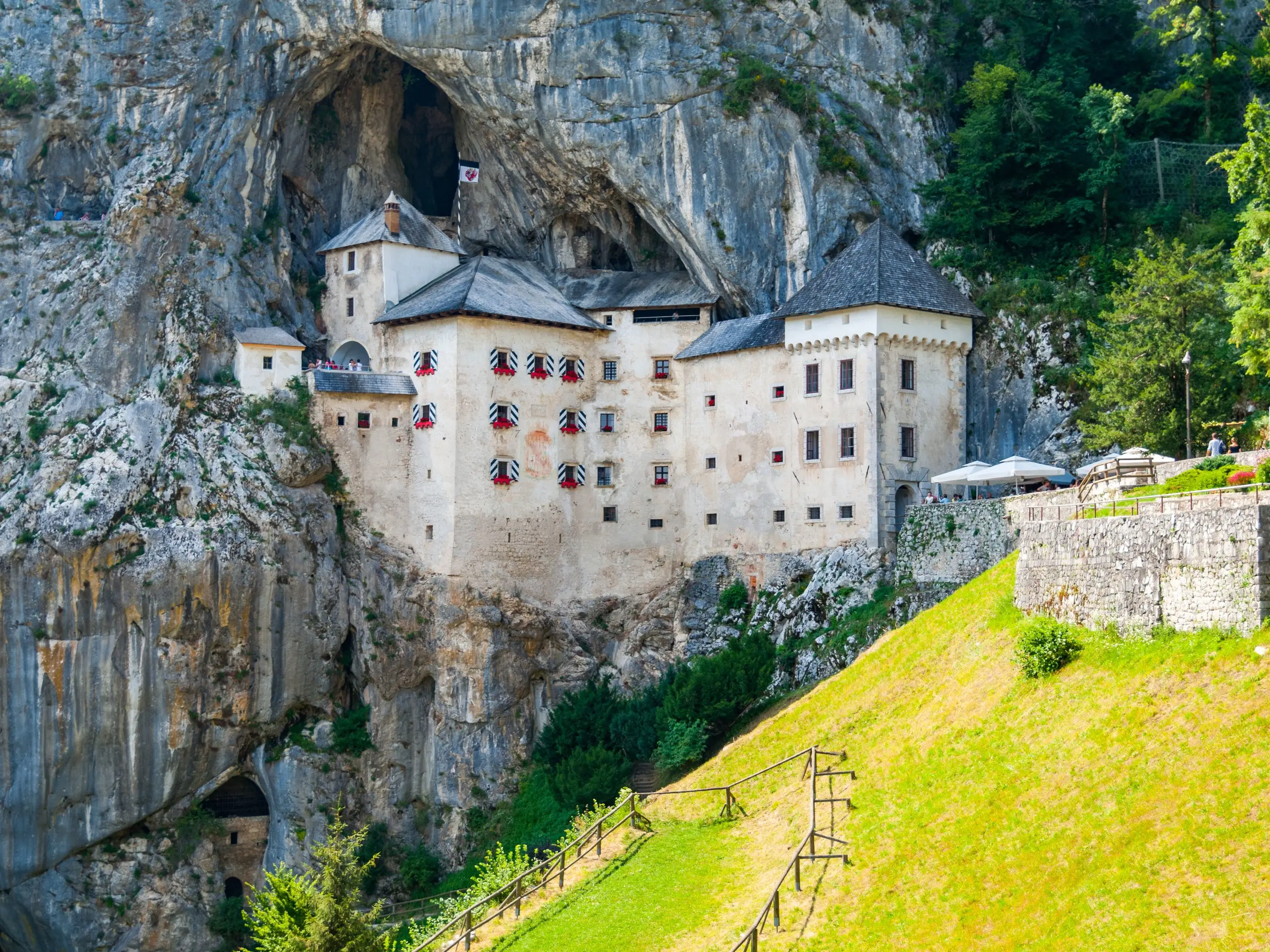
Two of Slovenia's most famous and impressive attractions are located about 6 miles (10km) from each other, meaning that it's a no-brainer to see both of them on the same excursion. The other-worldly Postojna Caves are some of Europe's most impressive, while the wonderfully dramatic Predjama Castle, 9km north of the cave, is built into a setting as unforgettable as it is improbable.

Take a train deep inside a mountain to explore these wondrously beautiful caverns.
Show MoreTake a train deep inside a mountain to explore these wondrously beautiful caverns.
Show MoreTake a train deep inside a mountain to explore these wondrously beautiful caverns.
Show MoreDay 4
Ljubljana

Day 5
Ljubljana
Day 5
Ljubljana
Morning to Evening
Excursion to Lake Bled
With its mountain setting, dark turquoise waters, boats rowing passengers out to the island church, and dramatic cliff-top castle, Lake Bled is picture-postcard perfect, making it the most popular destination in Slovenia for both international and domestic tourists alike. You can take a walk or ride a tourist train around the lake, row out to the island, and dine alongside the enchanting shoreline. With enough time to spare, you can also take in the dramatic Vintgar Gorge and the beautiful medieval village of Radovljica. Lake Bled is about an hour-and-a-half trip from Ljubljana. You have two options for getting to there by public transport - bus or train. Buses depart Ljubljana more frequently and arrive at a very convenient location near the lakeshore in Bled, but they can get very crowded during the summer, especially at the weekends when seemingly every young backpacker in the country wants to get there, while the train departs more infrequently and doesn't arrive directly in Bled, but it isn't as crowded. Of course you can also just take a guided excursion if you want to keep it simple.

Stare down at the lake from this dramatic castle precariously perched on a cliff.
Show More
Follow along the cliffsides deep into this incredibly scenic gorge.
Show More
If you like honey, chocolate, and gingerbread, make time for the small but exquisitely preserved medieval town of Radovljica, just 4 miles (6km) south-east of Bled.
Show More

Row (or be rowed) to this beautiful island in the center of Lake Bled.
Show MoreStare down at the lake from this dramatic castle precariously perched on a cliff.
Show MoreFollow along the cliffsides deep into this incredibly scenic gorge.
Show MoreIf you like honey, chocolate, and gingerbread, make time for the small but exquisitely preserved medieval town of Radovljica, just 4 miles (6km) south-east of Bled.
Show MoreRow (or be rowed) to this beautiful island in the center of Lake Bled.
Show MoreStare down at the lake from this dramatic castle precariously perched on a cliff.
Show MoreDay 5
Ljubljana
Day 6
Ljubljana
Day 6
Ljubljana
Early Morning to Afternoon
Lake Bohinj
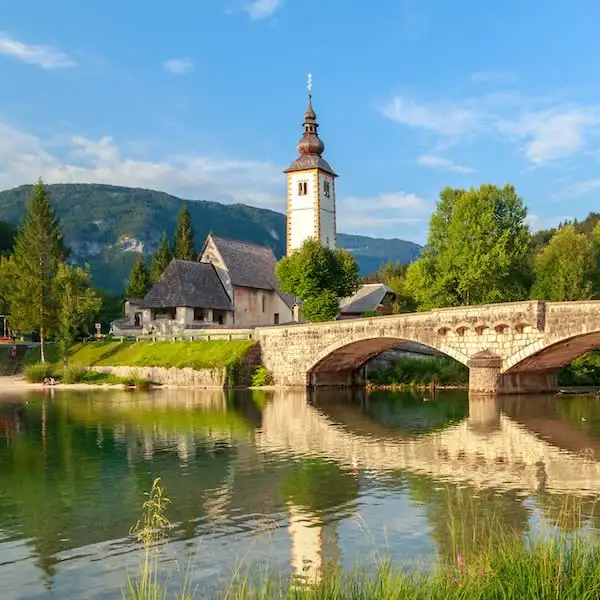
Escape to the serene and majestic Lake Bohinj, a gem in the heart of Slovenia's Julian Alps, on a self-guided excursion from Ljubljana. This excursion offers more than just a visual spectacle; it's also an opportunity to choose from a number of different outdoor activities. to Hike to a waterfall or Alpine peaks, feel the adrenaline rush of rafting down a pristine river, or explore the picturesque landscape by cycling through the valley leading to the lake. Lake Bohinj is a perfect trip for those with adventurous soul, as well as for those seeking extraordinary beauty and tranquility.

Ride the exhilarating rapids of the Sava Bohinjka River
Show More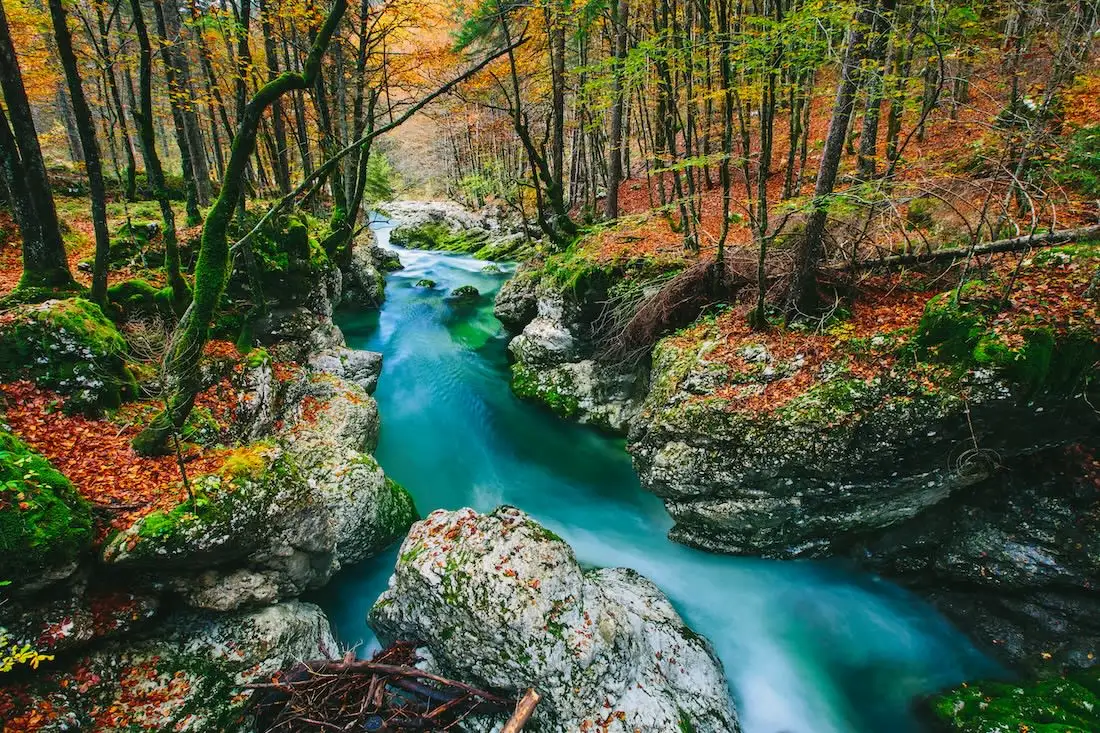
Take an easy hike to see the amazing natural sculptures of Mostnica Gorge.
Show More
Hike to the majestic Savica Waterfall, a jewel of the Julian Alps.
Show More

Stroll, sail, or soak in the beauty of Lake Bohinj's enchanting waters.
Show More
Pedal through breathtaking valleys and over Alpine foothills.
Show MoreRide the exhilarating rapids of the Sava Bohinjka River
Show MoreTake an easy hike to see the amazing natural sculptures of Mostnica Gorge.
Show MoreHike to the majestic Savica Waterfall, a jewel of the Julian Alps.
Show MoreStroll, sail, or soak in the beauty of Lake Bohinj's enchanting waters.
Show MorePedal through breathtaking valleys and over Alpine foothills.
Show MoreDay 6
Ljubljana

Day 7
Depart Ljubljana
Day 7
Depart Ljubljana
To Be Determined
Transfer to Airport
Ljubljana has one main airport, Ljubljana Airport, also known as Ljubljana Jože Pučnik Airport, where almost all visitors depart. You can also arrange a private transfer for added convenience. If you are picked up about two hours and forty-five minutes before your departure time, you should arrive at the airport with about two hours to spare, depending on traffic. The cost should be about 35 EUR. It is a very small airport so you should have little trouble finding your way upon arrival at the airport.

Day 7
Depart Ljubljana
What's Included in the Slovenian Winter Escape Trip Trip?

Pre-Paid Tours and Activities:
- Guided Walking Tour of Ljubljana

Pre-Paid Transportation:

Accommodation:
- 6 nights at a hotel of your choice in Ljubljana

Go Real Travel Mobile App:
- Itinerary Plan & Reservations Info
- Points of Interest
- Detailed Travel Information
- Maps & Directions
Other Trips You May Like



10 Days
Croatia & Slovenia: 10 Days of Historic Coastline, Waterfalls & Mountains

10 Days
Croatia & Slovenia: 10 Days of Historic Coastline, Waterfalls & Mountains
Featured Blogs



Our Customers Say It Best


Malini Dutta, Boston, Massachusetts

Bev and Mark Frankel, Williamsburg, Virginia
Marianne Strydom, Paarl, South Africa
Otto Chuy, Los Angeles, California
Malini Dutta, Boston, Massachusetts
Bev and Mark Frankel, Williamsburg, Virginia
Marianne Strydom, Paarl, South Africa
Otto Chuy, Los Angeles, California
Malini Dutta, Boston, Massachusetts
Bev and Mark Frankel, Williamsburg, Virginia
Marianne Strydom, Paarl, South Africa
Otto Chuy, Los Angeles, California



Explore cities in more detail
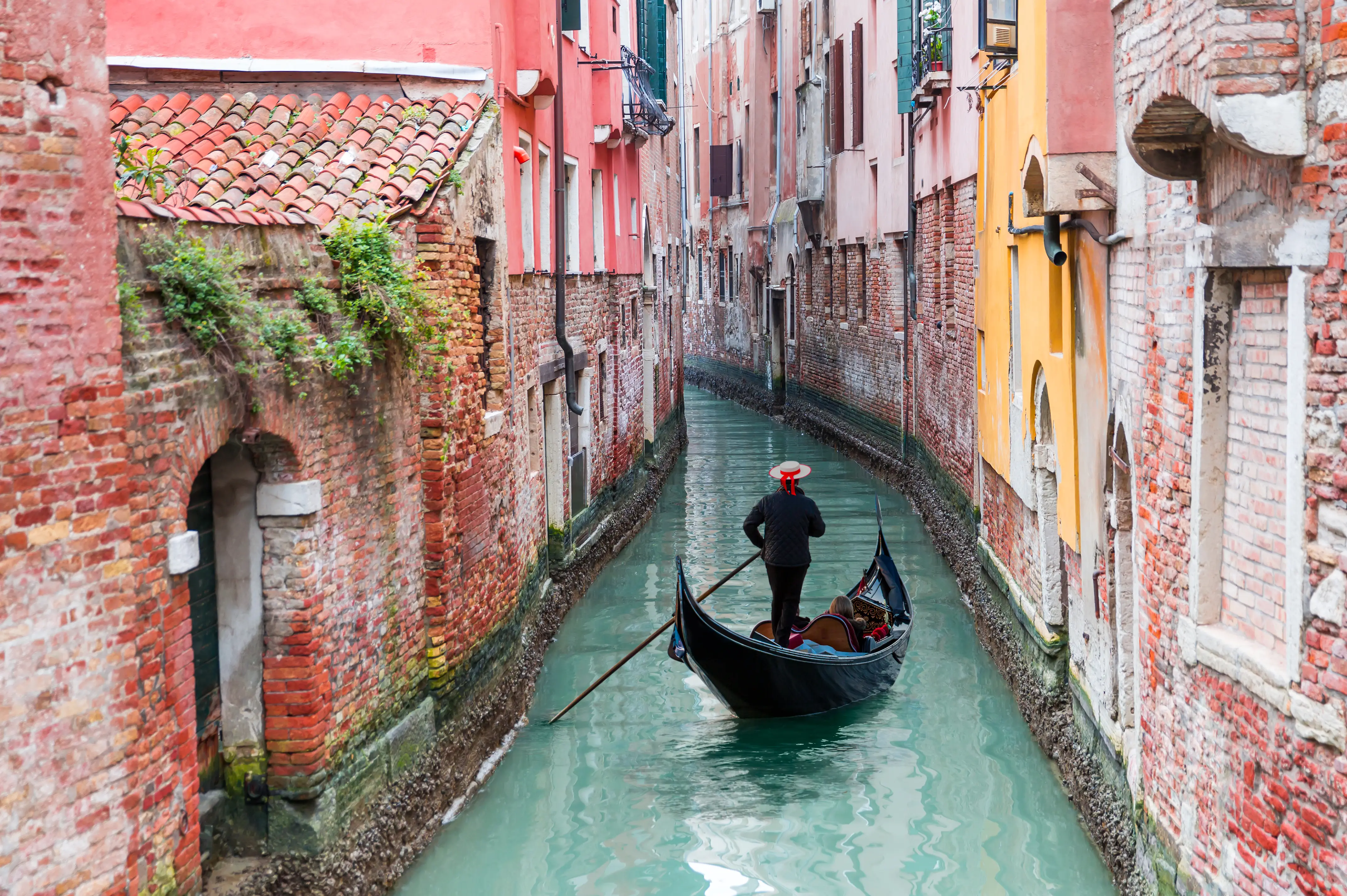
Venice
Venice is a city with no equal. Built on a series of islands on a lagoon, it was once a powerful city-state. Echoes of that old magnificence can be seen everywhere here, from the stunning buildings that rise out of the canals, to the bridges that arc across them. Take a Gondola ride through the canals that form the city’s veins, or wander through the winding streets drinking in the sights. You’ll see Venice attracts tourists in huge numbers, and that’s with good reason. It’s home to a seemingly limitless amount of art, culture, history, and architecture. St Mark’s Basilica, the Doge’s Palace, and the Campanile di San Marco just barely scratch the surface. There’s a 700-year-old market, Rialto, which is still open today. The Ponte di Rialto bridge connects the neighborhoods of San Marco and San Polo, stretching across the Grand Canal. Venice has weathered the last several centuries with elegance and pride, a place that will surpass even your highest expectations.
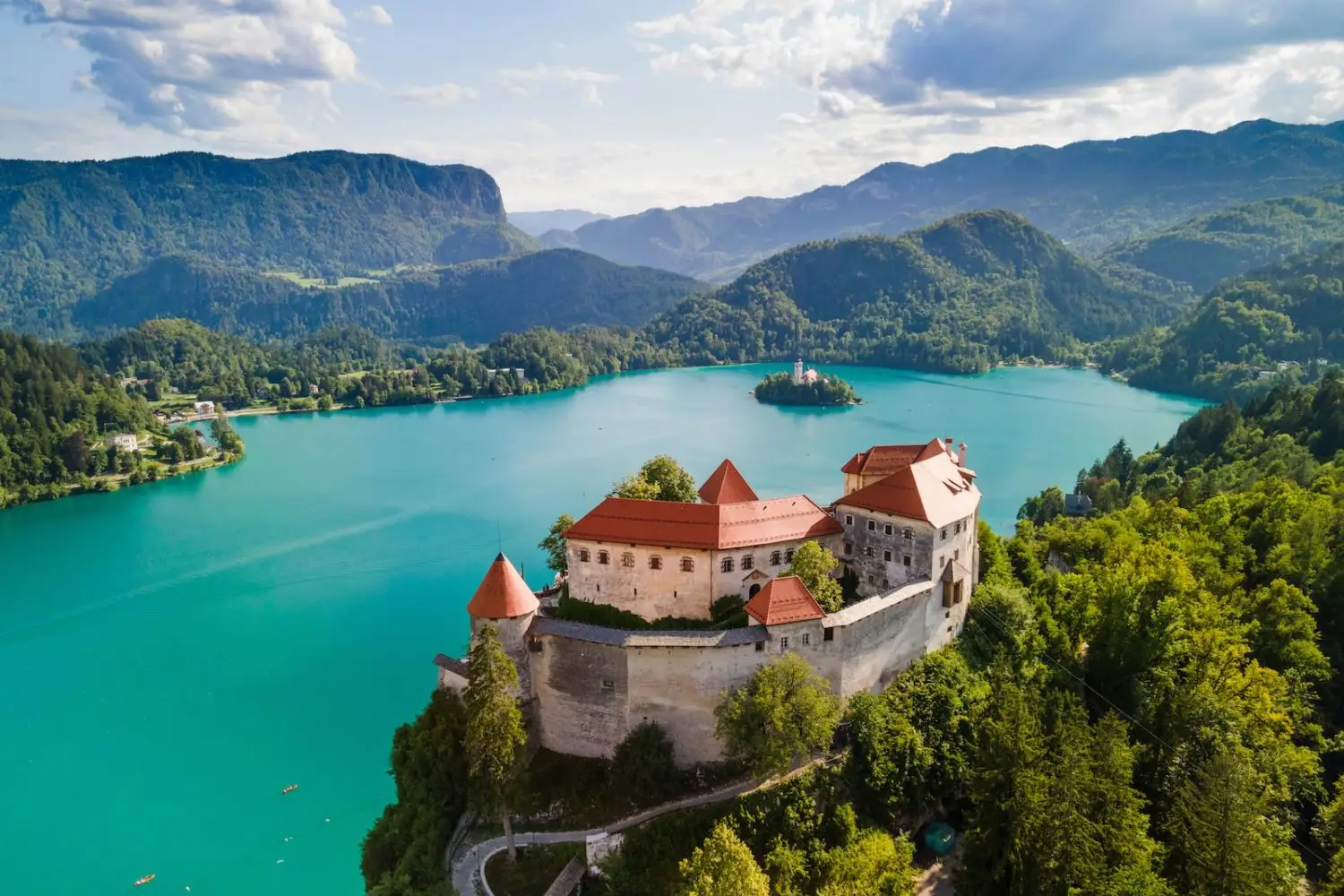
Lake Bled
Lake Bled, cradled by the Julian Alps, feels almost improbably serene. At its edge, a small alpine town unfolds with gracious villas, lakeside paths, and cafés that look out toward the water, while a medieval castle rises dramatically from a cliff above. Just offshore, the tiny island crowned by its white church has anchored local legend and tradition for centuries. Life here moves at a gentler rhythm. You might glide across the lake in a traditional pletna boat, explore the castle’s terraces for sweeping views, wander forested trails, or simply linger over a slice of the famous kremšnita cream cake. As evening settles and the light fades over the mountains, Bled becomes noticeably quieter, taking on a calm and relaxed atmosphere.

Rovinj
Rovinj, set along the western coast of Croatia’s Istrian Peninsula, feels at once deeply Mediterranean and distinctly its own. The old town rises from a small peninsula in a tangle of narrow stone lanes, pastel façades, and worn stairways that lead gradually upward to the hilltop Church of St. Euphemia. Fishing boats still drift in the harbor below, while small cafés and galleries occupy buildings shaped by centuries of Venetian influence. Life here unfolds at an easy, unhurried pace. Locals gather along the waterfront promenade in the evening light, and the sea is never far from view—glimmering between houses or stretching wide beyond the rocky shoreline. Rovinj is less about grand monuments than atmosphere: the scent of salt in the air, the rhythm of waves against the harbor, and the quiet beauty of a town that has grown slowly and gracefully beside the Adriatic.

Ljubljana
One of Europe's smallest capitals, Ljubljana is still Slovenia's biggest city. What it lacks in size, though, it more than makes up for in charm, beauty, and personality. It's also one of Europe's greenest cities and is perfect for a bike ride or a leisurely walk. With plenty of open spaces, gorgeous architecture, and cultural treats, it's easy to fill the time here. The Tromostovje, or Triple Bridge, is one of Ljubljana's main attractions, connecting the Old Town with the new. Excellent pizza can be found here, and a series of bars and cafes are dotted throughout the town and along the banks of the river. The anarchic Metelkova City reveals Ljubljana's grittier side, with art exhibitions and performances housed in a disused military barracks. Ljubljana is charm and beauty compressed neatly into a small and pretty space.
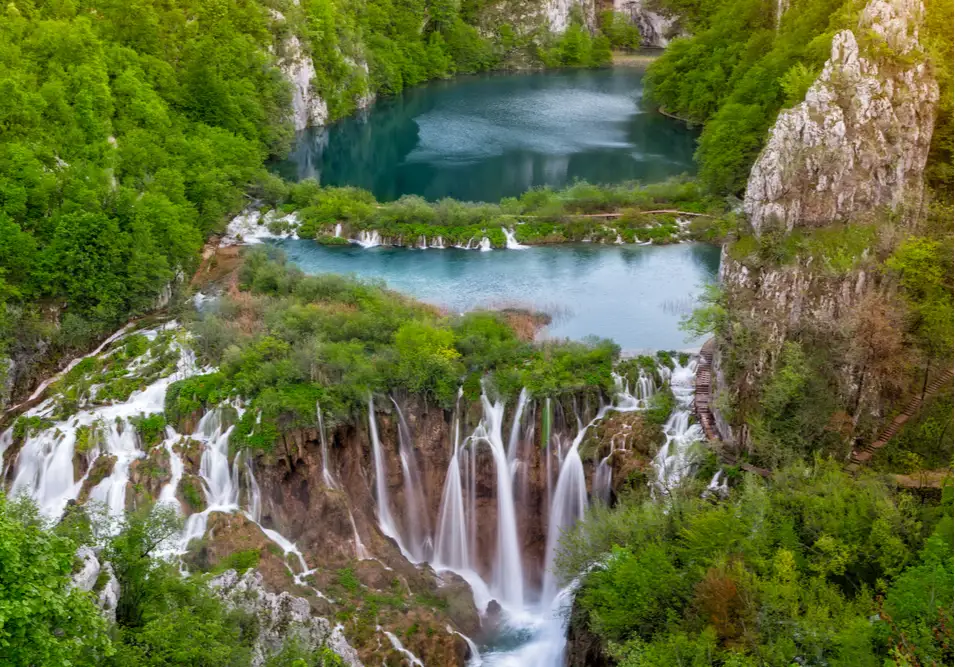
Plitvice Lakes
Plitvice Lakes in Croatia is a national park featuring 16 interconnected lakes. It was once one of Yugoslavia’s most popular tourist hotspots, and today this UNESCO World Heritage Site attracts visitors from all over the world. The lakes’ main draw is their sublime natural beauty. Turquoise pools, joined by a series of waterfalls and cascades, are set like jewels within the park’s lush green hillsides. Wooden hiking paths snake between the lakes and along the shores. Plitvice hosts an impressive variety of wildlife, from wild boars and dormice to hundreds of butterfly species, and countless types of birds. The park’s most famous resident is the elusive brown bear. Occupied by hostile forces during the Croatian War of Independence, this park’s history isn’t all paradisical. However, it’s easy to forget that troubled past when spending time by the lakes today. Today, Plitvice’s mood is all about peace, relaxation, and appreciation of stunning natural beauty.
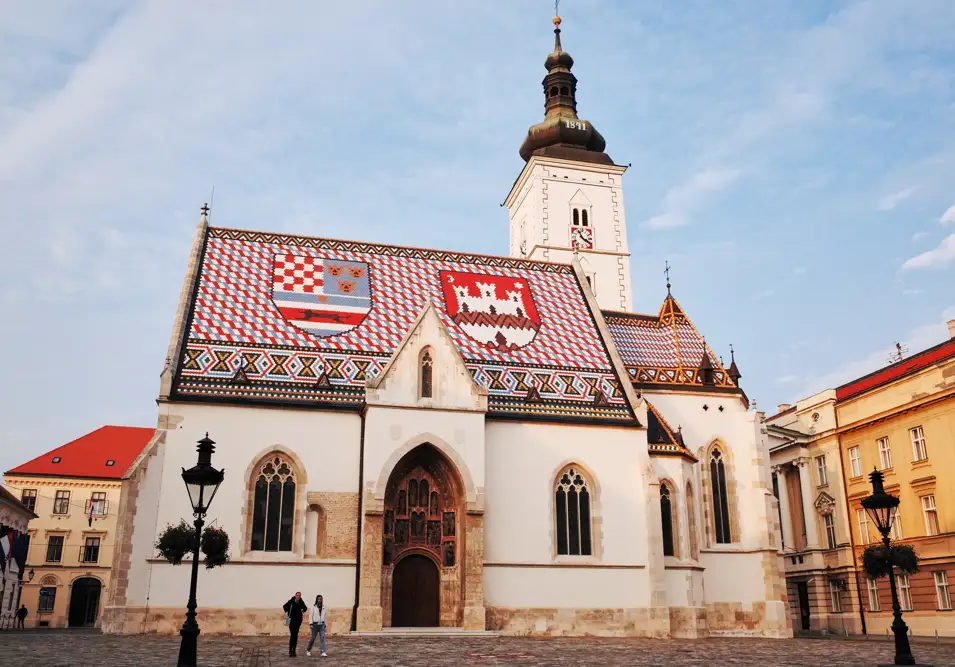
Zagreb
Zagreb is Croatia's biggest city, known for its cultural roots and vibrant street life. The city's rich history is evident in the mix of different architectural styles, including secessionist, classical, neo-Baroque, neo-Gothic, and art deco. Even the seemingly lackluster parts of town have been brought to life by street artists. At first glance, the red rooftops and cobblestone streets might seem reminiscent of other popular European cities, but you'll soon learn that Zagreb has a spirit all its own. Everywhere you go, you'll be rubbing elbows with lively locals hanging out at open cafes, gardens, and parks, or rushing to the next event on the calendar. Thanks to the spacious pedestrian zones attracting locals, expats, and visitors alike, socializing with new people and finding something unexpected to do is effortless. At night, the youth of the city becomes even more exuberant. With plenty of jazz clubs, beer halls, cocktail bars, and casinos, there's always something to do because the city never sleeps.
Venice
Venice is a city with no equal. Built on a series of islands on a lagoon, it was once a powerful city-state. Echoes of that old magnificence can be seen everywhere here, from the stunning buildings that rise out of the canals, to the bridges that arc across them. Take a Gondola ride through the canals that form the city’s veins, or wander through the winding streets drinking in the sights. You’ll see Venice attracts tourists in huge numbers, and that’s with good reason. It’s home to a seemingly limitless amount of art, culture, history, and architecture. St Mark’s Basilica, the Doge’s Palace, and the Campanile di San Marco just barely scratch the surface. There’s a 700-year-old market, Rialto, which is still open today. The Ponte di Rialto bridge connects the neighborhoods of San Marco and San Polo, stretching across the Grand Canal. Venice has weathered the last several centuries with elegance and pride, a place that will surpass even your highest expectations.
Lake Bled
Lake Bled, cradled by the Julian Alps, feels almost improbably serene. At its edge, a small alpine town unfolds with gracious villas, lakeside paths, and cafés that look out toward the water, while a medieval castle rises dramatically from a cliff above. Just offshore, the tiny island crowned by its white church has anchored local legend and tradition for centuries. Life here moves at a gentler rhythm. You might glide across the lake in a traditional pletna boat, explore the castle’s terraces for sweeping views, wander forested trails, or simply linger over a slice of the famous kremšnita cream cake. As evening settles and the light fades over the mountains, Bled becomes noticeably quieter, taking on a calm and relaxed atmosphere.
Rovinj
Rovinj, set along the western coast of Croatia’s Istrian Peninsula, feels at once deeply Mediterranean and distinctly its own. The old town rises from a small peninsula in a tangle of narrow stone lanes, pastel façades, and worn stairways that lead gradually upward to the hilltop Church of St. Euphemia. Fishing boats still drift in the harbor below, while small cafés and galleries occupy buildings shaped by centuries of Venetian influence. Life here unfolds at an easy, unhurried pace. Locals gather along the waterfront promenade in the evening light, and the sea is never far from view—glimmering between houses or stretching wide beyond the rocky shoreline. Rovinj is less about grand monuments than atmosphere: the scent of salt in the air, the rhythm of waves against the harbor, and the quiet beauty of a town that has grown slowly and gracefully beside the Adriatic.
Ljubljana
One of Europe's smallest capitals, Ljubljana is still Slovenia's biggest city. What it lacks in size, though, it more than makes up for in charm, beauty, and personality. It's also one of Europe's greenest cities and is perfect for a bike ride or a leisurely walk. With plenty of open spaces, gorgeous architecture, and cultural treats, it's easy to fill the time here. The Tromostovje, or Triple Bridge, is one of Ljubljana's main attractions, connecting the Old Town with the new. Excellent pizza can be found here, and a series of bars and cafes are dotted throughout the town and along the banks of the river. The anarchic Metelkova City reveals Ljubljana's grittier side, with art exhibitions and performances housed in a disused military barracks. Ljubljana is charm and beauty compressed neatly into a small and pretty space.
Plitvice Lakes
Plitvice Lakes in Croatia is a national park featuring 16 interconnected lakes. It was once one of Yugoslavia’s most popular tourist hotspots, and today this UNESCO World Heritage Site attracts visitors from all over the world. The lakes’ main draw is their sublime natural beauty. Turquoise pools, joined by a series of waterfalls and cascades, are set like jewels within the park’s lush green hillsides. Wooden hiking paths snake between the lakes and along the shores. Plitvice hosts an impressive variety of wildlife, from wild boars and dormice to hundreds of butterfly species, and countless types of birds. The park’s most famous resident is the elusive brown bear. Occupied by hostile forces during the Croatian War of Independence, this park’s history isn’t all paradisical. However, it’s easy to forget that troubled past when spending time by the lakes today. Today, Plitvice’s mood is all about peace, relaxation, and appreciation of stunning natural beauty.
Zagreb
Zagreb is Croatia's biggest city, known for its cultural roots and vibrant street life. The city's rich history is evident in the mix of different architectural styles, including secessionist, classical, neo-Baroque, neo-Gothic, and art deco. Even the seemingly lackluster parts of town have been brought to life by street artists. At first glance, the red rooftops and cobblestone streets might seem reminiscent of other popular European cities, but you'll soon learn that Zagreb has a spirit all its own. Everywhere you go, you'll be rubbing elbows with lively locals hanging out at open cafes, gardens, and parks, or rushing to the next event on the calendar. Thanks to the spacious pedestrian zones attracting locals, expats, and visitors alike, socializing with new people and finding something unexpected to do is effortless. At night, the youth of the city becomes even more exuberant. With plenty of jazz clubs, beer halls, cocktail bars, and casinos, there's always something to do because the city never sleeps.
Hi! Need help planning your dream trip? 🌍
Go Real Travel Assistant
OnlineWelcome! Where are you in your journey?
Pick the option that fits you best so we can route you to the right help.