
Captivating Croatia & Slovenia: A Week of Coastal Charms and Alpine Wonders
 7 Day Tour of Split and Ljubljana
Overview
Trip Map
Itinerary
Inclusions
Reviews


How Long Is the Week in Croatia and Slovenia Trip and What Does It Cost?
 Duration7 days / 6 nights
- Best timeJan-Dec
 From$1525 / person (Flights not included)
- Dive into history with a private tour of Diocletian's Palace in Split.
- Take a catamaran to the sunlit shores of Hvar Island and explore its heritage-rich seaside towns.
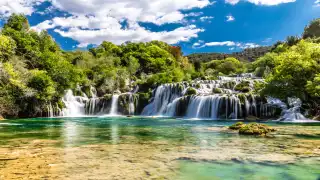
- Take an easy hike to reach the cascading waters of Krka National Park’s stunning waterfalls.
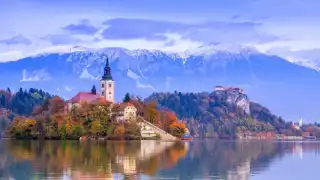
- Explore the pristine beauty of Lake Bohinj in the heart of Triglav National Park.
- Wander through Ljubljana’s vibrant, car-free Old Town, a haven of lively cafes and riverside charm.
- Dive into history with a private tour of Diocletian's Palace in Split.
- Take a catamaran to the sunlit shores of Hvar Island and explore its heritage-rich seaside towns.
- Take an easy hike to reach the cascading waters of Krka National Park’s stunning waterfalls.
- Explore the pristine beauty of Lake Bohinj in the heart of Triglav National Park.
- Wander through Ljubljana’s vibrant, car-free Old Town, a haven of lively cafes and riverside charm.


Must see sights
Starting from
$1525
per person
 Not included
 Price varies by group size, hotel selection, and travel season.
Secure Your Customizable Trip
Enter your details to embark on a journey that can be tailored just for you.
Start
Travelers
Preferred Hotel Stars

Craft Your Own Itinerary
Select your interests and destinations for a trip plan inspired by you.
Where Does the Week in Croatia and Slovenia Trip Trip Go?
| ← | Move left |
| → | Move right |
| ↑ | Move up |
| ↓ | Move down |
| + | Zoom in |
| - | Zoom out |
| Home | Jump left by 75% |
| End | Jump right by 75% |
| Page Up | Jump up by 75% |
| Page Down | Jump down by 75% |


Click To Make Map Interactive
Week in Croatia and Slovenia Trip Timeline
Arrival
3 nights
Split
Croatia
Shuttle: 5h
3 nights
Ljubljana
Slovenia
Departure
What Does the Week in Croatia and Slovenia Trip Itinerary Look Like?

Day 1
Arrive Split

Day 1
Arrive Split


Mid-Day/Afternoon
Diocletian's Palace
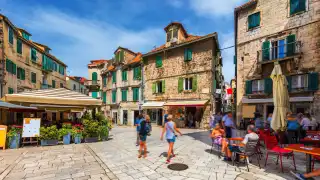
Split's Old Town started out as a luxurious retirement palace for the Roman Emperor Diocletian. As Roman emperors often met bloody ends, about half of the palace consisted of a less luxurious fortress designed to accommodate a large garrison of loyal Roman soldiers. Within the palace's high walls there were also temples, streets, and large courtyards, meaning it was only natural that long after the Diocletian was gone and the empire fallen, much of the palace was incorporated into Split's Old Town. Indeed about half of the Old Town consists of the former palace area. Despite falling into disrepair and constant reconstructions over the intervening millennia, the Palace remains one of the best-preserved examples of Roman architecture in the world. It's principal set-piece buildings, such as Diocletian's mausoleum and the Temple of Jupiter still remain. But the palace is far from being just an archeological site and it continues to this day as a living and breathing historical monument with 2,000 to 3,000 people still resident within its ancient walls. This means that so much tinkering has gone on over the centuries that it's no longer immediately recognizable as an ancient Roman structure. On the other hand, up close and personal you can still make out the remains of some of the imperial apartments that are used today as outdoor bars and cafes and shops. And the medieval tenements built by the Venetians were built in large part from the stones scavenged from Diocletian's original buildings. The tangled mass of alleyways, small squares, and narrow lanes just outside the Palace is also well worth exploring. The Venetian architecture makes the setting particularly enchanting (Split was ruled by the Republic of Venice for centuries).

See how the mausoleum of an emperor who persecuted Christians was converted into a stunning medieval church.
Show More
Enter this ancient gateway to discover palace cellars used as film sets for Game of Thrones.
Show More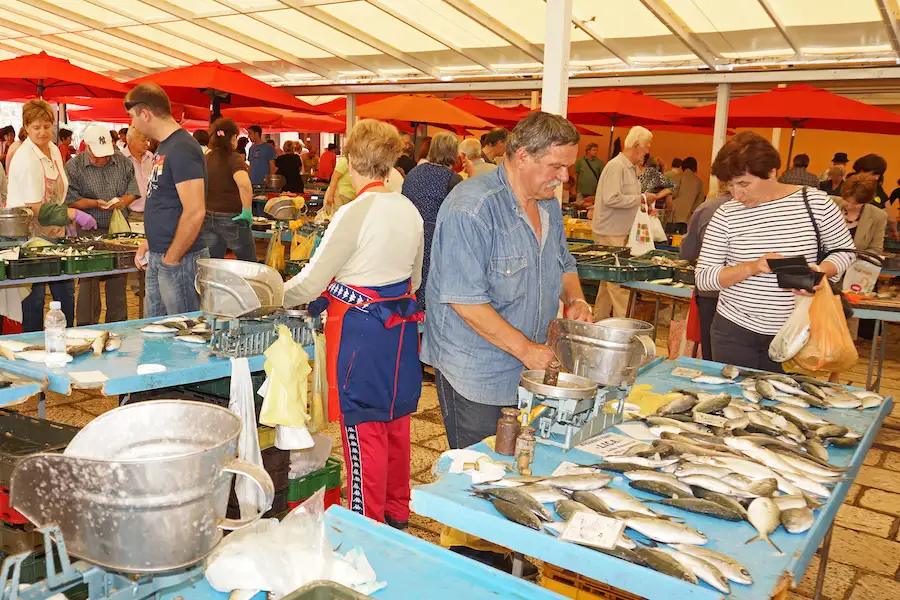
Join the locals at Split's main fish market.
Show More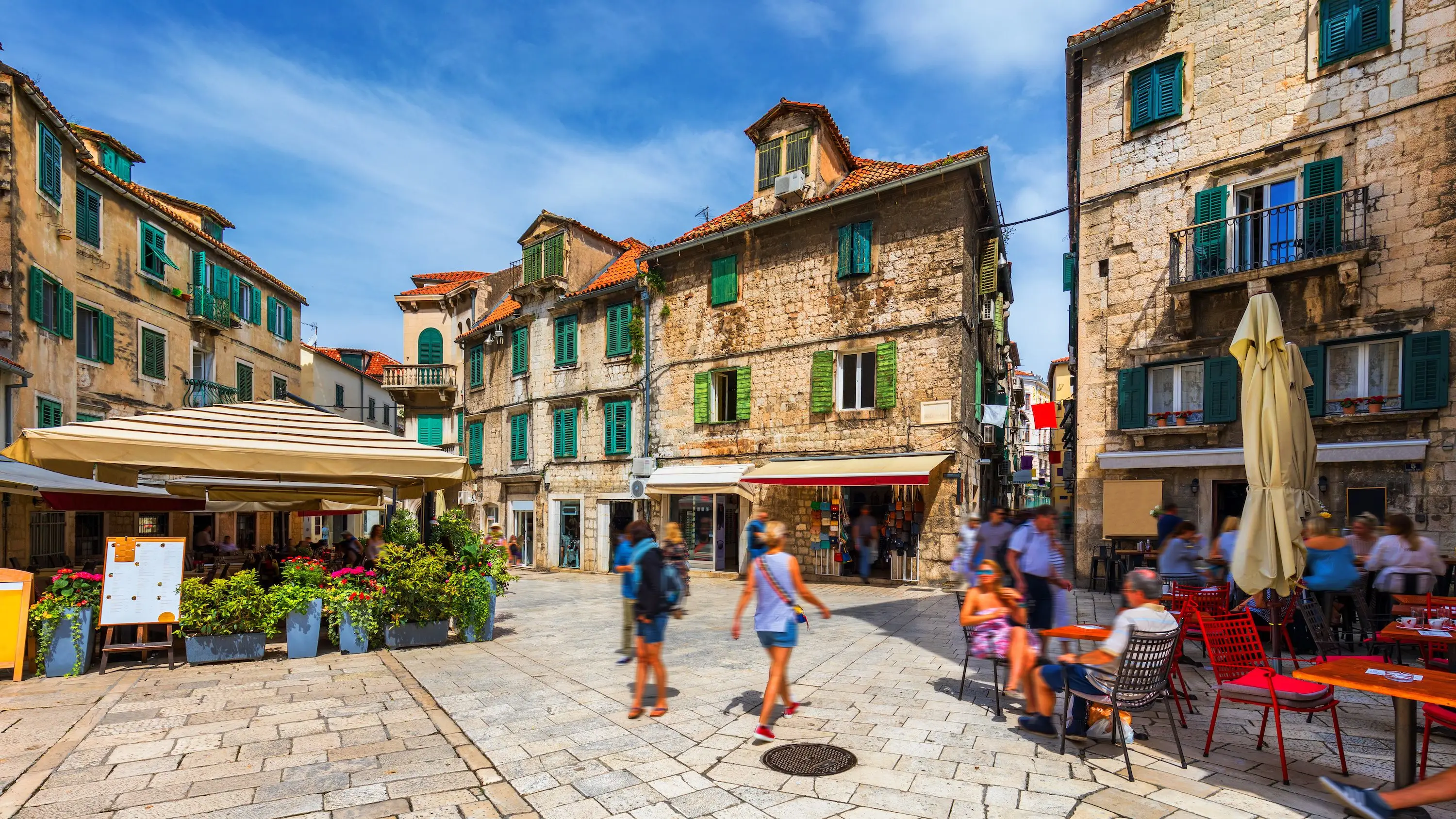


See the beautiful courtyard which was once the center of the palace, and is now the heart of Split.
Show More
Take in the scene on Split's swanky seaside promenade.
Show MoreSee how the mausoleum of an emperor who persecuted Christians was converted into a stunning medieval church.
Show MoreEnter this ancient gateway to discover palace cellars used as film sets for Game of Thrones.
Show MoreJoin the locals at Split's main fish market.
Show MoreSee the beautiful courtyard which was once the center of the palace, and is now the heart of Split.
Show MoreTake in the scene on Split's swanky seaside promenade.
Show MoreDay 1
Arrive Split

Day 1
Arrive Split
To Be Determined:
Transfer from Airport
Mid-Day/Afternoon:
Diocletian's Palace
Late Afternoon:
Fishermen's Quarter
:
:
St Domnius
 Highlight of Diocletian's Palace
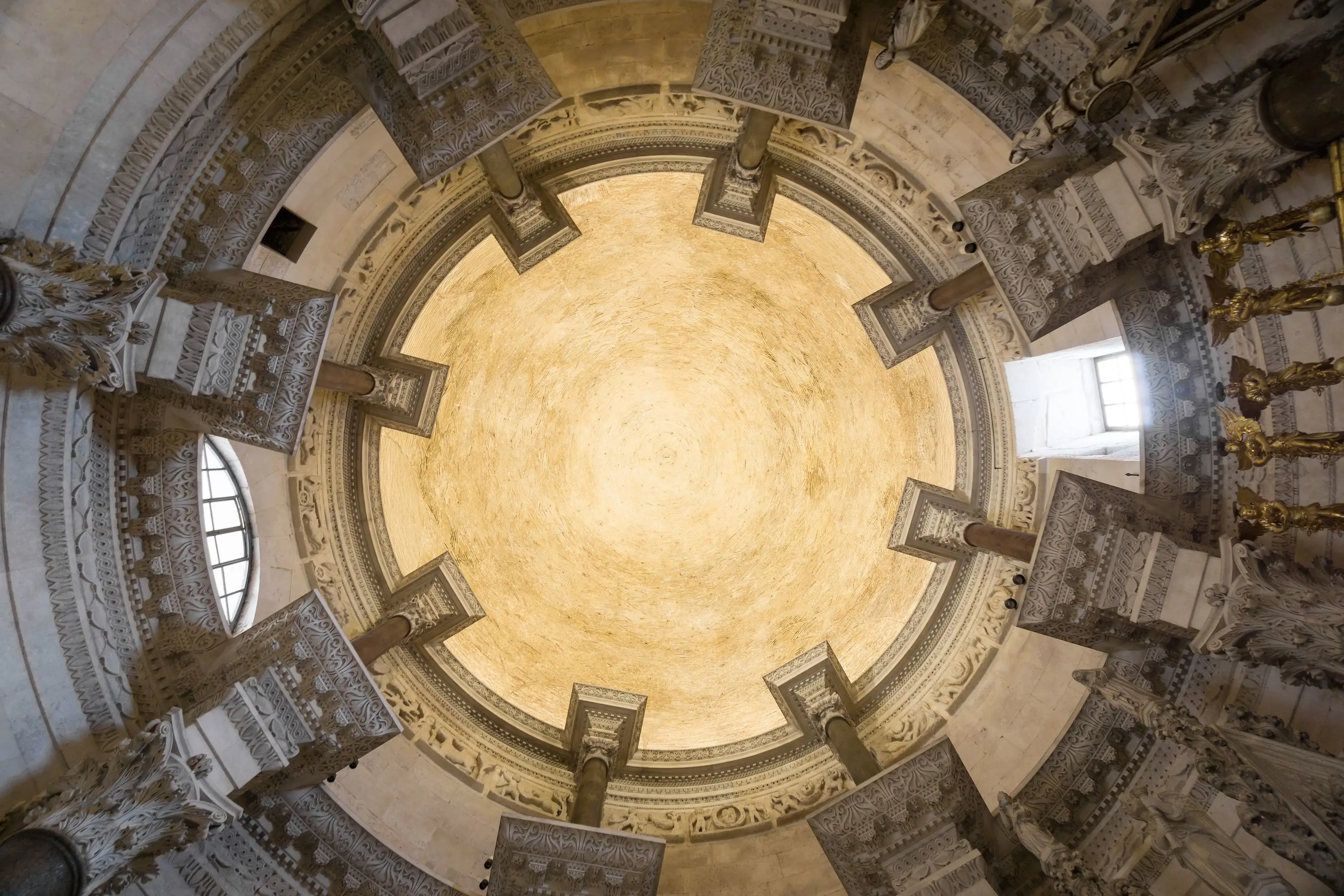
See how the mausoleum of an emperor who persecuted Christians was converted into a stunning medieval church.
Looming over the Peristyle and over all of Old Split for that matter is the belfry of the Cathedral of St Domnius. The dome of the church was originally Diocletian's mausoleum. Diocletian's body disappeared 170 years after internment and nobody knows where. Ironically though, the church does hold the bones of St. Anastiasius, a saint killed by order of Diocletian. Indeed, the altar which holds his relics is the finest in the church, and the sarcophagus contains a fascinating relief called The Flagellation of Christ. The cathedral also houses a treasury full of monstrances and fascinating reliquaries in the shape of heads containing relics in small transparent lockets encased in the forehead. Another highlight is the walnut-and-oak main entrance doors with an inspired comic-strip-style sequence showing 28 scenes from the life of Christ. The bell tower started in the 13th century and not completed until 1908 is definitely worth climbing up for the panoramic view over the city, though it is quite steep.
Bronze Gate and Palace Cellars
Highlight of Diocletian's PalaceEnter this ancient gateway to discover palace cellars used as film sets for Game of Thrones.
While today about 200 feet (60m) from the water, the Bronze Gate originally sat directly on the sea, allowing boats to pull directly up to the palace. As you enter the gate you will find a mass of souvenir and arts & crafts stalls, but just inside the entrance on either side are the substructures, or cellars of the palace. After the palace fell into disrepair, the cellars were used as rubbish pits. Families occupying the apartments above would simply create holes in the floor and voila, they had an instant trash dump with a seemingly unending supply of space. Of course centuries of trash did eventually them fill up and they were only rediscovered in 1956; the excavations continue to this very day. While entrance to the cellar is not free, it provides an excellent idea of what the palace must originally have looked like, as they're an exact mirror image of the imperial living quarters above. Game of Thrones fans will also be happy to learn that the cellar was used as a filming set, including as Daenerys Targaryen's grand Meereen throne room.
Fish market & Marmontova Street
Highlight of Diocletian's PalaceJoin the locals at Split's main fish market.
This is a genuine fish market rather than a set piece for tourists. So it is a bit smelly and bloody, just like a real fish market should be. If you want fresh fish and seafood, its the best place to go in Split. There is a bit of a frenzy in the morning when the fresh catch is brought in, so that is the most intersting time to visit. If you aren't in the market for raw seafood, on the adjacent Marmontova street you'll find take out places where you can get cooked seafood to go. This elegant pedestrian street is also lined by high-end shops, and is definitely worth a stroll.
Diocletian's Palace
OverviewDiocletian's Palace
Split's Old Town started out as a luxurious retirement palace for the Roman Emperor Diocletian. As Roman emperors often met bloody ends, about half of the palace consisted of a less luxurious fortress designed to accommodate a large garrison of loyal Roman soldiers. Within the palace's high walls there were also temples, streets, and large courtyards, meaning it was only natural that long after the Diocletian was gone and the empire fallen, much of the palace was incorporated into Split's Old Town. Indeed about half of the Old Town consists of the former palace area. Despite falling into disrepair and constant reconstructions over the intervening millennia, the Palace remains one of the best-preserved examples of Roman architecture in the world. It's principal set-piece buildings, such as Diocletian's mausoleum and the Temple of Jupiter still remain. But the palace is far from being just an archeological site and it continues to this day as a living and breathing historical monument with 2,000 to 3,000 people still resident within its ancient walls. This means that so much tinkering has gone on over the centuries that it's no longer immediately recognizable as an ancient Roman structure. On the other hand, up close and personal you can still make out the remains of some of the imperial apartments that are used today as outdoor bars and cafes and shops. And the medieval tenements built by the Venetians were built in large part from the stones scavenged from Diocletian's original buildings. The tangled mass of alleyways, small squares, and narrow lanes just outside the Palace is also well worth exploring. The Venetian architecture makes the setting particularly enchanting (Split was ruled by the Republic of Venice for centuries).
Peristyle
Highlight of Diocletian's PalaceSee the beautiful courtyard which was once the center of the palace, and is now the heart of Split.
The Peristyle was the central courtyard of the palace complex and the crossing point of its main streets. The columns around the courtyard were pillaged from Egypt, though the officer in charge of the operation must have forgotten to get some extras as four of the columns are clearly different from the others. There's also a black granite Egyptian sphinx on one side dating from 1500 BC which originally flanked the entrance to Diocletian's mausoleum (other sphinxes around the palace were decapitated by Diocletian to allay his superstition that they posed a threat to his rule). If you sit on one of the red cushions scattered around the Peristyle you'll be approached by a waiter with a menu of very expensive drinks, but it may be worth it just to sit and lap up the history and watch people go by. At the southern end of the Peristyle, steps lead up to a cone-shaped, roofless chamber which once served as the palace vestibule. Visitors would wait here before being summoned before the ex-emperor into his private apartments.
Riva
Highlight of Diocletian's PalaceTake in the scene on Split's swanky seaside promenade.
Along the exterior face of the former palace and down the length of the Old Town runs the wide and breezy Riva, the principal sea-side promenade in central Split. Lined by palm trees, restaurants, and cafes, it gets wildly busy on summer evenings. It is the perfect place to relax, take in the scene, and watch people and boats pass by.
St Domnius
Highlight of Diocletian's PalaceSee how the mausoleum of an emperor who persecuted Christians was converted into a stunning medieval church.
Looming over the Peristyle and over all of Old Split for that matter is the belfry of the Cathedral of St Domnius. The dome of the church was originally Diocletian's mausoleum. Diocletian's body disappeared 170 years after internment and nobody knows where. Ironically though, the church does hold the bones of St. Anastiasius, a saint killed by order of Diocletian. Indeed, the altar which holds his relics is the finest in the church, and the sarcophagus contains a fascinating relief called The Flagellation of Christ. The cathedral also houses a treasury full of monstrances and fascinating reliquaries in the shape of heads containing relics in small transparent lockets encased in the forehead. Another highlight is the walnut-and-oak main entrance doors with an inspired comic-strip-style sequence showing 28 scenes from the life of Christ. The bell tower started in the 13th century and not completed until 1908 is definitely worth climbing up for the panoramic view over the city, though it is quite steep.
Bronze Gate and Palace Cellars
Highlight of Diocletian's PalaceEnter this ancient gateway to discover palace cellars used as film sets for Game of Thrones.
While today about 200 feet (60m) from the water, the Bronze Gate originally sat directly on the sea, allowing boats to pull directly up to the palace. As you enter the gate you will find a mass of souvenir and arts & crafts stalls, but just inside the entrance on either side are the substructures, or cellars of the palace. After the palace fell into disrepair, the cellars were used as rubbish pits. Families occupying the apartments above would simply create holes in the floor and voila, they had an instant trash dump with a seemingly unending supply of space. Of course centuries of trash did eventually them fill up and they were only rediscovered in 1956; the excavations continue to this very day. While entrance to the cellar is not free, it provides an excellent idea of what the palace must originally have looked like, as they're an exact mirror image of the imperial living quarters above. Game of Thrones fans will also be happy to learn that the cellar was used as a filming set, including as Daenerys Targaryen's grand Meereen throne room.
Fish market & Marmontova Street
Highlight of Diocletian's PalaceJoin the locals at Split's main fish market.
This is a genuine fish market rather than a set piece for tourists. So it is a bit smelly and bloody, just like a real fish market should be. If you want fresh fish and seafood, its the best place to go in Split. There is a bit of a frenzy in the morning when the fresh catch is brought in, so that is the most intersting time to visit. If you aren't in the market for raw seafood, on the adjacent Marmontova street you'll find take out places where you can get cooked seafood to go. This elegant pedestrian street is also lined by high-end shops, and is definitely worth a stroll.
Diocletian's Palace
OverviewDiocletian's Palace
Split's Old Town started out as a luxurious retirement palace for the Roman Emperor Diocletian. As Roman emperors often met bloody ends, about half of the palace consisted of a less luxurious fortress designed to accommodate a large garrison of loyal Roman soldiers. Within the palace's high walls there were also temples, streets, and large courtyards, meaning it was only natural that long after the Diocletian was gone and the empire fallen, much of the palace was incorporated into Split's Old Town. Indeed about half of the Old Town consists of the former palace area. Despite falling into disrepair and constant reconstructions over the intervening millennia, the Palace remains one of the best-preserved examples of Roman architecture in the world. It's principal set-piece buildings, such as Diocletian's mausoleum and the Temple of Jupiter still remain. But the palace is far from being just an archeological site and it continues to this day as a living and breathing historical monument with 2,000 to 3,000 people still resident within its ancient walls. This means that so much tinkering has gone on over the centuries that it's no longer immediately recognizable as an ancient Roman structure. On the other hand, up close and personal you can still make out the remains of some of the imperial apartments that are used today as outdoor bars and cafes and shops. And the medieval tenements built by the Venetians were built in large part from the stones scavenged from Diocletian's original buildings. The tangled mass of alleyways, small squares, and narrow lanes just outside the Palace is also well worth exploring. The Venetian architecture makes the setting particularly enchanting (Split was ruled by the Republic of Venice for centuries).
Peristyle
Highlight of Diocletian's PalaceSee the beautiful courtyard which was once the center of the palace, and is now the heart of Split.
The Peristyle was the central courtyard of the palace complex and the crossing point of its main streets. The columns around the courtyard were pillaged from Egypt, though the officer in charge of the operation must have forgotten to get some extras as four of the columns are clearly different from the others. There's also a black granite Egyptian sphinx on one side dating from 1500 BC which originally flanked the entrance to Diocletian's mausoleum (other sphinxes around the palace were decapitated by Diocletian to allay his superstition that they posed a threat to his rule). If you sit on one of the red cushions scattered around the Peristyle you'll be approached by a waiter with a menu of very expensive drinks, but it may be worth it just to sit and lap up the history and watch people go by. At the southern end of the Peristyle, steps lead up to a cone-shaped, roofless chamber which once served as the palace vestibule. Visitors would wait here before being summoned before the ex-emperor into his private apartments.
Riva
Highlight of Diocletian's PalaceTake in the scene on Split's swanky seaside promenade.
Along the exterior face of the former palace and down the length of the Old Town runs the wide and breezy Riva, the principal sea-side promenade in central Split. Lined by palm trees, restaurants, and cafes, it gets wildly busy on summer evenings. It is the perfect place to relax, take in the scene, and watch people and boats pass by.

Day 2
Split
Day 2
Split

9:00 AM - 11:00 AM
Split Old Town Walking Tour
This two-hour guided tour will take you to the Roman emperor Diocletian's 1700-year-old palace which was built as his personal rest home. Walk from the Bronze Gate through the central hall of the ancient cellars is the main communication line between the busy waterfront promenade, the Riva, and the palace's main forecourt, the Peristyle. You'll also stop by the Cathedral of St Duje, one of the most beautiful cultural attractions on the Adriatic coast, the Roman temple of Jupiter (latterly a Christian baptistry), the fabulous Golden Gate, and the medieval Croatian bishop who introduced the Croatian language in religious services.
See the beautiful courtyard which was once the center of the palace, and is now the heart of Split.
Show MoreEnter this ancient gateway to discover palace cellars used as film sets for Game of Thrones.
Show More
See the beautiful courtyard which was once the center of the palace, and is now the heart of Split.
Show MoreEnter this ancient gateway to discover palace cellars used as film sets for Game of Thrones.
Show MoreSee the beautiful courtyard which was once the center of the palace, and is now the heart of Split.
Show MoreDay 2
Split

Day 3
Split
Day 3
Split
Morning to Late Afternoon
Hvar Island
Hvar has a reputation as the Croatian Ibiza, i.e. lots of young people partying as if their lives depended on it, but it's actually much more than that and remains relatively unspoiled and comparatively affordable in relation to the mainland coast. Both of its main towns, Hvar and Star Grad, are lovely medieval towns full of traffic-free alleys surrounded by ancient stone houses; these act as a romantic backdrop to the towns' many cafes from where you can indulge in people-watching and view the fancy yachts filling up the harbor. In the summer, you can take a passenger-only 1-hour catamaran trip directly to Hvar Town. In other months, Hvar is still relatively easy to get to via a 2-hour car ferry to the main island port of Stari Grad. If you do take the ferry, it's still just a short bus or taxi ride to Hvar or Stari Grad - you can even walk to Stari Grad from the ferry port. Keep in mind though that you must be quick off the ferry to catch the bus. If you can afford it, taking a private boat is the ultimate way to experience Hvar, as you can swim, snorkel, and sunbathe along the way. Also keep in mind that while Hvar is happening in the warmer months, it is quite sleepy in the off season. Many restaurants and attractions will be closed, but if you enjoy exploring in peace and quiet, it is the perfect time to visit.
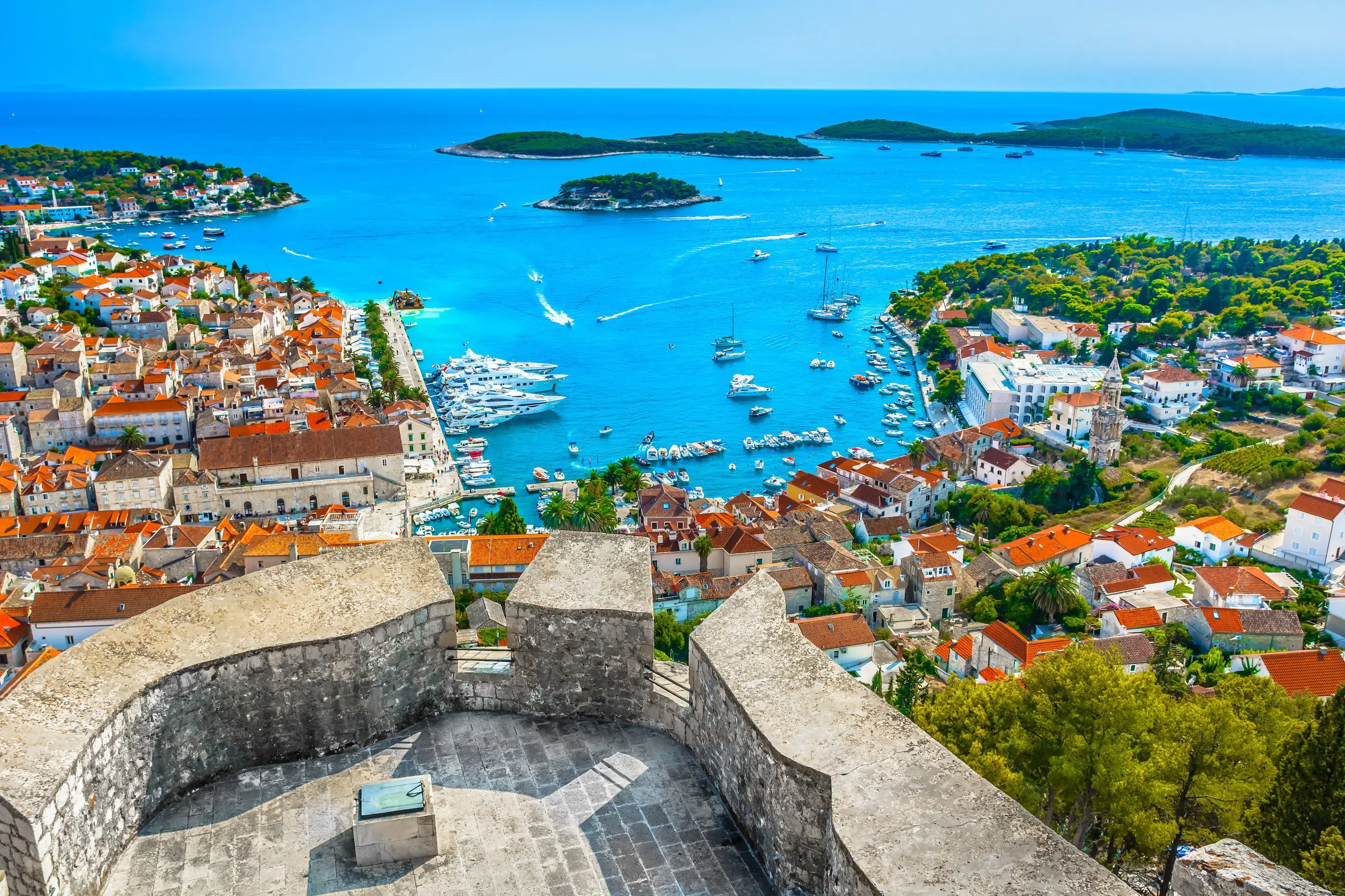
Climb to this stone fortress above the town of Hvar for the perfect photo.
Show More
Stroll the atmospheric narrow streets of this small town nestled at the end of a clear blue bay.
Show More
Hop over to these rocky islands to swim and snorkel in their picturesque little coves and lagoons.
Show More
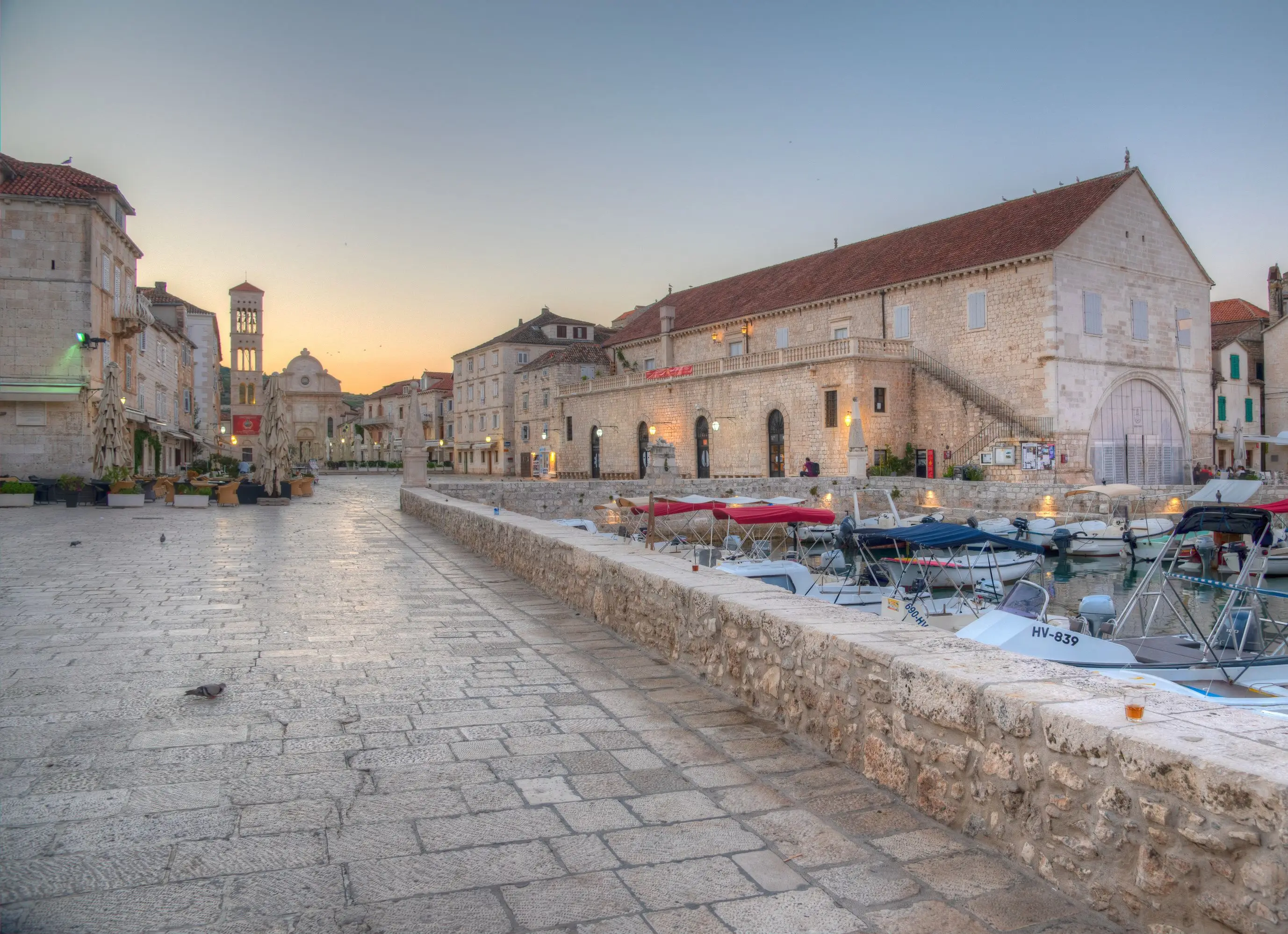
Check out where war galleys were once repaired on Hvar's main square.
Show MoreClimb to this stone fortress above the town of Hvar for the perfect photo.
Show MoreStroll the atmospheric narrow streets of this small town nestled at the end of a clear blue bay.
Show MoreHop over to these rocky islands to swim and snorkel in their picturesque little coves and lagoons.
Show MoreCheck out where war galleys were once repaired on Hvar's main square.
Show MoreClimb to this stone fortress above the town of Hvar for the perfect photo.
Show MoreDay 3
Split
Day 4
Split to Ljubljana
Day 4
Split to Ljubljana

Early Morning to Mid-Day
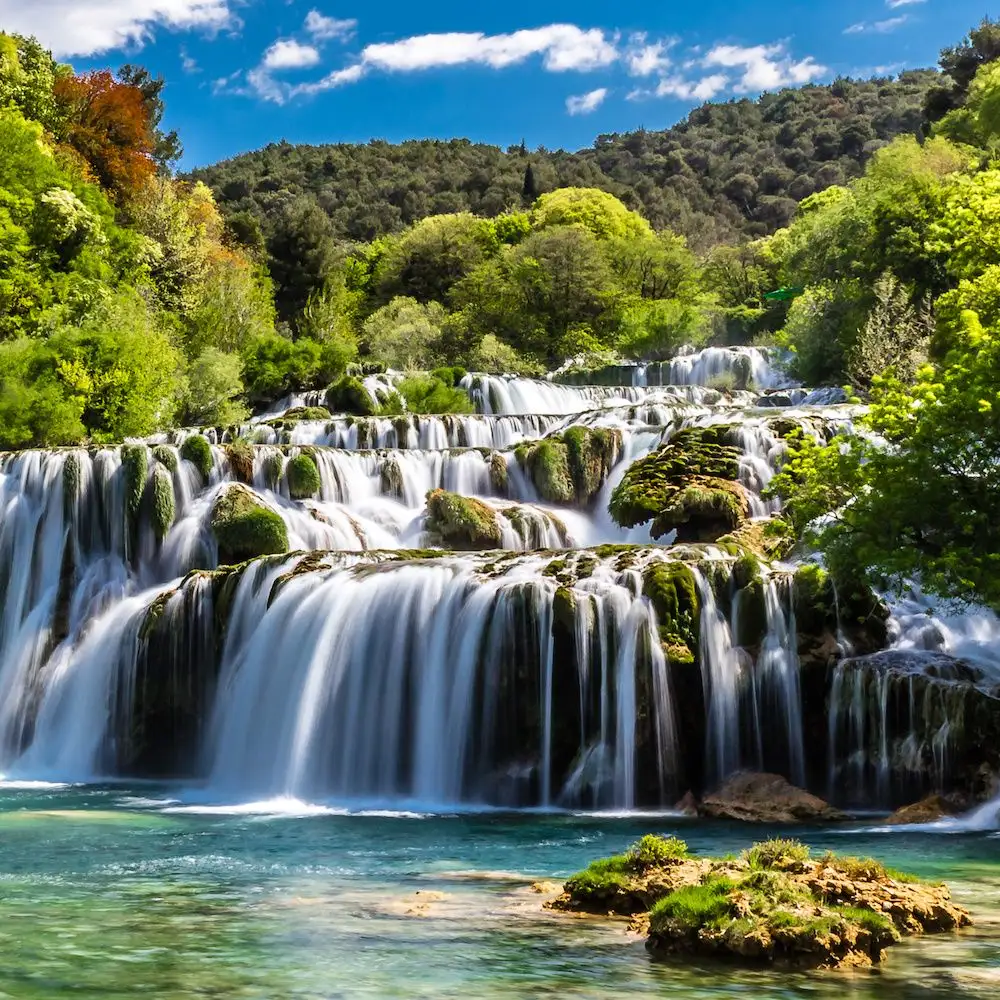
Krka Waterfalls
While the more famous Plitvice Waterfalls are much larger and get all the press, the Krka waterfalls also pour crystal clear blue water over karst rock formations. And just like Plitvice, they are so beautiful that a National Park was created to protect them. But they also have a couple of key advantages over Plitvice. First of all they are much closer to Split, meaning it is much more manageable to visit them as a day trip. In fact Krka is only an hour from Split, versus a three hour drive to reach Plitvice. Keep in mind though that the waterfalls can only accommodate a limited number of people and the park limits entry. So if you want to be assured of getting in, either get there very early, or book ahead with an organized group. One more thing to remember is that it is not just about swimming - the National Park is also a great place for a hike. Also, don't forget your watershoes if you plan to swim, but please note that you are no longer allowed to swim beneath the main cascading falls.

Day 4
Split to Ljubljana

Day 5
Ljubljana
Day 5
Ljubljana
8:00 AM - 6:30 PM
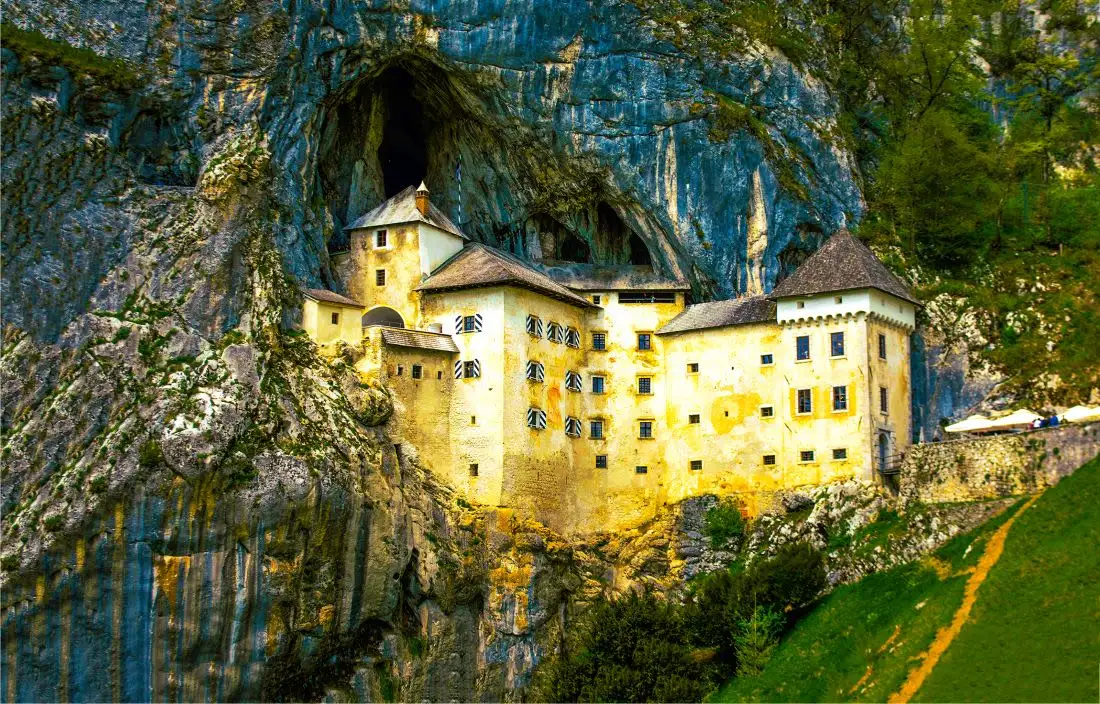
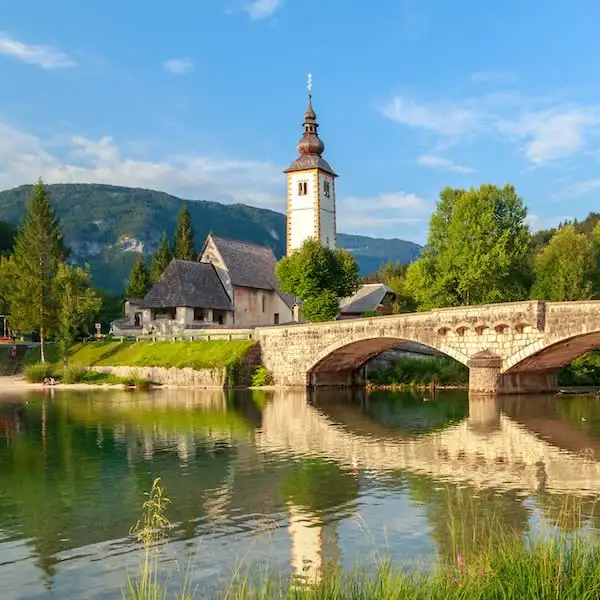
Guided Trip to Lake Bled, Postojna and Predjama
This full day trip will take you to the main tourist sights of Slovenia including the stunning Bled Lake, Bled Castle, the Postojna Cave, and Predjama Castle, as well as some lesser-known attractions that showcase the wild and mysterious beauty of Slovakia.
Day 5
Ljubljana
Day 6
Ljubljana
Day 6
Ljubljana
Early Morning to Afternoon
Lake Bohinj
Escape to the serene and majestic Lake Bohinj, a gem in the heart of Slovenia's Julian Alps, on a self-guided excursion from Ljubljana. This excursion offers more than just a visual spectacle; it's also an opportunity to choose from a number of different outdoor activities. to Hike to a waterfall or Alpine peaks, feel the adrenaline rush of rafting down a pristine river, or explore the picturesque landscape by cycling through the valley leading to the lake. Lake Bohinj is a perfect trip for those with adventurous soul, as well as for those seeking extraordinary beauty and tranquility.

Ride the exhilarating rapids of the Sava Bohinjka River
Show More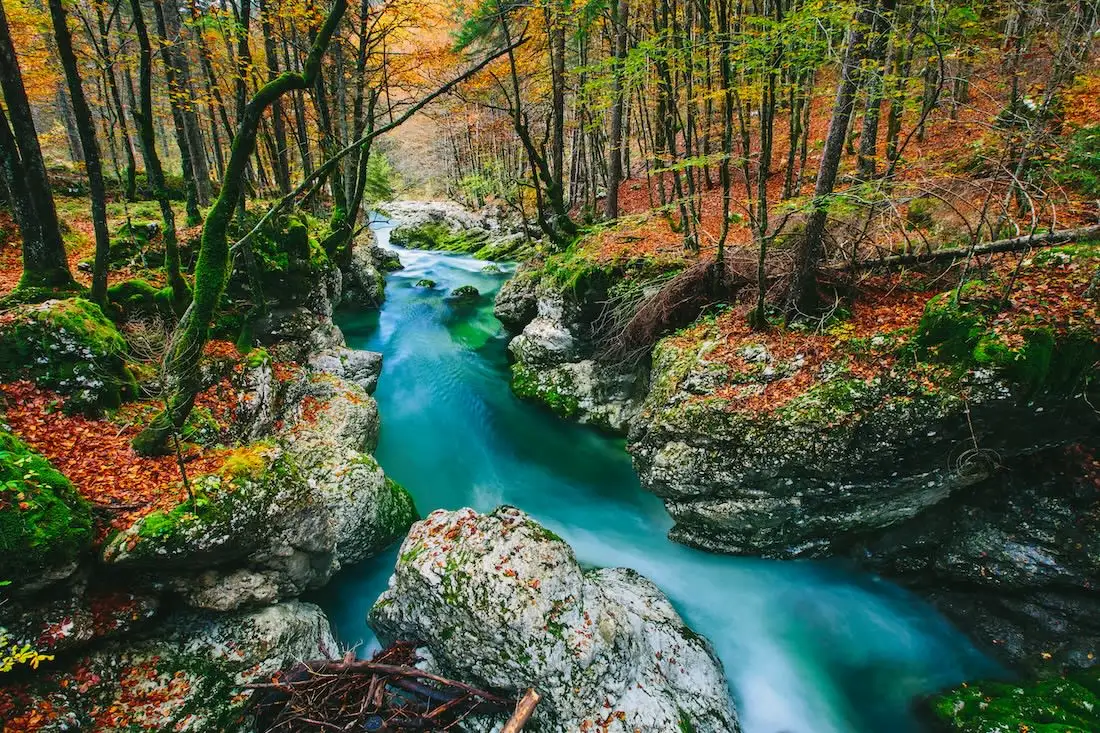
Take an easy hike to see the amazing natural sculptures of Mostnica Gorge.
Show More
Hike to the majestic Savica Waterfall, a jewel of the Julian Alps.
Show More

Stroll, sail, or soak in the beauty of Lake Bohinj's enchanting waters.
Show More
Pedal through breathtaking valleys and over Alpine foothills.
Show MoreRide the exhilarating rapids of the Sava Bohinjka River
Show MoreTake an easy hike to see the amazing natural sculptures of Mostnica Gorge.
Show MoreHike to the majestic Savica Waterfall, a jewel of the Julian Alps.
Show MoreStroll, sail, or soak in the beauty of Lake Bohinj's enchanting waters.
Show MorePedal through breathtaking valleys and over Alpine foothills.
Show MoreDay 6
Ljubljana
Day 7
Depart Ljubljana
Day 7
Depart Ljubljana

Morning
Old Town
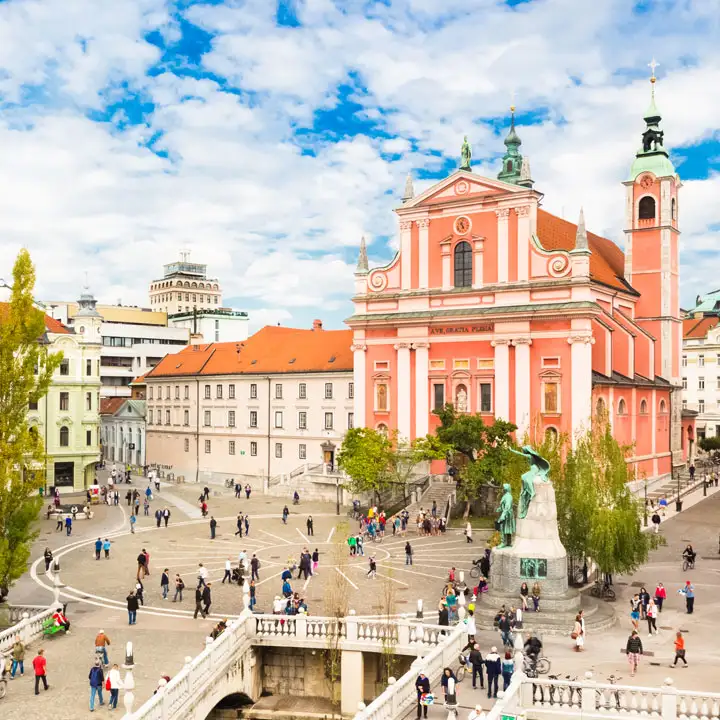
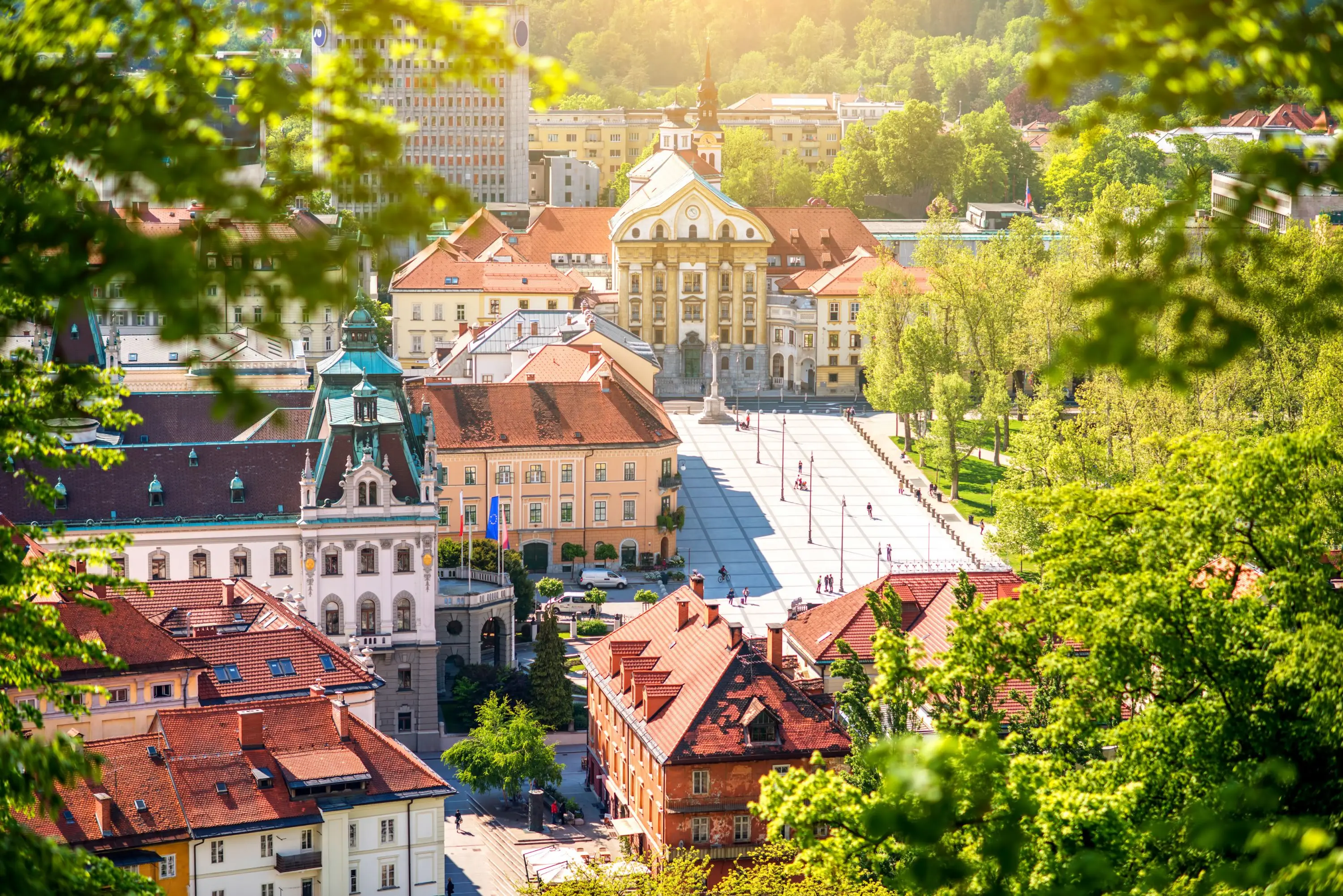
Ljubljana may be one of the smallest and newest European capitals without world-famous monuments, but what it lacks in renown it more than compensates for in spark and self-confidence in comparison to the introspection of Europe's larger cities. Having suffered little trauma from the breakup of Yugoslavia other than the 'Ten-Day War' in 1991, the Slovenian capital is now an obviously prosperous and self-assured place that has successfully absorbed and integrated a whole variety of external influences from Austria, the Mediterranean and the Balkans over the centuries, and then adapted and tailored them to produce a unique distillation that's remarkable in such a small country. It's one of the continent's greenest and most liveable capitals, having been awarded by the EU with the coveted Green Capital of Europe title for 2016. Car traffic is restricted in the center as one street per year is pedestrianized, leaving the leafy banks of the emerald-green Ljubljanica River, which flows through the city's heart, free for pedestrians and cyclists. There's even a free taxi service in the car-free city center, which is a golfcart-like electric vehicle called Kavalir. It travels slowly around the pedestrianized streets and you can jump on and off anytime you like (it holds up to 5 people at a time). In summer, cafes and restaurants set up shaded seating along the river, making it one of the liveliest (and busiest) open-air dining areas around.
Be sure to check out this beautiful church and spend some time in the surrounding square.
Show More
Discover Slovenia's art and culture at the National Gallery and other nearby institutions.
Show More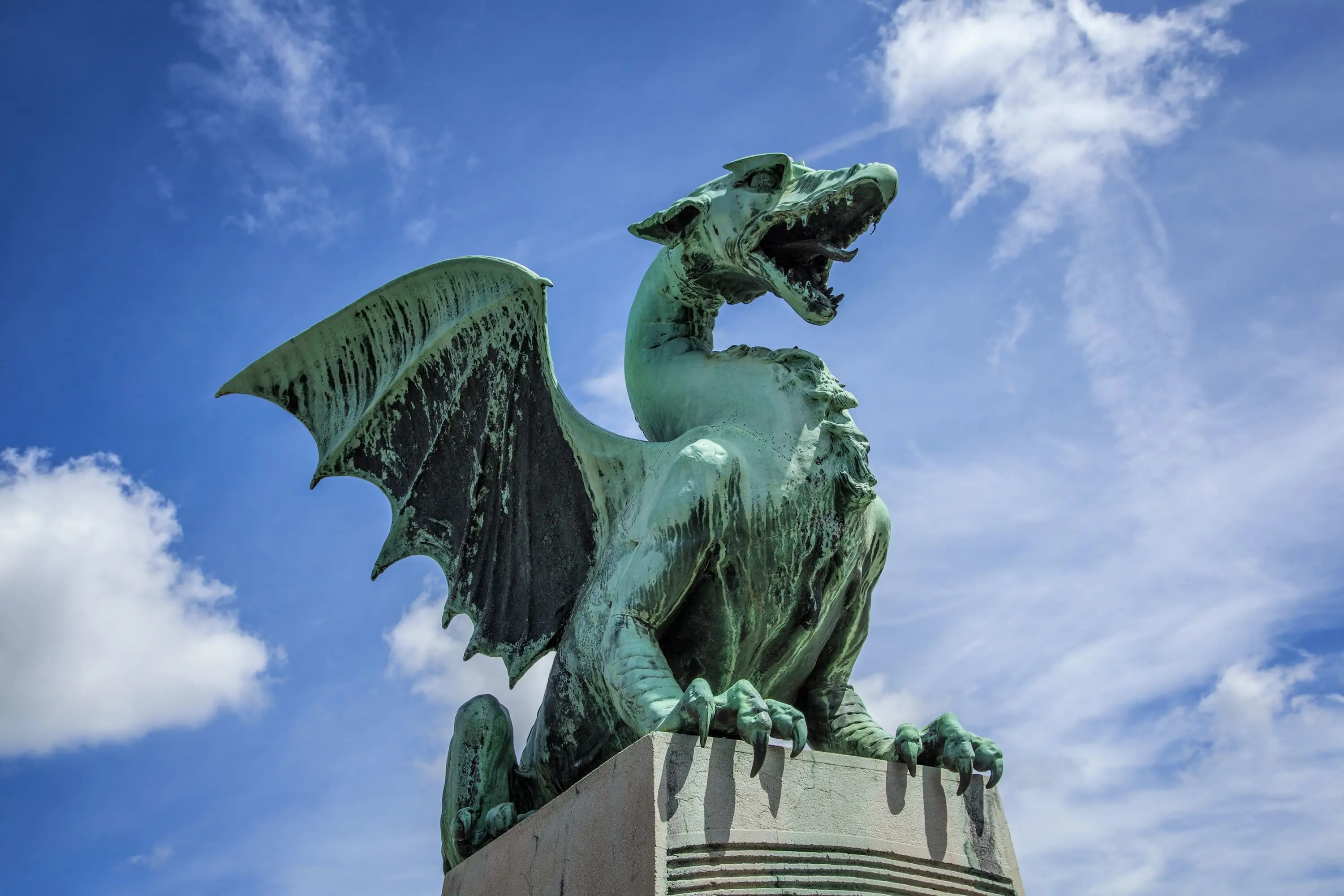
Take a picture with the iconic dragon statues on this pedestrian bridge.
Show More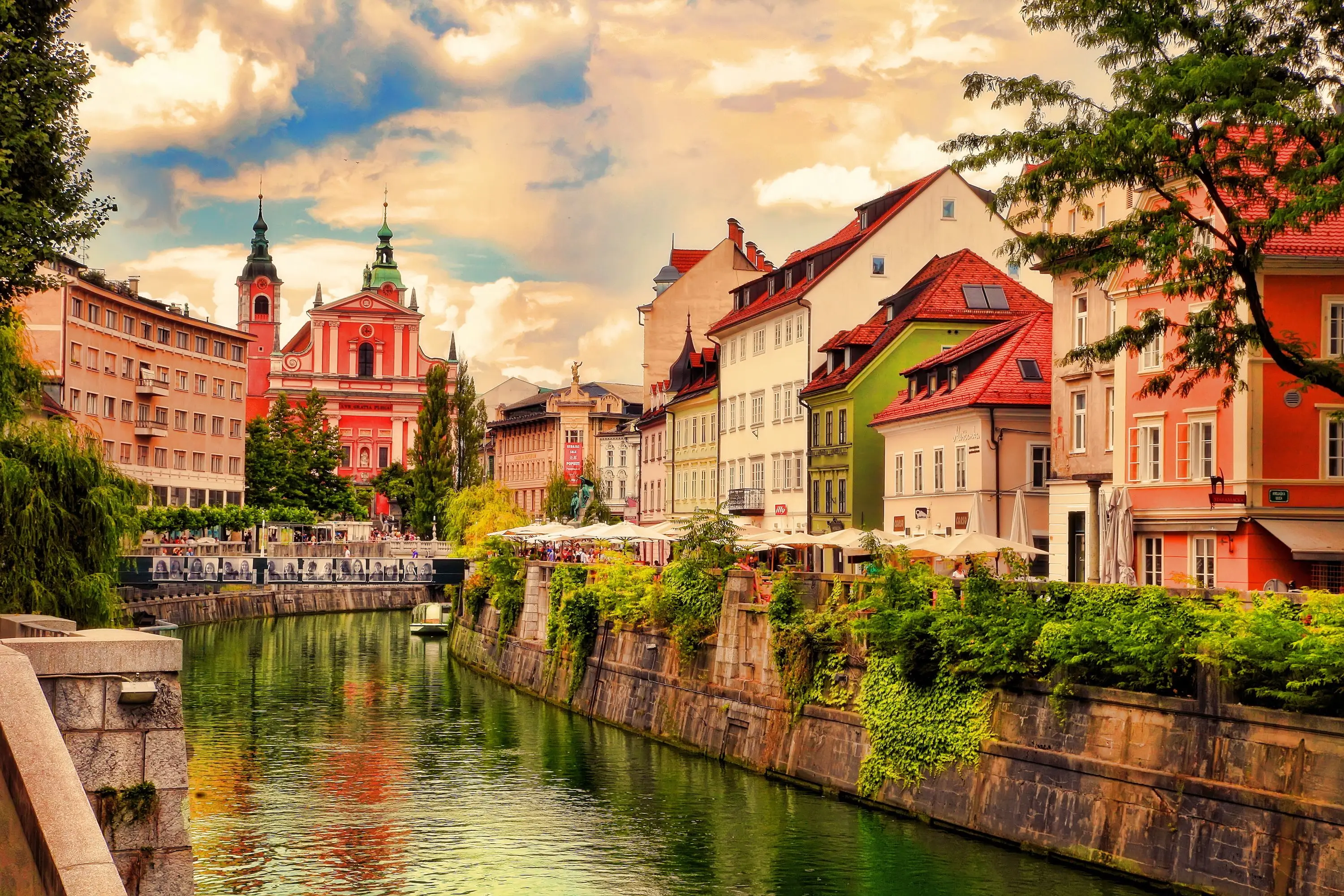

Take a walk across the most famous sight in Ljubljana - the enchanting Triple Bridge.
Show MoreBe sure to check out this beautiful church and spend some time in the surrounding square.
Show MoreDiscover Slovenia's art and culture at the National Gallery and other nearby institutions.
Show MoreTake a picture with the iconic dragon statues on this pedestrian bridge.
Show MoreTake a walk across the most famous sight in Ljubljana - the enchanting Triple Bridge.
Show MoreBe sure to check out this beautiful church and spend some time in the surrounding square.
Show MoreDay 7
Depart Ljubljana
What's Included in the Week in Croatia and Slovenia Trip Trip?
Pre-Paid Tours and Activities:
- Walking Tour of Split Old Town & Diocletian's Palace
- Full Day Small Group trip to Lake Bled, Postojna Cave and Predjama Castle

Pre-Paid Transportation:
- Shuttle Service from Split to Ljubljana

Accommodation:
- 3 nights at a hotel of your choice in Split
- 3 nights at a hotel of your choice in Ljubljana

Go Real Travel Mobile App:
- Itinerary Plan & Reservations Info
- Points of Interest
- Detailed Travel Information
- Maps & Directions
Other Trips You May Like




10 Days
Croatia & Slovenia: 10 Days of Historic Coastline, Waterfalls & Mountains


10 Days
Croatia & Slovenia: 10 Days of Historic Coastline, Waterfalls & Mountains
Featured Blogs



Our Customers Say It Best


Malini Dutta, Boston, Massachusetts

Bev and Mark Frankel, Williamsburg, Virginia
Marianne Strydom, Paarl, South Africa
Otto Chuy, Los Angeles, California
Malini Dutta, Boston, Massachusetts
Bev and Mark Frankel, Williamsburg, Virginia
Marianne Strydom, Paarl, South Africa
Otto Chuy, Los Angeles, California
Malini Dutta, Boston, Massachusetts
Bev and Mark Frankel, Williamsburg, Virginia
Marianne Strydom, Paarl, South Africa
Otto Chuy, Los Angeles, California



Explore cities in more detail

Dubrovnik
Situated in southern Croatia on the Adriatic Sea, Dubrovnik is famous for many different reasons. Everywhere you look in Dubrovnik is a stunning view. Known for its beautiful Old Town and ancient walls, Dubrovnik is a resilient city that deserves its nickname as the pearl of the Adriatic. Strolling through the limestone streets lined with baroque buildings, alongside the animated locals, will inspire you to keep exploring. The city walls offer spectacular views of the red rooftops in Old Town and the shimmering blues of the Adriatic Sea. After a tiring trek in the hot Croatian sun, cool off at one of Dubrovnik’s divine pebbly beaches and go swimming in the sea. The best way to end the day is a visit to Stradun, the main street, to pop into one of the cafes or restaurants, and relax during a delicious meal of Croatian specialties and wine.

Hvar
Hvar, an enchanting Croatian island in the Adriatic Sea, is a gem waiting to be discovered. Located just an hour’s ferry ride from Split, it’s known for its sun-drenched days, shimmering waters, and vibrant lavender fields. Visitors can explore charming medieval streets, elegant harbors, and enjoy stunning views from ancient hilltop fortresses. Stroll through Hvar Town’s lively squares, savor local wines at quaint seaside cafes, or relax on secluded beaches surrounded by crystal-clear waters. With a laid-back Mediterranean vibe, Hvar offers a perfect blend of culture, history, and natural beauty that makes it a must-see for those seeking an idyllic island escape.

Rovinj
Rovinj, set along the western coast of Croatia’s Istrian Peninsula, feels at once deeply Mediterranean and distinctly its own. The old town rises from a small peninsula in a tangle of narrow stone lanes, pastel façades, and worn stairways that lead gradually upward to the hilltop Church of St. Euphemia. Fishing boats still drift in the harbor below, while small cafés and galleries occupy buildings shaped by centuries of Venetian influence. Life here unfolds at an easy, unhurried pace. Locals gather along the waterfront promenade in the evening light, and the sea is never far from view—glimmering between houses or stretching wide beyond the rocky shoreline. Rovinj is less about grand monuments than atmosphere: the scent of salt in the air, the rhythm of waves against the harbor, and the quiet beauty of a town that has grown slowly and gracefully beside the Adriatic.
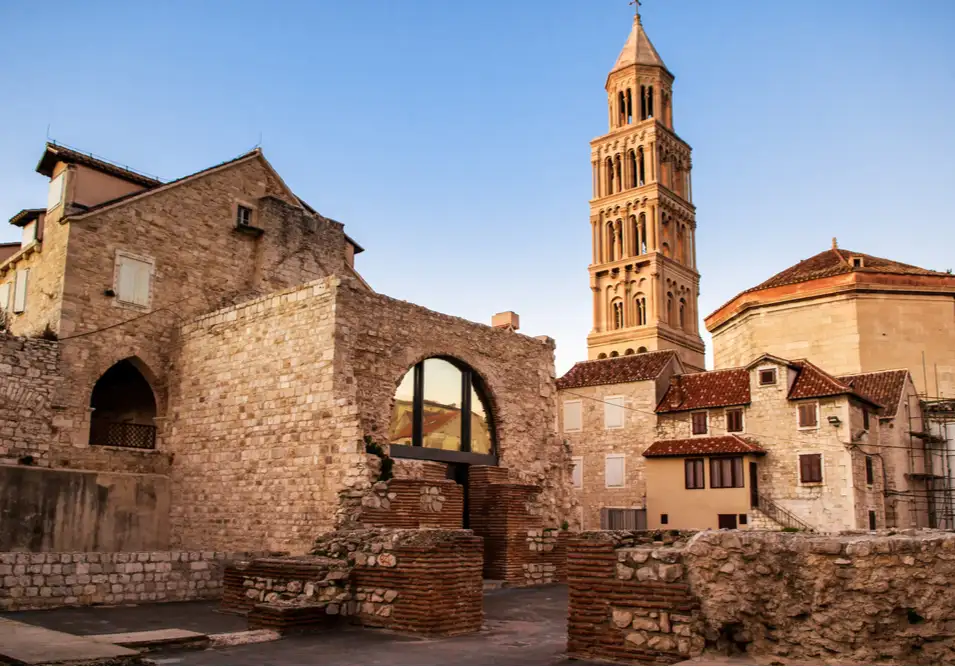
Split
A lively port city situated between mountains and sea, Split is one of Croatia's most visited—and most beautiful— cities. With historical monuments sprinkled across the Dalmatian coastline and trendy cafes and shops popping up within the ancient walls of the city center, it's easy to see why this extraordinary city is such a popular travel destination. Split is always abuzz with visitors and locals alike enjoying a seafood meal outside, relaxing on the beach, or boating on the Adriatic. The weather is almost always beautiful, so the streets tend to be crowded with people looking to take advantage of the sunshine. A walk through Split feels like a journey through past centuries. The coastal town showcases modern architecture next to structures like Diocletian's Palace, which date back to the times of the Roman Empire. In fact, Split's Old Town resides within the walls of Diocletian's Palace. As you stroll through the narrow marble streets, you'll be amazed by the number of modern restaurants and bars populating this ancient area. It's easy to pack plenty of culture, history, activity, and leisure all into one amazing trip.

Ljubljana
One of Europe's smallest capitals, Ljubljana is still Slovenia's biggest city. What it lacks in size, though, it more than makes up for in charm, beauty, and personality. It's also one of Europe's greenest cities and is perfect for a bike ride or a leisurely walk. With plenty of open spaces, gorgeous architecture, and cultural treats, it's easy to fill the time here. The Tromostovje, or Triple Bridge, is one of Ljubljana's main attractions, connecting the Old Town with the new. Excellent pizza can be found here, and a series of bars and cafes are dotted throughout the town and along the banks of the river. The anarchic Metelkova City reveals Ljubljana's grittier side, with art exhibitions and performances housed in a disused military barracks. Ljubljana is charm and beauty compressed neatly into a small and pretty space.
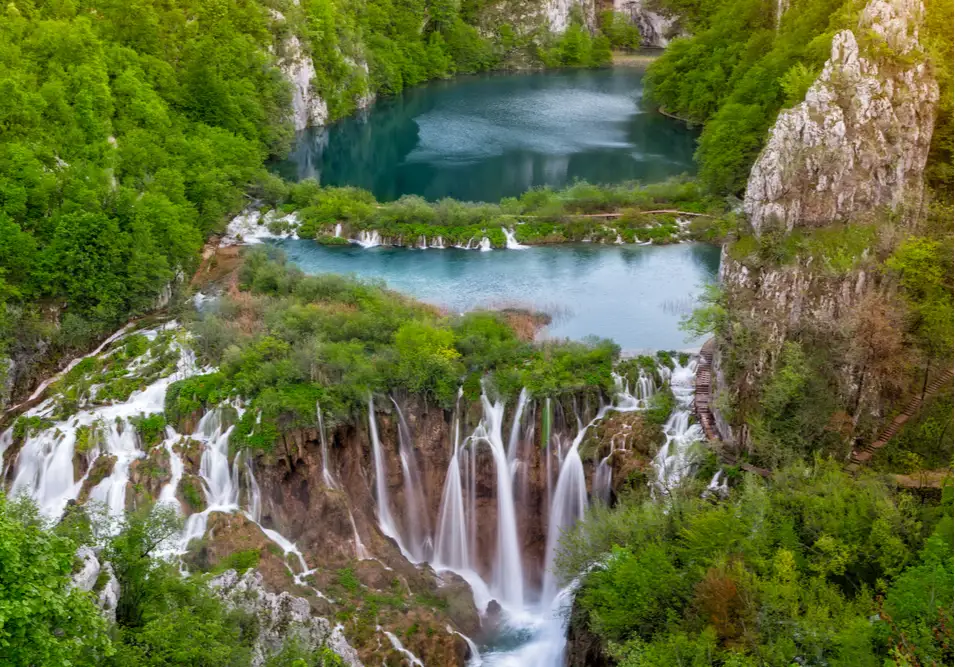
Plitvice Lakes
Plitvice Lakes in Croatia is a national park featuring 16 interconnected lakes. It was once one of Yugoslavia’s most popular tourist hotspots, and today this UNESCO World Heritage Site attracts visitors from all over the world. The lakes’ main draw is their sublime natural beauty. Turquoise pools, joined by a series of waterfalls and cascades, are set like jewels within the park’s lush green hillsides. Wooden hiking paths snake between the lakes and along the shores. Plitvice hosts an impressive variety of wildlife, from wild boars and dormice to hundreds of butterfly species, and countless types of birds. The park’s most famous resident is the elusive brown bear. Occupied by hostile forces during the Croatian War of Independence, this park’s history isn’t all paradisical. However, it’s easy to forget that troubled past when spending time by the lakes today. Today, Plitvice’s mood is all about peace, relaxation, and appreciation of stunning natural beauty.
Dubrovnik
Situated in southern Croatia on the Adriatic Sea, Dubrovnik is famous for many different reasons. Everywhere you look in Dubrovnik is a stunning view. Known for its beautiful Old Town and ancient walls, Dubrovnik is a resilient city that deserves its nickname as the pearl of the Adriatic. Strolling through the limestone streets lined with baroque buildings, alongside the animated locals, will inspire you to keep exploring. The city walls offer spectacular views of the red rooftops in Old Town and the shimmering blues of the Adriatic Sea. After a tiring trek in the hot Croatian sun, cool off at one of Dubrovnik’s divine pebbly beaches and go swimming in the sea. The best way to end the day is a visit to Stradun, the main street, to pop into one of the cafes or restaurants, and relax during a delicious meal of Croatian specialties and wine.
Hvar
Hvar, an enchanting Croatian island in the Adriatic Sea, is a gem waiting to be discovered. Located just an hour’s ferry ride from Split, it’s known for its sun-drenched days, shimmering waters, and vibrant lavender fields. Visitors can explore charming medieval streets, elegant harbors, and enjoy stunning views from ancient hilltop fortresses. Stroll through Hvar Town’s lively squares, savor local wines at quaint seaside cafes, or relax on secluded beaches surrounded by crystal-clear waters. With a laid-back Mediterranean vibe, Hvar offers a perfect blend of culture, history, and natural beauty that makes it a must-see for those seeking an idyllic island escape.
Rovinj
Rovinj, set along the western coast of Croatia’s Istrian Peninsula, feels at once deeply Mediterranean and distinctly its own. The old town rises from a small peninsula in a tangle of narrow stone lanes, pastel façades, and worn stairways that lead gradually upward to the hilltop Church of St. Euphemia. Fishing boats still drift in the harbor below, while small cafés and galleries occupy buildings shaped by centuries of Venetian influence. Life here unfolds at an easy, unhurried pace. Locals gather along the waterfront promenade in the evening light, and the sea is never far from view—glimmering between houses or stretching wide beyond the rocky shoreline. Rovinj is less about grand monuments than atmosphere: the scent of salt in the air, the rhythm of waves against the harbor, and the quiet beauty of a town that has grown slowly and gracefully beside the Adriatic.
Split
A lively port city situated between mountains and sea, Split is one of Croatia's most visited—and most beautiful— cities. With historical monuments sprinkled across the Dalmatian coastline and trendy cafes and shops popping up within the ancient walls of the city center, it's easy to see why this extraordinary city is such a popular travel destination. Split is always abuzz with visitors and locals alike enjoying a seafood meal outside, relaxing on the beach, or boating on the Adriatic. The weather is almost always beautiful, so the streets tend to be crowded with people looking to take advantage of the sunshine. A walk through Split feels like a journey through past centuries. The coastal town showcases modern architecture next to structures like Diocletian's Palace, which date back to the times of the Roman Empire. In fact, Split's Old Town resides within the walls of Diocletian's Palace. As you stroll through the narrow marble streets, you'll be amazed by the number of modern restaurants and bars populating this ancient area. It's easy to pack plenty of culture, history, activity, and leisure all into one amazing trip.
Ljubljana
One of Europe's smallest capitals, Ljubljana is still Slovenia's biggest city. What it lacks in size, though, it more than makes up for in charm, beauty, and personality. It's also one of Europe's greenest cities and is perfect for a bike ride or a leisurely walk. With plenty of open spaces, gorgeous architecture, and cultural treats, it's easy to fill the time here. The Tromostovje, or Triple Bridge, is one of Ljubljana's main attractions, connecting the Old Town with the new. Excellent pizza can be found here, and a series of bars and cafes are dotted throughout the town and along the banks of the river. The anarchic Metelkova City reveals Ljubljana's grittier side, with art exhibitions and performances housed in a disused military barracks. Ljubljana is charm and beauty compressed neatly into a small and pretty space.
Plitvice Lakes
Plitvice Lakes in Croatia is a national park featuring 16 interconnected lakes. It was once one of Yugoslavia’s most popular tourist hotspots, and today this UNESCO World Heritage Site attracts visitors from all over the world. The lakes’ main draw is their sublime natural beauty. Turquoise pools, joined by a series of waterfalls and cascades, are set like jewels within the park’s lush green hillsides. Wooden hiking paths snake between the lakes and along the shores. Plitvice hosts an impressive variety of wildlife, from wild boars and dormice to hundreds of butterfly species, and countless types of birds. The park’s most famous resident is the elusive brown bear. Occupied by hostile forces during the Croatian War of Independence, this park’s history isn’t all paradisical. However, it’s easy to forget that troubled past when spending time by the lakes today. Today, Plitvice’s mood is all about peace, relaxation, and appreciation of stunning natural beauty.
Hi! Need help planning your dream trip? 🌍
Go Real Travel Assistant
OnlineWelcome! Where are you in your journey?
Pick the option that fits you best so we can route you to the right help.