Destinations on this trip: Budapest
Overview
Trip Map
Itinerary
Inclusions
Reviews


Must see sights


Starting from
per person
Price varies by group size, hotel selection, and travel season.
Enter your details to embark on a journey that can be tailored just for you.
Start
Travelers
Preferred Hotel Stars
Select your interests and destinations for a trip plan inspired by you.
| ← | Move left |
| → | Move right |
| ↑ | Move up |
| ↓ | Move down |
| + | Zoom in |
| - | Zoom out |
| Home | Jump left by 75% |
| End | Jump right by 75% |
| Page Up | Jump up by 75% |
| Page Down | Jump down by 75% |


Click To Make Map Interactive
Arrival
2 nights
Budapest
Hungary
Departure

Day 1
Arrive Budapest
Day 1
Arrive Budapest
Mid-Day/Afternoon
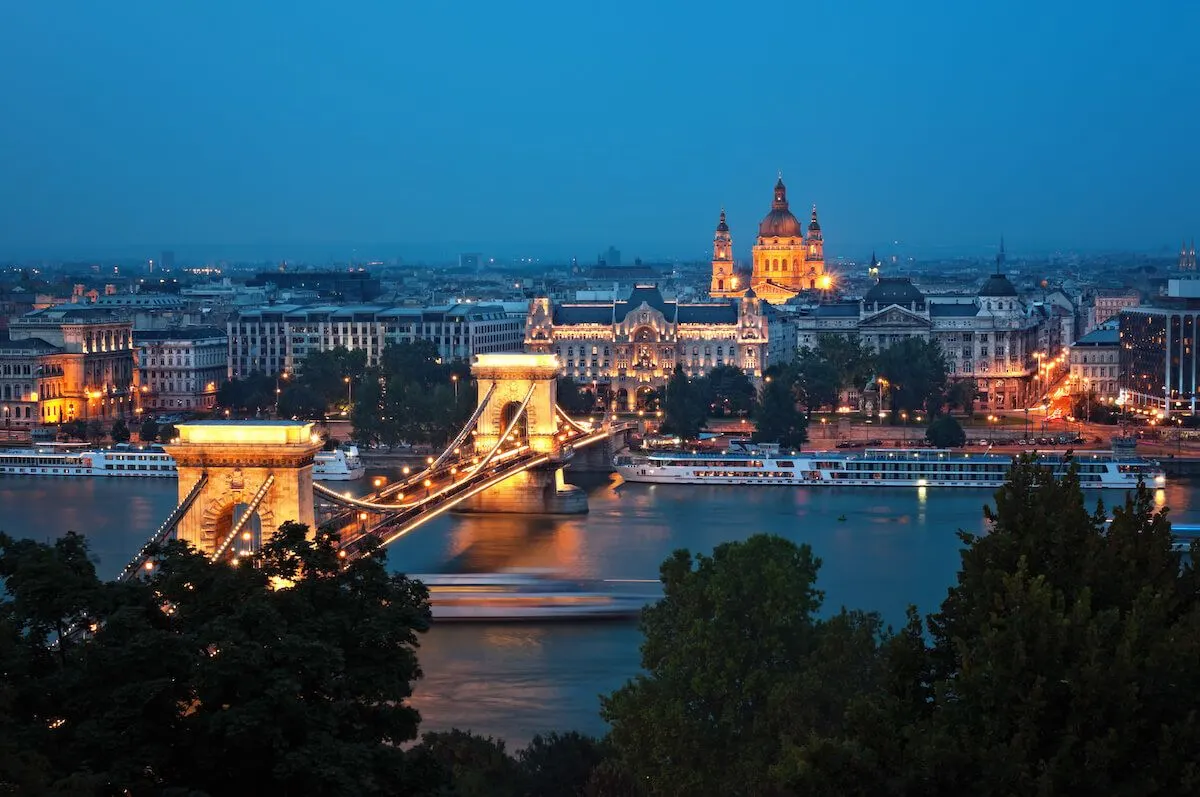
In Central Pest you will discover the beating heart of the city, with grand apartment houses and art nouveau architectural gems. No visit to Budapest is complete without seeing its highlights, including St. Stephen's Basilica, which dramatically rises above the city, and the Chain Bridge, which regally spans the Danube.

Stroll across a beautiful landmark 19th-century suspension bridge which is a symbol of Budapest.
Show More
Enjoy a leisurely coffee and cake in one of Budapest's most storied cafes.
Show More
Take a peak at this pearl of art nouveau architecture, which now houses a Four Seasons Hotel.
Show More
Browse the gallery to see some of the highlights

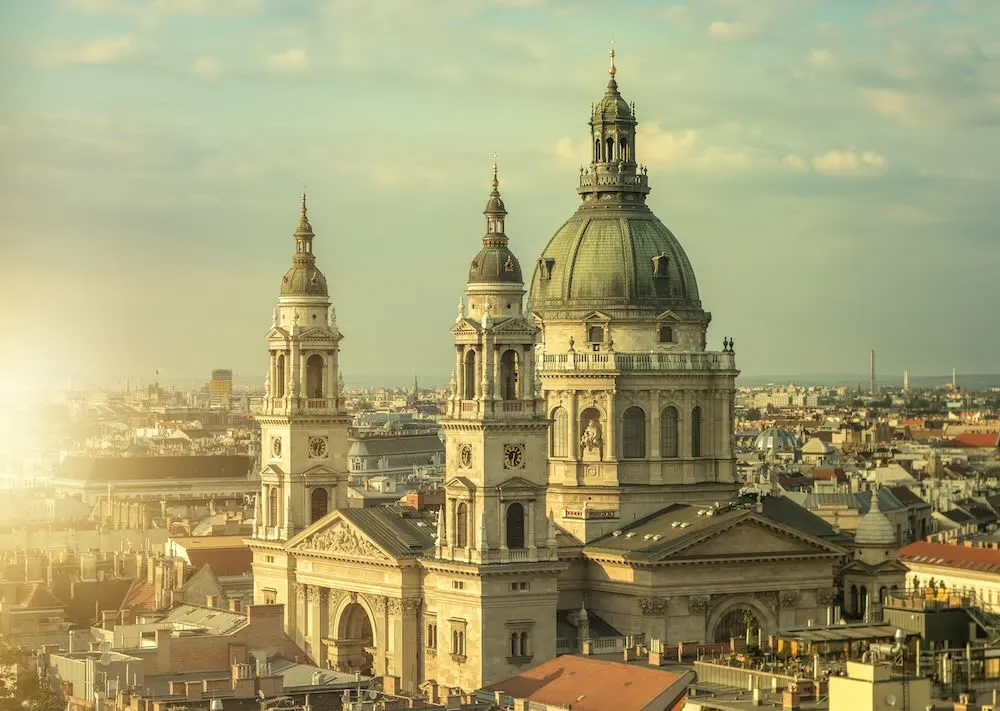
Enjoy an awe-inspiring visit to this vast cupola-topped church; the most famous in Budapest.
Show More
Stroll across a beautiful landmark 19th-century suspension bridge which is a symbol of Budapest.
Show More
Enjoy a leisurely coffee and cake in one of Budapest's most storied cafes.
Show More
Take a peak at this pearl of art nouveau architecture, which now houses a Four Seasons Hotel.
Show More
Browse the gallery to see some of the highlights

Enjoy an awe-inspiring visit to this vast cupola-topped church; the most famous in Budapest.
Show More
Stroll across a beautiful landmark 19th-century suspension bridge which is a symbol of Budapest.
Show More
Day 1
Arrive Budapest

Day 1
Arrive Budapest
To Be Determined:
Private Budapest Airport Pickup
Mid-Day/Afternoon:
Central Pest
Afternoon/Late Afternoon:
Evening Cruise


Széchenyi Chain Bridge
Highlight of Central PestStroll across a beautiful landmark 19th-century suspension bridge which is a symbol of Budapest.
This was Budapest's first permanent bridge over the Danube, enabling the cities of Buda and Pest to merge. Named after Count István Széchenyi, it hangs from iron chains (hence, the Chain Bridge) anchored by two towering river piers. These piers were the only elements to survive WWII fighting. The rest was rebuilt.


Café Gerbeaud
Highlight of Central PestEnjoy a leisurely coffee and cake in one of Budapest's most storied cafes.
Over 160 years old, with a grand, high-ceilinged dining room, the cafe is deservedly one of Budapest's most popular attractions. It serves coffee, mouthwatering Hungarian pastries, and traditional bistro dishes. It retains the elegance and sophistication of its 19th century origins, and the terrace sits on the lively Vörösmarty Square.


Gresham Palace
Highlight of Central PestTake a peak at this pearl of art nouveau architecture, which now houses a Four Seasons Hotel.
The hotel doesn't mind tourists exploring the lavish arcade on the first floor, as it is lined by shops and a café. Be sure to note the organic themes of the façade and the beautiful wrought iron peacock gate on the north side of the building.


Central Pest
OverviewCentral Pest
In Central Pest you will discover the beating heart of the city, with grand apartment houses and art nouveau architectural gems. No visit to Budapest is complete without seeing its highlights, including St. Stephen's Basilica, which dramatically rises above the city, and the Chain Bridge, which regally spans the Danube.


St. Stephen's Basilica
Highlight of Central PestEnjoy an awe-inspiring visit to this vast cupola-topped church; the most famous in Budapest.
Completed in 1905, the construction of the neo-classical Catholic church took over 50 years. The mummified hand of Hungary's first king, St. Stephen, is kept in a small chapel in the rear. Take a lift to the dome to enjoy one of Budapest's most interesting panoramic views. The church hosts frequent concerts.


Széchenyi Chain Bridge
Highlight of Central PestStroll across a beautiful landmark 19th-century suspension bridge which is a symbol of Budapest.
This was Budapest's first permanent bridge over the Danube, enabling the cities of Buda and Pest to merge. Named after Count István Széchenyi, it hangs from iron chains (hence, the Chain Bridge) anchored by two towering river piers. These piers were the only elements to survive WWII fighting. The rest was rebuilt.


Café Gerbeaud
Highlight of Central PestEnjoy a leisurely coffee and cake in one of Budapest's most storied cafes.
Over 160 years old, with a grand, high-ceilinged dining room, the cafe is deservedly one of Budapest's most popular attractions. It serves coffee, mouthwatering Hungarian pastries, and traditional bistro dishes. It retains the elegance and sophistication of its 19th century origins, and the terrace sits on the lively Vörösmarty Square.


Gresham Palace
Highlight of Central PestTake a peak at this pearl of art nouveau architecture, which now houses a Four Seasons Hotel.
The hotel doesn't mind tourists exploring the lavish arcade on the first floor, as it is lined by shops and a café. Be sure to note the organic themes of the façade and the beautiful wrought iron peacock gate on the north side of the building.


Central Pest
OverviewCentral Pest
In Central Pest you will discover the beating heart of the city, with grand apartment houses and art nouveau architectural gems. No visit to Budapest is complete without seeing its highlights, including St. Stephen's Basilica, which dramatically rises above the city, and the Chain Bridge, which regally spans the Danube.


St. Stephen's Basilica
Highlight of Central PestEnjoy an awe-inspiring visit to this vast cupola-topped church; the most famous in Budapest.
Completed in 1905, the construction of the neo-classical Catholic church took over 50 years. The mummified hand of Hungary's first king, St. Stephen, is kept in a small chapel in the rear. Take a lift to the dome to enjoy one of Budapest's most interesting panoramic views. The church hosts frequent concerts.


Széchenyi Chain Bridge
Highlight of Central PestStroll across a beautiful landmark 19th-century suspension bridge which is a symbol of Budapest.
This was Budapest's first permanent bridge over the Danube, enabling the cities of Buda and Pest to merge. Named after Count István Széchenyi, it hangs from iron chains (hence, the Chain Bridge) anchored by two towering river piers. These piers were the only elements to survive WWII fighting. The rest was rebuilt.

Day 2
Budapest
Day 2
Budapest
9:30 AM - 1:00 PM
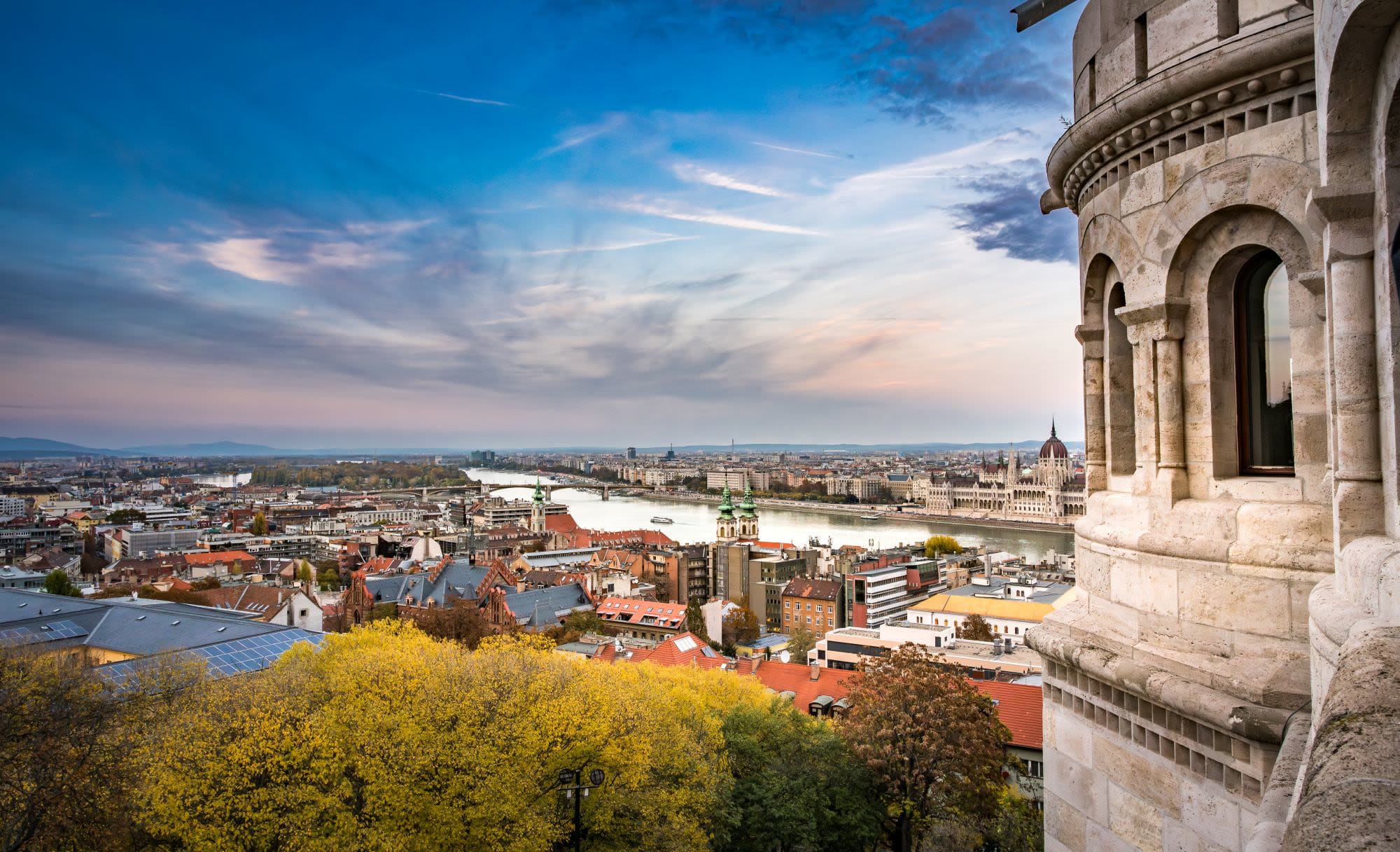
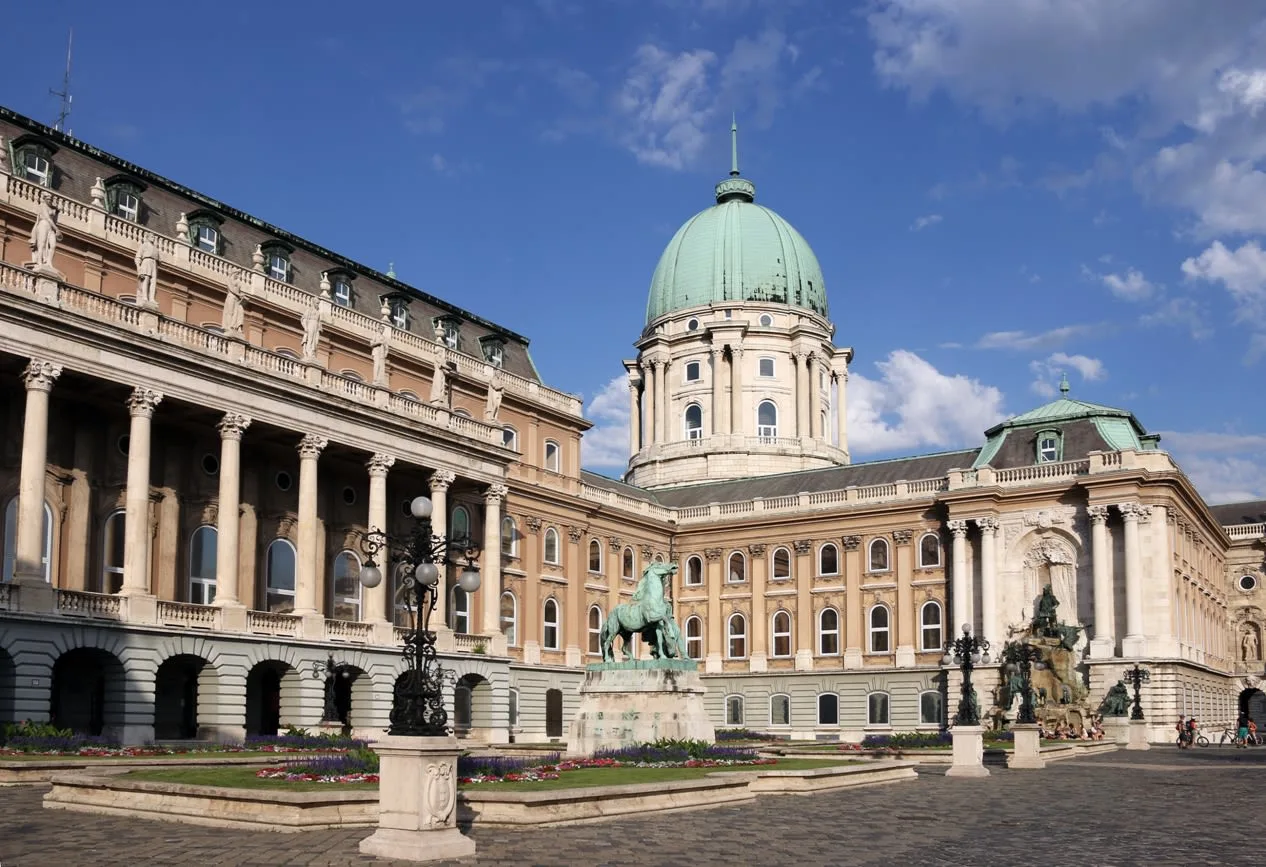
During your tour you will take in a gorgeous vista of the city from the Fisherman's Bastion, explore the winding streets of the Castle District, gaze in awe at the striking interior of St. Stephen's Basilica, travel along the city's most elegant avenue and more. Along the way you will experience the city as a local does, stopping to check out intimate courtyards, enjoying a pastry and soaking in the ambiance of Budapest's most elegant cafes.


Day 2
Budapest

Day 3
Depart Budapest
Day 3
Depart Budapest
Early Morning/Morning
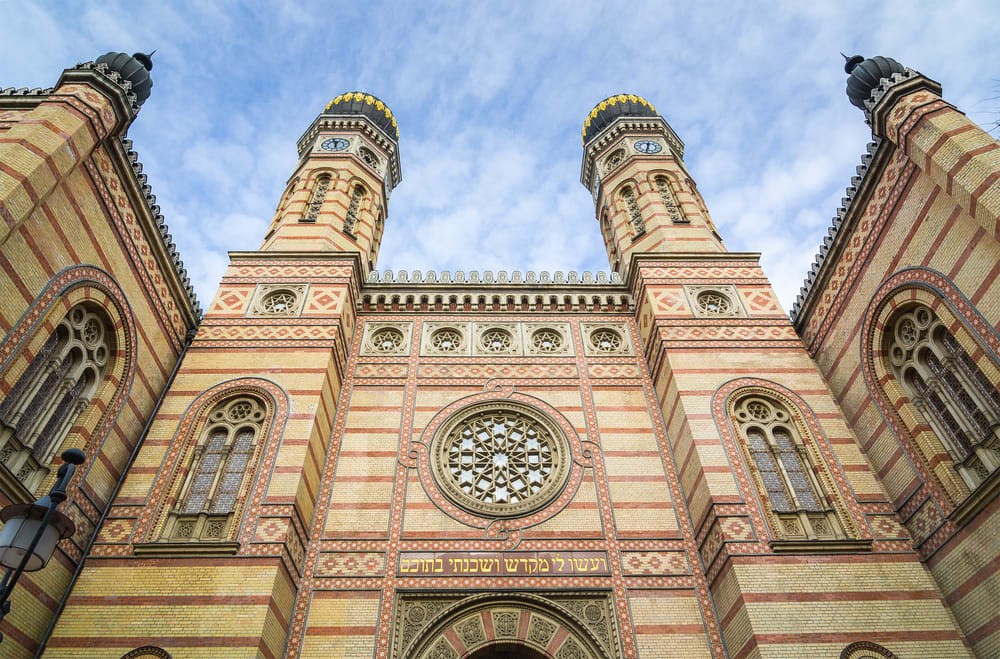
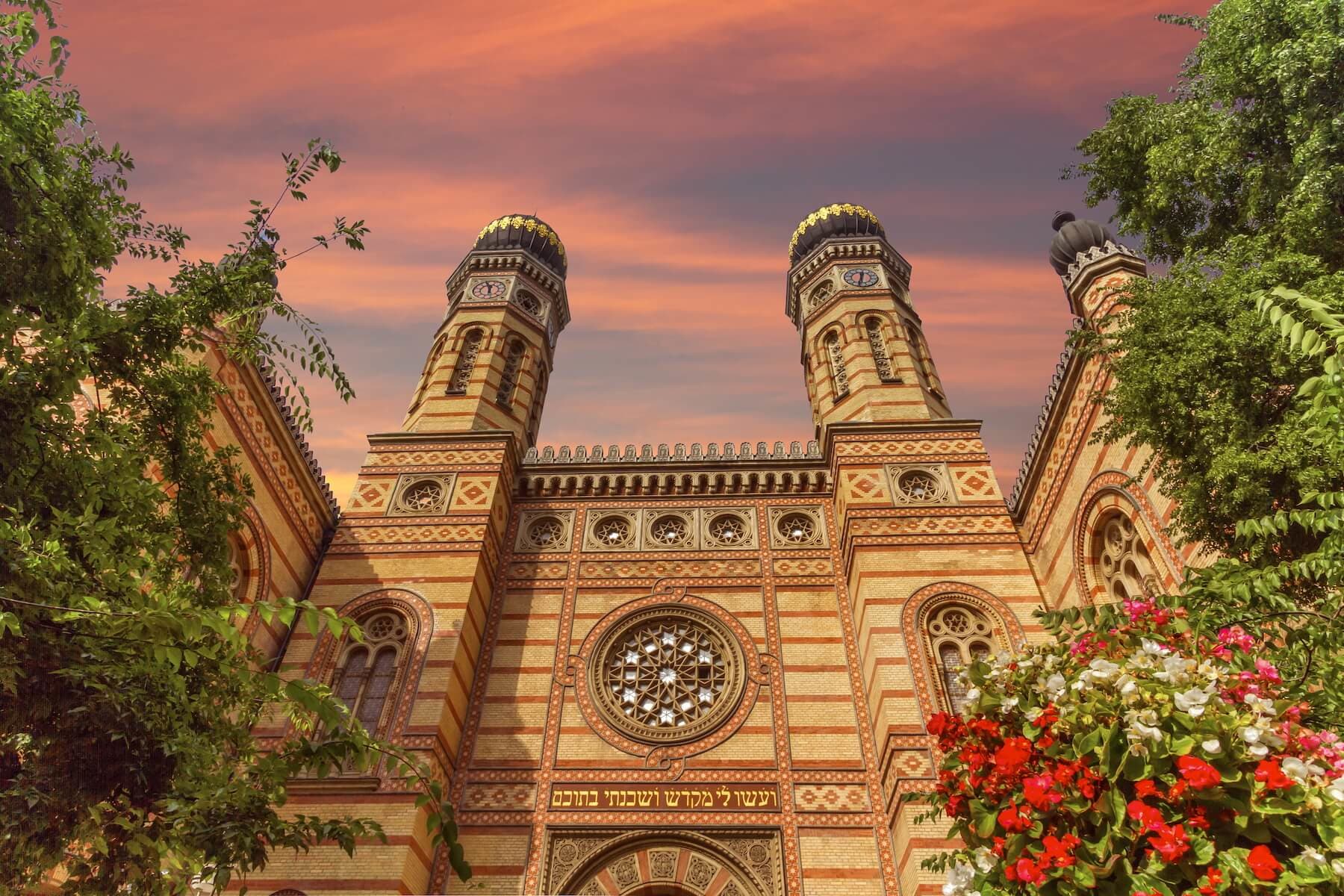
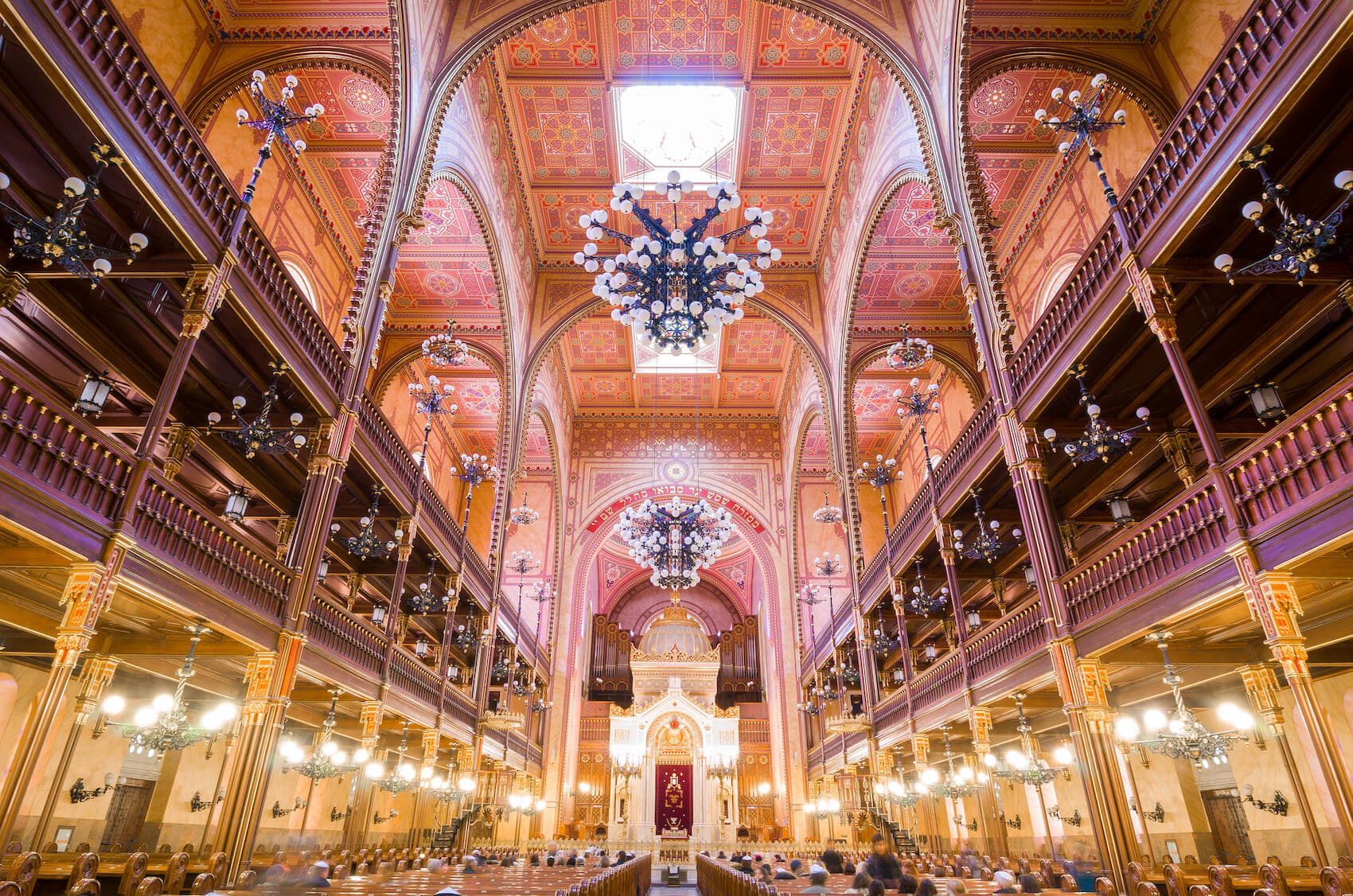
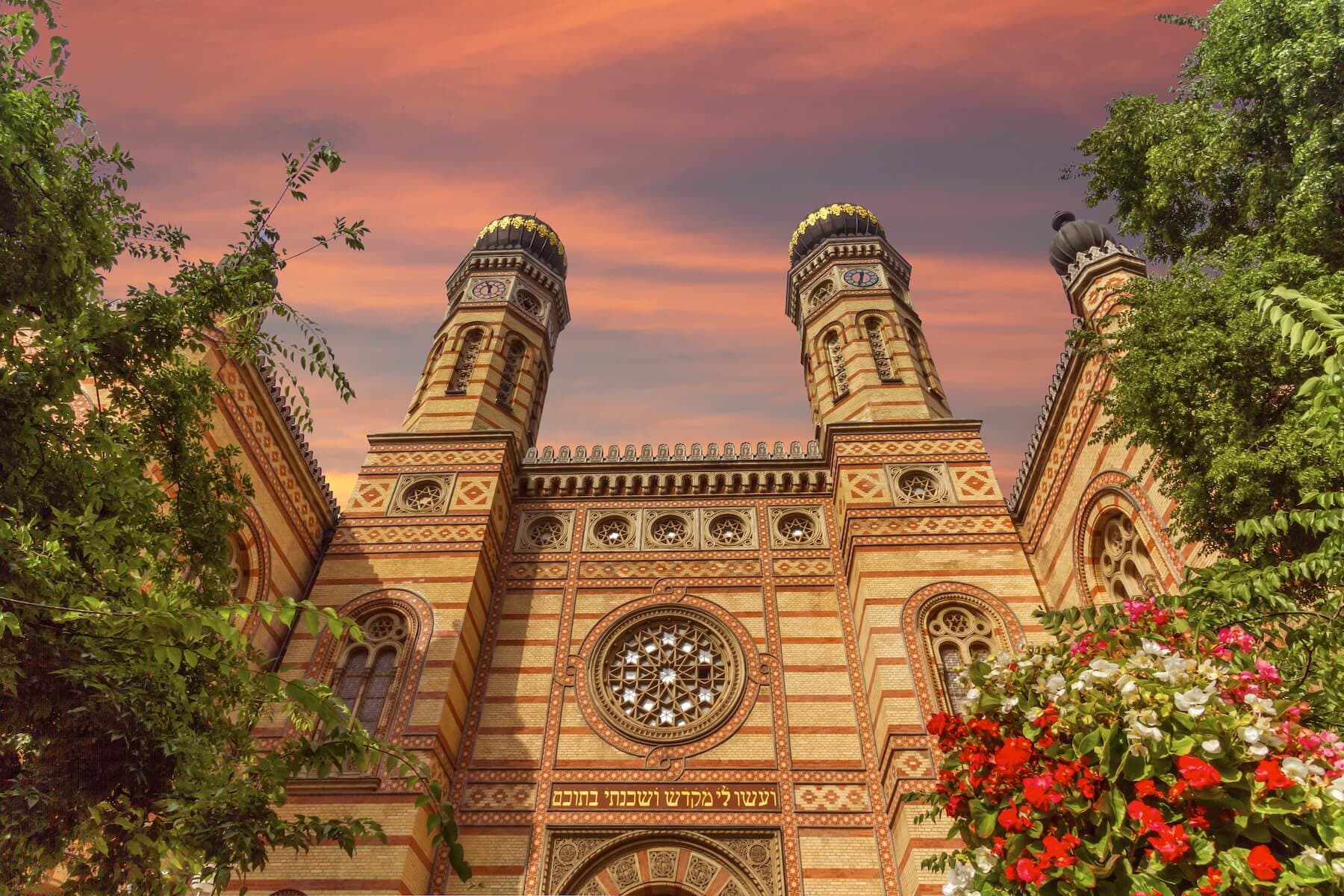
Budapest was once the site of one of Europe's largest and most vibrant Jewish communities and contains the world's second largest synagogue – the Dohány Street Synagogue. A visit there is an impressive reminder of the wealth and influence the Jewish community in Hungary once possessed. A small but vibrant Jewish population still inhabits the Jewish Quarter today.

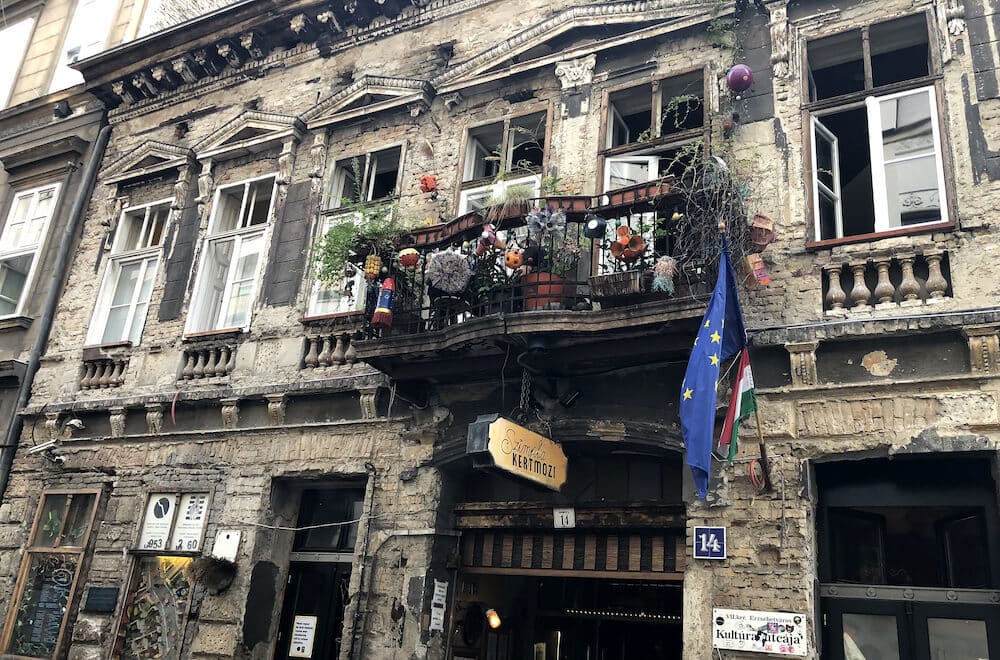
Discover Budapest's most unique form of nightlife - pubs located in the ruins of old buildings!
Show More
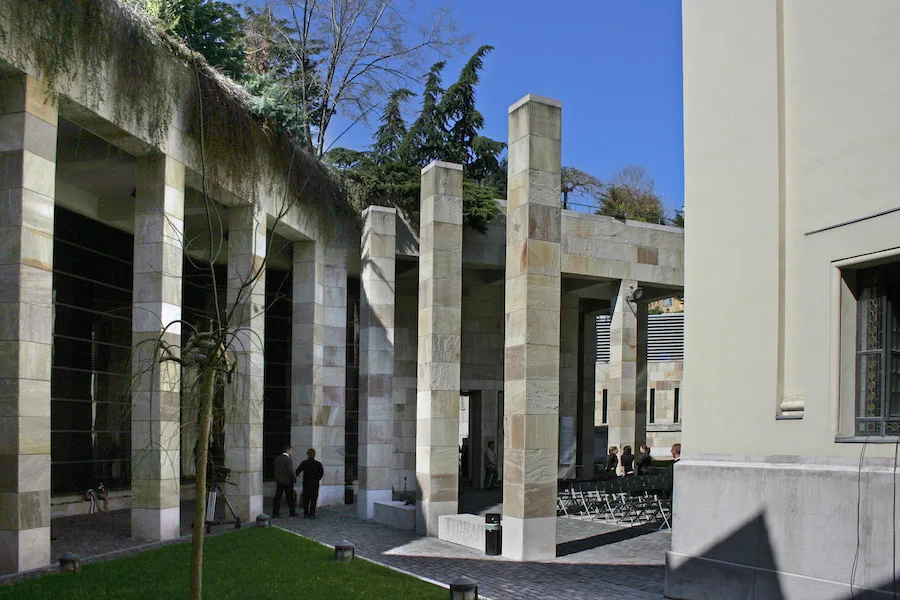
Learn about the Holocaust in a former synagogue which honors Hungarian Jews killed in WWII.
Show More
Browse the gallery to see some of the highlights

Stare in awe at Europe's largest synagogue (and the second largest in the world).
Show More
Discover Budapest's most unique form of nightlife - pubs located in the ruins of old buildings!
Show More
Learn about the Holocaust in a former synagogue which honors Hungarian Jews killed in WWII.
Show More
Browse the gallery to see some of the highlights

Stare in awe at Europe's largest synagogue (and the second largest in the world).
Show More
Day 3
Depart Budapest
Pre-Paid Tours and Activities:
Pre-Paid Transportation:
Accommodation:
Go Real Travel Mobile App:


Bratislava is one of the most up-and-coming cities in central Europe. After years in the shadows of the Soviet bloc, and often drowned out by Prague, Bratislava has finally broken out. The Bratislavan region is now one of the richest per capita in the EU. This economic upswing has infused Bratislava with a newfound zeal. Trendy cafes and cool shopping centers are popping up everywhere, and the city’s already happening nightlife scene is only set to get better. Still less crowded than its central European neighbors Prague, Vienna, and Budapest, but just as intriguing, there’s really never been a better time for a visit to Bratislava. Ruled over by the Hungarians, Austrians, and most recently the Soviets, Bratislava is a city of strange contrasts. As soon as you arrive in Bratislava, you’ll see the pastel-hued churches, baroque houses, and the cobbled Old Town Square brush shoulders with modern brutalist buildings, retrofuturistic towers, and the clunky communist built UFO bridge. The city’s oldest building, its castle, is set atop the western edge of the Little Carpathian Hills like a trophy, the city’s hard-won main icon. For the first time in nearly a millennium, Bratislava has now seized control of its own destiny, and it shows.

Belgrade is one of Europe’s oldest cities and with age comes experience. Remnants of the city’s turbulent past can be seen easily during a stroll through the streets: socialist blocks sit beside art nouveau buildings, while fragments of the Habsburg monarchy contrast with Ottoman Turk relics. If you’re looking to take in a little history, you’ll have a lot to choose from between the city’s many museums, monuments, and of course, the fortress. What Belgrade lacks in traditional beauty it makes up for in personality. Belgrade is first and foremost known for its unrivaled nightlife scene. Appropriately named the city that never sleeps, after the sun goes down you can explore floating clubs on the river, hip bars around the center, and great parties everywhere you look. During the daylight hours, you’ll find busy locals bustling around the business centers, relaxing in elegant coffee houses, or wandering through the city’s many beautiful parks.

Lake Bled, cradled by the Julian Alps, feels almost improbably serene. At its edge, a small alpine town unfolds with gracious villas, lakeside paths, and cafés that look out toward the water, while a medieval castle rises dramatically from a cliff above. Just offshore, the tiny island crowned by its white church has anchored local legend and tradition for centuries. Life here moves at a gentler rhythm. You might glide across the lake in a traditional pletna boat, explore the castle’s terraces for sweeping views, wander forested trails, or simply linger over a slice of the famous kremšnita cream cake. As evening settles and the light fades over the mountains, Bled becomes noticeably quieter, taking on a calm and relaxed atmosphere.

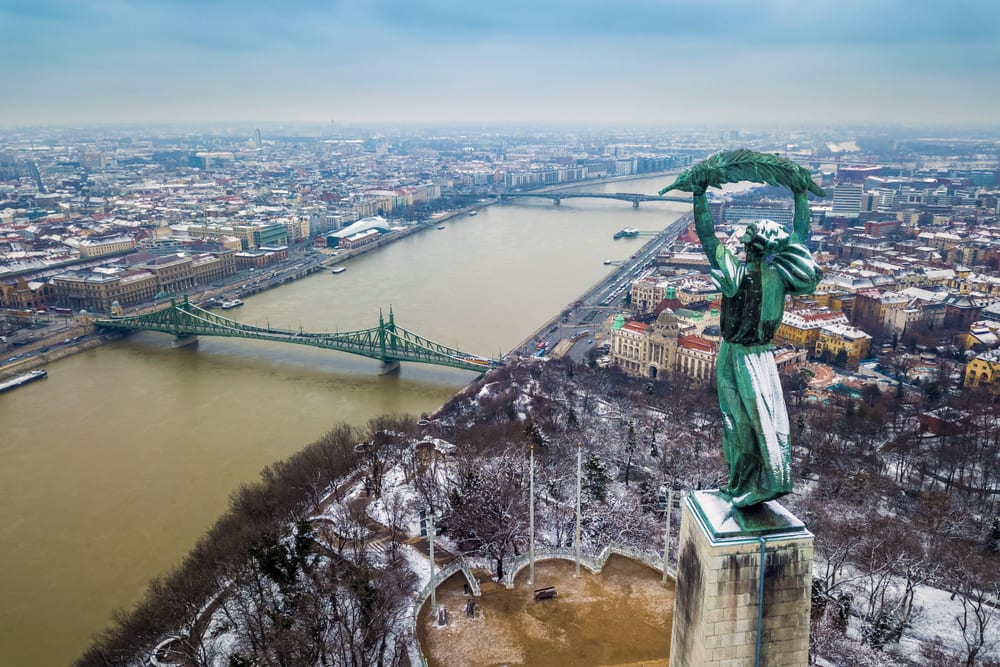
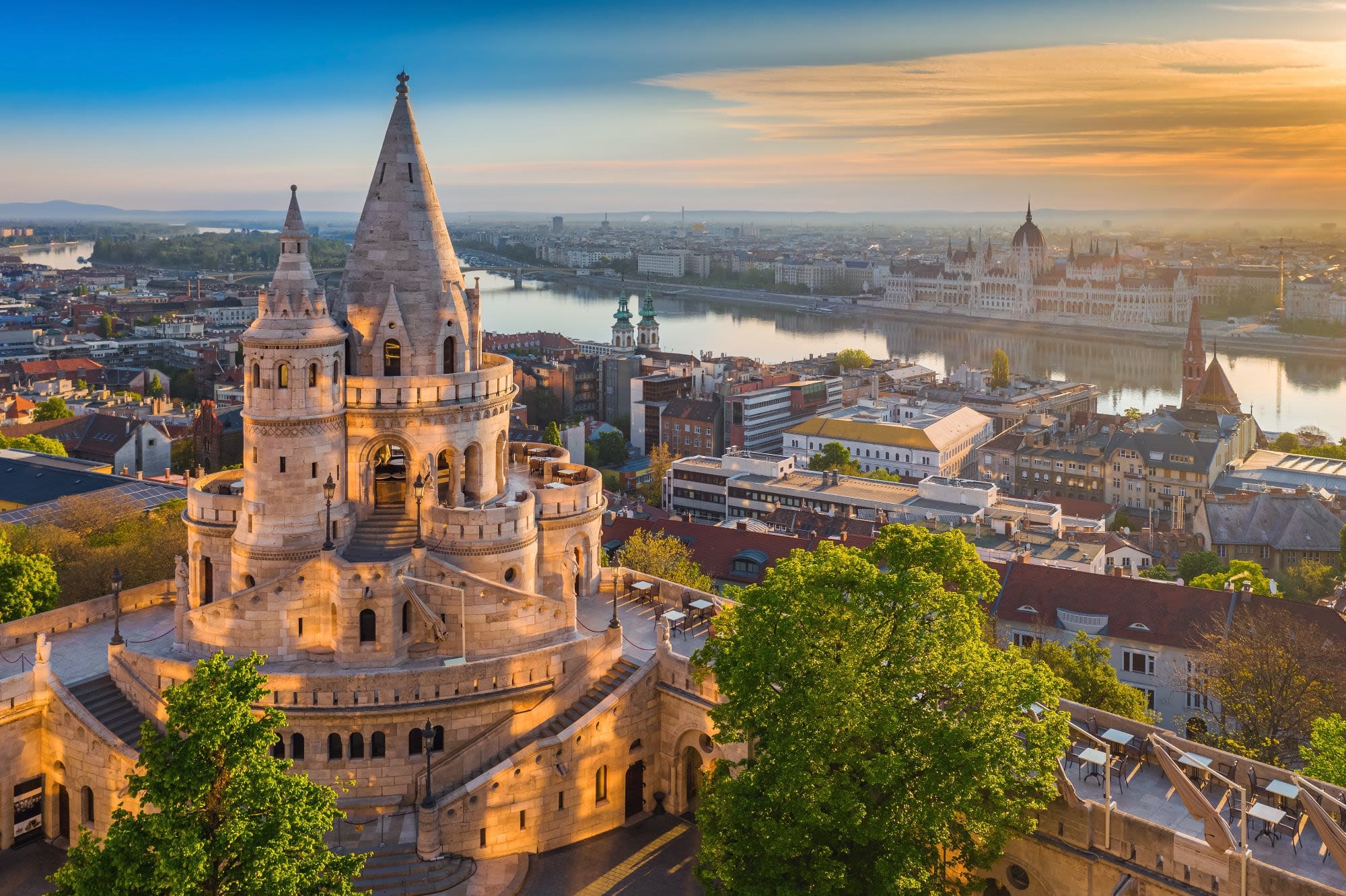
Situated at the heart of Europe, Budapest is the capital of Hungary, appropriately named 'The Pearl of the Danube,' for its fixating and almost haunting beauty. Formerly two separate cities, Buda and Pest were forged into one by time, occupation, and the eight bridges that anchor them together today. From the Romans to the Communists, each occupier left its flavor profile in Budapest, evident in the famous spicy Hungarian stew known as 'goulash.' Budapest is a melting pot of history, culture, and taste, from the magnificent Baroque and neo-Gothic architecture to the Turkish thermal baths. After a long day of sightseeing, treat yourself to a glass of Tokaj, what King Louis XIV of France referred to as the "Wine of Kings, King of Wines". Budapest has a flavor to satisfy any taste.

Artistic and musical, historical and elegant, Vienna is the definition of class. The seat of the Habsburg monarchy for over six centuries, it's no wonder this city is still fit for royalty. Baroque buildings and imperial palaces dominate the cityscape, while locals stride gracefully through the streets, likely on their way to a classical music concert or art exhibition. Visitors from all over the world flock to Schonbrunn Palace, historical museums, and local eateries for authentic Viennese schnitzel. Vienna is also home to world-class wining and dining. Famous dishes include Wiener schnitzel, Tafelspitz (prime boiled beef), and apfelstrudel (apple strudel), all of which pair well with a glass of fine Austrian wine. No matter how long you spend in Vienna, you'll leave with a new appreciation for the finer things in life.

Cesky Krumlov is a charming little town in South Bohemia. It might be small, but it’s full of whimsical character and mystery. Walking through the narrow streets and across the bridge, the views of the medieval Cesky Krumlov Castle will take your breath away. At night, street musicians serenade visitors on the bridge where you can dance beneath the stars and the watchful eye of the magnificent tower. Dozens of unique local artisan shops, cafes, and restaurants are woven among the winding streets. In the summer, the city is lush with life and greenery. Rafters race down the river, stopping in the center along the way to enjoy a hearty meal before continuing their journey. In the winter, the main square transforms into a magnificent Christmas market and light blankets of snow cover the rooftops. This quaint little town will exceed your expectations and you may never want to leave.

Bratislava is one of the most up-and-coming cities in central Europe. After years in the shadows of the Soviet bloc, and often drowned out by Prague, Bratislava has finally broken out. The Bratislavan region is now one of the richest per capita in the EU. This economic upswing has infused Bratislava with a newfound zeal. Trendy cafes and cool shopping centers are popping up everywhere, and the city’s already happening nightlife scene is only set to get better. Still less crowded than its central European neighbors Prague, Vienna, and Budapest, but just as intriguing, there’s really never been a better time for a visit to Bratislava. Ruled over by the Hungarians, Austrians, and most recently the Soviets, Bratislava is a city of strange contrasts. As soon as you arrive in Bratislava, you’ll see the pastel-hued churches, baroque houses, and the cobbled Old Town Square brush shoulders with modern brutalist buildings, retrofuturistic towers, and the clunky communist built UFO bridge. The city’s oldest building, its castle, is set atop the western edge of the Little Carpathian Hills like a trophy, the city’s hard-won main icon. For the first time in nearly a millennium, Bratislava has now seized control of its own destiny, and it shows.
Belgrade is one of Europe’s oldest cities and with age comes experience. Remnants of the city’s turbulent past can be seen easily during a stroll through the streets: socialist blocks sit beside art nouveau buildings, while fragments of the Habsburg monarchy contrast with Ottoman Turk relics. If you’re looking to take in a little history, you’ll have a lot to choose from between the city’s many museums, monuments, and of course, the fortress. What Belgrade lacks in traditional beauty it makes up for in personality. Belgrade is first and foremost known for its unrivaled nightlife scene. Appropriately named the city that never sleeps, after the sun goes down you can explore floating clubs on the river, hip bars around the center, and great parties everywhere you look. During the daylight hours, you’ll find busy locals bustling around the business centers, relaxing in elegant coffee houses, or wandering through the city’s many beautiful parks.

Lake Bled, cradled by the Julian Alps, feels almost improbably serene. At its edge, a small alpine town unfolds with gracious villas, lakeside paths, and cafés that look out toward the water, while a medieval castle rises dramatically from a cliff above. Just offshore, the tiny island crowned by its white church has anchored local legend and tradition for centuries. Life here moves at a gentler rhythm. You might glide across the lake in a traditional pletna boat, explore the castle’s terraces for sweeping views, wander forested trails, or simply linger over a slice of the famous kremšnita cream cake. As evening settles and the light fades over the mountains, Bled becomes noticeably quieter, taking on a calm and relaxed atmosphere.

Situated at the heart of Europe, Budapest is the capital of Hungary, appropriately named 'The Pearl of the Danube,' for its fixating and almost haunting beauty. Formerly two separate cities, Buda and Pest were forged into one by time, occupation, and the eight bridges that anchor them together today. From the Romans to the Communists, each occupier left its flavor profile in Budapest, evident in the famous spicy Hungarian stew known as 'goulash.' Budapest is a melting pot of history, culture, and taste, from the magnificent Baroque and neo-Gothic architecture to the Turkish thermal baths. After a long day of sightseeing, treat yourself to a glass of Tokaj, what King Louis XIV of France referred to as the "Wine of Kings, King of Wines". Budapest has a flavor to satisfy any taste.

Artistic and musical, historical and elegant, Vienna is the definition of class. The seat of the Habsburg monarchy for over six centuries, it's no wonder this city is still fit for royalty. Baroque buildings and imperial palaces dominate the cityscape, while locals stride gracefully through the streets, likely on their way to a classical music concert or art exhibition. Visitors from all over the world flock to Schonbrunn Palace, historical museums, and local eateries for authentic Viennese schnitzel. Vienna is also home to world-class wining and dining. Famous dishes include Wiener schnitzel, Tafelspitz (prime boiled beef), and apfelstrudel (apple strudel), all of which pair well with a glass of fine Austrian wine. No matter how long you spend in Vienna, you'll leave with a new appreciation for the finer things in life.

Cesky Krumlov is a charming little town in South Bohemia. It might be small, but it’s full of whimsical character and mystery. Walking through the narrow streets and across the bridge, the views of the medieval Cesky Krumlov Castle will take your breath away. At night, street musicians serenade visitors on the bridge where you can dance beneath the stars and the watchful eye of the magnificent tower. Dozens of unique local artisan shops, cafes, and restaurants are woven among the winding streets. In the summer, the city is lush with life and greenery. Rafters race down the river, stopping in the center along the way to enjoy a hearty meal before continuing their journey. In the winter, the main square transforms into a magnificent Christmas market and light blankets of snow cover the rooftops. This quaint little town will exceed your expectations and you may never want to leave.


Hi! Need help planning your dream trip? 🌍
Pick the option that fits you best so we can route you to the right help.