
A Perfect 2 Week Itinerary in Croatia and Slovenia for Active Travelers
 14 Day Tour of Dubrovnik, Split, Plitvice Lakes, Ljubljana and Zagreb
Destinations on this trip: Dubrovnik,Split,Plitvice Lakes,Ljubljana,Zagreb
Overview
Trip Map
Itinerary
Inclusions
Reviews





How Long Is the Adriatic Gems in Two Weeks Trip and What Does It Cost?
 Duration14 days / 13 nights
- Best timeApr-Oct
 From$3495 / person (Flights not included)
- Soak in stunning views of Dubrovnik from the historic city walls and Mount Srd
- Swim in crystal clear waters and wander through olive groves on historic Hvar Island
- Experience the mystery and beauty of Slovenia's caves, a subterranean world of wonders
- Delight in the tranquility of Lake Bohinj, nestled in Slovenia's Triglav National Park
- Climb Marjan Hill in Split for breathtaking panoramas of the Adriatic coast
- Hike alongside the stunning waterfalls of Plitvice's Lower and Upper Lakes
- Visit three castles in Slovenia, Ljubljana Castle, Predjama Castle, and Bled Castle
- Soak in stunning views of Dubrovnik from the historic city walls and Mount Srd
- Swim in crystal clear waters and wander through olive groves on historic Hvar Island
- Experience the mystery and beauty of Slovenia's caves, a subterranean world of wonders
- Delight in the tranquility of Lake Bohinj, nestled in Slovenia's Triglav National Park
- Climb Marjan Hill in Split for breathtaking panoramas of the Adriatic coast
- Hike alongside the stunning waterfalls of Plitvice's Lower and Upper Lakes
- Visit three castles in Slovenia, Ljubljana Castle, Predjama Castle, and Bled Castle


Must see sights
Starting from
$3495
per person
 Not included
 Price varies by group size, hotel selection, and travel season.
Secure Your Customizable Trip
Enter your details to embark on a journey that can be tailored just for you.
Start
Travelers
Preferred Hotel Stars

Craft Your Own Itinerary
Select your interests and destinations for a trip plan inspired by you.
Where Does the Adriatic Gems in Two Weeks Trip Trip Go?
| ← | Move left |
| → | Move right |
| ↑ | Move up |
| ↓ | Move down |
| + | Zoom in |
| - | Zoom out |
| Home | Jump left by 75% |
| End | Jump right by 75% |
| Page Up | Jump up by 75% |
| Page Down | Jump down by 75% |


Click To Make Map Interactive
Adriatic Gems in Two Weeks Trip Timeline
Arrival
3 nights
Dubrovnik
Croatia
Ferry: 5h
3 nights
Split
Croatia
Shuttle: 2h45m
2 nights
Plitvice Lakes
Croatia
Shuttle: 3h15m
3 nights
Ljubljana
Slovenia
Train: 2.5h
2 nights
Zagreb
Croatia
Departure
What Does the Adriatic Gems in Two Weeks Trip Itinerary Look Like?

Day 1
Arrive Dubrovnik

Day 1
Arrive Dubrovnik


Mid-Day/Afternoon
Mount Srd
Mount Srd, towering above the ancient city of Dubrovnik, undoubtedly offers the best panoramic views of the old town and the surrounding coastline. You can ascend the 412m (1352ft) peak via an ultra-modern cable car near the old city walls, or get the blood pumping by hiking up a steep zig-zag trail to the top. Apart from the astonishing scenery, there's also a museum dedicated to the 1991-95 Croatian War of Independence. The original cable car was built back in 1969 but had to be completely rebuilt after suffering extensive damage during the conflict of the early 1990s. On a clear day, you can see up to 60 km (37 miles). It's for this reason the neighboring Imperial Fortress was built by the French on this spot back in the early 19th century. The cable car runs as soon as there are enough passengers, and the last departure from the lower station is thirty minutes before closing time, which can be as early as 4pm during the winter, and as late as midnight in the summer.

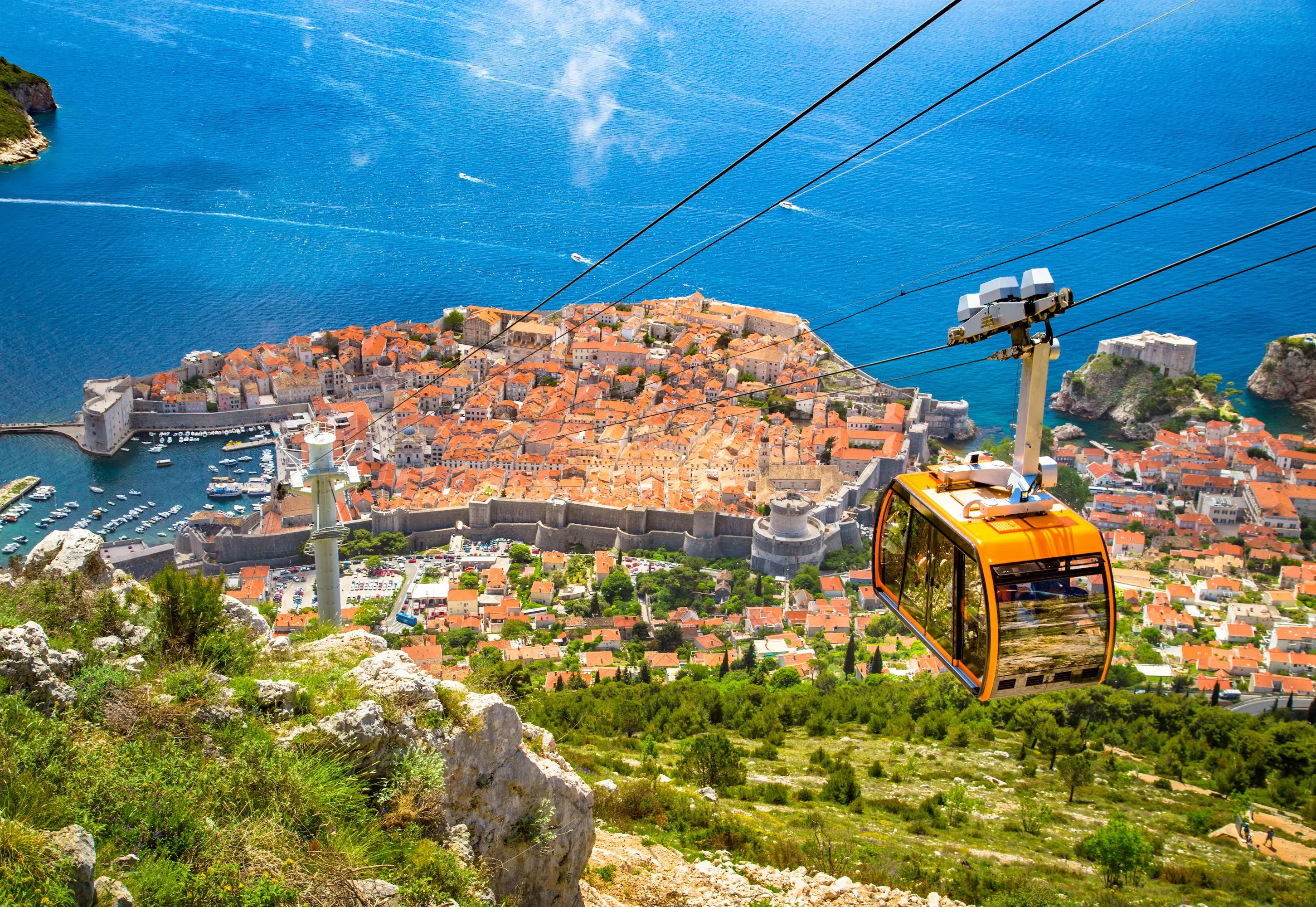


Visit a fort held by the Croatians in their desperate struggle to defend Dubrovnik in the Yugoslav wars of the 1990s.
Show MoreVisit a fort held by the Croatians in their desperate struggle to defend Dubrovnik in the Yugoslav wars of the 1990s.
Show MoreVisit a fort held by the Croatians in their desperate struggle to defend Dubrovnik in the Yugoslav wars of the 1990s.
Show MoreDay 1
Arrive Dubrovnik

Day 1
Arrive Dubrovnik
To Be Determined:
Transfer from Airport
Mid-Day/Afternoon:
Mount Srd
Afternoon/Late Afternoon:
Old City Walls
Mount Srd
OverviewMount Srd
Mount Srd, towering above the ancient city of Dubrovnik, undoubtedly offers the best panoramic views of the old town and the surrounding coastline. You can ascend the 412m (1352ft) peak via an ultra-modern cable car near the old city walls, or get the blood pumping by hiking up a steep zig-zag trail to the top. Apart from the astonishing scenery, there's also a museum dedicated to the 1991-95 Croatian War of Independence. The original cable car was built back in 1969 but had to be completely rebuilt after suffering extensive damage during the conflict of the early 1990s. On a clear day, you can see up to 60 km (37 miles). It's for this reason the neighboring Imperial Fortress was built by the French on this spot back in the early 19th century. The cable car runs as soon as there are enough passengers, and the last departure from the lower station is thirty minutes before closing time, which can be as early as 4pm during the winter, and as late as midnight in the summer.
Homeland War Museum
 Highlight of Mount Srd
Visit a fort held by the Croatians in their desperate struggle to defend Dubrovnik in the Yugoslav wars of the 1990s.
This fort at the summit of Mt Srd is called the Imperial Fort. Built on the orders of Napoleon, it was being used as a disco by the 1980s. However, it reverted to its original military purpose during the 1991-95 Balkans War, when it was heroically held by Dubrovnik's rag-tag defenders. Croatia had no army worthy of the name at the outbreak of hostilities, so it was mostly a local force of former army soldiers, policeman and untrained volunteers who manned the extremely precarious position. The Serb-dominated Yugoslav Federal Army overran all the surrounding territory and infamously bombarded the historic core of Dubrovnik, but somehow the Imperial Fort held on against overwhelming odds, so Dubrovnik was never occupied. The fort now houses the Museum of the Homeland War and recounts the story of the epic defense. The exhibits include: art and documentary photographs, weapons, mines and explosive devices, war maps, military orders, parts of military equipment, objects from every-day life which belonged to the residents and defenders of Dubrovnik during the siege, authentic recordings and video material, reminiscences of the participants, the armed forces war flags, the original flag that was raised on Mt Srd after the city was finally relieved, minefield maps, and war log books, etc. A memorial plaque with the names of those who died defending Dubrovnik has also been placed on Mount Srd.
Mount Srd
OverviewMount Srd
Mount Srd, towering above the ancient city of Dubrovnik, undoubtedly offers the best panoramic views of the old town and the surrounding coastline. You can ascend the 412m (1352ft) peak via an ultra-modern cable car near the old city walls, or get the blood pumping by hiking up a steep zig-zag trail to the top. Apart from the astonishing scenery, there's also a museum dedicated to the 1991-95 Croatian War of Independence. The original cable car was built back in 1969 but had to be completely rebuilt after suffering extensive damage during the conflict of the early 1990s. On a clear day, you can see up to 60 km (37 miles). It's for this reason the neighboring Imperial Fortress was built by the French on this spot back in the early 19th century. The cable car runs as soon as there are enough passengers, and the last departure from the lower station is thirty minutes before closing time, which can be as early as 4pm during the winter, and as late as midnight in the summer.
Homeland War Museum
Highlight of Mount SrdVisit a fort held by the Croatians in their desperate struggle to defend Dubrovnik in the Yugoslav wars of the 1990s.
This fort at the summit of Mt Srd is called the Imperial Fort. Built on the orders of Napoleon, it was being used as a disco by the 1980s. However, it reverted to its original military purpose during the 1991-95 Balkans War, when it was heroically held by Dubrovnik's rag-tag defenders. Croatia had no army worthy of the name at the outbreak of hostilities, so it was mostly a local force of former army soldiers, policeman and untrained volunteers who manned the extremely precarious position. The Serb-dominated Yugoslav Federal Army overran all the surrounding territory and infamously bombarded the historic core of Dubrovnik, but somehow the Imperial Fort held on against overwhelming odds, so Dubrovnik was never occupied. The fort now houses the Museum of the Homeland War and recounts the story of the epic defense. The exhibits include: art and documentary photographs, weapons, mines and explosive devices, war maps, military orders, parts of military equipment, objects from every-day life which belonged to the residents and defenders of Dubrovnik during the siege, authentic recordings and video material, reminiscences of the participants, the armed forces war flags, the original flag that was raised on Mt Srd after the city was finally relieved, minefield maps, and war log books, etc. A memorial plaque with the names of those who died defending Dubrovnik has also been placed on Mount Srd.
Mount Srd
OverviewMount Srd
Mount Srd, towering above the ancient city of Dubrovnik, undoubtedly offers the best panoramic views of the old town and the surrounding coastline. You can ascend the 412m (1352ft) peak via an ultra-modern cable car near the old city walls, or get the blood pumping by hiking up a steep zig-zag trail to the top. Apart from the astonishing scenery, there's also a museum dedicated to the 1991-95 Croatian War of Independence. The original cable car was built back in 1969 but had to be completely rebuilt after suffering extensive damage during the conflict of the early 1990s. On a clear day, you can see up to 60 km (37 miles). It's for this reason the neighboring Imperial Fortress was built by the French on this spot back in the early 19th century. The cable car runs as soon as there are enough passengers, and the last departure from the lower station is thirty minutes before closing time, which can be as early as 4pm during the winter, and as late as midnight in the summer.
Homeland War Museum
Highlight of Mount SrdVisit a fort held by the Croatians in their desperate struggle to defend Dubrovnik in the Yugoslav wars of the 1990s.
This fort at the summit of Mt Srd is called the Imperial Fort. Built on the orders of Napoleon, it was being used as a disco by the 1980s. However, it reverted to its original military purpose during the 1991-95 Balkans War, when it was heroically held by Dubrovnik's rag-tag defenders. Croatia had no army worthy of the name at the outbreak of hostilities, so it was mostly a local force of former army soldiers, policeman and untrained volunteers who manned the extremely precarious position. The Serb-dominated Yugoslav Federal Army overran all the surrounding territory and infamously bombarded the historic core of Dubrovnik, but somehow the Imperial Fort held on against overwhelming odds, so Dubrovnik was never occupied. The fort now houses the Museum of the Homeland War and recounts the story of the epic defense. The exhibits include: art and documentary photographs, weapons, mines and explosive devices, war maps, military orders, parts of military equipment, objects from every-day life which belonged to the residents and defenders of Dubrovnik during the siege, authentic recordings and video material, reminiscences of the participants, the armed forces war flags, the original flag that was raised on Mt Srd after the city was finally relieved, minefield maps, and war log books, etc. A memorial plaque with the names of those who died defending Dubrovnik has also been placed on Mount Srd.

Day 2
Dubrovnik
Day 2
Dubrovnik

9:00 AM - 11:00 AM
Guided Walking Tour of Dubrovnik's Old Town
Dubrovnik was able to accumulate vast fortunes as a safe trade route into the Balkan hinterland and thus create a remarkably beautiful city and gargantuan fortifications that remain astonishingly well preserved to today. On this two-hour private guided walking tour, you will experience the supreme delight of viewing the old town almost as it was centuries ago and learning about the history and culture of the city through the ages.

Monument
Show More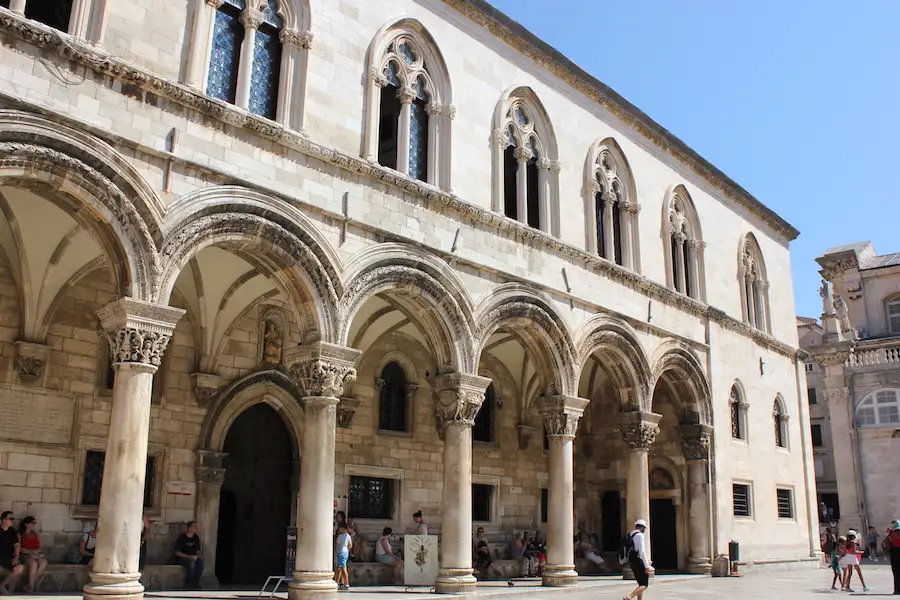
14th-century Gothic-Renaissance palace
Show More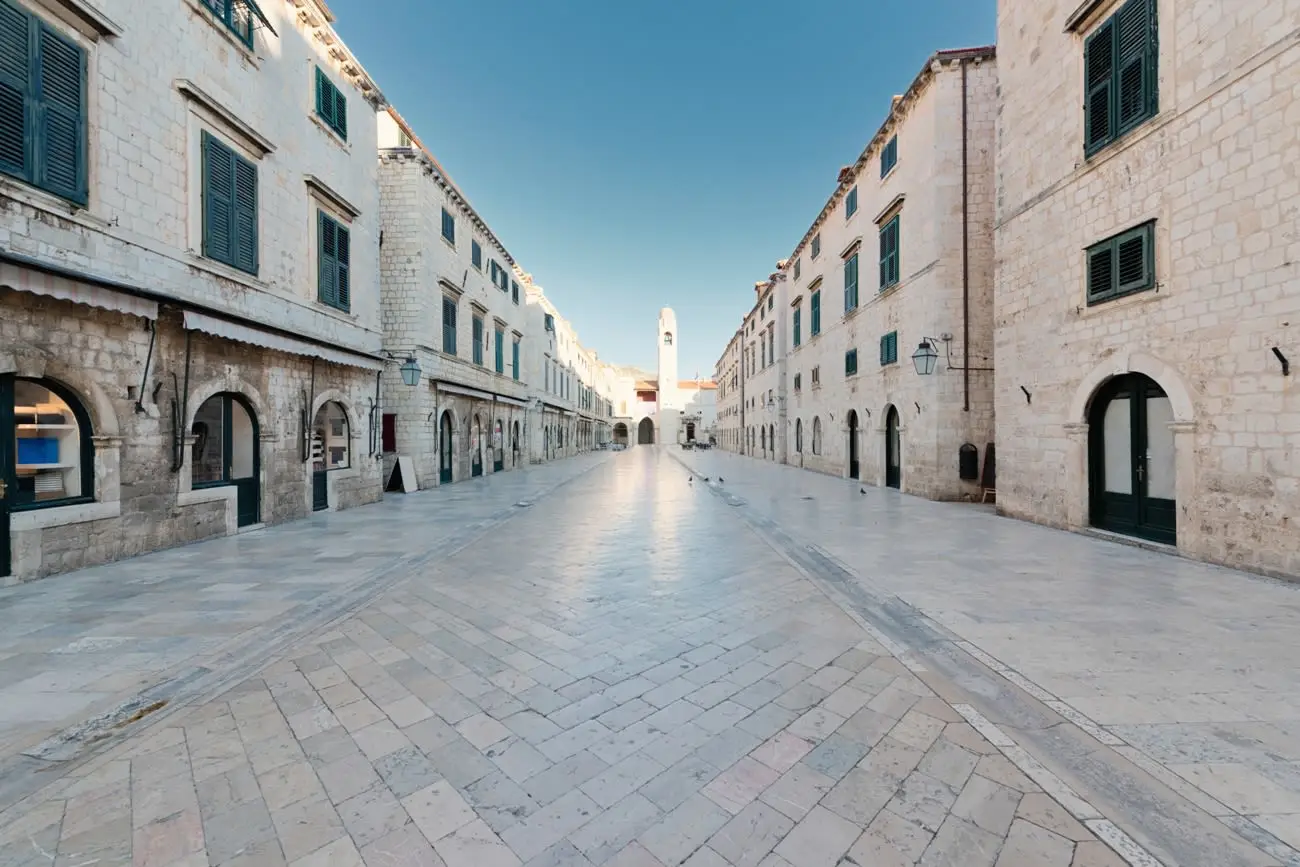
Monument
Show More14th-century Gothic-Renaissance palace
Show MoreMonument
Show MoreDay 2
Dubrovnik
Day 3
Dubrovnik
Day 3
Dubrovnik
Early Morning to Afternoon
Mljet National Park
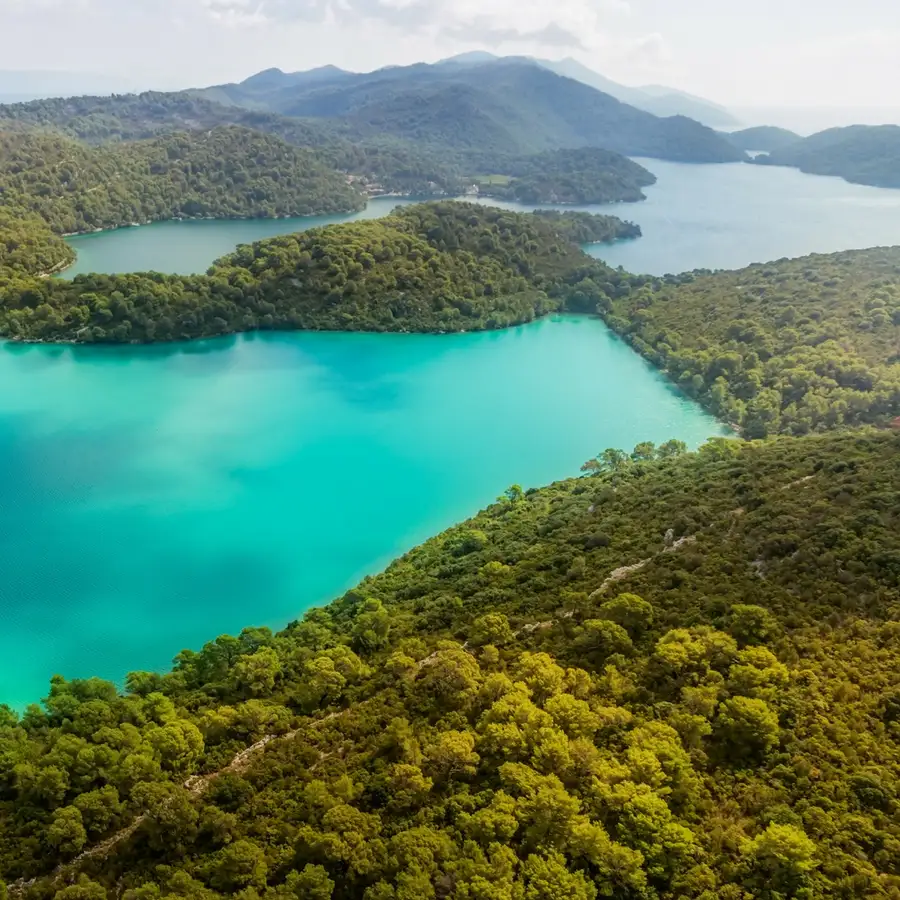
The island of Mljet is wonderfully unspoiled and a perfect place to seek some sanctuary from the crowds on the mainland coast. The main attraction is Mljet National Park, an area of Arcadian beauty with untouched Mediterranean forests, swimmable blue-green saltwater lakes encircled by foot- and cycle paths, and an island within an island containing a beautiful 12th-century monastery church. The island is reached in two hours by a daily catamaran ferry, leaving at approximately 9am and returning at about 5pm. Be sure to doublecheck times, as there is only one ferry there and back. To be safe you can take a guided tour, which can be very helpful in not only dealing with the logistics but in making sure you catch the highlights of the island. Mljet is ideal for a day's hiking or cycling, interspersed with swim breaks, but if you take any forest path you'll need sturdy walking shoes as you might find yourself having to scramble over some sharp rocks.

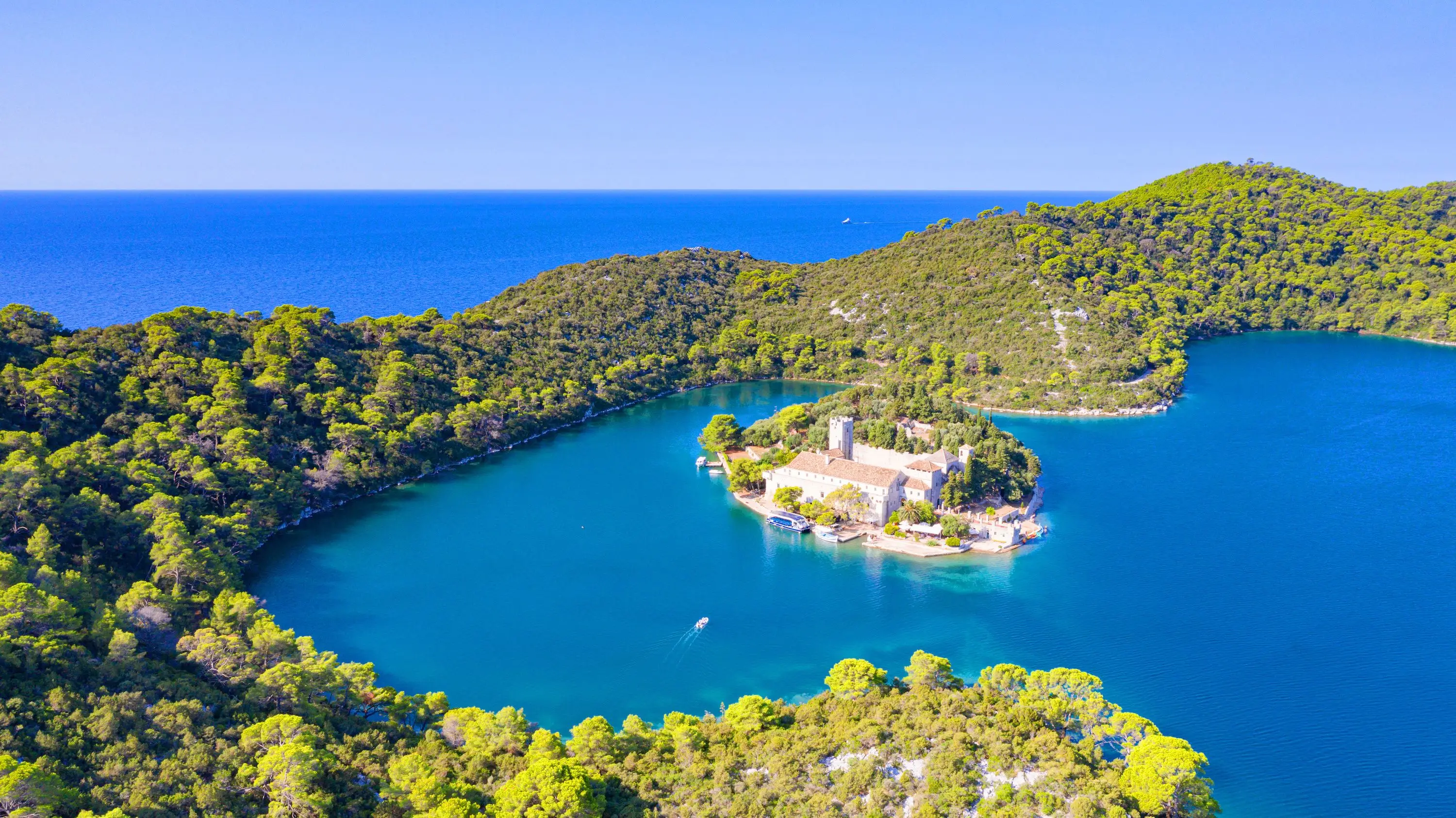
Stop for ice cream in this idyllic monastery hidden on an island within an island.
Show MoreStop for ice cream in this idyllic monastery hidden on an island within an island.
Show MoreStop for ice cream in this idyllic monastery hidden on an island within an island.
Show MoreDay 3
Dubrovnik
Day 4
Dubrovnik to Split
Day 4
Dubrovnik to Split


Early Morning/Morning
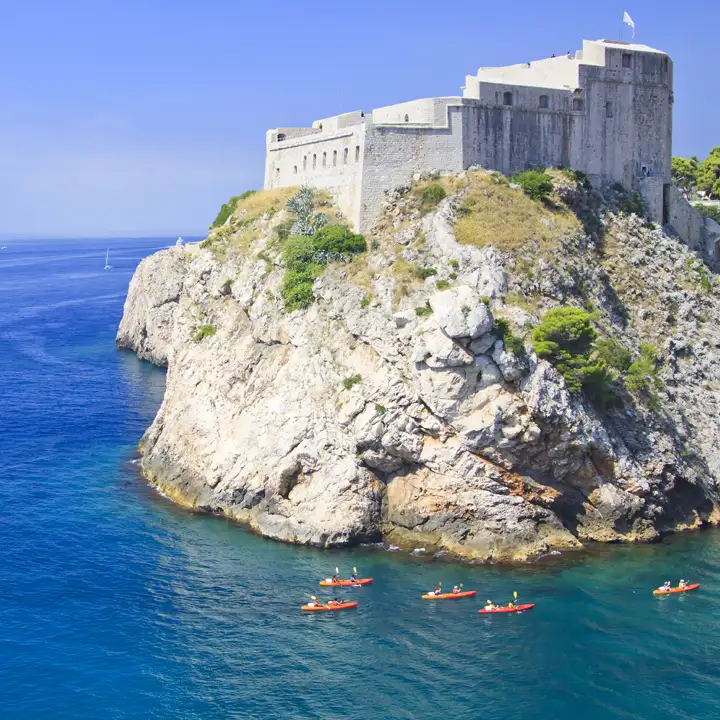
Sea Kayaking in Dubrovnik
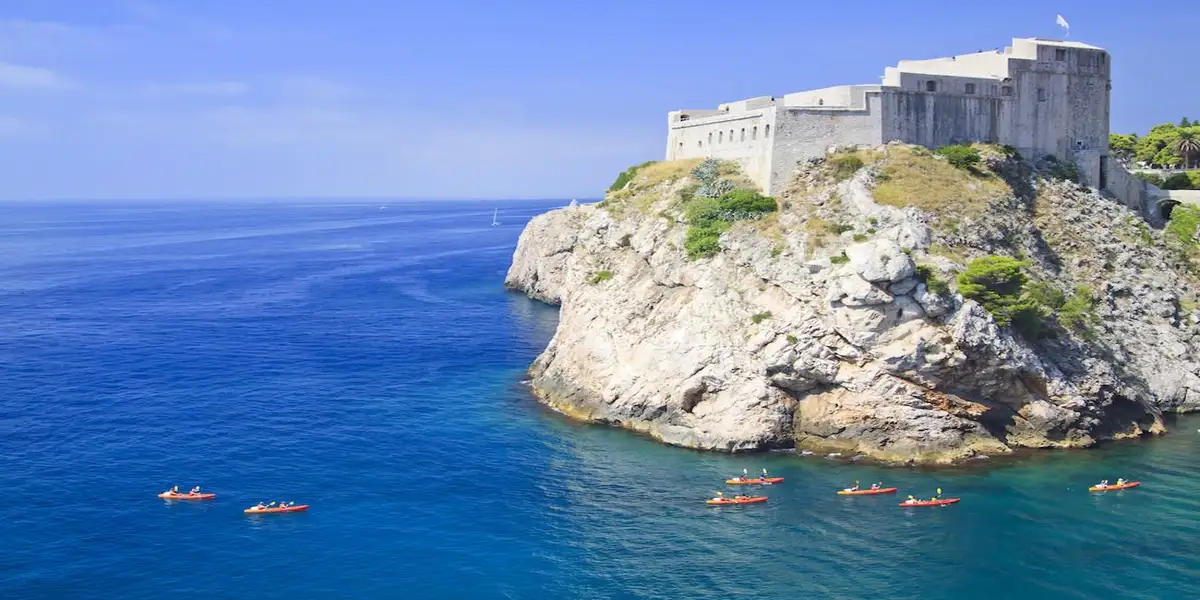
Dubrovnik is the perfect place to try out some sea kayaking if you've never done it before; even experienced kayakers will enjoy this adventure. The water is warm, crystal clear and very smooth, and you get to see the old city walls of Dubrovnik from a different angle. Accompanied by English speaking instructors, you will set off to explore the caves and sights of Lokrum island, also called 'The Land of Love'.


Small island near Dubrovnik
Show MoreSmall island near Dubrovnik
Show MoreSmall island near Dubrovnik
Show MoreDay 4
Dubrovnik to Split

Day 5
Split
Day 5
Split
9:00 AM - 11:00 AM
Split Old Town Walking Tour
This two-hour guided tour will take you to the Roman emperor Diocletian's 1700-year-old palace which was built as his personal rest home. Walk from the Bronze Gate through the central hall of the ancient cellars is the main communication line between the busy waterfront promenade, the Riva, and the palace's main forecourt, the Peristyle. You'll also stop by the Cathedral of St Duje, one of the most beautiful cultural attractions on the Adriatic coast, the Roman temple of Jupiter (latterly a Christian baptistry), the fabulous Golden Gate, and the medieval Croatian bishop who introduced the Croatian language in religious services.

See the beautiful courtyard which was once the center of the palace, and is now the heart of Split.
Show More
Enter this ancient gateway to discover palace cellars used as film sets for Game of Thrones.
Show More
See the beautiful courtyard which was once the center of the palace, and is now the heart of Split.
Show MoreEnter this ancient gateway to discover palace cellars used as film sets for Game of Thrones.
Show MoreSee the beautiful courtyard which was once the center of the palace, and is now the heart of Split.
Show MoreDay 5
Split

Day 6
Split
Day 6
Split
Early Morning to Afternoon
Hvar Island
Hvar has a reputation as the Croatian Ibiza, i.e. lots of young people partying as if their lives depended on it, but it's actually much more than that and remains relatively unspoiled and comparatively affordable in relation to the mainland coast. Both of its main towns, Hvar and Star Grad, are lovely medieval towns full of traffic-free alleys surrounded by ancient stone houses; these act as a romantic backdrop to the towns' many cafes from where you can indulge in people-watching and view the fancy yachts filling up the harbor. In the summer, you can take a passenger-only 1-hour catamaran trip directly to Hvar Town. In other months, Hvar is still relatively easy to get to via a 2-hour car ferry to the main island port of Stari Grad. If you do take the ferry, it's still just a short bus or taxi ride to Hvar or Stari Grad - you can even walk to Stari Grad from the ferry port. Keep in mind though that you must be quick off the ferry to catch the bus. If you can afford it, taking a private boat is the ultimate way to experience Hvar, as you can swim, snorkel, and sunbathe along the way. Also keep in mind that while Hvar is happening in the warmer months, it is quite sleepy in the off season. Many restaurants and attractions will be closed, but if you enjoy exploring in peace and quiet, it is the perfect time to visit.
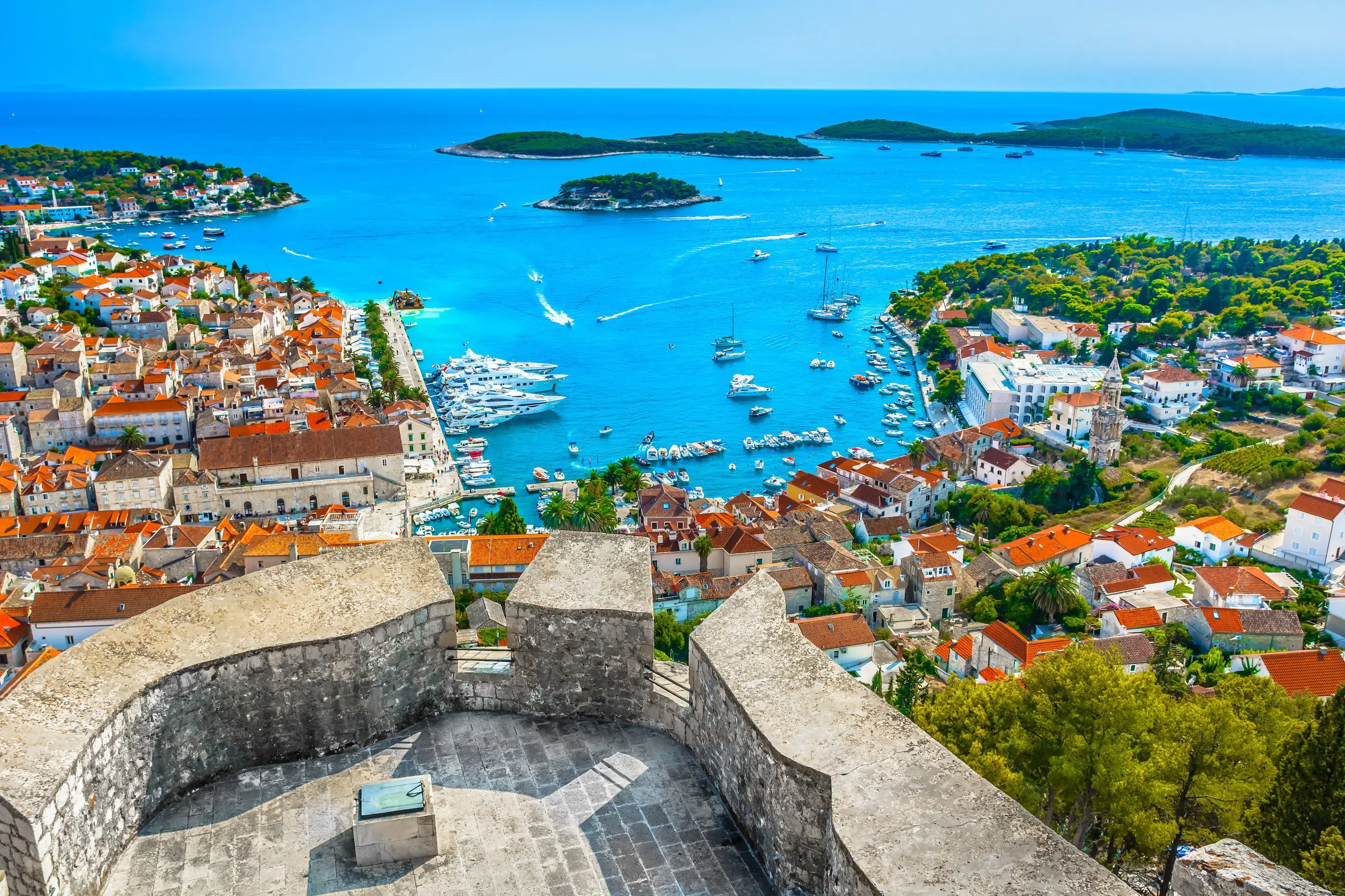
Climb to this stone fortress above the town of Hvar for the perfect photo.
Show More
Stroll the atmospheric narrow streets of this small town nestled at the end of a clear blue bay.
Show More
Hop over to these rocky islands to swim and snorkel in their picturesque little coves and lagoons.
Show More
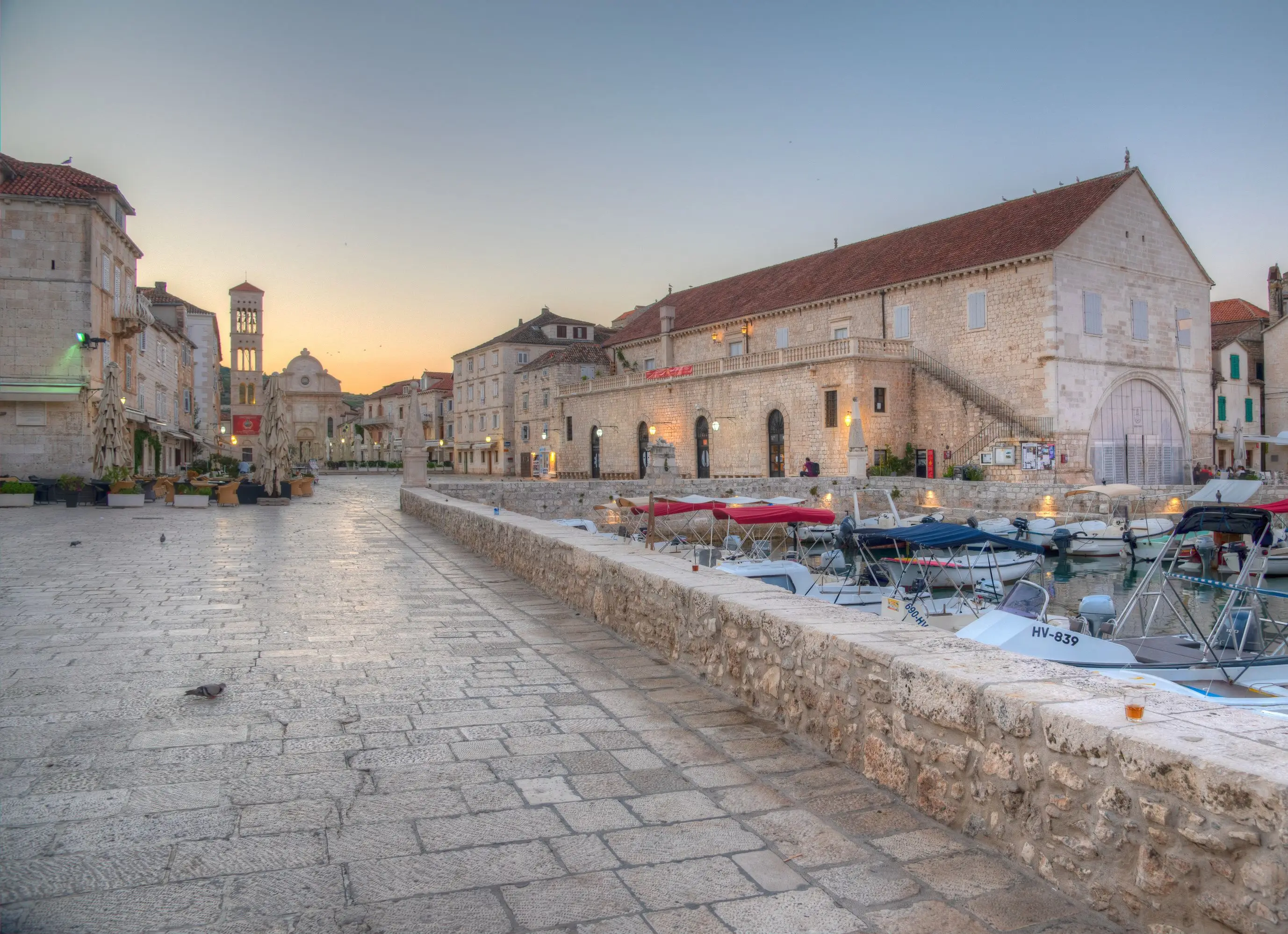
Check out where war galleys were once repaired on Hvar's main square.
Show MoreClimb to this stone fortress above the town of Hvar for the perfect photo.
Show MoreStroll the atmospheric narrow streets of this small town nestled at the end of a clear blue bay.
Show MoreHop over to these rocky islands to swim and snorkel in their picturesque little coves and lagoons.
Show MoreCheck out where war galleys were once repaired on Hvar's main square.
Show MoreClimb to this stone fortress above the town of Hvar for the perfect photo.
Show MoreDay 6
Split
Day 7
Split to Plitvice Lakes
Day 7
Split to Plitvice Lakes

Early Morning to Mid-Day
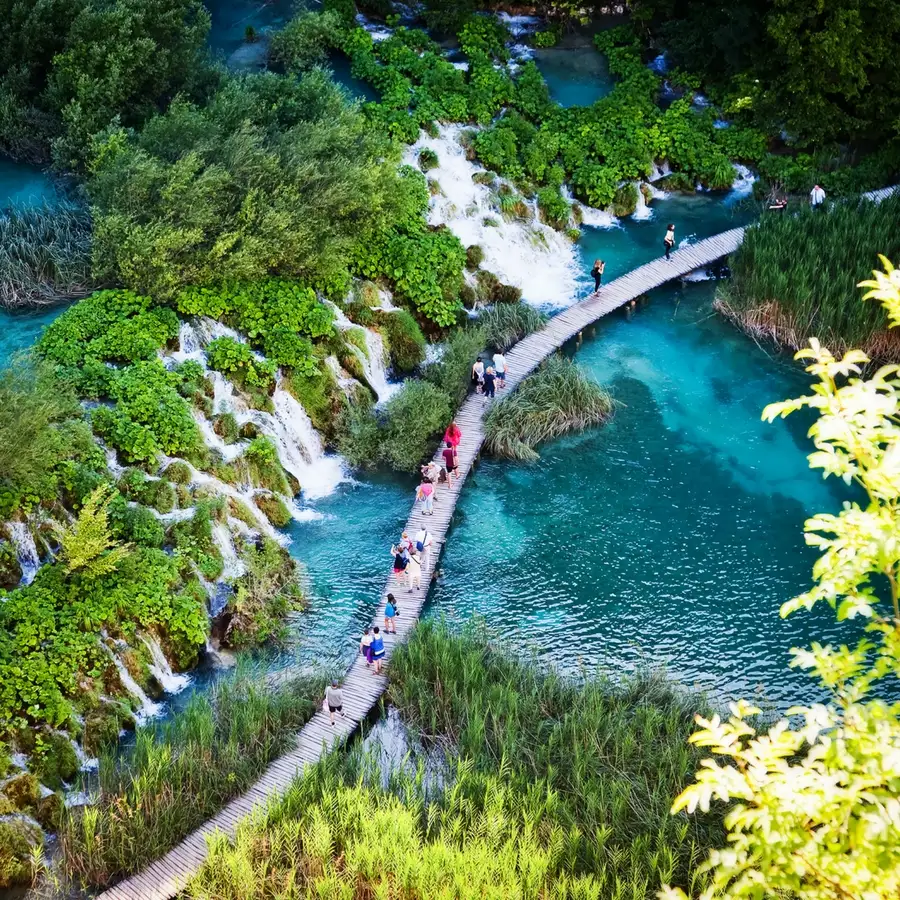
Krka Waterfalls
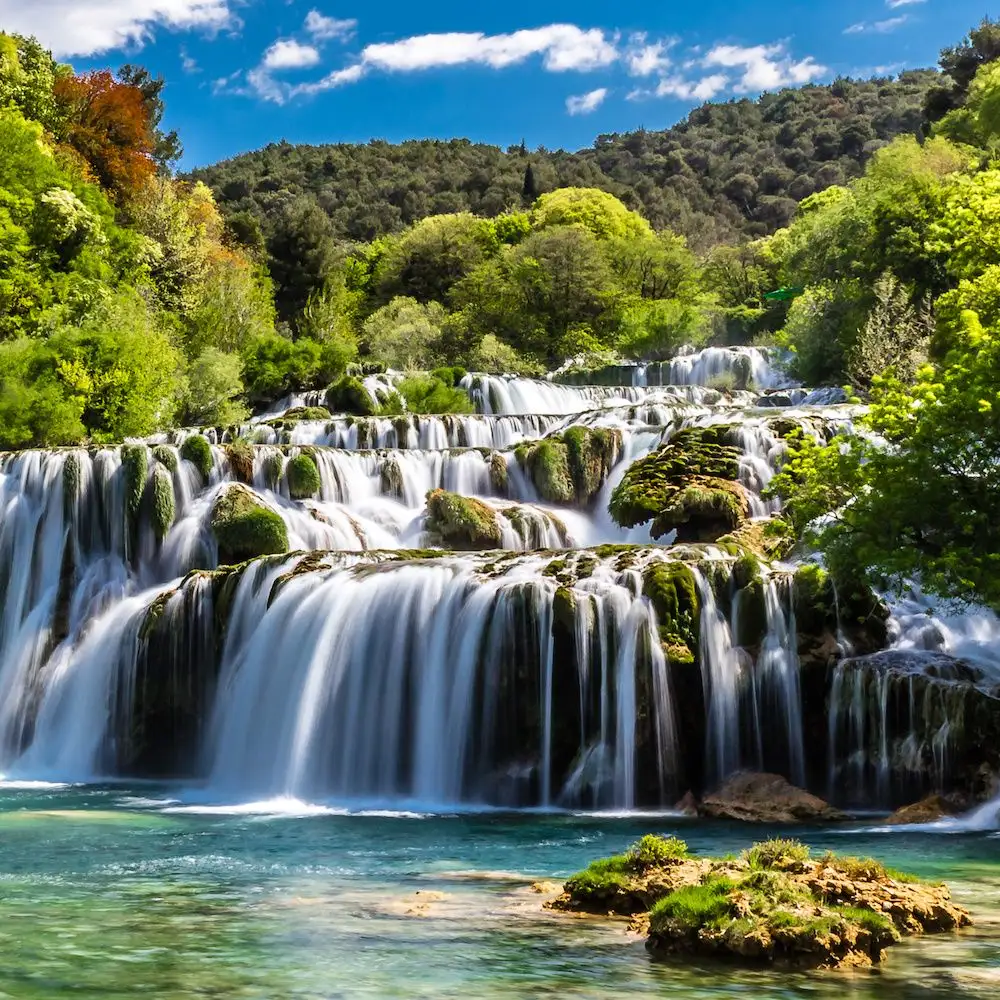
While the more famous Plitvice Waterfalls are much larger and get all the press, the Krka waterfalls also pour crystal clear blue water over karst rock formations. And just like Plitvice, they are so beautiful that a National Park was created to protect them. But they also have a couple of key advantages over Plitvice. First of all they are much closer to Split, meaning it is much more manageable to visit them as a day trip. In fact Krka is only an hour from Split, versus a three hour drive to reach Plitvice. Keep in mind though that the waterfalls can only accommodate a limited number of people and the park limits entry. So if you want to be assured of getting in, either get there very early, or book ahead with an organized group. One more thing to remember is that it is not just about swimming - the National Park is also a great place for a hike. Also, don't forget your watershoes if you plan to swim, but please note that you are no longer allowed to swim beneath the main cascading falls.

Day 7
Split to Plitvice Lakes
Day 8
Plitvice Lakes
Day 8
Plitvice Lakes
8:00 AM - 12:00 PM
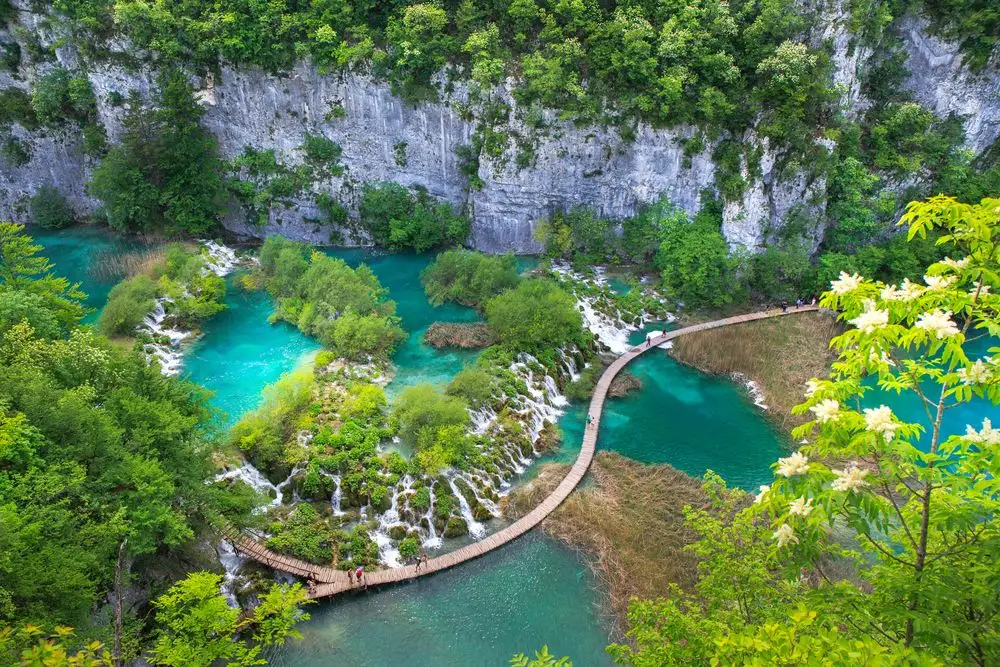
Plitvice Lakes, Guided
On this private four-hour tour you will see the most eye-catching and majestic of any natural attraction in Croatia, if not all the Balkans; the Plitvice Lakes National Park is an astounding 8-kilometer (5-mile) stretch of 16 lakes that cascade one into the other over a terraced sequence of barriers formed over millennia. Thanks to its mineral-rich waters, the Park's lakes practically glow with a brilliant turquoise hue when seen from afar, and are crystal clear up close. Entry tickets to the park are included in the cost of your tour.
Day 8
Plitvice Lakes

Day 9
Plitvice Lakes to Ljubljana
Day 9
Plitvice Lakes to Ljubljana

8:00 AM - 11:15 AM
Shuttle to Ljubljana
A private transfer with door-to-door service is certainly the most convenient way to travel. While bus connections do exist for this route, and are usually more affordable and carbon-friendly, you may prefer the ease of travel and service offered by a private driver. Taking the bus will require at least 3 extra hours of travel time as well as a connection in Zagreb, meaning you have to purchase two separate tickets with no guarantees in case of delays from the first leg. The 3-4 hour journey to Ljubljana takes you through the picturesque landscape of Slovenia and Croatia. Much of the journey will be along often winding 2-lane highways, but for at least part of the journey, you will take advantage of the excellent 4-lane highway systems in Slovenia.

Day 9
Plitvice Lakes to Ljubljana

Day 10
Ljubljana
Day 10
Ljubljana
8:00 AM
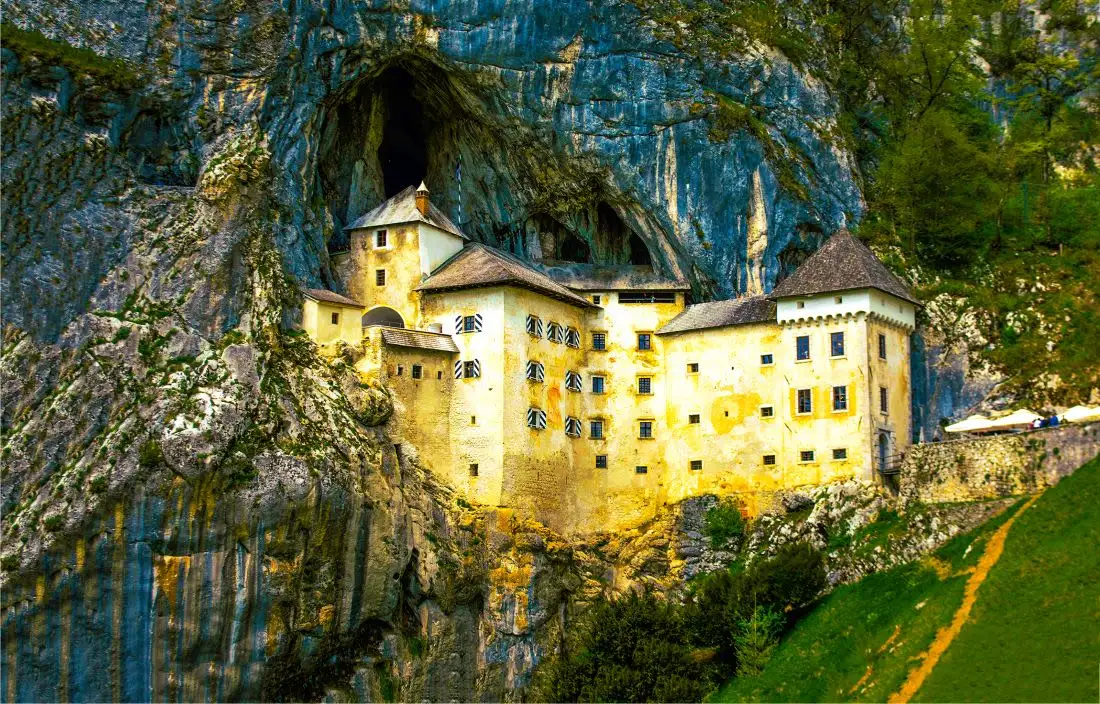
Guided Trip to Lake Bled, Postojna and Predjama
This full day trip will take you to the main tourist sights of Slovenia including the stunning Bled Lake, Bled Castle, the Postojna Cave, and Predjama Castle, as well as some lesser-known attractions that showcase the wild and mysterious beauty of Slovakia.
Day 10
Ljubljana
Day 11
Ljubljana
Day 11
Ljubljana
Early Morning to Late Afternoon
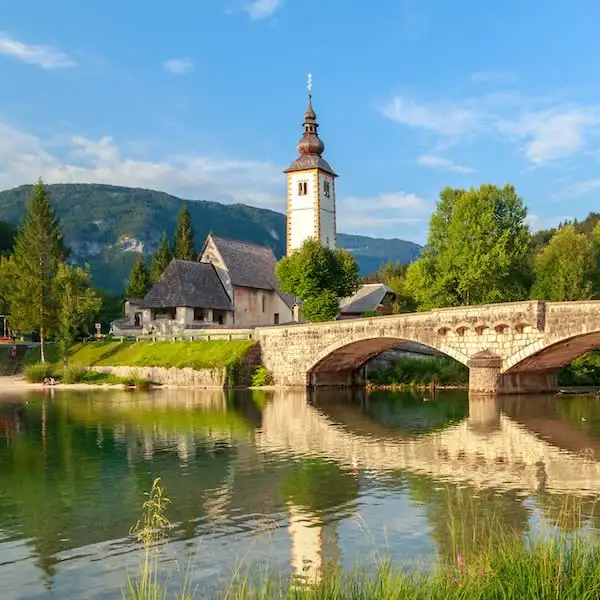
Lake Bohinj
Escape to the serene and majestic Lake Bohinj, a gem in the heart of Slovenia's Julian Alps, on a self-guided excursion from Ljubljana. This excursion offers more than just a visual spectacle; it's also an opportunity to choose from a number of different outdoor activities. to Hike to a waterfall or Alpine peaks, feel the adrenaline rush of rafting down a pristine river, or explore the picturesque landscape by cycling through the valley leading to the lake. Lake Bohinj is a perfect trip for those with adventurous soul, as well as for those seeking extraordinary beauty and tranquility.

Ride the exhilarating rapids of the Sava Bohinjka River
Show More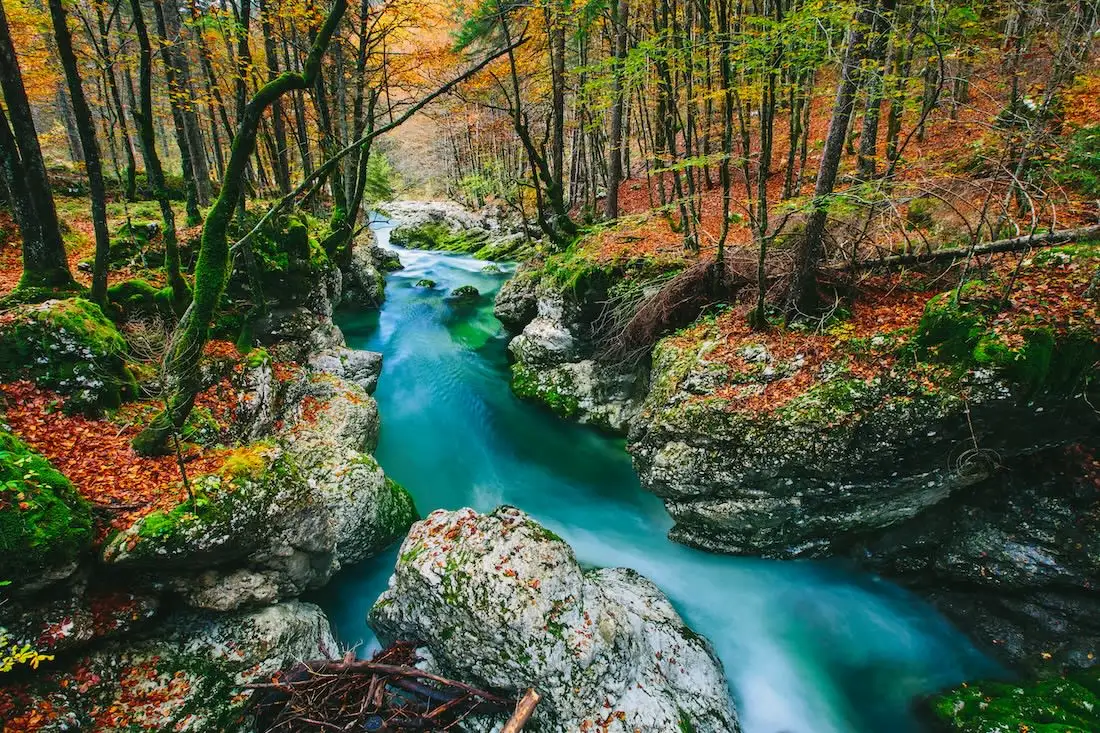
Take an easy hike to see the amazing natural sculptures of Mostnica Gorge.
Show More
Hike to the majestic Savica Waterfall, a jewel of the Julian Alps.
Show More

Stroll, sail, or soak in the beauty of Lake Bohinj's enchanting waters.
Show More
Pedal through breathtaking valleys and over Alpine foothills.
Show MoreRide the exhilarating rapids of the Sava Bohinjka River
Show MoreTake an easy hike to see the amazing natural sculptures of Mostnica Gorge.
Show MoreHike to the majestic Savica Waterfall, a jewel of the Julian Alps.
Show MoreStroll, sail, or soak in the beauty of Lake Bohinj's enchanting waters.
Show MorePedal through breathtaking valleys and over Alpine foothills.
Show MoreDay 11
Ljubljana

Day 12
Ljubljana to Zagreb
Day 12
Ljubljana to Zagreb


10:00 AM - 12:00 PM
Guided Cycling Tour of Ljubljana
On this guided cycling tour you will pedal along the enchanting embankments on the river Ljubljanica all the way to the Ljubljana Botanic Garden, take a garden tour, and continue through the famous vegetable gardens of Krakovo towards Tivoli Park to enjoy a rest and a picnic snack there. On the last leg of the tour, you will visit the Metelkova mesto alternative culture center.

Day 12
Ljubljana to Zagreb

Day 13
Zagreb
Day 13
Zagreb

9:00 AM - 11:00 AM
Highlights of Zagreb, Guided Tour
On this 2.5-hour private tour, you will see the main sights and vibrant everyday life in Zagreb. You will visit the oldest parts of town, hear genuine Zagreb stories and legends, and enjoy a walk through the old town's green promenade. Highlights include Zagreb cathedral, the short funicular connecting the lower and uppers parts of the city, the oldest part of the city called Gradec were the city's parliament and best museums are to be found, the famous pedestrianized Tkalčićeva Street that has one of the most engaging and fun dining areas in Southern Europe and the open-air market of Dolac.

Enjoy an intriguing and bitter-sweet visit to a unique museum focused on heartbreak.
Show More
Be sure to stop by the picturesque square and church at the heart of Old Zagreb.
Show More

Historic lookout tower
Show MoreEnjoy an intriguing and bitter-sweet visit to a unique museum focused on heartbreak.
Show MoreBe sure to stop by the picturesque square and church at the heart of Old Zagreb.
Show MoreHistoric lookout tower
Show MoreDay 13
Zagreb

Day 14
Depart Zagreb
Day 14
Depart Zagreb
To Be Determined
Transfer to Airport
You can use Uber or your hotel will be happy to arrange a taxi pick up for you and can give you an estimate of the price. If you are picked up two hours and 45 minutes prior to departure, you should have plenty of time to catch your flight. If you are leaving during rush hour, you may want to budget an extra ten to fifteen minutes.

Day 14
Depart Zagreb
What's Included in the Adriatic Gems in Two Weeks Trip Trip?
Pre-Paid Tours and Activities:
- Guided Walking Tour of Dubrovnik's Old Town
- Walking Tour of Split Old Town & Diocletian's Palace
- Guided Tour of Plitvice Lakes
- Guided Walking Tour of Ljubljana
- Full Day Small Group trip to Lake Bled, Postojna Cave and Predjama Castle
- Guided Group Cycling Tour of Ljubljana
- Highlights of Zagreb, Guided Tour

Pre-Paid Transportation:
- 2nd Class Train Tickets from Ljubljana-Zagreb
- Catamaran ferry from Dubrovnik-Split
- Shuttle Service from Split to Plitvice Lakes
- Shuttle Service from Plitvice Lakes to Ljubljana

Accommodation:
- 3 nights at a hotel of your choice in Dubrovnik
- 3 nights at a hotel of your choice in Split
- 2 nights at a hotel of your choice in Plitvice Lakes
- 3 nights at a hotel of your choice in Ljubljana
- 2 nights at a hotel of your choice in Zagreb

Go Real Travel Mobile App:
- Itinerary Plan & Reservations Info
- Points of Interest
- Detailed Travel Information
- Maps & Directions
Other Trips You May Like


10 Days
Croatia & Slovenia: 10 Days of Historic Coastline, Waterfalls & Mountains



10 Days
Croatia & Slovenia: 10 Days of Historic Coastline, Waterfalls & Mountains
Featured Blogs




Our Customers Say It Best


Malini Dutta, Boston, Massachusetts

Bev and Mark Frankel, Williamsburg, Virginia
Marianne Strydom, Paarl, South Africa
Otto Chuy, Los Angeles, California
Malini Dutta, Boston, Massachusetts
Bev and Mark Frankel, Williamsburg, Virginia
Marianne Strydom, Paarl, South Africa
Otto Chuy, Los Angeles, California
Malini Dutta, Boston, Massachusetts
Bev and Mark Frankel, Williamsburg, Virginia
Marianne Strydom, Paarl, South Africa
Otto Chuy, Los Angeles, California



Explore cities in more detail

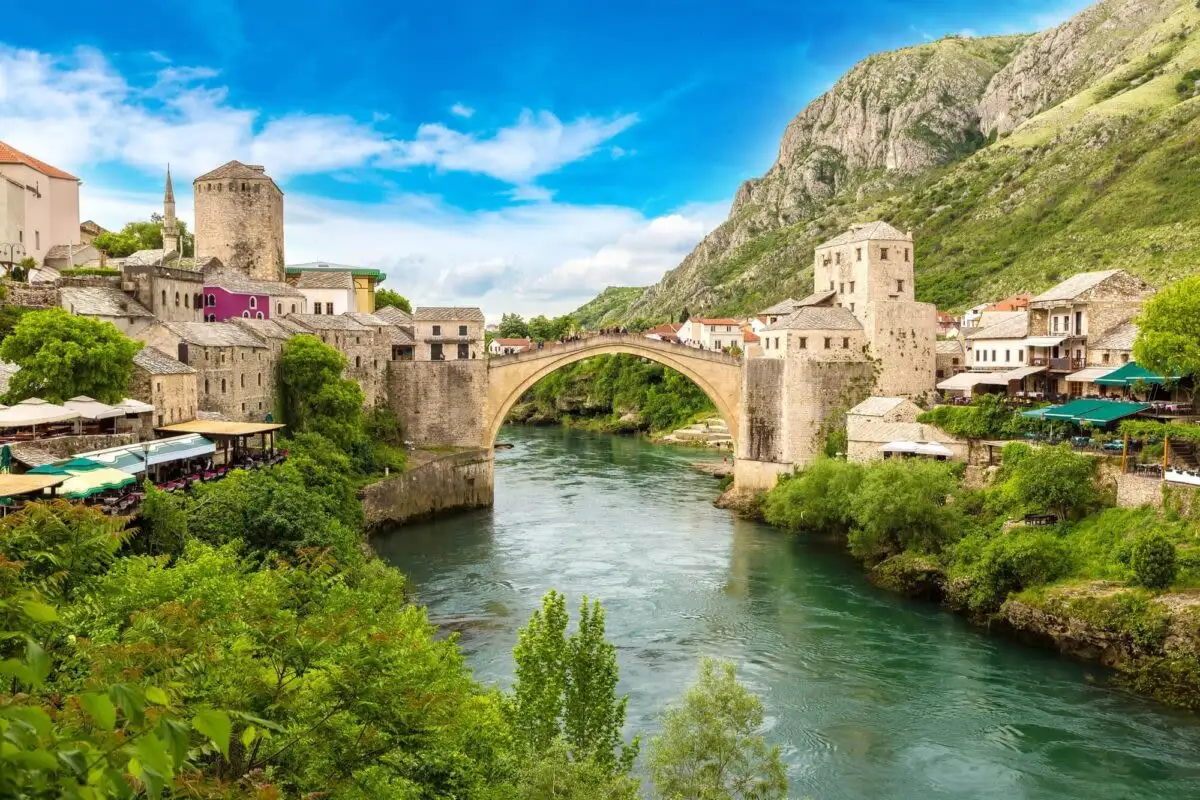
Ljubljana
One of Europe's smallest capitals, Ljubljana is still Slovenia's biggest city. What it lacks in size, though, it more than makes up for in charm, beauty, and personality. It's also one of Europe's greenest cities and is perfect for a bike ride or a leisurely walk. With plenty of open spaces, gorgeous architecture, and cultural treats, it's easy to fill the time here. The Tromostovje, or Triple Bridge, is one of Ljubljana's main attractions, connecting the Old Town with the new. Excellent pizza can be found here, and a series of bars and cafes are dotted throughout the town and along the banks of the river. The anarchic Metelkova City reveals Ljubljana's grittier side, with art exhibitions and performances housed in a disused military barracks. Ljubljana is charm and beauty compressed neatly into a small and pretty space.
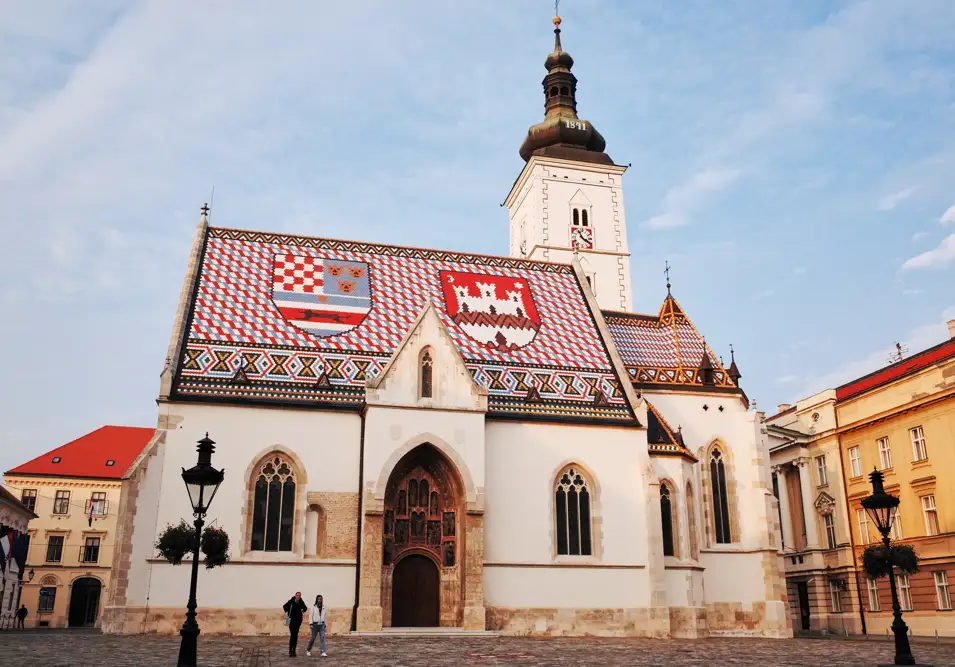
Zagreb
Zagreb is Croatia's biggest city, known for its cultural roots and vibrant street life. The city's rich history is evident in the mix of different architectural styles, including secessionist, classical, neo-Baroque, neo-Gothic, and art deco. Even the seemingly lackluster parts of town have been brought to life by street artists. At first glance, the red rooftops and cobblestone streets might seem reminiscent of other popular European cities, but you'll soon learn that Zagreb has a spirit all its own. Everywhere you go, you'll be rubbing elbows with lively locals hanging out at open cafes, gardens, and parks, or rushing to the next event on the calendar. Thanks to the spacious pedestrian zones attracting locals, expats, and visitors alike, socializing with new people and finding something unexpected to do is effortless. At night, the youth of the city becomes even more exuberant. With plenty of jazz clubs, beer halls, cocktail bars, and casinos, there's always something to do because the city never sleeps.

Hvar
Hvar, an enchanting Croatian island in the Adriatic Sea, is a gem waiting to be discovered. Located just an hour’s ferry ride from Split, it’s known for its sun-drenched days, shimmering waters, and vibrant lavender fields. Visitors can explore charming medieval streets, elegant harbors, and enjoy stunning views from ancient hilltop fortresses. Stroll through Hvar Town’s lively squares, savor local wines at quaint seaside cafes, or relax on secluded beaches surrounded by crystal-clear waters. With a laid-back Mediterranean vibe, Hvar offers a perfect blend of culture, history, and natural beauty that makes it a must-see for those seeking an idyllic island escape.

Dubrovnik
Situated in southern Croatia on the Adriatic Sea, Dubrovnik is famous for many different reasons. Everywhere you look in Dubrovnik is a stunning view. Known for its beautiful Old Town and ancient walls, Dubrovnik is a resilient city that deserves its nickname as the pearl of the Adriatic. Strolling through the limestone streets lined with baroque buildings, alongside the animated locals, will inspire you to keep exploring. The city walls offer spectacular views of the red rooftops in Old Town and the shimmering blues of the Adriatic Sea. After a tiring trek in the hot Croatian sun, cool off at one of Dubrovnik’s divine pebbly beaches and go swimming in the sea. The best way to end the day is a visit to Stradun, the main street, to pop into one of the cafes or restaurants, and relax during a delicious meal of Croatian specialties and wine.
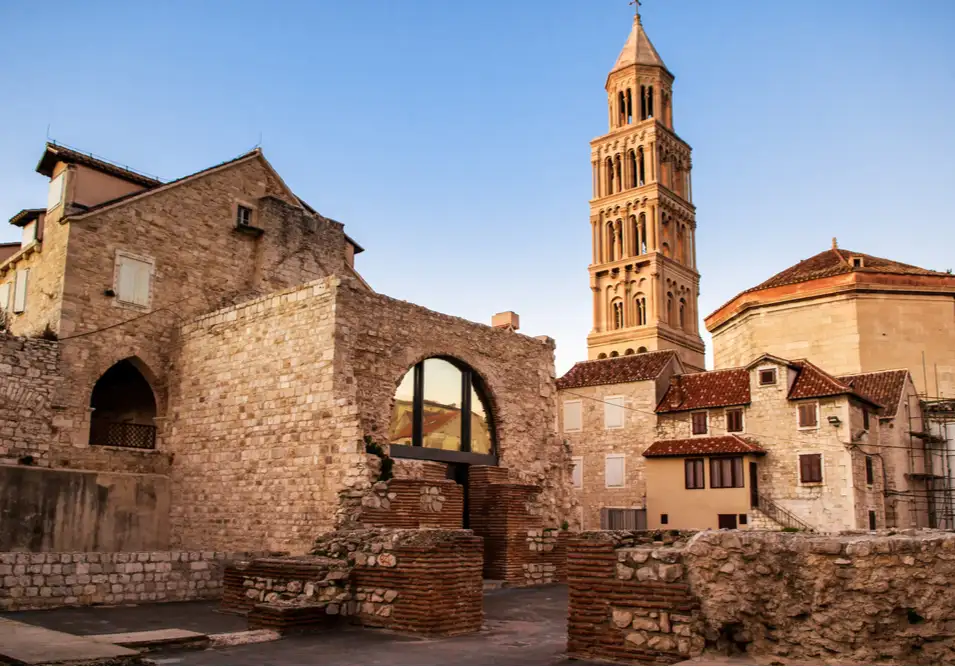
Split
A lively port city situated between mountains and sea, Split is one of Croatia's most visited—and most beautiful— cities. With historical monuments sprinkled across the Dalmatian coastline and trendy cafes and shops popping up within the ancient walls of the city center, it's easy to see why this extraordinary city is such a popular travel destination. Split is always abuzz with visitors and locals alike enjoying a seafood meal outside, relaxing on the beach, or boating on the Adriatic. The weather is almost always beautiful, so the streets tend to be crowded with people looking to take advantage of the sunshine. A walk through Split feels like a journey through past centuries. The coastal town showcases modern architecture next to structures like Diocletian's Palace, which date back to the times of the Roman Empire. In fact, Split's Old Town resides within the walls of Diocletian's Palace. As you stroll through the narrow marble streets, you'll be amazed by the number of modern restaurants and bars populating this ancient area. It's easy to pack plenty of culture, history, activity, and leisure all into one amazing trip.
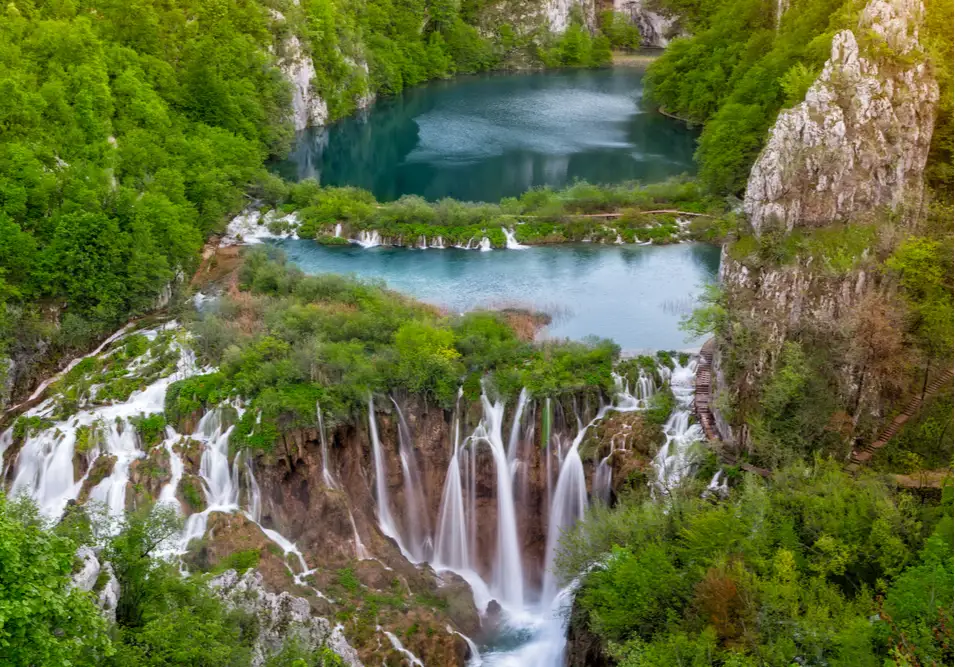
Plitvice Lakes
Plitvice Lakes in Croatia is a national park featuring 16 interconnected lakes. It was once one of Yugoslavia’s most popular tourist hotspots, and today this UNESCO World Heritage Site attracts visitors from all over the world. The lakes’ main draw is their sublime natural beauty. Turquoise pools, joined by a series of waterfalls and cascades, are set like jewels within the park’s lush green hillsides. Wooden hiking paths snake between the lakes and along the shores. Plitvice hosts an impressive variety of wildlife, from wild boars and dormice to hundreds of butterfly species, and countless types of birds. The park’s most famous resident is the elusive brown bear. Occupied by hostile forces during the Croatian War of Independence, this park’s history isn’t all paradisical. However, it’s easy to forget that troubled past when spending time by the lakes today. Today, Plitvice’s mood is all about peace, relaxation, and appreciation of stunning natural beauty.
Ljubljana
One of Europe's smallest capitals, Ljubljana is still Slovenia's biggest city. What it lacks in size, though, it more than makes up for in charm, beauty, and personality. It's also one of Europe's greenest cities and is perfect for a bike ride or a leisurely walk. With plenty of open spaces, gorgeous architecture, and cultural treats, it's easy to fill the time here. The Tromostovje, or Triple Bridge, is one of Ljubljana's main attractions, connecting the Old Town with the new. Excellent pizza can be found here, and a series of bars and cafes are dotted throughout the town and along the banks of the river. The anarchic Metelkova City reveals Ljubljana's grittier side, with art exhibitions and performances housed in a disused military barracks. Ljubljana is charm and beauty compressed neatly into a small and pretty space.
Zagreb
Zagreb is Croatia's biggest city, known for its cultural roots and vibrant street life. The city's rich history is evident in the mix of different architectural styles, including secessionist, classical, neo-Baroque, neo-Gothic, and art deco. Even the seemingly lackluster parts of town have been brought to life by street artists. At first glance, the red rooftops and cobblestone streets might seem reminiscent of other popular European cities, but you'll soon learn that Zagreb has a spirit all its own. Everywhere you go, you'll be rubbing elbows with lively locals hanging out at open cafes, gardens, and parks, or rushing to the next event on the calendar. Thanks to the spacious pedestrian zones attracting locals, expats, and visitors alike, socializing with new people and finding something unexpected to do is effortless. At night, the youth of the city becomes even more exuberant. With plenty of jazz clubs, beer halls, cocktail bars, and casinos, there's always something to do because the city never sleeps.
Hvar
Hvar, an enchanting Croatian island in the Adriatic Sea, is a gem waiting to be discovered. Located just an hour’s ferry ride from Split, it’s known for its sun-drenched days, shimmering waters, and vibrant lavender fields. Visitors can explore charming medieval streets, elegant harbors, and enjoy stunning views from ancient hilltop fortresses. Stroll through Hvar Town’s lively squares, savor local wines at quaint seaside cafes, or relax on secluded beaches surrounded by crystal-clear waters. With a laid-back Mediterranean vibe, Hvar offers a perfect blend of culture, history, and natural beauty that makes it a must-see for those seeking an idyllic island escape.
Dubrovnik
Situated in southern Croatia on the Adriatic Sea, Dubrovnik is famous for many different reasons. Everywhere you look in Dubrovnik is a stunning view. Known for its beautiful Old Town and ancient walls, Dubrovnik is a resilient city that deserves its nickname as the pearl of the Adriatic. Strolling through the limestone streets lined with baroque buildings, alongside the animated locals, will inspire you to keep exploring. The city walls offer spectacular views of the red rooftops in Old Town and the shimmering blues of the Adriatic Sea. After a tiring trek in the hot Croatian sun, cool off at one of Dubrovnik’s divine pebbly beaches and go swimming in the sea. The best way to end the day is a visit to Stradun, the main street, to pop into one of the cafes or restaurants, and relax during a delicious meal of Croatian specialties and wine.
Split
A lively port city situated between mountains and sea, Split is one of Croatia's most visited—and most beautiful— cities. With historical monuments sprinkled across the Dalmatian coastline and trendy cafes and shops popping up within the ancient walls of the city center, it's easy to see why this extraordinary city is such a popular travel destination. Split is always abuzz with visitors and locals alike enjoying a seafood meal outside, relaxing on the beach, or boating on the Adriatic. The weather is almost always beautiful, so the streets tend to be crowded with people looking to take advantage of the sunshine. A walk through Split feels like a journey through past centuries. The coastal town showcases modern architecture next to structures like Diocletian's Palace, which date back to the times of the Roman Empire. In fact, Split's Old Town resides within the walls of Diocletian's Palace. As you stroll through the narrow marble streets, you'll be amazed by the number of modern restaurants and bars populating this ancient area. It's easy to pack plenty of culture, history, activity, and leisure all into one amazing trip.
Plitvice Lakes
Plitvice Lakes in Croatia is a national park featuring 16 interconnected lakes. It was once one of Yugoslavia’s most popular tourist hotspots, and today this UNESCO World Heritage Site attracts visitors from all over the world. The lakes’ main draw is their sublime natural beauty. Turquoise pools, joined by a series of waterfalls and cascades, are set like jewels within the park’s lush green hillsides. Wooden hiking paths snake between the lakes and along the shores. Plitvice hosts an impressive variety of wildlife, from wild boars and dormice to hundreds of butterfly species, and countless types of birds. The park’s most famous resident is the elusive brown bear. Occupied by hostile forces during the Croatian War of Independence, this park’s history isn’t all paradisical. However, it’s easy to forget that troubled past when spending time by the lakes today. Today, Plitvice’s mood is all about peace, relaxation, and appreciation of stunning natural beauty.
Hi! Need help planning your dream trip? 🌍
Go Real Travel Assistant
OnlineWelcome! Where are you in your journey?
Pick the option that fits you best so we can route you to the right help.