
Belgrade Nights and Cultural Lights
 3 Day Tour of Belgrade
Destinations on this trip: Belgrade
Overview
Trip Map
Itinerary
Inclusions
Reviews


How Long Is the Belgrade Cultural Escape Trip and What Does It Cost?
 Duration3 days / 2 nights
- Best timeJan-Dec
 From$479 / person (Flights not included)
- Discover Nikola Tesla with an interactive visit to the museum dedicated to his genius.
- Stroll cobblestone streets in the bohemian Skadarlija neighborhood, alive with art, music & food.
- Embrace the tranquility of Great War Island, a natural oasis offering a peaceful break in the city.
- Experience Serbian culture at a performance by the acclaimed Belgrade Philharmonic Orchestra.
- Soak up Belgrade's unique nightlife by exploring the floating clubs along the Sava & Danube rivers.
- Discover Nikola Tesla with an interactive visit to the museum dedicated to his genius.
- Stroll cobblestone streets in the bohemian Skadarlija neighborhood, alive with art, music & food.
- Embrace the tranquility of Great War Island, a natural oasis offering a peaceful break in the city.
- Experience Serbian culture at a performance by the acclaimed Belgrade Philharmonic Orchestra.
- Soak up Belgrade's unique nightlife by exploring the floating clubs along the Sava & Danube rivers.


Must see sights
Starting from
$479
per person
 Not included
 Price varies by group size, hotel selection, and travel season.
Secure Your Customizable Trip
Enter your details to embark on a journey that can be tailored just for you.
Start
Travelers
Preferred Hotel Stars

Craft Your Own Itinerary
Select your interests and destinations for a trip plan inspired by you.
Where Does the Belgrade Cultural Escape Trip Trip Go?
| ← | Move left |
| → | Move right |
| ↑ | Move up |
| ↓ | Move down |
| + | Zoom in |
| - | Zoom out |
| Home | Jump left by 75% |
| End | Jump right by 75% |
| Page Up | Jump up by 75% |
| Page Down | Jump down by 75% |


Click To Make Map Interactive
Belgrade Cultural Escape Trip Timeline
Arrival
2 nights
Belgrade
Serbia
Departure
What Does the Belgrade Cultural Escape Trip Itinerary Look Like?
Day 1
Arrive Belgrade

Day 1
Arrive Belgrade


Mid-Day
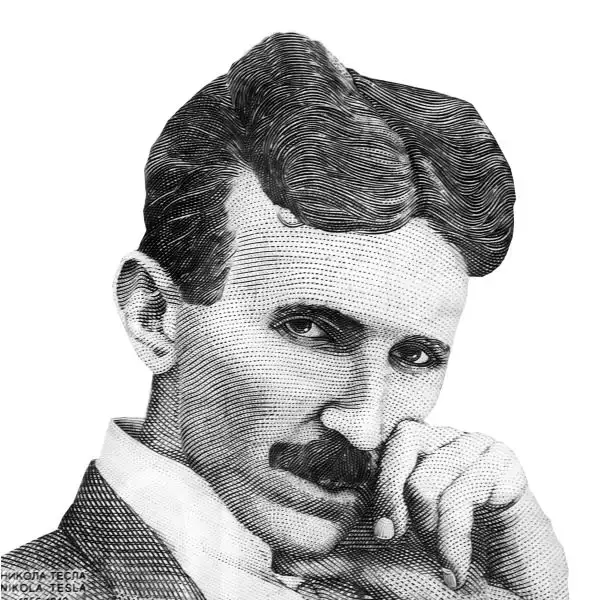
Belgrade - Nikola Tesla Museum
This small and interactive museum is dedicated to honoring and documenting the life of Nikola Tesla, and the contributions he made to everyday life for people all over the world. As the inventor of the alternating current and oscillating generator, Tesla revolutionised the way we manufacture, use, and distribute electricity. At this musuem you can learn about his life, see his inventions, and touch electricity.

Day 1
Arrive Belgrade

Day 1
Arrive Belgrade
To Be Determined:
Taxi Pickup, Self-Arranged
Mid-Day:
Belgrade - Nikola Tesla Museum
Mid-Day/Afternoon:
Great War Island
Late Afternoon:
Skadarlija Quarter
Early Evening:
Splavs in Belgrade
Belgrade - Nikola Tesla Museum
OverviewBelgrade - Nikola Tesla Museum
This small and interactive museum is dedicated to honoring and documenting the life of Nikola Tesla, and the contributions he made to everyday life for people all over the world. As the inventor of the alternating current and oscillating generator, Tesla revolutionised the way we manufacture, use, and distribute electricity. At this musuem you can learn about his life, see his inventions, and touch electricity.
Belgrade - Nikola Tesla Museum
OverviewBelgrade - Nikola Tesla Museum
This small and interactive museum is dedicated to honoring and documenting the life of Nikola Tesla, and the contributions he made to everyday life for people all over the world. As the inventor of the alternating current and oscillating generator, Tesla revolutionised the way we manufacture, use, and distribute electricity. At this musuem you can learn about his life, see his inventions, and touch electricity.
Belgrade - Nikola Tesla Museum
OverviewBelgrade - Nikola Tesla Museum
This small and interactive museum is dedicated to honoring and documenting the life of Nikola Tesla, and the contributions he made to everyday life for people all over the world. As the inventor of the alternating current and oscillating generator, Tesla revolutionised the way we manufacture, use, and distribute electricity. At this musuem you can learn about his life, see his inventions, and touch electricity.
Belgrade - Nikola Tesla Museum
OverviewBelgrade - Nikola Tesla Museum
This small and interactive museum is dedicated to honoring and documenting the life of Nikola Tesla, and the contributions he made to everyday life for people all over the world. As the inventor of the alternating current and oscillating generator, Tesla revolutionised the way we manufacture, use, and distribute electricity. At this musuem you can learn about his life, see his inventions, and touch electricity.
Belgrade - Nikola Tesla Museum
OverviewBelgrade - Nikola Tesla Museum
This small and interactive museum is dedicated to honoring and documenting the life of Nikola Tesla, and the contributions he made to everyday life for people all over the world. As the inventor of the alternating current and oscillating generator, Tesla revolutionised the way we manufacture, use, and distribute electricity. At this musuem you can learn about his life, see his inventions, and touch electricity.
Day 2
Belgrade
Day 2
Belgrade


9:00 AM - 12:00 PM
Belgrade Walking Tour
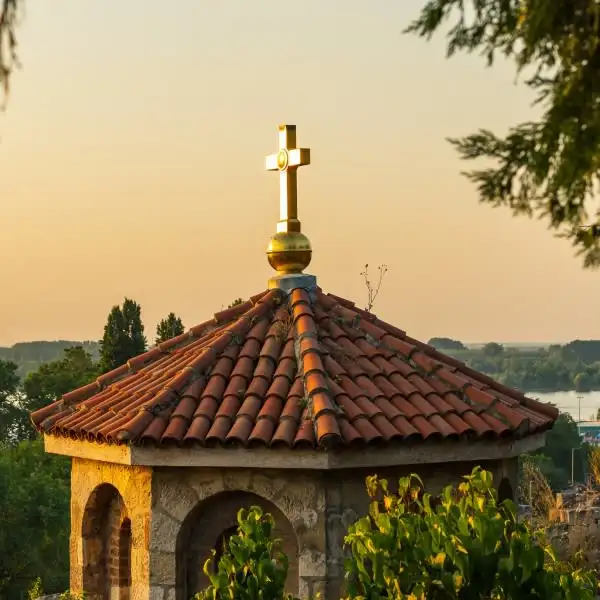
During this 3h privately guided walking tour, you’ll have a chance to discover Belgrade's history, culture, architecture, lifestyle and everything that you might like to know in order to get around, museums and galleries, good places to dine or drink, souvenir shops or fashion stores. Your professional tour guide will pick you up from your hotel and will be happy to show you all the highlights of Belgrade's city center.

The Serbian National Museum was established in 1844 and is the oldest museum in the country.
Show More
The National Theatre was built in 1868 and was declared a Monument of Culture of Great Importance in 1983, and it is protected by the Republic of Serbia.
Show More


This is Belgrade's largest, and most important park. Built on a 125-meter high cliff above the confluence of the Sava and Danube Rivers, it has been a strategic site for centuries.
Show MoreThe Serbian National Museum was established in 1844 and is the oldest museum in the country.
Show MoreThe National Theatre was built in 1868 and was declared a Monument of Culture of Great Importance in 1983, and it is protected by the Republic of Serbia.
Show MoreThis is Belgrade's largest, and most important park. Built on a 125-meter high cliff above the confluence of the Sava and Danube Rivers, it has been a strategic site for centuries.
Show MoreDay 2
Belgrade
Day 3
Depart Belgrade
Day 3
Depart Belgrade

Morning
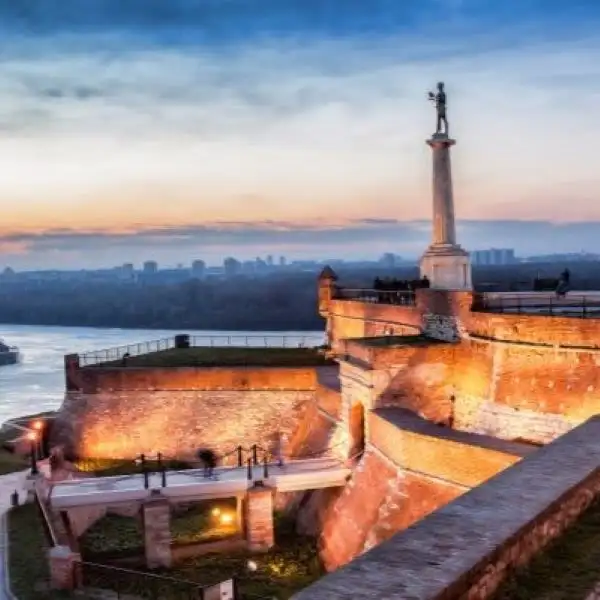
Kalemegdan Fortress
The Belgrade fortress is located inside Kalemegdan, Belgrade's most popular park. The fortress dates back to prehistoric times and has been destroyed and reconstructed many times since. Today it is home to two museums, including Tito's bunker, and a large complex of historically significant sites. The Military Museum houses numerous collections narrating the long and complex history of Belgrade, having been razed to the ground and rebuilt over forty times throughout its recorded history.


One of Belgrade's most mysterious sites.
Show MoreOne of Belgrade's most mysterious sites.
Show MoreOne of Belgrade's most mysterious sites.
Show MoreDay 3
Depart Belgrade
What's Included in the Belgrade Cultural Escape Trip Trip?
Pre-Paid Tours and Activities:
- Privately Guided Walking Tour of Belgrade

Pre-Paid Transportation:

Accommodation:
- 2 nights at a hotel of your choice in Belgrade

Go Real Travel Mobile App:
- Itinerary Plan & Reservations Info
- Points of Interest
- Detailed Travel Information
- Maps & Directions
Other Trips You May Like





4 Days
4 Days
Featured Blogs



Our Customers Say It Best


Malini Dutta, Boston, Massachusetts

Bev and Mark Frankel, Williamsburg, Virginia
Marianne Strydom, Paarl, South Africa
Otto Chuy, Los Angeles, California
Malini Dutta, Boston, Massachusetts
Bev and Mark Frankel, Williamsburg, Virginia
Marianne Strydom, Paarl, South Africa
Otto Chuy, Los Angeles, California
Malini Dutta, Boston, Massachusetts
Bev and Mark Frankel, Williamsburg, Virginia
Marianne Strydom, Paarl, South Africa
Otto Chuy, Los Angeles, California



Explore cities in more detail
Plitvice Lakes
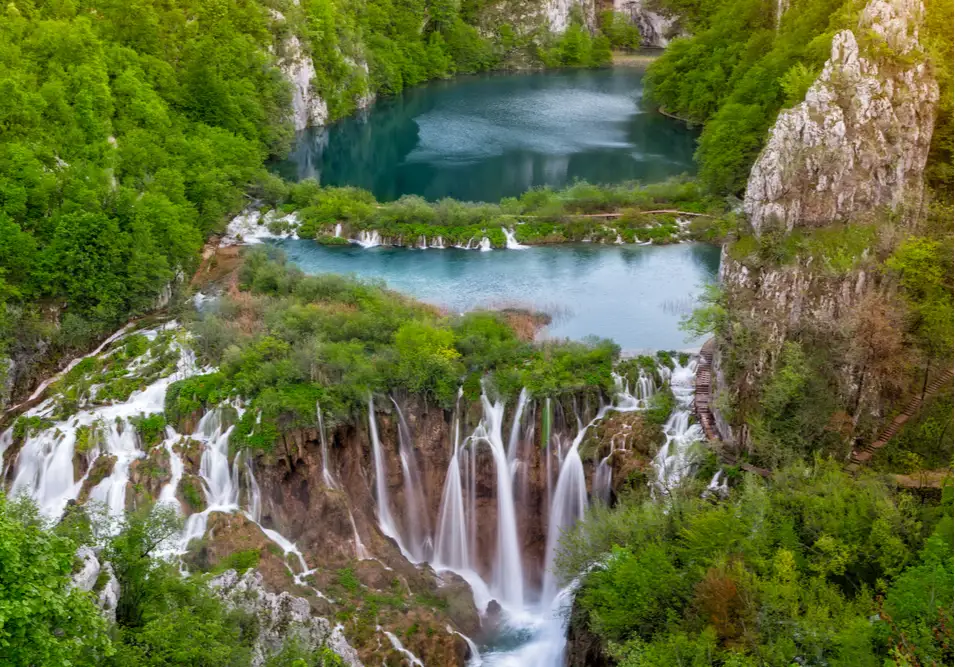
Plitvice Lakes in Croatia is a national park featuring 16 interconnected lakes. It was once one of Yugoslavia’s most popular tourist hotspots, and today this UNESCO World Heritage Site attracts visitors from all over the world. The lakes’ main draw is their sublime natural beauty. Turquoise pools, joined by a series of waterfalls and cascades, are set like jewels within the park’s lush green hillsides. Wooden hiking paths snake between the lakes and along the shores. Plitvice hosts an impressive variety of wildlife, from wild boars and dormice to hundreds of butterfly species, and countless types of birds. The park’s most famous resident is the elusive brown bear. Occupied by hostile forces during the Croatian War of Independence, this park’s history isn’t all paradisical. However, it’s easy to forget that troubled past when spending time by the lakes today. Today, Plitvice’s mood is all about peace, relaxation, and appreciation of stunning natural beauty.
Zagreb
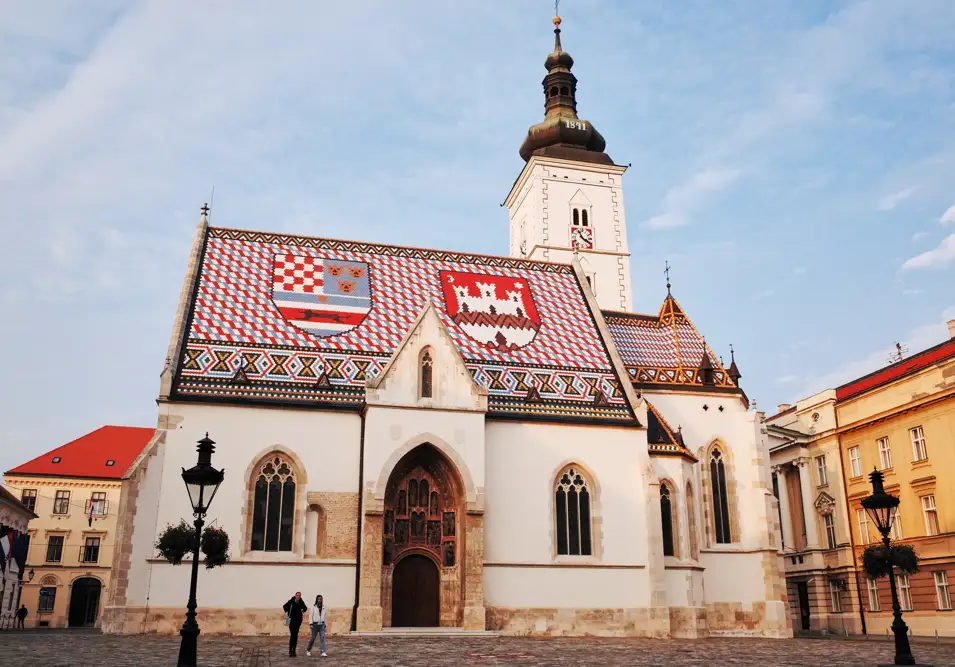
Zagreb is Croatia's biggest city, known for its cultural roots and vibrant street life. The city's rich history is evident in the mix of different architectural styles, including secessionist, classical, neo-Baroque, neo-Gothic, and art deco. Even the seemingly lackluster parts of town have been brought to life by street artists. At first glance, the red rooftops and cobblestone streets might seem reminiscent of other popular European cities, but you'll soon learn that Zagreb has a spirit all its own. Everywhere you go, you'll be rubbing elbows with lively locals hanging out at open cafes, gardens, and parks, or rushing to the next event on the calendar. Thanks to the spacious pedestrian zones attracting locals, expats, and visitors alike, socializing with new people and finding something unexpected to do is effortless. At night, the youth of the city becomes even more exuberant. With plenty of jazz clubs, beer halls, cocktail bars, and casinos, there's always something to do because the city never sleeps.
Bratislava
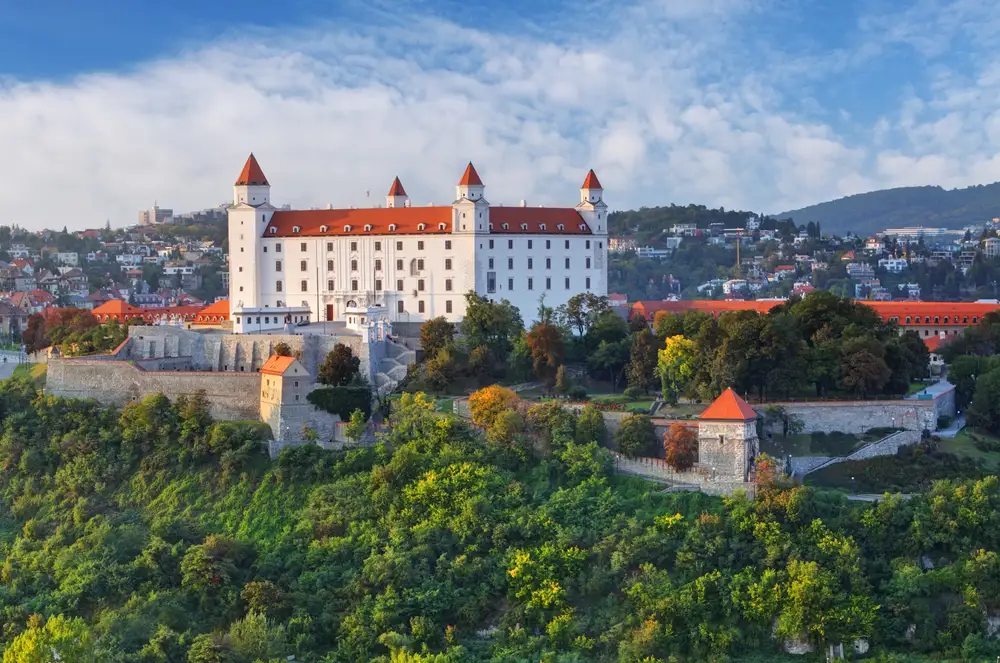
Bratislava is one of the most up-and-coming cities in central Europe. After years in the shadows of the Soviet bloc, and often drowned out by Prague, Bratislava has finally broken out. The Bratislavan region is now one of the richest per capita in the EU. This economic upswing has infused Bratislava with a newfound zeal. Trendy cafes and cool shopping centers are popping up everywhere, and the city’s already happening nightlife scene is only set to get better. Still less crowded than its central European neighbors Prague, Vienna, and Budapest, but just as intriguing, there’s really never been a better time for a visit to Bratislava. Ruled over by the Hungarians, Austrians, and most recently the Soviets, Bratislava is a city of strange contrasts. As soon as you arrive in Bratislava, you’ll see the pastel-hued churches, baroque houses, and the cobbled Old Town Square brush shoulders with modern brutalist buildings, retrofuturistic towers, and the clunky communist built UFO bridge. The city’s oldest building, its castle, is set atop the western edge of the Little Carpathian Hills like a trophy, the city’s hard-won main icon. For the first time in nearly a millennium, Bratislava has now seized control of its own destiny, and it shows.
Belgrade
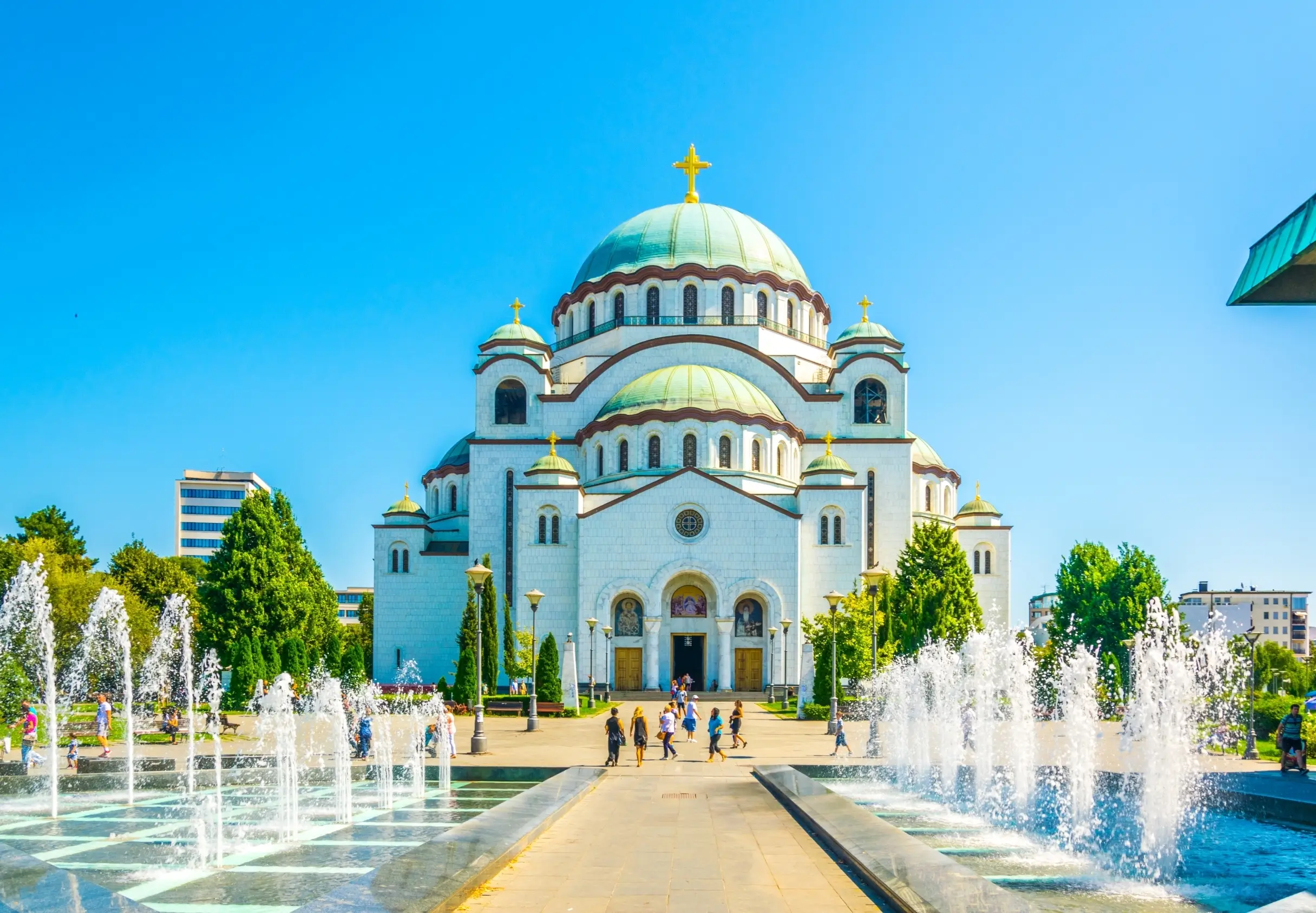
Belgrade is one of Europe’s oldest cities and with age comes experience. Remnants of the city’s turbulent past can be seen easily during a stroll through the streets: socialist blocks sit beside art nouveau buildings, while fragments of the Habsburg monarchy contrast with Ottoman Turk relics. If you’re looking to take in a little history, you’ll have a lot to choose from between the city’s many museums, monuments, and of course, the fortress. What Belgrade lacks in traditional beauty it makes up for in personality. Belgrade is first and foremost known for its unrivaled nightlife scene. Appropriately named the city that never sleeps, after the sun goes down you can explore floating clubs on the river, hip bars around the center, and great parties everywhere you look. During the daylight hours, you’ll find busy locals bustling around the business centers, relaxing in elegant coffee houses, or wandering through the city’s many beautiful parks.
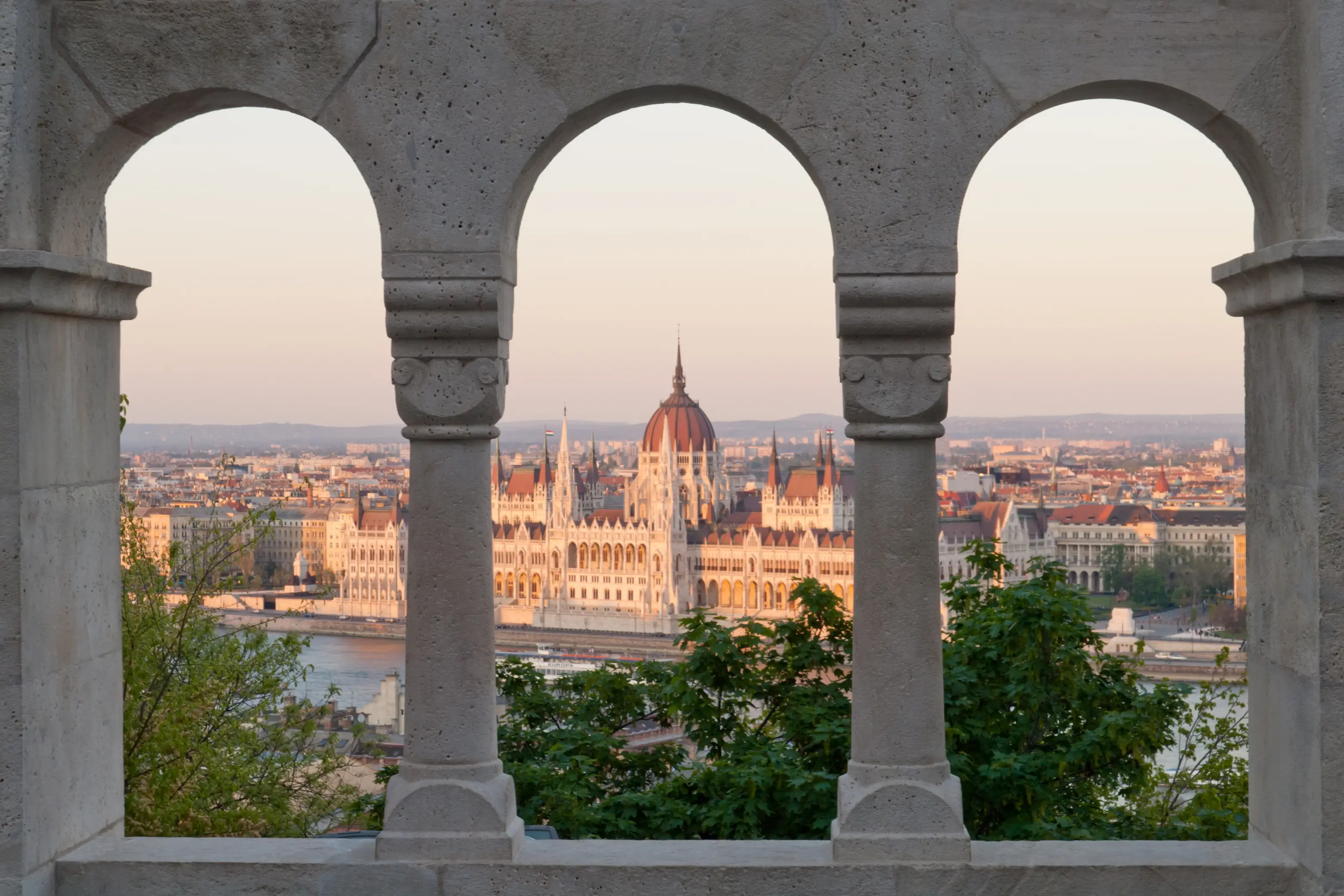
Budapest
Situated at the heart of Europe, Budapest is the capital of Hungary, appropriately named 'The Pearl of the Danube,' for its fixating and almost haunting beauty. Formerly two separate cities, Buda and Pest were forged into one by time, occupation, and the eight bridges that anchor them together today. From the Romans to the Communists, each occupier left its flavor profile in Budapest, evident in the famous spicy Hungarian stew known as 'goulash.' Budapest is a melting pot of history, culture, and taste, from the magnificent Baroque and neo-Gothic architecture to the Turkish thermal baths. After a long day of sightseeing, treat yourself to a glass of Tokaj, what King Louis XIV of France referred to as the "Wine of Kings, King of Wines". Budapest has a flavor to satisfy any taste.
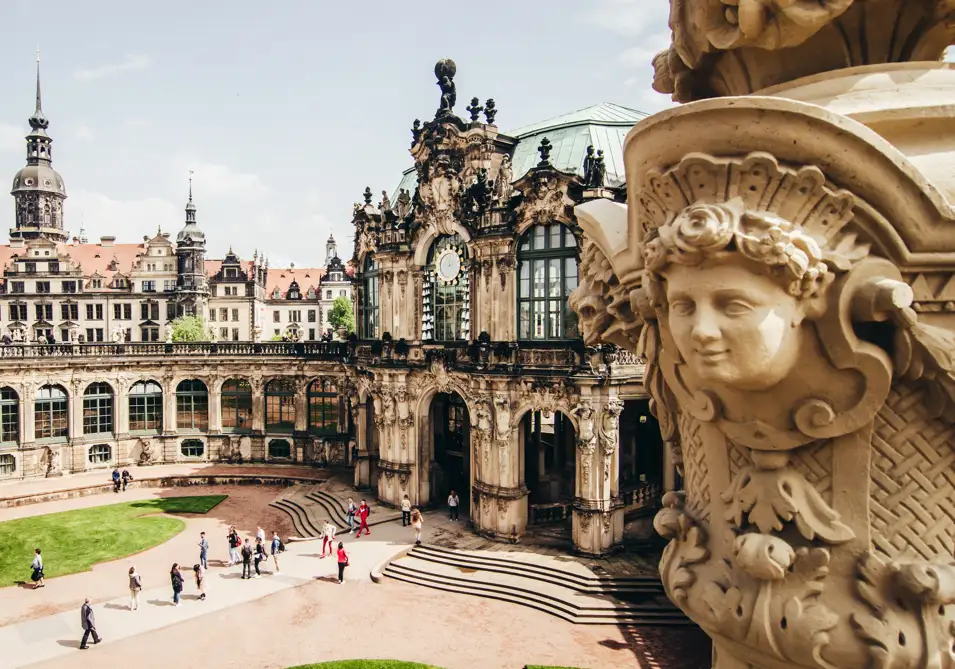
Dresden
Nearly every wall and rooftop in Dresden seems to be finished with a flourish. Defined by its ornamental baroque architecture, a power statement of Saxon royalty, Dresden is made all the more miraculous considering the city was leveled by firebombing in WWII. After the war, the city was reconstructed, brick by painstaking brick. Even under East German-Soviet rule, which usually eschewed frivolous design, buildings like the Semper Opera House were pieced back to their former glory. Restoration of the majestic Zwinger Palace and bell domed Church of Our Lady slowly followed, with the Frauenkirche only fully repaired in 2005. Arguably there is no other city in Europe that cherishes its hard-won architecture as much as Dresden. Although it is a compact city, so many of its buildings will stop you in your tracks that architecture fans will easily lose a whole day in the Old Town area. Especially during the winter months, Dresden sparkles with a joyous, uplifting ambiance. The city is recognized as having the best-ever Christmas market in all of Europe. Between the twinkling lights, the scent of hot wine and gingerbread, and the towering Christmas tree, it’s worth going out of your way to see Dresden at this time of year.
Plitvice Lakes
Plitvice Lakes in Croatia is a national park featuring 16 interconnected lakes. It was once one of Yugoslavia’s most popular tourist hotspots, and today this UNESCO World Heritage Site attracts visitors from all over the world. The lakes’ main draw is their sublime natural beauty. Turquoise pools, joined by a series of waterfalls and cascades, are set like jewels within the park’s lush green hillsides. Wooden hiking paths snake between the lakes and along the shores. Plitvice hosts an impressive variety of wildlife, from wild boars and dormice to hundreds of butterfly species, and countless types of birds. The park’s most famous resident is the elusive brown bear. Occupied by hostile forces during the Croatian War of Independence, this park’s history isn’t all paradisical. However, it’s easy to forget that troubled past when spending time by the lakes today. Today, Plitvice’s mood is all about peace, relaxation, and appreciation of stunning natural beauty.
Zagreb
Zagreb is Croatia's biggest city, known for its cultural roots and vibrant street life. The city's rich history is evident in the mix of different architectural styles, including secessionist, classical, neo-Baroque, neo-Gothic, and art deco. Even the seemingly lackluster parts of town have been brought to life by street artists. At first glance, the red rooftops and cobblestone streets might seem reminiscent of other popular European cities, but you'll soon learn that Zagreb has a spirit all its own. Everywhere you go, you'll be rubbing elbows with lively locals hanging out at open cafes, gardens, and parks, or rushing to the next event on the calendar. Thanks to the spacious pedestrian zones attracting locals, expats, and visitors alike, socializing with new people and finding something unexpected to do is effortless. At night, the youth of the city becomes even more exuberant. With plenty of jazz clubs, beer halls, cocktail bars, and casinos, there's always something to do because the city never sleeps.
Bratislava
Bratislava is one of the most up-and-coming cities in central Europe. After years in the shadows of the Soviet bloc, and often drowned out by Prague, Bratislava has finally broken out. The Bratislavan region is now one of the richest per capita in the EU. This economic upswing has infused Bratislava with a newfound zeal. Trendy cafes and cool shopping centers are popping up everywhere, and the city’s already happening nightlife scene is only set to get better. Still less crowded than its central European neighbors Prague, Vienna, and Budapest, but just as intriguing, there’s really never been a better time for a visit to Bratislava. Ruled over by the Hungarians, Austrians, and most recently the Soviets, Bratislava is a city of strange contrasts. As soon as you arrive in Bratislava, you’ll see the pastel-hued churches, baroque houses, and the cobbled Old Town Square brush shoulders with modern brutalist buildings, retrofuturistic towers, and the clunky communist built UFO bridge. The city’s oldest building, its castle, is set atop the western edge of the Little Carpathian Hills like a trophy, the city’s hard-won main icon. For the first time in nearly a millennium, Bratislava has now seized control of its own destiny, and it shows.
Belgrade
Belgrade is one of Europe’s oldest cities and with age comes experience. Remnants of the city’s turbulent past can be seen easily during a stroll through the streets: socialist blocks sit beside art nouveau buildings, while fragments of the Habsburg monarchy contrast with Ottoman Turk relics. If you’re looking to take in a little history, you’ll have a lot to choose from between the city’s many museums, monuments, and of course, the fortress. What Belgrade lacks in traditional beauty it makes up for in personality. Belgrade is first and foremost known for its unrivaled nightlife scene. Appropriately named the city that never sleeps, after the sun goes down you can explore floating clubs on the river, hip bars around the center, and great parties everywhere you look. During the daylight hours, you’ll find busy locals bustling around the business centers, relaxing in elegant coffee houses, or wandering through the city’s many beautiful parks.
Budapest
Situated at the heart of Europe, Budapest is the capital of Hungary, appropriately named 'The Pearl of the Danube,' for its fixating and almost haunting beauty. Formerly two separate cities, Buda and Pest were forged into one by time, occupation, and the eight bridges that anchor them together today. From the Romans to the Communists, each occupier left its flavor profile in Budapest, evident in the famous spicy Hungarian stew known as 'goulash.' Budapest is a melting pot of history, culture, and taste, from the magnificent Baroque and neo-Gothic architecture to the Turkish thermal baths. After a long day of sightseeing, treat yourself to a glass of Tokaj, what King Louis XIV of France referred to as the "Wine of Kings, King of Wines". Budapest has a flavor to satisfy any taste.
Dresden
Nearly every wall and rooftop in Dresden seems to be finished with a flourish. Defined by its ornamental baroque architecture, a power statement of Saxon royalty, Dresden is made all the more miraculous considering the city was leveled by firebombing in WWII. After the war, the city was reconstructed, brick by painstaking brick. Even under East German-Soviet rule, which usually eschewed frivolous design, buildings like the Semper Opera House were pieced back to their former glory. Restoration of the majestic Zwinger Palace and bell domed Church of Our Lady slowly followed, with the Frauenkirche only fully repaired in 2005. Arguably there is no other city in Europe that cherishes its hard-won architecture as much as Dresden. Although it is a compact city, so many of its buildings will stop you in your tracks that architecture fans will easily lose a whole day in the Old Town area. Especially during the winter months, Dresden sparkles with a joyous, uplifting ambiance. The city is recognized as having the best-ever Christmas market in all of Europe. Between the twinkling lights, the scent of hot wine and gingerbread, and the towering Christmas tree, it’s worth going out of your way to see Dresden at this time of year.
Hi! Need help planning your dream trip? 🌍
Go Real Travel Assistant
OnlineWelcome! Where are you in your journey?
Pick the option that fits you best so we can route you to the right help.