Overview
Overview
Overview
Overview
Overview
This website uses ‘cookies’ to give you the best, most relevant experience. By using this website, you consent to our Privacy Policy
×Overview
Trip Map
Itinerary
Inclusions
Reviews


Must see sights


Starting from
per person
Enter your details to embark on a journey that can be tailored just for you.
Start
Travelers
Preferred Hotel Stars
Select your interests and destinations for a trip plan inspired by you.
| ← | Move left |
| → | Move right |
| ↑ | Move up |
| ↓ | Move down |
| + | Zoom in |
| - | Zoom out |
| Home | Jump left by 75% |
| End | Jump right by 75% |
| Page Up | Jump up by 75% |
| Page Down | Jump down by 75% |


Click To Make Map Interactive
Overview
Overview
Overview
Overview
OverviewArrival
3 nights
Paris
France
Train: 3.5h
Train: 0.5h
3 nights
Heidelberg
Germany
Train: 0.5h
Train: 5h
3 nights
Berlin
Germany
Departure

Day 1
Arrive Paris
Day 1
Arrive Paris
Late Afternoon
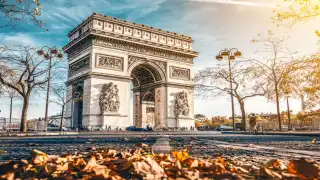
The Arc de Triomphe de l'Étoile is an enduring icon of Paris and offers a spectacular view across the city. In fact, some people say the best view of Paris is from the Arc de Triomphe, as the sweeping vista found at the top includes the Eiffel Tower. 'De l'Étoile' or 'star' refers to the junction on which the Arc de Triomphe stands. This is the meeting point of 12 straight avenues including the Avenue des Champs-Élysées, famous for its theatres, cafés, and luxury shops, and the inspiration for the catchy, eponymous song by Joe Dassin. Although this area of Paris bustles with shoppers, tourists, and commercial enterprises there is still much to explore, see, and do here, and some secret places to be found away from the crowds.

Structure built for the Universal Exhibition in 1900, now a children's science museum and art gallery.
Show More
Pop in for a Rembrandt painting and discover a secret garden in one of Paris's "hidden gems".
Show More
Experience a promenade on the most famous road in the world!
Show More
Browse the gallery to see some of the highlights

Ascend one of the most iconic monuments in the world, and view Paris from this beloved symbol of France
Show More
Structure built for the Universal Exhibition in 1900, now a children's science museum and art gallery.
Show More
Pop in for a Rembrandt painting and discover a secret garden in one of Paris's "hidden gems".
Show More
Experience a promenade on the most famous road in the world!
Show More
Browse the gallery to see some of the highlights

Ascend one of the most iconic monuments in the world, and view Paris from this beloved symbol of France
Show More
Structure built for the Universal Exhibition in 1900, now a children's science museum and art gallery.
Show More
Day 1
Arrive Paris

Day 1
Arrive Paris
To Be Determined:
Airport Taxi Pick-Up
Mid-Day/Afternoon:
Tuileries Gardens & Nearby Museums
Late Afternoon:
Arc de Triomphe


Grand Palais
Highlight of Arc de TriompheStructure built for the Universal Exhibition in 1900, now a children's science museum and art gallery.
The Grand Palais, built for the Universal Exhibition in 1900, boasts a large glass and iron roof. It is home to the Palais de la Découverte science museum for children - be aware this museum only offers information in French, which greatly reduces its value to English speakers. Another wing of the building features rotating art exhibitions, which are usually curated by theme (such as The Moon or Soviet Art). Look on the website https://www.grandpalais.fr/en if you are interested in finding out what's on during your time in Paris. You may purchase tickets on site should you choose to attend.


Petit Palais
Highlight of Arc de TriomphePop in for a Rembrandt painting and discover a secret garden in one of Paris's "hidden gems".
The Petit Palais in Paris, built for the 1900 Exposition Universelle, is a Beaux-Arts architectural marvel that houses the City of Paris Museum of Fine Arts. With free admission to its permanent collections, it showcases an extensive array of artworks from ancient to early 20th century, including notable pieces by Rembrandt and Courbet. Its stunning architecture, complete with a grand dome and a serene courtyard garden, makes it a cultural and visual haven. Located just off the Champs-Élysées, the Petit Palais is a key destination for art enthusiasts.


Champs-Elysées
Highlight of Arc de TriompheExperience a promenade on the most famous road in the world!
Stretch your legs on the Avenue Champs-Élysées, an emblem of French prestige and elegance. On this unparalleled thoroughfare stretching from Place de la Concorde to the Arc de Triomphe waits a parade of luxury shops, fine dining, and lush greenery, offering an unparalleled urban experience. On the "Champs" you can indulge in world-class shopping, savor exquisite French cuisine at chic cafés, and marvel at the architectural beauty of illustrious building.


Arc de Triomphe
OverviewArc de Triomphe
The Arc de Triomphe de l'Étoile is an enduring icon of Paris and offers a spectacular view across the city. In fact, some people say the best view of Paris is from the Arc de Triomphe, as the sweeping vista found at the top includes the Eiffel Tower. 'De l'Étoile' or 'star' refers to the junction on which the Arc de Triomphe stands. This is the meeting point of 12 straight avenues including the Avenue des Champs-Élysées, famous for its theatres, cafés, and luxury shops, and the inspiration for the catchy, eponymous song by Joe Dassin. Although this area of Paris bustles with shoppers, tourists, and commercial enterprises there is still much to explore, see, and do here, and some secret places to be found away from the crowds.


Arc de Triomphe
Highlight of Arc de TriompheAscend one of the most iconic monuments in the world, and view Paris from this beloved symbol of France
L' Arc is not just a symbol of French pride and triumph. Yes, this monument crowning the western end of the Champs-Élysées honors those who fought and died in the French Revolutionary and Napoleonic War. However, it also commorates the horrific losses of World War I with the Tomb of the Unknown Soldier. Your visit here can be surprisingly poignant. Visitors can ascend to the top for panoramic views of the City of Lights below, whose energy somehow rotates around this reminder that there is a little sobriety in every party.


Grand Palais
Highlight of Arc de TriompheStructure built for the Universal Exhibition in 1900, now a children's science museum and art gallery.
The Grand Palais, built for the Universal Exhibition in 1900, boasts a large glass and iron roof. It is home to the Palais de la Découverte science museum for children - be aware this museum only offers information in French, which greatly reduces its value to English speakers. Another wing of the building features rotating art exhibitions, which are usually curated by theme (such as The Moon or Soviet Art). Look on the website https://www.grandpalais.fr/en if you are interested in finding out what's on during your time in Paris. You may purchase tickets on site should you choose to attend.


Petit Palais
Highlight of Arc de TriomphePop in for a Rembrandt painting and discover a secret garden in one of Paris's "hidden gems".
The Petit Palais in Paris, built for the 1900 Exposition Universelle, is a Beaux-Arts architectural marvel that houses the City of Paris Museum of Fine Arts. With free admission to its permanent collections, it showcases an extensive array of artworks from ancient to early 20th century, including notable pieces by Rembrandt and Courbet. Its stunning architecture, complete with a grand dome and a serene courtyard garden, makes it a cultural and visual haven. Located just off the Champs-Élysées, the Petit Palais is a key destination for art enthusiasts.


Champs-Elysées
Highlight of Arc de TriompheExperience a promenade on the most famous road in the world!
Stretch your legs on the Avenue Champs-Élysées, an emblem of French prestige and elegance. On this unparalleled thoroughfare stretching from Place de la Concorde to the Arc de Triomphe waits a parade of luxury shops, fine dining, and lush greenery, offering an unparalleled urban experience. On the "Champs" you can indulge in world-class shopping, savor exquisite French cuisine at chic cafés, and marvel at the architectural beauty of illustrious building.


Arc de Triomphe
OverviewArc de Triomphe
The Arc de Triomphe de l'Étoile is an enduring icon of Paris and offers a spectacular view across the city. In fact, some people say the best view of Paris is from the Arc de Triomphe, as the sweeping vista found at the top includes the Eiffel Tower. 'De l'Étoile' or 'star' refers to the junction on which the Arc de Triomphe stands. This is the meeting point of 12 straight avenues including the Avenue des Champs-Élysées, famous for its theatres, cafés, and luxury shops, and the inspiration for the catchy, eponymous song by Joe Dassin. Although this area of Paris bustles with shoppers, tourists, and commercial enterprises there is still much to explore, see, and do here, and some secret places to be found away from the crowds.


Arc de Triomphe
Highlight of Arc de TriompheAscend one of the most iconic monuments in the world, and view Paris from this beloved symbol of France
L' Arc is not just a symbol of French pride and triumph. Yes, this monument crowning the western end of the Champs-Élysées honors those who fought and died in the French Revolutionary and Napoleonic War. However, it also commorates the horrific losses of World War I with the Tomb of the Unknown Soldier. Your visit here can be surprisingly poignant. Visitors can ascend to the top for panoramic views of the City of Lights below, whose energy somehow rotates around this reminder that there is a little sobriety in every party.


Grand Palais
Highlight of Arc de TriompheStructure built for the Universal Exhibition in 1900, now a children's science museum and art gallery.
The Grand Palais, built for the Universal Exhibition in 1900, boasts a large glass and iron roof. It is home to the Palais de la Découverte science museum for children - be aware this museum only offers information in French, which greatly reduces its value to English speakers. Another wing of the building features rotating art exhibitions, which are usually curated by theme (such as The Moon or Soviet Art). Look on the website https://www.grandpalais.fr/en if you are interested in finding out what's on during your time in Paris. You may purchase tickets on site should you choose to attend.

Grand Palais
Highlight of Arc de TriompheStructure built for the Universal Exhibition in 1900, now a children's science museum and art gallery.
The Grand Palais, built for the Universal Exhibition in 1900, boasts a large glass and iron roof. It is home to the Palais de la Découverte science museum for children - be aware this museum only offers information in French, which greatly reduces its value to English speakers. Another wing of the building features rotating art exhibitions, which are usually curated by theme (such as The Moon or Soviet Art). Look on the website https://www.grandpalais.fr/en if you are interested in finding out what's on during your time in Paris. You may purchase tickets on site should you choose to attend.

Petit Palais
Highlight of Arc de TriomphePop in for a Rembrandt painting and discover a secret garden in one of Paris's "hidden gems".
The Petit Palais in Paris, built for the 1900 Exposition Universelle, is a Beaux-Arts architectural marvel that houses the City of Paris Museum of Fine Arts. With free admission to its permanent collections, it showcases an extensive array of artworks from ancient to early 20th century, including notable pieces by Rembrandt and Courbet. Its stunning architecture, complete with a grand dome and a serene courtyard garden, makes it a cultural and visual haven. Located just off the Champs-Élysées, the Petit Palais is a key destination for art enthusiasts.

Champs-Elysées
Highlight of Arc de TriompheExperience a promenade on the most famous road in the world!
Stretch your legs on the Avenue Champs-Élysées, an emblem of French prestige and elegance. On this unparalleled thoroughfare stretching from Place de la Concorde to the Arc de Triomphe waits a parade of luxury shops, fine dining, and lush greenery, offering an unparalleled urban experience. On the "Champs" you can indulge in world-class shopping, savor exquisite French cuisine at chic cafés, and marvel at the architectural beauty of illustrious building.

Arc de Triomphe
OverviewArc de Triomphe
The Arc de Triomphe de l'Étoile is an enduring icon of Paris and offers a spectacular view across the city. In fact, some people say the best view of Paris is from the Arc de Triomphe, as the sweeping vista found at the top includes the Eiffel Tower. 'De l'Étoile' or 'star' refers to the junction on which the Arc de Triomphe stands. This is the meeting point of 12 straight avenues including the Avenue des Champs-Élysées, famous for its theatres, cafés, and luxury shops, and the inspiration for the catchy, eponymous song by Joe Dassin. Although this area of Paris bustles with shoppers, tourists, and commercial enterprises there is still much to explore, see, and do here, and some secret places to be found away from the crowds.

Arc de Triomphe
Highlight of Arc de TriompheAscend one of the most iconic monuments in the world, and view Paris from this beloved symbol of France
L' Arc is not just a symbol of French pride and triumph. Yes, this monument crowning the western end of the Champs-Élysées honors those who fought and died in the French Revolutionary and Napoleonic War. However, it also commorates the horrific losses of World War I with the Tomb of the Unknown Soldier. Your visit here can be surprisingly poignant. Visitors can ascend to the top for panoramic views of the City of Lights below, whose energy somehow rotates around this reminder that there is a little sobriety in every party.

Grand Palais
Highlight of Arc de TriompheStructure built for the Universal Exhibition in 1900, now a children's science museum and art gallery.
The Grand Palais, built for the Universal Exhibition in 1900, boasts a large glass and iron roof. It is home to the Palais de la Découverte science museum for children - be aware this museum only offers information in French, which greatly reduces its value to English speakers. Another wing of the building features rotating art exhibitions, which are usually curated by theme (such as The Moon or Soviet Art). Look on the website https://www.grandpalais.fr/en if you are interested in finding out what's on during your time in Paris. You may purchase tickets on site should you choose to attend.

Petit Palais
Highlight of Arc de TriomphePop in for a Rembrandt painting and discover a secret garden in one of Paris's "hidden gems".
The Petit Palais in Paris, built for the 1900 Exposition Universelle, is a Beaux-Arts architectural marvel that houses the City of Paris Museum of Fine Arts. With free admission to its permanent collections, it showcases an extensive array of artworks from ancient to early 20th century, including notable pieces by Rembrandt and Courbet. Its stunning architecture, complete with a grand dome and a serene courtyard garden, makes it a cultural and visual haven. Located just off the Champs-Élysées, the Petit Palais is a key destination for art enthusiasts.

Champs-Elysées
Highlight of Arc de TriompheExperience a promenade on the most famous road in the world!
Stretch your legs on the Avenue Champs-Élysées, an emblem of French prestige and elegance. On this unparalleled thoroughfare stretching from Place de la Concorde to the Arc de Triomphe waits a parade of luxury shops, fine dining, and lush greenery, offering an unparalleled urban experience. On the "Champs" you can indulge in world-class shopping, savor exquisite French cuisine at chic cafés, and marvel at the architectural beauty of illustrious building.

Arc de Triomphe
OverviewArc de Triomphe
The Arc de Triomphe de l'Étoile is an enduring icon of Paris and offers a spectacular view across the city. In fact, some people say the best view of Paris is from the Arc de Triomphe, as the sweeping vista found at the top includes the Eiffel Tower. 'De l'Étoile' or 'star' refers to the junction on which the Arc de Triomphe stands. This is the meeting point of 12 straight avenues including the Avenue des Champs-Élysées, famous for its theatres, cafés, and luxury shops, and the inspiration for the catchy, eponymous song by Joe Dassin. Although this area of Paris bustles with shoppers, tourists, and commercial enterprises there is still much to explore, see, and do here, and some secret places to be found away from the crowds.

Arc de Triomphe
Highlight of Arc de TriompheAscend one of the most iconic monuments in the world, and view Paris from this beloved symbol of France
L' Arc is not just a symbol of French pride and triumph. Yes, this monument crowning the western end of the Champs-Élysées honors those who fought and died in the French Revolutionary and Napoleonic War. However, it also commorates the horrific losses of World War I with the Tomb of the Unknown Soldier. Your visit here can be surprisingly poignant. Visitors can ascend to the top for panoramic views of the City of Lights below, whose energy somehow rotates around this reminder that there is a little sobriety in every party.

Grand Palais
Highlight of Arc de TriompheStructure built for the Universal Exhibition in 1900, now a children's science museum and art gallery.
The Grand Palais, built for the Universal Exhibition in 1900, boasts a large glass and iron roof. It is home to the Palais de la Découverte science museum for children - be aware this museum only offers information in French, which greatly reduces its value to English speakers. Another wing of the building features rotating art exhibitions, which are usually curated by theme (such as The Moon or Soviet Art). Look on the website https://www.grandpalais.fr/en if you are interested in finding out what's on during your time in Paris. You may purchase tickets on site should you choose to attend.

Day 2
Paris
Day 2
Paris
9:00 AM - 1:00 PM
Embark on a captivating 4-hour walking tour of the center of Paris, the City of Lights, where history and modernity blend seamlessly along its enchanting streets. Starting from your accommodation, you will explore the heart of this dynamic city and learn how to navigate Paris as a local.


Day 2
Paris

Paris Highlights Walking Tour
OverviewParis Highlights Walking Tour
Embark on a captivating 4-hour walking tour of the center of Paris, the City of Lights, where history and modernity blend seamlessly along its enchanting streets. Starting from your accommodation, you will explore the heart of this dynamic city and learn how to navigate Paris as a local.

Paris Highlights Walking Tour
OverviewParis Highlights Walking Tour
Embark on a captivating 4-hour walking tour of the center of Paris, the City of Lights, where history and modernity blend seamlessly along its enchanting streets. Starting from your accommodation, you will explore the heart of this dynamic city and learn how to navigate Paris as a local.

Paris Highlights Walking Tour
OverviewParis Highlights Walking Tour
Embark on a captivating 4-hour walking tour of the center of Paris, the City of Lights, where history and modernity blend seamlessly along its enchanting streets. Starting from your accommodation, you will explore the heart of this dynamic city and learn how to navigate Paris as a local.

Paris Highlights Walking Tour
OverviewParis Highlights Walking Tour
Embark on a captivating 4-hour walking tour of the center of Paris, the City of Lights, where history and modernity blend seamlessly along its enchanting streets. Starting from your accommodation, you will explore the heart of this dynamic city and learn how to navigate Paris as a local.

Paris Highlights Walking Tour
OverviewParis Highlights Walking Tour
Embark on a captivating 4-hour walking tour of the center of Paris, the City of Lights, where history and modernity blend seamlessly along its enchanting streets. Starting from your accommodation, you will explore the heart of this dynamic city and learn how to navigate Paris as a local.

Day 3
Paris
Day 3
Paris
9:30 AM - 2:30 PM
With a private guide, Giverny, the long-time residence of the artist Claude Monet, reveals it genius loci, and its attraction to this 'Father of Impressionism'. Filled with life, color, and artworks, Monet's house is a special experience; moreso, the gardens at Giverny are truly sumptuous. Lovers of Monet's paintings will quickly recognize the bridge and pond that inspired Monet's Water Lilies series, some of the most beautiful and famous paintings of all time. This excursion takes half a day and includes a pick up and drop off from your hotel in Paris with a fully-licensed guide.


Day 3
Paris
Monet in Giverny
OverviewMonet in Giverny
With a private guide, Giverny, the long-time residence of the artist Claude Monet, reveals it genius loci, and its attraction to this 'Father of Impressionism'. Filled with life, color, and artworks, Monet's house is a special experience; moreso, the gardens at Giverny are truly sumptuous. Lovers of Monet's paintings will quickly recognize the bridge and pond that inspired Monet's Water Lilies series, some of the most beautiful and famous paintings of all time. This excursion takes half a day and includes a pick up and drop off from your hotel in Paris with a fully-licensed guide.

Monet in Giverny
OverviewMonet in Giverny
With a private guide, Giverny, the long-time residence of the artist Claude Monet, reveals it genius loci, and its attraction to this 'Father of Impressionism'. Filled with life, color, and artworks, Monet's house is a special experience; moreso, the gardens at Giverny are truly sumptuous. Lovers of Monet's paintings will quickly recognize the bridge and pond that inspired Monet's Water Lilies series, some of the most beautiful and famous paintings of all time. This excursion takes half a day and includes a pick up and drop off from your hotel in Paris with a fully-licensed guide.

Monet in Giverny
OverviewMonet in Giverny
With a private guide, Giverny, the long-time residence of the artist Claude Monet, reveals it genius loci, and its attraction to this 'Father of Impressionism'. Filled with life, color, and artworks, Monet's house is a special experience; moreso, the gardens at Giverny are truly sumptuous. Lovers of Monet's paintings will quickly recognize the bridge and pond that inspired Monet's Water Lilies series, some of the most beautiful and famous paintings of all time. This excursion takes half a day and includes a pick up and drop off from your hotel in Paris with a fully-licensed guide.

Monet in Giverny
OverviewMonet in Giverny
With a private guide, Giverny, the long-time residence of the artist Claude Monet, reveals it genius loci, and its attraction to this 'Father of Impressionism'. Filled with life, color, and artworks, Monet's house is a special experience; moreso, the gardens at Giverny are truly sumptuous. Lovers of Monet's paintings will quickly recognize the bridge and pond that inspired Monet's Water Lilies series, some of the most beautiful and famous paintings of all time. This excursion takes half a day and includes a pick up and drop off from your hotel in Paris with a fully-licensed guide.

Monet in Giverny
OverviewMonet in Giverny
With a private guide, Giverny, the long-time residence of the artist Claude Monet, reveals it genius loci, and its attraction to this 'Father of Impressionism'. Filled with life, color, and artworks, Monet's house is a special experience; moreso, the gardens at Giverny are truly sumptuous. Lovers of Monet's paintings will quickly recognize the bridge and pond that inspired Monet's Water Lilies series, some of the most beautiful and famous paintings of all time. This excursion takes half a day and includes a pick up and drop off from your hotel in Paris with a fully-licensed guide.

Day 4
Paris to Heidelberg
Day 4
Paris to Heidelberg
Early Morning to Afternoon
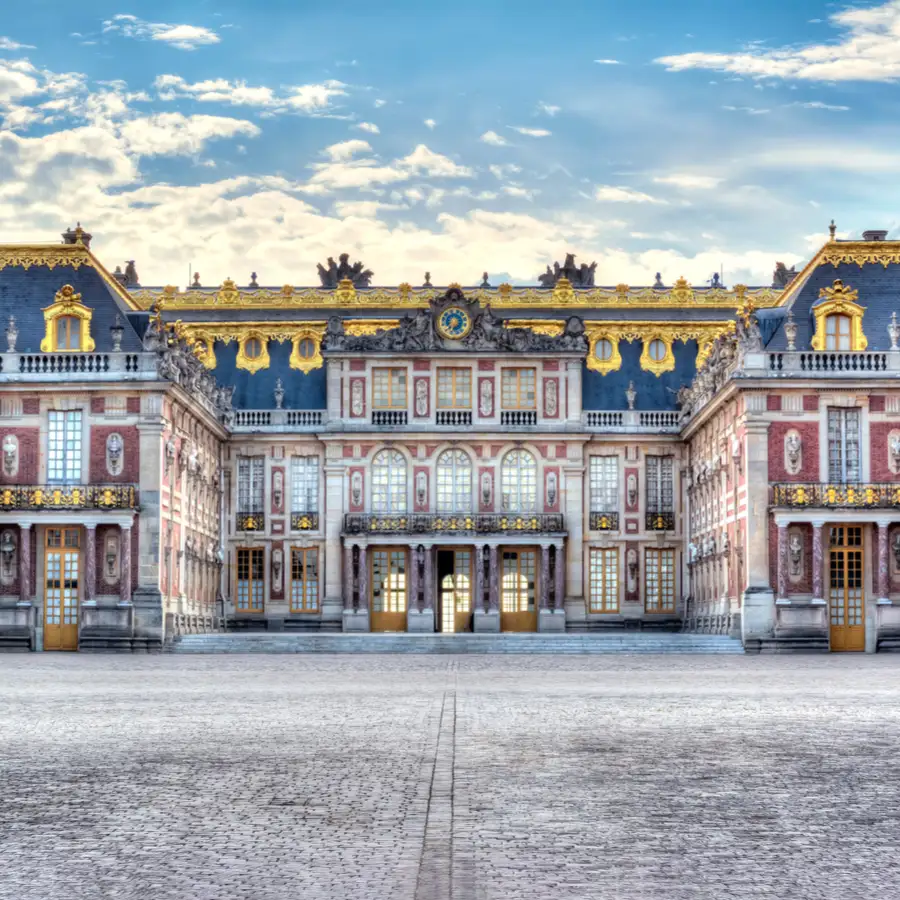
The Château of Versailles, a symbol of the grandeur of French monarchy, invites visitors to explore its lavish history and architectural majesty. From the spellbinding elegance of the Hall of Mirrors, where the Treaty of Versailles was signed, to the vast, meticulously manicured Gardens the pinnacle of French garden design, every corner tells a story of opulence and power. Discover the intimate escapes of royalty at the Grand and Petit Trianon, and marvel at the divine beauty of the Royal Chapel, a masterpiece of Baroque architecture.

Imagine living like the "peasants" here?
Show More
Feel like a king, feel like a queen, hopefully you'll feel good looking out across the park
Show More
Browse the gallery to see some of the highlights

There are palaces, and then there is Versailles...
Show More
Imagine living like the "peasants" here?
Show More
Feel like a king, feel like a queen, hopefully you'll feel good looking out across the park
Show More
Browse the gallery to see some of the highlights

There are palaces, and then there is Versailles...
Show More
Day 4
Paris to Heidelberg

The Queen's Hamlet
Highlight of Palace of VersaillesImagine living like the "peasants" here?
Desiring something different, Queen Marie Antoinette had a hamlet erected where she could supervise servants milking cows, tending pigs, collecting eggs from chickens. She dressed down to play her part, but apparently never got her hands dirty, as far as we know. Her peasant cottage only had two living rooms, a billiard room, a dining hall, and a library. If you are accustomed to palaces, only two living rooms is roughing it. Lest the queen got tired of it all, she could return to the Petit Trianon, a beautiful chateau built on the grounds of the Grand Trianon, which was the retreat chateau built on the grounds of the Palace of Versailles, which was a retreat from the Louvre Palace in Paris.

Parc de Versailles
Highlight of Palace of VersaillesFeel like a king, feel like a queen, hopefully you'll feel good looking out across the park
The Parc de Versailles, features some 800 hectares of manicured lawns, stunning fountains, and the Grand Canal, all masterminded by André Le Nôtre. Highlights include the Neptune and Apollo Fountains, the Trianon Palaces, and the Queen's Hamlet. This vast garden symbolizes royal power, but you are welcomed to enjoy yourself on these pleasure grounds.

Palace of Versailles
OverviewPalace of Versailles
The Château of Versailles, a symbol of the grandeur of French monarchy, invites visitors to explore its lavish history and architectural majesty. From the spellbinding elegance of the Hall of Mirrors, where the Treaty of Versailles was signed, to the vast, meticulously manicured Gardens the pinnacle of French garden design, every corner tells a story of opulence and power. Discover the intimate escapes of royalty at the Grand and Petit Trianon, and marvel at the divine beauty of the Royal Chapel, a masterpiece of Baroque architecture.

Main Palace of Versailles
Highlight of Palace of VersaillesThere are palaces, and then there is Versailles...
Enlarged by for Emperor Louis XIV as an escape from the dreary political tension of Paris, Versailles might have been the most luxurious palace in the world. Even now, the building stuptifies with its grandeur and elegance, a stunning representation of the French monarchy's opulence. The famous Hall of Mirrors is just one of many, many (2300!) stunning rooms, only a small percentage of which are open for display. It might be too much, or one visit might never be enough.

The Queen's Hamlet
Highlight of Palace of VersaillesImagine living like the "peasants" here?
Desiring something different, Queen Marie Antoinette had a hamlet erected where she could supervise servants milking cows, tending pigs, collecting eggs from chickens. She dressed down to play her part, but apparently never got her hands dirty, as far as we know. Her peasant cottage only had two living rooms, a billiard room, a dining hall, and a library. If you are accustomed to palaces, only two living rooms is roughing it. Lest the queen got tired of it all, she could return to the Petit Trianon, a beautiful chateau built on the grounds of the Grand Trianon, which was the retreat chateau built on the grounds of the Palace of Versailles, which was a retreat from the Louvre Palace in Paris.

Parc de Versailles
Highlight of Palace of VersaillesFeel like a king, feel like a queen, hopefully you'll feel good looking out across the park
The Parc de Versailles, features some 800 hectares of manicured lawns, stunning fountains, and the Grand Canal, all masterminded by André Le Nôtre. Highlights include the Neptune and Apollo Fountains, the Trianon Palaces, and the Queen's Hamlet. This vast garden symbolizes royal power, but you are welcomed to enjoy yourself on these pleasure grounds.

Palace of Versailles
OverviewPalace of Versailles
The Château of Versailles, a symbol of the grandeur of French monarchy, invites visitors to explore its lavish history and architectural majesty. From the spellbinding elegance of the Hall of Mirrors, where the Treaty of Versailles was signed, to the vast, meticulously manicured Gardens the pinnacle of French garden design, every corner tells a story of opulence and power. Discover the intimate escapes of royalty at the Grand and Petit Trianon, and marvel at the divine beauty of the Royal Chapel, a masterpiece of Baroque architecture.

Main Palace of Versailles
Highlight of Palace of VersaillesThere are palaces, and then there is Versailles...
Enlarged by for Emperor Louis XIV as an escape from the dreary political tension of Paris, Versailles might have been the most luxurious palace in the world. Even now, the building stuptifies with its grandeur and elegance, a stunning representation of the French monarchy's opulence. The famous Hall of Mirrors is just one of many, many (2300!) stunning rooms, only a small percentage of which are open for display. It might be too much, or one visit might never be enough.

Day 5
Heidelberg
Day 5
Heidelberg
9:00 AM - 1:00 PM
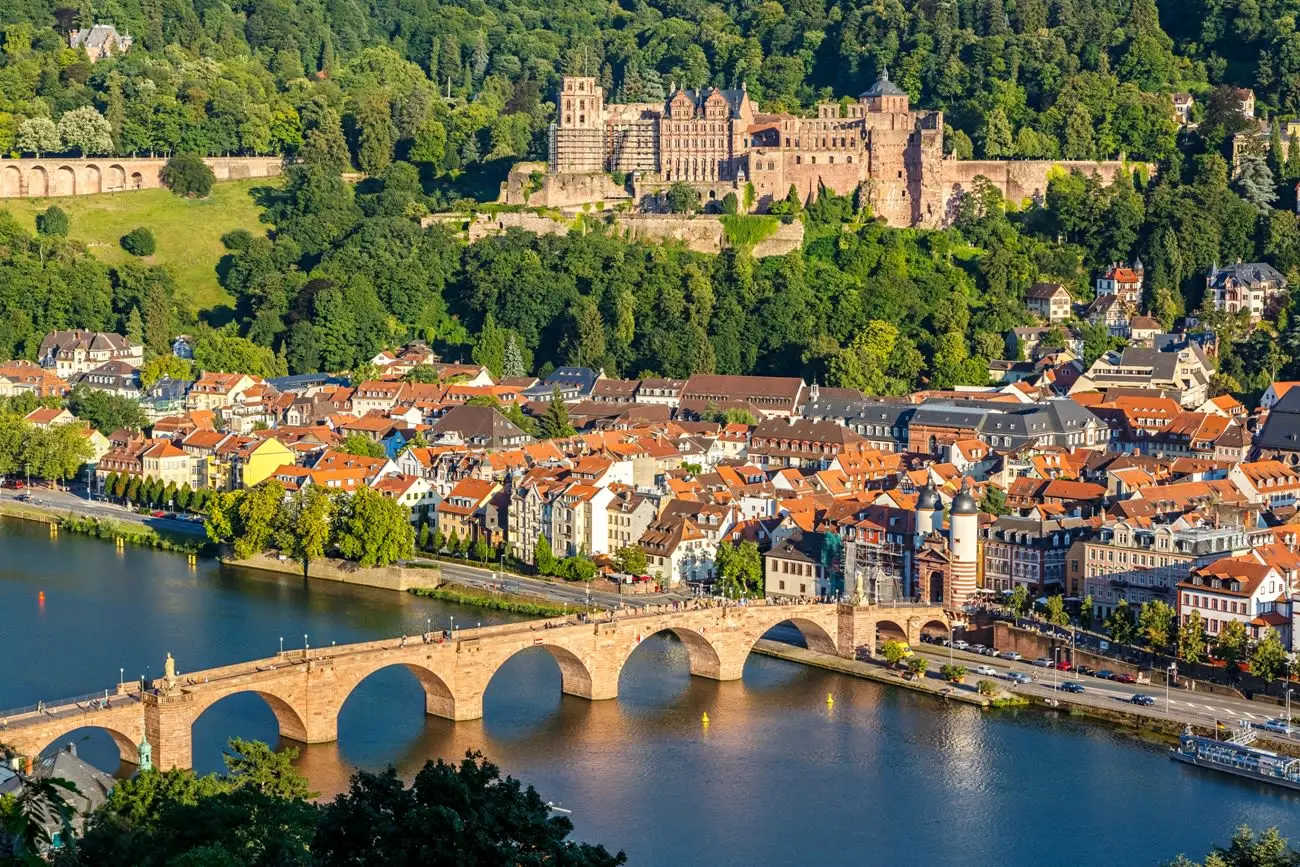
On this 4 hour tour, your guide will show you the highlights of Heidelberg and help you understand what makes this city so unique. Sites visited will include the Heidelberg University, the Old Bridge, Altstadt, Town Hall and Heidelberg Castle.
The light and colors of this historic city are a happy sight to behold.
Show More
Founded in 1386, this is Germany’s oldest and one of its most prestigious universities.
Show More
Browse the gallery to see some of the highlights

The light and colors of this historic city are a happy sight to behold.
Show More
Founded in 1386, this is Germany’s oldest and one of its most prestigious universities.
Show More
Browse the gallery to see some of the highlights

The light and colors of this historic city are a happy sight to behold.
Show More
Day 5
Heidelberg

Altstadt
Highlight of Guided Walking Tour of HeidelbergThe light and colors of this historic city are a happy sight to behold.
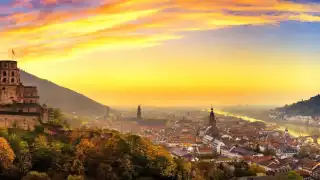
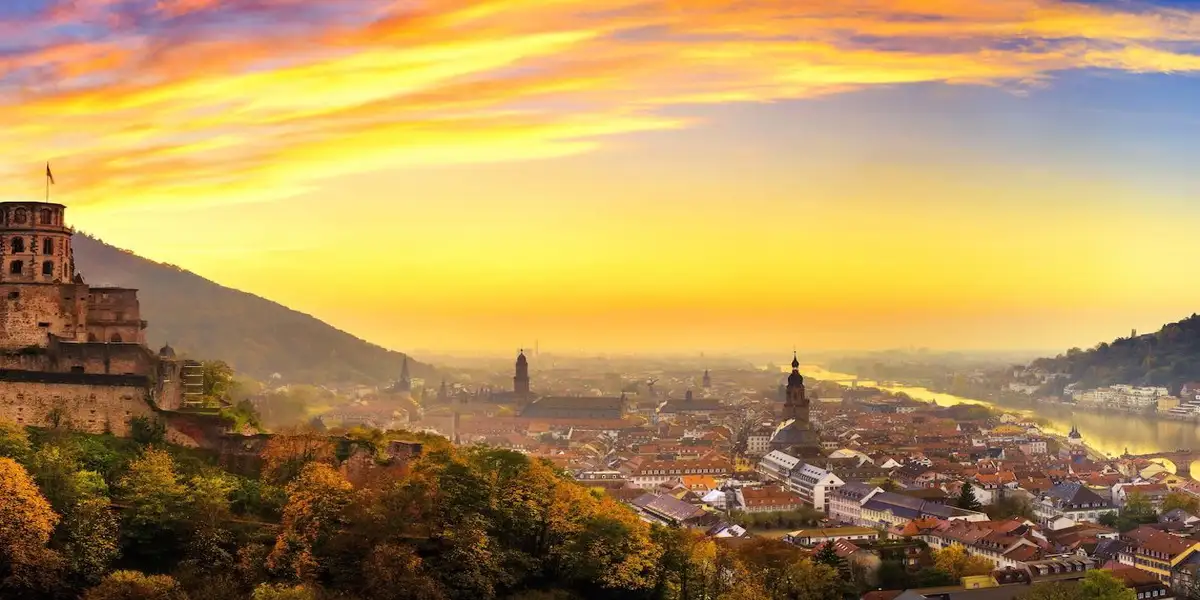
The Old Town of Heidelberg, Germany, seduces with its views. Framed by the Neckar River and overlooked by the majestic Heidelberg Castle, its cobblestone streets, baroque architecture, and the oldest university in Germany beckon visitors. Highlights include the Hauptstrasse, a bustling pedestrian shopping street, and the historic Holy Spirit Church. Heidelberg's Old Town embodies the romantic spirit of Germany.

Heidelberg University
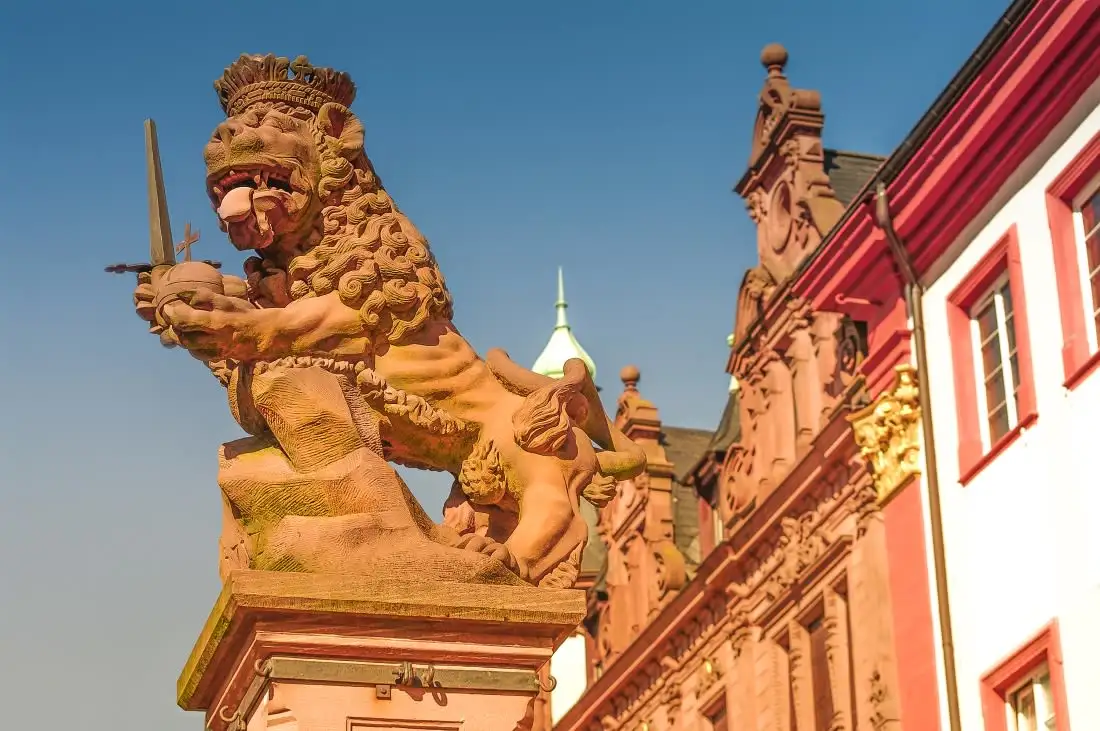
Highlight of Guided Walking Tour of HeidelbergFounded in 1386, this is Germany’s oldest and one of its most prestigious universities.
The university is currently comprised of 12 faculties with over 30,000 German and international students enrolled. The college is known for its reputable science, art, law, and medical programs. The most historic facilities are located around the Universitätsplatz and dominated by the Alte Universität (Old University, 1712–28; on the south side) and the Neue Universität (New University, 1931; on the north side).

Guided Walking Tour of Heidelberg
OverviewGuided Walking Tour of Heidelberg
On this 4 hour tour, your guide will show you the highlights of Heidelberg and help you understand what makes this city so unique. Sites visited will include the Heidelberg University, the Old Bridge, Altstadt, Town Hall and Heidelberg Castle.

Altstadt
Highlight of Guided Walking Tour of HeidelbergThe light and colors of this historic city are a happy sight to behold.
The Old Town of Heidelberg, Germany, seduces with its views. Framed by the Neckar River and overlooked by the majestic Heidelberg Castle, its cobblestone streets, baroque architecture, and the oldest university in Germany beckon visitors. Highlights include the Hauptstrasse, a bustling pedestrian shopping street, and the historic Holy Spirit Church. Heidelberg's Old Town embodies the romantic spirit of Germany.

Heidelberg University
Highlight of Guided Walking Tour of HeidelbergFounded in 1386, this is Germany’s oldest and one of its most prestigious universities.
The university is currently comprised of 12 faculties with over 30,000 German and international students enrolled. The college is known for its reputable science, art, law, and medical programs. The most historic facilities are located around the Universitätsplatz and dominated by the Alte Universität (Old University, 1712–28; on the south side) and the Neue Universität (New University, 1931; on the north side).

Guided Walking Tour of Heidelberg
OverviewGuided Walking Tour of Heidelberg
On this 4 hour tour, your guide will show you the highlights of Heidelberg and help you understand what makes this city so unique. Sites visited will include the Heidelberg University, the Old Bridge, Altstadt, Town Hall and Heidelberg Castle.

Altstadt
Highlight of Guided Walking Tour of HeidelbergThe light and colors of this historic city are a happy sight to behold.
The Old Town of Heidelberg, Germany, seduces with its views. Framed by the Neckar River and overlooked by the majestic Heidelberg Castle, its cobblestone streets, baroque architecture, and the oldest university in Germany beckon visitors. Highlights include the Hauptstrasse, a bustling pedestrian shopping street, and the historic Holy Spirit Church. Heidelberg's Old Town embodies the romantic spirit of Germany.

Day 6
Heidelberg
Day 6
Heidelberg
9:30 AM - 5:00 PM
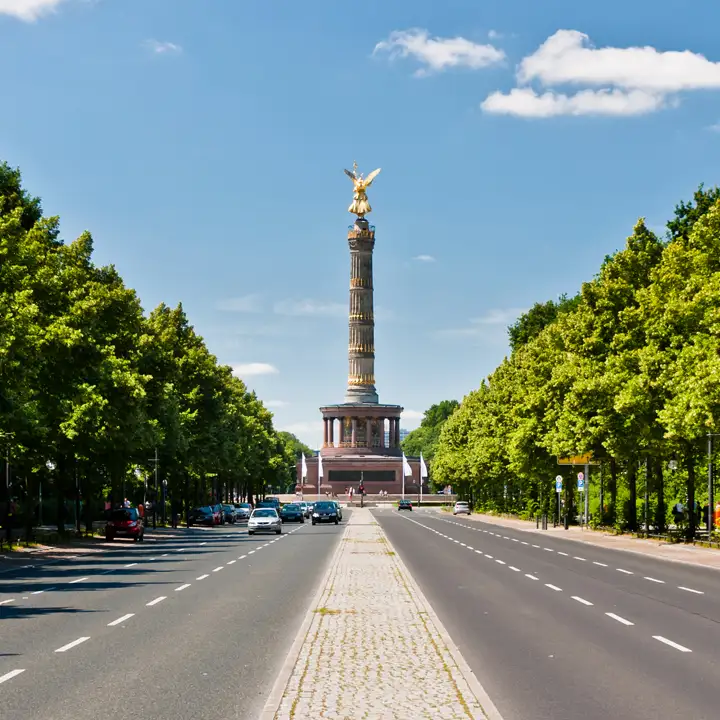
With over 6,000 square kilometres of rolling hills, magnificent mountains, and pristine old forests, the Black Forest (Schwarzwald in German) is truly a national treasure. Outdoors enthusiasts travelling to Heidelberg are not to miss out on a visit to this incredible region filled with some of Europe’s best hiking and mountain views.


Day 6
Heidelberg
Black Forest, Guided, by Vehicle
OverviewBlack Forest, Guided, by Vehicle
With over 6,000 square kilometres of rolling hills, magnificent mountains, and pristine old forests, the Black Forest (Schwarzwald in German) is truly a national treasure. Outdoors enthusiasts travelling to Heidelberg are not to miss out on a visit to this incredible region filled with some of Europe’s best hiking and mountain views.

Black Forest, Guided, by Vehicle
OverviewBlack Forest, Guided, by Vehicle
With over 6,000 square kilometres of rolling hills, magnificent mountains, and pristine old forests, the Black Forest (Schwarzwald in German) is truly a national treasure. Outdoors enthusiasts travelling to Heidelberg are not to miss out on a visit to this incredible region filled with some of Europe’s best hiking and mountain views.

Black Forest, Guided, by Vehicle
OverviewBlack Forest, Guided, by Vehicle
With over 6,000 square kilometres of rolling hills, magnificent mountains, and pristine old forests, the Black Forest (Schwarzwald in German) is truly a national treasure. Outdoors enthusiasts travelling to Heidelberg are not to miss out on a visit to this incredible region filled with some of Europe’s best hiking and mountain views.

Black Forest, Guided, by Vehicle
OverviewBlack Forest, Guided, by Vehicle
With over 6,000 square kilometres of rolling hills, magnificent mountains, and pristine old forests, the Black Forest (Schwarzwald in German) is truly a national treasure. Outdoors enthusiasts travelling to Heidelberg are not to miss out on a visit to this incredible region filled with some of Europe’s best hiking and mountain views.

Black Forest, Guided, by Vehicle
OverviewBlack Forest, Guided, by Vehicle
With over 6,000 square kilometres of rolling hills, magnificent mountains, and pristine old forests, the Black Forest (Schwarzwald in German) is truly a national treasure. Outdoors enthusiasts travelling to Heidelberg are not to miss out on a visit to this incredible region filled with some of Europe’s best hiking and mountain views.

Day 7
Heidelberg to Berlin
Day 7
Heidelberg to Berlin
8:10 AM
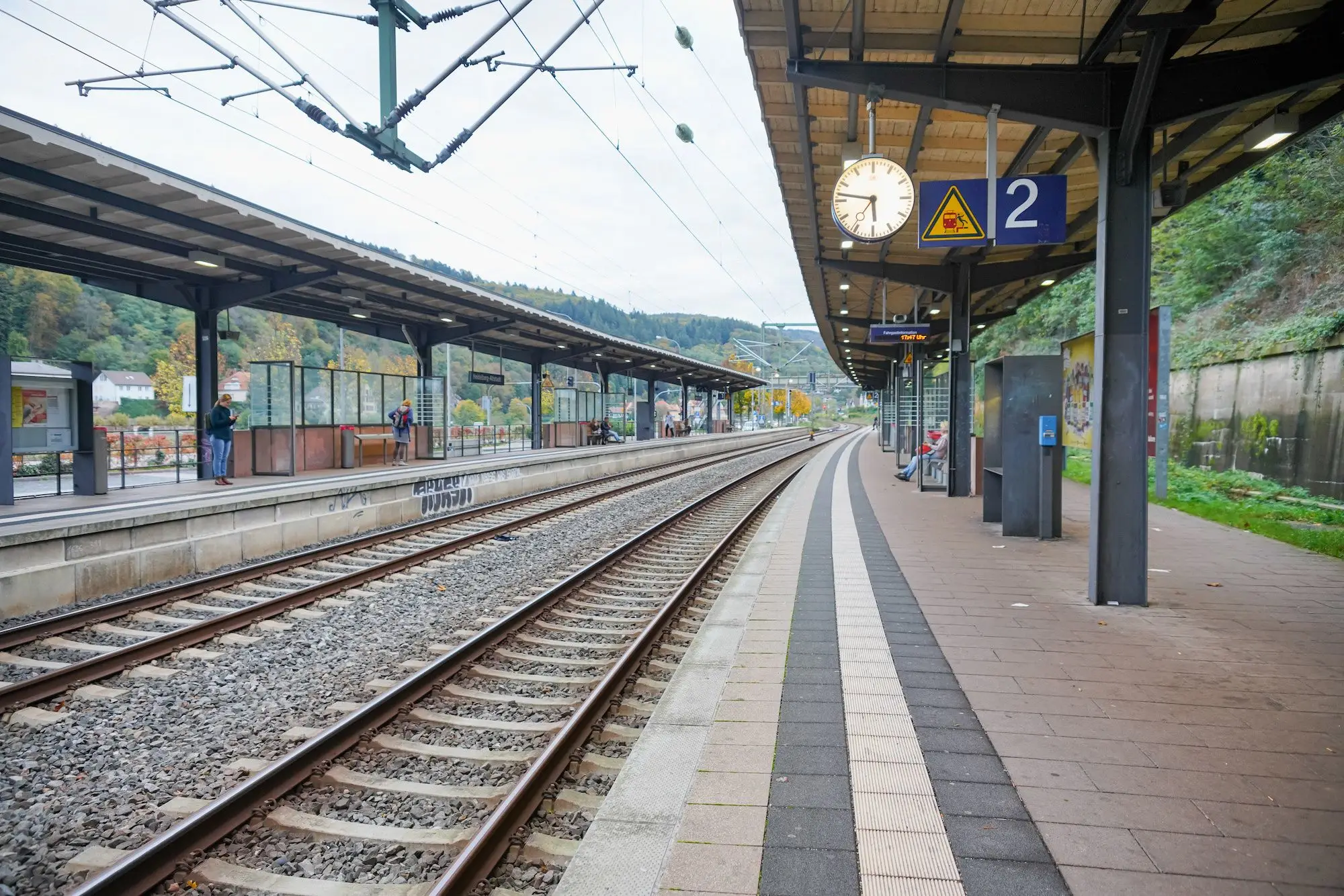
Most trains depart from Heidelberg Hbf station, the largest station in the city. Before spending money on a transfer, be sure to check whether your hotel is within easy walking distance. Also consider that public transport is the cheapest and sometimes fastest option, and the local tram network stops directly in front of the station. If staying at a hotel, they can order a reliable taxi. Some private transfers will even help with your bags. Uber is not yet available in Heidelberg.


Day 7
Heidelberg to Berlin
Transfer to Rail Station
OverviewTransfer to Rail Station
Most trains depart from Heidelberg Hbf station, the largest station in the city. Before spending money on a transfer, be sure to check whether your hotel is within easy walking distance. Also consider that public transport is the cheapest and sometimes fastest option, and the local tram network stops directly in front of the station. If staying at a hotel, they can order a reliable taxi. Some private transfers will even help with your bags. Uber is not yet available in Heidelberg.

Transfer to Rail Station
OverviewTransfer to Rail Station
Most trains depart from Heidelberg Hbf station, the largest station in the city. Before spending money on a transfer, be sure to check whether your hotel is within easy walking distance. Also consider that public transport is the cheapest and sometimes fastest option, and the local tram network stops directly in front of the station. If staying at a hotel, they can order a reliable taxi. Some private transfers will even help with your bags. Uber is not yet available in Heidelberg.

Transfer to Rail Station
OverviewTransfer to Rail Station
Most trains depart from Heidelberg Hbf station, the largest station in the city. Before spending money on a transfer, be sure to check whether your hotel is within easy walking distance. Also consider that public transport is the cheapest and sometimes fastest option, and the local tram network stops directly in front of the station. If staying at a hotel, they can order a reliable taxi. Some private transfers will even help with your bags. Uber is not yet available in Heidelberg.

Transfer to Rail Station
OverviewTransfer to Rail Station
Most trains depart from Heidelberg Hbf station, the largest station in the city. Before spending money on a transfer, be sure to check whether your hotel is within easy walking distance. Also consider that public transport is the cheapest and sometimes fastest option, and the local tram network stops directly in front of the station. If staying at a hotel, they can order a reliable taxi. Some private transfers will even help with your bags. Uber is not yet available in Heidelberg.

Transfer to Rail Station
OverviewTransfer to Rail Station
Most trains depart from Heidelberg Hbf station, the largest station in the city. Before spending money on a transfer, be sure to check whether your hotel is within easy walking distance. Also consider that public transport is the cheapest and sometimes fastest option, and the local tram network stops directly in front of the station. If staying at a hotel, they can order a reliable taxi. Some private transfers will even help with your bags. Uber is not yet available in Heidelberg.

Day 8
Berlin
Day 8
Berlin
9:00 AM - 12:00 PM
On this 3 hour tour, your guide will show you the highlights of Berlin and help you understand what makes this city so unique. Sites visited will include the boulevard Unter den Linden, the Gendarmenmarkt, Check Point Charlie, remnants of the Berlin Wall, Potsdamer Platz, the Holocaust Memorial, the Brandenburg Gate, and the Reichstag.
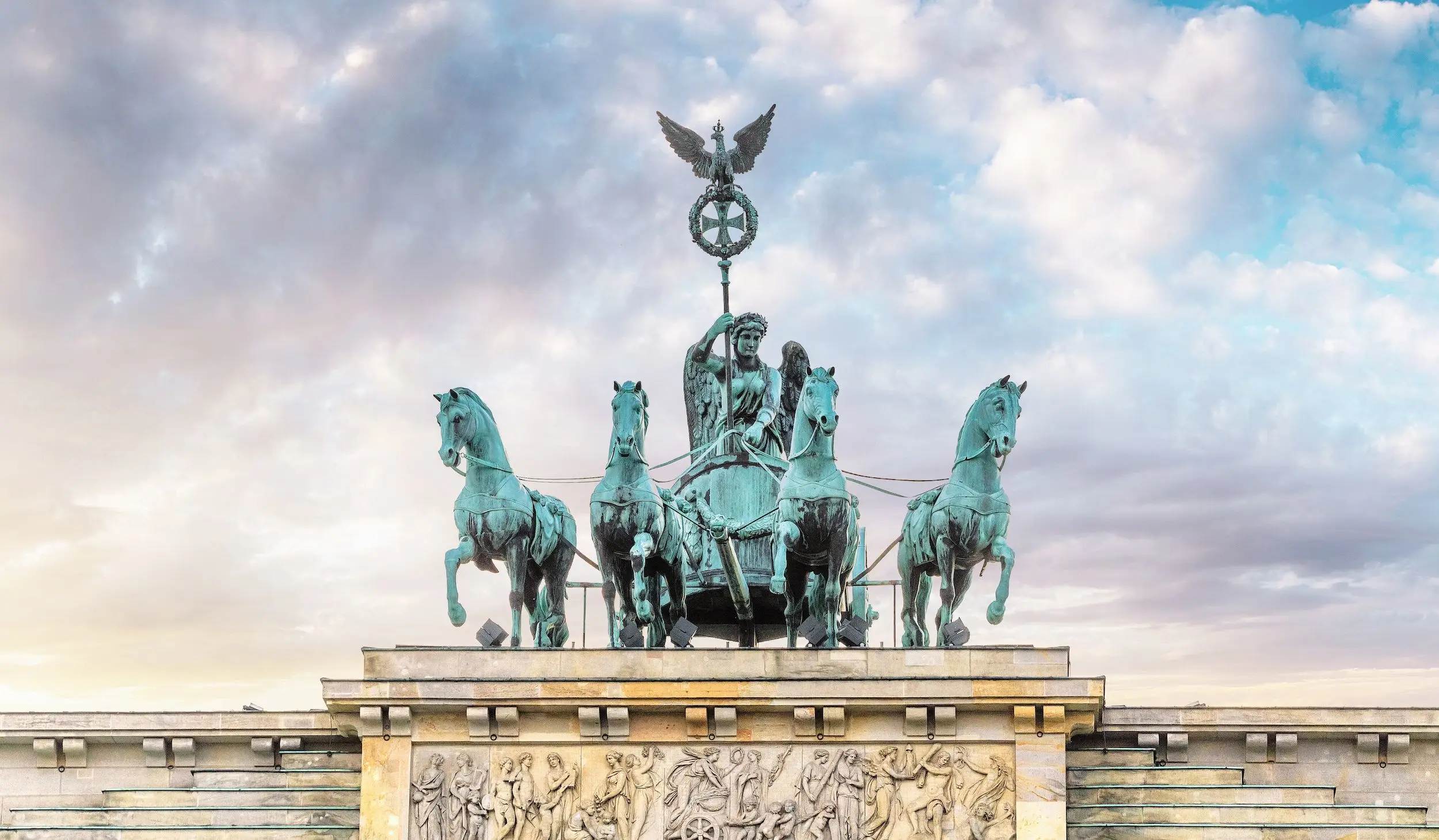
Quadriga. Hey, There's a Word to Know When Learning About this Historic Gate
Show More
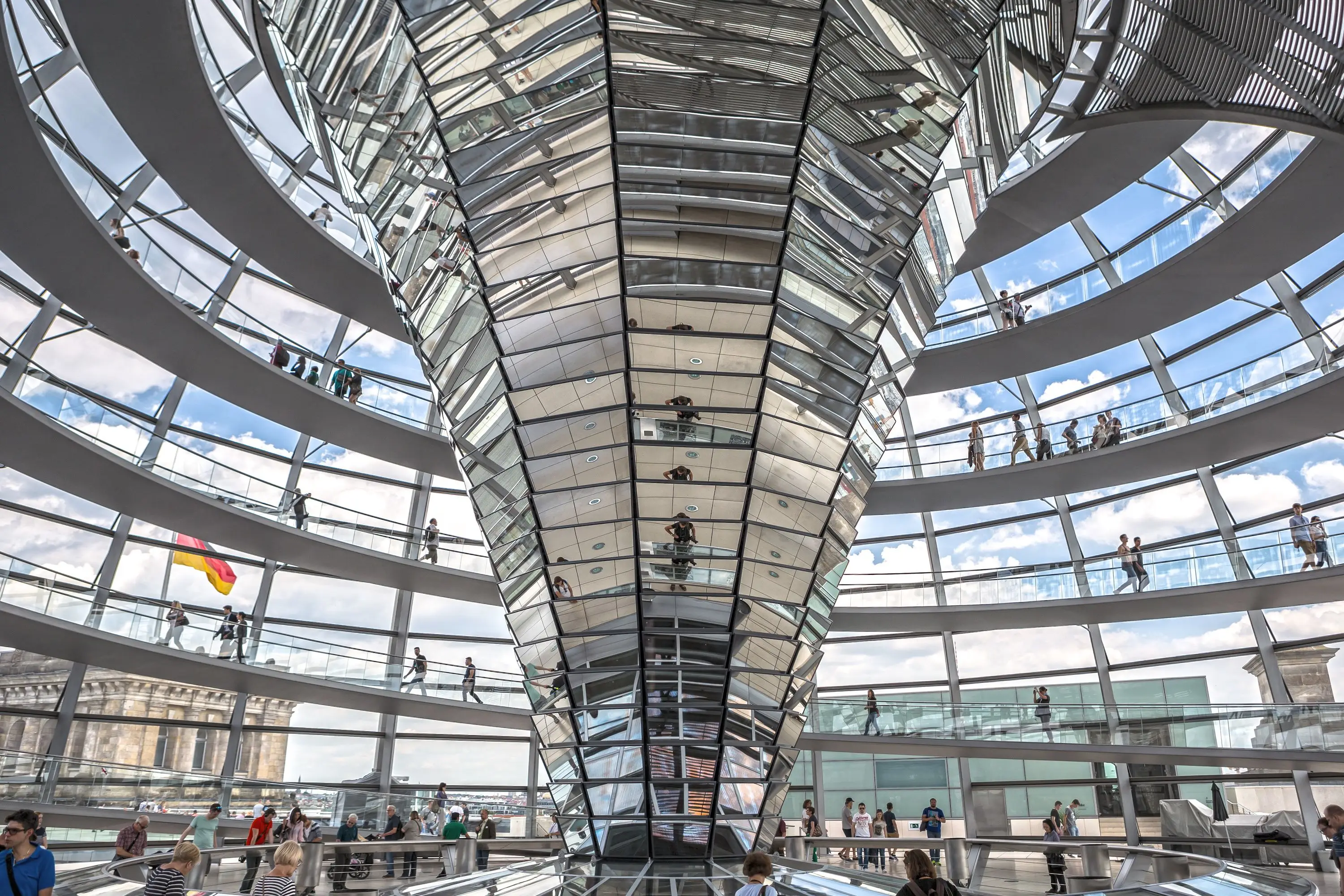
Make your way to the top of the dome enjoying amazing views and looking down at debating members of the German Parliament below.
Show More
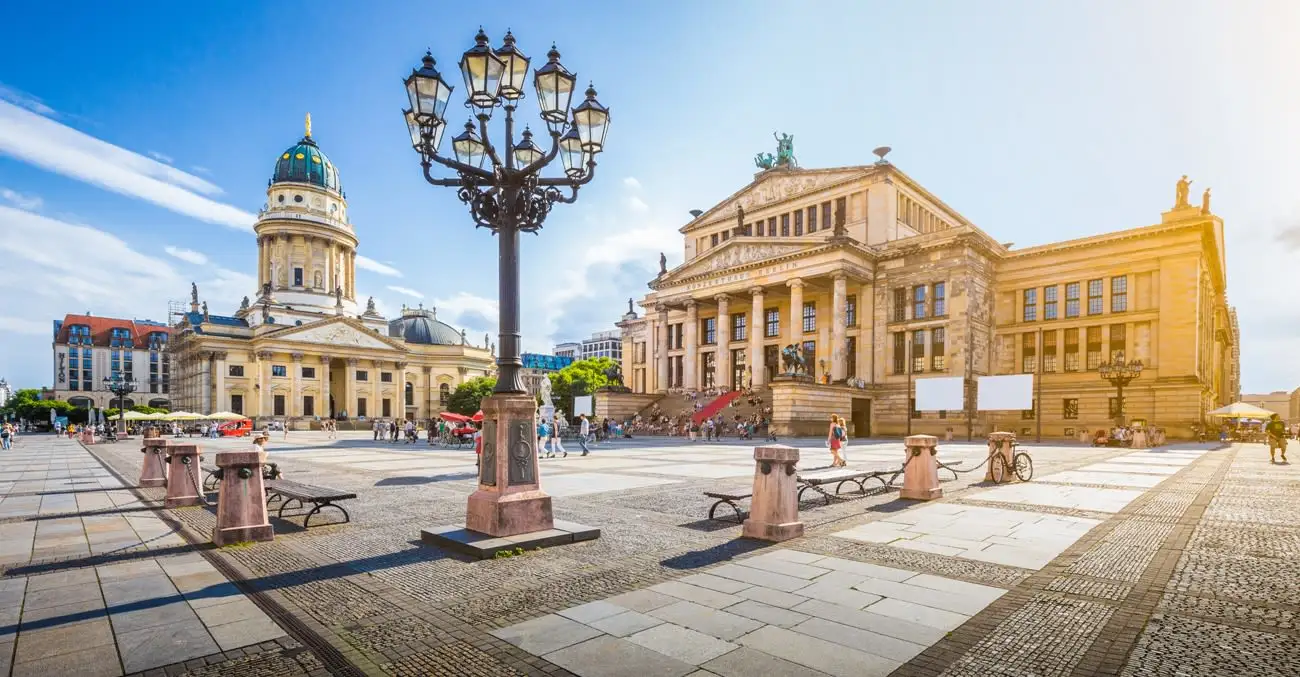
Browse the gallery to see some of the highlights

Quadriga. Hey, There's a Word to Know When Learning About this Historic Gate
Show More
Make your way to the top of the dome enjoying amazing views and looking down at debating members of the German Parliament below.
Show More
Browse the gallery to see some of the highlights

Quadriga. Hey, There's a Word to Know When Learning About this Historic Gate
Show More
Day 8
Berlin

Brandenburg Gate
Highlight of Guided Walking Tour of BerlinQuadriga. Hey, There's a Word to Know When Learning About this Historic Gate
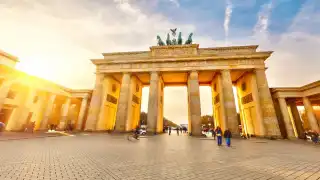
The Brandenburg Gate was built as a symbol of peace, perverted into a symbol of power by the Nazis, and became a symbol of division during the Cold War. Now, however, it is a symbol of reunification. Completed in 1791, it was topped by the quadriga, a chariot drawn by four horses driven by the goddess of peace. Napoleon seized the quadriga as a spoil of war, but after his defeat, it was returned to the city and met by cheering crowds along the way, transforming the goddess of peace into a goddess of victory, holding a Germanic cross.

Reichstag
Highlight of Guided Walking Tour of BerlinMake your way to the top of the dome enjoying amazing views and looking down at debating members of the German Parliament below.
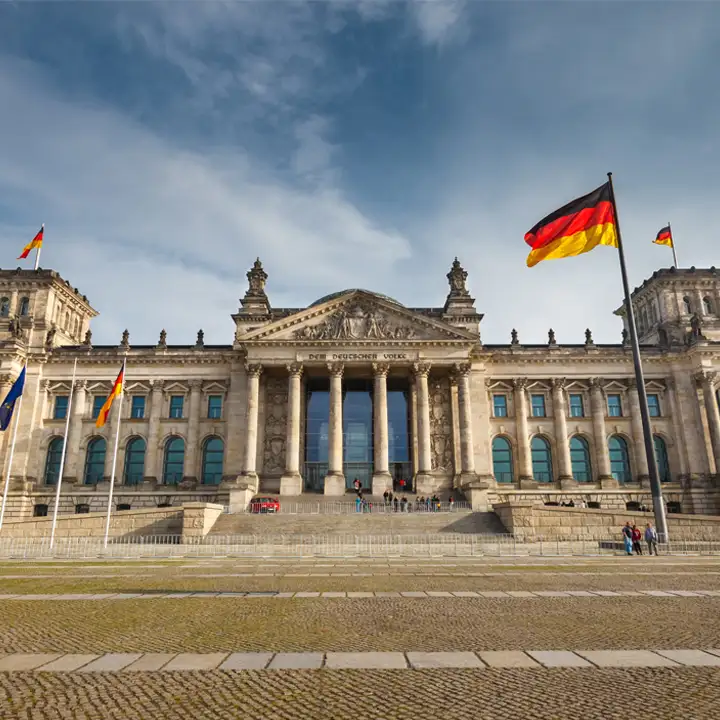
Officially, the Reichstag is actually the Bundestag, which means the federal parliament. The Reichstag was reduced to a ruined shell by arson in 1933 and by World War II fighting, but it was rebuilt with a striking egg-shaped glass dome. Visitors are given a free audio guide that discusses the building’s history and architecture, while also orientating you to the sites of Berlin. It is an excellent introduction to the city. Note that it is usually necessary to book well in advance!

Guided Walking Tour of Berlin
OverviewGuided Walking Tour of Berlin
On this 3 hour tour, your guide will show you the highlights of Berlin and help you understand what makes this city so unique. Sites visited will include the boulevard Unter den Linden, the Gendarmenmarkt, Check Point Charlie, remnants of the Berlin Wall, Potsdamer Platz, the Holocaust Memorial, the Brandenburg Gate, and the Reichstag.

Brandenburg Gate
Highlight of Guided Walking Tour of BerlinQuadriga. Hey, There's a Word to Know When Learning About this Historic Gate
The Brandenburg Gate was built as a symbol of peace, perverted into a symbol of power by the Nazis, and became a symbol of division during the Cold War. Now, however, it is a symbol of reunification. Completed in 1791, it was topped by the quadriga, a chariot drawn by four horses driven by the goddess of peace. Napoleon seized the quadriga as a spoil of war, but after his defeat, it was returned to the city and met by cheering crowds along the way, transforming the goddess of peace into a goddess of victory, holding a Germanic cross.

Reichstag
Highlight of Guided Walking Tour of BerlinMake your way to the top of the dome enjoying amazing views and looking down at debating members of the German Parliament below.
Officially, the Reichstag is actually the Bundestag, which means the federal parliament. The Reichstag was reduced to a ruined shell by arson in 1933 and by World War II fighting, but it was rebuilt with a striking egg-shaped glass dome. Visitors are given a free audio guide that discusses the building’s history and architecture, while also orientating you to the sites of Berlin. It is an excellent introduction to the city. Note that it is usually necessary to book well in advance!

Guided Walking Tour of Berlin
OverviewGuided Walking Tour of Berlin
On this 3 hour tour, your guide will show you the highlights of Berlin and help you understand what makes this city so unique. Sites visited will include the boulevard Unter den Linden, the Gendarmenmarkt, Check Point Charlie, remnants of the Berlin Wall, Potsdamer Platz, the Holocaust Memorial, the Brandenburg Gate, and the Reichstag.

Brandenburg Gate
Highlight of Guided Walking Tour of BerlinQuadriga. Hey, There's a Word to Know When Learning About this Historic Gate
The Brandenburg Gate was built as a symbol of peace, perverted into a symbol of power by the Nazis, and became a symbol of division during the Cold War. Now, however, it is a symbol of reunification. Completed in 1791, it was topped by the quadriga, a chariot drawn by four horses driven by the goddess of peace. Napoleon seized the quadriga as a spoil of war, but after his defeat, it was returned to the city and met by cheering crowds along the way, transforming the goddess of peace into a goddess of victory, holding a Germanic cross.

Day 9
Berlin
Day 9
Berlin
Morning to Early Evening
For most visitors, Potsdam means Sanssouci, Frederick the Great's palace and his majestically landscaped park of architectural treasures that once competed with Berlin as the grand Prussian capital. But there is much more to Potsdam than just Sanssouci. From taking a cruise through pristine lakes, exploring the charming city center, or wandering the numerous tranquil parks studded with fantastical palaces, visitors will be hard pressed to fit a visit to Potsdam into just one day. In fact many choose to rent a bike to fit more in, as well they should, as Potsdam is the perfect place to discover on a bicycle.

Visit Holland in this delightful quarter of Potsdam.
Show More
See how Frederick the Great lived in his beautiful baroque summer palace and gardens.
Show More
Tour a colossal palace building built by Frederick the Great as a demonstration of the Prussian state’s power and wealth.
Show More
Browse the gallery to see some of the highlights

Furtively cross the Bridge of Spies which once separated East and West Berlin
Show More
Visit Holland in this delightful quarter of Potsdam.
Show More
See how Frederick the Great lived in his beautiful baroque summer palace and gardens.
Show More
Tour a colossal palace building built by Frederick the Great as a demonstration of the Prussian state’s power and wealth.
Show More
Browse the gallery to see some of the highlights

Furtively cross the Bridge of Spies which once separated East and West Berlin
Show More
Visit Holland in this delightful quarter of Potsdam.
Show More
Day 9
Berlin

Dutch Quarter
Highlight of PotsdamVisit Holland in this delightful quarter of Potsdam.
The Prussian King Friedrich Wilhelm I - the Soldier King and the father of Frederick the Great - wanted to extend his garrison quarters in Potsdam and needed skilled Dutch workers. So he had the Dutch builders already in his service construct the 134 gabled, red-brick houses in Dutch style, attracting further Dutch immigrants. Nowadays, its streets contain galleries, cafes and antique shops, all you need for a lackadaisical Pottsdammer afternoon.

Sansscouci Palace
Highlight of PotsdamSee how Frederick the Great lived in his beautiful baroque summer palace and gardens.
In 1744 Frederick built a terraced garden in his Sanssouci Park to cultivate plums, figs and wine on Potsdam’s doorstep. But because the view was so exceptionally beautiful, the king decided to build a large and elegant summer residence above the terraces just a year later.

Neues Palais
Highlight of PotsdamTour a colossal palace building built by Frederick the Great as a demonstration of the Prussian state’s power and wealth.
Neues Palais contrasts hugely with the intimate and rather modest Sanssouci Palace, with its grand banquet halls, sumptuous galleries and regally designed suites, as well as a Baroque palace theater in the southern wing. The last imperial resident was Kaiser Wilhelm II, who fled from there after World War I with much of the palace's furnishings and content.

Potsdam
OverviewPotsdam
For most visitors, Potsdam means Sanssouci, Frederick the Great's palace and his majestically landscaped park of architectural treasures that once competed with Berlin as the grand Prussian capital. But there is much more to Potsdam than just Sanssouci. From taking a cruise through pristine lakes, exploring the charming city center, or wandering the numerous tranquil parks studded with fantastical palaces, visitors will be hard pressed to fit a visit to Potsdam into just one day. In fact many choose to rent a bike to fit more in, as well they should, as Potsdam is the perfect place to discover on a bicycle.

Bridge of Spies
Highlight of PotsdamFurtively cross the Bridge of Spies which once separated East and West Berlin
The Glienicke Bridge was the site of Cold War intrigue and drama, earning it the title role in the 2015 Tom Hanks movie, Bridge of Spies. The bridge was off-limits to citizens on both sides of the border and therefore it was the site of the famous prisoner exchange which brought captured American pilot Gary Powers home. In 1988 three citizens of Potsdam (then part of East Germany) spectacularly broke through the border in a truck.

Dutch Quarter
Highlight of PotsdamVisit Holland in this delightful quarter of Potsdam.
The Prussian King Friedrich Wilhelm I - the Soldier King and the father of Frederick the Great - wanted to extend his garrison quarters in Potsdam and needed skilled Dutch workers. So he had the Dutch builders already in his service construct the 134 gabled, red-brick houses in Dutch style, attracting further Dutch immigrants. Nowadays, its streets contain galleries, cafes and antique shops, all you need for a lackadaisical Pottsdammer afternoon.

Sansscouci Palace
Highlight of PotsdamSee how Frederick the Great lived in his beautiful baroque summer palace and gardens.
In 1744 Frederick built a terraced garden in his Sanssouci Park to cultivate plums, figs and wine on Potsdam’s doorstep. But because the view was so exceptionally beautiful, the king decided to build a large and elegant summer residence above the terraces just a year later.

Neues Palais
Highlight of PotsdamTour a colossal palace building built by Frederick the Great as a demonstration of the Prussian state’s power and wealth.
Neues Palais contrasts hugely with the intimate and rather modest Sanssouci Palace, with its grand banquet halls, sumptuous galleries and regally designed suites, as well as a Baroque palace theater in the southern wing. The last imperial resident was Kaiser Wilhelm II, who fled from there after World War I with much of the palace's furnishings and content.

Potsdam
OverviewPotsdam
For most visitors, Potsdam means Sanssouci, Frederick the Great's palace and his majestically landscaped park of architectural treasures that once competed with Berlin as the grand Prussian capital. But there is much more to Potsdam than just Sanssouci. From taking a cruise through pristine lakes, exploring the charming city center, or wandering the numerous tranquil parks studded with fantastical palaces, visitors will be hard pressed to fit a visit to Potsdam into just one day. In fact many choose to rent a bike to fit more in, as well they should, as Potsdam is the perfect place to discover on a bicycle.

Bridge of Spies
Highlight of PotsdamFurtively cross the Bridge of Spies which once separated East and West Berlin
The Glienicke Bridge was the site of Cold War intrigue and drama, earning it the title role in the 2015 Tom Hanks movie, Bridge of Spies. The bridge was off-limits to citizens on both sides of the border and therefore it was the site of the famous prisoner exchange which brought captured American pilot Gary Powers home. In 1988 three citizens of Potsdam (then part of East Germany) spectacularly broke through the border in a truck.

Dutch Quarter
Highlight of PotsdamVisit Holland in this delightful quarter of Potsdam.
The Prussian King Friedrich Wilhelm I - the Soldier King and the father of Frederick the Great - wanted to extend his garrison quarters in Potsdam and needed skilled Dutch workers. So he had the Dutch builders already in his service construct the 134 gabled, red-brick houses in Dutch style, attracting further Dutch immigrants. Nowadays, its streets contain galleries, cafes and antique shops, all you need for a lackadaisical Pottsdammer afternoon.
Day 10
Depart Berlin
Day 10
Depart Berlin
To Be Determined
The most affordable and fast way to reach Berlin Brandenburg airport is by train. The Airport Express train takes only 30 minutes and leaves directly from the main station in central Berlin (Berlin Hbf). Regional and S-Bahn trains also depart from other locations in Berlin. Berlin taxis are generally reliable and honest, so you may wish to take a taxi or Uber, although this is more expensive than the train and puts you at the mercy of traffic. You can also arrange a private transfer. If you are picked up about 3 hours before your departure time, you should arrive at the airport with about two hours to spare, depending on traffic. If you are leaving during rush hour, you may want to budget an extra fifteen to thirty minutes.


Day 10
Depart Berlin

Airport Transfer by Taxi or Rail
OverviewAirport Transfer by Taxi or Rail
The most affordable and fast way to reach Berlin Brandenburg airport is by train. The Airport Express train takes only 30 minutes and leaves directly from the main station in central Berlin (Berlin Hbf). Regional and S-Bahn trains also depart from other locations in Berlin. Berlin taxis are generally reliable and honest, so you may wish to take a taxi or Uber, although this is more expensive than the train and puts you at the mercy of traffic. You can also arrange a private transfer. If you are picked up about 3 hours before your departure time, you should arrive at the airport with about two hours to spare, depending on traffic. If you are leaving during rush hour, you may want to budget an extra fifteen to thirty minutes.

Airport Transfer by Taxi or Rail
OverviewAirport Transfer by Taxi or Rail
The most affordable and fast way to reach Berlin Brandenburg airport is by train. The Airport Express train takes only 30 minutes and leaves directly from the main station in central Berlin (Berlin Hbf). Regional and S-Bahn trains also depart from other locations in Berlin. Berlin taxis are generally reliable and honest, so you may wish to take a taxi or Uber, although this is more expensive than the train and puts you at the mercy of traffic. You can also arrange a private transfer. If you are picked up about 3 hours before your departure time, you should arrive at the airport with about two hours to spare, depending on traffic. If you are leaving during rush hour, you may want to budget an extra fifteen to thirty minutes.

Airport Transfer by Taxi or Rail
OverviewAirport Transfer by Taxi or Rail
The most affordable and fast way to reach Berlin Brandenburg airport is by train. The Airport Express train takes only 30 minutes and leaves directly from the main station in central Berlin (Berlin Hbf). Regional and S-Bahn trains also depart from other locations in Berlin. Berlin taxis are generally reliable and honest, so you may wish to take a taxi or Uber, although this is more expensive than the train and puts you at the mercy of traffic. You can also arrange a private transfer. If you are picked up about 3 hours before your departure time, you should arrive at the airport with about two hours to spare, depending on traffic. If you are leaving during rush hour, you may want to budget an extra fifteen to thirty minutes.

Airport Transfer by Taxi or Rail
OverviewAirport Transfer by Taxi or Rail
The most affordable and fast way to reach Berlin Brandenburg airport is by train. The Airport Express train takes only 30 minutes and leaves directly from the main station in central Berlin (Berlin Hbf). Regional and S-Bahn trains also depart from other locations in Berlin. Berlin taxis are generally reliable and honest, so you may wish to take a taxi or Uber, although this is more expensive than the train and puts you at the mercy of traffic. You can also arrange a private transfer. If you are picked up about 3 hours before your departure time, you should arrive at the airport with about two hours to spare, depending on traffic. If you are leaving during rush hour, you may want to budget an extra fifteen to thirty minutes.

Airport Transfer by Taxi or Rail
OverviewAirport Transfer by Taxi or Rail
The most affordable and fast way to reach Berlin Brandenburg airport is by train. The Airport Express train takes only 30 minutes and leaves directly from the main station in central Berlin (Berlin Hbf). Regional and S-Bahn trains also depart from other locations in Berlin. Berlin taxis are generally reliable and honest, so you may wish to take a taxi or Uber, although this is more expensive than the train and puts you at the mercy of traffic. You can also arrange a private transfer. If you are picked up about 3 hours before your departure time, you should arrive at the airport with about two hours to spare, depending on traffic. If you are leaving during rush hour, you may want to budget an extra fifteen to thirty minutes.
Pre-Paid Tours and Activities:
Pre-Paid Transportation:
Accommodation:
Go Real Travel Mobile App:

21 Days
Jewels of Europe: Art, History and Waterways in Paris, Amsterdam, Berlin, Prague, Vienna & Budapest
France, Netherlands, Germany, Czech Republic, Austria, Hungary

21 Days
Canals, Castles, and Culture: A Three-Week Journey in the Netherlands & Germany
Netherlands, Germany

21 Days

4 Days

7 Days

7 Days

10 Days

14 Days

17 Days

21 Days
Jewels of Europe: Art, History and Waterways in Paris, Amsterdam, Berlin, Prague, Vienna & Budapest
France, Netherlands, Germany, Czech Republic, Austria, Hungary

21 Days
Canals, Castles, and Culture: A Three-Week Journey in the Netherlands & Germany
Netherlands, Germany

21 Days

4 Days

7 Days

7 Days

10 Days

14 Days

17 Days


It feels as though everything in Brussels is tinted with gold. From the gilded rooftops of the old houses on the Grand Palace to the foil-wrapped bonbons piled in chocolatier windows, Brussels seems to sparkle and wink at you around every corner. Aside from the lustrous architecture and Trappist ales, this shiny city is probably still best known for its iconic street food options: salty, golden fries, and fluffy, honey-colored waffles. While a major political center, home of the EU and NATO, don’t be fooled by Brussels stern ‘Eurocratic’ facade. Brussels revels in cheeky humor and mischief. So much so, Brussel’s beloved mascot, the ‘Manneken Pis’, is a statue of a small child urinating into a fountain. The city takes great pleasure in dressing this statue in festive-themed costumes. It’s no surprise that the artist Magritte, one of the great visual tricksters of the 20th century, called Brussels home. After a few days exploring the city, and taking in its sights and scenes, you’re sure to come away smiling.

Bayeux is an old, well-preserved town in Normandy. Most known as the backdrop for the Battle of Normandy, visitors who descend from WWII veterans often feel a special, somber connection to this part of France. On June 6, 1944, otherwise known as ‘D-Day’, thousands of Allied troops landed on Normandy’s Atlantic Coast, with a mission to drive out the German occupying forces. More than 120,000 Allied soldiers died in combat over the next three months. Although victorious, the campaign for Normandy caused the highest number of losses for America in all of WWII. A landscape of remembrance, on a tour of the Norman countryside you’ll see the remains of tanks, aircraft, and military bunkers. Special cemeteries and memorials in the area pay tribute to the sacrifice of fallen soldiers. Despite the destruction of nearly every neighboring village, the town of Bayeux endured WWII unscathed. Along with all its medieval architecture, the town’s most precious treasure, the Bayeux Tapestry, was miraculously spared. Stitched in the 11th century, the Tapestry tells the story of William the Conqueror’s invasion of England in 1066. As you view the tapestry and stroll through the charming streets of Bayeux, the sweeping cathedral spires and gently flowing River Aure cast you back to another time. A landscape of war, but also remembrance, a trip to Bayeux and Normandy will deepen your appreciation and respect for the past.

Strasbourg, the enchanting capital of Alsace, blends French elegance with German charm in a way that feels utterly unique. This riverside city invites you to stroll through cobblestone streets where half-timbered houses and flower-decked canals paint a storybook scene. At its heart rises the majestic Strasbourg Cathedral, a Gothic masterpiece whose spire once made it the tallest building in the world. Nearby, the fairytale district of Petite France beckons with its winding lanes and medieval ambiance. Beyond its old-world beauty, Strasbourg proudly serves as the seat of European unity, home to institutions like the European Parliament. In winter, its world-famous Christmas markets transform the city into a glittering wonderland of lights, aromas, and festive cheer. Whether you’re admiring centuries-old architecture or savoring Alsatian cuisine beside the river, Strasbourg offers an experience that’s both timeless and alive with spirit.
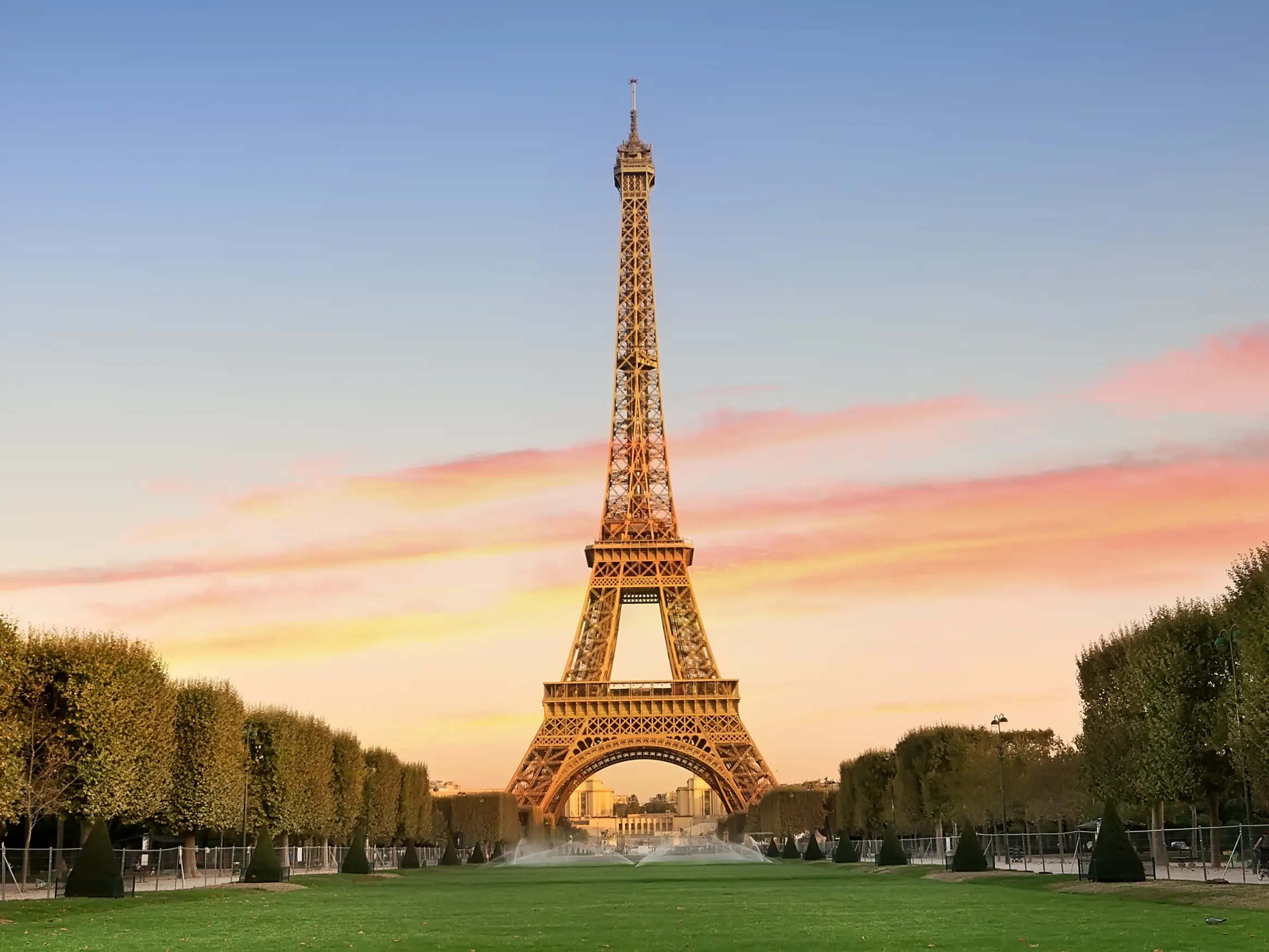
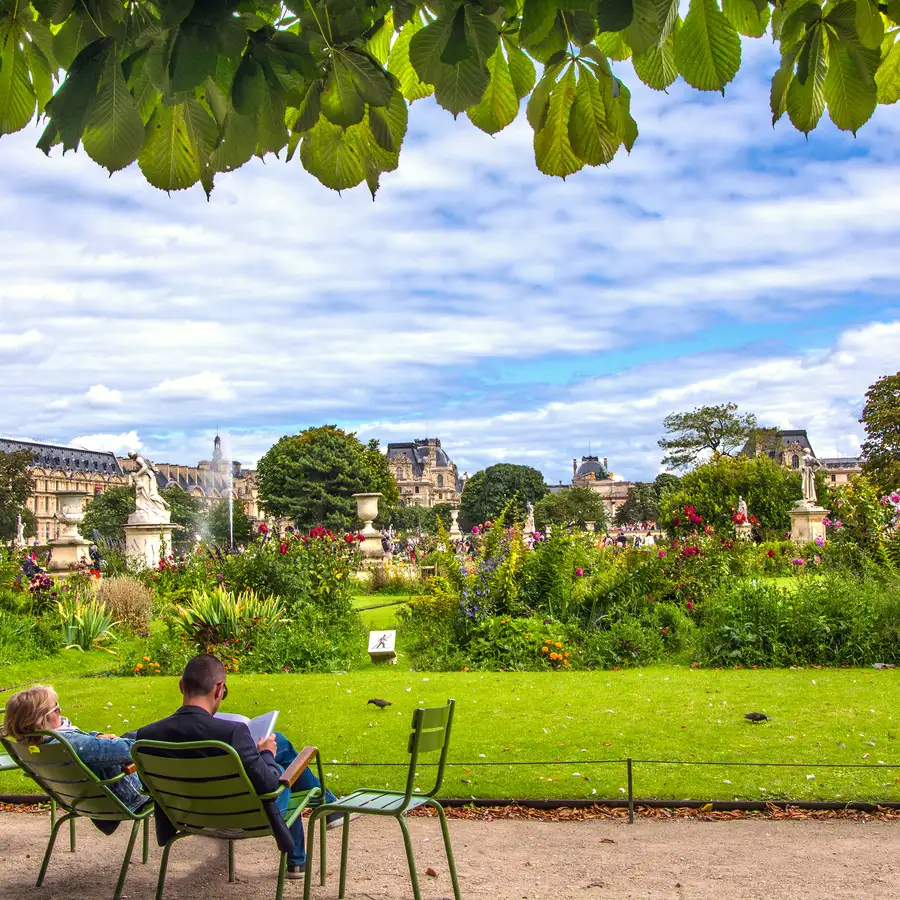
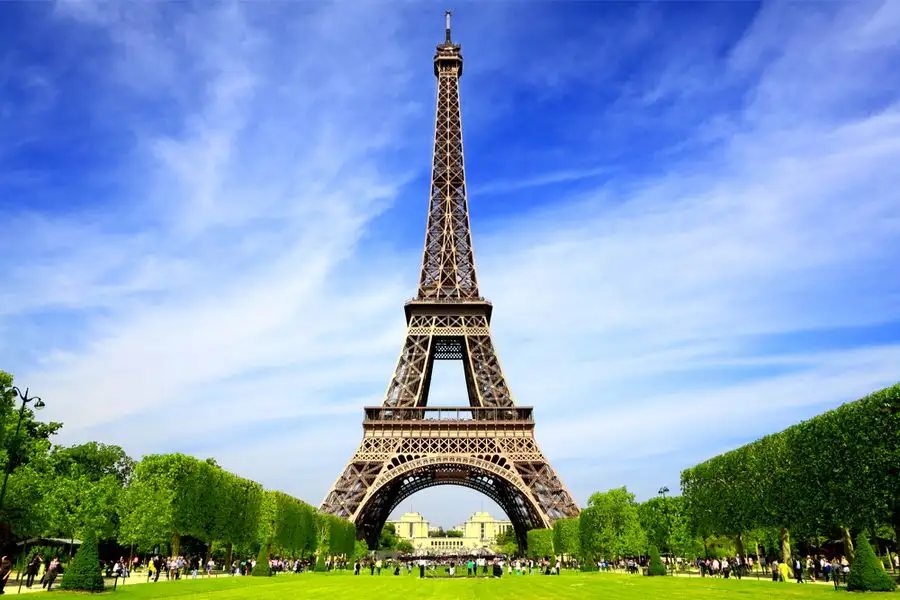
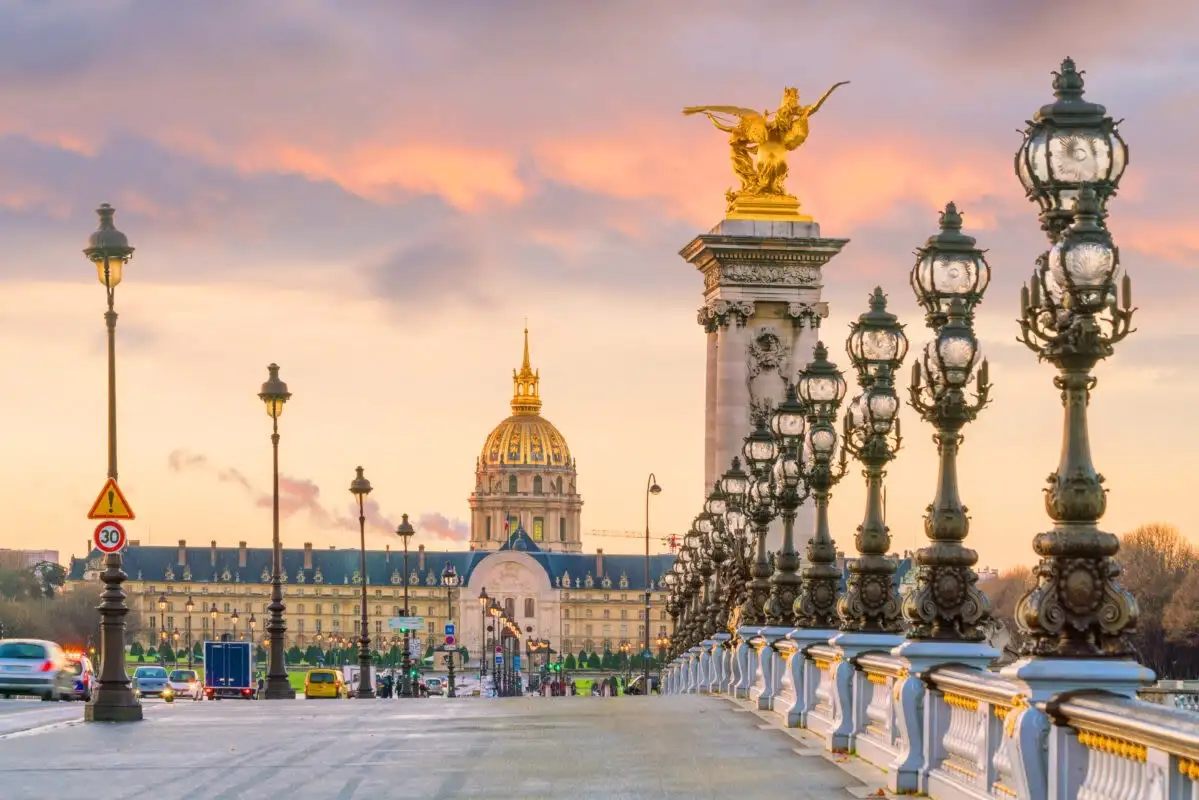
The magic of Paris is undeniable. This is the most romantic destination in Europe, and surely the number one bucket list destination of all time. If you want to say you've traveled, you have to visit Paris at least once. Along with classic must-sees like the Eiffel Tower and the Sacre-Coeur, there is so much to see and do in Paris that it helps to narrow it down by interest. Fashion and shopping enthusiast? Look no further than the Galeries Lafayette, Avenue des Champs-Élysées, or the Marais. Art aficionado? Once you're done with the Louvre, make a start on the Musée d'Orsay. History buffs won't be able to walk a block without uncovering a monument to Napoleon or Louis XIV. If you visit Paris with a foodie, be warned — you'll gaze in a lot of patisserie windows, and sample your weight in croissants. Because Paris always has so much on offer, it never grows old. At dusk, as you stroll the wide boulevards past Haussmann apartment buildings and sharply dressed Parisians, or gaze down at the city from the hill at Montmarte, you might find yourself saying 'Paris Je t' aime'. This is, after all, the City of Love.
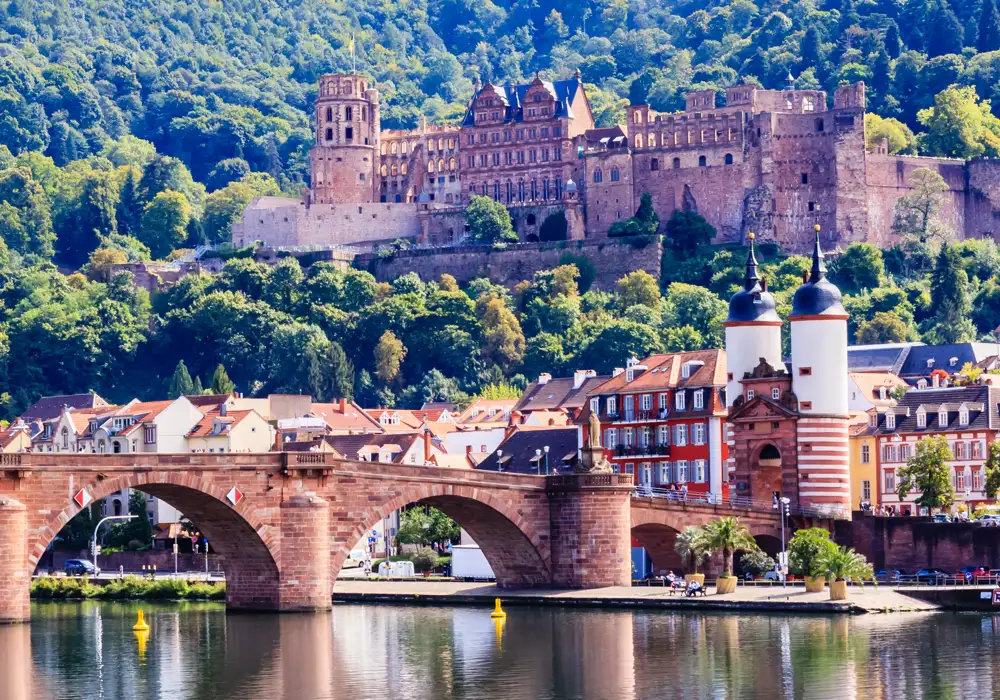
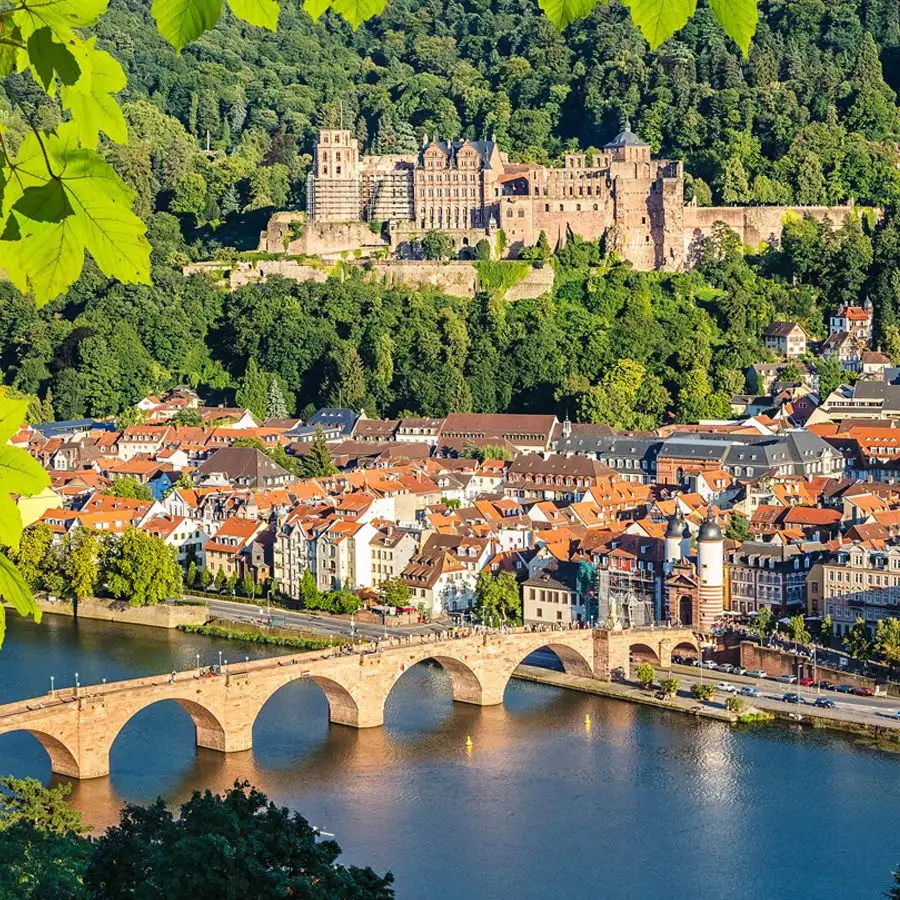
Heidelberg is buried deep in the forests of southwest Germany. Flanking both sides of the Neckar River, Heidelberg's red and white baroque old town looks like something from a book of folktales. On the hillside above the town, you'll see the looming, tumbledown remains of Heidelberg's Gothic-Renaissance castle, Heidelberger Schloss. The subject of strange local legends, Heidelberg Castle was once home to knights, a famous court jester, and even a witch. It is said the first person who pulls out an iron ring embedded in one of the great doors will be the castle's true owner. Surely on your visit, it's worth a try? Across the river, follow in the footsteps of scholars on a hiking trail known as The Philosophers’ Way. Heidelberg University is the oldest in Germany, and its leafy, temple-like campus contributes to the gentle, contemplative atmosphere of the town. A poetic city with the dreamy feel of a watercolor painting, it's no wonder Heidelberg inspired writers like Mark Twain and Johann Wolfgang von Goethe. The city has even been recognized by UNESCO as a City of Literature. Especially on misty, grey days, Heidelberg has a way of sweeping you up in its romanticism.
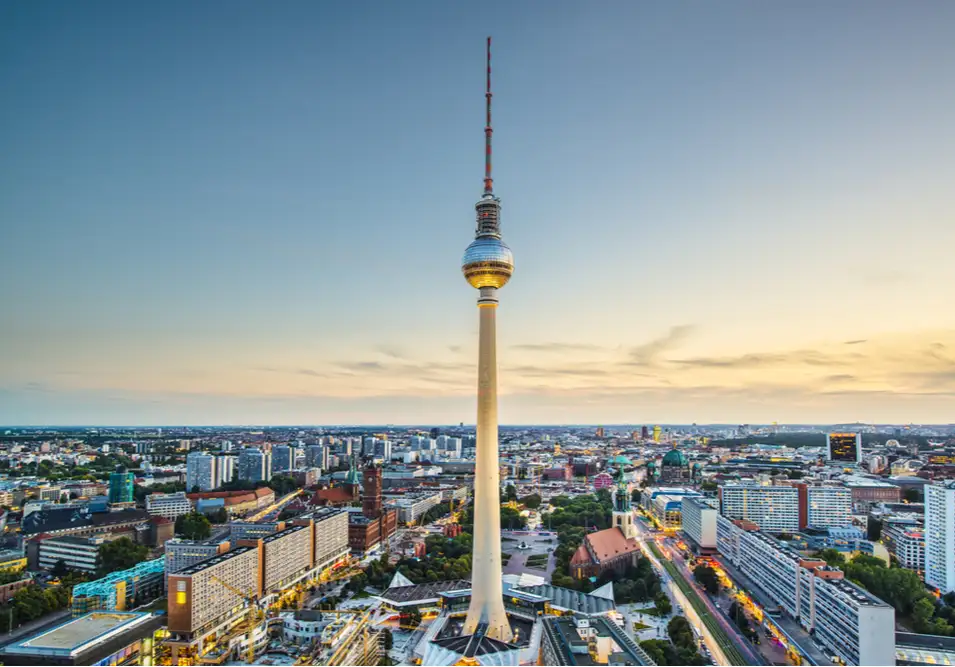
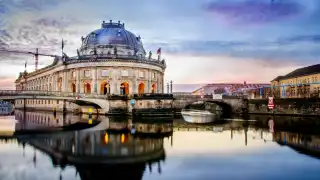
Since the fall of its notorious wall, Berlin’s unification has seen it go from strength to strength. No wonder the city feels like it hasn’t stopped partying since the 1990s. There is so much to celebrate here. Fueled by the robust economy, a thriving tech scene, and straight-up German bonhomie, when you step into Berlin you’ll soon be caught up in its spirit. For all this gusto, Berlin hasn’t forgotten its troubled past. A visit to Berlin is to bear witness to history. Portions of the wall remain intact, and the city’s Jewish Museum offers a detailed, emotional examination of the Holocaust. Inside the reconstructed Reichstag, every attempt has been made to preserve the parliament’s beleaguered history. The buildings' glass dome addition feels less like a triumphal crown and more like a freshly healed battle scar. Days in Berlin are easily spent wandering from a cafe to the cultural institutions on Museum Island, or over to the Charlottenburg Palace. By night, crowds wander through the booming bars and nightclubs or gaze upon the floodlit Brandenburg Gate and Victory Column monuments. An international city that can offer something to everyone, Berlin is an unmissable stop on your German journey.

It feels as though everything in Brussels is tinted with gold. From the gilded rooftops of the old houses on the Grand Palace to the foil-wrapped bonbons piled in chocolatier windows, Brussels seems to sparkle and wink at you around every corner. Aside from the lustrous architecture and Trappist ales, this shiny city is probably still best known for its iconic street food options: salty, golden fries, and fluffy, honey-colored waffles. While a major political center, home of the EU and NATO, don’t be fooled by Brussels stern ‘Eurocratic’ facade. Brussels revels in cheeky humor and mischief. So much so, Brussel’s beloved mascot, the ‘Manneken Pis’, is a statue of a small child urinating into a fountain. The city takes great pleasure in dressing this statue in festive-themed costumes. It’s no surprise that the artist Magritte, one of the great visual tricksters of the 20th century, called Brussels home. After a few days exploring the city, and taking in its sights and scenes, you’re sure to come away smiling.

Bayeux is an old, well-preserved town in Normandy. Most known as the backdrop for the Battle of Normandy, visitors who descend from WWII veterans often feel a special, somber connection to this part of France. On June 6, 1944, otherwise known as ‘D-Day’, thousands of Allied troops landed on Normandy’s Atlantic Coast, with a mission to drive out the German occupying forces. More than 120,000 Allied soldiers died in combat over the next three months. Although victorious, the campaign for Normandy caused the highest number of losses for America in all of WWII. A landscape of remembrance, on a tour of the Norman countryside you’ll see the remains of tanks, aircraft, and military bunkers. Special cemeteries and memorials in the area pay tribute to the sacrifice of fallen soldiers. Despite the destruction of nearly every neighboring village, the town of Bayeux endured WWII unscathed. Along with all its medieval architecture, the town’s most precious treasure, the Bayeux Tapestry, was miraculously spared. Stitched in the 11th century, the Tapestry tells the story of William the Conqueror’s invasion of England in 1066. As you view the tapestry and stroll through the charming streets of Bayeux, the sweeping cathedral spires and gently flowing River Aure cast you back to another time. A landscape of war, but also remembrance, a trip to Bayeux and Normandy will deepen your appreciation and respect for the past.

Strasbourg, the enchanting capital of Alsace, blends French elegance with German charm in a way that feels utterly unique. This riverside city invites you to stroll through cobblestone streets where half-timbered houses and flower-decked canals paint a storybook scene. At its heart rises the majestic Strasbourg Cathedral, a Gothic masterpiece whose spire once made it the tallest building in the world. Nearby, the fairytale district of Petite France beckons with its winding lanes and medieval ambiance. Beyond its old-world beauty, Strasbourg proudly serves as the seat of European unity, home to institutions like the European Parliament. In winter, its world-famous Christmas markets transform the city into a glittering wonderland of lights, aromas, and festive cheer. Whether you’re admiring centuries-old architecture or savoring Alsatian cuisine beside the river, Strasbourg offers an experience that’s both timeless and alive with spirit.

The magic of Paris is undeniable. This is the most romantic destination in Europe, and surely the number one bucket list destination of all time. If you want to say you've traveled, you have to visit Paris at least once. Along with classic must-sees like the Eiffel Tower and the Sacre-Coeur, there is so much to see and do in Paris that it helps to narrow it down by interest. Fashion and shopping enthusiast? Look no further than the Galeries Lafayette, Avenue des Champs-Élysées, or the Marais. Art aficionado? Once you're done with the Louvre, make a start on the Musée d'Orsay. History buffs won't be able to walk a block without uncovering a monument to Napoleon or Louis XIV. If you visit Paris with a foodie, be warned — you'll gaze in a lot of patisserie windows, and sample your weight in croissants. Because Paris always has so much on offer, it never grows old. At dusk, as you stroll the wide boulevards past Haussmann apartment buildings and sharply dressed Parisians, or gaze down at the city from the hill at Montmarte, you might find yourself saying 'Paris Je t' aime'. This is, after all, the City of Love.

Heidelberg is buried deep in the forests of southwest Germany. Flanking both sides of the Neckar River, Heidelberg's red and white baroque old town looks like something from a book of folktales. On the hillside above the town, you'll see the looming, tumbledown remains of Heidelberg's Gothic-Renaissance castle, Heidelberger Schloss. The subject of strange local legends, Heidelberg Castle was once home to knights, a famous court jester, and even a witch. It is said the first person who pulls out an iron ring embedded in one of the great doors will be the castle's true owner. Surely on your visit, it's worth a try? Across the river, follow in the footsteps of scholars on a hiking trail known as The Philosophers’ Way. Heidelberg University is the oldest in Germany, and its leafy, temple-like campus contributes to the gentle, contemplative atmosphere of the town. A poetic city with the dreamy feel of a watercolor painting, it's no wonder Heidelberg inspired writers like Mark Twain and Johann Wolfgang von Goethe. The city has even been recognized by UNESCO as a City of Literature. Especially on misty, grey days, Heidelberg has a way of sweeping you up in its romanticism.

Since the fall of its notorious wall, Berlin’s unification has seen it go from strength to strength. No wonder the city feels like it hasn’t stopped partying since the 1990s. There is so much to celebrate here. Fueled by the robust economy, a thriving tech scene, and straight-up German bonhomie, when you step into Berlin you’ll soon be caught up in its spirit. For all this gusto, Berlin hasn’t forgotten its troubled past. A visit to Berlin is to bear witness to history. Portions of the wall remain intact, and the city’s Jewish Museum offers a detailed, emotional examination of the Holocaust. Inside the reconstructed Reichstag, every attempt has been made to preserve the parliament’s beleaguered history. The buildings' glass dome addition feels less like a triumphal crown and more like a freshly healed battle scar. Days in Berlin are easily spent wandering from a cafe to the cultural institutions on Museum Island, or over to the Charlottenburg Palace. By night, crowds wander through the booming bars and nightclubs or gaze upon the floodlit Brandenburg Gate and Victory Column monuments. An international city that can offer something to everyone, Berlin is an unmissable stop on your German journey.


Zoom In to the cities to see your itinerary in more detail