
4 Days of Culture, Food, and Bavarian Beer in Munich
 4 Day Tour of Munich
Destinations on this trip: Munich
Overview
Trip Map
Itinerary
Inclusions
Reviews



How Long Is the Munich in Four Days Trip and What Does It Cost?
 Duration4 days / 3 nights
- Best timeJan-Dec
 From$799 / person (Flights not included)
- Wander through the opulent Residenz Palace, former home to Bavarian monarchs.
- Take a beer-tasting tour with a local, sampling local brews in Munich’s famed beer gardens.
- Explore Munich's Altstadt, a treasure trove of medieval and baroque architecture.
- Explore the BMW Museum and Olympic Park, showcasing modern German engineering.
- Stroll the English Garden, one of Europe's largest public parks, and check out its surf spot.
- Wander through the opulent Residenz Palace, former home to Bavarian monarchs.
- Take a beer-tasting tour with a local, sampling local brews in Munich’s famed beer gardens.
- Explore Munich's Altstadt, a treasure trove of medieval and baroque architecture.
- Explore the BMW Museum and Olympic Park, showcasing modern German engineering.
- Stroll the English Garden, one of Europe's largest public parks, and check out its surf spot.


Must see sights
Starting from
$799
per person
 Not included
 Price varies by group size, hotel selection, and travel season.
Secure Your Customizable Trip
Enter your details to embark on a journey that can be tailored just for you.
Start
Travelers
Preferred Hotel Stars

Craft Your Own Itinerary
Select your interests and destinations for a trip plan inspired by you.
Where Does the Munich in Four Days Trip Trip Go?
| ← | Move left |
| → | Move right |
| ↑ | Move up |
| ↓ | Move down |
| + | Zoom in |
| - | Zoom out |
| Home | Jump left by 75% |
| End | Jump right by 75% |
| Page Up | Jump up by 75% |
| Page Down | Jump down by 75% |


Click To Make Map Interactive
Munich in Four Days Trip Timeline
Arrival
3 nights
Munich
Germany
Departure
What Does the Munich in Four Days Trip Itinerary Look Like?
Day 1
Arrive Munich

Day 1
Arrive Munich


Mid-Day/Afternoon
Residence Palace
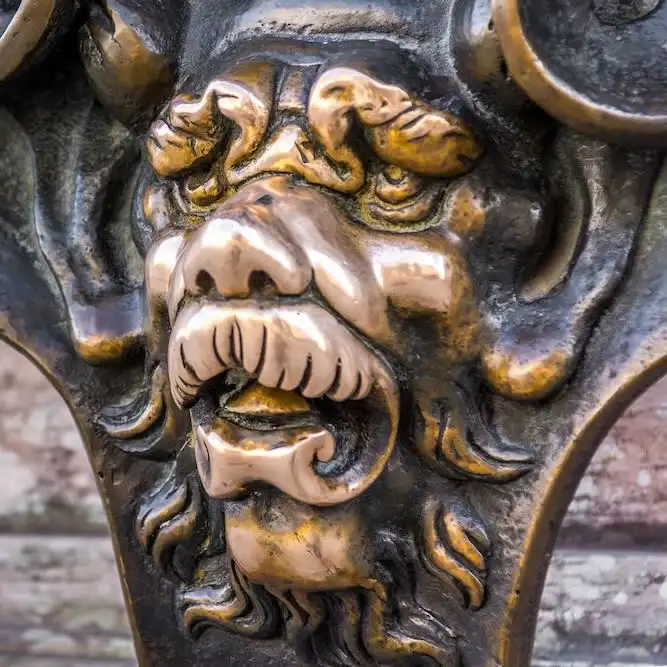
The Munich Residenz was the seat of Bavaria's Dukes and Kings from the middle ages until 1918. Originally a medieval castle, it was transformed over the centuries into a beautiful palace. Today it is open to the public and you can explore its magnificent interiors, numerous courtyards, and elegant garden. The living quarters of the royal family have been transformed into a museum which provides a fascinating glimpse into the lives of Kings and Queens. You can also peruse numerous jewels, gold objects, and other precious items which are held in the Residenz Schatzkammer (treasury).
Visit what is perhaps the most ostentatious and sensually overwhelming building in Munich.
Show More
See the square where Hitler's Beer Hall Putsch came to a bloody end.
Show More


Wander where you will, audio guide in hand, through the spectactular royal residence.
Show MoreVisit what is perhaps the most ostentatious and sensually overwhelming building in Munich.
Show MoreSee the square where Hitler's Beer Hall Putsch came to a bloody end.
Show MoreWander where you will, audio guide in hand, through the spectactular royal residence.
Show MoreDay 1
Arrive Munich

Day 1
Arrive Munich
To Be Determined:
Transfer from Airport
Mid-Day/Afternoon:
Residence Palace
Early Evening:
Maxvorstadt
:
:
Cuvilliés-Theatre
 Highlight of Residence Palace
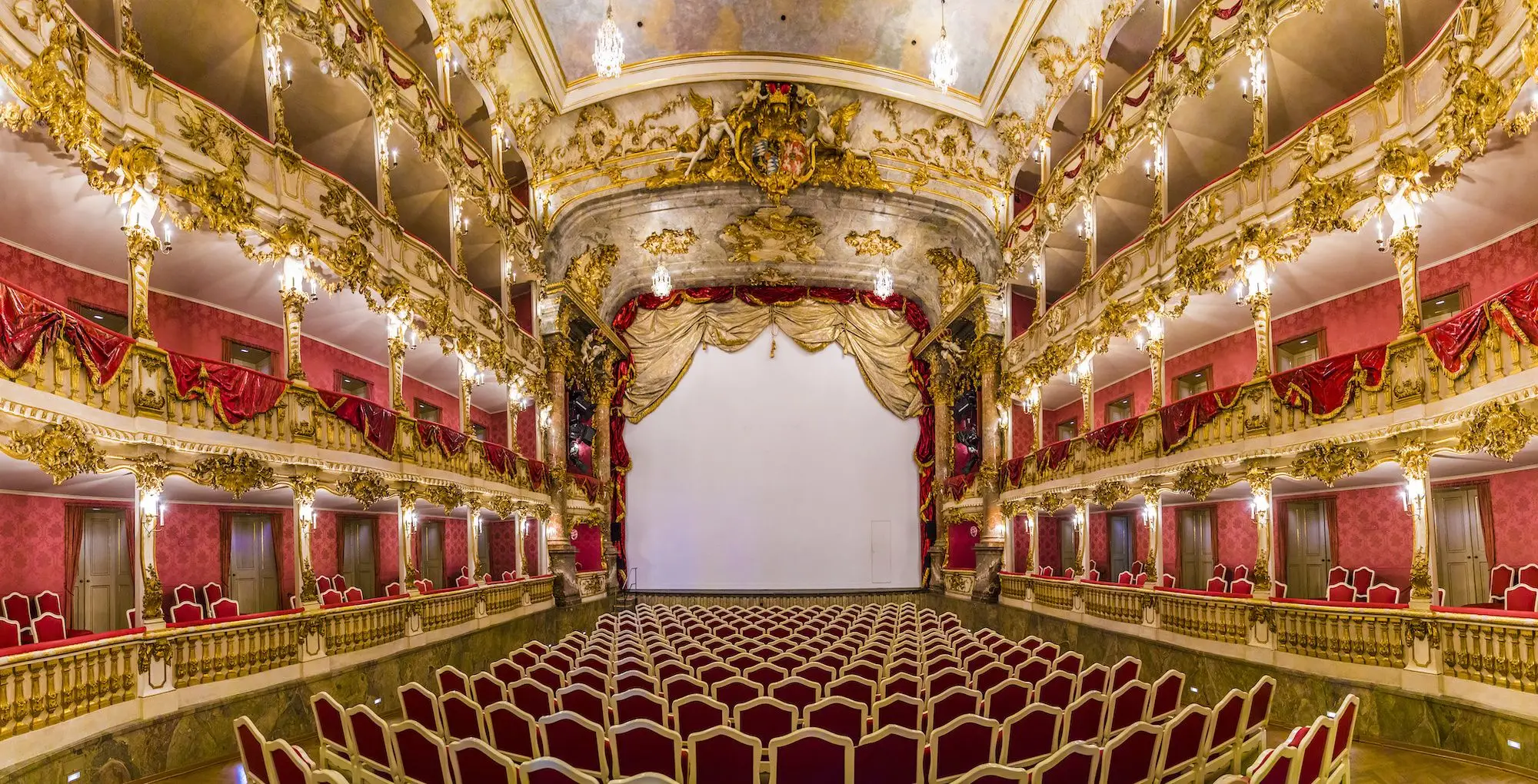
Visit what is perhaps the most ostentatious and sensually overwhelming building in Munich.
The exceptionally extravagant court theatre was built by Elector Max III Joseph's court architect François Cuvilliés between 1751 and 1755, and was intended to showcase Munich as a home to the arts and the enlightenment. It only survived the destruction of WWII because the elaborately carved tiers of boxes were removed from their original location in the Alte Residenztheater building for safekeeping. It's still used as a theatre today.FYI - to visit the Cuvilliés-Theatre you need to exit the museum and walk around the palace to get onto Residenzstraße and then re-enter the palace and cross through either the Chapel Courtyard or the Imperial Courtyard.
Odeonsplatz
Highlight of Residence PalaceSee the square where Hitler's Beer Hall Putsch came to a bloody end.
The square directly adjacent to the Residence is the Odeonsplatz, which is guarded by the Feldherrnhalle (Field Marshalls' Hall) in honor of the Bavarian army. It was here that Hitler's Beer Hall Putsch in 1923 came to a bloody end in a gun battle with the police. During the Nazi regime, anyone passing the Feldherrnhalle was obliged to give the Nazi salute, which prompted some locals to instead take a side street. The Nazis derogatorily nicknamed it the Shirkers' Alley, but the 'shirkers' are memorialized in a trail of brass cobblestones. Also on the square is the bright yellow Theatinerkirche with its two massive twin towers. It was the personal church of Bavaria's rulers and many of them are interred there.
Residence Palace
OverviewResidence Palace
The Munich Residenz was the seat of Bavaria's Dukes and Kings from the middle ages until 1918. Originally a medieval castle, it was transformed over the centuries into a beautiful palace. Today it is open to the public and you can explore its magnificent interiors, numerous courtyards, and elegant garden. The living quarters of the royal family have been transformed into a museum which provides a fascinating glimpse into the lives of Kings and Queens. You can also peruse numerous jewels, gold objects, and other precious items which are held in the Residenz Schatzkammer (treasury).
Residenz Palace Museum
Highlight of Residence PalaceWander where you will, audio guide in hand, through the spectactular royal residence.
You'll experience jaw-dropping architecture and beautiful artwork as you explore the museum and the adjacent Royal Treasury. Among the many highlights, unmissable is the Antiquarium, the largest and most lavish Renaissance hall north of the Alps. The window reveals are decorated with 102 views of towns, markets, and palaces in what was then the Duchy of Bavaria, providing an unique insight into how the country once looked. The Rich Chapel (Reiche Kapelle) was the private place of worship of Duke Maximilian I and his wife, and it was decorated with particular magnificence using colored marble and gilt reliefs. The Ornate Rooms (Reiche Zimmer) meanwhile represent a high point of the court Rococo style, and are works of art in their own right.
Cuvilliés-Theatre
Highlight of Residence PalaceVisit what is perhaps the most ostentatious and sensually overwhelming building in Munich.
The exceptionally extravagant court theatre was built by Elector Max III Joseph's court architect François Cuvilliés between 1751 and 1755, and was intended to showcase Munich as a home to the arts and the enlightenment. It only survived the destruction of WWII because the elaborately carved tiers of boxes were removed from their original location in the Alte Residenztheater building for safekeeping. It's still used as a theatre today.FYI - to visit the Cuvilliés-Theatre you need to exit the museum and walk around the palace to get onto Residenzstraße and then re-enter the palace and cross through either the Chapel Courtyard or the Imperial Courtyard.
Odeonsplatz
Highlight of Residence PalaceSee the square where Hitler's Beer Hall Putsch came to a bloody end.
The square directly adjacent to the Residence is the Odeonsplatz, which is guarded by the Feldherrnhalle (Field Marshalls' Hall) in honor of the Bavarian army. It was here that Hitler's Beer Hall Putsch in 1923 came to a bloody end in a gun battle with the police. During the Nazi regime, anyone passing the Feldherrnhalle was obliged to give the Nazi salute, which prompted some locals to instead take a side street. The Nazis derogatorily nicknamed it the Shirkers' Alley, but the 'shirkers' are memorialized in a trail of brass cobblestones. Also on the square is the bright yellow Theatinerkirche with its two massive twin towers. It was the personal church of Bavaria's rulers and many of them are interred there.
Residence Palace
OverviewResidence Palace
The Munich Residenz was the seat of Bavaria's Dukes and Kings from the middle ages until 1918. Originally a medieval castle, it was transformed over the centuries into a beautiful palace. Today it is open to the public and you can explore its magnificent interiors, numerous courtyards, and elegant garden. The living quarters of the royal family have been transformed into a museum which provides a fascinating glimpse into the lives of Kings and Queens. You can also peruse numerous jewels, gold objects, and other precious items which are held in the Residenz Schatzkammer (treasury).
Residenz Palace Museum
Highlight of Residence PalaceWander where you will, audio guide in hand, through the spectactular royal residence.
You'll experience jaw-dropping architecture and beautiful artwork as you explore the museum and the adjacent Royal Treasury. Among the many highlights, unmissable is the Antiquarium, the largest and most lavish Renaissance hall north of the Alps. The window reveals are decorated with 102 views of towns, markets, and palaces in what was then the Duchy of Bavaria, providing an unique insight into how the country once looked. The Rich Chapel (Reiche Kapelle) was the private place of worship of Duke Maximilian I and his wife, and it was decorated with particular magnificence using colored marble and gilt reliefs. The Ornate Rooms (Reiche Zimmer) meanwhile represent a high point of the court Rococo style, and are works of art in their own right.
Day 2
Munich
Day 2
Munich


9:00 AM - 11:30 AM
Guided Walk Tour of Historic Munich
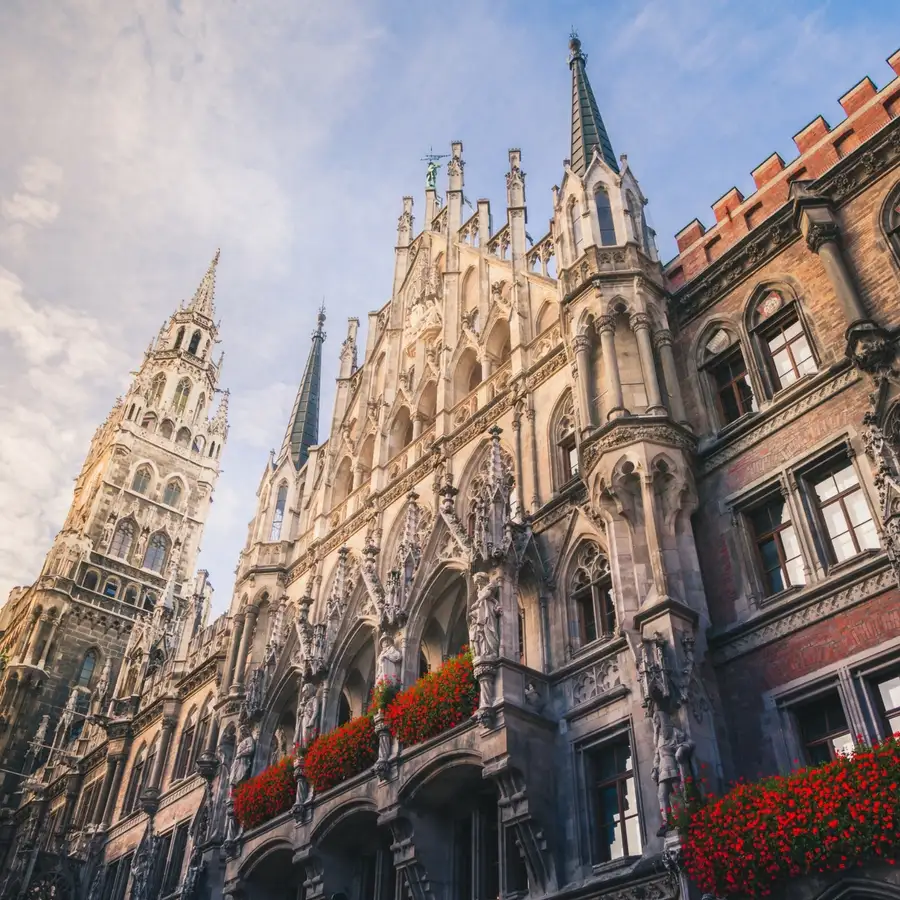
Munich contains many reminders of a long and varied history but also encompasses the modern features of a strong and vibrant city. The insights of a local help make sense of the traditions, trends, and promises of Bavaria's Capital - sometimes referred to as the city of laptops and lederhosen. On this tour, your guide will show you the highlights of Munich and point out the many hidden treasures.

Day 2
Munich
Day 3
Munich
Day 3
Munich

Morning/Mid-Day
Arts District
Munich's Museum Quarter (Kunstareal) has grown continuously over a period of 200 years offering an extraordinary variety of museums with works from Pharaonic Egypt right through to the present day. There are 18 museums and exhibition halls, more than 40 galleries, six internationally renowned universities and numerous cultural institutions all in close proximity and within walking distance of each other.

Peruse 19th and 20th century art in a stylishly modern setting.
Show More
Peruse modern art in this remarkably different building.
Show More
History buffs will love this underappreciated museum dedicated to Egyptian archaeology.
Show More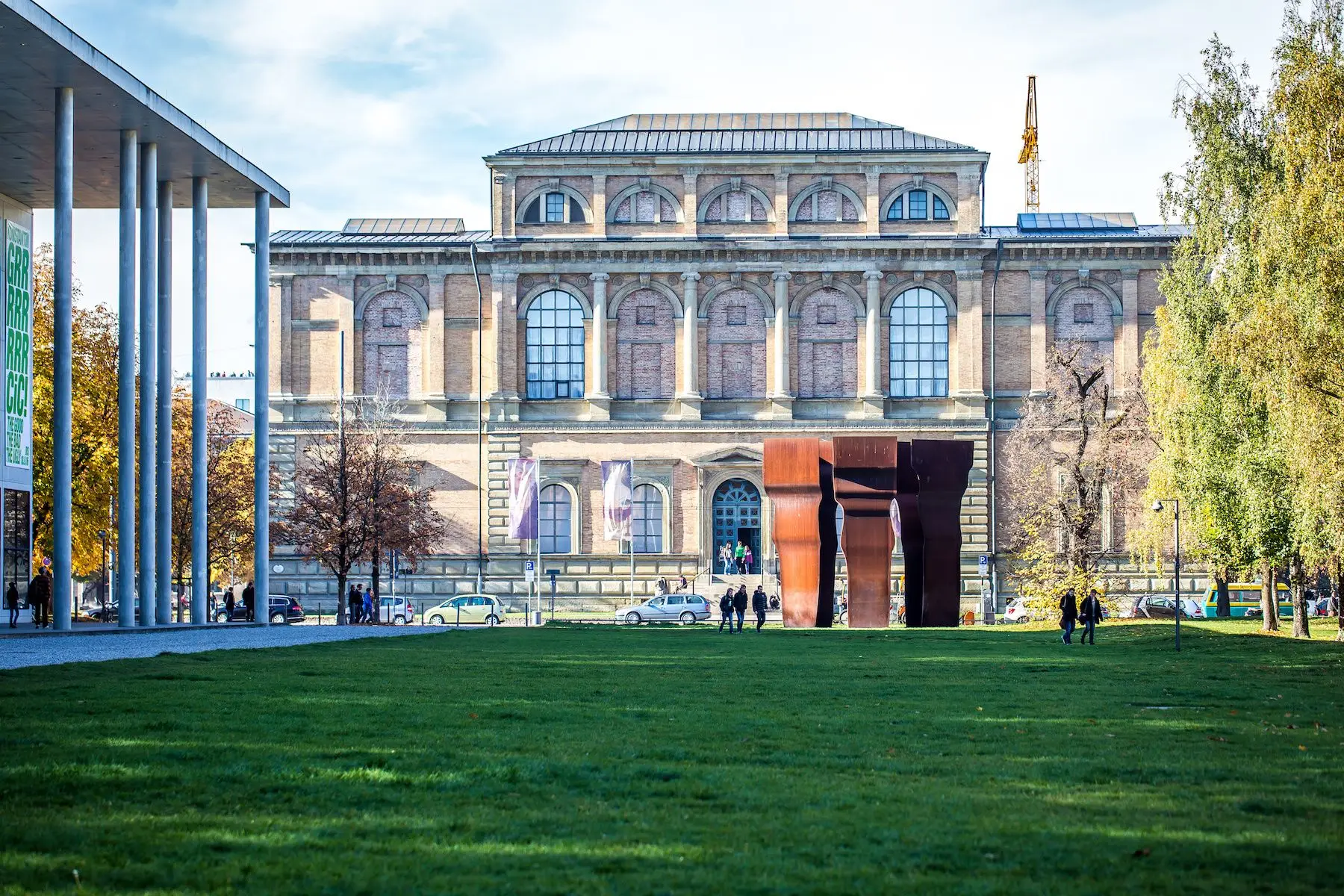

Enjoy a tremendous collection of art in what was once the world's largest art gallery.
Show More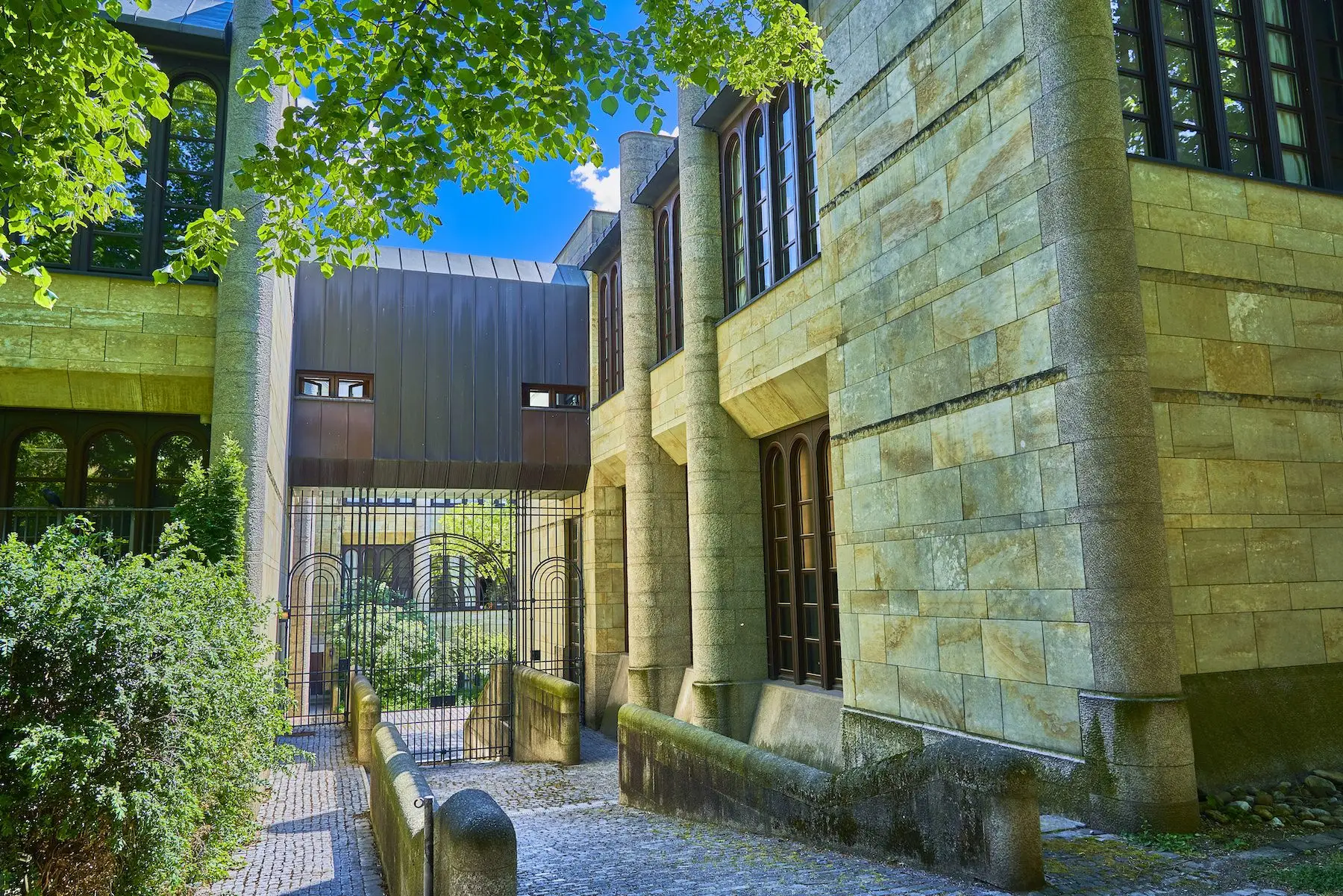
See some of the 19th and early 20th centuries' greatest artworks.
Show MorePeruse 19th and 20th century art in a stylishly modern setting.
Show MorePeruse modern art in this remarkably different building.
Show MoreHistory buffs will love this underappreciated museum dedicated to Egyptian archaeology.
Show MoreEnjoy a tremendous collection of art in what was once the world's largest art gallery.
Show MoreSee some of the 19th and early 20th centuries' greatest artworks.
Show MoreDay 3
Munich

Day 4
Depart Munich
Day 4
Depart Munich

Morning/Mid-Day
BMW Museum & Olympiapark
If you have a passion for cars and German engineering precision, then you'll love the shrines to one of Germany's finest automobiles - the ultra-modern BMW Museum and the futuristic-looking BMW World. Adjacent to BMW World are the extensive and beautifully sculpted grounds of 1972's Olympic Park built on top of the mountain of rubble transported there during the post-WWII city clean-up operation.

Day 4
Depart Munich
What's Included in the Munich in Four Days Trip Trip?
Pre-Paid Tours and Activities:
- Guided Walk Tour of Historic Munich
- Guided Beer Tasting Tour
- City Card for Munich, including discounts to many popular attractions

Pre-Paid Transportation:
- Public Transport Tickets for Munich

Accommodation:
- 3 nights at a hotel of your choice in Munich

Go Real Travel Mobile App:
- Itinerary Plan & Reservations Info
- Points of Interest
- Detailed Travel Information
- Maps & Directions
Other Trips You May Like


10 Days
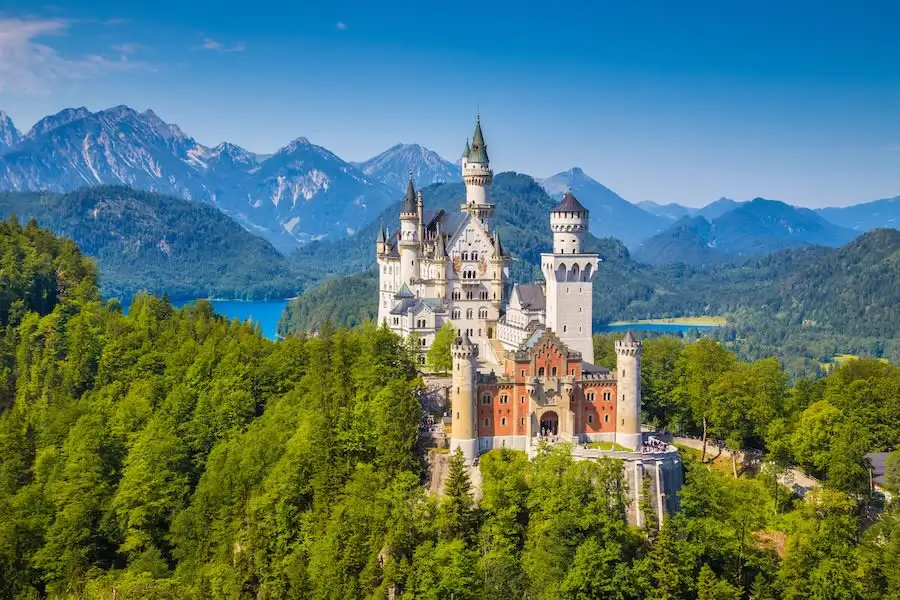
Winter Wonderland: Germany’s Iconic Cities and Alpine Landscapes





10 Days
Winter Wonderland: Germany’s Iconic Cities and Alpine Landscapes
Featured Blogs




Our Customers Say It Best


Malini Dutta, Boston, Massachusetts

Bev and Mark Frankel, Williamsburg, Virginia
Marianne Strydom, Paarl, South Africa
Otto Chuy, Los Angeles, California
Malini Dutta, Boston, Massachusetts
Bev and Mark Frankel, Williamsburg, Virginia
Marianne Strydom, Paarl, South Africa
Otto Chuy, Los Angeles, California
Malini Dutta, Boston, Massachusetts
Bev and Mark Frankel, Williamsburg, Virginia
Marianne Strydom, Paarl, South Africa
Otto Chuy, Los Angeles, California



Explore cities in more detail
Nuremberg
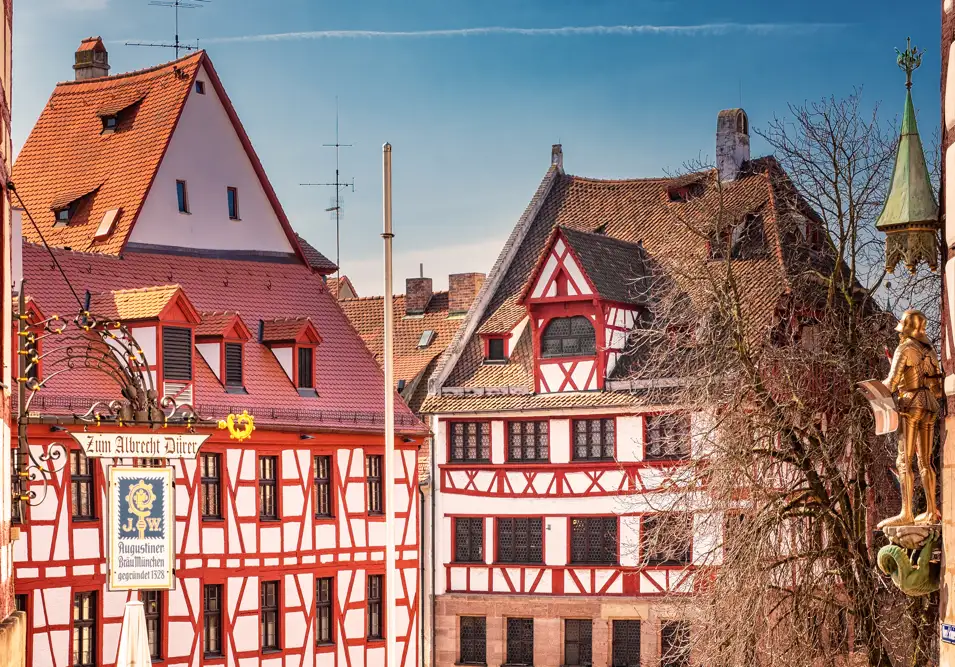
One of the most authentic, storied German destinations, Nuremberg's picturesque old town, glorious castle, and buzzing Christmas Market makes this city a time-true classic. The ideal gateway to old Bavaria, Nuremberg offers a primer in German history before you embark on the lovely journey through old Bavaria, known as the Romantic Road. Considered the capital of the Holy Roman Empire in the middle ages, Nuremberg would have felt like the center of the world as a procession of kings and emperors passed through its magnificent gates. When the German Renaissance came, Nuremberg was at its heart. Albrecht Dürer, the great German master artist, was born here, and Martin Luther called Nuremberg Germany's 'eyes and ears'. Skip forward a few centuries, and the city took a dark turn, as Nuremberg became a gathering point for the German National Socialists. Slightly outside of town, you can still find the Nazi Party Rallying Grounds, a sobering reminder of the not so distant past. If it all gets too heavy, you can end the day with a glass of rotbier (red beer) and mull it over. Nuremberg is a must-see for anyone who wants to delve into Germany's past.
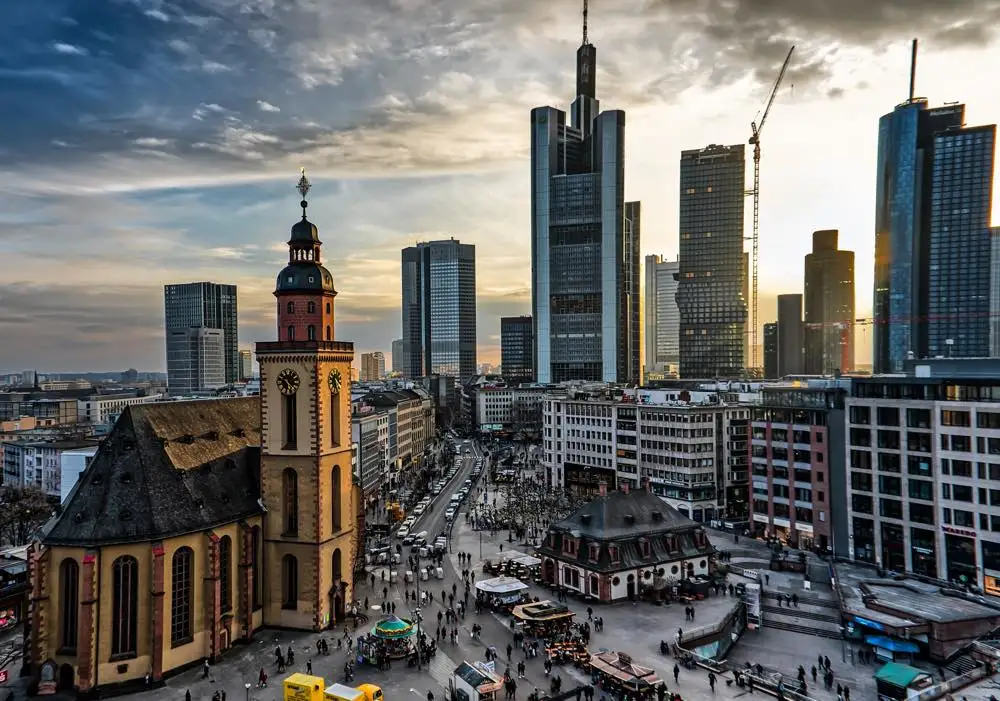
Frankfurt
Dubbed ‘Mainhatten’ for its glass highrises, financial prowess, and proximity to the Main River, Frankfurt offers a fascinating glimpse into the ‘engine room’ of Europe’s economy with an unexpected twist. Among the glass and steel buildings, the old-worldly Römerberg square will give you a double-take. The square’s 15th-century half-timbered houses, old statues, and church spires contrast dramatically against the modern 21st-century skyscrapers beyond. If you visit at Christmas, the Römerberg is truly special, aglow with the light of the tallest Christmas tree in Germany. The square fills with stalls selling handicrafts, and the air is scented with hot apple wine, honey, and cinnamon. Delve deeper into Frankfurt and you’ll find a substantial museum district, the Museumsufer (Museum Embankment). This area features a cluster of twelve museums on either side of Main River. This includes the Städel, home to Tischbein’s famous painting of renowned writer Johann Wolfgang von Goethe, one of Frankfurt’s most prestigious sons. The more time you spend in Frankfurt, the more you’ll discover a highly cultured city lurking beneath its glass facades. If you have the time, Frankfurt is certainly worth a second look.
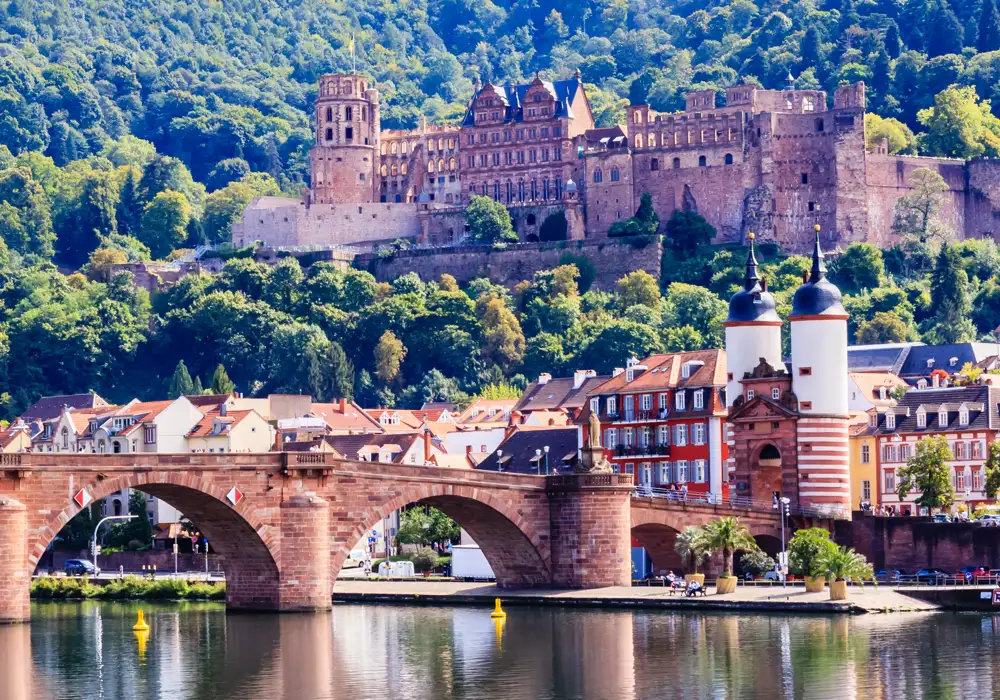
Heidelberg
Heidelberg is buried deep in the forests of southwest Germany. Flanking both sides of the Neckar River, Heidelberg's red and white baroque old town looks like something from a book of folktales. On the hillside above the town, you'll see the looming, tumbledown remains of Heidelberg's Gothic-Renaissance castle, Heidelberger Schloss. The subject of strange local legends, Heidelberg Castle was once home to knights, a famous court jester, and even a witch. It is said the first person who pulls out an iron ring embedded in one of the great doors will be the castle's true owner. Surely on your visit, it's worth a try? Across the river, follow in the footsteps of scholars on a hiking trail known as The Philosophers’ Way. Heidelberg University is the oldest in Germany, and its leafy, temple-like campus contributes to the gentle, contemplative atmosphere of the town. A poetic city with the dreamy feel of a watercolor painting, it's no wonder Heidelberg inspired writers like Mark Twain and Johann Wolfgang von Goethe. The city has even been recognized by UNESCO as a City of Literature. Especially on misty, grey days, Heidelberg has a way of sweeping you up in its romanticism.
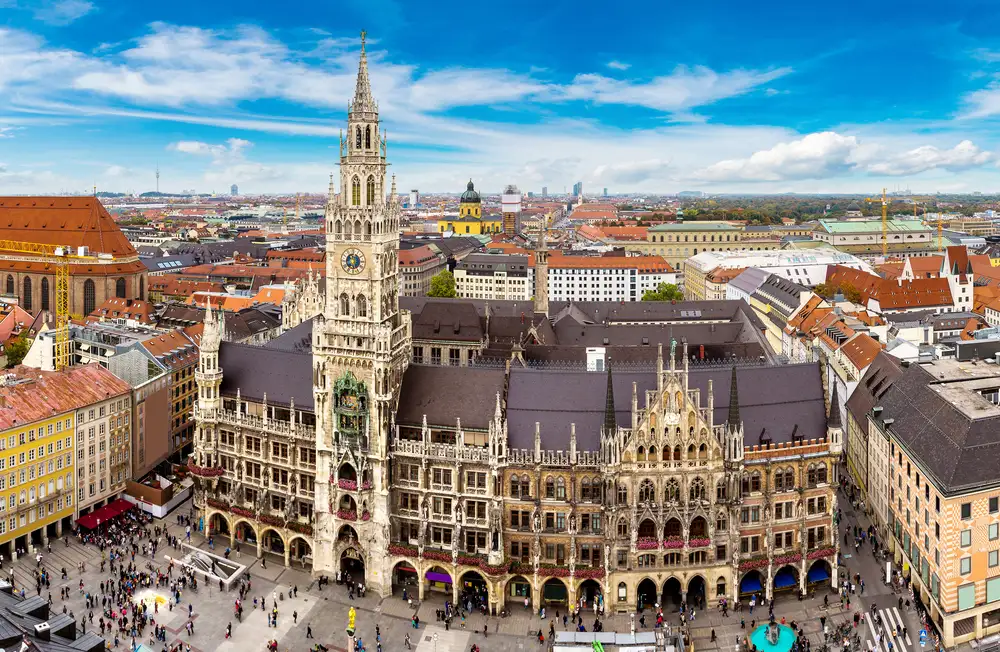
Munich
Arriving in Munich, you would be forgiven for thinking you were on the set of a movie about old Bavaria. At the Old Town beer halls, barmaids laced in dirndl dresses serve up frosty Helles lager, as oom-pah music drifts across the Marienplatz square. Men in lederhosen and checked shirts merrily give toasts as they knock glasses, or steins, as they’re known here. They sit at tables laden with wurst sausage and giant pretzels oozing with herby butter. This is Germany’s Germany, a place where folk traditions never stopped, and the revelry doesn’t either. Even when it isn’t Oktoberfest, the town’s notorious beer-drinking celebration, Munich is always happy to show you a good time. Simply cast your eyes around the lavish, gilded banquet hall at the Munich Residenz, the 13th-century Wittelsbach palace. You’ll see Munich has been impressing guests for centuries. Or, swing by the BMW Museum and check out the classic German cars. They even let you sit inside to test out the new models. At the city’s English Gardens, surfers ride waves on one of the park’s rivers. Munich is filled to the brim with this kind of pure-hearted German fun.
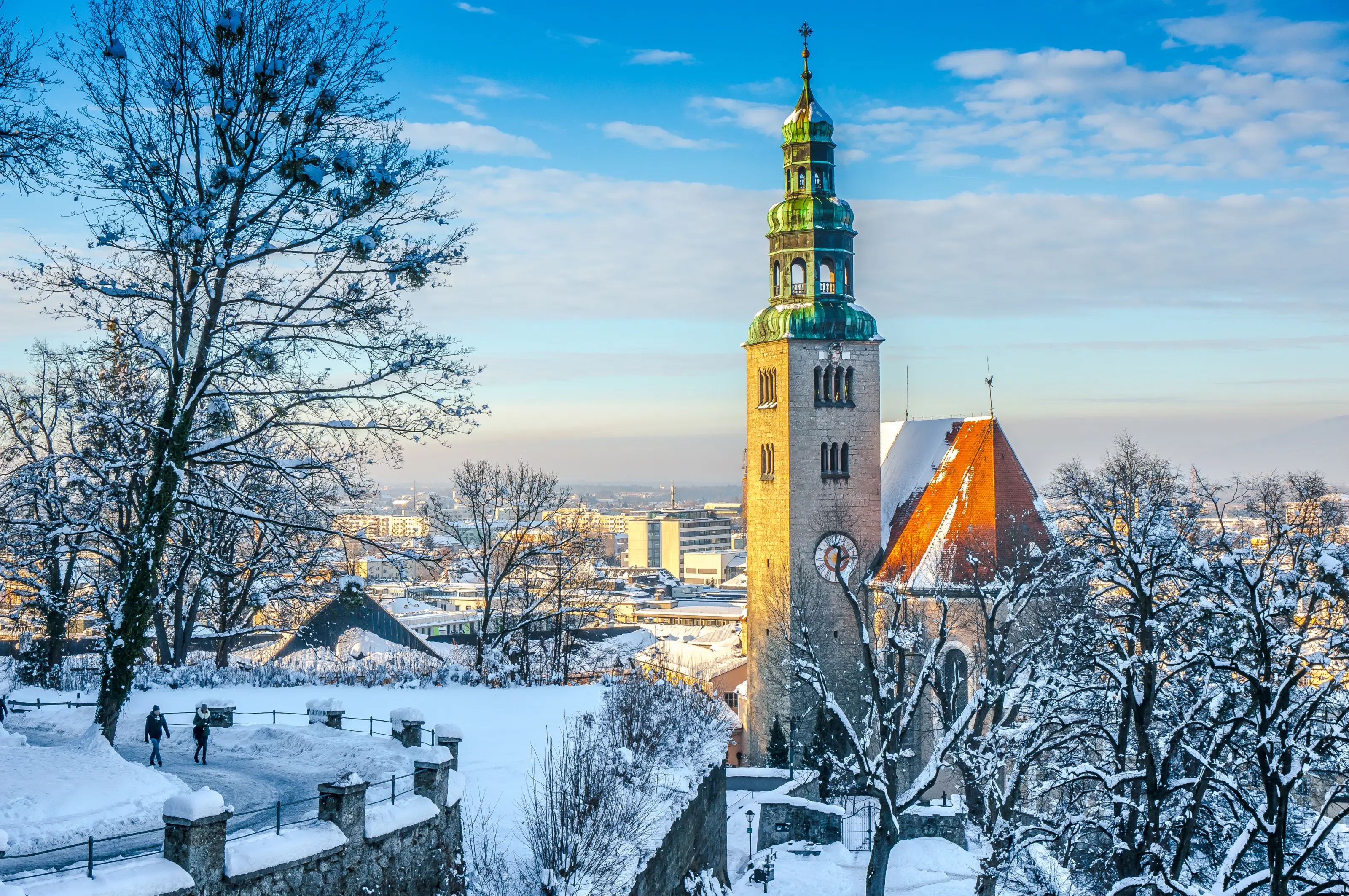
Salzburg
You've probably heard this before— the city of Salzburg is straight out of a fairytale. Nestled in the mountains, this romantic city's Baroque architecture with colorful domes and spires is especially striking against the ancient fortress and Austrian Alpine backdrop. If you're looking for an amazing view, climb up to Hohensalzburg Fortress, Central Europe's largest intact fortress, for a jaw-dropping panorama of the city backed by misty mountains. Perhaps most famous for being the birthplace of the renowned composer Wolfgang Amadeus Mozart and the filming location for the classic The Sound of Music, this city has much to offer. Salzburg has become an important artistic and cultural center, featuring magnificent concert halls that uphold the city's tradition of classical music every day of the year, as well as acclaimed art exhibitions and museums. If you do it right, your visit to Salzburg will immerse you in the city's unforgettable atmosphere and keep you coming back for more.
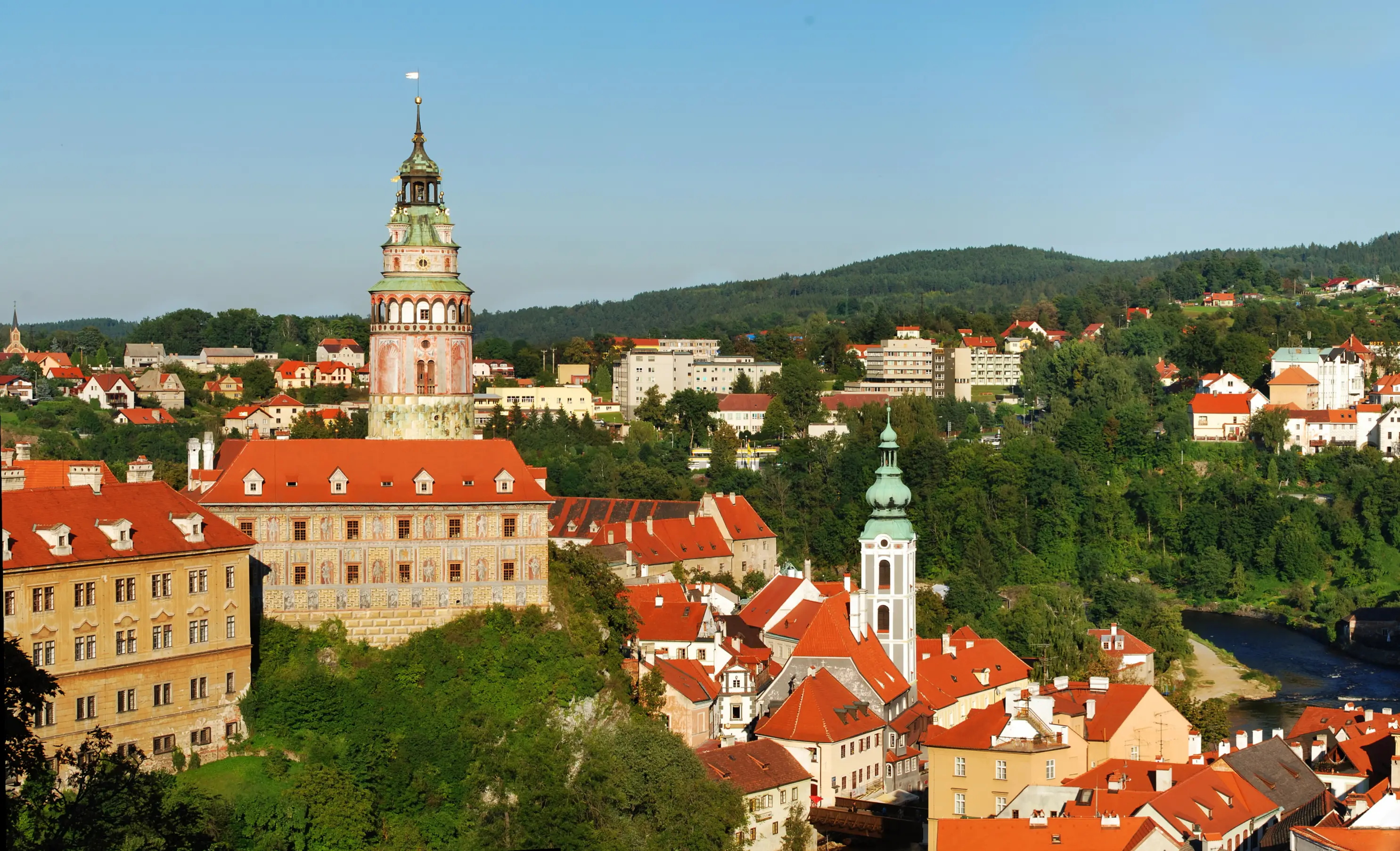
Cesky Krumlov
Cesky Krumlov is a charming little town in South Bohemia. It might be small, but it’s full of whimsical character and mystery. Walking through the narrow streets and across the bridge, the views of the medieval Cesky Krumlov Castle will take your breath away. At night, street musicians serenade visitors on the bridge where you can dance beneath the stars and the watchful eye of the magnificent tower. Dozens of unique local artisan shops, cafes, and restaurants are woven among the winding streets. In the summer, the city is lush with life and greenery. Rafters race down the river, stopping in the center along the way to enjoy a hearty meal before continuing their journey. In the winter, the main square transforms into a magnificent Christmas market and light blankets of snow cover the rooftops. This quaint little town will exceed your expectations and you may never want to leave.
Nuremberg
One of the most authentic, storied German destinations, Nuremberg's picturesque old town, glorious castle, and buzzing Christmas Market makes this city a time-true classic. The ideal gateway to old Bavaria, Nuremberg offers a primer in German history before you embark on the lovely journey through old Bavaria, known as the Romantic Road. Considered the capital of the Holy Roman Empire in the middle ages, Nuremberg would have felt like the center of the world as a procession of kings and emperors passed through its magnificent gates. When the German Renaissance came, Nuremberg was at its heart. Albrecht Dürer, the great German master artist, was born here, and Martin Luther called Nuremberg Germany's 'eyes and ears'. Skip forward a few centuries, and the city took a dark turn, as Nuremberg became a gathering point for the German National Socialists. Slightly outside of town, you can still find the Nazi Party Rallying Grounds, a sobering reminder of the not so distant past. If it all gets too heavy, you can end the day with a glass of rotbier (red beer) and mull it over. Nuremberg is a must-see for anyone who wants to delve into Germany's past.
Frankfurt
Dubbed ‘Mainhatten’ for its glass highrises, financial prowess, and proximity to the Main River, Frankfurt offers a fascinating glimpse into the ‘engine room’ of Europe’s economy with an unexpected twist. Among the glass and steel buildings, the old-worldly Römerberg square will give you a double-take. The square’s 15th-century half-timbered houses, old statues, and church spires contrast dramatically against the modern 21st-century skyscrapers beyond. If you visit at Christmas, the Römerberg is truly special, aglow with the light of the tallest Christmas tree in Germany. The square fills with stalls selling handicrafts, and the air is scented with hot apple wine, honey, and cinnamon. Delve deeper into Frankfurt and you’ll find a substantial museum district, the Museumsufer (Museum Embankment). This area features a cluster of twelve museums on either side of Main River. This includes the Städel, home to Tischbein’s famous painting of renowned writer Johann Wolfgang von Goethe, one of Frankfurt’s most prestigious sons. The more time you spend in Frankfurt, the more you’ll discover a highly cultured city lurking beneath its glass facades. If you have the time, Frankfurt is certainly worth a second look.
Heidelberg
Heidelberg is buried deep in the forests of southwest Germany. Flanking both sides of the Neckar River, Heidelberg's red and white baroque old town looks like something from a book of folktales. On the hillside above the town, you'll see the looming, tumbledown remains of Heidelberg's Gothic-Renaissance castle, Heidelberger Schloss. The subject of strange local legends, Heidelberg Castle was once home to knights, a famous court jester, and even a witch. It is said the first person who pulls out an iron ring embedded in one of the great doors will be the castle's true owner. Surely on your visit, it's worth a try? Across the river, follow in the footsteps of scholars on a hiking trail known as The Philosophers’ Way. Heidelberg University is the oldest in Germany, and its leafy, temple-like campus contributes to the gentle, contemplative atmosphere of the town. A poetic city with the dreamy feel of a watercolor painting, it's no wonder Heidelberg inspired writers like Mark Twain and Johann Wolfgang von Goethe. The city has even been recognized by UNESCO as a City of Literature. Especially on misty, grey days, Heidelberg has a way of sweeping you up in its romanticism.
Munich
Arriving in Munich, you would be forgiven for thinking you were on the set of a movie about old Bavaria. At the Old Town beer halls, barmaids laced in dirndl dresses serve up frosty Helles lager, as oom-pah music drifts across the Marienplatz square. Men in lederhosen and checked shirts merrily give toasts as they knock glasses, or steins, as they’re known here. They sit at tables laden with wurst sausage and giant pretzels oozing with herby butter. This is Germany’s Germany, a place where folk traditions never stopped, and the revelry doesn’t either. Even when it isn’t Oktoberfest, the town’s notorious beer-drinking celebration, Munich is always happy to show you a good time. Simply cast your eyes around the lavish, gilded banquet hall at the Munich Residenz, the 13th-century Wittelsbach palace. You’ll see Munich has been impressing guests for centuries. Or, swing by the BMW Museum and check out the classic German cars. They even let you sit inside to test out the new models. At the city’s English Gardens, surfers ride waves on one of the park’s rivers. Munich is filled to the brim with this kind of pure-hearted German fun.
Salzburg
You've probably heard this before— the city of Salzburg is straight out of a fairytale. Nestled in the mountains, this romantic city's Baroque architecture with colorful domes and spires is especially striking against the ancient fortress and Austrian Alpine backdrop. If you're looking for an amazing view, climb up to Hohensalzburg Fortress, Central Europe's largest intact fortress, for a jaw-dropping panorama of the city backed by misty mountains. Perhaps most famous for being the birthplace of the renowned composer Wolfgang Amadeus Mozart and the filming location for the classic The Sound of Music, this city has much to offer. Salzburg has become an important artistic and cultural center, featuring magnificent concert halls that uphold the city's tradition of classical music every day of the year, as well as acclaimed art exhibitions and museums. If you do it right, your visit to Salzburg will immerse you in the city's unforgettable atmosphere and keep you coming back for more.
Cesky Krumlov
Cesky Krumlov is a charming little town in South Bohemia. It might be small, but it’s full of whimsical character and mystery. Walking through the narrow streets and across the bridge, the views of the medieval Cesky Krumlov Castle will take your breath away. At night, street musicians serenade visitors on the bridge where you can dance beneath the stars and the watchful eye of the magnificent tower. Dozens of unique local artisan shops, cafes, and restaurants are woven among the winding streets. In the summer, the city is lush with life and greenery. Rafters race down the river, stopping in the center along the way to enjoy a hearty meal before continuing their journey. In the winter, the main square transforms into a magnificent Christmas market and light blankets of snow cover the rooftops. This quaint little town will exceed your expectations and you may never want to leave.
Hi! Need help planning your dream trip? 🌍
Go Real Travel Assistant
OnlineWelcome! Where are you in your journey?
Pick the option that fits you best so we can route you to the right help.