
This website uses ‘cookies’ to give you the best, most relevant experience. By using this website, you consent to our Privacy Policy
×
Alpine Majesty and Cultural Splendor in Munich, Salzburg, & Hallstatt
 7 Day Tour of Munich and Salzburg
Overview
Trip Map
Itinerary
Inclusions
Reviews







How Long Is the Bavarian & Alpine Splendor Trip and What Does It Cost?
 Duration7 days / 6 nights
- Best timeJan-Dec
 From$1635 / person (Flights not included)
- Take excursions to Neuschwanstein Castle & Lake Chiemsee, enjoying breathtaking views & easy hikes.
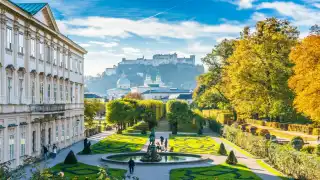
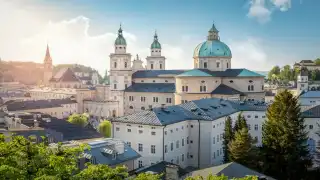
- Discover Salzburg on a guided tour including the Salzburg Cathedral and the Mirabell Palace Gardens.
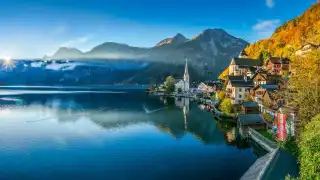
- Explore Hallstatt nestled between spectacular mountains and a serene but stunning lake.
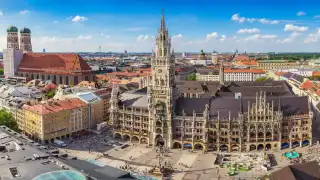
- Learn Munich's history on a guided walk, then relax in traditional beer gardens.
- Enjoy hikes above Salzburg on the Mönchsberg and in the nearby Alps on the peak of the Untersberg.
- Take excursions to Neuschwanstein Castle & Lake Chiemsee, enjoying breathtaking views & easy hikes.
- Discover Salzburg on a guided tour including the Salzburg Cathedral and the Mirabell Palace Gardens.
- Explore Hallstatt nestled between spectacular mountains and a serene but stunning lake.
- Learn Munich's history on a guided walk, then relax in traditional beer gardens.
- Enjoy hikes above Salzburg on the Mönchsberg and in the nearby Alps on the peak of the Untersberg.


Must see sights
Starting from
$1635
per person
 Not included
 Price varies by group size, hotel selection, and travel season.
Secure Your Customizable Trip
Enter your details to embark on a journey that can be tailored just for you.
Start
Travelers
Preferred Hotel Stars

Craft Your Own Itinerary
Select your interests and destinations for a trip plan inspired by you.
Where Does the Bavarian & Alpine Splendor Trip Trip Go?
| ← | Move left |
| → | Move right |
| ↑ | Move up |
| ↓ | Move down |
| + | Zoom in |
| - | Zoom out |
| Home | Jump left by 75% |
| End | Jump right by 75% |
| Page Up | Jump up by 75% |
| Page Down | Jump down by 75% |


Click To Make Map Interactive
Bavarian & Alpine Splendor Trip Timeline
Arrival
3 nights
Munich
Germany
Train: 1.5h
3 nights
Salzburg
Austria
Departure
What Does the Bavarian & Alpine Splendor Trip Itinerary Look Like?
Day 1
Arrive Munich

Day 1
Arrive Munich


Late Afternoon
Altstadt
Munich boasts a large old town (Altstadt) with many beautiful historic buildings. Sometimes called the world's largest village, it is a perfect place to wander. You will discover many Medieval, Renaissance, and Baroque buildings, as well as several stunning examples of modern architecture. Pleasant cafes, beer halls, cozy restaurants, and great shopping all add to the charming atmosphere.

Climb to the top of Munich's oldest church tower for what is still today its best view.
Show More
Assemble a gourmet picnic lunch in one of Europe's best known markets.
Show More
Learn about Munich's rich Jewish heritage and see it's most striking synagogue.
Show More
Restored Gothic church.
Show More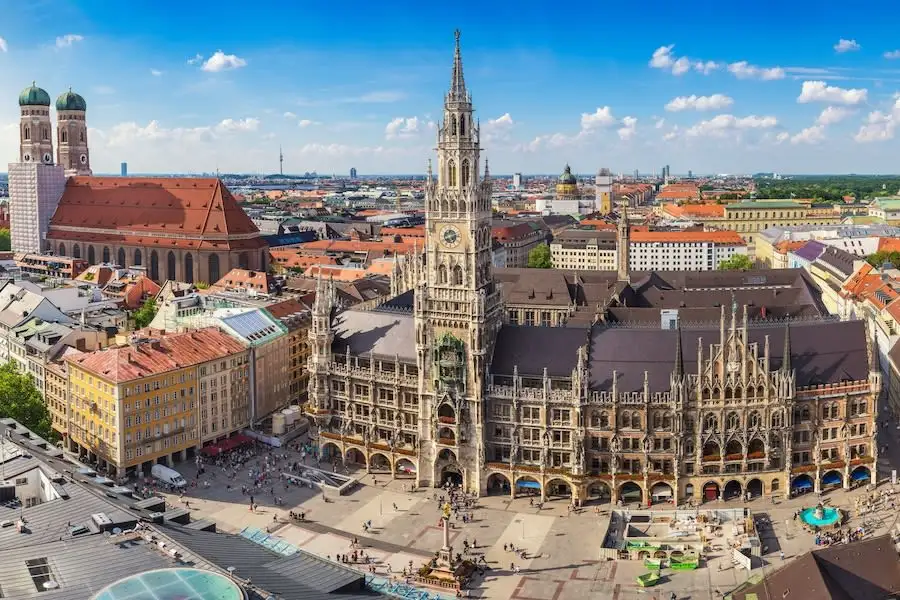


Enjoy some fine Bavarian brews in a beer hall that dates back to 1589.
Show More
Enjoy the mechanical show as the figures on the Glockenspiel on the New City Hall come to life and re-enact stories from the 16th century.
Show MoreClimb to the top of Munich's oldest church tower for what is still today its best view.
Show MoreAssemble a gourmet picnic lunch in one of Europe's best known markets.
Show MoreLearn about Munich's rich Jewish heritage and see it's most striking synagogue.
Show MoreRestored Gothic church.
Show MoreEnjoy some fine Bavarian brews in a beer hall that dates back to 1589.
Show MoreEnjoy the mechanical show as the figures on the Glockenspiel on the New City Hall come to life and re-enact stories from the 16th century.
Show MoreClimb to the top of Munich's oldest church tower for what is still today its best view.
Show MoreDay 1
Arrive Munich

Day 1
Arrive Munich
To Be Determined:
Transfer from Airport
Mid-Day/Afternoon:
Residence Palace
Late Afternoon:
Altstadt
:
:
Peterskirche
 Highlight of Altstadt
Climb to the top of Munich's oldest church tower for what is still today its best view.
The best views of central Munich can be viewed from the 302ft (92m) tower of St Peterskirche, inner Munich's oldest church and possibly the city's origin point. The presence of a church on its site goes back to before the city's founding, and it has existed in a number of iterations since. Its nearly 3000ft-tall tower is affectionately called "Alter Pete" or "Old Pete" as a recognition of its significance to Munich's social and cultural history.
Viktualienmarkt
Highlight of AltstadtAssemble a gourmet picnic lunch in one of Europe's best known markets.
The Viktualienmarkt is one of Central Europe's finest gourmet markets where many of the stalls have been run by generations of the same family. Prices are high, but you can gather all the ingredients for an haute cuisine picnic and then seat yourself in the market's own beer garden to enjoy an al fresco lunch. The very existence of such a market in an old town quarter is the result of Munich's dedication to preserving its past. Fearing that fast food chains will replace the old-fashioned market stalls and quaint eateries that make the Viktulienmarkt one of Europe’s most charming squares, the city subsidizes the rent so they can survive on the some of Germany’s most expensive real estate.
Jewish Museum
Highlight of AltstadtLearn about Munich's rich Jewish heritage and see it's most striking synagogue.
The museum focuses on Munich's Jewish heritage, as well as Jewish history and culture in general, with a contemporary flair and modern means of display. Adjacent to the museum is the Ohel Jakob synagogue, which ranks among the most striking structures built in the city in recent years. It is the first synagogue to serve as the main synagogue of the city since the Nazi Kristallnacht (i.e. the Night of Broken Glass). Tours are offered but must be arranged 10 days in advance.
Frauenkirche
Highlight of AltstadtRestored Gothic church.
The Frauenkirche, or Church of Our Lady, dominates the Altstadt. This is because the twin onion-domed towers inspired the city council to prohibit any other building in the Altstadt from exceeding their height of 325ft (99m). Much of the interior was destroyed during WWII, but it has been rebuilt. An attraction that survived the bombing in original form is the Teufelstritt, or Devil's Footstep, at the entrance. This is a black mark resembling a footprint, which according to legend is the result of a deal the devil made with the builder to finance construction of the church on the condition that it contains no windows. The clever builder, however, tricked the devil by positioning columns so that the windows were not visible from the spot where the devil stood in the foyer. By the time the devil discovered that he had been tricked, he could not enter the already consecrated church. The devil could only stand in the foyer and stomp his foot furiously, which left the dark footprint that remains visible in the church's entrance today.
Altstadt
OverviewAltstadt
Munich boasts a large old town (Altstadt) with many beautiful historic buildings. Sometimes called the world's largest village, it is a perfect place to wander. You will discover many Medieval, Renaissance, and Baroque buildings, as well as several stunning examples of modern architecture. Pleasant cafes, beer halls, cozy restaurants, and great shopping all add to the charming atmosphere.
Hofbräuhaus
Highlight of AltstadtEnjoy some fine Bavarian brews in a beer hall that dates back to 1589.
Originally built in 1598 by Maximilian I, Duke of Bavaria, as an extension to the state brewery, this beer hall was opened to the public in 1828, remodeled in 1897, almost completely destroyed during World War II, and reopened following its restoration in 1958. It is now situated across three floors, with a restaurant, ballroom, and beer garden, and is one of the largest tourist attractions in the city as well as a favorite of locals. This is where the ingurgitation of vast quantities of beer and pretzels has been taking place since 1644. Even if you're a teetotaller, you'll want to at least take a look at the interior of the three-storied temple to the consumption of fermented hops and watch the odd local quaff his or her ale amid the sea of tourists. There's also an attractive courtyard where you can escape the din on a summer's day or evening.
New Town Hall & Glockenspiel
Highlight of AltstadtEnjoy the mechanical show as the figures on the Glockenspiel on the New City Hall come to life and re-enact stories from the 16th century.
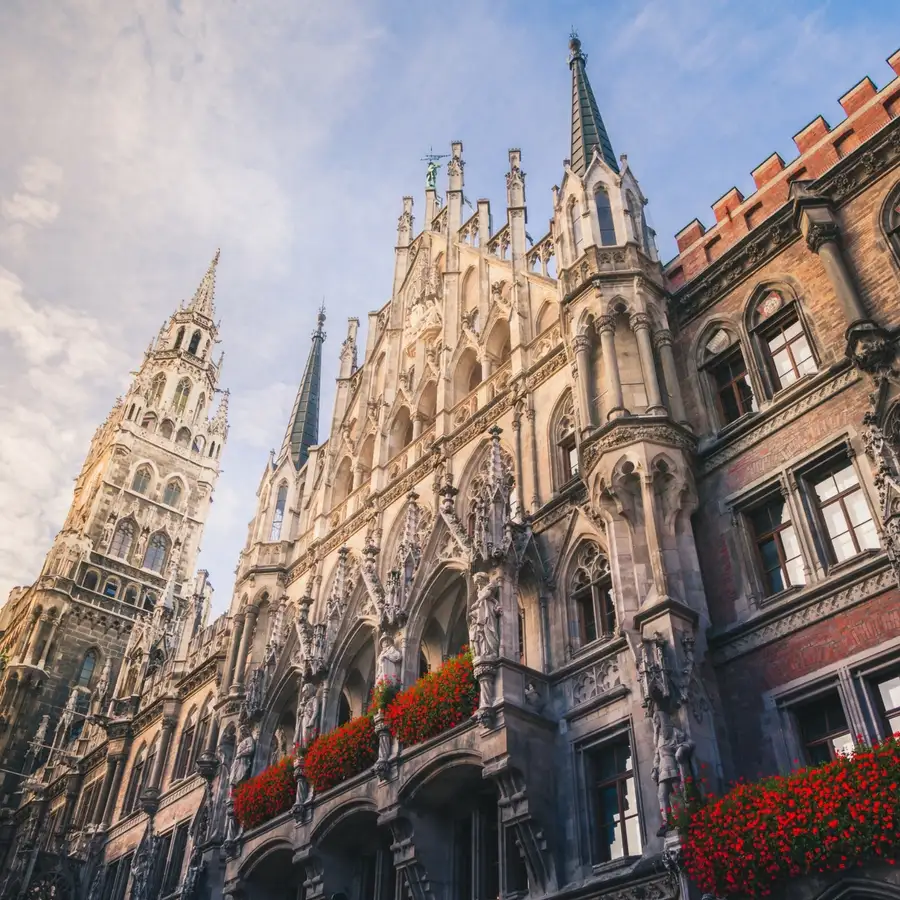
The Marienplatz is the main square of the Altstadt, and its centerpiece is the domineering facade of the neo-Gothic Neues Rathaus (New Town Hall). It is decorated with gargoyles and statues, including a dragon scaling the turrets. For a great view of the city, ascend the 279ft (85m) tower (elevator available to the left just inside the main entrance to the town hall). The highlight of the building is the Glockenspiel, which attracts large numbers of tourists at 11 am and noon (and 5pm in the summer) who come to watch the contraption in operation. There's dancing, a joust, and more, all set to musical chimes. Unusually, the New Town Hall mostly survived WWII intact, probably because it was used by Allied bombers as a direction finder for obliterating the rest of the city.
Peterskirche
Highlight of AltstadtClimb to the top of Munich's oldest church tower for what is still today its best view.
The best views of central Munich can be viewed from the 302ft (92m) tower of St Peterskirche, inner Munich's oldest church and possibly the city's origin point. The presence of a church on its site goes back to before the city's founding, and it has existed in a number of iterations since. Its nearly 3000ft-tall tower is affectionately called "Alter Pete" or "Old Pete" as a recognition of its significance to Munich's social and cultural history.
Viktualienmarkt
Highlight of AltstadtAssemble a gourmet picnic lunch in one of Europe's best known markets.
The Viktualienmarkt is one of Central Europe's finest gourmet markets where many of the stalls have been run by generations of the same family. Prices are high, but you can gather all the ingredients for an haute cuisine picnic and then seat yourself in the market's own beer garden to enjoy an al fresco lunch. The very existence of such a market in an old town quarter is the result of Munich's dedication to preserving its past. Fearing that fast food chains will replace the old-fashioned market stalls and quaint eateries that make the Viktulienmarkt one of Europe’s most charming squares, the city subsidizes the rent so they can survive on the some of Germany’s most expensive real estate.
Jewish Museum
Highlight of AltstadtLearn about Munich's rich Jewish heritage and see it's most striking synagogue.
The museum focuses on Munich's Jewish heritage, as well as Jewish history and culture in general, with a contemporary flair and modern means of display. Adjacent to the museum is the Ohel Jakob synagogue, which ranks among the most striking structures built in the city in recent years. It is the first synagogue to serve as the main synagogue of the city since the Nazi Kristallnacht (i.e. the Night of Broken Glass). Tours are offered but must be arranged 10 days in advance.
Frauenkirche
Highlight of AltstadtRestored Gothic church.
The Frauenkirche, or Church of Our Lady, dominates the Altstadt. This is because the twin onion-domed towers inspired the city council to prohibit any other building in the Altstadt from exceeding their height of 325ft (99m). Much of the interior was destroyed during WWII, but it has been rebuilt. An attraction that survived the bombing in original form is the Teufelstritt, or Devil's Footstep, at the entrance. This is a black mark resembling a footprint, which according to legend is the result of a deal the devil made with the builder to finance construction of the church on the condition that it contains no windows. The clever builder, however, tricked the devil by positioning columns so that the windows were not visible from the spot where the devil stood in the foyer. By the time the devil discovered that he had been tricked, he could not enter the already consecrated church. The devil could only stand in the foyer and stomp his foot furiously, which left the dark footprint that remains visible in the church's entrance today.
Altstadt
OverviewAltstadt
Munich boasts a large old town (Altstadt) with many beautiful historic buildings. Sometimes called the world's largest village, it is a perfect place to wander. You will discover many Medieval, Renaissance, and Baroque buildings, as well as several stunning examples of modern architecture. Pleasant cafes, beer halls, cozy restaurants, and great shopping all add to the charming atmosphere.
Hofbräuhaus
Highlight of AltstadtEnjoy some fine Bavarian brews in a beer hall that dates back to 1589.
Originally built in 1598 by Maximilian I, Duke of Bavaria, as an extension to the state brewery, this beer hall was opened to the public in 1828, remodeled in 1897, almost completely destroyed during World War II, and reopened following its restoration in 1958. It is now situated across three floors, with a restaurant, ballroom, and beer garden, and is one of the largest tourist attractions in the city as well as a favorite of locals. This is where the ingurgitation of vast quantities of beer and pretzels has been taking place since 1644. Even if you're a teetotaller, you'll want to at least take a look at the interior of the three-storied temple to the consumption of fermented hops and watch the odd local quaff his or her ale amid the sea of tourists. There's also an attractive courtyard where you can escape the din on a summer's day or evening.
New Town Hall & Glockenspiel
Highlight of AltstadtEnjoy the mechanical show as the figures on the Glockenspiel on the New City Hall come to life and re-enact stories from the 16th century.
The Marienplatz is the main square of the Altstadt, and its centerpiece is the domineering facade of the neo-Gothic Neues Rathaus (New Town Hall). It is decorated with gargoyles and statues, including a dragon scaling the turrets. For a great view of the city, ascend the 279ft (85m) tower (elevator available to the left just inside the main entrance to the town hall). The highlight of the building is the Glockenspiel, which attracts large numbers of tourists at 11 am and noon (and 5pm in the summer) who come to watch the contraption in operation. There's dancing, a joust, and more, all set to musical chimes. Unusually, the New Town Hall mostly survived WWII intact, probably because it was used by Allied bombers as a direction finder for obliterating the rest of the city.
Peterskirche
Highlight of AltstadtClimb to the top of Munich's oldest church tower for what is still today its best view.
The best views of central Munich can be viewed from the 302ft (92m) tower of St Peterskirche, inner Munich's oldest church and possibly the city's origin point. The presence of a church on its site goes back to before the city's founding, and it has existed in a number of iterations since. Its nearly 3000ft-tall tower is affectionately called "Alter Pete" or "Old Pete" as a recognition of its significance to Munich's social and cultural history.
Day 2
Munich
Day 2
Munich


9:00 AM - 11:30 AM
Guided Walk Tour of Historic Munich
Munich contains many reminders of a long and varied history but also encompasses the modern features of a strong and vibrant city. The insights of a local help make sense of the traditions, trends, and promises of Bavaria's Capital - sometimes referred to as the city of laptops and lederhosen. On this tour, your guide will show you the highlights of Munich and point out the many hidden treasures.

Day 2
Munich

Day 3
Munich
Day 3
Munich

Early Morning to Afternoon
Excursion to Neuschwanstein Castle
An inspiration for the Disney Castles, numerous fairy tales, and countless dreamers, the Castle of Neuschwanstein is perhaps the most famous castle in the world. The eccentric Bavarian King Ludwig II created this amazing palace in the 19th century as an idyllic version of a medieval castle. You can visit by taking a guided tour from Munich or traveling independently by train and bus. In addition to enjoying spectacular views you can take a guided tour of the castle interior which is well worth the experience (but keep in mind that there a lots of steps to negotiate). If traveling independentally, be sure to book your interior tour reservations at least two days in advance.

Stop by King Ludwig II's smallest palace on your way to Neuschwanstein and explore its delightful gardens.
Show More
Enjoy a stunning view of the castle while suspended over a mountainous gorge.
Show More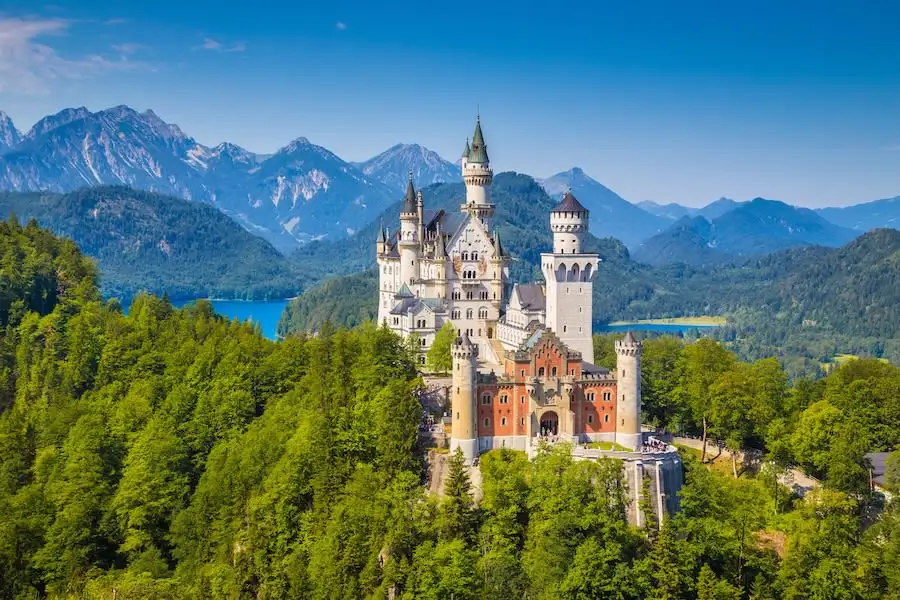
Stop by King Ludwig II's smallest palace on your way to Neuschwanstein and explore its delightful gardens.
Show MoreEnjoy a stunning view of the castle while suspended over a mountainous gorge.
Show MoreStop by King Ludwig II's smallest palace on your way to Neuschwanstein and explore its delightful gardens.
Show MoreDay 3
Munich
Day 4
Munich to Salzburg
Day 4
Munich to Salzburg


8:30 AM
Transfer to Rail Station
Most trains depart from Müchen Hbf station, the largest station in the city. Before spending money on a transfer, be sure to check whether your hotel is within easy walking distance. Also consider that public transport is the cheapest and sometimes fastest option. If staying at a hotel, they can order a reliable taxi. Some private transfers will even help with your bags. Uber is also available for those with the app.

Day 4
Munich to Salzburg

Day 5
Salzburg
Day 5
Salzburg
Early Morning to Late Afternoon
Hallstatt
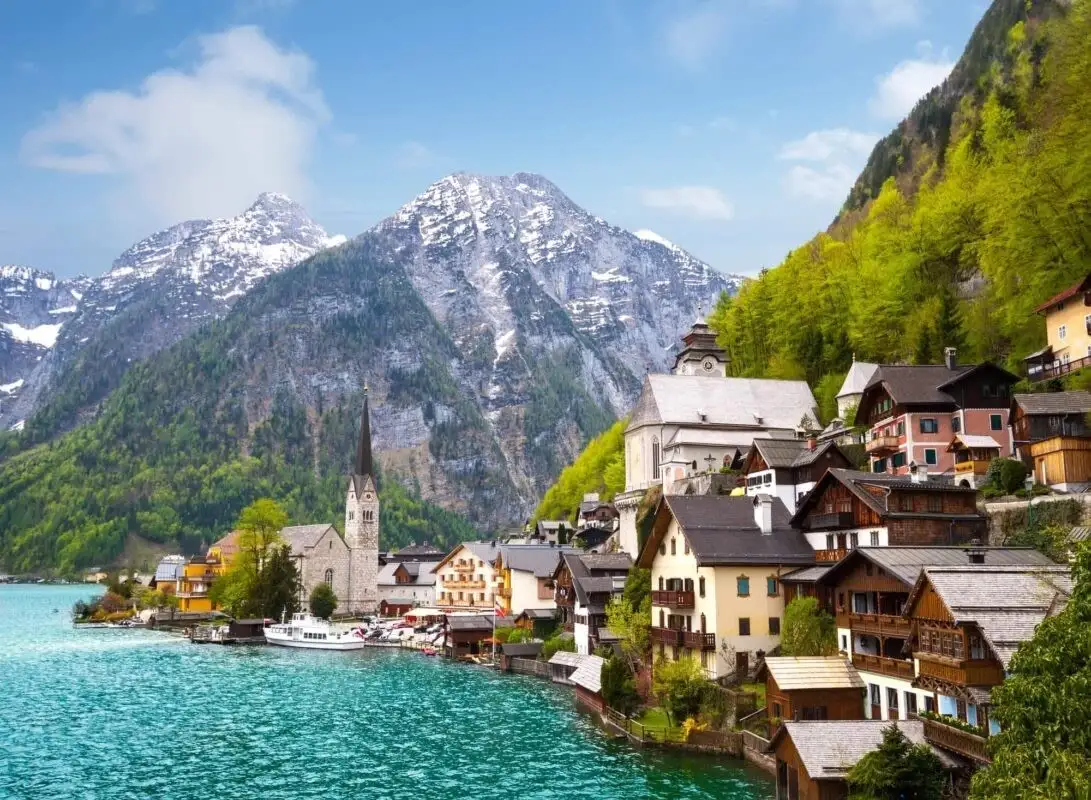
Hallstatt is one of the most picturesque settings in Austria. The tiny town is wedged between the shores of a pristine alpine lake and dramatic mountains rising directly behind it. In addition to being blessed with an amazing setting, Hallstatt was made prosperous from nearby salt mines. The wealth from salt mining financed many impressive historic buildings as well, which now make the town even more picturesque.

Go to the top of the mountain in order to descend deep into its depths within ancient mines.
Show More
Experience an absolutely exhilarating view over Hallstatt.
Show More

Enter the burial chamber of Hallstatt's ancestors.
Show MoreGo to the top of the mountain in order to descend deep into its depths within ancient mines.
Show MoreExperience an absolutely exhilarating view over Hallstatt.
Show MoreEnter the burial chamber of Hallstatt's ancestors.
Show MoreDay 5
Salzburg

Day 6
Salzburg
Day 6
Salzburg
Morning/Mid-Day
Hellbrunn Palace
Built as a summer palace by Salzburg's Prince-Bishop, the Hellbrunn Palace is a picturesque palace surrounded by even more beautiful gardens. The early baroque palace was built exclusively for the purpose of entertainment, as the Prince-Bishop would actually return to Salzburg in the evening. It can be toured with an audio guide and includes several beautiful frescoed ceilings. There is a great deal to discover in the gardens - hidden grottos, clever statues, reflecting pools, as well as flora and fauna. And the trick fountains are a must for every visit. Both the transportation (bus #25) and the entry are covered by the Salzburg Card.


Get a little wet in this delightful garden of tricks.
Show MoreGet a little wet in this delightful garden of tricks.
Show MoreGet a little wet in this delightful garden of tricks.
Show MoreDay 6
Salzburg

Day 7
Depart Salzburg
Day 7
Depart Salzburg
To Be Determined
Salzburg Airport Taxi Transfer
Salzburg has one main airport, Salzburg Airport, although many depart from nearby Munich Airport (see below). Your hotel can arrange a reliable taxi or if you have the app, Uber is also a good option. You can also arrange a private transfer. If you are picked up about 2.5 hours before your departure time, you should arrive at the airport with a little over two hours to spare, depending on traffic. If you are leaving during rush hour, you may want to budget an extra fifteen minutes. Keep in mind though that Salzburg Airport is a very small airport, so you may end up departing from Munich instead. The Munich airport has its own rail station, making it easy to take an approximately 2-hour train ride from Salzburg.

Day 7
Depart Salzburg
What's Included in the Bavarian & Alpine Splendor Trip Trip?
Pre-Paid Tours and Activities:
- Guided Walk Tour of Historic Munich
- Guided Walking Tour of Salzburg
- City Card for Munich, including discounts to many popular attractions

Pre-Paid Transportation:
- 2nd Class Train Tickets from München Hbf to Salzburg Hbf
- Public Transport Tickets for Munich

Accommodation:
- 3 nights at a hotel of your choice in Munich
- 3 nights at a hotel of your choice in Salzburg

Go Real Travel Mobile App:
- Itinerary Plan & Reservations Info
- Points of Interest
- Detailed Travel Information
- Maps & Directions
Other Trips You May Like





21 Days
Central European Journey through Switzerland, Germany, Austria and the Czech Republic
21 Days
Central European Journey through Switzerland, Germany, Austria and the Czech Republic
Featured Blogs





Our Customers Say It Best


Malini Dutta, Boston, Massachusetts

Bev and Mark Frankel, Williamsburg, Virginia
Marianne Strydom, Paarl, South Africa
Otto Chuy, Los Angeles, California
Malini Dutta, Boston, Massachusetts
Bev and Mark Frankel, Williamsburg, Virginia
Marianne Strydom, Paarl, South Africa
Otto Chuy, Los Angeles, California
Malini Dutta, Boston, Massachusetts
Bev and Mark Frankel, Williamsburg, Virginia
Marianne Strydom, Paarl, South Africa
Otto Chuy, Los Angeles, California



Explore cities in more detail
Nuremberg
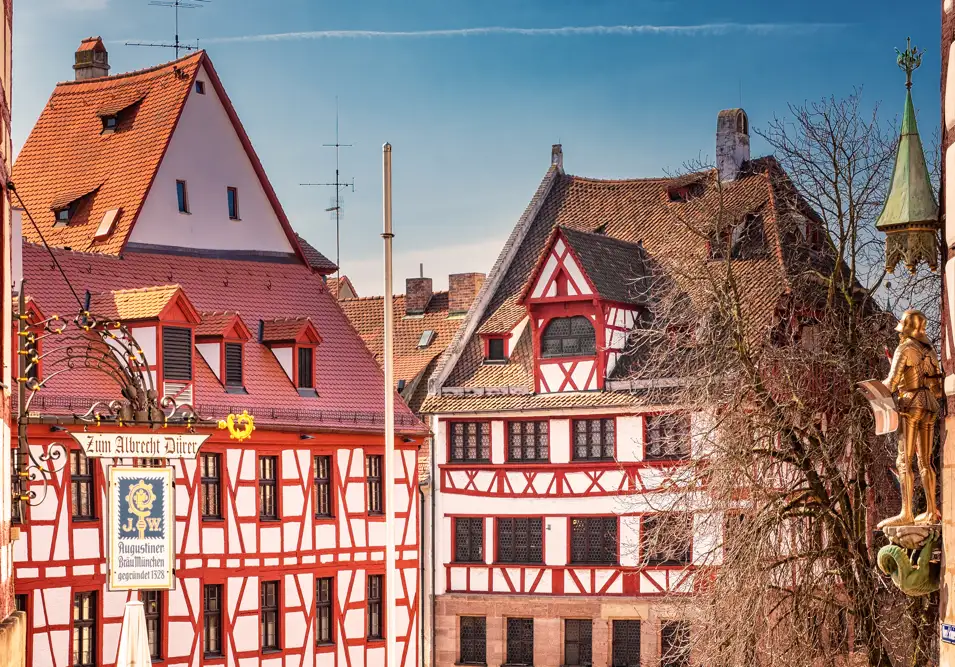
One of the most authentic, storied German destinations, Nuremberg's picturesque old town, glorious castle, and buzzing Christmas Market makes this city a time-true classic. The ideal gateway to old Bavaria, Nuremberg offers a primer in German history before you embark on the lovely journey through old Bavaria, known as the Romantic Road. Considered the capital of the Holy Roman Empire in the middle ages, Nuremberg would have felt like the center of the world as a procession of kings and emperors passed through its magnificent gates. When the German Renaissance came, Nuremberg was at its heart. Albrecht Dürer, the great German master artist, was born here, and Martin Luther called Nuremberg Germany's 'eyes and ears'. Skip forward a few centuries, and the city took a dark turn, as Nuremberg became a gathering point for the German National Socialists. Slightly outside of town, you can still find the Nazi Party Rallying Grounds, a sobering reminder of the not so distant past. If it all gets too heavy, you can end the day with a glass of rotbier (red beer) and mull it over. Nuremberg is a must-see for anyone who wants to delve into Germany's past.
Frankfurt
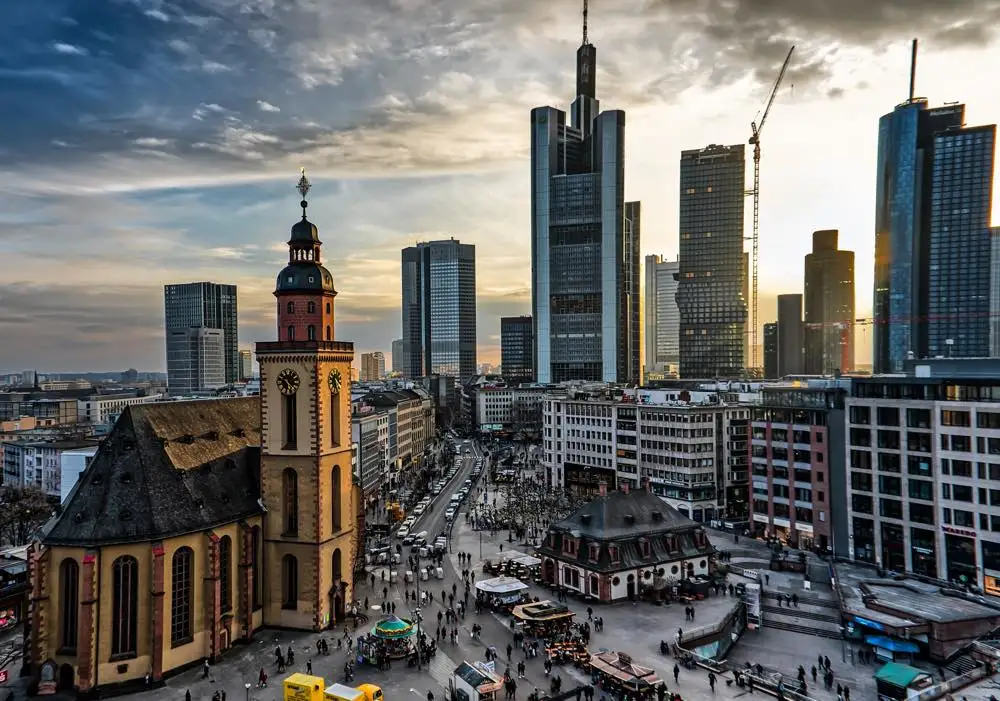
Dubbed ‘Mainhatten’ for its glass highrises, financial prowess, and proximity to the Main River, Frankfurt offers a fascinating glimpse into the ‘engine room’ of Europe’s economy with an unexpected twist. Among the glass and steel buildings, the old-worldly Römerberg square will give you a double-take. The square’s 15th-century half-timbered houses, old statues, and church spires contrast dramatically against the modern 21st-century skyscrapers beyond. If you visit at Christmas, the Römerberg is truly special, aglow with the light of the tallest Christmas tree in Germany. The square fills with stalls selling handicrafts, and the air is scented with hot apple wine, honey, and cinnamon. Delve deeper into Frankfurt and you’ll find a substantial museum district, the Museumsufer (Museum Embankment). This area features a cluster of twelve museums on either side of Main River. This includes the Städel, home to Tischbein’s famous painting of renowned writer Johann Wolfgang von Goethe, one of Frankfurt’s most prestigious sons. The more time you spend in Frankfurt, the more you’ll discover a highly cultured city lurking beneath its glass facades. If you have the time, Frankfurt is certainly worth a second look.
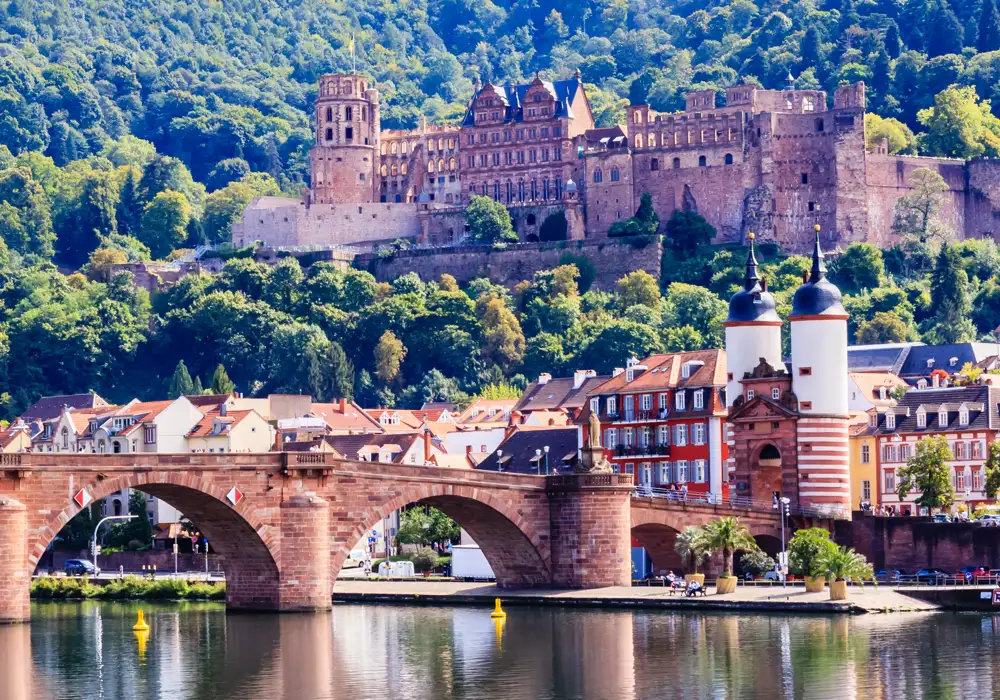
Heidelberg
Heidelberg is buried deep in the forests of southwest Germany. Flanking both sides of the Neckar River, Heidelberg's red and white baroque old town looks like something from a book of folktales. On the hillside above the town, you'll see the looming, tumbledown remains of Heidelberg's Gothic-Renaissance castle, Heidelberger Schloss. The subject of strange local legends, Heidelberg Castle was once home to knights, a famous court jester, and even a witch. It is said the first person who pulls out an iron ring embedded in one of the great doors will be the castle's true owner. Surely on your visit, it's worth a try? Across the river, follow in the footsteps of scholars on a hiking trail known as The Philosophers’ Way. Heidelberg University is the oldest in Germany, and its leafy, temple-like campus contributes to the gentle, contemplative atmosphere of the town. A poetic city with the dreamy feel of a watercolor painting, it's no wonder Heidelberg inspired writers like Mark Twain and Johann Wolfgang von Goethe. The city has even been recognized by UNESCO as a City of Literature. Especially on misty, grey days, Heidelberg has a way of sweeping you up in its romanticism.
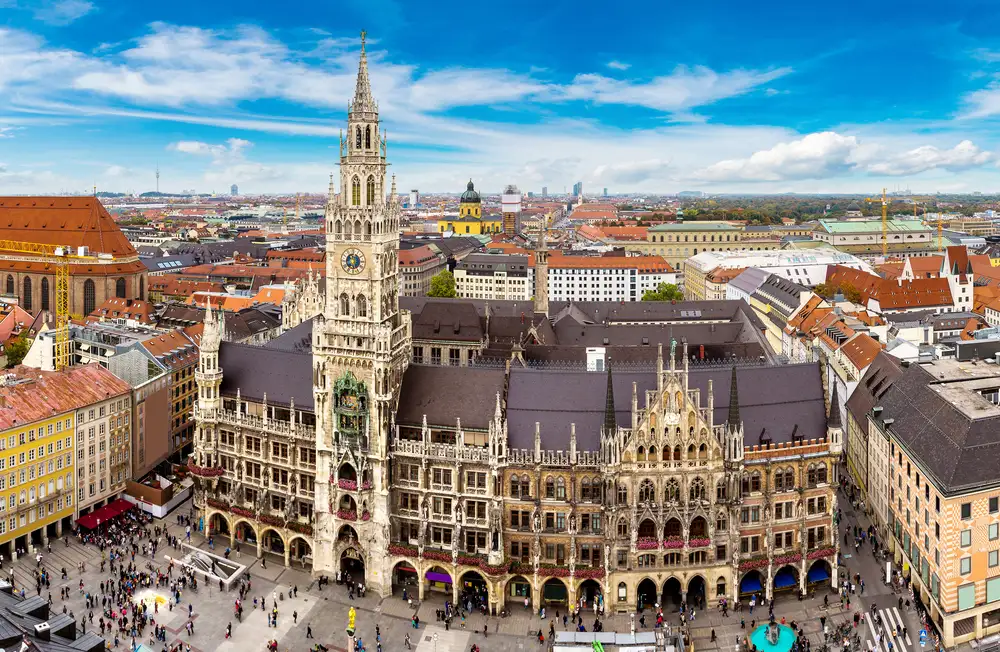
Munich
Arriving in Munich, you would be forgiven for thinking you were on the set of a movie about old Bavaria. At the Old Town beer halls, barmaids laced in dirndl dresses serve up frosty Helles lager, as oom-pah music drifts across the Marienplatz square. Men in lederhosen and checked shirts merrily give toasts as they knock glasses, or steins, as they’re known here. They sit at tables laden with wurst sausage and giant pretzels oozing with herby butter. This is Germany’s Germany, a place where folk traditions never stopped, and the revelry doesn’t either. Even when it isn’t Oktoberfest, the town’s notorious beer-drinking celebration, Munich is always happy to show you a good time. Simply cast your eyes around the lavish, gilded banquet hall at the Munich Residenz, the 13th-century Wittelsbach palace. You’ll see Munich has been impressing guests for centuries. Or, swing by the BMW Museum and check out the classic German cars. They even let you sit inside to test out the new models. At the city’s English Gardens, surfers ride waves on one of the park’s rivers. Munich is filled to the brim with this kind of pure-hearted German fun.
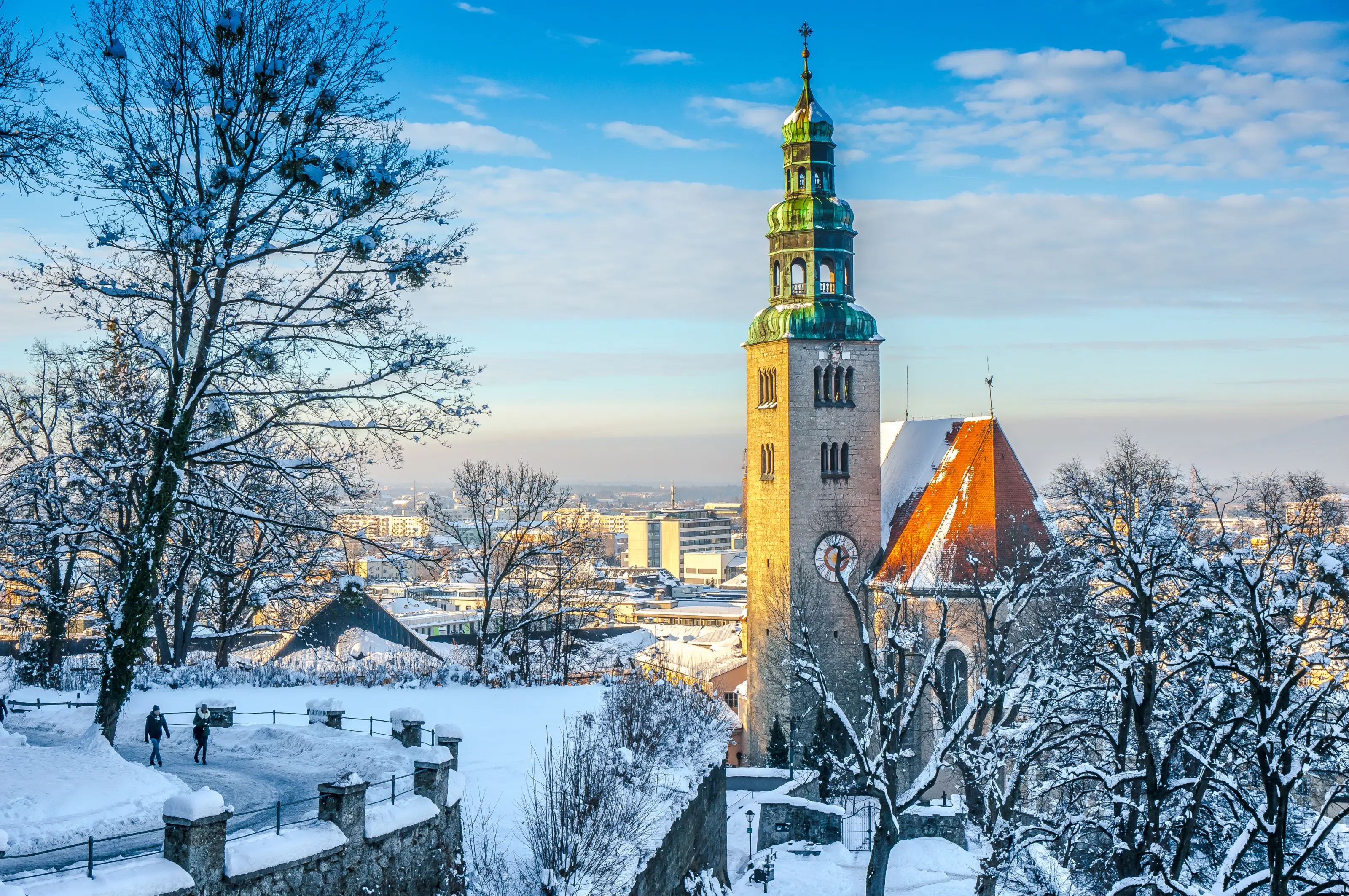
Salzburg
You've probably heard this before— the city of Salzburg is straight out of a fairytale. Nestled in the mountains, this romantic city's Baroque architecture with colorful domes and spires is especially striking against the ancient fortress and Austrian Alpine backdrop. If you're looking for an amazing view, climb up to Hohensalzburg Fortress, Central Europe's largest intact fortress, for a jaw-dropping panorama of the city backed by misty mountains. Perhaps most famous for being the birthplace of the renowned composer Wolfgang Amadeus Mozart and the filming location for the classic The Sound of Music, this city has much to offer. Salzburg has become an important artistic and cultural center, featuring magnificent concert halls that uphold the city's tradition of classical music every day of the year, as well as acclaimed art exhibitions and museums. If you do it right, your visit to Salzburg will immerse you in the city's unforgettable atmosphere and keep you coming back for more.
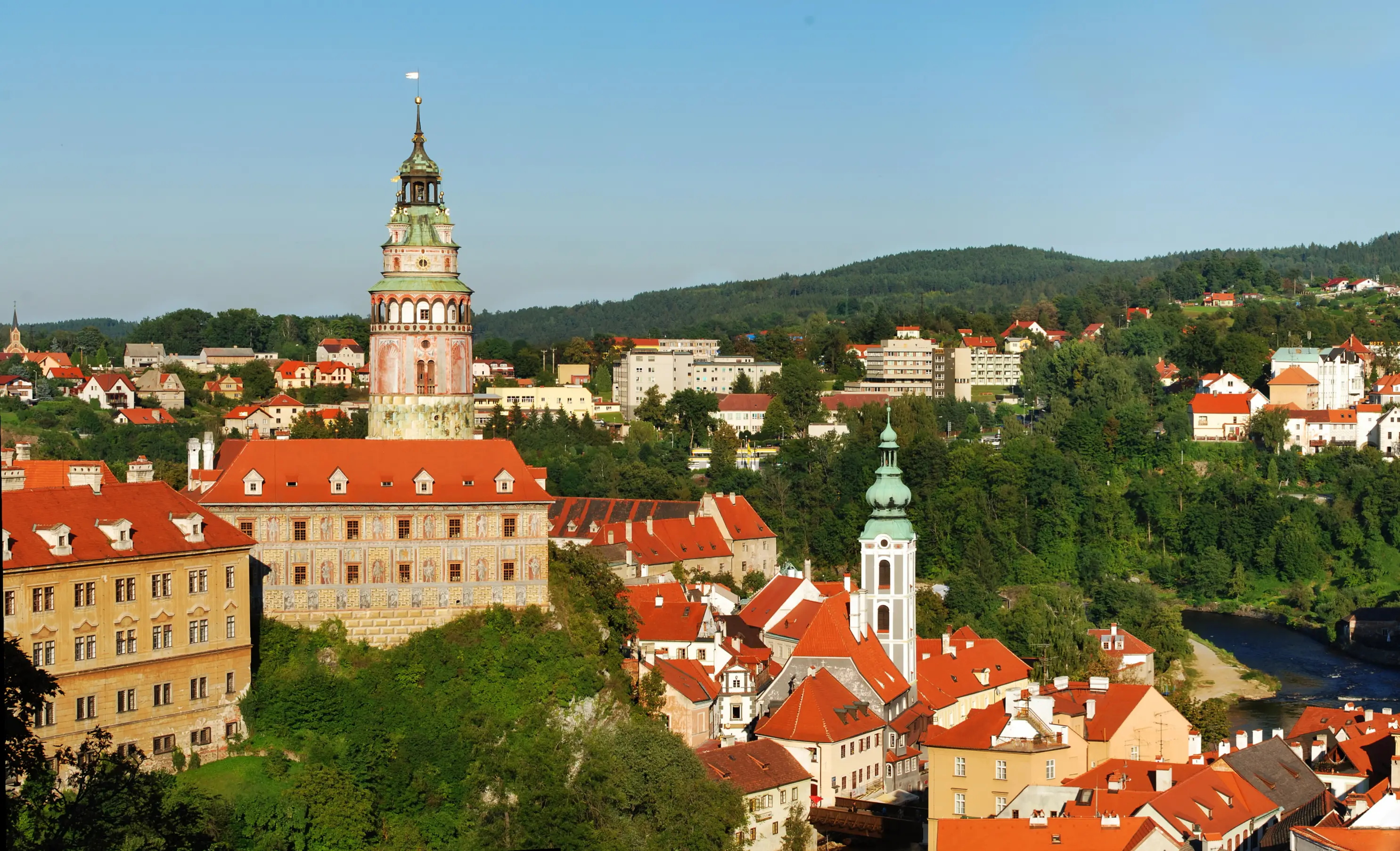
Cesky Krumlov
Cesky Krumlov is a charming little town in South Bohemia. It might be small, but it’s full of whimsical character and mystery. Walking through the narrow streets and across the bridge, the views of the medieval Cesky Krumlov Castle will take your breath away. At night, street musicians serenade visitors on the bridge where you can dance beneath the stars and the watchful eye of the magnificent tower. Dozens of unique local artisan shops, cafes, and restaurants are woven among the winding streets. In the summer, the city is lush with life and greenery. Rafters race down the river, stopping in the center along the way to enjoy a hearty meal before continuing their journey. In the winter, the main square transforms into a magnificent Christmas market and light blankets of snow cover the rooftops. This quaint little town will exceed your expectations and you may never want to leave.
Nuremberg
One of the most authentic, storied German destinations, Nuremberg's picturesque old town, glorious castle, and buzzing Christmas Market makes this city a time-true classic. The ideal gateway to old Bavaria, Nuremberg offers a primer in German history before you embark on the lovely journey through old Bavaria, known as the Romantic Road. Considered the capital of the Holy Roman Empire in the middle ages, Nuremberg would have felt like the center of the world as a procession of kings and emperors passed through its magnificent gates. When the German Renaissance came, Nuremberg was at its heart. Albrecht Dürer, the great German master artist, was born here, and Martin Luther called Nuremberg Germany's 'eyes and ears'. Skip forward a few centuries, and the city took a dark turn, as Nuremberg became a gathering point for the German National Socialists. Slightly outside of town, you can still find the Nazi Party Rallying Grounds, a sobering reminder of the not so distant past. If it all gets too heavy, you can end the day with a glass of rotbier (red beer) and mull it over. Nuremberg is a must-see for anyone who wants to delve into Germany's past.
Frankfurt
Dubbed ‘Mainhatten’ for its glass highrises, financial prowess, and proximity to the Main River, Frankfurt offers a fascinating glimpse into the ‘engine room’ of Europe’s economy with an unexpected twist. Among the glass and steel buildings, the old-worldly Römerberg square will give you a double-take. The square’s 15th-century half-timbered houses, old statues, and church spires contrast dramatically against the modern 21st-century skyscrapers beyond. If you visit at Christmas, the Römerberg is truly special, aglow with the light of the tallest Christmas tree in Germany. The square fills with stalls selling handicrafts, and the air is scented with hot apple wine, honey, and cinnamon. Delve deeper into Frankfurt and you’ll find a substantial museum district, the Museumsufer (Museum Embankment). This area features a cluster of twelve museums on either side of Main River. This includes the Städel, home to Tischbein’s famous painting of renowned writer Johann Wolfgang von Goethe, one of Frankfurt’s most prestigious sons. The more time you spend in Frankfurt, the more you’ll discover a highly cultured city lurking beneath its glass facades. If you have the time, Frankfurt is certainly worth a second look.
Heidelberg
Heidelberg is buried deep in the forests of southwest Germany. Flanking both sides of the Neckar River, Heidelberg's red and white baroque old town looks like something from a book of folktales. On the hillside above the town, you'll see the looming, tumbledown remains of Heidelberg's Gothic-Renaissance castle, Heidelberger Schloss. The subject of strange local legends, Heidelberg Castle was once home to knights, a famous court jester, and even a witch. It is said the first person who pulls out an iron ring embedded in one of the great doors will be the castle's true owner. Surely on your visit, it's worth a try? Across the river, follow in the footsteps of scholars on a hiking trail known as The Philosophers’ Way. Heidelberg University is the oldest in Germany, and its leafy, temple-like campus contributes to the gentle, contemplative atmosphere of the town. A poetic city with the dreamy feel of a watercolor painting, it's no wonder Heidelberg inspired writers like Mark Twain and Johann Wolfgang von Goethe. The city has even been recognized by UNESCO as a City of Literature. Especially on misty, grey days, Heidelberg has a way of sweeping you up in its romanticism.
Munich
Arriving in Munich, you would be forgiven for thinking you were on the set of a movie about old Bavaria. At the Old Town beer halls, barmaids laced in dirndl dresses serve up frosty Helles lager, as oom-pah music drifts across the Marienplatz square. Men in lederhosen and checked shirts merrily give toasts as they knock glasses, or steins, as they’re known here. They sit at tables laden with wurst sausage and giant pretzels oozing with herby butter. This is Germany’s Germany, a place where folk traditions never stopped, and the revelry doesn’t either. Even when it isn’t Oktoberfest, the town’s notorious beer-drinking celebration, Munich is always happy to show you a good time. Simply cast your eyes around the lavish, gilded banquet hall at the Munich Residenz, the 13th-century Wittelsbach palace. You’ll see Munich has been impressing guests for centuries. Or, swing by the BMW Museum and check out the classic German cars. They even let you sit inside to test out the new models. At the city’s English Gardens, surfers ride waves on one of the park’s rivers. Munich is filled to the brim with this kind of pure-hearted German fun.
Salzburg
You've probably heard this before— the city of Salzburg is straight out of a fairytale. Nestled in the mountains, this romantic city's Baroque architecture with colorful domes and spires is especially striking against the ancient fortress and Austrian Alpine backdrop. If you're looking for an amazing view, climb up to Hohensalzburg Fortress, Central Europe's largest intact fortress, for a jaw-dropping panorama of the city backed by misty mountains. Perhaps most famous for being the birthplace of the renowned composer Wolfgang Amadeus Mozart and the filming location for the classic The Sound of Music, this city has much to offer. Salzburg has become an important artistic and cultural center, featuring magnificent concert halls that uphold the city's tradition of classical music every day of the year, as well as acclaimed art exhibitions and museums. If you do it right, your visit to Salzburg will immerse you in the city's unforgettable atmosphere and keep you coming back for more.
Cesky Krumlov
Cesky Krumlov is a charming little town in South Bohemia. It might be small, but it’s full of whimsical character and mystery. Walking through the narrow streets and across the bridge, the views of the medieval Cesky Krumlov Castle will take your breath away. At night, street musicians serenade visitors on the bridge where you can dance beneath the stars and the watchful eye of the magnificent tower. Dozens of unique local artisan shops, cafes, and restaurants are woven among the winding streets. In the summer, the city is lush with life and greenery. Rafters race down the river, stopping in the center along the way to enjoy a hearty meal before continuing their journey. In the winter, the main square transforms into a magnificent Christmas market and light blankets of snow cover the rooftops. This quaint little town will exceed your expectations and you may never want to leave.
Hi! Need help planning your dream trip? 🌍
Go Real Travel Assistant
OnlineWelcome! Where are you in your journey?
Pick the option that fits you best so we can route you to the right help.