Overview
Trip Map
Itinerary
Inclusions
Reviews


Must see sights


Starting from
per person
Price varies by group size, hotel selection, and travel season.
Enter your details to embark on a journey that can be tailored just for you.
Start
Travelers
Preferred Hotel Stars
Select your interests and destinations for a trip plan inspired by you.
| ← | Move left |
| → | Move right |
| ↑ | Move up |
| ↓ | Move down |
| + | Zoom in |
| - | Zoom out |
| Home | Jump left by 75% |
| End | Jump right by 75% |
| Page Up | Jump up by 75% |
| Page Down | Jump down by 75% |


Click To Make Map Interactive
Arrival
3 nights
Munich
Germany
Train: 1.5h
3 nights
Nuremberg
Germany
Shuttle: 4h
3 nights
Prague
Czech Republic
Departure

Day 1
Arrive Munich
Day 1
Arrive Munich
Afternoon to Early Evening
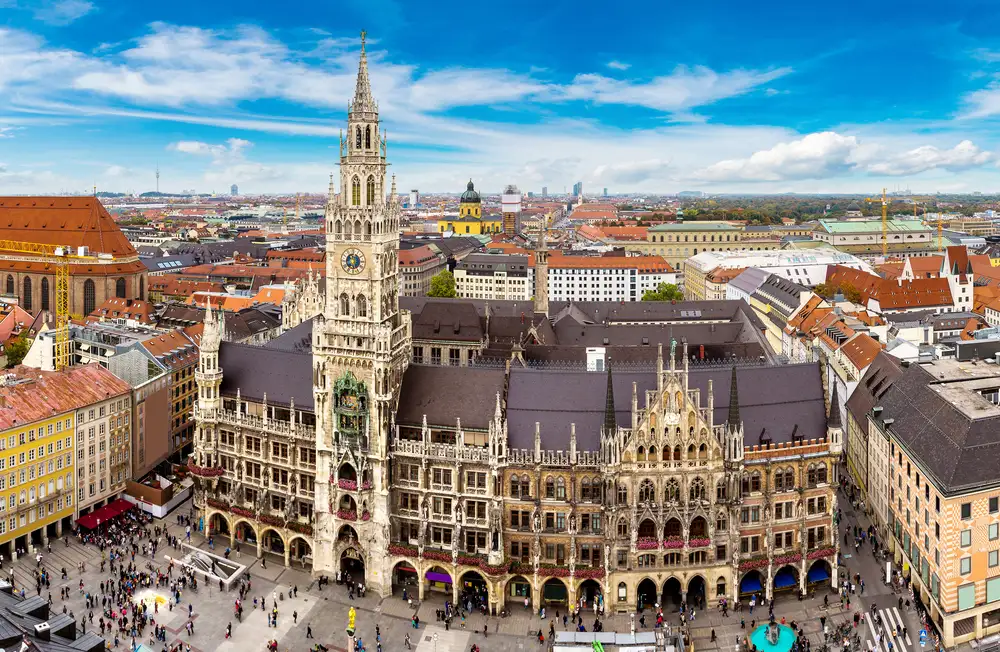
Munich boasts a large old town (Altstadt) with many beautiful historic buildings. Sometimes called the world's largest village, it is a perfect place to wander. You will discover many Medieval, Renaissance, and Baroque buildings, as well as several stunning examples of modern architecture. Pleasant cafes, beer halls, cozy restaurants, and great shopping all add to the charming atmosphere.

Climb to the top of Munich's oldest church tower for what is still today its best view.
Show More
Assemble a gourmet picnic lunch in one of Europe's best known markets.
Show More
Learn about Munich's rich Jewish heritage and see it's most striking synagogue.
Show More
Restored Gothic church.
Show More
Browse the gallery to see some of the highlights

Enjoy some fine Bavarian brews in a beer hall that dates back to 1589.
Show More
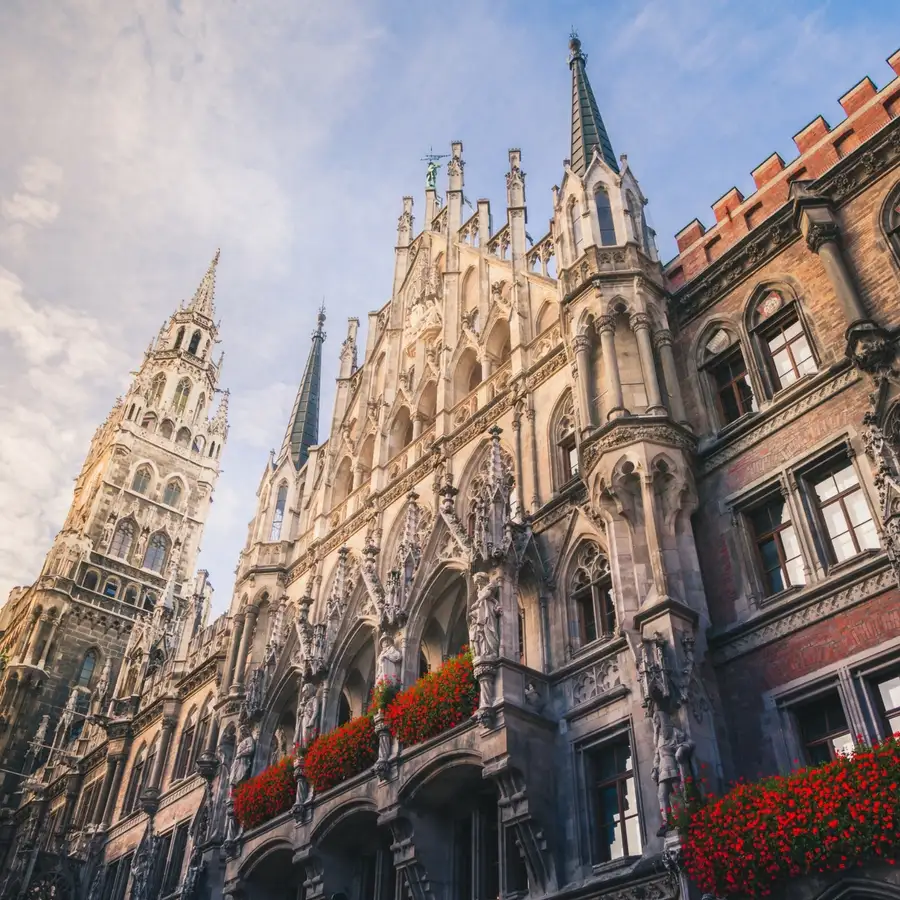
Enjoy the mechanical show as the figures on the Glockenspiel on the New City Hall come to life and re-enact stories from the 16th century.
Show More
Climb to the top of Munich's oldest church tower for what is still today its best view.
Show More
Assemble a gourmet picnic lunch in one of Europe's best known markets.
Show More
Learn about Munich's rich Jewish heritage and see it's most striking synagogue.
Show More
Restored Gothic church.
Show More
Browse the gallery to see some of the highlights

Enjoy some fine Bavarian brews in a beer hall that dates back to 1589.
Show More
Enjoy the mechanical show as the figures on the Glockenspiel on the New City Hall come to life and re-enact stories from the 16th century.
Show More
Climb to the top of Munich's oldest church tower for what is still today its best view.
Show More
Day 1
Arrive Munich

Day 1
Arrive Munich
To Be Determined:
Munich Airport Pickup
Afternoon to Early Evening:
Altstadt
Early Evening/Evening:
Augustiner Keller


Peterskirche
Highlight of AltstadtClimb to the top of Munich's oldest church tower for what is still today its best view.
The best views of central Munich can be viewed from the 302ft (92m) tower of St Peterskirche, inner Munich's oldest church and possibly the city's origin point. The presence of a church on its site goes back to before the city's founding, and it has existed in a number of iterations since. Its nearly 3000ft-tall tower is affectionately called "Alter Pete" or "Old Pete" as a recognition of its significance to Munich's social and cultural history.


Viktualienmarkt
Highlight of AltstadtAssemble a gourmet picnic lunch in one of Europe's best known markets.
The Viktualienmarkt is one of Central Europe's finest gourmet markets where many of the stalls have been run by generations of the same family. Prices are high, but you can gather all the ingredients for an haute cuisine picnic and then seat yourself in the market's own beer garden to enjoy an al fresco lunch. The very existence of such a market in an old town quarter is the result of Munich's dedication to preserving its past. Fearing that fast food chains will replace the old-fashioned market stalls and quaint eateries that make the Viktulienmarkt one of Europe’s most charming squares, the city subsidizes the rent so they can survive on the some of Germany’s most expensive real estate.


Jewish Museum
Highlight of AltstadtLearn about Munich's rich Jewish heritage and see it's most striking synagogue.
The museum focuses on Munich's Jewish heritage, as well as Jewish history and culture in general, with a contemporary flair and modern means of display. Adjacent to the museum is the Ohel Jakob synagogue, which ranks among the most striking structures built in the city in recent years. It is the first synagogue to serve as the main synagogue of the city since the Nazi Kristallnacht (i.e. the Night of Broken Glass). Tours are offered but must be arranged 10 days in advance.


Frauenkirche
Highlight of AltstadtRestored Gothic church.
The Frauenkirche, or Church of Our Lady, dominates the Altstadt. This is because the twin onion-domed towers inspired the city council to prohibit any other building in the Altstadt from exceeding their height of 325ft (99m). Much of the interior was destroyed during WWII, but it has been rebuilt. An attraction that survived the bombing in original form is the Teufelstritt, or Devil's Footstep, at the entrance. This is a black mark resembling a footprint, which according to legend is the result of a deal the devil made with the builder to finance construction of the church on the condition that it contains no windows. The clever builder, however, tricked the devil by positioning columns so that the windows were not visible from the spot where the devil stood in the foyer. By the time the devil discovered that he had been tricked, he could not enter the already consecrated church. The devil could only stand in the foyer and stomp his foot furiously, which left the dark footprint that remains visible in the church's entrance today.


Altstadt
OverviewAltstadt
Munich boasts a large old town (Altstadt) with many beautiful historic buildings. Sometimes called the world's largest village, it is a perfect place to wander. You will discover many Medieval, Renaissance, and Baroque buildings, as well as several stunning examples of modern architecture. Pleasant cafes, beer halls, cozy restaurants, and great shopping all add to the charming atmosphere.


Hofbräuhaus
Highlight of AltstadtEnjoy some fine Bavarian brews in a beer hall that dates back to 1589.
Originally built in 1598 by Maximilian I, Duke of Bavaria, as an extension to the state brewery, this beer hall was opened to the public in 1828, remodeled in 1897, almost completely destroyed during World War II, and reopened following its restoration in 1958. It is now situated across three floors, with a restaurant, ballroom, and beer garden, and is one of the largest tourist attractions in the city as well as a favorite of locals. This is where the ingurgitation of vast quantities of beer and pretzels has been taking place since 1644. Even if you're a teetotaller, you'll want to at least take a look at the interior of the three-storied temple to the consumption of fermented hops and watch the odd local quaff his or her ale amid the sea of tourists. There's also an attractive courtyard where you can escape the din on a summer's day or evening.


New Town Hall & Glockenspiel
Highlight of AltstadtEnjoy the mechanical show as the figures on the Glockenspiel on the New City Hall come to life and re-enact stories from the 16th century.
The Marienplatz is the main square of the Altstadt, and its centerpiece is the domineering facade of the neo-Gothic Neues Rathaus (New Town Hall). It is decorated with gargoyles and statues, including a dragon scaling the turrets. For a great view of the city, ascend the 279ft (85m) tower (elevator available to the left just inside the main entrance to the town hall). The highlight of the building is the Glockenspiel, which attracts large numbers of tourists at 11 am and noon (and 5pm in the summer) who come to watch the contraption in operation. There's dancing, a joust, and more, all set to musical chimes. Unusually, the New Town Hall mostly survived WWII intact, probably because it was used by Allied bombers as a direction finder for obliterating the rest of the city.


Peterskirche
Highlight of AltstadtClimb to the top of Munich's oldest church tower for what is still today its best view.
The best views of central Munich can be viewed from the 302ft (92m) tower of St Peterskirche, inner Munich's oldest church and possibly the city's origin point. The presence of a church on its site goes back to before the city's founding, and it has existed in a number of iterations since. Its nearly 3000ft-tall tower is affectionately called "Alter Pete" or "Old Pete" as a recognition of its significance to Munich's social and cultural history.


Viktualienmarkt
Highlight of AltstadtAssemble a gourmet picnic lunch in one of Europe's best known markets.
The Viktualienmarkt is one of Central Europe's finest gourmet markets where many of the stalls have been run by generations of the same family. Prices are high, but you can gather all the ingredients for an haute cuisine picnic and then seat yourself in the market's own beer garden to enjoy an al fresco lunch. The very existence of such a market in an old town quarter is the result of Munich's dedication to preserving its past. Fearing that fast food chains will replace the old-fashioned market stalls and quaint eateries that make the Viktulienmarkt one of Europe’s most charming squares, the city subsidizes the rent so they can survive on the some of Germany’s most expensive real estate.


Jewish Museum
Highlight of AltstadtLearn about Munich's rich Jewish heritage and see it's most striking synagogue.
The museum focuses on Munich's Jewish heritage, as well as Jewish history and culture in general, with a contemporary flair and modern means of display. Adjacent to the museum is the Ohel Jakob synagogue, which ranks among the most striking structures built in the city in recent years. It is the first synagogue to serve as the main synagogue of the city since the Nazi Kristallnacht (i.e. the Night of Broken Glass). Tours are offered but must be arranged 10 days in advance.


Frauenkirche
Highlight of AltstadtRestored Gothic church.
The Frauenkirche, or Church of Our Lady, dominates the Altstadt. This is because the twin onion-domed towers inspired the city council to prohibit any other building in the Altstadt from exceeding their height of 325ft (99m). Much of the interior was destroyed during WWII, but it has been rebuilt. An attraction that survived the bombing in original form is the Teufelstritt, or Devil's Footstep, at the entrance. This is a black mark resembling a footprint, which according to legend is the result of a deal the devil made with the builder to finance construction of the church on the condition that it contains no windows. The clever builder, however, tricked the devil by positioning columns so that the windows were not visible from the spot where the devil stood in the foyer. By the time the devil discovered that he had been tricked, he could not enter the already consecrated church. The devil could only stand in the foyer and stomp his foot furiously, which left the dark footprint that remains visible in the church's entrance today.


Altstadt
OverviewAltstadt
Munich boasts a large old town (Altstadt) with many beautiful historic buildings. Sometimes called the world's largest village, it is a perfect place to wander. You will discover many Medieval, Renaissance, and Baroque buildings, as well as several stunning examples of modern architecture. Pleasant cafes, beer halls, cozy restaurants, and great shopping all add to the charming atmosphere.


Hofbräuhaus
Highlight of AltstadtEnjoy some fine Bavarian brews in a beer hall that dates back to 1589.
Originally built in 1598 by Maximilian I, Duke of Bavaria, as an extension to the state brewery, this beer hall was opened to the public in 1828, remodeled in 1897, almost completely destroyed during World War II, and reopened following its restoration in 1958. It is now situated across three floors, with a restaurant, ballroom, and beer garden, and is one of the largest tourist attractions in the city as well as a favorite of locals. This is where the ingurgitation of vast quantities of beer and pretzels has been taking place since 1644. Even if you're a teetotaller, you'll want to at least take a look at the interior of the three-storied temple to the consumption of fermented hops and watch the odd local quaff his or her ale amid the sea of tourists. There's also an attractive courtyard where you can escape the din on a summer's day or evening.


New Town Hall & Glockenspiel
Highlight of AltstadtEnjoy the mechanical show as the figures on the Glockenspiel on the New City Hall come to life and re-enact stories from the 16th century.
The Marienplatz is the main square of the Altstadt, and its centerpiece is the domineering facade of the neo-Gothic Neues Rathaus (New Town Hall). It is decorated with gargoyles and statues, including a dragon scaling the turrets. For a great view of the city, ascend the 279ft (85m) tower (elevator available to the left just inside the main entrance to the town hall). The highlight of the building is the Glockenspiel, which attracts large numbers of tourists at 11 am and noon (and 5pm in the summer) who come to watch the contraption in operation. There's dancing, a joust, and more, all set to musical chimes. Unusually, the New Town Hall mostly survived WWII intact, probably because it was used by Allied bombers as a direction finder for obliterating the rest of the city.


Peterskirche
Highlight of AltstadtClimb to the top of Munich's oldest church tower for what is still today its best view.
The best views of central Munich can be viewed from the 302ft (92m) tower of St Peterskirche, inner Munich's oldest church and possibly the city's origin point. The presence of a church on its site goes back to before the city's founding, and it has existed in a number of iterations since. Its nearly 3000ft-tall tower is affectionately called "Alter Pete" or "Old Pete" as a recognition of its significance to Munich's social and cultural history.

Day 2
Munich
Day 2
Munich
9:00 AM - 11:30 AM
Munich contains many reminders of a long and varied history but also encompasses the modern features of a strong and vibrant city. The insights of a local help make sense of the traditions, trends, and promises of Bavaria's Capital - sometimes referred to as the city of laptops and lederhosen. On this tour, your guide will show you the highlights of Munich and point out the many hidden treasures.


Day 2
Munich

Day 3
Munich
Day 3
Munich
Morning to Late Afternoon
Nestled in a magnificent setting at the foot of the Bavarian Alps, Garmisch-Partenkirchen is the German capital of summer hiking. The town has also been on the international winter-sports map ever since hosting the 1936 Winter Olympics. Once two different villages, Garmisch and Partenkirchen, the two halves of the town do show sharply contrasting characters: Garmisch is lively and international (in winter at least), while Partenkirchen better preserves its original Alpine charm. Perhaps the biggest draw for tourists is the opportunity to ride the famous Zugspitzbahn railway to Germany's tallest mountain, the Zugspitze.

Hike to one of Bavaria's most picturesque spots.
Show More
Venture deep within a stunning Alpine gorge.
Show More
Browse the gallery to see some of the highlights

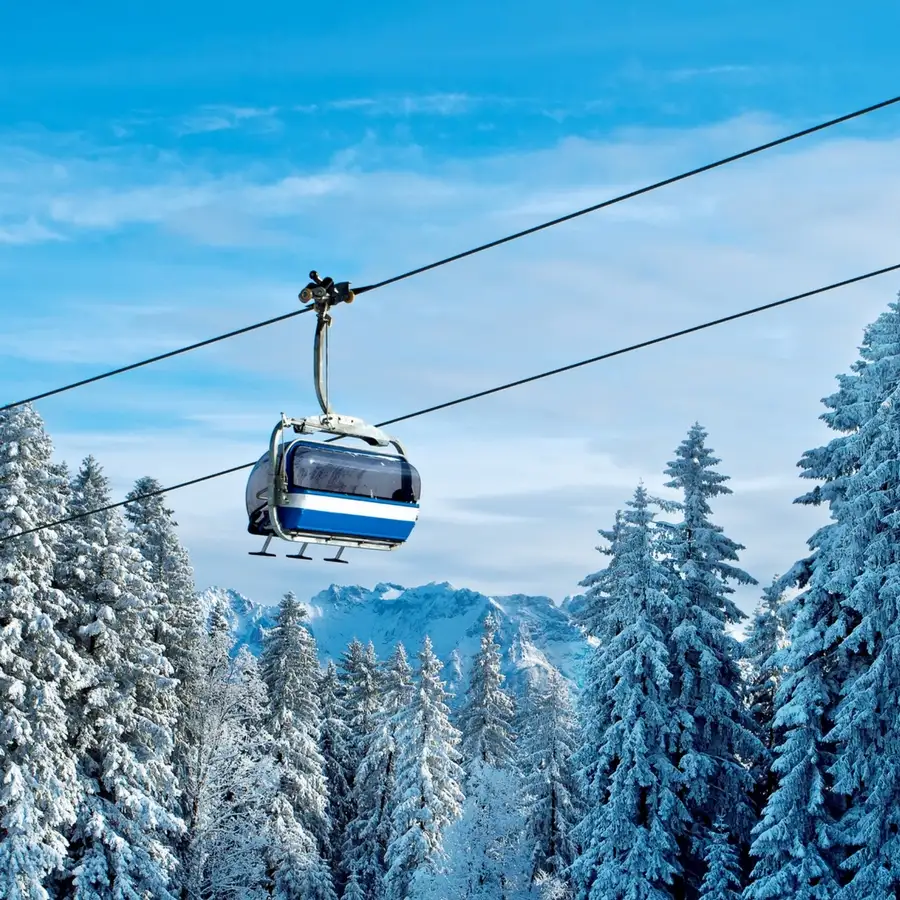
Take a ride on the famous Zugspitzbahn railway and a cable car to the peak of Germany's tallest mountain, the Zugspitze (2,962m or 9,718ft) for some truly breath-taking views.
Show More
Hike to one of Bavaria's most picturesque spots.
Show More
Venture deep within a stunning Alpine gorge.
Show More
Browse the gallery to see some of the highlights

Take a ride on the famous Zugspitzbahn railway and a cable car to the peak of Germany's tallest mountain, the Zugspitze (2,962m or 9,718ft) for some truly breath-taking views.
Show More
Day 3
Munich

Day 4
Munich to Nuremberg
Day 4
Munich to Nuremberg
Early Morning/Morning
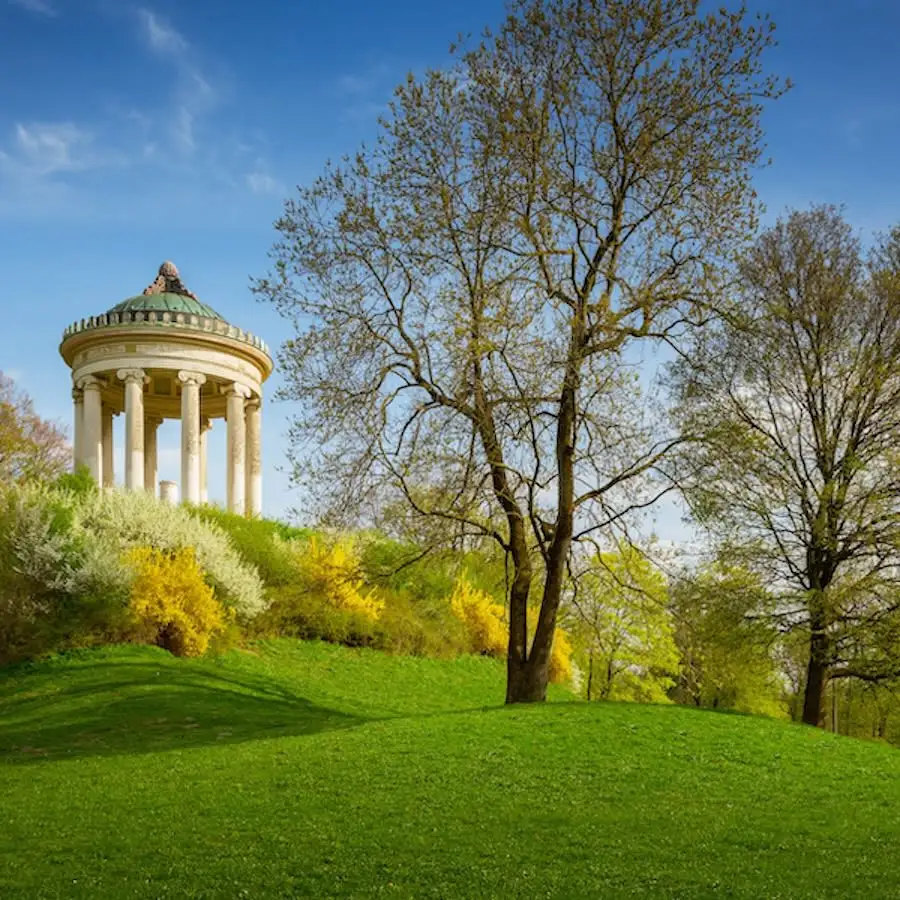
The English Garden is one of Europe's largest parks; in fact, it is larger than New York's Central Park. While it is called the "English Garden" after the style of the park, it was actually designed by an American-Englishman and is now a symbol of the very Bavarian city of Munich. The park is a perfect place to escape the city for a long stroll, where you can enjoy the natural scenery and the people watching.

Enjoy some Bavarian brews with the locals in Munich's second largest beer garden.
Show More
Watch surfers catch some waves in the middle of the city.
Show More
Browse the gallery to see some of the highlights

Enjoy some Bavarian brews with the locals in Munich's second largest beer garden.
Show More
Watch surfers catch some waves in the middle of the city.
Show More
Browse the gallery to see some of the highlights

Enjoy some Bavarian brews with the locals in Munich's second largest beer garden.
Show More
Day 4
Munich to Nuremberg

Day 5
Nuremberg
Day 5
Nuremberg
Early Morning to Afternoon
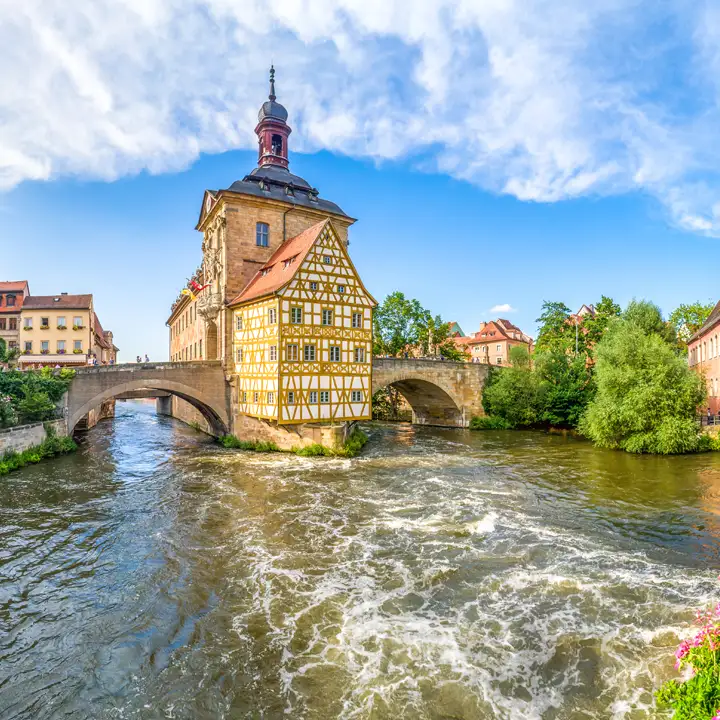
Nicknamed the “Franconian Rome”, Bamberg is an architectural masterpiece, located just a 40-minute scenic train journey from Nuremberg. Spread over seven hills and divided by the Regnitz River, this charming town is one of Bavaria’s best. Picture perfect around every corner, Bamberg has one of Europe’s largest intact old town centers with its entire Altstadt a UNESCO World Heritage Site.

Relax by the river in this charming local neighborhood known as Little Venice.
Show More
Take a short trip just outside the town to an elegant summer palace with extensive gardens.
Show More
Take a pleasant walk through the woods to this usually undiscovered castle overlooking the city.
Show More
Browse the gallery to see some of the highlights

Be sure not to miss the two most monumental architectural acheivements of the Prince-Bishops of Bamberg.
Show More
See the most iconic building in Bamberg, precariously perched on an island in the river.
Show More
Relax by the river in this charming local neighborhood known as Little Venice.
Show More
Take a short trip just outside the town to an elegant summer palace with extensive gardens.
Show More
Take a pleasant walk through the woods to this usually undiscovered castle overlooking the city.
Show More
Browse the gallery to see some of the highlights

Be sure not to miss the two most monumental architectural acheivements of the Prince-Bishops of Bamberg.
Show More
See the most iconic building in Bamberg, precariously perched on an island in the river.
Show More
Day 5
Nuremberg

Day 6
Nuremberg
Day 6
Nuremberg
Morning to Late Afternoon
Massive stone walls studded with 42 towers; half-timbered colorful houses with red-tiled roofs; cobblestone streets and flower-filled window boxes: this is Rothenburg ob der Tauber, one of the most fairy-tale towns in all of Europe, and the most popular stop on Germany's famous "Romantic Road". This little slice of storybook heaven is one of the most photographed towns in Europe, with thousands of visitors from all over the world coming to experience its magical atmosphere. If traveling by train, it is located only a little more than an hour from Nuremberg, although you will need to make two connections on the journey.

Take a peek at what may be Germany's oldest kitchen and learn a bit of local lore and history.
Show More
Peer over the red rooftops of Rothenburg as you walk its centuries-old battlements.
Show More
Experience a traditional German Christmas, regardless of when you visit.
Show More
Browse the gallery to see some of the highlights

Stop for a coffee or beer and enjoy the ambience in this lovely square.
Show More
See one of the most photographed spots in Europe with your own eyes.
Show More
Take a peek at what may be Germany's oldest kitchen and learn a bit of local lore and history.
Show More
Peer over the red rooftops of Rothenburg as you walk its centuries-old battlements.
Show More
Experience a traditional German Christmas, regardless of when you visit.
Show More
Browse the gallery to see some of the highlights

Stop for a coffee or beer and enjoy the ambience in this lovely square.
Show More
See one of the most photographed spots in Europe with your own eyes.
Show More
Day 6
Nuremberg

Day 7
Nuremberg to Prague
Day 7
Nuremberg to Prague
To Be Determined
Most trains depart from Nürnberg Hbf station, the largest station in the city. Before spending money on a transfer, be sure to check whether your hotel is within easy walking distance. Also consider that public transport is the cheapest and sometimes fastest option, and you can easily reach the station from almost anywhere in the city, as it is the public transport hub. Uber is not yet available in Nuremberg, but if staying at a hotel, they can order a reliable taxi. Some private transfers will even help with your bags.


Day 7
Nuremberg to Prague

Day 8
Prague
Day 8
Prague
9:00 AM - 12:30 PM
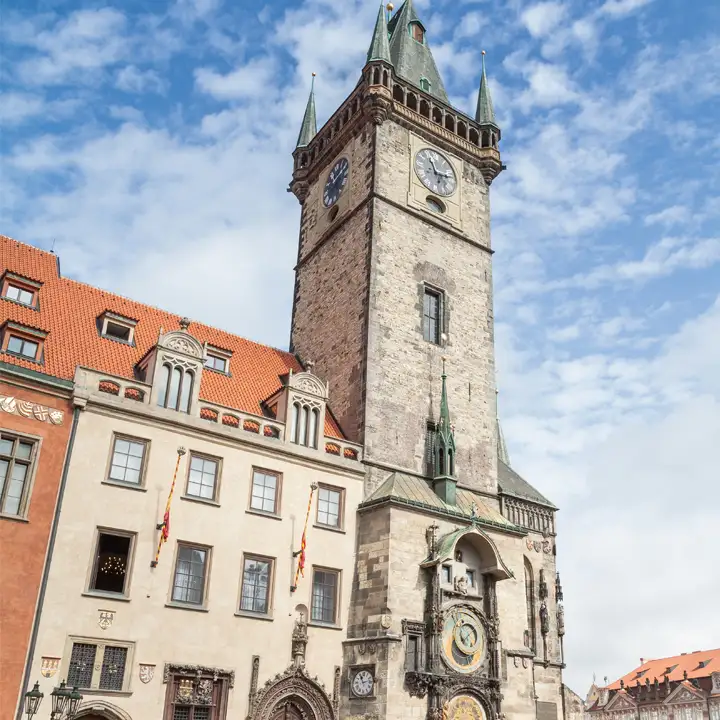
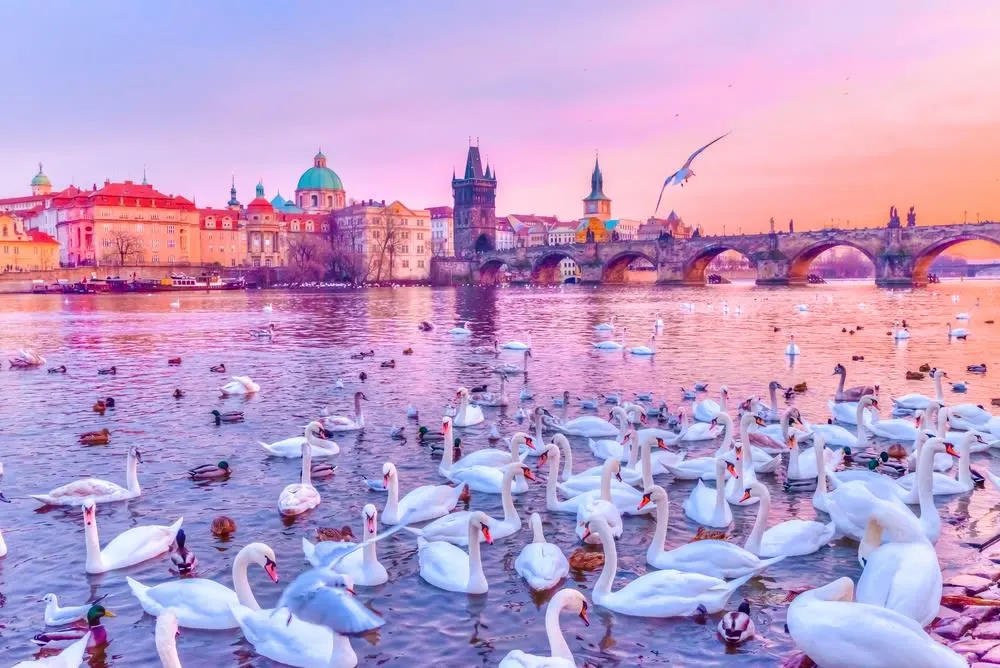
On this charming guided walk, you will explore the Prague Castle, the largest castle complex in all of Europe. To reach the castle you will trace the Royal Coronation Route and cross the Charles Bridge, whose “speaking stones” reveal the amazing and often cruel history that occurred there. Your tour guide will then take you either through the castle courtyards and into the dramatic St. Vitus Cathedral in the center of the castle complex, or through the upper part of the castle district around the oversized palaces of the old Catholic nobility and the top of the Castle Steps for incomparable views over the red rooftops of the Little Quarter.

Cross the river dividing Prague's most historic neighborhoods, and experience one of Europe's most iconic landmarks.
Show More
See a historic wall that has been covered in John Lennon-inspired graffiti since Communist days.
Show More
Browse the gallery to see some of the highlights

Prague Castle is one of the main attractions in Prague and is also the largest castle complex in the world.
Show More
Cross the river dividing Prague's most historic neighborhoods, and experience one of Europe's most iconic landmarks.
Show More
See a historic wall that has been covered in John Lennon-inspired graffiti since Communist days.
Show More
Browse the gallery to see some of the highlights

Prague Castle is one of the main attractions in Prague and is also the largest castle complex in the world.
Show More
Day 8
Prague

Day 9
Prague
Day 9
Prague
Morning
Jews have lived in Prague since its beginnings in the 10th century and have endowed it with a rich heritage. The ghetto was created in the 12th century, as Jews were forced to live separately from Christians. Despite persecution, the community prospered, but sadly, only a small minority survived the Nazi occupation. A lasting legacy remains, including synagogues, architecture, and a fascinating cemetery.

Discover the synagogue considered by many to be Prague's most beautiful.
Show More
See the oldest surviving synagogue in Europe and also one of Prague's earliest Gothic buildings.
Show More
Browse the gallery to see some of the highlights

Take an unforgettable visit to one of Europe's largest medieval Jewish cemeteries.
Show More
Discover the synagogue considered by many to be Prague's most beautiful.
Show More
See the oldest surviving synagogue in Europe and also one of Prague's earliest Gothic buildings.
Show More
Browse the gallery to see some of the highlights

Take an unforgettable visit to one of Europe's largest medieval Jewish cemeteries.
Show More
Day 9
Prague

Day 10
Depart Prague
Day 10
Depart Prague
To Be Determined
A car service will pick you up from the N/A at the time listed above, and deliver you to the Prague Airport for your flight departure. This is a private transfer just for your travel party, and you will not need to pay the driver for the transfer, as it is already included in the cost of the itinerary.


Day 10
Depart Prague
Pre-Paid Tours and Activities:
Pre-Paid Transportation:
Accommodation:
Go Real Travel Mobile App:
Winter Wonderland: Germany’s Iconic Cities and Alpine Landscapes


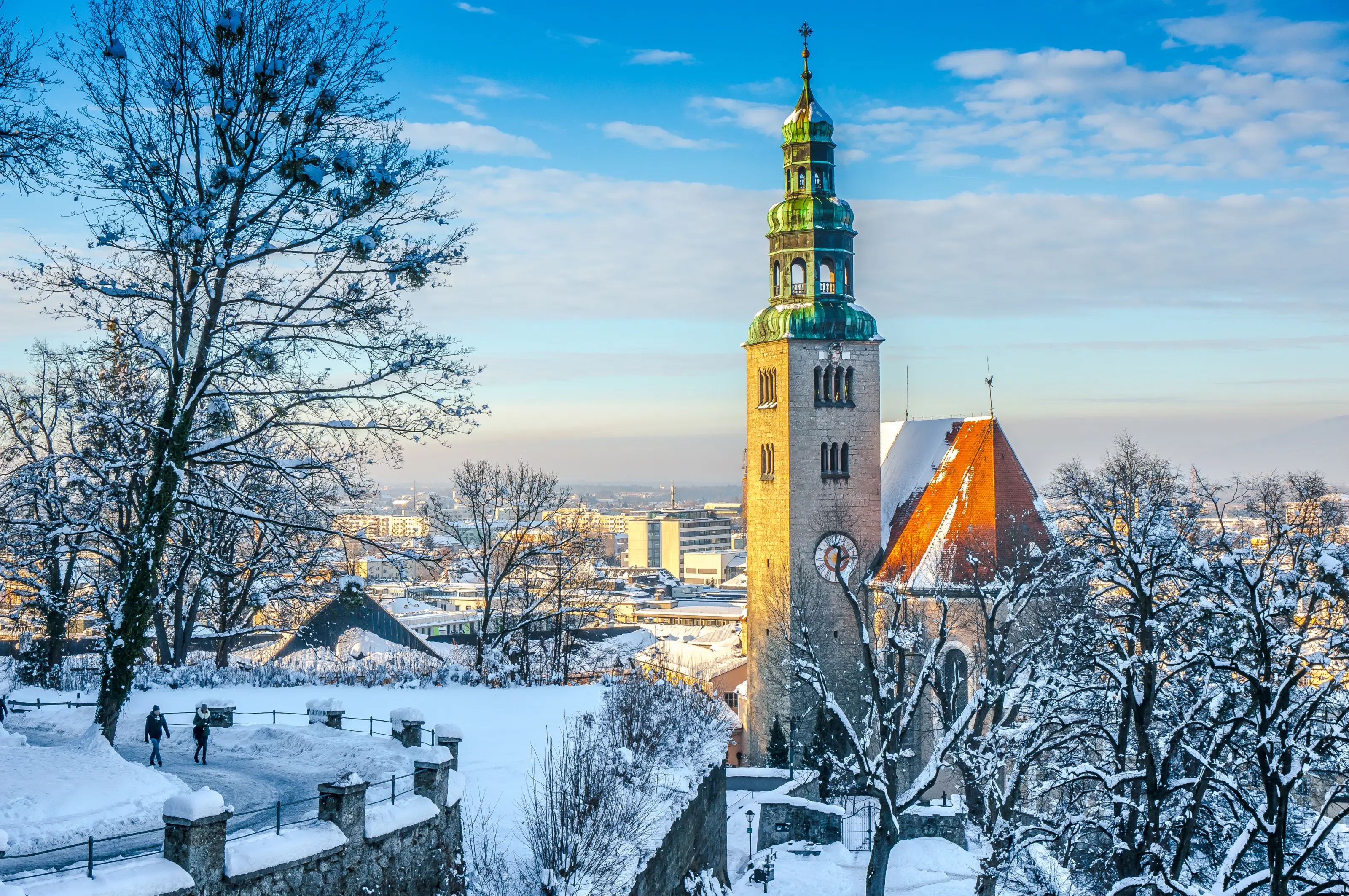
You've probably heard this before— the city of Salzburg is straight out of a fairytale. Nestled in the mountains, this romantic city's Baroque architecture with colorful domes and spires is especially striking against the ancient fortress and Austrian Alpine backdrop. If you're looking for an amazing view, climb up to Hohensalzburg Fortress, Central Europe's largest intact fortress, for a jaw-dropping panorama of the city backed by misty mountains. Perhaps most famous for being the birthplace of the renowned composer Wolfgang Amadeus Mozart and the filming location for the classic The Sound of Music, this city has much to offer. Salzburg has become an important artistic and cultural center, featuring magnificent concert halls that uphold the city's tradition of classical music every day of the year, as well as acclaimed art exhibitions and museums. If you do it right, your visit to Salzburg will immerse you in the city's unforgettable atmosphere and keep you coming back for more.

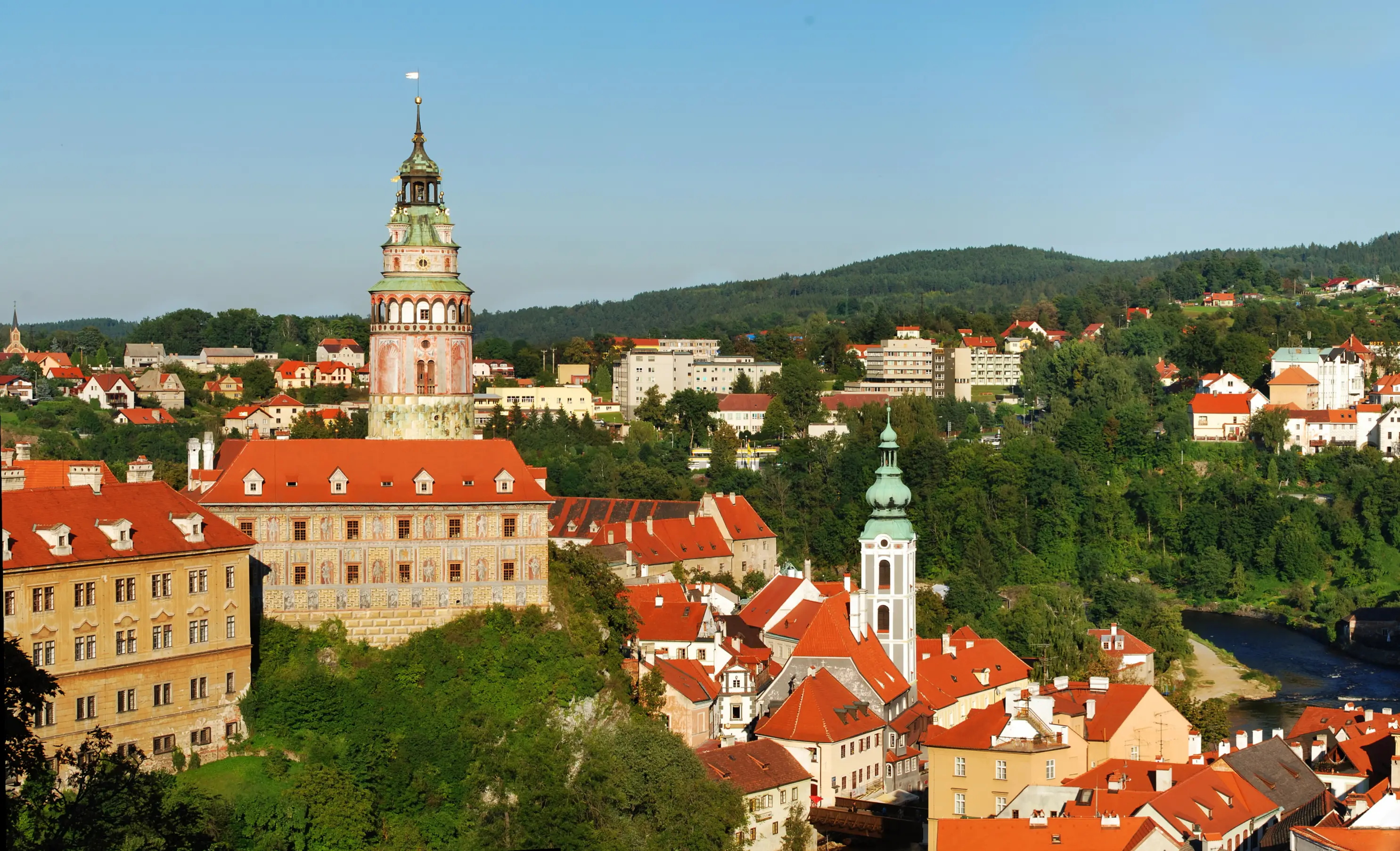
Cesky Krumlov is a charming little town in South Bohemia. It might be small, but it’s full of whimsical character and mystery. Walking through the narrow streets and across the bridge, the views of the medieval Cesky Krumlov Castle will take your breath away. At night, street musicians serenade visitors on the bridge where you can dance beneath the stars and the watchful eye of the magnificent tower. Dozens of unique local artisan shops, cafes, and restaurants are woven among the winding streets. In the summer, the city is lush with life and greenery. Rafters race down the river, stopping in the center along the way to enjoy a hearty meal before continuing their journey. In the winter, the main square transforms into a magnificent Christmas market and light blankets of snow cover the rooftops. This quaint little town will exceed your expectations and you may never want to leave.

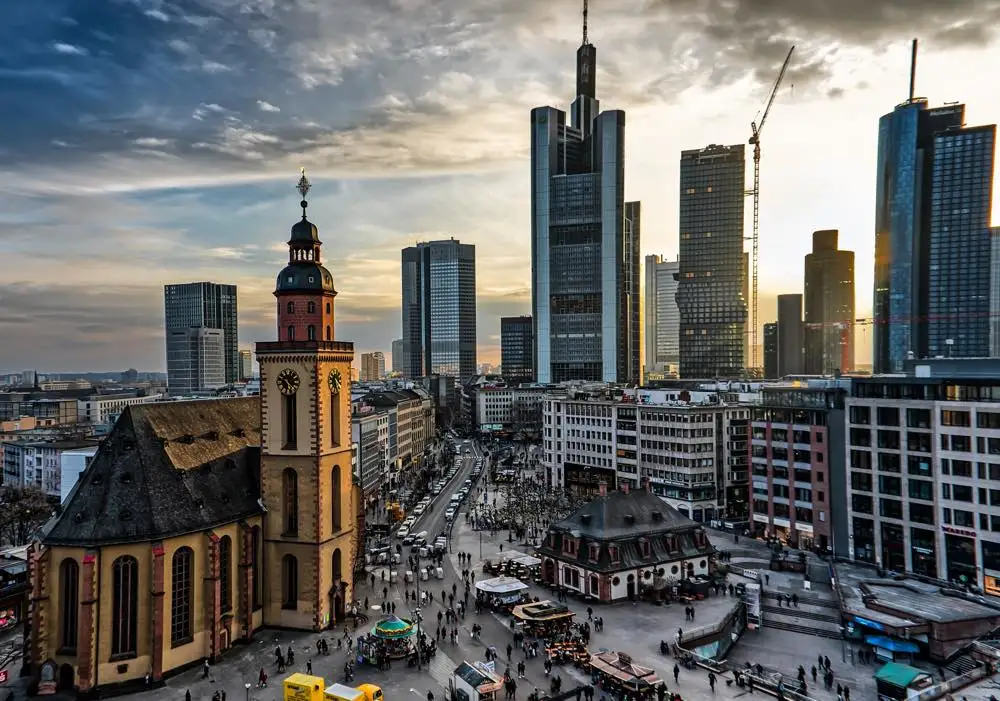
Dubbed ‘Mainhatten’ for its glass highrises, financial prowess, and proximity to the Main River, Frankfurt offers a fascinating glimpse into the ‘engine room’ of Europe’s economy with an unexpected twist. Among the glass and steel buildings, the old-worldly Römerberg square will give you a double-take. The square’s 15th-century half-timbered houses, old statues, and church spires contrast dramatically against the modern 21st-century skyscrapers beyond. If you visit at Christmas, the Römerberg is truly special, aglow with the light of the tallest Christmas tree in Germany. The square fills with stalls selling handicrafts, and the air is scented with hot apple wine, honey, and cinnamon. Delve deeper into Frankfurt and you’ll find a substantial museum district, the Museumsufer (Museum Embankment). This area features a cluster of twelve museums on either side of Main River. This includes the Städel, home to Tischbein’s famous painting of renowned writer Johann Wolfgang von Goethe, one of Frankfurt’s most prestigious sons. The more time you spend in Frankfurt, the more you’ll discover a highly cultured city lurking beneath its glass facades. If you have the time, Frankfurt is certainly worth a second look.

Arriving in Munich, you would be forgiven for thinking you were on the set of a movie about old Bavaria. At the Old Town beer halls, barmaids laced in dirndl dresses serve up frosty Helles lager, as oom-pah music drifts across the Marienplatz square. Men in lederhosen and checked shirts merrily give toasts as they knock glasses, or steins, as they’re known here. They sit at tables laden with wurst sausage and giant pretzels oozing with herby butter. This is Germany’s Germany, a place where folk traditions never stopped, and the revelry doesn’t either. Even when it isn’t Oktoberfest, the town’s notorious beer-drinking celebration, Munich is always happy to show you a good time. Simply cast your eyes around the lavish, gilded banquet hall at the Munich Residenz, the 13th-century Wittelsbach palace. You’ll see Munich has been impressing guests for centuries. Or, swing by the BMW Museum and check out the classic German cars. They even let you sit inside to test out the new models. At the city’s English Gardens, surfers ride waves on one of the park’s rivers. Munich is filled to the brim with this kind of pure-hearted German fun.

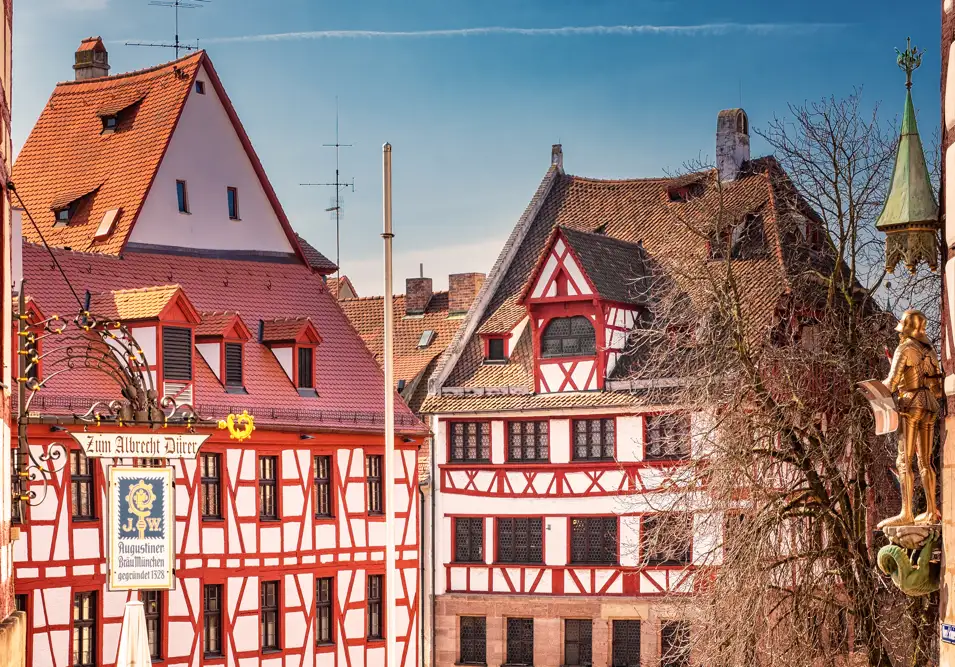
One of the most authentic, storied German destinations, Nuremberg's picturesque old town, glorious castle, and buzzing Christmas Market makes this city a time-true classic. The ideal gateway to old Bavaria, Nuremberg offers a primer in German history before you embark on the lovely journey through old Bavaria, known as the Romantic Road. Considered the capital of the Holy Roman Empire in the middle ages, Nuremberg would have felt like the center of the world as a procession of kings and emperors passed through its magnificent gates. When the German Renaissance came, Nuremberg was at its heart. Albrecht Dürer, the great German master artist, was born here, and Martin Luther called Nuremberg Germany's 'eyes and ears'. Skip forward a few centuries, and the city took a dark turn, as Nuremberg became a gathering point for the German National Socialists. Slightly outside of town, you can still find the Nazi Party Rallying Grounds, a sobering reminder of the not so distant past. If it all gets too heavy, you can end the day with a glass of rotbier (red beer) and mull it over. Nuremberg is a must-see for anyone who wants to delve into Germany's past.

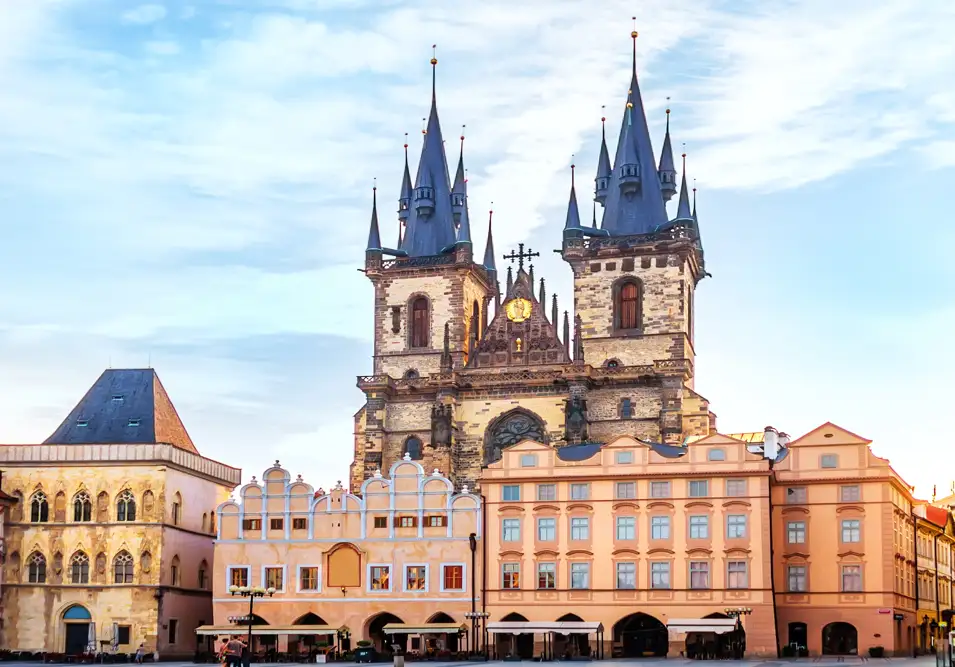
The city of Prague is indisputably the gem of Central Europe. Full of history, culture, and classic Czech pubs around every corner, Prague is teeming with nooks and crannies just waiting to be discovered. The narrow cobblestone streets and warm red rooftops give the city a homey feel, while the well-preserved medieval architecture transports you back in time. Walking across the Charles Bridge with the view of the Prague Castle will make you feel like you’re living in a fairytale, and you might as well be. As an up-and-coming destination, Prague is a perfect mix of classic and modern. New trendy cafes and bistros are always popping up, and you can always find a group of lively locals chowing down on goulash and quaffing pivo (the best beer in Europe!) at traditional Czech restaurants across the city. The clash of modernity and tradition, preservation and innovation, gives this city a mysterious air that you won’t soon forget.

You've probably heard this before— the city of Salzburg is straight out of a fairytale. Nestled in the mountains, this romantic city's Baroque architecture with colorful domes and spires is especially striking against the ancient fortress and Austrian Alpine backdrop. If you're looking for an amazing view, climb up to Hohensalzburg Fortress, Central Europe's largest intact fortress, for a jaw-dropping panorama of the city backed by misty mountains. Perhaps most famous for being the birthplace of the renowned composer Wolfgang Amadeus Mozart and the filming location for the classic The Sound of Music, this city has much to offer. Salzburg has become an important artistic and cultural center, featuring magnificent concert halls that uphold the city's tradition of classical music every day of the year, as well as acclaimed art exhibitions and museums. If you do it right, your visit to Salzburg will immerse you in the city's unforgettable atmosphere and keep you coming back for more.

Cesky Krumlov is a charming little town in South Bohemia. It might be small, but it’s full of whimsical character and mystery. Walking through the narrow streets and across the bridge, the views of the medieval Cesky Krumlov Castle will take your breath away. At night, street musicians serenade visitors on the bridge where you can dance beneath the stars and the watchful eye of the magnificent tower. Dozens of unique local artisan shops, cafes, and restaurants are woven among the winding streets. In the summer, the city is lush with life and greenery. Rafters race down the river, stopping in the center along the way to enjoy a hearty meal before continuing their journey. In the winter, the main square transforms into a magnificent Christmas market and light blankets of snow cover the rooftops. This quaint little town will exceed your expectations and you may never want to leave.

Dubbed ‘Mainhatten’ for its glass highrises, financial prowess, and proximity to the Main River, Frankfurt offers a fascinating glimpse into the ‘engine room’ of Europe’s economy with an unexpected twist. Among the glass and steel buildings, the old-worldly Römerberg square will give you a double-take. The square’s 15th-century half-timbered houses, old statues, and church spires contrast dramatically against the modern 21st-century skyscrapers beyond. If you visit at Christmas, the Römerberg is truly special, aglow with the light of the tallest Christmas tree in Germany. The square fills with stalls selling handicrafts, and the air is scented with hot apple wine, honey, and cinnamon. Delve deeper into Frankfurt and you’ll find a substantial museum district, the Museumsufer (Museum Embankment). This area features a cluster of twelve museums on either side of Main River. This includes the Städel, home to Tischbein’s famous painting of renowned writer Johann Wolfgang von Goethe, one of Frankfurt’s most prestigious sons. The more time you spend in Frankfurt, the more you’ll discover a highly cultured city lurking beneath its glass facades. If you have the time, Frankfurt is certainly worth a second look.

Arriving in Munich, you would be forgiven for thinking you were on the set of a movie about old Bavaria. At the Old Town beer halls, barmaids laced in dirndl dresses serve up frosty Helles lager, as oom-pah music drifts across the Marienplatz square. Men in lederhosen and checked shirts merrily give toasts as they knock glasses, or steins, as they’re known here. They sit at tables laden with wurst sausage and giant pretzels oozing with herby butter. This is Germany’s Germany, a place where folk traditions never stopped, and the revelry doesn’t either. Even when it isn’t Oktoberfest, the town’s notorious beer-drinking celebration, Munich is always happy to show you a good time. Simply cast your eyes around the lavish, gilded banquet hall at the Munich Residenz, the 13th-century Wittelsbach palace. You’ll see Munich has been impressing guests for centuries. Or, swing by the BMW Museum and check out the classic German cars. They even let you sit inside to test out the new models. At the city’s English Gardens, surfers ride waves on one of the park’s rivers. Munich is filled to the brim with this kind of pure-hearted German fun.

One of the most authentic, storied German destinations, Nuremberg's picturesque old town, glorious castle, and buzzing Christmas Market makes this city a time-true classic. The ideal gateway to old Bavaria, Nuremberg offers a primer in German history before you embark on the lovely journey through old Bavaria, known as the Romantic Road. Considered the capital of the Holy Roman Empire in the middle ages, Nuremberg would have felt like the center of the world as a procession of kings and emperors passed through its magnificent gates. When the German Renaissance came, Nuremberg was at its heart. Albrecht Dürer, the great German master artist, was born here, and Martin Luther called Nuremberg Germany's 'eyes and ears'. Skip forward a few centuries, and the city took a dark turn, as Nuremberg became a gathering point for the German National Socialists. Slightly outside of town, you can still find the Nazi Party Rallying Grounds, a sobering reminder of the not so distant past. If it all gets too heavy, you can end the day with a glass of rotbier (red beer) and mull it over. Nuremberg is a must-see for anyone who wants to delve into Germany's past.

The city of Prague is indisputably the gem of Central Europe. Full of history, culture, and classic Czech pubs around every corner, Prague is teeming with nooks and crannies just waiting to be discovered. The narrow cobblestone streets and warm red rooftops give the city a homey feel, while the well-preserved medieval architecture transports you back in time. Walking across the Charles Bridge with the view of the Prague Castle will make you feel like you’re living in a fairytale, and you might as well be. As an up-and-coming destination, Prague is a perfect mix of classic and modern. New trendy cafes and bistros are always popping up, and you can always find a group of lively locals chowing down on goulash and quaffing pivo (the best beer in Europe!) at traditional Czech restaurants across the city. The clash of modernity and tradition, preservation and innovation, gives this city a mysterious air that you won’t soon forget.


Hi! Need help planning your dream trip? 🌍
Pick the option that fits you best so we can route you to the right help.