Overview
Overview
Overview
Overview
OverviewHi! Need help planning your dream trip? 🌍

This website uses ‘cookies’ to give you the best, most relevant experience. By using this website, you consent to our Privacy Policy
×Overview
Trip Map
Itinerary
Inclusions
Reviews


Must see sights


Starting from
per person
Enter your details to embark on a journey that can be tailored just for you.
Start
Travelers
Preferred Hotel Stars
Select your interests and destinations for a trip plan inspired by you.
| ← | Move left |
| → | Move right |
| ↑ | Move up |
| ↓ | Move down |
| + | Zoom in |
| - | Zoom out |
| Home | Jump left by 75% |
| End | Jump right by 75% |
| Page Up | Jump up by 75% |
| Page Down | Jump down by 75% |


Click To Make Map Interactive
Overview
Overview
Overview
Overview
OverviewArrival
6 nights
Sorrento
Italy
Departure

Day 1
Arrive Sorrento
Day 1
Arrive Sorrento
Mid-Day/Afternoon
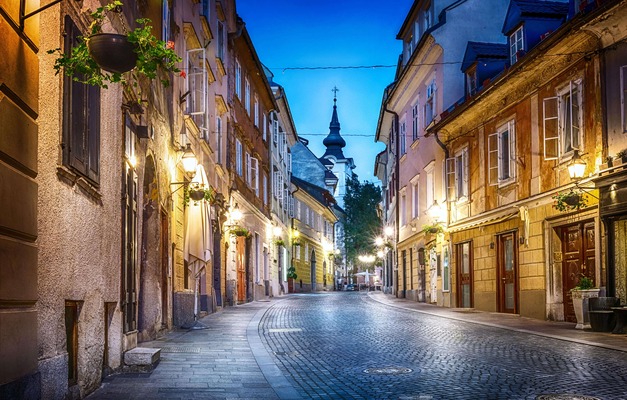
The center of Sorrento is quite compact and closed to traffic. Its grid-like layout makes the old town of Sorrento easy to navigate on foot and a joy to explore. Spend time pottering around its pedestrian lanes and streets, home to a number of interesting sights, little tourist boutiques, limoncello tastings and restaurants.

Step inside this beautiful Roman Catholic Cathedral known for its exquisite ceiling paintings.
Show More
See the beautifully painted walls and dome of the historic Men's Club in Sorrento, that is, if you are a man yourself.
Show More
Take a peaceful walk around the 14th Century Church and Cloister of San Francesco.
Show More
Browse the gallery to see some of the highlights

Check out Sorrento's main square surrounded by colorful architecture and five-star hotels.
Show More
Step inside this beautiful Roman Catholic Cathedral known for its exquisite ceiling paintings.
Show More
See the beautifully painted walls and dome of the historic Men's Club in Sorrento, that is, if you are a man yourself.
Show More
Take a peaceful walk around the 14th Century Church and Cloister of San Francesco.
Show More
Browse the gallery to see some of the highlights

Check out Sorrento's main square surrounded by colorful architecture and five-star hotels.
Show More
Step inside this beautiful Roman Catholic Cathedral known for its exquisite ceiling paintings.
Show More
Day 1
Arrive Sorrento

Day 1
Arrive Sorrento
To Be Determined:
Private Transfer, Naples Airport to Sorrento
Mid-Day/Afternoon:
Sorrento Old Town


Sorrento Cathedral
Highlight of Sorrento Old TownStep inside this beautiful Roman Catholic Cathedral known for its exquisite ceiling paintings.
The Sorrento Cathedral (Duomo) is located in Sorrento's Old Town, and is dedicated to Saints Philip and James. With its beautiful yet relatively simple white Romanesque facade, it is easily spotted just off of the Corso Italia, one of the main east-west streets through town. It dates as far back as the 11th century but the interior was completely remodeled in the 15th century. It is well worth a visit to see its lovely interior. Be sure to check out the floral ceiling motifs which frame paintings of martyrs of Sorrento, as well as saints and angels lounging amidst the clouds. The choir, meanwhile, is a masterpiece of Sorrentine wood working.


Sorrento's Men's Club
Highlight of Sorrento Old TownSee the beautifully painted walls and dome of the historic Men's Club in Sorrento, that is, if you are a man yourself.
One of Sorrento's "main" sights is the Sorrento Men's Club. Once the meeting place for Sorrento's noblemen, it is now a daily "retreat" spot where the town's retired gentlemen while away sultry afternoons under the 16th-century frescoed dome, playing cards, board games or reading the newspaper. Sorry, absolutely no women or mobile phones are allowed in the club.


San Francesco Church
Highlight of Sorrento Old TownTake a peaceful walk around the 14th Century Church and Cloister of San Francesco.
Although the exterior is fairly modest, the church of St. Francis has a rich history. A convent and a cloister, both also dedicated to St. Francis, stand by the church. The cloister mixes many architectural styles, from the Roman era to the Middle Ages, although it remains mostly unchanged since the 14th century. It is surrounded by a park which enjoys wonderful views of the sea. The overall effect creates a wonderfully peaceful atmosphere which makes it a perfect spot for a relaxing walk, as well as a popular wedding venue.


Sorrento Old Town
OverviewSorrento Old Town
The center of Sorrento is quite compact and closed to traffic. Its grid-like layout makes the old town of Sorrento easy to navigate on foot and a joy to explore. Spend time pottering around its pedestrian lanes and streets, home to a number of interesting sights, little tourist boutiques, limoncello tastings and restaurants.


Piazza Tasso
Highlight of Sorrento Old TownCheck out Sorrento's main square surrounded by colorful architecture and five-star hotels.
Piazza Tasso is the central square in Sorrento, and is named after the poet Torquato Tasso whose statue stands in the center of the square. The piazza is often used as a main point of reference, as it is situated in the heart of the town where the old and new towns meet.


Sorrento Cathedral
Highlight of Sorrento Old TownStep inside this beautiful Roman Catholic Cathedral known for its exquisite ceiling paintings.
The Sorrento Cathedral (Duomo) is located in Sorrento's Old Town, and is dedicated to Saints Philip and James. With its beautiful yet relatively simple white Romanesque facade, it is easily spotted just off of the Corso Italia, one of the main east-west streets through town. It dates as far back as the 11th century but the interior was completely remodeled in the 15th century. It is well worth a visit to see its lovely interior. Be sure to check out the floral ceiling motifs which frame paintings of martyrs of Sorrento, as well as saints and angels lounging amidst the clouds. The choir, meanwhile, is a masterpiece of Sorrentine wood working.


Sorrento's Men's Club
Highlight of Sorrento Old TownSee the beautifully painted walls and dome of the historic Men's Club in Sorrento, that is, if you are a man yourself.
One of Sorrento's "main" sights is the Sorrento Men's Club. Once the meeting place for Sorrento's noblemen, it is now a daily "retreat" spot where the town's retired gentlemen while away sultry afternoons under the 16th-century frescoed dome, playing cards, board games or reading the newspaper. Sorry, absolutely no women or mobile phones are allowed in the club.


San Francesco Church
Highlight of Sorrento Old TownTake a peaceful walk around the 14th Century Church and Cloister of San Francesco.
Although the exterior is fairly modest, the church of St. Francis has a rich history. A convent and a cloister, both also dedicated to St. Francis, stand by the church. The cloister mixes many architectural styles, from the Roman era to the Middle Ages, although it remains mostly unchanged since the 14th century. It is surrounded by a park which enjoys wonderful views of the sea. The overall effect creates a wonderfully peaceful atmosphere which makes it a perfect spot for a relaxing walk, as well as a popular wedding venue.


Sorrento Old Town
OverviewSorrento Old Town
The center of Sorrento is quite compact and closed to traffic. Its grid-like layout makes the old town of Sorrento easy to navigate on foot and a joy to explore. Spend time pottering around its pedestrian lanes and streets, home to a number of interesting sights, little tourist boutiques, limoncello tastings and restaurants.


Piazza Tasso
Highlight of Sorrento Old TownCheck out Sorrento's main square surrounded by colorful architecture and five-star hotels.
Piazza Tasso is the central square in Sorrento, and is named after the poet Torquato Tasso whose statue stands in the center of the square. The piazza is often used as a main point of reference, as it is situated in the heart of the town where the old and new towns meet.


Sorrento Cathedral
Highlight of Sorrento Old TownStep inside this beautiful Roman Catholic Cathedral known for its exquisite ceiling paintings.
The Sorrento Cathedral (Duomo) is located in Sorrento's Old Town, and is dedicated to Saints Philip and James. With its beautiful yet relatively simple white Romanesque facade, it is easily spotted just off of the Corso Italia, one of the main east-west streets through town. It dates as far back as the 11th century but the interior was completely remodeled in the 15th century. It is well worth a visit to see its lovely interior. Be sure to check out the floral ceiling motifs which frame paintings of martyrs of Sorrento, as well as saints and angels lounging amidst the clouds. The choir, meanwhile, is a masterpiece of Sorrentine wood working.

Sorrento Cathedral
Highlight of Sorrento Old TownStep inside this beautiful Roman Catholic Cathedral known for its exquisite ceiling paintings.
The Sorrento Cathedral (Duomo) is located in Sorrento's Old Town, and is dedicated to Saints Philip and James. With its beautiful yet relatively simple white Romanesque facade, it is easily spotted just off of the Corso Italia, one of the main east-west streets through town. It dates as far back as the 11th century but the interior was completely remodeled in the 15th century. It is well worth a visit to see its lovely interior. Be sure to check out the floral ceiling motifs which frame paintings of martyrs of Sorrento, as well as saints and angels lounging amidst the clouds. The choir, meanwhile, is a masterpiece of Sorrentine wood working.

Sorrento's Men's Club
Highlight of Sorrento Old TownSee the beautifully painted walls and dome of the historic Men's Club in Sorrento, that is, if you are a man yourself.
One of Sorrento's "main" sights is the Sorrento Men's Club. Once the meeting place for Sorrento's noblemen, it is now a daily "retreat" spot where the town's retired gentlemen while away sultry afternoons under the 16th-century frescoed dome, playing cards, board games or reading the newspaper. Sorry, absolutely no women or mobile phones are allowed in the club.

San Francesco Church
Highlight of Sorrento Old TownTake a peaceful walk around the 14th Century Church and Cloister of San Francesco.
Although the exterior is fairly modest, the church of St. Francis has a rich history. A convent and a cloister, both also dedicated to St. Francis, stand by the church. The cloister mixes many architectural styles, from the Roman era to the Middle Ages, although it remains mostly unchanged since the 14th century. It is surrounded by a park which enjoys wonderful views of the sea. The overall effect creates a wonderfully peaceful atmosphere which makes it a perfect spot for a relaxing walk, as well as a popular wedding venue.

Sorrento Old Town
OverviewSorrento Old Town
The center of Sorrento is quite compact and closed to traffic. Its grid-like layout makes the old town of Sorrento easy to navigate on foot and a joy to explore. Spend time pottering around its pedestrian lanes and streets, home to a number of interesting sights, little tourist boutiques, limoncello tastings and restaurants.

Piazza Tasso
Highlight of Sorrento Old TownCheck out Sorrento's main square surrounded by colorful architecture and five-star hotels.
Piazza Tasso is the central square in Sorrento, and is named after the poet Torquato Tasso whose statue stands in the center of the square. The piazza is often used as a main point of reference, as it is situated in the heart of the town where the old and new towns meet.

Sorrento Cathedral
Highlight of Sorrento Old TownStep inside this beautiful Roman Catholic Cathedral known for its exquisite ceiling paintings.
The Sorrento Cathedral (Duomo) is located in Sorrento's Old Town, and is dedicated to Saints Philip and James. With its beautiful yet relatively simple white Romanesque facade, it is easily spotted just off of the Corso Italia, one of the main east-west streets through town. It dates as far back as the 11th century but the interior was completely remodeled in the 15th century. It is well worth a visit to see its lovely interior. Be sure to check out the floral ceiling motifs which frame paintings of martyrs of Sorrento, as well as saints and angels lounging amidst the clouds. The choir, meanwhile, is a masterpiece of Sorrentine wood working.

Sorrento's Men's Club
Highlight of Sorrento Old TownSee the beautifully painted walls and dome of the historic Men's Club in Sorrento, that is, if you are a man yourself.
One of Sorrento's "main" sights is the Sorrento Men's Club. Once the meeting place for Sorrento's noblemen, it is now a daily "retreat" spot where the town's retired gentlemen while away sultry afternoons under the 16th-century frescoed dome, playing cards, board games or reading the newspaper. Sorry, absolutely no women or mobile phones are allowed in the club.

San Francesco Church
Highlight of Sorrento Old TownTake a peaceful walk around the 14th Century Church and Cloister of San Francesco.
Although the exterior is fairly modest, the church of St. Francis has a rich history. A convent and a cloister, both also dedicated to St. Francis, stand by the church. The cloister mixes many architectural styles, from the Roman era to the Middle Ages, although it remains mostly unchanged since the 14th century. It is surrounded by a park which enjoys wonderful views of the sea. The overall effect creates a wonderfully peaceful atmosphere which makes it a perfect spot for a relaxing walk, as well as a popular wedding venue.

Sorrento Old Town
OverviewSorrento Old Town
The center of Sorrento is quite compact and closed to traffic. Its grid-like layout makes the old town of Sorrento easy to navigate on foot and a joy to explore. Spend time pottering around its pedestrian lanes and streets, home to a number of interesting sights, little tourist boutiques, limoncello tastings and restaurants.

Piazza Tasso
Highlight of Sorrento Old TownCheck out Sorrento's main square surrounded by colorful architecture and five-star hotels.
Piazza Tasso is the central square in Sorrento, and is named after the poet Torquato Tasso whose statue stands in the center of the square. The piazza is often used as a main point of reference, as it is situated in the heart of the town where the old and new towns meet.

Sorrento Cathedral
Highlight of Sorrento Old TownStep inside this beautiful Roman Catholic Cathedral known for its exquisite ceiling paintings.
The Sorrento Cathedral (Duomo) is located in Sorrento's Old Town, and is dedicated to Saints Philip and James. With its beautiful yet relatively simple white Romanesque facade, it is easily spotted just off of the Corso Italia, one of the main east-west streets through town. It dates as far back as the 11th century but the interior was completely remodeled in the 15th century. It is well worth a visit to see its lovely interior. Be sure to check out the floral ceiling motifs which frame paintings of martyrs of Sorrento, as well as saints and angels lounging amidst the clouds. The choir, meanwhile, is a masterpiece of Sorrentine wood working.

Day 2
Sorrento
Day 2
Sorrento
Morning/Mid-Day
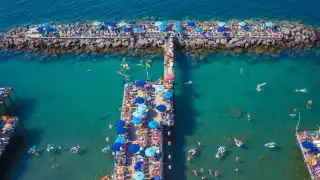
At the edge of Sorrento you'll find a cliff overlooking the sea, and below the cliff you'll find the port of Marina Piccola situated in a small cove. It is home to a number of restaurants and lido swimming spots, and is also the port from which ferries to Capri depart. Adjacent to the port are the swimming and sunbathing platforms (the lidos), which are used by both locals and tourists throughout the summer months. Since the nearest strip of sandy beach is very small, the lidos were built to stretch into the sea on stilts to accommodate a larger number of swimmers. Exposure to the north and the cool water below effectively alleviate the summer heat. The lidos are great for lounging in the sunshine (although shady until the afternoon) and often have cafes within easy reach on the promenade. A lot of coastal hotels will have their own private platforms with a safe section of the sea to enjoy swimming in. The entrance fee varies from a minimum of 10,00 € to a maximum of 15,00 € per person for a sunbed and entrance. There are three ways to reach the Marina Piccola. First, you can take the elevator down from the Park Comunale. From the same park, there is also a zig-zag path all the way down. The third way is via the Porta Marina which opens next to the Basilica of Sant’Antonino.


Day 2
Sorrento

Marina Piccola
OverviewMarina Piccola
At the edge of Sorrento you'll find a cliff overlooking the sea, and below the cliff you'll find the port of Marina Piccola situated in a small cove. It is home to a number of restaurants and lido swimming spots, and is also the port from which ferries to Capri depart. Adjacent to the port are the swimming and sunbathing platforms (the lidos), which are used by both locals and tourists throughout the summer months. Since the nearest strip of sandy beach is very small, the lidos were built to stretch into the sea on stilts to accommodate a larger number of swimmers. Exposure to the north and the cool water below effectively alleviate the summer heat. The lidos are great for lounging in the sunshine (although shady until the afternoon) and often have cafes within easy reach on the promenade. A lot of coastal hotels will have their own private platforms with a safe section of the sea to enjoy swimming in. The entrance fee varies from a minimum of 10,00 € to a maximum of 15,00 € per person for a sunbed and entrance. There are three ways to reach the Marina Piccola. First, you can take the elevator down from the Park Comunale. From the same park, there is also a zig-zag path all the way down. The third way is via the Porta Marina which opens next to the Basilica of Sant’Antonino.

Marina Piccola
OverviewMarina Piccola
At the edge of Sorrento you'll find a cliff overlooking the sea, and below the cliff you'll find the port of Marina Piccola situated in a small cove. It is home to a number of restaurants and lido swimming spots, and is also the port from which ferries to Capri depart. Adjacent to the port are the swimming and sunbathing platforms (the lidos), which are used by both locals and tourists throughout the summer months. Since the nearest strip of sandy beach is very small, the lidos were built to stretch into the sea on stilts to accommodate a larger number of swimmers. Exposure to the north and the cool water below effectively alleviate the summer heat. The lidos are great for lounging in the sunshine (although shady until the afternoon) and often have cafes within easy reach on the promenade. A lot of coastal hotels will have their own private platforms with a safe section of the sea to enjoy swimming in. The entrance fee varies from a minimum of 10,00 € to a maximum of 15,00 € per person for a sunbed and entrance. There are three ways to reach the Marina Piccola. First, you can take the elevator down from the Park Comunale. From the same park, there is also a zig-zag path all the way down. The third way is via the Porta Marina which opens next to the Basilica of Sant’Antonino.

Marina Piccola
OverviewMarina Piccola
At the edge of Sorrento you'll find a cliff overlooking the sea, and below the cliff you'll find the port of Marina Piccola situated in a small cove. It is home to a number of restaurants and lido swimming spots, and is also the port from which ferries to Capri depart. Adjacent to the port are the swimming and sunbathing platforms (the lidos), which are used by both locals and tourists throughout the summer months. Since the nearest strip of sandy beach is very small, the lidos were built to stretch into the sea on stilts to accommodate a larger number of swimmers. Exposure to the north and the cool water below effectively alleviate the summer heat. The lidos are great for lounging in the sunshine (although shady until the afternoon) and often have cafes within easy reach on the promenade. A lot of coastal hotels will have their own private platforms with a safe section of the sea to enjoy swimming in. The entrance fee varies from a minimum of 10,00 € to a maximum of 15,00 € per person for a sunbed and entrance. There are three ways to reach the Marina Piccola. First, you can take the elevator down from the Park Comunale. From the same park, there is also a zig-zag path all the way down. The third way is via the Porta Marina which opens next to the Basilica of Sant’Antonino.

Marina Piccola
OverviewMarina Piccola
At the edge of Sorrento you'll find a cliff overlooking the sea, and below the cliff you'll find the port of Marina Piccola situated in a small cove. It is home to a number of restaurants and lido swimming spots, and is also the port from which ferries to Capri depart. Adjacent to the port are the swimming and sunbathing platforms (the lidos), which are used by both locals and tourists throughout the summer months. Since the nearest strip of sandy beach is very small, the lidos were built to stretch into the sea on stilts to accommodate a larger number of swimmers. Exposure to the north and the cool water below effectively alleviate the summer heat. The lidos are great for lounging in the sunshine (although shady until the afternoon) and often have cafes within easy reach on the promenade. A lot of coastal hotels will have their own private platforms with a safe section of the sea to enjoy swimming in. The entrance fee varies from a minimum of 10,00 € to a maximum of 15,00 € per person for a sunbed and entrance. There are three ways to reach the Marina Piccola. First, you can take the elevator down from the Park Comunale. From the same park, there is also a zig-zag path all the way down. The third way is via the Porta Marina which opens next to the Basilica of Sant’Antonino.

Marina Piccola
OverviewMarina Piccola
At the edge of Sorrento you'll find a cliff overlooking the sea, and below the cliff you'll find the port of Marina Piccola situated in a small cove. It is home to a number of restaurants and lido swimming spots, and is also the port from which ferries to Capri depart. Adjacent to the port are the swimming and sunbathing platforms (the lidos), which are used by both locals and tourists throughout the summer months. Since the nearest strip of sandy beach is very small, the lidos were built to stretch into the sea on stilts to accommodate a larger number of swimmers. Exposure to the north and the cool water below effectively alleviate the summer heat. The lidos are great for lounging in the sunshine (although shady until the afternoon) and often have cafes within easy reach on the promenade. A lot of coastal hotels will have their own private platforms with a safe section of the sea to enjoy swimming in. The entrance fee varies from a minimum of 10,00 € to a maximum of 15,00 € per person for a sunbed and entrance. There are three ways to reach the Marina Piccola. First, you can take the elevator down from the Park Comunale. From the same park, there is also a zig-zag path all the way down. The third way is via the Porta Marina which opens next to the Basilica of Sant’Antonino.

Day 3
Sorrento
Day 3
Sorrento
Morning to Early Evening
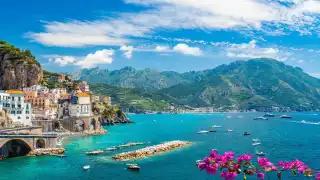
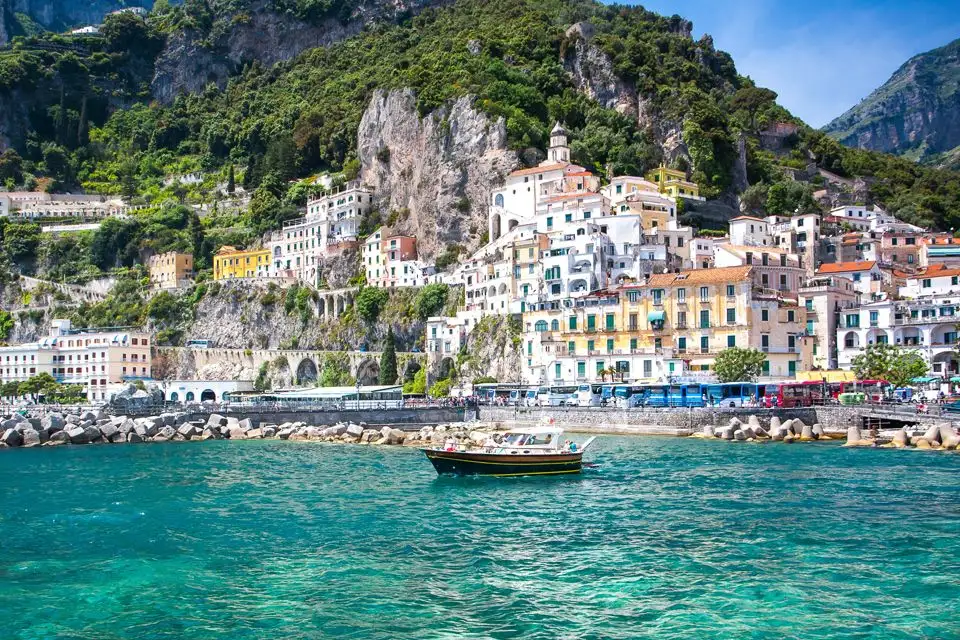
The wildly scenic Amalfi Coast that runs from Sorrento to Salerno is infamous for its coastal road which is known as one of the best white-knuckle scenic rides in Europe. Given the hairy driving, impossible parking and traffic, and overcrowded public buses, the Amalfi Coast is best explored by private boat or public ferry, where you can enjoy the scenic beauty of the coastline and hop from town to town in comfort and without any delays. Unfortunately, the boats do not run all year, so depending on when you travel, your best bet for exploring the area may be with a guided tour by vehicle. The guide's local knowledge can help you avoid some of the traffic and cover the most beautiful spots. Of course a private tour at your own pace, by boat or car, is the ideal option.
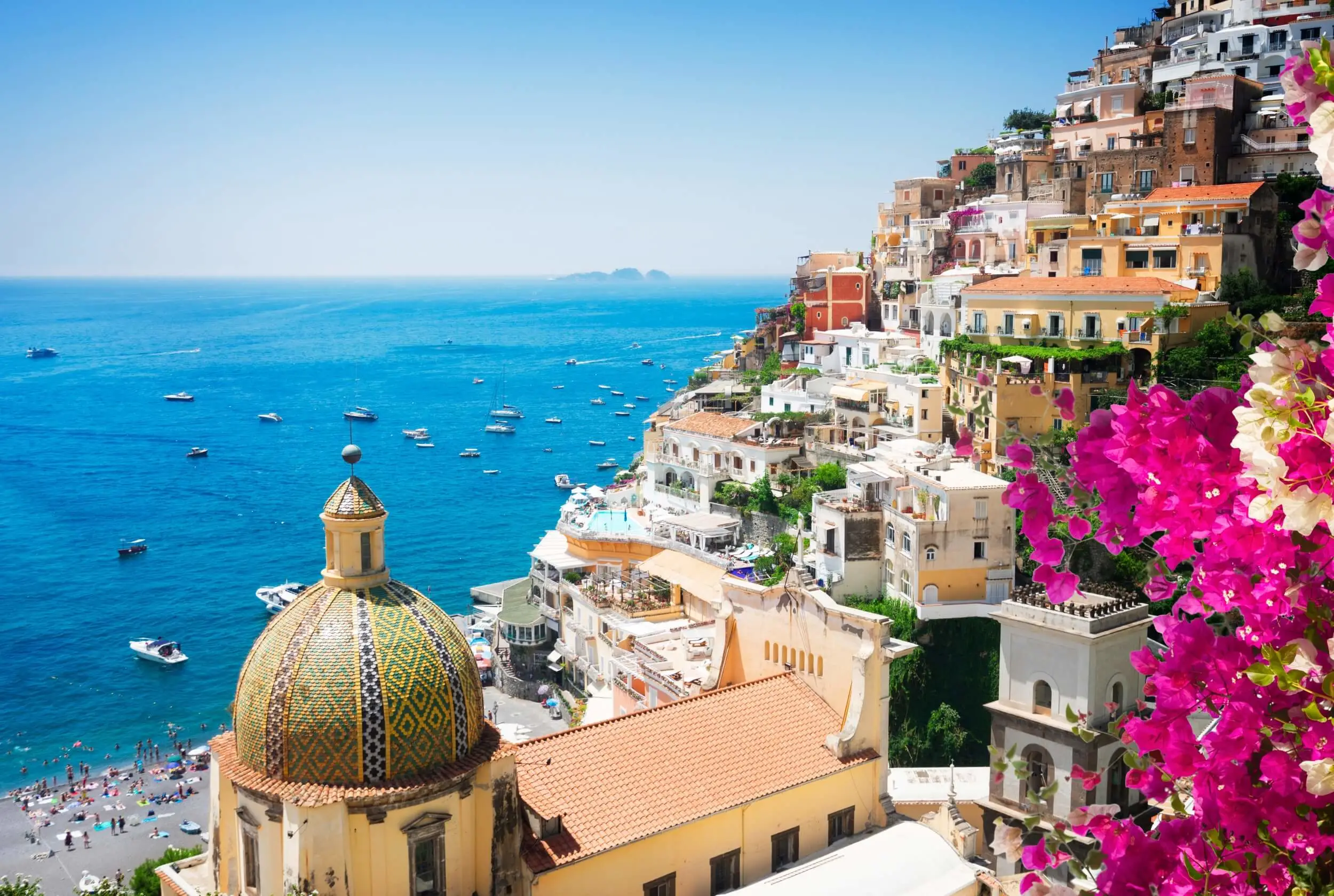
Visit the most beautiful and most popular town on the Amalfi Coast.
Show More
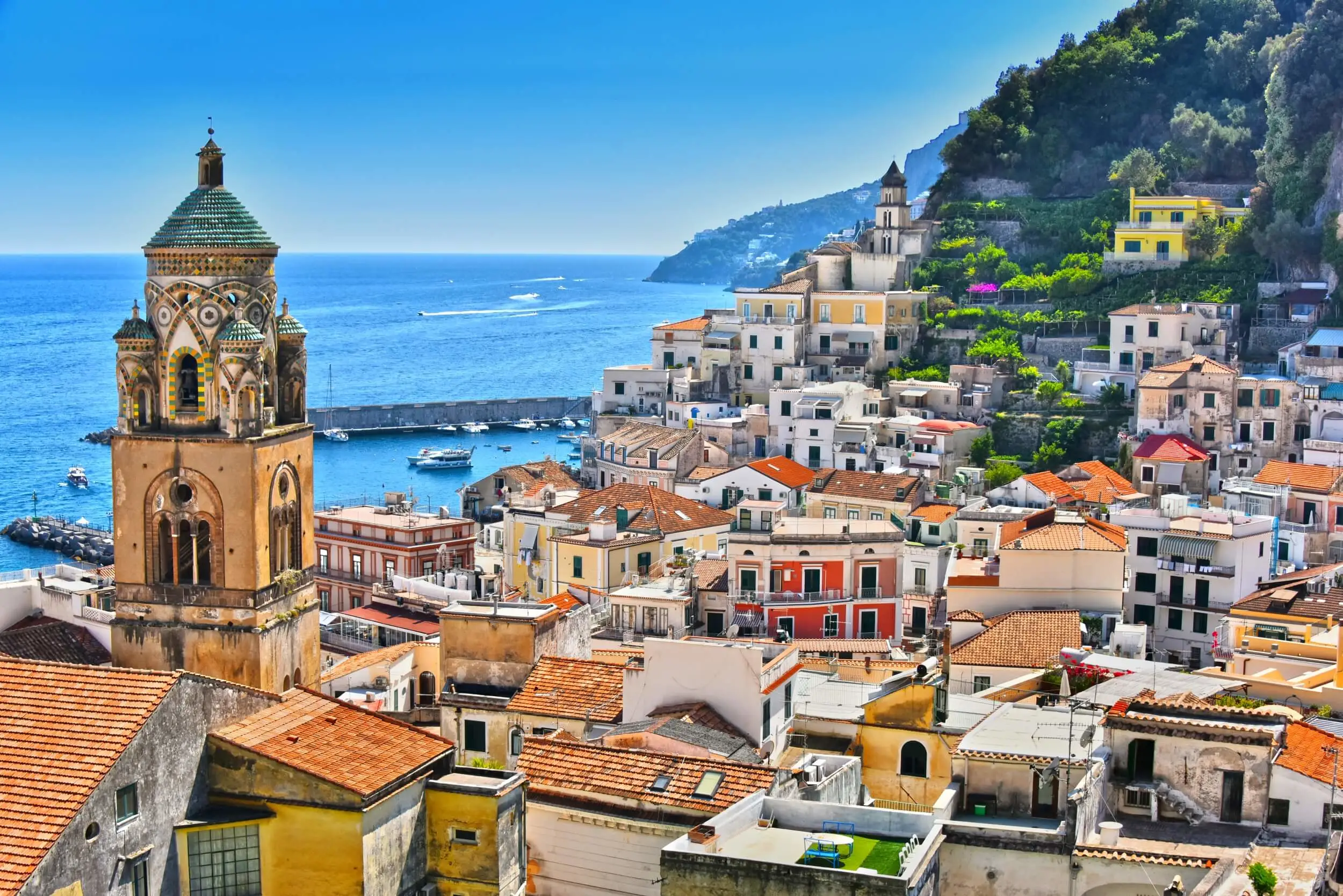
Visit the largest town on the Amalfi Coast known for its culture, history and beaches.
Show More
Browse the gallery to see some of the highlights

Visit one of the most important Cathedrals on the Amalfi Coast.
Show More
Visit the most beautiful and most popular town on the Amalfi Coast.
Show More
Visit the largest town on the Amalfi Coast known for its culture, history and beaches.
Show More
Browse the gallery to see some of the highlights

Visit one of the most important Cathedrals on the Amalfi Coast.
Show More
Day 3
Sorrento

Positano
Highlight of Amalfi CoastVisit the most beautiful and most popular town on the Amalfi Coast.
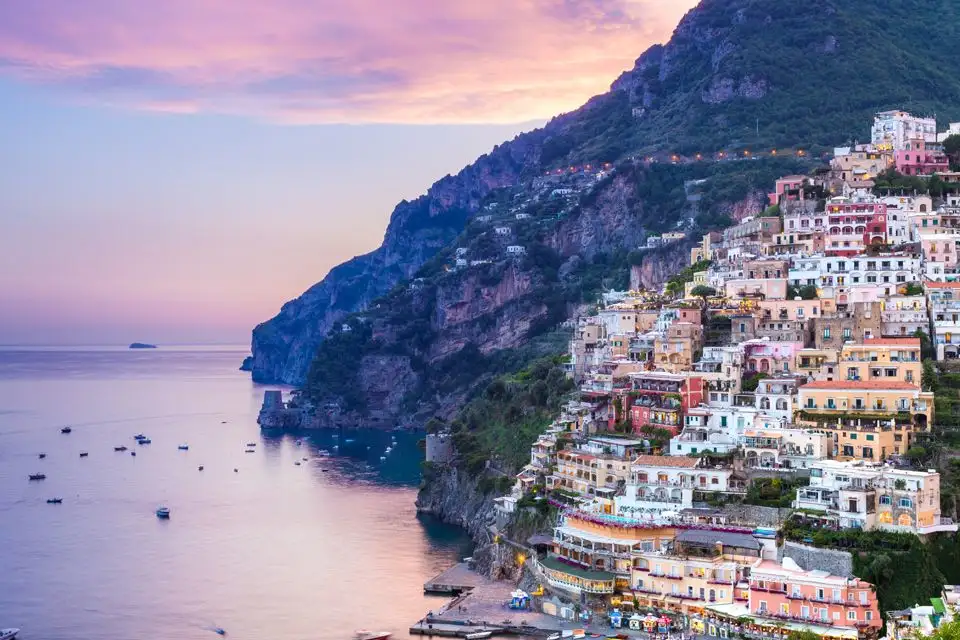
Known for its colorful buildings, beautiful panoramas, excellent seafood restaurants and luxury boutique shops, Positano is the go-to town for most people visiting the Amalfi Coast. Wander its narrow streets, spend time on its beach front or walk to the top of town to enjoy the famous views over the town and sea below.

Amalfi Town
Highlight of Amalfi CoastVisit the largest town on the Amalfi Coast known for its culture, history and beaches.
What was once an important trading centre is now a stunning seaside town and the second most visited after Positano. Spend time relaxing on the beach and dip your toes in the azure water, visit its historic Cathedral, enjoy a cold lemon spritz in one of its seafront restaurants or simply enjoy strolling around its lanes and take in its views.

Amalfi Coast
OverviewAmalfi Coast
The wildly scenic Amalfi Coast that runs from Sorrento to Salerno is infamous for its coastal road which is known as one of the best white-knuckle scenic rides in Europe. Given the hairy driving, impossible parking and traffic, and overcrowded public buses, the Amalfi Coast is best explored by private boat or public ferry, where you can enjoy the scenic beauty of the coastline and hop from town to town in comfort and without any delays. Unfortunately, the boats do not run all year, so depending on when you travel, your best bet for exploring the area may be with a guided tour by vehicle. The guide's local knowledge can help you avoid some of the traffic and cover the most beautiful spots. Of course a private tour at your own pace, by boat or car, is the ideal option.

Amalfi Cathedral
Highlight of Amalfi CoastVisit one of the most important Cathedrals on the Amalfi Coast.
The Amalfi Cathedral called “Duomo di Sant’Andrea Apostolo” can be found on the main Piazza Duomo in Amalfi Town. Built during the ninth century with a Byzantine architecture style, the cathedral is considered a must-visit for anyone who comes to Amalfi. Today the Duomo is a mix of Romanesque, Gothic and Baroque style, with an imposing staircase that leads to a 1,000-year-old bronze door that was given to the town by a wealthy local merchant who had the door made in Constantinople - modern-day Istanbul. Follow a one-way route around its interior which includes relics of Saint Andrew, the Apostle (the patron saint of Amalfi), the crypt and the cloister.

Positano
Highlight of Amalfi CoastVisit the most beautiful and most popular town on the Amalfi Coast.
Known for its colorful buildings, beautiful panoramas, excellent seafood restaurants and luxury boutique shops, Positano is the go-to town for most people visiting the Amalfi Coast. Wander its narrow streets, spend time on its beach front or walk to the top of town to enjoy the famous views over the town and sea below.

Amalfi Town
Highlight of Amalfi CoastVisit the largest town on the Amalfi Coast known for its culture, history and beaches.
What was once an important trading centre is now a stunning seaside town and the second most visited after Positano. Spend time relaxing on the beach and dip your toes in the azure water, visit its historic Cathedral, enjoy a cold lemon spritz in one of its seafront restaurants or simply enjoy strolling around its lanes and take in its views.

Amalfi Coast
OverviewAmalfi Coast
The wildly scenic Amalfi Coast that runs from Sorrento to Salerno is infamous for its coastal road which is known as one of the best white-knuckle scenic rides in Europe. Given the hairy driving, impossible parking and traffic, and overcrowded public buses, the Amalfi Coast is best explored by private boat or public ferry, where you can enjoy the scenic beauty of the coastline and hop from town to town in comfort and without any delays. Unfortunately, the boats do not run all year, so depending on when you travel, your best bet for exploring the area may be with a guided tour by vehicle. The guide's local knowledge can help you avoid some of the traffic and cover the most beautiful spots. Of course a private tour at your own pace, by boat or car, is the ideal option.

Amalfi Cathedral
Highlight of Amalfi CoastVisit one of the most important Cathedrals on the Amalfi Coast.
The Amalfi Cathedral called “Duomo di Sant’Andrea Apostolo” can be found on the main Piazza Duomo in Amalfi Town. Built during the ninth century with a Byzantine architecture style, the cathedral is considered a must-visit for anyone who comes to Amalfi. Today the Duomo is a mix of Romanesque, Gothic and Baroque style, with an imposing staircase that leads to a 1,000-year-old bronze door that was given to the town by a wealthy local merchant who had the door made in Constantinople - modern-day Istanbul. Follow a one-way route around its interior which includes relics of Saint Andrew, the Apostle (the patron saint of Amalfi), the crypt and the cloister.

Day 4
Sorrento
Day 4
Sorrento
9:00 AM - 1:00 PM
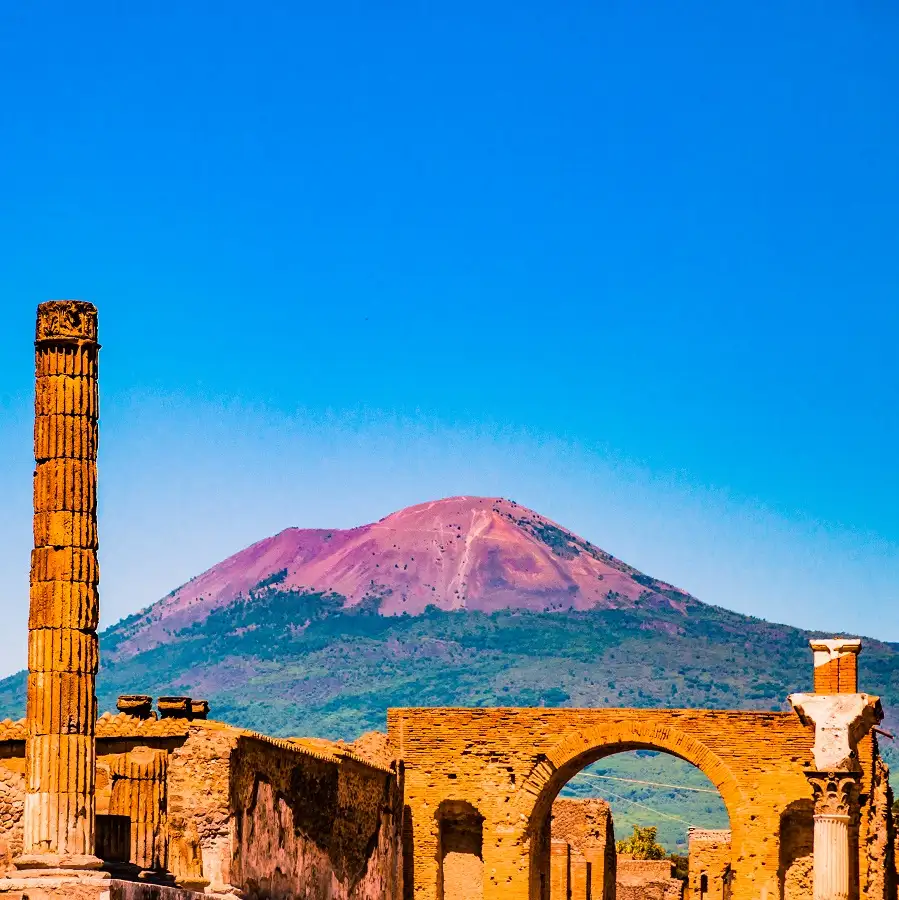
Take a private tour to Mount Vesuvius, the Volcano that 2 millenniums ago buried several Roman settlements such as Pompeii and Herculaneum. Certainly, the most observed and the most dangerous volcanoes of the planet, this 4 hours guided tour promises active walking, up-close encounters with the crater of the volcano and beautiful views over the Bay of Naples.


Day 4
Sorrento
Mount Vesuvius, Guided
OverviewMount Vesuvius, Guided
Take a private tour to Mount Vesuvius, the Volcano that 2 millenniums ago buried several Roman settlements such as Pompeii and Herculaneum. Certainly, the most observed and the most dangerous volcanoes of the planet, this 4 hours guided tour promises active walking, up-close encounters with the crater of the volcano and beautiful views over the Bay of Naples.

Mount Vesuvius, Guided
OverviewMount Vesuvius, Guided
Take a private tour to Mount Vesuvius, the Volcano that 2 millenniums ago buried several Roman settlements such as Pompeii and Herculaneum. Certainly, the most observed and the most dangerous volcanoes of the planet, this 4 hours guided tour promises active walking, up-close encounters with the crater of the volcano and beautiful views over the Bay of Naples.

Mount Vesuvius, Guided
OverviewMount Vesuvius, Guided
Take a private tour to Mount Vesuvius, the Volcano that 2 millenniums ago buried several Roman settlements such as Pompeii and Herculaneum. Certainly, the most observed and the most dangerous volcanoes of the planet, this 4 hours guided tour promises active walking, up-close encounters with the crater of the volcano and beautiful views over the Bay of Naples.

Mount Vesuvius, Guided
OverviewMount Vesuvius, Guided
Take a private tour to Mount Vesuvius, the Volcano that 2 millenniums ago buried several Roman settlements such as Pompeii and Herculaneum. Certainly, the most observed and the most dangerous volcanoes of the planet, this 4 hours guided tour promises active walking, up-close encounters with the crater of the volcano and beautiful views over the Bay of Naples.

Mount Vesuvius, Guided
OverviewMount Vesuvius, Guided
Take a private tour to Mount Vesuvius, the Volcano that 2 millenniums ago buried several Roman settlements such as Pompeii and Herculaneum. Certainly, the most observed and the most dangerous volcanoes of the planet, this 4 hours guided tour promises active walking, up-close encounters with the crater of the volcano and beautiful views over the Bay of Naples.

Day 5
Sorrento
Day 5
Sorrento
Early Morning to Afternoon
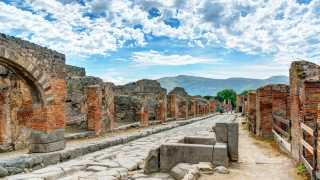
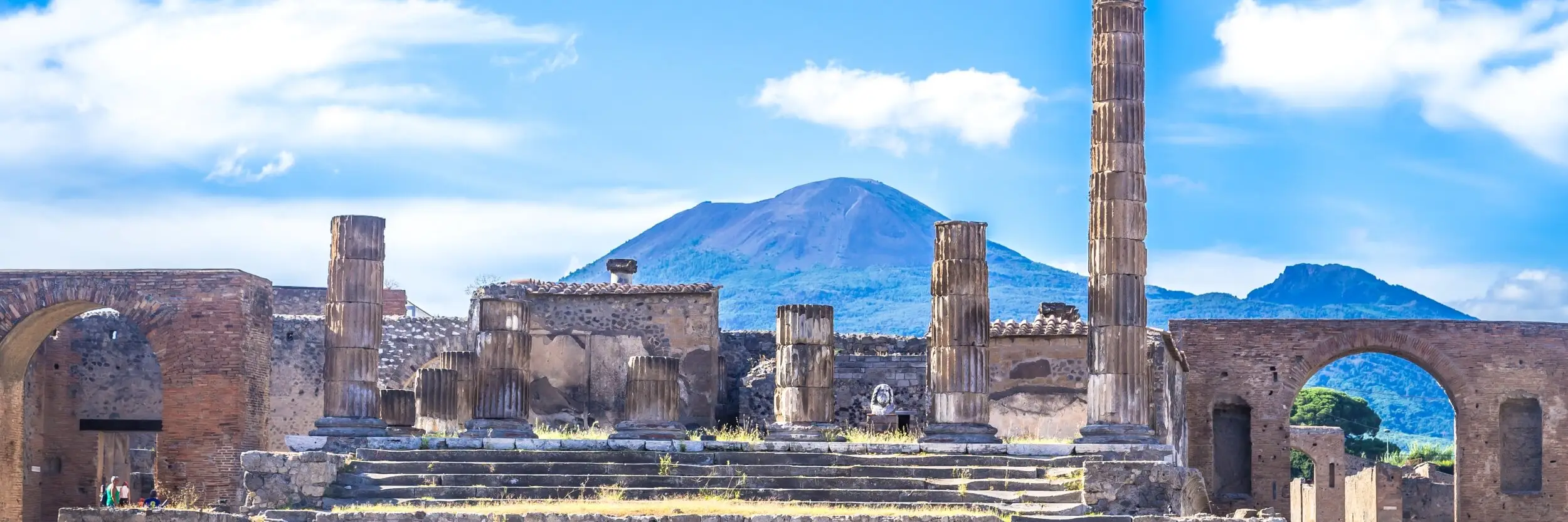
Possibly the most fascinating and accessible archaeological site in the world, Pompeii has been slowly revealing its secrets to the world since excavations began in earnest back in the late 18th century. Even today archaeologists are still uncovering unexplored parts of the site and building up a more accurate picture of how Pompeians lived prior to the catastrophic explosion of nearby Mt Vesuvius in 79 AD.
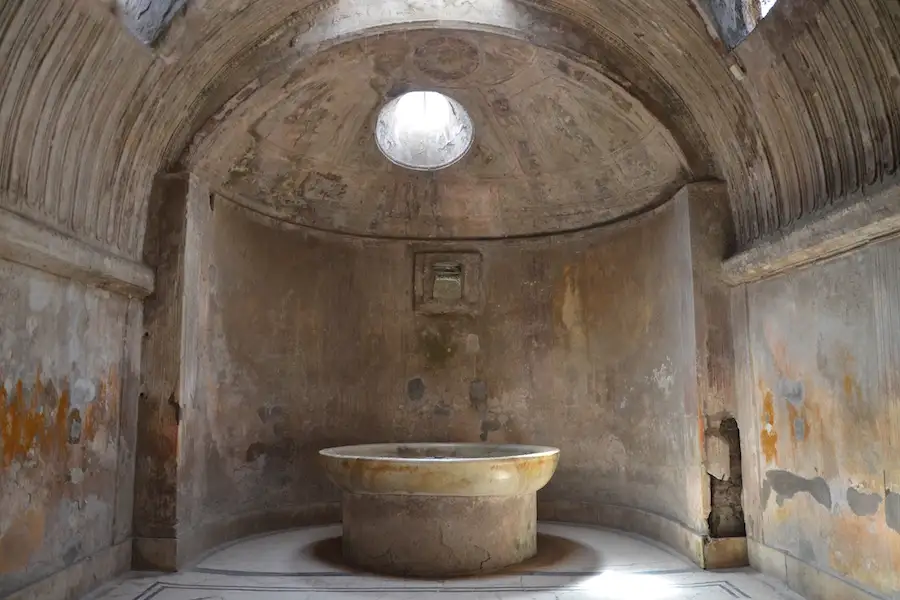
Visit Pompeii's main thermal bathhouse and admire the beautifully preserved fresco paintings.
Show More
Visit this fascinating restored Pompeiian home with a famous animal mosaic.
Show More
Visit this incredibly well-preserved upper class residence.
Show More
Browse the gallery to see some of the highlights

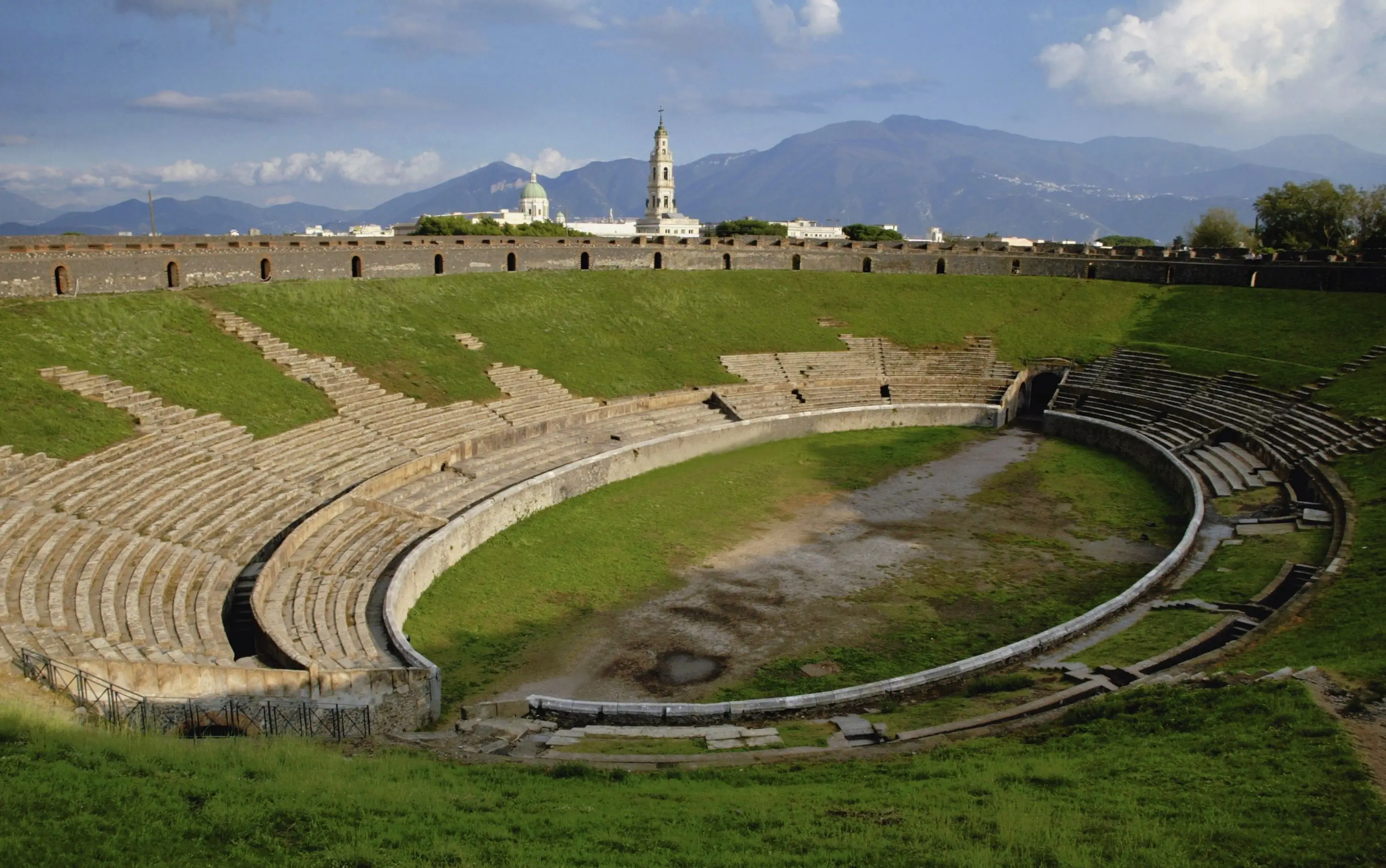
See the oldest surviving Roman amphitheatre - built in 70 BC!
Show More
Visit Pompeii's main thermal bathhouse and admire the beautifully preserved fresco paintings.
Show More
Visit this fascinating restored Pompeiian home with a famous animal mosaic.
Show More
Visit this incredibly well-preserved upper class residence.
Show More
Browse the gallery to see some of the highlights

See the oldest surviving Roman amphitheatre - built in 70 BC!
Show More
Visit Pompeii's main thermal bathhouse and admire the beautifully preserved fresco paintings.
Show More
Day 5
Sorrento

Forum Baths
Highlight of Pompeii Visit Pompeii's main thermal bathhouse and admire the beautifully preserved fresco paintings.
Establish in 80 BC. the thermal baths were the only operating baths in operation at the time of the eruption in 79 AD. While they have been heavily restored, the painted frescoes of garden scenes, chariots and the ornately decorated ceilings with stucco friezes are what draws the crowds in.

House of the Tragic Poet
Highlight of Pompeii Visit this fascinating restored Pompeiian home with a famous animal mosaic.
On the threshold is a mosaic dog, with the inscription cave canem ('beware of the dog'). Some of the most striking wall paintings housed in the National Archaeological Museum are from this house.

House of the Vettii
Highlight of Pompeii Visit this incredibly well-preserved upper class residence.
The House of the Vetti is one of the richest and most famous sights in Pompeii. It was the property of two wealthy merchants, and it features some beautiful original wall paintings, still in their original positions, the most famous (or notorious) of which is the extraordinary front image of the god Priapus weighing his enormous phallus against a money bag.

Pompeii
OverviewPompeii
Possibly the most fascinating and accessible archaeological site in the world, Pompeii has been slowly revealing its secrets to the world since excavations began in earnest back in the late 18th century. Even today archaeologists are still uncovering unexplored parts of the site and building up a more accurate picture of how Pompeians lived prior to the catastrophic explosion of nearby Mt Vesuvius in 79 AD.

Amphitheater
Highlight of Pompeii See the oldest surviving Roman amphitheatre - built in 70 BC!
The amphitheatre was used as a venue for bloody gladiatorial shows with a capacity to hold over 20,000 spectators. It is one of the oldest and most complete pre-Colosseum amphitheatres in the Roman world and was miraculously well preserved following the eruption in 79 AD.

Forum Baths
Highlight of Pompeii Visit Pompeii's main thermal bathhouse and admire the beautifully preserved fresco paintings.
Establish in 80 BC. the thermal baths were the only operating baths in operation at the time of the eruption in 79 AD. While they have been heavily restored, the painted frescoes of garden scenes, chariots and the ornately decorated ceilings with stucco friezes are what draws the crowds in.

House of the Tragic Poet
Highlight of Pompeii Visit this fascinating restored Pompeiian home with a famous animal mosaic.
On the threshold is a mosaic dog, with the inscription cave canem ('beware of the dog'). Some of the most striking wall paintings housed in the National Archaeological Museum are from this house.

House of the Vettii
Highlight of Pompeii Visit this incredibly well-preserved upper class residence.
The House of the Vetti is one of the richest and most famous sights in Pompeii. It was the property of two wealthy merchants, and it features some beautiful original wall paintings, still in their original positions, the most famous (or notorious) of which is the extraordinary front image of the god Priapus weighing his enormous phallus against a money bag.

Pompeii
OverviewPompeii
Possibly the most fascinating and accessible archaeological site in the world, Pompeii has been slowly revealing its secrets to the world since excavations began in earnest back in the late 18th century. Even today archaeologists are still uncovering unexplored parts of the site and building up a more accurate picture of how Pompeians lived prior to the catastrophic explosion of nearby Mt Vesuvius in 79 AD.

Amphitheater
Highlight of Pompeii See the oldest surviving Roman amphitheatre - built in 70 BC!
The amphitheatre was used as a venue for bloody gladiatorial shows with a capacity to hold over 20,000 spectators. It is one of the oldest and most complete pre-Colosseum amphitheatres in the Roman world and was miraculously well preserved following the eruption in 79 AD.

Forum Baths
Highlight of Pompeii Visit Pompeii's main thermal bathhouse and admire the beautifully preserved fresco paintings.
Establish in 80 BC. the thermal baths were the only operating baths in operation at the time of the eruption in 79 AD. While they have been heavily restored, the painted frescoes of garden scenes, chariots and the ornately decorated ceilings with stucco friezes are what draws the crowds in.

Day 6
Sorrento
Day 6
Sorrento
Early Morning to Afternoon
The largest island in the Bay of Naples, Ischia is more interesting geographically than Capri, which makes it great for gentle hikes, especially to its summit of Mt Epomeo, and its volcanic soils make for the cultivation of fine wines. It also has some lovely sun-bathing spots and an exquisitely picturesque coastal fortress.

Walk across a causeway to reach this picturesque medieval castle located on a small island.
Show More
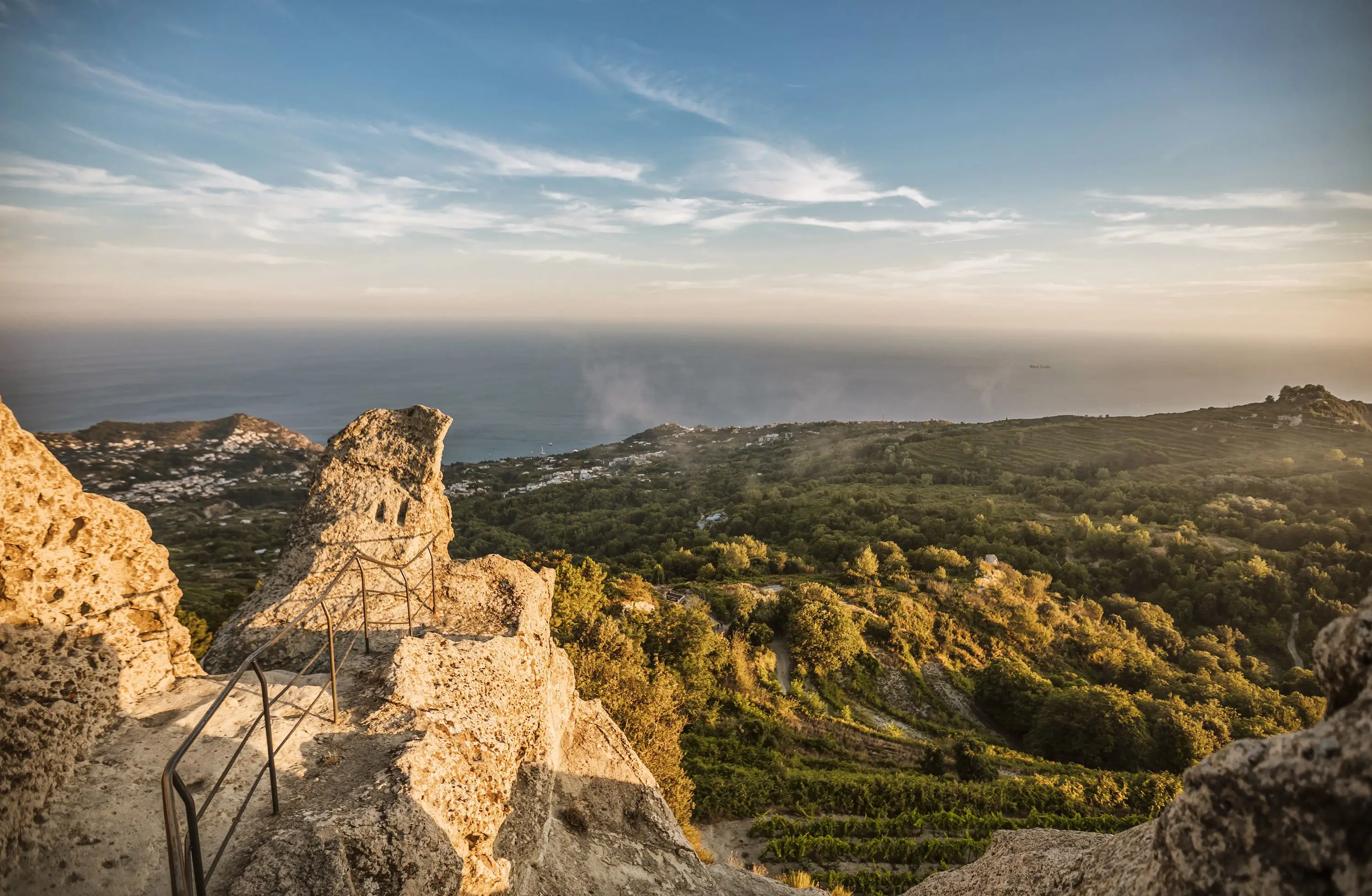
Hike to the top of Mount Epomeo for breathtaking views over the island.
Show More
Browse the gallery to see some of the highlights

Walk across a causeway to reach this picturesque medieval castle located on a small island.
Show More
Hike to the top of Mount Epomeo for breathtaking views over the island.
Show More
Browse the gallery to see some of the highlights

Walk across a causeway to reach this picturesque medieval castle located on a small island.
Show More
Day 6
Sorrento

Castello Aragonese
Highlight of Ischia IslandWalk across a causeway to reach this picturesque medieval castle located on a small island.
Accessed via the 15th century Ponte Aragonese, a 750 feet (228m) long causeway, the rocky islet fortress of Alfonso the Magnanimous is Ischia's top sight. As you explore you will understand why it made such a stunning backdrop in the film The Talented Mr Ripley. The citadel itself is showing signs of wear and tear and some of it is closed to the public, but below is a complex of buildings that could be almost a separate village, and you can wander around these by way of olive-shaded paths and lush terraces. There's an eerie open shell of a cathedral destroyed by British bombardment in 1806 and a prison that once held political prisoners during the Unification struggle. Otherwise, there are a couple nice cafe-restaurants from where you can enjoy the sea views. There's also the remains of a convent, in which a couple of dark rooms are ringed with a set of seats that look like stone toilets. These actually served as a cemetery for the deceased sisters - the bodies were placed on these seats to decompose, and the nuns would gather to pray here. While today this all seems rather macabre, the sisters considered it a reminder of their own ephemeral existence on earth.

Mount Epomeo
Highlight of Ischia IslandHike to the top of Mount Epomeo for breathtaking views over the island.
Take a short but steep hike up to Ischia's highest point on Mount Epomeo to enjoy superb views of the entire island of Ischia and its many vineyards. On a clear day, you can even see Mount Vesuvius, Sorrento and the island of Capri in the distance. You need to be reasonably fit and wear good shoes, as the final part of the track becomes no more than a channel cut out of the soft rock. There's a rather good terrace cafe/restaurant at the top where you can take a refreshment break.

Ischia Island
OverviewIschia Island
The largest island in the Bay of Naples, Ischia is more interesting geographically than Capri, which makes it great for gentle hikes, especially to its summit of Mt Epomeo, and its volcanic soils make for the cultivation of fine wines. It also has some lovely sun-bathing spots and an exquisitely picturesque coastal fortress.

Castello Aragonese
Highlight of Ischia IslandWalk across a causeway to reach this picturesque medieval castle located on a small island.
Accessed via the 15th century Ponte Aragonese, a 750 feet (228m) long causeway, the rocky islet fortress of Alfonso the Magnanimous is Ischia's top sight. As you explore you will understand why it made such a stunning backdrop in the film The Talented Mr Ripley. The citadel itself is showing signs of wear and tear and some of it is closed to the public, but below is a complex of buildings that could be almost a separate village, and you can wander around these by way of olive-shaded paths and lush terraces. There's an eerie open shell of a cathedral destroyed by British bombardment in 1806 and a prison that once held political prisoners during the Unification struggle. Otherwise, there are a couple nice cafe-restaurants from where you can enjoy the sea views. There's also the remains of a convent, in which a couple of dark rooms are ringed with a set of seats that look like stone toilets. These actually served as a cemetery for the deceased sisters - the bodies were placed on these seats to decompose, and the nuns would gather to pray here. While today this all seems rather macabre, the sisters considered it a reminder of their own ephemeral existence on earth.

Mount Epomeo
Highlight of Ischia IslandHike to the top of Mount Epomeo for breathtaking views over the island.
Take a short but steep hike up to Ischia's highest point on Mount Epomeo to enjoy superb views of the entire island of Ischia and its many vineyards. On a clear day, you can even see Mount Vesuvius, Sorrento and the island of Capri in the distance. You need to be reasonably fit and wear good shoes, as the final part of the track becomes no more than a channel cut out of the soft rock. There's a rather good terrace cafe/restaurant at the top where you can take a refreshment break.

Ischia Island
OverviewIschia Island
The largest island in the Bay of Naples, Ischia is more interesting geographically than Capri, which makes it great for gentle hikes, especially to its summit of Mt Epomeo, and its volcanic soils make for the cultivation of fine wines. It also has some lovely sun-bathing spots and an exquisitely picturesque coastal fortress.

Castello Aragonese
Highlight of Ischia IslandWalk across a causeway to reach this picturesque medieval castle located on a small island.
Accessed via the 15th century Ponte Aragonese, a 750 feet (228m) long causeway, the rocky islet fortress of Alfonso the Magnanimous is Ischia's top sight. As you explore you will understand why it made such a stunning backdrop in the film The Talented Mr Ripley. The citadel itself is showing signs of wear and tear and some of it is closed to the public, but below is a complex of buildings that could be almost a separate village, and you can wander around these by way of olive-shaded paths and lush terraces. There's an eerie open shell of a cathedral destroyed by British bombardment in 1806 and a prison that once held political prisoners during the Unification struggle. Otherwise, there are a couple nice cafe-restaurants from where you can enjoy the sea views. There's also the remains of a convent, in which a couple of dark rooms are ringed with a set of seats that look like stone toilets. These actually served as a cemetery for the deceased sisters - the bodies were placed on these seats to decompose, and the nuns would gather to pray here. While today this all seems rather macabre, the sisters considered it a reminder of their own ephemeral existence on earth.

Day 7
Depart Sorrento
Day 7
Depart Sorrento
9:00 AM - 12:00 PM
On this two hour private guided tour, you will discover the archeological ruins of Herculaneum. Learn about its history and see the most famous archaeological ruins.
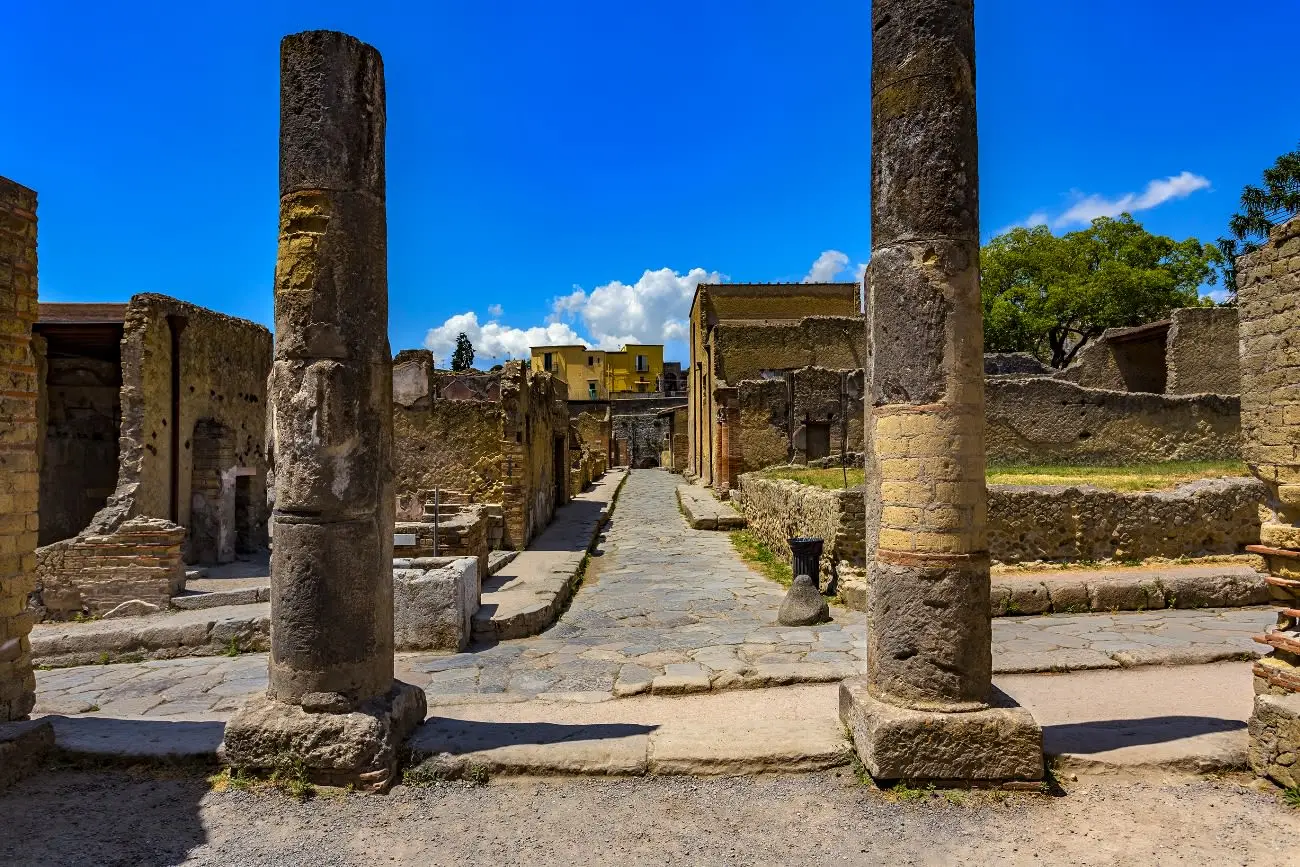
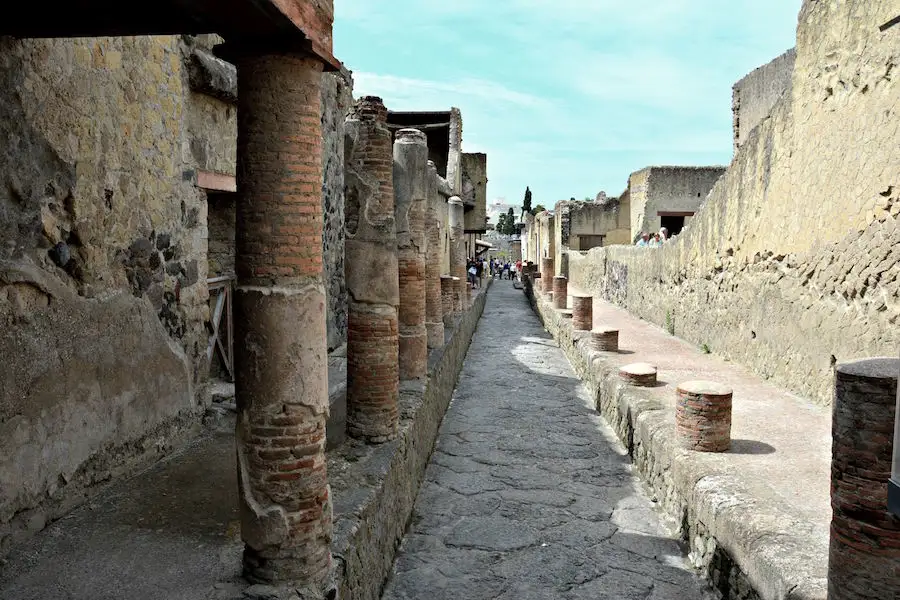
Browse the gallery to see some of the highlights

Archaeological Museum
Show More
Browse the gallery to see some of the highlights

Archaeological Museum
Show More
Browse the gallery to see some of the highlights

Archaeological Museum
Show More
Day 7
Depart Sorrento

Guided Tour of Herculaneum
OverviewGuided Tour of Herculaneum
On this two hour private guided tour, you will discover the archeological ruins of Herculaneum. Learn about its history and see the most famous archaeological ruins.

Herculaneum Archaeological Site
Highlight of Guided Tour of Herculaneum Archaeological Museum
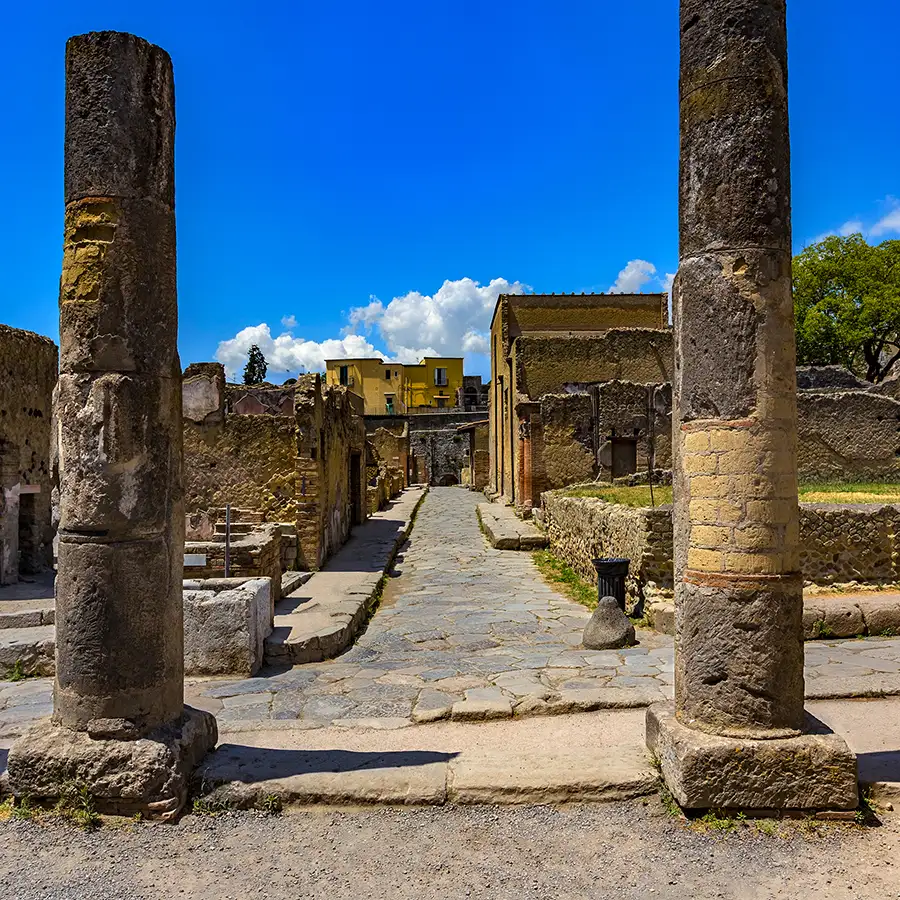
The archaeological excavations of Herculaneum have revealed the remains of the ancient city of Herculaneum, buried under a blanket of ashes and mud during the eruption of Vesuvius in 79, together with Pompei, Stabia, and Oplonti.

Guided Tour of Herculaneum
OverviewGuided Tour of Herculaneum
On this two hour private guided tour, you will discover the archeological ruins of Herculaneum. Learn about its history and see the most famous archaeological ruins.

Herculaneum Archaeological Site
Highlight of Guided Tour of Herculaneum Archaeological Museum
The archaeological excavations of Herculaneum have revealed the remains of the ancient city of Herculaneum, buried under a blanket of ashes and mud during the eruption of Vesuvius in 79, together with Pompei, Stabia, and Oplonti.

Guided Tour of Herculaneum
OverviewGuided Tour of Herculaneum
On this two hour private guided tour, you will discover the archeological ruins of Herculaneum. Learn about its history and see the most famous archaeological ruins.

Herculaneum Archaeological Site
Highlight of Guided Tour of Herculaneum Archaeological Museum
The archaeological excavations of Herculaneum have revealed the remains of the ancient city of Herculaneum, buried under a blanket of ashes and mud during the eruption of Vesuvius in 79, together with Pompei, Stabia, and Oplonti.
Pre-Paid Tours and Activities:
Pre-Paid Transportation:
Go Real Travel Mobile App:

9 Days

10 Days

9 Days

4 Days

5 Days

7 Days

7 Days

10 Days

11 Days

9 Days

10 Days

9 Days

4 Days

5 Days

7 Days

7 Days

10 Days

11 Days


Palermo, the soulful capital of Sicily, is a city where ancient history and gritty charm collide in captivating ways. A trip to Palermo immerses you in a world shaped by centuries of conquest, culture, and culinary tradition. Walk its chaotic streets, and you’ll encounter crumbling palaces, bustling markets, and Arab-Norman architecture that speaks to the city’s layered past. From the golden glow of Monreale Cathedral to the vibrant chaos of Ballarò Market, a Palermo itinerary is an adventure for the senses. As twilight falls, the city hums with energy—piazzas fill, aromas rise from trattorias, and the soundtrack of Sicilian life plays on. In Palermo, every corner tells a story, and every story is unapologetically alive.
Nice sits at the center of the French Riviera, shaped by golden light, gentle sea breezes, and the striking blue water that frames the coastline. The long waterfront promenade forms the city’s front porch, a place where the curve of the bay, the sweep of the sky, and the shimmer of the sea create an unmistakable sense of place. The Old Town brings deeper texture with its warm-toned buildings, inviting market squares, and the scenic overlook from Castle Hill. Museums devoted to Chagall and Matisse add a thoughtful cultural layer, while beach clubs and open-air cafés reflect the city’s relaxed, Mediterranean rhythm.Nice is also a natural base for exploring the region, with simple and scenic day trips to Cannes, Antibes, and nearby hilltop villages. With its blend of coastal beauty, cultural highlights, and easy access to the wider Riviera, the city offers a bright and welcoming introduction to southern France.

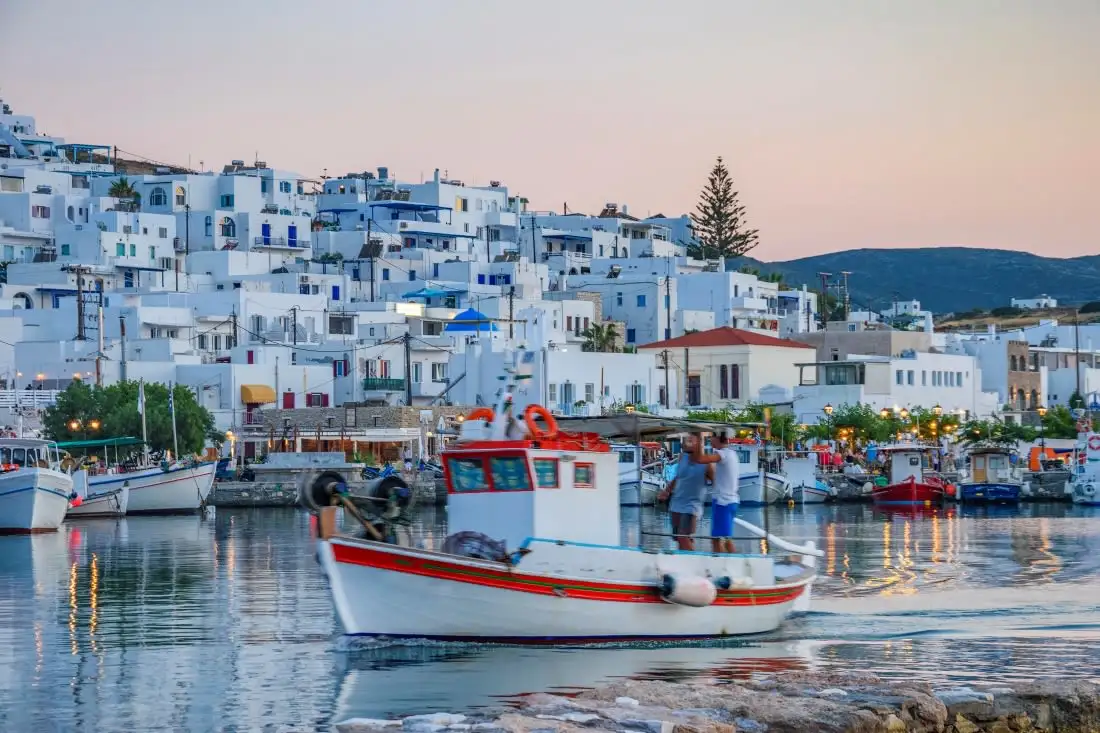
Paros, a sun-drenched gem of the Cyclades, blends laid-back island life with timeless Greek charm. Whitewashed villages, golden beaches, and clear turquoise waters set the scene for easy exploration, from historic Parikia to the lively harbor of Naoussa. Ancient landmarks like the Church of Panagia Ekatontapiliani sit alongside inviting cafés and seaside tavernas, while quiet villages such as Lefkes offer a slower pace. Whether you’re swimming in hidden coves, enjoying long coastal meals, or soaking up the Aegean glow at sunset, Paros delivers an effortlessly memorable island escape.

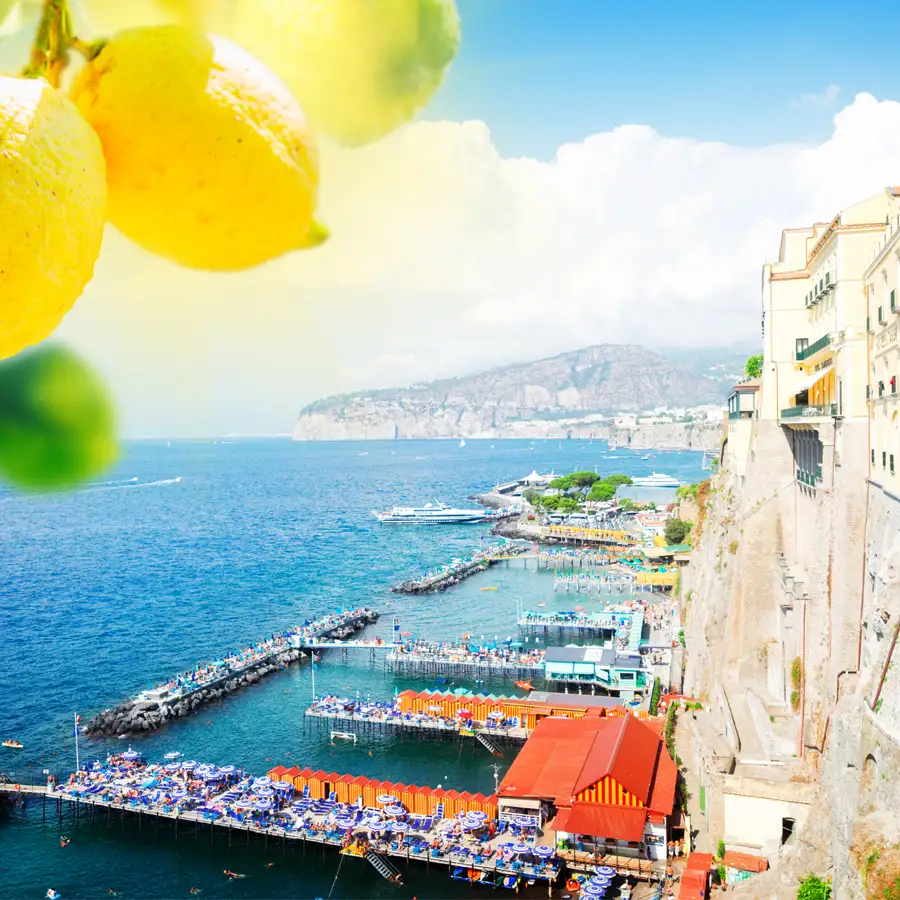
Sorrento is the perfect place to bask in the Mediterranean mood, somewhere to enjoy the sun, the sea, fine dining, and good wine. Churches like the Duomo and the Church del Carmine beg to be explored, along with museums, galleries, and castles. But mostly Sorrento is somewhere to kick back and, for a few days, focus entirely on the business of living - and living well. Seafood dinners, Limoncello evenings, swimming, hiking, and boat trips are all perfect ways to pass time in this seaside haven. If you really tire of all that, Sorrento is well-placed for those looking to explore its surrounding region. A train ride away from Naples, and within fairly easy reach of Pompeii, Sorrento is the doorstep to the attractions of Campania. A short ferry ride away is the island of Capri, with its own collection of beaches, restaurants, and excellent hiking. It’s not necessary, however, to pack the days full of exploring and adventure. While all that is certainly possible, a perfectly acceptable alternative is just to relax and soak in the special Mediterranean vibe.

Zurich is Switzerland’s biggest city, located in the center of the country’s German-speaking region. It’s this location, superbly connected to almost everywhere else by train and close to an international airport, that makes Zurich an obvious destination for tourists. Well, that’s one of the reasons. There’s also the city’s bevy of bars and restaurants, the lakeside views, and stunning architecture around every corner.Take a stroll down the Bahnhofstrasse, a street known around the world for its unrivaled shopping. Weave through crowds of shoppers as you pass rows of world-famous and exclusive brands. Zurich is a small city, but that just makes it easier to get around. Lindenhof Hill, a slight rise of land in the center, offers views across all of the town. Among the city’s most striking features are the Grossmünster towers, which can also be climbed. This is a proud, sophisticated, and elegant city.
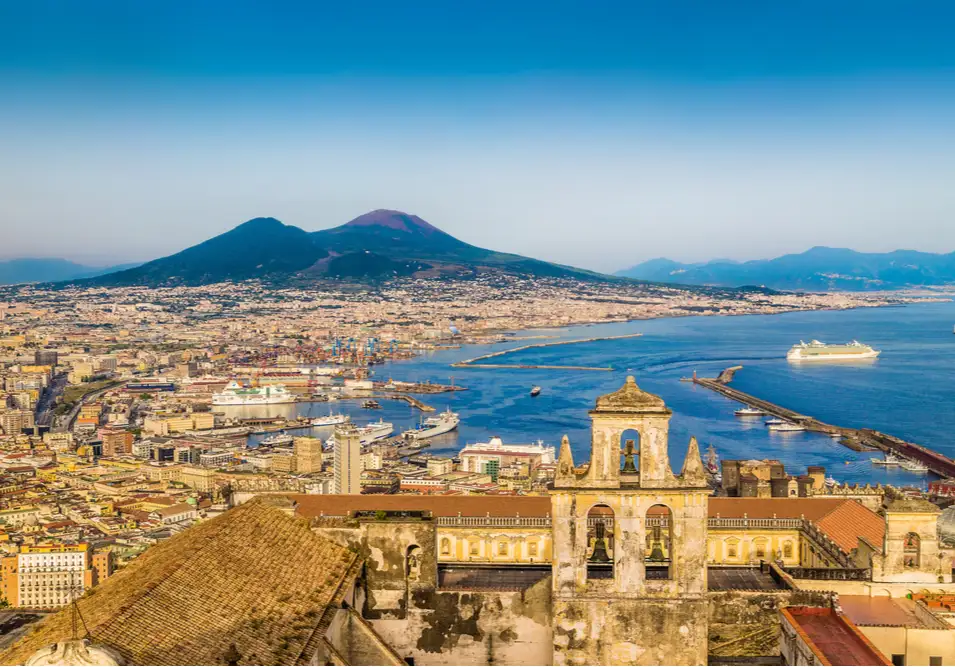
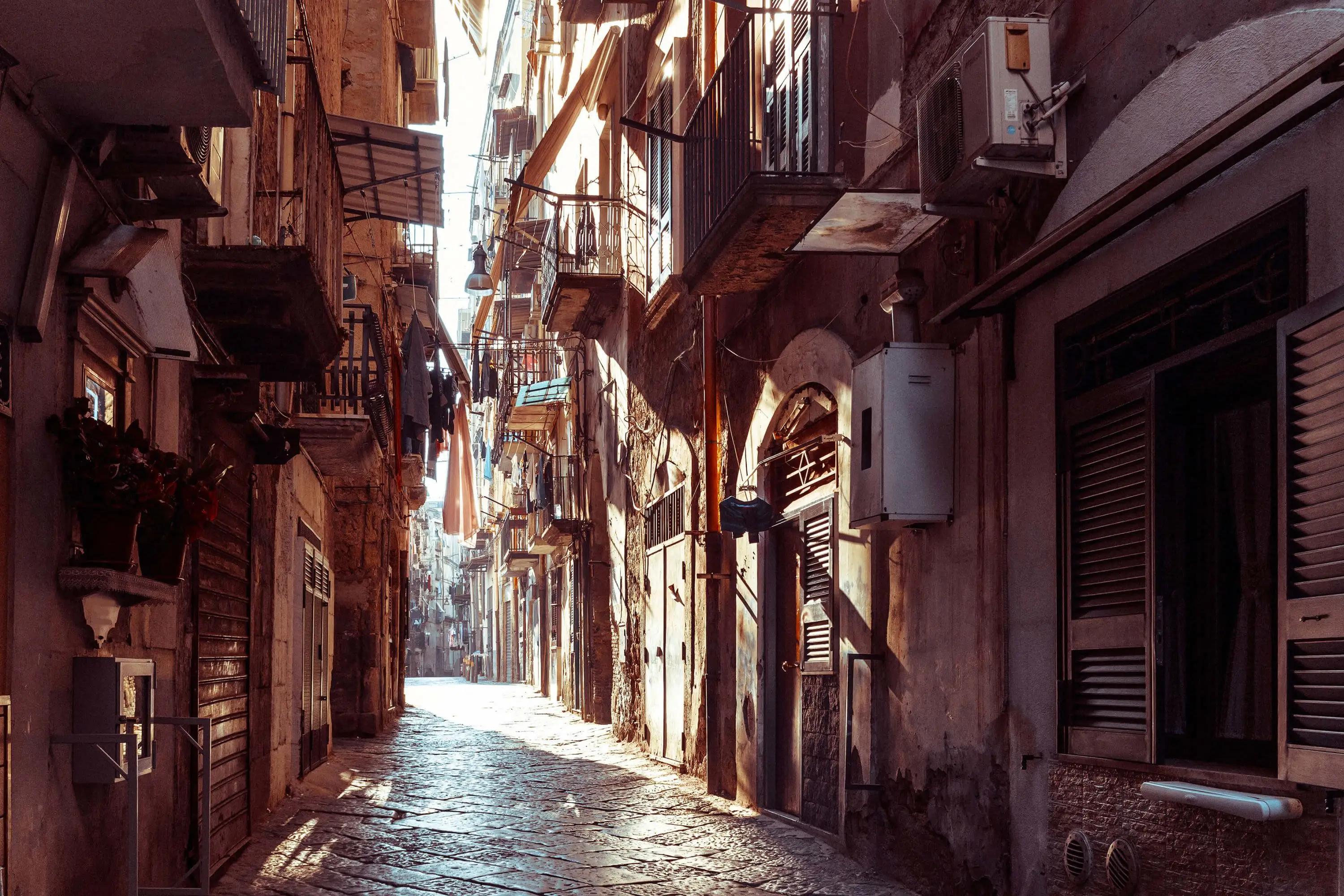
Gritty and chaotic Naples calls to travelers who want to experience the real Italy. Pressed along the coast of Campania, hilly Naples is jammed with maze-like streets, strung with outdoor clotheslines, descending toward the sea below. A much deserved UNESCO World Heritage site, Naples is famous for its churches, museums, castles, and catacombs. As you navigate the city, you’ll find yourself immersed by its culture and history. You can easily occupy a full day gazing at churches like the Naples Cathedral, San Francesco di Paola, and Cappella Sansevero. If you cast your eyes toward the Gulf of Naples, you’ll see Mount Vesuvius looming over the harbor. This foreboding volcano erupted in AD 79. Not far from the inner city — less than an hour by train — you’ll find the ancient town of Pompeii, its dramatic ruins still preserved in ash from the eruption. One of the best things you can do in Naples is to eat. This is the city where pizza was born. Propped up by its ripe tomatoes, local cheeses, and fresh fish, food from Naples has come to define what many see as the height of Italian cuisine. Everything you taste in Naples seems like a delicacy. Authentic and vivid, Naples is a true Italian city where the ancient world meets the modern-day with a bang.

Palermo, the soulful capital of Sicily, is a city where ancient history and gritty charm collide in captivating ways. A trip to Palermo immerses you in a world shaped by centuries of conquest, culture, and culinary tradition. Walk its chaotic streets, and you’ll encounter crumbling palaces, bustling markets, and Arab-Norman architecture that speaks to the city’s layered past. From the golden glow of Monreale Cathedral to the vibrant chaos of Ballarò Market, a Palermo itinerary is an adventure for the senses. As twilight falls, the city hums with energy—piazzas fill, aromas rise from trattorias, and the soundtrack of Sicilian life plays on. In Palermo, every corner tells a story, and every story is unapologetically alive.

Nice sits at the center of the French Riviera, shaped by golden light, gentle sea breezes, and the striking blue water that frames the coastline. The long waterfront promenade forms the city’s front porch, a place where the curve of the bay, the sweep of the sky, and the shimmer of the sea create an unmistakable sense of place. The Old Town brings deeper texture with its warm-toned buildings, inviting market squares, and the scenic overlook from Castle Hill. Museums devoted to Chagall and Matisse add a thoughtful cultural layer, while beach clubs and open-air cafés reflect the city’s relaxed, Mediterranean rhythm.Nice is also a natural base for exploring the region, with simple and scenic day trips to Cannes, Antibes, and nearby hilltop villages. With its blend of coastal beauty, cultural highlights, and easy access to the wider Riviera, the city offers a bright and welcoming introduction to southern France.

Paros, a sun-drenched gem of the Cyclades, blends laid-back island life with timeless Greek charm. Whitewashed villages, golden beaches, and clear turquoise waters set the scene for easy exploration, from historic Parikia to the lively harbor of Naoussa. Ancient landmarks like the Church of Panagia Ekatontapiliani sit alongside inviting cafés and seaside tavernas, while quiet villages such as Lefkes offer a slower pace. Whether you’re swimming in hidden coves, enjoying long coastal meals, or soaking up the Aegean glow at sunset, Paros delivers an effortlessly memorable island escape.

Sorrento is the perfect place to bask in the Mediterranean mood, somewhere to enjoy the sun, the sea, fine dining, and good wine. Churches like the Duomo and the Church del Carmine beg to be explored, along with museums, galleries, and castles. But mostly Sorrento is somewhere to kick back and, for a few days, focus entirely on the business of living - and living well. Seafood dinners, Limoncello evenings, swimming, hiking, and boat trips are all perfect ways to pass time in this seaside haven. If you really tire of all that, Sorrento is well-placed for those looking to explore its surrounding region. A train ride away from Naples, and within fairly easy reach of Pompeii, Sorrento is the doorstep to the attractions of Campania. A short ferry ride away is the island of Capri, with its own collection of beaches, restaurants, and excellent hiking. It’s not necessary, however, to pack the days full of exploring and adventure. While all that is certainly possible, a perfectly acceptable alternative is just to relax and soak in the special Mediterranean vibe.

Zurich is Switzerland’s biggest city, located in the center of the country’s German-speaking region. It’s this location, superbly connected to almost everywhere else by train and close to an international airport, that makes Zurich an obvious destination for tourists. Well, that’s one of the reasons. There’s also the city’s bevy of bars and restaurants, the lakeside views, and stunning architecture around every corner.Take a stroll down the Bahnhofstrasse, a street known around the world for its unrivaled shopping. Weave through crowds of shoppers as you pass rows of world-famous and exclusive brands. Zurich is a small city, but that just makes it easier to get around. Lindenhof Hill, a slight rise of land in the center, offers views across all of the town. Among the city’s most striking features are the Grossmünster towers, which can also be climbed. This is a proud, sophisticated, and elegant city.

Gritty and chaotic Naples calls to travelers who want to experience the real Italy. Pressed along the coast of Campania, hilly Naples is jammed with maze-like streets, strung with outdoor clotheslines, descending toward the sea below. A much deserved UNESCO World Heritage site, Naples is famous for its churches, museums, castles, and catacombs. As you navigate the city, you’ll find yourself immersed by its culture and history. You can easily occupy a full day gazing at churches like the Naples Cathedral, San Francesco di Paola, and Cappella Sansevero. If you cast your eyes toward the Gulf of Naples, you’ll see Mount Vesuvius looming over the harbor. This foreboding volcano erupted in AD 79. Not far from the inner city — less than an hour by train — you’ll find the ancient town of Pompeii, its dramatic ruins still preserved in ash from the eruption. One of the best things you can do in Naples is to eat. This is the city where pizza was born. Propped up by its ripe tomatoes, local cheeses, and fresh fish, food from Naples has come to define what many see as the height of Italian cuisine. Everything you taste in Naples seems like a delicacy. Authentic and vivid, Naples is a true Italian city where the ancient world meets the modern-day with a bang.


Zoom In to the cities to see your itinerary in more detail