
Art lover’s dream tour of Florence
 4 Day Tour of Florence
Destinations on this trip: Florence
Overview
Trip Map
Itinerary
Inclusions
Reviews




How Long Is the Florence’s Renaissance Escape Trip and What Does It Cost?
 Duration4 days / 3 nights
- Best timeJan-Dec
 From$949 / person (Flights not included)
- Enjoy a walking tour of Florence that takes you through all the significant spots of the city.
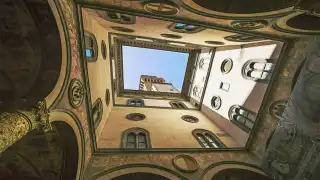
- Explore the grand palace of Palazzo Medici-Riccardi to marvel at Renaissance art and architecture.
- Visit the Church of Santa Croce and see the tombs of prominent Italians like Dante & Galileo.
- Enjoy delectable traditional dishes of Florence like the Ribollita and Bistecca alla Fiorentina.
- Marvel at the works of Da Vinci and Michelangelo in Italy’s greatest art gallery, the Uffizi.
- Enjoy a walking tour of Florence that takes you through all the significant spots of the city.
- Explore the grand palace of Palazzo Medici-Riccardi to marvel at Renaissance art and architecture.
- Visit the Church of Santa Croce and see the tombs of prominent Italians like Dante & Galileo.
- Enjoy delectable traditional dishes of Florence like the Ribollita and Bistecca alla Fiorentina.
- Marvel at the works of Da Vinci and Michelangelo in Italy’s greatest art gallery, the Uffizi.


Must see sights
Starting from
$949
per person
 Not included
 Price varies by group size, hotel selection, and travel season.
Secure Your Customizable Trip
Enter your details to embark on a journey that can be tailored just for you.
Start
Travelers
Preferred Hotel Stars

Craft Your Own Itinerary
Select your interests and destinations for a trip plan inspired by you.
Where Does the Florence’s Renaissance Escape Trip Trip Go?
| ← | Move left |
| → | Move right |
| ↑ | Move up |
| ↓ | Move down |
| + | Zoom in |
| - | Zoom out |
| Home | Jump left by 75% |
| End | Jump right by 75% |
| Page Up | Jump up by 75% |
| Page Down | Jump down by 75% |


Click To Make Map Interactive
Florence’s Renaissance Escape Trip Timeline
Arrival
3 nights
Florence
Italy
Departure
What Does the Florence’s Renaissance Escape Trip Itinerary Look Like?

Day 1
Arrive Florence

Day 1
Arrive Florence


Mid-Day/Afternoon
Piazza del Duomo
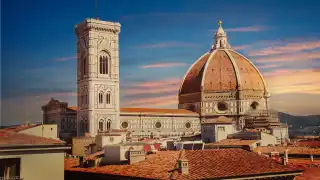
Discover the medieval marvel of the Duomo, Santa Maria del Fiore, with its iconic dome offering panoramic views of Florence. Founded in 1296, it aimed to be the world's largest church, showcasing unmatched Renaissance grandeur in Piazza del Duomo. While entry to the Duomo is free, dome access requires a reservation. Consider a Firenze Card for easy access to other sites.

See how the master architect Brunelleschi planned and built the cathedral, as well as many sculptural masterpieces.
Show More
Discover these hidden-in-plain-sight gems and learn about a noble organization which has done much to alleviate the suffering of Florence's population over the centuries.
Show More
Stand before the "Gate of Paradise".
Show More


Climb 414 steps to the top of Italy's most famous bell tower.
Show MoreSee how the master architect Brunelleschi planned and built the cathedral, as well as many sculptural masterpieces.
Show MoreDiscover these hidden-in-plain-sight gems and learn about a noble organization which has done much to alleviate the suffering of Florence's population over the centuries.
Show MoreStand before the "Gate of Paradise".
Show MoreClimb 414 steps to the top of Italy's most famous bell tower.
Show MoreSee how the master architect Brunelleschi planned and built the cathedral, as well as many sculptural masterpieces.
Show MoreDay 1
Arrive Florence

Day 1
Arrive Florence
To Be Determined:
Private Transfer to your Hotel
Mid-Day/Afternoon:
Piazza del Duomo
Afternoon/Late Afternoon:
Piazza Della Signoria
Opera Duomo Museum
 Highlight of Piazza del Duomo
See how the master architect Brunelleschi planned and built the cathedral, as well as many sculptural masterpieces.
The museum contains the largest concentration of Florentine sculpture in the world, including medieval and Renaissance works in marble, bronze, and silver by the leading artists of the era. Most of the masterpieces on display were designed to adorn the religious monuments that still stand on the Piazza del Duomo. You'll find a number of sculptures by Donatello, a forerunner of Michelangelo, as well as a mock-up of Brunelleschi's building site, complete with broken bricks, wooden scaffolding and some of the tools that were used to build the dome. Plus there are displays of various proposals for completing parts of the dome, as well as the original wooden model of the cathedral lantern presumably made by Brunelleschi himself.
Loggia del Bigallo & Museo della Misericordia
Highlight of Piazza del DuomoDiscover these hidden-in-plain-sight gems and learn about a noble organization which has done much to alleviate the suffering of Florence's population over the centuries.
The Loggia del Bigallo is a small museum in a medieval building. It is home to several jewels of Florentine Gothic painting. It was built in the 1350s for the Compagnia della Misericordia (the Company of Mercy), a religious charitable organization founded in 1244 to aid the sick and bury the dead. It still exists today and you can see their ambulances parked just across the street at the Museo della Misericordia, which was originally an orphanage. The building was commissioned as a place to display abandoned babies in the hope they might be recognized before being given to foster parents. Today it houses a small museum which tells the history of the charity.
Baptistery of St John
Highlight of Piazza del DuomoStand before the "Gate of Paradise".
The Baptistery of San Giovanni (St. John) is one of the most ancient churches in Florence, sitting opposite the Duomo. It is the most conspicuous illustration of the special relationship between Florence and ancient Rome, as the Florentines believe the Baptistery is actually a converted Roman temple to Mars. The granite columns inside were probably taken from the city's old Roman Capitol. But it's the doors to the Baptistery which are the primary attraction. They took 27 years to complete and were so beautiful that they became known as the "Gate of Paradise".
Piazza del Duomo
OverviewPiazza del Duomo
Discover the medieval marvel of the Duomo, Santa Maria del Fiore, with its iconic dome offering panoramic views of Florence. Founded in 1296, it aimed to be the world's largest church, showcasing unmatched Renaissance grandeur in Piazza del Duomo. While entry to the Duomo is free, dome access requires a reservation. Consider a Firenze Card for easy access to other sites.
Campanile (i.e. the Bell Tower)
Highlight of Piazza del DuomoClimb 414 steps to the top of Italy's most famous bell tower.
The campanile, or bell tower, is at 278ft/84.7m tall and approximately 49ft/15m in breadth the most eloquent example of 14th century Gothic architecture in Florence. Clad in white, red and green marble like the cathedral directly adjacent to it, the majestic square bell tower is considered to be the most beautiful campanile in Italy. There are 414 steps to climb and no elevator available.
Opera Duomo Museum
Highlight of Piazza del DuomoSee how the master architect Brunelleschi planned and built the cathedral, as well as many sculptural masterpieces.
The museum contains the largest concentration of Florentine sculpture in the world, including medieval and Renaissance works in marble, bronze, and silver by the leading artists of the era. Most of the masterpieces on display were designed to adorn the religious monuments that still stand on the Piazza del Duomo. You'll find a number of sculptures by Donatello, a forerunner of Michelangelo, as well as a mock-up of Brunelleschi's building site, complete with broken bricks, wooden scaffolding and some of the tools that were used to build the dome. Plus there are displays of various proposals for completing parts of the dome, as well as the original wooden model of the cathedral lantern presumably made by Brunelleschi himself.
Loggia del Bigallo & Museo della Misericordia
Highlight of Piazza del DuomoDiscover these hidden-in-plain-sight gems and learn about a noble organization which has done much to alleviate the suffering of Florence's population over the centuries.
The Loggia del Bigallo is a small museum in a medieval building. It is home to several jewels of Florentine Gothic painting. It was built in the 1350s for the Compagnia della Misericordia (the Company of Mercy), a religious charitable organization founded in 1244 to aid the sick and bury the dead. It still exists today and you can see their ambulances parked just across the street at the Museo della Misericordia, which was originally an orphanage. The building was commissioned as a place to display abandoned babies in the hope they might be recognized before being given to foster parents. Today it houses a small museum which tells the history of the charity.
Baptistery of St John
Highlight of Piazza del DuomoStand before the "Gate of Paradise".
The Baptistery of San Giovanni (St. John) is one of the most ancient churches in Florence, sitting opposite the Duomo. It is the most conspicuous illustration of the special relationship between Florence and ancient Rome, as the Florentines believe the Baptistery is actually a converted Roman temple to Mars. The granite columns inside were probably taken from the city's old Roman Capitol. But it's the doors to the Baptistery which are the primary attraction. They took 27 years to complete and were so beautiful that they became known as the "Gate of Paradise".
Piazza del Duomo
OverviewPiazza del Duomo
Discover the medieval marvel of the Duomo, Santa Maria del Fiore, with its iconic dome offering panoramic views of Florence. Founded in 1296, it aimed to be the world's largest church, showcasing unmatched Renaissance grandeur in Piazza del Duomo. While entry to the Duomo is free, dome access requires a reservation. Consider a Firenze Card for easy access to other sites.
Campanile (i.e. the Bell Tower)
Highlight of Piazza del DuomoClimb 414 steps to the top of Italy's most famous bell tower.
The campanile, or bell tower, is at 278ft/84.7m tall and approximately 49ft/15m in breadth the most eloquent example of 14th century Gothic architecture in Florence. Clad in white, red and green marble like the cathedral directly adjacent to it, the majestic square bell tower is considered to be the most beautiful campanile in Italy. There are 414 steps to climb and no elevator available.
Opera Duomo Museum
Highlight of Piazza del DuomoSee how the master architect Brunelleschi planned and built the cathedral, as well as many sculptural masterpieces.
The museum contains the largest concentration of Florentine sculpture in the world, including medieval and Renaissance works in marble, bronze, and silver by the leading artists of the era. Most of the masterpieces on display were designed to adorn the religious monuments that still stand on the Piazza del Duomo. You'll find a number of sculptures by Donatello, a forerunner of Michelangelo, as well as a mock-up of Brunelleschi's building site, complete with broken bricks, wooden scaffolding and some of the tools that were used to build the dome. Plus there are displays of various proposals for completing parts of the dome, as well as the original wooden model of the cathedral lantern presumably made by Brunelleschi himself.

Day 2
Florence
Day 2
Florence


9:30 AM - 12:30 PM
Private Walking Tour
Enjoy a 3-hour private walking tour of Florence, the perfect introduction to the masterpieces of this city. Stroll around the historic center and take in sights such as the Palazzo Vecchio, Ponte Vecchio, Piazza Della Signora and end your tour at the famous Galleria dell'Accademia, where you can choose to enter to see Michelangelo's marble masterpiece, the statue of David. Please note that entry tickets to the gallery is not included and you must purchase them in advance.

Day 2
Florence
Day 3
Florence
Day 3
Florence
Morning/Mid-Day
Uffizi Gallery
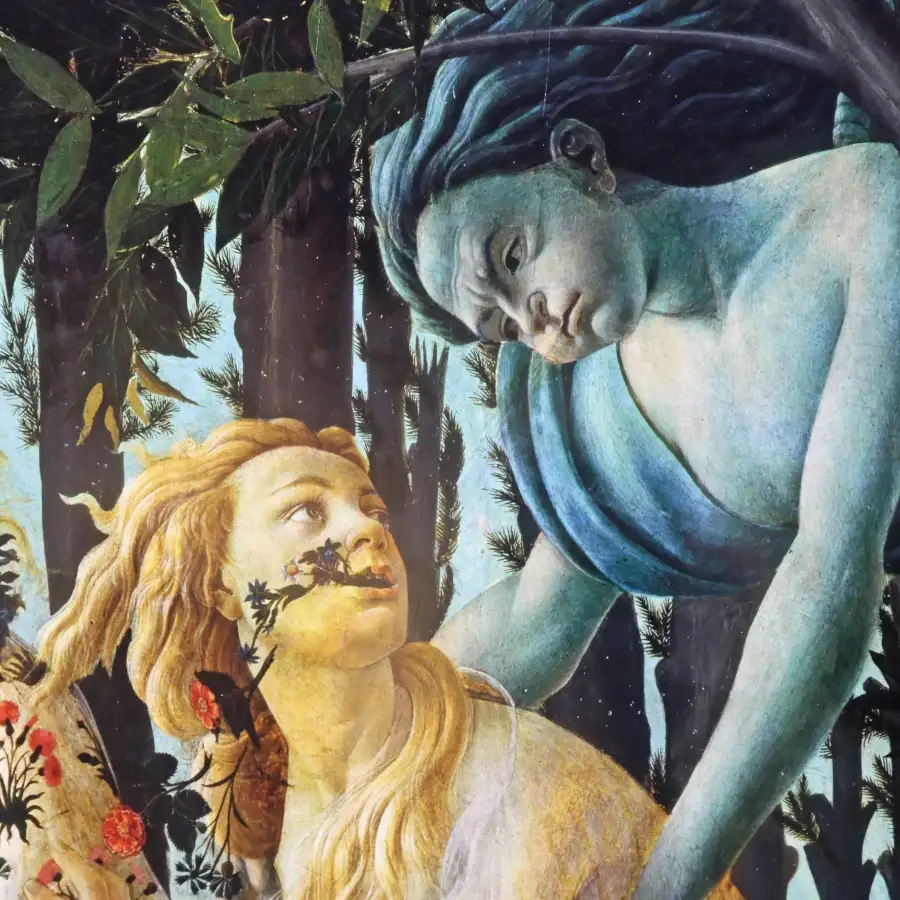
As the capital of the Renaissance, it's only fitting that Florence should also host Italy's greatest art gallery at the Uffizi. It's understandably busy throughout the year, but it's nevertheless worth the crowds to see to see some of the most sumptuous masterpieces of Renaissance art, including Botticelli's Primavera and Venus, and works by Michelangelo and Da Vinci. If you're planning to visit other galleries and museums in Florence, then it's definitely worth investing in a Firenze Card, which gives you free entry and priority access to 72 venues in the city. At a minimum, you should book ahead for the Uffizi to avoid very long queues.

Day 3
Florence

Day 4
Depart Florence
Day 4
Depart Florence

Morning
Country Villas
The Medicis and other powerful families of Renaissance Florence constructed magnificent country villas in the foothills surrounding the city and surrounded them with elaborate gardens populated with rose bushes, manicured hedgerows, and citrus trees. You can explore these beautiful villas which are concentrated in an area just a short bus ride from the city center of Florence. The villas served several functions, first and foremost as country palaces demonstrating power and wealth. They were also recreational resorts for the leisure and pleasure of their owners; and, more prosaically, they were the center of agricultural activities on the surrounding estates.

See the villa where Tuscany's first Grand Duke spent his childhood.
Show More
Experience an amazing view of Florence as you stroll the gardens of this Medici family villa.
Show More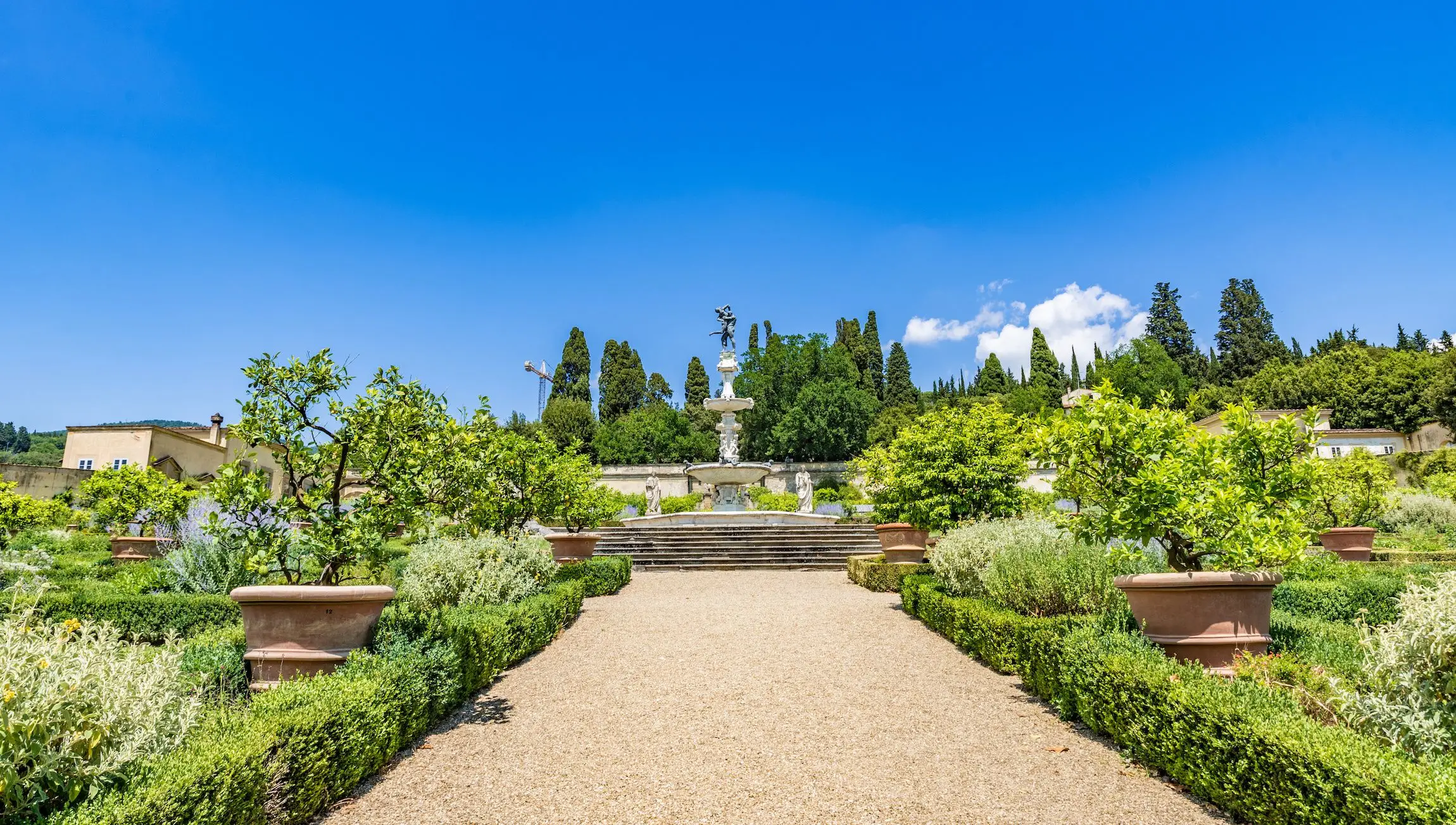
See the villa where Tuscany's first Grand Duke spent his childhood.
Show MoreExperience an amazing view of Florence as you stroll the gardens of this Medici family villa.
Show MoreSee the villa where Tuscany's first Grand Duke spent his childhood.
Show MoreDay 4
Depart Florence
What's Included in the Florence’s Renaissance Escape Trip Trip?
Pre-Paid Tours and Activities:
- Florence in Half a Day: Guided Highlights Walk

Pre-Paid Transportation:
- Private Transfer from Florence Airport to Hotel
- Private Transfer from Hotel to Florence Airport

Accommodation:
- 3 nights at a hotel of your choice in Florence

Go Real Travel Mobile App:
- Itinerary Plan & Reservations Info
- Points of Interest
- Detailed Travel Information
- Maps & Directions
Other Trips You May Like



7 Days
Beauty by Sea and by Land: a 7-Day Trip from Cinque Terra to Tuscany
7 Days
Beauty by Sea and by Land: a 7-Day Trip from Cinque Terra to Tuscany
Featured Blogs



Our Customers Say It Best


Malini Dutta, Boston, Massachusetts

Bev and Mark Frankel, Williamsburg, Virginia
Marianne Strydom, Paarl, South Africa
Otto Chuy, Los Angeles, California
Malini Dutta, Boston, Massachusetts
Bev and Mark Frankel, Williamsburg, Virginia
Marianne Strydom, Paarl, South Africa
Otto Chuy, Los Angeles, California
Malini Dutta, Boston, Massachusetts
Bev and Mark Frankel, Williamsburg, Virginia
Marianne Strydom, Paarl, South Africa
Otto Chuy, Los Angeles, California



Explore cities in more detail

Bologna
Bologna, set at the crossroads of northern Italy, is a city that reveals itself through depth rather than spectacle. Its character lives in layers—endless porticoes sheltering everyday life, warm terracotta facades glowing under shifting light, and streets shaped by centuries of scholars, merchants, and craftsmen. Here, history isn’t staged; it’s lived, woven into lunchtime rituals, quiet piazzas, and the steady pulse of a working city. As evening settles, Bologna softens. The arcades echo with slower footsteps, kitchens hum behind shuttered windows, and the air carries the promise of long dinners and conversation. It’s a city that rewards lingering—rich, grounded, and quietly confident—less about being impressed, and more about feeling entirely at ease.
Siena
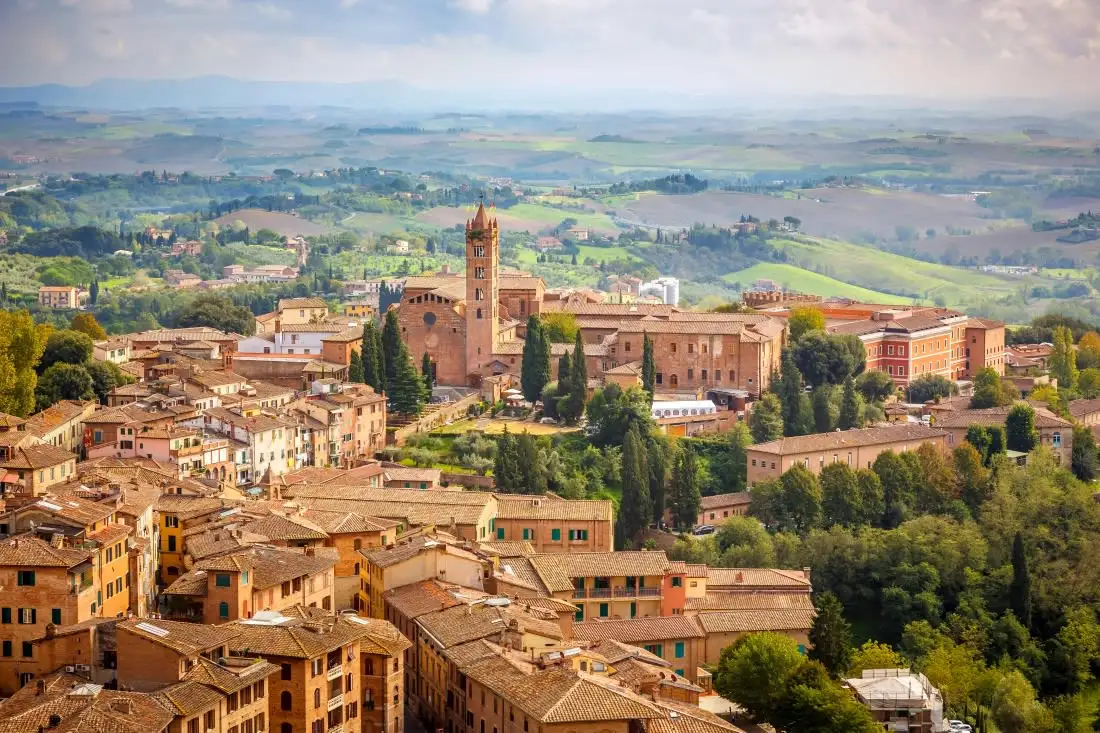
Tucked into the golden hills of Tuscany, Siena is a city where time slows, and the echoes of a medieval past whisper through every cobblestone street. Just an hour south of Florence, this enchanting city is a tapestry of Gothic spires, sun-dappled piazzas, and timeless traditions. Life centers around the breathtaking Piazza del Campo, where the gentle hum of conversation mingles with the thrill of the Palio, Siena’s legendary horse race that ignites the city with passion twice a year. Wander through Siena’s narrow, labyrinthine alleys, where stone walls seem to hold centuries of secrets, and vibrant flags of the city’s contrade flutter in the breeze. Marvel at the intricate beauty of the Duomo, a cathedral so stunning it feels like stepping into a masterpiece. Siena is not just a place to visit—it’s a city to savor, to feel, and to lose yourself in its soul-stirring atmosphere.

Verona
Verona, set along a gentle bend of the Adige River, blends ancient history with an easy, romantic rhythm of daily life. Roman monuments, medieval bridges, and elegant piazzas shape a compact city that’s ideal for unhurried exploration, from the grandeur of the Arena to the lively energy of Piazza delle Erbe. Literary legends and local traditions sit side by side, with quiet courtyards, riverside walks, and inviting cafés just steps apart.Whether you’re wandering historic streets, lingering over a glass of Valpolicella, or watching the light fade from an ancient bridge, Verona delivers a timeless and effortlessly rewarding Italian experience.
Florence
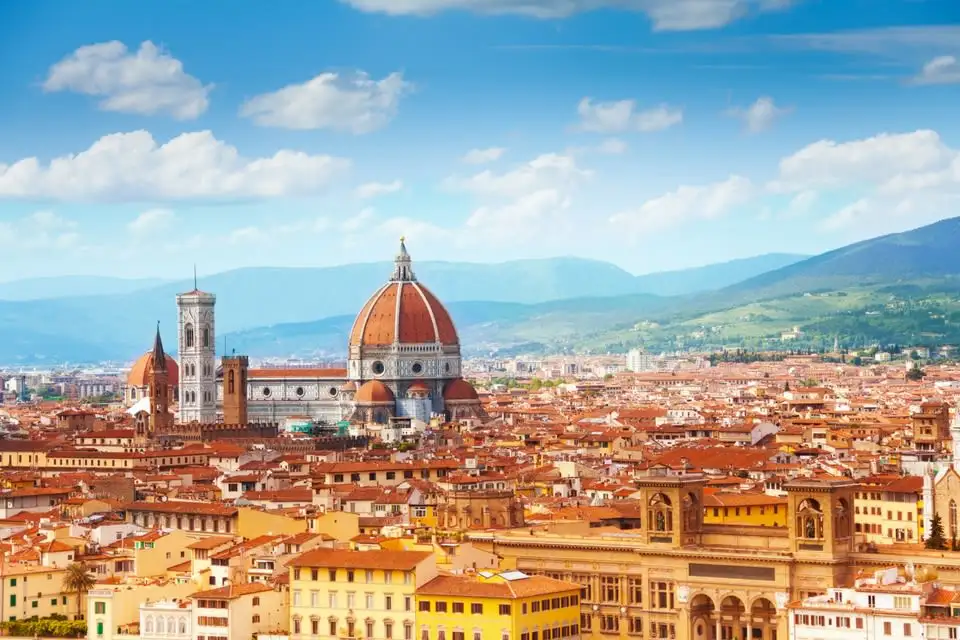
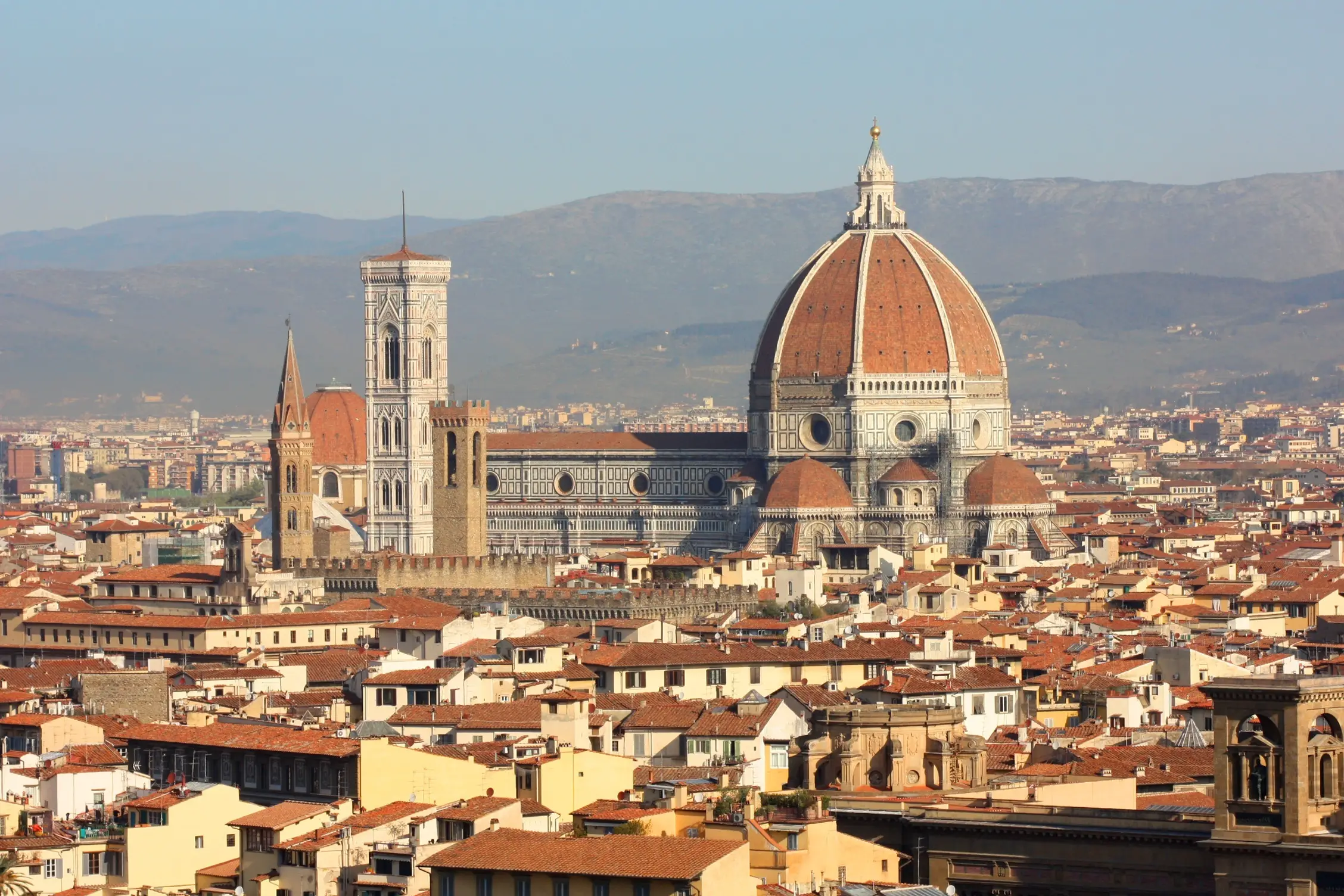
Culture and history are thick in the air in Florence. Located on the banks of the Arno River in Tuscany, Florence’s past is deeply compelling. The birthplace of the Renaissance, Florence is where innovators like Dante, Machiavelli, Michelangelo, and Da Vinci made their fortunes. Centuries of art, politics, and commerce have left their mark on every stone in this Northern Italian city. In the 15th and 16th centuries, Florentine banks funded new enterprises that went on to change the history of the world. Powerful families like the Medici’s financed some of the finest art in history and pioneered new ways of doing statecraft and politics. As you stand in the Piazzale Michelangelo and gaze upon the city below it’s hard to take it all in at once. It feels like behind every door in Florence might hide a work of genius. Michelangelo’s David and Botticelli’s Primavera can be found just a short walk away. After a long day wandering the streets and gazing at art, fueled by exquisite coffee and gelato, relax like the locals do: with a glass of some of the best wine in the world.

Rome
One of the must-sees of Italy, and indeed all of Europe, Rome is a city with history flowing through its veins. There is an endless amount to see, do, and learn here, with something for every taste and disposition. Rome was the center of Western civilization for a Millenium and during that time, accumulated a list of historical and cultural treasures that no other destination can truly match. The Pantheon, Colosseum, Roman Forum, and Cirus of Maxentius are just a few examples of what can be seen and experienced in Rome, which at times feels more like a giant outdoor museum than a city. At Rome’s heart, you’ll find the Vatican, home of the Roman Catholic Church and the Pope. Here visitors can see the legendary Sistine Chapel. Transcending a mere building, the chapel is a walk-in work of art. Although historical sights can be found on just about every corner, it’s entirely possible to fill a day just wandering around Rome. The city’s charming streets and open Piazzas are filled with beautiful sights and places to sit, grab the best Cappuccino in the world, and enjoy the view.
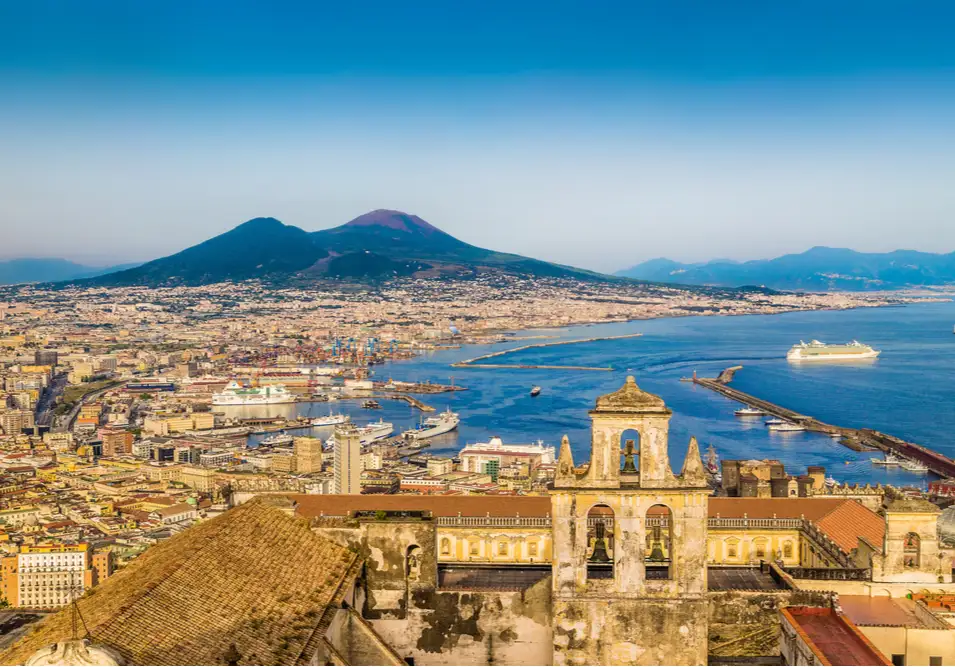
Naples
Gritty and chaotic Naples calls to travelers who want to experience the real Italy. Pressed along the coast of Campania, hilly Naples is jammed with maze-like streets, strung with outdoor clotheslines, descending toward the sea below. A much deserved UNESCO World Heritage site, Naples is famous for its churches, museums, castles, and catacombs. As you navigate the city, you’ll find yourself immersed by its culture and history. You can easily occupy a full day gazing at churches like the Naples Cathedral, San Francesco di Paola, and Cappella Sansevero. If you cast your eyes toward the Gulf of Naples, you’ll see Mount Vesuvius looming over the harbor. This foreboding volcano erupted in AD 79. Not far from the inner city — less than an hour by train — you’ll find the ancient town of Pompeii, its dramatic ruins still preserved in ash from the eruption. One of the best things you can do in Naples is to eat. This is the city where pizza was born. Propped up by its ripe tomatoes, local cheeses, and fresh fish, food from Naples has come to define what many see as the height of Italian cuisine. Everything you taste in Naples seems like a delicacy. Authentic and vivid, Naples is a true Italian city where the ancient world meets the modern-day with a bang.
Bologna
Bologna, set at the crossroads of northern Italy, is a city that reveals itself through depth rather than spectacle. Its character lives in layers—endless porticoes sheltering everyday life, warm terracotta facades glowing under shifting light, and streets shaped by centuries of scholars, merchants, and craftsmen. Here, history isn’t staged; it’s lived, woven into lunchtime rituals, quiet piazzas, and the steady pulse of a working city. As evening settles, Bologna softens. The arcades echo with slower footsteps, kitchens hum behind shuttered windows, and the air carries the promise of long dinners and conversation. It’s a city that rewards lingering—rich, grounded, and quietly confident—less about being impressed, and more about feeling entirely at ease.
Siena
Tucked into the golden hills of Tuscany, Siena is a city where time slows, and the echoes of a medieval past whisper through every cobblestone street. Just an hour south of Florence, this enchanting city is a tapestry of Gothic spires, sun-dappled piazzas, and timeless traditions. Life centers around the breathtaking Piazza del Campo, where the gentle hum of conversation mingles with the thrill of the Palio, Siena’s legendary horse race that ignites the city with passion twice a year. Wander through Siena’s narrow, labyrinthine alleys, where stone walls seem to hold centuries of secrets, and vibrant flags of the city’s contrade flutter in the breeze. Marvel at the intricate beauty of the Duomo, a cathedral so stunning it feels like stepping into a masterpiece. Siena is not just a place to visit—it’s a city to savor, to feel, and to lose yourself in its soul-stirring atmosphere.
Verona
Verona, set along a gentle bend of the Adige River, blends ancient history with an easy, romantic rhythm of daily life. Roman monuments, medieval bridges, and elegant piazzas shape a compact city that’s ideal for unhurried exploration, from the grandeur of the Arena to the lively energy of Piazza delle Erbe. Literary legends and local traditions sit side by side, with quiet courtyards, riverside walks, and inviting cafés just steps apart.Whether you’re wandering historic streets, lingering over a glass of Valpolicella, or watching the light fade from an ancient bridge, Verona delivers a timeless and effortlessly rewarding Italian experience.
Florence
Culture and history are thick in the air in Florence. Located on the banks of the Arno River in Tuscany, Florence’s past is deeply compelling. The birthplace of the Renaissance, Florence is where innovators like Dante, Machiavelli, Michelangelo, and Da Vinci made their fortunes. Centuries of art, politics, and commerce have left their mark on every stone in this Northern Italian city. In the 15th and 16th centuries, Florentine banks funded new enterprises that went on to change the history of the world. Powerful families like the Medici’s financed some of the finest art in history and pioneered new ways of doing statecraft and politics. As you stand in the Piazzale Michelangelo and gaze upon the city below it’s hard to take it all in at once. It feels like behind every door in Florence might hide a work of genius. Michelangelo’s David and Botticelli’s Primavera can be found just a short walk away. After a long day wandering the streets and gazing at art, fueled by exquisite coffee and gelato, relax like the locals do: with a glass of some of the best wine in the world.
Rome
One of the must-sees of Italy, and indeed all of Europe, Rome is a city with history flowing through its veins. There is an endless amount to see, do, and learn here, with something for every taste and disposition. Rome was the center of Western civilization for a Millenium and during that time, accumulated a list of historical and cultural treasures that no other destination can truly match. The Pantheon, Colosseum, Roman Forum, and Cirus of Maxentius are just a few examples of what can be seen and experienced in Rome, which at times feels more like a giant outdoor museum than a city. At Rome’s heart, you’ll find the Vatican, home of the Roman Catholic Church and the Pope. Here visitors can see the legendary Sistine Chapel. Transcending a mere building, the chapel is a walk-in work of art. Although historical sights can be found on just about every corner, it’s entirely possible to fill a day just wandering around Rome. The city’s charming streets and open Piazzas are filled with beautiful sights and places to sit, grab the best Cappuccino in the world, and enjoy the view.
Naples
Gritty and chaotic Naples calls to travelers who want to experience the real Italy. Pressed along the coast of Campania, hilly Naples is jammed with maze-like streets, strung with outdoor clotheslines, descending toward the sea below. A much deserved UNESCO World Heritage site, Naples is famous for its churches, museums, castles, and catacombs. As you navigate the city, you’ll find yourself immersed by its culture and history. You can easily occupy a full day gazing at churches like the Naples Cathedral, San Francesco di Paola, and Cappella Sansevero. If you cast your eyes toward the Gulf of Naples, you’ll see Mount Vesuvius looming over the harbor. This foreboding volcano erupted in AD 79. Not far from the inner city — less than an hour by train — you’ll find the ancient town of Pompeii, its dramatic ruins still preserved in ash from the eruption. One of the best things you can do in Naples is to eat. This is the city where pizza was born. Propped up by its ripe tomatoes, local cheeses, and fresh fish, food from Naples has come to define what many see as the height of Italian cuisine. Everything you taste in Naples seems like a delicacy. Authentic and vivid, Naples is a true Italian city where the ancient world meets the modern-day with a bang.
Hi! Need help planning your dream trip? 🌍
Go Real Travel Assistant
OnlineWelcome! Where are you in your journey?
Pick the option that fits you best so we can route you to the right help.