
A Rennaissance Frame of Mind: 7 Days in Florence and the Tuscan Countryside
 7 Day Tour of Florence
Destinations on this trip: Florence
Overview
Trip Map
Itinerary
Inclusions
Reviews








How Long Is the A Renaissance Frame of Mind Trip and What Does It Cost?
 Duration7 days / 6 nights
- Best timeJan-Dec
 From$1995 / person (Flights not included)
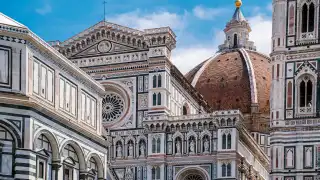
- Ascend the incomparable dome of the Florence Cathedral, to see all the bell towers of the city.
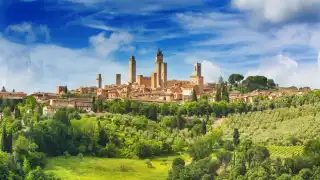
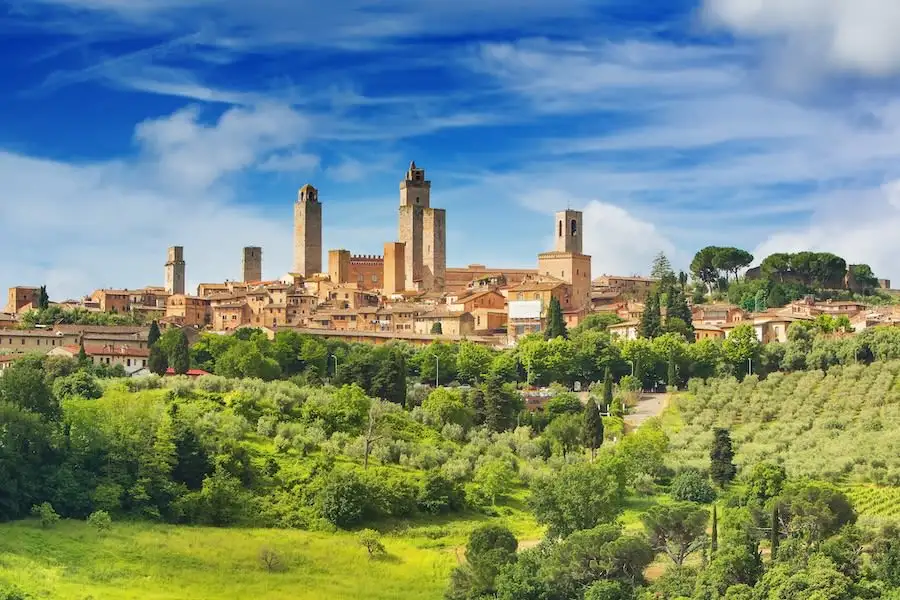
- Admire the medieval towers looking out over the rooftops of San Gimignano.
- Enjoy the Panforte of Siena and other delicacies of this hill-top city.
- Discover the foodie center of Italy in Bologna, and learn how it became that way.
- Ascend the incomparable dome of the Florence Cathedral, to see all the bell towers of the city.
- Admire the medieval towers looking out over the rooftops of San Gimignano.
- Enjoy the Panforte of Siena and other delicacies of this hill-top city.
- Discover the foodie center of Italy in Bologna, and learn how it became that way.


Must see sights
Starting from
$1995
per person
 Not included
 Price varies by group size, hotel selection, and travel season.
Secure Your Customizable Trip
Enter your details to embark on a journey that can be tailored just for you.
Start
Travelers
Preferred Hotel Stars

Craft Your Own Itinerary
Select your interests and destinations for a trip plan inspired by you.
Where Does the A Renaissance Frame of Mind Trip Trip Go?
| ← | Move left |
| → | Move right |
| ↑ | Move up |
| ↓ | Move down |
| + | Zoom in |
| - | Zoom out |
| Home | Jump left by 75% |
| End | Jump right by 75% |
| Page Up | Jump up by 75% |
| Page Down | Jump down by 75% |


Click To Make Map Interactive
A Renaissance Frame of Mind Trip Timeline
Arrival
6 nights
Florence
Italy
Departure
What Does the A Renaissance Frame of Mind Trip Itinerary Look Like?

Day 1
Arrive Florence

Day 1
Arrive Florence


To Be Determined
Private Transfer to your Hotel
For your arrival in Florence, we will provide information on the customs and passport procedures. We will schedule a pick up for your flight's arrival time. You will be met in the arrivals hall inside the terminal by a driver holding a sign with your name on it. The transfer is for your party only - you will not be sharing a vehicle. The cost of the ride will be included in your itinerary package and you will be taken directly to your hotel. IMPORTANT NOTE: Please be aware the car service can fit up to 1 checked item of luggage and 1 personal item per person, such as a purse or small backpack. If you think you will have more baggage, please inform your travel consultant as this may result in an additional fee.

Day 1
Arrive Florence

Day 1
Arrive Florence
To Be Determined:
Private Transfer to your Hotel
Afternoon/Late Afternoon:
Piazza del Duomo
:
:
:
Private Transfer to your Hotel
OverviewPrivate Transfer to your Hotel
For your arrival in Florence, we will provide information on the customs and passport procedures. We will schedule a pick up for your flight's arrival time. You will be met in the arrivals hall inside the terminal by a driver holding a sign with your name on it. The transfer is for your party only - you will not be sharing a vehicle. The cost of the ride will be included in your itinerary package and you will be taken directly to your hotel. IMPORTANT NOTE: Please be aware the car service can fit up to 1 checked item of luggage and 1 personal item per person, such as a purse or small backpack. If you think you will have more baggage, please inform your travel consultant as this may result in an additional fee.
Private Transfer to your Hotel
OverviewPrivate Transfer to your Hotel
For your arrival in Florence, we will provide information on the customs and passport procedures. We will schedule a pick up for your flight's arrival time. You will be met in the arrivals hall inside the terminal by a driver holding a sign with your name on it. The transfer is for your party only - you will not be sharing a vehicle. The cost of the ride will be included in your itinerary package and you will be taken directly to your hotel. IMPORTANT NOTE: Please be aware the car service can fit up to 1 checked item of luggage and 1 personal item per person, such as a purse or small backpack. If you think you will have more baggage, please inform your travel consultant as this may result in an additional fee.
Private Transfer to your Hotel
OverviewPrivate Transfer to your Hotel
For your arrival in Florence, we will provide information on the customs and passport procedures. We will schedule a pick up for your flight's arrival time. You will be met in the arrivals hall inside the terminal by a driver holding a sign with your name on it. The transfer is for your party only - you will not be sharing a vehicle. The cost of the ride will be included in your itinerary package and you will be taken directly to your hotel. IMPORTANT NOTE: Please be aware the car service can fit up to 1 checked item of luggage and 1 personal item per person, such as a purse or small backpack. If you think you will have more baggage, please inform your travel consultant as this may result in an additional fee.
Private Transfer to your Hotel
OverviewPrivate Transfer to your Hotel
For your arrival in Florence, we will provide information on the customs and passport procedures. We will schedule a pick up for your flight's arrival time. You will be met in the arrivals hall inside the terminal by a driver holding a sign with your name on it. The transfer is for your party only - you will not be sharing a vehicle. The cost of the ride will be included in your itinerary package and you will be taken directly to your hotel. IMPORTANT NOTE: Please be aware the car service can fit up to 1 checked item of luggage and 1 personal item per person, such as a purse or small backpack. If you think you will have more baggage, please inform your travel consultant as this may result in an additional fee.
Private Transfer to your Hotel
OverviewPrivate Transfer to your Hotel
For your arrival in Florence, we will provide information on the customs and passport procedures. We will schedule a pick up for your flight's arrival time. You will be met in the arrivals hall inside the terminal by a driver holding a sign with your name on it. The transfer is for your party only - you will not be sharing a vehicle. The cost of the ride will be included in your itinerary package and you will be taken directly to your hotel. IMPORTANT NOTE: Please be aware the car service can fit up to 1 checked item of luggage and 1 personal item per person, such as a purse or small backpack. If you think you will have more baggage, please inform your travel consultant as this may result in an additional fee.
Day 2
Florence
Day 2
Florence

Morning
Uffizi Gallery
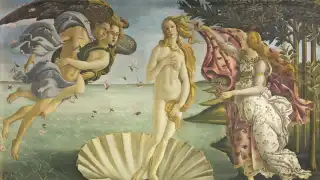
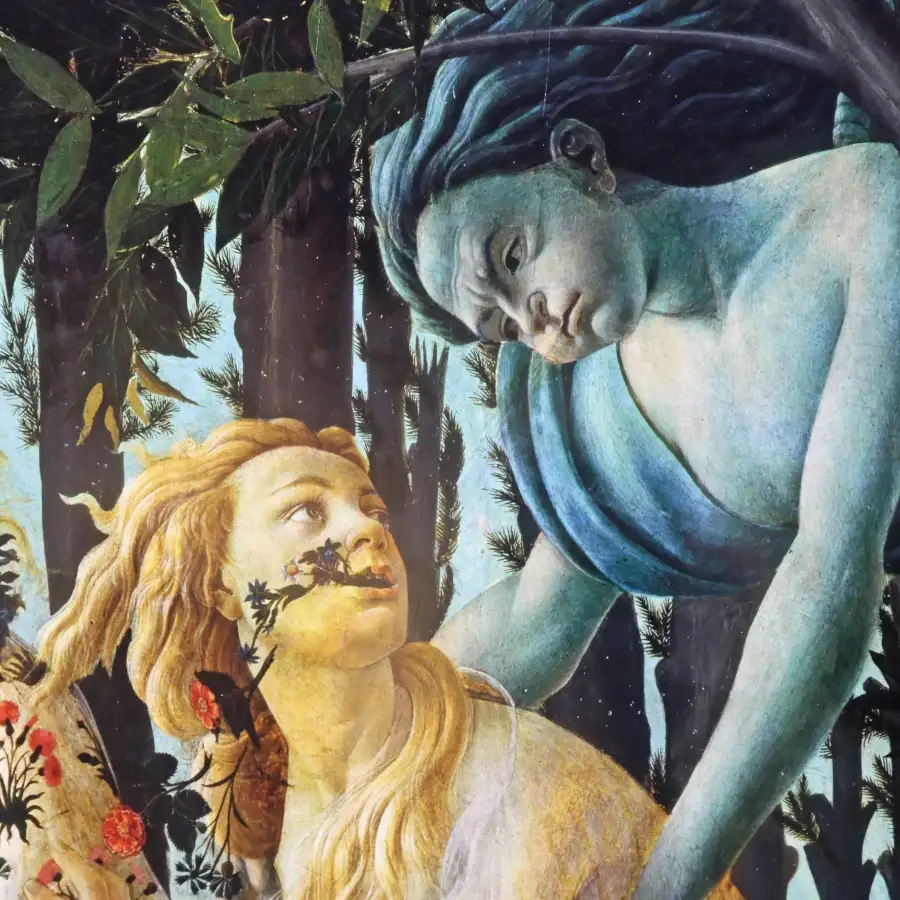
As the capital of the Renaissance, it's only fitting that Florence should also host Italy's greatest art gallery at the Uffizi. It's understandably busy throughout the year, but it's nevertheless worth the crowds to see to see some of the most sumptuous masterpieces of Renaissance art, including Botticelli's Primavera and Venus, and works by Michelangelo and Da Vinci. If you're planning to visit other galleries and museums in Florence, then it's definitely worth investing in a Firenze Card, which gives you free entry and priority access to 72 venues in the city. At a minimum, you should book ahead for the Uffizi to avoid very long queues.

Day 2
Florence
Day 3
Florence
Day 3
Florence

Early Morning to Early Evening
Siena Excursion
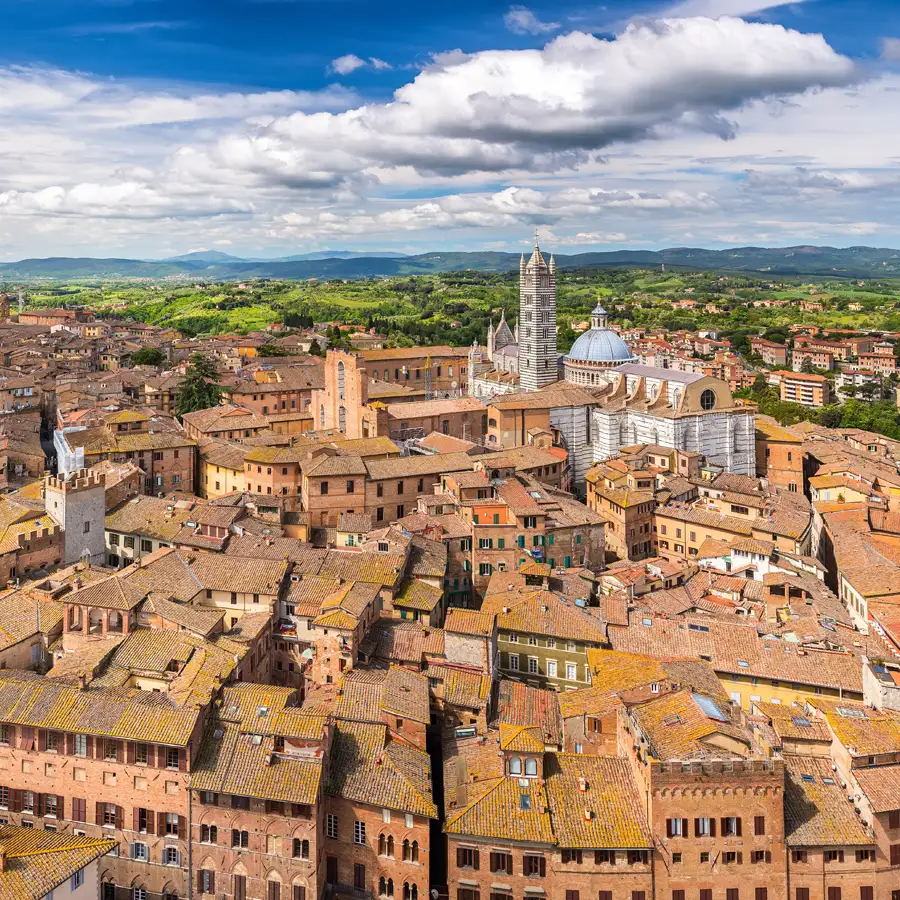
For beauty and interest in Tuscany, only Siena comes close to Florence. Only an hour-and-a-half from Florence by train, it makes for a perfect day trip. The mesmerising brick-built medieval town with its narrow streets winding down into the valleys below was once a great regional power which rivaled Florence, and famously defeated the larger town in the legendary Battle of Montaperti. Its main square, the Campo, is one of the most satisfying urban spaces ever built, playing host to the annual Palio horse race in which each of the town's 17 contrade (i.e. city districts) participate. The traffic-free streets have been wonderfully preserved and its great Gothic buildings still exhibit the artistic masterpieces of the Sienese school of painting commissioned for them during the town's heyday in the 14th century.

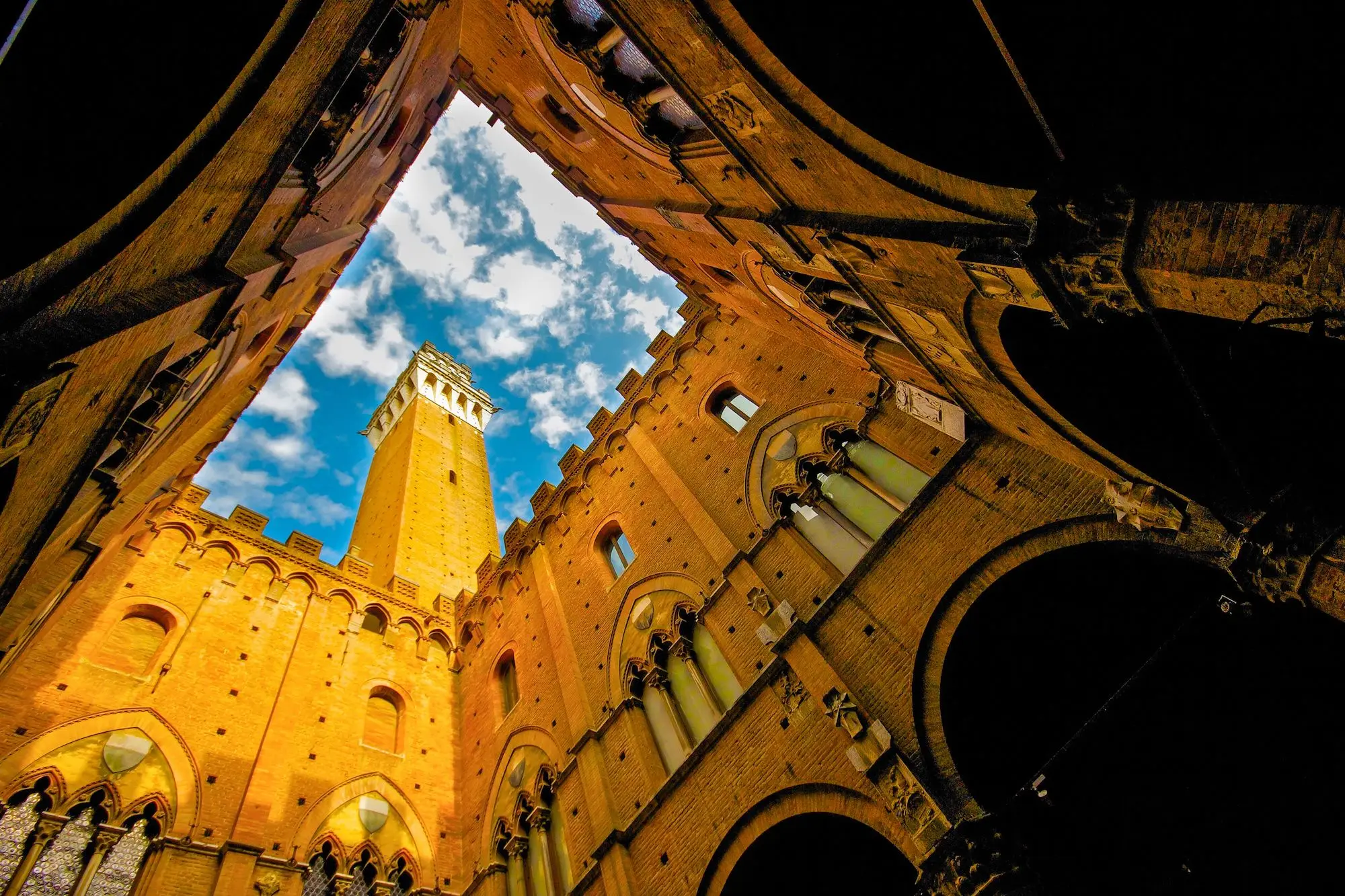
Make your way into the courtyard of this brick palace built in the 13th century and enter the Museo Civico, where you will marvel at the beautiful murals which adorn the interiors.
Show More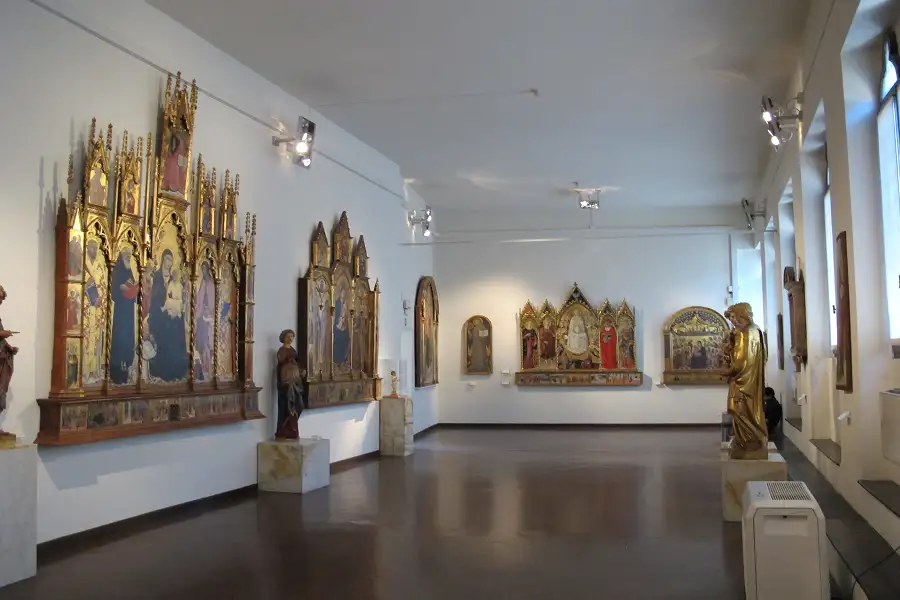
Make time to visit this gallery holding precious art and history from the Gothic era, when Siena's power and influence peaked.
Show More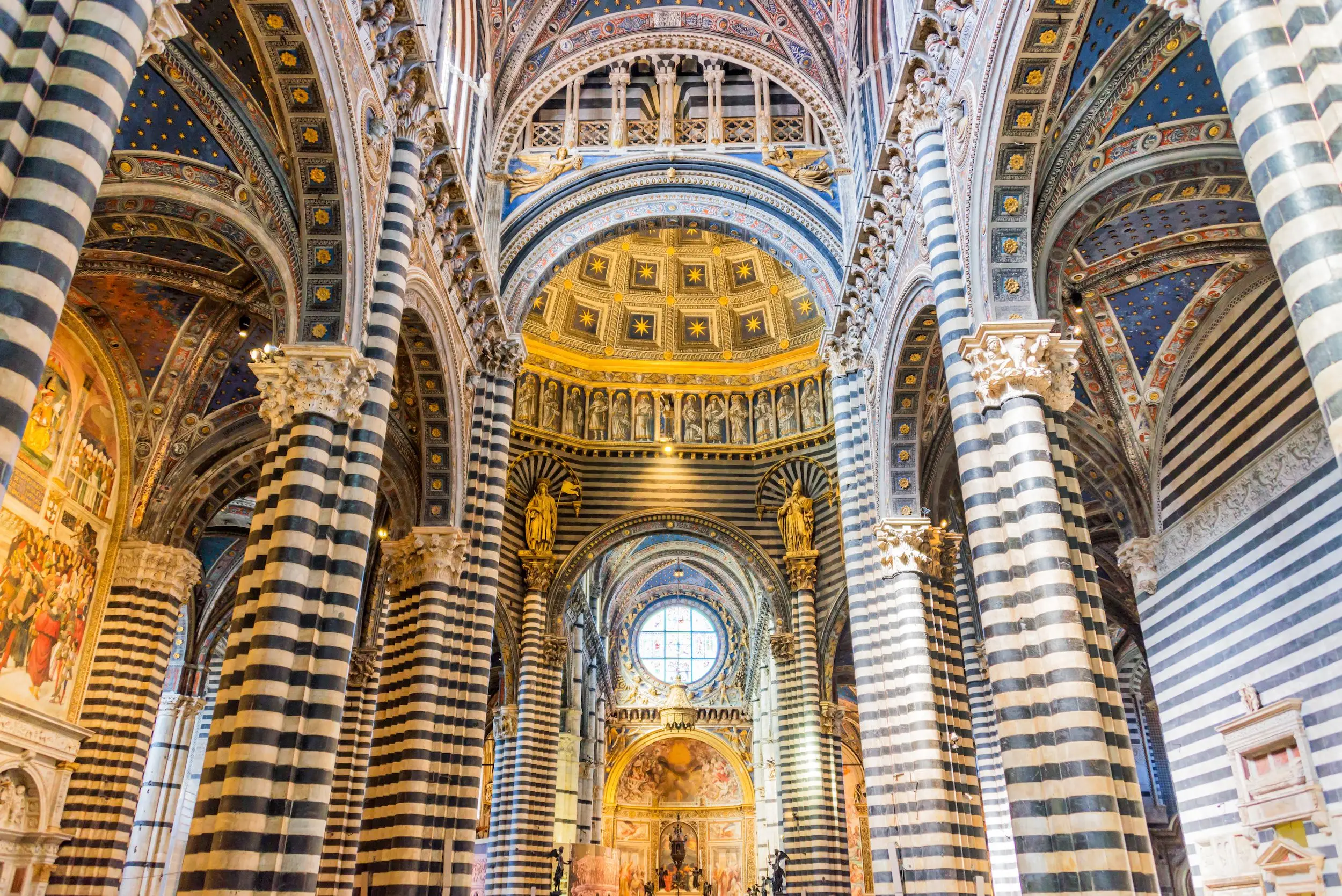
Experience a riot of the senses as you walk into one of Tuscany's most colorful and remarkable cathedrals.
Show More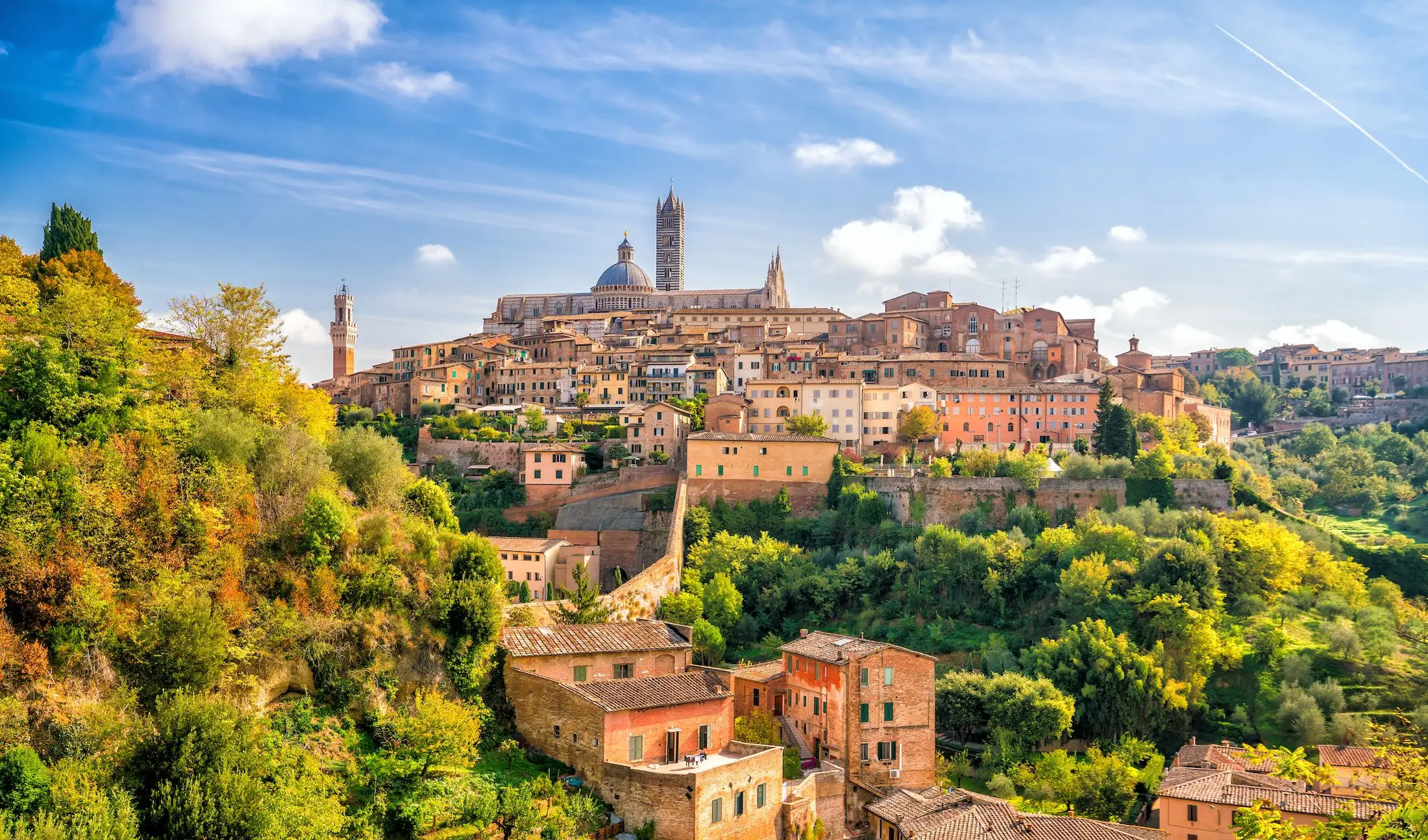

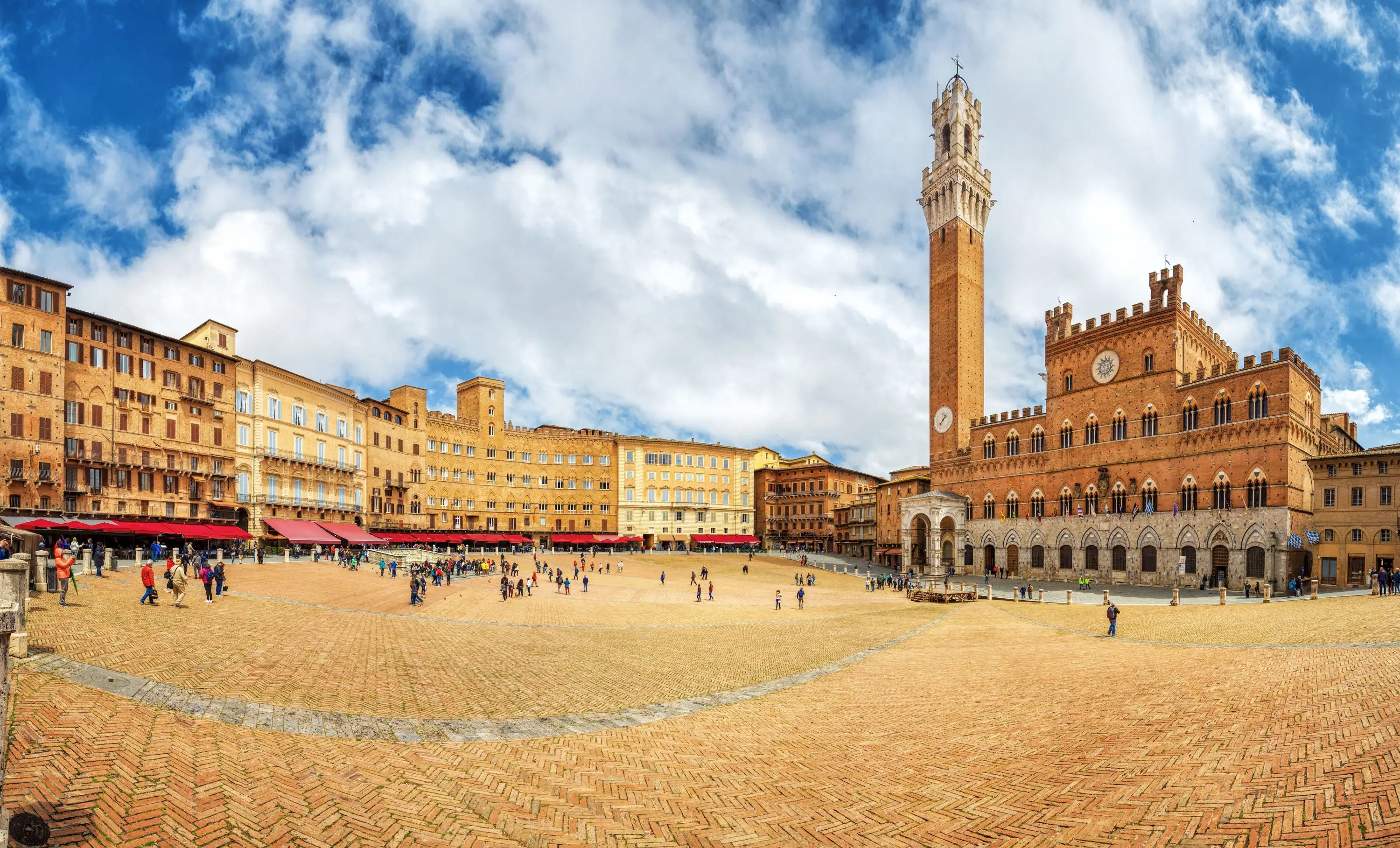
Stop and linger in one of the more glorious and satisfying urban spaces ever built.
Show MoreMake your way into the courtyard of this brick palace built in the 13th century and enter the Museo Civico, where you will marvel at the beautiful murals which adorn the interiors.
Show MoreMake time to visit this gallery holding precious art and history from the Gothic era, when Siena's power and influence peaked.
Show MoreExperience a riot of the senses as you walk into one of Tuscany's most colorful and remarkable cathedrals.
Show MoreStop and linger in one of the more glorious and satisfying urban spaces ever built.
Show MoreMake your way into the courtyard of this brick palace built in the 13th century and enter the Museo Civico, where you will marvel at the beautiful murals which adorn the interiors.
Show MoreDay 3
Florence

Day 4
Florence
Day 4
Florence
Morning
Oltrarno
Meaning literally "the other side of the Arno", Oltrarno is often the forgotten side of Florence, with tourists generally more focused on central Florence, but sometimes it's also worth venturing off the tourist trail! Oltrarno is one of Florence's most popular and trendiest neighborhoods and offers visitors a trove of cultural treasures. Just a short walk from the Ponte Vecchio brings you to the heart of this thriving neighborhood which is host to beautiful gardens and artistic churches. You'll also find the most famous viewpoint in the city - Piazzale Michelangelo.

Stand beneath the magnificent 14th century frescoes, still intensely radiant six centuries after they were first painted.
Show More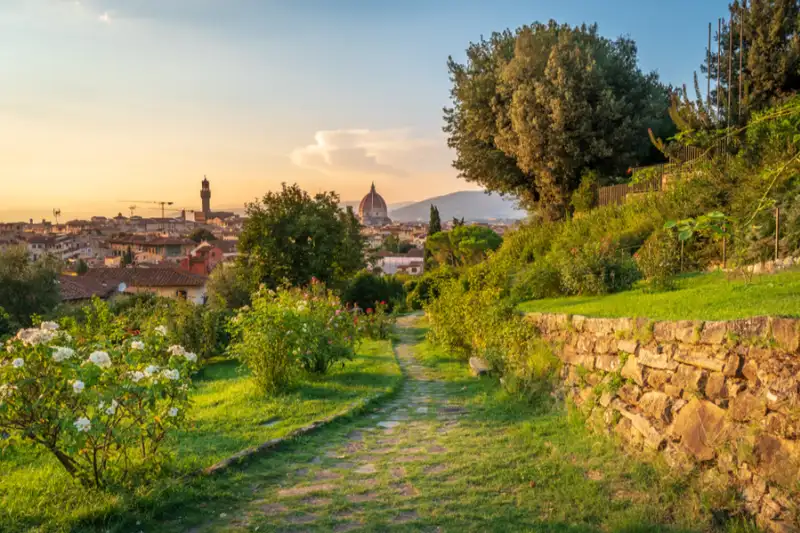
Look down upon Florence from amidst the rose bushes.
Show More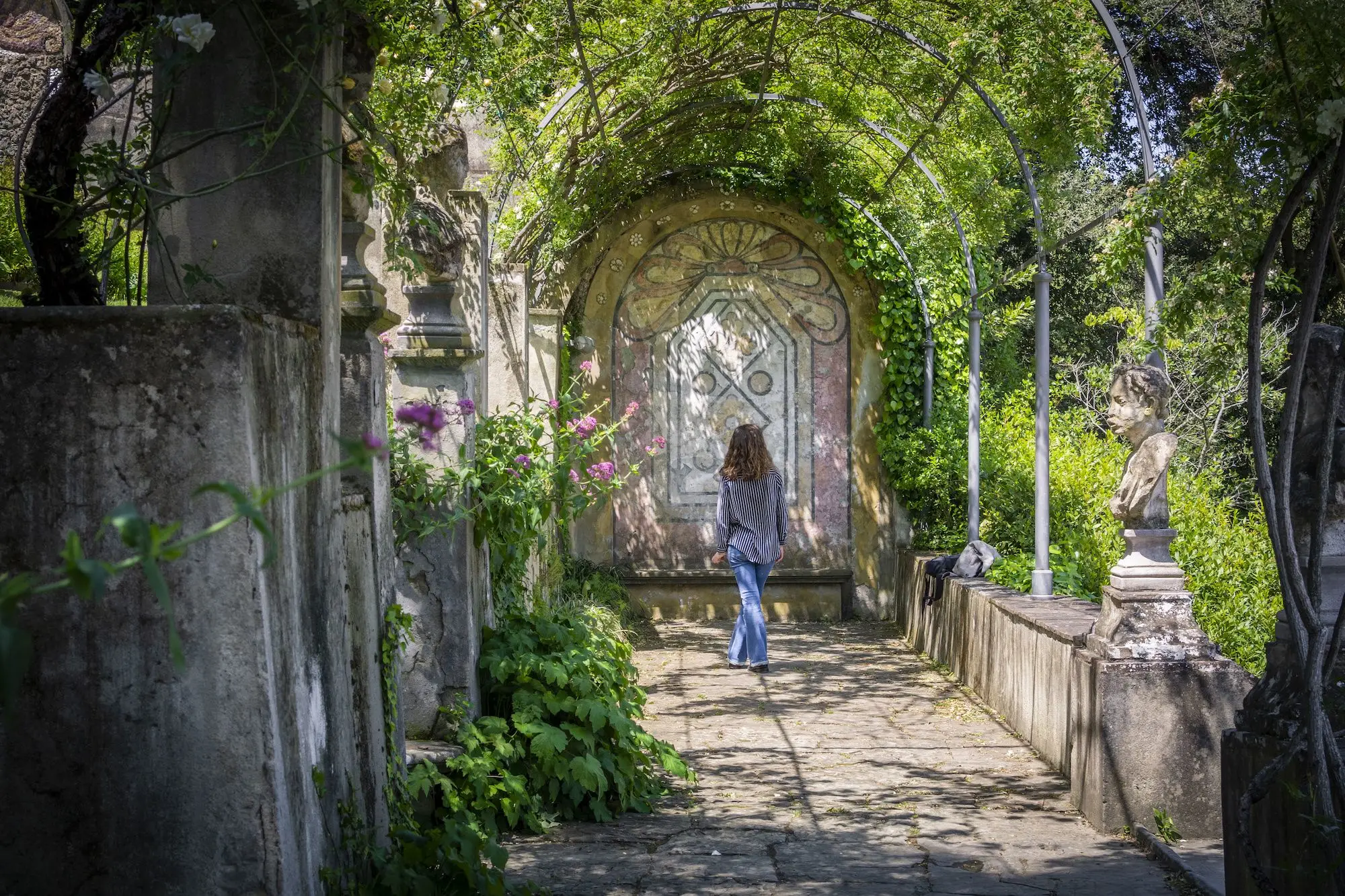
Wander beneath the wisteria whilst gazing down upon the roofs of Florence.
Show More

Create an unforgettable memory and see Florence from above.
Show More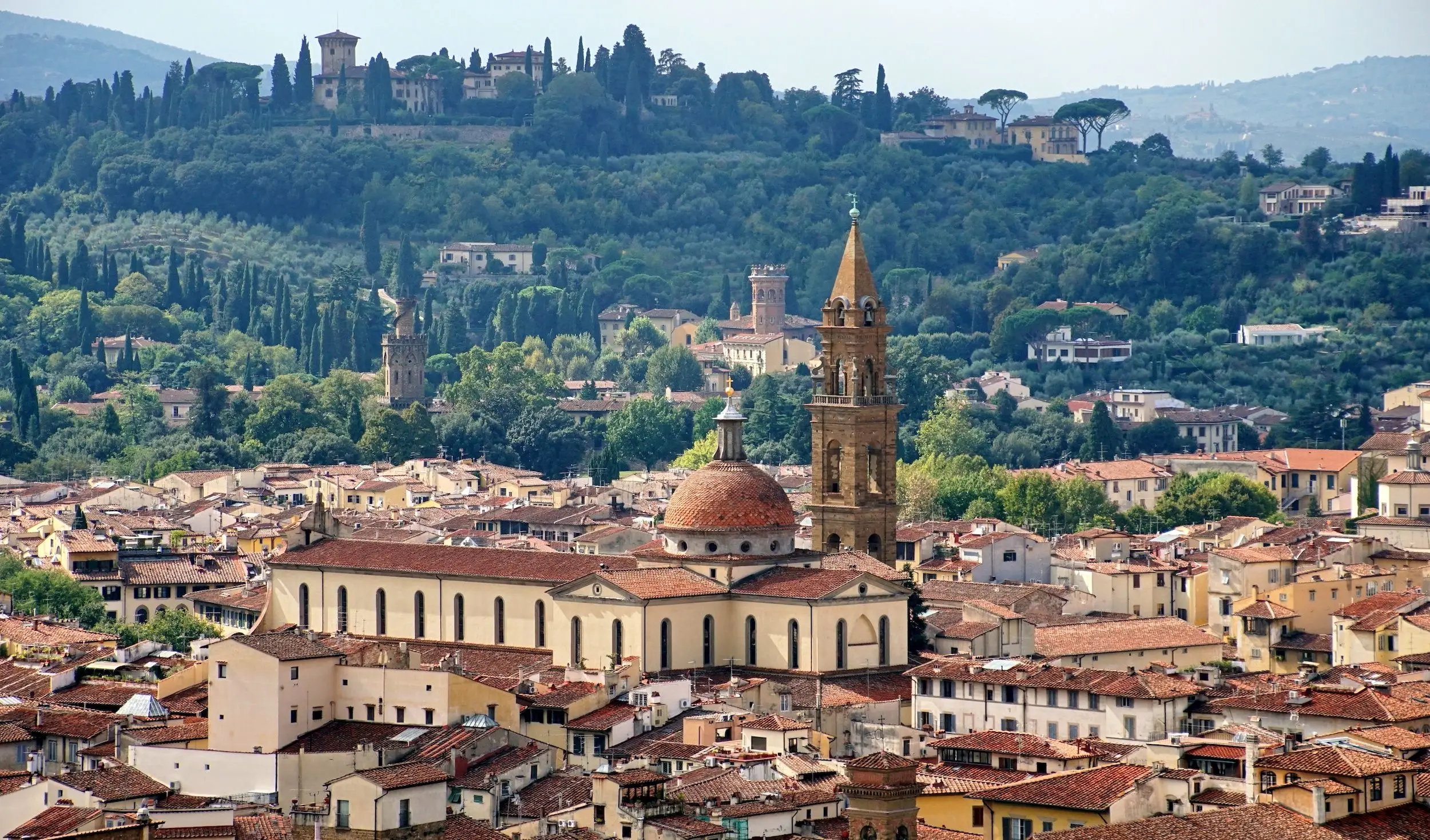
Visit a Renaissance church where Michelango once found refuge.
Show MoreStand beneath the magnificent 14th century frescoes, still intensely radiant six centuries after they were first painted.
Show MoreLook down upon Florence from amidst the rose bushes.
Show MoreWander beneath the wisteria whilst gazing down upon the roofs of Florence.
Show MoreCreate an unforgettable memory and see Florence from above.
Show MoreVisit a Renaissance church where Michelango once found refuge.
Show MoreDay 4
Florence

Day 5
Florence
Day 5
Florence
Morning to Early Evening
Bologna Excursion
Located only a short train ride away, this off-the-tourist-radar city is one of Italy's best surprises. Apart from being the source of the inexpensive deli meat and the spaghetti dish, Bologna is probably best known as the home of the oldest university in the world. Its historic center contains two medieval towers that lean similarly to the tower in Pisa, one of which is still accessible and provides amazing views of the city. The main basilica, old town hall and other structures around the old town are equally awe-inspiring. The city is also rightly famous for its over 25 miles (40km) of covered walkways, which serve as the open-air salons of the city. That includes the longest portico in the world. At nearly 4 kilometers (2.5m) in length and with 666 arches, the Portico di San Luca leads up to the Sanctuary of the Madonna of San Luca, where you can enjoy another great view of the city, as well as of the surrounding countryside.
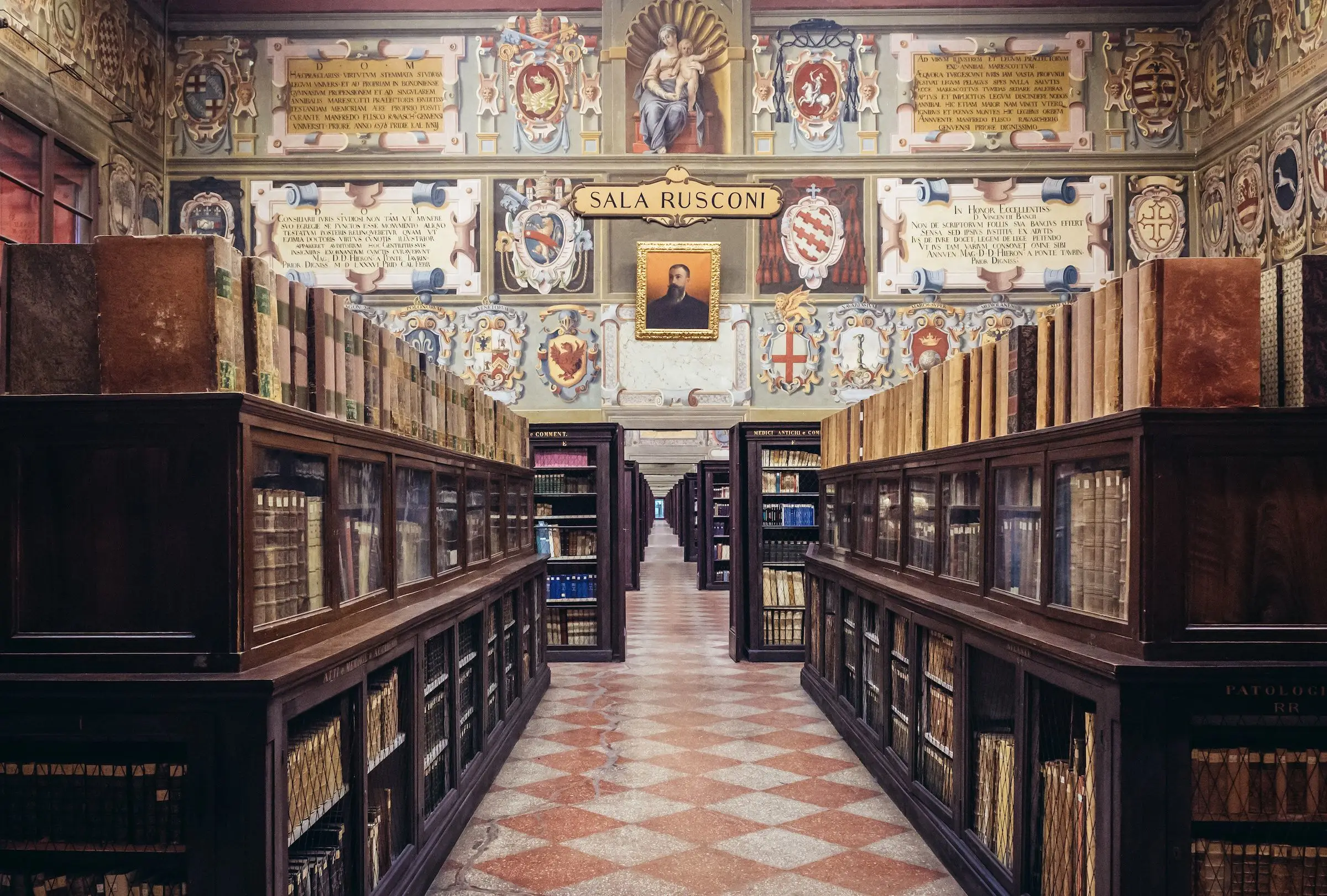
Visit one of the oldest university buildings in the world and admire its incredible library.
Show More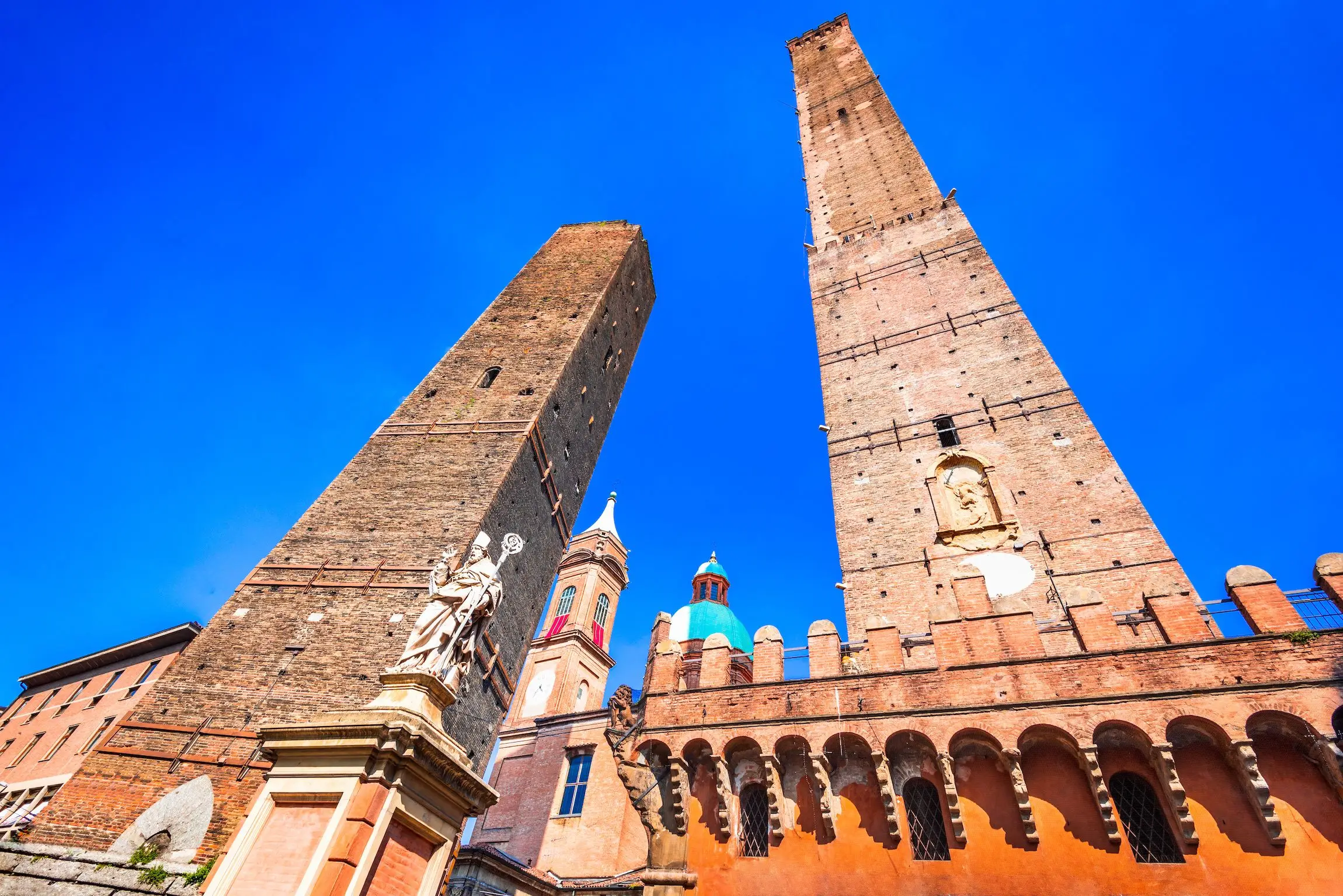
Climb to the top of the Asinelli Tower for great vistas over the city of Bologna below.
Show More
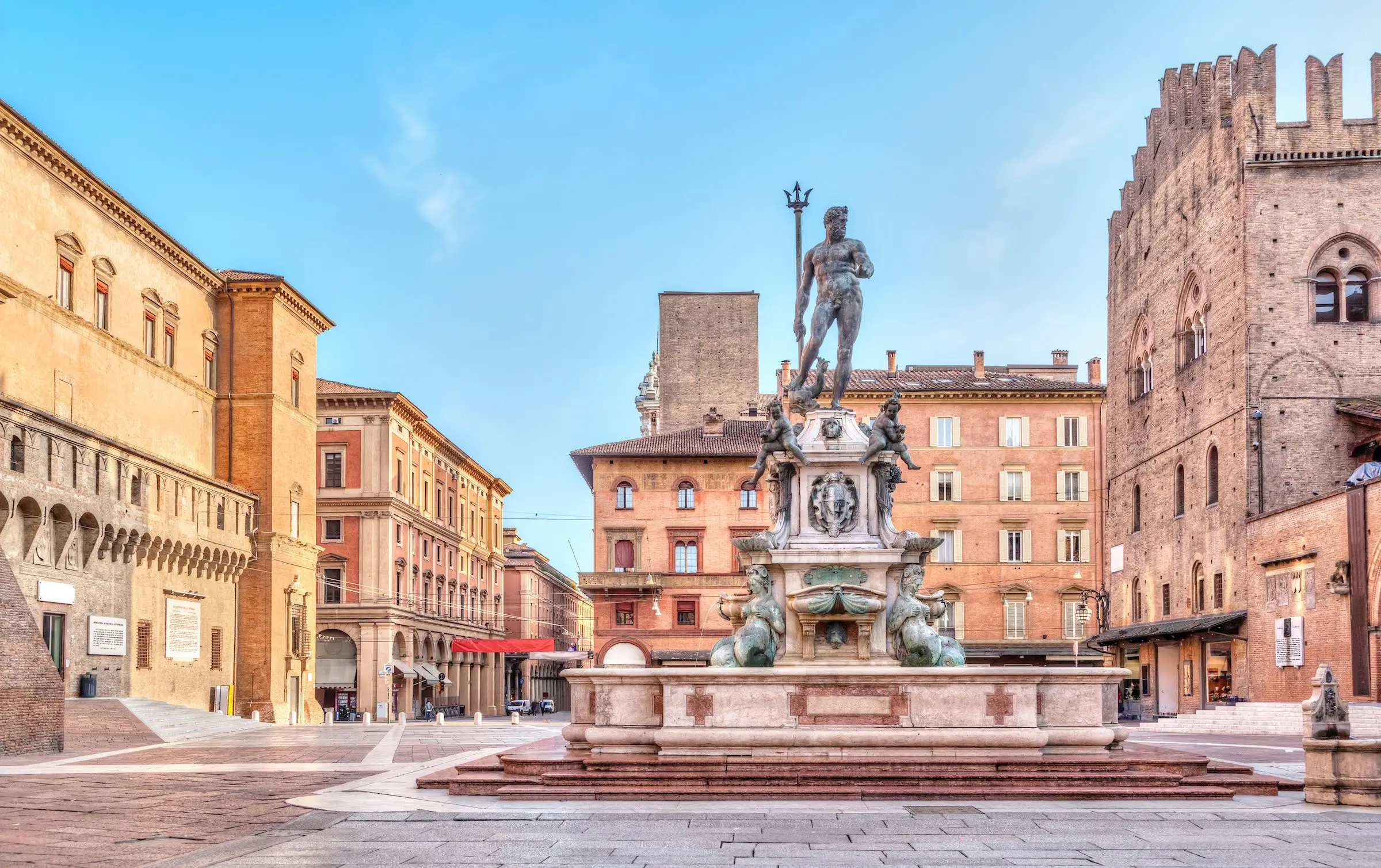
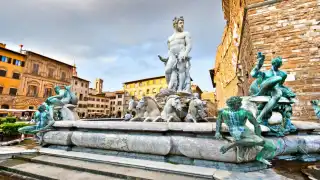
Admire this monumental restored marble & bronze fountain in the heart of Piazza del Nettuno.
Show MoreVisit one of the oldest university buildings in the world and admire its incredible library.
Show MoreClimb to the top of the Asinelli Tower for great vistas over the city of Bologna below.
Show MoreAdmire this monumental restored marble & bronze fountain in the heart of Piazza del Nettuno.
Show MoreDay 5
Florence

Day 6
Florence
Day 6
Florence

10:00 AM - 2:00 PM
Cooking Class
Tuscany is blessed with the perfect climate and location for food, producing a diverse bounty of fresh fruits and vegetables, wild game, beef & pork, and seafood. In fact, when you consider the quality of ingredients produced here, you understand why Tuscan cooking is not just about recipes, but about bringing out the best of the ingredients. Even within Italy, Tuscany is renowned for its cuisine. Taking a cooking class can introduce you to the magic, teaching you how to make traditional Tuscan starters, pastas, main courses, and deserts.

Day 6
Florence
Day 7
Depart Florence
Day 7
Depart Florence

Morning
San Marco Museum
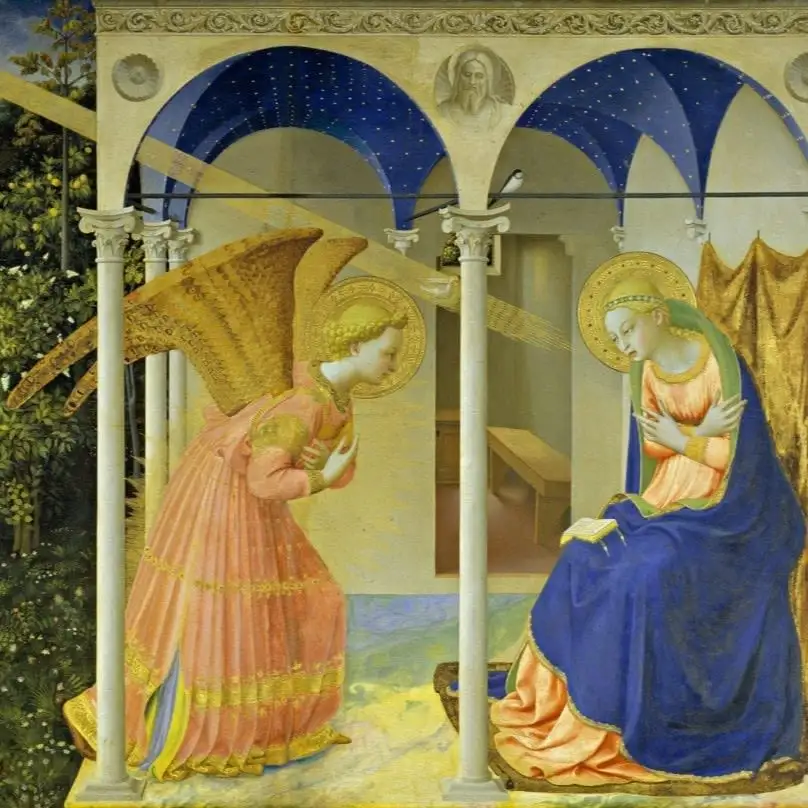
The devil, they say, is in the details, but so are the better angels. Case in point, the faces of Fra Angelico's cherubs and saints (and sinners) at his former friary, the Museum of San Marco. An inspiration to the later giants of the Renaissance, Fra Angelico mastered light and human expression. Every character in his paintings is unique, and they express their joy, sorrow, or wonder uniquely. Even with the overwhelming number of masterpieces in Florence, a visit to San Marco merits a visit; the gentleness of Fra Angelico's work will bring you gentle down to earth, even as it lifts your heart.
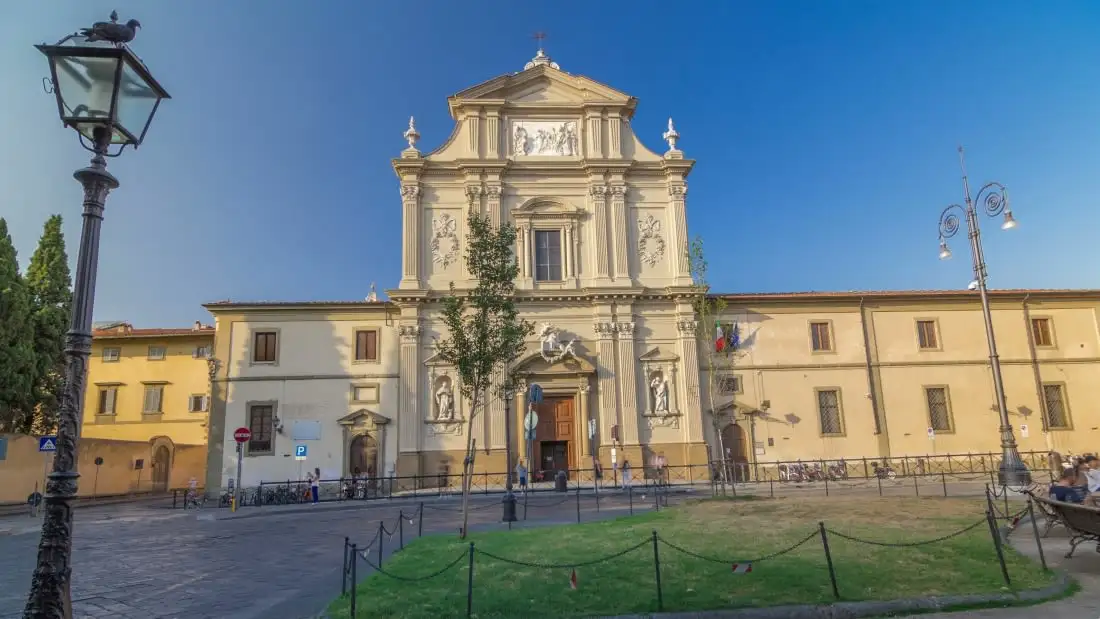
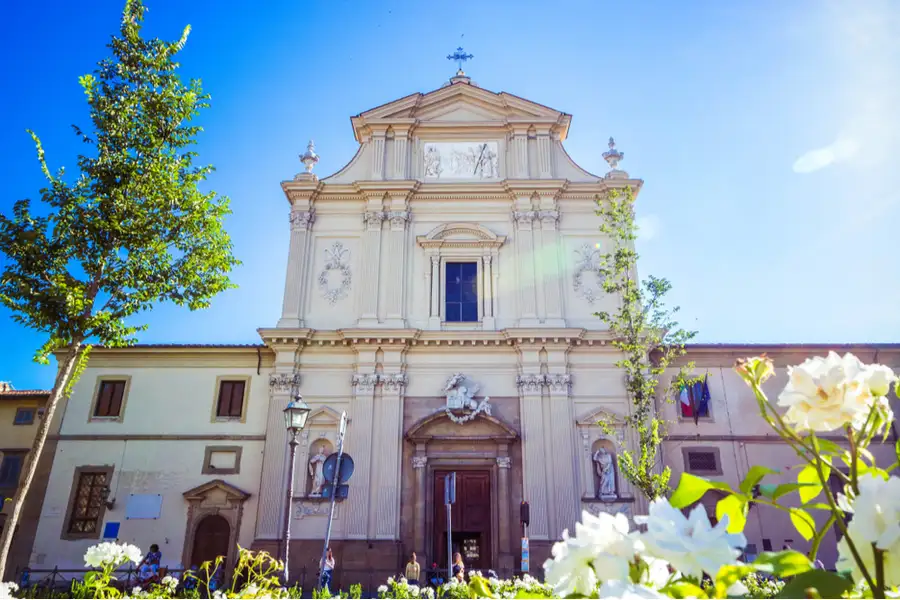
Painting as an Act of Love: Fra Angelico in the San Marco Friary
Show MorePainting as an Act of Love: Fra Angelico in the San Marco Friary
Show MorePainting as an Act of Love: Fra Angelico in the San Marco Friary
Show MoreDay 7
Depart Florence
What's Included in the A Renaissance Frame of Mind Trip Trip?
Pre-Paid Tours and Activities:
- Half Day Excursion to San Gimignano with a driver
- Florence Sunset Food Tour
- Tuscan Cuisine Cooking Class

Pre-Paid Transportation:
- Private Transfer from Florence Airport to Hotel
- Private Transfer from Hotel to Florence Airport

Accommodation:
- 6 nights at a hotel of your choice in Florence

Go Real Travel Mobile App:
- Itinerary Plan & Reservations Info
- Points of Interest
- Detailed Travel Information
- Maps & Directions
Other Trips You May Like




7 Days
Beauty by Sea and by Land: a 7-Day Trip from Cinque Terra to Tuscany
7 Days
Beauty by Sea and by Land: a 7-Day Trip from Cinque Terra to Tuscany
Featured Blogs



Our Customers Say It Best


Malini Dutta, Boston, Massachusetts

Bev and Mark Frankel, Williamsburg, Virginia
Marianne Strydom, Paarl, South Africa
Otto Chuy, Los Angeles, California
Malini Dutta, Boston, Massachusetts
Bev and Mark Frankel, Williamsburg, Virginia
Marianne Strydom, Paarl, South Africa
Otto Chuy, Los Angeles, California
Malini Dutta, Boston, Massachusetts
Bev and Mark Frankel, Williamsburg, Virginia
Marianne Strydom, Paarl, South Africa
Otto Chuy, Los Angeles, California



Explore cities in more detail

Bologna
Bologna, set at the crossroads of northern Italy, is a city that reveals itself through depth rather than spectacle. Its character lives in layers—endless porticoes sheltering everyday life, warm terracotta facades glowing under shifting light, and streets shaped by centuries of scholars, merchants, and craftsmen. Here, history isn’t staged; it’s lived, woven into lunchtime rituals, quiet piazzas, and the steady pulse of a working city. As evening settles, Bologna softens. The arcades echo with slower footsteps, kitchens hum behind shuttered windows, and the air carries the promise of long dinners and conversation. It’s a city that rewards lingering—rich, grounded, and quietly confident—less about being impressed, and more about feeling entirely at ease.
Siena
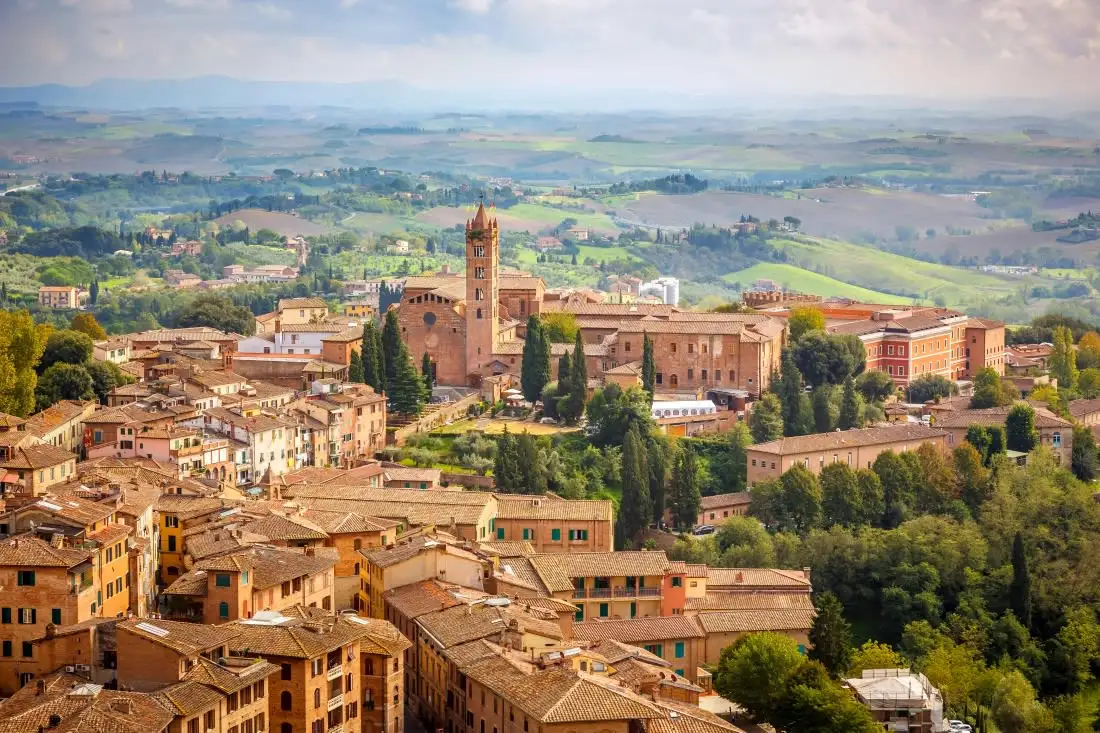
Tucked into the golden hills of Tuscany, Siena is a city where time slows, and the echoes of a medieval past whisper through every cobblestone street. Just an hour south of Florence, this enchanting city is a tapestry of Gothic spires, sun-dappled piazzas, and timeless traditions. Life centers around the breathtaking Piazza del Campo, where the gentle hum of conversation mingles with the thrill of the Palio, Siena’s legendary horse race that ignites the city with passion twice a year. Wander through Siena’s narrow, labyrinthine alleys, where stone walls seem to hold centuries of secrets, and vibrant flags of the city’s contrade flutter in the breeze. Marvel at the intricate beauty of the Duomo, a cathedral so stunning it feels like stepping into a masterpiece. Siena is not just a place to visit—it’s a city to savor, to feel, and to lose yourself in its soul-stirring atmosphere.

Verona
Verona, set along a gentle bend of the Adige River, blends ancient history with an easy, romantic rhythm of daily life. Roman monuments, medieval bridges, and elegant piazzas shape a compact city that’s ideal for unhurried exploration, from the grandeur of the Arena to the lively energy of Piazza delle Erbe. Literary legends and local traditions sit side by side, with quiet courtyards, riverside walks, and inviting cafés just steps apart.Whether you’re wandering historic streets, lingering over a glass of Valpolicella, or watching the light fade from an ancient bridge, Verona delivers a timeless and effortlessly rewarding Italian experience.
Florence
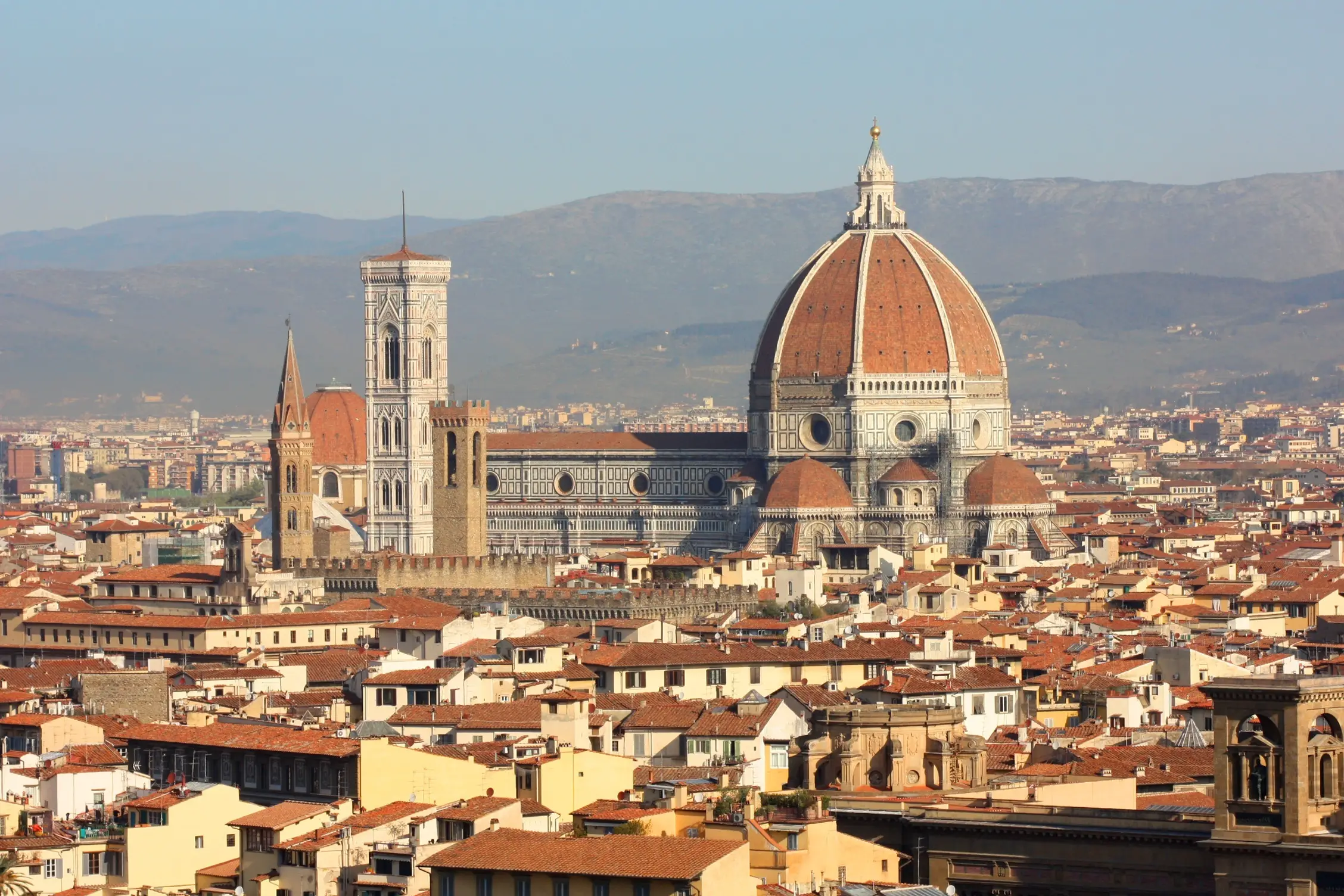
Culture and history are thick in the air in Florence. Located on the banks of the Arno River in Tuscany, Florence’s past is deeply compelling. The birthplace of the Renaissance, Florence is where innovators like Dante, Machiavelli, Michelangelo, and Da Vinci made their fortunes. Centuries of art, politics, and commerce have left their mark on every stone in this Northern Italian city. In the 15th and 16th centuries, Florentine banks funded new enterprises that went on to change the history of the world. Powerful families like the Medici’s financed some of the finest art in history and pioneered new ways of doing statecraft and politics. As you stand in the Piazzale Michelangelo and gaze upon the city below it’s hard to take it all in at once. It feels like behind every door in Florence might hide a work of genius. Michelangelo’s David and Botticelli’s Primavera can be found just a short walk away. After a long day wandering the streets and gazing at art, fueled by exquisite coffee and gelato, relax like the locals do: with a glass of some of the best wine in the world.

Rome
One of the must-sees of Italy, and indeed all of Europe, Rome is a city with history flowing through its veins. There is an endless amount to see, do, and learn here, with something for every taste and disposition. Rome was the center of Western civilization for a Millenium and during that time, accumulated a list of historical and cultural treasures that no other destination can truly match. The Pantheon, Colosseum, Roman Forum, and Cirus of Maxentius are just a few examples of what can be seen and experienced in Rome, which at times feels more like a giant outdoor museum than a city. At Rome’s heart, you’ll find the Vatican, home of the Roman Catholic Church and the Pope. Here visitors can see the legendary Sistine Chapel. Transcending a mere building, the chapel is a walk-in work of art. Although historical sights can be found on just about every corner, it’s entirely possible to fill a day just wandering around Rome. The city’s charming streets and open Piazzas are filled with beautiful sights and places to sit, grab the best Cappuccino in the world, and enjoy the view.
Naples
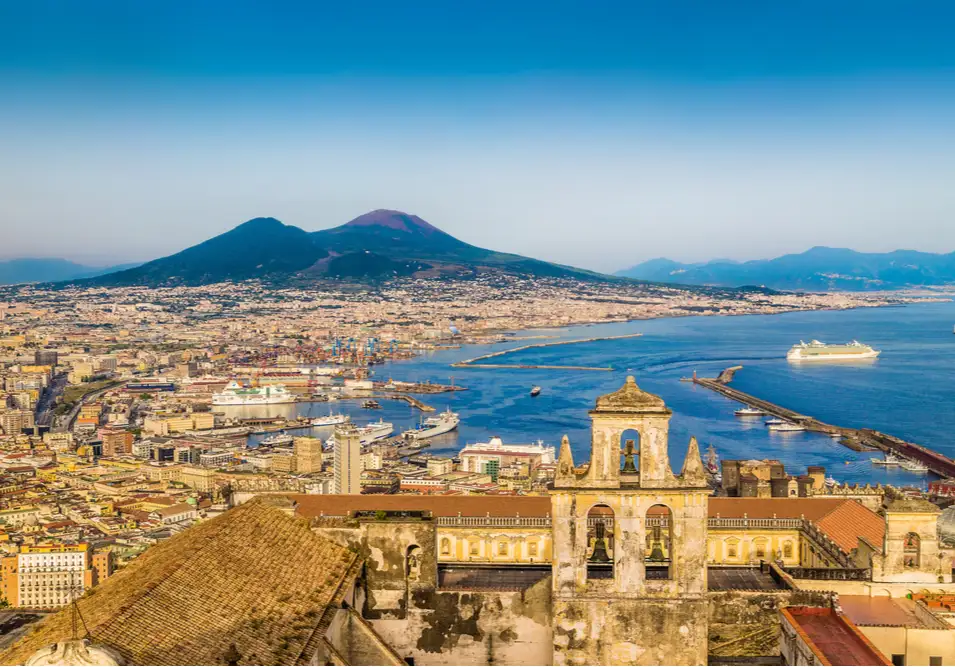
Gritty and chaotic Naples calls to travelers who want to experience the real Italy. Pressed along the coast of Campania, hilly Naples is jammed with maze-like streets, strung with outdoor clotheslines, descending toward the sea below. A much deserved UNESCO World Heritage site, Naples is famous for its churches, museums, castles, and catacombs. As you navigate the city, you’ll find yourself immersed by its culture and history. You can easily occupy a full day gazing at churches like the Naples Cathedral, San Francesco di Paola, and Cappella Sansevero. If you cast your eyes toward the Gulf of Naples, you’ll see Mount Vesuvius looming over the harbor. This foreboding volcano erupted in AD 79. Not far from the inner city — less than an hour by train — you’ll find the ancient town of Pompeii, its dramatic ruins still preserved in ash from the eruption. One of the best things you can do in Naples is to eat. This is the city where pizza was born. Propped up by its ripe tomatoes, local cheeses, and fresh fish, food from Naples has come to define what many see as the height of Italian cuisine. Everything you taste in Naples seems like a delicacy. Authentic and vivid, Naples is a true Italian city where the ancient world meets the modern-day with a bang.
Bologna
Bologna, set at the crossroads of northern Italy, is a city that reveals itself through depth rather than spectacle. Its character lives in layers—endless porticoes sheltering everyday life, warm terracotta facades glowing under shifting light, and streets shaped by centuries of scholars, merchants, and craftsmen. Here, history isn’t staged; it’s lived, woven into lunchtime rituals, quiet piazzas, and the steady pulse of a working city. As evening settles, Bologna softens. The arcades echo with slower footsteps, kitchens hum behind shuttered windows, and the air carries the promise of long dinners and conversation. It’s a city that rewards lingering—rich, grounded, and quietly confident—less about being impressed, and more about feeling entirely at ease.
Siena
Tucked into the golden hills of Tuscany, Siena is a city where time slows, and the echoes of a medieval past whisper through every cobblestone street. Just an hour south of Florence, this enchanting city is a tapestry of Gothic spires, sun-dappled piazzas, and timeless traditions. Life centers around the breathtaking Piazza del Campo, where the gentle hum of conversation mingles with the thrill of the Palio, Siena’s legendary horse race that ignites the city with passion twice a year. Wander through Siena’s narrow, labyrinthine alleys, where stone walls seem to hold centuries of secrets, and vibrant flags of the city’s contrade flutter in the breeze. Marvel at the intricate beauty of the Duomo, a cathedral so stunning it feels like stepping into a masterpiece. Siena is not just a place to visit—it’s a city to savor, to feel, and to lose yourself in its soul-stirring atmosphere.
Verona
Verona, set along a gentle bend of the Adige River, blends ancient history with an easy, romantic rhythm of daily life. Roman monuments, medieval bridges, and elegant piazzas shape a compact city that’s ideal for unhurried exploration, from the grandeur of the Arena to the lively energy of Piazza delle Erbe. Literary legends and local traditions sit side by side, with quiet courtyards, riverside walks, and inviting cafés just steps apart.Whether you’re wandering historic streets, lingering over a glass of Valpolicella, or watching the light fade from an ancient bridge, Verona delivers a timeless and effortlessly rewarding Italian experience.
Florence
Culture and history are thick in the air in Florence. Located on the banks of the Arno River in Tuscany, Florence’s past is deeply compelling. The birthplace of the Renaissance, Florence is where innovators like Dante, Machiavelli, Michelangelo, and Da Vinci made their fortunes. Centuries of art, politics, and commerce have left their mark on every stone in this Northern Italian city. In the 15th and 16th centuries, Florentine banks funded new enterprises that went on to change the history of the world. Powerful families like the Medici’s financed some of the finest art in history and pioneered new ways of doing statecraft and politics. As you stand in the Piazzale Michelangelo and gaze upon the city below it’s hard to take it all in at once. It feels like behind every door in Florence might hide a work of genius. Michelangelo’s David and Botticelli’s Primavera can be found just a short walk away. After a long day wandering the streets and gazing at art, fueled by exquisite coffee and gelato, relax like the locals do: with a glass of some of the best wine in the world.
Rome
One of the must-sees of Italy, and indeed all of Europe, Rome is a city with history flowing through its veins. There is an endless amount to see, do, and learn here, with something for every taste and disposition. Rome was the center of Western civilization for a Millenium and during that time, accumulated a list of historical and cultural treasures that no other destination can truly match. The Pantheon, Colosseum, Roman Forum, and Cirus of Maxentius are just a few examples of what can be seen and experienced in Rome, which at times feels more like a giant outdoor museum than a city. At Rome’s heart, you’ll find the Vatican, home of the Roman Catholic Church and the Pope. Here visitors can see the legendary Sistine Chapel. Transcending a mere building, the chapel is a walk-in work of art. Although historical sights can be found on just about every corner, it’s entirely possible to fill a day just wandering around Rome. The city’s charming streets and open Piazzas are filled with beautiful sights and places to sit, grab the best Cappuccino in the world, and enjoy the view.
Naples
Gritty and chaotic Naples calls to travelers who want to experience the real Italy. Pressed along the coast of Campania, hilly Naples is jammed with maze-like streets, strung with outdoor clotheslines, descending toward the sea below. A much deserved UNESCO World Heritage site, Naples is famous for its churches, museums, castles, and catacombs. As you navigate the city, you’ll find yourself immersed by its culture and history. You can easily occupy a full day gazing at churches like the Naples Cathedral, San Francesco di Paola, and Cappella Sansevero. If you cast your eyes toward the Gulf of Naples, you’ll see Mount Vesuvius looming over the harbor. This foreboding volcano erupted in AD 79. Not far from the inner city — less than an hour by train — you’ll find the ancient town of Pompeii, its dramatic ruins still preserved in ash from the eruption. One of the best things you can do in Naples is to eat. This is the city where pizza was born. Propped up by its ripe tomatoes, local cheeses, and fresh fish, food from Naples has come to define what many see as the height of Italian cuisine. Everything you taste in Naples seems like a delicacy. Authentic and vivid, Naples is a true Italian city where the ancient world meets the modern-day with a bang.
Hi! Need help planning your dream trip? 🌍
Go Real Travel Assistant
OnlineWelcome! Where are you in your journey?
Pick the option that fits you best so we can route you to the right help.