Overview
Overview
Overview
Overview
OverviewHi! Need help planning your dream trip? 🌍

This website uses ‘cookies’ to give you the best, most relevant experience. By using this website, you consent to our Privacy Policy
×Overview
Trip Map
Itinerary
Inclusions
Reviews


Must see sights


Starting from
per person
Enter your details to embark on a journey that can be tailored just for you.
Start
Travelers
Preferred Hotel Stars
Select your interests and destinations for a trip plan inspired by you.
| ← | Move left |
| → | Move right |
| ↑ | Move up |
| ↓ | Move down |
| + | Zoom in |
| - | Zoom out |
| Home | Jump left by 75% |
| End | Jump right by 75% |
| Page Up | Jump up by 75% |
| Page Down | Jump down by 75% |


Click To Make Map Interactive
Overview
Overview
Overview
Overview
OverviewArrival
3 nights
Paris
France
Departure

Day 1
Arrive Paris
Day 1
Arrive Paris
Late Afternoon
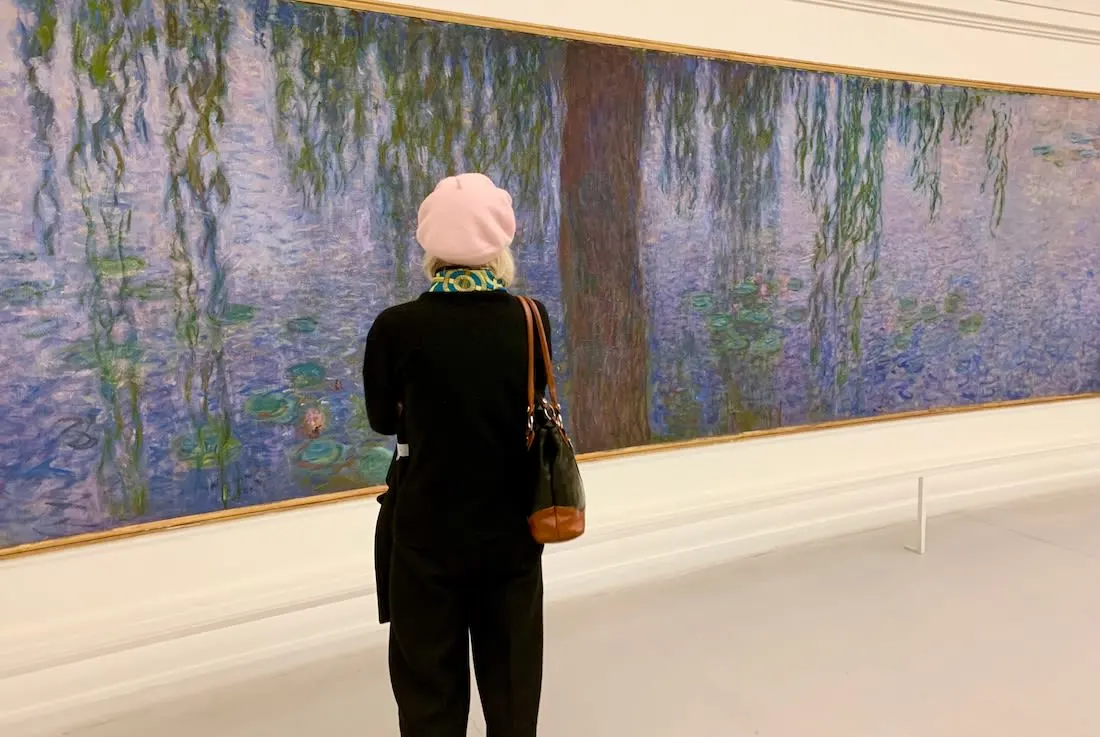
Stroll in the Tuileries and attend one of the nearby museums, a classic way to spend your free hours in Paris. Originally cultivated in 1564 as the grounds for the Tuileries Palace, the gardens are the oldest in Paris. Its succession of royal owners ended and the garden became a public park in the 19th century; Parisians congregated to relax and socialize beside the fountains and leafy horse chestnut trees - they still do today. The Musée de l'Orangerie, in the Western corner of the gardens, exhibits many Impressionist and 20th-century artworks, including Claude Monet’s famous water lilies.

Soak it all in at the Musée d'Orsay, a former Beaux-Arts railway station transformed into a stunning showcase of Impressionist and Post-Impressionist masterpieces.
Show More
Let your vision swim with Monet's Water Lilies and other Impressionist artwork at the Musée de l'Orangerie
Show More
Browse the gallery to see some of the highlights

Relax in the beautiful Tuileries Gardens, an oasis of manicured landscapes and historic statues in the heart of Paris.
Show More
Soak it all in at the Musée d'Orsay, a former Beaux-Arts railway station transformed into a stunning showcase of Impressionist and Post-Impressionist masterpieces.
Show More
Let your vision swim with Monet's Water Lilies and other Impressionist artwork at the Musée de l'Orangerie
Show More
Browse the gallery to see some of the highlights

Relax in the beautiful Tuileries Gardens, an oasis of manicured landscapes and historic statues in the heart of Paris.
Show More
Day 1
Arrive Paris

Day 1
Arrive Paris
To Be Determined:
Private Airport Pick-Up
Late Afternoon:
Tuileries Gardens & Nearby Museums
Early Evening/Evening:
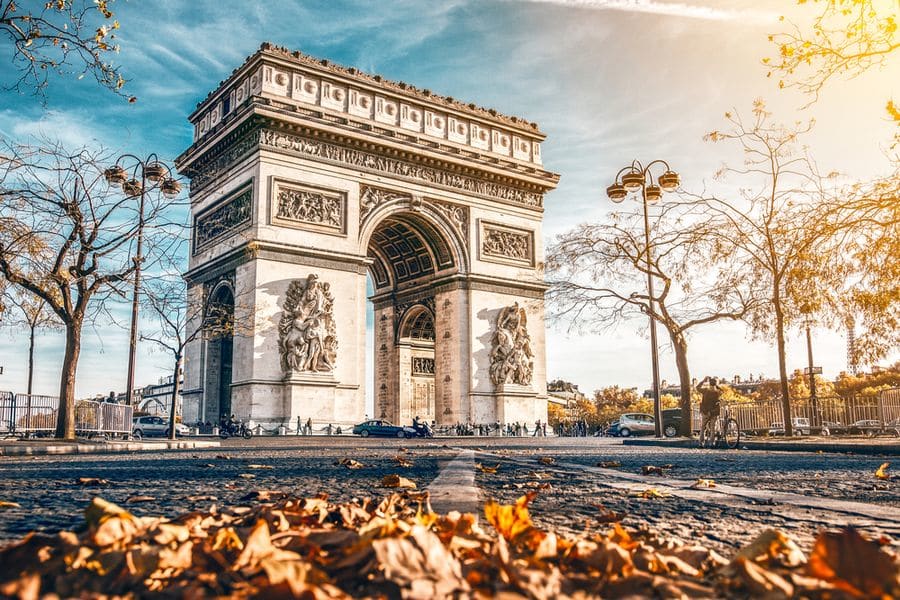
Arc de Triomphe


Museum d'Orsay
Highlight of Tuileries Gardens & Nearby MuseumsSoak it all in at the Musée d'Orsay, a former Beaux-Arts railway station transformed into a stunning showcase of Impressionist and Post-Impressionist masterpieces.
The Musée d'Orsay, housed in an elegantly converted railway station, offers a world-renowned collection of Impressionist and Post-Impressionist art, featuring works by masters like Monet, Van Gogh, and Renoir. Its unique architecture, with grand clocks and sweeping galleries, complements the diverse array of sculptures, paintings, and decorative arts on display. A visit to the Musée d'Orsay is not just a tour of art history, but an immersive experience in a space where the past and present merge beautifully.


Orangerie
Highlight of Tuileries Gardens & Nearby MuseumsLet your vision swim with Monet's Water Lilies and other Impressionist artwork at the Musée de l'Orangerie
The Musée de l'Orangerie, nestled in a corner of the Tuileries Gardens, exhibits the stunning "Water Lilies" series by Claude Monet. This series of large-scale paintings, designed specifically for the two oval rooms they inhabit, offers an immersive experience into Monet's impressionist vision of his garden at Giverny. Beyond Monet, the museum boasts the Jean Walter and Paul Guillaume collection, featuring masterpieces by renowned artists such as Renoir, Cézanne, Matisse, Picasso, and Modigliani.


Tuileries Gardens & Nearby Museums
OverviewTuileries Gardens & Nearby Museums
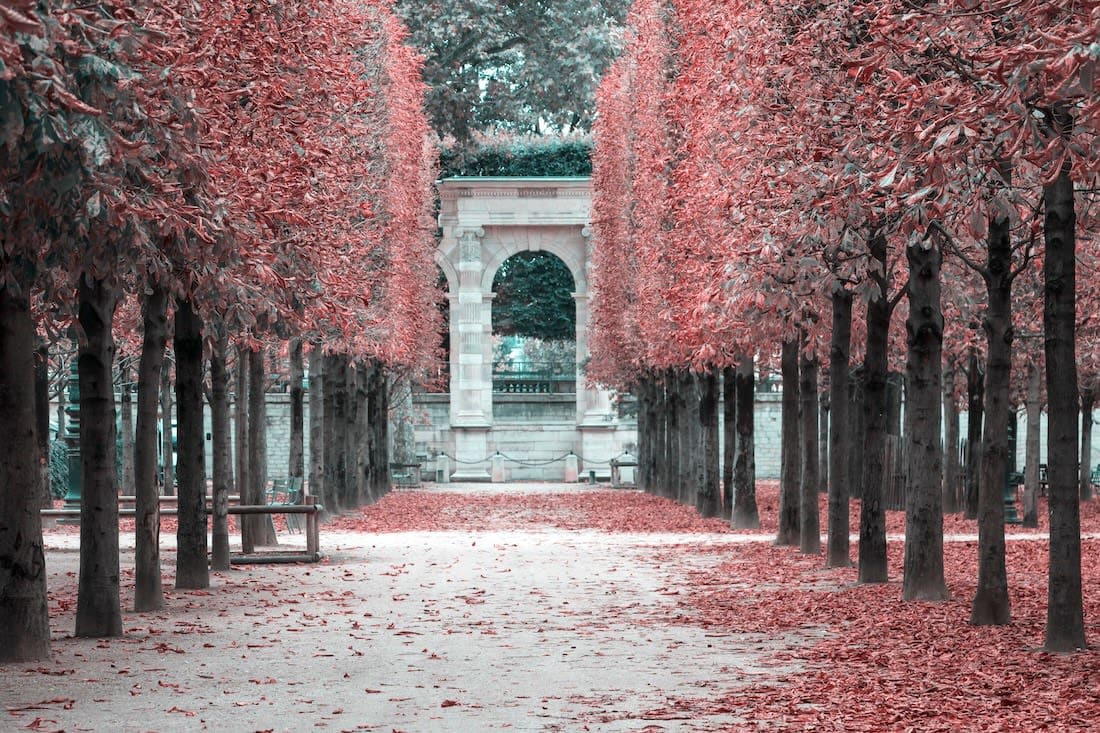
Stroll in the Tuileries and attend one of the nearby museums, a classic way to spend your free hours in Paris. Originally cultivated in 1564 as the grounds for the Tuileries Palace, the gardens are the oldest in Paris. Its succession of royal owners ended and the garden became a public park in the 19th century; Parisians congregated to relax and socialize beside the fountains and leafy horse chestnut trees - they still do today. The Musée de l'Orangerie, in the Western corner of the gardens, exhibits many Impressionist and 20th-century artworks, including Claude Monet’s famous water lilies.


Tuileries Garden
Highlight of Tuileries Gardens & Nearby MuseumsRelax in the beautiful Tuileries Gardens, an oasis of manicured landscapes and historic statues in the heart of Paris.
The Tuileries Gardens, located next to the Louvre Museum, offer a peaceful retreat amidst the bustling city. Originally created as the royal gardens for the Tuileries Palace in the 16th century, they represent a classic example of French garden design. Visitors can marvel at the array of statues, including works by Rodin and Maillol, stroll along its perfectly aligned trees and flowerbeds, and enjoy panoramic views of the Seine and the Eiffel Tower.


Museum d'Orsay
Highlight of Tuileries Gardens & Nearby MuseumsSoak it all in at the Musée d'Orsay, a former Beaux-Arts railway station transformed into a stunning showcase of Impressionist and Post-Impressionist masterpieces.
The Musée d'Orsay, housed in an elegantly converted railway station, offers a world-renowned collection of Impressionist and Post-Impressionist art, featuring works by masters like Monet, Van Gogh, and Renoir. Its unique architecture, with grand clocks and sweeping galleries, complements the diverse array of sculptures, paintings, and decorative arts on display. A visit to the Musée d'Orsay is not just a tour of art history, but an immersive experience in a space where the past and present merge beautifully.


Orangerie
Highlight of Tuileries Gardens & Nearby MuseumsLet your vision swim with Monet's Water Lilies and other Impressionist artwork at the Musée de l'Orangerie
The Musée de l'Orangerie, nestled in a corner of the Tuileries Gardens, exhibits the stunning "Water Lilies" series by Claude Monet. This series of large-scale paintings, designed specifically for the two oval rooms they inhabit, offers an immersive experience into Monet's impressionist vision of his garden at Giverny. Beyond Monet, the museum boasts the Jean Walter and Paul Guillaume collection, featuring masterpieces by renowned artists such as Renoir, Cézanne, Matisse, Picasso, and Modigliani.


Tuileries Gardens & Nearby Museums
OverviewTuileries Gardens & Nearby Museums
Stroll in the Tuileries and attend one of the nearby museums, a classic way to spend your free hours in Paris. Originally cultivated in 1564 as the grounds for the Tuileries Palace, the gardens are the oldest in Paris. Its succession of royal owners ended and the garden became a public park in the 19th century; Parisians congregated to relax and socialize beside the fountains and leafy horse chestnut trees - they still do today. The Musée de l'Orangerie, in the Western corner of the gardens, exhibits many Impressionist and 20th-century artworks, including Claude Monet’s famous water lilies.


Tuileries Garden
Highlight of Tuileries Gardens & Nearby MuseumsRelax in the beautiful Tuileries Gardens, an oasis of manicured landscapes and historic statues in the heart of Paris.
The Tuileries Gardens, located next to the Louvre Museum, offer a peaceful retreat amidst the bustling city. Originally created as the royal gardens for the Tuileries Palace in the 16th century, they represent a classic example of French garden design. Visitors can marvel at the array of statues, including works by Rodin and Maillol, stroll along its perfectly aligned trees and flowerbeds, and enjoy panoramic views of the Seine and the Eiffel Tower.

Museum d'Orsay
Highlight of Tuileries Gardens & Nearby MuseumsSoak it all in at the Musée d'Orsay, a former Beaux-Arts railway station transformed into a stunning showcase of Impressionist and Post-Impressionist masterpieces.
The Musée d'Orsay, housed in an elegantly converted railway station, offers a world-renowned collection of Impressionist and Post-Impressionist art, featuring works by masters like Monet, Van Gogh, and Renoir. Its unique architecture, with grand clocks and sweeping galleries, complements the diverse array of sculptures, paintings, and decorative arts on display. A visit to the Musée d'Orsay is not just a tour of art history, but an immersive experience in a space where the past and present merge beautifully.

Orangerie
Highlight of Tuileries Gardens & Nearby MuseumsLet your vision swim with Monet's Water Lilies and other Impressionist artwork at the Musée de l'Orangerie
The Musée de l'Orangerie, nestled in a corner of the Tuileries Gardens, exhibits the stunning "Water Lilies" series by Claude Monet. This series of large-scale paintings, designed specifically for the two oval rooms they inhabit, offers an immersive experience into Monet's impressionist vision of his garden at Giverny. Beyond Monet, the museum boasts the Jean Walter and Paul Guillaume collection, featuring masterpieces by renowned artists such as Renoir, Cézanne, Matisse, Picasso, and Modigliani.

Tuileries Gardens & Nearby Museums
OverviewTuileries Gardens & Nearby Museums
Stroll in the Tuileries and attend one of the nearby museums, a classic way to spend your free hours in Paris. Originally cultivated in 1564 as the grounds for the Tuileries Palace, the gardens are the oldest in Paris. Its succession of royal owners ended and the garden became a public park in the 19th century; Parisians congregated to relax and socialize beside the fountains and leafy horse chestnut trees - they still do today. The Musée de l'Orangerie, in the Western corner of the gardens, exhibits many Impressionist and 20th-century artworks, including Claude Monet’s famous water lilies.

Tuileries Garden
Highlight of Tuileries Gardens & Nearby MuseumsRelax in the beautiful Tuileries Gardens, an oasis of manicured landscapes and historic statues in the heart of Paris.
The Tuileries Gardens, located next to the Louvre Museum, offer a peaceful retreat amidst the bustling city. Originally created as the royal gardens for the Tuileries Palace in the 16th century, they represent a classic example of French garden design. Visitors can marvel at the array of statues, including works by Rodin and Maillol, stroll along its perfectly aligned trees and flowerbeds, and enjoy panoramic views of the Seine and the Eiffel Tower.

Museum d'Orsay
Highlight of Tuileries Gardens & Nearby MuseumsSoak it all in at the Musée d'Orsay, a former Beaux-Arts railway station transformed into a stunning showcase of Impressionist and Post-Impressionist masterpieces.
The Musée d'Orsay, housed in an elegantly converted railway station, offers a world-renowned collection of Impressionist and Post-Impressionist art, featuring works by masters like Monet, Van Gogh, and Renoir. Its unique architecture, with grand clocks and sweeping galleries, complements the diverse array of sculptures, paintings, and decorative arts on display. A visit to the Musée d'Orsay is not just a tour of art history, but an immersive experience in a space where the past and present merge beautifully.

Orangerie
Highlight of Tuileries Gardens & Nearby MuseumsLet your vision swim with Monet's Water Lilies and other Impressionist artwork at the Musée de l'Orangerie
The Musée de l'Orangerie, nestled in a corner of the Tuileries Gardens, exhibits the stunning "Water Lilies" series by Claude Monet. This series of large-scale paintings, designed specifically for the two oval rooms they inhabit, offers an immersive experience into Monet's impressionist vision of his garden at Giverny. Beyond Monet, the museum boasts the Jean Walter and Paul Guillaume collection, featuring masterpieces by renowned artists such as Renoir, Cézanne, Matisse, Picasso, and Modigliani.

Tuileries Gardens & Nearby Museums
OverviewTuileries Gardens & Nearby Museums
Stroll in the Tuileries and attend one of the nearby museums, a classic way to spend your free hours in Paris. Originally cultivated in 1564 as the grounds for the Tuileries Palace, the gardens are the oldest in Paris. Its succession of royal owners ended and the garden became a public park in the 19th century; Parisians congregated to relax and socialize beside the fountains and leafy horse chestnut trees - they still do today. The Musée de l'Orangerie, in the Western corner of the gardens, exhibits many Impressionist and 20th-century artworks, including Claude Monet’s famous water lilies.

Tuileries Garden
Highlight of Tuileries Gardens & Nearby MuseumsRelax in the beautiful Tuileries Gardens, an oasis of manicured landscapes and historic statues in the heart of Paris.
The Tuileries Gardens, located next to the Louvre Museum, offer a peaceful retreat amidst the bustling city. Originally created as the royal gardens for the Tuileries Palace in the 16th century, they represent a classic example of French garden design. Visitors can marvel at the array of statues, including works by Rodin and Maillol, stroll along its perfectly aligned trees and flowerbeds, and enjoy panoramic views of the Seine and the Eiffel Tower.

Day 2
Paris
Day 2
Paris
9:00 AM - 1:00 PM
Embark on a captivating 4-hour walking tour of the center of Paris, the City of Lights, where history and modernity blend seamlessly along its enchanting streets. Starting from Odette Pastry Shop (77 Rue Galande), you will explore the heart of this dynamic city and learn how to navigate Paris as a local.


Day 2
Paris

Paris Highlights Walking Tour
OverviewParis Highlights Walking Tour
Embark on a captivating 4-hour walking tour of the center of Paris, the City of Lights, where history and modernity blend seamlessly along its enchanting streets. Starting from Odette Pastry Shop (77 Rue Galande), you will explore the heart of this dynamic city and learn how to navigate Paris as a local.

Paris Highlights Walking Tour
OverviewParis Highlights Walking Tour
Embark on a captivating 4-hour walking tour of the center of Paris, the City of Lights, where history and modernity blend seamlessly along its enchanting streets. Starting from Odette Pastry Shop (77 Rue Galande), you will explore the heart of this dynamic city and learn how to navigate Paris as a local.

Paris Highlights Walking Tour
OverviewParis Highlights Walking Tour
Embark on a captivating 4-hour walking tour of the center of Paris, the City of Lights, where history and modernity blend seamlessly along its enchanting streets. Starting from Odette Pastry Shop (77 Rue Galande), you will explore the heart of this dynamic city and learn how to navigate Paris as a local.

Paris Highlights Walking Tour
OverviewParis Highlights Walking Tour
Embark on a captivating 4-hour walking tour of the center of Paris, the City of Lights, where history and modernity blend seamlessly along its enchanting streets. Starting from Odette Pastry Shop (77 Rue Galande), you will explore the heart of this dynamic city and learn how to navigate Paris as a local.

Paris Highlights Walking Tour
OverviewParis Highlights Walking Tour
Embark on a captivating 4-hour walking tour of the center of Paris, the City of Lights, where history and modernity blend seamlessly along its enchanting streets. Starting from Odette Pastry Shop (77 Rue Galande), you will explore the heart of this dynamic city and learn how to navigate Paris as a local.

Day 3
Paris
Day 3
Paris
Early Morning to Mid-Day
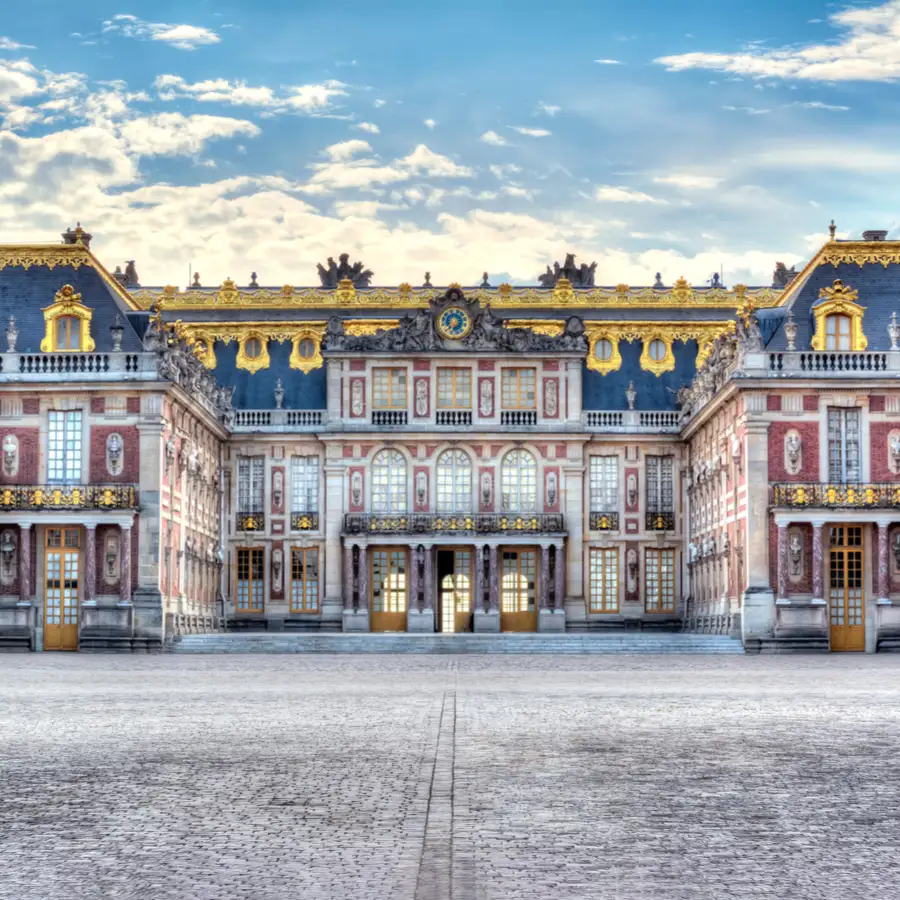
The Château of Versailles, a symbol of the grandeur of French monarchy, invites visitors to explore its lavish history and architectural majesty. From the spellbinding elegance of the Hall of Mirrors, where the Treaty of Versailles was signed, to the vast, meticulously manicured Gardens the pinnacle of French garden design, every corner tells a story of opulence and power. Discover the intimate escapes of royalty at the Grand and Petit Trianon, and marvel at the divine beauty of the Royal Chapel, a masterpiece of Baroque architecture.

Imagine living like the "peasants" here?
Show More
Feel like a king, feel like a queen, hopefully you'll feel good looking out across the park
Show More
Browse the gallery to see some of the highlights

There are palaces, and then there is Versailles...
Show More
Imagine living like the "peasants" here?
Show More
Feel like a king, feel like a queen, hopefully you'll feel good looking out across the park
Show More
Browse the gallery to see some of the highlights
There are palaces, and then there is Versailles...
Show More
Day 3
Paris

The Queen's Hamlet
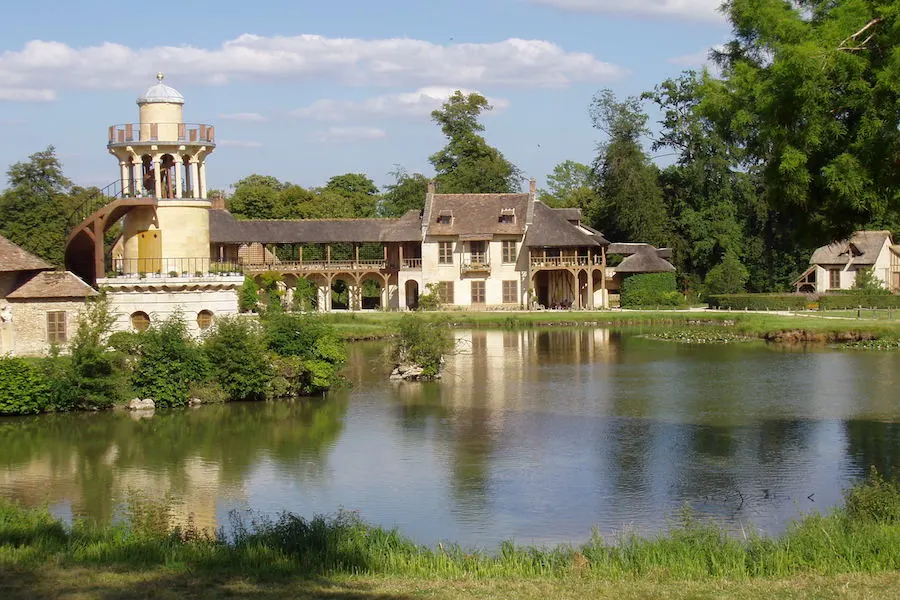
Highlight of Palace of VersaillesImagine living like the "peasants" here?
Desiring something different, Queen Marie Antoinette had a hamlet erected where she could supervise servants milking cows, tending pigs, collecting eggs from chickens. She dressed down to play her part, but apparently never got her hands dirty, as far as we know. Her peasant cottage only had two living rooms, a billiard room, a dining hall, and a library. If you are accustomed to palaces, only two living rooms is roughing it. Lest the queen got tired of it all, she could return to the Petit Trianon, a beautiful chateau built on the grounds of the Grand Trianon, which was the retreat chateau built on the grounds of the Palace of Versailles, which was a retreat from the Louvre Palace in Paris.

Parc de Versailles
Highlight of Palace of VersaillesFeel like a king, feel like a queen, hopefully you'll feel good looking out across the park
The Parc de Versailles, features some 800 hectares of manicured lawns, stunning fountains, and the Grand Canal, all masterminded by André Le Nôtre. Highlights include the Neptune and Apollo Fountains, the Trianon Palaces, and the Queen's Hamlet. This vast garden symbolizes royal power, but you are welcomed to enjoy yourself on these pleasure grounds.

Palace of Versailles
OverviewPalace of Versailles
The Château of Versailles, a symbol of the grandeur of French monarchy, invites visitors to explore its lavish history and architectural majesty. From the spellbinding elegance of the Hall of Mirrors, where the Treaty of Versailles was signed, to the vast, meticulously manicured Gardens the pinnacle of French garden design, every corner tells a story of opulence and power. Discover the intimate escapes of royalty at the Grand and Petit Trianon, and marvel at the divine beauty of the Royal Chapel, a masterpiece of Baroque architecture.

Main Palace of Versailles
Highlight of Palace of VersaillesThere are palaces, and then there is Versailles...
Enlarged by for Emperor Louis XIV as an escape from the dreary political tension of Paris, Versailles might have been the most luxurious palace in the world. Even now, the building stuptifies with its grandeur and elegance, a stunning representation of the French monarchy's opulence. The famous Hall of Mirrors is just one of many, many (2300!) stunning rooms, only a small percentage of which are open for display. It might be too much, or one visit might never be enough.

The Queen's Hamlet
Highlight of Palace of VersaillesImagine living like the "peasants" here?
Desiring something different, Queen Marie Antoinette had a hamlet erected where she could supervise servants milking cows, tending pigs, collecting eggs from chickens. She dressed down to play her part, but apparently never got her hands dirty, as far as we know. Her peasant cottage only had two living rooms, a billiard room, a dining hall, and a library. If you are accustomed to palaces, only two living rooms is roughing it. Lest the queen got tired of it all, she could return to the Petit Trianon, a beautiful chateau built on the grounds of the Grand Trianon, which was the retreat chateau built on the grounds of the Palace of Versailles, which was a retreat from the Louvre Palace in Paris.

Parc de Versailles
Highlight of Palace of VersaillesFeel like a king, feel like a queen, hopefully you'll feel good looking out across the park
The Parc de Versailles, features some 800 hectares of manicured lawns, stunning fountains, and the Grand Canal, all masterminded by André Le Nôtre. Highlights include the Neptune and Apollo Fountains, the Trianon Palaces, and the Queen's Hamlet. This vast garden symbolizes royal power, but you are welcomed to enjoy yourself on these pleasure grounds.

Palace of Versailles
OverviewPalace of Versailles
The Château of Versailles, a symbol of the grandeur of French monarchy, invites visitors to explore its lavish history and architectural majesty. From the spellbinding elegance of the Hall of Mirrors, where the Treaty of Versailles was signed, to the vast, meticulously manicured Gardens the pinnacle of French garden design, every corner tells a story of opulence and power. Discover the intimate escapes of royalty at the Grand and Petit Trianon, and marvel at the divine beauty of the Royal Chapel, a masterpiece of Baroque architecture.

Main Palace of Versailles
Highlight of Palace of VersaillesThere are palaces, and then there is Versailles...
Enlarged by for Emperor Louis XIV as an escape from the dreary political tension of Paris, Versailles might have been the most luxurious palace in the world. Even now, the building stuptifies with its grandeur and elegance, a stunning representation of the French monarchy's opulence. The famous Hall of Mirrors is just one of many, many (2300!) stunning rooms, only a small percentage of which are open for display. It might be too much, or one visit might never be enough.

Day 4
Depart Paris
Day 4
Depart Paris
Morning/Mid-Day
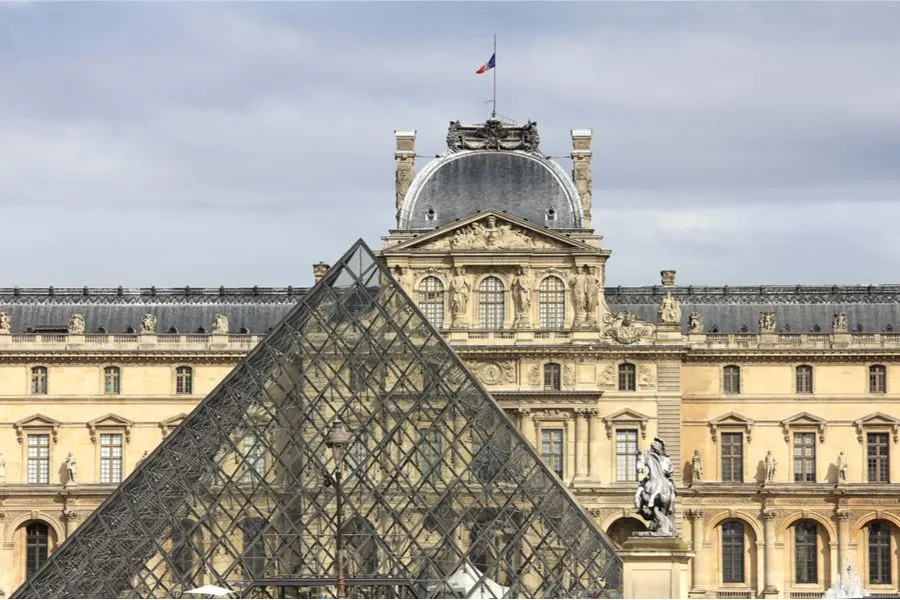
It might be the greatest art museum in the world; it certainly is the largest with over 380,000 objects; to view every single one for even a minute apiece would take 75 days. And those descriptions still don't do the building and its collection justice. Marvel at treasures inside, including Leonardo Da Vinci's mysterious woman, the Mona Lisa, and everything from an Egyptian masterpiece of mummification to the famed Hellenistic sculpture, Venus de Milo, to patriotic French masterpieces like Delacroix’s Liberty Leading the People. Although the Louvre is vast and ever-crowded, with some strategy and a few helpful tips your visit will take in maximum artworks with minimal hassle.


Day 4
Depart Paris

Louvre Museum
OverviewLouvre Museum
It might be the greatest art museum in the world; it certainly is the largest with over 380,000 objects; to view every single one for even a minute apiece would take 75 days. And those descriptions still don't do the building and its collection justice. Marvel at treasures inside, including Leonardo Da Vinci's mysterious woman, the Mona Lisa, and everything from an Egyptian masterpiece of mummification to the famed Hellenistic sculpture, Venus de Milo, to patriotic French masterpieces like Delacroix’s Liberty Leading the People. Although the Louvre is vast and ever-crowded, with some strategy and a few helpful tips your visit will take in maximum artworks with minimal hassle.

Louvre Museum
OverviewLouvre Museum
It might be the greatest art museum in the world; it certainly is the largest with over 380,000 objects; to view every single one for even a minute apiece would take 75 days. And those descriptions still don't do the building and its collection justice. Marvel at treasures inside, including Leonardo Da Vinci's mysterious woman, the Mona Lisa, and everything from an Egyptian masterpiece of mummification to the famed Hellenistic sculpture, Venus de Milo, to patriotic French masterpieces like Delacroix’s Liberty Leading the People. Although the Louvre is vast and ever-crowded, with some strategy and a few helpful tips your visit will take in maximum artworks with minimal hassle.

Louvre Museum
OverviewLouvre Museum
It might be the greatest art museum in the world; it certainly is the largest with over 380,000 objects; to view every single one for even a minute apiece would take 75 days. And those descriptions still don't do the building and its collection justice. Marvel at treasures inside, including Leonardo Da Vinci's mysterious woman, the Mona Lisa, and everything from an Egyptian masterpiece of mummification to the famed Hellenistic sculpture, Venus de Milo, to patriotic French masterpieces like Delacroix’s Liberty Leading the People. Although the Louvre is vast and ever-crowded, with some strategy and a few helpful tips your visit will take in maximum artworks with minimal hassle.

Louvre Museum
OverviewLouvre Museum
It might be the greatest art museum in the world; it certainly is the largest with over 380,000 objects; to view every single one for even a minute apiece would take 75 days. And those descriptions still don't do the building and its collection justice. Marvel at treasures inside, including Leonardo Da Vinci's mysterious woman, the Mona Lisa, and everything from an Egyptian masterpiece of mummification to the famed Hellenistic sculpture, Venus de Milo, to patriotic French masterpieces like Delacroix’s Liberty Leading the People. Although the Louvre is vast and ever-crowded, with some strategy and a few helpful tips your visit will take in maximum artworks with minimal hassle.

Louvre Museum
OverviewLouvre Museum
It might be the greatest art museum in the world; it certainly is the largest with over 380,000 objects; to view every single one for even a minute apiece would take 75 days. And those descriptions still don't do the building and its collection justice. Marvel at treasures inside, including Leonardo Da Vinci's mysterious woman, the Mona Lisa, and everything from an Egyptian masterpiece of mummification to the famed Hellenistic sculpture, Venus de Milo, to patriotic French masterpieces like Delacroix’s Liberty Leading the People. Although the Louvre is vast and ever-crowded, with some strategy and a few helpful tips your visit will take in maximum artworks with minimal hassle.
Go Real Travel Mobile App:

10 Days
Paris, Rome, Florence: An Unforgettable 10-Day Itinerary to Europe's Most Iconic Destinations
Italy, France

10 Days

13 Days

14 Days

7 Days

7 Days

7 Days

7 Days

7 Days

10 Days
Paris, Rome, Florence: An Unforgettable 10-Day Itinerary to Europe's Most Iconic Destinations
Italy, France

10 Days

13 Days

14 Days

7 Days

7 Days

7 Days

7 Days

7 Days


London is a city where centuries of royal history, cultural heritage, and cosmopolitan life come together to create a thrilling travel experience. At its core stand iconic landmarks like Big Ben, Westminster Abbey, and the Tower of London, each telling tales of monarchs, revolutions, and traditions that have shaped the nation. Stroll along the River Thames, past the grandeur of Parliament and the London Eye, and dive into the buzz of neighborhoods like Covent Garden, Soho, and Chinatown—each brimming with character, cuisine, and charm. From the stately Mall leading to Buckingham Palace to the vibrant energy of Piccadilly Circus, London is a city of contrasts where old and new exist in vivid harmony. Culinary adventures await across its boroughs, from refined afternoon teas to global street food and traditional pub fare. Whether you’re catching a play in the West End, exploring world-class museums, or unwinding in one of its royal parks, London invites you to discover something extraordinary at every turn.

Strasbourg, the enchanting capital of Alsace, blends French elegance with German charm in a way that feels utterly unique. This riverside city invites you to stroll through cobblestone streets where half-timbered houses and flower-decked canals paint a storybook scene. At its heart rises the majestic Strasbourg Cathedral, a Gothic masterpiece whose spire once made it the tallest building in the world. Nearby, the fairytale district of Petite France beckons with its winding lanes and medieval ambiance. Beyond its old-world beauty, Strasbourg proudly serves as the seat of European unity, home to institutions like the European Parliament. In winter, its world-famous Christmas markets transform the city into a glittering wonderland of lights, aromas, and festive cheer. Whether you’re admiring centuries-old architecture or savoring Alsatian cuisine beside the river, Strasbourg offers an experience that’s both timeless and alive with spirit.

Lyon, set at the meeting point of the Rhône and Saône rivers, is one of France’s most rewarding and underrated cities to explore. Often reached easily by train from Paris or the Alps, it’s celebrated for its food culture, lively markets, and beautiful riverside neighborhoods. Visitors can wander the Renaissance lanes of Old Vieux Lyon, climb to the hilltop Basilica of Notre-Dame de Fourvière for sweeping views, and discover the city’s hidden traboules passageways. Spend time in Presqu’île’s elegant squares, browse boutiques and cafés, or explore the revitalized Confluence district along the water. With a rich blend of history, architecture, and everyday culinary pleasures, Lyon feels both polished and welcoming without the crowds.

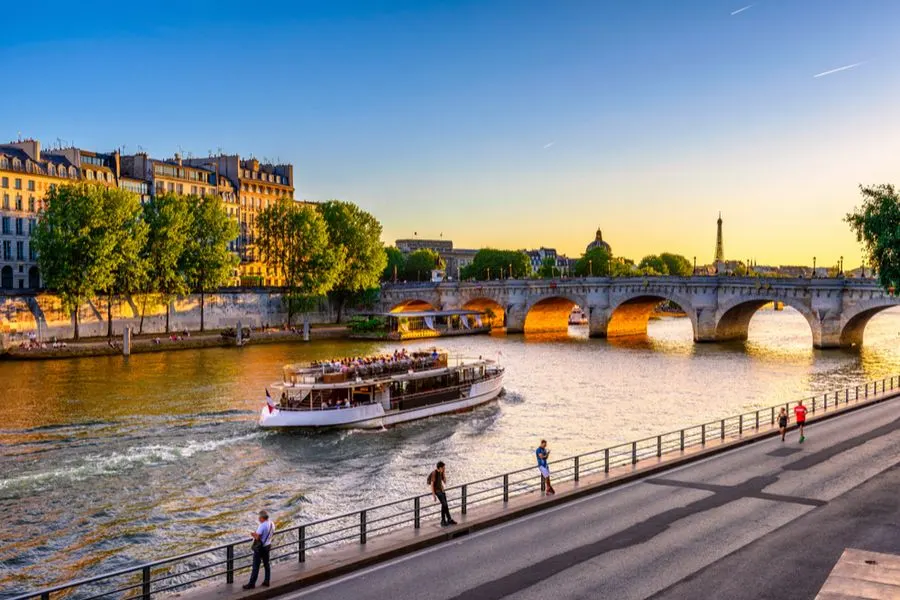
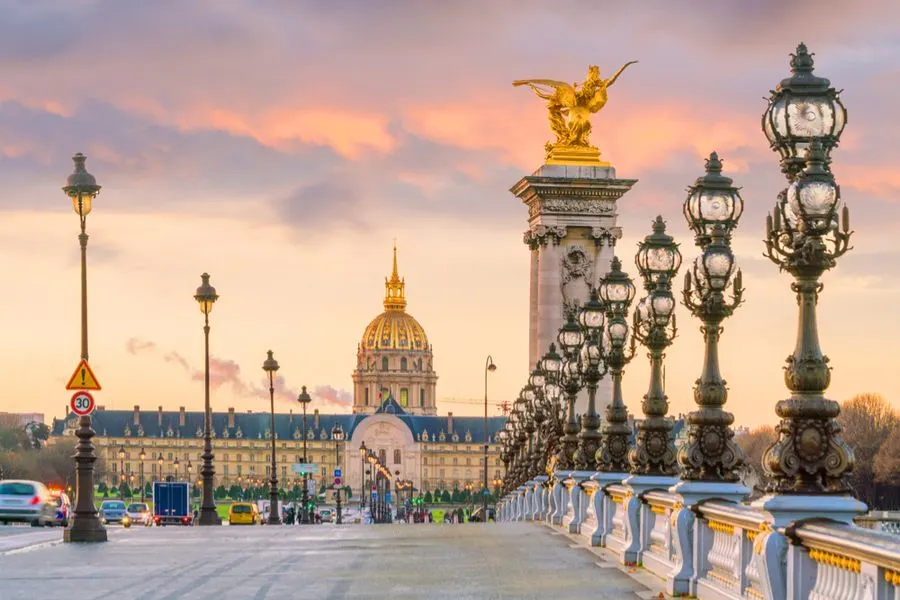
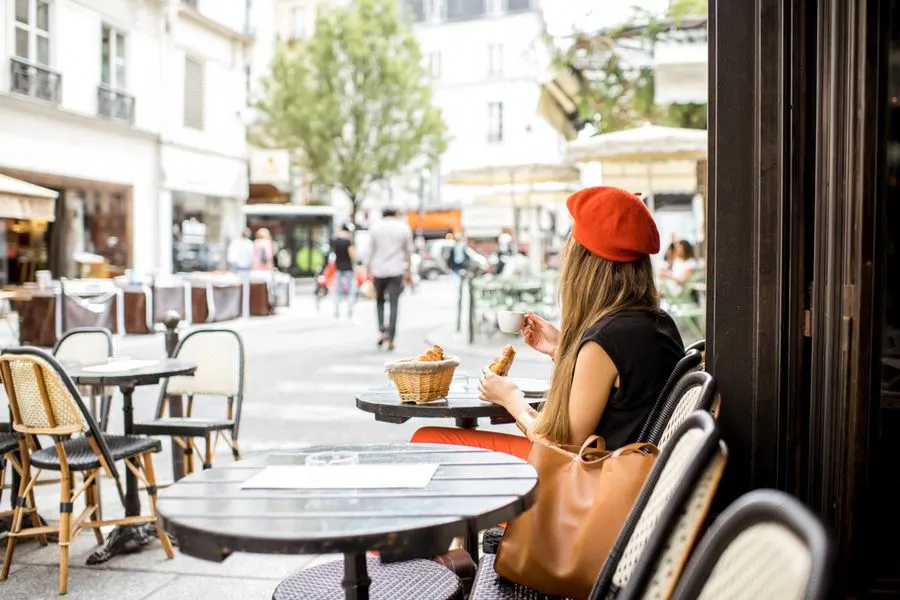
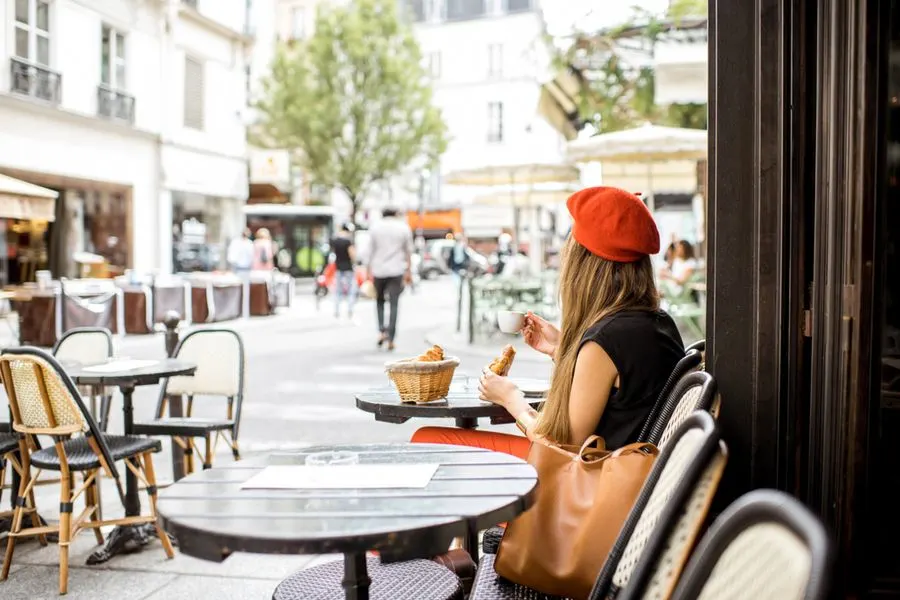
The magic of Paris is undeniable. This is the most romantic destination in Europe, and surely the number one bucket list destination of all time. If you want to say you've traveled, you have to visit Paris at least once. Along with classic must-sees like the Eiffel Tower and the Sacre-Coeur, there is so much to see and do in Paris that it helps to narrow it down by interest. Fashion and shopping enthusiast? Look no further than the Galeries Lafayette, Avenue des Champs-Élysées, or the Marais. Art aficionado? Once you're done with the Louvre, make a start on the Musée d'Orsay. History buffs won't be able to walk a block without uncovering a monument to Napoleon or Louis XIV. If you visit Paris with a foodie, be warned — you'll gaze in a lot of patisserie windows, and sample your weight in croissants. Because Paris always has so much on offer, it never grows old. At dusk, as you stroll the wide boulevards past Haussmann apartment buildings and sharply dressed Parisians, or gaze down at the city from the hill at Montmarte, you might find yourself saying 'Paris Je t' aime'. This is, after all, the City of Love.

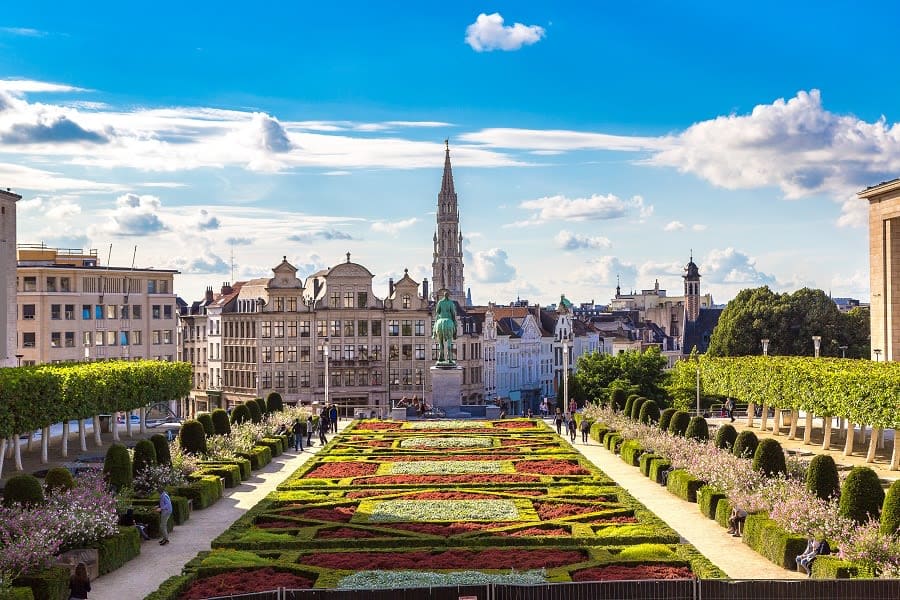
It feels as though everything in Brussels is tinted with gold. From the gilded rooftops of the old houses on the Grand Palace to the foil-wrapped bonbons piled in chocolatier windows, Brussels seems to sparkle and wink at you around every corner. Aside from the lustrous architecture and Trappist ales, this shiny city is probably still best known for its iconic street food options: salty, golden fries, and fluffy, honey-colored waffles. While a major political center, home of the EU and NATO, don’t be fooled by Brussels stern ‘Eurocratic’ facade. Brussels revels in cheeky humor and mischief. So much so, Brussel’s beloved mascot, the ‘Manneken Pis’, is a statue of a small child urinating into a fountain. The city takes great pleasure in dressing this statue in festive-themed costumes. It’s no surprise that the artist Magritte, one of the great visual tricksters of the 20th century, called Brussels home. After a few days exploring the city, and taking in its sights and scenes, you’re sure to come away smiling.

Bayeux is an old, well-preserved town in Normandy. Most known as the backdrop for the Battle of Normandy, visitors who descend from WWII veterans often feel a special, somber connection to this part of France. On June 6, 1944, otherwise known as ‘D-Day’, thousands of Allied troops landed on Normandy’s Atlantic Coast, with a mission to drive out the German occupying forces. More than 120,000 Allied soldiers died in combat over the next three months. Although victorious, the campaign for Normandy caused the highest number of losses for America in all of WWII. A landscape of remembrance, on a tour of the Norman countryside you’ll see the remains of tanks, aircraft, and military bunkers. Special cemeteries and memorials in the area pay tribute to the sacrifice of fallen soldiers. Despite the destruction of nearly every neighboring village, the town of Bayeux endured WWII unscathed. Along with all its medieval architecture, the town’s most precious treasure, the Bayeux Tapestry, was miraculously spared. Stitched in the 11th century, the Tapestry tells the story of William the Conqueror’s invasion of England in 1066. As you view the tapestry and stroll through the charming streets of Bayeux, the sweeping cathedral spires and gently flowing River Aure cast you back to another time. A landscape of war, but also remembrance, a trip to Bayeux and Normandy will deepen your appreciation and respect for the past.

London is a city where centuries of royal history, cultural heritage, and cosmopolitan life come together to create a thrilling travel experience. At its core stand iconic landmarks like Big Ben, Westminster Abbey, and the Tower of London, each telling tales of monarchs, revolutions, and traditions that have shaped the nation. Stroll along the River Thames, past the grandeur of Parliament and the London Eye, and dive into the buzz of neighborhoods like Covent Garden, Soho, and Chinatown—each brimming with character, cuisine, and charm. From the stately Mall leading to Buckingham Palace to the vibrant energy of Piccadilly Circus, London is a city of contrasts where old and new exist in vivid harmony. Culinary adventures await across its boroughs, from refined afternoon teas to global street food and traditional pub fare. Whether you’re catching a play in the West End, exploring world-class museums, or unwinding in one of its royal parks, London invites you to discover something extraordinary at every turn.

Strasbourg, the enchanting capital of Alsace, blends French elegance with German charm in a way that feels utterly unique. This riverside city invites you to stroll through cobblestone streets where half-timbered houses and flower-decked canals paint a storybook scene. At its heart rises the majestic Strasbourg Cathedral, a Gothic masterpiece whose spire once made it the tallest building in the world. Nearby, the fairytale district of Petite France beckons with its winding lanes and medieval ambiance. Beyond its old-world beauty, Strasbourg proudly serves as the seat of European unity, home to institutions like the European Parliament. In winter, its world-famous Christmas markets transform the city into a glittering wonderland of lights, aromas, and festive cheer. Whether you’re admiring centuries-old architecture or savoring Alsatian cuisine beside the river, Strasbourg offers an experience that’s both timeless and alive with spirit.

Lyon, set at the meeting point of the Rhône and Saône rivers, is one of France’s most rewarding and underrated cities to explore. Often reached easily by train from Paris or the Alps, it’s celebrated for its food culture, lively markets, and beautiful riverside neighborhoods. Visitors can wander the Renaissance lanes of Old Vieux Lyon, climb to the hilltop Basilica of Notre-Dame de Fourvière for sweeping views, and discover the city’s hidden traboules passageways. Spend time in Presqu’île’s elegant squares, browse boutiques and cafés, or explore the revitalized Confluence district along the water. With a rich blend of history, architecture, and everyday culinary pleasures, Lyon feels both polished and welcoming without the crowds.

The magic of Paris is undeniable. This is the most romantic destination in Europe, and surely the number one bucket list destination of all time. If you want to say you've traveled, you have to visit Paris at least once. Along with classic must-sees like the Eiffel Tower and the Sacre-Coeur, there is so much to see and do in Paris that it helps to narrow it down by interest. Fashion and shopping enthusiast? Look no further than the Galeries Lafayette, Avenue des Champs-Élysées, or the Marais. Art aficionado? Once you're done with the Louvre, make a start on the Musée d'Orsay. History buffs won't be able to walk a block without uncovering a monument to Napoleon or Louis XIV. If you visit Paris with a foodie, be warned — you'll gaze in a lot of patisserie windows, and sample your weight in croissants. Because Paris always has so much on offer, it never grows old. At dusk, as you stroll the wide boulevards past Haussmann apartment buildings and sharply dressed Parisians, or gaze down at the city from the hill at Montmarte, you might find yourself saying 'Paris Je t' aime'. This is, after all, the City of Love.

It feels as though everything in Brussels is tinted with gold. From the gilded rooftops of the old houses on the Grand Palace to the foil-wrapped bonbons piled in chocolatier windows, Brussels seems to sparkle and wink at you around every corner. Aside from the lustrous architecture and Trappist ales, this shiny city is probably still best known for its iconic street food options: salty, golden fries, and fluffy, honey-colored waffles. While a major political center, home of the EU and NATO, don’t be fooled by Brussels stern ‘Eurocratic’ facade. Brussels revels in cheeky humor and mischief. So much so, Brussel’s beloved mascot, the ‘Manneken Pis’, is a statue of a small child urinating into a fountain. The city takes great pleasure in dressing this statue in festive-themed costumes. It’s no surprise that the artist Magritte, one of the great visual tricksters of the 20th century, called Brussels home. After a few days exploring the city, and taking in its sights and scenes, you’re sure to come away smiling.

Bayeux is an old, well-preserved town in Normandy. Most known as the backdrop for the Battle of Normandy, visitors who descend from WWII veterans often feel a special, somber connection to this part of France. On June 6, 1944, otherwise known as ‘D-Day’, thousands of Allied troops landed on Normandy’s Atlantic Coast, with a mission to drive out the German occupying forces. More than 120,000 Allied soldiers died in combat over the next three months. Although victorious, the campaign for Normandy caused the highest number of losses for America in all of WWII. A landscape of remembrance, on a tour of the Norman countryside you’ll see the remains of tanks, aircraft, and military bunkers. Special cemeteries and memorials in the area pay tribute to the sacrifice of fallen soldiers. Despite the destruction of nearly every neighboring village, the town of Bayeux endured WWII unscathed. Along with all its medieval architecture, the town’s most precious treasure, the Bayeux Tapestry, was miraculously spared. Stitched in the 11th century, the Tapestry tells the story of William the Conqueror’s invasion of England in 1066. As you view the tapestry and stroll through the charming streets of Bayeux, the sweeping cathedral spires and gently flowing River Aure cast you back to another time. A landscape of war, but also remembrance, a trip to Bayeux and Normandy will deepen your appreciation and respect for the past.


Zoom In to the cities to see your itinerary in more detail