Overview
Overview
Overview
Overview
OverviewHi! Need help planning your dream trip? 🌍

This website uses ‘cookies’ to give you the best, most relevant experience. By using this website, you consent to our Privacy Policy
×Overview
Trip Map
Itinerary
Inclusions
Reviews
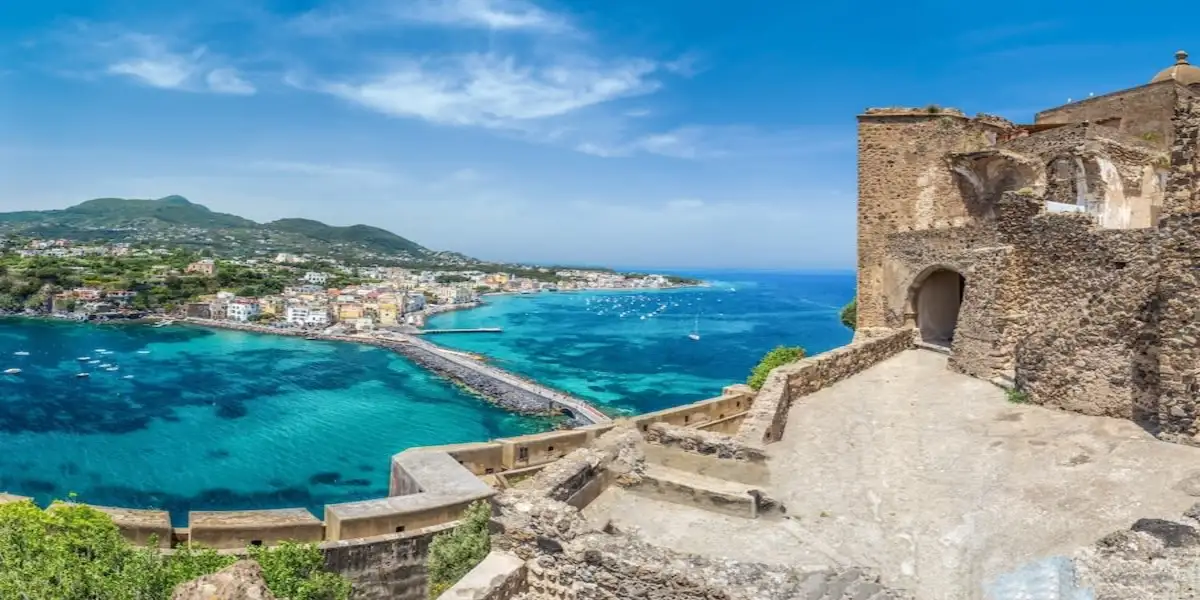


Must see sights


Starting from
per person
Enter your details to embark on a journey that can be tailored just for you.
Start
Travelers
Preferred Hotel Stars
Select your interests and destinations for a trip plan inspired by you.
| ← | Move left |
| → | Move right |
| ↑ | Move up |
| ↓ | Move down |
| + | Zoom in |
| - | Zoom out |
| Home | Jump left by 75% |
| End | Jump right by 75% |
| Page Up | Jump up by 75% |
| Page Down | Jump down by 75% |


Click To Make Map Interactive
Overview
Overview
Overview
Overview
OverviewArrival
4 nights
Naples
Italy
Train: 1h
5 nights
Sorrento
Italy
Departure

Day 1
Arrive Naples
Day 1
Arrive Naples
Mid-Day/Afternoon
As you walk along the historic Neopolitan waterfront you'll encounter two imposing yet stately medieval castle-fortresses. Built by Naples' former Spanish rulers, they command glorious views out over the Bay of Naples and Mt Vesuvius beyond. There's also the grand Palazzo Reale, a palace erected by the Bourbon kings that faces the monumental square of Piazza del Plebiscito on one side and the famous San Carlo Theater on the other. You can cut right through the heart of Naples on the Spaccanapoli, a straight, narrow main street that has been that way since it was first built in Roman times is the straight and narrow main street that traverses the old, historic center of the city of Naples, Italy. The name is a popular usage and means, literally, "Naples splitter". TBut of course you'll want to wander of the many side streets amazing churches, and chaotic.

Wander a medieval castle which is one of the city's most famous monuments.
Show More
Discover the lavish former home of Naples' Kings and Queens inside this restored historic palace.
Show More
Enjoy amazing views as you stand on the ramparts of this imposing fortress jutting out into the sea.
Show More
Browse the gallery to see some of the highlights

Visit the city's most iconic square and its most popular gathering spot.
Show More
Wander a medieval castle which is one of the city's most famous monuments.
Show More
Discover the lavish former home of Naples' Kings and Queens inside this restored historic palace.
Show More
Enjoy amazing views as you stand on the ramparts of this imposing fortress jutting out into the sea.
Show More
Browse the gallery to see some of the highlights

Visit the city's most iconic square and its most popular gathering spot.
Show More
Wander a medieval castle which is one of the city's most famous monuments.
Show More
Day 1
Arrive Naples

Day 1
Arrive Naples
To Be Determined:
Airport Transfer by Taxi
Mid-Day/Afternoon:
Naples Waterfront
Late Afternoon/Early Evening:
Naples Old Town


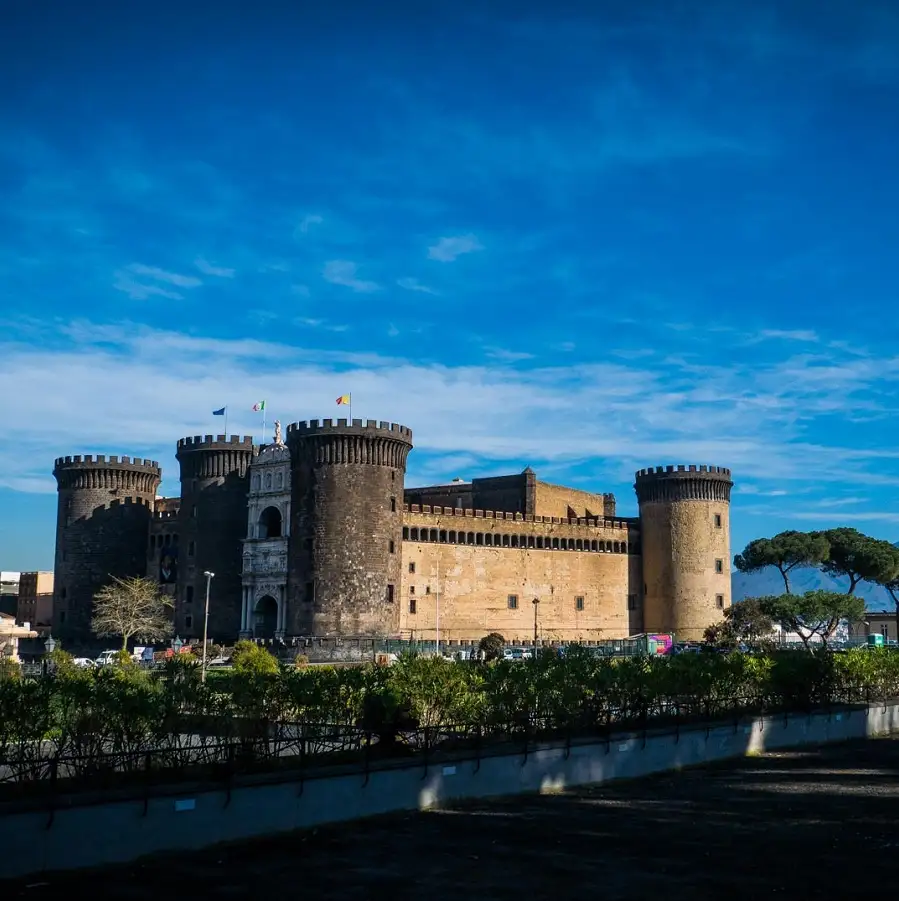
Castel Nuovo
Highlight of Naples WaterfrontWander a medieval castle which is one of the city's most famous monuments.
Built in 1282 by the Angevins rulers and later converted into a royal residence by the Aragon monarchs from Spain, the imposing fortress is an important symbol of Naples. Take a stroll around its towering walls, enjoy excellent views over the bay and visit the Palatine Chapel to see its beautiful frescoes. You can also take a guided tour of the castle, including the uppermost terrace, towers, and the basement, which doubled as the castle's dungeon.


Royal Palace (Palazzo Reale)
Highlight of Naples WaterfrontDiscover the lavish former home of Naples' Kings and Queens inside this restored historic palace.
The Palazzo Reale (Royal Palace) was built in the 1600's during Spanish rule. The Spanish viceroys had tired of living in the next-door Castel Nuovo, which by then was a drafty, old-fashioned castle. The palace later became the royal residence of the Kingdom of Naples. You can explore its lavishly decorated apartments and impressive throne room while learning all about the city's royal history. The palace interior is now the Museo dell'Appartamento Storico del Palazzo Reale - a complex of fine halls with period furniture, tapestries, paintings, and porcelain, accessed by a grand staircase. There are good views of Castel Nuovo from the upper floors, and the chapel on the far side of the central courtyard has one of the city's biggest presepi (Christmas crib) filled with 210 18th-century figures. Behind the palace, you'll find the tranquil Giardino Reale gardens and a group of 19th-century sculptures called Horse Trainers by Czar Nicholas I's favorite sculptor. It's also the location of the National Library, founded in 1734 and the most important library in southern Italy


Castel dell'Ovo
Highlight of Naples WaterfrontEnjoy amazing views as you stand on the ramparts of this imposing fortress jutting out into the sea.
Standing on the ancient island of Megaris which is joined to the shore by a pier, this medieval fortress was built in the 1200's AD on the remains of an earlier Roman villa. Known as the "egg-castle", it takes its name from the legend that it was built over an egg placed here by the Roman poet Virgil: it is believed that if the egg breaks, Naples will fall. According to another old legend, the lifeless body of the mermaid Parthenope was washed ashore here after she gave herself up to death upon failing to win the heart of Ulysses. Hence the name of the waterfront street facing the castle - Via Partenhope. Other than the Museum of Ethnoprehistory housed within the castle, there's not too much to see in the interiors, but that's okay because the views are the best in town: a 360-degree panorama over the entire bay and back over Naples itself. When you're finished, you can go for drinks at one of the quayside restaurants in the Borgo Marinaro below.


Naples Waterfront
OverviewNaples Waterfront
As you walk along the historic Neopolitan waterfront you'll encounter two imposing yet stately medieval castle-fortresses. Built by Naples' former Spanish rulers, they command glorious views out over the Bay of Naples and Mt Vesuvius beyond. There's also the grand Palazzo Reale, a palace erected by the Bourbon kings that faces the monumental square of Piazza del Plebiscito on one side and the famous San Carlo Theater on the other. You can cut right through the heart of Naples on the Spaccanapoli, a straight, narrow main street that has been that way since it was first built in Roman times is the straight and narrow main street that traverses the old, historic center of the city of Naples, Italy. The name is a popular usage and means, literally, "Naples splitter". TBut of course you'll want to wander of the many side streets amazing churches, and chaotic.


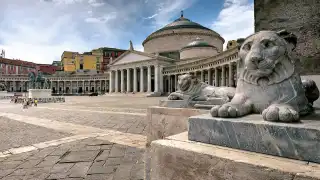
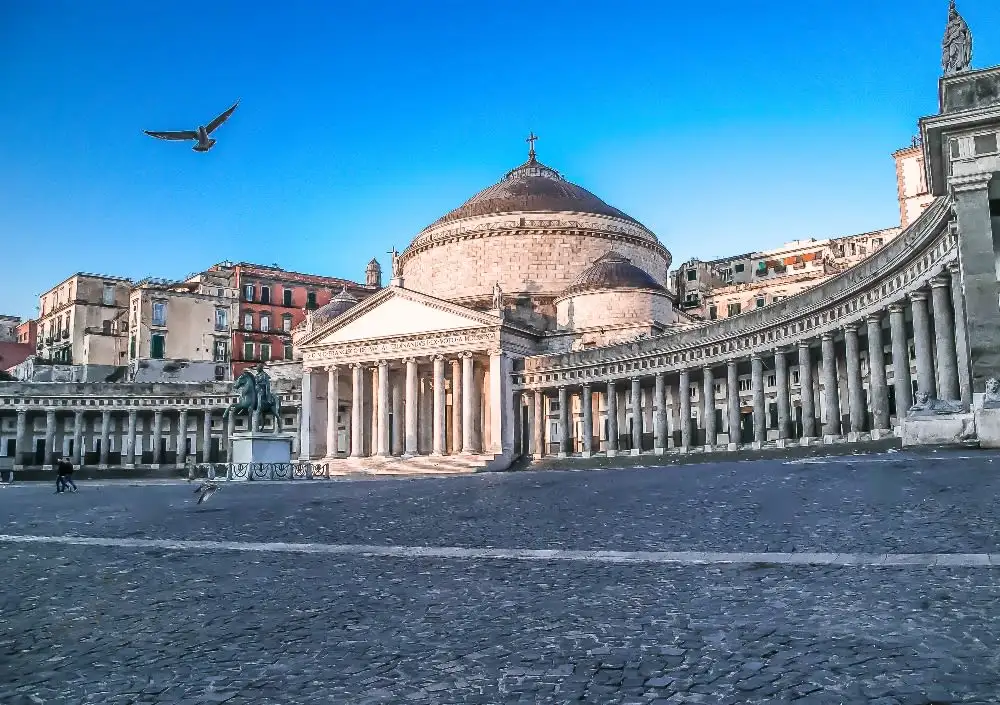
Piazza del Plebiscito
Highlight of Naples WaterfrontVisit the city's most iconic square and its most popular gathering spot.
Piazza del Plebiscito is Naples' largest and most important piazza. Entering the more than 6 acre large square on the southwest corner, you will be greeted by a grand spectacle. The Royal Palace (Palazzo Reale) stands on one side of the piazza and a long classically-inspired collonade runs along the other side. You are still only steps from the waterfront, and behind you the sea stretches across the Gulf of Naples and Mount Vesuvius looms. The colonnade was first created by Joachim Murat, one of Napoleon's field marshall's who was made King of Naples as a reward for his loyalty and success. After his overthrow though, the Bourbon King Ferdinand I made sure to add a church to the center of the colonnade: the Basilica of St. Francis of Paola. This was partially intended as a thumb in the eye to Murat and to the secular ideals of the French Revolution which had briefly overthrown his kingdom. Despite this, the basilica does at least reinforce Murat's classical theme, as it resembles the Pantheon of Rome. Ironically, the square is now also a rebuke to the Bourbons, as it was renamed the "Piazza del Plebiscito" after the referendum which ratified the end of Bourbon rule.


Castel Nuovo
Highlight of Naples WaterfrontWander a medieval castle which is one of the city's most famous monuments.
Built in 1282 by the Angevins rulers and later converted into a royal residence by the Aragon monarchs from Spain, the imposing fortress is an important symbol of Naples. Take a stroll around its towering walls, enjoy excellent views over the bay and visit the Palatine Chapel to see its beautiful frescoes. You can also take a guided tour of the castle, including the uppermost terrace, towers, and the basement, which doubled as the castle's dungeon.


Royal Palace (Palazzo Reale)
Highlight of Naples WaterfrontDiscover the lavish former home of Naples' Kings and Queens inside this restored historic palace.
The Palazzo Reale (Royal Palace) was built in the 1600's during Spanish rule. The Spanish viceroys had tired of living in the next-door Castel Nuovo, which by then was a drafty, old-fashioned castle. The palace later became the royal residence of the Kingdom of Naples. You can explore its lavishly decorated apartments and impressive throne room while learning all about the city's royal history. The palace interior is now the Museo dell'Appartamento Storico del Palazzo Reale - a complex of fine halls with period furniture, tapestries, paintings, and porcelain, accessed by a grand staircase. There are good views of Castel Nuovo from the upper floors, and the chapel on the far side of the central courtyard has one of the city's biggest presepi (Christmas crib) filled with 210 18th-century figures. Behind the palace, you'll find the tranquil Giardino Reale gardens and a group of 19th-century sculptures called Horse Trainers by Czar Nicholas I's favorite sculptor. It's also the location of the National Library, founded in 1734 and the most important library in southern Italy


Castel dell'Ovo
Highlight of Naples WaterfrontEnjoy amazing views as you stand on the ramparts of this imposing fortress jutting out into the sea.
Standing on the ancient island of Megaris which is joined to the shore by a pier, this medieval fortress was built in the 1200's AD on the remains of an earlier Roman villa. Known as the "egg-castle", it takes its name from the legend that it was built over an egg placed here by the Roman poet Virgil: it is believed that if the egg breaks, Naples will fall. According to another old legend, the lifeless body of the mermaid Parthenope was washed ashore here after she gave herself up to death upon failing to win the heart of Ulysses. Hence the name of the waterfront street facing the castle - Via Partenhope. Other than the Museum of Ethnoprehistory housed within the castle, there's not too much to see in the interiors, but that's okay because the views are the best in town: a 360-degree panorama over the entire bay and back over Naples itself. When you're finished, you can go for drinks at one of the quayside restaurants in the Borgo Marinaro below.


Naples Waterfront
OverviewNaples Waterfront
As you walk along the historic Neopolitan waterfront you'll encounter two imposing yet stately medieval castle-fortresses. Built by Naples' former Spanish rulers, they command glorious views out over the Bay of Naples and Mt Vesuvius beyond. There's also the grand Palazzo Reale, a palace erected by the Bourbon kings that faces the monumental square of Piazza del Plebiscito on one side and the famous San Carlo Theater on the other. You can cut right through the heart of Naples on the Spaccanapoli, a straight, narrow main street that has been that way since it was first built in Roman times is the straight and narrow main street that traverses the old, historic center of the city of Naples, Italy. The name is a popular usage and means, literally, "Naples splitter". TBut of course you'll want to wander of the many side streets amazing churches, and chaotic.


Piazza del Plebiscito
Highlight of Naples WaterfrontVisit the city's most iconic square and its most popular gathering spot.
Piazza del Plebiscito is Naples' largest and most important piazza. Entering the more than 6 acre large square on the southwest corner, you will be greeted by a grand spectacle. The Royal Palace (Palazzo Reale) stands on one side of the piazza and a long classically-inspired collonade runs along the other side. You are still only steps from the waterfront, and behind you the sea stretches across the Gulf of Naples and Mount Vesuvius looms. The colonnade was first created by Joachim Murat, one of Napoleon's field marshall's who was made King of Naples as a reward for his loyalty and success. After his overthrow though, the Bourbon King Ferdinand I made sure to add a church to the center of the colonnade: the Basilica of St. Francis of Paola. This was partially intended as a thumb in the eye to Murat and to the secular ideals of the French Revolution which had briefly overthrown his kingdom. Despite this, the basilica does at least reinforce Murat's classical theme, as it resembles the Pantheon of Rome. Ironically, the square is now also a rebuke to the Bourbons, as it was renamed the "Piazza del Plebiscito" after the referendum which ratified the end of Bourbon rule.


Castel Nuovo
Highlight of Naples WaterfrontWander a medieval castle which is one of the city's most famous monuments.
Built in 1282 by the Angevins rulers and later converted into a royal residence by the Aragon monarchs from Spain, the imposing fortress is an important symbol of Naples. Take a stroll around its towering walls, enjoy excellent views over the bay and visit the Palatine Chapel to see its beautiful frescoes. You can also take a guided tour of the castle, including the uppermost terrace, towers, and the basement, which doubled as the castle's dungeon.

Castel Nuovo
Highlight of Naples WaterfrontWander a medieval castle which is one of the city's most famous monuments.
Built in 1282 by the Angevins rulers and later converted into a royal residence by the Aragon monarchs from Spain, the imposing fortress is an important symbol of Naples. Take a stroll around its towering walls, enjoy excellent views over the bay and visit the Palatine Chapel to see its beautiful frescoes. You can also take a guided tour of the castle, including the uppermost terrace, towers, and the basement, which doubled as the castle's dungeon.

Royal Palace (Palazzo Reale)
Highlight of Naples WaterfrontDiscover the lavish former home of Naples' Kings and Queens inside this restored historic palace.
The Palazzo Reale (Royal Palace) was built in the 1600's during Spanish rule. The Spanish viceroys had tired of living in the next-door Castel Nuovo, which by then was a drafty, old-fashioned castle. The palace later became the royal residence of the Kingdom of Naples. You can explore its lavishly decorated apartments and impressive throne room while learning all about the city's royal history. The palace interior is now the Museo dell'Appartamento Storico del Palazzo Reale - a complex of fine halls with period furniture, tapestries, paintings, and porcelain, accessed by a grand staircase. There are good views of Castel Nuovo from the upper floors, and the chapel on the far side of the central courtyard has one of the city's biggest presepi (Christmas crib) filled with 210 18th-century figures. Behind the palace, you'll find the tranquil Giardino Reale gardens and a group of 19th-century sculptures called Horse Trainers by Czar Nicholas I's favorite sculptor. It's also the location of the National Library, founded in 1734 and the most important library in southern Italy

Castel dell'Ovo
Highlight of Naples WaterfrontEnjoy amazing views as you stand on the ramparts of this imposing fortress jutting out into the sea.
Standing on the ancient island of Megaris which is joined to the shore by a pier, this medieval fortress was built in the 1200's AD on the remains of an earlier Roman villa. Known as the "egg-castle", it takes its name from the legend that it was built over an egg placed here by the Roman poet Virgil: it is believed that if the egg breaks, Naples will fall. According to another old legend, the lifeless body of the mermaid Parthenope was washed ashore here after she gave herself up to death upon failing to win the heart of Ulysses. Hence the name of the waterfront street facing the castle - Via Partenhope. Other than the Museum of Ethnoprehistory housed within the castle, there's not too much to see in the interiors, but that's okay because the views are the best in town: a 360-degree panorama over the entire bay and back over Naples itself. When you're finished, you can go for drinks at one of the quayside restaurants in the Borgo Marinaro below.

Naples Waterfront
OverviewNaples Waterfront
As you walk along the historic Neopolitan waterfront you'll encounter two imposing yet stately medieval castle-fortresses. Built by Naples' former Spanish rulers, they command glorious views out over the Bay of Naples and Mt Vesuvius beyond. There's also the grand Palazzo Reale, a palace erected by the Bourbon kings that faces the monumental square of Piazza del Plebiscito on one side and the famous San Carlo Theater on the other. You can cut right through the heart of Naples on the Spaccanapoli, a straight, narrow main street that has been that way since it was first built in Roman times is the straight and narrow main street that traverses the old, historic center of the city of Naples, Italy. The name is a popular usage and means, literally, "Naples splitter". TBut of course you'll want to wander of the many side streets amazing churches, and chaotic.

Piazza del Plebiscito
Highlight of Naples WaterfrontVisit the city's most iconic square and its most popular gathering spot.
Piazza del Plebiscito is Naples' largest and most important piazza. Entering the more than 6 acre large square on the southwest corner, you will be greeted by a grand spectacle. The Royal Palace (Palazzo Reale) stands on one side of the piazza and a long classically-inspired collonade runs along the other side. You are still only steps from the waterfront, and behind you the sea stretches across the Gulf of Naples and Mount Vesuvius looms. The colonnade was first created by Joachim Murat, one of Napoleon's field marshall's who was made King of Naples as a reward for his loyalty and success. After his overthrow though, the Bourbon King Ferdinand I made sure to add a church to the center of the colonnade: the Basilica of St. Francis of Paola. This was partially intended as a thumb in the eye to Murat and to the secular ideals of the French Revolution which had briefly overthrown his kingdom. Despite this, the basilica does at least reinforce Murat's classical theme, as it resembles the Pantheon of Rome. Ironically, the square is now also a rebuke to the Bourbons, as it was renamed the "Piazza del Plebiscito" after the referendum which ratified the end of Bourbon rule.

Castel Nuovo
Highlight of Naples WaterfrontWander a medieval castle which is one of the city's most famous monuments.
Built in 1282 by the Angevins rulers and later converted into a royal residence by the Aragon monarchs from Spain, the imposing fortress is an important symbol of Naples. Take a stroll around its towering walls, enjoy excellent views over the bay and visit the Palatine Chapel to see its beautiful frescoes. You can also take a guided tour of the castle, including the uppermost terrace, towers, and the basement, which doubled as the castle's dungeon.

Royal Palace (Palazzo Reale)
Highlight of Naples WaterfrontDiscover the lavish former home of Naples' Kings and Queens inside this restored historic palace.
The Palazzo Reale (Royal Palace) was built in the 1600's during Spanish rule. The Spanish viceroys had tired of living in the next-door Castel Nuovo, which by then was a drafty, old-fashioned castle. The palace later became the royal residence of the Kingdom of Naples. You can explore its lavishly decorated apartments and impressive throne room while learning all about the city's royal history. The palace interior is now the Museo dell'Appartamento Storico del Palazzo Reale - a complex of fine halls with period furniture, tapestries, paintings, and porcelain, accessed by a grand staircase. There are good views of Castel Nuovo from the upper floors, and the chapel on the far side of the central courtyard has one of the city's biggest presepi (Christmas crib) filled with 210 18th-century figures. Behind the palace, you'll find the tranquil Giardino Reale gardens and a group of 19th-century sculptures called Horse Trainers by Czar Nicholas I's favorite sculptor. It's also the location of the National Library, founded in 1734 and the most important library in southern Italy

Castel dell'Ovo
Highlight of Naples WaterfrontEnjoy amazing views as you stand on the ramparts of this imposing fortress jutting out into the sea.
Standing on the ancient island of Megaris which is joined to the shore by a pier, this medieval fortress was built in the 1200's AD on the remains of an earlier Roman villa. Known as the "egg-castle", it takes its name from the legend that it was built over an egg placed here by the Roman poet Virgil: it is believed that if the egg breaks, Naples will fall. According to another old legend, the lifeless body of the mermaid Parthenope was washed ashore here after she gave herself up to death upon failing to win the heart of Ulysses. Hence the name of the waterfront street facing the castle - Via Partenhope. Other than the Museum of Ethnoprehistory housed within the castle, there's not too much to see in the interiors, but that's okay because the views are the best in town: a 360-degree panorama over the entire bay and back over Naples itself. When you're finished, you can go for drinks at one of the quayside restaurants in the Borgo Marinaro below.

Naples Waterfront
OverviewNaples Waterfront
As you walk along the historic Neopolitan waterfront you'll encounter two imposing yet stately medieval castle-fortresses. Built by Naples' former Spanish rulers, they command glorious views out over the Bay of Naples and Mt Vesuvius beyond. There's also the grand Palazzo Reale, a palace erected by the Bourbon kings that faces the monumental square of Piazza del Plebiscito on one side and the famous San Carlo Theater on the other. You can cut right through the heart of Naples on the Spaccanapoli, a straight, narrow main street that has been that way since it was first built in Roman times is the straight and narrow main street that traverses the old, historic center of the city of Naples, Italy. The name is a popular usage and means, literally, "Naples splitter". TBut of course you'll want to wander of the many side streets amazing churches, and chaotic.

Piazza del Plebiscito
Highlight of Naples WaterfrontVisit the city's most iconic square and its most popular gathering spot.
Piazza del Plebiscito is Naples' largest and most important piazza. Entering the more than 6 acre large square on the southwest corner, you will be greeted by a grand spectacle. The Royal Palace (Palazzo Reale) stands on one side of the piazza and a long classically-inspired collonade runs along the other side. You are still only steps from the waterfront, and behind you the sea stretches across the Gulf of Naples and Mount Vesuvius looms. The colonnade was first created by Joachim Murat, one of Napoleon's field marshall's who was made King of Naples as a reward for his loyalty and success. After his overthrow though, the Bourbon King Ferdinand I made sure to add a church to the center of the colonnade: the Basilica of St. Francis of Paola. This was partially intended as a thumb in the eye to Murat and to the secular ideals of the French Revolution which had briefly overthrown his kingdom. Despite this, the basilica does at least reinforce Murat's classical theme, as it resembles the Pantheon of Rome. Ironically, the square is now also a rebuke to the Bourbons, as it was renamed the "Piazza del Plebiscito" after the referendum which ratified the end of Bourbon rule.

Castel Nuovo
Highlight of Naples WaterfrontWander a medieval castle which is one of the city's most famous monuments.
Built in 1282 by the Angevins rulers and later converted into a royal residence by the Aragon monarchs from Spain, the imposing fortress is an important symbol of Naples. Take a stroll around its towering walls, enjoy excellent views over the bay and visit the Palatine Chapel to see its beautiful frescoes. You can also take a guided tour of the castle, including the uppermost terrace, towers, and the basement, which doubled as the castle's dungeon.

Day 2
Naples
Day 2
Naples
9:00 AM - 12:00 PM
Discover both the ancient and modern history of Naples as well as the real town: its people, the students, the food (the best pizzerias and pastry shops in Italy), and the craftsmanship on this three-hour private guided walking tour. Your personal guide will pick you up directly from your hotel.


Day 2
Naples
Naples City Guided Walking Tour
OverviewNaples City Guided Walking Tour
Discover both the ancient and modern history of Naples as well as the real town: its people, the students, the food (the best pizzerias and pastry shops in Italy), and the craftsmanship on this three-hour private guided walking tour. Your personal guide will pick you up directly from your hotel.

Naples City Guided Walking Tour
OverviewNaples City Guided Walking Tour
Discover both the ancient and modern history of Naples as well as the real town: its people, the students, the food (the best pizzerias and pastry shops in Italy), and the craftsmanship on this three-hour private guided walking tour. Your personal guide will pick you up directly from your hotel.

Naples City Guided Walking Tour
OverviewNaples City Guided Walking Tour
Discover both the ancient and modern history of Naples as well as the real town: its people, the students, the food (the best pizzerias and pastry shops in Italy), and the craftsmanship on this three-hour private guided walking tour. Your personal guide will pick you up directly from your hotel.

Naples City Guided Walking Tour
OverviewNaples City Guided Walking Tour
Discover both the ancient and modern history of Naples as well as the real town: its people, the students, the food (the best pizzerias and pastry shops in Italy), and the craftsmanship on this three-hour private guided walking tour. Your personal guide will pick you up directly from your hotel.

Naples City Guided Walking Tour
OverviewNaples City Guided Walking Tour
Discover both the ancient and modern history of Naples as well as the real town: its people, the students, the food (the best pizzerias and pastry shops in Italy), and the craftsmanship on this three-hour private guided walking tour. Your personal guide will pick you up directly from your hotel.

Day 3
Naples
Day 3
Naples
Morning/Mid-Day
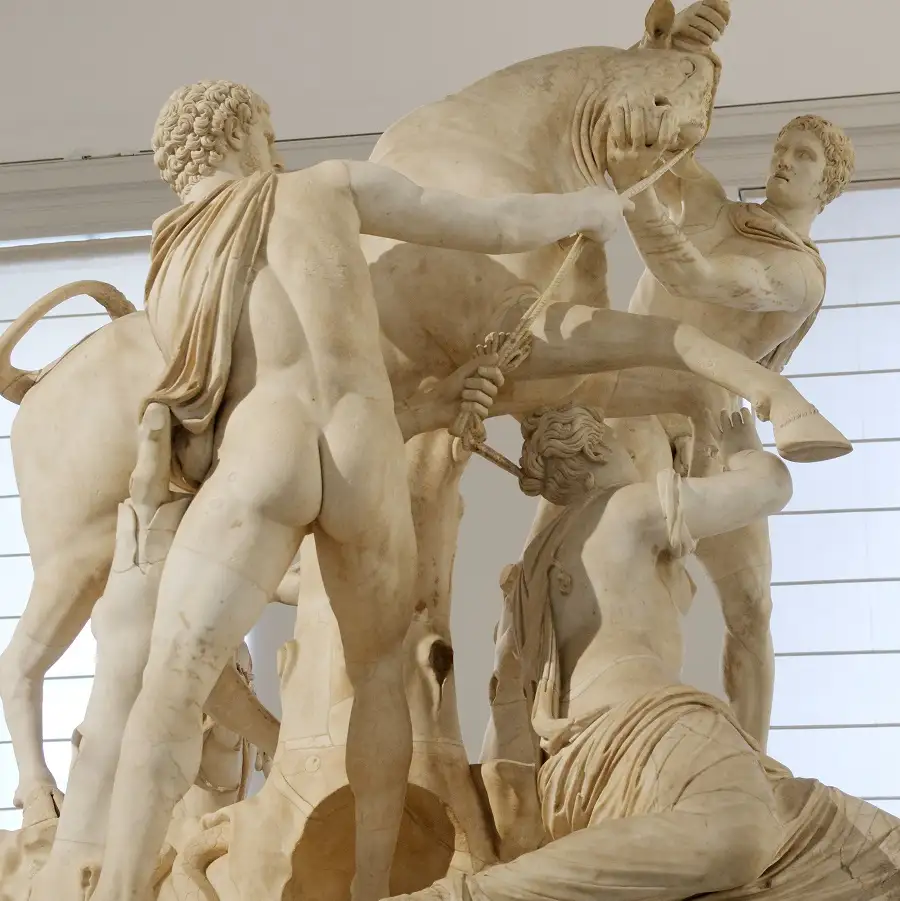
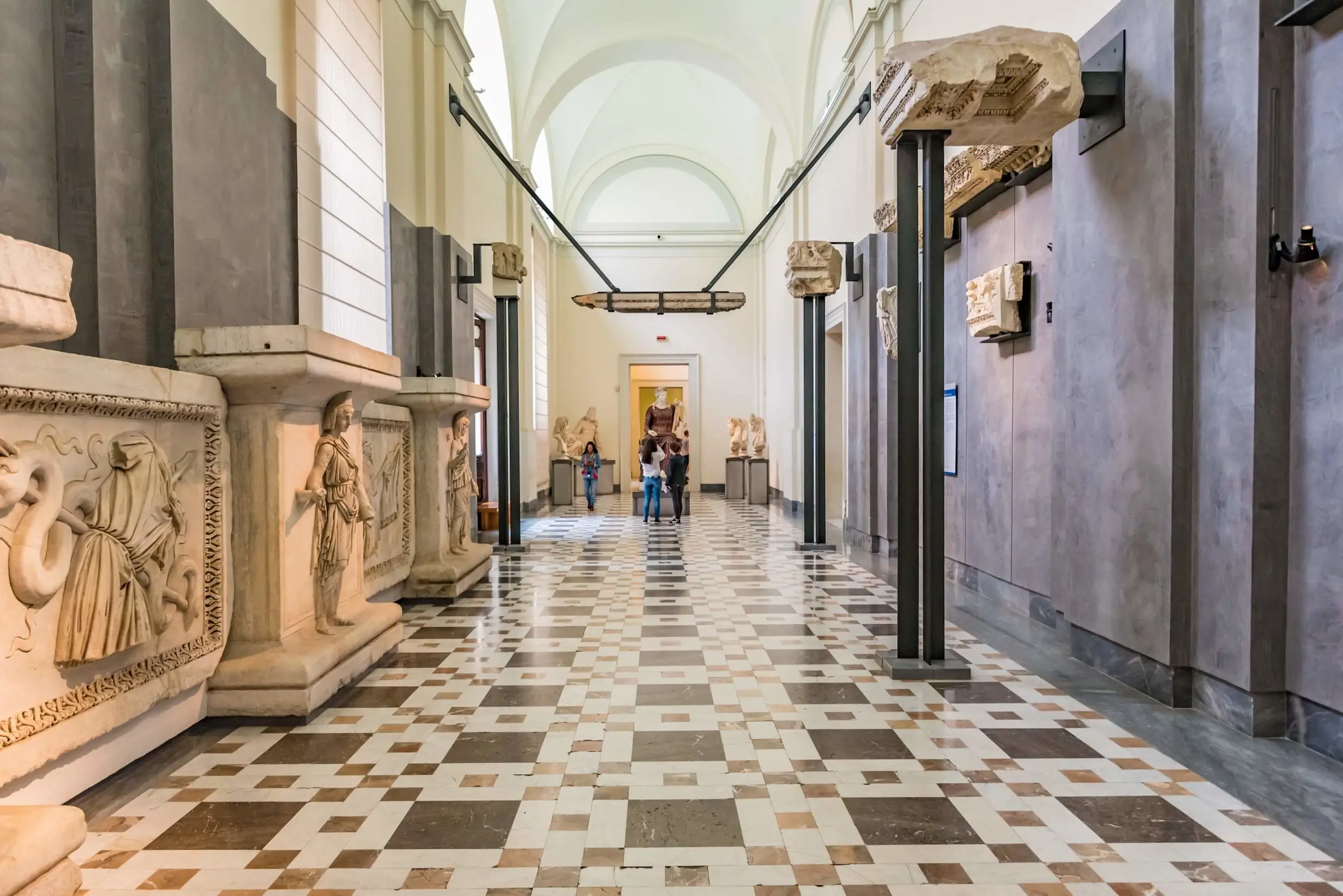
The greatest Italian archaeological museum outside Rome, the Neopolitan National Archaeological Museum is a mandatory stop for anyone planning to visit Pompeii and Herculaneum, boasting as it does the greatest treasures from those two fateful townships. It also contains some of the most jaw-dropping sculptures from antiquity, including the fabulous Farnese Bull and the muscle-bound Ercole (Hercules) that once graced the Baths of Caracalla in Rome.


Day 3
Naples

National Archaeological Museum
OverviewNational Archaeological Museum
The greatest Italian archaeological museum outside Rome, the Neopolitan National Archaeological Museum is a mandatory stop for anyone planning to visit Pompeii and Herculaneum, boasting as it does the greatest treasures from those two fateful townships. It also contains some of the most jaw-dropping sculptures from antiquity, including the fabulous Farnese Bull and the muscle-bound Ercole (Hercules) that once graced the Baths of Caracalla in Rome.

National Archaeological Museum
OverviewNational Archaeological Museum
The greatest Italian archaeological museum outside Rome, the Neopolitan National Archaeological Museum is a mandatory stop for anyone planning to visit Pompeii and Herculaneum, boasting as it does the greatest treasures from those two fateful townships. It also contains some of the most jaw-dropping sculptures from antiquity, including the fabulous Farnese Bull and the muscle-bound Ercole (Hercules) that once graced the Baths of Caracalla in Rome.

National Archaeological Museum
OverviewNational Archaeological Museum
The greatest Italian archaeological museum outside Rome, the Neopolitan National Archaeological Museum is a mandatory stop for anyone planning to visit Pompeii and Herculaneum, boasting as it does the greatest treasures from those two fateful townships. It also contains some of the most jaw-dropping sculptures from antiquity, including the fabulous Farnese Bull and the muscle-bound Ercole (Hercules) that once graced the Baths of Caracalla in Rome.

National Archaeological Museum
OverviewNational Archaeological Museum
The greatest Italian archaeological museum outside Rome, the Neopolitan National Archaeological Museum is a mandatory stop for anyone planning to visit Pompeii and Herculaneum, boasting as it does the greatest treasures from those two fateful townships. It also contains some of the most jaw-dropping sculptures from antiquity, including the fabulous Farnese Bull and the muscle-bound Ercole (Hercules) that once graced the Baths of Caracalla in Rome.

National Archaeological Museum
OverviewNational Archaeological Museum
The greatest Italian archaeological museum outside Rome, the Neopolitan National Archaeological Museum is a mandatory stop for anyone planning to visit Pompeii and Herculaneum, boasting as it does the greatest treasures from those two fateful townships. It also contains some of the most jaw-dropping sculptures from antiquity, including the fabulous Farnese Bull and the muscle-bound Ercole (Hercules) that once graced the Baths of Caracalla in Rome.

Day 4
Naples
Day 4
Naples
Early Morning to Mid-Day
The largest island in the Bay of Naples, Ischia is more interesting geographically than Capri, which makes it great for gentle hikes, especially to its summit of Mt Epomeo, and its volcanic soils make for the cultivation of fine wines. It also has some lovely sun-bathing spots and an exquisitely picturesque coastal fortress.

Walk across a causeway to reach this picturesque medieval castle located on a small
Show More
Hike to the top of Mount Epomeo for breathtaking views over the island.
Show More
Browse the gallery to see some of the highlights

Walk across a causeway to reach this picturesque medieval castle located on a small
Show More
Hike to the top of Mount Epomeo for breathtaking views over the island.
Show More
Browse the gallery to see some of the highlights

Walk across a causeway to reach this picturesque medieval castle located on a small
Show More
Day 4
Naples

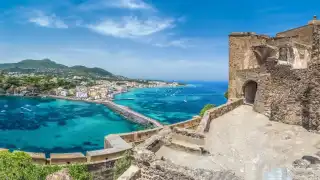
Castello Aragonese
Highlight of Ischia IslandWalk across a causeway to reach this picturesque medieval castle located on a small
Accessed via the 15th century Ponte Aragonese, a 750 feet (228m) long causeway, the rocky islet fortress of Alfonso the Magnanimous is Ischia's top sight. As you explore you will understand why it made such a stunning backdrop in the film The Talented Mr Ripley. The citadel itself is showing signs of wear and tear and some of it is closed to the public, but below is a complex of buildings that could be almost a separate village, and you can wander around these by way of olive-shaded paths and lush terraces. There's an eerie open shell of a cathedral destroyed by British bombardment in 1806 and a prison that once held political prisoners during the Unification struggle. Otherwise, there are a couple nice cafe-restaurants from where you can enjoy the sea views.There's also the remains of a convent, in which a couple of dark rooms are ringed with a set of seats that look like stone toilets. These actually served as a cemetery for the deceased sisters - the bodies were placed on these seats to decompose, and the nuns would gather to pray here. While today this all seems rather macabre, the sisters considered it a reminder of their own ephemeral existence on earth.

Mt Epomeo
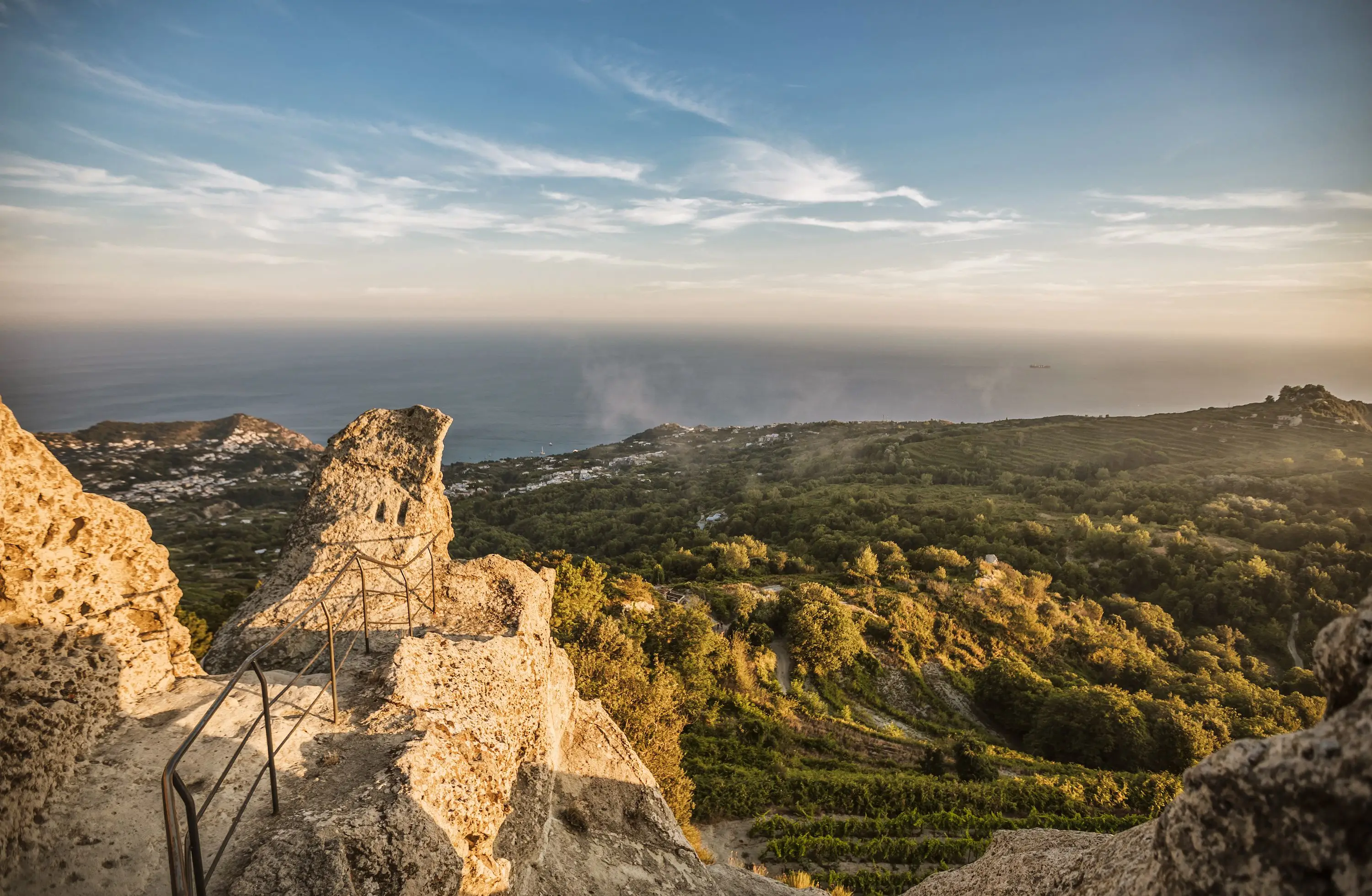
Highlight of Ischia IslandHike to the top of Mount Epomeo for breathtaking views over the island.
Take a short but steep hike up to Ischia's highest point on Mount Epomeo to enjoy superb views of the entire island of Ischia and its many vineyards. On a clear day, you can even see Mount Vesuvius, Sorrento and the island of Capri in the distance. You need to be reasonably fit and wear good shoes, as the final part of the track becomes no more than a channel cut out of the soft rock. There's a rather good terrace cafe/restaurant at the top where you can take a refreshment break.

Ischia Island
OverviewIschia Island
The largest island in the Bay of Naples, Ischia is more interesting geographically than Capri, which makes it great for gentle hikes, especially to its summit of Mt Epomeo, and its volcanic soils make for the cultivation of fine wines. It also has some lovely sun-bathing spots and an exquisitely picturesque coastal fortress.

Castello Aragonese
Highlight of Ischia IslandWalk across a causeway to reach this picturesque medieval castle located on a small
Accessed via the 15th century Ponte Aragonese, a 750 feet (228m) long causeway, the rocky islet fortress of Alfonso the Magnanimous is Ischia's top sight. As you explore you will understand why it made such a stunning backdrop in the film The Talented Mr Ripley. The citadel itself is showing signs of wear and tear and some of it is closed to the public, but below is a complex of buildings that could be almost a separate village, and you can wander around these by way of olive-shaded paths and lush terraces. There's an eerie open shell of a cathedral destroyed by British bombardment in 1806 and a prison that once held political prisoners during the Unification struggle. Otherwise, there are a couple nice cafe-restaurants from where you can enjoy the sea views.There's also the remains of a convent, in which a couple of dark rooms are ringed with a set of seats that look like stone toilets. These actually served as a cemetery for the deceased sisters - the bodies were placed on these seats to decompose, and the nuns would gather to pray here. While today this all seems rather macabre, the sisters considered it a reminder of their own ephemeral existence on earth.

Mt Epomeo
Highlight of Ischia IslandHike to the top of Mount Epomeo for breathtaking views over the island.
Take a short but steep hike up to Ischia's highest point on Mount Epomeo to enjoy superb views of the entire island of Ischia and its many vineyards. On a clear day, you can even see Mount Vesuvius, Sorrento and the island of Capri in the distance. You need to be reasonably fit and wear good shoes, as the final part of the track becomes no more than a channel cut out of the soft rock. There's a rather good terrace cafe/restaurant at the top where you can take a refreshment break.

Ischia Island
OverviewIschia Island
The largest island in the Bay of Naples, Ischia is more interesting geographically than Capri, which makes it great for gentle hikes, especially to its summit of Mt Epomeo, and its volcanic soils make for the cultivation of fine wines. It also has some lovely sun-bathing spots and an exquisitely picturesque coastal fortress.

Castello Aragonese
Highlight of Ischia IslandWalk across a causeway to reach this picturesque medieval castle located on a small
Accessed via the 15th century Ponte Aragonese, a 750 feet (228m) long causeway, the rocky islet fortress of Alfonso the Magnanimous is Ischia's top sight. As you explore you will understand why it made such a stunning backdrop in the film The Talented Mr Ripley. The citadel itself is showing signs of wear and tear and some of it is closed to the public, but below is a complex of buildings that could be almost a separate village, and you can wander around these by way of olive-shaded paths and lush terraces. There's an eerie open shell of a cathedral destroyed by British bombardment in 1806 and a prison that once held political prisoners during the Unification struggle. Otherwise, there are a couple nice cafe-restaurants from where you can enjoy the sea views.There's also the remains of a convent, in which a couple of dark rooms are ringed with a set of seats that look like stone toilets. These actually served as a cemetery for the deceased sisters - the bodies were placed on these seats to decompose, and the nuns would gather to pray here. While today this all seems rather macabre, the sisters considered it a reminder of their own ephemeral existence on earth.

Day 5
Naples to Sorrento
Day 5
Naples to Sorrento
Morning/Mid-Day
Walk or catch a bus up the Capodimonte Hill to visit the fascinating early Christian catacombs beneath the churches of San Gennaro or Santa Maria della Sanità. Alternatively, continue further up the hill to visit the former residence of Bourbon King Charles III, Palazzo Reale di Capodimonte, to see one of the country's best art collections with works by Michelangelo, Titian, and Caravaggio.
Take a guided tour and descend into the catacombs to see an ancient Christian burial place.
Show More
Take a relaxing stroll in the oldest and most beautiful public park in the city.
Show More

Browse the gallery to see some of the highlights

Spend some quality time with Caravaggio and Titian in one of Italy's largest and best art collections.
Show More
Take a guided tour and descend into the catacombs to see an ancient Christian burial place.
Show More
Take a relaxing stroll in the oldest and most beautiful public park in the city.
Show More
Browse the gallery to see some of the highlights

Spend some quality time with Caravaggio and Titian in one of Italy's largest and best art collections.
Show More
Day 5
Naples to Sorrento

Catacombs of San Gennaro
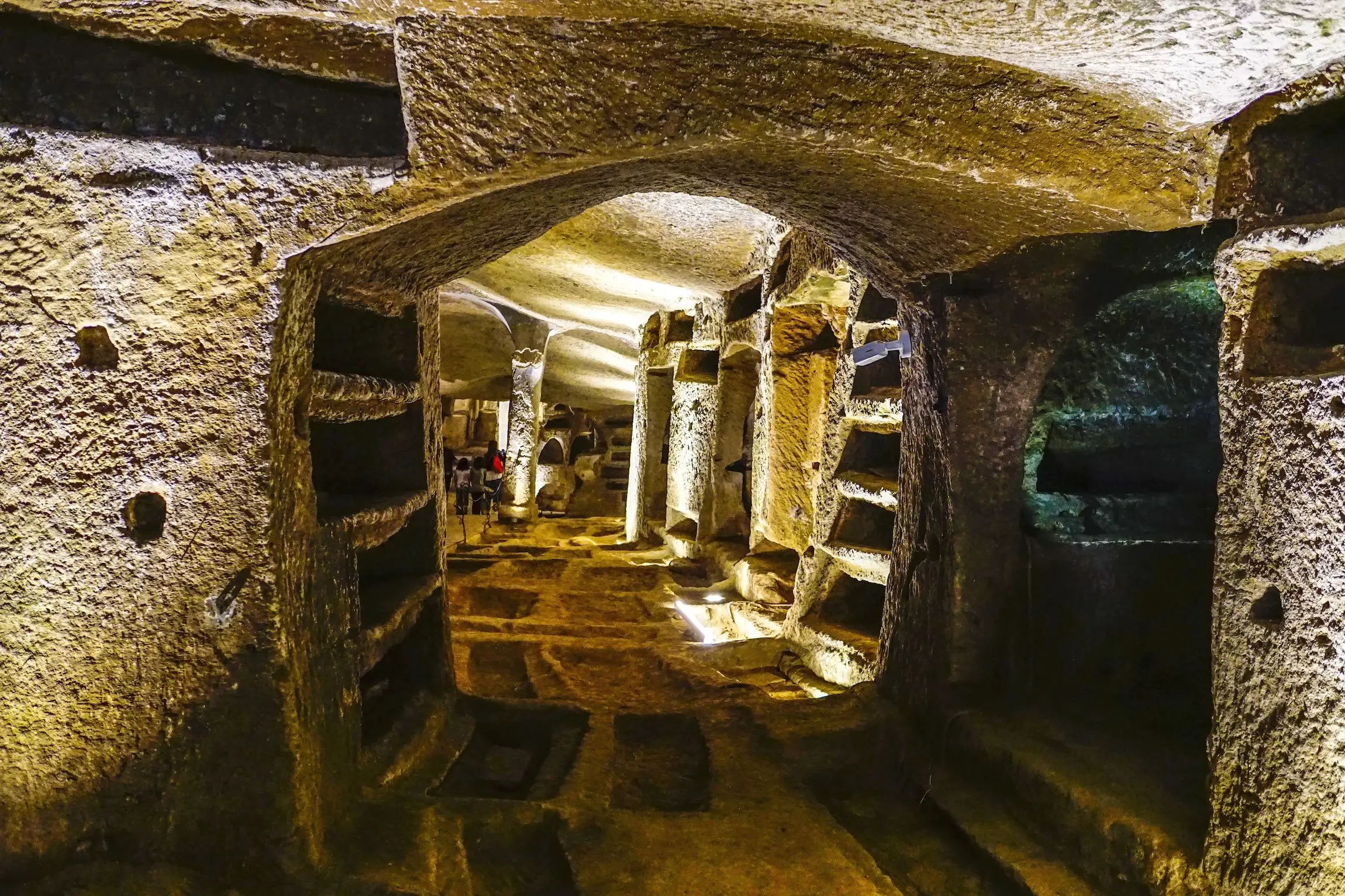
Highlight of CapodimonteTake a guided tour and descend into the catacombs to see an ancient Christian burial place.
The catacombs date from the second century AD and seem to have developed around the family tomb of an early member of the Christian community. It probably became the official cemetery of Christian Naples after the burial here, in the 3rd century, of the bishop-saint Agrippinus, over whose tomb a basilica was built. The catacombs became a place of pilgrimage after the 5th-century martyr and patron saint of the city, San Gennaro, was entombed here. Some of the early Christian frescoes and mosaics have been newly restored, and much of the complex has been superbly lit, which provides visitors not only with an ideal view of the rows of tombs, but also a wonderful ambiance. Temperatures range between 17-22 degrees Celsius throughout the year, so take warm clothing if you think you might be shivering throughout the 45min tours.

Capodimonte Park
Highlight of CapodimonteTake a relaxing stroll in the oldest and most beautiful public park in the city.
With exquisite views of the city and Bay of Naples, this enormous landscaped park is a great opportunity to exchange the urban chaos of Naples for some greenery. The park covers nearly 100 acres and over the last nearly 300 years it has been filled with over 400 different plant species.

Capodimonte
OverviewCapodimonte
Walk or catch a bus up the Capodimonte Hill to visit the fascinating early Christian catacombs beneath the churches of San Gennaro or Santa Maria della Sanità. Alternatively, continue further up the hill to visit the former residence of Bourbon King Charles III, Palazzo Reale di Capodimonte, to see one of the country's best art collections with works by Michelangelo, Titian, and Caravaggio.

Museo Nazionale di Capodimonte
Highlight of CapodimonteSpend some quality time with Caravaggio and Titian in one of Italy's largest and best art collections.
The Palazzo Reale di Capodimonte was the royal residence of the Bourbon King Charles III. Purpose-built in 1738 by Charles specifically to house the family art collection, it now operates as one of the best public art galleries in the country, the Museo Nazionale di Capodimonte. A large part of the first floor is dedicated to the fabulous Farnese Collections. Among the great paintings to look out for here are Sandro Bollicelli's Madonna and Child with Two Angels, and the Venetian painter Giovanni Bellini's masterpiece Transfiguration. Another great Venetian painter, Titian, is represented here by his depiction of Danaë. The second floor focuses on the development of painting in Naples 1200-1700, and while there are a number of masterpieces here, the two standouts are Flagellation by Caravaggio, and Judith and Holofernes by Artemisia Gentileschi. The first is a dark and disturbing painting that comes from the church of San Domenico Maggiore, where you can still see a 17th-century copy. Caravaggio was known to work in a darkened studio using point-source lighting to increase the contrast, hence the dramatic effect of his images.

Catacombs of San Gennaro
Highlight of CapodimonteTake a guided tour and descend into the catacombs to see an ancient Christian burial place.
The catacombs date from the second century AD and seem to have developed around the family tomb of an early member of the Christian community. It probably became the official cemetery of Christian Naples after the burial here, in the 3rd century, of the bishop-saint Agrippinus, over whose tomb a basilica was built. The catacombs became a place of pilgrimage after the 5th-century martyr and patron saint of the city, San Gennaro, was entombed here. Some of the early Christian frescoes and mosaics have been newly restored, and much of the complex has been superbly lit, which provides visitors not only with an ideal view of the rows of tombs, but also a wonderful ambiance. Temperatures range between 17-22 degrees Celsius throughout the year, so take warm clothing if you think you might be shivering throughout the 45min tours.

Capodimonte Park
Highlight of CapodimonteTake a relaxing stroll in the oldest and most beautiful public park in the city.
With exquisite views of the city and Bay of Naples, this enormous landscaped park is a great opportunity to exchange the urban chaos of Naples for some greenery. The park covers nearly 100 acres and over the last nearly 300 years it has been filled with over 400 different plant species.

Capodimonte
OverviewCapodimonte
Walk or catch a bus up the Capodimonte Hill to visit the fascinating early Christian catacombs beneath the churches of San Gennaro or Santa Maria della Sanità. Alternatively, continue further up the hill to visit the former residence of Bourbon King Charles III, Palazzo Reale di Capodimonte, to see one of the country's best art collections with works by Michelangelo, Titian, and Caravaggio.

Museo Nazionale di Capodimonte
Highlight of CapodimonteSpend some quality time with Caravaggio and Titian in one of Italy's largest and best art collections.
The Palazzo Reale di Capodimonte was the royal residence of the Bourbon King Charles III. Purpose-built in 1738 by Charles specifically to house the family art collection, it now operates as one of the best public art galleries in the country, the Museo Nazionale di Capodimonte. A large part of the first floor is dedicated to the fabulous Farnese Collections. Among the great paintings to look out for here are Sandro Bollicelli's Madonna and Child with Two Angels, and the Venetian painter Giovanni Bellini's masterpiece Transfiguration. Another great Venetian painter, Titian, is represented here by his depiction of Danaë. The second floor focuses on the development of painting in Naples 1200-1700, and while there are a number of masterpieces here, the two standouts are Flagellation by Caravaggio, and Judith and Holofernes by Artemisia Gentileschi. The first is a dark and disturbing painting that comes from the church of San Domenico Maggiore, where you can still see a 17th-century copy. Caravaggio was known to work in a darkened studio using point-source lighting to increase the contrast, hence the dramatic effect of his images.

Day 6
Sorrento
Day 6
Sorrento
Morning to Late Afternoon
There is no question that Capri is one of the most impressive spots in Italy. Surrounded by crystal clear waters, shimmering grottos and dramatic cliff-faces, it’s what dreams are made of. Made famous as the vacation hideaway of Roman emperors Augustus and Tiberius, the beautiful island of Capri is a fantastic day trip option from Sorrento by ferry. Spend your day exploring its two towns, Capri & Anacapri, take a boat trip to Capri's famous Blue Grotto or take a thrilling ride on the chairlift to Monte Solaro for beautiful views over Capri and the Bay of Naples.

Take the chairlift up to Mount Solaro for amazing views over Capri and the Bay of Naples.
Show More
Visit the beautiful residence of the Swedish physician and writer Alex Munthe, one of the top sights on the island.
Show More
Take a taxi or bus up to this pretty little village awash with boutique shops and high priced restaurants.
Show More
Browse the gallery to see some of the highlights

Take a boat trip around the island to reach this mystical Blue grotto cave.
Show More
Take the chairlift up to Mount Solaro for amazing views over Capri and the Bay of Naples.
Show More
Visit the beautiful residence of the Swedish physician and writer Alex Munthe, one of the top sights on the island.
Show More
Take a taxi or bus up to this pretty little village awash with boutique shops and high priced restaurants.
Show More
Browse the gallery to see some of the highlights

Take a boat trip around the island to reach this mystical Blue grotto cave.
Show More
Take the chairlift up to Mount Solaro for amazing views over Capri and the Bay of Naples.
Show More
Day 6
Sorrento

Mount Solaro Chairlift
Highlight of Capri IslandTake the chairlift up to Mount Solaro for amazing views over Capri and the Bay of Naples.
Ride to the summit of Capri's mountain on a thrilling chairlift journey. The scenic ride up takes approximately 12 minutes, and from the top you'll enjoy views over Capri and over the Bay of Naples with Mount Vesuvius in the distance.

Villa San Michele
Highlight of Capri IslandVisit the beautiful residence of the Swedish physician and writer Alex Munthe, one of the top sights on the island.
This beautiful 20th-century mansion is one of the top sights on the island. Sitting almost 1000 feet above the sea, visitors come to the villa to walk through its beautiful gardens and enjoy the panoramic views of the town of Capri. Inside the villa, you'll find a small museum home to a collection of archaeological artefacts found on the island.

Anacapri
Highlight of Capri IslandTake a taxi or bus up to this pretty little village awash with boutique shops and high priced restaurants.
High up the plateau above Capri town lies Anacapri, a smaller village (compared to Capri Town) which is much quieter and more authentic in feel. Stroll its white-washed lanes of artisan boutiques, take the chairlift to the top of Monte Solaro or walk to the nearby Villa San Michele.

Capri Island
OverviewCapri Island
There is no question that Capri is one of the most impressive spots in Italy. Surrounded by crystal clear waters, shimmering grottos and dramatic cliff-faces, it’s what dreams are made of. Made famous as the vacation hideaway of Roman emperors Augustus and Tiberius, the beautiful island of Capri is a fantastic day trip option from Sorrento by ferry. Spend your day exploring its two towns, Capri & Anacapri, take a boat trip to Capri's famous Blue Grotto or take a thrilling ride on the chairlift to Monte Solaro for beautiful views over Capri and the Bay of Naples.

Blue Grotto
Highlight of Capri IslandTake a boat trip around the island to reach this mystical Blue grotto cave.
Named the Grotto Azzurra in Italian (Blue Grotto), this famous sea cave is a popular trip from Capri by boat. Sunlight passing through the small entrance creates a bright blue water grotto which is only accessible by a small rowing boat. Lie down flat in the boat, pass through the entrance and awe at the aqua colours of this natural wonder.

Mount Solaro Chairlift
Highlight of Capri IslandTake the chairlift up to Mount Solaro for amazing views over Capri and the Bay of Naples.
Ride to the summit of Capri's mountain on a thrilling chairlift journey. The scenic ride up takes approximately 12 minutes, and from the top you'll enjoy views over Capri and over the Bay of Naples with Mount Vesuvius in the distance.

Villa San Michele
Highlight of Capri IslandVisit the beautiful residence of the Swedish physician and writer Alex Munthe, one of the top sights on the island.
This beautiful 20th-century mansion is one of the top sights on the island. Sitting almost 1000 feet above the sea, visitors come to the villa to walk through its beautiful gardens and enjoy the panoramic views of the town of Capri. Inside the villa, you'll find a small museum home to a collection of archaeological artefacts found on the island.

Anacapri
Highlight of Capri IslandTake a taxi or bus up to this pretty little village awash with boutique shops and high priced restaurants.
High up the plateau above Capri town lies Anacapri, a smaller village (compared to Capri Town) which is much quieter and more authentic in feel. Stroll its white-washed lanes of artisan boutiques, take the chairlift to the top of Monte Solaro or walk to the nearby Villa San Michele.

Capri Island
OverviewCapri Island
There is no question that Capri is one of the most impressive spots in Italy. Surrounded by crystal clear waters, shimmering grottos and dramatic cliff-faces, it’s what dreams are made of. Made famous as the vacation hideaway of Roman emperors Augustus and Tiberius, the beautiful island of Capri is a fantastic day trip option from Sorrento by ferry. Spend your day exploring its two towns, Capri & Anacapri, take a boat trip to Capri's famous Blue Grotto or take a thrilling ride on the chairlift to Monte Solaro for beautiful views over Capri and the Bay of Naples.

Blue Grotto
Highlight of Capri IslandTake a boat trip around the island to reach this mystical Blue grotto cave.
Named the Grotto Azzurra in Italian (Blue Grotto), this famous sea cave is a popular trip from Capri by boat. Sunlight passing through the small entrance creates a bright blue water grotto which is only accessible by a small rowing boat. Lie down flat in the boat, pass through the entrance and awe at the aqua colours of this natural wonder.

Mount Solaro Chairlift
Highlight of Capri IslandTake the chairlift up to Mount Solaro for amazing views over Capri and the Bay of Naples.
Ride to the summit of Capri's mountain on a thrilling chairlift journey. The scenic ride up takes approximately 12 minutes, and from the top you'll enjoy views over Capri and over the Bay of Naples with Mount Vesuvius in the distance.

Day 7
Sorrento
Day 7
Sorrento
Morning to Early Evening
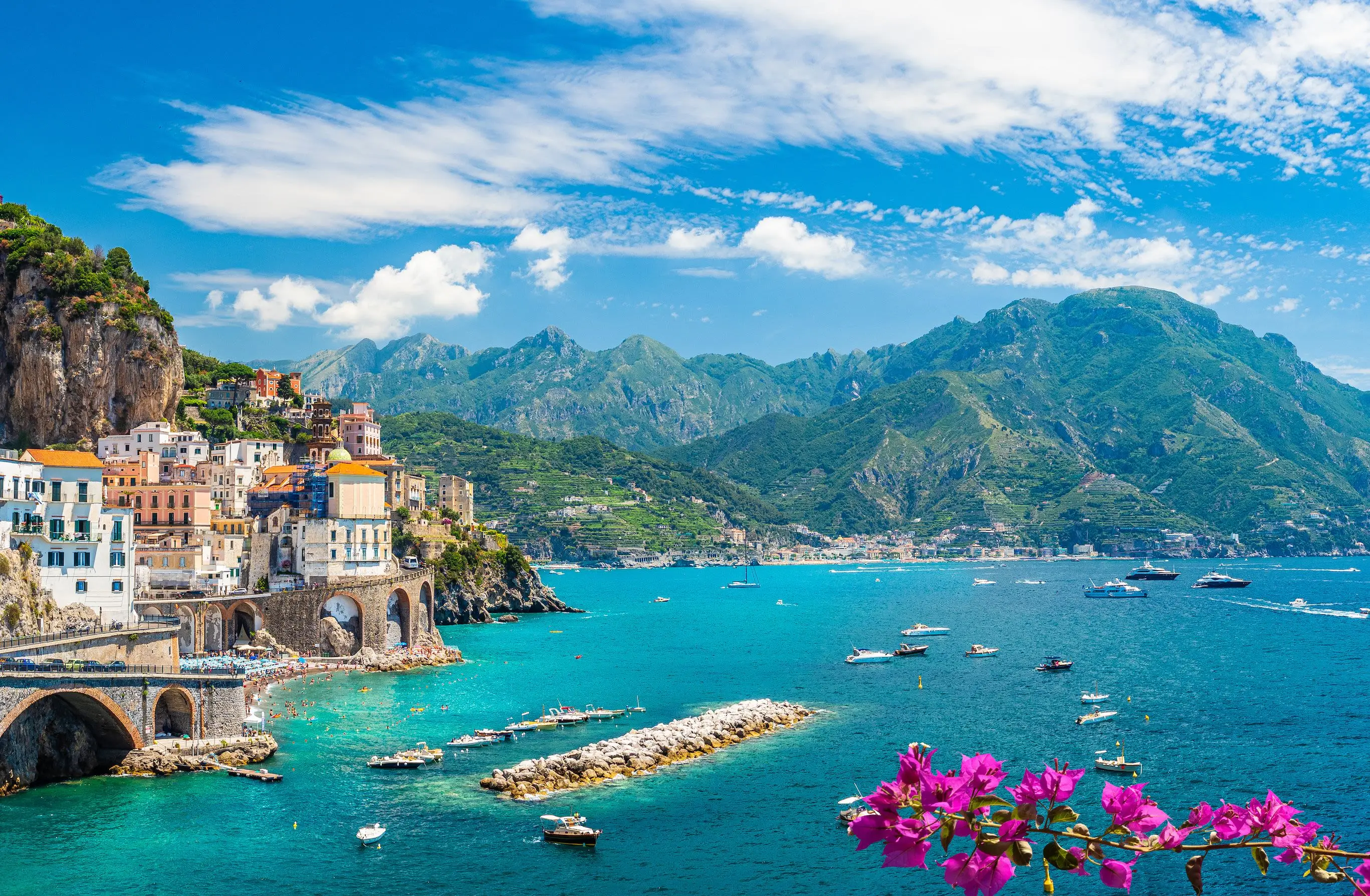
The wildly scenic Amalfi Coast that runs from Sorrento to Salerno is infamous for its coastal road which is known as one of the best white-knuckle scenic rides in Europe. Given the hairy driving, impossible parking and traffic, and overcrowded public buses, the Amalfi Coast is best explored by private boat or public ferry, where you can enjoy the scenic beauty of the coastline and hop from town to town in comfort and without any delays. Unfortunately, the boats do not run all year, so depending on when you travel, your best bet for exploring the area may be with a guided tour by vehicle. The guide's local knowledge can help you avoid some of the traffic and cover the most beautiful spots. Of course a private tour at your own pace, by boat or car, is the ideal option.
Visit the most beautiful and most popular town on the Amalfi Coast.
Show More
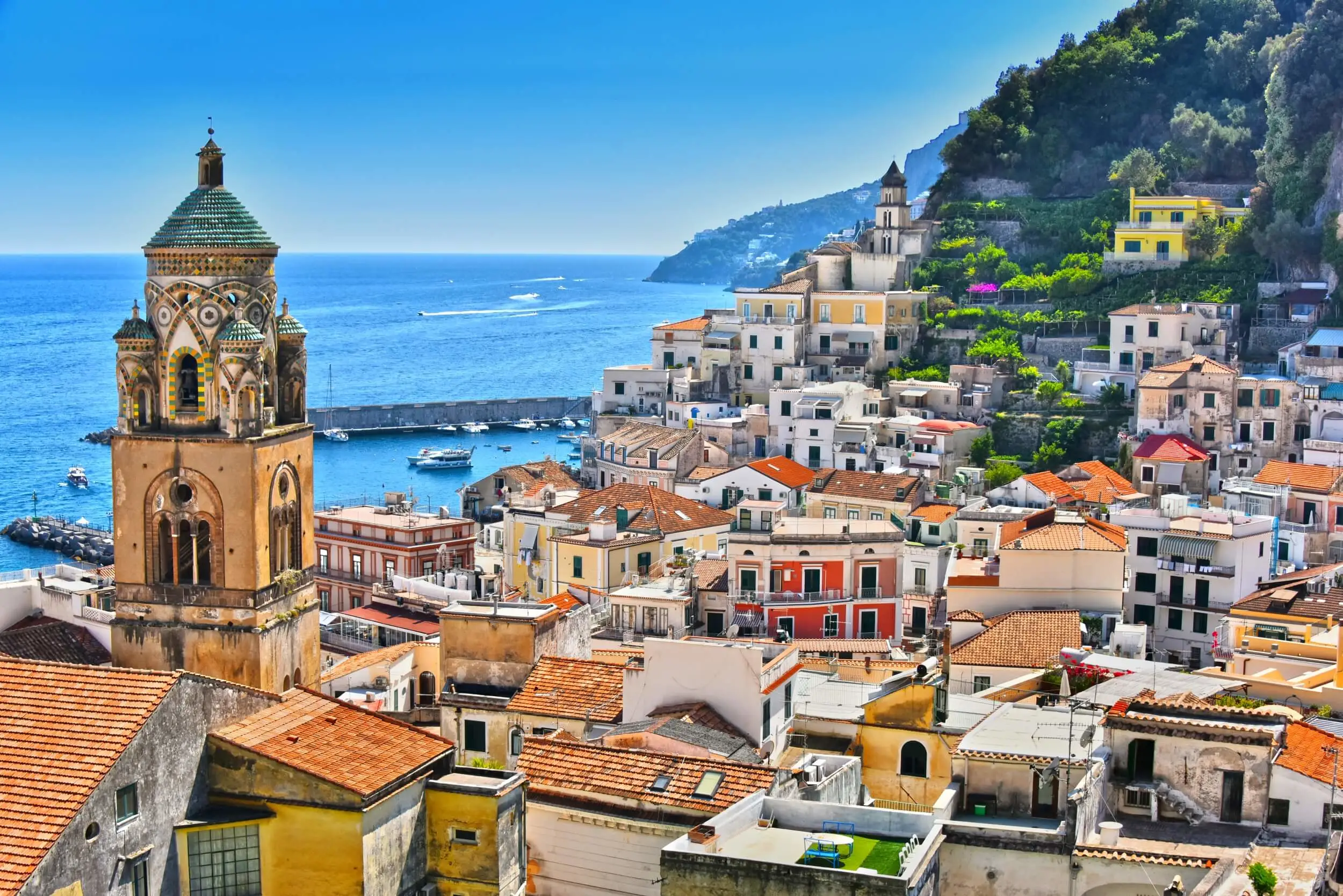
Visit the largest town on the Amalfi Coast known for its culture, history and beaches.
Show More
Browse the gallery to see some of the highlights

Visit one of the most important Cathedrals on the Amalfi Coast.
Show More
Visit the most beautiful and most popular town on the Amalfi Coast.
Show More
Visit the largest town on the Amalfi Coast known for its culture, history and beaches.
Show More
Browse the gallery to see some of the highlights

Visit one of the most important Cathedrals on the Amalfi Coast.
Show More
Day 7
Sorrento

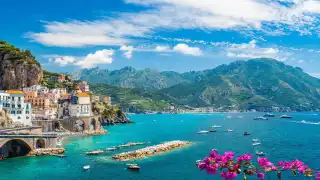
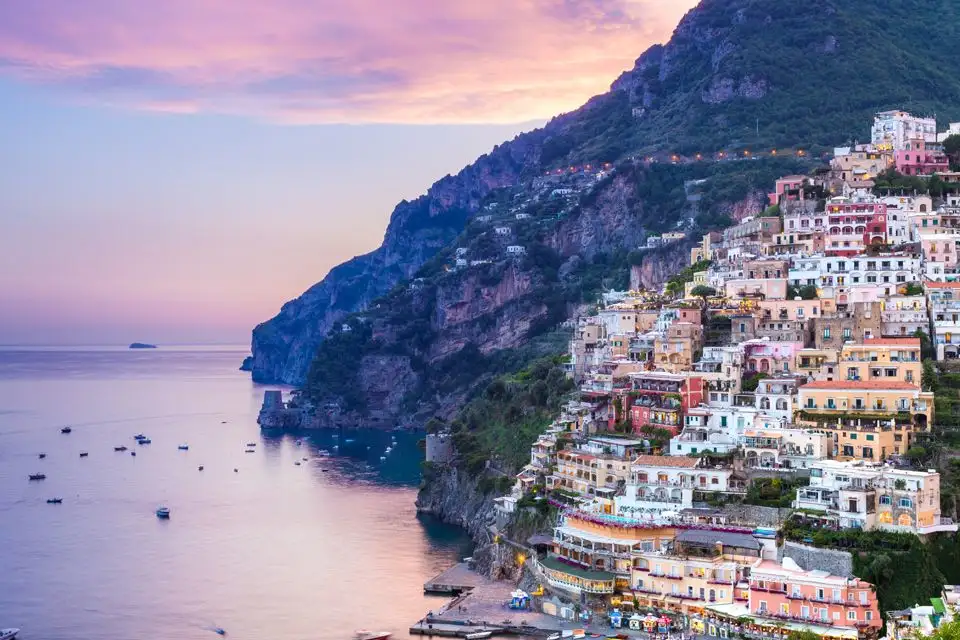
Positano
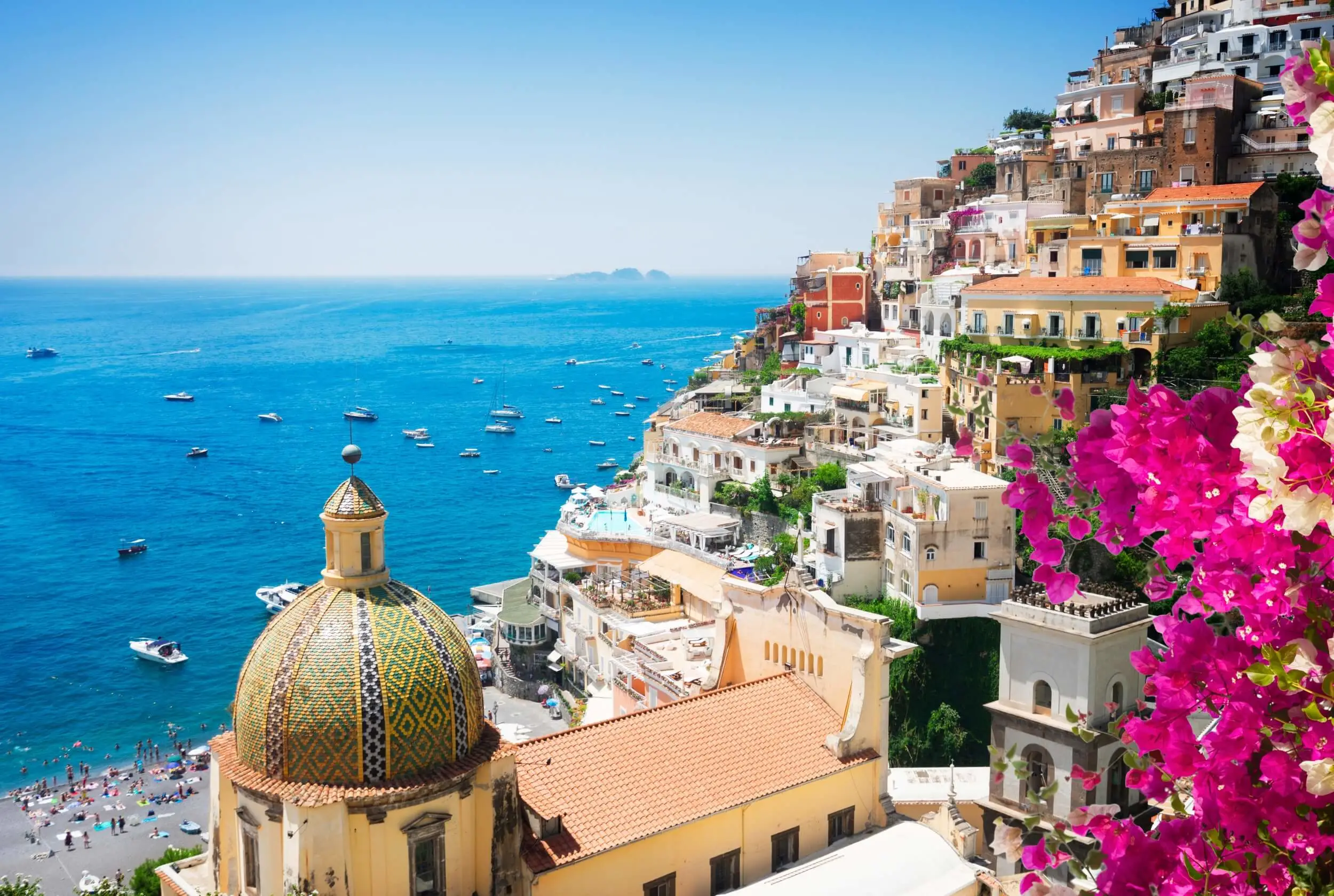
Highlight of Amalfi CoastVisit the most beautiful and most popular town on the Amalfi Coast.
Known for its colorful buildings, beautiful panoramas, excellent seafood restaurants and luxury boutique shops, Positano is the go-to town for most people visiting the Amalfi Coast. Wander its narrow streets, spend time on its beach front or walk to the top of town to enjoy the famous views over the town and sea below.

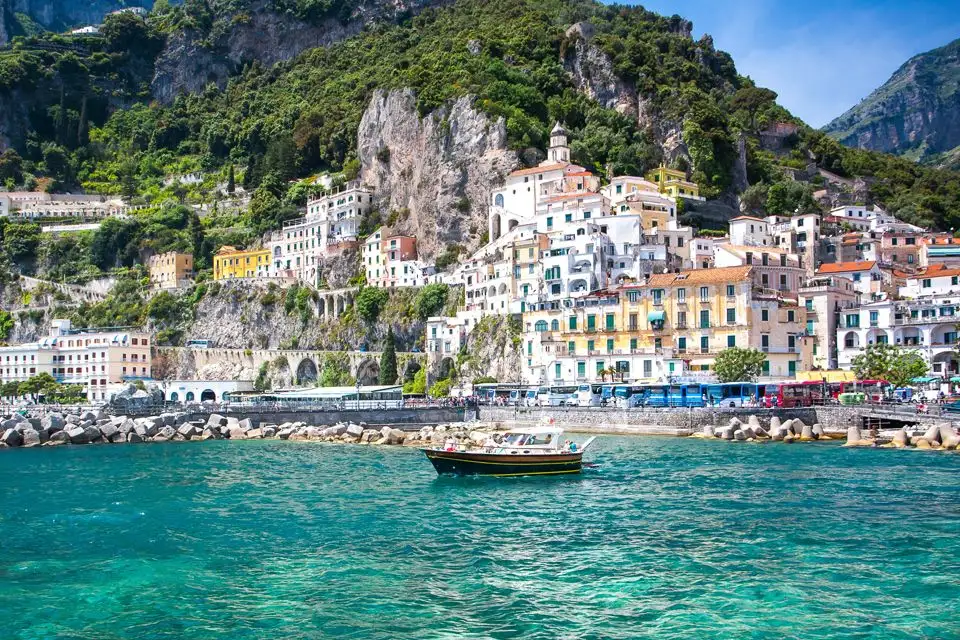
Amalfi Town
Highlight of Amalfi CoastVisit the largest town on the Amalfi Coast known for its culture, history and beaches.
What was once an important trading centre is now a stunning seaside town and the second most visited after Positano. Spend time relaxing on the beach and dip your toes in the azure water, visit its historic Cathedral, enjoy a cold lemon spritz in one of its seafront restaurants or simply enjoy strolling around its lanes and take in its views.

Amalfi Coast
OverviewAmalfi Coast
The wildly scenic Amalfi Coast that runs from Sorrento to Salerno is infamous for its coastal road which is known as one of the best white-knuckle scenic rides in Europe. Given the hairy driving, impossible parking and traffic, and overcrowded public buses, the Amalfi Coast is best explored by private boat or public ferry, where you can enjoy the scenic beauty of the coastline and hop from town to town in comfort and without any delays. Unfortunately, the boats do not run all year, so depending on when you travel, your best bet for exploring the area may be with a guided tour by vehicle. The guide's local knowledge can help you avoid some of the traffic and cover the most beautiful spots. Of course a private tour at your own pace, by boat or car, is the ideal option.

Amalfi Cathedral
Highlight of Amalfi CoastVisit one of the most important Cathedrals on the Amalfi Coast.
The Amalfi Cathedral called “Duomo di Sant’Andrea Apostolo” can be found on the main Piazza Duomo in Amalfi Town. Built during the ninth century with a Byzantine architecture style, the cathedral is considered a must-visit for anyone who comes to Amalfi. Today the Duomo is a mix of Romanesque, Gothic and Baroque style, with an imposing staircase that leads to a 1,000-year-old bronze door that was given to the town by a wealthy local merchant who had the door made in Constantinople - modern-day Istanbul. Follow a one-way route around its interior which includes relics of Saint Andrew, the Apostle (the patron saint of Amalfi), the crypt and the cloister.

Positano
Highlight of Amalfi CoastVisit the most beautiful and most popular town on the Amalfi Coast.
Known for its colorful buildings, beautiful panoramas, excellent seafood restaurants and luxury boutique shops, Positano is the go-to town for most people visiting the Amalfi Coast. Wander its narrow streets, spend time on its beach front or walk to the top of town to enjoy the famous views over the town and sea below.

Amalfi Town
Highlight of Amalfi CoastVisit the largest town on the Amalfi Coast known for its culture, history and beaches.
What was once an important trading centre is now a stunning seaside town and the second most visited after Positano. Spend time relaxing on the beach and dip your toes in the azure water, visit its historic Cathedral, enjoy a cold lemon spritz in one of its seafront restaurants or simply enjoy strolling around its lanes and take in its views.

Amalfi Coast
OverviewAmalfi Coast
The wildly scenic Amalfi Coast that runs from Sorrento to Salerno is infamous for its coastal road which is known as one of the best white-knuckle scenic rides in Europe. Given the hairy driving, impossible parking and traffic, and overcrowded public buses, the Amalfi Coast is best explored by private boat or public ferry, where you can enjoy the scenic beauty of the coastline and hop from town to town in comfort and without any delays. Unfortunately, the boats do not run all year, so depending on when you travel, your best bet for exploring the area may be with a guided tour by vehicle. The guide's local knowledge can help you avoid some of the traffic and cover the most beautiful spots. Of course a private tour at your own pace, by boat or car, is the ideal option.

Amalfi Cathedral
Highlight of Amalfi CoastVisit one of the most important Cathedrals on the Amalfi Coast.
The Amalfi Cathedral called “Duomo di Sant’Andrea Apostolo” can be found on the main Piazza Duomo in Amalfi Town. Built during the ninth century with a Byzantine architecture style, the cathedral is considered a must-visit for anyone who comes to Amalfi. Today the Duomo is a mix of Romanesque, Gothic and Baroque style, with an imposing staircase that leads to a 1,000-year-old bronze door that was given to the town by a wealthy local merchant who had the door made in Constantinople - modern-day Istanbul. Follow a one-way route around its interior which includes relics of Saint Andrew, the Apostle (the patron saint of Amalfi), the crypt and the cloister.

Day 8
Sorrento
Day 8
Sorrento
7:30 AM - 4:30 PM
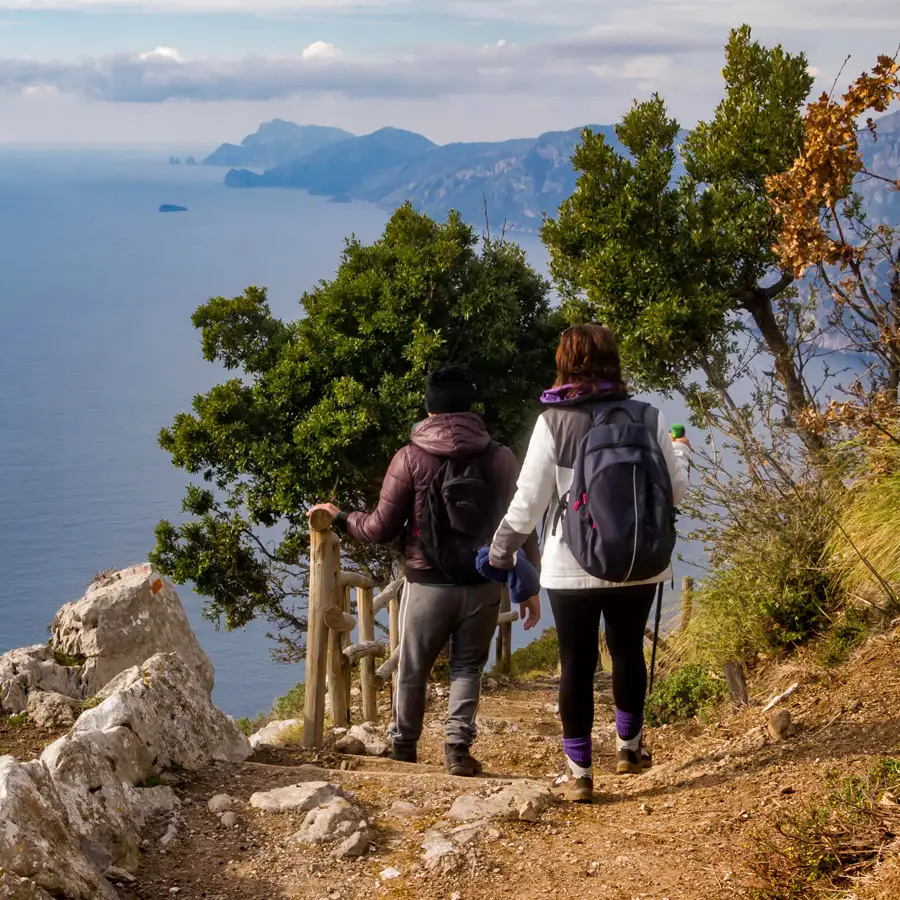
Enjoy a 9-hour alpine guided climb up the ancient path that used to connect Nocelle (Positano) to Bomerano (Agerola) also known as the "Path of the Gods". Named after the beauties that characterize its views, this trail is considered one of the most beautiful hiking trails in the world.


Day 8
Sorrento
Hike of the Gods, Guided
OverviewHike of the Gods, Guided
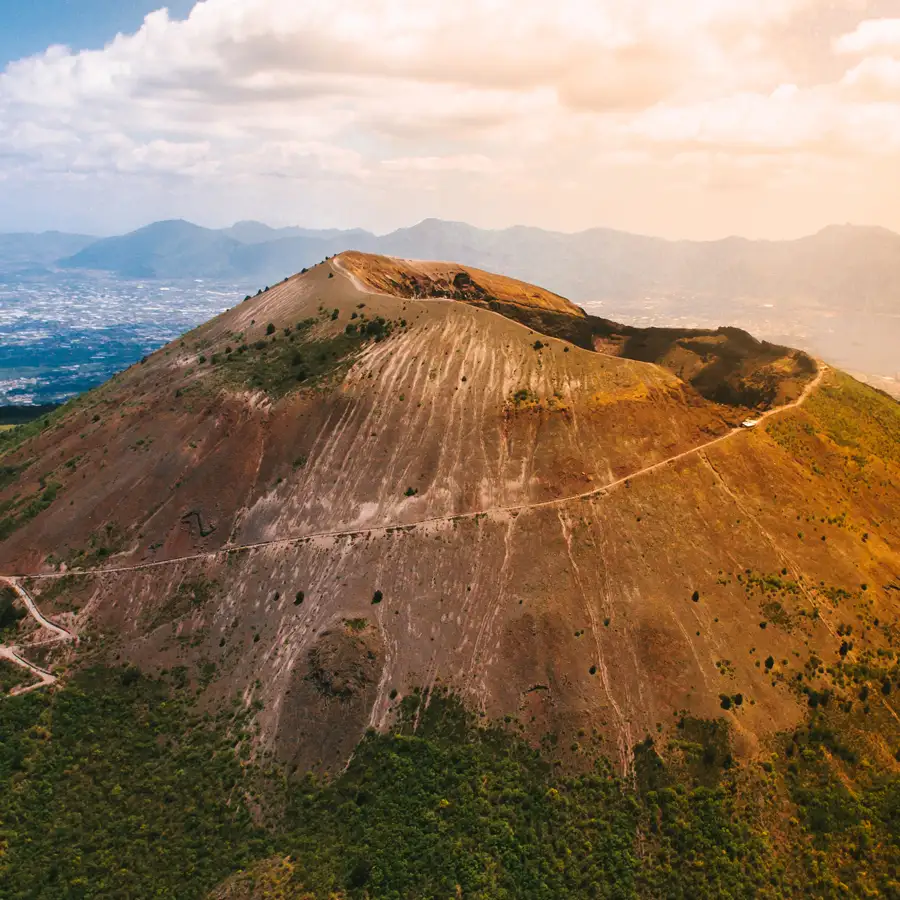
Enjoy a 9-hour alpine guided climb up the ancient path that used to connect Nocelle (Positano) to Bomerano (Agerola) also known as the "Path of the Gods". Named after the beauties that characterize its views, this trail is considered one of the most beautiful hiking trails in the world.

Hike of the Gods, Guided
OverviewHike of the Gods, Guided
Enjoy a 9-hour alpine guided climb up the ancient path that used to connect Nocelle (Positano) to Bomerano (Agerola) also known as the "Path of the Gods". Named after the beauties that characterize its views, this trail is considered one of the most beautiful hiking trails in the world.

Hike of the Gods, Guided
OverviewHike of the Gods, Guided
Enjoy a 9-hour alpine guided climb up the ancient path that used to connect Nocelle (Positano) to Bomerano (Agerola) also known as the "Path of the Gods". Named after the beauties that characterize its views, this trail is considered one of the most beautiful hiking trails in the world.

Hike of the Gods, Guided
OverviewHike of the Gods, Guided
Enjoy a 9-hour alpine guided climb up the ancient path that used to connect Nocelle (Positano) to Bomerano (Agerola) also known as the "Path of the Gods". Named after the beauties that characterize its views, this trail is considered one of the most beautiful hiking trails in the world.

Hike of the Gods, Guided
OverviewHike of the Gods, Guided
Enjoy a 9-hour alpine guided climb up the ancient path that used to connect Nocelle (Positano) to Bomerano (Agerola) also known as the "Path of the Gods". Named after the beauties that characterize its views, this trail is considered one of the most beautiful hiking trails in the world.

Day 9
Sorrento
Day 9
Sorrento
Early Morning to Mid-Day
Mount Vesuvius, the volcano renowned for the disaster that caused the destruction of Pompeii and Herculaneum, is a popular day trip from Naples and Sorrento. Rising up over the Bay of Naples, a visit to the active volcano offers an opportunity to get up close with its crater and witness the beautiful views over Naples and the surrounding area. The volcano and it's immediate surroundings are now a national park. You can take the train to the base, and then from the station catch a shuttle to the park entrance. If you prefer, you can also take a more comfortable tour directly to the park. Reasonably fit visitors should reach the summit within about 20 minutes (30-45 if you stop for photos). The trail is approximately half a mile in length and there are numerous points with benches where you can rest and enjoy the breathtaking view over Monte Somma and the Bay of Naples.


Day 9
Sorrento

Mount Vesuvius
OverviewMount Vesuvius
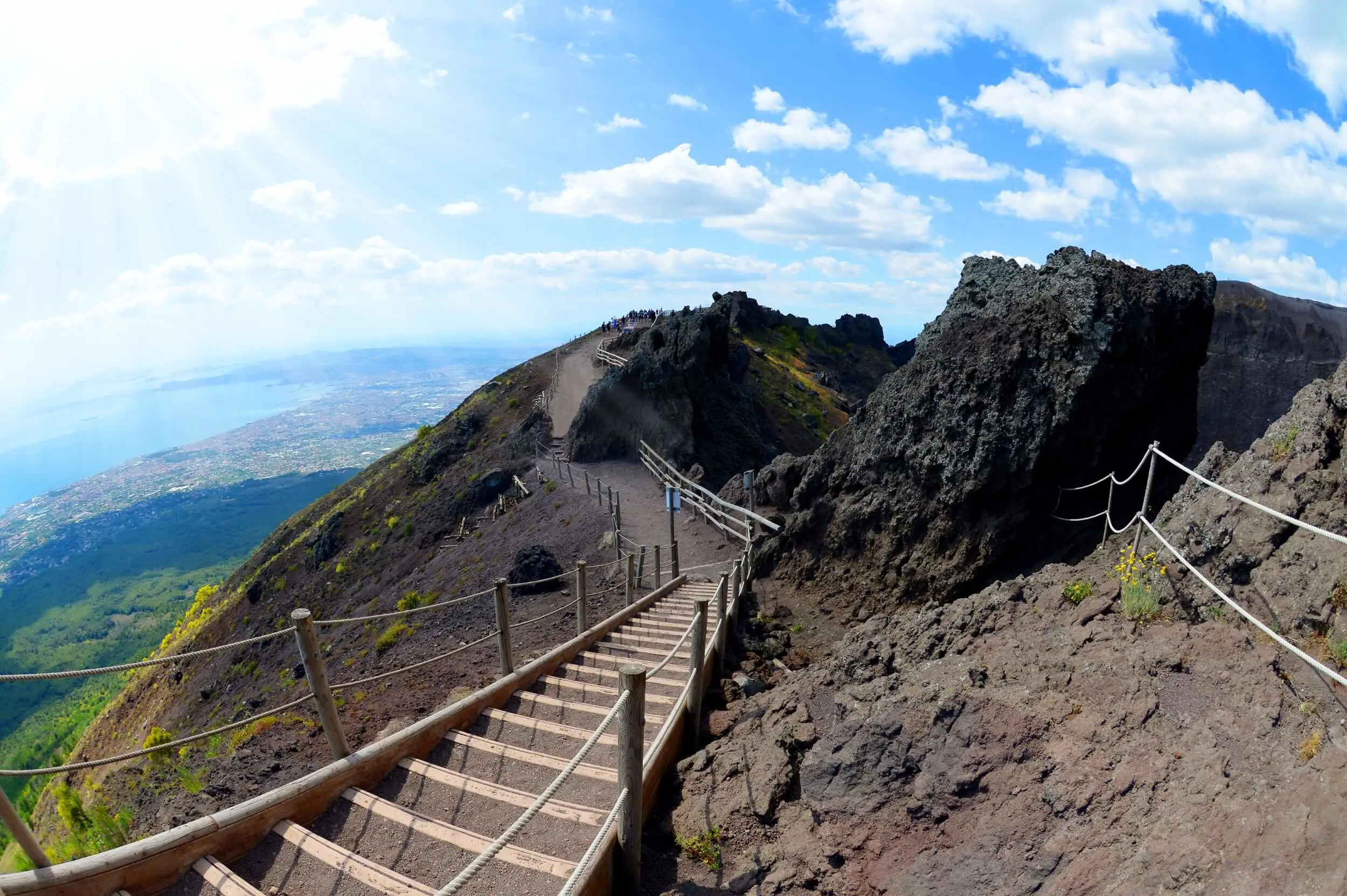
Mount Vesuvius, the volcano renowned for the disaster that caused the destruction of Pompeii and Herculaneum, is a popular day trip from Naples and Sorrento. Rising up over the Bay of Naples, a visit to the active volcano offers an opportunity to get up close with its crater and witness the beautiful views over Naples and the surrounding area. The volcano and it's immediate surroundings are now a national park. You can take the train to the base, and then from the station catch a shuttle to the park entrance. If you prefer, you can also take a more comfortable tour directly to the park. Reasonably fit visitors should reach the summit within about 20 minutes (30-45 if you stop for photos). The trail is approximately half a mile in length and there are numerous points with benches where you can rest and enjoy the breathtaking view over Monte Somma and the Bay of Naples.

Mount Vesuvius
OverviewMount Vesuvius
Mount Vesuvius, the volcano renowned for the disaster that caused the destruction of Pompeii and Herculaneum, is a popular day trip from Naples and Sorrento. Rising up over the Bay of Naples, a visit to the active volcano offers an opportunity to get up close with its crater and witness the beautiful views over Naples and the surrounding area. The volcano and it's immediate surroundings are now a national park. You can take the train to the base, and then from the station catch a shuttle to the park entrance. If you prefer, you can also take a more comfortable tour directly to the park. Reasonably fit visitors should reach the summit within about 20 minutes (30-45 if you stop for photos). The trail is approximately half a mile in length and there are numerous points with benches where you can rest and enjoy the breathtaking view over Monte Somma and the Bay of Naples.

Mount Vesuvius
OverviewMount Vesuvius
Mount Vesuvius, the volcano renowned for the disaster that caused the destruction of Pompeii and Herculaneum, is a popular day trip from Naples and Sorrento. Rising up over the Bay of Naples, a visit to the active volcano offers an opportunity to get up close with its crater and witness the beautiful views over Naples and the surrounding area. The volcano and it's immediate surroundings are now a national park. You can take the train to the base, and then from the station catch a shuttle to the park entrance. If you prefer, you can also take a more comfortable tour directly to the park. Reasonably fit visitors should reach the summit within about 20 minutes (30-45 if you stop for photos). The trail is approximately half a mile in length and there are numerous points with benches where you can rest and enjoy the breathtaking view over Monte Somma and the Bay of Naples.

Mount Vesuvius
OverviewMount Vesuvius
Mount Vesuvius, the volcano renowned for the disaster that caused the destruction of Pompeii and Herculaneum, is a popular day trip from Naples and Sorrento. Rising up over the Bay of Naples, a visit to the active volcano offers an opportunity to get up close with its crater and witness the beautiful views over Naples and the surrounding area. The volcano and it's immediate surroundings are now a national park. You can take the train to the base, and then from the station catch a shuttle to the park entrance. If you prefer, you can also take a more comfortable tour directly to the park. Reasonably fit visitors should reach the summit within about 20 minutes (30-45 if you stop for photos). The trail is approximately half a mile in length and there are numerous points with benches where you can rest and enjoy the breathtaking view over Monte Somma and the Bay of Naples.

Mount Vesuvius
OverviewMount Vesuvius
Mount Vesuvius, the volcano renowned for the disaster that caused the destruction of Pompeii and Herculaneum, is a popular day trip from Naples and Sorrento. Rising up over the Bay of Naples, a visit to the active volcano offers an opportunity to get up close with its crater and witness the beautiful views over Naples and the surrounding area. The volcano and it's immediate surroundings are now a national park. You can take the train to the base, and then from the station catch a shuttle to the park entrance. If you prefer, you can also take a more comfortable tour directly to the park. Reasonably fit visitors should reach the summit within about 20 minutes (30-45 if you stop for photos). The trail is approximately half a mile in length and there are numerous points with benches where you can rest and enjoy the breathtaking view over Monte Somma and the Bay of Naples.

Day 10
Depart Sorrento
Day 10
Depart Sorrento
To Be Determined
A private transfer service will pick you up from the N/A and take you directly to Naples Capodichino Airport. This is a private transfer for you and your travel party. You do not need to pay the driver as the cost of the transfer is included in your itinerary. IMPORTANT NOTE: Please be aware the car service can fit up to 1 checked item of luggage and 1 personal item per person, such as a purse or small backpack. If you think you will have more baggage, please inform your travel consultant as this may result in an additional fee.


Day 10
Depart Sorrento

Private Transfer to Naples Airport
OverviewPrivate Transfer to Naples Airport
A private transfer service will pick you up from the N/A and take you directly to Naples Capodichino Airport. This is a private transfer for you and your travel party. You do not need to pay the driver as the cost of the transfer is included in your itinerary. IMPORTANT NOTE: Please be aware the car service can fit up to 1 checked item of luggage and 1 personal item per person, such as a purse or small backpack. If you think you will have more baggage, please inform your travel consultant as this may result in an additional fee.

Private Transfer to Naples Airport
OverviewPrivate Transfer to Naples Airport
A private transfer service will pick you up from the N/A and take you directly to Naples Capodichino Airport. This is a private transfer for you and your travel party. You do not need to pay the driver as the cost of the transfer is included in your itinerary. IMPORTANT NOTE: Please be aware the car service can fit up to 1 checked item of luggage and 1 personal item per person, such as a purse or small backpack. If you think you will have more baggage, please inform your travel consultant as this may result in an additional fee.

Private Transfer to Naples Airport
OverviewPrivate Transfer to Naples Airport
A private transfer service will pick you up from the N/A and take you directly to Naples Capodichino Airport. This is a private transfer for you and your travel party. You do not need to pay the driver as the cost of the transfer is included in your itinerary. IMPORTANT NOTE: Please be aware the car service can fit up to 1 checked item of luggage and 1 personal item per person, such as a purse or small backpack. If you think you will have more baggage, please inform your travel consultant as this may result in an additional fee.

Private Transfer to Naples Airport
OverviewPrivate Transfer to Naples Airport
A private transfer service will pick you up from the N/A and take you directly to Naples Capodichino Airport. This is a private transfer for you and your travel party. You do not need to pay the driver as the cost of the transfer is included in your itinerary. IMPORTANT NOTE: Please be aware the car service can fit up to 1 checked item of luggage and 1 personal item per person, such as a purse or small backpack. If you think you will have more baggage, please inform your travel consultant as this may result in an additional fee.

Private Transfer to Naples Airport
OverviewPrivate Transfer to Naples Airport
A private transfer service will pick you up from the N/A and take you directly to Naples Capodichino Airport. This is a private transfer for you and your travel party. You do not need to pay the driver as the cost of the transfer is included in your itinerary. IMPORTANT NOTE: Please be aware the car service can fit up to 1 checked item of luggage and 1 personal item per person, such as a purse or small backpack. If you think you will have more baggage, please inform your travel consultant as this may result in an additional fee.
Pre-Paid Tours and Activities:
Pre-Paid Transportation:
Accommodation:
Go Real Travel Mobile App:

7 Days

5 Days

7 Days

4 Days

7 Days

11 Days

9 Days

10 Days

9 Days

7 Days

5 Days

7 Days

4 Days

7 Days

11 Days

9 Days

10 Days

9 Days


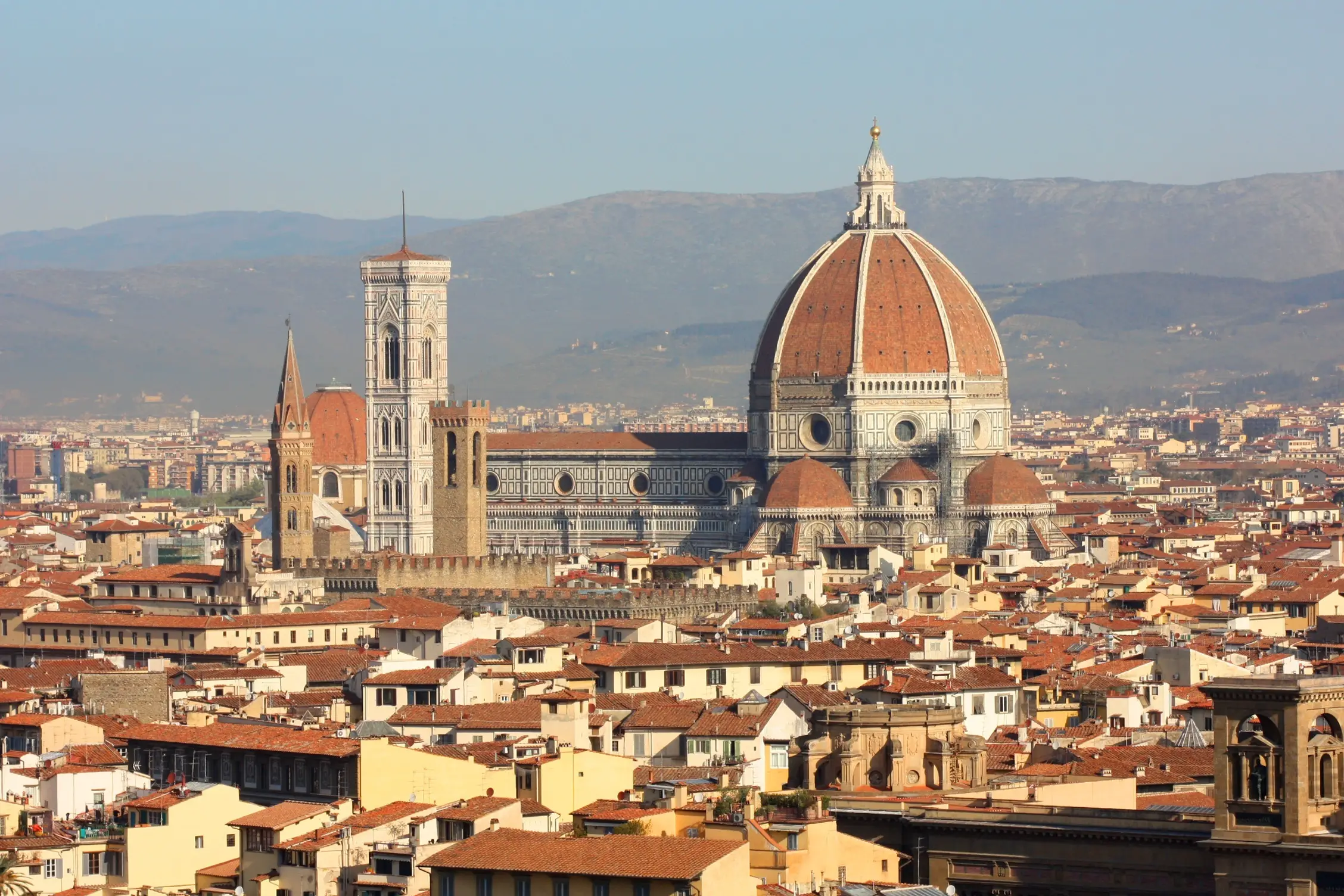
Culture and history are thick in the air in Florence. Located on the banks of the Arno River in Tuscany, Florence’s past is deeply compelling. The birthplace of the Renaissance, Florence is where innovators like Dante, Machiavelli, Michelangelo, and Da Vinci made their fortunes. Centuries of art, politics, and commerce have left their mark on every stone in this Northern Italian city. In the 15th and 16th centuries, Florentine banks funded new enterprises that went on to change the history of the world. Powerful families like the Medici’s financed some of the finest art in history and pioneered new ways of doing statecraft and politics. As you stand in the Piazzale Michelangelo and gaze upon the city below it’s hard to take it all in at once. It feels like behind every door in Florence might hide a work of genius. Michelangelo’s David and Botticelli’s Primavera can be found just a short walk away. After a long day wandering the streets and gazing at art, fueled by exquisite coffee and gelato, relax like the locals do: with a glass of some of the best wine in the world.

Milan is Italy’s most forward-looking city. An international center for fashion, fine dining, and design, it seems as though Milanese people breathe style. From the gleam on your wine glass to the twists of its cathedral’s spires, everything in Milan is finished to perfection. Home to the Italian stock exchange, a world-famous fashion industry, and a frantic business district, Milan is fast-paced and commercially minded. The shopping in Milan is second to none. At the Galleria Vittorio Emanuele II, one of the world’s oldest shopping malls, a glass-iron ceiling soars over brands like Louis Vuitton, Gucci, Massimo Dutti, and Amani. Along with the fashion, Milan’s cathedral, castle, and canals are also must-sees. But to view the city’s most prized possession - Leonardo da Vinci’s Last Supper, you must make an appointment. Tickets to view this mural sell out weeks in advance. It is truly a bucket-list worthy work of art. After a day taking in all the glamor and culture, take a seat in one of Milan’s well-appointed eateries. The Navigli Quarter is packed with restaurants, bars, and cafes, perfect for a relaxed Aperol spritz or pizza along the city’s canals.

Bologna, set at the crossroads of northern Italy, is a city that reveals itself through depth rather than spectacle. Its character lives in layers—endless porticoes sheltering everyday life, warm terracotta facades glowing under shifting light, and streets shaped by centuries of scholars, merchants, and craftsmen. Here, history isn’t staged; it’s lived, woven into lunchtime rituals, quiet piazzas, and the steady pulse of a working city. As evening settles, Bologna softens. The arcades echo with slower footsteps, kitchens hum behind shuttered windows, and the air carries the promise of long dinners and conversation. It’s a city that rewards lingering—rich, grounded, and quietly confident—less about being impressed, and more about feeling entirely at ease.
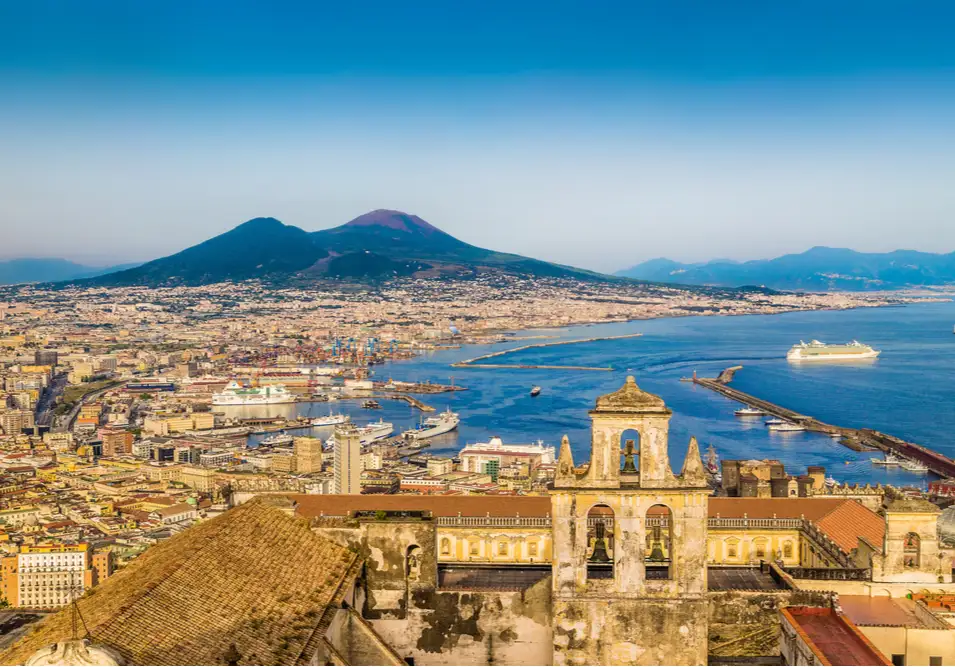
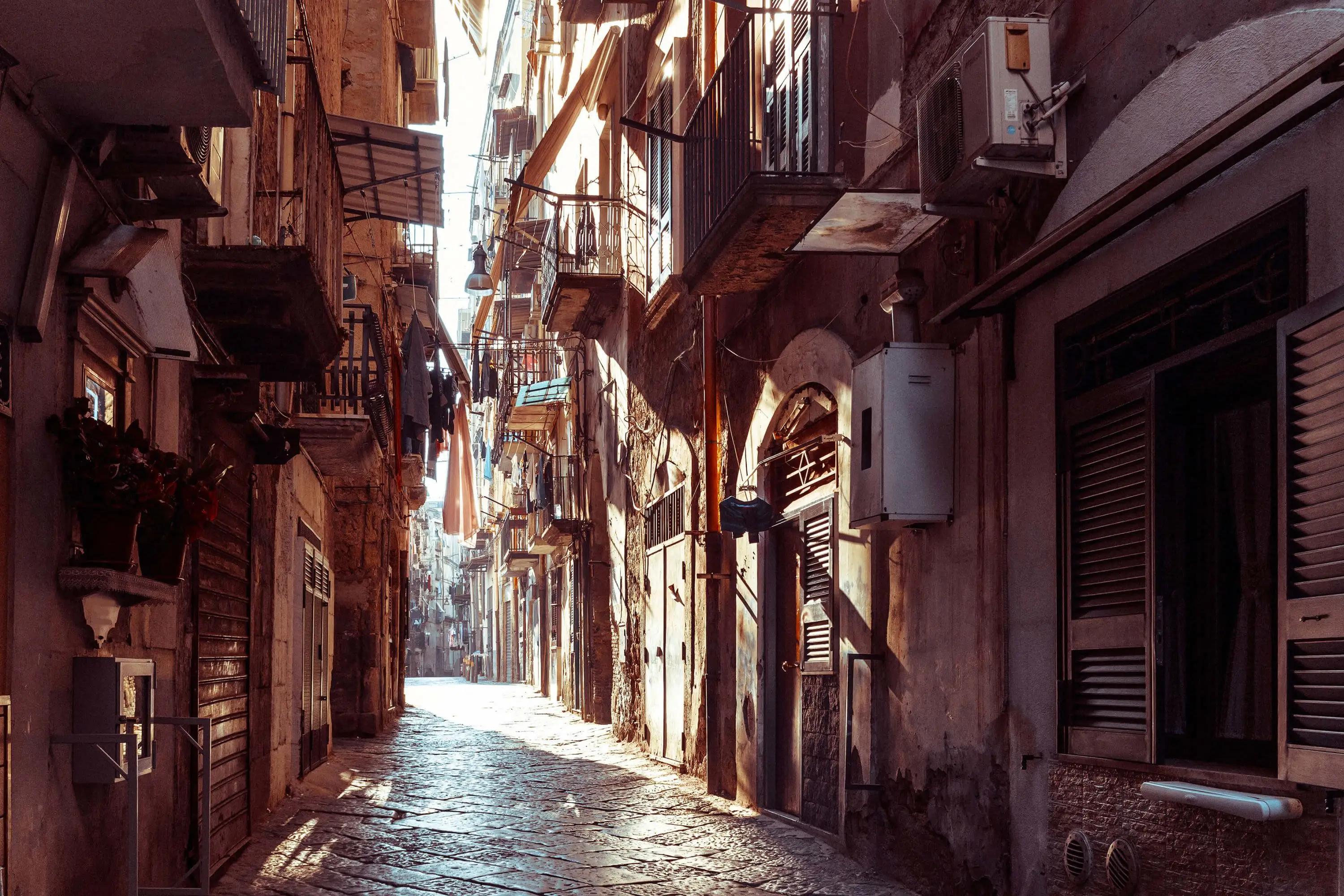
Gritty and chaotic Naples calls to travelers who want to experience the real Italy. Pressed along the coast of Campania, hilly Naples is jammed with maze-like streets, strung with outdoor clotheslines, descending toward the sea below. A much deserved UNESCO World Heritage site, Naples is famous for its churches, museums, castles, and catacombs. As you navigate the city, you’ll find yourself immersed by its culture and history. You can easily occupy a full day gazing at churches like the Naples Cathedral, San Francesco di Paola, and Cappella Sansevero. If you cast your eyes toward the Gulf of Naples, you’ll see Mount Vesuvius looming over the harbor. This foreboding volcano erupted in AD 79. Not far from the inner city — less than an hour by train — you’ll find the ancient town of Pompeii, its dramatic ruins still preserved in ash from the eruption. One of the best things you can do in Naples is to eat. This is the city where pizza was born. Propped up by its ripe tomatoes, local cheeses, and fresh fish, food from Naples has come to define what many see as the height of Italian cuisine. Everything you taste in Naples seems like a delicacy. Authentic and vivid, Naples is a true Italian city where the ancient world meets the modern-day with a bang.

Sorrento is the perfect place to bask in the Mediterranean mood, somewhere to enjoy the sun, the sea, fine dining, and good wine. Churches like the Duomo and the Church del Carmine beg to be explored, along with museums, galleries, and castles. But mostly Sorrento is somewhere to kick back and, for a few days, focus entirely on the business of living - and living well. Seafood dinners, Limoncello evenings, swimming, hiking, and boat trips are all perfect ways to pass time in this seaside haven. If you really tire of all that, Sorrento is well-placed for those looking to explore its surrounding region. A train ride away from Naples, and within fairly easy reach of Pompeii, Sorrento is the doorstep to the attractions of Campania. A short ferry ride away is the island of Capri, with its own collection of beaches, restaurants, and excellent hiking. It’s not necessary, however, to pack the days full of exploring and adventure. While all that is certainly possible, a perfectly acceptable alternative is just to relax and soak in the special Mediterranean vibe.

One of the must-sees of Italy, and indeed all of Europe, Rome is a city with history flowing through its veins. There is an endless amount to see, do, and learn here, with something for every taste and disposition. Rome was the center of Western civilization for a Millenium and during that time, accumulated a list of historical and cultural treasures that no other destination can truly match. The Pantheon, Colosseum, Roman Forum, and Cirus of Maxentius are just a few examples of what can be seen and experienced in Rome, which at times feels more like a giant outdoor museum than a city. At Rome’s heart, you’ll find the Vatican, home of the Roman Catholic Church and the Pope. Here visitors can see the legendary Sistine Chapel. Transcending a mere building, the chapel is a walk-in work of art. Although historical sights can be found on just about every corner, it’s entirely possible to fill a day just wandering around Rome. The city’s charming streets and open Piazzas are filled with beautiful sights and places to sit, grab the best Cappuccino in the world, and enjoy the view.

Culture and history are thick in the air in Florence. Located on the banks of the Arno River in Tuscany, Florence’s past is deeply compelling. The birthplace of the Renaissance, Florence is where innovators like Dante, Machiavelli, Michelangelo, and Da Vinci made their fortunes. Centuries of art, politics, and commerce have left their mark on every stone in this Northern Italian city. In the 15th and 16th centuries, Florentine banks funded new enterprises that went on to change the history of the world. Powerful families like the Medici’s financed some of the finest art in history and pioneered new ways of doing statecraft and politics. As you stand in the Piazzale Michelangelo and gaze upon the city below it’s hard to take it all in at once. It feels like behind every door in Florence might hide a work of genius. Michelangelo’s David and Botticelli’s Primavera can be found just a short walk away. After a long day wandering the streets and gazing at art, fueled by exquisite coffee and gelato, relax like the locals do: with a glass of some of the best wine in the world.

Milan is Italy’s most forward-looking city. An international center for fashion, fine dining, and design, it seems as though Milanese people breathe style. From the gleam on your wine glass to the twists of its cathedral’s spires, everything in Milan is finished to perfection. Home to the Italian stock exchange, a world-famous fashion industry, and a frantic business district, Milan is fast-paced and commercially minded. The shopping in Milan is second to none. At the Galleria Vittorio Emanuele II, one of the world’s oldest shopping malls, a glass-iron ceiling soars over brands like Louis Vuitton, Gucci, Massimo Dutti, and Amani. Along with the fashion, Milan’s cathedral, castle, and canals are also must-sees. But to view the city’s most prized possession - Leonardo da Vinci’s Last Supper, you must make an appointment. Tickets to view this mural sell out weeks in advance. It is truly a bucket-list worthy work of art. After a day taking in all the glamor and culture, take a seat in one of Milan’s well-appointed eateries. The Navigli Quarter is packed with restaurants, bars, and cafes, perfect for a relaxed Aperol spritz or pizza along the city’s canals.

Bologna, set at the crossroads of northern Italy, is a city that reveals itself through depth rather than spectacle. Its character lives in layers—endless porticoes sheltering everyday life, warm terracotta facades glowing under shifting light, and streets shaped by centuries of scholars, merchants, and craftsmen. Here, history isn’t staged; it’s lived, woven into lunchtime rituals, quiet piazzas, and the steady pulse of a working city. As evening settles, Bologna softens. The arcades echo with slower footsteps, kitchens hum behind shuttered windows, and the air carries the promise of long dinners and conversation. It’s a city that rewards lingering—rich, grounded, and quietly confident—less about being impressed, and more about feeling entirely at ease.

Gritty and chaotic Naples calls to travelers who want to experience the real Italy. Pressed along the coast of Campania, hilly Naples is jammed with maze-like streets, strung with outdoor clotheslines, descending toward the sea below. A much deserved UNESCO World Heritage site, Naples is famous for its churches, museums, castles, and catacombs. As you navigate the city, you’ll find yourself immersed by its culture and history. You can easily occupy a full day gazing at churches like the Naples Cathedral, San Francesco di Paola, and Cappella Sansevero. If you cast your eyes toward the Gulf of Naples, you’ll see Mount Vesuvius looming over the harbor. This foreboding volcano erupted in AD 79. Not far from the inner city — less than an hour by train — you’ll find the ancient town of Pompeii, its dramatic ruins still preserved in ash from the eruption. One of the best things you can do in Naples is to eat. This is the city where pizza was born. Propped up by its ripe tomatoes, local cheeses, and fresh fish, food from Naples has come to define what many see as the height of Italian cuisine. Everything you taste in Naples seems like a delicacy. Authentic and vivid, Naples is a true Italian city where the ancient world meets the modern-day with a bang.

Sorrento is the perfect place to bask in the Mediterranean mood, somewhere to enjoy the sun, the sea, fine dining, and good wine. Churches like the Duomo and the Church del Carmine beg to be explored, along with museums, galleries, and castles. But mostly Sorrento is somewhere to kick back and, for a few days, focus entirely on the business of living - and living well. Seafood dinners, Limoncello evenings, swimming, hiking, and boat trips are all perfect ways to pass time in this seaside haven. If you really tire of all that, Sorrento is well-placed for those looking to explore its surrounding region. A train ride away from Naples, and within fairly easy reach of Pompeii, Sorrento is the doorstep to the attractions of Campania. A short ferry ride away is the island of Capri, with its own collection of beaches, restaurants, and excellent hiking. It’s not necessary, however, to pack the days full of exploring and adventure. While all that is certainly possible, a perfectly acceptable alternative is just to relax and soak in the special Mediterranean vibe.

One of the must-sees of Italy, and indeed all of Europe, Rome is a city with history flowing through its veins. There is an endless amount to see, do, and learn here, with something for every taste and disposition. Rome was the center of Western civilization for a Millenium and during that time, accumulated a list of historical and cultural treasures that no other destination can truly match. The Pantheon, Colosseum, Roman Forum, and Cirus of Maxentius are just a few examples of what can be seen and experienced in Rome, which at times feels more like a giant outdoor museum than a city. At Rome’s heart, you’ll find the Vatican, home of the Roman Catholic Church and the Pope. Here visitors can see the legendary Sistine Chapel. Transcending a mere building, the chapel is a walk-in work of art. Although historical sights can be found on just about every corner, it’s entirely possible to fill a day just wandering around Rome. The city’s charming streets and open Piazzas are filled with beautiful sights and places to sit, grab the best Cappuccino in the world, and enjoy the view.


Zoom In to the cities to see your itinerary in more detail