Echoes of History: A Journey Through Krakow and Warsaw

destination-icon7 Day Tour of Krakow and Warsaw

Destinations on this trip: Krakow,Warsaw

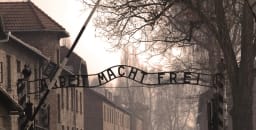
Auschwitz - Arbeit Macht Frei
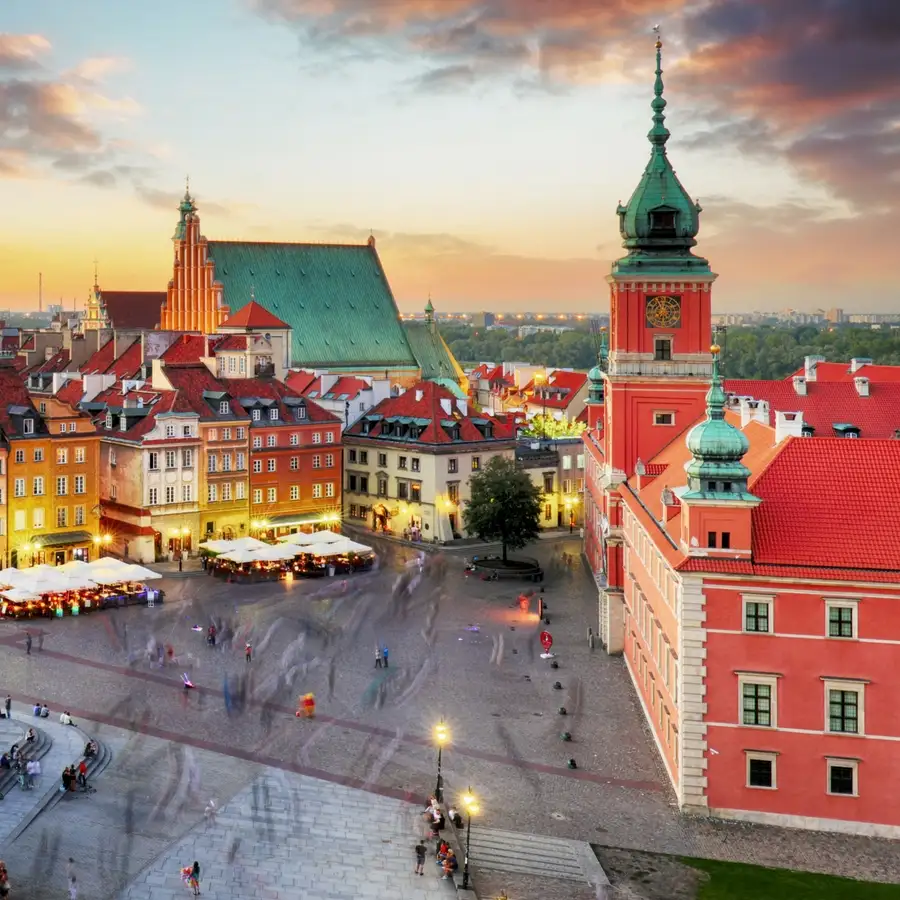
Warsaw Castle
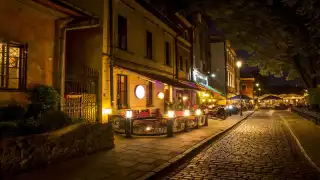
Kazimierz at night
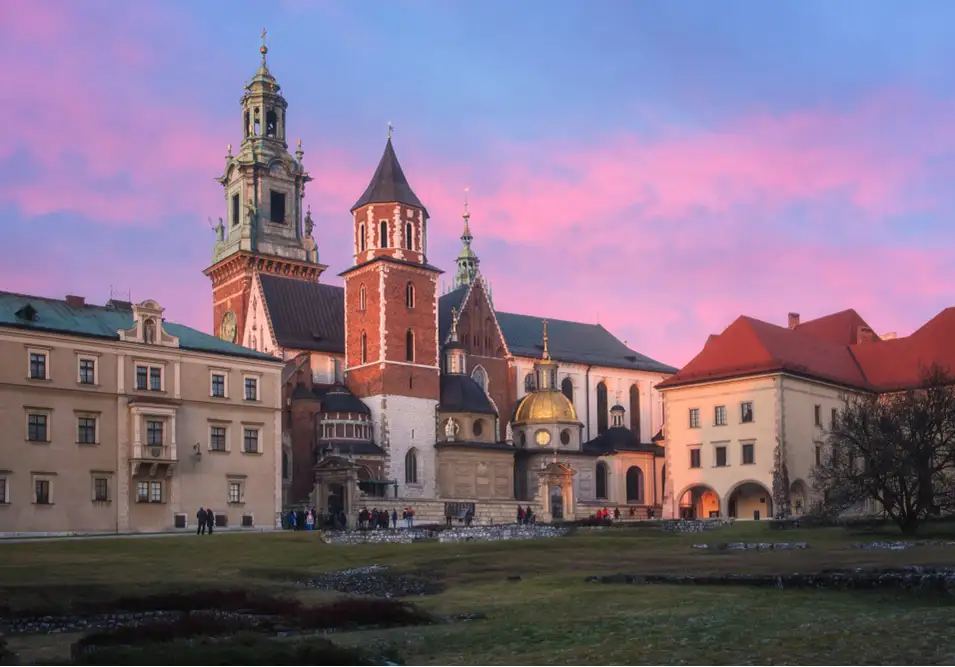
Wawel Castle
image
arrowLightLeft
arrowLightRight

How Long Is the Echoes of History Trip and What Does It Cost?

Jewish HeritageWWII History & Communist Era
  • Duration
    7 days / 6 nights
  • Best time
    Jan-Dec
  • From
    $1265 / person (Flights not included)
Embark on a 7-day odyssey through Krakow and Warsaw, tracing the poignant echoes of WWII and discovering the indomitable spirit of Poland's Jewish heritage. From the historic streets of Krakow's Jewish Quarter to the hallowed grounds of Auschwitz and the vibrant heart of Warsaw, this trip offers a deeply moving insight into heroism and hope. Highlights include private transfers, private guided tours revealing each city through the eyes of locals, and curated excursions to iconic sites. Exploring will be easy with Go Real Travel's expert travel guidance provided through our itinerary and mobile app.
  • A guided tour of Krakow's historic center unveils the city's medieval beauty.
  • Krakow's Jewish Quarter and Schindler's Factory Museum offer a glimpse into the city's Jewish past.
  • Tour the poignant Warsaw Rising Museum and outstanding POLIN Museum of the History of Polish Jews.
  • Tour Warsaw's Old Town, reborn from war's ashes, and relax in the serene beauty of Łazienki Park.
  • Experience a profound visit to Auschwitz with the ease of a private transfer.
Embark on a 7-day odyssey through Krakow and Warsaw, tracing the poignant echoes of WWII and discovering the indomitable spirit of Poland's Jewish heritage. From the historic streets of Krakow's Jewish Quarter to the hallowed grounds of Auschwitz and the vibrant heart of Warsaw, this trip offers a deeply moving insight into heroism and hope. Highlights include private transfers, private guided tours revealing each city through the eyes of locals, and curated excursions to iconic sites. Exploring will be easy with Go Real Travel's expert travel guidance provided through our itinerary and mobile app.
  • A guided tour of Krakow's historic center unveils the city's medieval beauty.
  • Krakow's Jewish Quarter and Schindler's Factory Museum offer a glimpse into the city's Jewish past.
  • Tour the poignant Warsaw Rising Museum and outstanding POLIN Museum of the History of Polish Jews.
  • Tour Warsaw's Old Town, reborn from war's ashes, and relax in the serene beauty of Łazienki Park.
  • Experience a profound visit to Auschwitz with the ease of a private transfer.
Old Town - Must-See Sight
Old Town
Architecture
St. Mary's Basilica - Must-See Sight
St. Mary's Basilica
Churches & Monasteries
Wawel Castle - Must-See Sight
Wawel Castle
Castles & Chateaux
Schindler Museum - Must-See Sight
Schindler Museum
The Great War & WWII
Kosciuszko Mound - Must-See Sight
Kosciuszko Mound
Historic Landmarks
Royal Castle - Must-See Sight
Royal Castle
Castles & Chateaux
Palace of Culture & Science - Must-See Sight
Palace of Culture & Science
Architecture
Old Town Square - Must-See Sight
Old Town Square
UNESCO World Heritage
Warsaw Uprising Museum - Must-See Sight
Warsaw Uprising Museum
The Great War & WWII

Must see sights

Old Town - Must-See Sight
Old Town
Architecture
St. Mary's Basilica - Must-See Sight
St. Mary's Basilica
Churches & Monasteries
Wawel Castle - Must-See Sight
Wawel Castle
Castles & Chateaux
Schindler Museum - Must-See Sight
Schindler Museum
The Great War & WWII
Kosciuszko Mound - Must-See Sight
Kosciuszko Mound
Historic Landmarks
Royal Castle - Must-See Sight
Royal Castle
Castles & Chateaux
Palace of Culture & Science - Must-See Sight
Palace of Culture & Science
Architecture
Old Town Square - Must-See Sight
Old Town Square
UNESCO World Heritage
Warsaw Uprising Museum - Must-See Sight
Warsaw Uprising Museum
The Great War & WWII
Loading...

Starting from

$1265

per person

no-flightNot included

Price varies by group size, hotel selection, and travel season.


Secure Your Customizable Trip

Enter your details to embark on a journey that can be tailored just for you.

Start

Travelers

0 travelers
Add Room
Remove Room

Preferred Hotel Stars

Select Hotel Stars
Craft Your Own Itinerary

Select your interests and destinations for a trip plan inspired by you.

Where Does the Echoes of History Trip Trip Go?

Enable/Disable Map Scrolling

Click To Make Map Interactive

Echoes of History Trip Timeline

Arrival

3 nights

Krakow

Poland

Train: 2.5h

3 nights

Warsaw

Poland

Departure

What Does the Echoes of History Trip Itinerary Look Like?

image

Day 1

Arrive Krakow

Day 1

Arrive Krakow

icon
icon
icon

To Be Determined

Private Krakow Airport Pickup

We will schedule a pick up for 30 minutes after your flight's arrival time. You will be met in the terminal by a driver holding a sign with your name on it. The ride is for your party only - you will not be sharing a vehicle. The cost of the ride is included in your package, and you will not have to pay the driver.

Private Krakow Airport Pickup

To Be Determined — Private Krakow Airport Pickup

We will schedule a pick up for 30 minutes after your flight's arrival time. You will be met in the terminal by a driver holding a sign with your name on it. The ride is for your party only - you will not be sharing a vehicle. The cost of the ride is included in your package, and you will not have to pay the driver.
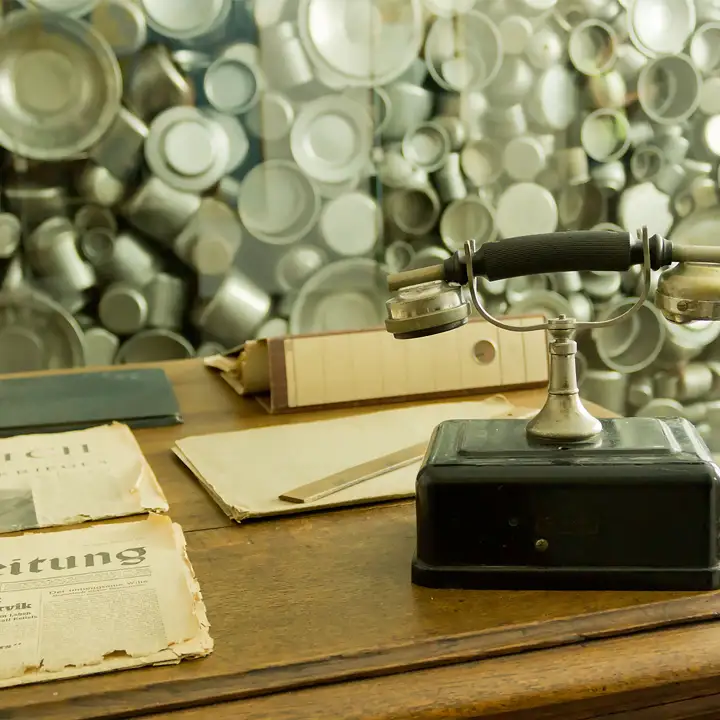
Mid-Day/Afternoon — Schindler's Factory Museum

During World War II Oscar Schindler saved the lives of more than 1,100 Jews by employing them in his enamelware factory in Krakow. Until recently still used as a factory, the building now houses one of Europe's most impressive new museums. It tells not only the story of Schindler and the Jews he protected, but of the wider experience of Krakow during World War II.

Podgórze

Wander the streets of the former Jewish Ghetto.

Podgórze is the neighborhood where the Krakow Jewish Ghetto was located. At the beginning of the war, only about 3,000 people lived in the district, but over 15,000 Jews were forcibly moved there and surrounded by tall walls and guarded gates. In 1942-3 the ghetto was "liquidated", with residents sent to either labor camps or extermination camps, or simply murdered in the streets. A couple small sections of the wall and a memorial of empty chairs (each chair representing a 1,000 victims) on the ghetto square are among the very few remaining physical reminders of the ghetto. On the corner of the square, you can also visit the small museum of the Apteka pod Orlem (Pharmacy under the Eagle), which was the only pharmacy allowed to operate in the ghetto. The Polish Catholic owner requested permission to operate within the ghetto and provided medical supplies to residents, often for free. Both he and Oscar Schindler were honored by Israel as "Righteous Among the Nations".

Late Afternoon/Early Evening — Jewish Quarter

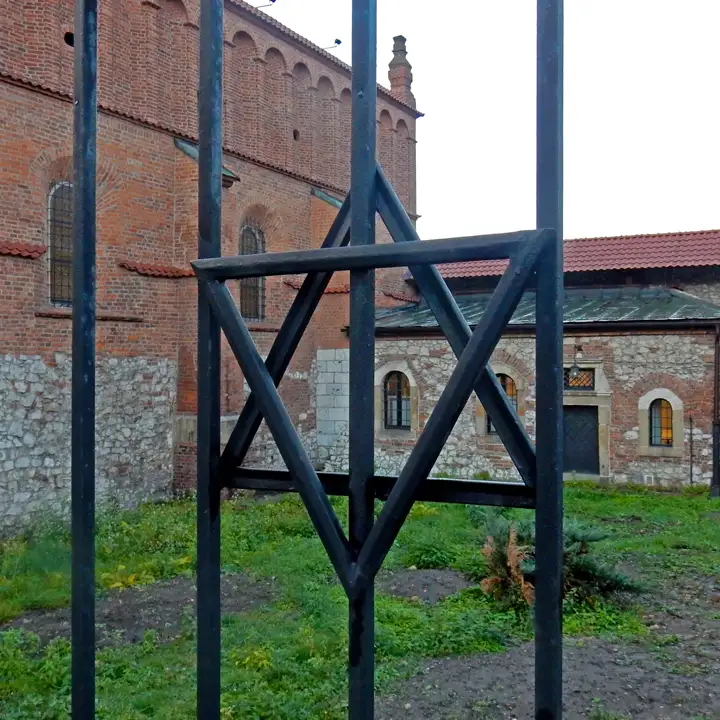
The district of Kazimierz was once home to one of Europe's largest and most influential Jewish communities. This tiny area became the cultural center of European Jewry, drawing immigrants from around Europe. It was filled with synagogues, Jewish schools, and printers, and was home to famous scholars such as Rabbi Moses ben Isserles. While most of its residents were tragically killed in the Holocaust, they left behind a rich and fascinating historical legacy to explore.

Szeroka

Visit the historic street that was the center of Kazimierz's Jewish community.

This wide street (Szeroka actually means wide) acted as a sort of square and marketplace for the community. While today well-maintained buildings line it, in the 19th century it would have been better described as "bustling" than "quaint". You can find all the major Jewish heritage sites nearby, including Krakow's oldest synagoague, the fortress-like Old Synagogue, which sits on the southern end of the street. Today it houses a museum of Jewish heritage.

Tempel Synagogue

Enjoy the splendor of this 19th-century synagogue with an opulate Moorish interior.

Unlike the older synagogues, which sometimes appeared more like fortresses than places of worship, the Tempel Synagogue is an architectural gem that represents a period of new-found confidence and comfort within the surrounding society. It proclaimed Jewish integration into modern society, while also representing its continued faith.

Old Jewish Cemetery (Remuh Cemetery)

Pass through the gates of the Remuh synagogue to find Krakow's most historic cemetery.

The Old Jewish Cemetery contains the graves of many famous Polish Jews, who were buried there from the 1500 to 1800's. The cemetery was largely destroyed by the Nazis, but many of the tombstones have been returned to the site. The entrance is hidden just off of Szeroka Street. Look for the gate across from the green space at the north end of the square. Once inside the courtyard, look for an entrance door on the wall to the right. 

Plac Nowy

Hit the spot with a tasty "zapiekanka" before exploring Kazimierz's nightlife.

Once the main square and kosher marketplace of the Jewish community, Plac Nowy's roundhouse of former butcher stands is now occupied by stands selling a special Krakow delicacy known as zapiekanka. Consisting of a toasted piece of baguette loaded with cheese and other toppings of your choosing, no trip to Krakow is complete without trying one. It's a good place to start exploring the nightlife of Kazimierz, Krakow’s youngest and coolest district. You will discover a lively scene on almost any evening.

Corpus Christi Basilica

Venture off the beaten path to discover one of Krakow's most impressive churches.

Kazimierz has always possessed a Christian population as well, and some of Krakow’s prettiest churches are located there, such as the breathtaking Corpus Christi Basilica, with its gothic architecture and soaring baroque altars. Just a few steps from the church you'll find Kazimierz’s largest square, the plac Wolnica. Its neo-Renaissance town hall contains one of the city’s best-hidden finds – the Ethnographic Museum. You will find recreations of life in the Polish countryside, with recreated cottage interiors, school rooms, farming implements, painted eggs, costumes, and much more. 

image

Day 1

Arrive Krakow


icon
icon
icon

To Be Determined:

Private Krakow Airport Pickup

Mid-Day/Afternoon:

Schindler's Factory Museum

Late Afternoon/Early Evening:

Jewish Quarter

Private Krakow Airport Pickup

Private Krakow Airport Pickup

We will schedule a pick up for 30 minutes after your flight's arrival time. You will be met in the terminal by a driver holding a sign with your name on it. The ride is for your party only - you will not be sharing a vehicle. The cost of the ride is included in your package, and you will not have to pay the driver.

To Be Determined — Private Krakow Airport Pickup

We will schedule a pick up for 30 minutes after your flight's arrival time. You will be met in the terminal by a driver holding a sign with your name on it. The ride is for your party only - you will not be sharing a vehicle. The cost of the ride is included in your package, and you will not have to pay the driver.

Mid-Day/Afternoon — Schindler's Factory Museum

During World War II Oscar Schindler saved the lives of more than 1,100 Jews by employing them in his enamelware factory in Krakow. Until recently still used as a factory, the building now houses one of Europe's most impressive new museums. It tells not only the story of Schindler and the Jews he protected, but of the wider experience of Krakow during World War II.

Podgórze

Wander the streets of the former Jewish Ghetto.

Podgórze is the neighborhood where the Krakow Jewish Ghetto was located. At the beginning of the war, only about 3,000 people lived in the district, but over 15,000 Jews were forcibly moved there and surrounded by tall walls and guarded gates. In 1942-3 the ghetto was "liquidated", with residents sent to either labor camps or extermination camps, or simply murdered in the streets. A couple small sections of the wall and a memorial of empty chairs (each chair representing a 1,000 victims) on the ghetto square are among the very few remaining physical reminders of the ghetto. On the corner of the square, you can also visit the small museum of the Apteka pod Orlem (Pharmacy under the Eagle), which was the only pharmacy allowed to operate in the ghetto. The Polish Catholic owner requested permission to operate within the ghetto and provided medical supplies to residents, often for free. Both he and Oscar Schindler were honored by Israel as "Righteous Among the Nations".

Late Afternoon/Early Evening — Jewish Quarter

The district of Kazimierz was once home to one of Europe's largest and most influential Jewish communities. This tiny area became the cultural center of European Jewry, drawing immigrants from around Europe. It was filled with synagogues, Jewish schools, and printers, and was home to famous scholars such as Rabbi Moses ben Isserles. While most of its residents were tragically killed in the Holocaust, they left behind a rich and fascinating historical legacy to explore.

Szeroka

Visit the historic street that was the center of Kazimierz's Jewish community.

This wide street (Szeroka actually means wide) acted as a sort of square and marketplace for the community. While today well-maintained buildings line it, in the 19th century it would have been better described as "bustling" than "quaint". You can find all the major Jewish heritage sites nearby, including Krakow's oldest synagoague, the fortress-like Old Synagogue, which sits on the southern end of the street. Today it houses a museum of Jewish heritage.

Tempel Synagogue

Enjoy the splendor of this 19th-century synagogue with an opulate Moorish interior.

Unlike the older synagogues, which sometimes appeared more like fortresses than places of worship, the Tempel Synagogue is an architectural gem that represents a period of new-found confidence and comfort within the surrounding society. It proclaimed Jewish integration into modern society, while also representing its continued faith.

Old Jewish Cemetery (Remuh Cemetery)

Pass through the gates of the Remuh synagogue to find Krakow's most historic cemetery.

The Old Jewish Cemetery contains the graves of many famous Polish Jews, who were buried there from the 1500 to 1800's. The cemetery was largely destroyed by the Nazis, but many of the tombstones have been returned to the site. The entrance is hidden just off of Szeroka Street. Look for the gate across from the green space at the north end of the square. Once inside the courtyard, look for an entrance door on the wall to the right. 

Plac Nowy

Hit the spot with a tasty "zapiekanka" before exploring Kazimierz's nightlife.

Once the main square and kosher marketplace of the Jewish community, Plac Nowy's roundhouse of former butcher stands is now occupied by stands selling a special Krakow delicacy known as zapiekanka. Consisting of a toasted piece of baguette loaded with cheese and other toppings of your choosing, no trip to Krakow is complete without trying one. It's a good place to start exploring the nightlife of Kazimierz, Krakow’s youngest and coolest district. You will discover a lively scene on almost any evening.

Corpus Christi Basilica

Venture off the beaten path to discover one of Krakow's most impressive churches.

Kazimierz has always possessed a Christian population as well, and some of Krakow’s prettiest churches are located there, such as the breathtaking Corpus Christi Basilica, with its gothic architecture and soaring baroque altars. Just a few steps from the church you'll find Kazimierz’s largest square, the plac Wolnica. Its neo-Renaissance town hall contains one of the city’s best-hidden finds – the Ethnographic Museum. You will find recreations of life in the Polish countryside, with recreated cottage interiors, school rooms, farming implements, painted eggs, costumes, and much more. 

image

Day 2

Krakow

Day 2

Krakow

icon
icon
icon

9:30 AM - 12:30 PM

Krakow Guided Walk

On this three-hour guided walking tour, you will discover the history and legends of old Krakow and gain an excellent overview of the city. The many layers of the city will be revealed to you as your guide points out medieval, Renaissance, and Baroque architecture. You will learn about not only Krakow's glory days many centuries past but also about its more recent struggles during Nazism and Communism oppression.

Krakow Guided Walk

9:30 AM - 12:30 PM — Krakow Guided Walk

On this three-hour guided walking tour, you will discover the history and legends of old Krakow and gain an excellent overview of the city. The many layers of the city will be revealed to you as your guide points out medieval, Renaissance, and Baroque architecture. You will learn about not only Krakow's glory days many centuries past but also about its more recent struggles during Nazism and Communism oppression.

Old Town-Rail Station Tunnel

Cloth Hall

Take home something special from a vast market hall built in the 14th century, which is surrounded by arcaded passageways and topped with rows of gargoyles.

The covered market continues a centuries-old tradition with an eclectic range of goods of sale – you might be most interested in the amber jewelry or the handicraft items from the Podhale region. On the upper floor, you will find the 19th Century Polish Art Museum which features truly beautiful and under-appreciated artwork that packs a mighty patriotic punch. 

Afternoon/Late Afternoon — Nowa Huta

Nowa Huta was an entirely pre-planned socialist-realist city, intended as an ideal showcase of Communism. This self-guided walk takes you into the heart of Nowa Huta, from its monolithic and oppressive, yet admittedly impressive central square, to its small neighborhood streets and quiet courtyards. You will also have the option to try a dining experience mostly unchanged from Communist times and see how daily life is lived here.

Early Evening to Late Evening — Evening Concert

As a cultural center of Poland, Krakow's music offerings punch well above their weight for such a small city. It also possesses several nice concert halls and theaters. The Slowacki Theater, for instance, is one of the most beautiful venues in Europe. The city supports its own talented philharmonic and opera companies, and numerous smaller concerts cater to both locals and visitors. Poland has an especially rich folk arts tradition, meaning visitors can also enjoy performances of folk music and dancing.

Słowacki Theatre

Experience a performance in a theater built to rival the most beautiful theaters in all of Europe.

Completed in 1893, it was the first building in Krakow equipped with electric lighting. The design was inspired by the best European theaters built in the Eclectic style (i.e. a mix of historic design styles), and its beauty helped make it a central venue in the flowering of Polish dramatic works which took place at the end of the 19th and early 20th century. Today it is still primarily hosts dramas in the Polish-language, but lucky visitors may also be able to catch an opera or concert.  

image

Day 2

Krakow

image

Day 3

Krakow

Day 3

Krakow

icon
icon

8:00 AM - 2:30 PM

Excursion to Auschwitz w/ Private Transfer

There is no shortage of cruelty and evil to be found in human history, but the Holocaust stands out as perhaps the greatest of these evils, in both scale and conception. The Holocaust's most significant historical sites, the concentration camp of Auschwitz and its auxiliary camp of Birkenau, are located a little over an hour from Krakow. This guided tour includes private transfers to and from Auschwitz but a group tour around the camp.

Excursion to Auschwitz w/ Private Transfer

8:00 AM - 2:30 PM — Excursion to Auschwitz w/ Private Transfer

There is no shortage of cruelty and evil to be found in human history, but the Holocaust stands out as perhaps the greatest of these evils, in both scale and conception. The Holocaust's most significant historical sites, the concentration camp of Auschwitz and its auxiliary camp of Birkenau, are located a little over an hour from Krakow. This guided tour includes private transfers to and from Auschwitz but a group tour around the camp.

Afternoon to Early Evening — Old Town

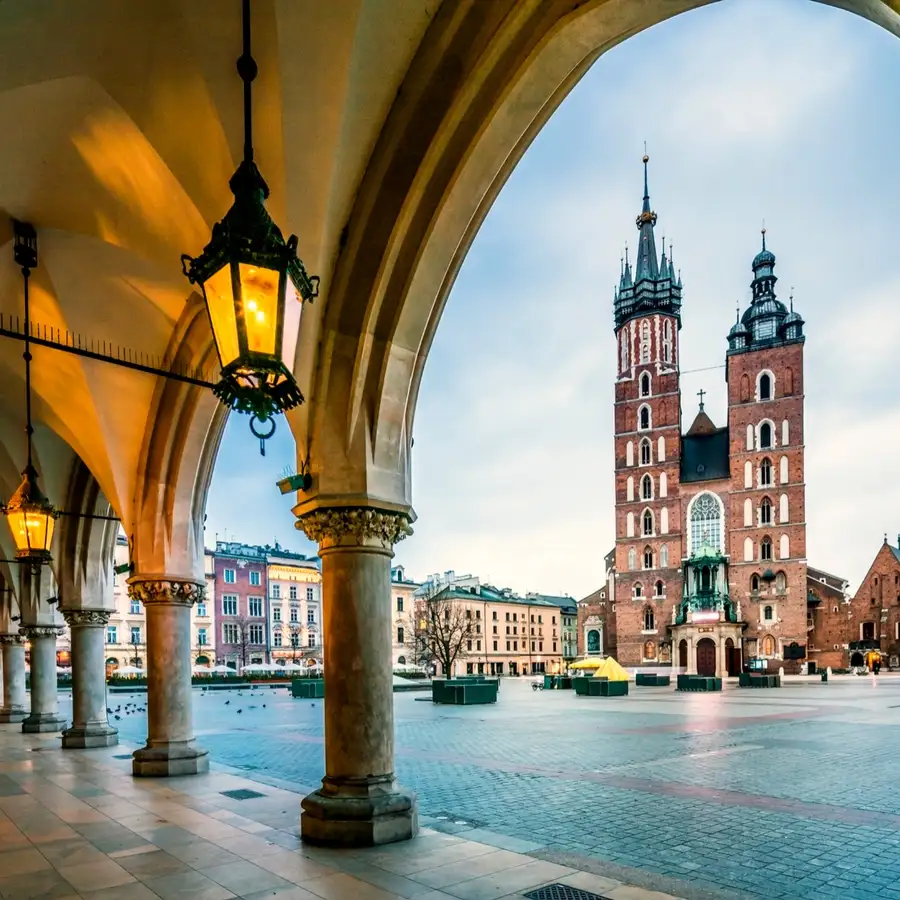
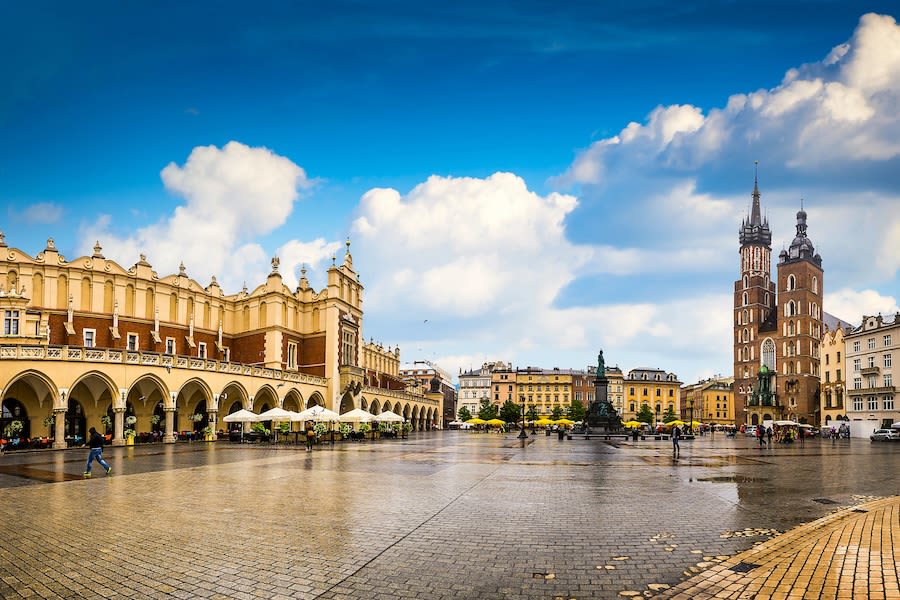
Krakow's Old Town is the part of the city once contained within the historic Medieval walls. While the walls are now mostly gone, you will still discover a rich heritage of Gothic, Renaissance, and Baroque architecture. The Market Square is one of the largest and most breathtaking town squares in all of Europe. The two most famous attractions on the Market Square are St. Mary's Basilica and the Cloth Hall.

Market Square

See Europe's largest medieval town square, which may also be its most beautiful as well.

While all of the Old Town should be explored, there is actually a lot to keep you busy right on the Market Square – a huge expanse of flagstones, ringed by magnificent houses and towering spires. Once you are done at the surface, you can descend below ground to the archealogical escavations of Krakow's early medieval town, in the excellent Rynek Underground museum.

Cloth Hall

Take home something special from a vast market hall built in the 14th century, which is surrounded by arcaded passageways and topped with rows of gargoyles.

The covered market continues a centuries-old tradition with an eclectic range of goods of sale – you might be most interested in the amber jewelry or the handicraft items from the Podhale region. On the upper floor, you will find the 19th Century Polish Art Museum which features truly beautiful and under-appreciated artwork that packs a mighty patriotic punch. 

St. Mary’s Basilica

Escape to the quiet wonder of this magnificently beautiful and colorful church.

The 600-year-old basilica was built from red brick and stone, creating a striking appearance both in its exterior and interior. Venturing inside is a must to see the magnificent high altar carved by Veit Stoss, the greatest carver of the Gothic Age. The best view in the square can be earned with a gut-busting climb to the top of the church's Bugle Tower. It is from here that a lone trumpeter plays a sombre call four times on the hour, halting abruptly each time to commerate the watchman who warned the citizens of an attack before being shot through the throat with an arrow. 

Floriańska Street

Walk the same route once used by the Kings of Poland to enter Krakow.

Of all the historic streets leading off of the main square, Floriańska Street is the busiest and most striking. Filled with shops, restaurants, pubs, and museums, there is much to attract your attention besides the centuries-old architecture and brightly-painted facades. At the end of the street you will reach a small remaining stretch of the medieval walls, and pass through a 14th-century tower still guarding the town entrance.

Czartoryski Museum

See one of of Leonardo da Vinci's most famous works up close and in person.

The museum includes the treasures of one of Poland's most powerful noble families. It features a small but beautifully presented ancient art collection centered on a group of Etruscan coffins and richly decorated Egyptian sarcophagi. But the star attractions are to be found in the picture galleries, including Rembrandt’s "Landscape with the Good Samaritan" and Leonardo da Vinci’s "Lady with an Ermine". It's a totally different experience than fighting the crowds to catch a peak of the Mona Lisa.

Jagiellonian University

Educate yourself on Krakow's rich academic traditions at Poland's oldest university.

Founded in 1364, Jagiellonian University has attracted scholars and students from across Europe, including the astronomer Copernicus. The medieval heart of the university, the Collegium Maius, is open for visitors. Its tranquil arcaded courtyard is one of the most magical spots in Krakow, and the mechanical clock on the south wall is accompanied five times a day (9am, 11am, 1pm, 3pm and 5pm) by a procession of carved wooden figures. Meanwhile, the University museum allows you to experience the university as Copernicus did.

image

Day 3

Krakow

image

Day 4

Krakow to Warsaw

Day 4

Krakow to Warsaw

icon
icon
icon
icon
icon

9:00 AM - 12:00 PM

Guided Walk, Jewish Quarter

On this three-hour guided walking tour, you will discover what was once home to one of Europe's largest and most influential Jewish communities - numbering over 60,000 residents at its height. While most of its residents were tragically killed in the Holocaust, they left behind a rich historical legacy, including numerous beautiful synagogues now open for visitors.

Guided Walk, Jewish Quarter

9:00 AM - 12:00 PM — Guided Walk, Jewish Quarter

On this three-hour guided walking tour, you will discover what was once home to one of Europe's largest and most influential Jewish communities - numbering over 60,000 residents at its height. While most of its residents were tragically killed in the Holocaust, they left behind a rich historical legacy, including numerous beautiful synagogues now open for visitors.

Szeroka

Visit the historic street that was the center of Kazimierz's Jewish community.

This wide street (Szeroka actually means wide) acted as a sort of square and marketplace for the community. While today well-maintained buildings line it, in the 19th century it would have been better described as "bustling" than "quaint". You can find all the major Jewish heritage sites nearby, including Krakow's oldest synagoague, the fortress-like Old Synagogue, which sits on the southern end of the street. Today it houses a museum of Jewish heritage.

12:55 PM — Taxi Transfer to Krakow Rail Station

Most trains depart from Krakow Main Rail Station (Kraków Główny) station, the largest station in the city. Before spending money on a transfer, be sure to check whether your hotel is within easy walking distance. Also consider that public transport is the cheapest and sometimes fastest option - trams drop off directly in front of the station. If staying at a hotel, they can order a reliable taxi. Some private transfers will even help with your bags. Uber is also available for those with the app.

13:55 - 16:20 — Train to Warsaw

This comfortable train journey will take about two-and-a-quarter hours. If your train is designated as an EIC (Express InterCity) train, then Wi-fi coverage will be available, and food and drink are also sold on the train. The journey first takes you through the fertile farming country of Małopolska and onwards towards the Polish capital of Warsaw. As you enter Warsaw, you will pass its densely populated suburbs and areas of heavy industry before reaching the central station located beneath the skyscrapers of downtown, which form one of the more impressive skylines of Europe.

4:20 PM — Transfer from Rail Station

Most trains arrive in Warsaw Central Rail Station (Warszawa Centralna) station, the largest station in the city. Before spending money on a transfer, be sure to check whether your hotel is within easy walking distance. Also consider that public transport is the cheapest and sometimes fastest option. The Central Station is a transport hub, so there are buses, trams, and metro all leaving from the area. Uber is also available for those with the app. Taxis are also available at all rail stations and are generally honest, but there are certainly some drivers that take advantage of tourists. Be sure to use a marked taxi from the station's main taxi stand. Private transfers meanwhile are the most convenient option. Some private transfers even meet you directly on the platform to help with bags.

Early Evening/Evening — Palace of Culture

The Palace of Culture and Sciences is the building everybody who has visited Warsaw remembers. It has been a bone of contention for fifty years and still evokes extreme emotions. It has 42 floors, consumes as much energy as a town of 30,000, and remains the tallest skyscraper in Poland, even though it was built in the 1950s as a 'gift' from the Soviets to the Polish people. The extensive sightseeing terrace which surrounds the top tower is on the 30th floor and can be reached in just 19 seconds by elevator. Entry to the Palace is via its eastern side on Marszałkowska St.  You can get a feel for 'socialist realist' architecture and Communist-era "luxury for the people" by visiting the cavernous interior on a guided tour to see the opulent Gagarin Hall and the famous Congress Hall where the Rolling Stones and other big stars have performed. Apart from serving as an office complex, the Palace also contains a number of cafes and bars, multiplex cinema with eight screens, four theatres, two museums (the Museum of Evolution and the Museum of Technology), bookshops, a large swimming pool, the aforementioned Congress Hall with seating capacity for 3,000 people, and an accredited university, Collegium Civitas.  Directly across the road from the Palace, you can find Warsaw's heaviest concentration of restaurants, pubs, bars, and cafes in a number of pedestrian thoroughfares around Chmielna and Nowy Świat Streets.

Chmielna & Nowy Świat Streets

Hang out with locals in one of Warsaw's best areas for cafes and nightlife.

Chmielna street is a partially pedestrianized street with a great selection of eateries and hostelries. You'll also find restaurants and hangouts in some of the nearby streets, as well as the courtyards and alleyways on either side of Chmielna street.   At the end of Chmielna, you will meet up with Nowy Świat St, which is part of the old Royal Way and was once the favorite place of Polish intellectuals and artists. These days Nowy Świat is a popular student haunt, given that the central campus of Warsaw University is just up the street. This part of Nowy Świat becomes pedestrianised at the weekend and hence becomes party central on Saturday nights.

image

Day 4

Krakow to Warsaw

image

Day 5

Warsaw

Day 5

Warsaw

icon
icon
icon
icon

9:00 AM - 11:30 AM

Old Town Walking Tour, Guided

On this 2.5-hour walking tour, you will be shown around Warsaw's UNESCO-listed Old Town, including the old market square and the famous Mermaid Monument in the middle of it. You will be taken along the beautifully recreated cobbled streets around the square while your guide recounts the stories of the historic building lining them, as well as the story of their post-WWII reconstruction.

Old Town Walking Tour, Guided

9:00 AM - 11:30 AM — Old Town Walking Tour, Guided

On this 2.5-hour walking tour, you will be shown around Warsaw's UNESCO-listed Old Town, including the old market square and the famous Mermaid Monument in the middle of it. You will be taken along the beautifully recreated cobbled streets around the square while your guide recounts the stories of the historic building lining them, as well as the story of their post-WWII reconstruction.

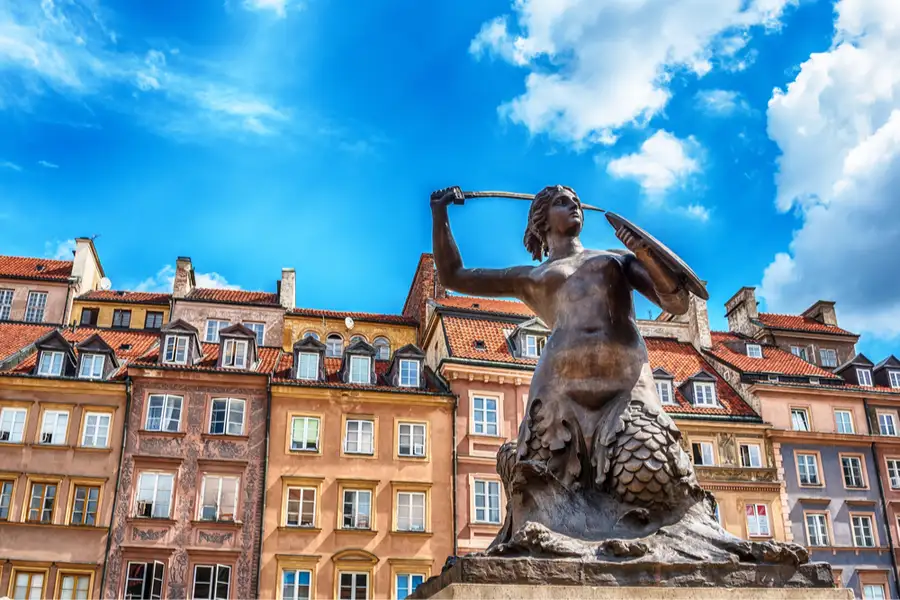
Warsaw Mermaid

Warsaw Mermaid (Warszawska Syrenka) is the official symbol of Warsaw.

On the square, Syrenka appeared in the 19th century. According to the legend, she is the sister of Copenhagen Mermaid.

Warsaw's Royal Castle

Tour the impressive Royal Castle for an entertaining crash course in Warsaw and Polish history.

Like everything else in central Warsaw, the Royal Castle was heavily damaged during the German bombing campaign that sparked WWII in September 1939 and was then completely and literally reduced to smoldering dust in 1944 in revenge for the failed Warsaw Uprising. What you see today is a carbon copy built in the 1970s when the Communist authorities became desperate to position themselves as 'socialist patriots' following decades of delay in the building schedule. Opened to the public in 1984, the Castle today is filled with period furniture and works of art. Highlights of the castle tour include the Great Apartment and its magnificent Great Assembly Hall, which has been restored to its 18th-century decor of dazzling gilded stucco and golden columns. The neighboring National Hall was conceived as a national pantheon; the six huge canvases (surviving originals) depict pivotal scenes from Polish history. Further on from the National Hall is the lavishly decorated Throne Room. Connected by a short corridor is the King’s Apartment, the highlight of which is the Canaletto Room at the far end. An impressive array of 23 paintings by Bernardo Bellotto, better known in Poland as Canaletto, captures Warsaw's mid-18th-century heyday in great detail. The works were of immense help in reconstructing the city’s historic facades. 

Mid-Day — Royal Castle & Old Town

Almost completely razed to the ground during WWII, the Polish capital, Warsaw, has undergone astonishing change and renewal over the past 70 years with the painstaking rebuilding of its old town and castle from virtual scratch. The extensive renovation and development that came with Poland's accession to the European Union in 2004 have left Warsaw looking better than at any time since the end of the war. The Old Town's inclusion as a UNESCO World Heritage Site is no accident - although smaller than the historic centers of Prague and Vienna or even Krakow, it's still stunning and the story of its rebirth is truly awe-inspiring. The adjacent 15th century New Town also features beautifully reconstructed cobbled streets and the birthplace of double Nobel Prize-winning scientist Marie Skłodowska-Curie.

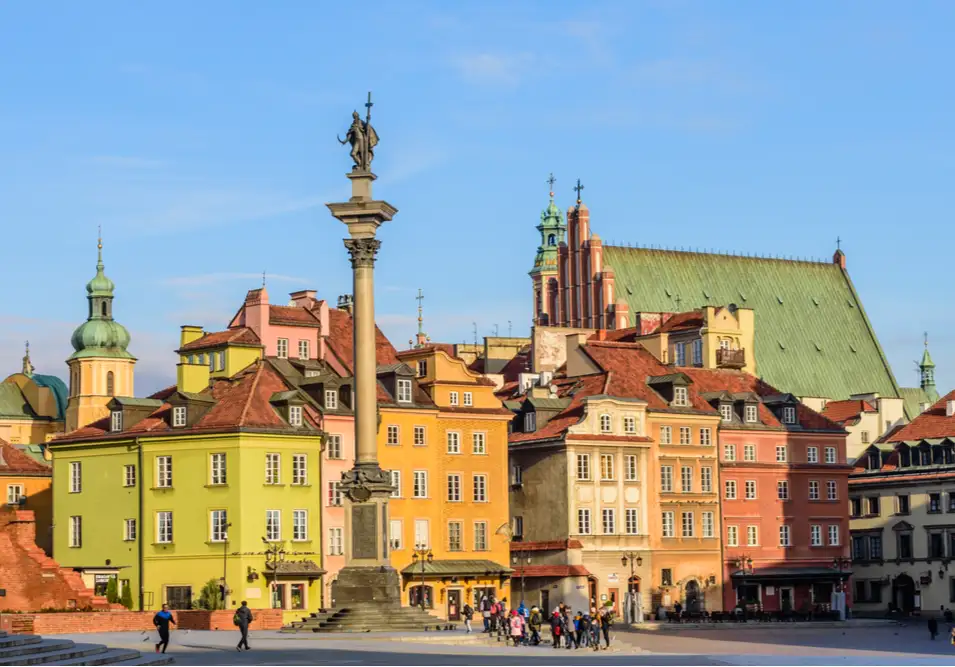
Old Town Market Square

See for yourself just how well the magic of Old Warsaw was reconstructed in the Market Square.

Dating back to the 1200's the square is the oldest part of the city, and for most of the Warsaw's history, it was the very heart of the town as well. Originally surrounded by Gothic style buildings, over time they were reconstructed in the Renaissance and Baroque styles you see today. There's a gurgling fountain in the middle of the square overseen by a statue of the Warsaw Mermaid (Syrena), the city's symbol. You can also often see the square "keeper" wandering the precinct - a man in traditional dress, consisting of a red suit and a curved sword. Today it is lined by cafes, filled with tourists, and seems just as picture-postcard pretty as the other great city squares of Europe. But in some respects it is an illusion. The buildings of the original market square were systematically blown up by the Germans during the Warsaw Rising and painstaking rebulit after the war, with the exteriors exactly matching pre-uprising photos. The photos were taken with just this end in mind, as the Poles knew what was in store for them once the fighting began. It is one of the most remarkable bits of postwar reconstruction anywhere in Europe and truly deserves its UNESCO status. 

Warsaw's Royal Castle

Tour the impressive Royal Castle for an entertaining crash course in Warsaw and Polish history.

Like everything else in central Warsaw, the Royal Castle was heavily damaged during the German bombing campaign that sparked WWII in September 1939 and was then completely and literally reduced to smoldering dust in 1944 in revenge for the failed Warsaw Uprising. What you see today is a carbon copy built in the 1970s when the Communist authorities became desperate to position themselves as 'socialist patriots' following decades of delay in the building schedule. Opened to the public in 1984, the Castle today is filled with period furniture and works of art. Highlights of the castle tour include the Great Apartment and its magnificent Great Assembly Hall, which has been restored to its 18th-century decor of dazzling gilded stucco and golden columns. The neighboring National Hall was conceived as a national pantheon; the six huge canvases (surviving originals) depict pivotal scenes from Polish history. Further on from the National Hall is the lavishly decorated Throne Room. Connected by a short corridor is the King’s Apartment, the highlight of which is the Canaletto Room at the far end. An impressive array of 23 paintings by Bernardo Bellotto, better known in Poland as Canaletto, captures Warsaw's mid-18th-century heyday in great detail. The works were of immense help in reconstructing the city’s historic facades. 

Barbakan & Old Town Walls

Take a pleasant walk in the former moat beneath the old city walls.

A long red brick section of the old city walls rings the Old Town. The split-level fortifications, ramparts, and rebuilt watchtowers stand alongside a grassy, apple-tree lined moat, where a path runs beneath the outer walls. If you follow the walls along this path, known as Podwale, you may see fresh flowers laid on the ground which mark the places where the Nazis carried out wartime executions. The 16th-century Barbakan, a large fortified gate standing in the middle of the moat, is the most impressive part of the old city's fortifications. Beyond the first line of walls, you'll also discover a wide cobblestoned lane that runs between the first and second line of fortifications.

New Town Market Square

Be sure to wander just a bit outside the old city walls to this delightful tree-lined square.

Often missed by visitors who stick within the Old Town, Warsaw's New Town lies just to the north of the Old Town, starting just after the Barbakan. It is actually not so "new" since it dates back to the 15th century, and is well worth visiting, especially since it has all of the atmosphere of the Old Town without as many crowds. You'll discover the birhplace of Marie Curie, several historic churches, as well as numerous cafes, restaurants, and shops. The highlight is the New Town Square. This very tranquil and relaxing setting is one of the most lovely public settings in Warsaw. It's the perfect place to stop for refreshments surrounded by elegantly reconstructed 18th century facades. 

Little Insurgent

Take a moment at this poignant memorial to the child soldiers of the Warsaw Rising.

Little Insurgent (Mały Powstaniec), is a bronze figure of a small boy with an oversized helmet carrying a machine gun. It commemorates the many children killed fighting in the Warsaw Rising. When the Warsaw Rising was launched against the Nazi occupiers, the situation quickly became desperate. Children were used to ferry messages and supplies between the fighters. Some of the German forces sent to crush the rebellion were units specifically chosen for their reputations for cruelty, such as the Dirlewanger Brigade, a unit composed of violent convicted criminals. The German forces, who already used civilians as human shields and conducted mass executions of the population, had no compunction about killing these unfortunate child soldiers. This is perhaps Warsaw's most honored monument to the uprising, as it evokes both pathos and admiration for the incredible bravery against impossible odds.

Church of the Visitation & the Marie Curie Monument

See one of Warsaw's oldest churches as well as a statue honoring Marie Curie.

The Church of the Visitation of the Blessed Virgin Mary is a brick Gothic church built in the 15th century. Consecrated in 1411, it is one of the oldest churches in Warsaw and one of the few surviving Gothic structures left in the city. Largely destroyed by German forces during the war, it was rebuilt after the war. The square in front of the church sometimes hosts impromptu concerts and performances. Behind the church, just outside its gate, you'll discover a wonderful statue of Marie Curie staring across the Vistula River. The renowned scientist and native of Warsaw discovered radium and polonium, and made a incalcuable contribution to the treatment of cancer. 

Late Afternoon — Royal Way

Like Madrid's Gran Via or Paris's Champs Elysees, Warsaw has its own grand avenue - Krakowskie Przedmieście - not as easily pronounceable as its western cousins, to be sure, but with all the sweep of a historic thoroughfare. Together with another busier avenue - Nowy Świat - it forms the basis of what was once known as the Royal Way along which Polish and visiting kings and queens would proceed on their way to or from the Royal Castle. For centuries the nobility built palaces along this route, and these were faithfully rebuilt after the war. A fine example of Warsaw's palaces is the Ostrogski, which now houses a museum devoted to Poland's greatest composer Frederyk Chopin. Speaking of Chopin, be sure to the inspect the black Chopin benches that line the Royal Way and that feature a button which when pressed unleashes a thirty-second torrent of Chopin. You'll also find beautiful churches, grand hotels, and monuments on the route, including a statue of Poland's greatest poet, Adam Mickiewicz, as well of the great Polish astronomer Nicolaus Copernicus. The entrance to the green campus of Warsaw University is also located on the Royal Way, and just beyond it you'll find a more modern side of Warsaw on the banks for the Vistula River. If you are interested in modern architecture, you will want to see the very ecologically friendly university library and one of the biggest roof gardens in Europe. And families and science lovers will certainly want to check out the Copernicus Science Center.

Chopin Museum

Take an interactive voyage into the life and music of Poland's greatest composer.

Music lovers will not want to miss the Chopin Museum housed in the 17th century Ostrogskich Palace on Okólnik Street. The exhibits cover the life and work of the great Polish composer in significant detail, including many interactive displays. The sound booths in the basement area are particularly good, as you can listen to the music and learn the backstory of each piece. There's also a good souvenir shop in the neighboring building, and if you are lucky, there will even be a live concert or rehearsal in the museum during your visit.

Presidential Palace

Watch the changing of the guards at Warsaw's Presidential Palace.

Originally built in 1643 as an aristocratic mansion, this palace is now the official residence of the Polish president, but it has a long history of hosting important events. In 1791, it hosted the drafters of Poland's original constitution, which was also Europe's first constitution. It's also where the Warsaw Pact was signed in 1955 and the 'Round Table' talks between the Communist government and the Solidarity-led opposition took place in 1989.  In 1995, the Palace gained a new tenant in the person of Lech Wałęsa, signalling its new status as Presidential Palace. You'll see plaques and flowers out front marking the death of President Lech Kaczyński in 2010 in a plane crash in Russian Smolensk. If you stick around you'll be treated to a rather intricate changing of the guard featuring spik and span representatives from all three military services led by officers in their highly distinctive Rogatywka - the asymmetrical, peaked, four-pointed cap used by the Polish military throughout the ages. The changing of the guard takes place on the hour from midday to 5 pm on weekdays, with the most impressive change at midday.

University Library and Roof Garden

Take a roof-top stroll above the university library to experience a unique garden and great views.

Those interested in modern architecture and/or modern gardening will want to see the very ecologically friendly university library and one of the biggest roof gardens in Europe. The garden is nestled within lunar architecture with beautiful views of the center of Warsaw, the Vistula and of Praga – the district on the other side of the river. The garden is intersected with bridges and pathways that make it a pleasure to explore. Access to the roof is via the lower garden on the left side of the building when facing the river. 

Copernicus Science Centre

Keep the whole family entertained at this innovative and hands-on science museum.

The Copernicus Science Centre and Planetarium are located directly on the banks of the Vistula river. It has great hands-on science exhibits for young and old alike. With over 450 different exhibits, you can carry out experiments and discover the laws of science in a fun and interactive way.

University of Warsaw

Relax for a little while in the idyllic green campus of the University of Warsaw.

Pass through the University's main gates on the Royal Way, and you can relax within a leafy sanctuary away from the hustle and bustle of the city and discover the 17th-century Kazimierzowski Palace that is now home to the Rector's Office. Unlike many European universities, whose buildings are often scattered throughout hte city in seemingly random fashion, you'll find that this university area very much resembles an American university campus.

Early Evening to Late Evening — Dining Out

Warsaw has recently become a real dining heaven, which can please even the most demanding foodies. Here, you can find a great variety of restaurants serving different cuisines, as well as offering different dining experiences. Since the city is very spread out, there are many areas where you would be surprised by how much Warsaw has to offer. One of such great places is "Śródmieście Południowe" or simply the south of the Center.

image

Day 5

Warsaw

image

Day 6

Warsaw

Day 6

Warsaw

icon
icon

Morning to Afternoon

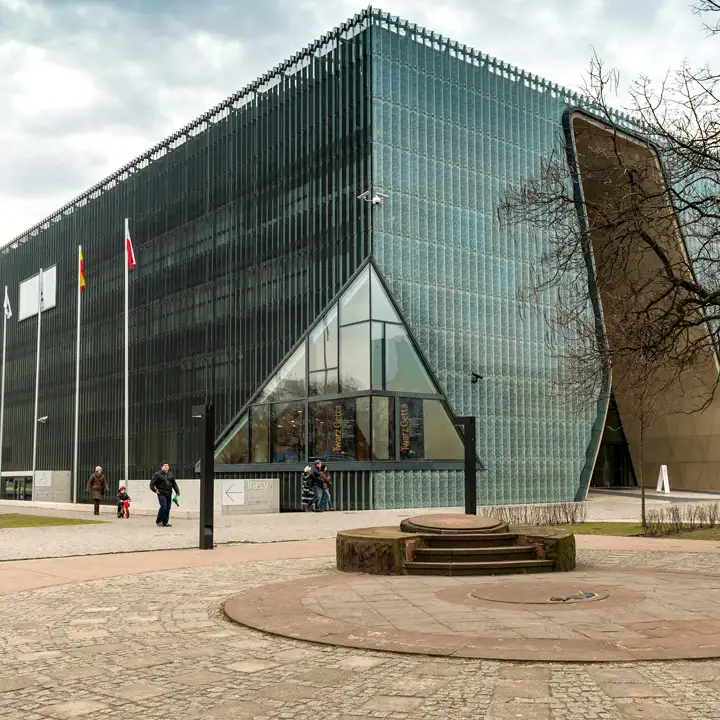
Jewish Museum

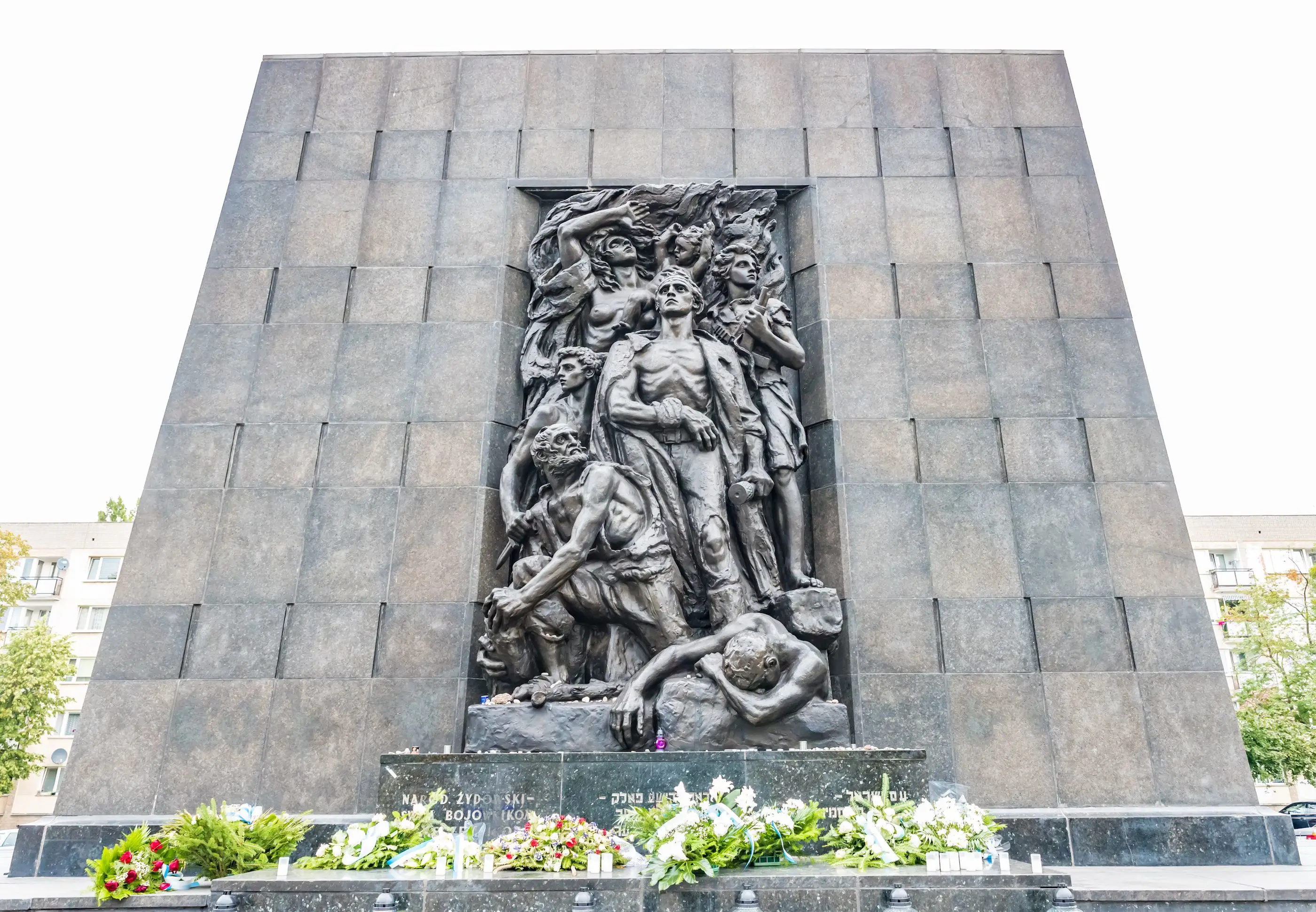
Winner of the 2016 'Oscar' for museum design, the POLIN museum is a brilliant example of the new generation of multi-media narrative history museums, and demonstrates Poland's determination to re-tell its history after decades of suppression under the former Communist regime. Built on a former Jewish Ghetto site in front of the Ghetto Heroes Monument, which memorializes the 1943 uprising within the Warsaw ghetto, the museum's core exhibition occupies more than 4,000 square meters (43,000 sq ft) of space. It consists of eight galleries that document and celebrate the thousand-year history of the Jewish community in Poland – once the largest Jewish community in the world – that was almost entirely obliterated during the Holocaust.  The Holocaust fills only one of the eight galleries, and thus does not overshadow the long and rich history that preceded it. Highlights include early Jewish manuscripts, re-creations of 18th century Jewish town life (including a scale replica of the Gwozdziec synagogue with its colorful painted interior), a religious school and a busy Warsaw street from the early 20th century. All this is done using sound effects and modern projection techniques, vintage photographs and films, histories of Polish-born movements from Hasidism to Zionism, and a vast multimedia network encompassing more than 250 computer terminals. This is a museum full of noise and color; with echoes of centuries of Yiddish chatter and the soulful sounds of klezmer music. No visitor will leave unmoved.

Jewish Museum

Morning to Afternoon — Jewish Museum

Winner of the 2016 'Oscar' for museum design, the POLIN museum is a brilliant example of the new generation of multi-media narrative history museums, and demonstrates Poland's determination to re-tell its history after decades of suppression under the former Communist regime. Built on a former Jewish Ghetto site in front of the Ghetto Heroes Monument, which memorializes the 1943 uprising within the Warsaw ghetto, the museum's core exhibition occupies more than 4,000 square meters (43,000 sq ft) of space. It consists of eight galleries that document and celebrate the thousand-year history of the Jewish community in Poland – once the largest Jewish community in the world – that was almost entirely obliterated during the Holocaust.  The Holocaust fills only one of the eight galleries, and thus does not overshadow the long and rich history that preceded it. Highlights include early Jewish manuscripts, re-creations of 18th century Jewish town life (including a scale replica of the Gwozdziec synagogue with its colorful painted interior), a religious school and a busy Warsaw street from the early 20th century. All this is done using sound effects and modern projection techniques, vintage photographs and films, histories of Polish-born movements from Hasidism to Zionism, and a vast multimedia network encompassing more than 250 computer terminals. This is a museum full of noise and color; with echoes of centuries of Yiddish chatter and the soulful sounds of klezmer music. No visitor will leave unmoved.

Afternoon/Late Afternoon — Warsaw Rising Museum

Visit Warsaw's top museum "Warsaw Rising Museum", an interactive, multi-media exhibition designed to play on the emotions and engage the intellect as you journey through the story of the Polish capital's incredibly brave but ultimately failed rebellion in 1944 against the Nazi occupation.

image

Day 6

Warsaw

image

Day 7

Depart Warsaw

Day 7

Depart Warsaw

icon
icon

Morning

Łazienki Park

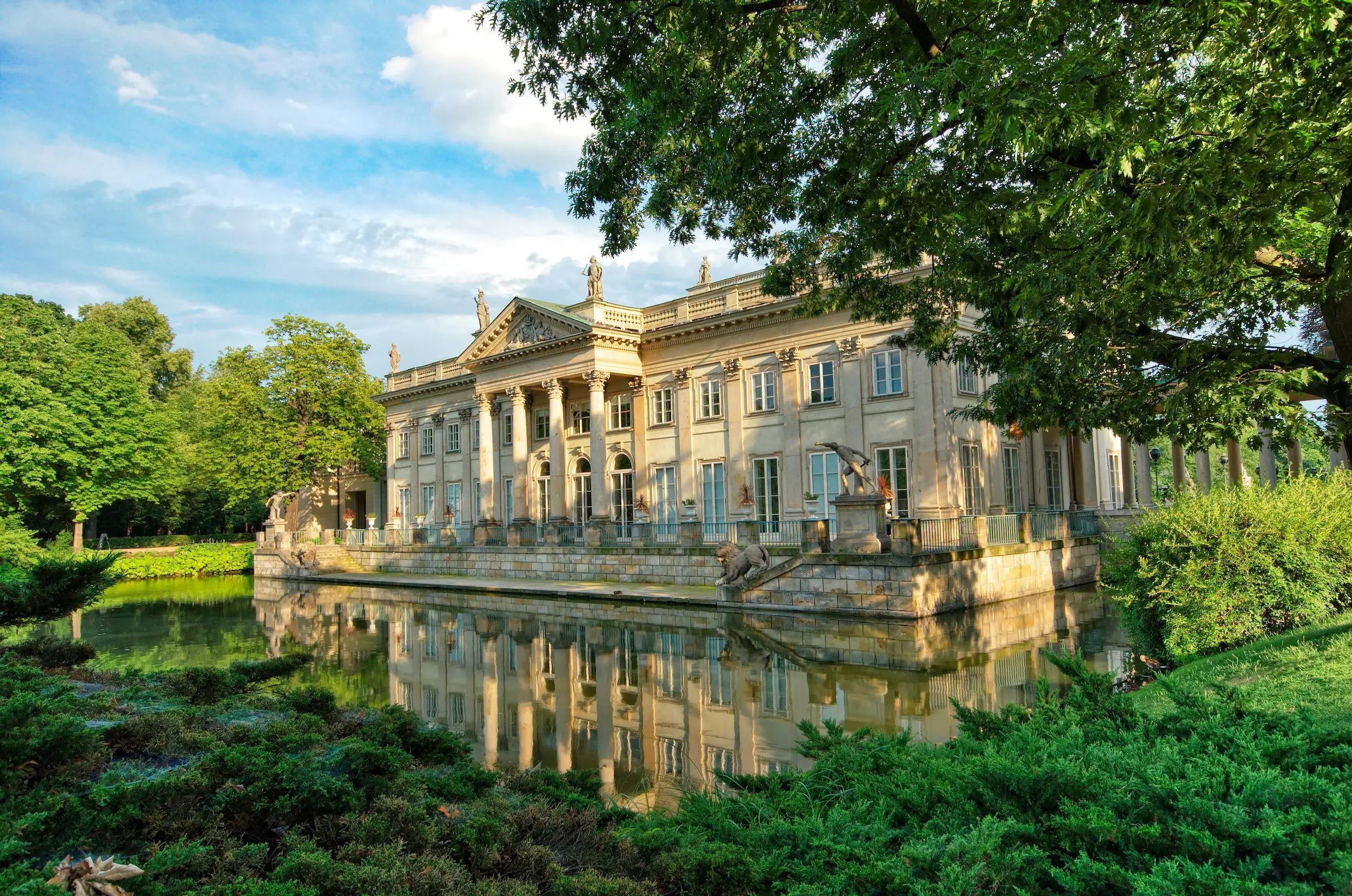
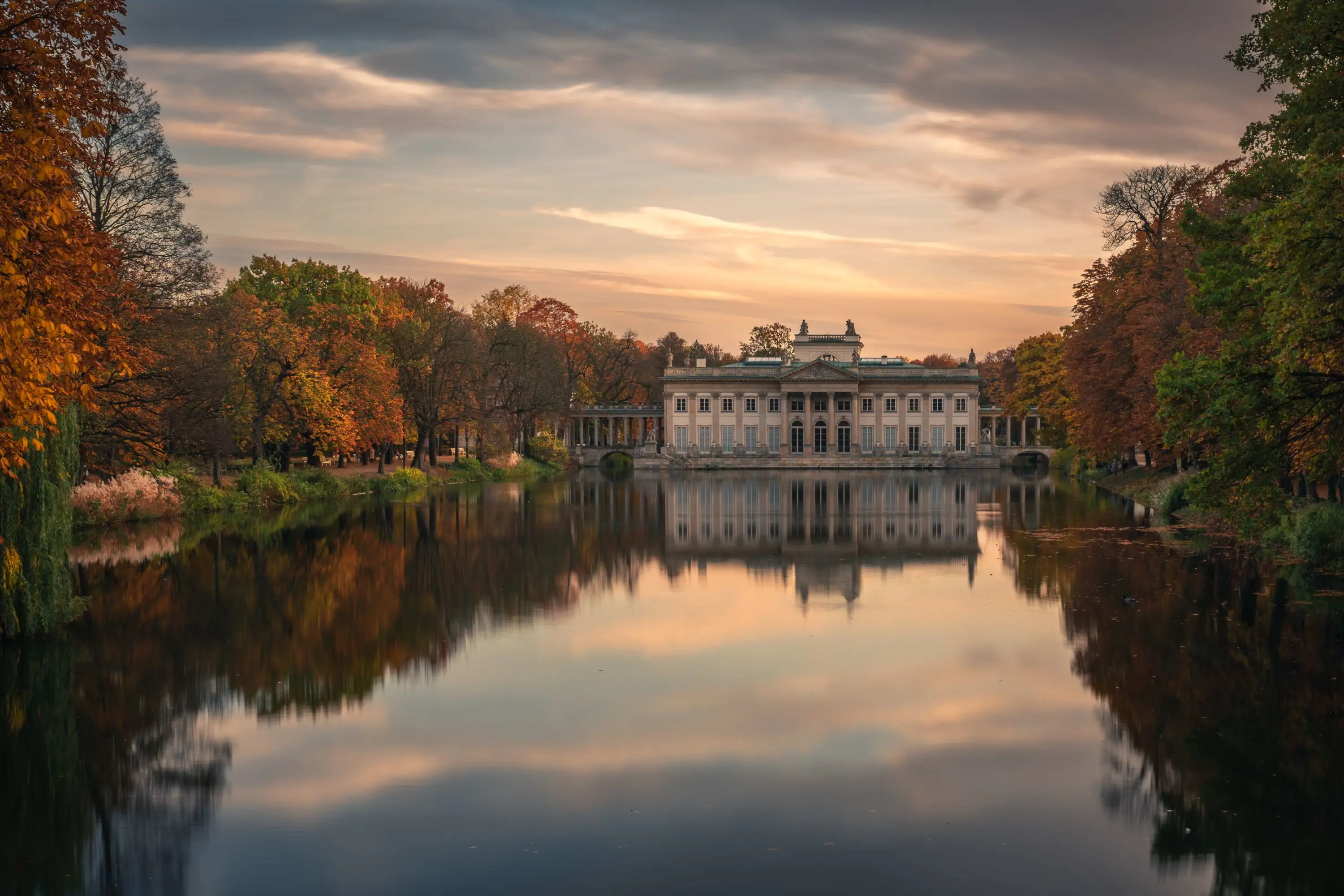
The old royal parks south of the city center are one of Warsaw's best features. Indeed, these beautiful parks are some of the most attractive in all of Europe. The most luxuriant of the parks, Łazienki Park, was once a hunting ground which was later transformed into an English-style park with formal gardens and the exquisite"Palace on the Isle" built across the park lake. A large statue of Chopin near the palace is a favorite venue for summer concerts, while another nearby attraction is the Belvedere, the official residence of Polish heads of state from the end to World War I until 1995 when Lech Wałęsa moved it to the current Presidential Palace near the Royal Castle. But there's no need to worry about hitting all the attractions in the park; just being in such a peaceful and pretty setting is the main objective. Lovely in all four seasons, you can simply stroll the oak-lined promenades and pathways and watch the park's resident fauna, including peacocks, squirrels, and mandarin ducks. It's also a great place to rent a bicycle or boat, go for a jog, or have a picnic amongst the locals who are enjoying the same experiences.

Łazienki Park

Morning — Łazienki Park

The old royal parks south of the city center are one of Warsaw's best features. Indeed, these beautiful parks are some of the most attractive in all of Europe. The most luxuriant of the parks, Łazienki Park, was once a hunting ground which was later transformed into an English-style park with formal gardens and the exquisite"Palace on the Isle" built across the park lake. A large statue of Chopin near the palace is a favorite venue for summer concerts, while another nearby attraction is the Belvedere, the official residence of Polish heads of state from the end to World War I until 1995 when Lech Wałęsa moved it to the current Presidential Palace near the Royal Castle. But there's no need to worry about hitting all the attractions in the park; just being in such a peaceful and pretty setting is the main objective. Lovely in all four seasons, you can simply stroll the oak-lined promenades and pathways and watch the park's resident fauna, including peacocks, squirrels, and mandarin ducks. It's also a great place to rent a bicycle or boat, go for a jog, or have a picnic amongst the locals who are enjoying the same experiences.

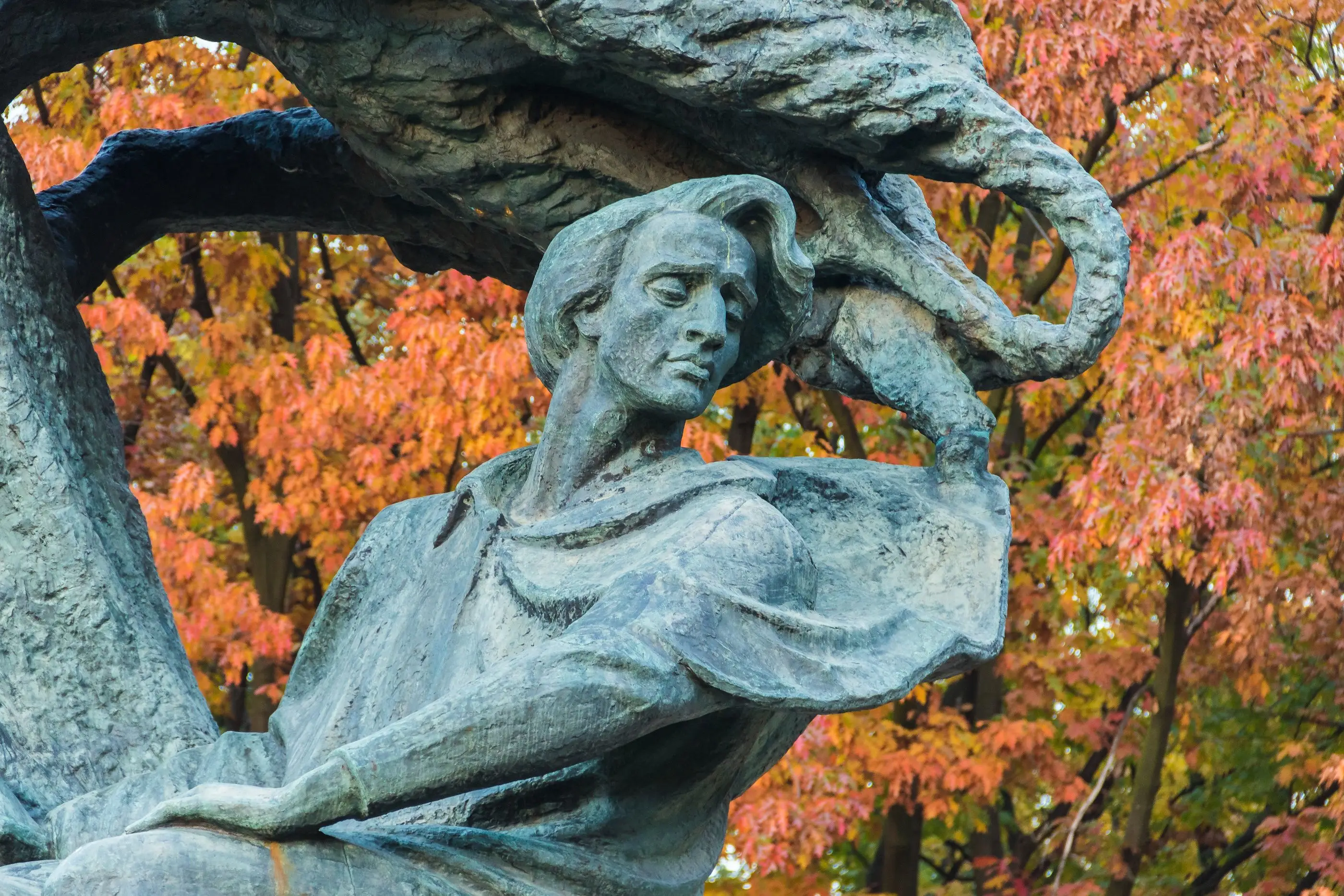
Chopin Monument

Catch a free outdoor concert at the Chopin Monument.

Just inside the park near the Łazienki Królewskie bus stop, you can find a statue of Poland's greatest composer Frederic Chopin. This is the setting for regular free Chopin recitals that take place here every Sunday between 12pm-4pm, from mid-May to late September. To find out what the programme is for each individual Sunday, go to www.lazienki-krolewskie.pl/en/.

Palace on the Isle

Enjoy the exquisite setting of this palace on a small island amidst the park's lake.

Located in the middle of the park lake is the Neoclassical Łazienkowski Palace - the best memorial to Stanisław August, the country's last and most cultured monarch. It was built on the site of a bathhouse erected for another member of royalty, hence the name "Łazienki" meaning simply "baths". Often referred to as the Palace on the Isle (Pałac Na Wyspie) due to its location, it is connected to the surrounding park by two collonaded bridges, creating a remarkably romantic setting. It is the smallest of Warsaw's royal palaces, and it can be visited without a guided tour. The ornately decorated interiors of the palace are well worth seeing. The palace Picture Gallery contains works by Rubens and Rembrandt, and one of the most attractive theaters in Warsaw can be found within it as well. The highlight though may be the colorful Solomon Room, with its walls covered in paintings depicting the History of Solomon. In addition to the palace itself, a large terrace with a fountain also sits on the island. Steps lead down into the water where small boats wait for passengers. You'll probably want to take lots of photos, as well as take some time to just sit on the steps of terrace and watch the swans float by. Within sight of the palace is another interesting little island, which serves as the stage for a small classical style theater sitting on the shore of the lake.

Ujazdowski Palace

Take a break from nature to check out some contemporary art.

Ujazdowski Palace was once inhabited by King Stanisław August's Italian-born mother. These days it's home to the Contemporary Art Centre, the city's leading venue for modern art shows.

To Be Determined — Transfer to Airport

You will likely depart from Warsaw Chopin Airport, although if flying RyanAir or another budget airline you may depart from Warsaw Modlin Airport. The most affordable and sometimes fastest way to reach Warsaw Chopin airport is by train. The S2 and RL trains depart from Warszawa Śródmieście station, which is co-located with Warsaw Central Station. It takes less than 30 minutes to reach the airport.  Your hotel can also arrange a reliable taxi or if you have the app, Uber is also a good option. You can also arrange a private transfer for the maximum convenience. If you are picked up about two hours and forty-five minutes before your departure time, you should arrive at the airport with about two hours to spare, depending on traffic. If you are leaving during rush hour, you may want to budget an extra fifteen to thirty minutes.

image

Day 7

Depart Warsaw

What's Included in the Echoes of History Trip Trip?
Fork

Pre-Paid Tours and Activities:

  • Walking Tour of Krakow's Historic Center
  • Excursion to Auschwitz Concentration Camp including Private Transfer
  • Guided Walking Tour of the Jewish Quarter
  • Half-Day Guided Walking Tour of Old Town
  • City Card for Krakow, including discounts to many popular attractions
train

Pre-Paid Transportation:

  • 2nd Class Train Tickets from Krakow Glowny to Warszawa Centralna
  • Public Transport Tickets for Krakow
  • Arrival in Krakow and Transfer by Private Car to Hotel
train

Accommodation:

  • 3 nights at a hotel of your choice in Krakow
  • 3 nights at a hotel of your choice in Warsaw
mobile

Go Real Travel Mobile App:

  • Itinerary Plan & Reservations Info
  • Points of Interest
  • Detailed Travel Information
  • Maps & Directions

Other Trips You May Like

Central Europe Heritage Tour: Warsaw, Krakow, Prague & Budapest

14 Days

From$2349USD

Central Europe Heritage Tour: Warsaw, Krakow, Prague & Budapest

View Trip
Highlights of Budapest, Vienna, Prague, Krakow & Warsaw in 15 days

15 Days

From$2575USD

Highlights of Budapest, Vienna, Prague, Krakow & Warsaw in 15 days

View Trip
History, Architecture, and Countryside Cycling in Krakow

3 Days

From$419USD

History, Architecture, and Countryside Cycling in Krakow

View Trip
Pearls of the Empire: A Central European Odyssey

12 Days

From$2350USD

Pearls of the Empire: A Central European Odyssey

View Trip
2-Week Journey Through Central & Eastern Europe: History

14 Days

From$2875USD

2-Week Journey Through Central & Eastern Europe: History

View Trip
3 Day Budapest Escape - The Pearl of the Danube

3 Days

From$875USD

3 Day Budapest Escape - The Pearl of the Danube

View Trip
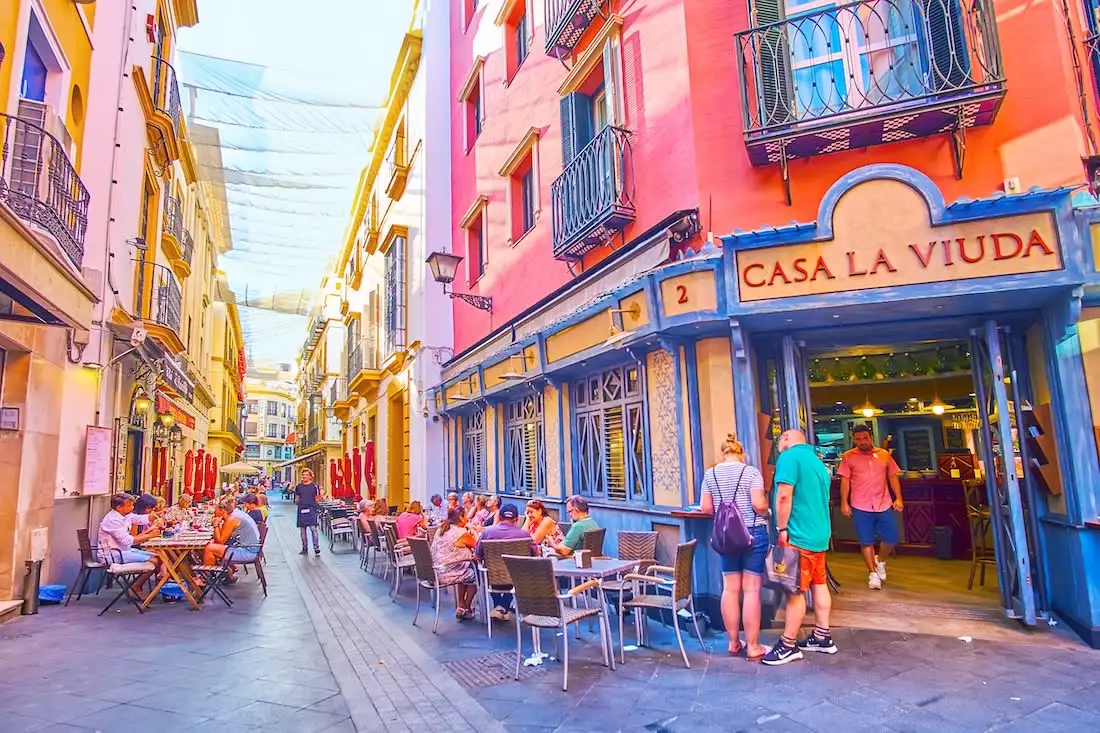
Seville Unveiled: A 3-Day Journey Through History, Culture, and Nightlife

3 Days

From$499USD

Seville Unveiled: A 3-Day Journey Through History, Culture, and Nightlife

View Trip
Belgrade Nights and Cultural Lights

3 Days

From$479USD

Belgrade Nights and Cultural Lights

View Trip
A Catalonia Adventure: 4-Day Barcelona Itinerary

4 Days

From$1100USD

A Catalonia Adventure: 4-Day Barcelona Itinerary

View Trip

Featured Blogs

10 European Cities to Visit in Winter
Europe
Seasonal guide

10 European Cities to Visit in Winter

How to Plan the Perfect Family Trip to Europe
Europe
Family

How to Plan the Perfect Family Trip to Europe

11 Tips for First Time Travelers to Europe
Europe
Travel tips

11 Tips for First Time Travelers to Europe

What’s The Best Time to Book International Flights to Europe?
Europe
Booking flights

What’s The Best Time to Book International Flights to Europe?

A Guide To Public Transportation and Taxis in Europe
Europe
Transport

A Guide To Public Transportation and Taxis in Europe

14 Most Beautiful Villages in Austria: Discover the Hidden Gems
Austria
Villages

14 Most Beautiful Villages in Austria: Discover the Hidden Gems

12 Most Beautiful Towns and Villages in Tuscany
Italy
Villages

12 Most Beautiful Towns and Villages in Tuscany

Our Customers Say It Best

Malini Dutta, Boston, Massachusetts
We can't thank you enough for the detailed plans, maps, and suggestions. It really felt that someone was holding our hands and showing us around. We had all the excitement of discovering foreign lands, with none of the problems that can happen while negotiating unfamiliar places. In fact, all the cities felt like home within a few hours of arriving and exploring.
Bev and Mark Frankel, Williamsburg, Virginia
We could not be more pleased with Go Real Travel! You took the guess work out of things like public transport but still managed to allow us the freedom to tour as we wanted. Our guides were exceptional and every time I saw a Viking Cruise tour of 25 people, I realized the quality experience we were getting with Go Real.
Marianne Strydom, Paarl, South Africa
I just wanted to thank you for organizing an amazing trip for me – I packed in so much in such a short period of time and everything was just perfect. The way you do things makes it possible to really get to know the destination, which for me as a travel agent could not have been better.
Otto Chuy, Los Angeles, California
I am still surprised how everything worked as planned, without a hitch. All instructions in your itinerary were precise and correct. Your suggestions and comments in each of the locations we went to were very helpful. All your guides, without exception, were wonderful and exactly on time.
Go Real Travel, Inc. BBB Business ReviewASTA Member

Explore cities in more detail

sunset over old town krakow poland

Krakow

Krakow is a city in the south of Poland and the country’s former royal capital. Thought to have been inhabited for tens of thousands of years, the history here seems to sit comfortably alongside the vibrant, young city that is Krakow today. The main market square at Krakow’s center is overlooked by St Mary’s Basilica, a perfect example of Polish Gothic architecture and a UNESCO World Heritage Site. The square itself is usually filled with life, as the pubs and restaurants around the edges spill out onto the sidewalks. Winter is cold here, but that’s just a perfect excuse to slip inside a cozy, well-heated pub and sip hot mulled wine over a hearty Polish dinner.  With all of Krakow’s heady charm, it can be easy to forget the all-too-recent atrocities that occurred in this region. A short trip to the Auschwitz-Birkenau concentration camp nearby, where the Nazis committed their genocide, provides a sober but important reminder of that past. A hard past exists alongside a happy and electric present in Krakow, a city that has endured centuries of trials and emerged looking better than ever.  

old town square in warsaw poland

Warsaw

Warsaw is a place that seems almost indestructible. Nearly bombed out of existence in World War II, the city rebuilt itself out of the rubble, and today it’s a shining example of a thriving European capital with a lot to offer. History forms a big part of Warsaw’s allure. Occupied by the Nazis, and losing much of its Jewish population to the Holocaust, Warsaw has several museums dedicated to remembering its dark past. The Warsaw Uprising Museum, POLIN Museum of the History of Polish Jews, and National Museum are among the most prominent. Although its past has been troubled, Warsaw’s present is anything but. The city contains countless opportunities for fun, with a blossoming nightlife scene and a vibrant cafe culture. After a day of wandering through the old streets and charming squares, there are plenty of places to enjoy a meal, from high-end restaurants to affordable milk bars. Warsaw is a place for reflection and remembrance, but also a place that looks firmly towards the future, a future that for this city— appears increasingly bright.

View of the Hungarian Parliament from a Hillside in Budapest

Budapest

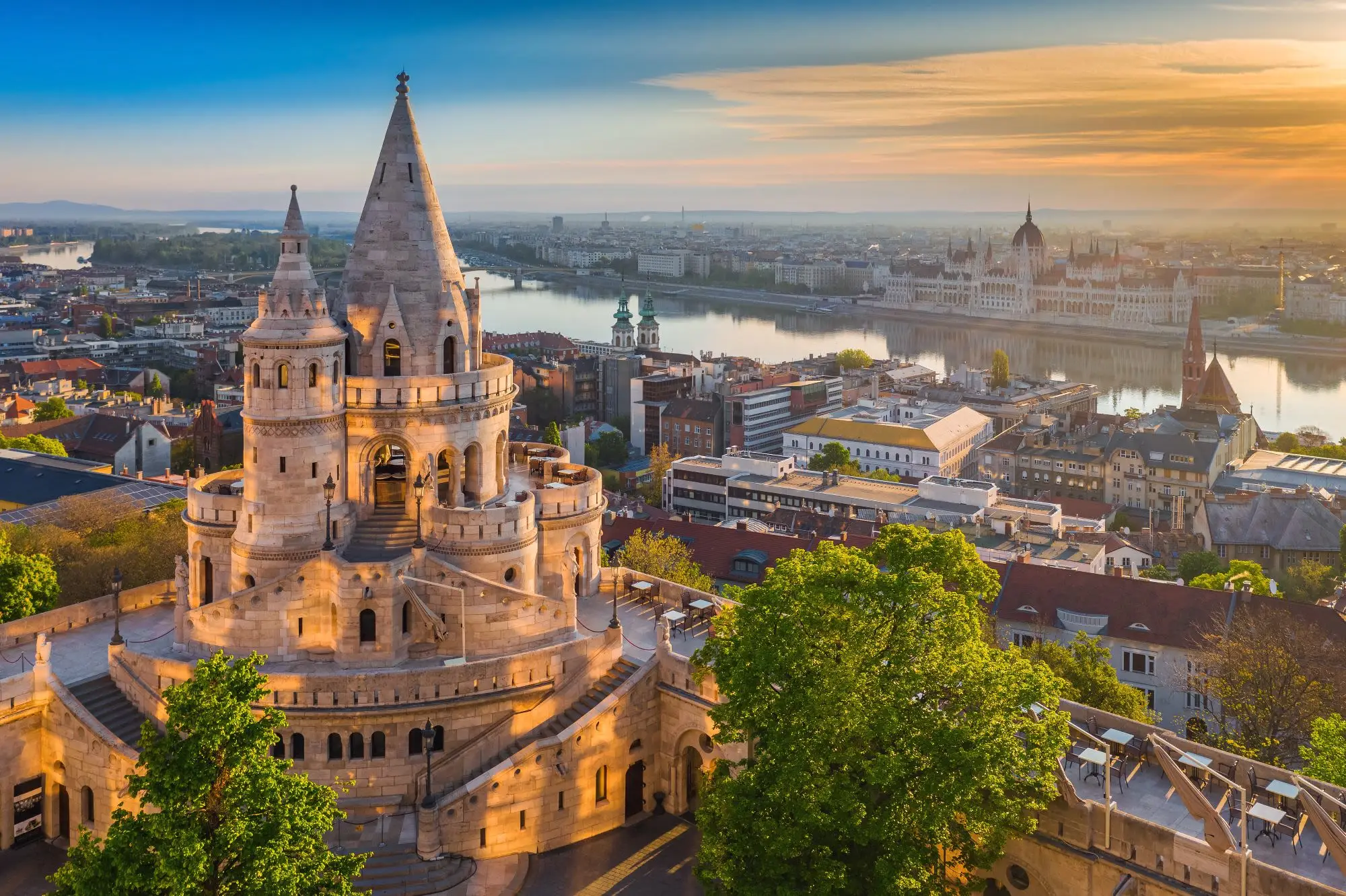
Situated at the heart of Europe, Budapest is the capital of Hungary, appropriately named 'The Pearl of the Danube,' for its fixating and almost haunting beauty. Formerly two separate cities, Buda and Pest were forged into one by time, occupation, and the eight bridges that anchor them together today. From the Romans to the Communists, each occupier left its flavor profile in Budapest, evident in the famous spicy Hungarian stew known as 'goulash.'  Budapest is a melting pot of history, culture, and taste, from the magnificent Baroque and neo-Gothic architecture to the Turkish thermal baths. After a long day of sightseeing, treat yourself to a glass of Tokaj, what King Louis XIV of France referred to as the "Wine of Kings, King of Wines". Budapest has a flavor to satisfy any taste.

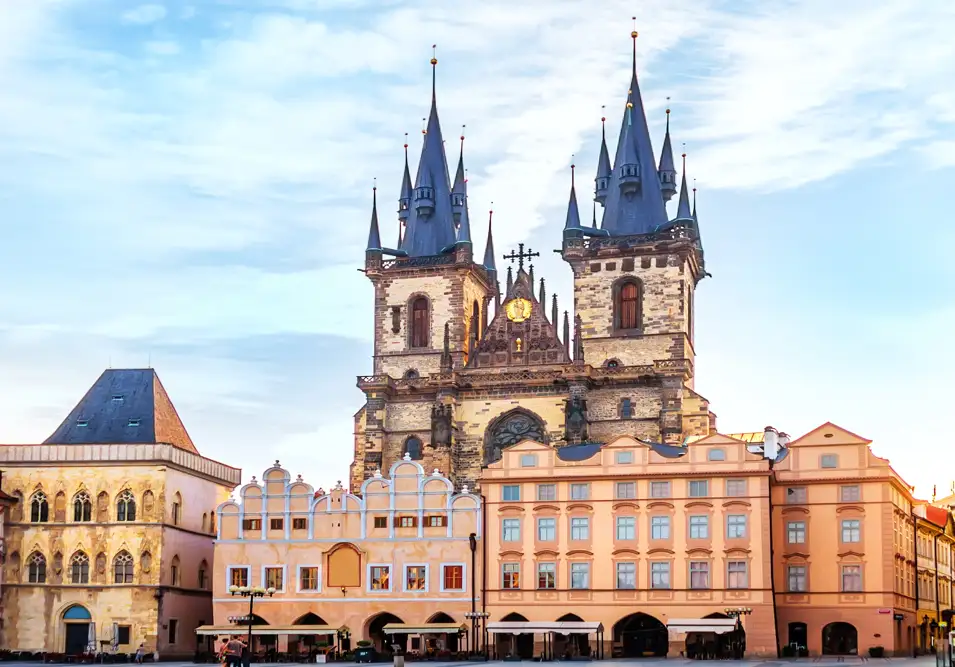
Church of Our Lady before Týn old town prague czech republic

Prague

The city of Prague is indisputably the gem of Central Europe. Full of history, culture, and classic Czech pubs around every corner, Prague is teeming with nooks and crannies just waiting to be discovered. The narrow cobblestone streets and warm red rooftops give the city a homey feel, while the well-preserved medieval architecture transports you back in time. Walking across the Charles Bridge with the view of the Prague Castle will make you feel like you’re living in a fairytale, and you might as well be.    As an up-and-coming destination, Prague is a perfect mix of classic and modern. New trendy cafes and bistros are always popping up, and you can always find a group of lively locals chowing down on goulash and quaffing pivo (the best beer in Europe!) at traditional Czech restaurants across the city. The clash of modernity and tradition, preservation and innovation, gives this city a mysterious air that you won’t soon forget.

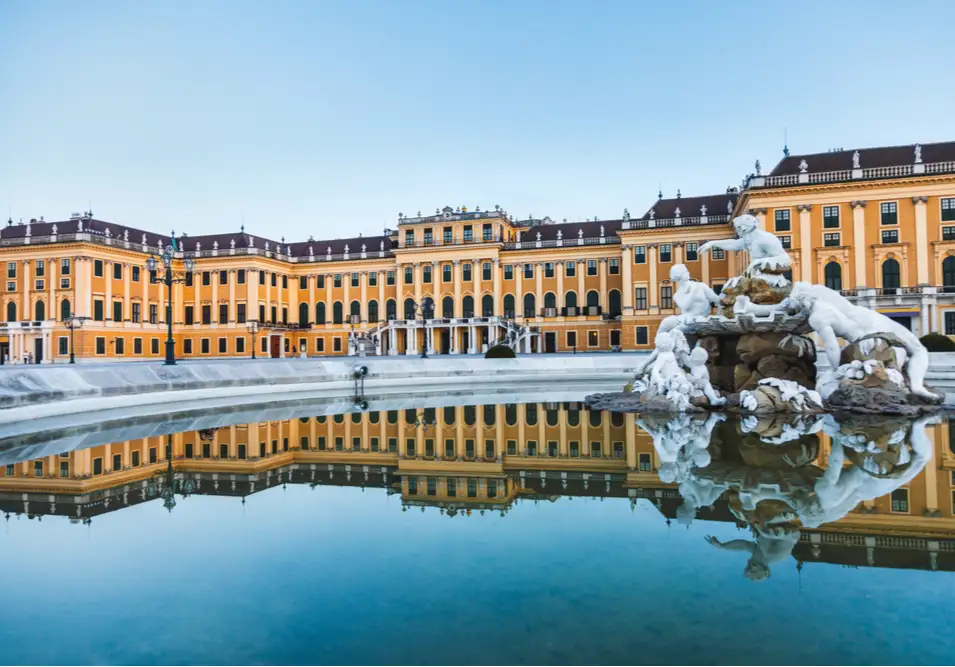
winter Schönbrunn Palace in Vienna austria

Vienna

Artistic and musical, historical and elegant, Vienna is the definition of class. The seat of the Habsburg monarchy for over six centuries, it's no wonder this city is still fit for royalty. Baroque buildings and imperial palaces dominate the cityscape, while locals stride gracefully through the streets, likely on their way to a classical music concert or art exhibition. Visitors from all over the world flock to Schonbrunn Palace, historical museums, and local eateries for authentic Viennese schnitzel.  Vienna is also home to world-class wining and dining. Famous dishes include Wiener schnitzel, Tafelspitz (prime boiled beef), and apfelstrudel (apple strudel), all of which pair well with a glass of fine Austrian wine. No matter how long you spend in Vienna, you'll leave with a new appreciation for the finer things in life. 

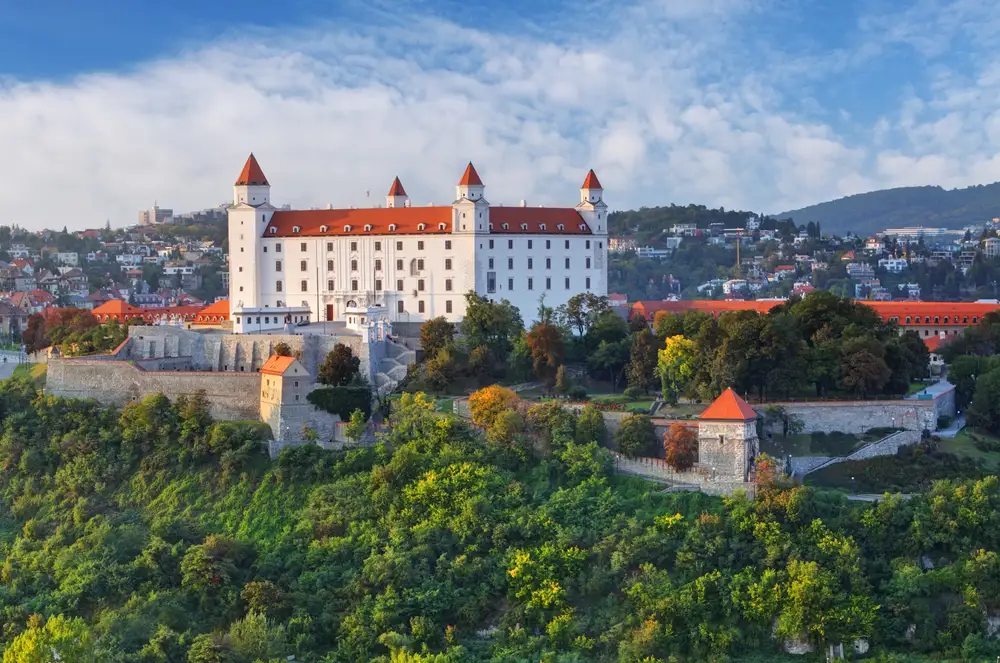
The white and red Bratislava castle on a hilltop

Bratislava

Bratislava is one of the most up-and-coming cities in central Europe. After years in the shadows of the Soviet bloc, and often drowned out by Prague, Bratislava has finally broken out. The Bratislavan region is now one of the richest per capita in the EU. This economic upswing has infused Bratislava with a newfound zeal. Trendy cafes and cool shopping centers are popping up everywhere, and the city’s already happening nightlife scene is only set to get better. Still less crowded than its central European neighbors Prague, Vienna, and Budapest, but just as intriguing, there’s really never been a better time for a visit to Bratislava. Ruled over by the Hungarians, Austrians, and most recently the Soviets, Bratislava is a city of strange contrasts. As soon as you arrive in Bratislava, you’ll see the pastel-hued churches, baroque houses, and the cobbled Old Town Square brush shoulders with modern brutalist buildings, retrofuturistic towers, and the clunky communist built UFO bridge. The city’s oldest building, its castle, is set atop the western edge of the Little Carpathian Hills like a trophy, the city’s hard-won main icon. For the first time in nearly a millennium, Bratislava has now seized control of its own destiny, and it shows.  

👋

Hi! Need help planning your dream trip? 🌍

Go Real Travel Assistant

Online

Welcome! Where are you in your journey?

Pick the option that fits you best so we can route you to the right help.