3-Week Culinary & Cultural Journey Through Italy

destination-icon21 Day Tour of Venice, Florence, Rome, Cinque Terre and Milan

Destinations on this trip: Venice,Florence,Rome,Cinque Terre,Milan

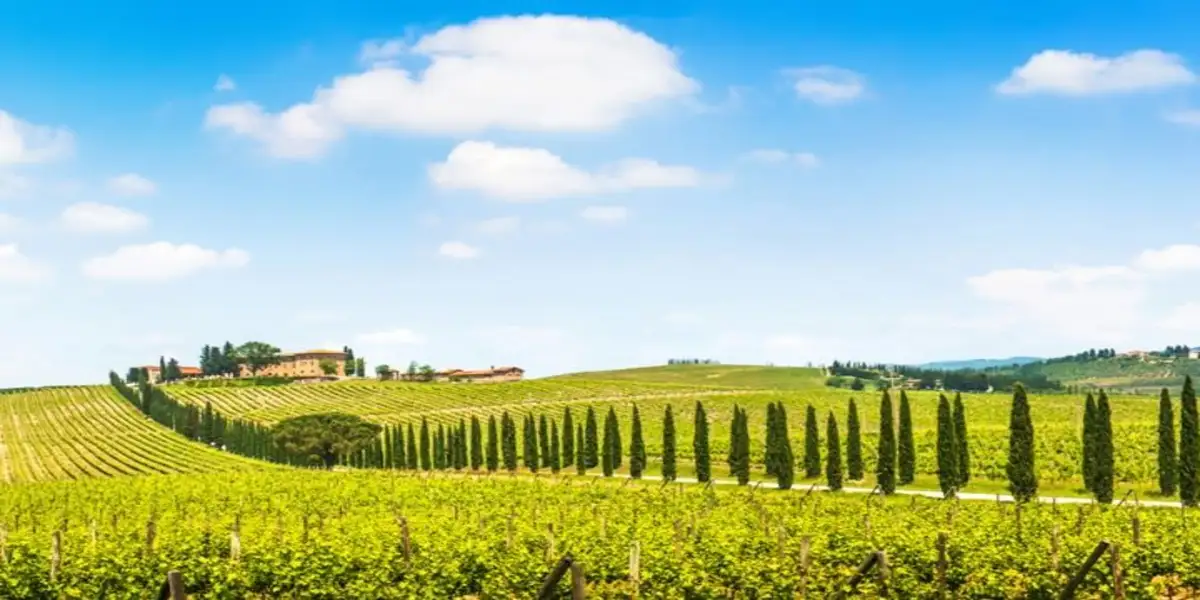
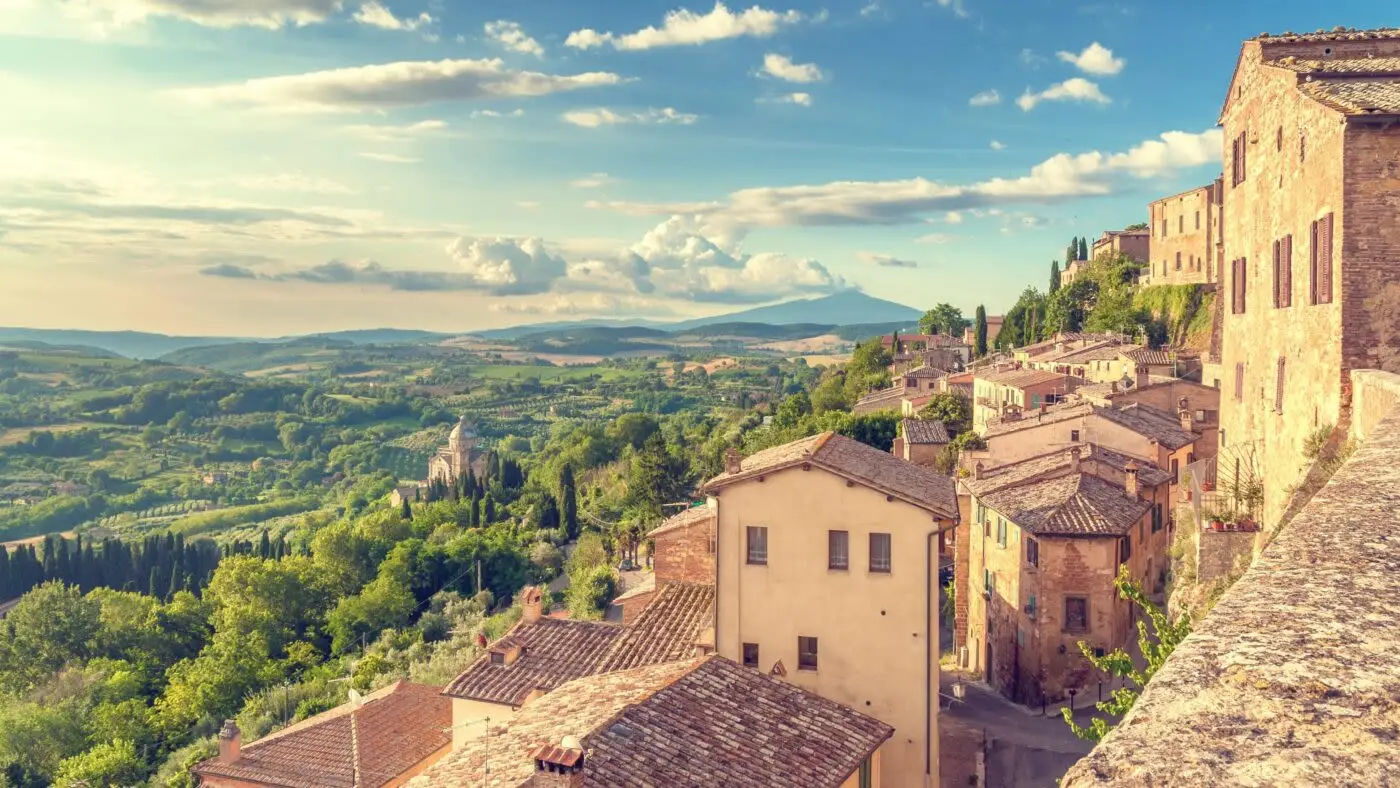
Wine Chianti
A market in Venice.
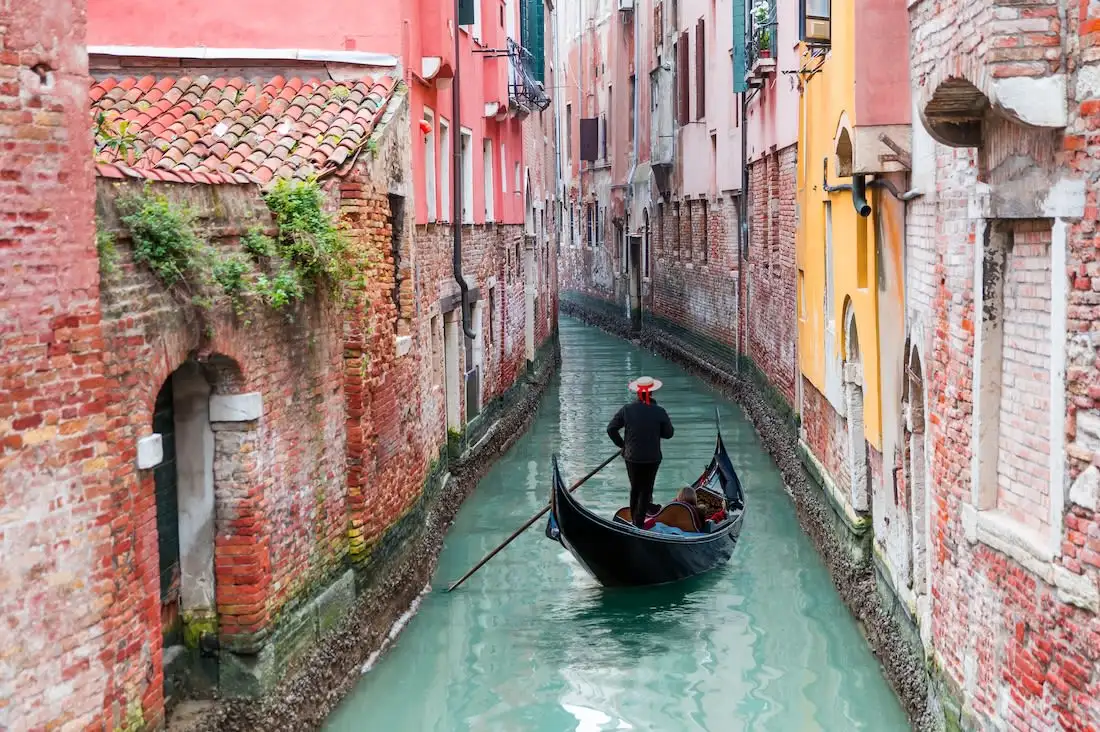
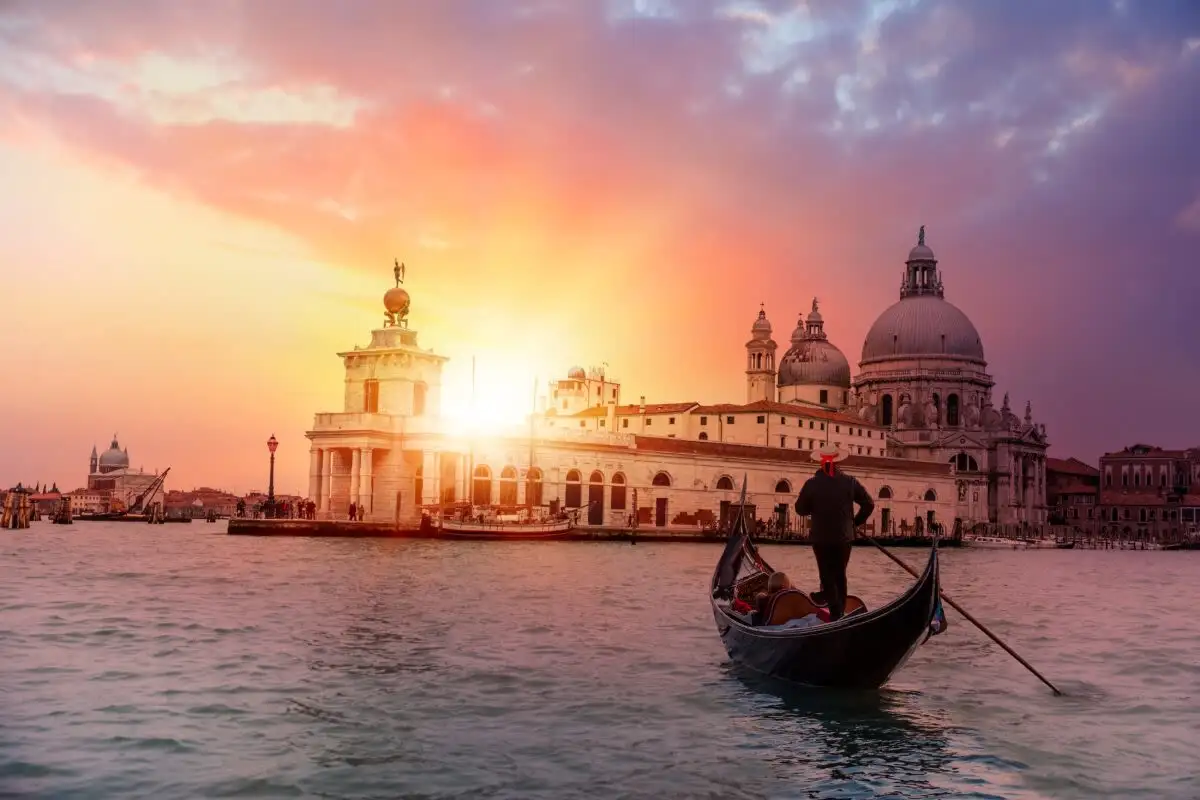
The Grand Canal in Venice
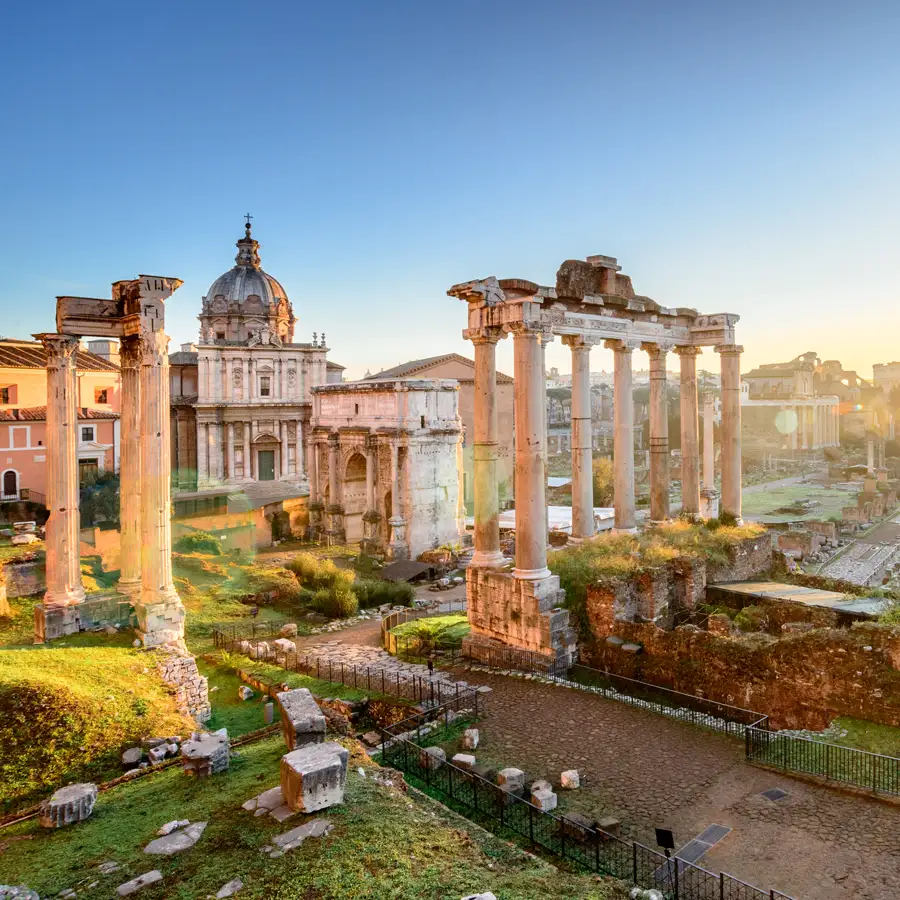
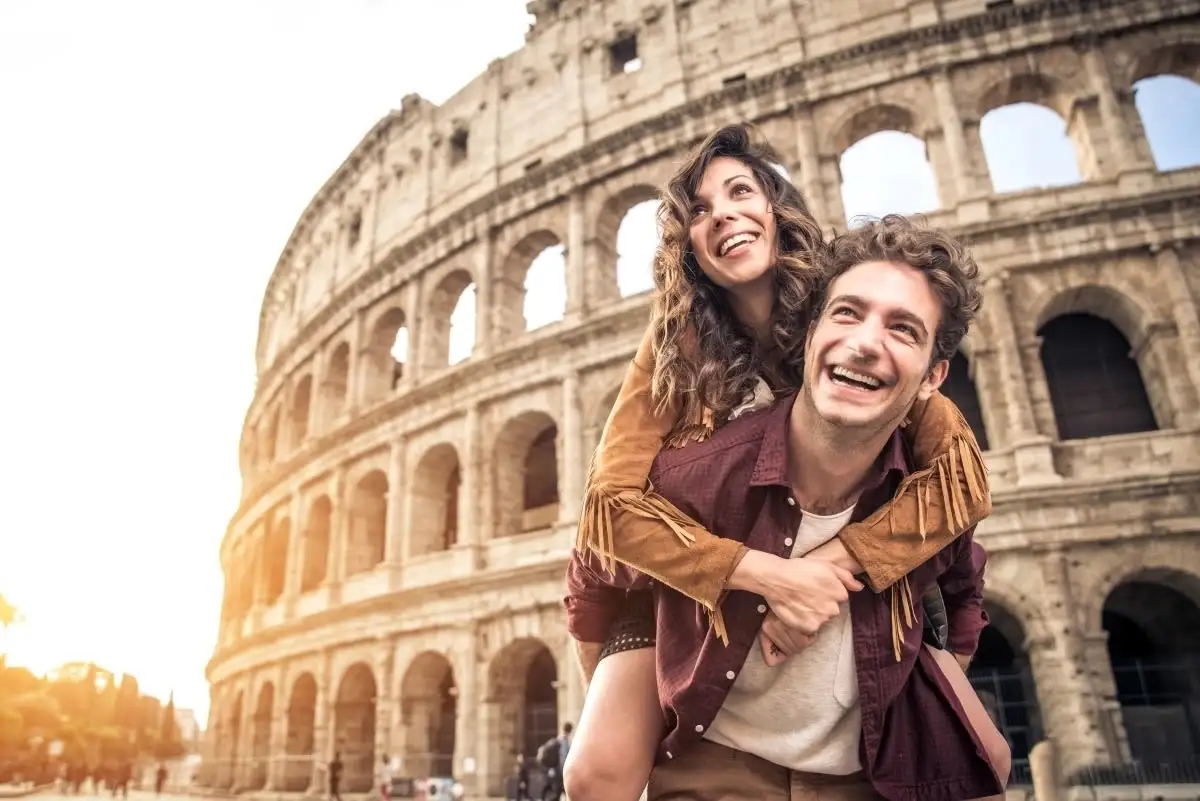
Colosseum in Rome
image
arrowLightLeft
arrowLightRight

How Long Is the Italy’s Grand Tour Trip and What Does It Cost?

Local Cuisine & WineCultural Exploration
  • Duration
    21 days / 20 nights
  • Best time
    Jan-Dec
  • From
    $6990 / person (Flights not included)
Take a captivating 3-week journey through Italy, starting from Venice and exploring the country's rich culinary and cultural heritage. Travel by train and discover the beauty of Lake Como, the hilltop towns of Tuscany, and the historical splendor of Rome, Florence, and Milan. You'll also explore the scenic coastal villages of the Cinque Terre, take Venetian & Tuscan cooking class, and savor the finest Italian wines. From Venice's enchanting canals to Milan's bustling streets, this itinerary promises unforgettable adventures and gourmet delights. Go Real Travel's mobile app provides detailed travel guidance, ensuring a seamless trip.
  • Wander over the stunning Grand Canal on the Rialto Bridge and take a cooking class in Venice.
  • In Florence see the Church of Santa Croce, where Michelangelo lies, & learn to cook Tuscan style.
  • Savor a Tuscan winery lunch and explore the medieval town of San Gimignano.
  • Discover the archaeological marvels of the Colosseum Ancient Rome Forum with a private guided tour.
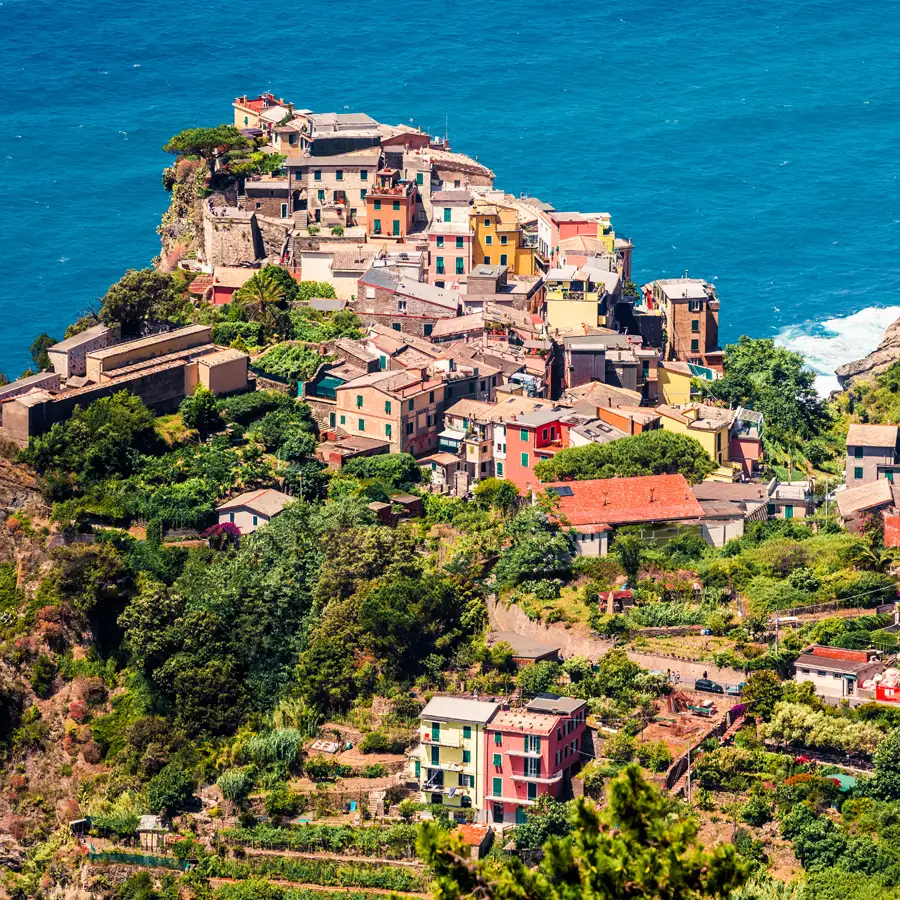
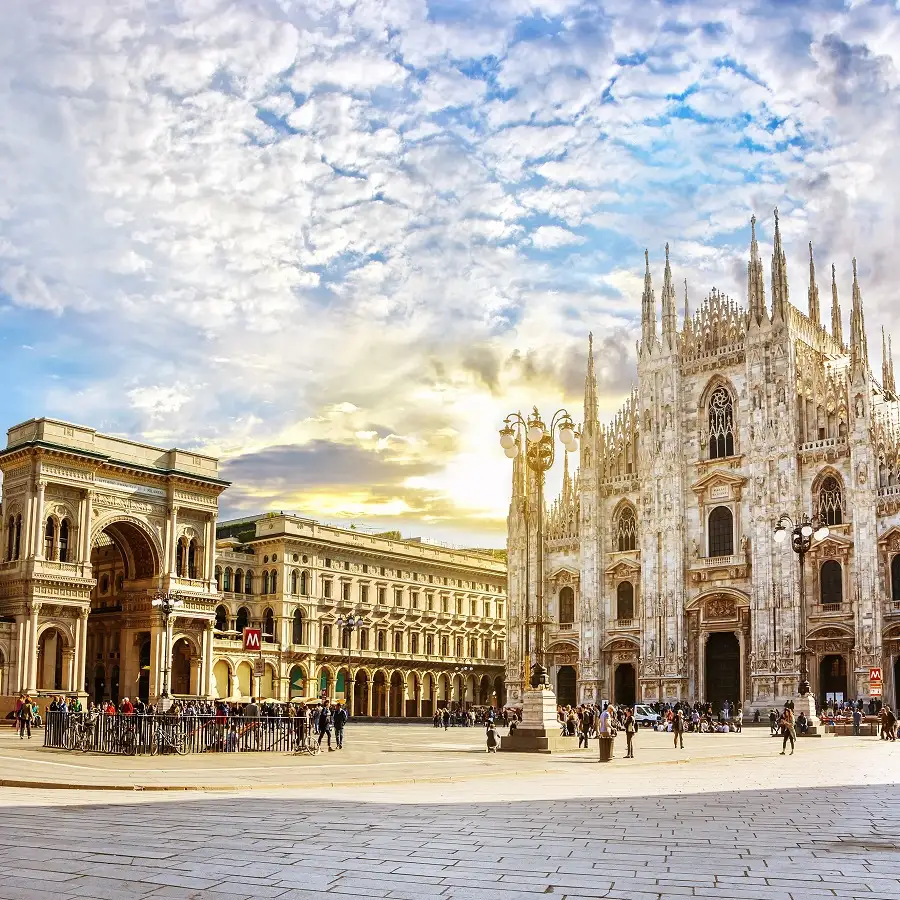
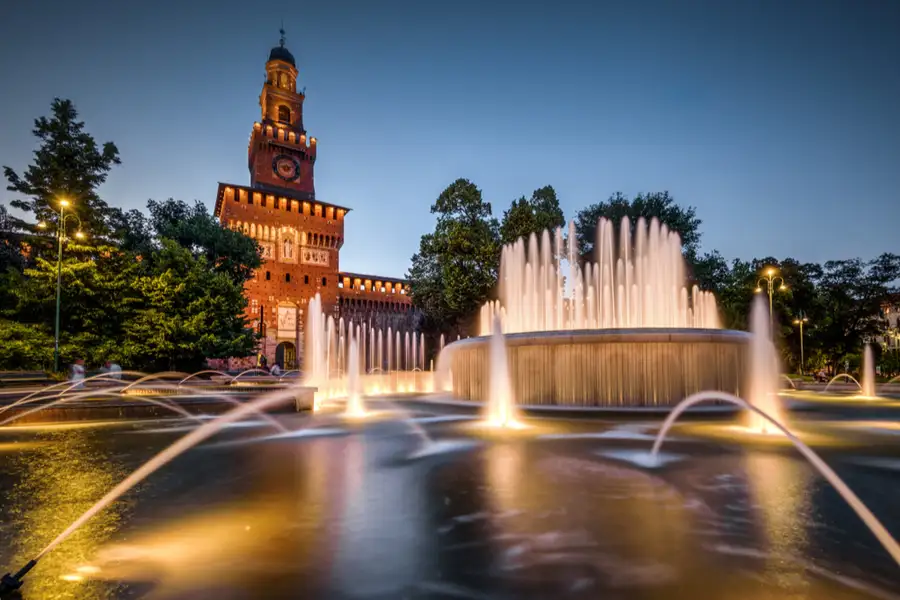
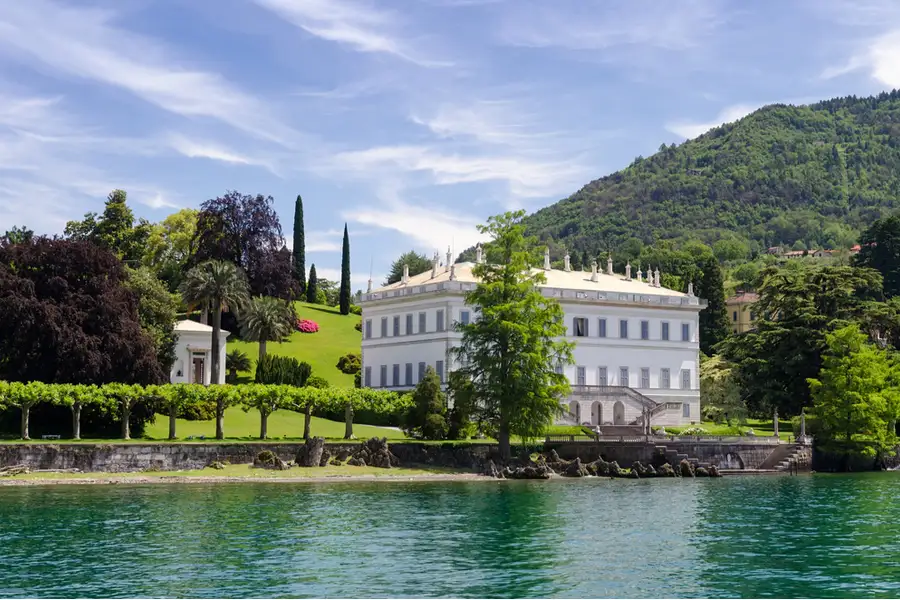
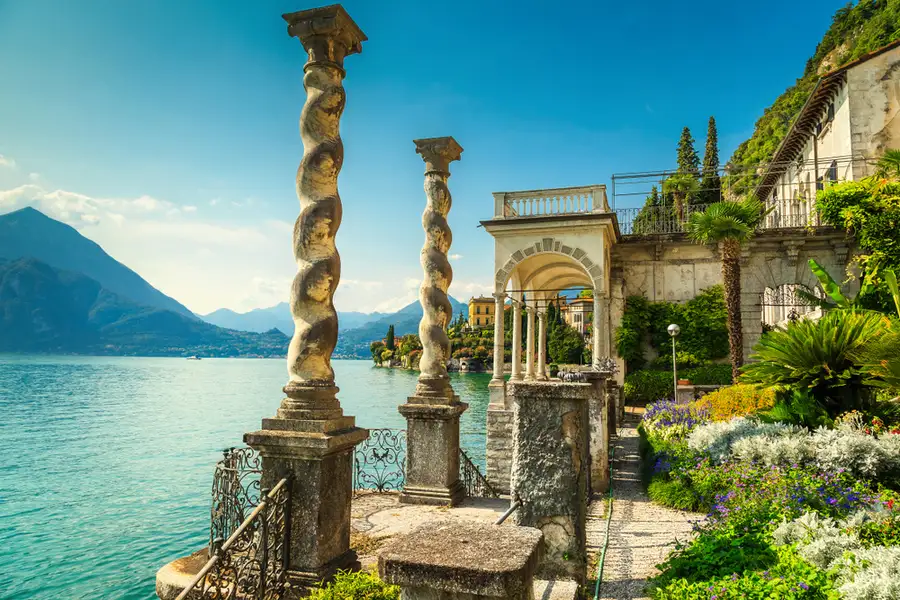
  • Visit the picturesque coast of Cinque Terre, see the fashion capital Milan, and relax in Lake Como.
Take a captivating 3-week journey through Italy, starting from Venice and exploring the country's rich culinary and cultural heritage. Travel by train and discover the beauty of Lake Como, the hilltop towns of Tuscany, and the historical splendor of Rome, Florence, and Milan. You'll also explore the scenic coastal villages of the Cinque Terre, take Venetian & Tuscan cooking class, and savor the finest Italian wines. From Venice's enchanting canals to Milan's bustling streets, this itinerary promises unforgettable adventures and gourmet delights. Go Real Travel's mobile app provides detailed travel guidance, ensuring a seamless trip.
  • Wander over the stunning Grand Canal on the Rialto Bridge and take a cooking class in Venice.
  • In Florence see the Church of Santa Croce, where Michelangelo lies, & learn to cook Tuscan style.
  • Savor a Tuscan winery lunch and explore the medieval town of San Gimignano.
  • Discover the archaeological marvels of the Colosseum Ancient Rome Forum with a private guided tour.
  • Visit the picturesque coast of Cinque Terre, see the fashion capital Milan, and relax in Lake Como.
Grand Canal  - Must-See Sight
Grand Canal
European History
Saint Mark's Basilica  - Must-See Sight
Saint Mark's Basilica
Architecture
Piazza del Duomo - Must-See Sight
Piazza del Duomo
Churches & Monasteries
Galleria dell'Accademia - Must-See Sight
Galleria dell'Accademia
Museums & Galleries
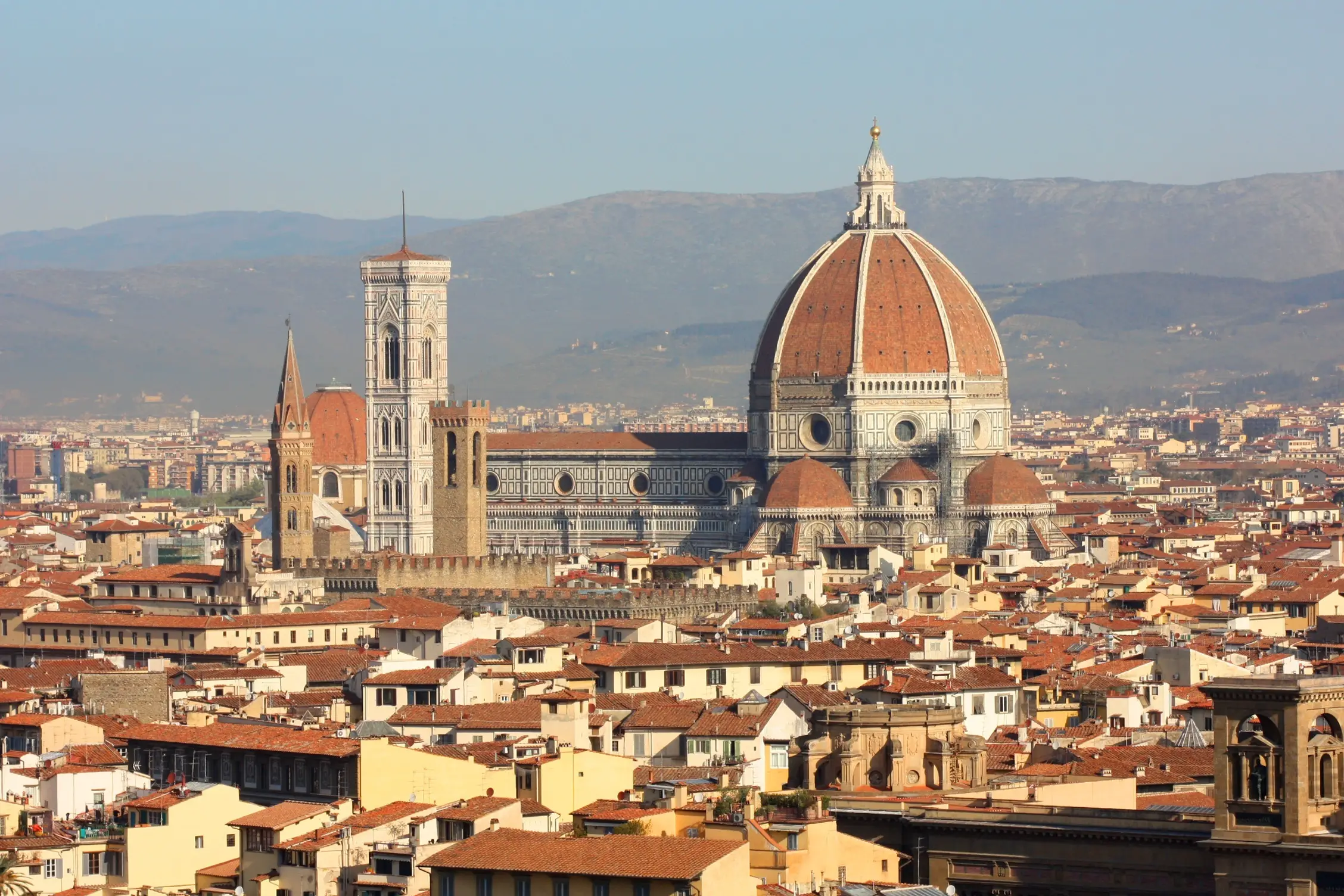
Oltrarno & Piazzale Michelangelo - Must-See Sight
Oltrarno & Piazzale Michelangelo
Cultural
Colosseum - Must-See Sight
Colosseum
Historic Landmarks
Vatican City - Must-See Sight
Vatican City
Churches & Monasteries
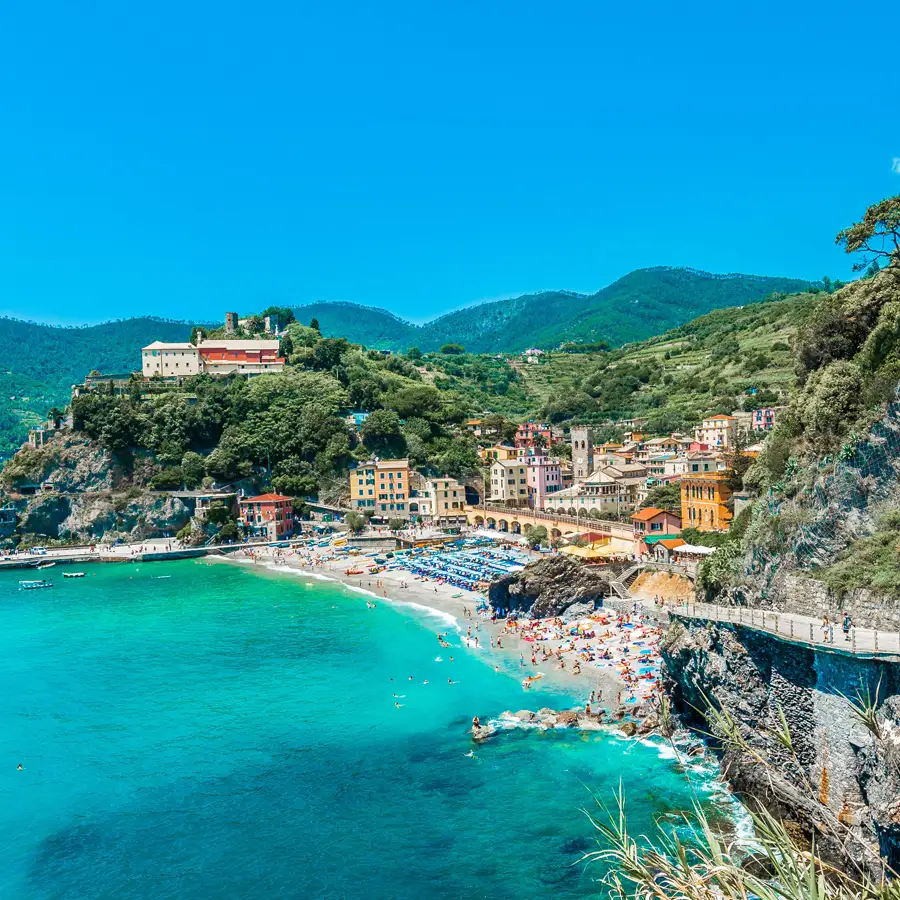
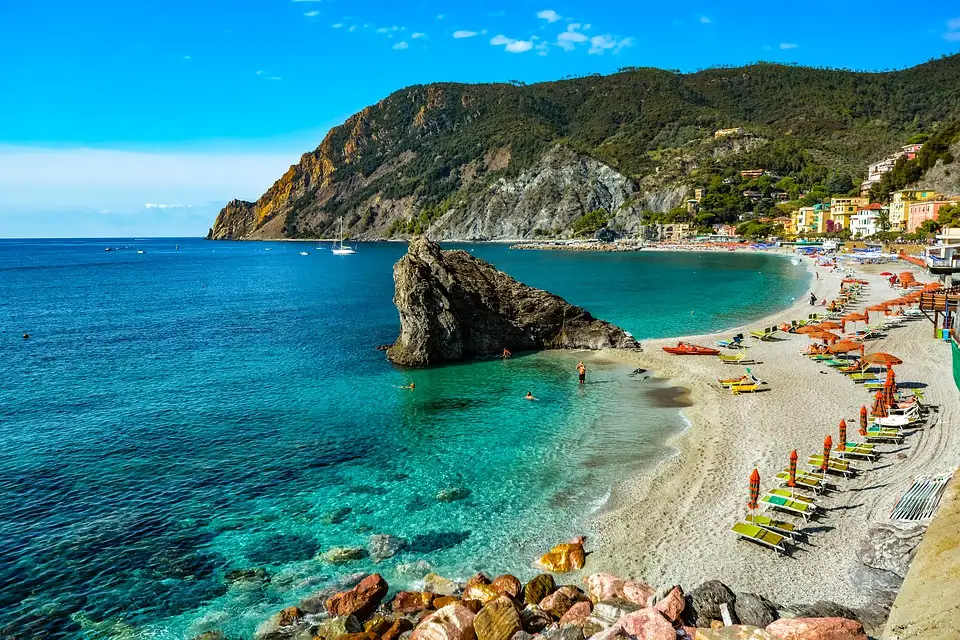
Monterosso - Must-See Sight
Monterosso
Beaches
Leonardo da Vinci's Last Supper - Must-See Sight
Leonardo da Vinci's Last Supper
Museums & Galleries

Must see sights

Grand Canal  - Must-See Sight
Grand Canal
European History
Saint Mark's Basilica  - Must-See Sight
Saint Mark's Basilica
Architecture
Piazza del Duomo - Must-See Sight
Piazza del Duomo
Churches & Monasteries
Galleria dell'Accademia - Must-See Sight
Galleria dell'Accademia
Museums & Galleries
Oltrarno & Piazzale Michelangelo - Must-See Sight
Oltrarno & Piazzale Michelangelo
Cultural
Colosseum - Must-See Sight
Colosseum
Historic Landmarks
Vatican City - Must-See Sight
Vatican City
Churches & Monasteries
Monterosso - Must-See Sight
Monterosso
Beaches
Leonardo da Vinci's Last Supper - Must-See Sight
Leonardo da Vinci's Last Supper
Museums & Galleries
Loading...

Starting from

$6990

per person

no-flightNot included

Price varies by group size, hotel selection, and travel season.


Secure Your Customizable Trip

Enter your details to embark on a journey that can be tailored just for you.

Start

Travelers

0 travelers
Add Room
Remove Room

Preferred Hotel Stars

Select Hotel Stars
Craft Your Own Itinerary

Select your interests and destinations for a trip plan inspired by you.

Where Does the Italy’s Grand Tour Trip Trip Go?

Enable/Disable Map Scrolling

Click To Make Map Interactive

Italy’s Grand Tour Trip Timeline

Arrival

4 nights

Venice

Italy

Train: 2.5h

4 nights

Florence

Italy

Train: 2.5h

5 nights

Rome

Italy

Train: 4.5h

3 nights

Cinque Terre

Italy

Train: 4h

4 nights

Milan

Italy

Departure

What Does the Italy’s Grand Tour Trip Itinerary Look Like?
image

Day 1

Arrive Venice

Day 1

Arrive Venice

icon
icon
icon

To Be Determined

Transfer from Airport

There are two main airports in Venice. You will likely arrive at the main airport of Venice Marco Polo which is located 5 miles (8km) across the water from Venice. The water bus (i.e. the "vaparetto") picks up directly at the airport and delivers you to Venice. You'll find the docks just by following the signs and you can purchase a water bus ticket at the airport for 15 EUR. You can also book a private, and very expensive, water taxi directly to your hotel, or take a land taxi to Piazzale Roma near the Venice main train station. From there you can walk or catch a water bus to your hotel. Uber is not available in Venice. If you are arriving at the more distant Treviso Airport, you will need to take a shuttle bus or an expensive taxi (100 EUR) to Venice. The ATVO bus delivers you to the Piazzale Roma on Venice in 70 minutes. The Barzi Bus Service takes you to the Tronchetto docks in 40 minutes, but from there you must take a water taxi or water bus. Both cost 12 EUR.

Transfer from Airport

To Be Determined — Transfer from Airport

There are two main airports in Venice. You will likely arrive at the main airport of Venice Marco Polo which is located 5 miles (8km) across the water from Venice. The water bus (i.e. the "vaparetto") picks up directly at the airport and delivers you to Venice. You'll find the docks just by following the signs and you can purchase a water bus ticket at the airport for 15 EUR. You can also book a private, and very expensive, water taxi directly to your hotel, or take a land taxi to Piazzale Roma near the Venice main train station. From there you can walk or catch a water bus to your hotel. Uber is not available in Venice. If you are arriving at the more distant Treviso Airport, you will need to take a shuttle bus or an expensive taxi (100 EUR) to Venice. The ATVO bus delivers you to the Piazzale Roma on Venice in 70 minutes. The Barzi Bus Service takes you to the Tronchetto docks in 40 minutes, but from there you must take a water taxi or water bus. Both cost 12 EUR.

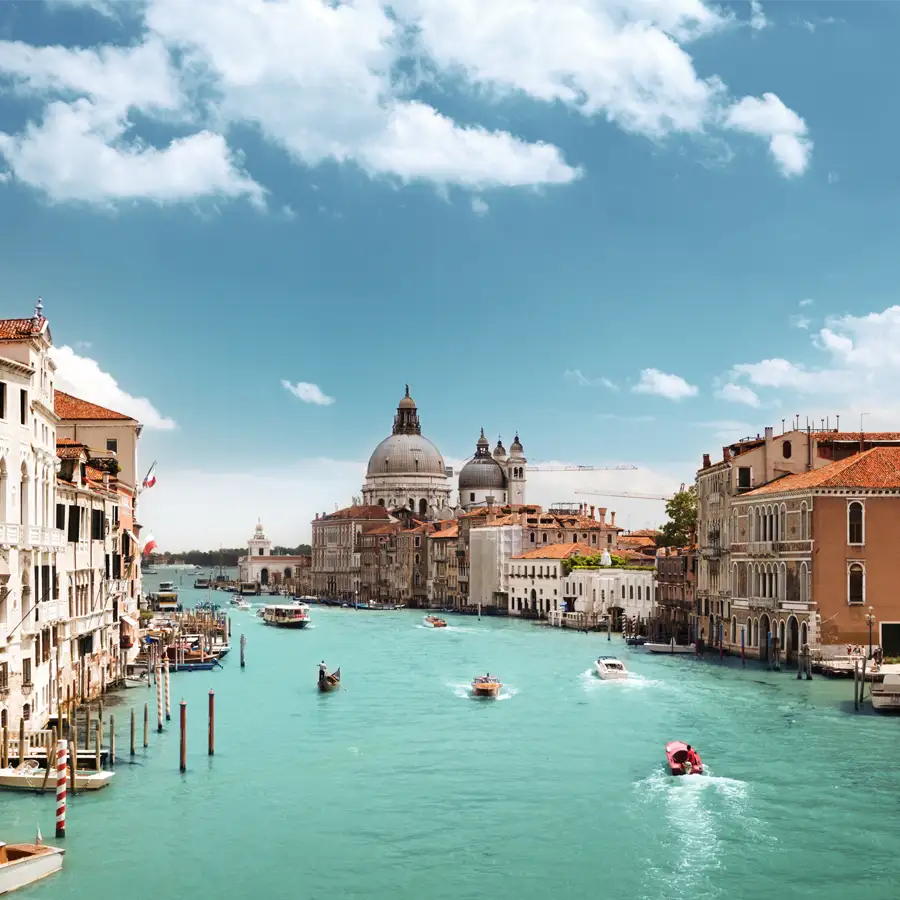
Late Afternoon — The Grand Canal

Snaking through the heart of Venice, the Grand Canal is the main artery of Venice. Flanked by Gothic, Renaissance and Moorish palaces, a trip down the Canal is often the highlight of many people's trip. While the Gondola is the most romantic option, many opt for the less glamorous but equally as enjoyable ride on the 3.8 kilometres Water Bus Line 1, which passes some 50 palazzi and passes underneath the famous Rialto Bridge.
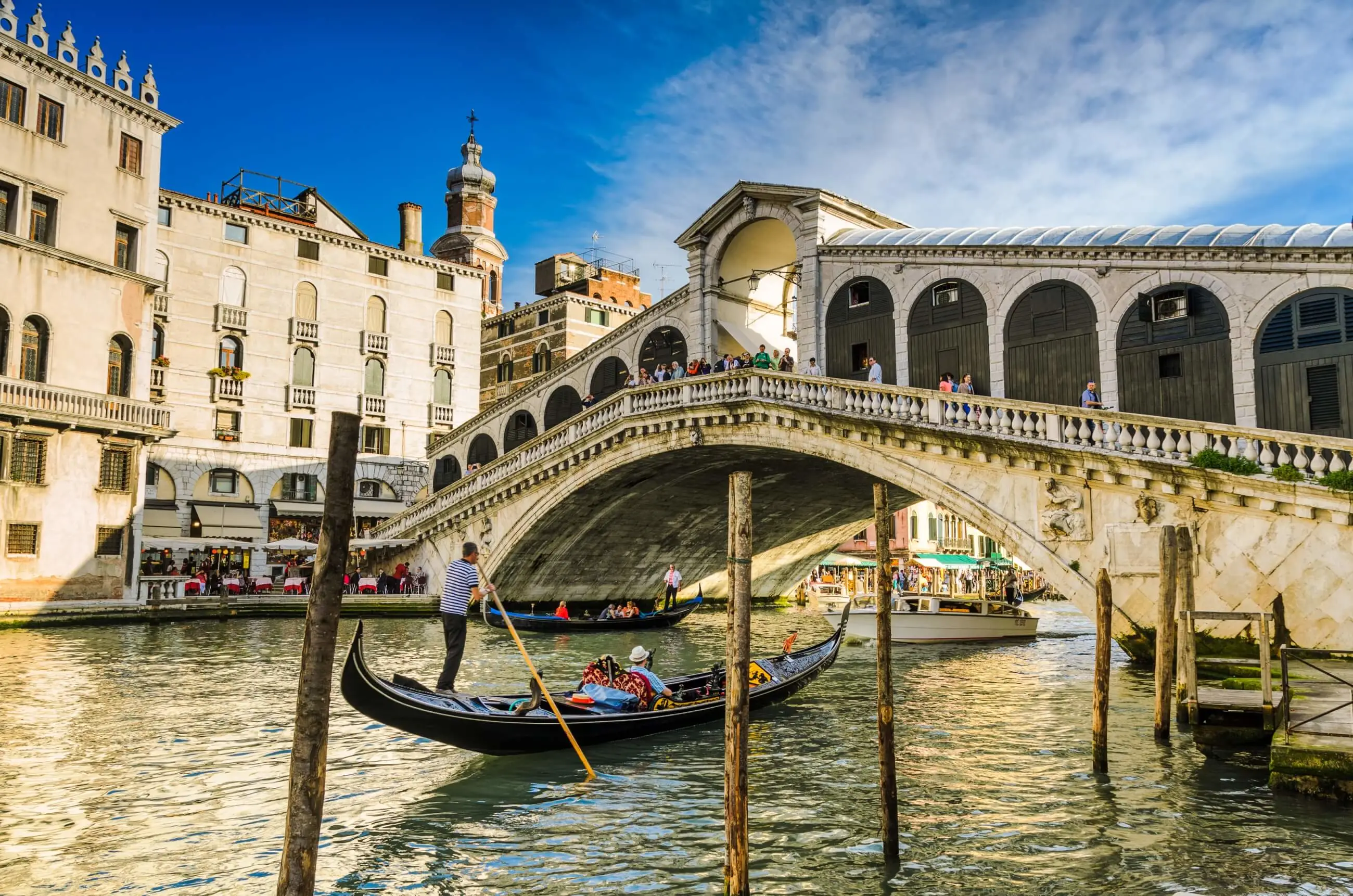
Rialto Bridge

Walk over or ride under the most famous bridge on the Grand Canal.

The 16th-century Rialto Bridge is the most iconic bridge in Venice. With a width of other 75 feet (23m) and span of over 100 feet (31m), the wide stone footbridge crosses over the Grand Canal and connects the San Marco and San Polo districts. It stands on the spot of an earlier wooden drawbridge which collapsed under the weight of a crowd gathered on it to watch a wedding procession. It took almost 150 years before the current Rialto bridge was built, this time in stone, and thus still stands as a symbol of the city. Surrounded by tourist shops and pricey restaurants, it sits on 12,000 wooden pilings and will be forever immortalised in millions of photographs as the backdrop to the classic Venetian photo shot, which captures the city's gondolas as they ferry lovers around the Grand Canal. While for many a gondola ride is a must-do experience in Venice, it's also possible to admire the bridge on foot. For a less-pricey way of seeing it from the water, you can always take the Number 1 local Vaporetto (water bus) and see the bridge as you pass underneath. 

Ca'd'Oro

Admire the elaborate 15th-century Gothic facade of this famous building along the Grand Canal.

The fifteenth-century Gothic and Renaissance style building is known as the house of gold because it once covered in gold leaf decoration. Despite the loss of the gilt facade, it is still one of the Venice’s most striking buildings and its best preserved Gothic palace. It can be appreciated from the Grand Canal but for those who want a closer look, it also houses the Galleria Giorgio Franchetti, a small art museum with a lovely restored interior. Just as good as the art is the opportunity to admire the lovely courtyard and to stand on the loggia above the Grand Canal and take in the view.

Early Evening/Evening — San Polo District

The graceful arch of the Rialto Bridge is perhaps the single most iconic sight in Venice since nearly everyone passes beneath it on their journey along the Grand Canal. It connects Venice's two most visited districts, San Marco and San Polo. While San Marco is famous for St. Mark's Square, San Polo more than holds its own as a must-see destination, as it contains some of the city's oldest neighborhoods and most picturesque canals and bridges. It is also home to some of the best restaurants in Venice, and admittedly some of its worst tourist traps as well. Among many highlights is the bustling Rialto Market, which was once one of medieval Europe's busiest financial and trade markets, and still does a brisk trade in fresh seafood and produce.

Rialto Bridge

Walk over or ride under the most famous bridge on the Grand Canal.

The 16th-century Rialto Bridge is the most iconic bridge in Venice. With a width of other 75 feet (23m) and span of over 100 feet (31m), the wide stone footbridge crosses over the Grand Canal and connects the San Marco and San Polo districts. It stands on the spot of an earlier wooden drawbridge which collapsed under the weight of a crowd gathered on it to watch a wedding procession. It took almost 150 years before the current Rialto bridge was built, this time in stone, and thus still stands as a symbol of the city. Surrounded by tourist shops and pricey restaurants, it sits on 12,000 wooden pilings and will be forever immortalised in millions of photographs as the backdrop to the classic Venetian photo shot, which captures the city's gondolas as they ferry lovers around the Grand Canal. While for many a gondola ride is a must-do experience in Venice, it's also possible to admire the bridge on foot. For a less-pricey way of seeing it from the water, you can always take the Number 1 local Vaporetto (water bus) and see the bridge as you pass underneath. 

Rialto Markets

Experience the sights, tastes, and smells of Venice's historic "Pescaria" fish market, as well as the fresh produce market.

Located close to the Rialto Bridge stands the Rialto Market, "the incomparable fish market of Venice, a glorious wet, colorful, high-smelling concourse of the sea, to which in the down hours fleets of barges bring the day's supply of sea-foods" (Jan Morris). Established well before the bridge was built, Venice's iconic market is a sight to behold, with colourful vegetable stalls and loud market vendors touting for business. It is a great spot for photographs and of course for a taste of the freshly caught fish with a host of appetising snacks on offer. Adjacent to the fish market you'll find a produce market, which is also important for a city which demands fresh ingredients for its cuisine. Keep in mind that the markets close at 1pm, and both markets are closed on Sundays (the fish market is also closed on Mondays).

Frari Church

Step inside this inconspicuous Gothic 15th-century church to discover some of Venice's most famous tombs and artwork.

The relatively austere brick Gothic Church of Santa Maria Gloriosa dei Frari holds many surprises. It has the second tallest campanile in Venice after St Mark's, and contains numerous masterpieces of painting and sculpture by the likes of Titian, Bellini and Donatello, plus a number of important doges' tombs, as well as Titian's tomb. Titian's majestic painting of The Assumption in the sanctuary, with its dramatic movement and coloring, is the work that established Titian's reputation as one of the greatest of all Italian painters. Even if you feel you've seen too many churches already, this one is definitely worth visiting and we recommend investing in the audio guide to get the best out of your time here.

Scuola Grande di San Rocco

Visit this underrated art museum featuring works by the famed Renaissance artist Tintoretto.

Next door to the Frari, one of the most magnificent of Venice's charitable associations, The Scuola Grande di San Rocco is one of the most magnificent of Venice's charitable associations. The building was completed in 1560, and Tintoretto won a competition held to select an artist to decorate the interior. Over the next 23 years, he executed an incomparable series of paintings that cover the walls and ceilings. According to the writer Jan Morris, "no collection of sacred pictures is more overwhelming of impact than the immense series of Tintorettos in the Scuola [...] - often dark, often grandiose, often incomprehensible, but culminating in the huge masterpiece of the Crucifixion, which Velazquez humbly copied, and before which, to this day, you may still see strong men moved to tears."

image

Day 1

Arrive Venice


icon
icon
icon

To Be Determined:

Transfer from Airport

Late Afternoon:

The Grand Canal

Early Evening/Evening:

San Polo District

Transfer from Airport

Transfer from Airport

There are two main airports in Venice. You will likely arrive at the main airport of Venice Marco Polo which is located 5 miles (8km) across the water from Venice. The water bus (i.e. the "vaparetto") picks up directly at the airport and delivers you to Venice. You'll find the docks just by following the signs and you can purchase a water bus ticket at the airport for 15 EUR. You can also book a private, and very expensive, water taxi directly to your hotel, or take a land taxi to Piazzale Roma near the Venice main train station. From there you can walk or catch a water bus to your hotel. Uber is not available in Venice. If you are arriving at the more distant Treviso Airport, you will need to take a shuttle bus or an expensive taxi (100 EUR) to Venice. The ATVO bus delivers you to the Piazzale Roma on Venice in 70 minutes. The Barzi Bus Service takes you to the Tronchetto docks in 40 minutes, but from there you must take a water taxi or water bus. Both cost 12 EUR.

To Be Determined — Transfer from Airport

There are two main airports in Venice. You will likely arrive at the main airport of Venice Marco Polo which is located 5 miles (8km) across the water from Venice. The water bus (i.e. the "vaparetto") picks up directly at the airport and delivers you to Venice. You'll find the docks just by following the signs and you can purchase a water bus ticket at the airport for 15 EUR. You can also book a private, and very expensive, water taxi directly to your hotel, or take a land taxi to Piazzale Roma near the Venice main train station. From there you can walk or catch a water bus to your hotel. Uber is not available in Venice. If you are arriving at the more distant Treviso Airport, you will need to take a shuttle bus or an expensive taxi (100 EUR) to Venice. The ATVO bus delivers you to the Piazzale Roma on Venice in 70 minutes. The Barzi Bus Service takes you to the Tronchetto docks in 40 minutes, but from there you must take a water taxi or water bus. Both cost 12 EUR.

Late Afternoon — The Grand Canal

Snaking through the heart of Venice, the Grand Canal is the main artery of Venice. Flanked by Gothic, Renaissance and Moorish palaces, a trip down the Canal is often the highlight of many people's trip. While the Gondola is the most romantic option, many opt for the less glamorous but equally as enjoyable ride on the 3.8 kilometres Water Bus Line 1, which passes some 50 palazzi and passes underneath the famous Rialto Bridge.

Rialto Bridge

Walk over or ride under the most famous bridge on the Grand Canal.

The 16th-century Rialto Bridge is the most iconic bridge in Venice. With a width of other 75 feet (23m) and span of over 100 feet (31m), the wide stone footbridge crosses over the Grand Canal and connects the San Marco and San Polo districts. It stands on the spot of an earlier wooden drawbridge which collapsed under the weight of a crowd gathered on it to watch a wedding procession. It took almost 150 years before the current Rialto bridge was built, this time in stone, and thus still stands as a symbol of the city. Surrounded by tourist shops and pricey restaurants, it sits on 12,000 wooden pilings and will be forever immortalised in millions of photographs as the backdrop to the classic Venetian photo shot, which captures the city's gondolas as they ferry lovers around the Grand Canal. While for many a gondola ride is a must-do experience in Venice, it's also possible to admire the bridge on foot. For a less-pricey way of seeing it from the water, you can always take the Number 1 local Vaporetto (water bus) and see the bridge as you pass underneath. 

Ca'd'Oro

Admire the elaborate 15th-century Gothic facade of this famous building along the Grand Canal.

The fifteenth-century Gothic and Renaissance style building is known as the house of gold because it once covered in gold leaf decoration. Despite the loss of the gilt facade, it is still one of the Venice’s most striking buildings and its best preserved Gothic palace. It can be appreciated from the Grand Canal but for those who want a closer look, it also houses the Galleria Giorgio Franchetti, a small art museum with a lovely restored interior. Just as good as the art is the opportunity to admire the lovely courtyard and to stand on the loggia above the Grand Canal and take in the view.

Early Evening/Evening — San Polo District

The graceful arch of the Rialto Bridge is perhaps the single most iconic sight in Venice since nearly everyone passes beneath it on their journey along the Grand Canal. It connects Venice's two most visited districts, San Marco and San Polo. While San Marco is famous for St. Mark's Square, San Polo more than holds its own as a must-see destination, as it contains some of the city's oldest neighborhoods and most picturesque canals and bridges. It is also home to some of the best restaurants in Venice, and admittedly some of its worst tourist traps as well. Among many highlights is the bustling Rialto Market, which was once one of medieval Europe's busiest financial and trade markets, and still does a brisk trade in fresh seafood and produce.

Rialto Bridge

Walk over or ride under the most famous bridge on the Grand Canal.

The 16th-century Rialto Bridge is the most iconic bridge in Venice. With a width of other 75 feet (23m) and span of over 100 feet (31m), the wide stone footbridge crosses over the Grand Canal and connects the San Marco and San Polo districts. It stands on the spot of an earlier wooden drawbridge which collapsed under the weight of a crowd gathered on it to watch a wedding procession. It took almost 150 years before the current Rialto bridge was built, this time in stone, and thus still stands as a symbol of the city. Surrounded by tourist shops and pricey restaurants, it sits on 12,000 wooden pilings and will be forever immortalised in millions of photographs as the backdrop to the classic Venetian photo shot, which captures the city's gondolas as they ferry lovers around the Grand Canal. While for many a gondola ride is a must-do experience in Venice, it's also possible to admire the bridge on foot. For a less-pricey way of seeing it from the water, you can always take the Number 1 local Vaporetto (water bus) and see the bridge as you pass underneath. 

Rialto Markets

Experience the sights, tastes, and smells of Venice's historic "Pescaria" fish market, as well as the fresh produce market.

Located close to the Rialto Bridge stands the Rialto Market, "the incomparable fish market of Venice, a glorious wet, colorful, high-smelling concourse of the sea, to which in the down hours fleets of barges bring the day's supply of sea-foods" (Jan Morris). Established well before the bridge was built, Venice's iconic market is a sight to behold, with colourful vegetable stalls and loud market vendors touting for business. It is a great spot for photographs and of course for a taste of the freshly caught fish with a host of appetising snacks on offer. Adjacent to the fish market you'll find a produce market, which is also important for a city which demands fresh ingredients for its cuisine. Keep in mind that the markets close at 1pm, and both markets are closed on Sundays (the fish market is also closed on Mondays).

Frari Church

Step inside this inconspicuous Gothic 15th-century church to discover some of Venice's most famous tombs and artwork.

The relatively austere brick Gothic Church of Santa Maria Gloriosa dei Frari holds many surprises. It has the second tallest campanile in Venice after St Mark's, and contains numerous masterpieces of painting and sculpture by the likes of Titian, Bellini and Donatello, plus a number of important doges' tombs, as well as Titian's tomb. Titian's majestic painting of The Assumption in the sanctuary, with its dramatic movement and coloring, is the work that established Titian's reputation as one of the greatest of all Italian painters. Even if you feel you've seen too many churches already, this one is definitely worth visiting and we recommend investing in the audio guide to get the best out of your time here.

Scuola Grande di San Rocco

Visit this underrated art museum featuring works by the famed Renaissance artist Tintoretto.

Next door to the Frari, one of the most magnificent of Venice's charitable associations, The Scuola Grande di San Rocco is one of the most magnificent of Venice's charitable associations. The building was completed in 1560, and Tintoretto won a competition held to select an artist to decorate the interior. Over the next 23 years, he executed an incomparable series of paintings that cover the walls and ceilings. According to the writer Jan Morris, "no collection of sacred pictures is more overwhelming of impact than the immense series of Tintorettos in the Scuola [...] - often dark, often grandiose, often incomprehensible, but culminating in the huge masterpiece of the Crucifixion, which Velazquez humbly copied, and before which, to this day, you may still see strong men moved to tears."

image

Day 2

Venice

Day 2

Venice

icon
icon
icon

1:15 PM - 4:15 PM

'First Walk', Guided Tour in Venice

If you are a first-time visitor to Venice, the best approach is an introductory tour. This 3-hour private guided walking excursion begins with a selection of the “must sees,” including St. Mark's Square, the former political center of the Venetian Republic, with its many famous buildings: the Doges' Palace, the Bridge of Sighs, the Marciana Library, the Bell Tower, and the Clock Tower. You'll end your tour in the Rialto neighborhood next to the famous Rialto Bridge.

'First Walk', Guided Tour in Venice

1:15 PM - 4:15 PM — 'First Walk', Guided Tour in Venice

If you are a first-time visitor to Venice, the best approach is an introductory tour. This 3-hour private guided walking excursion begins with a selection of the “must sees,” including St. Mark's Square, the former political center of the Venetian Republic, with its many famous buildings: the Doges' Palace, the Bridge of Sighs, the Marciana Library, the Bell Tower, and the Clock Tower. You'll end your tour in the Rialto neighborhood next to the famous Rialto Bridge.

Doges' Palace

Explore the staterooms and masterpieces inside this famous Gothic-style Palace.

Important Note: Entry lines can be very long. We suggest taking advantage of skip the line entry. As the name suggests, the Palace was the official residence of the Venetian rulers, the Doges, and the chief magistrates. The building was founded in the 9th century, but the present one dates from the 14th century. Tour its elaborate staterooms, grand halls and the 24-carat golden staircase before seeking out its collection of priceless masterpieces by Venetian artists including Titan, Veronese and Tintoretto. Be sure to spend some time in the most incredible room of all, the Chamber of the Great Council, the assembly hall where all Venetian patricians gathered to participate in the running of the city - up to 2,500 at any one time. There you will find the Doge's throne and the world's longest canvas painting in the world, Tintoretto's Il Paradiso.

Late Afternoon/Early Evening — St Mark's Square

St Mark's Square was the embodiment of The Most Serene Republic of Venice's power and prestige, and as such contains its most magnificent public buildings: the extraordinary golden mosaic-encrusted basilica of St Mark's, the exquisite Doge's Palace, the all-seeing bell tower, the Bibliotecca Marciana library, and what is nowadays the famous Correr Museum. If timed correctly, it is possible to see all these sights on your own within half a day, although a guide can make the process much more efficient (and more educational as well). Keep in mind that the square is one of the most heavily touristed places in the world, so crowds and lines can be an issue. St Mark the Evangelist was not the patrion saint of Venice until 829 AD, when two Venetian merchants stole St. Mark's remains from their original resting place in a chuch in Alexandria, Egypt, and then smuggled the relics home trussed up in a canvas sheet. The pretext for the theft was that the Muslim conquerors of Alexandria were expected to defile and plunder the church. While this may have been true, it is no coincidence that bringing such an important saint's relics to Venice was hugely important politically and signaled Venice's place as a rising independent power. A church was built to house the relics, and St. Mark's Square was established as the spiritual and political heart of the city.

St Mark's Square Campanile

Ascend this reconstructed cathedral bell tower for amazing views over St Marks Square, St Mark's Basilica and the Venetian lagoon.

Standing at 325 feet (99m) high, the Campanile, i.e. bell tower, of St. Mark's Basilica dominates the city's iconic square. Crowned by a spire that once acted as a lighthouse for Venice's naval ships, the cathedral tower was first built in the 10th century AD but underwent repeated repairs, reconstructions, and additions until reaching its current form in the 16th century. It was also a prominent part of the Venetian penal system as criminals were sometimes subjected to the Supplizio della Cheba (Torture of the Cage), which involved being incarcerated inside a crate that was hoisted up the south side of the tower to be left dangling there for several days or more in all weather. The tower collapsed in 1902, and what you see today is actually an exact replica (with the convenient addition of an elevator). The bell tower is now one of the most visited sights in Venice, offering some incredible panoramic views over the city and its canals. Lines are long, but a ticket can be reserved in advance for an extra few Euros.

St Marks Basilica

Step inside Venice's most sacred and famous landmark and admire the glittering mosaics of the basilica's domes.

Important Note: Entry to the basilica itself is free, but there are huge crowds queuing up outside to see the interior at almost any time of year (waiting times are on average 45min), so we very strongly advise you to purchase a 'skip the line' ticket A private chapel for the use of the Doges, the rulers of Venice, was purpose-built on the site and consecrated in 832 to house the stolen relics of St Mark. Destroyed in a fire, a replica was soon built, but this was in turn superseded by a third structure in 1063-94; the Basilica of St Mark. Today, it is one of the most iconic landmarks in Venice and a sight to behold for all visitors. The glittering mosaics, the golden altar behind St Mark's sarcophagus, its beautiful chapels, and treasury make it a sight you absolutely can not afford to miss.  The stunning golden mosaics lining the interior were begun in the 12th century and work continued on them over the intervening centuries, but much of the exterior and interior decoration is actually art and monuments looted from cities defeated by Venice in its many wars. Many trophies seem out of place in a church, such as the Four Horses of San Marco, which were taken from Constantinople where they had once stood in the Hippodrome (the chariot racing arena). But the Venetians felt that anything which glorified Venice also reflected the glory and intercession of their patron saint, and thus belonged in the Basilica.

Doges' Palace

Explore the staterooms and masterpieces inside this famous Gothic-style Palace.

Important Note: Entry lines can be very long. We suggest taking advantage of skip the line entry. As the name suggests, the Palace was the official residence of the Venetian rulers, the Doges, and the chief magistrates. The building was founded in the 9th century, but the present one dates from the 14th century. Tour its elaborate staterooms, grand halls and the 24-carat golden staircase before seeking out its collection of priceless masterpieces by Venetian artists including Titan, Veronese and Tintoretto. Be sure to spend some time in the most incredible room of all, the Chamber of the Great Council, the assembly hall where all Venetian patricians gathered to participate in the running of the city - up to 2,500 at any one time. There you will find the Doge's throne and the world's longest canvas painting in the world, Tintoretto's Il Paradiso.

Torre dell'Orologio

Check out a renaissance clock tower dating from 1499.

St Mark's Clocktower or the Moors' Clocktower is one of the most famous historical landmarks in Venice. Originally built during the 15th century, the clocktower features an elaborate clock that displays the signs of the Zodiac and the current phase of the moon. It played an essential part of daily life in historical Venice, with seafarers setting out from the Grand Canal replying on its time to decide when to head out to sea. You'll notice at the top of the tower, two bronze wild men. They ring the bell on the hour. One of the men is old, the other is young, representing the passing of time.

Correr Museum

Take a fascinating journey through the history and art of Venice inside one of its most important museums.

Established in 1830, 33 years after Venice lost its independence, the Museo Correr depicts life and culture in Venice during its glory days of wealth and strength. Somewhat ironically given that the museum is dedicated to Venice's glory, the city's loss of independence made the collection possible, as many formerly wealthy Venetian families were forced to sell their treasures in the difficult conditions. Highlights in the museum include works by the famed Neoclassical sculptor Antonio Canova and a fine art collection that covers the work of many famous Venetian painters of the 13th to 16th centuries. Also fascinating are the collected antiquities from the city's long history, such as ship flags, nautical instruments, books, maps, and coins. 

Library of St Mark

Visit the magnificent monumental rooms of the Marciana Library, one of the oldest public libraries in Venice.

The Sansoviniana library, also referred to as National Marciana Library, is one of the biggest and most important libraries in Italy. Located in a beautiful Renaissance building opposite the Doge's Palace, it holds a number of valuable Greek and Latin manuscripts. The interior is richly decorated, with an impressive ceiling and a collection of Venetian paintings including works by Tintoretto and Veronese. 

Evening/Late Evening — Arsenale & Castello

The Venetian navy once ruled the waves in the Adriatic Sea. You can find out more about the Venetian navy's rich and colorful history at the Naval History Museum beside the great naval dockyards at the Arsenale. These mammoth shipyards constructed the Venetian Republic's fleet, which at one time was unrivaled in tonnage, fire-power, and efficiency. Its payroll numbered 16,000, and in the 16th-century wars against the Ottomans a new galley left its yards every morning for 100 days. This helped to secure victory in the decisive Battle of Lepanto, which was the last great sea conflict fought by galleys and which proved crucial to stopping the Turkish advance into Europe. The rest of the Castello District has some wonderful gems hidden away in its back alleys and canals. It is one of the least visited parts of the city, meaning it is a great place to head if you want to avoid the crowds. It even has Venice's first public park (Giardini Pubblici), which was created by order of Napoleon. Four convents were razed to make room for it, but now it is a favorite spot for locals. It is also the venue of the famous Biennale Arts Festival venue. Established in 1895, the Biennale has an attendance today of over 500,000 visitors at the Art Exhibition.

Naval History Museum of Venice

Explore the numerous collections of naval artefacts inside this historic naval museum.

Apart from relating the history of Venetian naval power and displays of armaments produced in the Arsenale and captured by Venetian forces, this fascinating museum features exhibits of naval weaponry from the First and Second World Wars and over 25,000 maritime objects and artefacts. 

Venice Naval Ship Pavillion

See some of Venice's historic ships and grand vessels inside what was once a workshop to build and store oars.

Located next to the Naval Museum, the ‘Padiglione delle Navi’ (Ships Pavilion) is a must visit too. Inside what was once an oars workshop and storage facility you'll find a collection of some of Venice's impressive ships and vessels that were manufactured in Venice in the Arsenal located close by.  

Arsenale Gate

Visit the gate to what is known as "one of the oldest factories in the world" - Venice's historic shipyard.

The Arsenale is one of Venice's major landmarks and one that has so much historical significance. The gigantic shipyard was where the Venetian Republic built their warships and commercial ships for trade. The Arsenale is closed to the public but you can see the great main gateway, in the form of a triumphal arch (The Porta Magna) one of the earliest works of Venetian Renaissance architecture in the city.  

image

Day 2

Venice

image

Day 3

Venice

Day 3

Venice

icon
icon
icon

10:00 AM - 2:00 PM

Culinary Experience

Make your stay in Venice memorable, and indulge in delicious Venetian food and fruity Veneto wines! The goal of this four-hour guided tour is to provide a first-hand culinary experience and show you all the different processes used for several dishes, all under the supervision of a food expert who will be pleased to impart their knowledge to you in the comfort of a private home.

Culinary Experience

10:00 AM - 2:00 PM — Culinary Experience

Make your stay in Venice memorable, and indulge in delicious Venetian food and fruity Veneto wines! The goal of this four-hour guided tour is to provide a first-hand culinary experience and show you all the different processes used for several dishes, all under the supervision of a food expert who will be pleased to impart their knowledge to you in the comfort of a private home.

Afternoon/Late Afternoon — The Dorsoduro District

Discover the less well-known sestiere (district) of Dorsoduro and visit its world-famous art collections at Gallerie dell'Academia, the Peggy Guggenheim Collection, and Cà Rezzonico. Once a haven for artists before rising rents drove them out, it is still a charming and unique district with many lively spots, such as the Campo Santa Margherita, one of Venice's largest squares. Be sure to take a walk along its enchanting waterfront promenade known as Zattere and explore the cafes along its canals.

Gallerie Dell'Accademia

See the incredible masterpieces held within Venice's most renowned art gallery.

Filled with some of the very best 13th- to 18th-century Venetian artwork, this is one of the most important art galleries in Italy. Here you can see masterpieces by Giovanni Bellini, Carpaccio, Titian, Tintoretto, Veronese, and Giambattista Tiepolo. There are too many masterpieces to list here, but if time allows you should definitely rent the audioguide and spend some serious time acquainting yourself with Venice's glorious art heritage. The galleries occupy the former church and convent of Santa Maria della Carità and the adjoining Scuola Grande della Carità, which was the oldest of the six "scuole grandi" – lay confraternities dedicated to charitable works. Dating back to 1343 AD, the Carità was mostly destroyed by fire, but two of its richly decorated rooms can still be seen. The other scuole grandi were also important art patrons and collectors, and many of their greatest works have also ended up in the Accademia. 

The Gesuati

Watch the sun set from the steps of this beautifully decorated 18th-century church.

The Church of Gesuati, or Santa Maria del Rosario, sits directly on the large Giudecca Canal and its steps are a favorite spot to catch the last of the sun's rays. Located on the waterfront area known as the Zattere, its a lively scene with several vaporetto stops and many nearby al fresco cafes. The interior gives you a good opportunity to acquaint yourself with the best known and successful of Venice's 18th-century painters, Giambattista Tiepolo, who frescoed the ceiling and painted the scene on the first south altar. Almost all its sculpture and paintings were created within a thirty-year period, making it an excellent time capsule of the mid-1700's. Construction began in 1725, the church was consecrated in 1743, and the last sculptural decoration was in place by 1755. Its highlight is the preserved ceiling paintings and the four large sculptures on the exterior facade, that represent Prudence, Justice, Fortitude and Temperance. 

Peggy Guggenheim Collection

See the rich collection of 20th-century art inside one of Europe's most important museums.

The Peggy Guggenheim Museum is one of the top sights in Venice, not just for art lovers. Housed in the Palazzo Venier dei Leoni, this was the former residence of the flamboyant copper heiress Peggy Guggenheim from 1949 until her death 30 years later. It houses masterpieces ranging from Cubism and Surrealism to Abstract Expressionism from artists such as Magritte, Picasso, Ernst and Miro.

Ca' Rezzonico

Acquaint yourself with Venetian art of the 18th century and get a taste of what it was like to live in a fabulously ornate palace.

Ca' Rezzonico is one of the most important 17th-18th-century palaces in Venice, abd it now houses the Museo del Settecento Veneziano, the city's collection of 18th-century art. Apart from some wonderful paintings by Tiepolo in addition to his ceiling frescoes, the museum also contains Venetian scenes painted by the brilliant landscape artist, Canaletto. Of course it is not just the art hanging on the walls that visitors come for, but the artistry of the building itself. The beautifully decorated interior, including colorful frescoes and ornate marble staircases, is well worth seeing in its own right.

Ponte dell'Accademia

Catch the iconic photo of the Grand Canal from the this attractive wood and metal bridge.

As one of only four bridges to span the Grand Canal, the Ponte dell'Accademia bridge, located right next to the Gallerie Dell'Accademia, is an important pedestrian thoroughfare and a popular spot for taking the iconic Grand Canal photograph. 

Late Afternoon/Early Evening — Zattere

The Fondamenta delle Zattere in the Dorsoduro sestiere (district) is a beautiful promenade with many bars, restaurants and ice cream parlors. It has a great view across the Giudecca Canal and therefore makes for a lovely evening out to enjoy some Venetian cuisine and wines from the Veneto region. The nearby canals of Dorsoduro are also home to myriad bars and al fresco dining venues in the summer months.

image

Day 3

Venice

image

Day 4

Venice

Day 4

Venice

icon

Morning to Late Afternoon

Bologna

Located only a short train ride away, this off-the-tourist-radar city is one of Italy's best surprises. Apart from being the source of the inexpensive deli meat and the spaghetti dish, Bologna is probably best known as the home of the oldest university in the world. Its historic center contains two medieval towers that lean similarly to the tower in Pisa, one of which is still accessible and provides amazing views of the city. The main basilica, old town hall and other structures around the old town are equally awe-inspiring. The city is also rightly famous for its over 25 miles (40km) of covered walkways, which serve as the open-air salons of the city. That includes the longest portico in the world. At nearly 4 kilometers (2.5m) in length and with 666 arches, the Portico di San Luca leads up to the Sanctuary of the Madonna of San Luca, where you can enjoy another great view of the city, as well as of the surrounding countryside.

Bologna

Morning to Late Afternoon — Bologna

Located only a short train ride away, this off-the-tourist-radar city is one of Italy's best surprises. Apart from being the source of the inexpensive deli meat and the spaghetti dish, Bologna is probably best known as the home of the oldest university in the world. Its historic center contains two medieval towers that lean similarly to the tower in Pisa, one of which is still accessible and provides amazing views of the city. The main basilica, old town hall and other structures around the old town are equally awe-inspiring. The city is also rightly famous for its over 25 miles (40km) of covered walkways, which serve as the open-air salons of the city. That includes the longest portico in the world. At nearly 4 kilometers (2.5m) in length and with 666 arches, the Portico di San Luca leads up to the Sanctuary of the Madonna of San Luca, where you can enjoy another great view of the city, as well as of the surrounding countryside.

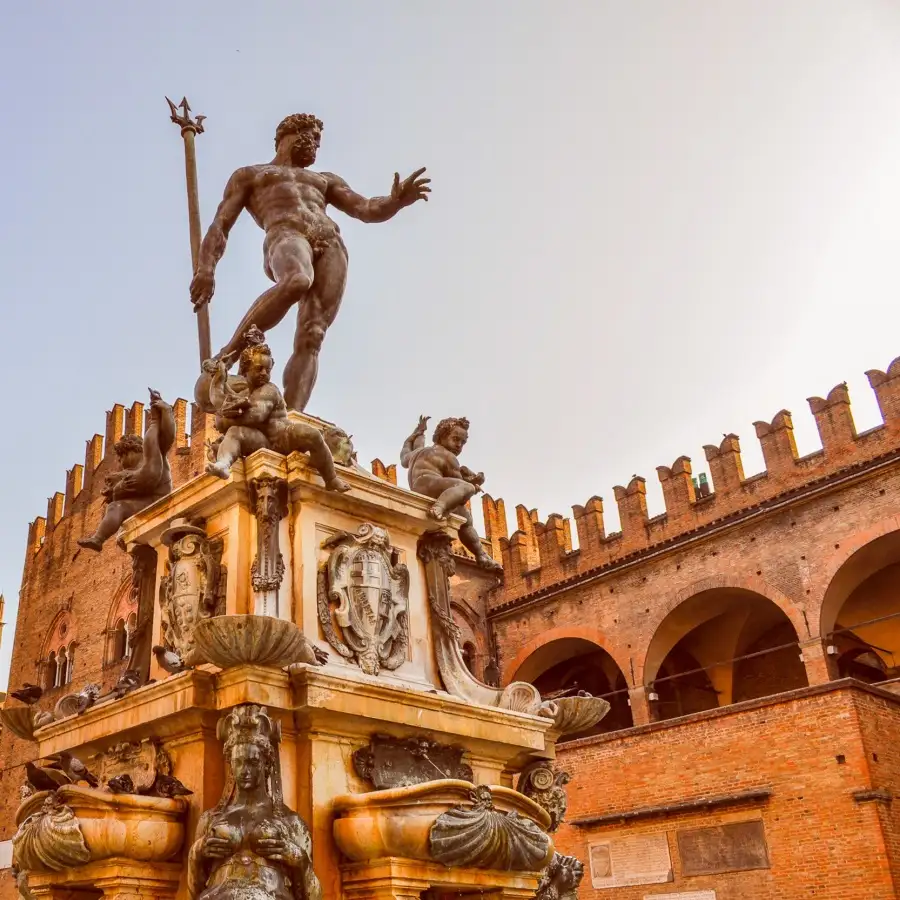
Neptune Fountain

Admire this monumental restored marble & bronze fountain in the heart of Piazza del Nettuno.

Commissioned by Pope Pius IV, the Fountain of Neptune is one of Bologna's most famous landmarks and a popular meeting point. He was originally destined for the larger Piazza Maggiore but instead, he sits proudly on the Piazza del Nettuno as a symbol of the city. Standing at almost thirteen feet (4m) high and weighing in at nearly 5000 lbs (2,200 kg), the fountain is hard to miss.  

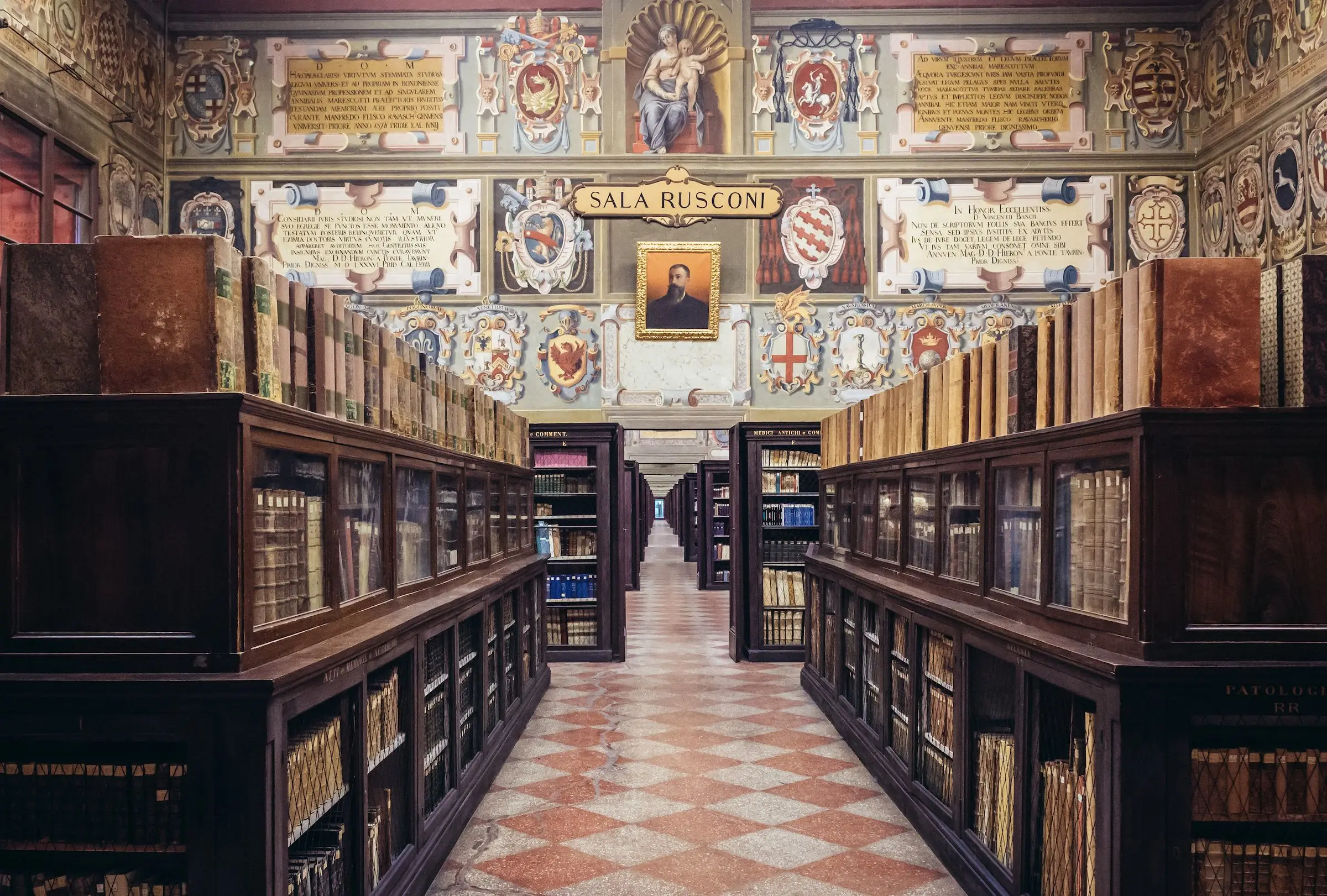
Archiginnasio of Bologna

Visit one of the oldest university buildings in the world and admire its incredible library.

Bologna's University is amongst one of the oldest in the world. The Archiginnasio (Greek for “first school”), was built in 1563 and was once the ancient seat of the University of Bologna, established as a school of Law and Arts. It houses one of the most incredible libraries in Italy, containing over one million pieces. Its anatomical theatre is by far the highlight, a place where corpses were dissected for the first scientific studies of the human body.

Towers of Bologna

Climb to the top of the Asinelli Tower for great vistas over the city of Bologna below.

Symbols of the city and its most popular and notable landmarks, the two towers (Due Torri) are sat in the heart of the city. They were built during the Middle Ages as noble and wealthy families competed against each other for dominance over Bologna's politics, a competition that often become violent. There was once 180 towers, but these are the only two that remain. At 319 feet (97m), The Torre degli Asinelli is the tallest leaning medieval tower in the world and the only one open to the public. Ascend the 498 steps for a panoramic view of the city. 

image

Day 4

Venice

image

Day 5

Venice to Florence

Day 5

Venice to Florence

icon
icon
icon
icon
icon
icon

8:55 AM

Transfer to Rail Station

Because it's impossible to travel by a land taxi in Venice you will need to take a water bus (Vaporetto) from the nearest dock on the Grand Canal to Santa Lucia train station. You can use a Venezia Unica card or other travel pass, or simply buy a one-way ticket on the spot. If you do not want to take the Vaporetto, you can arrange a private transfer by water taxi or ask your hotel front desk to arrange one for you. Be sure to give your front desk some advance notice though, as it can be difficult to get a water taxi on the spot. Water taxis are expensive (about 75 EUR +), but they should be able to pick you up much closer to your place of lodging, or if your hotel has its own dock, directly from the dock.

Transfer to Rail Station

8:55 AM — Transfer to Rail Station

Because it's impossible to travel by a land taxi in Venice you will need to take a water bus (Vaporetto) from the nearest dock on the Grand Canal to Santa Lucia train station. You can use a Venezia Unica card or other travel pass, or simply buy a one-way ticket on the spot. If you do not want to take the Vaporetto, you can arrange a private transfer by water taxi or ask your hotel front desk to arrange one for you. Be sure to give your front desk some advance notice though, as it can be difficult to get a water taxi on the spot. Water taxis are expensive (about 75 EUR +), but they should be able to pick you up much closer to your place of lodging, or if your hotel has its own dock, directly from the dock.

10:26 - 12:39 — Train to Florence

Your approximately two-hour rail journey to Florence will travel through the picturesque landscape of the regions of Veneto and Emilia Romagna, and then traverse the Apennine Mountains to reach the famously beautiful countryside of Tuscany. Along the way you will pass through historical cities such as Padua and Bologna. The journey is especially convenient since you can take a direct, high-speed train - the Frecciarossa, which reaches speeds of up to 250 miles per hour (400 km/h) and offers maximum comfort.

12:39 PM — Transfer from Rail Station

Most trains arrive in Firenza S.M.N. (i.e. Florence Santa Maria Novella Station) station, the largest station in the city. Before spending money on a transfer, be sure to check whether your hotel is within easy walking distance. Also consider that public transport is the cheapest and sometimes fastest option, and trams and buses pick up next to the station. Uber is not available in Florence, but taxis are available at all rail stations and are usually honest (but certainly not always). Some private transfers even meet you directly on the platform to help with bags.

Afternoon — Piazza Della Signoria

Piazza Della Signoria represents the very soul of Renaissance Florence and Italy. It was here in the Palazzo Vecchio that the rulers of Florence began commissioning work from the great masters of the Florentine, Roman and Venetian art world before they moved across the Arno River to Palazzo Pitti. The piazza remains an open-air sculpture museum, with eye-catching works such as the Neptune Fountain. Nearby the world famous Bargello Gallery contains the overflow of masterpieces from the Uffizi Gallery, including Donatella's famous rendering of David, while the Loggia dei Lanzi houses some of the greatest statuary to have come out of Renaissance Italy. The piazza is still the most popular meeting point in the city, particularly during political campaigns when speakers address the crowds from the terrace in front of the Palazzo Vecchio.

Loggia dei Lanzi

See Florence's wealth of sculptural treasures in this 14th-century open-air gallery.

Originally completed in 1382 as a platform for the swearing in of public officials and other state affairs, it was only in the late 18th century that the Loggia was reserved exclusively for the display of the city's greatest exponents of sculpture. In the corner by the palazzo is a copy of one of the Renaissance's most iconic works, Benvenuto Cellini's Perseus Trampling Medusa (1545). If you examine the sculpture from the back, you can see the self-image of the sculptor Cellini on the backside of Perseus' helmet. Another headturner is Giambologna's Rape of the Sabine Woman, created from the largest single piece of sculptural marble ever seen in Florence.

Palazzo Vecchio

Venture into the richly-adorned chambers of the palace from which Florence and Tuscany were governed for centuries.

The fortress-like Palazzo Vecchio was originally constructed around 1299 to house the government administration, but underwent many reconstructions and was utlized for many purposes over the following centuries. Visiting the palazzo is usually a lot simpler than lining up with the crowds next door trying to get into the Uffizi Gallery. You simply need to go through the courtyard at the front entrance to the ticket office where the queues should be relatively short. Highlights of the palace include the magnificent inner courtyard, the chancery once used by Machiavelli, and the lovely Sala delle Carte decorated with 57 maps painted in 1563 depicting what was then the entire known world.

Bargello Museum

Escape the crowds to visit this gallery filled with the greatest works of Renaissance sculpture.

The Palazzo del Bargello dates back to 1255 and was the former residence of the chief of police (Bargello means police station). But in 1865 it was transformed into a museum containing the richest collection of Renaissance sculpture in Italy, although it is thankfully free of the huge crowds that are attracted to the Uffizi. You'll encounter masterpieces by Michelango, Donatello, Cellini, and many others.

Late Afternoon/Early Evening — Santa Croce

Piazza Santa Croce, is one of Florence's largest squares and traditionally one of its main arenas for ceremonies and festivities. It is also home to the church of Santa Croce, famous for its extraordinary fresco cycles and its monuments to more than 270 prominent Italians, including Dante, Michelangelo, Machiavelli, and Galileo. Casa Buonarotti, a homage to Michelangelo, is nearby. The area around Santa Croce is also one of the best al fresco dining localities in the city.

Basilica of Santa Croce

Visit a church famous for its frescoes and as a national pantheon holding the remains of many of Italy's greatest historical figures .

The basilica of Santa Croce is the Franciscans' principal church in Florence. Some of the city's wealthiest plutocrats funded the church's construction and sponsored the extraordinary frescos that decorate the chapels. The interior, with its open timber roof, is one of the most richly decorated in Florence. Santa Croce also serves as a national pantheon, with tombs and/or monuments to more than 270 famous Italians, including Michelangelo, Galileo, Machiavelli and Dante. The latter has only a monument, as he was exiled from Florence and died in Ravenna. Michelangelo's tomb is said to have been positioned close to the entrance at his own request, so that when on the Day of Judgement the graves fly open, the first thing to catch his eye will be the cathedral dome.

Casa Buonarroti

Visit a 17th-century palace museum housing Michelangelo's early marble reliefs & drawings.

Michelangelo probably resided in this palace between 1516 and 1525, and today it contains a smart but low-key museum devoted to him. Most contents, however, were created in homage and only a handful are by the great man. The highlights are Madonna della Scale, Michelangelo's earliest-known work created when he was 16, and the torso of a River God. There are also a few Michelangelo drawings.

Synagogue

Visit this 1882 Moorish-style synagogue to learn about the rich history of Florence's Jewish population.

The enormous domed synagogue was built in the 19th century after the Jewish ghetto established by Cosimo I was demolished. The style of the synagogue is an extravagant hybrid of Moorish and Byzantine styles. It contains a museum illustrating the history of the Florentine Jewish community on the first floor, divided into two sections: one illustrates the history of the Jews in Florence, the other displays religious and ceremonial objects. The doors of the Holy Ark, before which a light burns in perpetuity, still bear scars inflicted by the bayonets of fascist desecrators. During the Nazi occupation, the synagogue was used as a garage and was also mined by the Germans as they retreated. The names of 248 Florentine Jews put to death by the Nazis are recorded in a large inscription in the garden of the temple, where a smaller plaque lists Jews who fell fighting for Italy during the First World War.

English cemetery

Find a beautiful, neglected, and mostly undiscovered cemetery secluded within a traffic circle.

Located atop a mound within a traffic island and somewhat neglected, the English cemetery still remains a sense of peace and beauty amidst the cypress trees and wonderful carvings of the tombs. Despite its name, the cemetery was set aside for Protestants, not just Englishmen. However, the most famous permanent resident of the cemetery is indeed English - the poet Elizabeth Barrett Browning. The cemetery inspired the painting the Isle of the Dead, the best-known painting of the artist Arnold Böcklin.

Early Evening/Evening — Dining Out In Santa Croce

While the focal point of Santa Croce is its exquisite Franciscan basilica, there are a number of culinary gems scattered around the quarter demanding the attention of gourmands and casual foodies alike. With fresh, high-quality ingredients on offer at the nearby Sant’Ambrogio market and a treasure trove of historical architecture as a backdrop, this neighborhood has all the necessary requisites to be a culinary paradise. You can choose from dynamic restaurants with innovative menus serving a hip clientele, or more formal restaurants hewing closely to Florence's strict culinary mores of the past. You can also discover plenty of unpretentious traditional mom-and-pop trattorias serving regional classics such as ribollita and bistecca all Fiorentina.

image

Day 5

Venice to Florence

image

Day 6

Florence

Day 6

Florence

icon
icon

9:00 AM - 3:00 PM

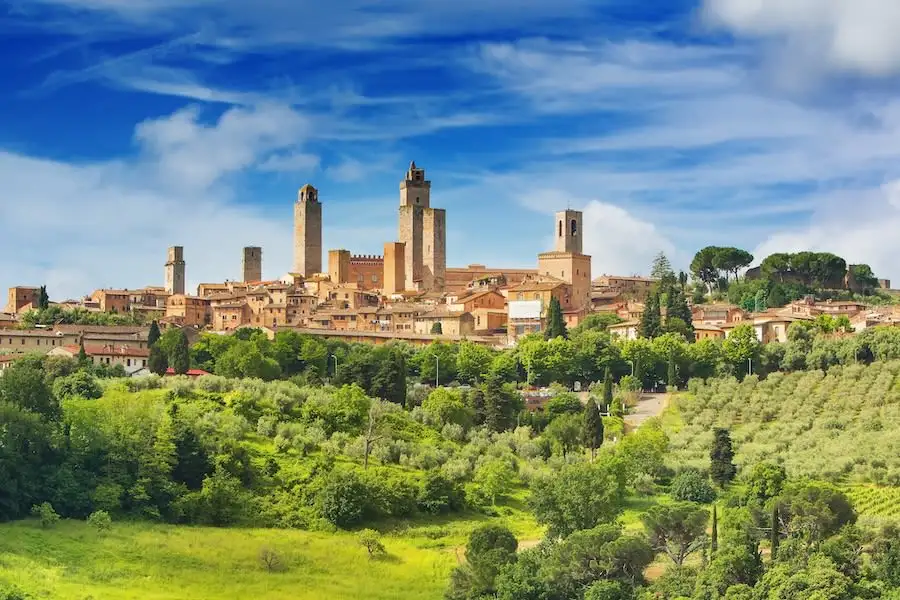
Half Day Excursion to San Gimignano & Vineyard Lunch

Drive through the scenic Tuscan countryside to San Gimignano, one of the most charming and picturesque Tuscan hill towns with medieval towers built for the richest families of the time. You can choose to visit the Cathedral, climb the “Torre Grossa”, take pictures of the gorgeous landscape and enjoy a delicious gelato in the Cistern Square. After, you will be driven to a local Tuscan winery for lunch and some wine tasting.   IMPORTANT NOTE : This excursion does not include a guide, only a driver.
Half Day Excursion to San Gimignano & Vineyard Lunch

9:00 AM - 3:00 PM — Half Day Excursion to San Gimignano & Vineyard Lunch

Drive through the scenic Tuscan countryside to San Gimignano, one of the most charming and picturesque Tuscan hill towns with medieval towers built for the richest families of the time. You can choose to visit the Cathedral, climb the “Torre Grossa”, take pictures of the gorgeous landscape and enjoy a delicious gelato in the Cistern Square. After, you will be driven to a local Tuscan winery for lunch and some wine tasting.   IMPORTANT NOTE : This excursion does not include a guide, only a driver.

Late Afternoon — Piazza del Duomo

Discover the medieval marvel of the Duomo, Santa Maria del Fiore, with its iconic dome offering panoramic views of Florence. Founded in 1296, it aimed to be the world's largest church, showcasing unmatched Renaissance grandeur in Piazza del Duomo. While entry to the Duomo is free, dome access requires a reservation. Consider a Firenze Card for easy access to other sites.

Campanile (i.e. the Bell Tower)

Climb 414 steps to the top of Italy's most famous bell tower.

The campanile, or bell tower, is at 278ft/84.7m tall and approximately 49ft/15m in breadth the most eloquent example of 14th century Gothic architecture in Florence. Clad in white, red and green marble like the cathedral directly adjacent to it, the majestic square bell tower is considered to be the most beautiful campanile in Italy. There are 414 steps to climb and no elevator available.

Opera Duomo Museum

See how the master architect Brunelleschi planned and built the cathedral, as well as many sculptural masterpieces.

The museum contains the largest concentration of Florentine sculpture in the world, including medieval and Renaissance works in marble, bronze, and silver by the leading artists of the era. Most of the masterpieces on display were designed to adorn the religious monuments that still stand on the Piazza del Duomo. You'll find a number of sculptures by Donatello, a forerunner of Michelangelo, as well as a mock-up of Brunelleschi's building site, complete with broken bricks, wooden scaffolding and some of the tools that were used to build the dome. Plus there are displays of various proposals for completing parts of the dome, as well as the original wooden model of the cathedral lantern presumably made by Brunelleschi himself.

Loggia del Bigallo & Museo della Misericordia

Discover these hidden-in-plain-sight gems and learn about a noble organization which has done much to alleviate the suffering of Florence's population over the centuries.

The Loggia del Bigallo is a small museum in a medieval building. It is home to several jewels of Florentine Gothic painting. It was built in the 1350s for the Compagnia della Misericordia (the Company of Mercy), a religious charitable organization founded in 1244 to aid the sick and bury the dead. It still exists today and you can see their ambulances parked just across the street at the Museo della Misericordia, which was originally an orphanage. The building was commissioned as a place to display abandoned babies in the hope they might be recognized before being given to foster parents. Today it houses a small museum which tells the history of the charity.

Baptistery of St John

Stand before the "Gate of Paradise".

The Baptistery of San Giovanni (St. John) is one of the most ancient churches in Florence, sitting opposite the Duomo. It is the most conspicuous illustration of the special relationship between Florence and ancient Rome, as the Florentines believe the Baptistery is actually a converted Roman temple to Mars. The granite columns inside were probably taken from the city's old Roman Capitol. But it's the doors to the Baptistery which are the primary attraction. They took 27 years to complete and were so beautiful that they became known as the "Gate of Paradise". 

image

Day 6

Florence

image

Day 7

Florence

Day 7

Florence

icon
icon

10:00 AM - 2:00 PM

Cooking Class

Tuscany is blessed with the perfect climate and location for food, producing a diverse bounty of fresh fruits and vegetables, wild game, beef & pork, and seafood. In fact, when you consider the quality of ingredients produced here, you understand why Tuscan cooking is not just about recipes, but about bringing out the best of the ingredients. Even within Italy, Tuscany is renowned for its cuisine. Taking a cooking class can introduce you to the magic, teaching you how to make traditional Tuscan starters, pastas, main courses, and deserts.

Cooking Class

10:00 AM - 2:00 PM — Cooking Class

Tuscany is blessed with the perfect climate and location for food, producing a diverse bounty of fresh fruits and vegetables, wild game, beef & pork, and seafood. In fact, when you consider the quality of ingredients produced here, you understand why Tuscan cooking is not just about recipes, but about bringing out the best of the ingredients. Even within Italy, Tuscany is renowned for its cuisine. Taking a cooking class can introduce you to the magic, teaching you how to make traditional Tuscan starters, pastas, main courses, and deserts.

Afternoon to Early Evening — Galleria dell'Accademia

Take the opportunity to visit Galleria dell'Accademia to see Michelangelo's statue of David and his unfinished Slaves, then pop by the Palazzo Medici-Riccardi, the first grand palace built by the Medici family, followed by the Church of San Lorenzo to see more masterpieces by Michelangelo in the Medici Chapel and Old Sacristy. The Spedale degli Innocenti (Hospital of the Innocents) also contains a deeply moving museum dedicated to the social conditions in medieval Florence and the treatment of its unwanted children. We highly recommend the Firenze Card to facilitate easy entry into museums and galleries like Galleria dell'Accademia.

Piazza Santissima Annunziata

Take a stroll around one of Florence's most pleasant squares.

The fully pedestrianized Piazza Santissima Annuziata was designed by Brunelleschi in the 1420s, and prominentally displays an equestrian statue of Grand Duke Ferdinand I. The statue was cast from cannons captured at the Battle of Lepanto, the last great sea battle between galleys in which the Christian West decisively defeated the Ottoman Empire. Two Mannerist fountains with fantastical figures also adorn the square. The square is named after the church of the Annunziata, whose interior is one of the more striking in Florence.

Hospital of the Innocents

Learn the oft-heartbreaking tale of Europe's first hospital for abandoned infants.

Opened in 1445, this was the first foundlings' hospital in Europe. Its nine-arched loggia was one of Renaissance's earliest examples of the new classically influenced style and has been copied relentlessly elsewhere. In the blue-backed ceramic circular paintings, heavily swaddled babies advertise the hospital's function, though their revelry belies the misery associated with it. Slavery was part and parcel of the Florentine economy as late as the 15th century, and many infants in the hospital were born to domestic slaves. In later centuries the hosptial took in not only unwanted children born out of wedlock, but also the children of the poor. The excellent museum inside the hospital brilliantly explains the life of these children, their parents and their carers over the centuries. You'd need a heart of stone not be deeply moved by some of the stories depicted. From 1660, children could be abandoned anonymously in the 'rote', a small revolving door whose bricked-up remains are still visible at the extreme left of the facade - an early version of modern hospital 'baby boxes'; it remained in use until 1875.

Church of San Lorenzo

Discover a church missed by most visitors despite being one of Florence's most important, and admire masterpieces of Renaissance art and sculpture by Donatello, Michelangelo, and others.

The Church of San Lorenzo is one of Florence's greatest historical landmarks as most important Medici are buried here. The church lays claim to being the oldest in Florence (393 AD) and was for a time its cathedral. It gradually became the Medici parish church and thus attracted the family's munificence. The money was never quite enough, however, and that's why the church remains without a facade to cover its bare brickwork to this day. The interior is naturally stuffed full of great works of arts: Rosso Fiorentino's Marriage of the Virgin in the second chapel on the right; the bronze pulpits by Donatello; Filippo Lippi's altarpiece of the Annunciation, the Pala del Sacramento tabernacle; and in the center of the church, the tomb of Cosimo de' Medici bearing the old Roman title "Pater Patriae" (Father of the Fatherland). The so-called Medici Chapels, built as extensions to the church, are decorated with some of Michelangelo's finest sculptures.

Palazzo Medici-Riccardi

Explore the 15th-century palace which the Medici family once called home.

This grandiose palace is more modest than it could have been. Designed for Cosimo the Elder, he did not want too grand a home for fear of arousing hostility, and thus the original plans were rejected as too ornate. The enraged architect Brunelleschi is said to have smashed his model in response. Thus the exterior is simple, but the interior luxurious enough to befit the guests who came to stay, including the likes of Charles V of France. The palazzo is probably most famous for its private chapel, Cappella dei Magi. This tiny chapel (only 15 people at a time can pass through it) is covered in wonderful frescoes depicting The Journey of the Magi, portrayed by leading members of the Medici family.

image

Day 7

Florence

image

Day 8

Florence

Day 8

Florence

icon
icon
icon

Early Morning/Morning

Uffizi Gallery

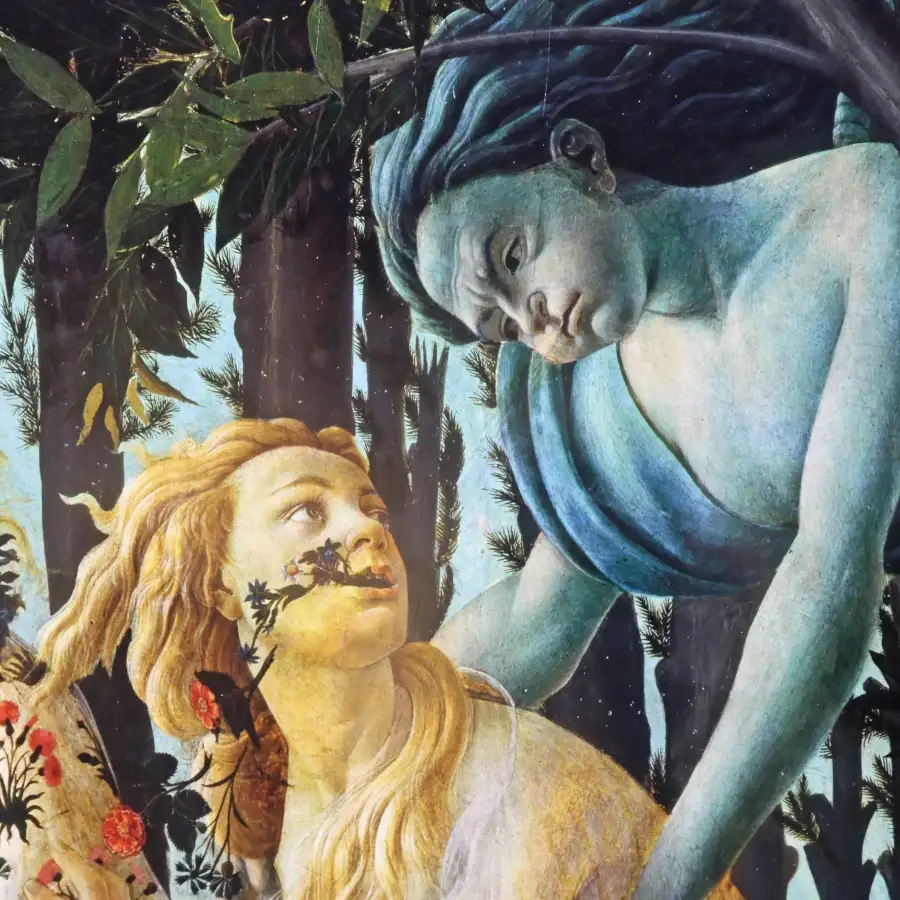
As the capital of the Renaissance, it's only fitting that Florence should also host Italy's greatest art gallery at the Uffizi. It's understandably busy throughout the year, but it's nevertheless worth the crowds to see to see some of the most sumptuous masterpieces of Renaissance art, including Botticelli's Primavera and Venus, and works by Michelangelo and Da Vinci. If you're planning to visit other galleries and museums in Florence, then it's definitely worth investing in a Firenze Card, which gives you free entry and priority access to 72 venues in the city. At a minimum, you should book ahead for the Uffizi to avoid very long queues.

Uffizi Gallery

Early Morning/Morning — Uffizi Gallery

As the capital of the Renaissance, it's only fitting that Florence should also host Italy's greatest art gallery at the Uffizi. It's understandably busy throughout the year, but it's nevertheless worth the crowds to see to see some of the most sumptuous masterpieces of Renaissance art, including Botticelli's Primavera and Venus, and works by Michelangelo and Da Vinci. If you're planning to visit other galleries and museums in Florence, then it's definitely worth investing in a Firenze Card, which gives you free entry and priority access to 72 venues in the city. At a minimum, you should book ahead for the Uffizi to avoid very long queues.

Morning/Mid-Day — Palazzo Pitti

The Ponte Vecchio, an iconic bridge over the Arno River, dates back to Roman times and is a key Florence landmark. Once home to butchers, it now houses jewelers and art dealers. The Vasari Corridor above was a Medici family passage linking the Palazzo Vecchio with the Pitti Palace, a treasure trove of Italian Renaissance and Baroque art by Raphael, Titian, and others. Walk across this magnificent bridge that connects the two sides of the city and learn about its history along the way.

Palazzo Pitti

Discover some of the Florence's best but often overlooked museums in the former palace of the Grand Dukes of Tuscany.

You'll find the Pitti Palace just a few steps from the Ponte Vecchio. In 1457, wealthy banker Luca Pitti began building the palace, but by the time it was completed, the family fortunes had run dry. He was forced to sell it to their arch-rivals, the Medicis, and thus it became the official residence of the Grand Dukes of Tuscany. On the first floor you'll find the Palatine Gallery and the Royal Apartments, the two most popular museums in the palace. They contain a collection of 16th and 17th-century paintings (including works by Raphael), and 28 beautiful rooms with original furnishing. On the ground floor is the Treasury, displaying a vast collection of Medici household treasures, from table silverware to precious stone vases, rock crystals and precious jewelry. There is also a Gallery of Modern Art, Porcelain Museum, and a museum showcasing costumes and fashion from the last 300 years. You can get a combined ticket which includes all the museums housed within the palace.

Boboli Gardens

Join locals and tourists alike in a park which the Medici's poured their hearts (and money) into creating.

Directly behind the Pitti Palace are the marvellous Boboli Gardens, which were developed over hundreds of years and funded by the immense gold reserves of the Medici family. This green hidden oasis in the heart of Florence is often considered an open air museum, rich in history and art, and blessed with plenty of water features, hidden paths, and fascinating grottoes. For those with museum overload, it makes for the perfect retreat, as well as a precious refuge from the city’s heat during the summer months. The adjoining Forte di Belvedere is also worth the hike up to it, as it offers spectacular views of Florence and the surrounding Tuscan hills. 

Afternoon/Late Afternoon — Oltrarno

Meaning literally "the other side of the Arno", Oltrarno is often the forgotten side of Florence, with tourists generally more focused on central Florence, but sometimes it's also worth venturing off the tourist trail! Oltrarno is one of Florence's most popular and trendiest neighborhoods and offers visitors a trove of cultural treasures. Just a short walk from the Ponte Vecchio brings you to the heart of this thriving neighborhood which is host to beautiful gardens and artistic churches. You'll also find the most famous viewpoint in the city - Piazzale Michelangelo.

Piazzale Michelangelo

Create an unforgettable memory and see Florence from above.

No matter what time of day or weather, you will find that Piazzale Michelangelo truly offers a stupendous lookout over Florence. Not just a perfect photo opportunity, but a moment of wonder. You are looking at the city that gave birth to incredible artists, amazing scientists and an enthralling history of discovery and power that has filled novels and movie theaters. Many mistakenly believe that this piazza has existed since the birth of Florence or that it was designed by Michelangelo. Actually, it is a rather recent addition to the list of great monuments in Florence, created in 1869 by Florentine architect Giuseppe Poggi, as part of a major restructuring of the city walls in 1869. In 1873, a copy of Michelangelo's David was taken to the square with the help of nine pairs of oxen. This monument occupies a privileged position, observing the city from above as a guard attentive to all the beauties that the city of Florence offers.

Basilica di Santo Spirito

Visit a Renaissance church where Michelango once found refuge.

Usually referred to simply as Santo Spirito, this unassuming basilica is one of the main examples of early Renaissance architecture in Florence. Compared to other churches found on the north side of the river, the Basilica di Santo Spirito is very often ignored by tourists, despite offering some serious history and a wonderful interior. Notable pieces of artwork inside the church include its thirty-eight altars, almost all with painted altarpieces. The best have been cleaned and are almost all in the transept and behind the Baldacchino, this being where the most prestigious local families could afford to have chapels. Michelangelo found refuge in the convent of Santo Spirito in 1492 at the age of seventeen and it was within the walls of the convent that the curious artist had the opportunity to analyze corpses from the adjoining hospital to study the anatomy of the human body. As a form of thank-you, Michelangelo carved a highly realistic wooden crucifix which can now be found within the sacristy to the left as you enter the church.

Santa Maria del Carmine & Brancacci Chapel

Stand beneath the magnificent 14th century frescoes, still intensely radiant six centuries after they were first painted.

Dating back to the 13th century, a fire in the 18th century practically destroyed the church, but spared its magnificent Renaissance frescoes in the Brancacci Chapel – a treasure trove of paintings from the 1400's by Masolino da Panicale, Masaccio, and Filippino Lippi. After years of accumulated candle soot and mold, the frescoes which have been fully restored and have an intense radiance, making it possible to see very clearly the shifts in emphasis between the artists' work. The Brancacci Chapel entrance is to the right of the main church entrance. Only 30 people can visit at a time.

Giardino delle Rose

Look down upon Florence from amidst the rose bushes.

The Giardino delle Rose (Rose Garden) and the nearby Giardino dell'Iris (Iris Garden) are two free public gardens on either side of Piazzale Michelangelo. They are perfect for flower-lovers or anyone who wants to wander in a peaceful green space, free from the nearby crowds. You'll even find a Japanese garden and sculptures by the artist Folon.

Villa Bardini

Wander beneath the wisteria whilst gazing down upon the roofs of Florence.

Less crowded than the nearby Boboli Gardens, the Bardini Villa is a splendid Italianate Garden which enjoys panoramic views of the city. Wisteria covered pergola allow visitors to walk through tunnels of green while enjoying romantic views of the city and surroundings. Within the 17th century villa itself, you will find artworks by the painter Pietro Annigoni. 

image

Day 8

Florence

image

Day 9

Florence to Rome

Day 9

Florence to Rome

icon
icon
icon
icon
icon

7:35 AM

Transfer to Rail Station

Most trains depart from Firenza S.M.N. (i.e. Florence Santa Maria Novella Station) station, the largest station in the city. Before spending money on a transfer, be sure to check whether your hotel is within easy walking distance. Also consider that public transport is the cheapest and sometimes fastest option; trams and buses drop off next to the station. Uber is available in Florence, and if staying at a hotel, they can order a reliable taxi. Some private transfers will even help with your bags.

Transfer to Rail Station

7:35 AM — Transfer to Rail Station

Most trains depart from Firenza S.M.N. (i.e. Florence Santa Maria Novella Station) station, the largest station in the city. Before spending money on a transfer, be sure to check whether your hotel is within easy walking distance. Also consider that public transport is the cheapest and sometimes fastest option; trams and buses drop off next to the station. Uber is available in Florence, and if staying at a hotel, they can order a reliable taxi. Some private transfers will even help with your bags.

08:33 - 10:52 — Train to Rome Airport

Tickets and seat reservations for this scenic train journey from Florence to Fiumicino Airport are included with the purchase of an itinerary. The journey to Rome is on board Italy's high-speed train, the Frecciarossa, which reaches speeds of up to 250 miles per hour (400 km/h) and offers maximum comfort. Once in Rome you may need to change trains at Rome's Tiburtina Rail Station before you continue to the airport. You will also receive detailed instructions for the trip, as well as a translation and explanation of your tickets.

10:52 AM — Private Transfer to Hotel

Upon your arrival in Rome, your driver will meet you outside the station on Via Marsala. He or she will be carrying a sign with your name on it. The driver will drop you off at your hotel. This is a private transfer. The price of the pickup is already included in your itinerary cost so you will not have to pay the driver.  IMPORTANT NOTE:  Please be aware the car service can fit up to 1 checked item of luggage and 1 personal item per person, such as a purse or small backpack. If you think you will have more baggage, please inform your travel consultant as this may result in an additional fee.

Mid-Day/Afternoon — Rome's Historic Center

Rome's tangled historical center is packed full of some of the most fascinating and incredible sights. Explore elegant squares and piazzas, centuries-year-old churches, and baroque fountains and wander at leisure the labyrinth of ancient Roman cobbled lanes. Highlights include the Baroque grandeur of Piazza Navona and the great and endlessly copied Roman Pantheon.

Piazza Navona

Stand in one of the most beautiful squares in Rome, home to the famous Fontana dei Fiumi Fountain by Bernini.

A Roman rendezvous, Piazza Navona is, for many people, the most beautiful square in the world. Like many of Rome's landmarks, Piazza Navona is located over the foundations of an ancient monument, a 30,000 seat stadium of Domitian. The former tiers of seats have since made way for ornate fountains, exuberant baroque palazzi, and bustling pavement cafes. The square has long been the hub for local life, hosting Rome's main market for over 300 years. Today it attracts a colorful circus of tourists, performers, hawkers, street artists, and pigeons. The first visit to Piazza Navona might well result in a stiff neck from gazing up at all the sumptuous Baroque beauty.

Pantheon

Visit this iconic former pagan temple converted into a Christian church.

This sanctuary of impressive dimensions is one of the best-preserved buildings of ancient Rome. Erected on the foundations of an earlier temple dating back to 27 BC, its construction was ordered by the Emporer Hadrian in the second century AD. The Pantheon was originally a Pagan temple dedidated to all of the gods. The building's consecration as a church in 609 AD saved it from the abandonment, destruction, and the worst of the spoliation that befell the majority of ancient Rome's buildings during the early medieval period. Its greying exterior may look its age, but inside, a spectacular experience awaits. With light streaming through its oculus, the marble-clad interior seems vast. The Pantheon is home to some notable tombs, including those of painters Annibale Carracci and Raphael and King Vittorio Emanuele II.

Column of Marcus Aurelius

Column formerly dedicated to Emperor Marcus Aurelius; a statue of St. Paul now stands in place of his.

If you turn left at the far end of the Temple of Adrian, you'll arrive at the Column of Marcus Aurelius (Colonna di Marco Aurelio). The column located on Piazza Colonna commemorates the Roman Emperor Marcus Aurelius and his victories over the Germanic tribes in Danubian and Marcomannic wars. It was modeled on Trajan's Column (which is located in Trajan's Forum). The column consists of 27 or 28 blocks of Carrara marble, each of 3.7 meters (12 ft) diameter, and was nicknamed the Centenaria, "hundred-footer" because it was 100 Roman feet or 29.60 meters high. On the top of the column was a statue of Marcus Aurelius; today, the apostle Paul stands there.

Via del Corso

One of the main streets in Rome.

The main street running alongside the Piazza Colonna is one of the main streets in Rome, called the Via del Corso. It is remarkable for being absolutely straight in an area characterized by narrow meandering alleys and small piazzas. Its runs 1.5km from Piazza del Popolo all the way to Piazza Venezia and is one of the busiest shopping streets in Rome. You’ll find lots of large international stores all over the street including major retailers such as Nike and Zara, as well as smaller Italian retailers where bargains on boutique pieces of Italian clothing and souvenirs can be found.

Afternoon/Late Afternoon — Dining in Piazza Navona

Arguably the most beautiful of all the piazzas in Rome, Piazza Navona is particularly stunning at night. As one of the largest and most romantic piazza squares in Rome, it is a great spot to spend the evening, with a whole host of restaurants, bars and entertainment on offer. See its three impressive fountains illuminated by night, sip on an Aperol Spritz, take an evening stroll or simply sit on a bench with an ice cream. When night falls, this is the place to be.

image

Day 9

Florence to Rome

image

Day 10

Rome

Day 10

Rome

icon
icon
icon

9:30 AM - 12:30 PM

Ancient Rome Guided Walk

On this 3-hour private guided tour, you will explore the imposing remains of ancient Rome. Your guide will explain the extraordinary history of the birth of Rome, life in the city and everything about the fall of the Empire. Visit the Colosseum, the monumental ruins of the Roman Forum, and end the tour on the Capitoline Hill, the smallest and most important of the seven hills of Ancient Rome.
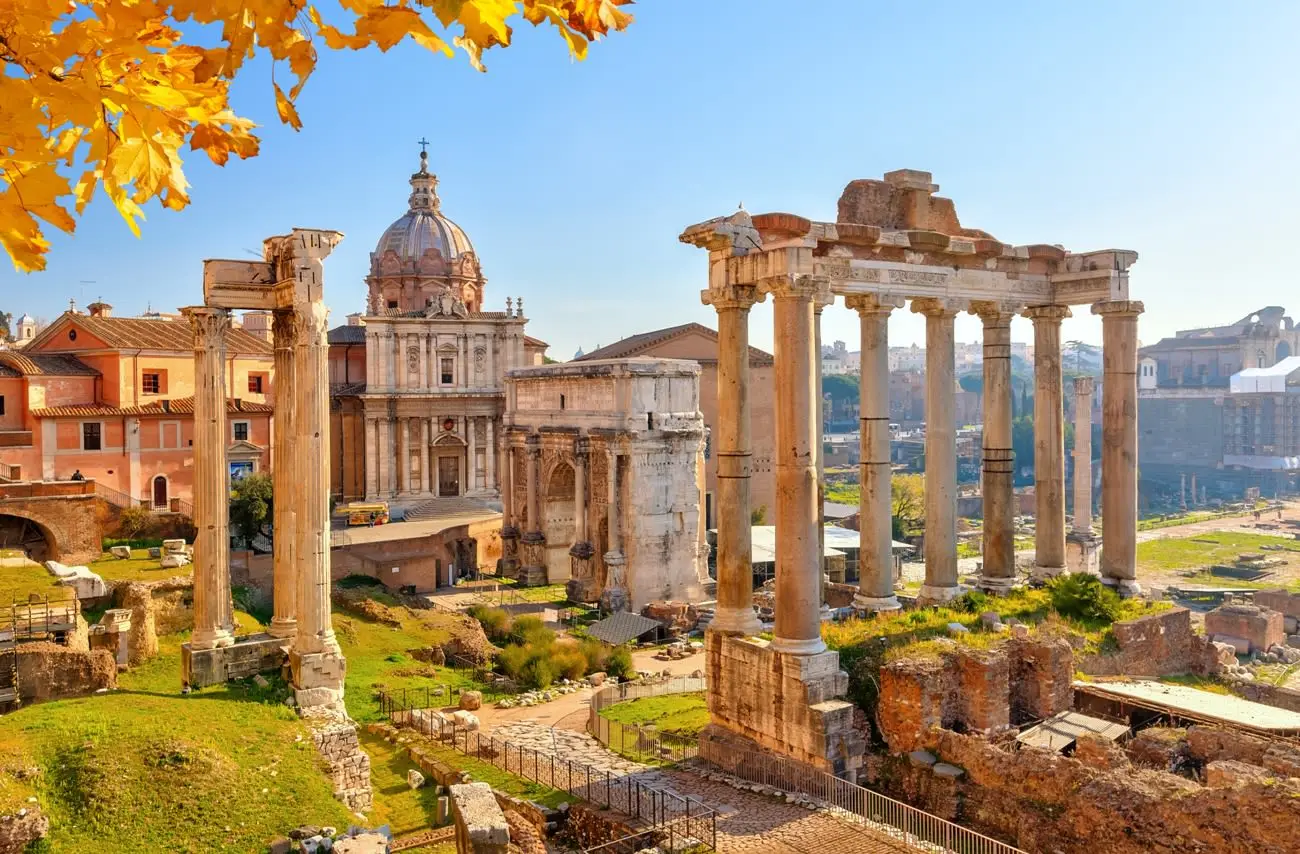
Ancient Rome Guided Walk

9:30 AM - 12:30 PM — Ancient Rome Guided Walk

On this 3-hour private guided tour, you will explore the imposing remains of ancient Rome. Your guide will explain the extraordinary history of the birth of Rome, life in the city and everything about the fall of the Empire. Visit the Colosseum, the monumental ruins of the Roman Forum, and end the tour on the Capitoline Hill, the smallest and most important of the seven hills of Ancient Rome.
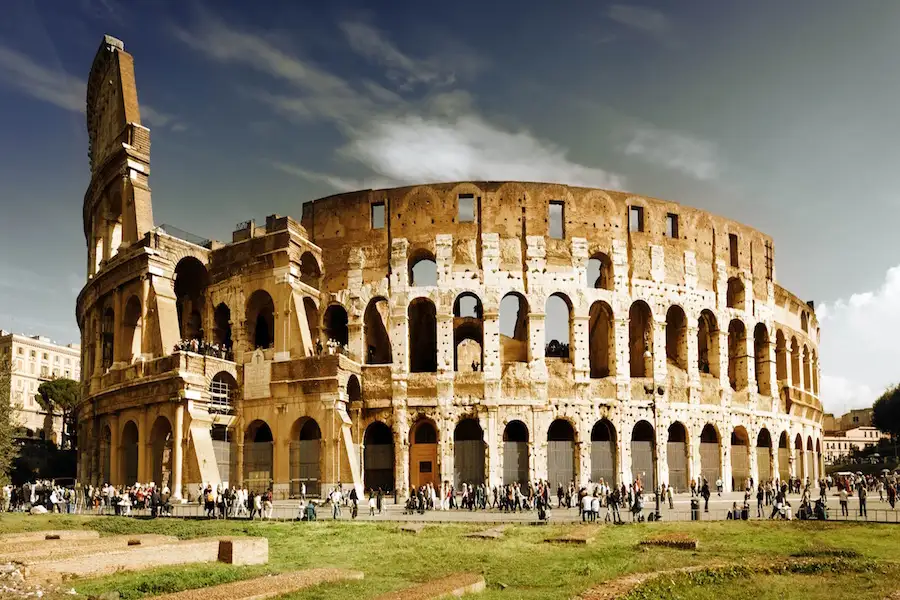
Colosseum

Ancient Roman Ampitheater

Monumental Roman amphitheater once used for gladiatorial games

Mid-Day/Afternoon — Piazza Venezia

The Piazza Venezia is not only the central hub of Rome, but is also located at the foot of the Capitoline Hill, which is the ancient heart of Rome. Thus it was chosen as a fitting space for a memorial to the first king of modern Italy, Victor Emmanuel II, who led the unification of the Italian states in the 1860s. The gigantic monument now overlooks the Piazza Venezia in overwhelming marble glory, standing as an unmissable symbol of Italian unity. The open space and dramatic setting were used to great effect by Mussolini, who staged rallies here. However, the monument is just one of the several sights that can be found around Piazza Venezia, an area often overlooked by tourists who pass from the historic center directly to the Colosseum further down the street. For instance, just below it you'll find Trajan's Forum, containing some of Rome's most notable ruins, and just above it on the Capitoline Hill, an elegant square designed by Michelangelo.

Vittorio Emanuele II Monument

Visit this grand monument and ascend to the roof through an elevator at the back for the wonderful views of the Roman Forum and Colosseum.

Standing grand and mighty on Capitoline Hill overlooking Piazza Venezia, the monumental marble temple honouring Italy's first king Vittorio Emanuele II is a sight often overlooked by tourists. The impressive wedding cake-like building is home to one of the best views in Rome. Ascend to its rooftop and you can enjoy amazing views over the Roman Forum and Colosseum.  The monument is also the sight of the Altar of the Fatherland (Altare della Patria), which includes an altar to the goddess Rome, and a shrine to the Italian Unknown Soldier, thus making the monument a sort of secular temple dedicated to the country. However, it's unlikely the relatively modest and unassuming Vittorio would have appreciated this massive monument built to his legacy. Inaugurated in 1911 to symbolize the achievement of Italian unity, it irrevocably changed the aspect of the city, throwing out of scale the Capitoline hill itself and causing indiscriminate damage. Familiarly known as ‘Mussolini’s typewriter’ (it was finished during his regime in 1937), it is thought by some locals to be a colossal monstrosity, although for others its symbolic importance makes it a place of reverence, regardless of any architectural criticism.

Capitoline Square & Capitoline Museums

See the square Michelangelo designed to mark the spot of Rome's legendary origins.

This square at the top of the Capitoline Hill, Piazza del Campidoglio, is a lovely piece of town planning designed by Michelangelo. It is surrounded on three sides by stately palaces and an open-end featuring a balustrade. This is the historical center of ancient Rome, and to reflect this fact, Pope Paul III ordered that the famous gilded bronze equestrian statue of Marcus Aurelius be moved here from the Lateran hill.  Off of one corner of the square you will find a reproduction of the famous Lupa Capitolina, that is, the statue of the she-wolf that suckled the legendary founders of Rome, Romulus and Remus. Wander just a bit further and you will be rewarded with an amazing view over the Forum. You'll also find the Capitoline Museums in one of the 15th century palaces fronting the square. These are some of the oldest collections in Rome, containing Classical Roman, Greek, and Egyptian sculptures, as well as Renaissance art.

Markets of Trajan

Take a look around the world's first shopping mall.

Trajan's Forum was the last great forum built in Rome and rivaled the original Forum in scale and grandiosity. However, the only significant structure that remains now is the semicircular ruins of the Trajan Markets, which are often described as the world's first shopping mall. Arcaded passageways led to offices, shops, and apartments, situated in a multi-story structure. It is still possible to visit some of these levels. Within Trajan's Market you will find the Museum of Imperial Fora, one of the best interactive museums covering Ancient Rome. The labeling in English is unsurpassed and the exhibition rooms both in the museum and the rooms of the markets provide a superb introduction to Roman life and the architecture and building methods that were lost for centuries after the fall of the Roman Empire. Two or three hours spent here is time well invested.

Trajan's Column

Relive a saga of war and conquest on this carved frieze as it winds its way up a 140-foot high ancient column.

Built in 113 AD out of 18 massive blocks of marble, the column is decorated with exquisitely executed reliefs which spiral up around it. There are over 2,500 carved figures, and the column tells a detailed and highly visual tale of the Emperor Trajan’s Dacian wars. At the top of the column once stood a statue of the victorious Emperor (replaced by St Peter in 1588), and a spiral stone staircase inside led to a platform from which extensive views could be enjoyed over the rooftops of the city. Today the column is visible from the Piazza Venezia without a ticket, but those with a particular interest in Roman history might consider hiring a private guide who can explain the story depicted by the column in more detail.

6:30 PM - 10:30 PM — Trastevere Group Food Tour

Enjoy an evening of food and wine in one of the most popular and camera-ready neighborhoods in Rome, Trastevere. Be treated to 10 unforgettable food and wine tastings at some of the city’s most beloved and historic places. You'll enter a tourist and leave a local, a feeling you won’t soon forget.

image

Day 10

Rome

image

Day 11

Rome

Day 11

Rome

icon
icon
icon

10:00 AM - 2:00 PM

Guided Vatican Tour

Experience the millenary history of the Roman Catholic Church and its vast art treasures on this four-hour private guided tour of the Vatican City. Visit the Vatican Museums, Sistine Chapel before ending your tour in Saint Peter’s Basilica, the most important Catholic Church in the world, a ‘magnet’ that attracts millons of visitors and pilgrims every year. Note: Entry tickets to the Vatican Museum are non-refundable from the time of trip confirmation.
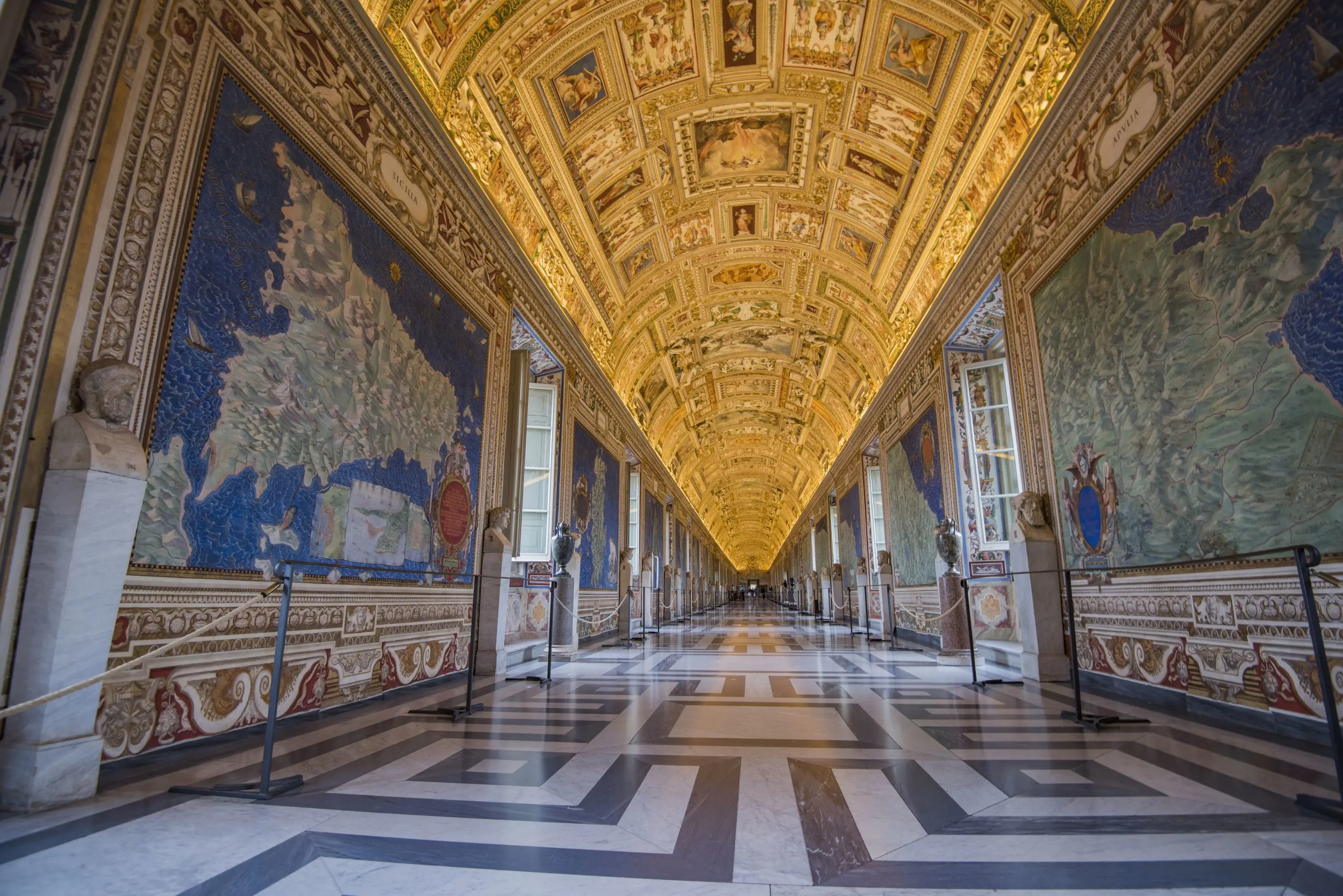
Guided Vatican Tour

10:00 AM - 2:00 PM — Guided Vatican Tour

Experience the millenary history of the Roman Catholic Church and its vast art treasures on this four-hour private guided tour of the Vatican City. Visit the Vatican Museums, Sistine Chapel before ending your tour in Saint Peter’s Basilica, the most important Catholic Church in the world, a ‘magnet’ that attracts millons of visitors and pilgrims every year. Note: Entry tickets to the Vatican Museum are non-refundable from the time of trip confirmation.

Sistine Chapel

Gaze up at the world's most famous ceiling, the masterpiece of Michelangelo.

This famous chapel inside the Vatican Museums is best known for Michelangelo's 16th-century painted ceiling of "The Creation of Adam" and "The Last Judgement" fresco that covers the whole altar wall of the chapel. The jaw-dropping sight is not to be missed, considered one of the top highlights of visiting the Vatican Museums and one of the top artistic wonders of the world. 

Vatican Museums

Book early if you want to see the Vatican Museum's monumental works of art from the greatest Italian artists of the Renaissance.

The Vatican Museum is actually 26 different museums, which include not only exhibitions but chapels, apartments, and other rooms of the Vatican palace, covering a huge range of fine and applied arts patronized by the popes. There's also an outstanding collection of ancient antiquities (including even the Emperor Nero's red stone bathtub), a gallery of hand-painted maps, and whole rooms turned into works of art. In addition to ancient and medieval works of art, you'll see masterpieces by the "who's who" of the Italian Renaissance, including Raphael, Leonardo da Vinci, Titian, and Caravaggio. Other highlights include panels by the brilliant monk-artist Fra Angelico, works from the Venetian school, including Vavarini, and much, much more.  Booking in advance is highly recommended as otherwise you can wait for hours or not even be able to get in at all.

St Peter’s Basilica

Explore the gigantic and incredibly beautiful church known as "the greatest of all churches of Christendom".

The basilica is one of the chief pilgrimage sites in the Christian world, and one of the most popular tourist destinations in Rome. The basilica is the symbolic center of the church not only because the Pope frequently celebrates Mass there, but because it is believed that the apostle St. Peter is buried beneath it. Catholics consider Peter as the first Bishop of Rome and "the rock" upon which the Catholic Church was built, in accordance with Christ's instructions. Inside you can admire sculptures by Bernini as well as Michelangelo's famous sculpture of the Virgin Mary holding the crucified Jesus, known as The Pietà. The church's elaborate and impressive golden interior is a sight to behold. Other sights include St Peter's tomb, the Papal crypts in the necropolis under the basilica, as well as the dome, which rewards visitors with views over Rome.  Entry is free, but queues to visit the Basilica can be lengthy, so it is highly advised to either get there early or to purchase a skip the line entrance. The dome is also paid entry. 

Late Afternoon/Early Evening — Castel Sant'Angelo

Designed and built by Emperor Hadrian as his own mausoleum, the great circular hulk of Castel Sant'Angelo provides one of the best routes to the Vatican and St Peter's via the Ponte Sant'Angelo bridge. Appropriated by the popes, the mausoleum was turned into a fortress and attached to the Vatican with a passageway for the popes to use as a refuge in times of siege or invasion - this is where Pope Clement VII sheltered during the Sack of Rome in 1527.

Mausoleum of Hadrian

Visit this iconic 2nd Century Castle built as the Mausoleum For Emperor Hadrian.

Known as Hadrian's Tomb, the Castel Sant'Angelo is a fortress on the banks of the River Tiber. Originally built as a tomb for the Emperor, it has evolved over the centuries and today it is one of Rome's most underrated museums. Inside you can see the historic Papal apartments, decorated with frescoes from the Renaissance period. Outside you can admire the castle's bastion and rooftop with beautiful views over the river and the Vatican. 

Ponte Sant'Angelo

Walk across this pedestrian bridge that was built in 134 A.D. by Emperor Hadrian.

Hadrian had the bridge built as an approach to his mausoleum, but it didn't gain its magnificent angel statues by Bernini until late in the 17th century. Spanning the River Tiber, it is completely pedestrianised, which allows for great photo opportunities of the castle and St Peter's Basilica in the near distance. 

Evening — Spanish Steps

The streets spreading out from grand Piazza del Popolo (People's Square) form a trident that hosts some of the most popular shopping and tourist sights in Rome. These include the Spanish Steps, the adjacent Keats-Shelley House where Keats died of tuberculosis in 1821, Trevi Fountain where Anita Ekberg jumped into the water in the famous scene from Frederico Fellini's La Dolce Vita, and the Mausoleum of Emperor Augustus.

Spanish Steps

Take a scenic walk up the 18th-century stairway where Audrey Hepburn and Gregory Peck set out on their Roman Holiday.

The majestically balustraded Spanish Steps were built in 1723-6 to connect the piazza with the church of the Trinita dei Monti and the Pincio. It quickly became a favorite spot of poets, artists, and writers who gathered on its 137 steps, and it's now a favorite stop for tourists from all over the world. Yet this highly attractive stairway still somehow manages to retain a sense of romance even at the height of the tourist season, and if you happen to get there at the beginning of May you’ll find it laden with tubs of magnificent azaleas. A masterpiece of 18th-century town planning, the steps actually contain a religious message – the three flights and three landings are an allusion to the Holy Trinity.

Keats-Shelly House

Visit the last residence of poet John Keats, now a memorial museum.

The Keats-Shelley House at the foot of the Spanish Steps to the right contains the apartment where the poet John Keats spent the last three months of his life. The House is essentially an archive of English-language literary and historical works and a museum of manuscripts and literary mementoes relating to the Keats circle of the early 19th century, i.e. Keats himself, Percy and Mary Shelley and Byron (who at one time lived across the square).

The Trevi Fountain

Admire one of the most iconic sights in Rome, made famous by Anita Ekberg in La Dolce Vita.

The Trevi Fountain is one of the most iconic sights in Rome thanks to the antics of the shapely Anita Ekberg casting herself into its waters in Frederico Fellini’s cinematic masterpiece, La Dolce Vita. The fountain curiously seems to appear out of virtually nowhere within a warren of backstreets but is nevertheless discovered reasonably early each day by endless crowds of tourists looking to ensure their future return to Rome by tossing a coin back over their should into its crystal clear water (the coins are raked up each morning and donated to the Church organization Caritas). 

Mausoleum of Augustus

Visit the tomb of the first Roman Emperor and his family, which is finally being restored after more than a millenium of neglect.

The huge circular Mausoleum of Augustus, holding the tomb of the Emperor and the principal members of his family was one of the most sacred monuments of the ancient city, but has been somewhat neglected in recent decades, though it has undergone recent restoration. Erected in 28 BC and originally surrounded by a huge public park, it has a diameter of 87m (330 Roman feet), the largest circular mausoleum in the world. 

Piazza del Popolo

Take some time to admire this elegant square that once served as an impressive main entry point into the city of Rome.

The Piazza del Popolo was created in 1538 for Paul III in strict alignment with the three long straight streets which penetrate the city here as a trident. The piazza once acted as one the primary entrances into Rome, and many travelers recorded their first arrival in Rome through the monumental Porta del Popolo, which may have been designed by Michelangelo. An obelisk, 24m high, rises in the center and on the side of the piazza opposite the porta are the twin decorative 17th-century Baroque churches, Santa Maria dei Miracoli and Santa Maria in Montesanto.

image

Day 11

Rome

image

Day 12

Rome

Day 12

Rome

icon
icon
icon

Morning/Mid-Day

Esquilino District

Upon first glance, this urban neighborhood of Rome may seem busy and overwhelming, but hidden among its traffic-noisy streets are some of Rome's most beautiful churches, artistic treasures, and cultural museums, including the Baths of Diocletian.
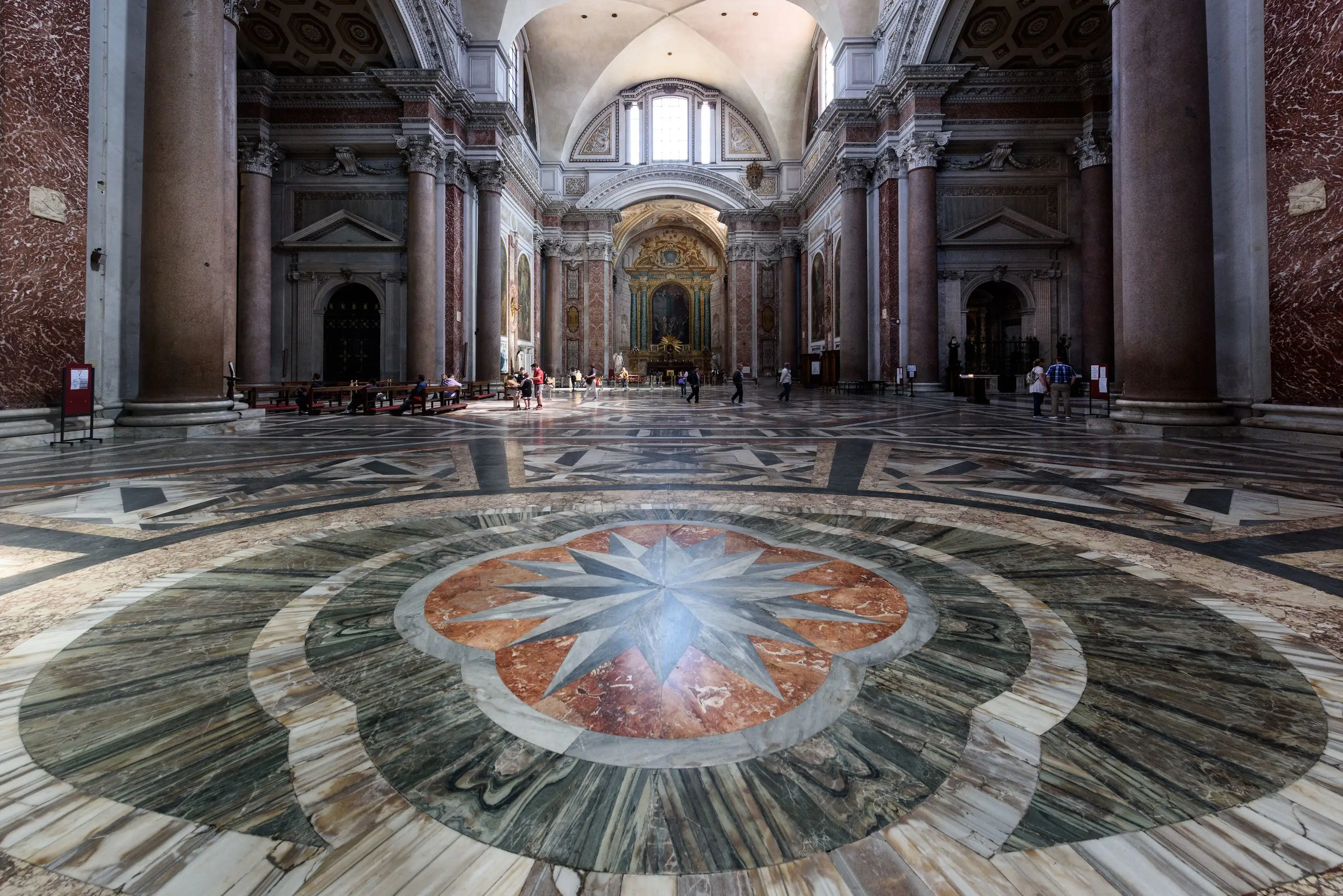
Esquilino District

Morning/Mid-Day — Esquilino District

Upon first glance, this urban neighborhood of Rome may seem busy and overwhelming, but hidden among its traffic-noisy streets are some of Rome's most beautiful churches, artistic treasures, and cultural museums, including the Baths of Diocletian.

Baths of Diocletian

Walk the ruins of what was once the largest themal baths in the ancient Roman world.

Covering an area of more than 13 hectares (some 32 acres), the bath complex was commissioned by Emperor Diocletian in 298 AD, with a capacity to host over 3,000 people (twice as many as the Baths of Caracalla). The baths were made of bricks, coated in marble and decorated with mosaics and sculptures. The complex included a gymnasium, a library, a large outdoor swimming pool and cold, hot, and tepid public baths. They remained open until 537 when the Goths cut off the aqueducts in an attempt to conquer Rome. After they fell into disrepair and were left abandoned. Even though only a small part of the public bath complex can be seen and visited, it is extremely impressive, with the possibility to see at some points the high ceilings the baths possessed. The interior includes part of the National Museum of Rome and a permanent exhibition on pre-historic populations of the area. In the outdoor part of the baths, it is possible to stroll through a sixteenth-century garden with nearly 400 works of art, including statues, sarcophagi and reliefs. 

Basilica of Santa Maria degli Angeli

See a Michelangelo-designed church built within the former Baths of Diocletian.

In 1561, almost 1000 years after the baths of Diocletian fell into disuse, Pope Pius IV decided to build a basilica consecrated to Our Lady of the Angels within the baths. He commisioned the 86-year-old Michelangelo to plan the church, making use of some of the existing structures of the baths. Today a visit to the basilica gives you an idea of the enormous size of the baths. The church was constructed at the site of the former frigidarium (a large cold pool which would be used to close the pores after using the hot baths) and incorporates several elements of the former thermae. The vestibule occupies the former tepidarium (a Roman-style relaxation room) and the imposing entrance is an exedra of the caldarium (a room with a hot plunge bath). Other highlights include the meridian solar line running across the floor, which still accurately calculates the length of the year and the summer and winter solstices. There is also an impressive organ with 5,400 tubes. It is capable of leaving those visitors lucky enough to hear it spellbound.

Palazzo Massimo alle Terme

Visit one of Rome's greatest but most unheralded museums of antiquity.

This light-filled museum holds one of the best classical art collections in the world. The ground and first-floor feature famous Greek and Roman sculptures, mosaics and statues, as well as impressive sarcophagi and high reliefs. The second floor showcases the best preserved Roman frescoes in the world, which are considered the highlight of the museum. Originally located in Villa of Livia (the wife of Augustus) and Villa Farnesina, these colourful frescoes, sometimes covering an entire room, offer a unique view into life in ancient Rome and the critical importance of gardens, nature, and the villa atmosphere to upper echelon Romans. A must visit room is the painted garden room of Villa Livia. There is also a cinema room with a video showing a 3D reconstruction of the Villa Farnesina as it would have been, showing the layout of the rooms in the villa and the frescoes you had seen just moments before. 

Afternoon/Late Afternoon — South of Center

While most tourists stick to the Vatican and historic center of Rome, just south of the Palatine Hill lay several attractions that are definitely worth seeing. Start with a quick visit to the Circus Maximus, where chariot races were held in ancient Rome, and then make your way further south for a look at the fascinating pyramid tomb of Caius Cestius, one of classical Rome's best preserved ruins. It was built for a Roman aristocrat during a time when all things Egyptian were the rage. Just next to pyramid is the Protestant Cemetery, holding the earthly remains of Rome's non-Catholic residents, locals and foreigners alike, and not just Protestants. Within this beautiful cemetery, you will find the graves of the poets Keats and Shelley and Gregory Corso, as well as the Italian Marxist philosopher Antonio Gramsci. Farther up the road are the huge Baths of Caracalla - named after one of classical Rome's cruelest emperors.

Circus Maximus

Watch the locals go for a jog or walk their dogs through what was once the most illustrious sporting venue in the ancient world, where frenzied crowds cheered on their favored team of charioteers in dramatic and sometimes deadly races.

The Circus Maximus lies in the valley between the Palatine and Aventine hills and is the largest uninterrupted open space in the city. It was the first and largest chariot racing circus in Rome, with the first factual reference to it dating from 328 BC. In the days of ancient Rome, the circus was the scene of great entertainment and chariot races and games were held here. Not much remains of it today, but the form of it can still be imagined. 

Baths of Caracalla

Walk around one of the few lasting physical legacies of Emperor Caracalla and admire the structures and well-preserved mosaics of the baths and gyms.

The huge baths are now the best-preserved and most splendid Imperial-era baths in Rome. Built between the years 212 and 216, the baths are one of the most impressive thermae that remains, a site that in its heyday could accommodate 1,600 bathers at a time. As you walk around the imposing walls of the bathhouse you can easily imagine what it would have been like in its glory and splendour. The mosaics on the ground floor are very well preserved and in some places you can even see remnants of games that were carved into the marble of the pool. 

Protestant Cemetery

Visit the lovely final resting place of many famous non-Catholics who died in Rome.

It may not look it from outside the cemetery walls, but it's actually a very romantic setting with tall cypresses and pine trees, and it's beautifully maintained and inhabited by numerous cats. The cemetery was created due to the fact that non-Catholics were not allowed to be buried in Rome's Catholic cemeteries. Since the earliest recorded grave dating from 1738, some 4,000 people have been buried here. The cemetery famously contains the mortal remains of the English romantic poets Johns Keats and Percy Shelley. Other famous tombs in the cemetery include those of the Italian Marxist philosopher Antonio Gramsci, the son of Goethe, and the American Beat poet Gregory Corso, who was buried here in 2001 at his request next to Shelley.

Basilica of Saint Paul Outside the Walls

Venture even further south to discover this magnificent and usually missed basilica which holds the tomb of St. Paul and dates back to 324 AD.

Founded by the Emperor Constantine over the tomb of St. Paul, the church is one of Rome's four major papal basilicas. Well off the beaten path, those who do visit it are often surprised to have never heard of such a beautiful and impressive church. Decorated with mosaic tile, the interior is breathtaking. Visitors can also find portraits of every pope from St. Peter to Pope Francis.

Late Afternoon/Early Evening — Via Appia Antica

One of the earliest and strategically most important Roman roads of the ancient republic, the Via Appia (or Appian Way) once spanned 350 miles (563km), all the way from the Roman Forum in Rome to modern-day Brindisi. On the south side of Rome lies one of the best preserved stretches of the road, the Via Apia Antica. Take an afternoon to explore the ruins, catacombs, and sights along this infamously cobbled way. Exploring on foot is a relaxed and easy way to do it, made easier by the fact that bus stops along the way mean you don't have to backtrack. Bike rentals are also available and are a good way to cover as much ground as possible. But as an ancient cobbled road, sections of this walk are very bumpy, and depending on which route you take, you may encounter traffic. So you may want to consider if biking with a guided tour makes more sense.

Catacombs of San Callisto (i.e. St. Callixtus)

Discover the crypt and catacombs of an ancient Christian burial site estimated to hold half a million bodies.

The catacombs are the most important landmark along the ancient Appian Way route because they include the Crypt of the Popes, which contained the remains of nine popes buried between the 2nd and 4th centuries. In times of persecution, the catacombs also provided a secret place of worship for early Christians. There are five levels and roughly 12 miles (20km) of passageways. Over time, the catacombs were mostly forgotten as the relics of the popes and saints they contained had been moved to different churces of Rome. It was not until the 19th century that Italian architects rediscovered it.

image

Day 12

Rome

image

Day 13

Rome

Day 13

Rome

icon

Early Morning to Mid-Day

Ostia Antica

Just 20 miles from Rome lies one of the largest and most interesting excavation sites and preserved ruins of the Roman Empire outside of Pompeii; the former port city of Ostia Antica. As one of Rome’s most overlooked and undervalued site by tourists visiting the city, it's a must-do day trip for anyone interested in the Roman history and life as it was in one of Rome's original port cities. It is especially nice to be able to enjoy the ruins in quiet and contemplation without the crowds which fill the ruins of Pompeii. Getting there is easy. A suburban commuter train service (or overground metro) runs several times an hour from central Rome to the coast and stops at Ostia Antica station. Since the train is part of Rome's Metro Network, you won't even need to purchase additional tickets if you have a Roma Pass.

Ostia Antica

Early Morning to Mid-Day — Ostia Antica

Just 20 miles from Rome lies one of the largest and most interesting excavation sites and preserved ruins of the Roman Empire outside of Pompeii; the former port city of Ostia Antica. As one of Rome’s most overlooked and undervalued site by tourists visiting the city, it's a must-do day trip for anyone interested in the Roman history and life as it was in one of Rome's original port cities. It is especially nice to be able to enjoy the ruins in quiet and contemplation without the crowds which fill the ruins of Pompeii. Getting there is easy. A suburban commuter train service (or overground metro) runs several times an hour from central Rome to the coast and stops at Ostia Antica station. Since the train is part of Rome's Metro Network, you won't even need to purchase additional tickets if you have a Roma Pass.

Bath of Neptune

Admire the mosaic floors of this once luxurious bath built for the people of Ostia.

Built by Emperor Hadrian in 139 AD, these luxurious bathhouses were a gift to the people of Ostia. Bathhouses were a very important aspect of Roman culture, a place where the common man could mingle with senators and centurions on a daily basis. Like most grand bathhouses, the floors of the Ostia bathhouse were adorned with beautiful mosaics. Many of the black and white mosaics have been relatively well preserved with the largest mosaic of Neptune riding four horses through the sea being the most impressive.

Square of Guilds

Take a peaceful stroll through a place which was once filled with the hubbub of business dealings.

This open-air market was essential for Rome, with merchants from foreign lands gathering here to sell anything from grain and shipping services to elephants and giraffes. The most notable detail of the Square of Guilds are the intricate black and white mosaics that lie in front and inside of each shop. These mosaics indicated the professional associations of each vendor as well as inspired a sense of nostalgia for the distant homes of each of the merchants. It is important to note that these shops did not have any merchandise in them (they were too small). Instead, they functioned more as offices where people could meet and create deals.

Theater

Stare down at the theater stage as the audience did two milennia ago.

Originally built during the reign of Emperor Augustus, it was later enlarged to seat up to 2,700 spectators. Most of the theater's structure remains visible, and you can climb to the top level (where women would have typically sat thanks to the gender division rules of Ancient Rome) to get a good overview. Musicians and typically performed in the ground floor semi-circle, while actors would have used the wooden stage. In ancient times, there would have been a large brick wall behind the stage where scenery would be hung.

Ostia Antica Museum

Visit a museum filled with sculptures and artwork rescued from the ruins.

This splendid Renaissance building was originally built to store salt supplies from the nearby salt pans. Today, it is home to a rich collection of sculptures, busts, paintings and mosaics which have been discovered during the numerous excavations at Ostia. Among the museum's highlights are a large marble statue of Minerva that was probably from Porta Romana; a relief from the Temple of Hercules dating from between 80 and 65 BC; a statue of Perseus holding the head of Medusa found in a villa outside Porta Laurentina; and a portrait of Trajan, a rare masterpiece that was found in the theater.

image

Day 13

Rome

image

Day 14

Rome to Cinque Terre

Day 14

Rome to Cinque Terre

icon
icon
icon
icon

8:55 AM

Private Transfer to Rome Train Station

A private transfer service will pick you up from the N/A and deliver you to Rome Termini Train Station. Your itinerary will provide detailed information on navigating the train station and finding your train, making the whole process simple and stress-free.

Private Transfer to Rome Train Station

8:55 AM — Private Transfer to Rome Train Station

A private transfer service will pick you up from the N/A and deliver you to Rome Termini Train Station. Your itinerary will provide detailed information on navigating the train station and finding your train, making the whole process simple and stress-free.

09:57 - 14:03 — Train to Cinque Terre

Your approximately 4-hour rail journey to Cinque Terre will cross the beautiful landscape of the regions of Lazio, Umbria, and Tuscany. If you are staying in La Spezia, on the southern end of the Cinque Terre, the journey is especially convenient since you can usually take a direct, high-speed train - the Frecciarossa, which reaches speeds of up to 250 miles per hour (400 km/h) and offers maximum comfort. If staying in one of the other towns along the Cinque Terre, such as Monterosso, Vernazza, or Corniglia, then you will need to make at least one connection in either Pisa or La Spezia, but will still be able to reach your destination by rail without any issue.

To Be Determined — Transfer from Rail Station

Late Afternoon — Riomaggiore

Riomaggiore is the southernmost of the five Cinque Terre villages. It is a peaceful, picturesque fisherman’s village where you can spend a relaxing hour or two exploring its cheerful streets, discovering something pleasant around nearly every corner. Stroll through the town's main street full of shops and restaurants, admire its picturesque harbor, or visit the rocky beach for a quick swim in the summer months. You can also check out the amazing view from the ruins of a 13th-century hill top fortress that once protected the town.

Castello di Riomaggiore

Look out to the sea as Riomaggiore's defenders once did from this small 13th-century hill-top fortress.

Not much is known about the castle that stands on top of the hill between the Rio Maggiore and the Rio Finale river valleys. According to historians, it was built in the second part of the 13th century for defense from Saracen pirates. In case of attacks from the sea, the inhabitants of the town would flock to hide here. During the 19th century, it was used as a cemetery, but today, it is a center for conferences, cultural events and weddings. 

Riomaggiore Lookout Point

Go to the best spot for that famous photo of Riomaggiore.

Cinque Terre is an incredibly photo-worthy destination and you'll surely find plenty of viewpoints to capture some awesome photographs. If you're looking to capture the famous photo of Riomaggiore's colourful houses stacked up around its little harbor, then this small terrace overlooking the cove is the spot! 

Riomaggiore Harbor

Watch the boats bobbing in the waves in this ultra-scenic little cove.

Riomaggiore's seafront marina is the most picturesque part of town. When you exit the tunnel from the rail station you'll immediately arrive at the marina where you'll find some of the town's most expensive restaurants, a great spot for dinner or lunch (if you can afford it). On the south side of the marina (to the left) you'll find a path that leads to the ferry dock as well as a small rocky beach. To the right, you'll find a maze of back streets and steep stairways that lead to some of the tightly clustered 'carruggi' houses that hug the side of the rocky cliff. Many visitors enjoy perching themselves up along the marina with an ice cream in hand, taking in the postcard-perfect scene of this quaint fishing village.

image

Day 14

Rome to Cinque Terre

image

Day 15

Cinque Terre

Day 15

Cinque Terre

icon
icon

Morning to Afternoon

Monterosso

The northernmost village, Monterosso al Mare is the largest of the five towns in Cinque Terre. Situated in the centre of a small natural gulf, it is also the most populated village of the Cinque Terre. During your visit, explore this quaint old-world town with its crooked lanes, churches, viewpoints and beaches. If you are looking to take a swim or just relax by the water, keep in mind that Monterosso also has the best and largest beach in Cinque Terre. Monterosso is easily reached by taking the Cinque Terre Express train, or if you are feeling more adventurous, by hiking up the coast.

Monterosso

Morning to Afternoon — Monterosso

The northernmost village, Monterosso al Mare is the largest of the five towns in Cinque Terre. Situated in the centre of a small natural gulf, it is also the most populated village of the Cinque Terre. During your visit, explore this quaint old-world town with its crooked lanes, churches, viewpoints and beaches. If you are looking to take a swim or just relax by the water, keep in mind that Monterosso also has the best and largest beach in Cinque Terre. Monterosso is easily reached by taking the Cinque Terre Express train, or if you are feeling more adventurous, by hiking up the coast.

St. Francis and the Wolf

Hike up to this statue of Saint Francis for a beautiful view overlooking Monteross and the sea.

Sculpted by Milanese sculptor Silvio Monfrini in 1962, the Statue of St Francis of Assisi and his dog (often referred to as a wolf or Lupo in Italian) occupies a gorgeous terrace high above the village near the Convent of the Capuchin Friars. While the steep stairs may tax your muscles, the view from the terrace over Monterosso and the bay below is breathtaking. Well worth the effort! Below the statue you will see the Torre Aurora, a former 16th-century watchtower built by the Republic of Genoa to defend the town from Saracen pirates. In the past, Monterosso was guarded very well, with thirteen towers keeping a watchful eye over the horizon. Torre Aurora is one of three remaining towers. Looming over the town it now holds no purpose other than being used as a private residence, but you will find a small restaurant called Ristorante L'Ancora della Tortuga at its base and a small bunker built in World War II as a defense against an Allied invasion.

Church of San Giovanni Battista

Step inside this 14th-century church that sits in the heart of old Monterosso.

The Church of San Giovanni Battista (St John the Baptist) located just off the main piazza in Monterosso was constructed in the 1200s, in the Gothic-Genovese style. Inside, there is a fresco depicting the baptism of Christ and near the second side door, you'll find the high-water mark from a flood in October 1966 which was famous for also destroying the city of Florence. Nearby a second plaque marks the high-water from the devastating floods of 2011 that destroyed many of the towns in Cinque Terre.

Monterosso Public Beach

Enjoy some swimming or sunbathing on Monterosso's free public pebble beach.

Monterosso is the most popular Cinque Terre town for those wishing to enjoy some beach time, but not all of its beach is accessible without paying. This area of the beach (pebbly) next to the "old town" is free for public use although there are also umbrellas and sunbeds available for hire as well. You'll also find another free public beach further up after the train station in what is known as "Monterosso's New Town" and a paid beach with rented sunloungers in front of the train station. 

Monterosso Paid Beach

Spend a little cash on an umbrella, and you can enjoy the Cinque Terre's best beach.

Most of this long stretch of beach is for paying customers only, where you can hire a set of umbrellas costing around €20-25 for the day. Use of this section of the beach is prohibited unless you pay for an umbrella and security lifeguards are always on the watch and will ask you to leave if you do not wish to pay. There is also a beach restaurant and beach huts with toilets and showers available for paying customers.

Late Afternoon to Evening — Vernazza

The loveliest of Cinque Terre's five villages, with its colorful houses perched precariously on rugged cliffs overhanging the sea, Vernazza is located behind the only natural harbor on this rocky coast. Explore the town's narrow lanes with its iconic tall pastel-hued houses, its medieval bastions and the ruins of its watchtower, and discover the best viewpoints and hidden beaches!

Doria Castle

Explore the ruins of this ancient castle sat high above the town of Vernazza.

The ancient castle that is perched on the hilltop overlooking Vernazza is called the Doria Castle. Sat up high above the town, Vernazza's castle, which is now no more than stone ruins and gardens, offers superb views out over the water and toward the other towns in the Cinque Terre National Park. In its heyday, the castle was the town's main watchtower, where a watchful eye was always kept on the horizon for pirates. Much of what you see today is rebuilt to appear as it once did and most visitors to the castle use the spot to enjoy the surrounding views.

Church of Santa Margherita d’Antiochia

Pop into this small but ancient stone Gothic church.

The bell tower and pretty tiled dome of the Church of Santa Margherita d’Antiochia are part of what makes Vernazza’s harbor so picturesque. St. Marguerite is the patron saint, and legend tells of a treasure chest containing the bones of her hand that washed up on the shore of Vernazza, which was lost and then found again, and which the people of Vernazza saw as a sign to build the church on the same spot where the bones were found. The church was first in the 11th century and then rebuilt in 1318. The church, along with the pretty piazza, can get heavily battered by waves in the winter, but during the summer it is a pleasant spot to enjoy an ice cream, sunbathe on the sandy shores of the harbor or a stroll along the breakwater, admiring the colorful fishing boats and locals taking a dip in the water. 

Vernazza Beach

Visit this small and hidden pebble beach if you'd like a quick dip in the Ligurian sea.

This is a small stony beach on the east side of Vernazza. From the main village street turn left through the "cave" entrance. During the summer this is a popular spot for tourists and locals who wish to cool off in the crystal clear (but sometimes chilly) waters of the Ligurian Sea. There are no facilities on this beach and extra care should be taken if you walk bare foot. 

image

Day 15

Cinque Terre

image

Day 16

Cinque Terre

Day 16

Cinque Terre

icon
icon

Morning/Mid-Day

Corniglia

Located on top of a 100-meter promontory, Corniglia is the highest of the five villages and is surrounded by a sea of olive trees and vineyards. Corniglia is the only village not to be sat on the water, and it is the least visited town in Cinque Terre, making it the perfect option for those who want to escape the crowds and enjoy a spot of peace and quiet amongst its shaded lanes.  Due to its location on top of the hill, Corniglia's train station isn't located in the heart of the town like the other 4 towns in Cinque Terre. Instead, you have to take a local shuttle to the top or if you are brave enough, you can tackle the “Lardarina”, a long brick flight of steps composed of 33 flights with 382 steps! Roughly a 20 minute walk uphill. The route by stairs is very clearly marked from the train station. Begin walking down the main street called Via Fieschi and you'll immediately notice three things; fewer tourists, the scent of lemons, and multiple gelato shops! Souvenir shops adorn their doors and outdoor baskets with locally-grown lemon products, such as hand-made soups. A great way to keep the whole family happy is the Granita Limone, a slushy like cold frozen drink which can be eaten like ice cream or with a warm brioche (bread).

Corniglia

Morning/Mid-Day — Corniglia

Located on top of a 100-meter promontory, Corniglia is the highest of the five villages and is surrounded by a sea of olive trees and vineyards. Corniglia is the only village not to be sat on the water, and it is the least visited town in Cinque Terre, making it the perfect option for those who want to escape the crowds and enjoy a spot of peace and quiet amongst its shaded lanes.  Due to its location on top of the hill, Corniglia's train station isn't located in the heart of the town like the other 4 towns in Cinque Terre. Instead, you have to take a local shuttle to the top or if you are brave enough, you can tackle the “Lardarina”, a long brick flight of steps composed of 33 flights with 382 steps! Roughly a 20 minute walk uphill. The route by stairs is very clearly marked from the train station. Begin walking down the main street called Via Fieschi and you'll immediately notice three things; fewer tourists, the scent of lemons, and multiple gelato shops! Souvenir shops adorn their doors and outdoor baskets with locally-grown lemon products, such as hand-made soups. A great way to keep the whole family happy is the Granita Limone, a slushy like cold frozen drink which can be eaten like ice cream or with a warm brioche (bread).

Corniglia Main Town Square

Enjoy the laid back vibes or a refreshing drink in the town's small but charming main square.

The life and action of the town takes place at the main square where you'll find tables and chairs fill this small space, which is centered by a Memorial to the Fallen and the town's old well. This is the beating heart of the community and on a quiet afternoon (mostly in the off-season (April and October) you'll see the town's elderly sitting on the benches after mass catching up on the local gossip, reading the newspaper or enjoying a game of cards.

View Point Corniglia

Walk to tip-top of Corniglia to admire the tremendous coastal views.

A small terrace at the western tip of the town provides a nice view of the coastline both to north and south, allowing you to see both the neighboring towns and the sea. Keep in mind though that this panoramic spot can be quite busy in the summer months. 

Afternoon/Late Afternoon — Manarola

Manarola is perhaps the favorite town for tourists in the Cinque Terre National Park. It is the oldest of the five towns and its colourful houses that contrast with the vivid green of the hillside it is perched on has made it a haven for photographers. The quaint town has a long tradition of producing wine and olive oil which come from the terraces on the hills above, making Manarola a good choice for foodies or those looking for an extra special culinary meal in Cinque Terre.

Manarola Scenic Viewpoint

Enjoy breathtaking views of one of Cinque Terre's most picturesque towns from this popular viewpoint.

While the entire town is a photographers dream, you'll find most head up to the viewpoint, walking up the inclined trail leading off the right-hand-side of the harbor (if you are facing the water). From here you get the iconic picture of Manarola as well as a view out to sea and the Cinque Terre coastline, where on a clear day you can see Corniglia and Monterosso. 

image

Day 16

Cinque Terre

image

Day 17

Cinque Terre to Milan

Day 17

Cinque Terre to Milan

icon
icon
icon
icon
icon

To Be Determined

Transfer to Rail Station
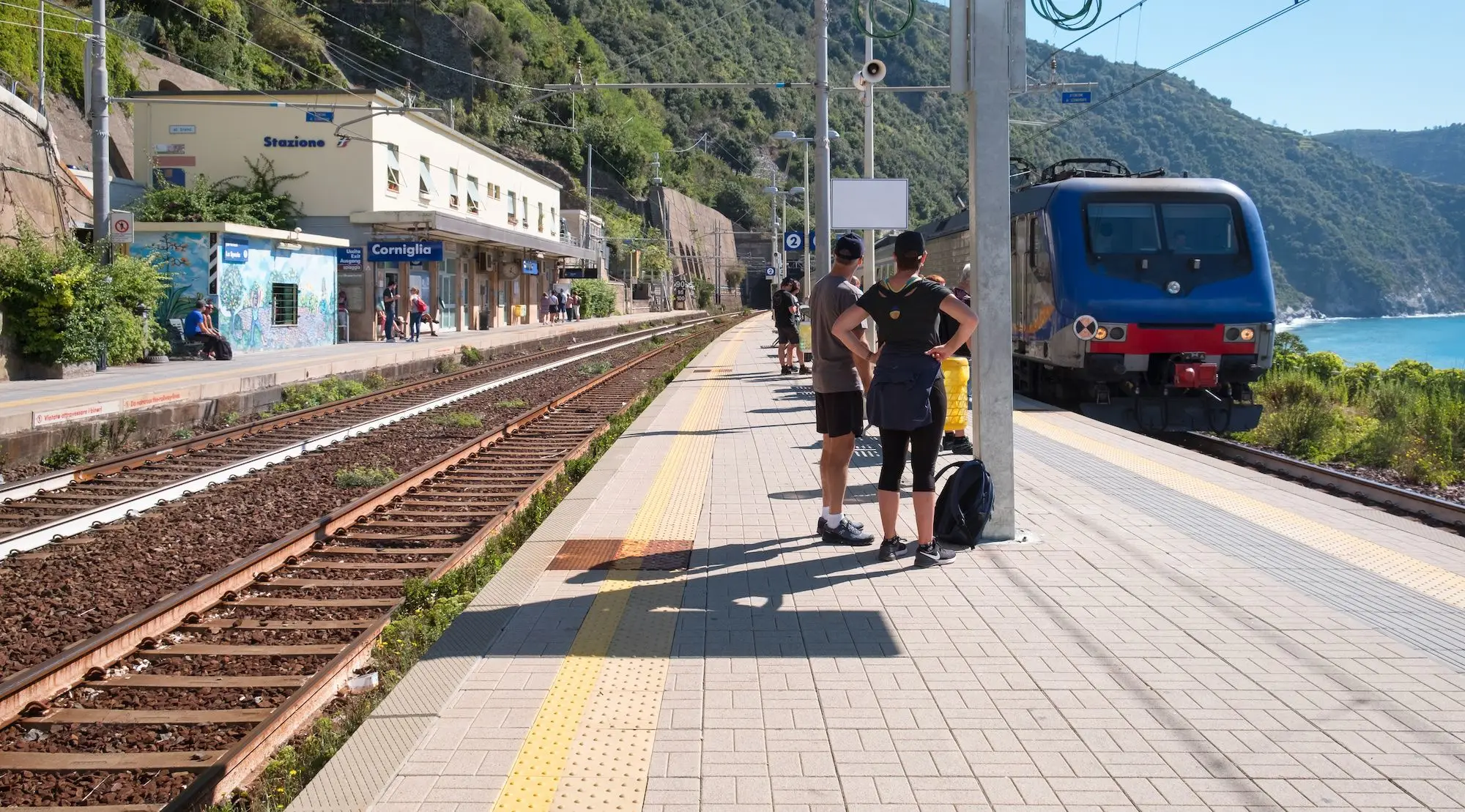
Transfer to Rail Station

To Be Determined — Transfer to Rail Station

10:10 - 13:55 — Train to Milan

Your 3-hour rail journey to Milan will first travel up the Ligurian coast. While much of the journey along the coast will be through tunnels, you will still see some spectacular scenery, especially within the Cinque Terre. You'll then cross the farmlands of the Lombardy and Emilia Romagna regions to reach Milan. Depending on where you are staying, you may first need to take the local train (the "Cinque Terre Express") to Monterosso on the northern end of the Cinque Terre, and then switch to an Intercity train that connects you to Milan. If you are staying in La Spezia or Monterosso, you should be able to travel on one train all the way to Milan.

1:55 PM — Transfer from Rail Station

Most trains arrive in Milano Centrale station, the largest station in the city. Before spending money on a transfer, be sure to check whether your hotel is within easy walking distance. Also, consider that public transport is the cheapest and sometimes fastest option. Taxis are available at all rail stations but some are known for taking advantage of tourists so you may want to agree on a price before getting into the taxi or choose public transport during peak hours when there may be heavy traffic if you want to save money. However, if you prefer the convenience of not carrying your bags on public transport, they are an option. Some private transfers even meet you directly on the platform to help with bags. Uber is also available for those with the app.

Late Afternoon — City Center

Milan's city center is by no means small, but it is conveniently compact, making it very easy to explore a multiple of attractions one after the other. It is also home to some of the city's blockbuster sights, with the magnificent Duomo sat right at its heart. From its large piazza, you can choose to explore its luxurious shopping scene, visit some of the city's world-class art, see Milan's famous Scala theatre or simply sit in one of the street side cafes and watch some of Milan's best-dressed citizens come and go.

Galleria Vittorio Emanuele II

Take a stroll through this ornate covered shopping mall that was completed in 1877.

Known as the "drawing room" of Milan, due to its numerous shops and importance as a common Milanese meeting and dining place, the Galleria Vittorio Emanuele II is Italy's oldest active shopping mall and a major landmark in the city. It is one of the most magnificent shopping arcades in the world, home to some of the most luxurious boutiques and brands including Prada, Armani, Gucci.

La Scala Opera House

Take a tour or experience an opera or ballet in this world-famous opera house.

Considered one of the most important and famous theatres in the world, known as the ‘Temple of Opera’, La Scala has hosted the most revered names in the world of music and theatre. Many famous operas have had their first production in La Scala, such as Othello, Nabucco by Verdi or Madame Butterfly by Giacomo Puccini. While seeing a performance is the best way to experience the theater, visiting the Theatre Museum or taking a guided tour which includes the museum are also great options. In addition to a large collection of paintings, busts, costumes, and other objects related to the world of opera and theater, you will get to see parts of La Scala which are otherwise off limits, like the boxes. Unless a rehearsal or show is in progress, visitors can even watch the set-moving machinery in action. 

Corso Vittorio Emanuele II

Stroll down one of Milan's longest shopping streets, home to a plethora of high street brands.

One of the fashion capitals of Europe, Milan is as stylish as they come, so its no wonder that it is a haven for shopping. While there are numerous shopping streets in Milan Corso Vittorio Emanuele II holds the 1st place as the most popular place to shop in the city. Named after the great Vittorio Emanuele II, the first king of United Italy, its spacious porticoed pavements in a wholly pedestrianized area means it has become the favorite city stroll for citizens and tourists alike.

Museo del Novecento

Take your time in this fascinating 3-floor modern art museum located on the Piazza del Duomo.

Opened in 2010, the Museo del Novecento houses a dedicated exhibition displaying Milan’s superb collection of 20th-century art. Built around a futuristic spiral ramp (an ode to the Guggenheim), the lower floors are cramped, but the heady collection features over 4000 masterpieces from Italian and international artists. On view are paintings by Picasso, Modigliani, Mondrian, Kandinsky, Boccioni, Carrà, Soffici, de Chirico, Sironi, Martini, Morandi, Fontana, Manzoni and Kounellis to name a few. There is even a highly-rated bistro on the 3rd floor with good views of the Duomo of Milan. 

Early Evening/Evening — The Navigli Canals

Although far from Italy's surrounding seas, Milan, much like Venice, was for many centuries a navigatable city due to an intricate system of canals. In their heyday, the Navigli canals formed a 100 mile (150 km) long network that connected the city with the rivers and lakes in the Lombardian region, including Lake Maggiore, Lake Como, the Ticino River and the Po River. Built between 1177 and 1257, the canals were primarily used for transporting goods, such as blocks of marble that were used to construct the city’s marvellous buildings. Today, little remains of its waterway history, but the first stretch of the Naviglio Grande can still be visited. It is now lined by canal-side cafes, making it one of the city's trendiest areas. The Navigli neighborhood as a whole was until recently a working-class district with a few rough edges, but now you'll find small boutique shops alongside popular pubs and excellent restaurants serving authentic Milanese cuisine. You'll also find plenty of outdoor bars perfect for a late afternoon aperitivo and numerous art studios and little galleries hidden amongst small courtyards and side streets. Sunset on the Naviglio is one of the most popular times to visit, therefore it may be wise to book a table ahead of time if you are planning on visiting in the summer seasons.

Antico Lavatoio

Check out an intact centuries-old laundry washhouse that was used up until the 1950s.

Running alongside a small ravine, this small historic wash-house remains relatively intact. Women would kneel beside the stone stalls that are still visible to clean the clothes before washing and rinsing in the stream that is fed by the waters of the main Naviglio Grande Canal. Its an understated but beautiful reminder of the daily life of "old Milan". 

image

Day 17

Cinque Terre to Milan

image

Day 18

Milan

Day 18

Milan

icon
icon
icon

9:00 AM - 12:00 PM

Guided Walk in Milan

Milan is the center of business and the capital of Italian fashion, but it also has an ancient heritage and a fascinating history; here you find some of the greatest masterpieces of Italian art! Together with your guide, you’ll explore the magnificent Duomo, Galleria, Scala opera house, merchant square, financial district, food street, and Sforza Castle.

Guided Walk in Milan

9:00 AM - 12:00 PM — Guided Walk in Milan

Milan is the center of business and the capital of Italian fashion, but it also has an ancient heritage and a fascinating history; here you find some of the greatest masterpieces of Italian art! Together with your guide, you’ll explore the magnificent Duomo, Galleria, Scala opera house, merchant square, financial district, food street, and Sforza Castle.

Galleria Vittorio Emanuele II

Take a stroll through this ornate covered shopping mall that was completed in 1877.

Known as the "drawing room" of Milan, due to its numerous shops and importance as a common Milanese meeting and dining place, the Galleria Vittorio Emanuele II is Italy's oldest active shopping mall and a major landmark in the city. It is one of the most magnificent shopping arcades in the world, home to some of the most luxurious boutiques and brands including Prada, Armani, Gucci.

La Scala Opera House

Take a tour or experience an opera or ballet in this world-famous opera house.

Considered one of the most important and famous theatres in the world, known as the ‘Temple of Opera’, La Scala has hosted the most revered names in the world of music and theatre. Many famous operas have had their first production in La Scala, such as Othello, Nabucco by Verdi or Madame Butterfly by Giacomo Puccini. While seeing a performance is the best way to experience the theater, visiting the Theatre Museum or taking a guided tour which includes the museum are also great options. In addition to a large collection of paintings, busts, costumes, and other objects related to the world of opera and theater, you will get to see parts of La Scala which are otherwise off limits, like the boxes. Unless a rehearsal or show is in progress, visitors can even watch the set-moving machinery in action. 

Sforzesco Castle

A huge Medieval-Renaissance fortress with a number of interesting history and art museums

The Sforzesco Castle, one of the most popular monuments in Milan, has undergone various and complex transformations over the centuries; it has been defense fortress, military barracks, private residence and now a center of cultural institutions with several specialized museums and galleries that hold important fragments of Milan's cultural and civic history.

Afternoon — Milan Cathedral

The Duomo of Milan is the last of Italy's great Gothic structures. Standing proud in the spacious Piazza del Duomo, this behemoth church is one of the world's largest Gothic cathedrals, and by far the most visited sights in Milan for tourists. Step inside and visit its interior before climbing up its stairs or riding the elevator to its terraces, where you can enjoy stunning views of the Milan cityscape and spires up close.  Note that entrance to the Duomo and Terraces are by paid admission only. During high season, we recommend purchasing advanced tickets to save you time in Milan.

Museum of the Milan Cathedral

Learn about the history of Milan's Duomo's and see some of its statues and tapestries up close.

Museo del Duomo (Duomo Museum) is the museum of Milan’s striking cathedral. The duomo-centric museum which was inaugurated in 1953 features an impressive collection of statues, tapestries, embossed pieces, terracotta scale models, graphic material, paintings and wooden models from the six centuries of the Duomo's inestimable heritage. Completely refurbished in 2013, the Museo del Duomo extends over a surface area of two thousand square meters in the building next to the Palazzo Reale.

Late Afternoon/Early Evening — Sforzesco Castle

The Sforzesco Castle is one of the most popular monuments in Milan. It has undergone various transformations over the centuries; it has been a defensive fortress, a military barracks, and a private residence. Today it is a center of cultural institutions and contains several specialized museums that hold important fragments of Milan's cultural and civic history. Located behind the castle is Parco Sempione, Milan's largest English style park, where you'll also find one of the best lookout towers in the city.

Fontana di Piazza Castello

Check out the "wedding cake", a large fountain located in front of the Sforzesco Castle.

In the center of Piazza Castello you cannot miss the fountain called "turta di spus” (a nickname derived from its round, flat shape topped with a fan-shaped jet that makes it look like a wedding cake). Not only a beautiful site, the fountain is also a historical reminder of a troubled era. It was constructed and placed in the piazza in the late thirties in the height of Fascist rule. The original fountain was commissioned by the electricity company AEM for Mussolini's visit to Milan. It was removed in 1959 and stored away so the red metro line could be built underneath, and was restored to its original glory in 1999. 

Parco Sempione

Relax in Milan's garden oasis located behind the grand Castello Sforzesco.

Parco Sempione is the biggest park in the heart of the city. This large English-style park is entirely fenced in and includes numerous recreational areas. It owes its name to its position along the line that leads through the Arco della Pace from the Milano Duomo to the high mountain pass between the Pennine Alps and the Lepontine Alps in Switzerland. The park has an overall area of over 47 hectares with various species of trees, bushes and flowers dispersed among its many vivid green lawns and a pretty artificial lake, which houses numerous kinds of birds.

Torre Branca

Ascend to the top for sweeping city views of Milan, and on clear days, even the Alps!

An often overlooked sight but one that provides the best view over Milan is the Torre Branca located to the west of the Parco Sempione. The tower is one of the highest structures in the city at 108 meters tall. The modern lift within the tower allows people to ride to the top in less than one minute. On clear days, from the 18,5-meter-wide platform, you can see a nice portion of the Lombard plains, the Alps, and the Apennines, in addition to the entire Milanese skyline. 

image

Day 18

Milan

image

Day 19

Milan

Day 19

Milan

icon
icon
icon

9:30 AM - 12:30 PM

Cultural Culinary Guided Walk

During your 3-hour food tour, walk along the food street and stop by a special deli, where the best Italian food is on display. Head to Eataly where you can see how Pasta, Ravioli, and bread are made by an important local Eataly Partner, in the morning you can also see how mozzarella and chocolate are made.

Cultural Culinary Guided Walk

9:30 AM - 12:30 PM — Cultural Culinary Guided Walk

During your 3-hour food tour, walk along the food street and stop by a special deli, where the best Italian food is on display. Head to Eataly where you can see how Pasta, Ravioli, and bread are made by an important local Eataly Partner, in the morning you can also see how mozzarella and chocolate are made.

Mid-Day to Late Afternoon — Brera District

Brera is the artistic heart of the city. Its tightly-packed together cobbled lanes and ancient buildings are a reminder that Milan was not always the modern metropolis that it is today. At the heart of the neighborhood, you'll find the Pinotecca di Brera (National Gallery), home to Italy's biggest collection of paintings of the 15th & 16th century. Indeed, Brera has been synonymous with art ever since the romantic artists of the 19th century turned the quarter into a hub of Bohemianism. Around the gallery you'll find some of the city's most fashionable boutique shops, and a host of trendy bars and restaurants, making it an area to be seen when the sun sets.

Pinacoteca di Brera

Discover the many masterpieces of Milan's largest and most famous art gallery.

The Pinacoteca di Brera is the National Gallery of Milan, home to Italy's biggest collection of paintings of the 15th & 16th century. There are over 400 priceless works dating from the 14th to the 20th century by master painters such as Piero della Francesca, Raphael, and Caravaggio. For art lovers, this is a must-visit, with a trove of artistic treasures to gaze upon and admire. 

Via Fiori Chiari

Stroll down this picturesque pedestrian street lined by restaurants and high-end boutiques.

This cobblestone street is lined by luxury boutiques, highly-rated restaurants, cafes, and antique shops. Numerous planter boxes filled with flowers and other greenery add an extra touch of color to the setting. Of course it's a must for shoppers, but for those who aren't, be sure to take a stroll along the street anyhow, as it is worth it even just to get a glimpse of the architecture and streetlife. Alternatively, return here for lunch or early evening for an aperitivo, especially in the warmer months when the street is lined with chairs and tables outside. A perfect spot to drink an Aperol Spritz!  

Early Evening to Late Evening — Concert, Self Guided

Milan knows how to satisfy all types of tastes; lyric, theatre, entertainment, music, and all sorts of artistic expression find their place in the city. As the city of Verdi, Milan has welcomed some of the world's most famous classical musicians for over two centuries and boasts one of the most famous opera houses in the world, the La Scala Theatre. You can enjoy a night out at this iconic theatre where famous opera singers such as Maria Callas, Renata Tebaldi, Giulietta Simionato, Mirella Freni and Luciano Pavarotti have performed. Milan also hosts a variety of music festivals and fashion events during the year and for those interested. You may also wish to head to nearby Verona for the annual Opera Festival.

La Scala Opera House

Take a tour or experience an opera or ballet in this world-famous opera house.

Considered one of the most important and famous theatres in the world, known as the ‘Temple of Opera’, La Scala has hosted the most revered names in the world of music and theatre. Many famous operas have had their first production in La Scala, such as Othello, Nabucco by Verdi or Madame Butterfly by Giacomo Puccini. While seeing a performance is the best way to experience the theater, visiting the Theatre Museum or taking a guided tour which includes the museum are also great options. In addition to a large collection of paintings, busts, costumes, and other objects related to the world of opera and theater, you will get to see parts of La Scala which are otherwise off limits, like the boxes. Unless a rehearsal or show is in progress, visitors can even watch the set-moving machinery in action. 

image

Day 19

Milan

image

Day 20

Milan

Day 20

Milan

icon

Early Morning to Mid-Day

Excursion to Lake Como

Often cited as the most picturesque lake in Europe, Lake Como has enchanted artists and travelers for centuries and it's easy to see why. Tucked away in the foothills of the northern Italian Alps, Lake Como is the perfect day trip destination from Milan, offering the perfect chance to escape the hustle and bustle of city life. Discover some of the picturesque lakeside villages, take a thrilling boat ride across the lake, or explore the many grand villas and beautiful gardens.
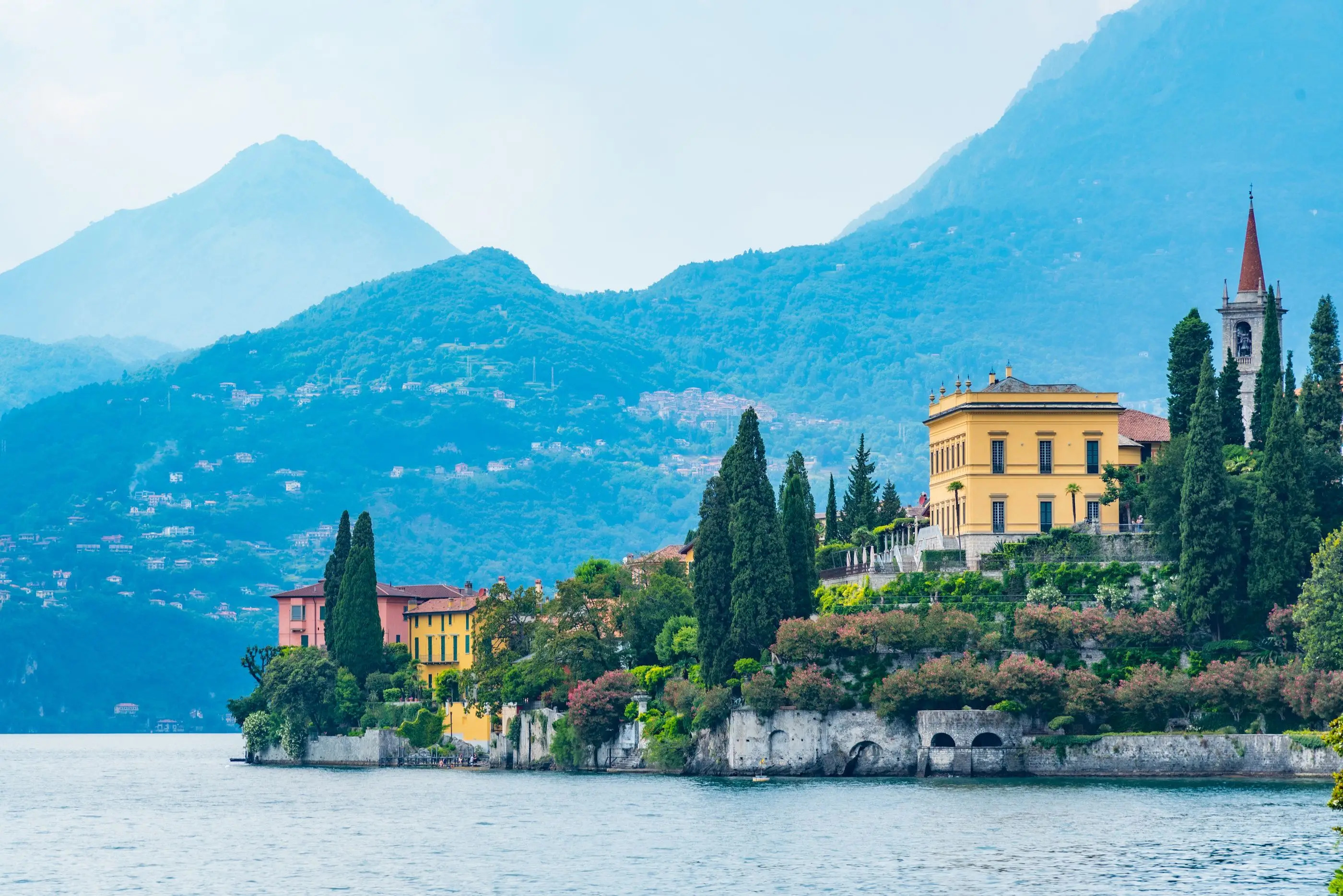
Excursion to Lake Como

Early Morning to Mid-Day — Excursion to Lake Como

Often cited as the most picturesque lake in Europe, Lake Como has enchanted artists and travelers for centuries and it's easy to see why. Tucked away in the foothills of the northern Italian Alps, Lake Como is the perfect day trip destination from Milan, offering the perfect chance to escape the hustle and bustle of city life. Discover some of the picturesque lakeside villages, take a thrilling boat ride across the lake, or explore the many grand villas and beautiful gardens.

Cathedral of Como

Admire the wonderful details of this grand Duomo which incorporates architectural styles from across five centuries.

The imposing cathedral (Duomo) is located in the heart of Como's medieval walled city. Built between 1300 and 1744, the cathedral brings together elements of several architectural styles, including the late Gothic structure, the Renaissance facade, and the imposing Baroque dome. The front façade boasts an abundance of ornate stonework and stone statues, and is topped with a series of small decorative towers. The interior is also lavishly decorated. The standout feature is a central dome covered with gold artwork and other beautiful decor.

Villa Melzi

Wander through the magnificent lakeside gardens which surround this beautiful white villa in Bellagio.

The town of Bellagio was fought over in wars between Como and Milan, but most of the time, it has been a destination of pleasure and leisure since late Roman times. For this reason, Napoleon decided to reward one of his generals, Francesco Melzi, with the white neo-Classical Villa Melzi. Located to the south of the Bellagio, it is visited primarily for its spectacular gardens, embellished with ancient artefacts such as an Etruscan urn that dates back to the 3rd Century BC and two ancient Egyptian sculptures.

Villa Monastero

Visit a villa that began as a peaceful lakeside convent and was later transformed into a luxurious residence.

Built-in various styles (Baroque, Classic and Moresque), the origins of the Villa Monastero in the town of Varenna stretch back to the 12th century, when it was founded as a Cistercian convent. The estate was purchased by Paolo Mornico in 1569, using his fortune amassed through iron mining. He then transformed it into a very elaborate aristocratic residence, while retaining some beautiful elements from the convent. These days the villa is now used as an international conference center and wedding venue. Luckily for visitors, the gardens are open to the public and there is also a House Museum, which features 14 lavish rooms filled with period furniture, refined decorations, and luxurious furnishings.

Villa Cipressi

Explore the lush gardens surrounding this villa and enjoy stunning lake views from its terraces.

Just a short distance from Villa Monastero, you'll find the Villa Cirpressi, a grand villa built between the 15th and 19th century which offers great architectural elements of late Renaissance and fine Neoclassical features. Aside from the villa which is now a 4-star hotel, it is home to another manicured lakeside garden. Smaller in size, the centuries-old gardens are open to the public to visit, offering a journey of perfumes and magical sensations that go beyond a normal botanical garden. The terraced garden overlooking the lake deserves a visit, especially for anyone interested in nature. 

Lake Como Funicular

Ride a 19th Century funicular up the mountainside above Como to enjoy beautiful views over Lake Como.

Lake Como is surrounded by beautiful hills and mountains, and while it’s definitely possible to hike up the steep incline on foot, most people opt to ride on the Brunate Funicular, which brings riders to the small town of Brunate in just 7 minutes. The Funicular Railway has linked Lake Como and Brunate since 1894 and is still the quickest way of travelling between these two towns. A trip on the railway offers stunning views and an opportunity to see panoramic views of rural Como, all whilst having an enjoyable jaunt on a train!

Cruise on Lake Como

Take a liesurely private sail, enjoy a lake cruise, or villa hop by ferry.

One good way to combine a lake cruise with visits to the best villas and prettiest towns is to use the lake ferries. Just take the train from Milan to Varenna and then when you're done there, catch a ferry across the lake to Bellagio. From Bellagio you can take another ferry to Como, where you can catch a train back to Milan. If you go straight to Como, from April to October there are leisure boats offering 30-minute journeys along the nearby shoreline. With a high number of tourists, boats leave quite frequently and are very affordable at around 5 Euros per person. The better boats will point out sites of interest along the way, including spots where famous movies were filmed. If you want a truly special experience, you can also hire a private tour on a sail boat or small motor yacht. You'll feel like a real movie star as the you glide across the blue waters of the lake and wave to your fellow celebrities in the passing boats.

Bellagio

Visit Lake Como's most famously beautiful lakeside town.

It is impossible not to be smitten by Bellagio's picturesque waterfront, bobbing boats and its maze of stone staircases, alleys, and cypress tree groves, and you may want to spend the most time during your day trip here. Bellagio has been a favored summertime resort since the Roman Times, and very little has changed, with Italians and tourists heading to the lakes for a cooler (but still incredibly warm) climate, away from the sweltering heat of the cities.

image

Day 20

Milan

image

Day 21

Depart Milan

Day 21

Depart Milan

icon

To Be Determined

Private Milan Malpensa Airport Transfer

A car service will pick you up from your hotel and deliver you to Milan Malpensa Airport for your flight departure. This is a private transfer just for your travel party, and you will not need to pay the driver for the transfer, as it is already included in the cost of the itinerary. IMPORTANT NOTE: Please be aware the car service can fit up to 1 checked item of luggage and 1 personal item per person, such as a purse or small backpack. If you think you will have more baggage, please inform your travel consultant as this may result in an additional fee.

Private Milan Malpensa Airport Transfer

To Be Determined — Private Milan Malpensa Airport Transfer

A car service will pick you up from your hotel and deliver you to Milan Malpensa Airport for your flight departure. This is a private transfer just for your travel party, and you will not need to pay the driver for the transfer, as it is already included in the cost of the itinerary. IMPORTANT NOTE: Please be aware the car service can fit up to 1 checked item of luggage and 1 personal item per person, such as a purse or small backpack. If you think you will have more baggage, please inform your travel consultant as this may result in an additional fee.

image

Day 21

Depart Milan

What's Included in the Italy’s Grand Tour Trip Trip?

Fork

Pre-Paid Tours and Activities:

  • 'First Walk' Guided Tour in Venice
  • Venice For Foodies: Cooking Class or Culinary Tour
  • Half Day Excursion to San Gimignano and lunch stop at a local vineyard
  • Tuscan Cuisine Cooking Class
  • Heart of the Empire - Private Tour of Ancient Rome & the Colosseum
  • Twilight Trastevere Group Food Tour
  • Guided Vatican Tour Including the Sistine Chapel
  • Best of Milan Private Walking Tour
  • Cultural Culinary Guided Walk in Milan
  • City Cards for Cinque Terre and Rome, including discounts to many popular attractions
train

Pre-Paid Transportation:

  • 2nd Class Train Tickets from Venice-Florence
  • 2nd Class Train Tickets from Florence to Roma Termini-Fiumicino
  • 2nd Class Train Tickets from Rome to LaSpezia
  • 2nd Class Train Tickets from La Spezia Centrale -Milan
  • Public Transport Tickets for Venice, Rome, and Cinque Terre
  • Private Transfer from Rome Termini Rail Station
  • Private Transfer to Rome Termini Train Station
  • Private Transfer to Milan Malpensa Airport
train

Accommodation:

  • 4 nights at a hotel of your choice in Venice
  • 4 nights at a hotel of your choice in Florence
  • 5 nights at a hotel of your choice in Rome
  • 3 nights at a hotel of your choice in Cinque Terre
  • 4 nights at a hotel of your choice in Milan
mobile

Go Real Travel Mobile App:

  • Itinerary Plan & Reservations Info
  • Points of Interest
  • Detailed Travel Information
  • Maps & Directions

Other Trips You May Like

Italian Highlights and Culinary Delights with Gabriella-Maria

10 Days

From$4600USD

Italian Highlights and Culinary Delights with Gabriella-Maria

View Trip
The Essence of Italy: From Ancient Wonders to Scenic Beauty

14 Days

From$3847USD

The Essence of Italy: From Ancient Wonders to Scenic Beauty

View Trip
Relaxed Winter Trip to Italy: Venice, Milan, Florence, & Rome

12 Days

From$2999USD

Relaxed Winter Trip to Italy: Venice, Milan, Florence, & Rome

View Trip
Italian Elegance: 15 Days of Wine, Dine & Cultured Shine

15 Days

From$4266USD

Italian Elegance: 15 Days of Wine, Dine & Cultured Shine

View Trip
The Magnificent Four: A 12-Day Italian Journey through Rome, Florence, Venice & Milan

12 Days

From$3175USD

The Magnificent Four: A 12-Day Italian Journey through Rome, Florence, Venice & Milan

View Trip
Eternal Italy: A Family Journey Through History in Rome, Florence & Venice

10 Days

From$2600USD

Eternal Italy: A Family Journey Through History in Rome, Florence & Venice

View Trip
A Perfect 10-Day Itinerary for Exploring Rome, Florence, and Milan

10 Days

From$2749USD

A Perfect 10-Day Itinerary for Exploring Rome, Florence, and Milan

View Trip
Dreaming the Italian Classics: A 10-day voyage through Rome, Florence & Venice

10 Days

From$4033USD

Dreaming the Italian Classics: A 10-day voyage through Rome, Florence & Venice

View Trip
2-Week Tour of Rome, Florence, Venice, & Italy's Scenic Countryside

14 Days

From$3559USD

2-Week Tour of Rome, Florence, Venice, & Italy's Scenic Countryside

View Trip

Featured Blogs

The 8 Most Romantic Places You Should Visit in Italy
Italy
Romantic

The 8 Most Romantic Places You Should Visit in Italy

16 Most Romantic Destinations in Europe
Europe
Romantic

16 Most Romantic Destinations in Europe

18 Most Beautiful Towns & Villages in Italy
Italy
Villages

18 Most Beautiful Towns & Villages in Italy

10 European Cities to Visit in Winter
Europe
Seasonal guide

10 European Cities to Visit in Winter

12 Most Beautiful Towns and Villages in Tuscany
Italy
Villages

12 Most Beautiful Towns and Villages in Tuscany

How to Plan the Perfect Family Trip to Europe
Europe
Family

How to Plan the Perfect Family Trip to Europe

11 Tips for First Time Travelers to Europe
Europe
Travel tips

11 Tips for First Time Travelers to Europe

Our Customers Say It Best

Malini Dutta, Boston, Massachusetts
We can't thank you enough for the detailed plans, maps, and suggestions. It really felt that someone was holding our hands and showing us around. We had all the excitement of discovering foreign lands, with none of the problems that can happen while negotiating unfamiliar places. In fact, all the cities felt like home within a few hours of arriving and exploring.
Bev and Mark Frankel, Williamsburg, Virginia
We could not be more pleased with Go Real Travel! You took the guess work out of things like public transport but still managed to allow us the freedom to tour as we wanted. Our guides were exceptional and every time I saw a Viking Cruise tour of 25 people, I realized the quality experience we were getting with Go Real.
Marianne Strydom, Paarl, South Africa
I just wanted to thank you for organizing an amazing trip for me – I packed in so much in such a short period of time and everything was just perfect. The way you do things makes it possible to really get to know the destination, which for me as a travel agent could not have been better.
Otto Chuy, Los Angeles, California
I am still surprised how everything worked as planned, without a hitch. All instructions in your itinerary were precise and correct. Your suggestions and comments in each of the locations we went to were very helpful. All your guides, without exception, were wonderful and exactly on time.
Go Real Travel, Inc. BBB Business ReviewASTA Member

Explore cities in more detail

gondola ride on a canal in venice italy

Venice

Venice is a city with no equal. Built on a series of islands on a lagoon, it was once a powerful city-state. Echoes of that old magnificence can be seen everywhere here, from the stunning buildings that rise out of the canals, to the bridges that arc across them.   Take a Gondola ride through the canals that form the city’s veins, or wander through the winding streets drinking in the sights. You’ll see Venice attracts tourists in huge numbers, and that’s with good reason. It’s home to a seemingly limitless amount of art, culture, history, and architecture. St Mark’s Basilica, the Doge’s Palace, and the Campanile di San Marco just barely scratch the surface. There’s a 700-year-old market, Rialto, which is still open today. The Ponte di Rialto bridge connects the neighborhoods of San Marco and San Polo, stretching across the Grand Canal.   Venice has weathered the last several centuries with elegance and pride, a place that will surpass even your highest expectations.

Florence Italy Skyline with Duomo

Florence

Culture and history are thick in the air in Florence. Located on the banks of the Arno River in Tuscany, Florence’s past is deeply compelling. The birthplace of the Renaissance, Florence is where innovators like Dante, Machiavelli, Michelangelo, and Da Vinci made their fortunes. Centuries of art, politics, and commerce have left their mark on every stone in this Northern Italian city.  In the 15th and 16th centuries, Florentine banks funded new enterprises that went on to change the history of the world. Powerful families like the Medici’s financed some of the finest art in history and pioneered new ways of doing statecraft and politics. As you stand in the Piazzale Michelangelo and gaze upon the city below it’s hard to take it all in at once. It feels like behind every door in Florence might hide a work of genius. Michelangelo’s David and Botticelli’s Primavera can be found just a short walk away. After a long day wandering the streets and gazing at art, fueled by exquisite coffee and gelato, relax like the locals do: with a glass of some of the best wine in the world.

sunset over colosseum in rome italy

Rome

One of the must-sees of Italy, and indeed all of Europe, Rome is a city with history flowing through its veins. There is an endless amount to see, do, and learn here, with something for every taste and disposition. Rome was the center of Western civilization for a Millenium and during that time, accumulated a list of historical and cultural treasures that no other destination can truly match. The Pantheon, Colosseum, Roman Forum, and Cirus of Maxentius are just a few examples of what can be seen and experienced in Rome, which at times feels more like a giant outdoor museum than a city. At Rome’s heart, you’ll find the Vatican, home of the Roman Catholic Church and the Pope. Here visitors can see the legendary Sistine Chapel. Transcending a mere building, the chapel is a walk-in work of art. Although historical sights can be found on just about every corner, it’s entirely possible to fill a day just wandering around Rome. The city’s charming streets and open Piazzas are filled with beautiful sights and places to sit, grab the best Cappuccino in the world, and enjoy the view.

Colorful Buildings of Manarola Village in Cinque Terre

Cinque Terre

Cinque Terre, a string of five fishing villages in the Liguria region of Italy, is a rare snapshot of a traditional way of life. Rustic and charming, these clusters of pastel houses clinging to steep Mediterranean cliffs hold a special allure.   Hiking between the five villages is a popular way to experience the rugged Mediterranean landscape close up. There are no roads here — the only other way to get between the villages is by boat or train.   Seafood, hauled in from the azure waters of the sea that laps against the rocky shore, is abundant and delicious here. It pairs well with the local wine, and perhaps a plate of olives. Cinque Terre is a place to take it slow, to breathe in the fresh sea air and bask in the balmy climate, many miles from the chaos and frenzy of the modern world.

lion monument in front of milan cathedral in italy

Milan

Milan is Italy’s most forward-looking city. An international center for fashion, fine dining, and design, it seems as though Milanese people breathe style. From the gleam on your wine glass to the twists of its cathedral’s spires, everything in Milan is finished to perfection. Home to the Italian stock exchange, a world-famous fashion industry, and a frantic business district, Milan is fast-paced and commercially minded. The shopping in Milan is second to none. At the Galleria Vittorio Emanuele II, one of the world’s oldest shopping malls, a glass-iron ceiling soars over brands like Louis Vuitton, Gucci, Massimo Dutti, and Amani. Along with the fashion, Milan’s cathedral, castle, and canals are also must-sees. But to view the city’s most prized possession - Leonardo da Vinci’s Last Supper, you must make an appointment. Tickets to view this mural sell out weeks in advance. It is truly a bucket-list worthy work of art. After a day taking in all the glamor and culture, take a seat in one of Milan’s well-appointed eateries. The Navigli Quarter is packed with restaurants, bars, and cafes, perfect for a relaxed Aperol spritz or pizza along the city’s canals. 

river and cityscape of the Slovenian capital Ljubljana.

Ljubljana

One of Europe's smallest capitals, Ljubljana is still Slovenia's biggest city. What it lacks in size, though, it more than makes up for in charm, beauty, and personality. It's also one of Europe's greenest cities and is perfect for a bike ride or a leisurely walk. With plenty of open spaces, gorgeous architecture, and cultural treats, it's easy to fill the time here. The Tromostovje, or Triple Bridge, is one of Ljubljana's main attractions, connecting the Old Town with the new. Excellent pizza can be found here, and a series of bars and cafes are dotted throughout the town and along the banks of the river. The anarchic Metelkova City reveals Ljubljana's grittier side, with art exhibitions and performances housed in a disused military barracks. Ljubljana is charm and beauty compressed neatly into a small and pretty space.
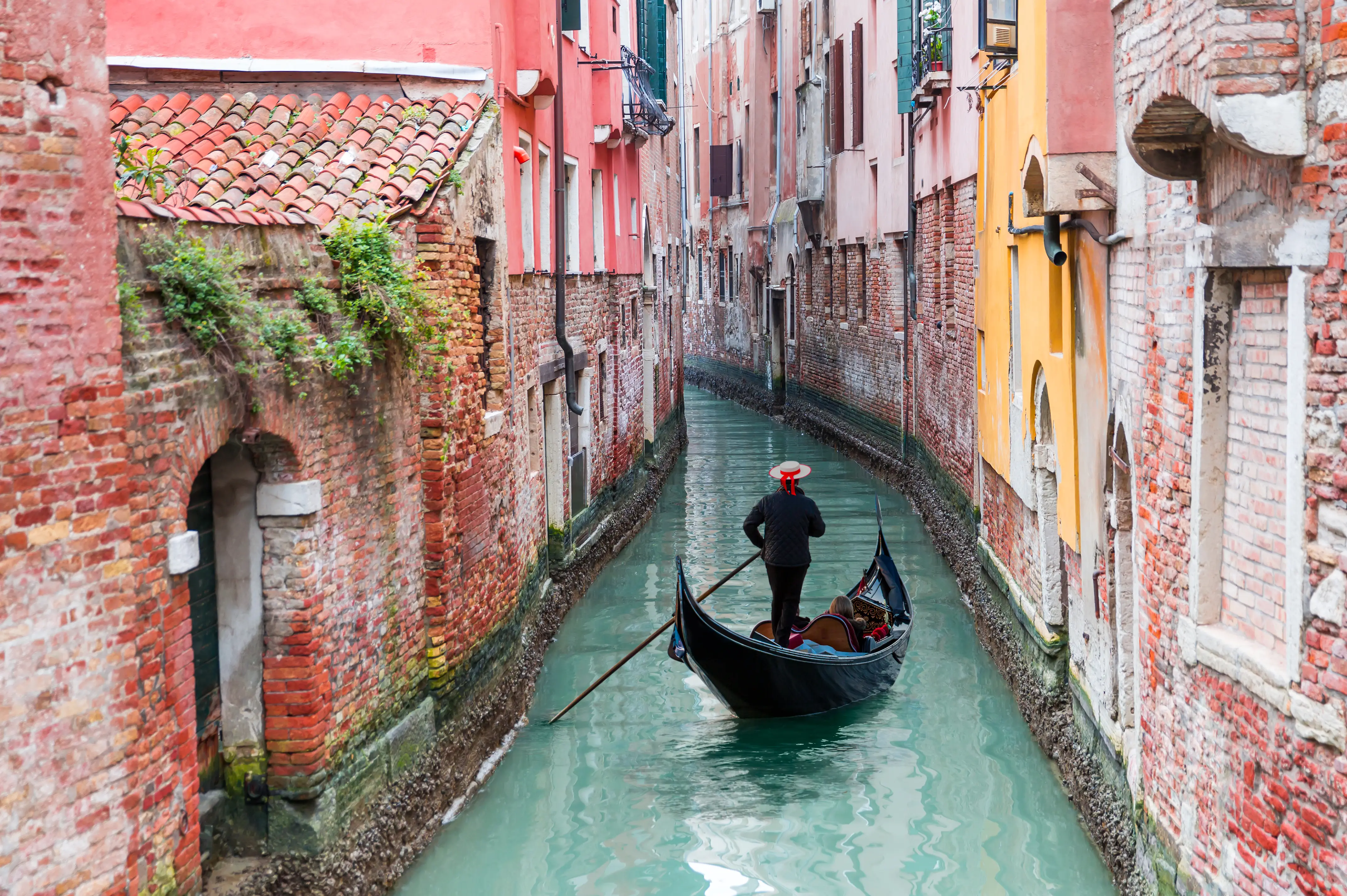
👋

Hi! Need help planning your dream trip? 🌍

Go Real Travel Assistant

Online

Welcome! Where are you in your journey?

Pick the option that fits you best so we can route you to the right help.