Overview
Overview
Overview
Overview
OverviewHi! Need help planning your dream trip? 🌍

This website uses ‘cookies’ to give you the best, most relevant experience. By using this website, you consent to our Privacy Policy
×Overview
Trip Map
Itinerary
Inclusions
Reviews


Must see sights


Starting from
per person
Enter your details to embark on a journey that can be tailored just for you.
Start
Travelers
Preferred Hotel Stars
Select your interests and destinations for a trip plan inspired by you.
| ← | Move left |
| → | Move right |
| ↑ | Move up |
| ↓ | Move down |
| + | Zoom in |
| - | Zoom out |
| Home | Jump left by 75% |
| End | Jump right by 75% |
| Page Up | Jump up by 75% |
| Page Down | Jump down by 75% |


Click To Make Map Interactive
Overview
Overview
Overview
Overview
OverviewArrival
2 nights
Venice
Italy
Train: 2.5h
Train: 3h
2 nights
Cinque Terre
Italy
Train: 1.5h
Train: 1.5h
3 nights
Florence
Italy
Train: 2h
2 nights
Rome
Italy
Departure

Day 1
Arrive Venice
Day 1
Arrive Venice
Mid-Day/Afternoon
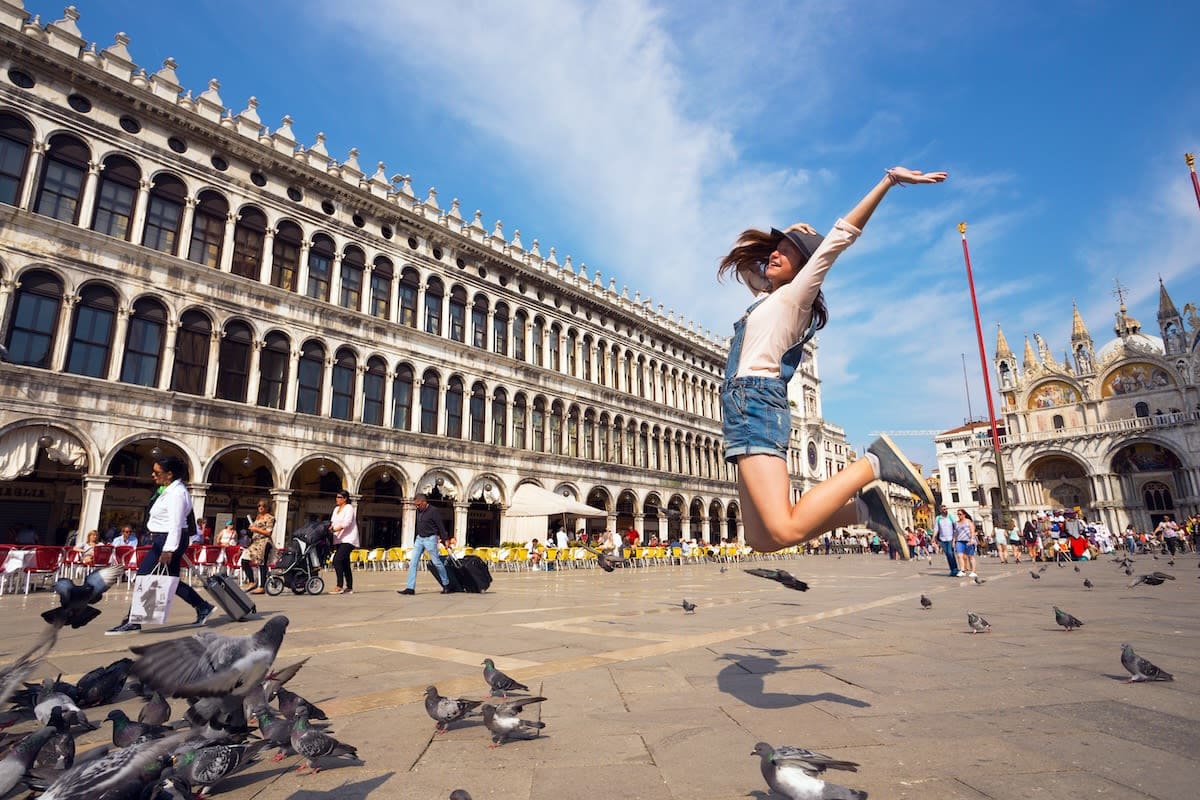
St Mark's Square was the embodiment of The Most Serene Republic of Venice's power and prestige, and as such contains its most magnificent public buildings: the extraordinary golden mosaic-encrusted basilica of St Mark's, the exquisite Doge's Palace, the all-seeing bell tower, the Bibliotecca Marciana library, and what is nowadays the famous Correr Museum. If timed correctly, it is possible to see all these sights on your own within half a day, although a guide can make the process much more efficient (and more educational as well). Keep in mind that the square is one of the most heavily touristed places in the world, so crowds and lines can be an issue. St Mark the Evangelist was not the patrion saint of Venice until 829 AD, when two Venetian merchants stole St. Mark's remains from their original resting place in a chuch in Alexandria, Egypt, and then smuggled the relics home trussed up in a canvas sheet. The pretext for the theft was that the Muslim conquerors of Alexandria were expected to defile and plunder the church. While this may have been true, it is no coincidence that bringing such an important saint's relics to Venice was hugely important politically and signaled Venice's place as a rising independent power. A church was built to house the relics, and St. Mark's Square was established as the spiritual and political heart of the city.

Explore the staterooms and masterpieces inside this famous Gothic-style Palace.
Show More
Check out a renaissance clock tower dating from 1499.
Show More
Take a fascinating journey through the history and art of Venice inside one of its most important museums.
Show More
Visit the magnificent monumental rooms of the Marciana Library, one of the oldest public libraries in Venice.
Show More
Browse the gallery to see some of the highlights

Ascend this reconstructed cathedral bell tower for amazing views over St Marks Square, St Mark's Basilica and the Venetian lagoon.
Show More
Step inside Venice's most sacred and famous landmark and admire the glittering mosaics of the basilica's domes.
Show More
Explore the staterooms and masterpieces inside this famous Gothic-style Palace.
Show More
Check out a renaissance clock tower dating from 1499.
Show More
Take a fascinating journey through the history and art of Venice inside one of its most important museums.
Show More
Visit the magnificent monumental rooms of the Marciana Library, one of the oldest public libraries in Venice.
Show More
Browse the gallery to see some of the highlights

Ascend this reconstructed cathedral bell tower for amazing views over St Marks Square, St Mark's Basilica and the Venetian lagoon.
Show More
Step inside Venice's most sacred and famous landmark and admire the glittering mosaics of the basilica's domes.
Show More
Explore the staterooms and masterpieces inside this famous Gothic-style Palace.
Show More
Day 1
Arrive Venice

Day 1
Arrive Venice
To Be Determined:
Private Boat Transfer
Mid-Day/Afternoon:
St Mark's Square
Late Afternoon:
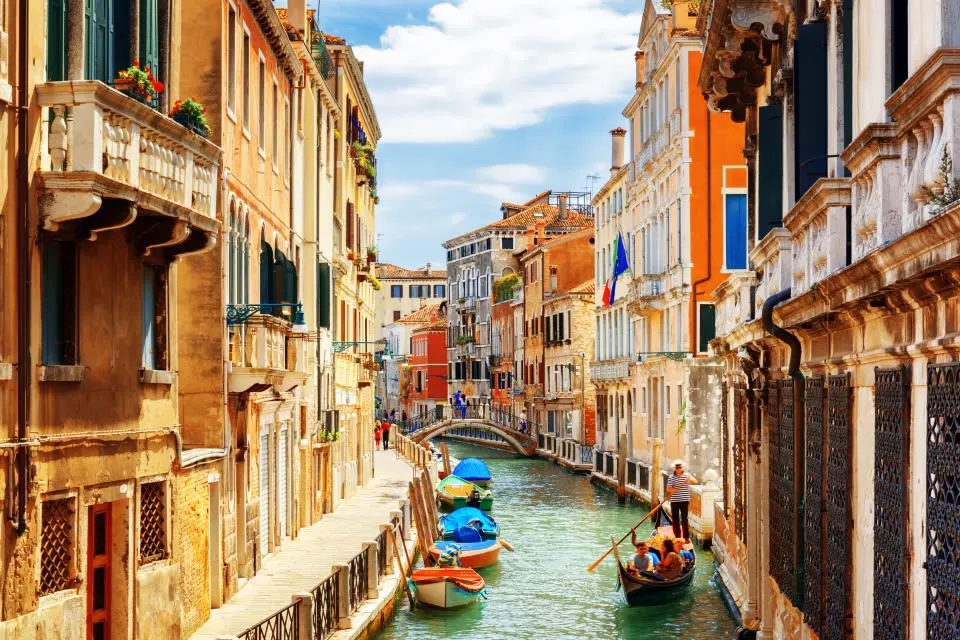
The Grand Canal
6:00 PM - 6:30 PM:
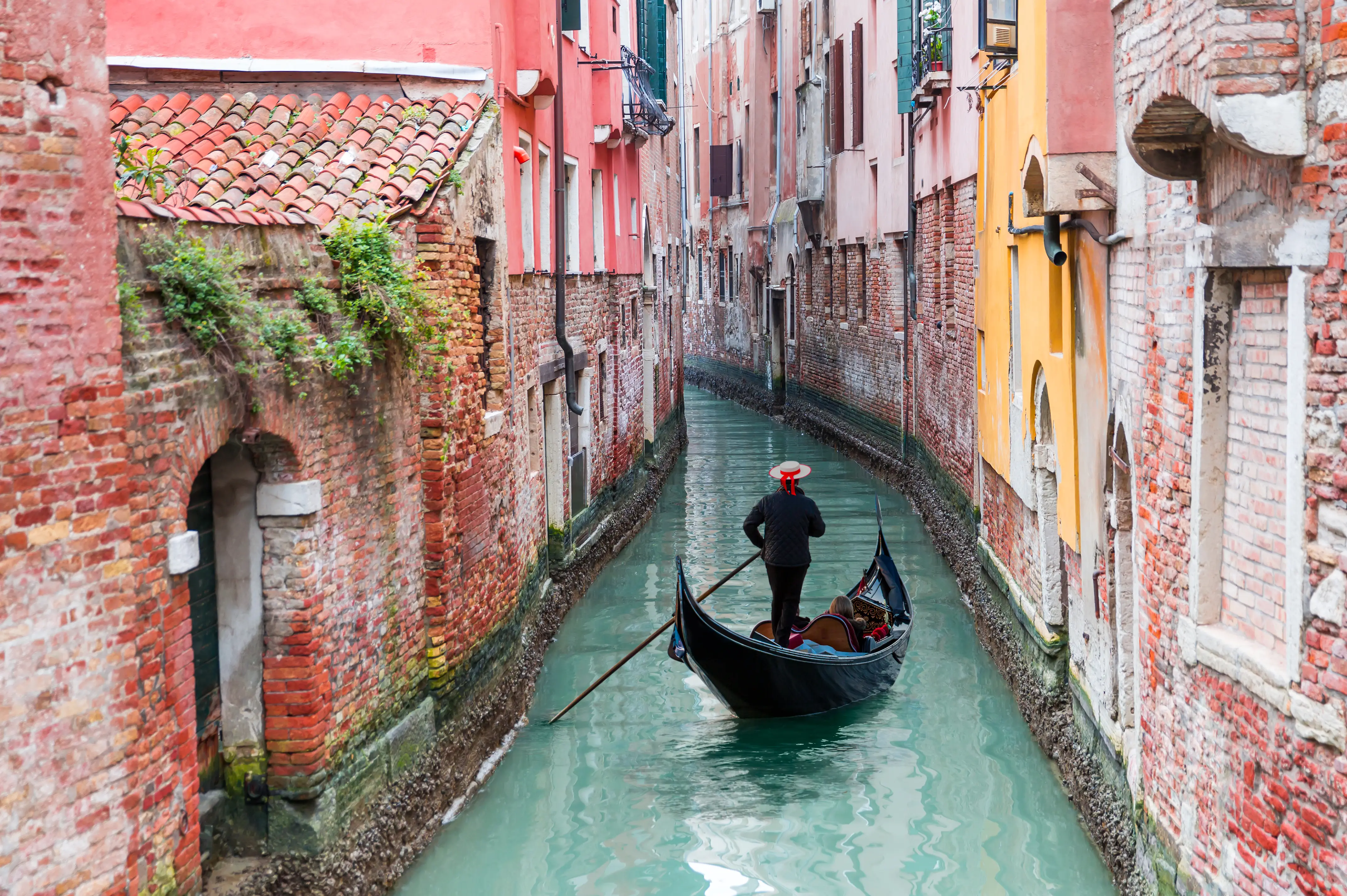
Gondola Ride


Doges' Palace
Highlight of St Mark's SquareExplore the staterooms and masterpieces inside this famous Gothic-style Palace.
Important Note: Entry lines can be very long. We suggest taking advantage of skip the line entry. As the name suggests, the Palace was the official residence of the Venetian rulers, the Doges, and the chief magistrates. The building was founded in the 9th century, but the present one dates from the 14th century. Tour its elaborate staterooms, grand halls and the 24-carat golden staircase before seeking out its collection of priceless masterpieces by Venetian artists including Titan, Veronese and Tintoretto. Be sure to spend some time in the most incredible room of all, the Chamber of the Great Council, the assembly hall where all Venetian patricians gathered to participate in the running of the city - up to 2,500 at any one time. There you will find the Doge's throne and the world's longest canvas painting in the world, Tintoretto's Il Paradiso.


Torre dell'Orologio
Highlight of St Mark's SquareCheck out a renaissance clock tower dating from 1499.
St Mark's Clocktower or the Moors' Clocktower is one of the most famous historical landmarks in Venice. Originally built during the 15th century, the clocktower features an elaborate clock that displays the signs of the Zodiac and the current phase of the moon. It played an essential part of daily life in historical Venice, with seafarers setting out from the Grand Canal replying on its time to decide when to head out to sea. You'll notice at the top of the tower, two bronze wild men. They ring the bell on the hour. One of the men is old, the other is young, representing the passing of time.


Correr Museum
Highlight of St Mark's SquareTake a fascinating journey through the history and art of Venice inside one of its most important museums.
Established in 1830, 33 years after Venice lost its independence, the Museo Correr depicts life and culture in Venice during its glory days of wealth and strength. Somewhat ironically given that the museum is dedicated to Venice's glory, the city's loss of independence made the collection possible, as many formerly wealthy Venetian families were forced to sell their treasures in the difficult conditions. Highlights in the museum include works by the famed Neoclassical sculptor Antonio Canova and a fine art collection that covers the work of many famous Venetian painters of the 13th to 16th centuries. Also fascinating are the collected antiquities from the city's long history, such as ship flags, nautical instruments, books, maps, and coins.


Library of St Mark
Highlight of St Mark's SquareVisit the magnificent monumental rooms of the Marciana Library, one of the oldest public libraries in Venice.
The Sansoviniana library, also referred to as National Marciana Library, is one of the biggest and most important libraries in Italy. Located in a beautiful Renaissance building opposite the Doge's Palace, it holds a number of valuable Greek and Latin manuscripts. The interior is richly decorated, with an impressive ceiling and a collection of Venetian paintings including works by Tintoretto and Veronese.


St Mark's Square
OverviewSt Mark's Square
St Mark's Square was the embodiment of The Most Serene Republic of Venice's power and prestige, and as such contains its most magnificent public buildings: the extraordinary golden mosaic-encrusted basilica of St Mark's, the exquisite Doge's Palace, the all-seeing bell tower, the Bibliotecca Marciana library, and what is nowadays the famous Correr Museum. If timed correctly, it is possible to see all these sights on your own within half a day, although a guide can make the process much more efficient (and more educational as well). Keep in mind that the square is one of the most heavily touristed places in the world, so crowds and lines can be an issue. St Mark the Evangelist was not the patrion saint of Venice until 829 AD, when two Venetian merchants stole St. Mark's remains from their original resting place in a chuch in Alexandria, Egypt, and then smuggled the relics home trussed up in a canvas sheet. The pretext for the theft was that the Muslim conquerors of Alexandria were expected to defile and plunder the church. While this may have been true, it is no coincidence that bringing such an important saint's relics to Venice was hugely important politically and signaled Venice's place as a rising independent power. A church was built to house the relics, and St. Mark's Square was established as the spiritual and political heart of the city.


St Mark's Square Campanile
Highlight of St Mark's SquareAscend this reconstructed cathedral bell tower for amazing views over St Marks Square, St Mark's Basilica and the Venetian lagoon.
Standing at 325 feet (99m) high, the Campanile, i.e. bell tower, of St. Mark's Basilica dominates the city's iconic square. Crowned by a spire that once acted as a lighthouse for Venice's naval ships, the cathedral tower was first built in the 10th century AD but underwent repeated repairs, reconstructions, and additions until reaching its current form in the 16th century. It was also a prominent part of the Venetian penal system as criminals were sometimes subjected to the Supplizio della Cheba (Torture of the Cage), which involved being incarcerated inside a crate that was hoisted up the south side of the tower to be left dangling there for several days or more in all weather. The tower collapsed in 1902, and what you see today is actually an exact replica (with the convenient addition of an elevator). The bell tower is now one of the most visited sights in Venice, offering some incredible panoramic views over the city and its canals. Lines are long, but a ticket can be reserved in advance for an extra few Euros.


St Marks Basilica
Highlight of St Mark's SquareStep inside Venice's most sacred and famous landmark and admire the glittering mosaics of the basilica's domes.
Important Note: Entry to the basilica itself is free, but there are huge crowds queuing up outside to see the interior at almost any time of year (waiting times are on average 45min), so we very strongly advise you to purchase a 'skip the line' ticket A private chapel for the use of the Doges, the rulers of Venice, was purpose-built on the site and consecrated in 832 to house the stolen relics of St Mark. Destroyed in a fire, a replica was soon built, but this was in turn superseded by a third structure in 1063-94; the Basilica of St Mark. Today, it is one of the most iconic landmarks in Venice and a sight to behold for all visitors. The glittering mosaics, the golden altar behind St Mark's sarcophagus, its beautiful chapels, and treasury make it a sight you absolutely can not afford to miss. The stunning golden mosaics lining the interior were begun in the 12th century and work continued on them over the intervening centuries, but much of the exterior and interior decoration is actually art and monuments looted from cities defeated by Venice in its many wars. Many trophies seem out of place in a church, such as the Four Horses of San Marco, which were taken from Constantinople where they had once stood in the Hippodrome (the chariot racing arena). But the Venetians felt that anything which glorified Venice also reflected the glory and intercession of their patron saint, and thus belonged in the Basilica.


Doges' Palace
Highlight of St Mark's SquareExplore the staterooms and masterpieces inside this famous Gothic-style Palace.
Important Note: Entry lines can be very long. We suggest taking advantage of skip the line entry. As the name suggests, the Palace was the official residence of the Venetian rulers, the Doges, and the chief magistrates. The building was founded in the 9th century, but the present one dates from the 14th century. Tour its elaborate staterooms, grand halls and the 24-carat golden staircase before seeking out its collection of priceless masterpieces by Venetian artists including Titan, Veronese and Tintoretto. Be sure to spend some time in the most incredible room of all, the Chamber of the Great Council, the assembly hall where all Venetian patricians gathered to participate in the running of the city - up to 2,500 at any one time. There you will find the Doge's throne and the world's longest canvas painting in the world, Tintoretto's Il Paradiso.


Torre dell'Orologio
Highlight of St Mark's SquareCheck out a renaissance clock tower dating from 1499.
St Mark's Clocktower or the Moors' Clocktower is one of the most famous historical landmarks in Venice. Originally built during the 15th century, the clocktower features an elaborate clock that displays the signs of the Zodiac and the current phase of the moon. It played an essential part of daily life in historical Venice, with seafarers setting out from the Grand Canal replying on its time to decide when to head out to sea. You'll notice at the top of the tower, two bronze wild men. They ring the bell on the hour. One of the men is old, the other is young, representing the passing of time.


Correr Museum
Highlight of St Mark's SquareTake a fascinating journey through the history and art of Venice inside one of its most important museums.
Established in 1830, 33 years after Venice lost its independence, the Museo Correr depicts life and culture in Venice during its glory days of wealth and strength. Somewhat ironically given that the museum is dedicated to Venice's glory, the city's loss of independence made the collection possible, as many formerly wealthy Venetian families were forced to sell their treasures in the difficult conditions. Highlights in the museum include works by the famed Neoclassical sculptor Antonio Canova and a fine art collection that covers the work of many famous Venetian painters of the 13th to 16th centuries. Also fascinating are the collected antiquities from the city's long history, such as ship flags, nautical instruments, books, maps, and coins.


Library of St Mark
Highlight of St Mark's SquareVisit the magnificent monumental rooms of the Marciana Library, one of the oldest public libraries in Venice.
The Sansoviniana library, also referred to as National Marciana Library, is one of the biggest and most important libraries in Italy. Located in a beautiful Renaissance building opposite the Doge's Palace, it holds a number of valuable Greek and Latin manuscripts. The interior is richly decorated, with an impressive ceiling and a collection of Venetian paintings including works by Tintoretto and Veronese.


St Mark's Square
OverviewSt Mark's Square
St Mark's Square was the embodiment of The Most Serene Republic of Venice's power and prestige, and as such contains its most magnificent public buildings: the extraordinary golden mosaic-encrusted basilica of St Mark's, the exquisite Doge's Palace, the all-seeing bell tower, the Bibliotecca Marciana library, and what is nowadays the famous Correr Museum. If timed correctly, it is possible to see all these sights on your own within half a day, although a guide can make the process much more efficient (and more educational as well). Keep in mind that the square is one of the most heavily touristed places in the world, so crowds and lines can be an issue. St Mark the Evangelist was not the patrion saint of Venice until 829 AD, when two Venetian merchants stole St. Mark's remains from their original resting place in a chuch in Alexandria, Egypt, and then smuggled the relics home trussed up in a canvas sheet. The pretext for the theft was that the Muslim conquerors of Alexandria were expected to defile and plunder the church. While this may have been true, it is no coincidence that bringing such an important saint's relics to Venice was hugely important politically and signaled Venice's place as a rising independent power. A church was built to house the relics, and St. Mark's Square was established as the spiritual and political heart of the city.


St Mark's Square Campanile
Highlight of St Mark's SquareAscend this reconstructed cathedral bell tower for amazing views over St Marks Square, St Mark's Basilica and the Venetian lagoon.
Standing at 325 feet (99m) high, the Campanile, i.e. bell tower, of St. Mark's Basilica dominates the city's iconic square. Crowned by a spire that once acted as a lighthouse for Venice's naval ships, the cathedral tower was first built in the 10th century AD but underwent repeated repairs, reconstructions, and additions until reaching its current form in the 16th century. It was also a prominent part of the Venetian penal system as criminals were sometimes subjected to the Supplizio della Cheba (Torture of the Cage), which involved being incarcerated inside a crate that was hoisted up the south side of the tower to be left dangling there for several days or more in all weather. The tower collapsed in 1902, and what you see today is actually an exact replica (with the convenient addition of an elevator). The bell tower is now one of the most visited sights in Venice, offering some incredible panoramic views over the city and its canals. Lines are long, but a ticket can be reserved in advance for an extra few Euros.


St Marks Basilica
Highlight of St Mark's SquareStep inside Venice's most sacred and famous landmark and admire the glittering mosaics of the basilica's domes.
Important Note: Entry to the basilica itself is free, but there are huge crowds queuing up outside to see the interior at almost any time of year (waiting times are on average 45min), so we very strongly advise you to purchase a 'skip the line' ticket A private chapel for the use of the Doges, the rulers of Venice, was purpose-built on the site and consecrated in 832 to house the stolen relics of St Mark. Destroyed in a fire, a replica was soon built, but this was in turn superseded by a third structure in 1063-94; the Basilica of St Mark. Today, it is one of the most iconic landmarks in Venice and a sight to behold for all visitors. The glittering mosaics, the golden altar behind St Mark's sarcophagus, its beautiful chapels, and treasury make it a sight you absolutely can not afford to miss. The stunning golden mosaics lining the interior were begun in the 12th century and work continued on them over the intervening centuries, but much of the exterior and interior decoration is actually art and monuments looted from cities defeated by Venice in its many wars. Many trophies seem out of place in a church, such as the Four Horses of San Marco, which were taken from Constantinople where they had once stood in the Hippodrome (the chariot racing arena). But the Venetians felt that anything which glorified Venice also reflected the glory and intercession of their patron saint, and thus belonged in the Basilica.


Doges' Palace
Highlight of St Mark's SquareExplore the staterooms and masterpieces inside this famous Gothic-style Palace.
Important Note: Entry lines can be very long. We suggest taking advantage of skip the line entry. As the name suggests, the Palace was the official residence of the Venetian rulers, the Doges, and the chief magistrates. The building was founded in the 9th century, but the present one dates from the 14th century. Tour its elaborate staterooms, grand halls and the 24-carat golden staircase before seeking out its collection of priceless masterpieces by Venetian artists including Titan, Veronese and Tintoretto. Be sure to spend some time in the most incredible room of all, the Chamber of the Great Council, the assembly hall where all Venetian patricians gathered to participate in the running of the city - up to 2,500 at any one time. There you will find the Doge's throne and the world's longest canvas painting in the world, Tintoretto's Il Paradiso.

Doges' Palace
Highlight of St Mark's SquareExplore the staterooms and masterpieces inside this famous Gothic-style Palace.
Important Note: Entry lines can be very long. We suggest taking advantage of skip the line entry. As the name suggests, the Palace was the official residence of the Venetian rulers, the Doges, and the chief magistrates. The building was founded in the 9th century, but the present one dates from the 14th century. Tour its elaborate staterooms, grand halls and the 24-carat golden staircase before seeking out its collection of priceless masterpieces by Venetian artists including Titan, Veronese and Tintoretto. Be sure to spend some time in the most incredible room of all, the Chamber of the Great Council, the assembly hall where all Venetian patricians gathered to participate in the running of the city - up to 2,500 at any one time. There you will find the Doge's throne and the world's longest canvas painting in the world, Tintoretto's Il Paradiso.

Torre dell'Orologio
Highlight of St Mark's SquareCheck out a renaissance clock tower dating from 1499.
St Mark's Clocktower or the Moors' Clocktower is one of the most famous historical landmarks in Venice. Originally built during the 15th century, the clocktower features an elaborate clock that displays the signs of the Zodiac and the current phase of the moon. It played an essential part of daily life in historical Venice, with seafarers setting out from the Grand Canal replying on its time to decide when to head out to sea. You'll notice at the top of the tower, two bronze wild men. They ring the bell on the hour. One of the men is old, the other is young, representing the passing of time.

Correr Museum
Highlight of St Mark's SquareTake a fascinating journey through the history and art of Venice inside one of its most important museums.
Established in 1830, 33 years after Venice lost its independence, the Museo Correr depicts life and culture in Venice during its glory days of wealth and strength. Somewhat ironically given that the museum is dedicated to Venice's glory, the city's loss of independence made the collection possible, as many formerly wealthy Venetian families were forced to sell their treasures in the difficult conditions. Highlights in the museum include works by the famed Neoclassical sculptor Antonio Canova and a fine art collection that covers the work of many famous Venetian painters of the 13th to 16th centuries. Also fascinating are the collected antiquities from the city's long history, such as ship flags, nautical instruments, books, maps, and coins.

Library of St Mark
Highlight of St Mark's SquareVisit the magnificent monumental rooms of the Marciana Library, one of the oldest public libraries in Venice.
The Sansoviniana library, also referred to as National Marciana Library, is one of the biggest and most important libraries in Italy. Located in a beautiful Renaissance building opposite the Doge's Palace, it holds a number of valuable Greek and Latin manuscripts. The interior is richly decorated, with an impressive ceiling and a collection of Venetian paintings including works by Tintoretto and Veronese.

St Mark's Square
OverviewSt Mark's Square
St Mark's Square was the embodiment of The Most Serene Republic of Venice's power and prestige, and as such contains its most magnificent public buildings: the extraordinary golden mosaic-encrusted basilica of St Mark's, the exquisite Doge's Palace, the all-seeing bell tower, the Bibliotecca Marciana library, and what is nowadays the famous Correr Museum. If timed correctly, it is possible to see all these sights on your own within half a day, although a guide can make the process much more efficient (and more educational as well). Keep in mind that the square is one of the most heavily touristed places in the world, so crowds and lines can be an issue. St Mark the Evangelist was not the patrion saint of Venice until 829 AD, when two Venetian merchants stole St. Mark's remains from their original resting place in a chuch in Alexandria, Egypt, and then smuggled the relics home trussed up in a canvas sheet. The pretext for the theft was that the Muslim conquerors of Alexandria were expected to defile and plunder the church. While this may have been true, it is no coincidence that bringing such an important saint's relics to Venice was hugely important politically and signaled Venice's place as a rising independent power. A church was built to house the relics, and St. Mark's Square was established as the spiritual and political heart of the city.

St Mark's Square Campanile
Highlight of St Mark's SquareAscend this reconstructed cathedral bell tower for amazing views over St Marks Square, St Mark's Basilica and the Venetian lagoon.
Standing at 325 feet (99m) high, the Campanile, i.e. bell tower, of St. Mark's Basilica dominates the city's iconic square. Crowned by a spire that once acted as a lighthouse for Venice's naval ships, the cathedral tower was first built in the 10th century AD but underwent repeated repairs, reconstructions, and additions until reaching its current form in the 16th century. It was also a prominent part of the Venetian penal system as criminals were sometimes subjected to the Supplizio della Cheba (Torture of the Cage), which involved being incarcerated inside a crate that was hoisted up the south side of the tower to be left dangling there for several days or more in all weather. The tower collapsed in 1902, and what you see today is actually an exact replica (with the convenient addition of an elevator). The bell tower is now one of the most visited sights in Venice, offering some incredible panoramic views over the city and its canals. Lines are long, but a ticket can be reserved in advance for an extra few Euros.

St Marks Basilica
Highlight of St Mark's SquareStep inside Venice's most sacred and famous landmark and admire the glittering mosaics of the basilica's domes.
Important Note: Entry to the basilica itself is free, but there are huge crowds queuing up outside to see the interior at almost any time of year (waiting times are on average 45min), so we very strongly advise you to purchase a 'skip the line' ticket A private chapel for the use of the Doges, the rulers of Venice, was purpose-built on the site and consecrated in 832 to house the stolen relics of St Mark. Destroyed in a fire, a replica was soon built, but this was in turn superseded by a third structure in 1063-94; the Basilica of St Mark. Today, it is one of the most iconic landmarks in Venice and a sight to behold for all visitors. The glittering mosaics, the golden altar behind St Mark's sarcophagus, its beautiful chapels, and treasury make it a sight you absolutely can not afford to miss. The stunning golden mosaics lining the interior were begun in the 12th century and work continued on them over the intervening centuries, but much of the exterior and interior decoration is actually art and monuments looted from cities defeated by Venice in its many wars. Many trophies seem out of place in a church, such as the Four Horses of San Marco, which were taken from Constantinople where they had once stood in the Hippodrome (the chariot racing arena). But the Venetians felt that anything which glorified Venice also reflected the glory and intercession of their patron saint, and thus belonged in the Basilica.

Doges' Palace
Highlight of St Mark's SquareExplore the staterooms and masterpieces inside this famous Gothic-style Palace.
Important Note: Entry lines can be very long. We suggest taking advantage of skip the line entry. As the name suggests, the Palace was the official residence of the Venetian rulers, the Doges, and the chief magistrates. The building was founded in the 9th century, but the present one dates from the 14th century. Tour its elaborate staterooms, grand halls and the 24-carat golden staircase before seeking out its collection of priceless masterpieces by Venetian artists including Titan, Veronese and Tintoretto. Be sure to spend some time in the most incredible room of all, the Chamber of the Great Council, the assembly hall where all Venetian patricians gathered to participate in the running of the city - up to 2,500 at any one time. There you will find the Doge's throne and the world's longest canvas painting in the world, Tintoretto's Il Paradiso.

Torre dell'Orologio
Highlight of St Mark's SquareCheck out a renaissance clock tower dating from 1499.
St Mark's Clocktower or the Moors' Clocktower is one of the most famous historical landmarks in Venice. Originally built during the 15th century, the clocktower features an elaborate clock that displays the signs of the Zodiac and the current phase of the moon. It played an essential part of daily life in historical Venice, with seafarers setting out from the Grand Canal replying on its time to decide when to head out to sea. You'll notice at the top of the tower, two bronze wild men. They ring the bell on the hour. One of the men is old, the other is young, representing the passing of time.

Correr Museum
Highlight of St Mark's SquareTake a fascinating journey through the history and art of Venice inside one of its most important museums.
Established in 1830, 33 years after Venice lost its independence, the Museo Correr depicts life and culture in Venice during its glory days of wealth and strength. Somewhat ironically given that the museum is dedicated to Venice's glory, the city's loss of independence made the collection possible, as many formerly wealthy Venetian families were forced to sell their treasures in the difficult conditions. Highlights in the museum include works by the famed Neoclassical sculptor Antonio Canova and a fine art collection that covers the work of many famous Venetian painters of the 13th to 16th centuries. Also fascinating are the collected antiquities from the city's long history, such as ship flags, nautical instruments, books, maps, and coins.

Library of St Mark
Highlight of St Mark's SquareVisit the magnificent monumental rooms of the Marciana Library, one of the oldest public libraries in Venice.
The Sansoviniana library, also referred to as National Marciana Library, is one of the biggest and most important libraries in Italy. Located in a beautiful Renaissance building opposite the Doge's Palace, it holds a number of valuable Greek and Latin manuscripts. The interior is richly decorated, with an impressive ceiling and a collection of Venetian paintings including works by Tintoretto and Veronese.

St Mark's Square
OverviewSt Mark's Square
St Mark's Square was the embodiment of The Most Serene Republic of Venice's power and prestige, and as such contains its most magnificent public buildings: the extraordinary golden mosaic-encrusted basilica of St Mark's, the exquisite Doge's Palace, the all-seeing bell tower, the Bibliotecca Marciana library, and what is nowadays the famous Correr Museum. If timed correctly, it is possible to see all these sights on your own within half a day, although a guide can make the process much more efficient (and more educational as well). Keep in mind that the square is one of the most heavily touristed places in the world, so crowds and lines can be an issue. St Mark the Evangelist was not the patrion saint of Venice until 829 AD, when two Venetian merchants stole St. Mark's remains from their original resting place in a chuch in Alexandria, Egypt, and then smuggled the relics home trussed up in a canvas sheet. The pretext for the theft was that the Muslim conquerors of Alexandria were expected to defile and plunder the church. While this may have been true, it is no coincidence that bringing such an important saint's relics to Venice was hugely important politically and signaled Venice's place as a rising independent power. A church was built to house the relics, and St. Mark's Square was established as the spiritual and political heart of the city.

St Mark's Square Campanile
Highlight of St Mark's SquareAscend this reconstructed cathedral bell tower for amazing views over St Marks Square, St Mark's Basilica and the Venetian lagoon.
Standing at 325 feet (99m) high, the Campanile, i.e. bell tower, of St. Mark's Basilica dominates the city's iconic square. Crowned by a spire that once acted as a lighthouse for Venice's naval ships, the cathedral tower was first built in the 10th century AD but underwent repeated repairs, reconstructions, and additions until reaching its current form in the 16th century. It was also a prominent part of the Venetian penal system as criminals were sometimes subjected to the Supplizio della Cheba (Torture of the Cage), which involved being incarcerated inside a crate that was hoisted up the south side of the tower to be left dangling there for several days or more in all weather. The tower collapsed in 1902, and what you see today is actually an exact replica (with the convenient addition of an elevator). The bell tower is now one of the most visited sights in Venice, offering some incredible panoramic views over the city and its canals. Lines are long, but a ticket can be reserved in advance for an extra few Euros.

St Marks Basilica
Highlight of St Mark's SquareStep inside Venice's most sacred and famous landmark and admire the glittering mosaics of the basilica's domes.
Important Note: Entry to the basilica itself is free, but there are huge crowds queuing up outside to see the interior at almost any time of year (waiting times are on average 45min), so we very strongly advise you to purchase a 'skip the line' ticket A private chapel for the use of the Doges, the rulers of Venice, was purpose-built on the site and consecrated in 832 to house the stolen relics of St Mark. Destroyed in a fire, a replica was soon built, but this was in turn superseded by a third structure in 1063-94; the Basilica of St Mark. Today, it is one of the most iconic landmarks in Venice and a sight to behold for all visitors. The glittering mosaics, the golden altar behind St Mark's sarcophagus, its beautiful chapels, and treasury make it a sight you absolutely can not afford to miss. The stunning golden mosaics lining the interior were begun in the 12th century and work continued on them over the intervening centuries, but much of the exterior and interior decoration is actually art and monuments looted from cities defeated by Venice in its many wars. Many trophies seem out of place in a church, such as the Four Horses of San Marco, which were taken from Constantinople where they had once stood in the Hippodrome (the chariot racing arena). But the Venetians felt that anything which glorified Venice also reflected the glory and intercession of their patron saint, and thus belonged in the Basilica.

Doges' Palace
Highlight of St Mark's SquareExplore the staterooms and masterpieces inside this famous Gothic-style Palace.
Important Note: Entry lines can be very long. We suggest taking advantage of skip the line entry. As the name suggests, the Palace was the official residence of the Venetian rulers, the Doges, and the chief magistrates. The building was founded in the 9th century, but the present one dates from the 14th century. Tour its elaborate staterooms, grand halls and the 24-carat golden staircase before seeking out its collection of priceless masterpieces by Venetian artists including Titan, Veronese and Tintoretto. Be sure to spend some time in the most incredible room of all, the Chamber of the Great Council, the assembly hall where all Venetian patricians gathered to participate in the running of the city - up to 2,500 at any one time. There you will find the Doge's throne and the world's longest canvas painting in the world, Tintoretto's Il Paradiso.

Day 2
Venice
Day 2
Venice
10:00 AM - 1:00 PM
If you are a first-time visitor to Venice, the best approach is an introductory tour. This 3-hour private guided walking excursion begins with a selection of the “must sees,” including St. Mark's Square, the former political center of the Venetian Republic, with its many famous buildings: the Doges' Palace, the Bridge of Sighs, the Marciana Library, the Bell Tower, and the Clock Tower. You'll end your tour in the Rialto neighborhood next to the famous Rialto Bridge.

Browse the gallery to see some of the highlights

Explore the staterooms and masterpieces inside this famous Gothic-style Palace.
Show More
Browse the gallery to see some of the highlights

Explore the staterooms and masterpieces inside this famous Gothic-style Palace.
Show More
Browse the gallery to see some of the highlights

Explore the staterooms and masterpieces inside this famous Gothic-style Palace.
Show More
Day 2
Venice

'First Walk', Guided Tour in Venice
Overview'First Walk', Guided Tour in Venice
If you are a first-time visitor to Venice, the best approach is an introductory tour. This 3-hour private guided walking excursion begins with a selection of the “must sees,” including St. Mark's Square, the former political center of the Venetian Republic, with its many famous buildings: the Doges' Palace, the Bridge of Sighs, the Marciana Library, the Bell Tower, and the Clock Tower. You'll end your tour in the Rialto neighborhood next to the famous Rialto Bridge.

Doges' Palace
Highlight of 'First Walk', Guided Tour in VeniceExplore the staterooms and masterpieces inside this famous Gothic-style Palace.
Important Note: Entry lines can be very long. We suggest taking advantage of skip the line entry. As the name suggests, the Palace was the official residence of the Venetian rulers, the Doges, and the chief magistrates. The building was founded in the 9th century, but the present one dates from the 14th century. Tour its elaborate staterooms, grand halls and the 24-carat golden staircase before seeking out its collection of priceless masterpieces by Venetian artists including Titan, Veronese and Tintoretto. Be sure to spend some time in the most incredible room of all, the Chamber of the Great Council, the assembly hall where all Venetian patricians gathered to participate in the running of the city - up to 2,500 at any one time. There you will find the Doge's throne and the world's longest canvas painting in the world, Tintoretto's Il Paradiso.

'First Walk', Guided Tour in Venice
Overview'First Walk', Guided Tour in Venice
If you are a first-time visitor to Venice, the best approach is an introductory tour. This 3-hour private guided walking excursion begins with a selection of the “must sees,” including St. Mark's Square, the former political center of the Venetian Republic, with its many famous buildings: the Doges' Palace, the Bridge of Sighs, the Marciana Library, the Bell Tower, and the Clock Tower. You'll end your tour in the Rialto neighborhood next to the famous Rialto Bridge.

Doges' Palace
Highlight of 'First Walk', Guided Tour in VeniceExplore the staterooms and masterpieces inside this famous Gothic-style Palace.
Important Note: Entry lines can be very long. We suggest taking advantage of skip the line entry. As the name suggests, the Palace was the official residence of the Venetian rulers, the Doges, and the chief magistrates. The building was founded in the 9th century, but the present one dates from the 14th century. Tour its elaborate staterooms, grand halls and the 24-carat golden staircase before seeking out its collection of priceless masterpieces by Venetian artists including Titan, Veronese and Tintoretto. Be sure to spend some time in the most incredible room of all, the Chamber of the Great Council, the assembly hall where all Venetian patricians gathered to participate in the running of the city - up to 2,500 at any one time. There you will find the Doge's throne and the world's longest canvas painting in the world, Tintoretto's Il Paradiso.

'First Walk', Guided Tour in Venice
Overview'First Walk', Guided Tour in Venice
If you are a first-time visitor to Venice, the best approach is an introductory tour. This 3-hour private guided walking excursion begins with a selection of the “must sees,” including St. Mark's Square, the former political center of the Venetian Republic, with its many famous buildings: the Doges' Palace, the Bridge of Sighs, the Marciana Library, the Bell Tower, and the Clock Tower. You'll end your tour in the Rialto neighborhood next to the famous Rialto Bridge.

Doges' Palace
Highlight of 'First Walk', Guided Tour in VeniceExplore the staterooms and masterpieces inside this famous Gothic-style Palace.
Important Note: Entry lines can be very long. We suggest taking advantage of skip the line entry. As the name suggests, the Palace was the official residence of the Venetian rulers, the Doges, and the chief magistrates. The building was founded in the 9th century, but the present one dates from the 14th century. Tour its elaborate staterooms, grand halls and the 24-carat golden staircase before seeking out its collection of priceless masterpieces by Venetian artists including Titan, Veronese and Tintoretto. Be sure to spend some time in the most incredible room of all, the Chamber of the Great Council, the assembly hall where all Venetian patricians gathered to participate in the running of the city - up to 2,500 at any one time. There you will find the Doge's throne and the world's longest canvas painting in the world, Tintoretto's Il Paradiso.

Day 3
Venice to Cinque Terre
Day 3
Venice to Cinque Terre
9:20 AM
Because it's impossible to travel by a land taxi in Venice you will need to take a water bus (Vaporetto) from the nearest dock on the Grand Canal to Santa Lucia train station. You can use a Venezia Unica card or other travel pass, or simply buy a one-way ticket on the spot. If you do not want to take the Vaporetto, you can arrange a private transfer by water taxi or ask your hotel front desk to arrange one for you. Be sure to give your front desk some advance notice though, as it can be difficult to get a water taxi on the spot. Water taxis are expensive (about 75 EUR +), but they should be able to pick you up much closer to your place of lodging, or if your hotel has its own dock, directly from the dock.


Day 3
Venice to Cinque Terre

Transfer to Rail Station
OverviewTransfer to Rail Station
Because it's impossible to travel by a land taxi in Venice you will need to take a water bus (Vaporetto) from the nearest dock on the Grand Canal to Santa Lucia train station. You can use a Venezia Unica card or other travel pass, or simply buy a one-way ticket on the spot. If you do not want to take the Vaporetto, you can arrange a private transfer by water taxi or ask your hotel front desk to arrange one for you. Be sure to give your front desk some advance notice though, as it can be difficult to get a water taxi on the spot. Water taxis are expensive (about 75 EUR +), but they should be able to pick you up much closer to your place of lodging, or if your hotel has its own dock, directly from the dock.

Transfer to Rail Station
OverviewTransfer to Rail Station
Because it's impossible to travel by a land taxi in Venice you will need to take a water bus (Vaporetto) from the nearest dock on the Grand Canal to Santa Lucia train station. You can use a Venezia Unica card or other travel pass, or simply buy a one-way ticket on the spot. If you do not want to take the Vaporetto, you can arrange a private transfer by water taxi or ask your hotel front desk to arrange one for you. Be sure to give your front desk some advance notice though, as it can be difficult to get a water taxi on the spot. Water taxis are expensive (about 75 EUR +), but they should be able to pick you up much closer to your place of lodging, or if your hotel has its own dock, directly from the dock.

Transfer to Rail Station
OverviewTransfer to Rail Station
Because it's impossible to travel by a land taxi in Venice you will need to take a water bus (Vaporetto) from the nearest dock on the Grand Canal to Santa Lucia train station. You can use a Venezia Unica card or other travel pass, or simply buy a one-way ticket on the spot. If you do not want to take the Vaporetto, you can arrange a private transfer by water taxi or ask your hotel front desk to arrange one for you. Be sure to give your front desk some advance notice though, as it can be difficult to get a water taxi on the spot. Water taxis are expensive (about 75 EUR +), but they should be able to pick you up much closer to your place of lodging, or if your hotel has its own dock, directly from the dock.

Transfer to Rail Station
OverviewTransfer to Rail Station
Because it's impossible to travel by a land taxi in Venice you will need to take a water bus (Vaporetto) from the nearest dock on the Grand Canal to Santa Lucia train station. You can use a Venezia Unica card or other travel pass, or simply buy a one-way ticket on the spot. If you do not want to take the Vaporetto, you can arrange a private transfer by water taxi or ask your hotel front desk to arrange one for you. Be sure to give your front desk some advance notice though, as it can be difficult to get a water taxi on the spot. Water taxis are expensive (about 75 EUR +), but they should be able to pick you up much closer to your place of lodging, or if your hotel has its own dock, directly from the dock.

Transfer to Rail Station
OverviewTransfer to Rail Station
Because it's impossible to travel by a land taxi in Venice you will need to take a water bus (Vaporetto) from the nearest dock on the Grand Canal to Santa Lucia train station. You can use a Venezia Unica card or other travel pass, or simply buy a one-way ticket on the spot. If you do not want to take the Vaporetto, you can arrange a private transfer by water taxi or ask your hotel front desk to arrange one for you. Be sure to give your front desk some advance notice though, as it can be difficult to get a water taxi on the spot. Water taxis are expensive (about 75 EUR +), but they should be able to pick you up much closer to your place of lodging, or if your hotel has its own dock, directly from the dock.

Day 4
Cinque Terre
Day 4
Cinque Terre
Early Morning to Mid-Day
The five Cinque Terre towns are connected by numerous trails. After the devastating floods that hit Cinque Terre in 2011, many of the trails have been closed for reconstruction due to landslides. However, 2 sections of its Sentiero Azzurro, or “Blue Trail” remain open. On this 5 mile (8 km) hike, you'll enjoy one of Cinque Terre's most rugged and wild coastal trails with rewarding views, hiking between Monterosso and Corniglia. The village of Vernazza is located roughly halfway between Monterosso and Corniglia, meaning it is a great place to take a break, or a good stopping point in case you don't want to do the full hike. The hike is graded as "Medium" difficulty, featuring numerous steep staircases, uneven pathways, and steep inclines. The route starting in Monterosso and trekking onwards to Vernazza and Corniglia is the easiest way to do the hike, but you can also choose to do the hike in reverse. All three villages along the way are served by the Cinque Terre Express train.

Take on the coastline's most scenic but rugged hike.
Show More
Enjoy perfect views of Vernazza and Corniglia as you hike on the hills and cliffs overlooking the sea.
Show More
Browse the gallery to see some of the highlights

Take on the coastline's most scenic but rugged hike.
Show More
Enjoy perfect views of Vernazza and Corniglia as you hike on the hills and cliffs overlooking the sea.
Show More
Browse the gallery to see some of the highlights

Take on the coastline's most scenic but rugged hike.
Show More
Day 4
Cinque Terre

Monterosso to Vernazza Hike
Highlight of Day HikeTake on the coastline's most scenic but rugged hike.
The trail from Monterosso and Vernazza is the longest, most difficult hike on Trail #2, with a lot of stairs and narrow passages. During this section of the trail, you may want to consider a hiking stick or trekking pole for additional support. It’s also the most rewarding view-wise. Its panorama of all five Cinque Terre towns is one of the highlights of the trip. You'll ascend to 550 feet in elevation, pass through picturesque vineyards and hike into Vernazza and enjoy one of the national park's most spectacular views.

Vernazza to Corniglia Hike
Highlight of Day HikeEnjoy perfect views of Vernazza and Corniglia as you hike on the hills and cliffs overlooking the sea.
This picturesque route passes through some olive groves with excellent views to Corniglia and the next village south, Manarola. Expect some long sections of stairs before the path levels out. This section of the trail is 4km long, which should take around just over 2 hours. There is a small shop with a panoramic terrace on the route which is worth stopping at for a cold drink before walking down into Corniglia.

Day Hike
OverviewDay Hike
The five Cinque Terre towns are connected by numerous trails. After the devastating floods that hit Cinque Terre in 2011, many of the trails have been closed for reconstruction due to landslides. However, 2 sections of its Sentiero Azzurro, or “Blue Trail” remain open. On this 5 mile (8 km) hike, you'll enjoy one of Cinque Terre's most rugged and wild coastal trails with rewarding views, hiking between Monterosso and Corniglia. The village of Vernazza is located roughly halfway between Monterosso and Corniglia, meaning it is a great place to take a break, or a good stopping point in case you don't want to do the full hike. The hike is graded as "Medium" difficulty, featuring numerous steep staircases, uneven pathways, and steep inclines. The route starting in Monterosso and trekking onwards to Vernazza and Corniglia is the easiest way to do the hike, but you can also choose to do the hike in reverse. All three villages along the way are served by the Cinque Terre Express train.

Monterosso to Vernazza Hike
Highlight of Day HikeTake on the coastline's most scenic but rugged hike.
The trail from Monterosso and Vernazza is the longest, most difficult hike on Trail #2, with a lot of stairs and narrow passages. During this section of the trail, you may want to consider a hiking stick or trekking pole for additional support. It’s also the most rewarding view-wise. Its panorama of all five Cinque Terre towns is one of the highlights of the trip. You'll ascend to 550 feet in elevation, pass through picturesque vineyards and hike into Vernazza and enjoy one of the national park's most spectacular views.

Vernazza to Corniglia Hike
Highlight of Day HikeEnjoy perfect views of Vernazza and Corniglia as you hike on the hills and cliffs overlooking the sea.
This picturesque route passes through some olive groves with excellent views to Corniglia and the next village south, Manarola. Expect some long sections of stairs before the path levels out. This section of the trail is 4km long, which should take around just over 2 hours. There is a small shop with a panoramic terrace on the route which is worth stopping at for a cold drink before walking down into Corniglia.

Day Hike
OverviewDay Hike
The five Cinque Terre towns are connected by numerous trails. After the devastating floods that hit Cinque Terre in 2011, many of the trails have been closed for reconstruction due to landslides. However, 2 sections of its Sentiero Azzurro, or “Blue Trail” remain open. On this 5 mile (8 km) hike, you'll enjoy one of Cinque Terre's most rugged and wild coastal trails with rewarding views, hiking between Monterosso and Corniglia. The village of Vernazza is located roughly halfway between Monterosso and Corniglia, meaning it is a great place to take a break, or a good stopping point in case you don't want to do the full hike. The hike is graded as "Medium" difficulty, featuring numerous steep staircases, uneven pathways, and steep inclines. The route starting in Monterosso and trekking onwards to Vernazza and Corniglia is the easiest way to do the hike, but you can also choose to do the hike in reverse. All three villages along the way are served by the Cinque Terre Express train.

Monterosso to Vernazza Hike
Highlight of Day HikeTake on the coastline's most scenic but rugged hike.
The trail from Monterosso and Vernazza is the longest, most difficult hike on Trail #2, with a lot of stairs and narrow passages. During this section of the trail, you may want to consider a hiking stick or trekking pole for additional support. It’s also the most rewarding view-wise. Its panorama of all five Cinque Terre towns is one of the highlights of the trip. You'll ascend to 550 feet in elevation, pass through picturesque vineyards and hike into Vernazza and enjoy one of the national park's most spectacular views.

Day 5
Cinque Terre to Florence
Day 5
Cinque Terre to Florence
To Be Determined


Day 5
Cinque Terre to Florence

Transfer to Rail Station
OverviewTransfer to Rail Station

Transfer to Rail Station
OverviewTransfer to Rail Station

Transfer to Rail Station
OverviewTransfer to Rail Station

Transfer to Rail Station
OverviewTransfer to Rail Station

Transfer to Rail Station
OverviewTransfer to Rail Station

Day 6
Florence
Day 6
Florence
10:00 AM - 2:00 PM
Tuscany is blessed with the perfect climate and location for food, producing a diverse bounty of fresh fruits and vegetables, wild game, beef & pork, and seafood. In fact, when you consider the quality of ingredients produced here, you understand why Tuscan cooking is not just about recipes, but about bringing out the best of the ingredients. Even within Italy, Tuscany is renowned for its cuisine. Taking a cooking class can introduce you to the magic, teaching you how to make traditional Tuscan starters, pastas, main courses, and deserts.


Day 6
Florence

Cooking Class
OverviewCooking Class
Tuscany is blessed with the perfect climate and location for food, producing a diverse bounty of fresh fruits and vegetables, wild game, beef & pork, and seafood. In fact, when you consider the quality of ingredients produced here, you understand why Tuscan cooking is not just about recipes, but about bringing out the best of the ingredients. Even within Italy, Tuscany is renowned for its cuisine. Taking a cooking class can introduce you to the magic, teaching you how to make traditional Tuscan starters, pastas, main courses, and deserts.

Cooking Class
OverviewCooking Class
Tuscany is blessed with the perfect climate and location for food, producing a diverse bounty of fresh fruits and vegetables, wild game, beef & pork, and seafood. In fact, when you consider the quality of ingredients produced here, you understand why Tuscan cooking is not just about recipes, but about bringing out the best of the ingredients. Even within Italy, Tuscany is renowned for its cuisine. Taking a cooking class can introduce you to the magic, teaching you how to make traditional Tuscan starters, pastas, main courses, and deserts.

Cooking Class
OverviewCooking Class
Tuscany is blessed with the perfect climate and location for food, producing a diverse bounty of fresh fruits and vegetables, wild game, beef & pork, and seafood. In fact, when you consider the quality of ingredients produced here, you understand why Tuscan cooking is not just about recipes, but about bringing out the best of the ingredients. Even within Italy, Tuscany is renowned for its cuisine. Taking a cooking class can introduce you to the magic, teaching you how to make traditional Tuscan starters, pastas, main courses, and deserts.

Cooking Class
OverviewCooking Class
Tuscany is blessed with the perfect climate and location for food, producing a diverse bounty of fresh fruits and vegetables, wild game, beef & pork, and seafood. In fact, when you consider the quality of ingredients produced here, you understand why Tuscan cooking is not just about recipes, but about bringing out the best of the ingredients. Even within Italy, Tuscany is renowned for its cuisine. Taking a cooking class can introduce you to the magic, teaching you how to make traditional Tuscan starters, pastas, main courses, and deserts.

Cooking Class
OverviewCooking Class
Tuscany is blessed with the perfect climate and location for food, producing a diverse bounty of fresh fruits and vegetables, wild game, beef & pork, and seafood. In fact, when you consider the quality of ingredients produced here, you understand why Tuscan cooking is not just about recipes, but about bringing out the best of the ingredients. Even within Italy, Tuscany is renowned for its cuisine. Taking a cooking class can introduce you to the magic, teaching you how to make traditional Tuscan starters, pastas, main courses, and deserts.

Day 7
Florence
Day 7
Florence
9:00 AM - 5:00 PM
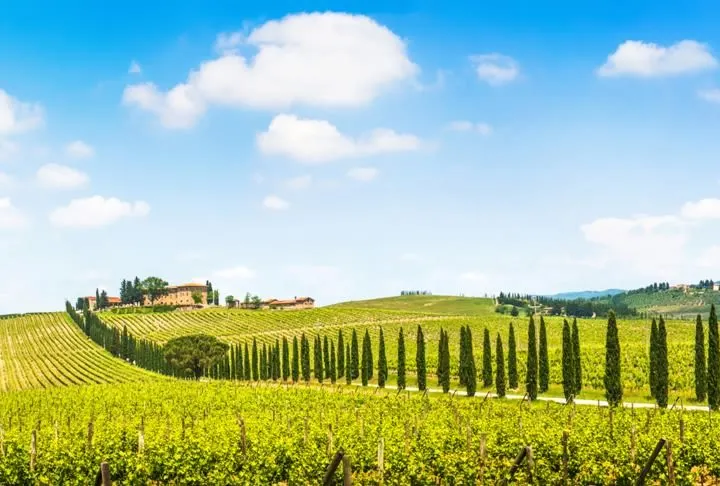
Take a private car with an English-speaking driver for a wine tasting at some of the best Chianti vineyards in southern Tuscany. This 8-hour private day trip includes a visit to two celebrated wineries, where you can taste the region's famous Chianti Classico, Super Tuscan, and Vinsanto wines. You will also stopover in charming hillside towns like Montefioralle, Panzano, Castellina, and Greve. On this trip, you'll see some of the most beautiful countryside views in the region, with rolling hills, olive groves, and tumbledown villas. IMPORTANT NOTE : This day trip includes driver-only services, and does not include the cost of wine. If you'd like to add the services of a professional guide to your tour, who can tell you more about the history of the region, this can be arranged. Please contact your travel consultant in advance.


Day 7
Florence

Chianti Wine Tour
OverviewChianti Wine Tour
Take a private car with an English-speaking driver for a wine tasting at some of the best Chianti vineyards in southern Tuscany. This 8-hour private day trip includes a visit to two celebrated wineries, where you can taste the region's famous Chianti Classico, Super Tuscan, and Vinsanto wines. You will also stopover in charming hillside towns like Montefioralle, Panzano, Castellina, and Greve. On this trip, you'll see some of the most beautiful countryside views in the region, with rolling hills, olive groves, and tumbledown villas. IMPORTANT NOTE : This day trip includes driver-only services, and does not include the cost of wine. If you'd like to add the services of a professional guide to your tour, who can tell you more about the history of the region, this can be arranged. Please contact your travel consultant in advance.

Chianti Wine Tour
OverviewChianti Wine Tour
Take a private car with an English-speaking driver for a wine tasting at some of the best Chianti vineyards in southern Tuscany. This 8-hour private day trip includes a visit to two celebrated wineries, where you can taste the region's famous Chianti Classico, Super Tuscan, and Vinsanto wines. You will also stopover in charming hillside towns like Montefioralle, Panzano, Castellina, and Greve. On this trip, you'll see some of the most beautiful countryside views in the region, with rolling hills, olive groves, and tumbledown villas. IMPORTANT NOTE : This day trip includes driver-only services, and does not include the cost of wine. If you'd like to add the services of a professional guide to your tour, who can tell you more about the history of the region, this can be arranged. Please contact your travel consultant in advance.

Chianti Wine Tour
OverviewChianti Wine Tour
Take a private car with an English-speaking driver for a wine tasting at some of the best Chianti vineyards in southern Tuscany. This 8-hour private day trip includes a visit to two celebrated wineries, where you can taste the region's famous Chianti Classico, Super Tuscan, and Vinsanto wines. You will also stopover in charming hillside towns like Montefioralle, Panzano, Castellina, and Greve. On this trip, you'll see some of the most beautiful countryside views in the region, with rolling hills, olive groves, and tumbledown villas. IMPORTANT NOTE : This day trip includes driver-only services, and does not include the cost of wine. If you'd like to add the services of a professional guide to your tour, who can tell you more about the history of the region, this can be arranged. Please contact your travel consultant in advance.

Chianti Wine Tour
OverviewChianti Wine Tour
Take a private car with an English-speaking driver for a wine tasting at some of the best Chianti vineyards in southern Tuscany. This 8-hour private day trip includes a visit to two celebrated wineries, where you can taste the region's famous Chianti Classico, Super Tuscan, and Vinsanto wines. You will also stopover in charming hillside towns like Montefioralle, Panzano, Castellina, and Greve. On this trip, you'll see some of the most beautiful countryside views in the region, with rolling hills, olive groves, and tumbledown villas. IMPORTANT NOTE : This day trip includes driver-only services, and does not include the cost of wine. If you'd like to add the services of a professional guide to your tour, who can tell you more about the history of the region, this can be arranged. Please contact your travel consultant in advance.

Chianti Wine Tour
OverviewChianti Wine Tour
Take a private car with an English-speaking driver for a wine tasting at some of the best Chianti vineyards in southern Tuscany. This 8-hour private day trip includes a visit to two celebrated wineries, where you can taste the region's famous Chianti Classico, Super Tuscan, and Vinsanto wines. You will also stopover in charming hillside towns like Montefioralle, Panzano, Castellina, and Greve. On this trip, you'll see some of the most beautiful countryside views in the region, with rolling hills, olive groves, and tumbledown villas. IMPORTANT NOTE : This day trip includes driver-only services, and does not include the cost of wine. If you'd like to add the services of a professional guide to your tour, who can tell you more about the history of the region, this can be arranged. Please contact your travel consultant in advance.

Day 8
Florence to Rome
Day 8
Florence to Rome
8:15 AM
Most trains depart from Firenza S.M.N. (i.e. Florence Santa Maria Novella Station) station, the largest station in the city. Before spending money on a transfer, be sure to check whether your hotel is within easy walking distance. Also consider that public transport is the cheapest and sometimes fastest option; trams and buses drop off next to the station. Uber is available in Florence, and if staying at a hotel, they can order a reliable taxi. Some private transfers will even help with your bags.


Day 8
Florence to Rome

Transfer to Rail Station
OverviewTransfer to Rail Station
Most trains depart from Firenza S.M.N. (i.e. Florence Santa Maria Novella Station) station, the largest station in the city. Before spending money on a transfer, be sure to check whether your hotel is within easy walking distance. Also consider that public transport is the cheapest and sometimes fastest option; trams and buses drop off next to the station. Uber is available in Florence, and if staying at a hotel, they can order a reliable taxi. Some private transfers will even help with your bags.

Transfer to Rail Station
OverviewTransfer to Rail Station
Most trains depart from Firenza S.M.N. (i.e. Florence Santa Maria Novella Station) station, the largest station in the city. Before spending money on a transfer, be sure to check whether your hotel is within easy walking distance. Also consider that public transport is the cheapest and sometimes fastest option; trams and buses drop off next to the station. Uber is available in Florence, and if staying at a hotel, they can order a reliable taxi. Some private transfers will even help with your bags.

Transfer to Rail Station
OverviewTransfer to Rail Station
Most trains depart from Firenza S.M.N. (i.e. Florence Santa Maria Novella Station) station, the largest station in the city. Before spending money on a transfer, be sure to check whether your hotel is within easy walking distance. Also consider that public transport is the cheapest and sometimes fastest option; trams and buses drop off next to the station. Uber is available in Florence, and if staying at a hotel, they can order a reliable taxi. Some private transfers will even help with your bags.

Transfer to Rail Station
OverviewTransfer to Rail Station
Most trains depart from Firenza S.M.N. (i.e. Florence Santa Maria Novella Station) station, the largest station in the city. Before spending money on a transfer, be sure to check whether your hotel is within easy walking distance. Also consider that public transport is the cheapest and sometimes fastest option; trams and buses drop off next to the station. Uber is available in Florence, and if staying at a hotel, they can order a reliable taxi. Some private transfers will even help with your bags.

Transfer to Rail Station
OverviewTransfer to Rail Station
Most trains depart from Firenza S.M.N. (i.e. Florence Santa Maria Novella Station) station, the largest station in the city. Before spending money on a transfer, be sure to check whether your hotel is within easy walking distance. Also consider that public transport is the cheapest and sometimes fastest option; trams and buses drop off next to the station. Uber is available in Florence, and if staying at a hotel, they can order a reliable taxi. Some private transfers will even help with your bags.

Day 9
Rome
Day 9
Rome
Early Morning to Mid-Day
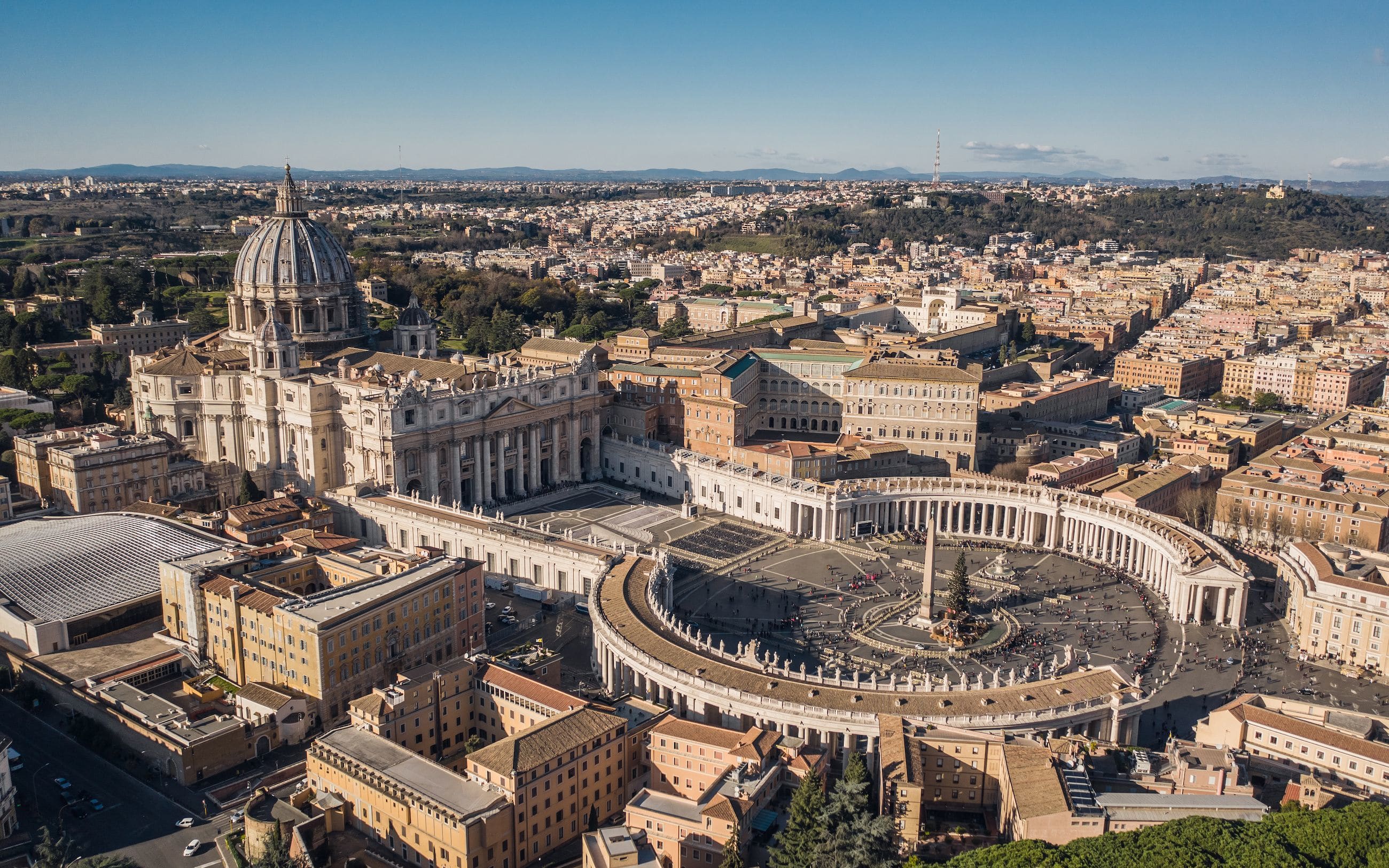
Rome is unique in the world in that it contains an independent country within its city limits - the Vatican City, from where the Pope administers the Catholic Church. The symbolic center of Catholicism is St Peter's Basilica, the second-largest Catholic church in the world and among the most beautiful. The Vatican Museum contains one of the greatest collections of art in existence, including Michelangelo's jaw-dropping Sistine Chapel. The popes had a bigger influence on Rome than just the collection of art. The Pope's title is actually Bishop of Rome, and popes administed the city for centuries, shaping its architecture & public spaces. Rome was re-built to be an example of urban beauty, and the Vatican was meant to be the showcase within the showcase. Their success is evident from the throngs of visitors who flock here even today.

Book early if you want to see the Vatican Museum's monumental works of art from the greatest Italian artists of the Renaissance.
Show More
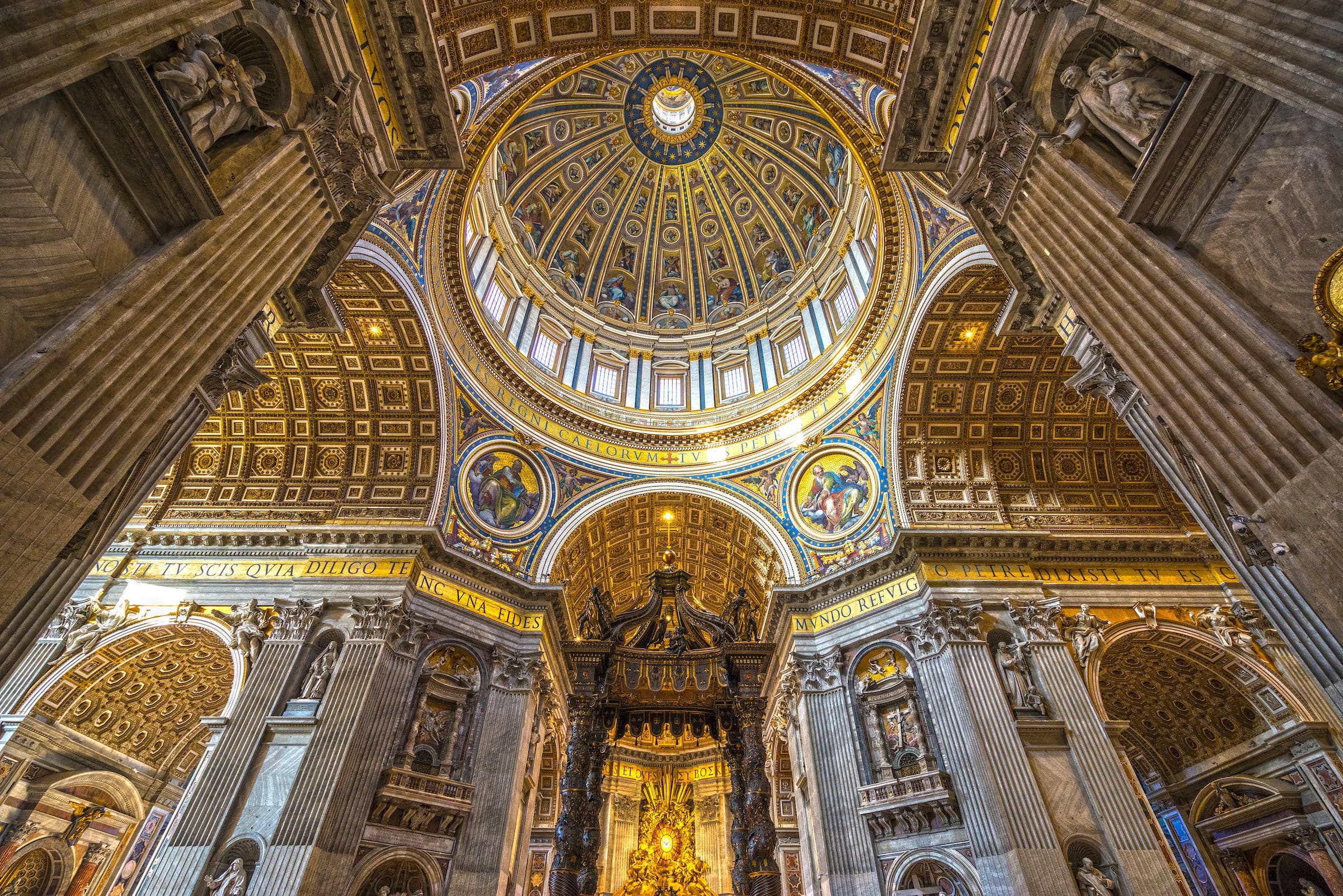
Explore the gigantic and incredibly beautiful church known as "the greatest of all churches of Christendom".
Show More
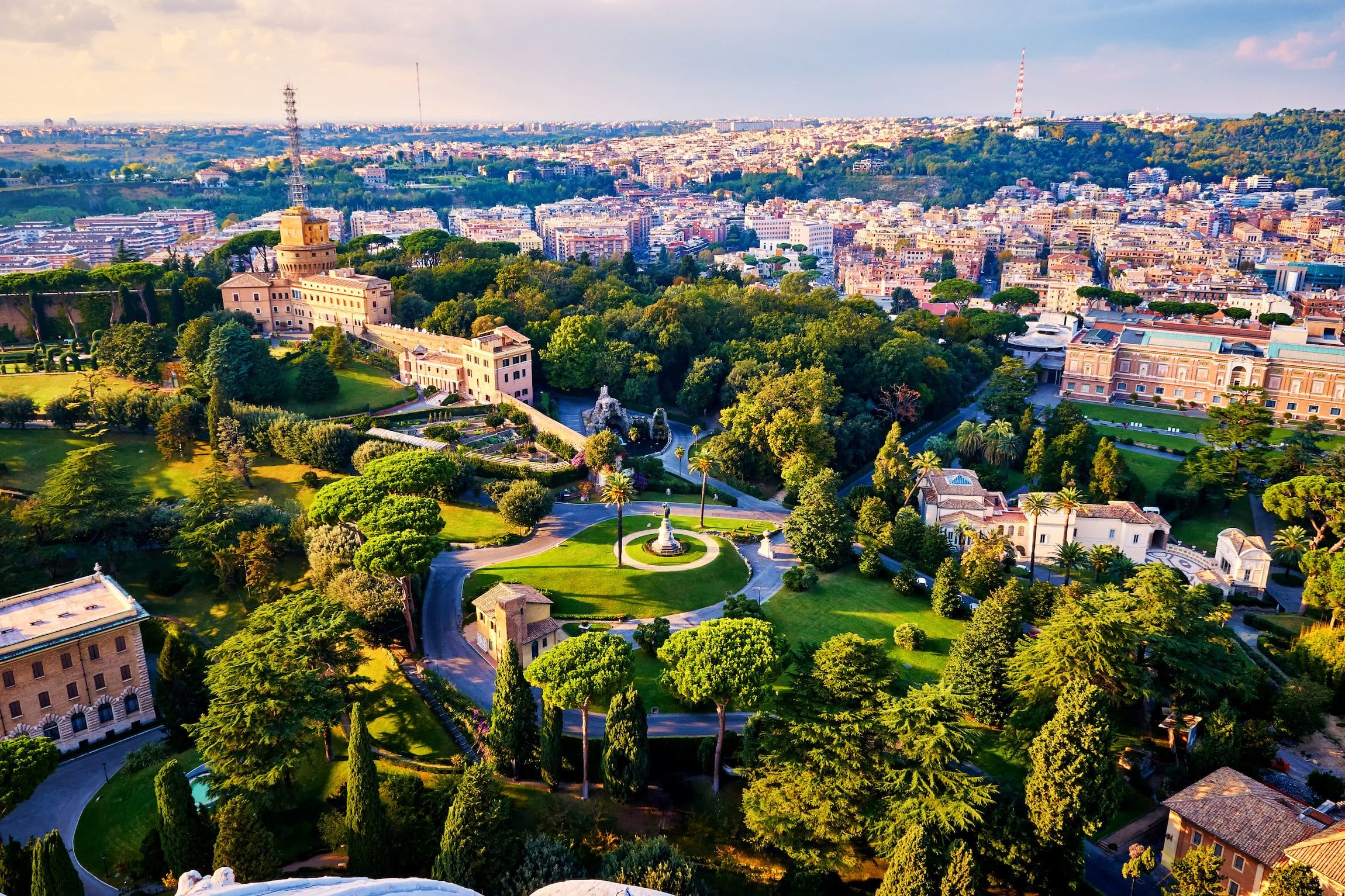
Escape the crowds in this oasis of green hidden behind the walls of the Vatican.
Show More
Browse the gallery to see some of the highlights

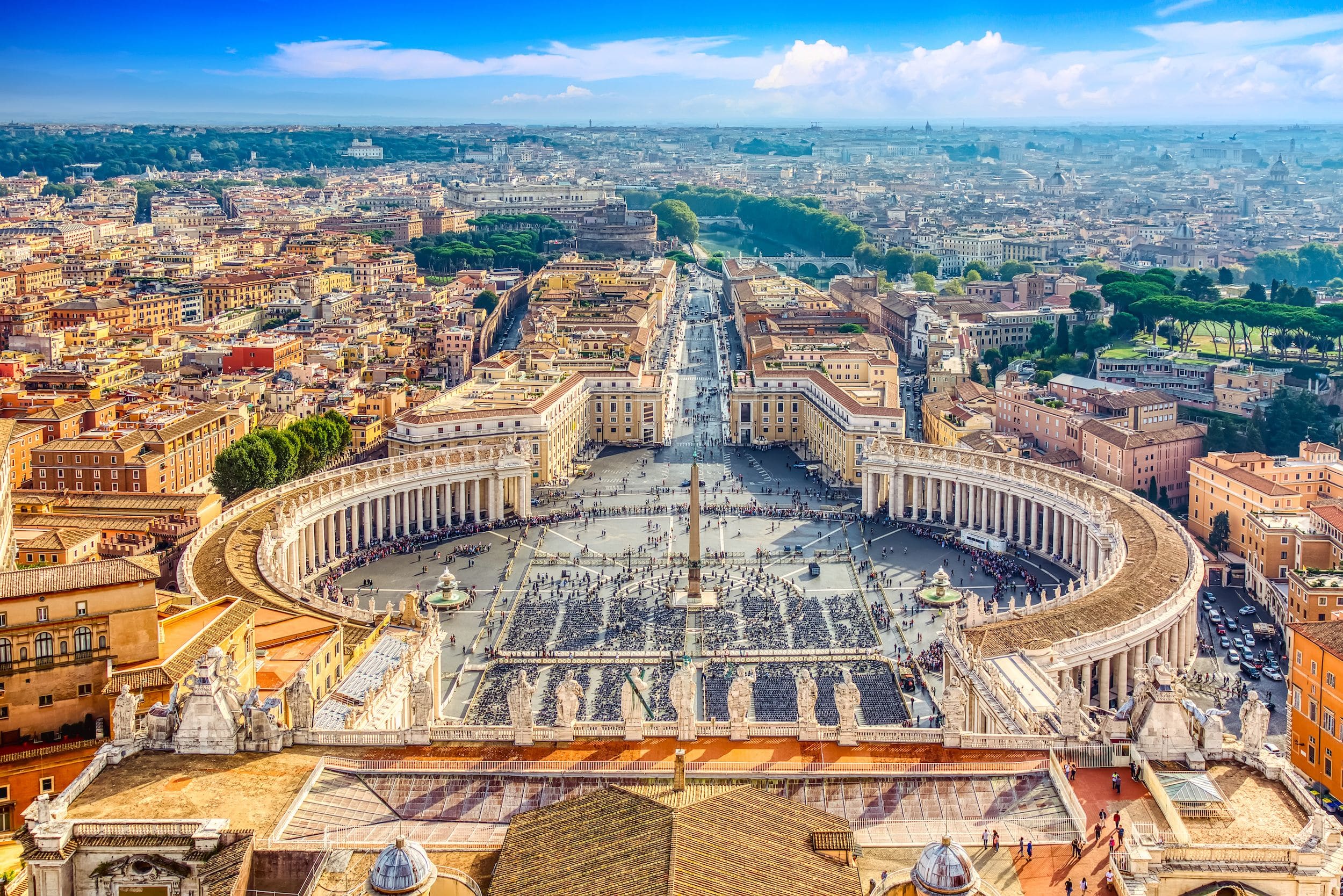
Stand in the middle of this famous square in which the faithful gather to hear the Pope give audiences and celebrate mass.
Show More
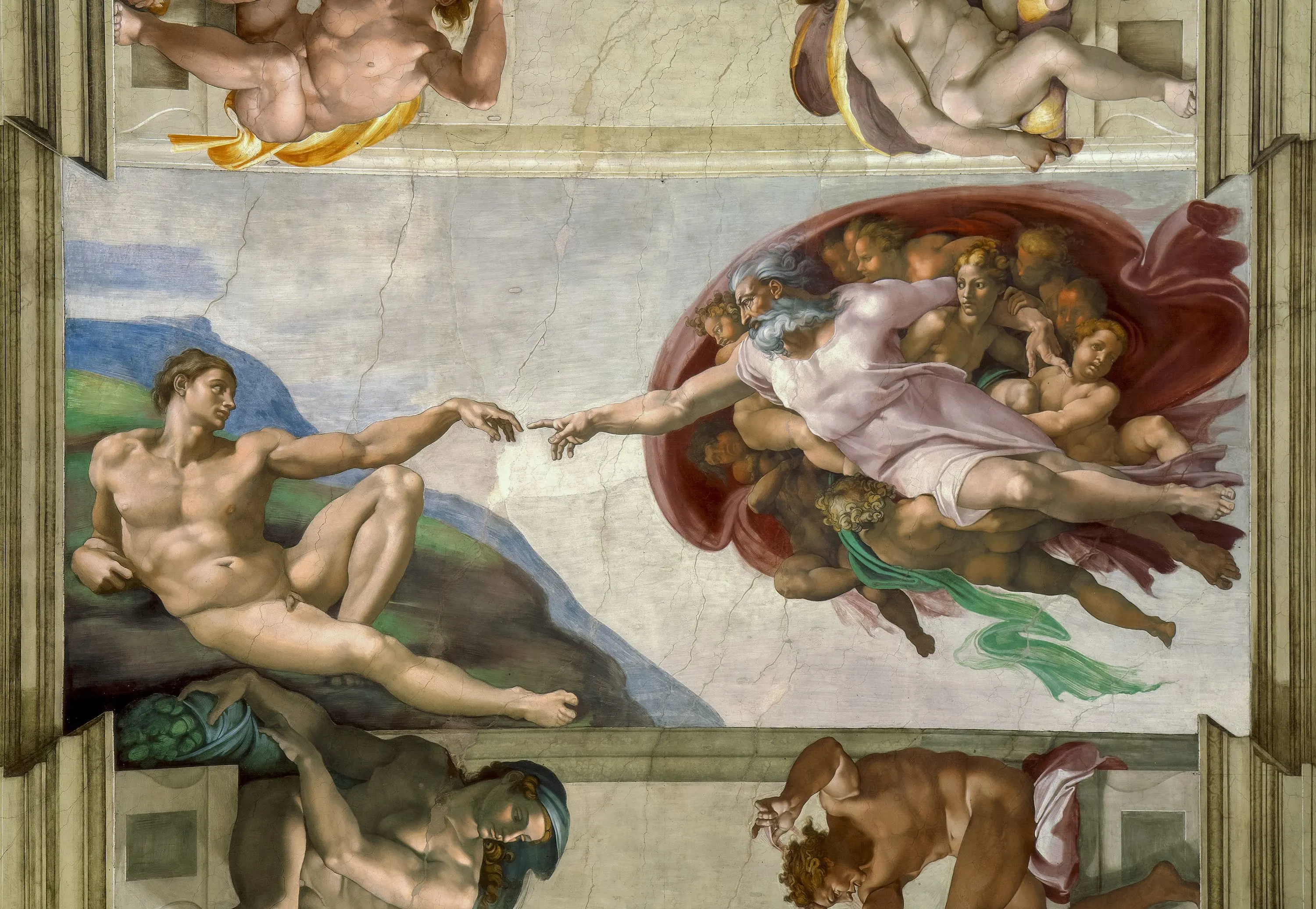
Gaze up at the world's most famous ceiling, the masterpiece of Michelangelo.
Show More
Book early if you want to see the Vatican Museum's monumental works of art from the greatest Italian artists of the Renaissance.
Show More
Explore the gigantic and incredibly beautiful church known as "the greatest of all churches of Christendom".
Show More
Escape the crowds in this oasis of green hidden behind the walls of the Vatican.
Show More
Browse the gallery to see some of the highlights

Stand in the middle of this famous square in which the faithful gather to hear the Pope give audiences and celebrate mass.
Show More
Gaze up at the world's most famous ceiling, the masterpiece of Michelangelo.
Show More
Day 9
Rome

Vatican Museums
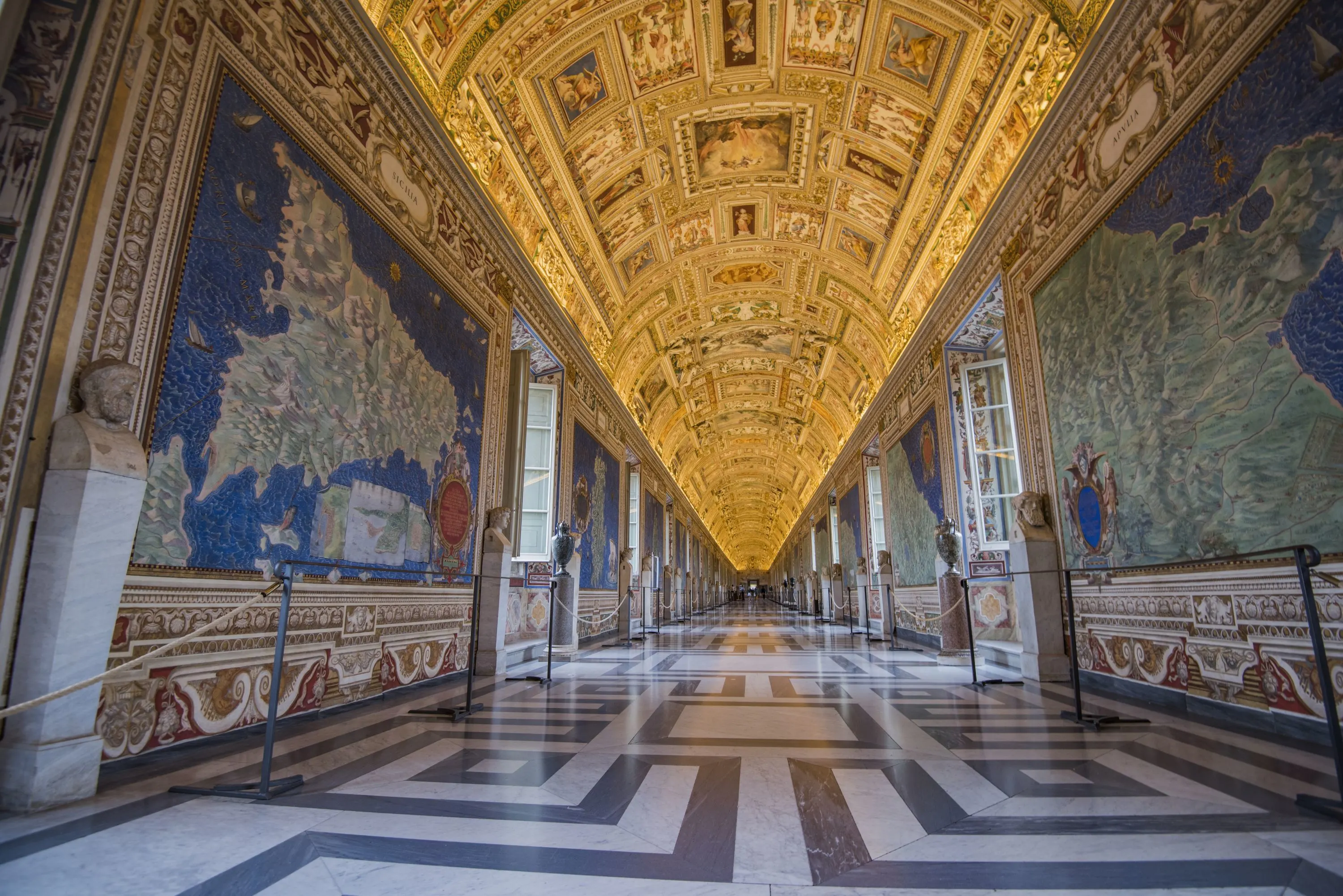
Highlight of Vatican CityBook early if you want to see the Vatican Museum's monumental works of art from the greatest Italian artists of the Renaissance.
The Vatican Museum is actually 26 different museums, which include not only exhibitions but chapels, apartments, and other rooms of the Vatican palace, covering a huge range of fine and applied arts patronized by the popes. There's also an outstanding collection of ancient antiquities (including even the Emperor Nero's red stone bathtub), a gallery of hand-painted maps, and whole rooms turned into works of art. In addition to ancient and medieval works of art, you'll see masterpieces by the "who's who" of the Italian Renaissance, including Raphael, Leonardo da Vinci, Titian, and Caravaggio. Other highlights include panels by the brilliant monk-artist Fra Angelico, works from the Venetian school, including Vavarini, and much, much more. Booking in advance is highly recommended as otherwise you can wait for hours or not even be able to get in at all.

St Peter’s Basilica
Highlight of Vatican CityExplore the gigantic and incredibly beautiful church known as "the greatest of all churches of Christendom".
The basilica is one of the chief pilgrimage sites in the Christian world, and one of the most popular tourist destinations in Rome. The basilica is the symbolic center of the church not only because the Pope frequently celebrates Mass there, but because it is believed that the apostle St. Peter is buried beneath it. Catholics consider Peter as the first Bishop of Rome and "the rock" upon which the Catholic Church was built, in accordance with Christ's instructions. Inside you can admire sculptures by Bernini as well as Michelangelo's famous sculpture of the Virgin Mary holding the crucified Jesus, known as The Pietà. The church's elaborate and impressive golden interior is a sight to behold. Other sights include St Peter's tomb, the Papal crypts in the necropolis under the basilica, as well as the dome, which rewards visitors with views over Rome. Entry is free, but queues to visit the Basilica can be lengthy, so it is highly advised to either get there early or to purchase a skip the line entrance. The dome is also paid entry.

Vatican Gardens
Highlight of Vatican CityEscape the crowds in this oasis of green hidden behind the walls of the Vatican.
Accessible only via a guided tour, the gardens are definitely worth a visit. Just as the Popes have for hundreds of years, you can stroll the gardens and relax amidst the greenery, while taking in the perfect view of St. Peter's.

Vatican City
OverviewVatican City
Rome is unique in the world in that it contains an independent country within its city limits - the Vatican City, from where the Pope administers the Catholic Church. The symbolic center of Catholicism is St Peter's Basilica, the second-largest Catholic church in the world and among the most beautiful. The Vatican Museum contains one of the greatest collections of art in existence, including Michelangelo's jaw-dropping Sistine Chapel. The popes had a bigger influence on Rome than just the collection of art. The Pope's title is actually Bishop of Rome, and popes administed the city for centuries, shaping its architecture & public spaces. Rome was re-built to be an example of urban beauty, and the Vatican was meant to be the showcase within the showcase. Their success is evident from the throngs of visitors who flock here even today.

St Peter's Square
Highlight of Vatican CityStand in the middle of this famous square in which the faithful gather to hear the Pope give audiences and celebrate mass.
As one of the most superb conceptions of its kind in civic architecture, St Peter’s Square is the masterpiece of Gian Lorenzo Bernini and makes a wonderful approach to one of the world’s most magnificent churches, St Peter's Basilica. An oval rather than an actual square, the piazza, laid out in 1656-67, is partially enclosed by two semi-circular colonnades on which stand 96 statues of saints and martyrs. At the center of the oval stands an 84-foot (26m) tall Egyptian obelisk of red granite.

Sistine Chapel
Highlight of Vatican CityGaze up at the world's most famous ceiling, the masterpiece of Michelangelo.
This famous chapel inside the Vatican Museums is best known for Michelangelo's 16th-century painted ceiling of "The Creation of Adam" and "The Last Judgement" fresco that covers the whole altar wall of the chapel. The jaw-dropping sight is not to be missed, considered one of the top highlights of visiting the Vatican Museums and one of the top artistic wonders of the world.

Vatican Museums
Highlight of Vatican CityBook early if you want to see the Vatican Museum's monumental works of art from the greatest Italian artists of the Renaissance.
The Vatican Museum is actually 26 different museums, which include not only exhibitions but chapels, apartments, and other rooms of the Vatican palace, covering a huge range of fine and applied arts patronized by the popes. There's also an outstanding collection of ancient antiquities (including even the Emperor Nero's red stone bathtub), a gallery of hand-painted maps, and whole rooms turned into works of art. In addition to ancient and medieval works of art, you'll see masterpieces by the "who's who" of the Italian Renaissance, including Raphael, Leonardo da Vinci, Titian, and Caravaggio. Other highlights include panels by the brilliant monk-artist Fra Angelico, works from the Venetian school, including Vavarini, and much, much more. Booking in advance is highly recommended as otherwise you can wait for hours or not even be able to get in at all.

St Peter’s Basilica
Highlight of Vatican CityExplore the gigantic and incredibly beautiful church known as "the greatest of all churches of Christendom".
The basilica is one of the chief pilgrimage sites in the Christian world, and one of the most popular tourist destinations in Rome. The basilica is the symbolic center of the church not only because the Pope frequently celebrates Mass there, but because it is believed that the apostle St. Peter is buried beneath it. Catholics consider Peter as the first Bishop of Rome and "the rock" upon which the Catholic Church was built, in accordance with Christ's instructions. Inside you can admire sculptures by Bernini as well as Michelangelo's famous sculpture of the Virgin Mary holding the crucified Jesus, known as The Pietà. The church's elaborate and impressive golden interior is a sight to behold. Other sights include St Peter's tomb, the Papal crypts in the necropolis under the basilica, as well as the dome, which rewards visitors with views over Rome. Entry is free, but queues to visit the Basilica can be lengthy, so it is highly advised to either get there early or to purchase a skip the line entrance. The dome is also paid entry.

Vatican Gardens
Highlight of Vatican CityEscape the crowds in this oasis of green hidden behind the walls of the Vatican.
Accessible only via a guided tour, the gardens are definitely worth a visit. Just as the Popes have for hundreds of years, you can stroll the gardens and relax amidst the greenery, while taking in the perfect view of St. Peter's.

Vatican City
OverviewVatican City
Rome is unique in the world in that it contains an independent country within its city limits - the Vatican City, from where the Pope administers the Catholic Church. The symbolic center of Catholicism is St Peter's Basilica, the second-largest Catholic church in the world and among the most beautiful. The Vatican Museum contains one of the greatest collections of art in existence, including Michelangelo's jaw-dropping Sistine Chapel. The popes had a bigger influence on Rome than just the collection of art. The Pope's title is actually Bishop of Rome, and popes administed the city for centuries, shaping its architecture & public spaces. Rome was re-built to be an example of urban beauty, and the Vatican was meant to be the showcase within the showcase. Their success is evident from the throngs of visitors who flock here even today.

St Peter's Square
Highlight of Vatican CityStand in the middle of this famous square in which the faithful gather to hear the Pope give audiences and celebrate mass.
As one of the most superb conceptions of its kind in civic architecture, St Peter’s Square is the masterpiece of Gian Lorenzo Bernini and makes a wonderful approach to one of the world’s most magnificent churches, St Peter's Basilica. An oval rather than an actual square, the piazza, laid out in 1656-67, is partially enclosed by two semi-circular colonnades on which stand 96 statues of saints and martyrs. At the center of the oval stands an 84-foot (26m) tall Egyptian obelisk of red granite.

Sistine Chapel
Highlight of Vatican CityGaze up at the world's most famous ceiling, the masterpiece of Michelangelo.
This famous chapel inside the Vatican Museums is best known for Michelangelo's 16th-century painted ceiling of "The Creation of Adam" and "The Last Judgement" fresco that covers the whole altar wall of the chapel. The jaw-dropping sight is not to be missed, considered one of the top highlights of visiting the Vatican Museums and one of the top artistic wonders of the world.

Day 10
Depart Rome
Day 10
Depart Rome
To Be Determined
A car service will pick you up from your hotel and take you directly to Rome Fiumicino Airport. This is a private transfer for you and your travel party. You do not need to pay the driver as the cost of the private transfer is included in your itinerary. IMPORTANT NOTE: Please be aware the car service can fit up to 1 checked item of luggage and 1 personal item per person, such as a purse or small backpack. If you think you will have more baggage, please inform your travel consultant as this may result in an additional fee.


Day 10
Depart Rome

Private Transfer to Rome Fiumicino or Ciampino Airport
OverviewPrivate Transfer to Rome Fiumicino or Ciampino Airport
A car service will pick you up from your hotel and take you directly to Rome Fiumicino Airport. This is a private transfer for you and your travel party. You do not need to pay the driver as the cost of the private transfer is included in your itinerary. IMPORTANT NOTE: Please be aware the car service can fit up to 1 checked item of luggage and 1 personal item per person, such as a purse or small backpack. If you think you will have more baggage, please inform your travel consultant as this may result in an additional fee.

Private Transfer to Rome Fiumicino or Ciampino Airport
OverviewPrivate Transfer to Rome Fiumicino or Ciampino Airport
A car service will pick you up from your hotel and take you directly to Rome Fiumicino Airport. This is a private transfer for you and your travel party. You do not need to pay the driver as the cost of the private transfer is included in your itinerary. IMPORTANT NOTE: Please be aware the car service can fit up to 1 checked item of luggage and 1 personal item per person, such as a purse or small backpack. If you think you will have more baggage, please inform your travel consultant as this may result in an additional fee.

Private Transfer to Rome Fiumicino or Ciampino Airport
OverviewPrivate Transfer to Rome Fiumicino or Ciampino Airport
A car service will pick you up from your hotel and take you directly to Rome Fiumicino Airport. This is a private transfer for you and your travel party. You do not need to pay the driver as the cost of the private transfer is included in your itinerary. IMPORTANT NOTE: Please be aware the car service can fit up to 1 checked item of luggage and 1 personal item per person, such as a purse or small backpack. If you think you will have more baggage, please inform your travel consultant as this may result in an additional fee.

Private Transfer to Rome Fiumicino or Ciampino Airport
OverviewPrivate Transfer to Rome Fiumicino or Ciampino Airport
A car service will pick you up from your hotel and take you directly to Rome Fiumicino Airport. This is a private transfer for you and your travel party. You do not need to pay the driver as the cost of the private transfer is included in your itinerary. IMPORTANT NOTE: Please be aware the car service can fit up to 1 checked item of luggage and 1 personal item per person, such as a purse or small backpack. If you think you will have more baggage, please inform your travel consultant as this may result in an additional fee.

Private Transfer to Rome Fiumicino or Ciampino Airport
OverviewPrivate Transfer to Rome Fiumicino or Ciampino Airport
A car service will pick you up from your hotel and take you directly to Rome Fiumicino Airport. This is a private transfer for you and your travel party. You do not need to pay the driver as the cost of the private transfer is included in your itinerary. IMPORTANT NOTE: Please be aware the car service can fit up to 1 checked item of luggage and 1 personal item per person, such as a purse or small backpack. If you think you will have more baggage, please inform your travel consultant as this may result in an additional fee.
Pre-Paid Tours and Activities:
Pre-Paid Transportation:
Accommodation:
Go Real Travel Mobile App:

12 Days

10 Days

12 Days

12 Days

21 Days

7 Days

14 Days

10 Days

8 Days

12 Days

10 Days

12 Days

12 Days

21 Days

7 Days

14 Days

10 Days

8 Days


One of the must-sees of Italy, and indeed all of Europe, Rome is a city with history flowing through its veins. There is an endless amount to see, do, and learn here, with something for every taste and disposition. Rome was the center of Western civilization for a Millenium and during that time, accumulated a list of historical and cultural treasures that no other destination can truly match. The Pantheon, Colosseum, Roman Forum, and Cirus of Maxentius are just a few examples of what can be seen and experienced in Rome, which at times feels more like a giant outdoor museum than a city. At Rome’s heart, you’ll find the Vatican, home of the Roman Catholic Church and the Pope. Here visitors can see the legendary Sistine Chapel. Transcending a mere building, the chapel is a walk-in work of art. Although historical sights can be found on just about every corner, it’s entirely possible to fill a day just wandering around Rome. The city’s charming streets and open Piazzas are filled with beautiful sights and places to sit, grab the best Cappuccino in the world, and enjoy the view.


One of Europe's smallest capitals, Ljubljana is still Slovenia's biggest city. What it lacks in size, though, it more than makes up for in charm, beauty, and personality. It's also one of Europe's greenest cities and is perfect for a bike ride or a leisurely walk. With plenty of open spaces, gorgeous architecture, and cultural treats, it's easy to fill the time here. The Tromostovje, or Triple Bridge, is one of Ljubljana's main attractions, connecting the Old Town with the new. Excellent pizza can be found here, and a series of bars and cafes are dotted throughout the town and along the banks of the river. The anarchic Metelkova City reveals Ljubljana's grittier side, with art exhibitions and performances housed in a disused military barracks. Ljubljana is charm and beauty compressed neatly into a small and pretty space.

Verona, set along a gentle bend of the Adige River, blends ancient history with an easy, romantic rhythm of daily life. Roman monuments, medieval bridges, and elegant piazzas shape a compact city that’s ideal for unhurried exploration, from the grandeur of the Arena to the lively energy of Piazza delle Erbe. Literary legends and local traditions sit side by side, with quiet courtyards, riverside walks, and inviting cafés just steps apart.Whether you’re wandering historic streets, lingering over a glass of Valpolicella, or watching the light fade from an ancient bridge, Verona delivers a timeless and effortlessly rewarding Italian experience.

Venice is a city with no equal. Built on a series of islands on a lagoon, it was once a powerful city-state. Echoes of that old magnificence can be seen everywhere here, from the stunning buildings that rise out of the canals, to the bridges that arc across them. Take a Gondola ride through the canals that form the city’s veins, or wander through the winding streets drinking in the sights. You’ll see Venice attracts tourists in huge numbers, and that’s with good reason. It’s home to a seemingly limitless amount of art, culture, history, and architecture. St Mark’s Basilica, the Doge’s Palace, and the Campanile di San Marco just barely scratch the surface. There’s a 700-year-old market, Rialto, which is still open today. The Ponte di Rialto bridge connects the neighborhoods of San Marco and San Polo, stretching across the Grand Canal. Venice has weathered the last several centuries with elegance and pride, a place that will surpass even your highest expectations.

Cinque Terre, a string of five fishing villages in the Liguria region of Italy, is a rare snapshot of a traditional way of life. Rustic and charming, these clusters of pastel houses clinging to steep Mediterranean cliffs hold a special allure. Hiking between the five villages is a popular way to experience the rugged Mediterranean landscape close up. There are no roads here — the only other way to get between the villages is by boat or train. Seafood, hauled in from the azure waters of the sea that laps against the rocky shore, is abundant and delicious here. It pairs well with the local wine, and perhaps a plate of olives. Cinque Terre is a place to take it slow, to breathe in the fresh sea air and bask in the balmy climate, many miles from the chaos and frenzy of the modern world.

Culture and history are thick in the air in Florence. Located on the banks of the Arno River in Tuscany, Florence’s past is deeply compelling. The birthplace of the Renaissance, Florence is where innovators like Dante, Machiavelli, Michelangelo, and Da Vinci made their fortunes. Centuries of art, politics, and commerce have left their mark on every stone in this Northern Italian city. In the 15th and 16th centuries, Florentine banks funded new enterprises that went on to change the history of the world. Powerful families like the Medici’s financed some of the finest art in history and pioneered new ways of doing statecraft and politics. As you stand in the Piazzale Michelangelo and gaze upon the city below it’s hard to take it all in at once. It feels like behind every door in Florence might hide a work of genius. Michelangelo’s David and Botticelli’s Primavera can be found just a short walk away. After a long day wandering the streets and gazing at art, fueled by exquisite coffee and gelato, relax like the locals do: with a glass of some of the best wine in the world.

One of the must-sees of Italy, and indeed all of Europe, Rome is a city with history flowing through its veins. There is an endless amount to see, do, and learn here, with something for every taste and disposition. Rome was the center of Western civilization for a Millenium and during that time, accumulated a list of historical and cultural treasures that no other destination can truly match. The Pantheon, Colosseum, Roman Forum, and Cirus of Maxentius are just a few examples of what can be seen and experienced in Rome, which at times feels more like a giant outdoor museum than a city. At Rome’s heart, you’ll find the Vatican, home of the Roman Catholic Church and the Pope. Here visitors can see the legendary Sistine Chapel. Transcending a mere building, the chapel is a walk-in work of art. Although historical sights can be found on just about every corner, it’s entirely possible to fill a day just wandering around Rome. The city’s charming streets and open Piazzas are filled with beautiful sights and places to sit, grab the best Cappuccino in the world, and enjoy the view.

One of Europe's smallest capitals, Ljubljana is still Slovenia's biggest city. What it lacks in size, though, it more than makes up for in charm, beauty, and personality. It's also one of Europe's greenest cities and is perfect for a bike ride or a leisurely walk. With plenty of open spaces, gorgeous architecture, and cultural treats, it's easy to fill the time here. The Tromostovje, or Triple Bridge, is one of Ljubljana's main attractions, connecting the Old Town with the new. Excellent pizza can be found here, and a series of bars and cafes are dotted throughout the town and along the banks of the river. The anarchic Metelkova City reveals Ljubljana's grittier side, with art exhibitions and performances housed in a disused military barracks. Ljubljana is charm and beauty compressed neatly into a small and pretty space.

Verona, set along a gentle bend of the Adige River, blends ancient history with an easy, romantic rhythm of daily life. Roman monuments, medieval bridges, and elegant piazzas shape a compact city that’s ideal for unhurried exploration, from the grandeur of the Arena to the lively energy of Piazza delle Erbe. Literary legends and local traditions sit side by side, with quiet courtyards, riverside walks, and inviting cafés just steps apart.Whether you’re wandering historic streets, lingering over a glass of Valpolicella, or watching the light fade from an ancient bridge, Verona delivers a timeless and effortlessly rewarding Italian experience.
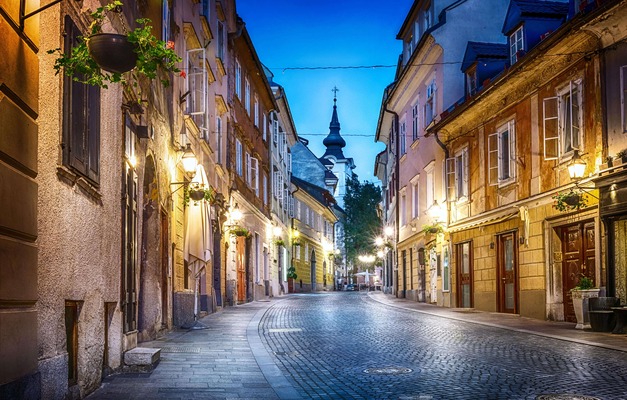
Venice is a city with no equal. Built on a series of islands on a lagoon, it was once a powerful city-state. Echoes of that old magnificence can be seen everywhere here, from the stunning buildings that rise out of the canals, to the bridges that arc across them. Take a Gondola ride through the canals that form the city’s veins, or wander through the winding streets drinking in the sights. You’ll see Venice attracts tourists in huge numbers, and that’s with good reason. It’s home to a seemingly limitless amount of art, culture, history, and architecture. St Mark’s Basilica, the Doge’s Palace, and the Campanile di San Marco just barely scratch the surface. There’s a 700-year-old market, Rialto, which is still open today. The Ponte di Rialto bridge connects the neighborhoods of San Marco and San Polo, stretching across the Grand Canal. Venice has weathered the last several centuries with elegance and pride, a place that will surpass even your highest expectations.

Cinque Terre, a string of five fishing villages in the Liguria region of Italy, is a rare snapshot of a traditional way of life. Rustic and charming, these clusters of pastel houses clinging to steep Mediterranean cliffs hold a special allure. Hiking between the five villages is a popular way to experience the rugged Mediterranean landscape close up. There are no roads here — the only other way to get between the villages is by boat or train. Seafood, hauled in from the azure waters of the sea that laps against the rocky shore, is abundant and delicious here. It pairs well with the local wine, and perhaps a plate of olives. Cinque Terre is a place to take it slow, to breathe in the fresh sea air and bask in the balmy climate, many miles from the chaos and frenzy of the modern world.

Culture and history are thick in the air in Florence. Located on the banks of the Arno River in Tuscany, Florence’s past is deeply compelling. The birthplace of the Renaissance, Florence is where innovators like Dante, Machiavelli, Michelangelo, and Da Vinci made their fortunes. Centuries of art, politics, and commerce have left their mark on every stone in this Northern Italian city. In the 15th and 16th centuries, Florentine banks funded new enterprises that went on to change the history of the world. Powerful families like the Medici’s financed some of the finest art in history and pioneered new ways of doing statecraft and politics. As you stand in the Piazzale Michelangelo and gaze upon the city below it’s hard to take it all in at once. It feels like behind every door in Florence might hide a work of genius. Michelangelo’s David and Botticelli’s Primavera can be found just a short walk away. After a long day wandering the streets and gazing at art, fueled by exquisite coffee and gelato, relax like the locals do: with a glass of some of the best wine in the world.


Zoom In to the cities to see your itinerary in more detail