RomeFlorenceVenicePiazza del Duomo
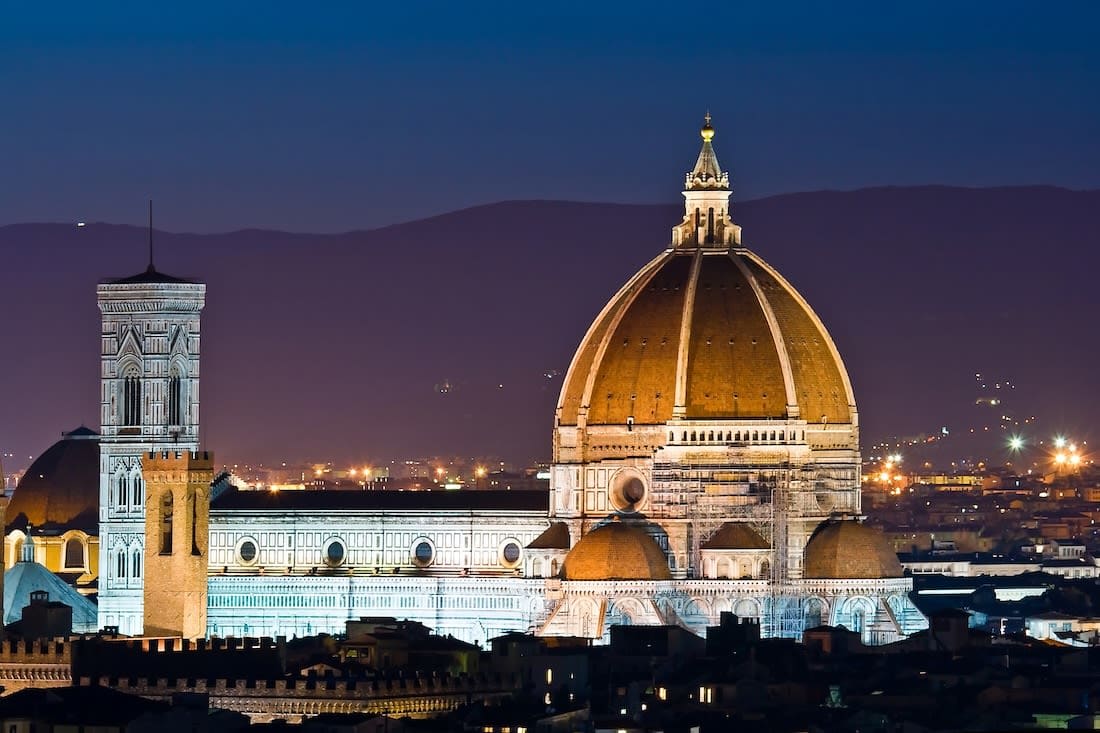
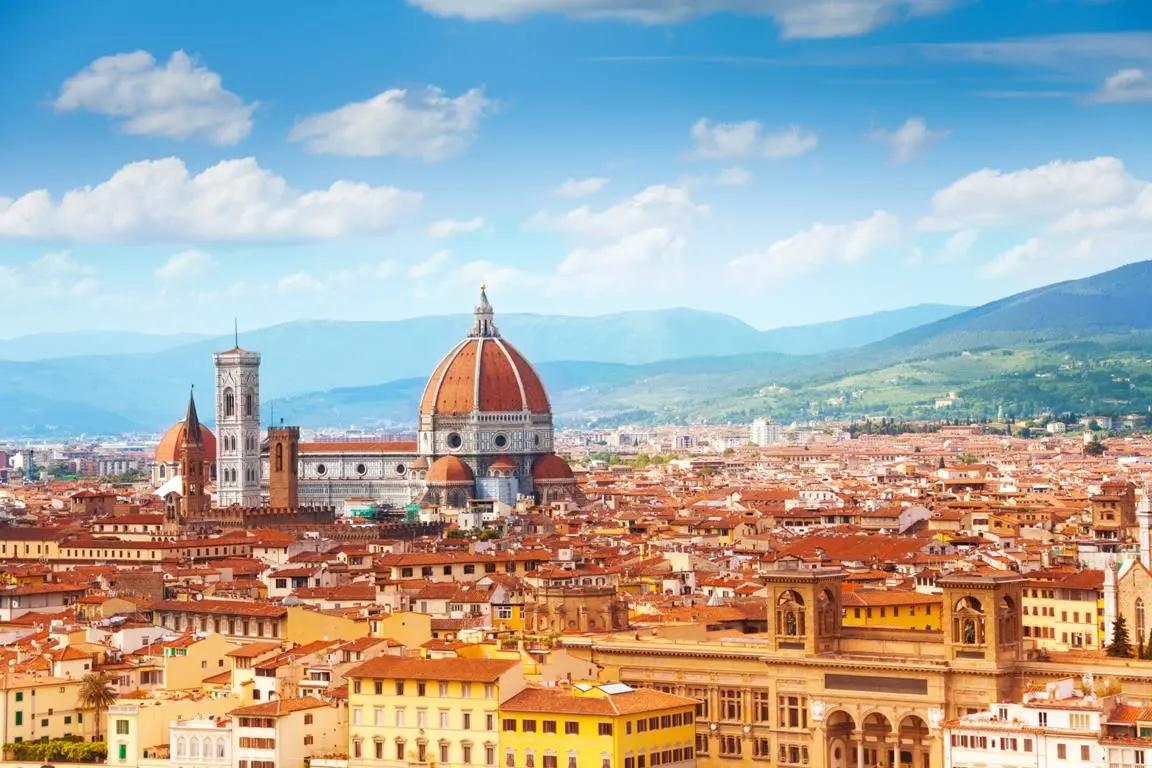
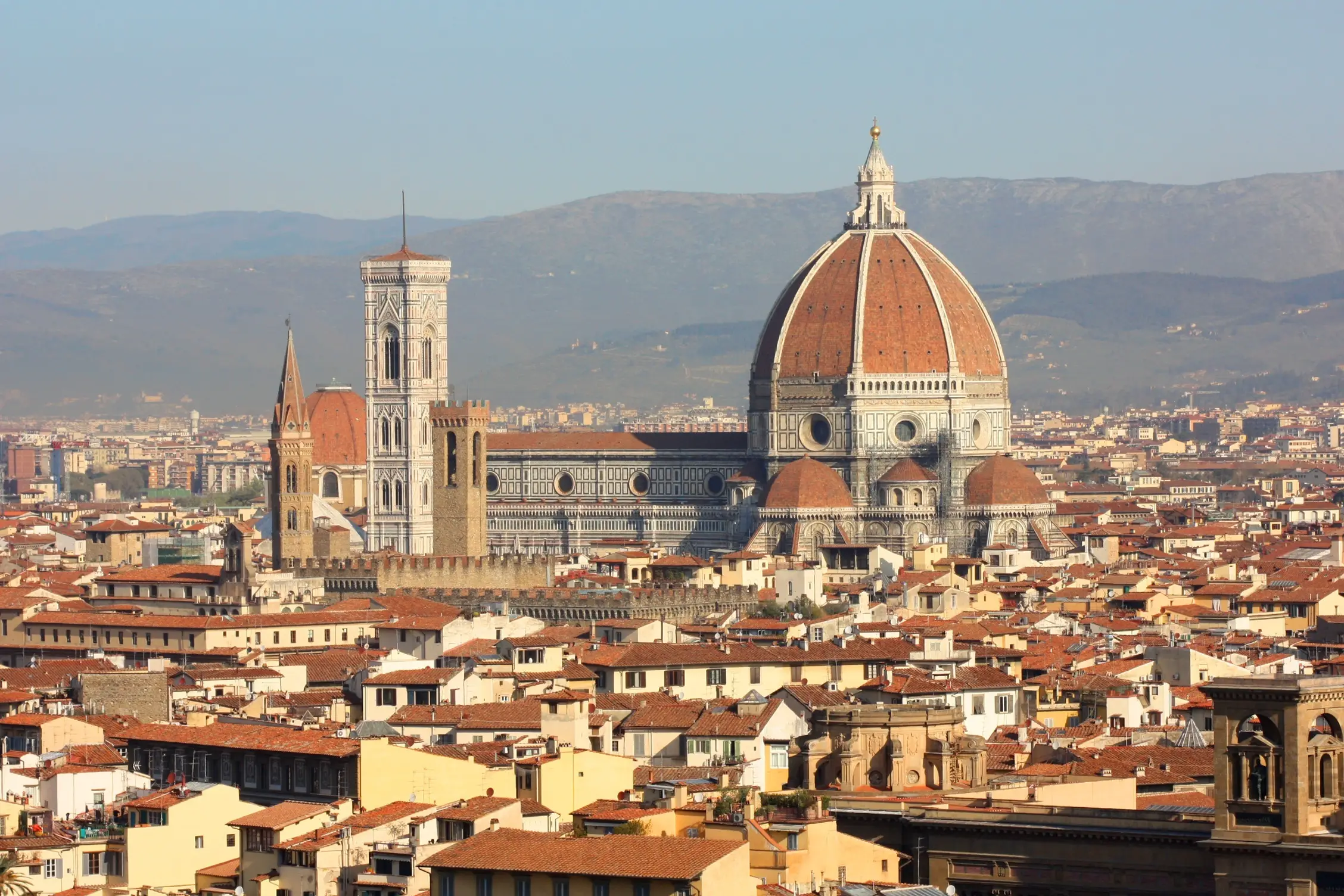
<p><span class="gre-latexized text" style="display: none;"> </span>Discover the medieval marvel of the Duomo, Santa Maria del Fiore, with its iconic dome offering panoramic views of Florence. Founded in 1296, it aimed to be the world's largest church, showcasing unmatched Renaissance grandeur in Piazza del Duomo. While entry to the Duomo is free, dome access requires a reservation. Consider a Firenze Card for easy access to other sites.<span class="gre-latexized paragraph" style="display: none;"> </span></p>
<p><span class="gre-latexized paragraph" style="display: none;"> </span></p>
Campanile (i.e. the Bell Tower)<p><span class="gre-latexized text" style="display: none;"> </span>Climb 414 steps to the top of Italy's most famous bell tower.<span class="gre-latexized paragraph" style="display: none;"> </span></p>
<p><span class="gre-latexized paragraph" style="display: none;"> </span></p>
Opera Duomo Museum<p><span class="gre-latexized text" style="display: none;"> </span>See how the master architect <span class="gre-latexized text" style="display: none;"> </span>Brunelleschi planned and built the cathedral, as well as<span class="gre-latexized text" style="display: none;"> </span> many sculptural masterpieces.<span class="gre-latexized paragraph" style="display: none;"> </span></p>
<p><span class="gre-latexized paragraph" style="display: none;"> </span></p>
Loggia del Bigallo & Museo della Misericordia<p><span class="gre-latexized text" style="display: none;"> </span>Discover these hidden-in-plain-sight gems and learn about a noble organization which has done much to alleviate the suffering of Florence's population over the centuries.<span class="gre-latexized paragraph" style="display: none;"> </span></p>
<p><span class="gre-latexized paragraph" style="display: none;"> </span></p>
Baptistery of St John<p><span class="gre-latexized text" style="display: none;"> </span>Stand before the "Gate of Paradise".<span class="gre-latexized paragraph" style="display: none;"> </span></p>
<p><span class="gre-latexized paragraph" style="display: none;"> </span></p>
Colosseum
<p><span class="gre-latexized text" style="display: none;"> </span>Surviving over 2000 years of earthquakes, looters and modern-day tourism, the Colosseum may not be the best-preserved sight in the city, but a visit to the most thrilling of Rome's ancient sights will surely help you picture the extravagance of the entertainments that were once hosted inside this world famous amphitheater. <span class="gre-latexized text" style="display: none;"> </span>But be aware, during peak travel months (May to early October) it is impossible to enter the Colosseum without advance entrance tickets, so we highly encourage booking well in advance. If you purchase the highly recommended Roma Card, you may use it for your entry, but you will still need to reserve a time. Booking a guided tour can also be a good way to get in without needing to wait in line or purchase tickets.<span class="gre-latexized paragraph" style="display: none;"> </span></p>
<p><span class="gre-latexized paragraph" style="display: none;"> </span></p>
Hypogeum - the Arena Underground<p><span class="gre-latexized text" style="display: none;"> </span>Venture into the bowels of the Colosseum to see how the complex spectacles were staged.<span class="gre-latexized paragraph" style="display: none;"> </span></p>
<p><span class="gre-latexized paragraph" style="display: none;"> </span></p>
Rome's Historic Center
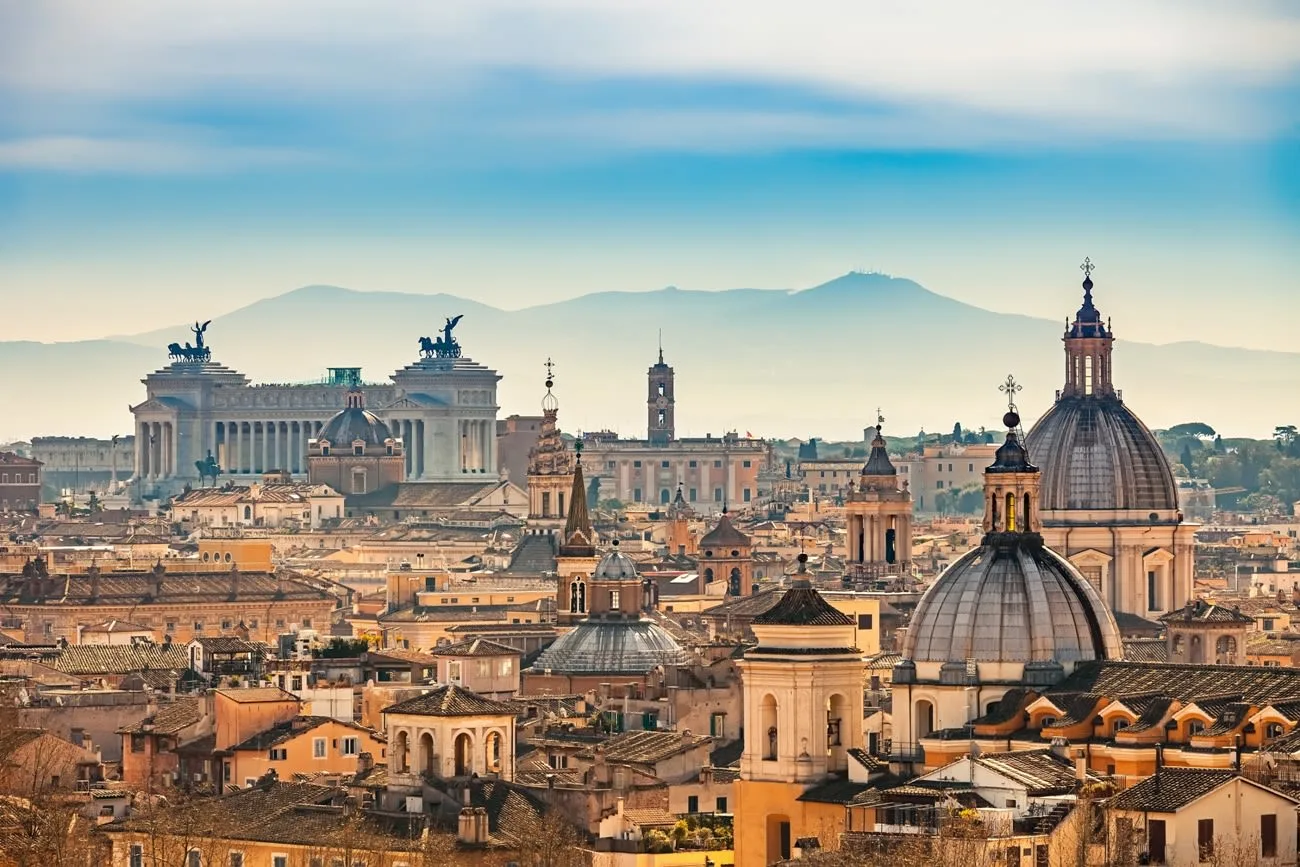
<p><span class="gre-latexized text" style="display: none;"> </span>Rome's tangled historical center is packed full of some of the most fascinating and incredible sights. Explore elegant squares and piazzas, centuries-year-old churches, and baroque fountains and wander at leisure the labyrinth of ancient Roman cobbled lanes. Highlights include the Baroque grandeur of Piazza Navona and the great and endlessly copied Roman Pantheon.<span class="gre-latexized paragraph" style="display: none;"> </span></p>
<p><span class="gre-latexized paragraph" style="display: none;"> </span></p>
Piazza Navona<p><span class="gre-latexized text" style="display: none;"> </span>Stand in one of the most beautiful squares in Rome, home to the famous Fontana dei Fiumi Fountain by Bernini. <span class="gre-latexized paragraph" style="display: none;"> </span></p>
<p><span class="gre-latexized paragraph" style="display: none;"> </span></p>
Pantheon<p><span class="gre-latexized text" style="display: none;"> </span>Visit this iconic former pagan temple converted into a Christian church.<span class="gre-latexized paragraph" style="display: none;"> </span></p>
<p><span class="gre-latexized paragraph" style="display: none;"> </span></p>
Column of Marcus Aurelius<p><span class="gre-latexized text" style="display: none;"> </span>Column formerly dedicated to Emperor Marcus Aurelius; a statue of St. Paul now stands in place of his.<span class="gre-latexized paragraph" style="display: none;"> </span></p>
<p><span class="gre-latexized paragraph" style="display: none;"> </span></p>
Via del Corso<p><span class="gre-latexized text" style="display: none;"> </span>One of the main streets in Rome.<span class="gre-latexized paragraph" style="display: none;"> </span></p>
<p><span class="gre-latexized paragraph" style="display: none;"> </span></p>
St Mark's Square
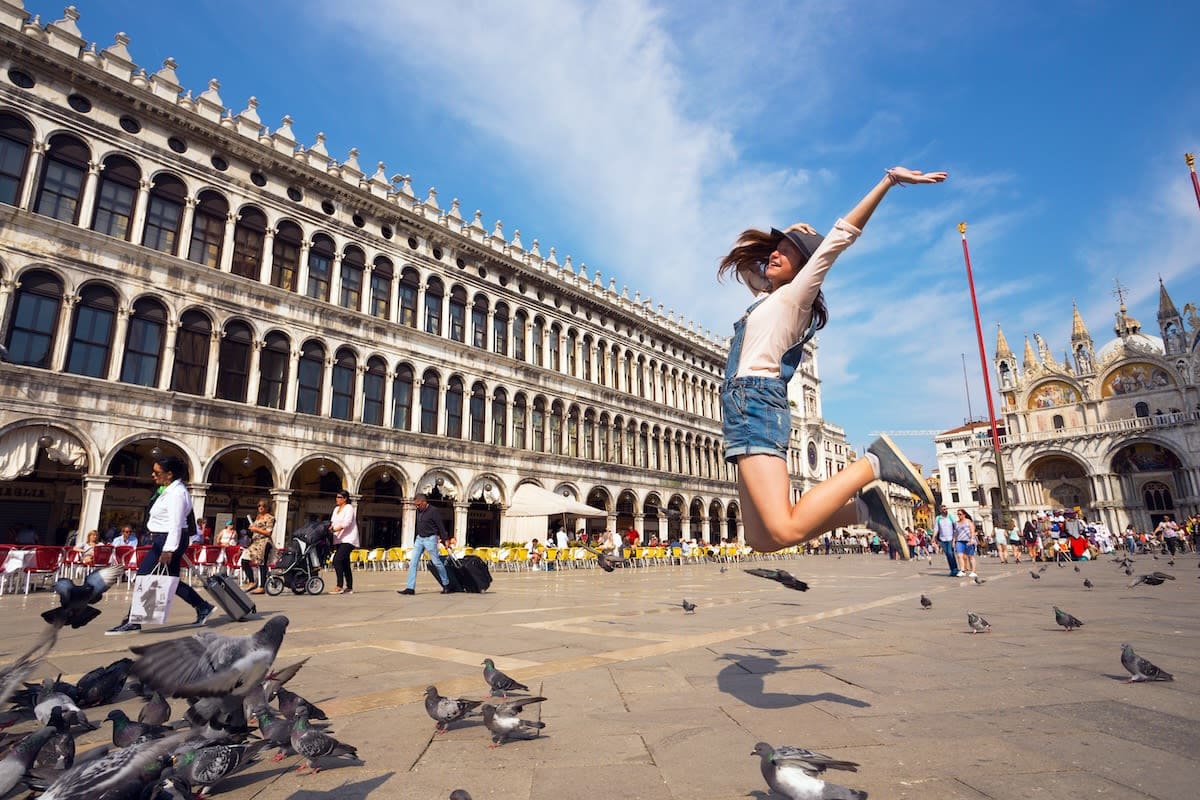
<p><span class="gre-latexized text" style="display: none;"> </span>St Mark's Square was the embodiment of The Most Serene Republic of Venice's power and prestige, and as such contains its most magnificent public buildings: the extraordinary golden mosaic-encrusted basilica of St Mark's, the exquisite Doge's Palace, the all-seeing bell tower, the <span class="gre-latexized text" style="display: none;"> </span>Bibliotecca<span class="gre-latexized text" style="display: none;"> </span> Marciana library, and what is nowadays the famous Correr Museum. If timed correctly, it is possible to see all these sights on your own within half a day, although a guide can make the process much more efficient (and more educational as well). Keep in mind that the square is one of the most heavily touristed places in the world, so crowds and lines can be an issue.<span class="gre-latexized paragraph" style="display: none;"> </span></p>
<p><span class="gre-latexized text" style="display: none;"> </span>St Mark the Evangelist was not the patrion saint of Venice until 829 AD, when two Venetian merchants stole St. Mark's remains from their original resting place in a chuch in Alexandria, Egypt, and then smuggled the relics home trussed up in a canvas sheet. The pretext for the theft was that the Muslim conquerors of Alexandria were expected to defile and plunder the church. While this may have been true, it is no coincidence that bringing such an important saint's relics to Venice was hugely important politically and signaled Venice's place as a rising independent power. A church was built to house the relics, and St. Mark's Square was established as the spiritual and political heart of the city. <span class="gre-latexized paragraph" style="display: none;"> </span></p>
<p><span class="gre-latexized paragraph" style="display: none;"> </span></p>
St Mark's Square Campanile<p><span class="gre-latexized text" style="display: none;"> </span>Ascend this reconstructed cathedral bell tower for amazing views over<span class="gre-latexized text" style="display: none;"> </span> St Marks Square, St Mark's Basilica and the Venetian lagoon. <span class="gre-latexized paragraph" style="display: none;"> </span></p>
<p><span class="gre-latexized paragraph" style="display: none;"> </span></p>
St Marks Basilica<p><span class="gre-latexized text" style="display: none;"> </span>Step inside Venice's most sacred and famous landmark and admire the glittering mosaics of the basilica's domes. <span class="gre-latexized paragraph" style="display: none;"> </span></p>
<p><span class="gre-latexized paragraph" style="display: none;"> </span></p>
Doges' Palace<p><span class="gre-latexized text" style="display: none;"> </span>Explore the staterooms and masterpieces inside this famous Gothic-style Palace.<span class="gre-latexized paragraph" style="display: none;"> </span></p>
<p><span class="gre-latexized paragraph" style="display: none;"> </span></p>
Torre dell'Orologio<p><span class="gre-latexized text" style="display: none;"> </span>Check out a renaissance clock tower dating from 1499.<span class="gre-latexized paragraph" style="display: none;"> </span></p>
<p><span class="gre-latexized paragraph" style="display: none;"> </span></p>
Correr Museum<p><span class="gre-latexized text" style="display: none;"> </span>Take a fascinating journey through the history and art of Venice inside one of its most important museums. <span class="gre-latexized paragraph" style="display: none;"> </span></p>
<p><span class="gre-latexized paragraph" style="display: none;"> </span></p>
Library of St Mark<p><span class="gre-latexized text" style="display: none;"> </span>Visit the magnificent monumental rooms of the Marciana Library, one of the oldest public libraries in Venice. <span class="gre-latexized paragraph" style="display: none;"> </span></p>
<p><span class="gre-latexized paragraph" style="display: none;"> </span></p>
Vatican City
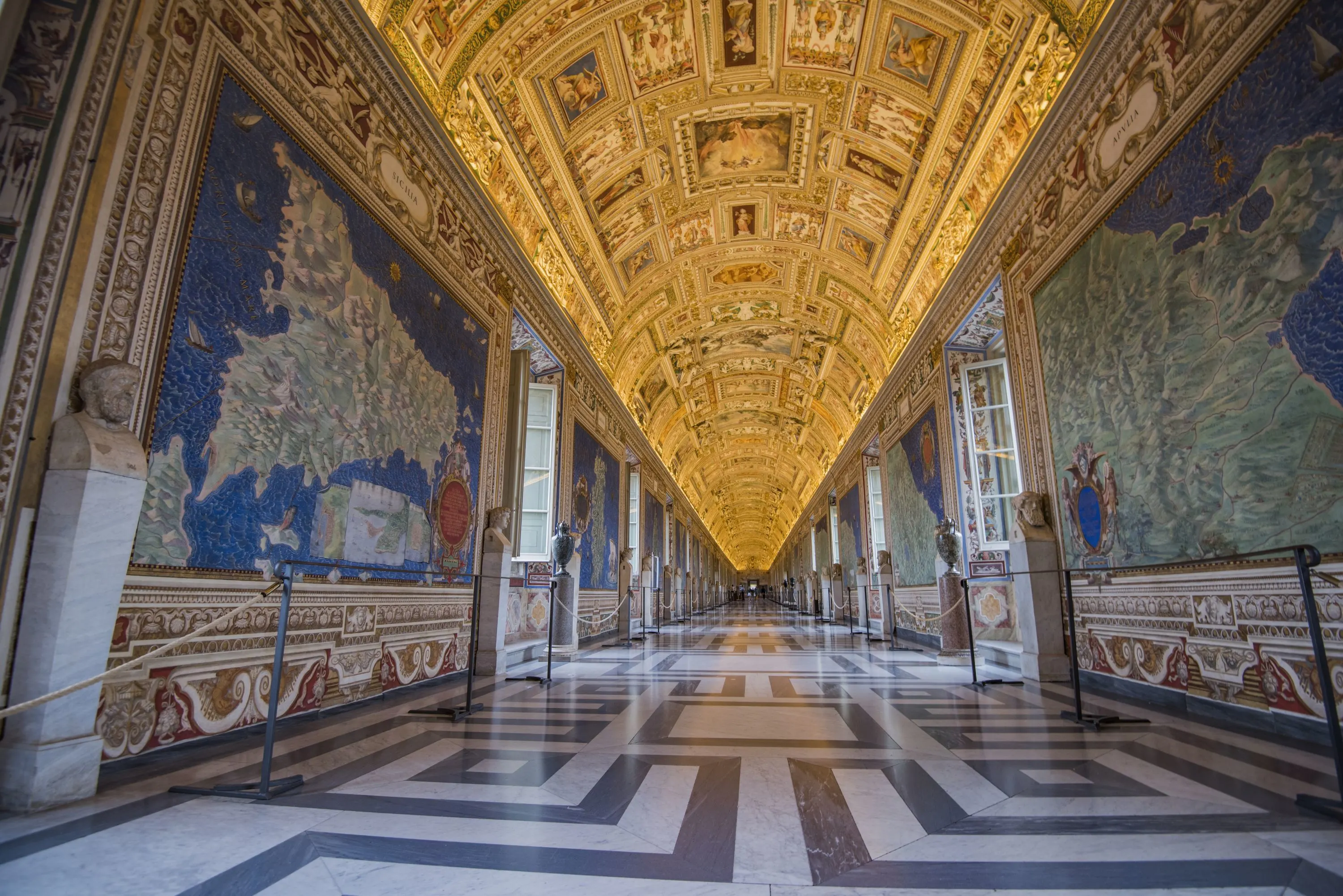
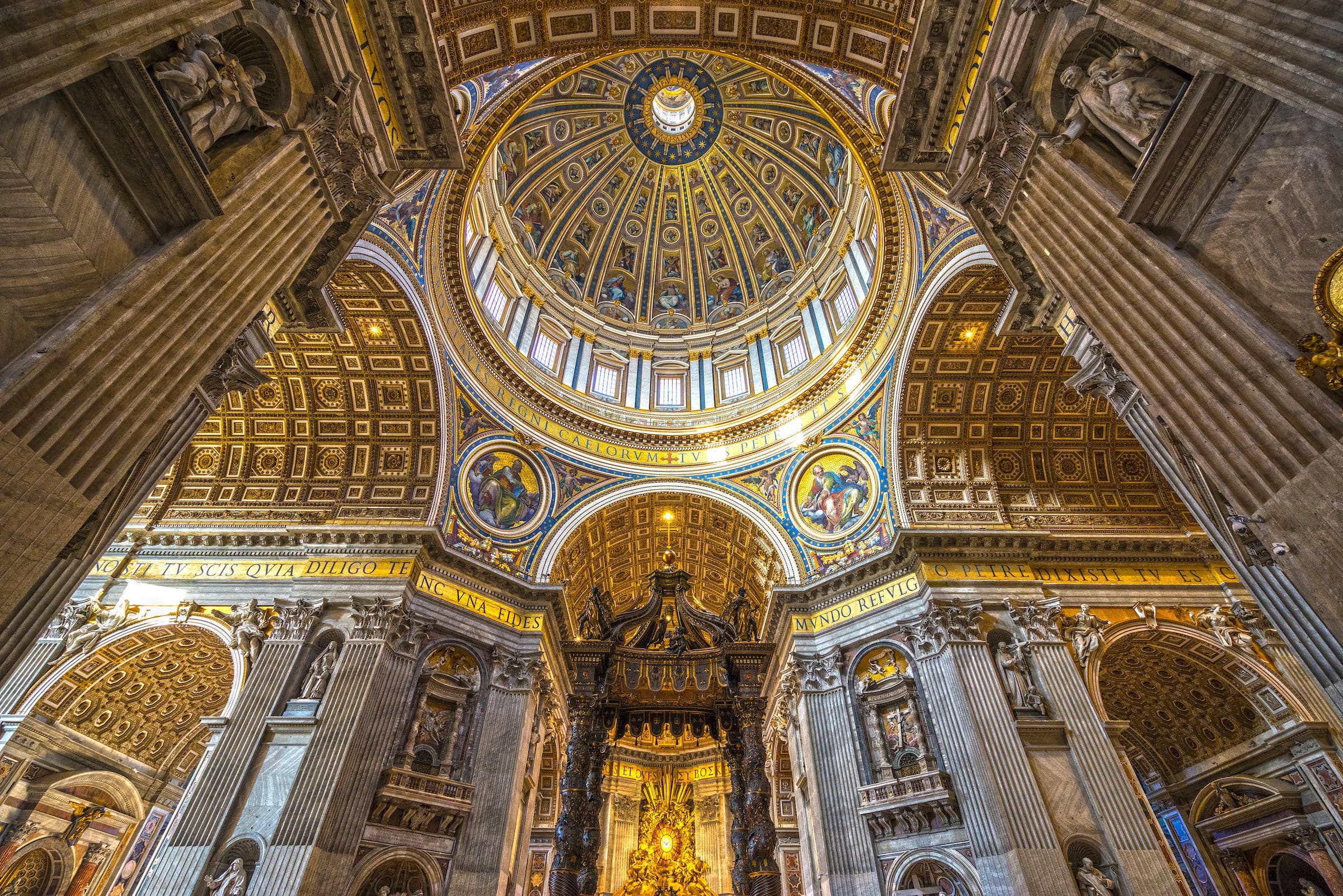
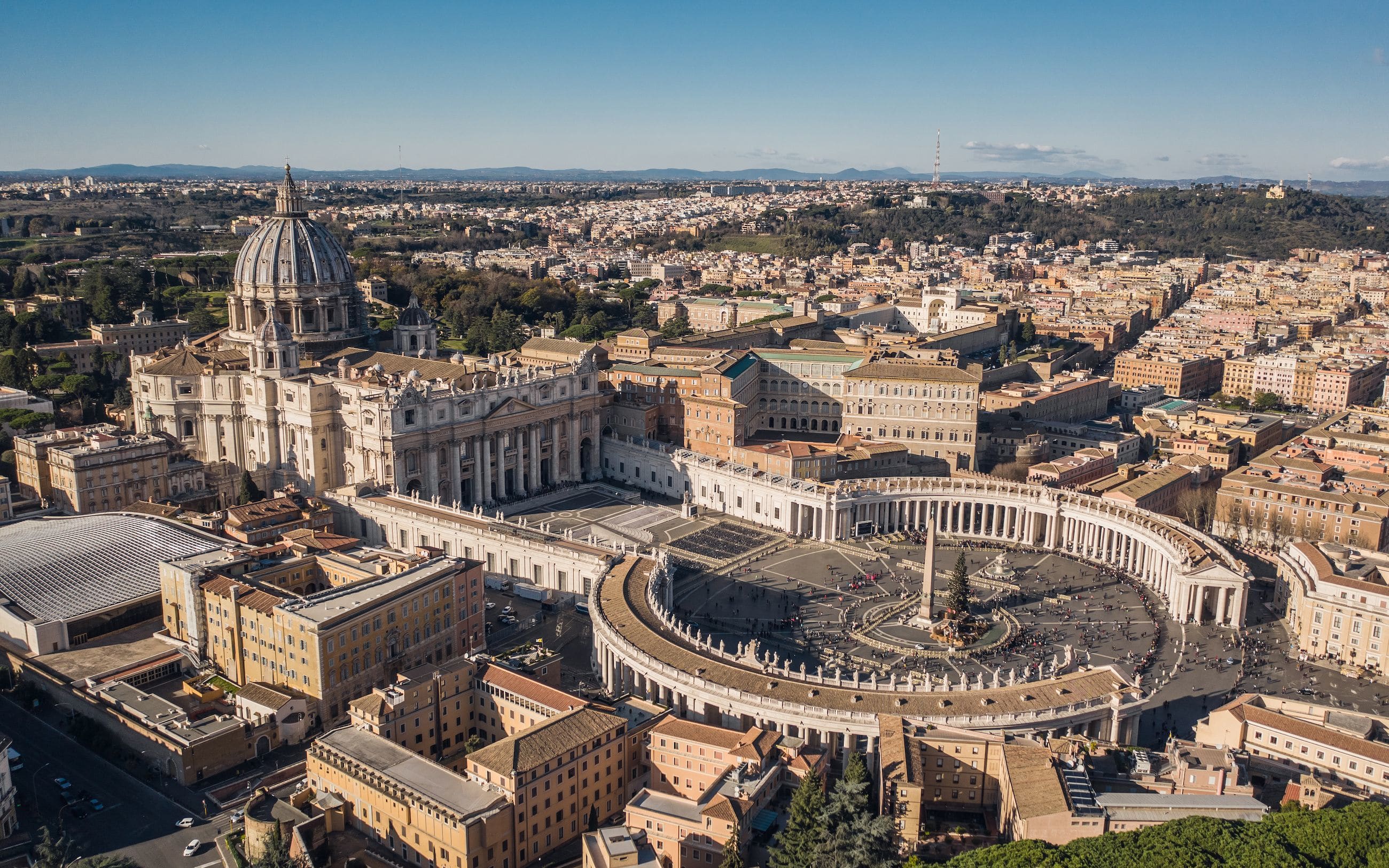
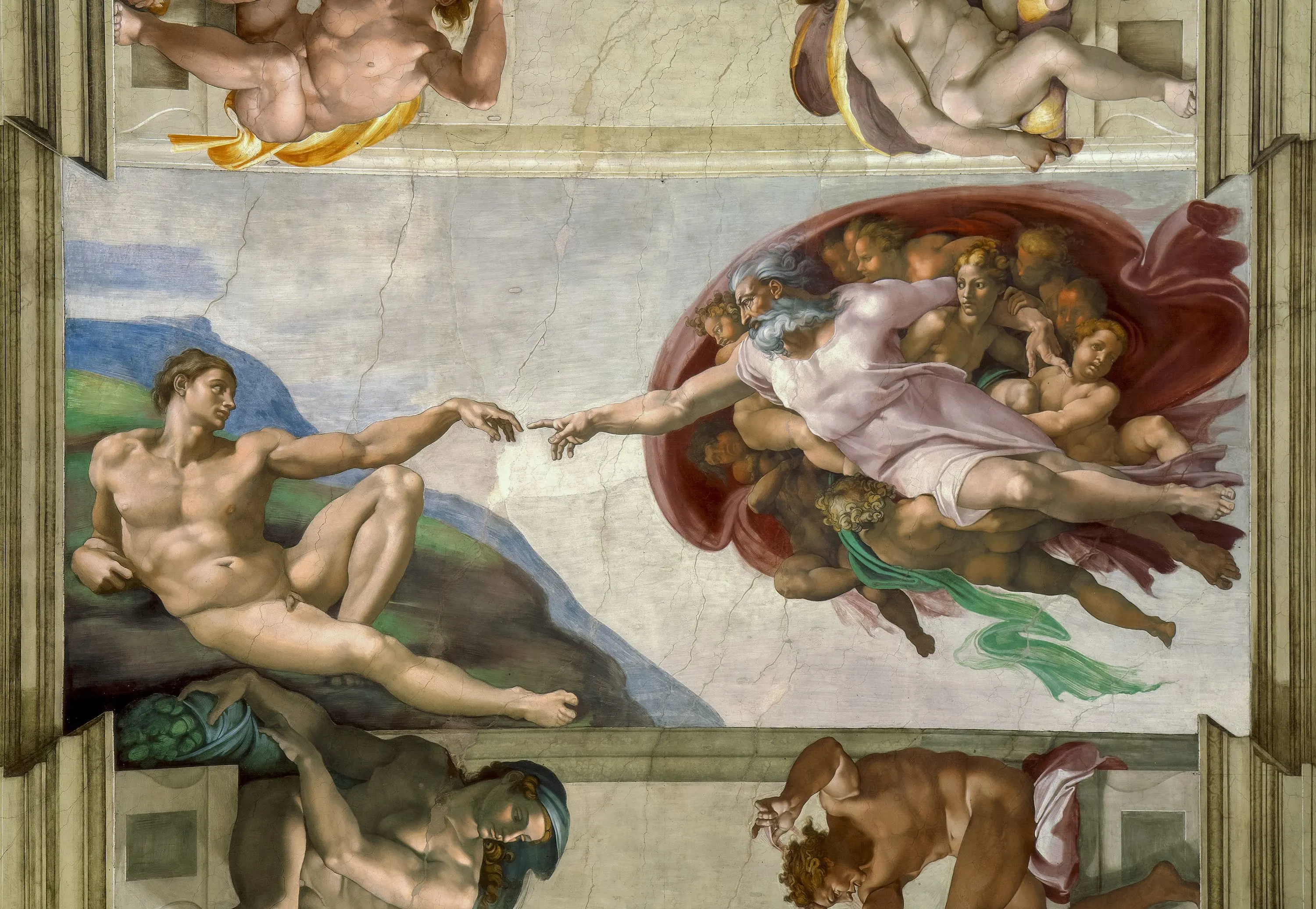
<p><span class="gre-latexized text" style="display: none;"> </span>Rome is unique in the world in that it contains an independent country within its city limits - the Vatican City, from where the Pope administers the Catholic Church. The symbolic center of Catholicism is St Peter's Basilica, the second-largest Catholic church in the world and among the most beautiful. The Vatican Museum contains one of the greatest collections of art in existence, including <span class="gre-latexized text" style="display: none;"> </span>Michelangelo's jaw-dropping Sistine Chapel<span class="gre-latexized text" style="display: none;"> </span>. <span class="gre-latexized text" style="display: none;"> </span>The popes had a bigger influence on Rome than just the collection of art. The Pope's title is actually Bishop of Rome, and popes administed the city for centuries, shaping its architecture & public spaces. Rome was re-built to be an example of urban beauty, and the Vatican was meant to be the showcase within the showcase. Their success is evident from the throngs of visitors who flock here even today.<span class="gre-latexized paragraph" style="display: none;"> </span></p>
<p><span class="gre-latexized paragraph" style="display: none;"> </span></p>
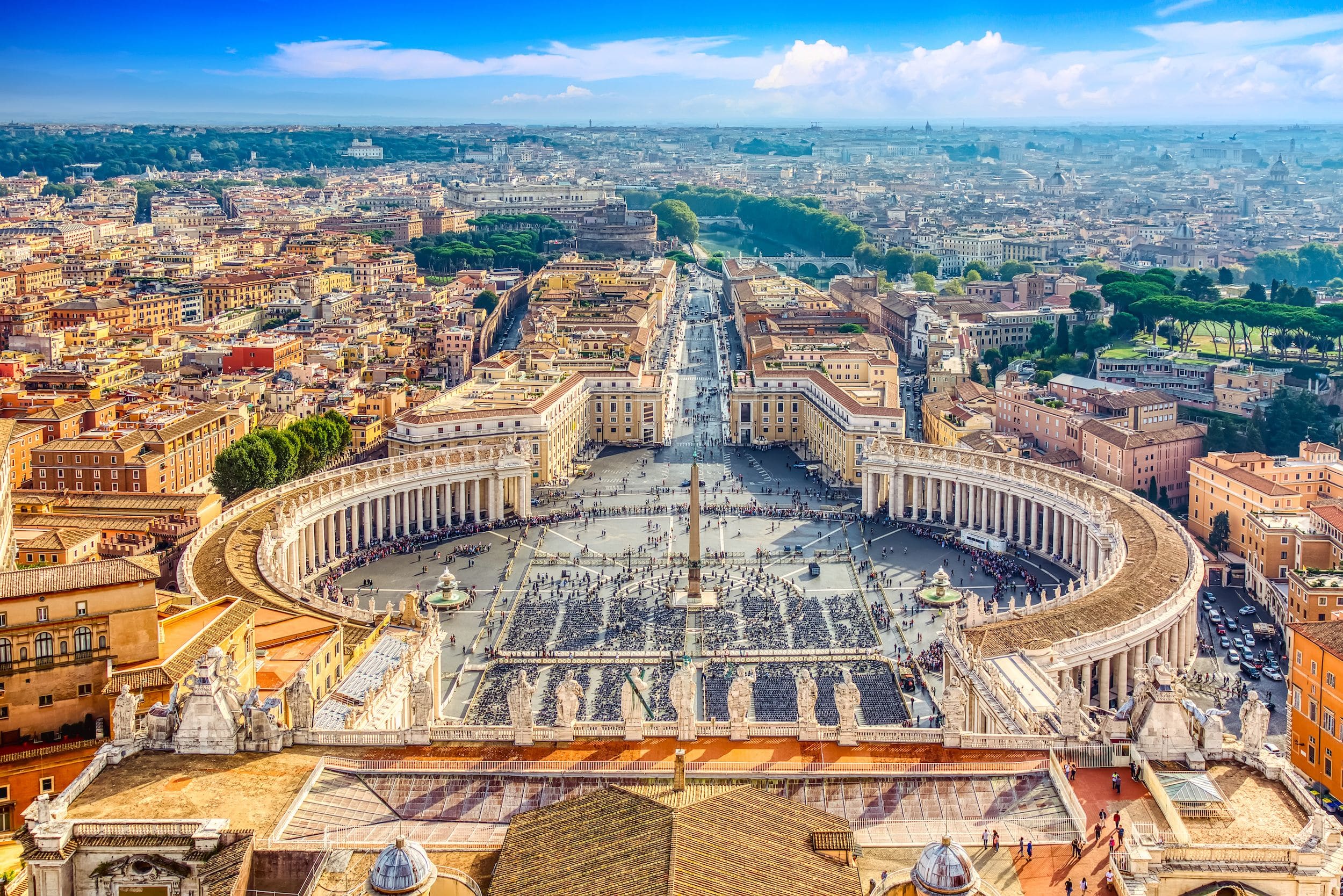
St Peter's Square<p><span class="gre-latexized text" style="display: none;"> </span>Stand in the middle of this famous square in which the faithful gather to hear the Pope give audiences and celebrate mass.<span class="gre-latexized paragraph" style="display: none;"> </span></p>
<p><span class="gre-latexized paragraph" style="display: none;"> </span></p>
Sistine Chapel<p><span class="gre-latexized text" style="display: none;"> </span>Gaze up at the world's most famous ceiling, the masterpiece of Michelangelo. <span class="gre-latexized paragraph" style="display: none;"> </span></p>
<p><span class="gre-latexized paragraph" style="display: none;"> </span></p>
Vatican Museums<p><span class="gre-latexized text" style="display: none;"> </span>Book early if you want to see the Vatican Museum's monumental works of art from the greatest Italian artists of the Renaissance. <span class="gre-latexized paragraph" style="display: none;"> </span></p>
<p><span class="gre-latexized paragraph" style="display: none;"> </span></p>
St Peter’s Basilica<p><span class="gre-latexized text" style="display: none;"> </span>Explore the gigantic and incredibly beautiful church known as <span class="gre-latexized text" style="display: none;"> </span>"the greatest of all churches of Christendom".<span class="gre-latexized paragraph" style="display: none;"> </span></p>
<p><span class="gre-latexized paragraph" style="display: none;"> </span></p>
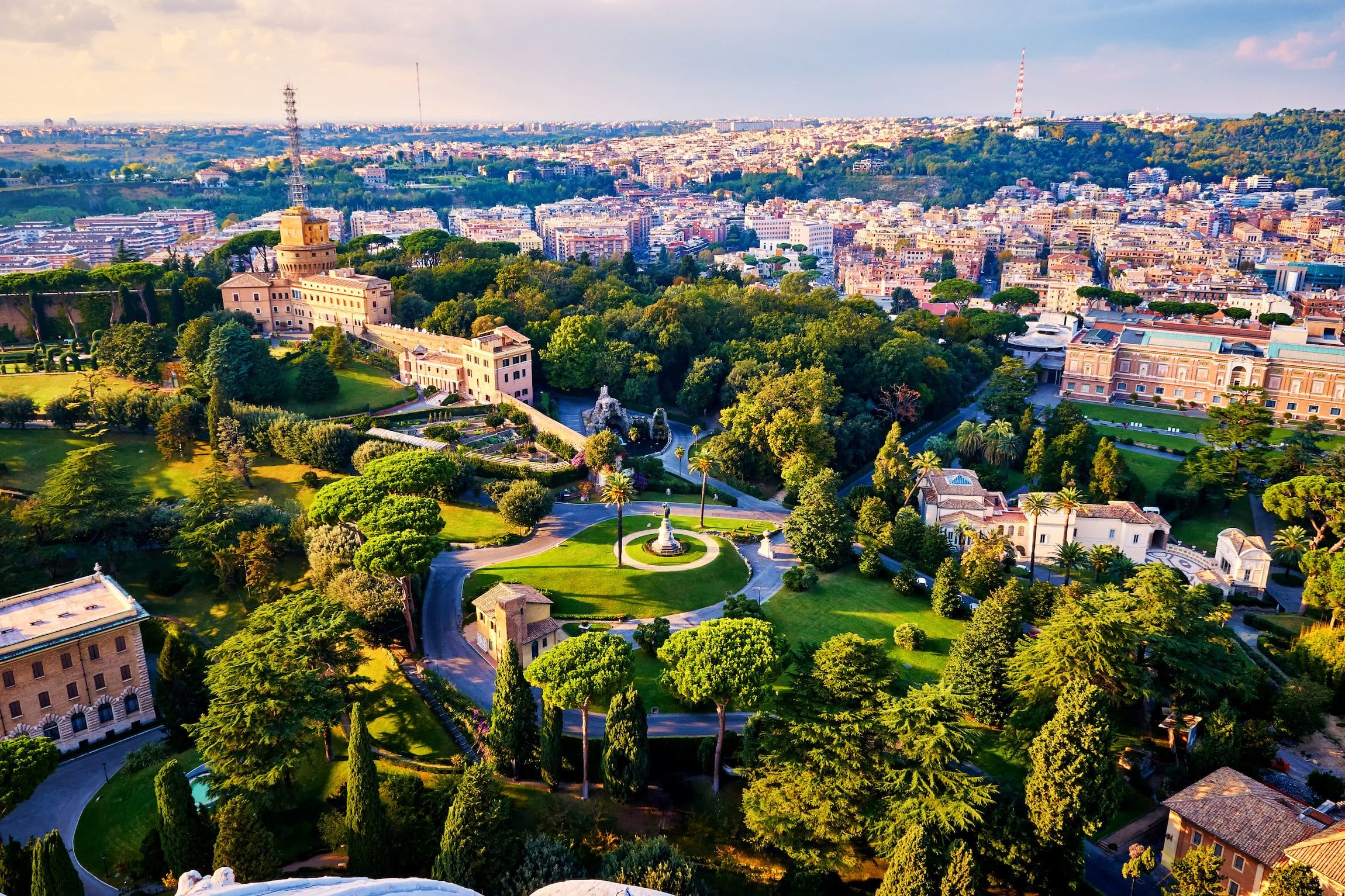
Vatican Gardens<p><span class="gre-latexized text" style="display: none;"> </span>Escape the crowds in this oasis of green hidden behind the walls of the Vatican.<span class="gre-latexized paragraph" style="display: none;"> </span></p>
<p><span class="gre-latexized paragraph" style="display: none;"> </span></p>
San Polo District
<p><span class="gre-latexized text" style="display: none;"> </span>The graceful arch of the Rialto Bridge is perhaps the single most iconic sight in Venice since nearly everyone passes beneath it on their journey along the Grand Canal. It connects Venice's two most visited districts, San Marco and San Polo. While San Marco is famous for St. Mark's Square, San Polo more than holds its own as a must-see destination, as it contains some of the city's oldest neighborhoods and most picturesque canals and bridges. It is also home to some of the best restaurants in Venice, and admittedly some of its worst tourist traps as well. Among many<span class="gre-latexized text" style="display: none;"> </span> highlights is the bustling Rialto Market, which was once one of medieval Europe's busiest financial and trade markets, and still does a brisk trade in fresh seafood and produce. <span class="gre-latexized paragraph" style="display: none;"> </span></p>
<p><span class="gre-latexized paragraph" style="display: none;"> </span></p>
Rialto Bridge<p><span class="gre-latexized text" style="display: none;"> </span>Walk over or ride under the most famous bridge on the Grand Canal.<span class="gre-latexized paragraph" style="display: none;"> </span></p>
<p><span class="gre-latexized paragraph" style="display: none;"> </span></p>
Rialto Markets<p><span class="gre-latexized text" style="display: none;"> </span>Experience the sights, tastes, and smells of Venice's historic "Pescaria" fish market, as well as the fresh produce market.<span class="gre-latexized paragraph" style="display: none;"> </span></p>
<p><span class="gre-latexized paragraph" style="display: none;"> </span></p>
Frari Church<p><span class="gre-latexized text" style="display: none;"> </span>Step inside this inconspicuous Gothic 15th-century church to discover some of Venice's most famous tombs and artwork.<span class="gre-latexized paragraph" style="display: none;"> </span></p>
<p><span class="gre-latexized paragraph" style="display: none;"> </span></p>
Scuola Grande di San Rocco<p><span class="gre-latexized text" style="display: none;"> </span>Visit this underrated art museum featuring works by the famed Renaissance artist Tintoretto.<span class="gre-latexized paragraph" style="display: none;"> </span></p>
<p><span class="gre-latexized paragraph" style="display: none;"> </span></p>
Zattere
<p><span class="gre-latexized text" style="display: none;"> </span>The Fondamenta <span class="gre-latexized text" style="display: none;"> </span>delle<span class="gre-latexized text" style="display: none;"> </span> Zattere in the Dorsoduro <span class="gre-latexized text" style="display: none;"> </span>sestiere<span class="gre-latexized text" style="display: none;"> </span> (district) is a beautiful promenade with many bars, restaurants and ice cream parlors. It has a great view across the Giudecca Canal and therefore makes for a lovely evening out to enjoy some Venetian cuisine and wines from the Veneto region. The nearby canals of Dorsoduro are also home to myriad bars and al fresco dining venues in the summer months.<span class="gre-latexized paragraph" style="display: none;"> </span></p>
<p><span class="gre-latexized paragraph" style="display: none;"> </span></p>
Piazza Della Signoria
<p><span class="gre-latexized text" style="display: none;"> </span>Piazza Della Signoria represents the very soul of Renaissance Florence and Italy. It was here in the Palazzo Vecchio that the rulers of Florence began commissioning work from the great masters of the Florentine, Roman and Venetian art world before they moved across the Arno River to Palazzo Pitti. The piazza remains an open-air sculpture museum, with eye-catching works such as the Neptune Fountain. Nearby the world famous Bargello Gallery contains the overflow of masterpieces from the Uffizi Gallery, including Donatella's famous rendering of David, while the Loggia <span class="gre-latexized text" style="display: none;"> </span>dei<span class="gre-latexized text" style="display: none;"> </span> Lanzi houses some of the greatest statuary to have come out of Renaissance Italy. <span class="gre-latexized text" style="display: none;"> </span>The piazza is still the most popular meeting point in the city, particularly during political campaigns when speakers address the crowds from the terrace in front of the Palazzo Vecchio.<span class="gre-latexized paragraph" style="display: none;"> </span></p>
<p><span class="gre-latexized paragraph" style="display: none;"> </span></p>
Loggia dei Lanzi<p><span class="gre-latexized text" style="display: none;"> </span>See Florence's wealth of sculptural treasures in this 14th-century open-air gallery.<span class="gre-latexized paragraph" style="display: none;"> </span></p>
<p><span class="gre-latexized paragraph" style="display: none;"> </span></p>
Palazzo Vecchio<p><span class="gre-latexized text" style="display: none;"> </span>Venture into the richly-adorned chambers of the palace from which Florence and Tuscany were governed for centuries.<span class="gre-latexized paragraph" style="display: none;"> </span></p>
<p><span class="gre-latexized paragraph" style="display: none;"> </span></p>
Bargello Museum<p><span class="gre-latexized text" style="display: none;"> </span>Escape the crowds to visit this gallery filled with the greatest works of Renaissance sculpture.<span class="gre-latexized paragraph" style="display: none;"> </span></p>
<p><span class="gre-latexized paragraph" style="display: none;"> </span></p>
Galleria dell'Accademia
<p><span class="gre-latexized text" style="display: none;"> </span>Take the opportunity to visit Galleria dell'Accademia to see Michelangelo's statue of David and his unfinished Slaves, then pop by the Palazzo Medici-Riccardi, the first grand palace built by the Medici family, followed by the Church of San Lorenzo to see more masterpieces by Michelangelo in the Medici Chapel and Old Sacristy. The Spedale degli Innocenti (Hospital of the Innocents) also contains a deeply moving museum dedicated to the social conditions in medieval Florence and the treatment of its unwanted children. We highly recommend the Firenze Card to facilitate easy entry into museums and galleries like Galleria dell'Accademia.<span class="gre-latexized paragraph" style="display: none;"> </span></p>
<p><span class="gre-latexized paragraph" style="display: none;"> </span></p>
Piazza Santissima Annunziata<p><span class="gre-latexized text" style="display: none;"> </span>Take a stroll around one of Florence's most pleasant squares.<span class="gre-latexized paragraph" style="display: none;"> </span></p>
<p><span class="gre-latexized paragraph" style="display: none;"> </span></p>
Hospital of the Innocents<p><span class="gre-latexized text" style="display: none;"> </span>Learn the oft-heartbreaking tale of Europe's first hospital for abandoned infants.<span class="gre-latexized paragraph" style="display: none;"> </span></p>
<p><span class="gre-latexized paragraph" style="display: none;"> </span></p>
Church of San Lorenzo<p><span class="gre-latexized text" style="display: none;"> </span>Discover a church missed by most visitors despite being one of Florence's most important, and admire masterpieces of Renaissance art and sculpture by Donatello, Michelangelo, and others.<span class="gre-latexized paragraph" style="display: none;"> </span></p>
<p><span class="gre-latexized paragraph" style="display: none;"> </span></p>
Palazzo Medici-Riccardi<p><span class="gre-latexized text" style="display: none;"> </span>Explore the 15th-century palace which the Medici family once called home.<span class="gre-latexized paragraph" style="display: none;"> </span></p>
<p><span class="gre-latexized paragraph" style="display: none;"> </span></p>
Castel Sant'Angelo
<p><span class="gre-latexized text" style="display: none;"> </span>Designed and built by Emperor Hadrian as his own mausoleum, the great circular hulk of Castel Sant'Angelo provides one of the best routes to the Vatican and St Peter's via the Ponte Sant'Angelo bridge. Appropriated by the popes, the mausoleum was turned into a fortress and attached to the Vatican with a passageway for the popes to use as a refuge in times of siege or invasion - this is where Pope Clement VII sheltered during the Sack of Rome in 1527.<span class="gre-latexized paragraph" style="display: none;"> </span></p>
<p><span class="gre-latexized paragraph" style="display: none;"> </span></p>
Mausoleum of Hadrian<p><span class="gre-latexized text" style="display: none;"> </span>Visit this iconic 2nd Century Castle built as the <span class="gre-latexized text" style="display: none;"> </span>Mausoleum For Emperor Hadrian.<span class="gre-latexized paragraph" style="display: none;"> </span></p>
<p><span class="gre-latexized paragraph" style="display: none;"> </span></p>
Ponte Sant'Angelo<p><span class="gre-latexized text" style="display: none;"> </span>Walk across this pedestrian bridge that was built in 134 A.D. by Emperor Hadrian.<span class="gre-latexized paragraph" style="display: none;"> </span></p>
<p><span class="gre-latexized paragraph" style="display: none;"> </span></p>
Spanish Steps
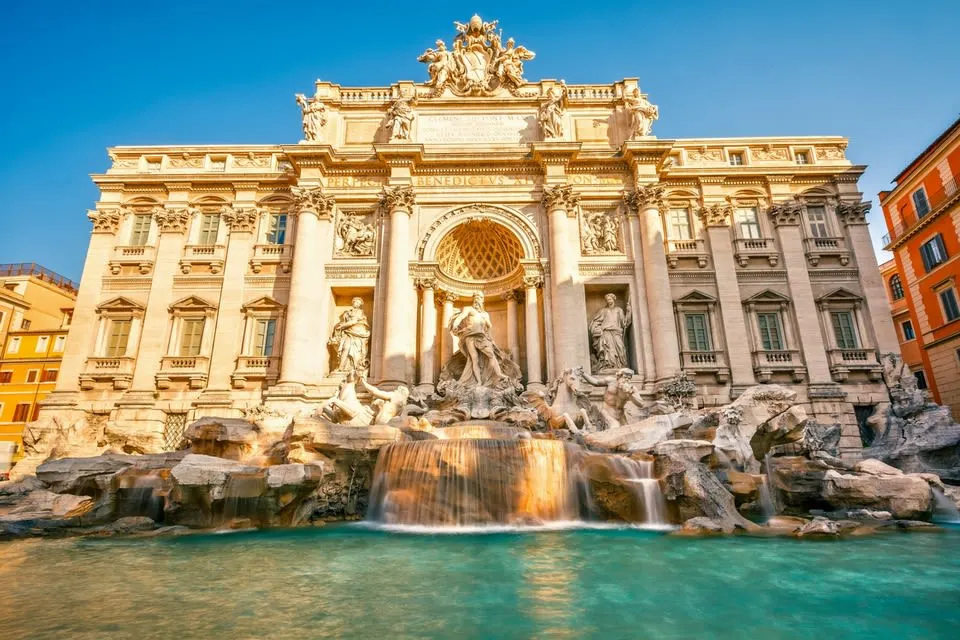
<p><span class="gre-latexized text" style="display: none;"> </span>The streets spreading out from grand Piazza del Popolo (People's Square) form a trident that hosts some of the most popular shopping and tourist sights in Rome. These include the Spanish Steps, the adjacent Keats-Shelley House where Keats died of tuberculosis in 1821, Trevi Fountain where Anita Ekberg jumped into the water in the famous scene from Frederico Fellini's La Dolce Vita, and the Mausoleum of Emperor Augustus.<span class="gre-latexized paragraph" style="display: none;"> </span></p>
<p><span class="gre-latexized paragraph" style="display: none;"> </span></p>
Spanish Steps<p><span class="gre-latexized text" style="display: none;"> </span>Take a scenic walk up the 18th-century stairway where Audrey Hepburn and Gregory Peck set out on their Roman Holiday.<span class="gre-latexized paragraph" style="display: none;"> </span></p>
<p><span class="gre-latexized paragraph" style="display: none;"> </span></p>
Keats-Shelly House<p><span class="gre-latexized text" style="display: none;"> </span>Visit the last residence of poet John Keats, now a memorial museum. <span class="gre-latexized paragraph" style="display: none;"> </span></p>
<p><span class="gre-latexized paragraph" style="display: none;"> </span></p>
The Trevi Fountain<p><span class="gre-latexized text" style="display: none;"> </span>Admire one of the most iconic sights in Rome, made famous by Anita Ekberg in La Dolce Vita.<span class="gre-latexized paragraph" style="display: none;"> </span></p>
<p><span class="gre-latexized paragraph" style="display: none;"> </span></p>
Mausoleum of Augustus<p><span class="gre-latexized text" style="display: none;"> </span>Visit the tomb of the first Roman Emperor and his family, which is finally being restored after more than a millenium of neglect.<span class="gre-latexized paragraph" style="display: none;"> </span></p>
<p><span class="gre-latexized paragraph" style="display: none;"> </span></p>
Piazza del Popolo<p><span class="gre-latexized text" style="display: none;"> </span>Take some time to admire this elegant square that once served as an impressive main entry point into the city of Rome. <span class="gre-latexized paragraph" style="display: none;"> </span></p>
<p><span class="gre-latexized paragraph" style="display: none;"> </span></p>
Palazzo Pitti
<p><span class="gre-latexized text" style="display: none;"> </span>The Ponte Vecchio, an iconic bridge over the Arno River, dates back to Roman times and is a key Florence landmark. Once home to butchers, it now houses jewelers and art dealers. The Vasari Corridor above was a Medici family passage linking the Palazzo Vecchio with the Pitti Palace, a treasure trove of Italian Renaissance and Baroque art by Raphael, Titian, and others. Walk across this magnificent bridge that connects the two sides of the city and learn about its history along the way. <span class="gre-latexized paragraph" style="display: none;"> </span></p>
<p><span class="gre-latexized paragraph" style="display: none;"> </span></p>
Palazzo Pitti<p><span class="gre-latexized text" style="display: none;"> </span>Discover some of the Florence's best but often overlooked museums in the former palace of the Grand Dukes of Tuscany.<span class="gre-latexized paragraph" style="display: none;"> </span></p>
<p><span class="gre-latexized paragraph" style="display: none;"> </span></p>
Boboli Gardens<p><span class="gre-latexized text" style="display: none;"> </span>Join <span class="gre-latexized text" style="display: none;"> </span>locals and tourists alike in a park which the Medici's poured their hearts (and money) into creating.<span class="gre-latexized paragraph" style="display: none;"> </span></p>
<p><span class="gre-latexized paragraph" style="display: none;"> </span></p>
Uffizi Gallery
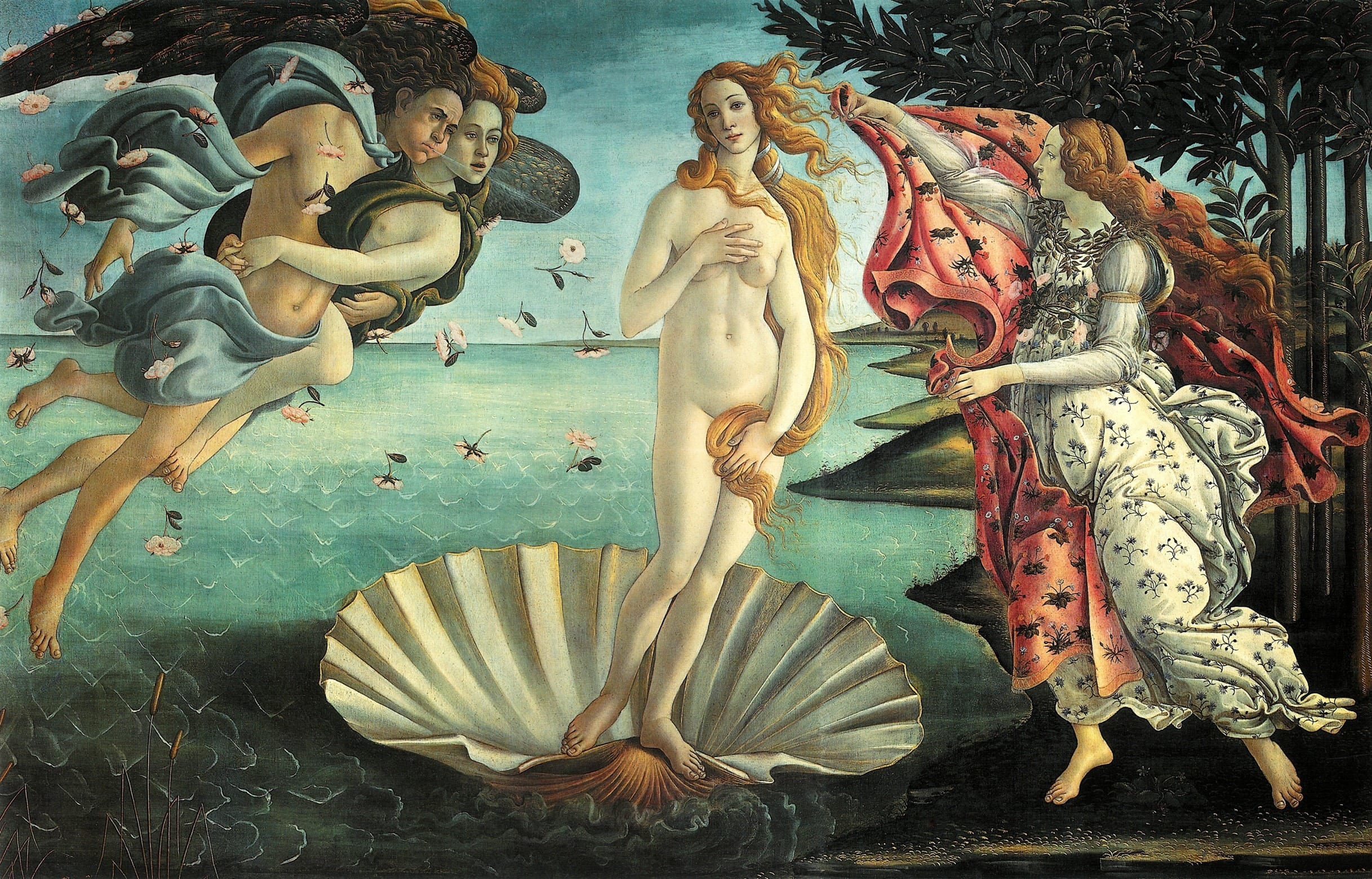
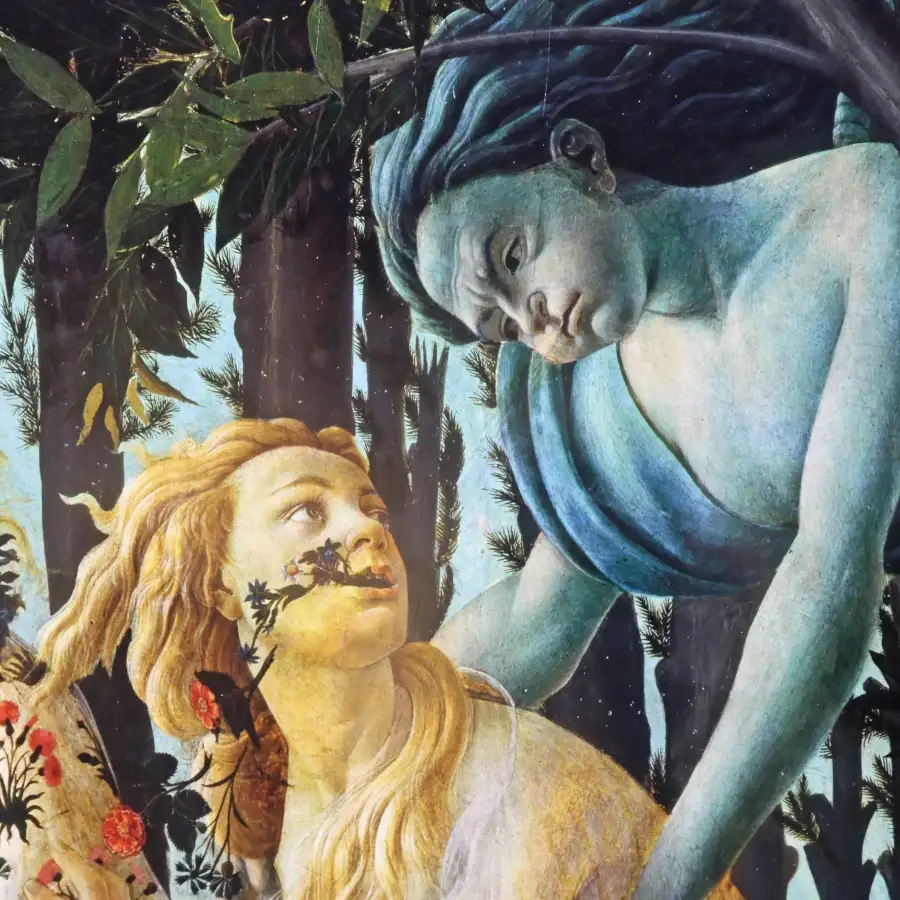
<p><span class="gre-latexized text" style="display: none;"> </span>As the capital of the Renaissance, it's only fitting that Florence should also host Italy's greatest art gallery at the Uffizi. It's understandably busy throughout the year, but it's nevertheless worth the crowds to see to see some of the most sumptuous masterpieces of Renaissance art, including Botticelli's Primavera and Venus, and works by Michelangelo and Da Vinci. <span class="gre-latexized text" style="display: none;"> </span>If you're planning to visit other galleries and museums in Florence, then it's definitely worth investing in a <span class="gre-latexized text" style="display: none;"> </span>Firenze Card<span class="gre-latexized text" style="display: none;"> </span>, which gives you free entry and priority access to 72 venues in the city. At a minimum, you should book ahead for the Uffizi to avoid very long queues.<span class="gre-latexized paragraph" style="display: none;"> </span></p>
<p><span class="gre-latexized paragraph" style="display: none;"> </span></p>
Forum (Ancient Rome)
<p><span class="gre-latexized text" style="display: none;"> </span>Few sites in Rome are so filled with as much of a sense of history as the Roman Forum, which was once the hub of political and social activity in ancient Rome. Located between Piazza Venezia and the mighty Colosseum, the Forum and the adjoining Palatine Hill is one of the most visited sites in Rome. You'll walk down what was once a long square lined by the most important temples, government buildings, and business places. It was filled with dramatic and often gaudy monuments and statues commerating victories and great Romans from the past. Even today you can still get some sense of what an amazing sight it must have been, as you'll encounter an impressive collection of Roman ruins still remaining. <span class="gre-latexized paragraph" style="display: none;"> </span></p>
<p><span class="gre-latexized paragraph" style="display: none;"> </span></p>
House of the Vestal Virgins<p><span class="gre-latexized text" style="display: none;"> </span>See the ancient statues of the virgins on whose chastity the fate of Rome depended.<span class="gre-latexized paragraph" style="display: none;"> </span></p>
<p><span class="gre-latexized paragraph" style="display: none;"> </span></p>
Temples of Castor & Pollux and Vesta<p><span class="gre-latexized text" style="display: none;"> </span>See the ruins of the temple dedicated to the mythical twin gods, <span class="gre-latexized text" style="display: none;"> </span>Castor and Pollux.<span class="gre-latexized paragraph" style="display: none;"> </span></p>
<p><span class="gre-latexized paragraph" style="display: none;"> </span></p>
Basilica of Constantine<p><span class="gre-latexized text" style="display: none;"> </span>Admire the remains of a Roman basilica that once housed a giant statue of Constantine.<span class="gre-latexized paragraph" style="display: none;"> </span></p>
<p><span class="gre-latexized paragraph" style="display: none;"> </span></p>
Arch of Titus<p><span class="gre-latexized text" style="display: none;"> </span>Gaze up at the triumphal arch with inscriptions and sculptures that honor the military victories of Emperor Titus.<span class="gre-latexized paragraph" style="display: none;"> </span></p>
<p><span class="gre-latexized paragraph" style="display: none;"> </span></p>
Palatine Hill<p><span class="gre-latexized text" style="display: none;"> </span>Escape the crowds and climb to the hill overlooking the Forum, where the emperors built their luxurious palaces. <span class="gre-latexized paragraph" style="display: none;"> </span></p>
<p><span class="gre-latexized paragraph" style="display: none;"> </span></p>
The Grand Canal
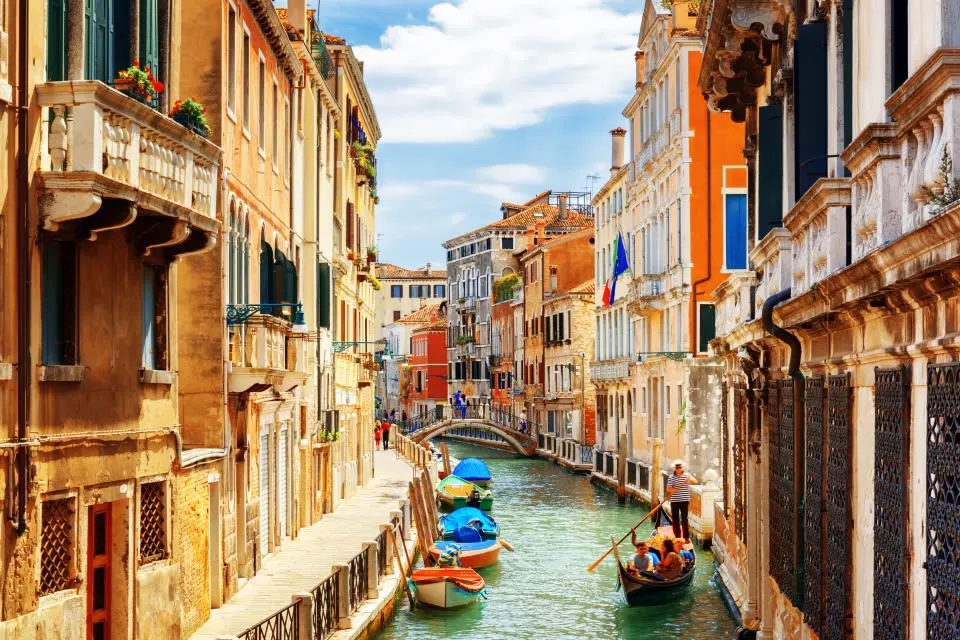
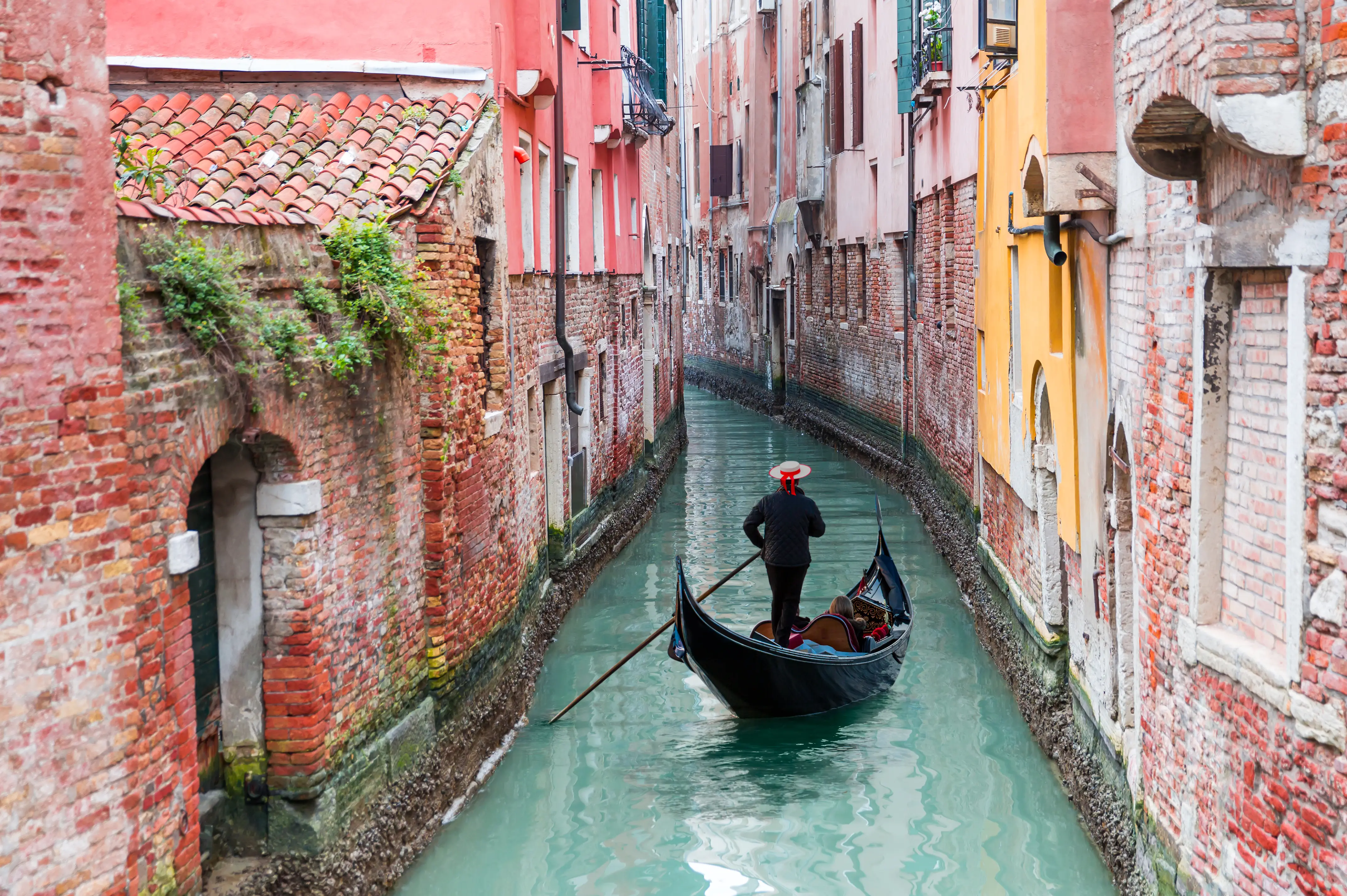
<p><span class="gre-latexized text" style="display: none;"> </span>Snaking through the heart of Venice, the Grand Canal is the main artery of Venice. Flanked by Gothic, Renaissance and Moorish palaces, a trip down the Canal is often the highlight of many people's trip. While the Gondola is the most romantic option, many opt for the less glamorous but equally as enjoyable ride on the 3.8 kilometres Water Bus Line 1, which passes some 50 palazzi and passes underneath the famous Rialto Bridge. <span class="gre-latexized paragraph" style="display: none;"> </span></p>
<p><span class="gre-latexized paragraph" style="display: none;"> </span></p>
Rialto Bridge<p><span class="gre-latexized text" style="display: none;"> </span>Walk over or ride under the most famous bridge on the Grand Canal.<span class="gre-latexized paragraph" style="display: none;"> </span></p>
<p><span class="gre-latexized paragraph" style="display: none;"> </span></p>
Ca'd'Oro<p><span class="gre-latexized text" style="display: none;"> </span>Admire the elaborate 15th-century Gothic facade of this famous building along the Grand Canal. <span class="gre-latexized paragraph" style="display: none;"> </span></p>
<p><span class="gre-latexized paragraph" style="display: none;"> </span></p>
Murano & Burano
<p><span class="gre-latexized text" style="display: none;"> </span>Explore the intricacies of two famed Italian handicrafts with a day trip from Venice to the nearby islands of Murano and Burano. Stop by a glass factory or two and watch a live demonstration of glass artisans at work on the island of Murano, before hopping over to Burano, known for its brightly colored buildings and lace making, a tradition that dates back to the 16th Century. <span class="gre-latexized paragraph" style="display: none;"> </span></p>
<p><span class="gre-latexized text" style="display: none;"> </span>Both quiet islands offer a peaceful retreat from the often tourist filled squares of Venice's mainland. You can easily reach them by taking a guided tour or simply by catching the Vaporetto. It only takes about ten minutes to reach Murano from the F.te Nove stop, and another 30 minutes to reach Burano. Once arrived you will surely<span class="gre-latexized text" style="display: none;"> </span> enjoy the laid-back island havens, both with their own Grand Canals, colorful buildings and a host of fascinating workshops, showrooms, and picturesque sidewalk cafes.<span class="gre-latexized paragraph" style="display: none;"> </span></p>
<p><span class="gre-latexized paragraph" style="display: none;"> </span></p>
Glass Museum & Murano's Glass-Making Factories<p><span class="gre-latexized text" style="display: none;"> </span>See a superb collection of Venetian glass inside the Museum of Glass, and then stop by one of the island's workshops for a live demonstration.<span class="gre-latexized paragraph" style="display: none;"> </span></p>
<p><span class="gre-latexized paragraph" style="display: none;"> </span></p>
Museum of Lace (Museo del Merletto)<p><span class="gre-latexized text" style="display: none;"> </span>Observe firsthand one of the world's oldest and most famous traditions of lace making.<span class="gre-latexized paragraph" style="display: none;"> </span></p>
<p><span class="gre-latexized paragraph" style="display: none;"> </span></p>
Burano's Colorful Houses<p><span class="gre-latexized text" style="display: none;"> </span>Take a walk through Venice's most colorful island and enjoy the unusual sight of its brightly-painted flourescent houses.<span class="gre-latexized paragraph" style="display: none;"> </span></p>
<p><span class="gre-latexized paragraph" style="display: none;"> </span></p>
Trastevere
<p><span class="gre-latexized text" style="display: none;"> </span>Stroll around Trastevere, a formerly working-class district which has now been transformed into one of its hippest neighborhoods. You'll discover a heady nightlife mostly free of the tourist traps which mar other parts of the center, and you'll discover hidden corners beloved by locals and visitors alike. We highly recommend dining out in one of the district's top-rated restaurants or cafes, but beware, this is Rome's most popular spot for dinner, so booking ahead or dining early is highly advised. If you don't make a reservation, here's one tip for finding a restaurant: if someone is standing outside trying to convince you to come in, it's not popular with the locals.<span class="gre-latexized paragraph" style="display: none;"> </span></p>
<p><span class="gre-latexized paragraph" style="display: none;"> </span></p>
Basilica di Santa Maria<p><span class="gre-latexized text" style="display: none;"> </span>Step inside this mosaic-covered gem of Rome, and then linger for a while to people watch on the square its located on.<span class="gre-latexized paragraph" style="display: none;"> </span></p>
<p><span class="gre-latexized paragraph" style="display: none;"> </span></p>