
Relaxed Winter Trip to Italy: Venice, Milan, Florence, & Rome
 12 Day Tour of Venice, Milan, Florence and Rome
Overview
Trip Map
Itinerary
Inclusions
Reviews



How Long Is the Relaxed Winter Trip to Italy Trip and What Does It Cost?
 Duration12 days / 11 nights
- Best timeJan-Dec
 From$2999 / person (Flights not included)
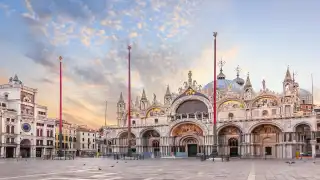
- Enjoy a private guided tour through Venice's San Marco Sestiere, including St. Mark’s Basilica.
- Take in the stunning view from Milan's Duomo terraces and visit the Brera District for art & culture
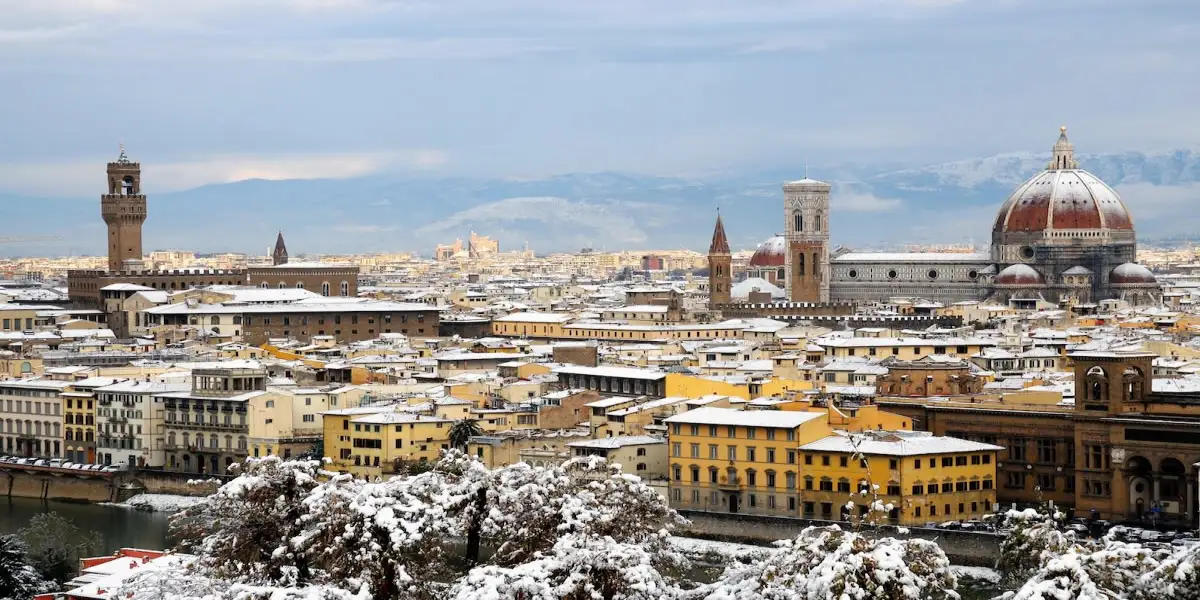
- See the masterpieces of the Uffizi Gallery and Michelangelo’s David during your stay in Florence.
- Explore Ancient Rome with a private guide & take a self-guided walk through Rome’s historic squares.
- Shop and cook like a local in Rome with a private cooking class.
- Enjoy a private guided tour through Venice's San Marco Sestiere, including St. Mark’s Basilica.
- Take in the stunning view from Milan's Duomo terraces and visit the Brera District for art & culture
- See the masterpieces of the Uffizi Gallery and Michelangelo’s David during your stay in Florence.
- Explore Ancient Rome with a private guide & take a self-guided walk through Rome’s historic squares.
- Shop and cook like a local in Rome with a private cooking class.


Must see sights
Starting from
$2999
per person
 Not included
 Price varies by group size, hotel selection, and travel season.
Secure Your Customizable Trip
Enter your details to embark on a journey that can be tailored just for you.
Start
Travelers
Preferred Hotel Stars

Craft Your Own Itinerary
Select your interests and destinations for a trip plan inspired by you.
Where Does the Relaxed Winter Trip to Italy Trip Trip Go?
| ← | Move left |
| → | Move right |
| ↑ | Move up |
| ↓ | Move down |
| + | Zoom in |
| - | Zoom out |
| Home | Jump left by 75% |
| End | Jump right by 75% |
| Page Up | Jump up by 75% |
| Page Down | Jump down by 75% |


Click To Make Map Interactive
Relaxed Winter Trip to Italy Trip Timeline
Arrival
2 nights
Venice
Italy
Train: 2.5h
2 nights
Milan
Italy
Train: 2h
3 nights
Florence
Italy
Train: 2h
4 nights
Rome
Italy
Departure
What Does the Relaxed Winter Trip to Italy Trip Itinerary Look Like?

Day 1
Arrive Venice

Day 1
Arrive Venice


To Be Determined
Transfer from Airport
There are two main airports in Venice. You will likely arrive at the main airport of Venice Marco Polo which is located 5 miles (8km) across the water from Venice. The water bus (i.e. the "vaparetto") picks up directly at the airport and delivers you to Venice. You'll find the docks just by following the signs and you can purchase a water bus ticket at the airport for 15 EUR. You can also book a private, and very expensive, water taxi directly to your hotel, or take a land taxi to Piazzale Roma near the Venice main train station. From there you can walk or catch a water bus to your hotel. Uber is not available in Venice. If you are arriving at the more distant Treviso Airport, you will need to take a shuttle bus or an expensive taxi (100 EUR) to Venice. The ATVO bus delivers you to the Piazzale Roma on Venice in 70 minutes. The Barzi Bus Service takes you to the Tronchetto docks in 40 minutes, but from there you must take a water taxi or water bus. Both cost 12 EUR.


Day 1
Arrive Venice

Day 1
Arrive Venice
To Be Determined:
Transfer from Airport
Mid-Day to Late Afternoon:
St Mark's Square
Late Afternoon:
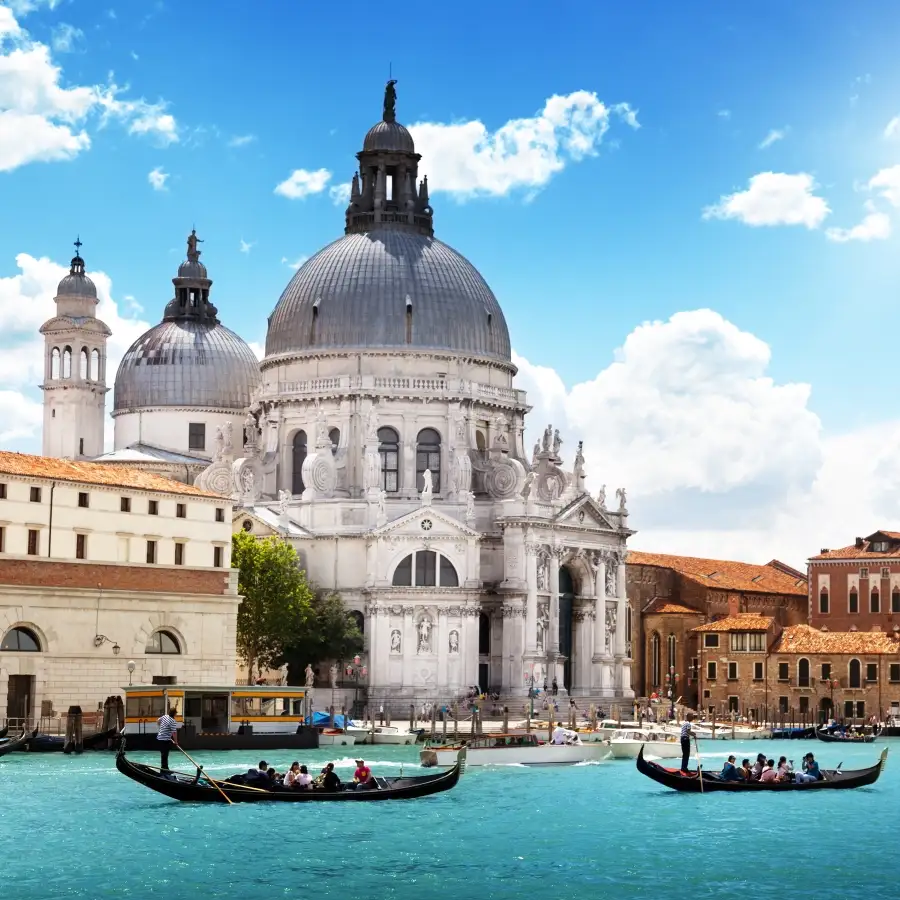
The Grand Canal
Transfer from Airport
OverviewTransfer from Airport
There are two main airports in Venice. You will likely arrive at the main airport of Venice Marco Polo which is located 5 miles (8km) across the water from Venice. The water bus (i.e. the "vaparetto") picks up directly at the airport and delivers you to Venice. You'll find the docks just by following the signs and you can purchase a water bus ticket at the airport for 15 EUR. You can also book a private, and very expensive, water taxi directly to your hotel, or take a land taxi to Piazzale Roma near the Venice main train station. From there you can walk or catch a water bus to your hotel. Uber is not available in Venice. If you are arriving at the more distant Treviso Airport, you will need to take a shuttle bus or an expensive taxi (100 EUR) to Venice. The ATVO bus delivers you to the Piazzale Roma on Venice in 70 minutes. The Barzi Bus Service takes you to the Tronchetto docks in 40 minutes, but from there you must take a water taxi or water bus. Both cost 12 EUR.
Transfer from Airport
OverviewTransfer from Airport
There are two main airports in Venice. You will likely arrive at the main airport of Venice Marco Polo which is located 5 miles (8km) across the water from Venice. The water bus (i.e. the "vaparetto") picks up directly at the airport and delivers you to Venice. You'll find the docks just by following the signs and you can purchase a water bus ticket at the airport for 15 EUR. You can also book a private, and very expensive, water taxi directly to your hotel, or take a land taxi to Piazzale Roma near the Venice main train station. From there you can walk or catch a water bus to your hotel. Uber is not available in Venice. If you are arriving at the more distant Treviso Airport, you will need to take a shuttle bus or an expensive taxi (100 EUR) to Venice. The ATVO bus delivers you to the Piazzale Roma on Venice in 70 minutes. The Barzi Bus Service takes you to the Tronchetto docks in 40 minutes, but from there you must take a water taxi or water bus. Both cost 12 EUR.
Transfer from Airport
OverviewTransfer from Airport
There are two main airports in Venice. You will likely arrive at the main airport of Venice Marco Polo which is located 5 miles (8km) across the water from Venice. The water bus (i.e. the "vaparetto") picks up directly at the airport and delivers you to Venice. You'll find the docks just by following the signs and you can purchase a water bus ticket at the airport for 15 EUR. You can also book a private, and very expensive, water taxi directly to your hotel, or take a land taxi to Piazzale Roma near the Venice main train station. From there you can walk or catch a water bus to your hotel. Uber is not available in Venice. If you are arriving at the more distant Treviso Airport, you will need to take a shuttle bus or an expensive taxi (100 EUR) to Venice. The ATVO bus delivers you to the Piazzale Roma on Venice in 70 minutes. The Barzi Bus Service takes you to the Tronchetto docks in 40 minutes, but from there you must take a water taxi or water bus. Both cost 12 EUR.
Transfer from Airport
OverviewTransfer from Airport
There are two main airports in Venice. You will likely arrive at the main airport of Venice Marco Polo which is located 5 miles (8km) across the water from Venice. The water bus (i.e. the "vaparetto") picks up directly at the airport and delivers you to Venice. You'll find the docks just by following the signs and you can purchase a water bus ticket at the airport for 15 EUR. You can also book a private, and very expensive, water taxi directly to your hotel, or take a land taxi to Piazzale Roma near the Venice main train station. From there you can walk or catch a water bus to your hotel. Uber is not available in Venice. If you are arriving at the more distant Treviso Airport, you will need to take a shuttle bus or an expensive taxi (100 EUR) to Venice. The ATVO bus delivers you to the Piazzale Roma on Venice in 70 minutes. The Barzi Bus Service takes you to the Tronchetto docks in 40 minutes, but from there you must take a water taxi or water bus. Both cost 12 EUR.
Transfer from Airport
OverviewTransfer from Airport
There are two main airports in Venice. You will likely arrive at the main airport of Venice Marco Polo which is located 5 miles (8km) across the water from Venice. The water bus (i.e. the "vaparetto") picks up directly at the airport and delivers you to Venice. You'll find the docks just by following the signs and you can purchase a water bus ticket at the airport for 15 EUR. You can also book a private, and very expensive, water taxi directly to your hotel, or take a land taxi to Piazzale Roma near the Venice main train station. From there you can walk or catch a water bus to your hotel. Uber is not available in Venice. If you are arriving at the more distant Treviso Airport, you will need to take a shuttle bus or an expensive taxi (100 EUR) to Venice. The ATVO bus delivers you to the Piazzale Roma on Venice in 70 minutes. The Barzi Bus Service takes you to the Tronchetto docks in 40 minutes, but from there you must take a water taxi or water bus. Both cost 12 EUR.
Day 2
Venice
Day 2
Venice


Morning/Mid-Day
The Dorsoduro District
Discover the less well-known sestiere (district) of Dorsoduro and visit its world-famous art collections at Gallerie dell'Academia, the Peggy Guggenheim Collection, and Cà Rezzonico. Once a haven for artists before rising rents drove them out, it is still a charming and unique district with many lively spots, such as the Campo Santa Margherita, one of Venice's largest squares. Be sure to take a walk along its enchanting waterfront promenade known as Zattere and explore the cafes along its canals.
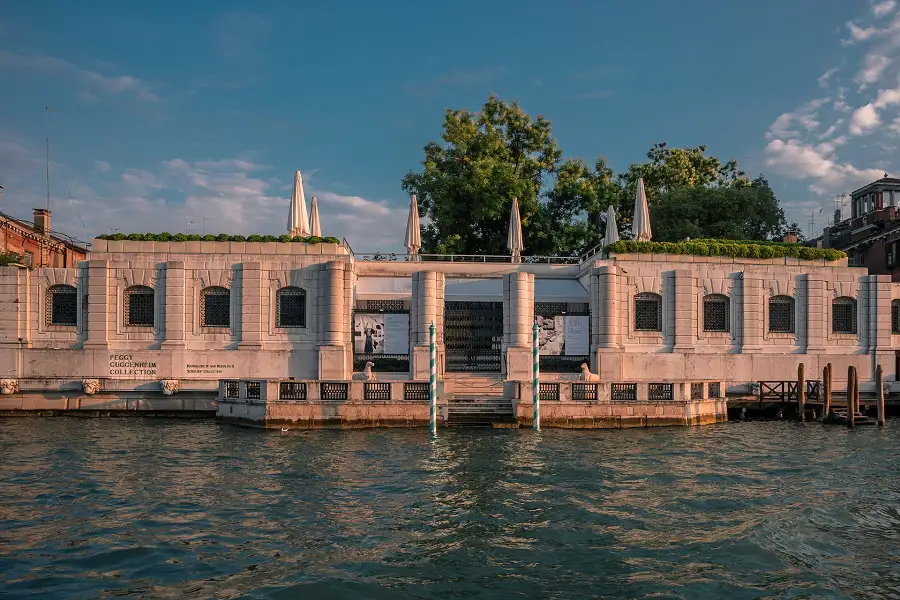
See the rich collection of 20th-century art inside one of Europe's most important museums.
Show More
Acquaint yourself with Venetian art of the 18th century and get a taste of what it was like to live in a fabulously ornate palace.
Show More
Catch the iconic photo of the Grand Canal from the this attractive wood and metal bridge.
Show More


See the incredible masterpieces held within Venice's most renowned art gallery.
Show More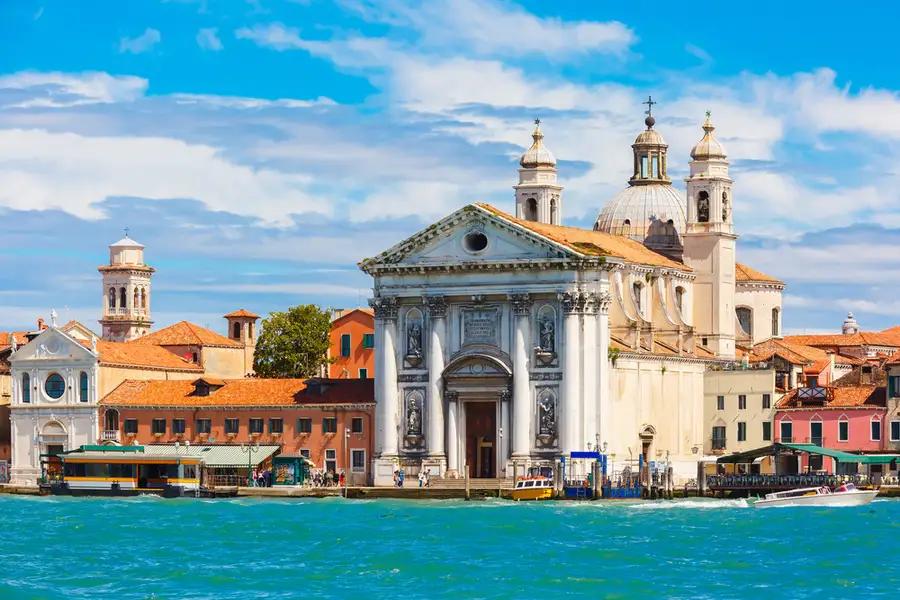
Watch the sun set from the steps of this beautifully decorated 18th-century church.
Show MoreSee the rich collection of 20th-century art inside one of Europe's most important museums.
Show MoreAcquaint yourself with Venetian art of the 18th century and get a taste of what it was like to live in a fabulously ornate palace.
Show MoreCatch the iconic photo of the Grand Canal from the this attractive wood and metal bridge.
Show MoreSee the incredible masterpieces held within Venice's most renowned art gallery.
Show MoreWatch the sun set from the steps of this beautifully decorated 18th-century church.
Show MoreDay 2
Venice

Day 3
Venice to Milan
Day 3
Venice to Milan


Morning/Mid-Day
San Polo District
The graceful arch of the Rialto Bridge is perhaps the single most iconic sight in Venice since nearly everyone passes beneath it on their journey along the Grand Canal. It connects Venice's two most visited districts, San Marco and San Polo. While San Marco is famous for St. Mark's Square, San Polo more than holds its own as a must-see destination, as it contains some of the city's oldest neighborhoods and most picturesque canals and bridges. It is also home to some of the best restaurants in Venice, and admittedly some of its worst tourist traps as well. Among many highlights is the bustling Rialto Market, which was once one of medieval Europe's busiest financial and trade markets, and still does a brisk trade in fresh seafood and produce.
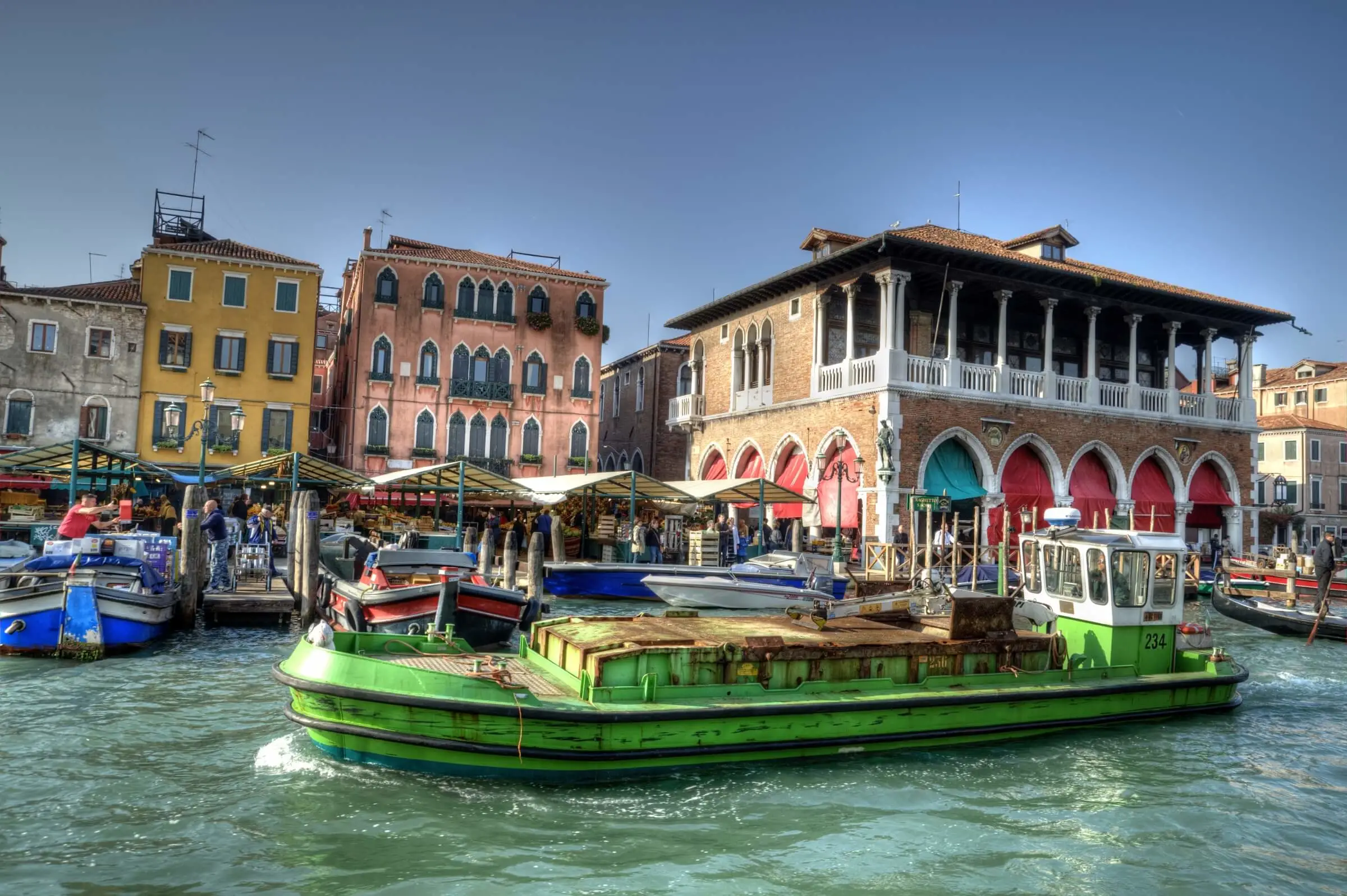
Experience the sights, tastes, and smells of Venice's historic "Pescaria" fish market, as well as the fresh produce market.
Show More
Step inside this inconspicuous Gothic 15th-century church to discover some of Venice's most famous tombs and artwork.
Show More
Visit this underrated art museum featuring works by the famed Renaissance artist Tintoretto.
Show More
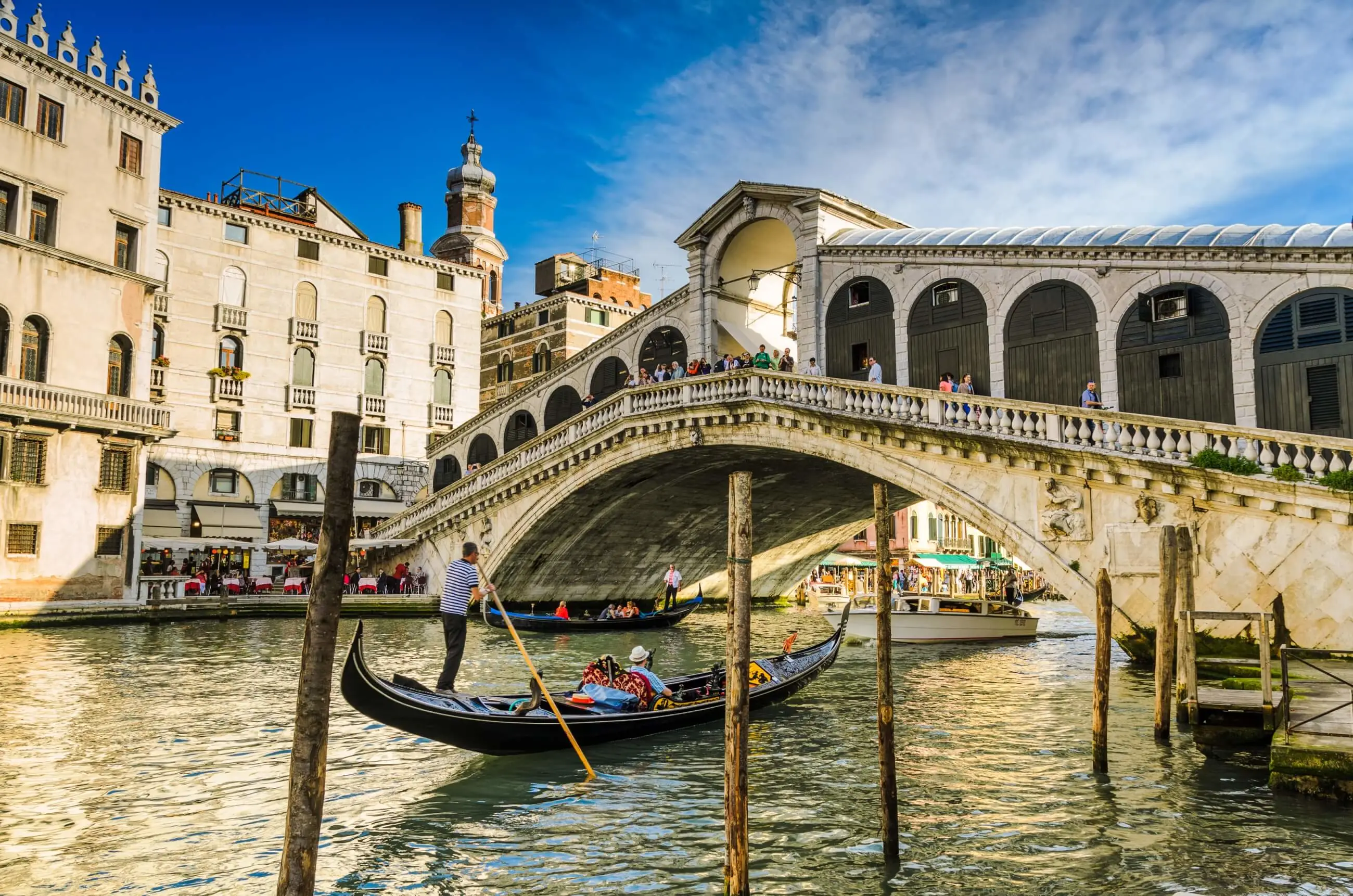
Walk over or ride under the most famous bridge on the Grand Canal.
Show MoreExperience the sights, tastes, and smells of Venice's historic "Pescaria" fish market, as well as the fresh produce market.
Show MoreStep inside this inconspicuous Gothic 15th-century church to discover some of Venice's most famous tombs and artwork.
Show MoreVisit this underrated art museum featuring works by the famed Renaissance artist Tintoretto.
Show MoreWalk over or ride under the most famous bridge on the Grand Canal.
Show MoreExperience the sights, tastes, and smells of Venice's historic "Pescaria" fish market, as well as the fresh produce market.
Show MoreDay 3
Venice to Milan

Day 4
Milan
Day 4
Milan
9:00 AM - 12:00 PM
Guided Walk in Milan
Milan is the center of business and the capital of Italian fashion, but it also has an ancient heritage and a fascinating history; here you find some of the greatest masterpieces of Italian art! Together with your guide, you’ll explore the magnificent Duomo, Galleria, Scala opera house, merchant square, financial district, food street, and Sforza Castle.

Take a tour or experience an opera or ballet in this world-famous opera house.
Show More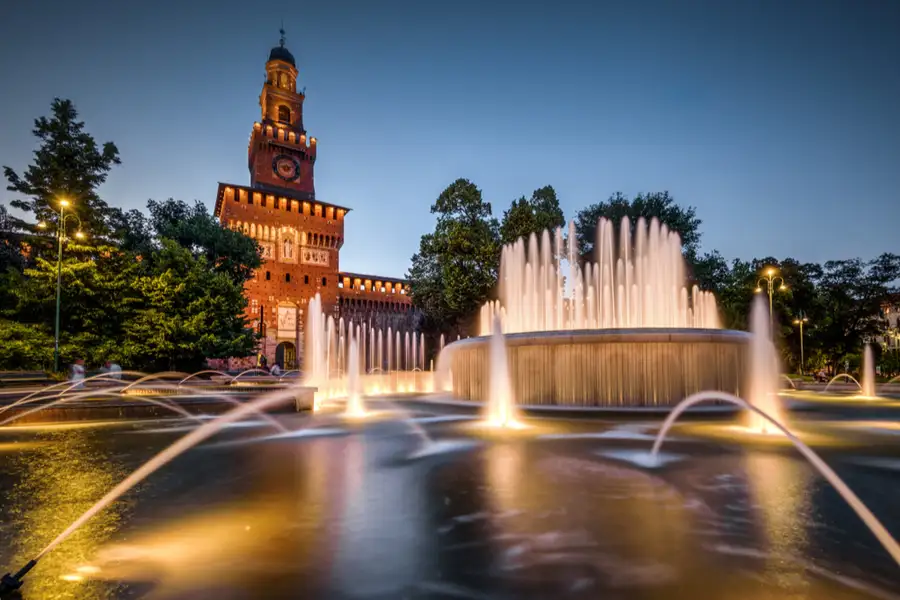
A huge Medieval-Renaissance fortress with a number of interesting history and art museums
Show More

Take a stroll through this ornate covered shopping mall that was completed in 1877.
Show MoreTake a tour or experience an opera or ballet in this world-famous opera house.
Show MoreA huge Medieval-Renaissance fortress with a number of interesting history and art museums
Show MoreTake a stroll through this ornate covered shopping mall that was completed in 1877.
Show MoreDay 4
Milan
Day 5
Milan to Florence
Day 5
Milan to Florence
Morning/Mid-Day
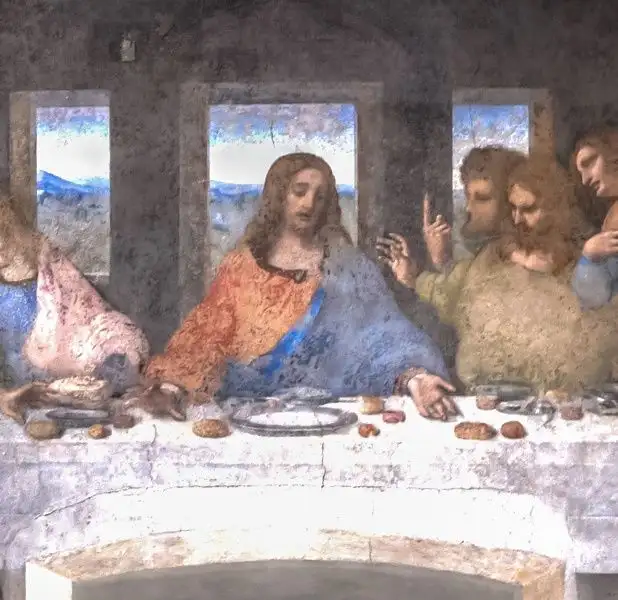
The Last Supper
Preserved in the refectory (i.e. the dining hall) of the convent of Santa Maria delle Grazie, Leonardo da Vinci's The Last Supper is not only one of Milan's top attractions, but one of the most famous paintings in the world. Painted between 1494 and 1498, it depicts the last "dinner" between Jesus and his apostles. The painting shows the dramatic moment in which Christ reveals that he will be betrayed by one of the twelve apostles sitting at the table, as told in the Gospel of St John. A mandatory reservation has to be made either online or over the phone if you wish to visit The Last Supper. Reservations for each calendar month go on sale approximately 3 months in advance. Spots are very limited, so if you miss your chance, then the best bet is a guided tour which includes The Last Supper. With so much to learn about the painting, seeing it with an expert is a good idea in any case. The Last Supper of Leonardo da Vinci is undoubtedly one of the most important works of art of all time, but Milan is a city full of surprises and you'll find numerous other sights linked to the great artist just a short distance away.

Visit a historic vineyard that once beloved by Leonardo di Vinci.
Show More
Discover a fascinating and oft-missed church that dates all the way back to 387 AD.
Show More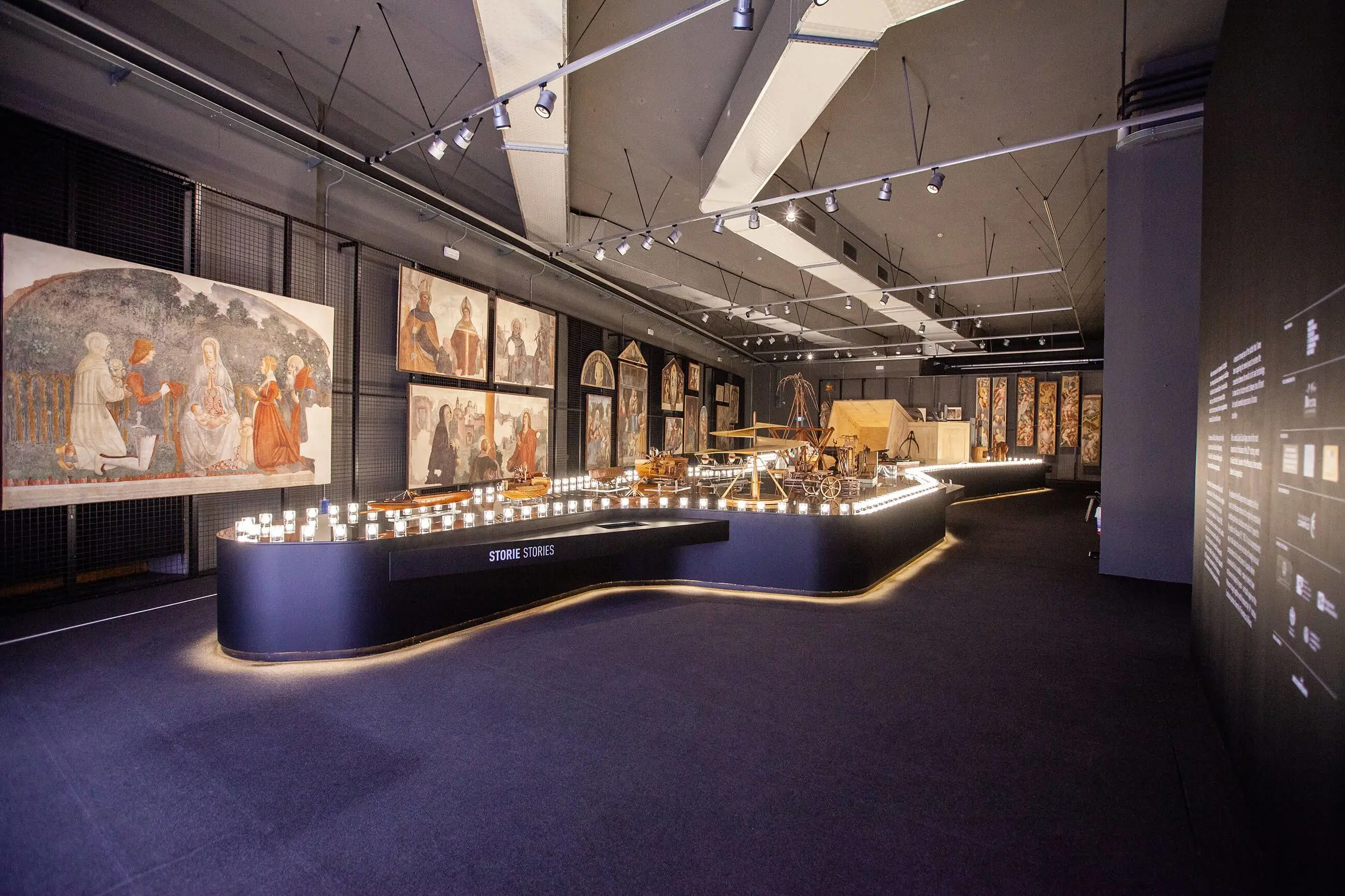
Discover this large science museum dedicated to Leonardo da Vinci, and see some of his theoretical inventions brought to life.
Show More
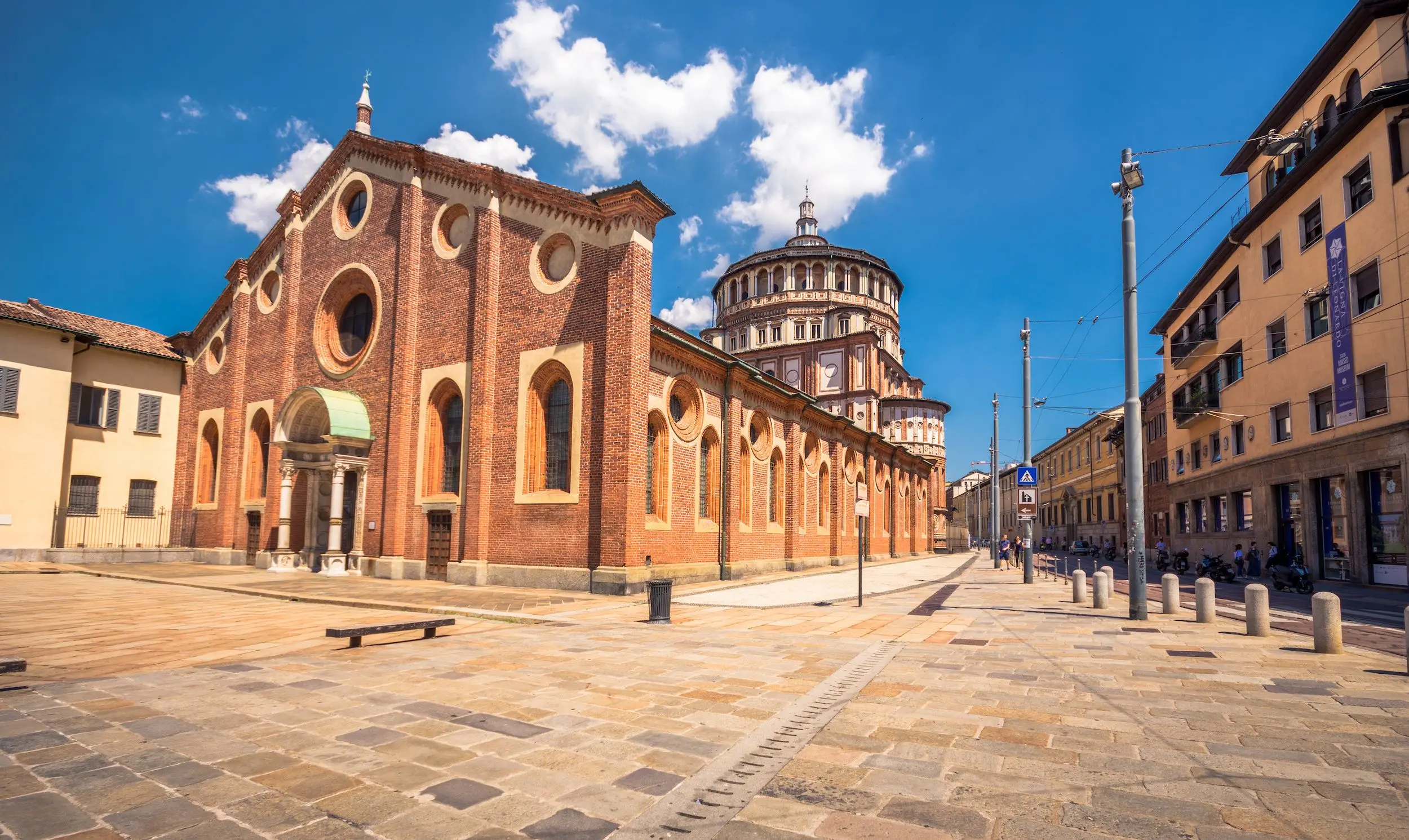
Discover this famous Renaissance church and convent which is the home of The Last Supper.
Show MoreVisit a historic vineyard that once beloved by Leonardo di Vinci.
Show MoreDiscover a fascinating and oft-missed church that dates all the way back to 387 AD.
Show MoreDiscover this large science museum dedicated to Leonardo da Vinci, and see some of his theoretical inventions brought to life.
Show MoreDiscover this famous Renaissance church and convent which is the home of The Last Supper.
Show MoreVisit a historic vineyard that once beloved by Leonardo di Vinci.
Show MoreDay 5
Milan to Florence
Day 6
Florence
Day 6
Florence
Morning/Mid-Day
Uffizi Gallery
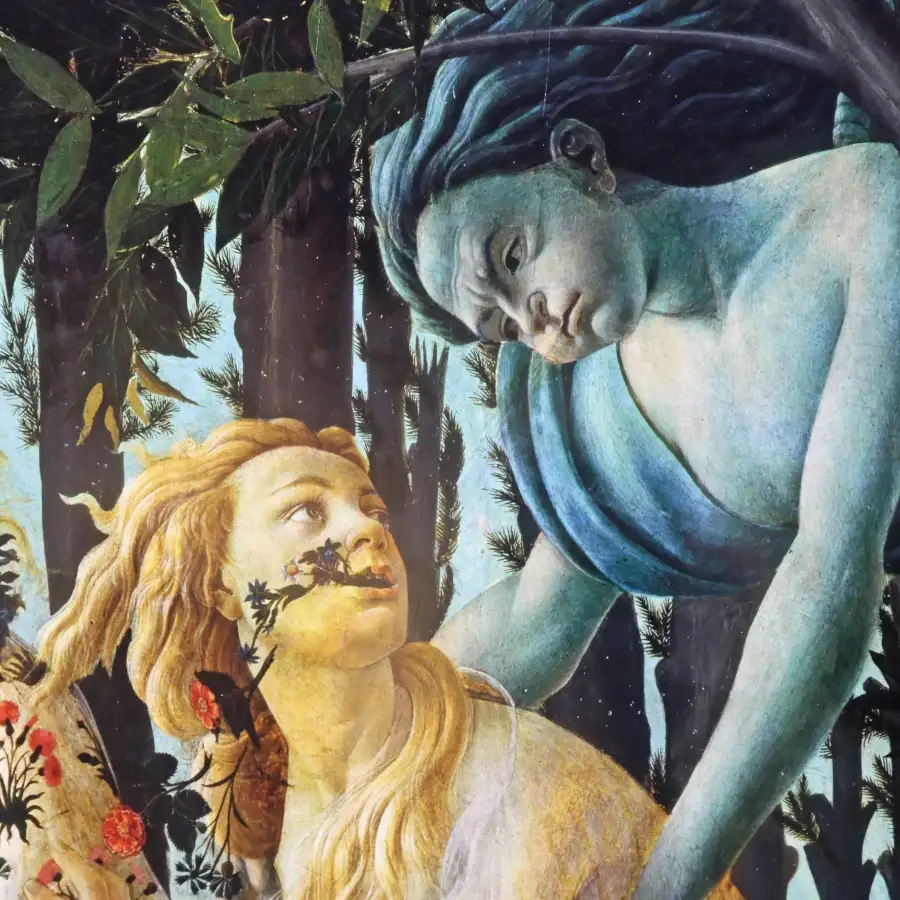
As the capital of the Renaissance, it's only fitting that Florence should also host Italy's greatest art gallery at the Uffizi. It's understandably busy throughout the year, but it's nevertheless worth the crowds to see to see some of the most sumptuous masterpieces of Renaissance art, including Botticelli's Primavera and Venus, and works by Michelangelo and Da Vinci. If you're planning to visit other galleries and museums in Florence, then it's definitely worth investing in a Firenze Card, which gives you free entry and priority access to 72 venues in the city. At a minimum, you should book ahead for the Uffizi to avoid very long queues.

Day 6
Florence

Day 7
Florence
Day 7
Florence
9:00 AM - 12:00 PM
Private Walking Tour
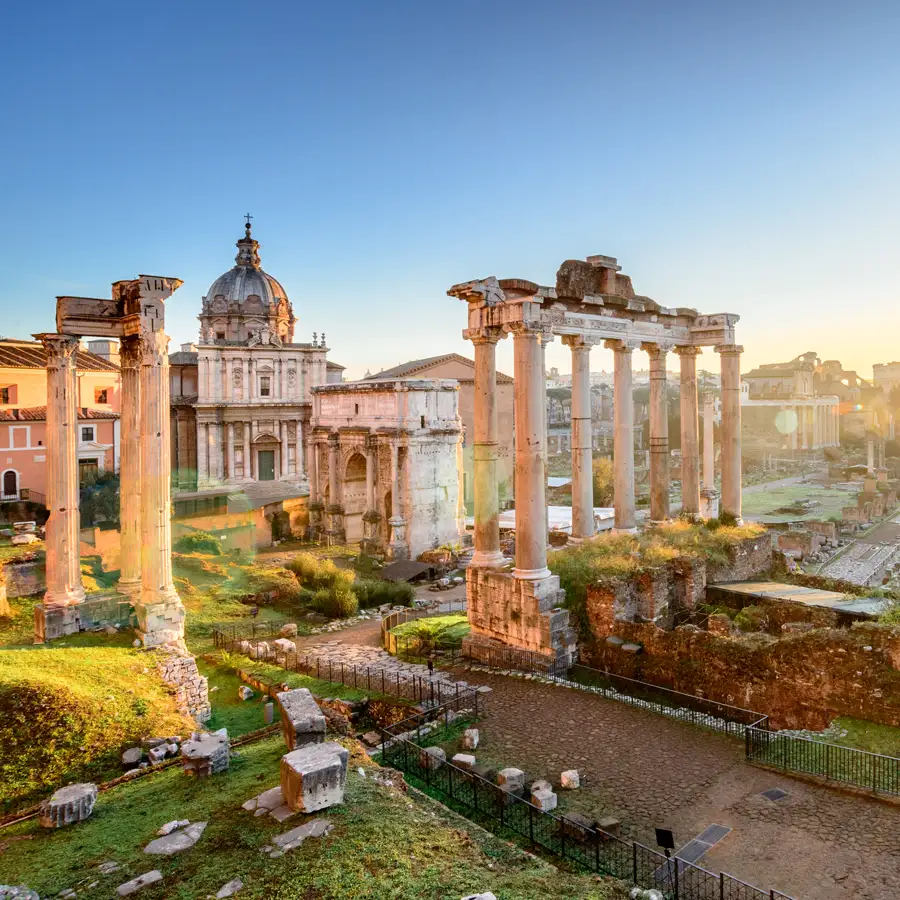
Enjoy a 3-hour private walking tour of Florence, the perfect introduction to the masterpieces of this city. Stroll around the historic center and take in sights such as the Palazzo Vecchio, Ponte Vecchio, Piazza Della Signora and end your tour at the famous Galleria dell'Accademia, where you can choose to enter to see Michelangelo's marble masterpiece, the statue of David. Please note that entry tickets to the gallery is not included and you must purchase them in advance.

Day 7
Florence
Day 8
Florence to Rome
Day 8
Florence to Rome
9:15 AM
Transfer to Rail Station
Most trains depart from Firenza S.M.N. (i.e. Florence Santa Maria Novella Station) station, the largest station in the city. Before spending money on a transfer, be sure to check whether your hotel is within easy walking distance. Also consider that public transport is the cheapest and sometimes fastest option; trams and buses drop off next to the station. Uber is available in Florence, and if staying at a hotel, they can order a reliable taxi. Some private transfers will even help with your bags.

Day 8
Florence to Rome

Day 9
Rome
Day 9
Rome
Morning
Rome's Historic Center
Rome's tangled historical center is packed full of some of the most fascinating and incredible sights. Explore elegant squares and piazzas, centuries-year-old churches, and baroque fountains and wander at leisure the labyrinth of ancient Roman cobbled lanes. Highlights include the Baroque grandeur of Piazza Navona and the great and endlessly copied Roman Pantheon.
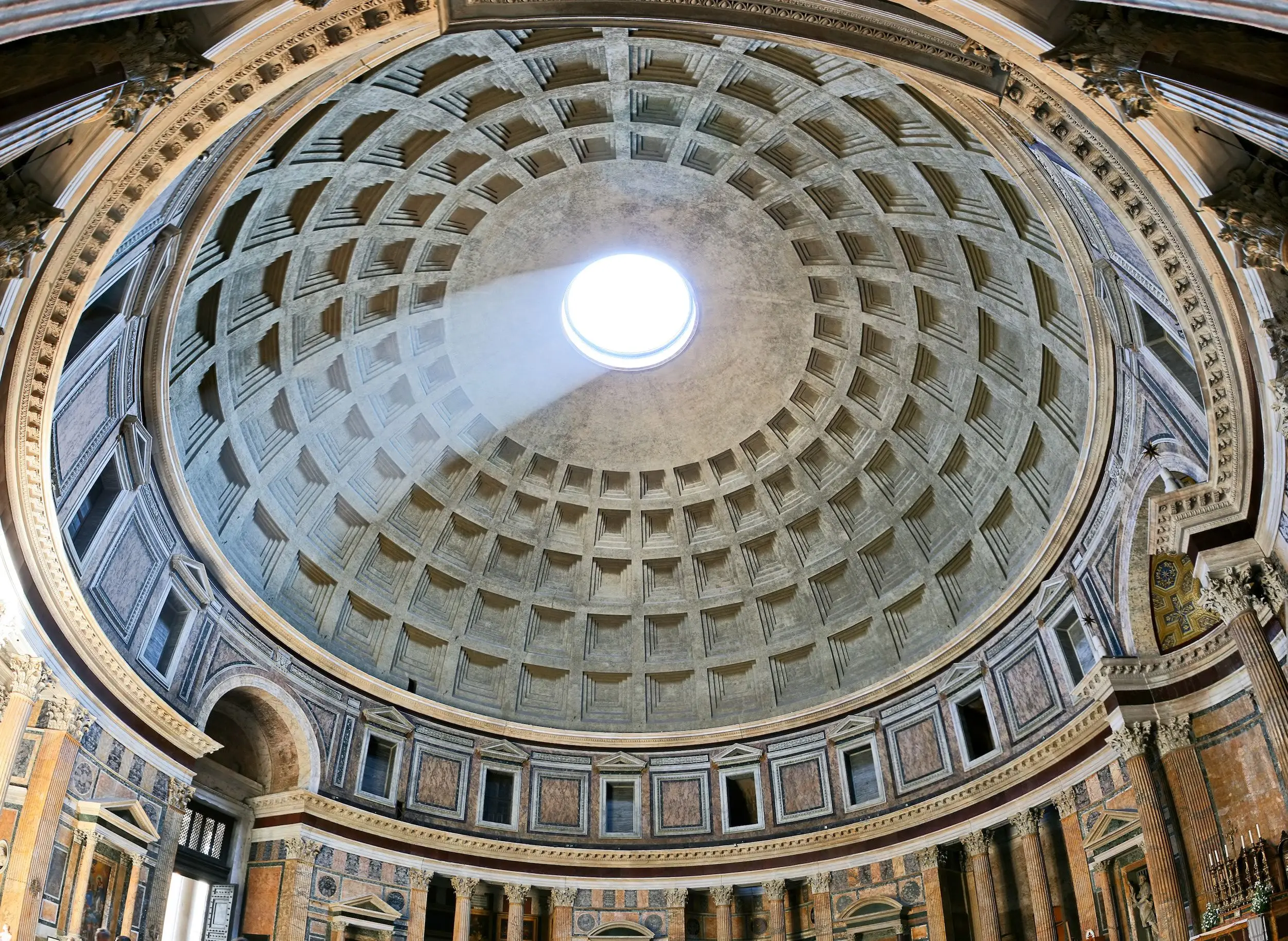
Visit this iconic former pagan temple converted into a Christian church.
Show More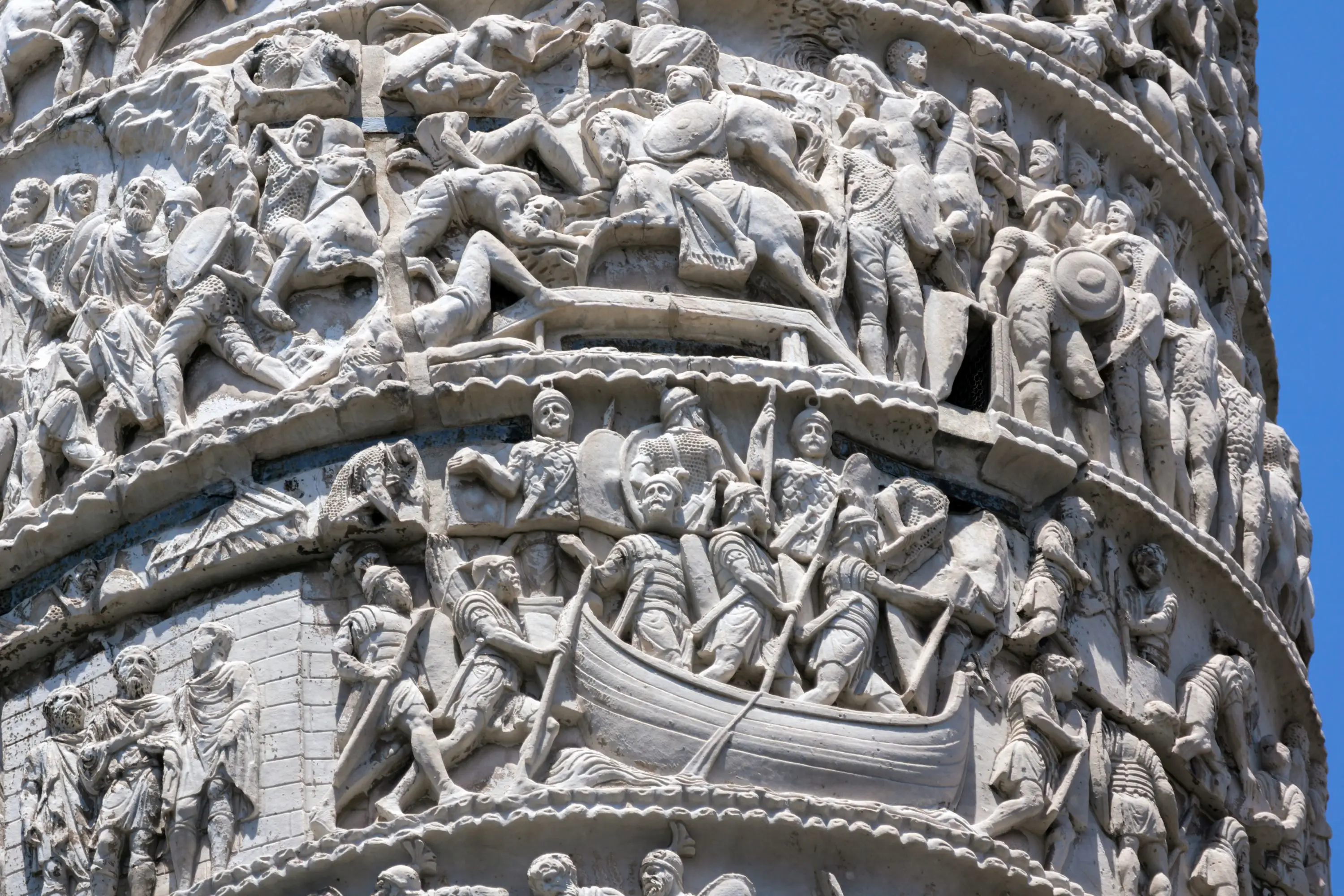
Column formerly dedicated to Emperor Marcus Aurelius; a statue of St. Paul now stands in place of his.
Show More
One of the main streets in Rome.
Show More

Stand in one of the most beautiful squares in Rome, home to the famous Fontana dei Fiumi Fountain by Bernini.
Show MoreVisit this iconic former pagan temple converted into a Christian church.
Show MoreColumn formerly dedicated to Emperor Marcus Aurelius; a statue of St. Paul now stands in place of his.
Show MoreOne of the main streets in Rome.
Show MoreStand in one of the most beautiful squares in Rome, home to the famous Fontana dei Fiumi Fountain by Bernini.
Show MoreVisit this iconic former pagan temple converted into a Christian church.
Show MoreDay 9
Rome

Day 10
Rome
Day 10
Rome
Early Morning to Afternoon
Vatican City
Rome is unique in the world in that it contains an independent country within its city limits - the Vatican City, from where the Pope administers the Catholic Church. The symbolic center of Catholicism is St Peter's Basilica, the second-largest Catholic church in the world and among the most beautiful. The Vatican Museum contains one of the greatest collections of art in existence, including Michelangelo's jaw-dropping Sistine Chapel. The popes had a bigger influence on Rome than just the collection of art. The Pope's title is actually Bishop of Rome, and popes administed the city for centuries, shaping its architecture & public spaces. Rome was re-built to be an example of urban beauty, and the Vatican was meant to be the showcase within the showcase. Their success is evident from the throngs of visitors who flock here even today.
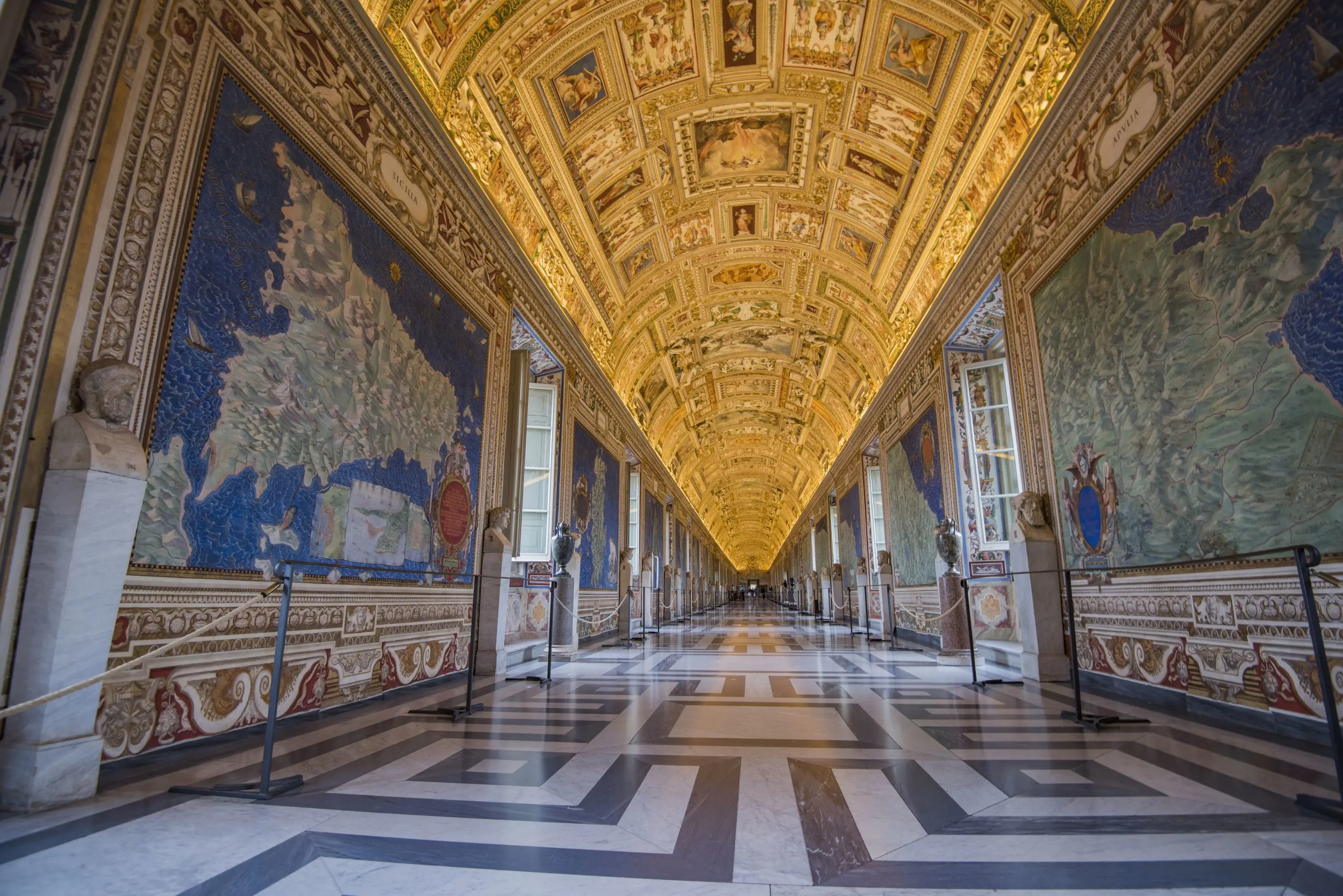
Book early if you want to see the Vatican Museum's monumental works of art from the greatest Italian artists of the Renaissance.
Show More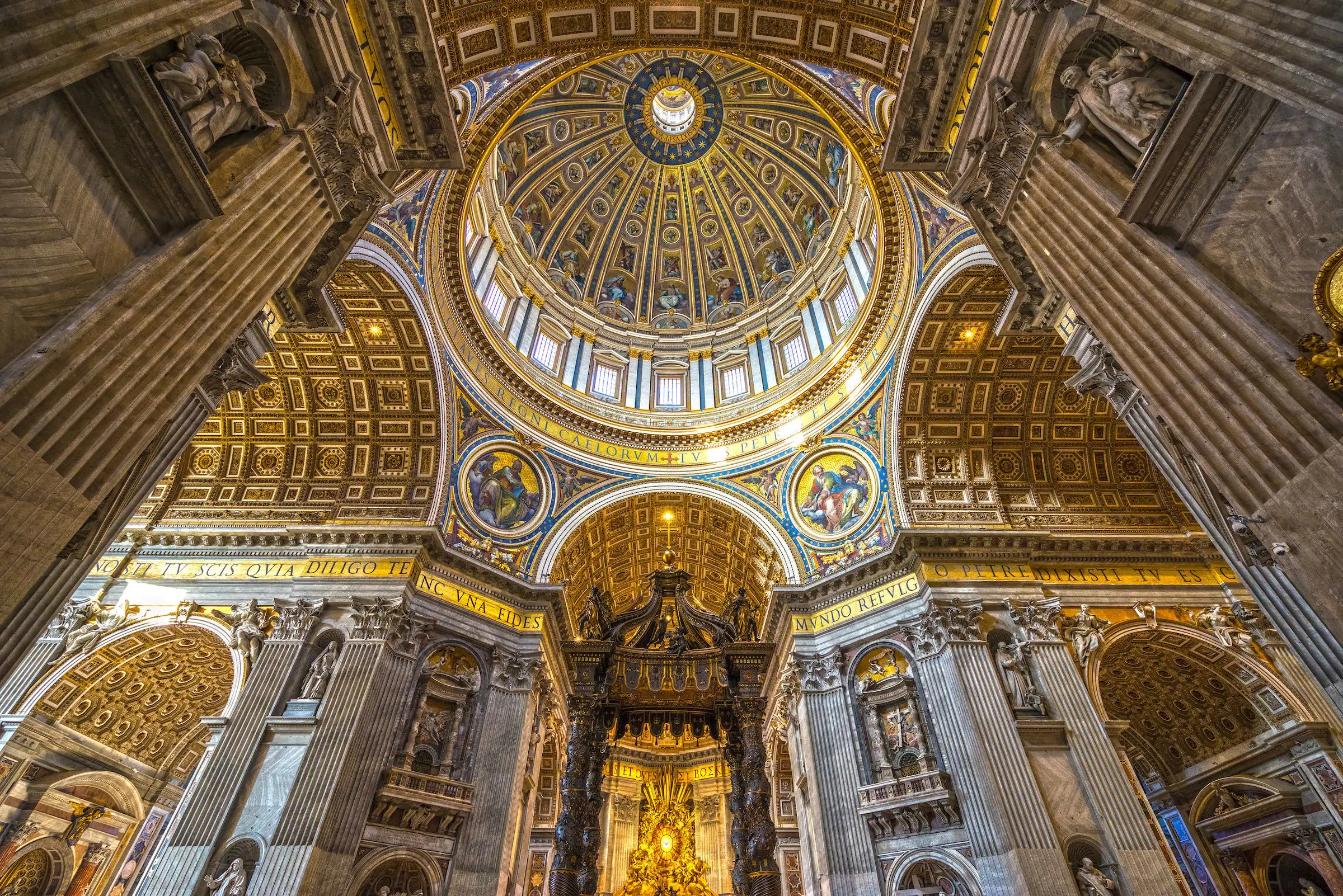
Explore the gigantic and incredibly beautiful church known as "the greatest of all churches of Christendom".
Show More
Escape the crowds in this oasis of green hidden behind the walls of the Vatican.
Show More
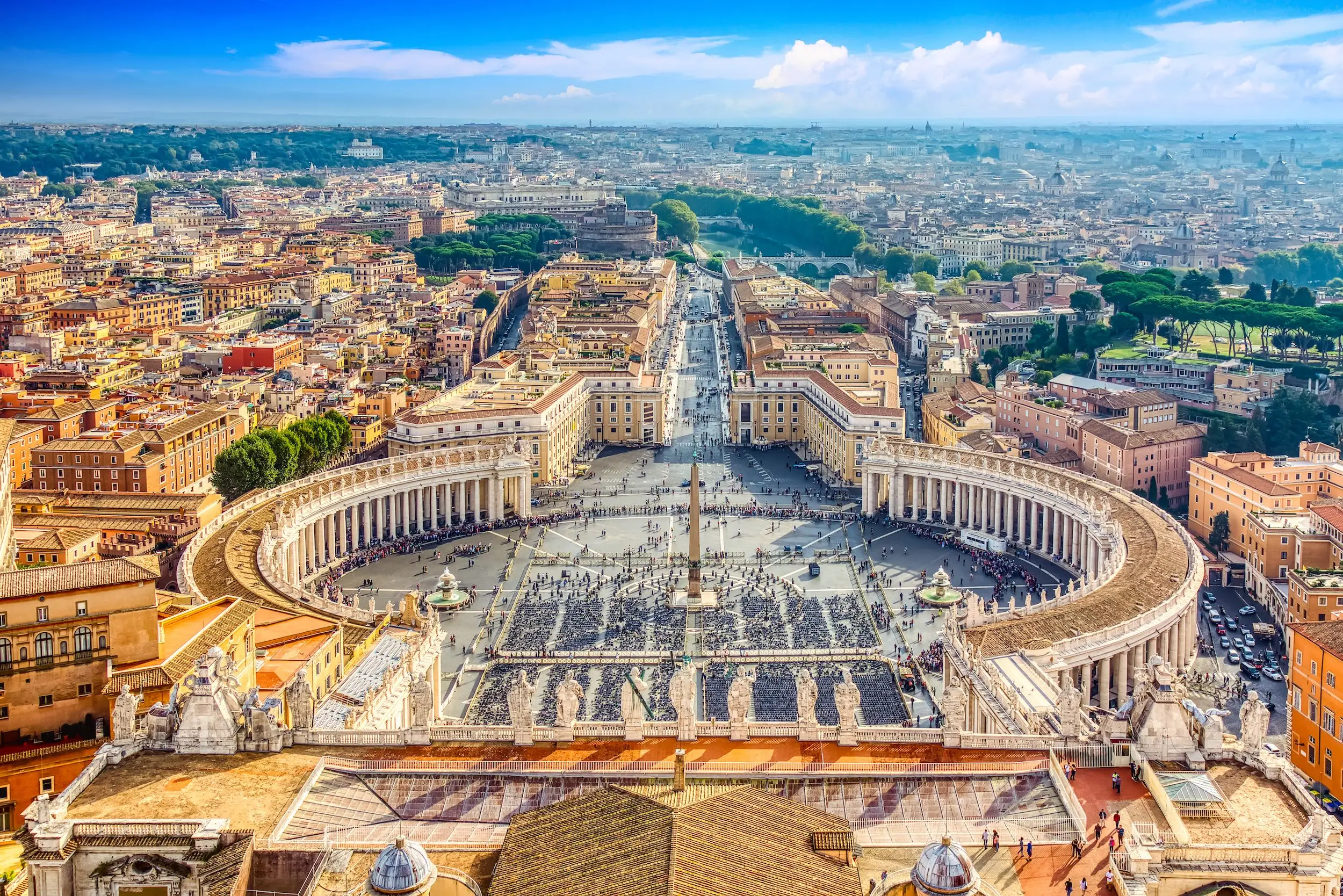
Stand in the middle of this famous square in which the faithful gather to hear the Pope give audiences and celebrate mass.
Show More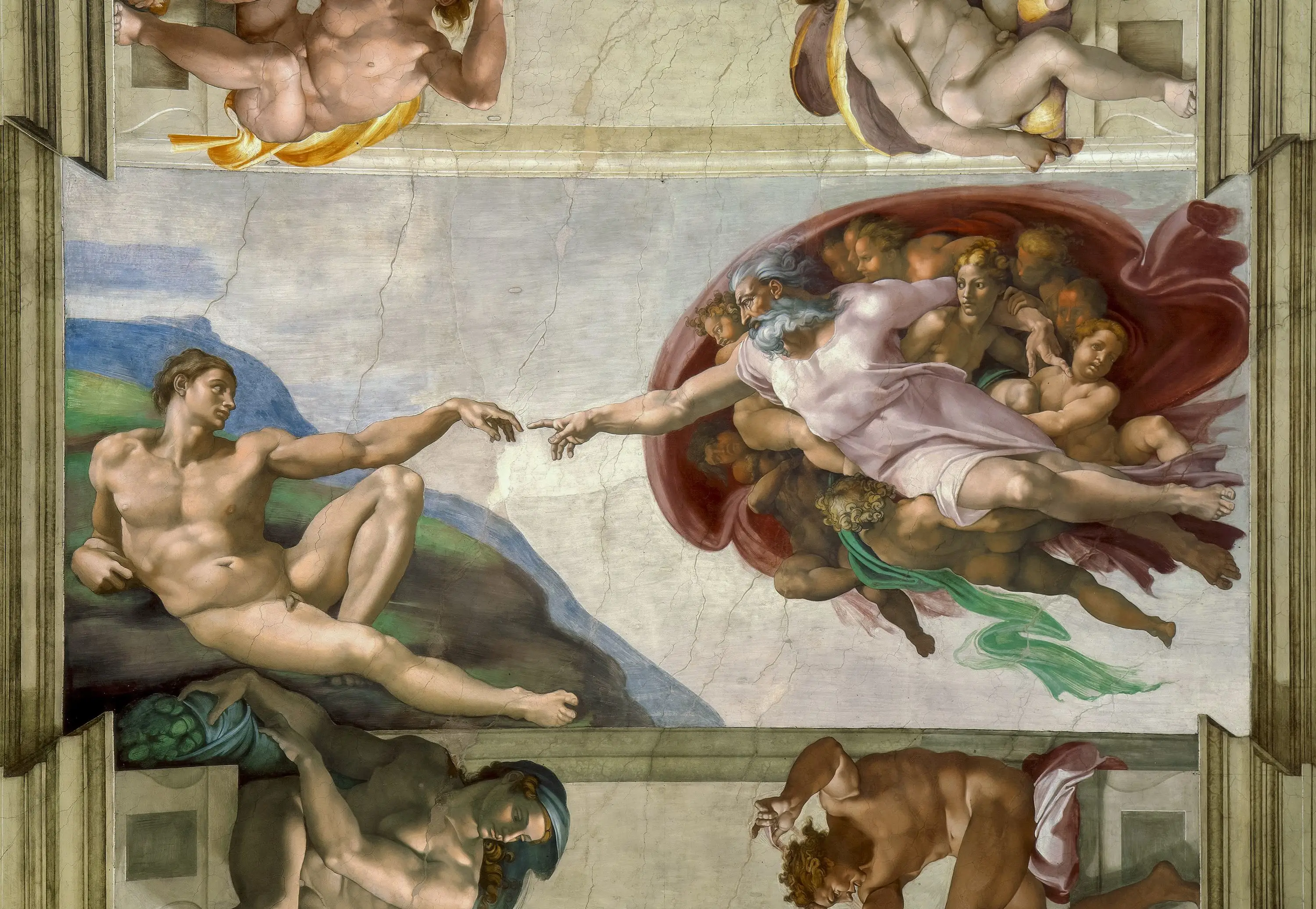
Gaze up at the world's most famous ceiling, the masterpiece of Michelangelo.
Show MoreBook early if you want to see the Vatican Museum's monumental works of art from the greatest Italian artists of the Renaissance.
Show MoreExplore the gigantic and incredibly beautiful church known as "the greatest of all churches of Christendom".
Show MoreEscape the crowds in this oasis of green hidden behind the walls of the Vatican.
Show MoreStand in the middle of this famous square in which the faithful gather to hear the Pope give audiences and celebrate mass.
Show MoreGaze up at the world's most famous ceiling, the masterpiece of Michelangelo.
Show MoreDay 10
Rome

Day 11
Rome
Day 11
Rome
9:30 AM - 3:00 PM
Cooking Class
Join this ultimate food experience in Rome, where you'll have the opportunity to prepare local dishes and or delicacies in a relaxed and welcoming home located in the heart of Ancient Rome. Get your hands stuck in and prepare a seasonal menu paired with local wine.

Day 11
Rome

Day 12
Depart Rome
Day 12
Depart Rome
To Be Determined
Private Transfer to Rome Fiumicino or Ciampino Airport
A car service will pick you up from your hotel and take you directly to Rome Fiumicino Airport. This is a private transfer for you and your travel party. You do not need to pay the driver as the cost of the private transfer is included in your itinerary. IMPORTANT NOTE: Please be aware the car service can fit up to 1 checked item of luggage and 1 personal item per person, such as a purse or small backpack. If you think you will have more baggage, please inform your travel consultant as this may result in an additional fee.

Day 12
Depart Rome
What's Included in the Relaxed Winter Trip to Italy Trip Trip?
Pre-Paid Tours and Activities:
- 'First Walk' Guided Tour in Venice
- Best of Milan Private Walking Tour
- Florence in Half a Day: Guided Highlights Walk
- Heart of the Empire: Private Tour of Ancient Rome & the Colosseum
- Private Cooking Class in Rome
- City Card for Rome, including discounts to many popular attractions

Pre-Paid Transportation:
- 2nd Class Train Tickets from Venice-Milan
- 2nd Class Train Tickets from Milan-Florence
- 2nd Class Train Tickets from Florence-Rome
- Public Transport Tickets for Venice and Rome
- Private Transfer from Rome Termini Rail Station
- Private Transfer to Rome Fiumicino or Ciampino Airport

Accommodation:
- 2 nights at a hotel of your choice in Venice
- 2 nights at a hotel of your choice in Milan
- 3 nights at a hotel of your choice in Florence
- 4 nights at a hotel of your choice in Rome

Go Real Travel Mobile App:
- Itinerary Plan & Reservations Info
- Points of Interest
- Detailed Travel Information
- Maps & Directions
Other Trips You May Like





Featured Blogs



Our Customers Say It Best


Malini Dutta, Boston, Massachusetts

Bev and Mark Frankel, Williamsburg, Virginia
Marianne Strydom, Paarl, South Africa
Otto Chuy, Los Angeles, California
Malini Dutta, Boston, Massachusetts
Bev and Mark Frankel, Williamsburg, Virginia
Marianne Strydom, Paarl, South Africa
Otto Chuy, Los Angeles, California
Malini Dutta, Boston, Massachusetts
Bev and Mark Frankel, Williamsburg, Virginia
Marianne Strydom, Paarl, South Africa
Otto Chuy, Los Angeles, California



Explore cities in more detail

Rome
One of the must-sees of Italy, and indeed all of Europe, Rome is a city with history flowing through its veins. There is an endless amount to see, do, and learn here, with something for every taste and disposition. Rome was the center of Western civilization for a Millenium and during that time, accumulated a list of historical and cultural treasures that no other destination can truly match. The Pantheon, Colosseum, Roman Forum, and Cirus of Maxentius are just a few examples of what can be seen and experienced in Rome, which at times feels more like a giant outdoor museum than a city. At Rome’s heart, you’ll find the Vatican, home of the Roman Catholic Church and the Pope. Here visitors can see the legendary Sistine Chapel. Transcending a mere building, the chapel is a walk-in work of art. Although historical sights can be found on just about every corner, it’s entirely possible to fill a day just wandering around Rome. The city’s charming streets and open Piazzas are filled with beautiful sights and places to sit, grab the best Cappuccino in the world, and enjoy the view.

Ljubljana
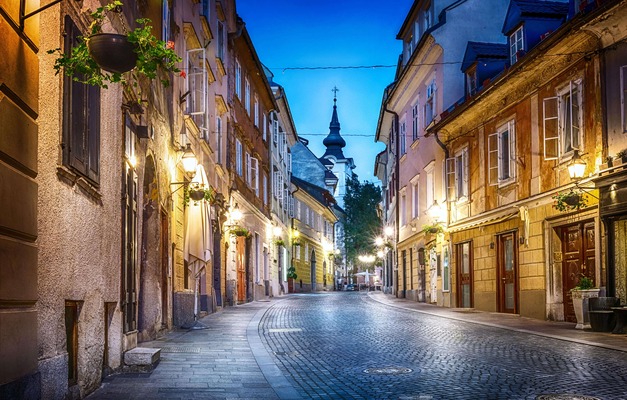
One of Europe's smallest capitals, Ljubljana is still Slovenia's biggest city. What it lacks in size, though, it more than makes up for in charm, beauty, and personality. It's also one of Europe's greenest cities and is perfect for a bike ride or a leisurely walk. With plenty of open spaces, gorgeous architecture, and cultural treats, it's easy to fill the time here. The Tromostovje, or Triple Bridge, is one of Ljubljana's main attractions, connecting the Old Town with the new. Excellent pizza can be found here, and a series of bars and cafes are dotted throughout the town and along the banks of the river. The anarchic Metelkova City reveals Ljubljana's grittier side, with art exhibitions and performances housed in a disused military barracks. Ljubljana is charm and beauty compressed neatly into a small and pretty space.
Lake Bled
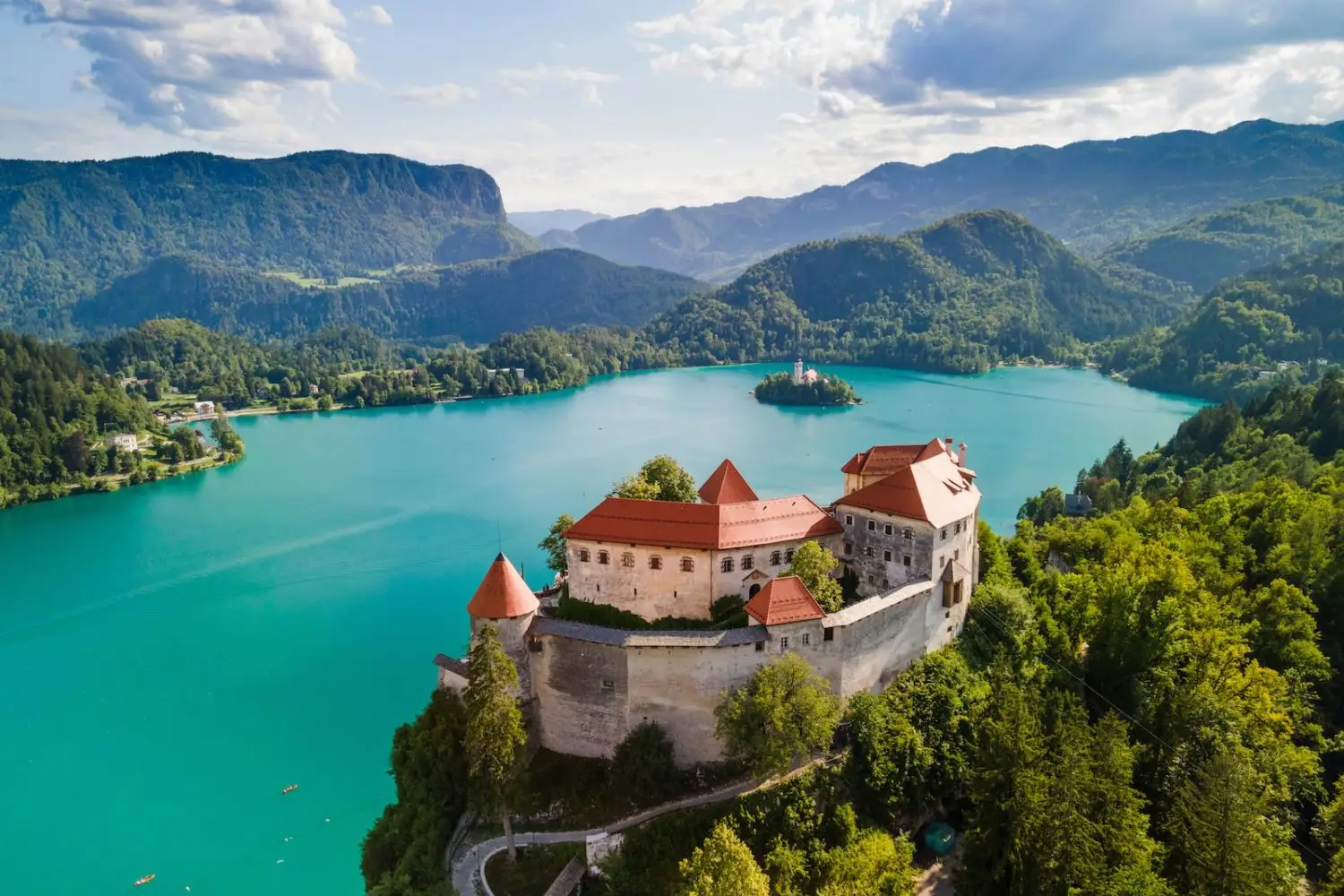
Lake Bled, cradled by the Julian Alps, feels almost improbably serene. At its edge, a small alpine town unfolds with gracious villas, lakeside paths, and cafés that look out toward the water, while a medieval castle rises dramatically from a cliff above. Just offshore, the tiny island crowned by its white church has anchored local legend and tradition for centuries. Life here moves at a gentler rhythm. You might glide across the lake in a traditional pletna boat, explore the castle’s terraces for sweeping views, wander forested trails, or simply linger over a slice of the famous kremšnita cream cake. As evening settles and the light fades over the mountains, Bled becomes noticeably quieter, taking on a calm and relaxed atmosphere.
Venice
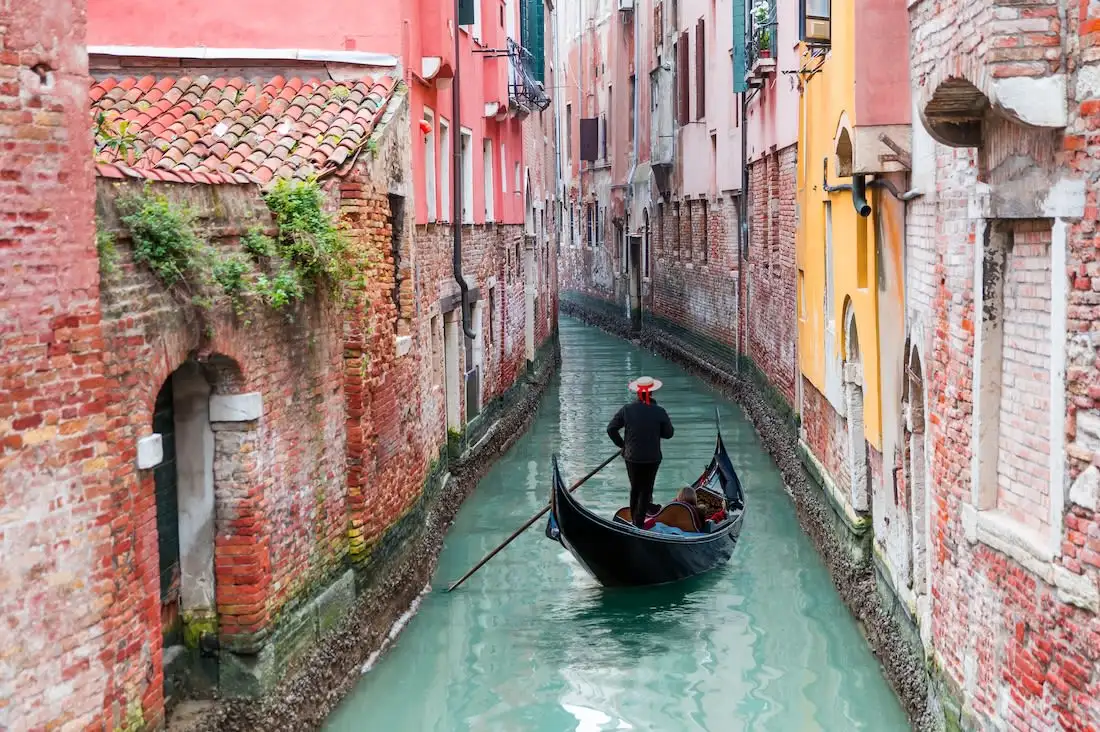
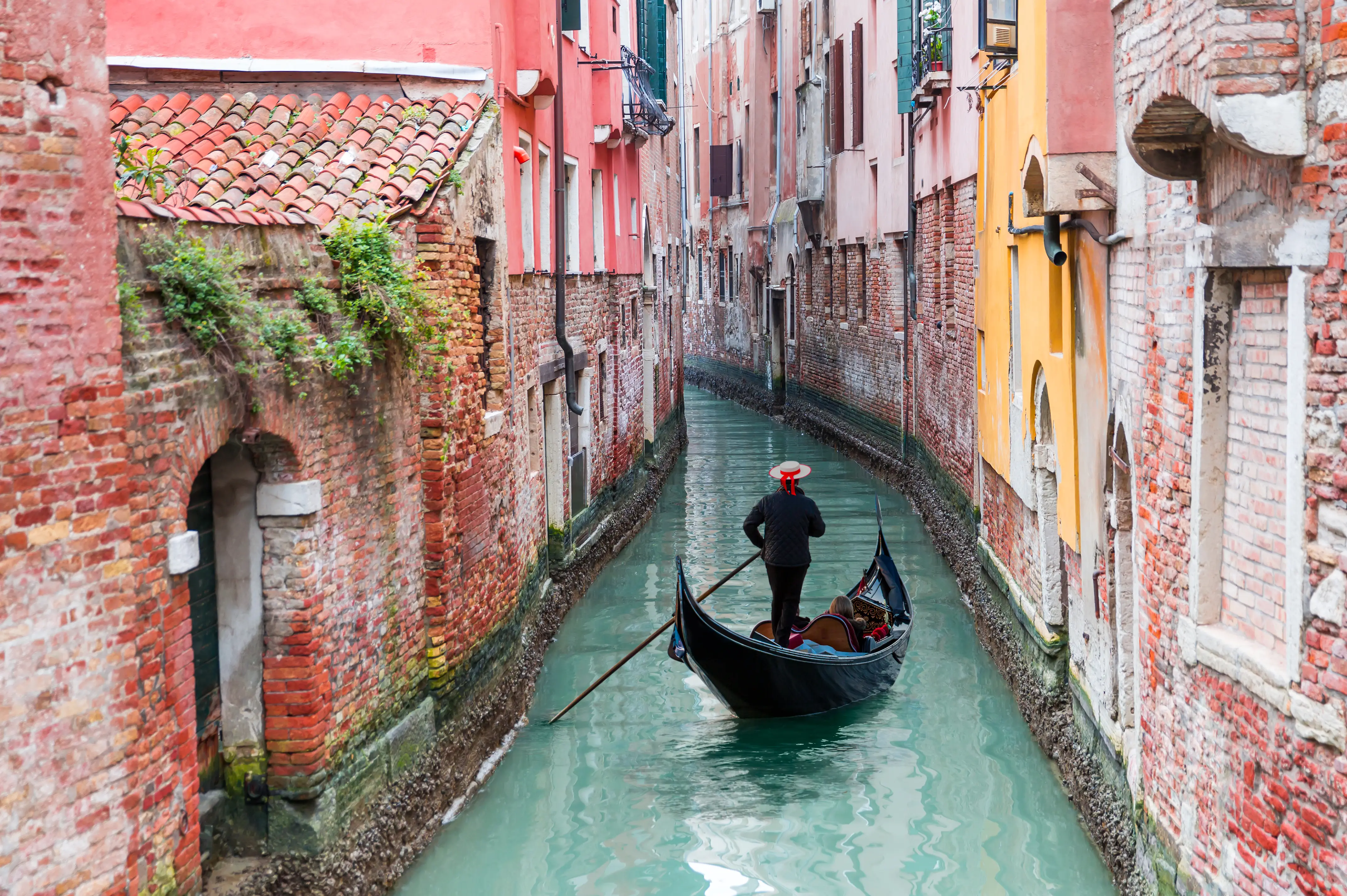
Venice is a city with no equal. Built on a series of islands on a lagoon, it was once a powerful city-state. Echoes of that old magnificence can be seen everywhere here, from the stunning buildings that rise out of the canals, to the bridges that arc across them. Take a Gondola ride through the canals that form the city’s veins, or wander through the winding streets drinking in the sights. You’ll see Venice attracts tourists in huge numbers, and that’s with good reason. It’s home to a seemingly limitless amount of art, culture, history, and architecture. St Mark’s Basilica, the Doge’s Palace, and the Campanile di San Marco just barely scratch the surface. There’s a 700-year-old market, Rialto, which is still open today. The Ponte di Rialto bridge connects the neighborhoods of San Marco and San Polo, stretching across the Grand Canal. Venice has weathered the last several centuries with elegance and pride, a place that will surpass even your highest expectations.

Milan
Milan is Italy’s most forward-looking city. An international center for fashion, fine dining, and design, it seems as though Milanese people breathe style. From the gleam on your wine glass to the twists of its cathedral’s spires, everything in Milan is finished to perfection. Home to the Italian stock exchange, a world-famous fashion industry, and a frantic business district, Milan is fast-paced and commercially minded. The shopping in Milan is second to none. At the Galleria Vittorio Emanuele II, one of the world’s oldest shopping malls, a glass-iron ceiling soars over brands like Louis Vuitton, Gucci, Massimo Dutti, and Amani. Along with the fashion, Milan’s cathedral, castle, and canals are also must-sees. But to view the city’s most prized possession - Leonardo da Vinci’s Last Supper, you must make an appointment. Tickets to view this mural sell out weeks in advance. It is truly a bucket-list worthy work of art. After a day taking in all the glamor and culture, take a seat in one of Milan’s well-appointed eateries. The Navigli Quarter is packed with restaurants, bars, and cafes, perfect for a relaxed Aperol spritz or pizza along the city’s canals.
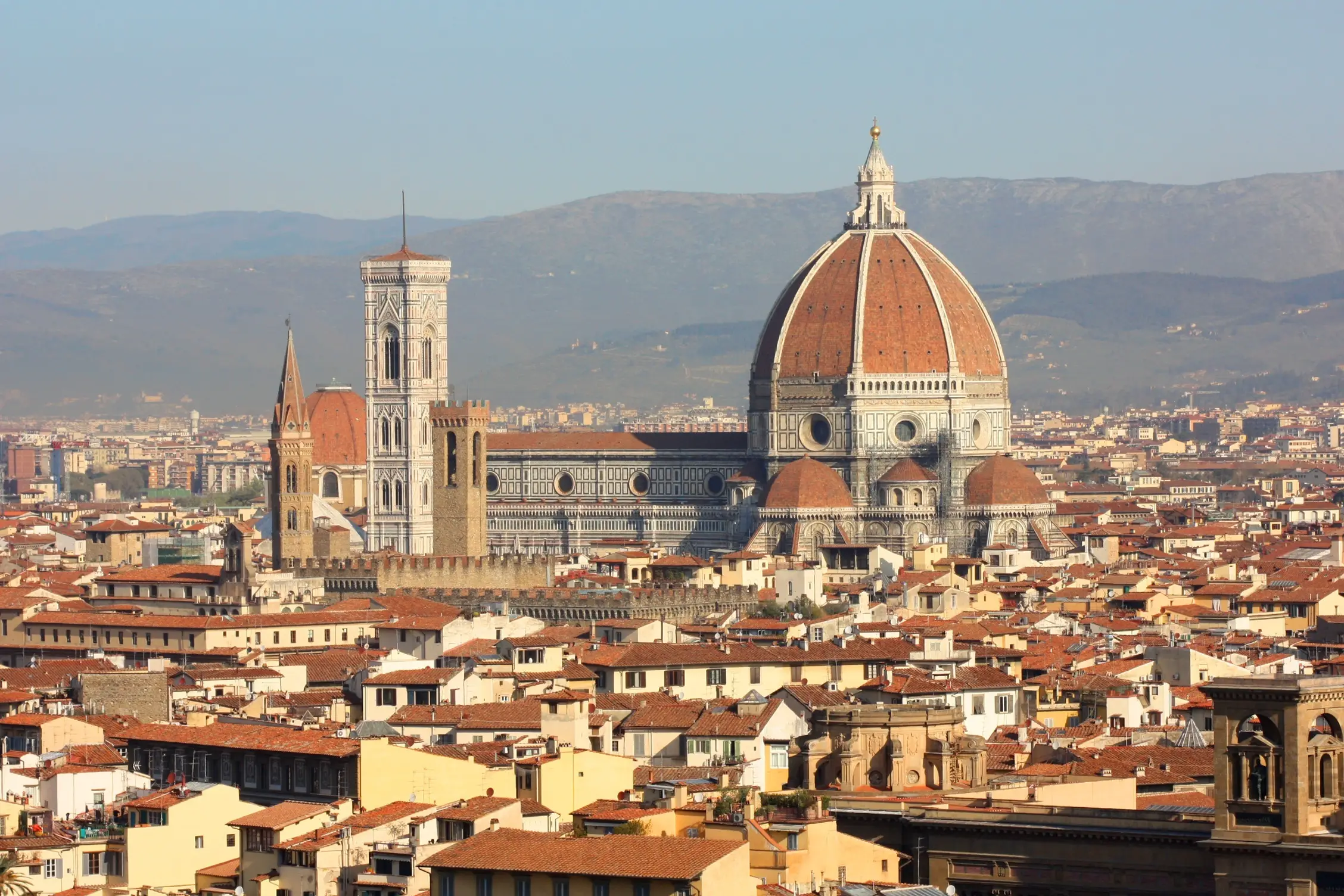
Florence
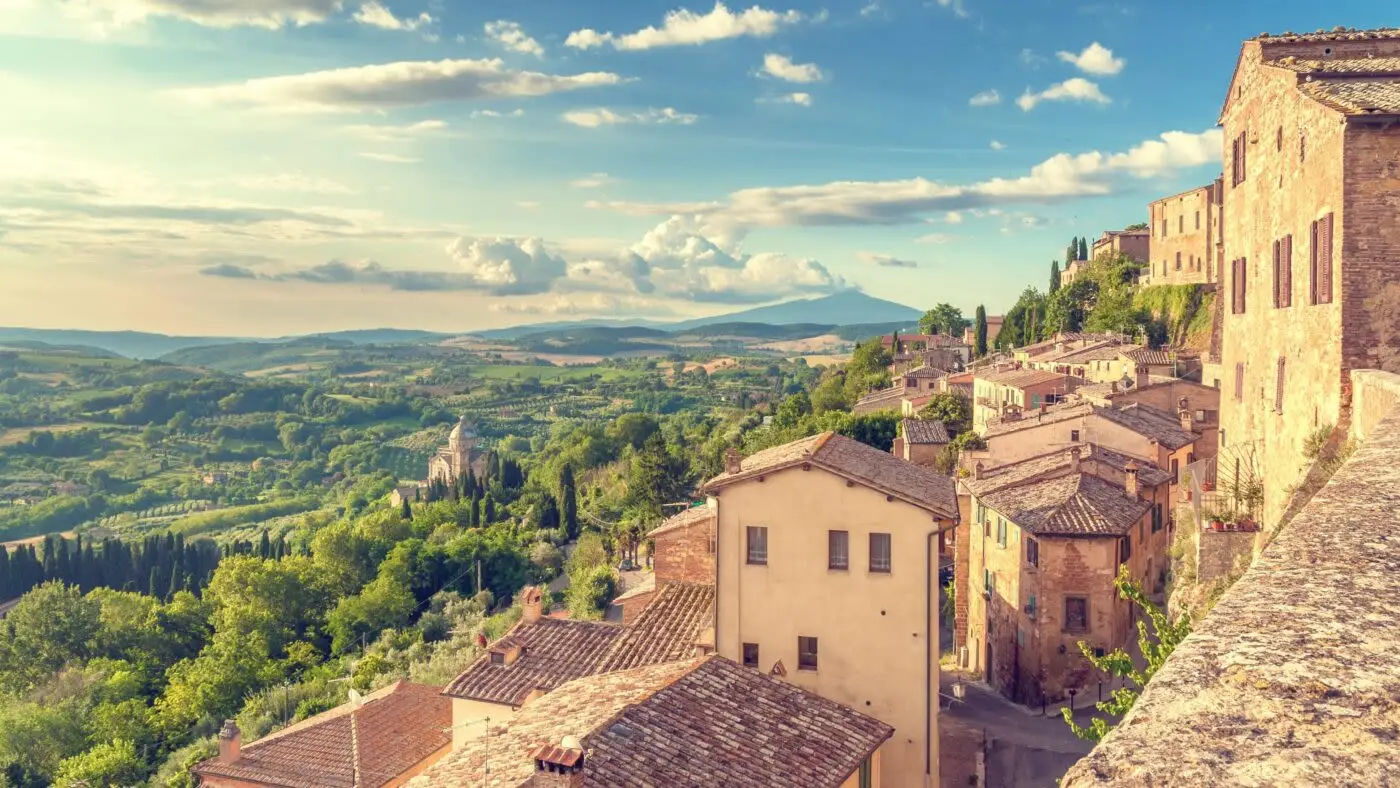
Culture and history are thick in the air in Florence. Located on the banks of the Arno River in Tuscany, Florence’s past is deeply compelling. The birthplace of the Renaissance, Florence is where innovators like Dante, Machiavelli, Michelangelo, and Da Vinci made their fortunes. Centuries of art, politics, and commerce have left their mark on every stone in this Northern Italian city. In the 15th and 16th centuries, Florentine banks funded new enterprises that went on to change the history of the world. Powerful families like the Medici’s financed some of the finest art in history and pioneered new ways of doing statecraft and politics. As you stand in the Piazzale Michelangelo and gaze upon the city below it’s hard to take it all in at once. It feels like behind every door in Florence might hide a work of genius. Michelangelo’s David and Botticelli’s Primavera can be found just a short walk away. After a long day wandering the streets and gazing at art, fueled by exquisite coffee and gelato, relax like the locals do: with a glass of some of the best wine in the world.
Rome
One of the must-sees of Italy, and indeed all of Europe, Rome is a city with history flowing through its veins. There is an endless amount to see, do, and learn here, with something for every taste and disposition. Rome was the center of Western civilization for a Millenium and during that time, accumulated a list of historical and cultural treasures that no other destination can truly match. The Pantheon, Colosseum, Roman Forum, and Cirus of Maxentius are just a few examples of what can be seen and experienced in Rome, which at times feels more like a giant outdoor museum than a city. At Rome’s heart, you’ll find the Vatican, home of the Roman Catholic Church and the Pope. Here visitors can see the legendary Sistine Chapel. Transcending a mere building, the chapel is a walk-in work of art. Although historical sights can be found on just about every corner, it’s entirely possible to fill a day just wandering around Rome. The city’s charming streets and open Piazzas are filled with beautiful sights and places to sit, grab the best Cappuccino in the world, and enjoy the view.
Ljubljana
One of Europe's smallest capitals, Ljubljana is still Slovenia's biggest city. What it lacks in size, though, it more than makes up for in charm, beauty, and personality. It's also one of Europe's greenest cities and is perfect for a bike ride or a leisurely walk. With plenty of open spaces, gorgeous architecture, and cultural treats, it's easy to fill the time here. The Tromostovje, or Triple Bridge, is one of Ljubljana's main attractions, connecting the Old Town with the new. Excellent pizza can be found here, and a series of bars and cafes are dotted throughout the town and along the banks of the river. The anarchic Metelkova City reveals Ljubljana's grittier side, with art exhibitions and performances housed in a disused military barracks. Ljubljana is charm and beauty compressed neatly into a small and pretty space.
Lake Bled
Lake Bled, cradled by the Julian Alps, feels almost improbably serene. At its edge, a small alpine town unfolds with gracious villas, lakeside paths, and cafés that look out toward the water, while a medieval castle rises dramatically from a cliff above. Just offshore, the tiny island crowned by its white church has anchored local legend and tradition for centuries. Life here moves at a gentler rhythm. You might glide across the lake in a traditional pletna boat, explore the castle’s terraces for sweeping views, wander forested trails, or simply linger over a slice of the famous kremšnita cream cake. As evening settles and the light fades over the mountains, Bled becomes noticeably quieter, taking on a calm and relaxed atmosphere.
Venice
Venice is a city with no equal. Built on a series of islands on a lagoon, it was once a powerful city-state. Echoes of that old magnificence can be seen everywhere here, from the stunning buildings that rise out of the canals, to the bridges that arc across them. Take a Gondola ride through the canals that form the city’s veins, or wander through the winding streets drinking in the sights. You’ll see Venice attracts tourists in huge numbers, and that’s with good reason. It’s home to a seemingly limitless amount of art, culture, history, and architecture. St Mark’s Basilica, the Doge’s Palace, and the Campanile di San Marco just barely scratch the surface. There’s a 700-year-old market, Rialto, which is still open today. The Ponte di Rialto bridge connects the neighborhoods of San Marco and San Polo, stretching across the Grand Canal. Venice has weathered the last several centuries with elegance and pride, a place that will surpass even your highest expectations.
Milan
Milan is Italy’s most forward-looking city. An international center for fashion, fine dining, and design, it seems as though Milanese people breathe style. From the gleam on your wine glass to the twists of its cathedral’s spires, everything in Milan is finished to perfection. Home to the Italian stock exchange, a world-famous fashion industry, and a frantic business district, Milan is fast-paced and commercially minded. The shopping in Milan is second to none. At the Galleria Vittorio Emanuele II, one of the world’s oldest shopping malls, a glass-iron ceiling soars over brands like Louis Vuitton, Gucci, Massimo Dutti, and Amani. Along with the fashion, Milan’s cathedral, castle, and canals are also must-sees. But to view the city’s most prized possession - Leonardo da Vinci’s Last Supper, you must make an appointment. Tickets to view this mural sell out weeks in advance. It is truly a bucket-list worthy work of art. After a day taking in all the glamor and culture, take a seat in one of Milan’s well-appointed eateries. The Navigli Quarter is packed with restaurants, bars, and cafes, perfect for a relaxed Aperol spritz or pizza along the city’s canals.
Florence
Culture and history are thick in the air in Florence. Located on the banks of the Arno River in Tuscany, Florence’s past is deeply compelling. The birthplace of the Renaissance, Florence is where innovators like Dante, Machiavelli, Michelangelo, and Da Vinci made their fortunes. Centuries of art, politics, and commerce have left their mark on every stone in this Northern Italian city. In the 15th and 16th centuries, Florentine banks funded new enterprises that went on to change the history of the world. Powerful families like the Medici’s financed some of the finest art in history and pioneered new ways of doing statecraft and politics. As you stand in the Piazzale Michelangelo and gaze upon the city below it’s hard to take it all in at once. It feels like behind every door in Florence might hide a work of genius. Michelangelo’s David and Botticelli’s Primavera can be found just a short walk away. After a long day wandering the streets and gazing at art, fueled by exquisite coffee and gelato, relax like the locals do: with a glass of some of the best wine in the world.
Hi! Need help planning your dream trip? 🌍
Go Real Travel Assistant
OnlineWelcome! Where are you in your journey?
Pick the option that fits you best so we can route you to the right help.