
The Magnificent Four: A 12-Day Italian Journey through Rome, Florence, Venice & Milan
 12 Day Tour of Rome, Florence, Venice and Milan
Overview
Trip Map
Itinerary
Inclusions
Reviews


How Long Is the Italy’s Iconic Cities Trip and What Does It Cost?
 Duration12 days / 11 nights
- Best timeJan-Dec
 From$3175 / person (Flights not included)
- Visit the Vatican City and explore the Sistine Chapel's stunning frescoes and St. Peter's Basilica.
- See the fruits of Renaissance creativity in Florence’s Piazza della Signoria and the Uffizi Gallery.
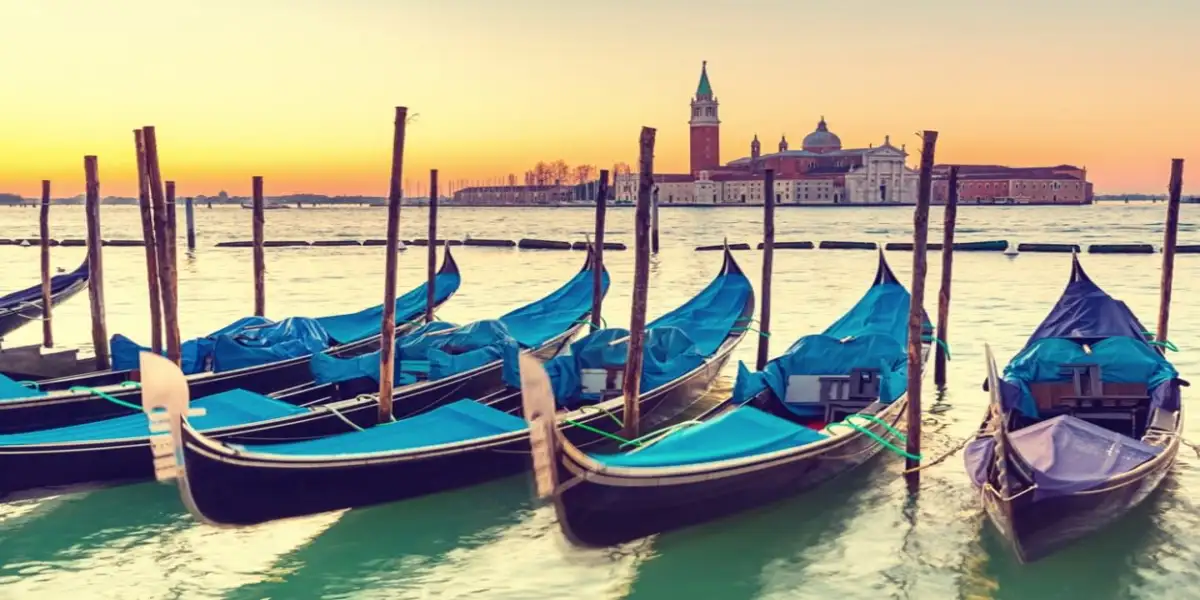
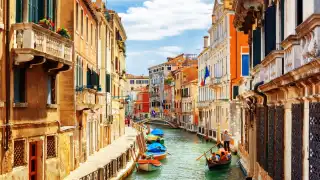
- Soak in incomparable sights on a private gondola ride on Venice's Grand Canal.
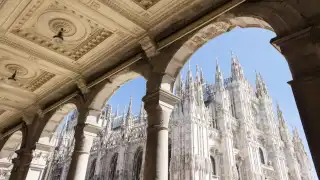
- Stroll through Milan’s historic center and visit the majestic Duomo.
- Be captivated by lake-side villages, mountains, & crystal-clear waters on a day trip to Lake Como.
- Visit the Vatican City and explore the Sistine Chapel's stunning frescoes and St. Peter's Basilica.
- See the fruits of Renaissance creativity in Florence’s Piazza della Signoria and the Uffizi Gallery.
- Soak in incomparable sights on a private gondola ride on Venice's Grand Canal.
- Stroll through Milan’s historic center and visit the majestic Duomo.
- Be captivated by lake-side villages, mountains, & crystal-clear waters on a day trip to Lake Como.


Must see sights
Starting from
$3175
per person
 Not included
 Price varies by group size, hotel selection, and travel season.
Secure Your Customizable Trip
Enter your details to embark on a journey that can be tailored just for you.
Start
Travelers
Preferred Hotel Stars

Craft Your Own Itinerary
Select your interests and destinations for a trip plan inspired by you.
Where Does the Italy’s Iconic Cities Trip Trip Go?
| ← | Move left |
| → | Move right |
| ↑ | Move up |
| ↓ | Move down |
| + | Zoom in |
| - | Zoom out |
| Home | Jump left by 75% |
| End | Jump right by 75% |
| Page Up | Jump up by 75% |
| Page Down | Jump down by 75% |


Click To Make Map Interactive
Italy’s Iconic Cities Trip Timeline
Arrival
3 nights
Rome
Italy
Train: 2h
3 nights
Florence
Italy
Train: 2.5h
2 nights
Venice
Italy
Train: 2.5h
3 nights
Milan
Italy
Departure
What Does the Italy’s Iconic Cities Trip Itinerary Look Like?

Day 1
Arrive Rome

Day 1
Arrive Rome


Mid-Day/Afternoon
Rome's Historic Center
Rome's tangled historical center is packed full of some of the most fascinating and incredible sights. Explore elegant squares and piazzas, centuries-year-old churches, and baroque fountains and wander at leisure the labyrinth of ancient Roman cobbled lanes. Highlights include the Baroque grandeur of Piazza Navona and the great and endlessly copied Roman Pantheon.
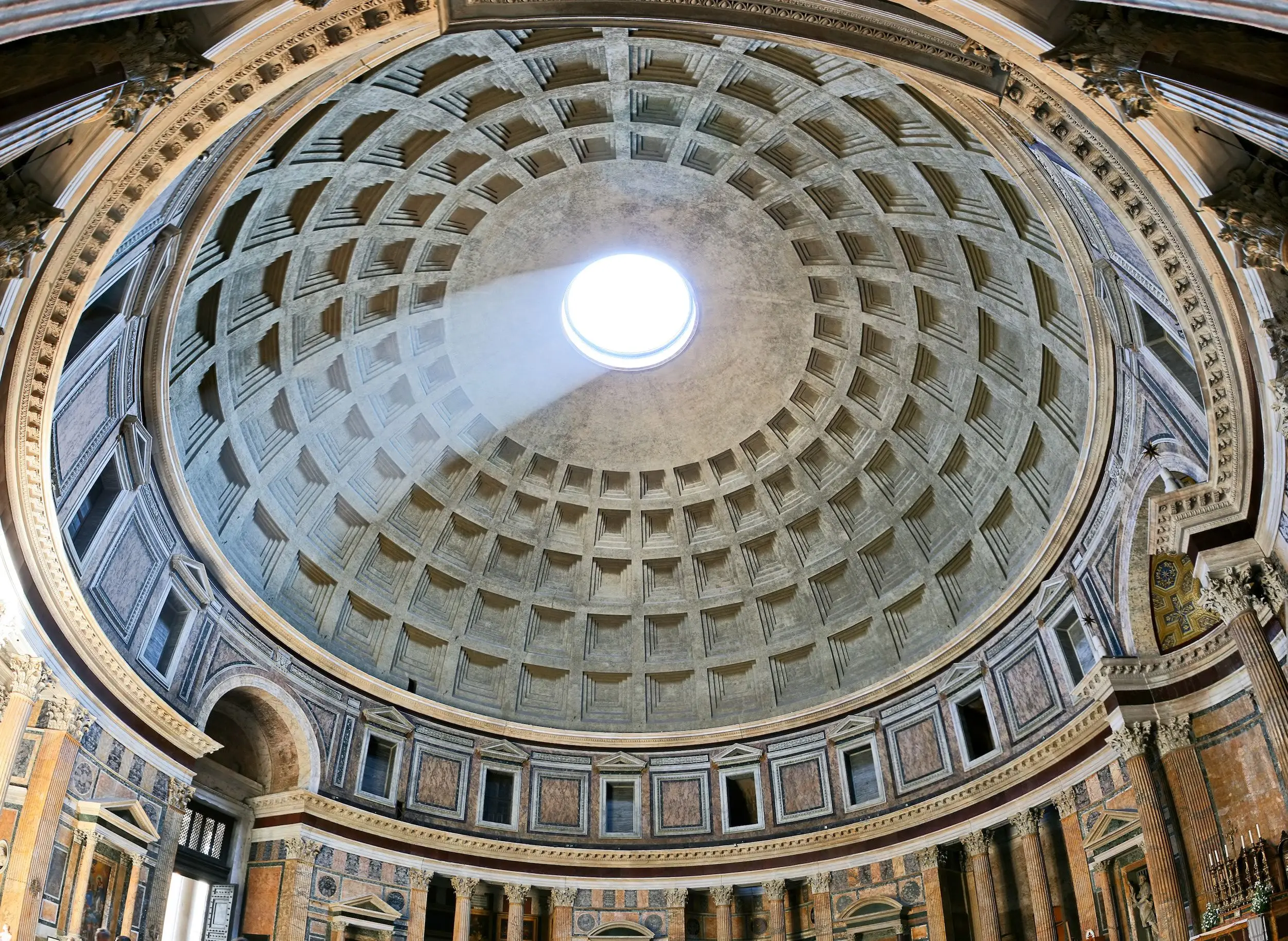
Visit this iconic former pagan temple converted into a Christian church.
Show More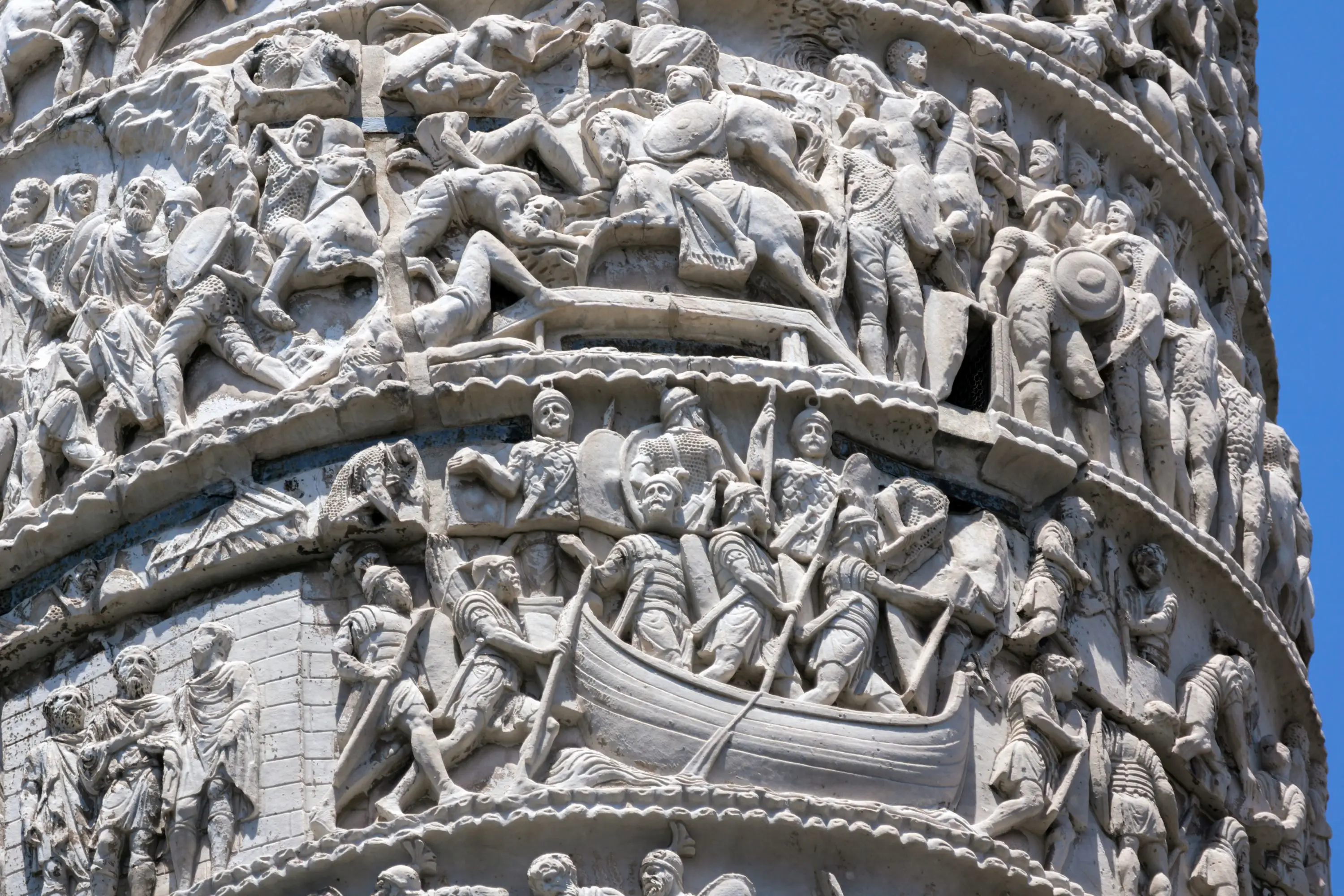
Column formerly dedicated to Emperor Marcus Aurelius; a statue of St. Paul now stands in place of his.
Show More
One of the main streets in Rome.
Show More


Stand in one of the most beautiful squares in Rome, home to the famous Fontana dei Fiumi Fountain by Bernini.
Show MoreVisit this iconic former pagan temple converted into a Christian church.
Show MoreColumn formerly dedicated to Emperor Marcus Aurelius; a statue of St. Paul now stands in place of his.
Show MoreOne of the main streets in Rome.
Show MoreStand in one of the most beautiful squares in Rome, home to the famous Fontana dei Fiumi Fountain by Bernini.
Show MoreVisit this iconic former pagan temple converted into a Christian church.
Show MoreDay 1
Arrive Rome

Day 1
Arrive Rome
11:30 AM:
Private Transfer to your Hotel
Mid-Day/Afternoon:
Rome's Historic Center
Late Afternoon/Early Evening:
Spanish Steps
Pantheon
 Highlight of Rome's Historic Center
Visit this iconic former pagan temple converted into a Christian church.
This sanctuary of impressive dimensions is one of the best-preserved buildings of ancient Rome. Erected on the foundations of an earlier temple dating back to 27 BC, its construction was ordered by the Emporer Hadrian in the second century AD. The Pantheon was originally a Pagan temple dedidated to all of the gods. The building's consecration as a church in 609 AD saved it from the abandonment, destruction, and the worst of the spoliation that befell the majority of ancient Rome's buildings during the early medieval period. Its greying exterior may look its age, but inside, a spectacular experience awaits. With light streaming through its oculus, the marble-clad interior seems vast. The Pantheon is home to some notable tombs, including those of painters Annibale Carracci and Raphael and King Vittorio Emanuele II.
Column of Marcus Aurelius
Highlight of Rome's Historic CenterColumn formerly dedicated to Emperor Marcus Aurelius; a statue of St. Paul now stands in place of his.
If you turn left at the far end of the Temple of Adrian, you'll arrive at the Column of Marcus Aurelius (Colonna di Marco Aurelio). The column located on Piazza Colonna commemorates the Roman Emperor Marcus Aurelius and his victories over the Germanic tribes in Danubian and Marcomannic wars. It was modeled on Trajan's Column (which is located in Trajan's Forum). The column consists of 27 or 28 blocks of Carrara marble, each of 3.7 meters (12 ft) diameter, and was nicknamed the Centenaria, "hundred-footer" because it was 100 Roman feet or 29.60 meters high. On the top of the column was a statue of Marcus Aurelius; today, the apostle Paul stands there.
Via del Corso
Highlight of Rome's Historic CenterOne of the main streets in Rome.
The main street running alongside the Piazza Colonna is one of the main streets in Rome, called the Via del Corso. It is remarkable for being absolutely straight in an area characterized by narrow meandering alleys and small piazzas. Its runs 1.5km from Piazza del Popolo all the way to Piazza Venezia and is one of the busiest shopping streets in Rome. You’ll find lots of large international stores all over the street including major retailers such as Nike and Zara, as well as smaller Italian retailers where bargains on boutique pieces of Italian clothing and souvenirs can be found.
Rome's Historic Center
OverviewRome's Historic Center
Rome's tangled historical center is packed full of some of the most fascinating and incredible sights. Explore elegant squares and piazzas, centuries-year-old churches, and baroque fountains and wander at leisure the labyrinth of ancient Roman cobbled lanes. Highlights include the Baroque grandeur of Piazza Navona and the great and endlessly copied Roman Pantheon.
Piazza Navona
Highlight of Rome's Historic CenterStand in one of the most beautiful squares in Rome, home to the famous Fontana dei Fiumi Fountain by Bernini.
A Roman rendezvous, Piazza Navona is, for many people, the most beautiful square in the world. Like many of Rome's landmarks, Piazza Navona is located over the foundations of an ancient monument, a 30,000 seat stadium of Domitian. The former tiers of seats have since made way for ornate fountains, exuberant baroque palazzi, and bustling pavement cafes. The square has long been the hub for local life, hosting Rome's main market for over 300 years. Today it attracts a colorful circus of tourists, performers, hawkers, street artists, and pigeons. The first visit to Piazza Navona might well result in a stiff neck from gazing up at all the sumptuous Baroque beauty.
Pantheon
Highlight of Rome's Historic CenterVisit this iconic former pagan temple converted into a Christian church.
This sanctuary of impressive dimensions is one of the best-preserved buildings of ancient Rome. Erected on the foundations of an earlier temple dating back to 27 BC, its construction was ordered by the Emporer Hadrian in the second century AD. The Pantheon was originally a Pagan temple dedidated to all of the gods. The building's consecration as a church in 609 AD saved it from the abandonment, destruction, and the worst of the spoliation that befell the majority of ancient Rome's buildings during the early medieval period. Its greying exterior may look its age, but inside, a spectacular experience awaits. With light streaming through its oculus, the marble-clad interior seems vast. The Pantheon is home to some notable tombs, including those of painters Annibale Carracci and Raphael and King Vittorio Emanuele II.
Column of Marcus Aurelius
Highlight of Rome's Historic CenterColumn formerly dedicated to Emperor Marcus Aurelius; a statue of St. Paul now stands in place of his.
If you turn left at the far end of the Temple of Adrian, you'll arrive at the Column of Marcus Aurelius (Colonna di Marco Aurelio). The column located on Piazza Colonna commemorates the Roman Emperor Marcus Aurelius and his victories over the Germanic tribes in Danubian and Marcomannic wars. It was modeled on Trajan's Column (which is located in Trajan's Forum). The column consists of 27 or 28 blocks of Carrara marble, each of 3.7 meters (12 ft) diameter, and was nicknamed the Centenaria, "hundred-footer" because it was 100 Roman feet or 29.60 meters high. On the top of the column was a statue of Marcus Aurelius; today, the apostle Paul stands there.
Via del Corso
Highlight of Rome's Historic CenterOne of the main streets in Rome.
The main street running alongside the Piazza Colonna is one of the main streets in Rome, called the Via del Corso. It is remarkable for being absolutely straight in an area characterized by narrow meandering alleys and small piazzas. Its runs 1.5km from Piazza del Popolo all the way to Piazza Venezia and is one of the busiest shopping streets in Rome. You’ll find lots of large international stores all over the street including major retailers such as Nike and Zara, as well as smaller Italian retailers where bargains on boutique pieces of Italian clothing and souvenirs can be found.
Rome's Historic Center
OverviewRome's Historic Center
Rome's tangled historical center is packed full of some of the most fascinating and incredible sights. Explore elegant squares and piazzas, centuries-year-old churches, and baroque fountains and wander at leisure the labyrinth of ancient Roman cobbled lanes. Highlights include the Baroque grandeur of Piazza Navona and the great and endlessly copied Roman Pantheon.
Piazza Navona
Highlight of Rome's Historic CenterStand in one of the most beautiful squares in Rome, home to the famous Fontana dei Fiumi Fountain by Bernini.
A Roman rendezvous, Piazza Navona is, for many people, the most beautiful square in the world. Like many of Rome's landmarks, Piazza Navona is located over the foundations of an ancient monument, a 30,000 seat stadium of Domitian. The former tiers of seats have since made way for ornate fountains, exuberant baroque palazzi, and bustling pavement cafes. The square has long been the hub for local life, hosting Rome's main market for over 300 years. Today it attracts a colorful circus of tourists, performers, hawkers, street artists, and pigeons. The first visit to Piazza Navona might well result in a stiff neck from gazing up at all the sumptuous Baroque beauty.
Pantheon
Highlight of Rome's Historic CenterVisit this iconic former pagan temple converted into a Christian church.
This sanctuary of impressive dimensions is one of the best-preserved buildings of ancient Rome. Erected on the foundations of an earlier temple dating back to 27 BC, its construction was ordered by the Emporer Hadrian in the second century AD. The Pantheon was originally a Pagan temple dedidated to all of the gods. The building's consecration as a church in 609 AD saved it from the abandonment, destruction, and the worst of the spoliation that befell the majority of ancient Rome's buildings during the early medieval period. Its greying exterior may look its age, but inside, a spectacular experience awaits. With light streaming through its oculus, the marble-clad interior seems vast. The Pantheon is home to some notable tombs, including those of painters Annibale Carracci and Raphael and King Vittorio Emanuele II.
Day 2
Rome
Day 2
Rome


9:00 AM - 12:00 PM
Ancient Rome Guided Walk
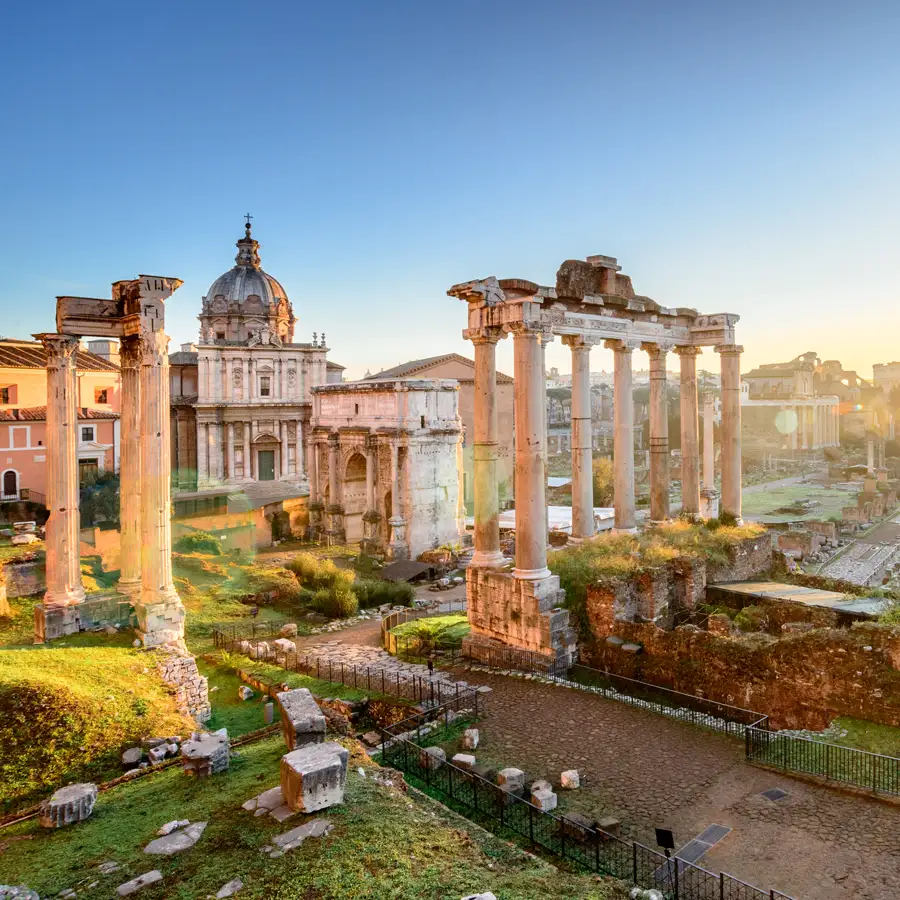
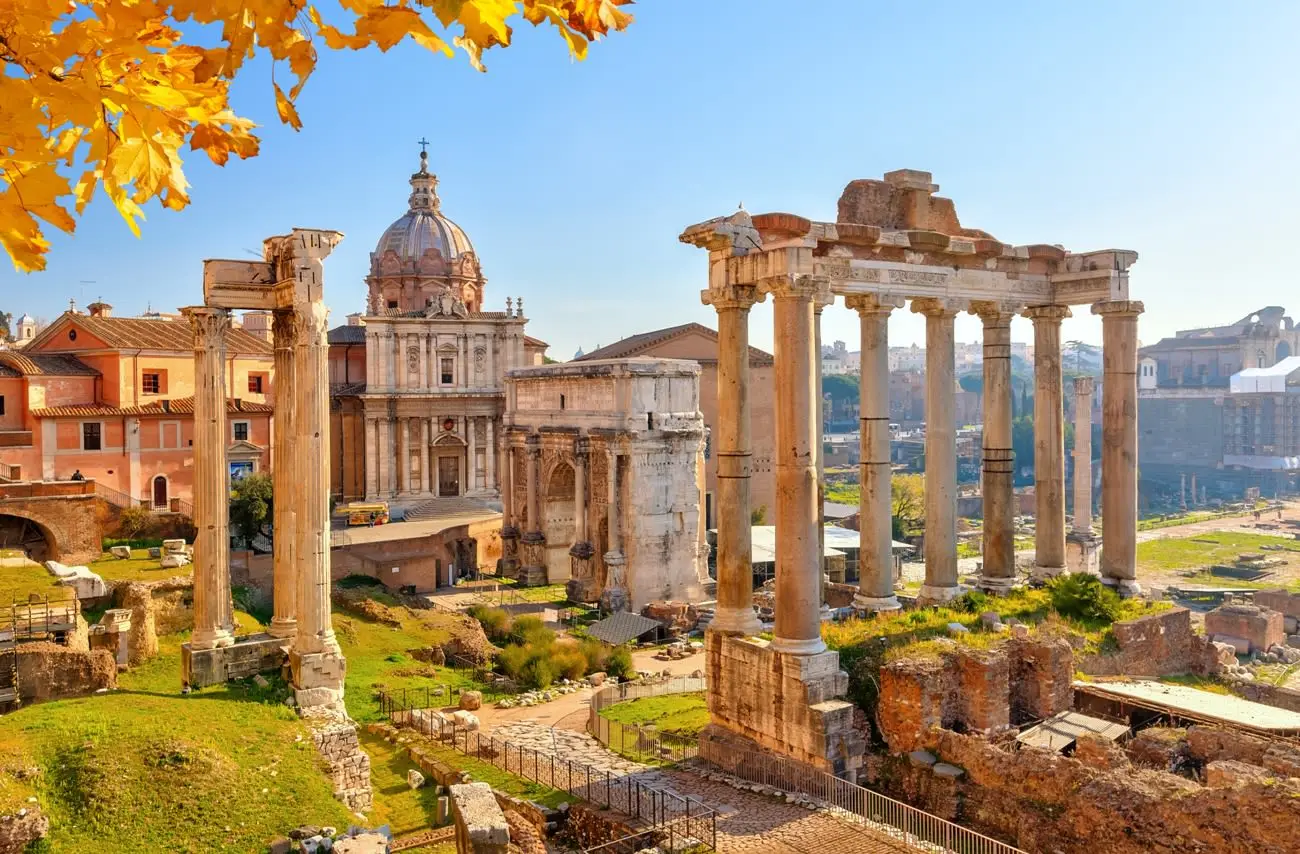
On this 3-hour private guided tour, you will explore the imposing remains of ancient Rome. Your guide will explain the extraordinary history of the birth of Rome, life in the city and everything about the fall of the Empire. Visit the Colosseum, the monumental ruins of the Roman Forum, and end the tour on the Capitoline Hill, the smallest and most important of the seven hills of Ancient Rome.
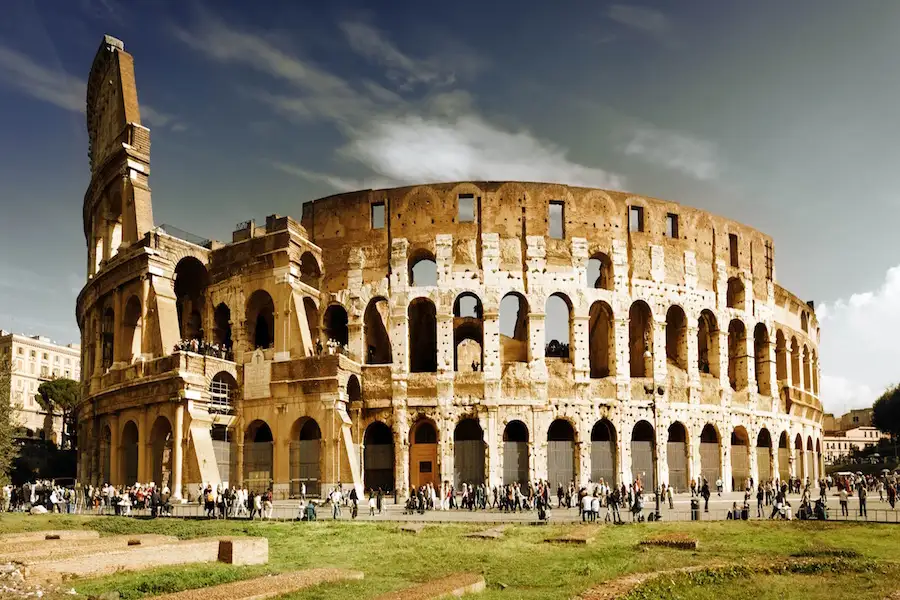
Ancient Roman Ampitheater
Show MoreAncient Roman Ampitheater
Show MoreAncient Roman Ampitheater
Show MoreDay 2
Rome

Day 3
Rome
Day 3
Rome
Early Morning to Afternoon
Vatican City
Rome is unique in the world in that it contains an independent country within its city limits - the Vatican City, from where the Pope administers the Catholic Church. The symbolic center of Catholicism is St Peter's Basilica, the second-largest Catholic church in the world and among the most beautiful. The Vatican Museum contains one of the greatest collections of art in existence, including Michelangelo's jaw-dropping Sistine Chapel. The popes had a bigger influence on Rome than just the collection of art. The Pope's title is actually Bishop of Rome, and popes administed the city for centuries, shaping its architecture & public spaces. Rome was re-built to be an example of urban beauty, and the Vatican was meant to be the showcase within the showcase. Their success is evident from the throngs of visitors who flock here even today.

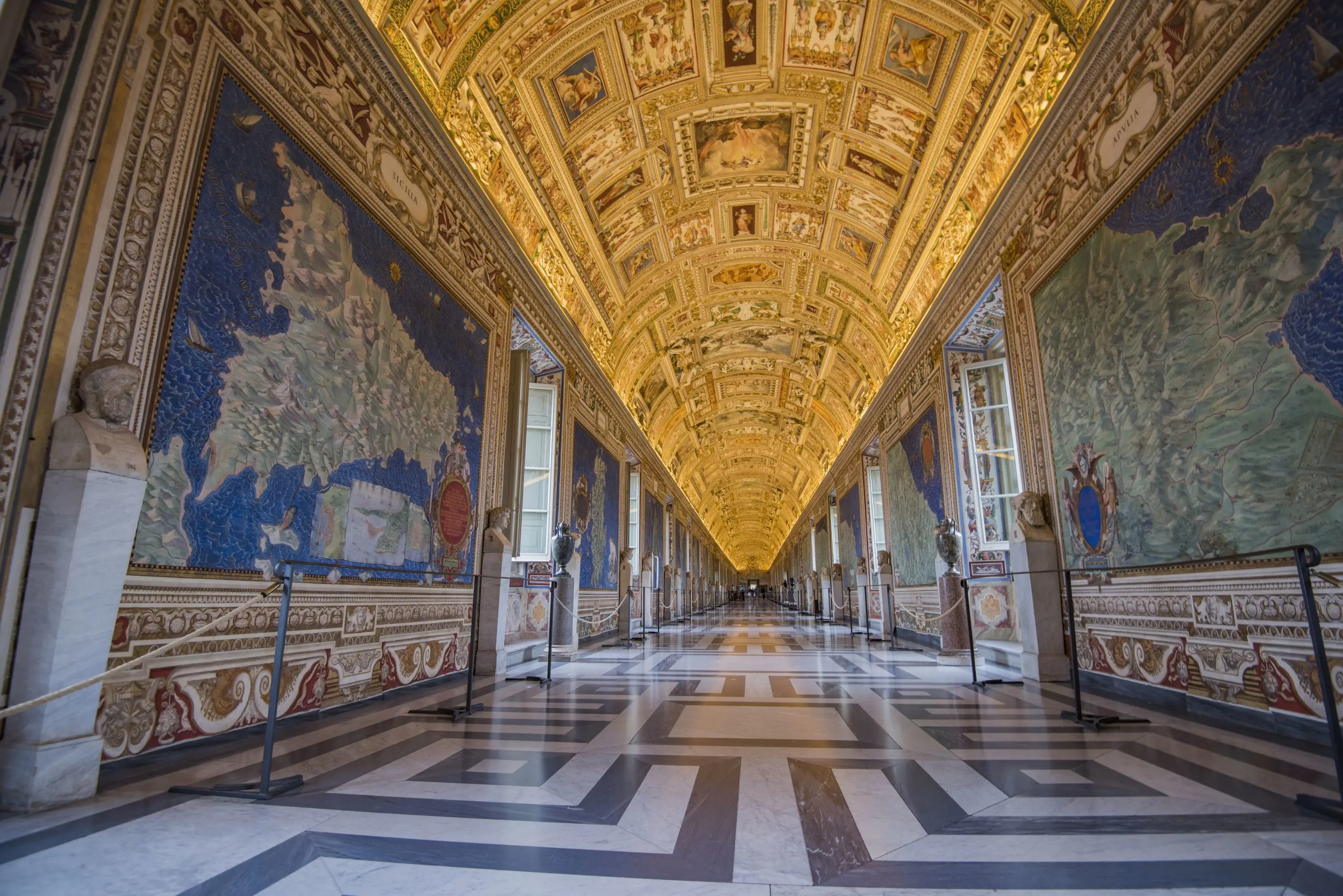
Book early if you want to see the Vatican Museum's monumental works of art from the greatest Italian artists of the Renaissance.
Show More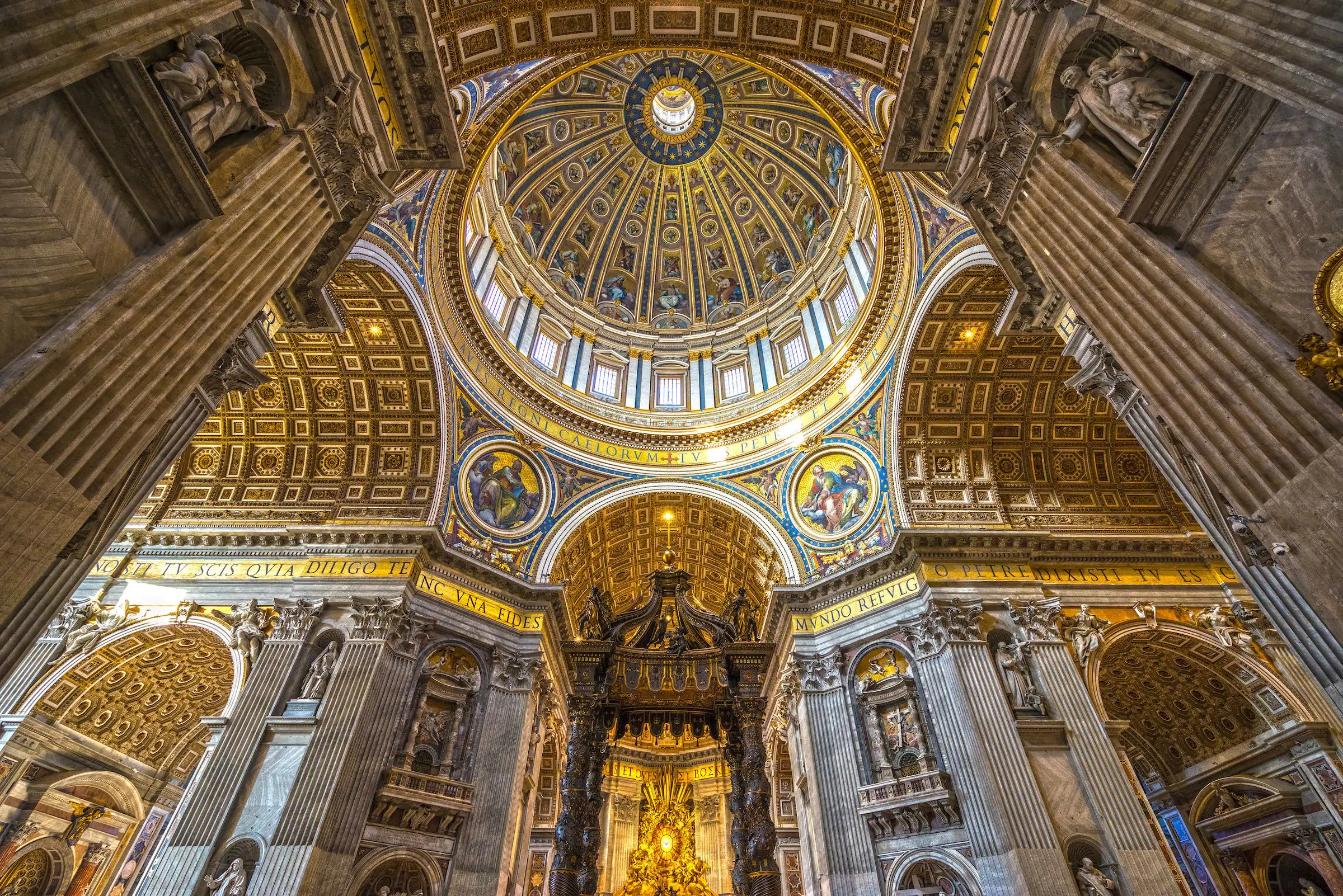
Explore the gigantic and incredibly beautiful church known as "the greatest of all churches of Christendom".
Show More
Escape the crowds in this oasis of green hidden behind the walls of the Vatican.
Show More
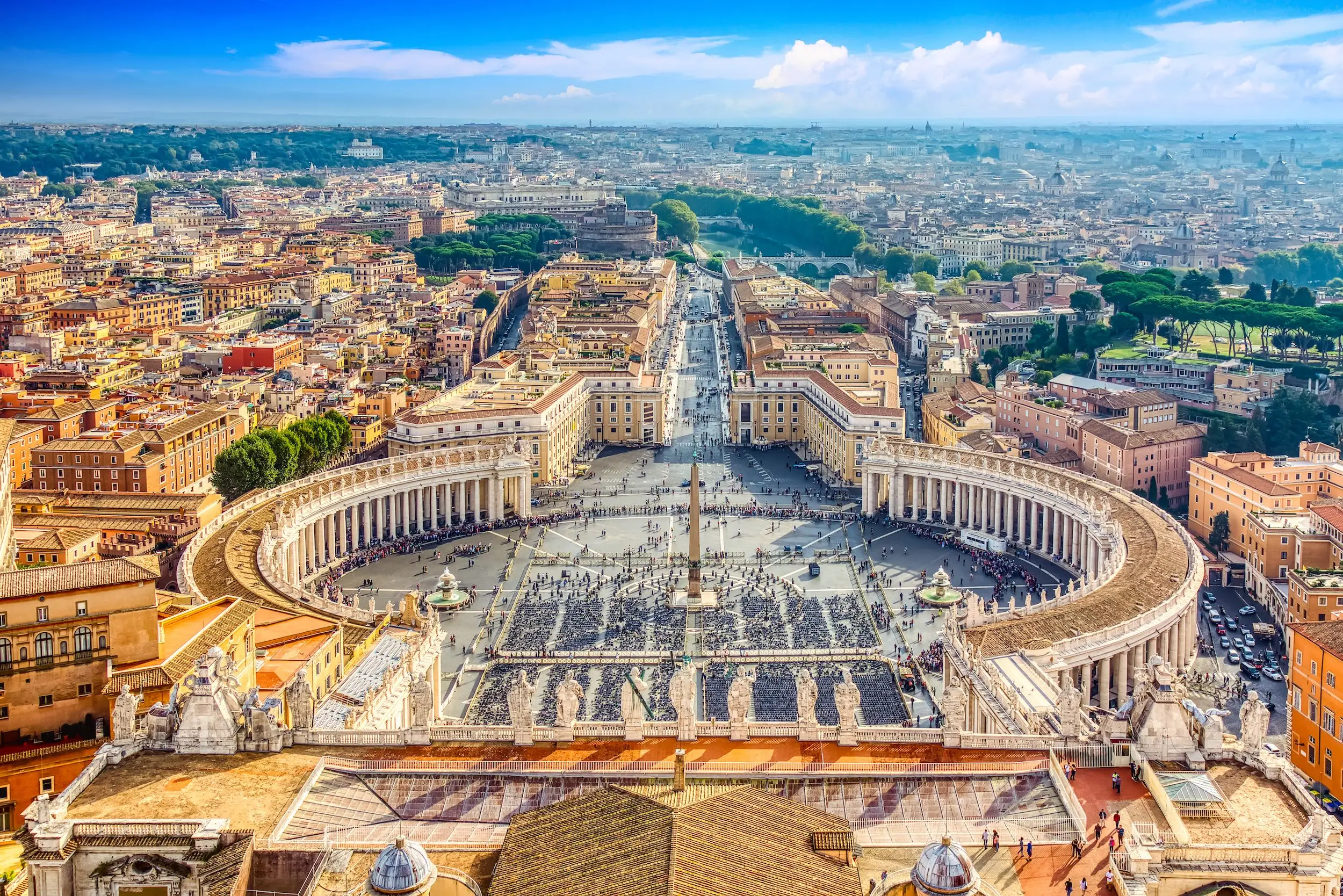
Stand in the middle of this famous square in which the faithful gather to hear the Pope give audiences and celebrate mass.
Show More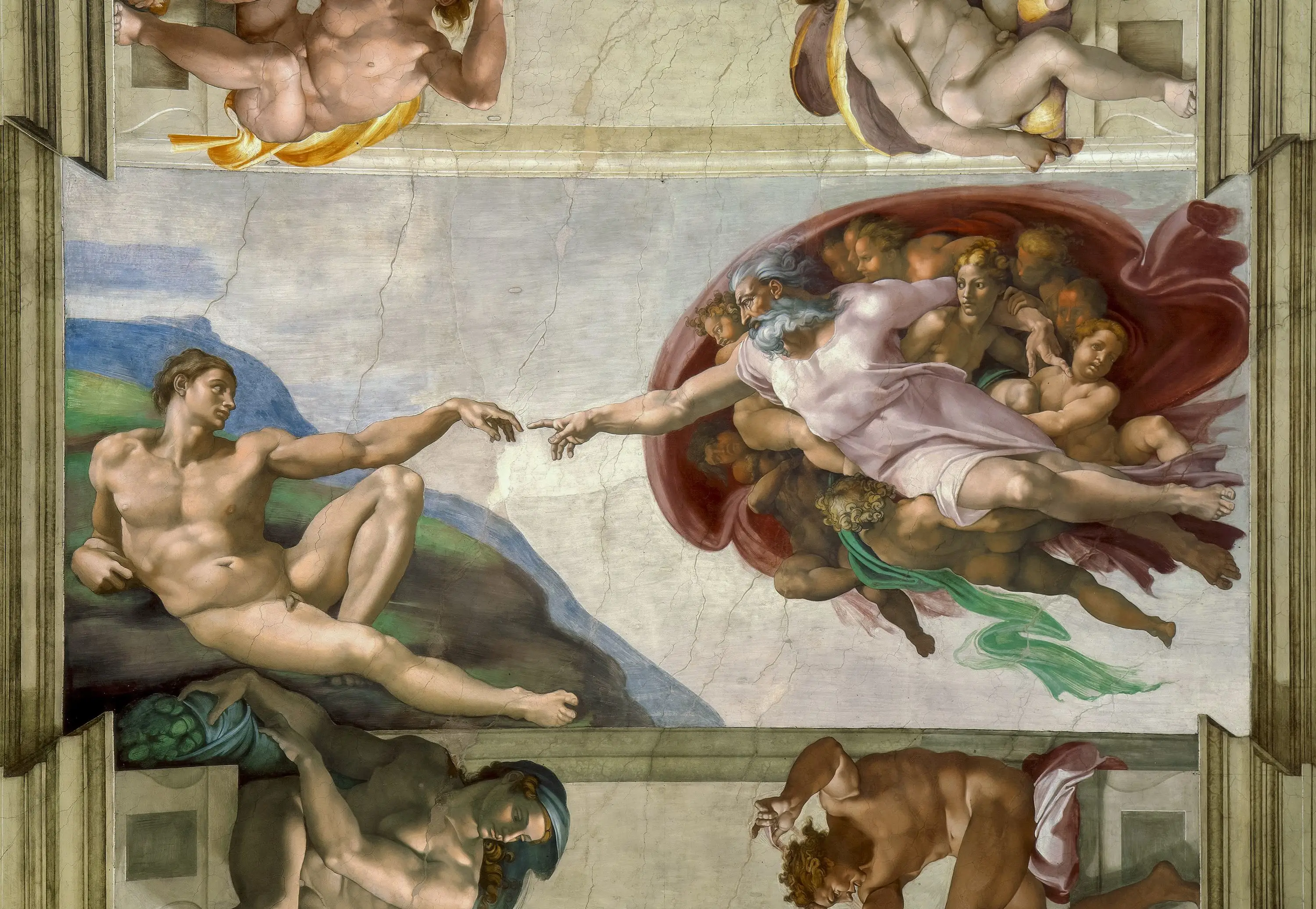
Gaze up at the world's most famous ceiling, the masterpiece of Michelangelo.
Show MoreBook early if you want to see the Vatican Museum's monumental works of art from the greatest Italian artists of the Renaissance.
Show MoreExplore the gigantic and incredibly beautiful church known as "the greatest of all churches of Christendom".
Show MoreEscape the crowds in this oasis of green hidden behind the walls of the Vatican.
Show MoreStand in the middle of this famous square in which the faithful gather to hear the Pope give audiences and celebrate mass.
Show MoreGaze up at the world's most famous ceiling, the masterpiece of Michelangelo.
Show MoreDay 3
Rome

Day 4
Rome to Florence
Day 4
Rome to Florence


Morning/Mid-Day
Esquilino District
Upon first glance, this urban neighborhood of Rome may seem busy and overwhelming, but hidden among its traffic-noisy streets are some of Rome's most beautiful churches, artistic treasures, and cultural museums, including the Baths of Diocletian.
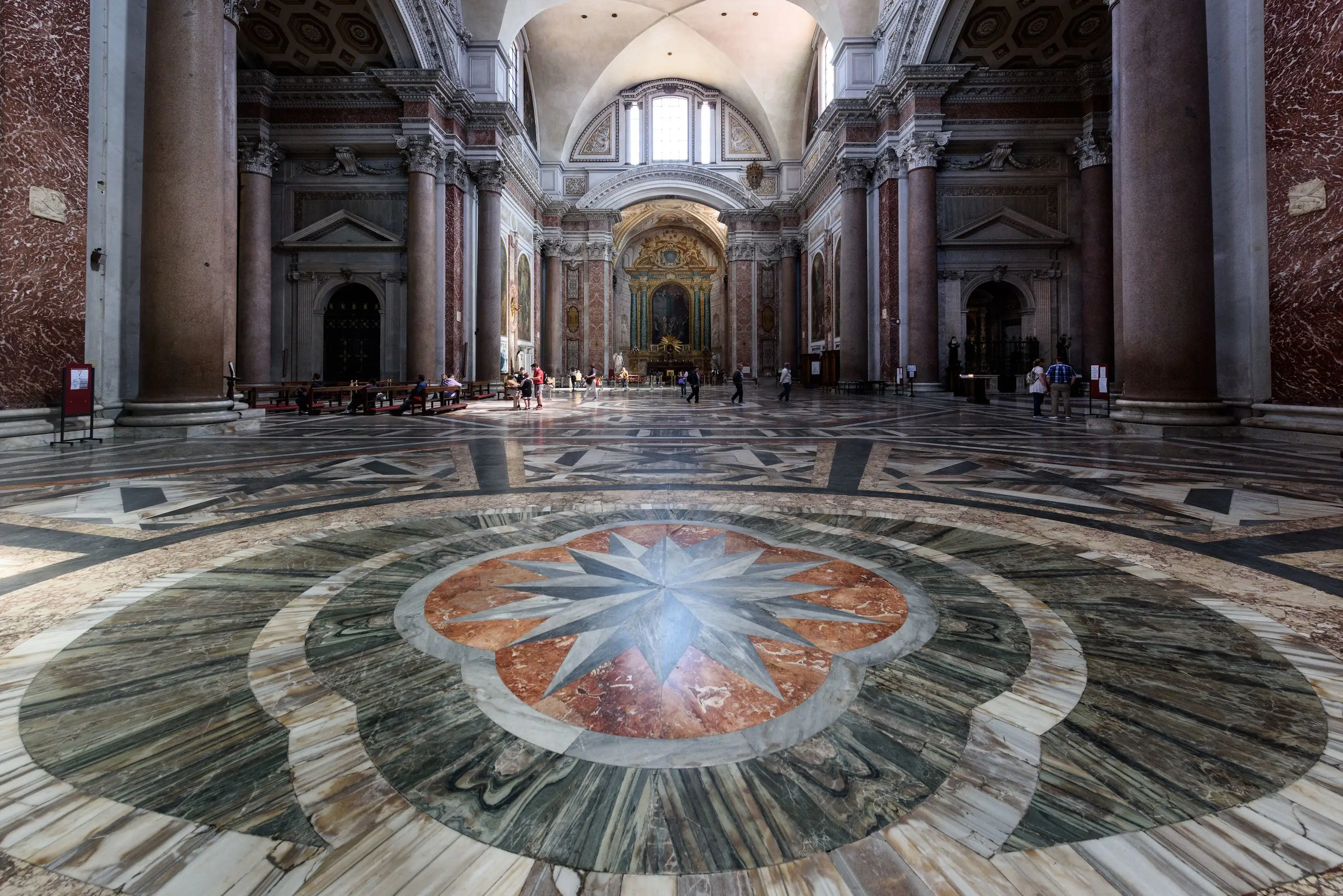
See a Michelangelo-designed church built within the former Baths of Diocletian.
Show More
Visit one of Rome's greatest but most unheralded museums of antiquity.
Show More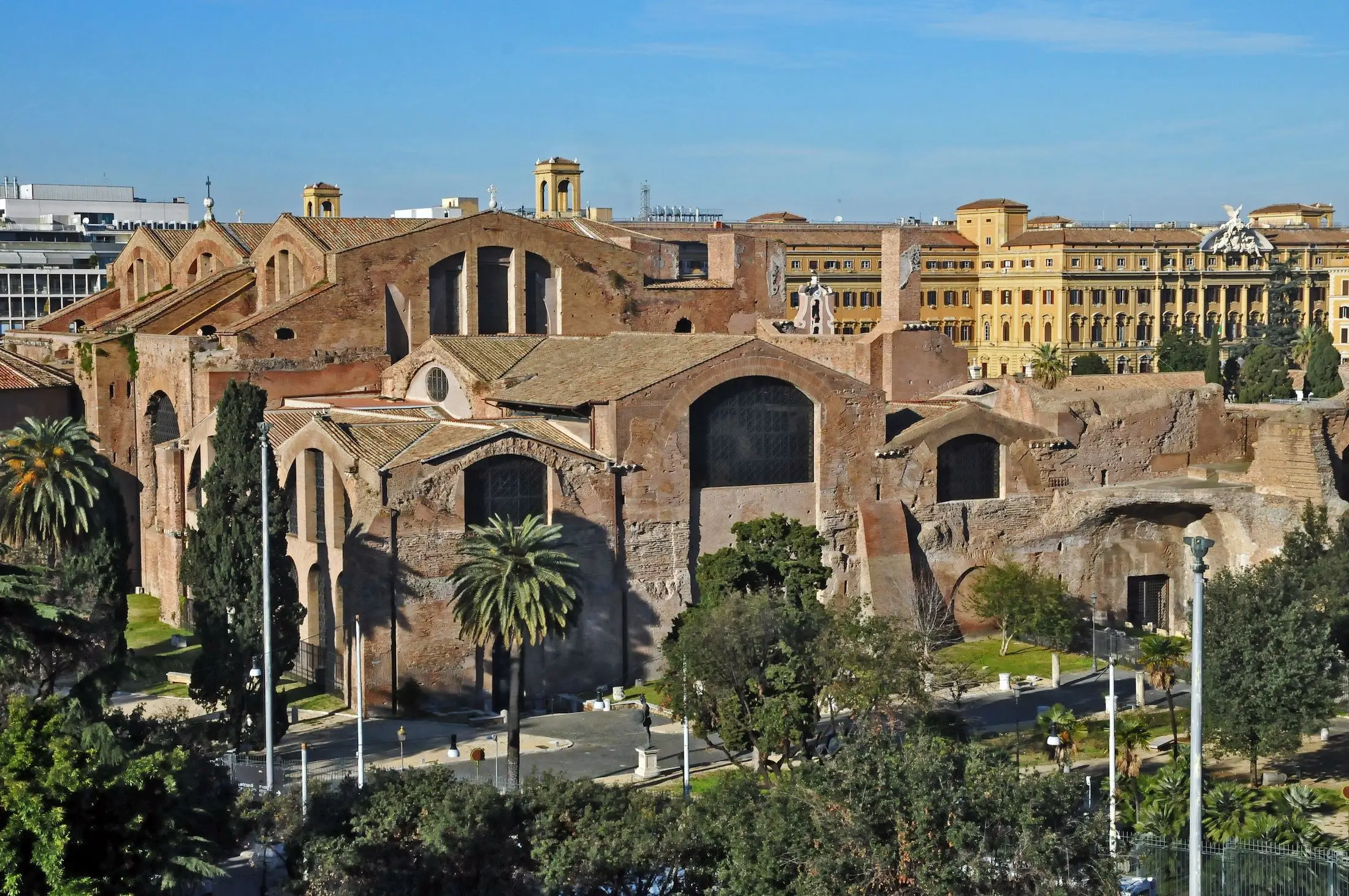

Walk the ruins of what was once the largest themal baths in the ancient Roman world.
Show MoreSee a Michelangelo-designed church built within the former Baths of Diocletian.
Show MoreVisit one of Rome's greatest but most unheralded museums of antiquity.
Show MoreWalk the ruins of what was once the largest themal baths in the ancient Roman world.
Show MoreDay 4
Rome to Florence
Day 5
Florence
Day 5
Florence
Morning/Mid-Day
Uffizi Gallery
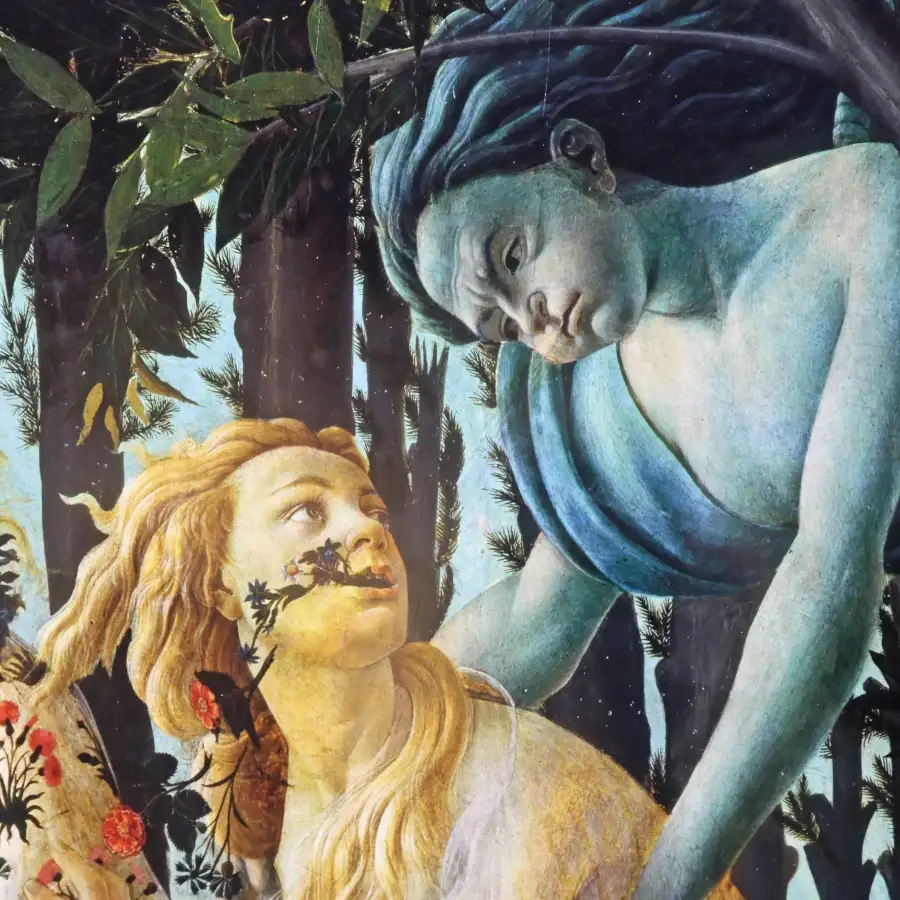
As the capital of the Renaissance, it's only fitting that Florence should also host Italy's greatest art gallery at the Uffizi. It's understandably busy throughout the year, but it's nevertheless worth the crowds to see to see some of the most sumptuous masterpieces of Renaissance art, including Botticelli's Primavera and Venus, and works by Michelangelo and Da Vinci. If you're planning to visit other galleries and museums in Florence, then it's definitely worth investing in a Firenze Card, which gives you free entry and priority access to 72 venues in the city. At a minimum, you should book ahead for the Uffizi to avoid very long queues.

Day 5
Florence

Day 6
Florence
Day 6
Florence
9:00 AM - 12:00 PM
Private Walking Tour
Enjoy a 3-hour private walking tour of Florence, the perfect introduction to the masterpieces of this city. Stroll around the historic center and take in sights such as the Palazzo Vecchio, Ponte Vecchio, Piazza Della Signora and end your tour at the famous Galleria dell'Accademia, where you can choose to enter to see Michelangelo's marble masterpiece, the statue of David. Please note that entry tickets to the gallery is not included and you must purchase them in advance.

Day 6
Florence

Day 7
Florence to Venice
Day 7
Florence to Venice
9:20 AM
Transfer to Rail Station
Most trains depart from Firenza S.M.N. (i.e. Florence Santa Maria Novella Station) station, the largest station in the city. Before spending money on a transfer, be sure to check whether your hotel is within easy walking distance. Also consider that public transport is the cheapest and sometimes fastest option; trams and buses drop off next to the station. Uber is available in Florence, and if staying at a hotel, they can order a reliable taxi. Some private transfers will even help with your bags.

Day 7
Florence to Venice

Day 8
Venice
Day 8
Venice
Morning/Mid-Day
San Polo District
The graceful arch of the Rialto Bridge is perhaps the single most iconic sight in Venice since nearly everyone passes beneath it on their journey along the Grand Canal. It connects Venice's two most visited districts, San Marco and San Polo. While San Marco is famous for St. Mark's Square, San Polo more than holds its own as a must-see destination, as it contains some of the city's oldest neighborhoods and most picturesque canals and bridges. It is also home to some of the best restaurants in Venice, and admittedly some of its worst tourist traps as well. Among many highlights is the bustling Rialto Market, which was once one of medieval Europe's busiest financial and trade markets, and still does a brisk trade in fresh seafood and produce.
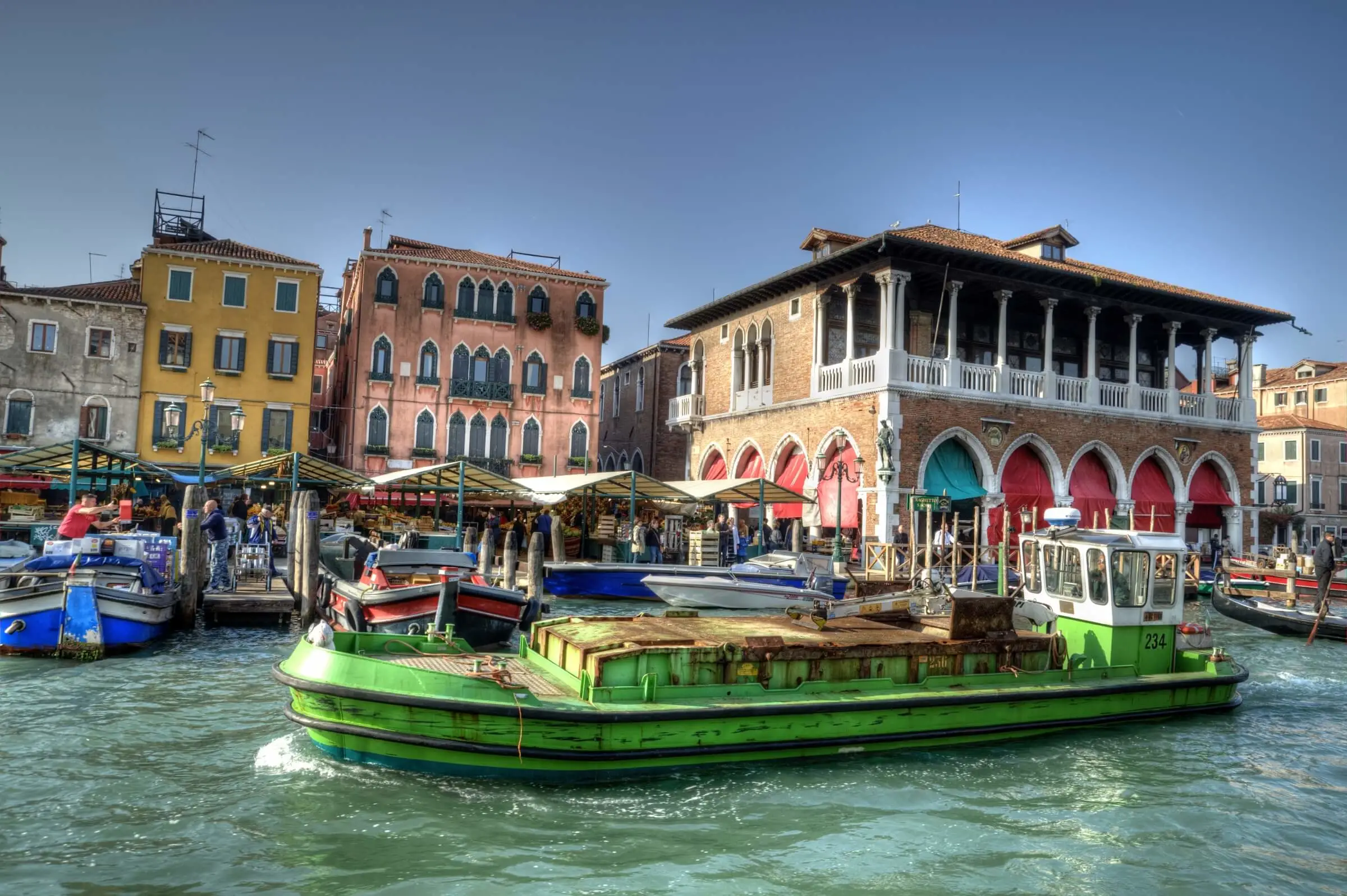
Experience the sights, tastes, and smells of Venice's historic "Pescaria" fish market, as well as the fresh produce market.
Show More
Step inside this inconspicuous Gothic 15th-century church to discover some of Venice's most famous tombs and artwork.
Show More
Visit this underrated art museum featuring works by the famed Renaissance artist Tintoretto.
Show More
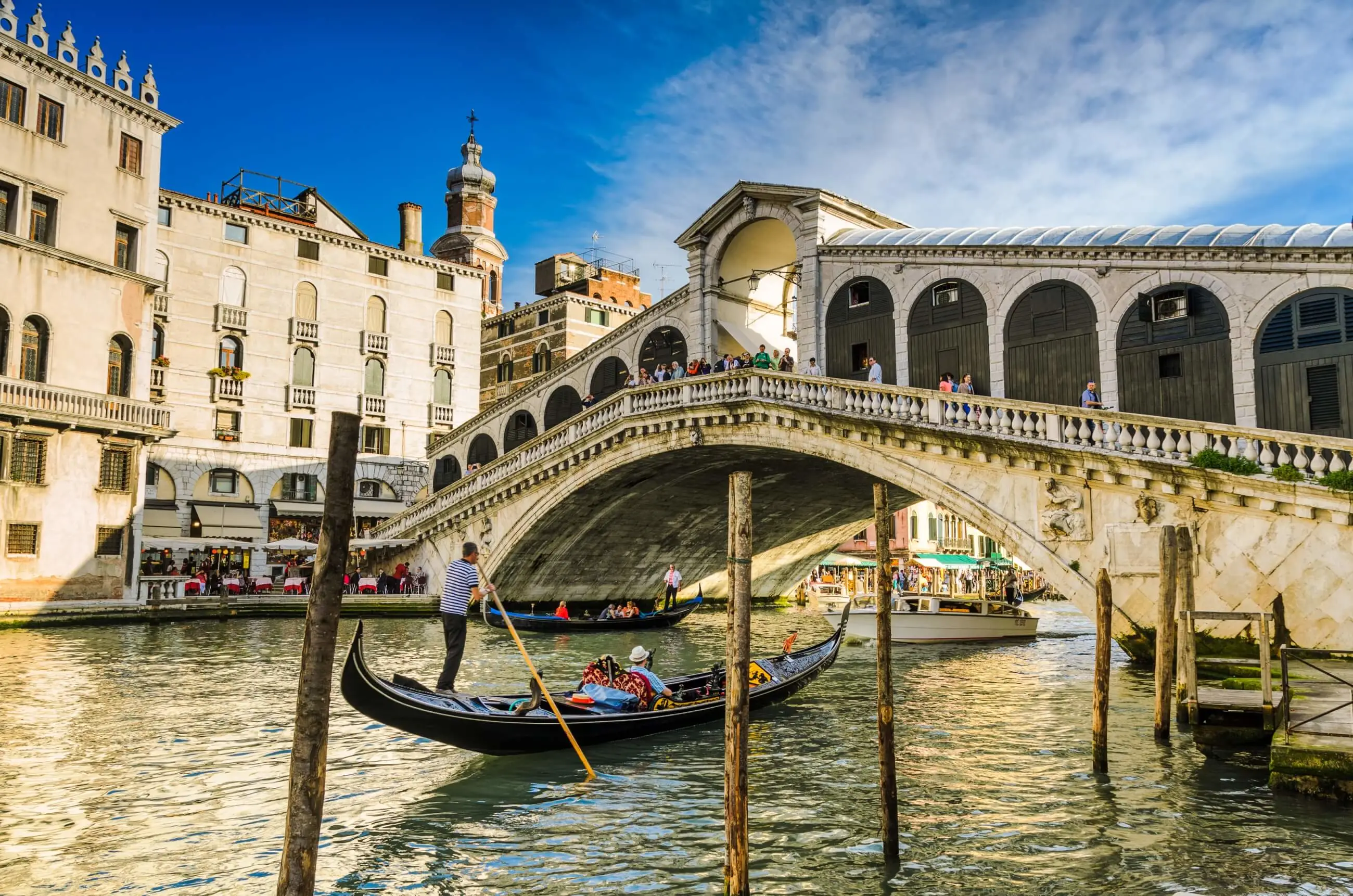
Walk over or ride under the most famous bridge on the Grand Canal.
Show MoreExperience the sights, tastes, and smells of Venice's historic "Pescaria" fish market, as well as the fresh produce market.
Show MoreStep inside this inconspicuous Gothic 15th-century church to discover some of Venice's most famous tombs and artwork.
Show MoreVisit this underrated art museum featuring works by the famed Renaissance artist Tintoretto.
Show MoreWalk over or ride under the most famous bridge on the Grand Canal.
Show MoreExperience the sights, tastes, and smells of Venice's historic "Pescaria" fish market, as well as the fresh produce market.
Show MoreDay 8
Venice
Day 9
Venice to Milan
Day 9
Venice to Milan
Morning/Mid-Day
The Dorsoduro District
Discover the less well-known sestiere (district) of Dorsoduro and visit its world-famous art collections at Gallerie dell'Academia, the Peggy Guggenheim Collection, and Cà Rezzonico. Once a haven for artists before rising rents drove them out, it is still a charming and unique district with many lively spots, such as the Campo Santa Margherita, one of Venice's largest squares. Be sure to take a walk along its enchanting waterfront promenade known as Zattere and explore the cafes along its canals.
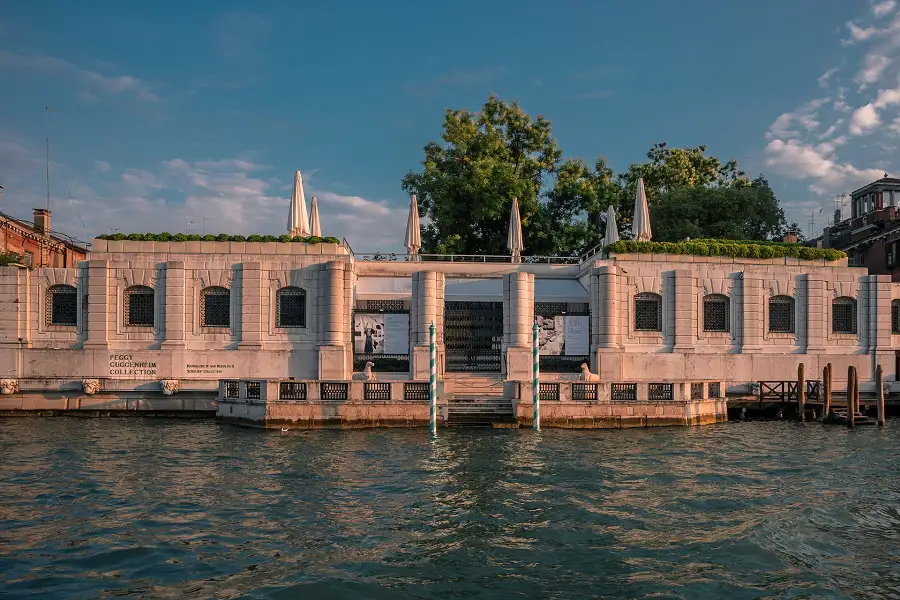
See the rich collection of 20th-century art inside one of Europe's most important museums.
Show More
Acquaint yourself with Venetian art of the 18th century and get a taste of what it was like to live in a fabulously ornate palace.
Show More
Catch the iconic photo of the Grand Canal from the this attractive wood and metal bridge.
Show More

See the incredible masterpieces held within Venice's most renowned art gallery.
Show More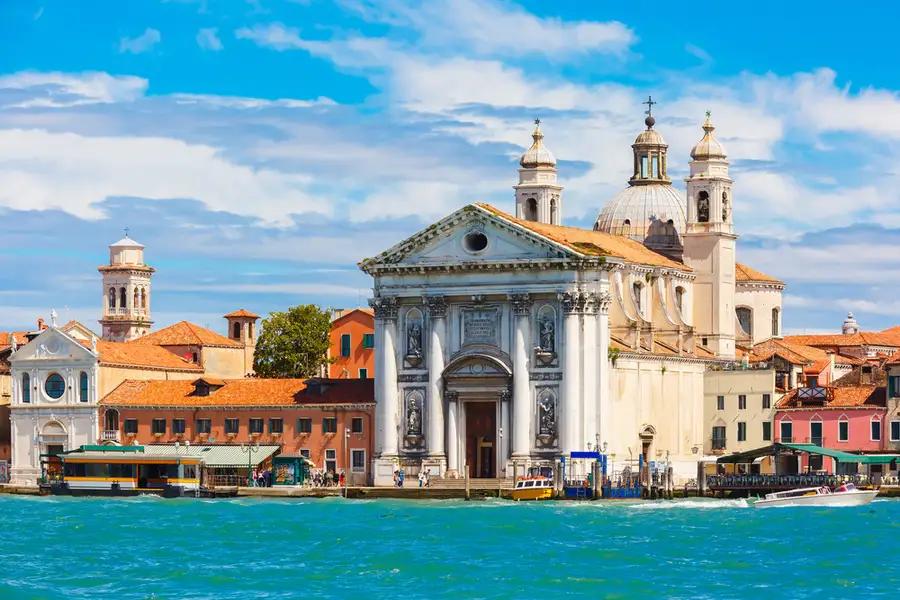
Watch the sun set from the steps of this beautifully decorated 18th-century church.
Show MoreSee the rich collection of 20th-century art inside one of Europe's most important museums.
Show MoreAcquaint yourself with Venetian art of the 18th century and get a taste of what it was like to live in a fabulously ornate palace.
Show MoreCatch the iconic photo of the Grand Canal from the this attractive wood and metal bridge.
Show MoreSee the incredible masterpieces held within Venice's most renowned art gallery.
Show MoreWatch the sun set from the steps of this beautifully decorated 18th-century church.
Show MoreDay 9
Venice to Milan

Day 10
Milan
Day 10
Milan
9:00 AM - 12:00 PM
Guided Walk in Milan
Milan is the center of business and the capital of Italian fashion, but it also has an ancient heritage and a fascinating history; here you find some of the greatest masterpieces of Italian art! Together with your guide, you’ll explore the magnificent Duomo, Galleria, Scala opera house, merchant square, financial district, food street, and Sforza Castle.

Take a tour or experience an opera or ballet in this world-famous opera house.
Show More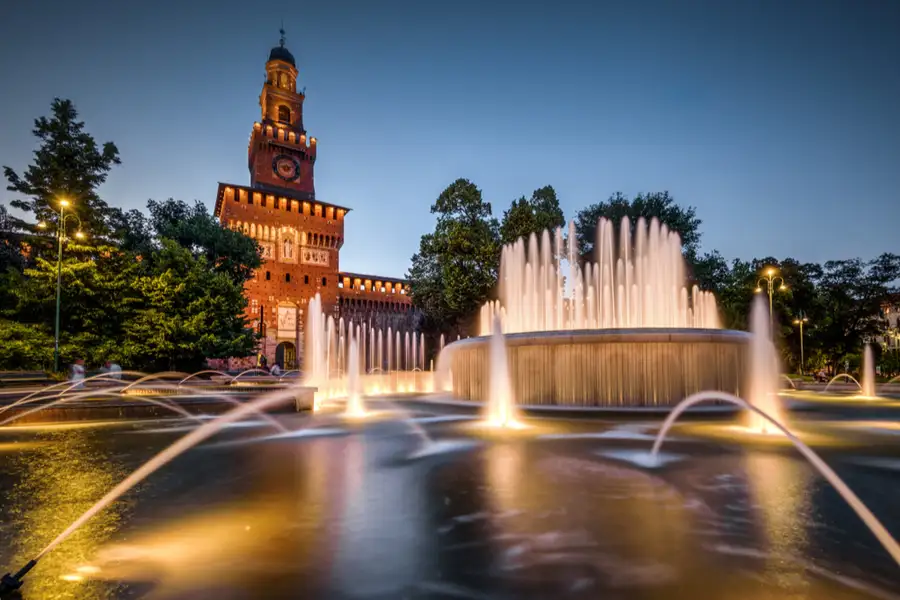
A huge Medieval-Renaissance fortress with a number of interesting history and art museums
Show More

Take a stroll through this ornate covered shopping mall that was completed in 1877.
Show MoreTake a tour or experience an opera or ballet in this world-famous opera house.
Show MoreA huge Medieval-Renaissance fortress with a number of interesting history and art museums
Show MoreTake a stroll through this ornate covered shopping mall that was completed in 1877.
Show MoreDay 10
Milan

Day 11
Milan
Day 11
Milan
Morning to Late Afternoon
Excursion to Lake Como
Often cited as the most picturesque lake in Europe, Lake Como has enchanted artists and travelers for centuries and it's easy to see why. Tucked away in the foothills of the northern Italian Alps, Lake Como is the perfect day trip destination from Milan, offering the perfect chance to escape the hustle and bustle of city life. Discover some of the picturesque lakeside villages, take a thrilling boat ride across the lake, or explore the many grand villas and beautiful gardens.
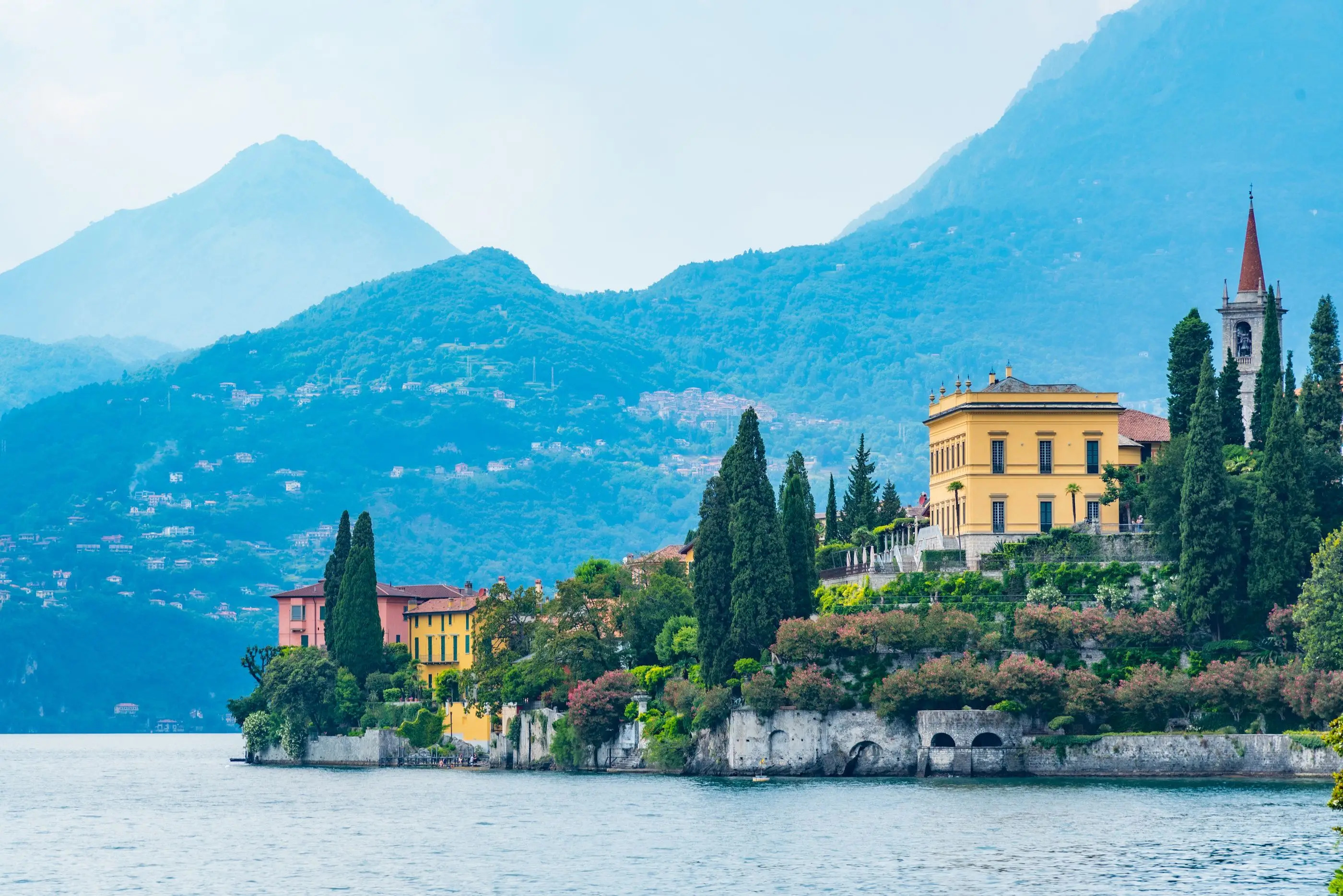
Explore the lush gardens surrounding this villa and enjoy stunning lake views from its terraces.
Show More
Ride a 19th Century funicular up the mountainside above Como to enjoy beautiful views over Lake Como.
Show More
Take a liesurely private sail, enjoy a lake cruise, or villa hop by ferry.
Show More
Visit Lake Como's most famously beautiful lakeside town.
Show More

Admire the wonderful details of this grand Duomo which incorporates architectural styles from across five centuries.
Show More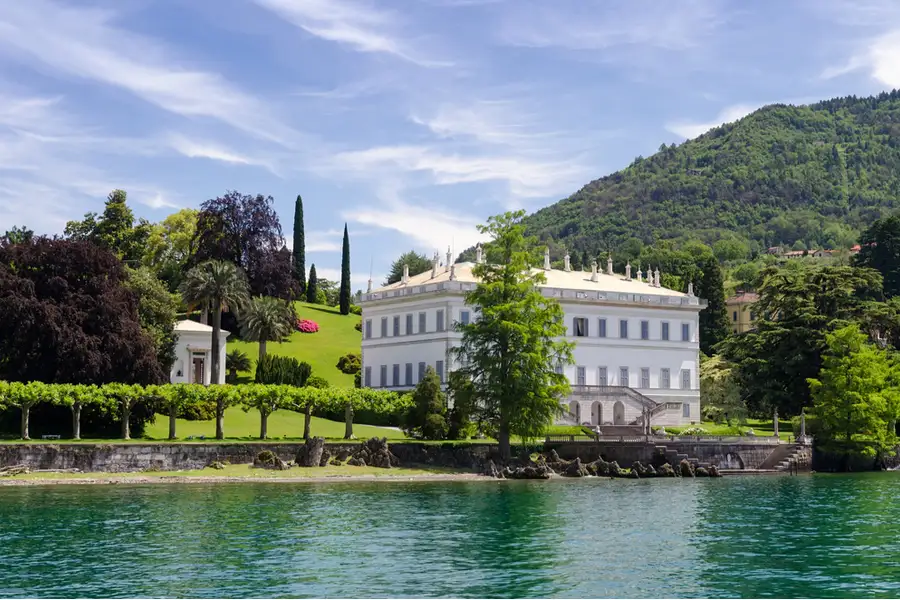
Wander through the magnificent lakeside gardens which surround this beautiful white villa in Bellagio.
Show More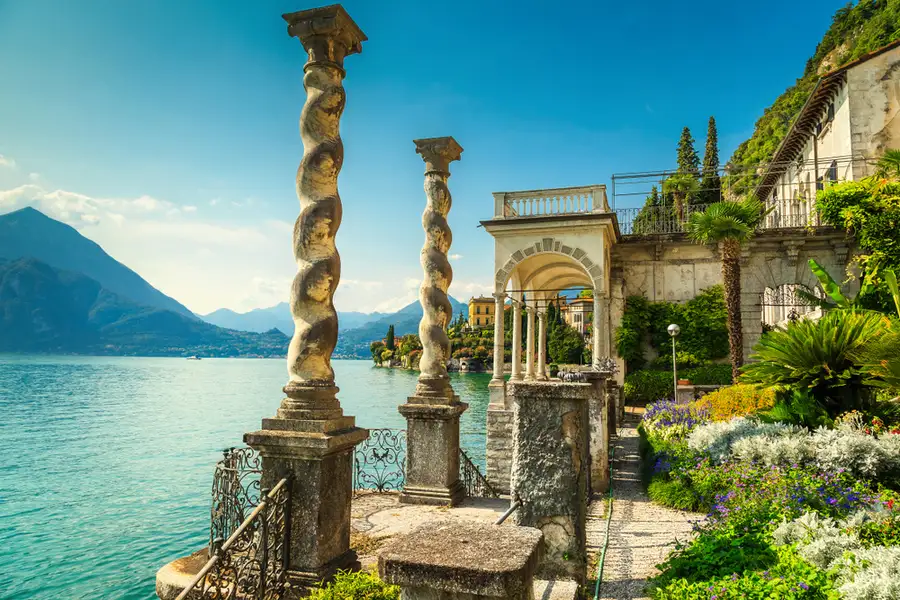
Visit a villa that began as a peaceful lakeside convent and was later transformed into a luxurious residence.
Show MoreExplore the lush gardens surrounding this villa and enjoy stunning lake views from its terraces.
Show MoreRide a 19th Century funicular up the mountainside above Como to enjoy beautiful views over Lake Como.
Show MoreTake a liesurely private sail, enjoy a lake cruise, or villa hop by ferry.
Show MoreVisit Lake Como's most famously beautiful lakeside town.
Show MoreAdmire the wonderful details of this grand Duomo which incorporates architectural styles from across five centuries.
Show MoreWander through the magnificent lakeside gardens which surround this beautiful white villa in Bellagio.
Show MoreVisit a villa that began as a peaceful lakeside convent and was later transformed into a luxurious residence.
Show MoreDay 11
Milan

Day 12
Depart Milan
Day 12
Depart Milan
To Be Determined
Taxi, Train or Bus Transfer to Airport
There are three main airports in Milan. You will likely depart from Malpensa although you may also depart from Milano Bergamo or Milano Linate if you are flying within Europe. The most affordable and fast way to reach Milan Malpensa airport is by train. The Malpensa Express train takes only 35 minutes and leaves directly from the main Centrale station in central Milan. The most affordable way to reach Milan Bergamo airport is by bus. The bus takes about 1 hour and leaves directly from Milano Centrale Train Station in central Milan. To reach Linate Airport you are best taking a taxi as it is only 10km from the city center. Your hotel can arrange a reliable taxi or if you have the app, Uber is also a good option. You can also arrange a private transfer. If you are picked up about 4 hours before your departure time, you should arrive at the Malpensa or Bergamo airport with about 3 hours to spare, depending on traffic. If you are leaving during rush hour, you may want to budget an extra fifteen to thirty minutes.

Day 12
Depart Milan
What's Included in the Italy’s Iconic Cities Trip Trip?
Pre-Paid Tours and Activities:
- Heart of the Empire: Private Tour of Ancient Rome & the Colosseum
- Florence in Half a Day: Guided Highlights Walk
- 'First Walk' Guided Tour in Venice
- Private Gondola Ride
- Best of Milan Private Walking Tour
- City Card for Rome, including discounts to many popular attractions

Pre-Paid Transportation:
- 2nd Class Train Tickets from Rome-Florence
- 2nd Class Train Tickets from Florence-Venice
- 2nd Class Train Tickets from Venice-Milan
- Public Transport Tickets for Venice and Rome
- Private Transfer from Rome Fiumicino to Hotel
- Private Transfer to Rome Termini Train Station

Accommodation:
- 3 nights at a hotel of your choice in Rome
- 3 nights at a hotel of your choice in Florence
- 2 nights at a hotel of your choice in Venice
- 3 nights at a hotel of your choice in Milan

Go Real Travel Mobile App:
- Itinerary Plan & Reservations Info
- Points of Interest
- Detailed Travel Information
- Maps & Directions
Other Trips You May Like





Featured Blogs



Our Customers Say It Best


Malini Dutta, Boston, Massachusetts

Bev and Mark Frankel, Williamsburg, Virginia
Marianne Strydom, Paarl, South Africa
Otto Chuy, Los Angeles, California
Malini Dutta, Boston, Massachusetts
Bev and Mark Frankel, Williamsburg, Virginia
Marianne Strydom, Paarl, South Africa
Otto Chuy, Los Angeles, California
Malini Dutta, Boston, Massachusetts
Bev and Mark Frankel, Williamsburg, Virginia
Marianne Strydom, Paarl, South Africa
Otto Chuy, Los Angeles, California



Explore cities in more detail

Milan
Milan is Italy’s most forward-looking city. An international center for fashion, fine dining, and design, it seems as though Milanese people breathe style. From the gleam on your wine glass to the twists of its cathedral’s spires, everything in Milan is finished to perfection. Home to the Italian stock exchange, a world-famous fashion industry, and a frantic business district, Milan is fast-paced and commercially minded. The shopping in Milan is second to none. At the Galleria Vittorio Emanuele II, one of the world’s oldest shopping malls, a glass-iron ceiling soars over brands like Louis Vuitton, Gucci, Massimo Dutti, and Amani. Along with the fashion, Milan’s cathedral, castle, and canals are also must-sees. But to view the city’s most prized possession - Leonardo da Vinci’s Last Supper, you must make an appointment. Tickets to view this mural sell out weeks in advance. It is truly a bucket-list worthy work of art. After a day taking in all the glamor and culture, take a seat in one of Milan’s well-appointed eateries. The Navigli Quarter is packed with restaurants, bars, and cafes, perfect for a relaxed Aperol spritz or pizza along the city’s canals.

Cinque Terre
Cinque Terre, a string of five fishing villages in the Liguria region of Italy, is a rare snapshot of a traditional way of life. Rustic and charming, these clusters of pastel houses clinging to steep Mediterranean cliffs hold a special allure. Hiking between the five villages is a popular way to experience the rugged Mediterranean landscape close up. There are no roads here — the only other way to get between the villages is by boat or train. Seafood, hauled in from the azure waters of the sea that laps against the rocky shore, is abundant and delicious here. It pairs well with the local wine, and perhaps a plate of olives. Cinque Terre is a place to take it slow, to breathe in the fresh sea air and bask in the balmy climate, many miles from the chaos and frenzy of the modern world.
Naples
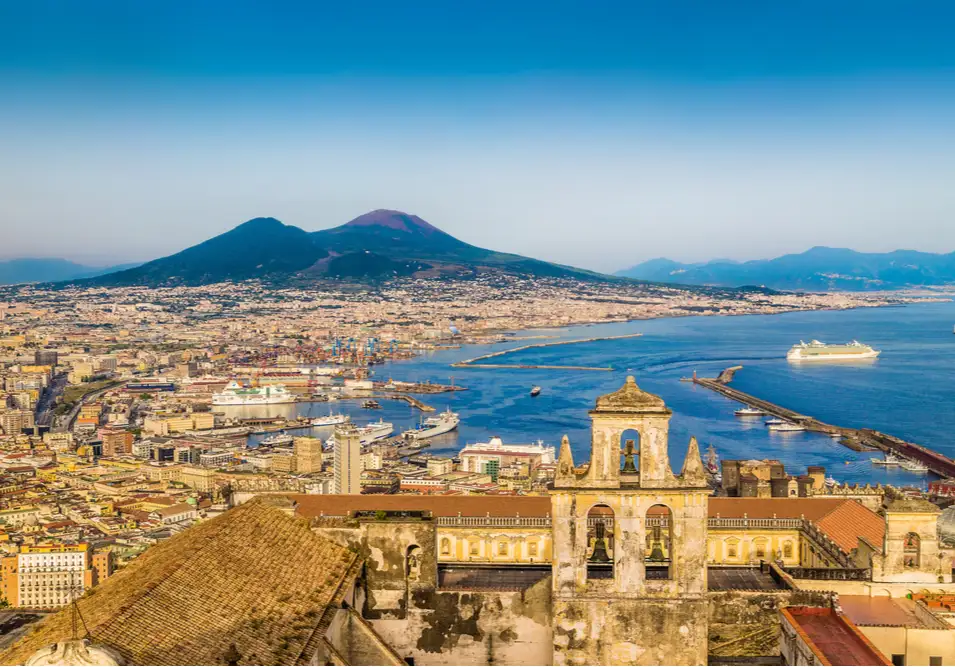
Gritty and chaotic Naples calls to travelers who want to experience the real Italy. Pressed along the coast of Campania, hilly Naples is jammed with maze-like streets, strung with outdoor clotheslines, descending toward the sea below. A much deserved UNESCO World Heritage site, Naples is famous for its churches, museums, castles, and catacombs. As you navigate the city, you’ll find yourself immersed by its culture and history. You can easily occupy a full day gazing at churches like the Naples Cathedral, San Francesco di Paola, and Cappella Sansevero. If you cast your eyes toward the Gulf of Naples, you’ll see Mount Vesuvius looming over the harbor. This foreboding volcano erupted in AD 79. Not far from the inner city — less than an hour by train — you’ll find the ancient town of Pompeii, its dramatic ruins still preserved in ash from the eruption. One of the best things you can do in Naples is to eat. This is the city where pizza was born. Propped up by its ripe tomatoes, local cheeses, and fresh fish, food from Naples has come to define what many see as the height of Italian cuisine. Everything you taste in Naples seems like a delicacy. Authentic and vivid, Naples is a true Italian city where the ancient world meets the modern-day with a bang.

Rome
One of the must-sees of Italy, and indeed all of Europe, Rome is a city with history flowing through its veins. There is an endless amount to see, do, and learn here, with something for every taste and disposition. Rome was the center of Western civilization for a Millenium and during that time, accumulated a list of historical and cultural treasures that no other destination can truly match. The Pantheon, Colosseum, Roman Forum, and Cirus of Maxentius are just a few examples of what can be seen and experienced in Rome, which at times feels more like a giant outdoor museum than a city. At Rome’s heart, you’ll find the Vatican, home of the Roman Catholic Church and the Pope. Here visitors can see the legendary Sistine Chapel. Transcending a mere building, the chapel is a walk-in work of art. Although historical sights can be found on just about every corner, it’s entirely possible to fill a day just wandering around Rome. The city’s charming streets and open Piazzas are filled with beautiful sights and places to sit, grab the best Cappuccino in the world, and enjoy the view.
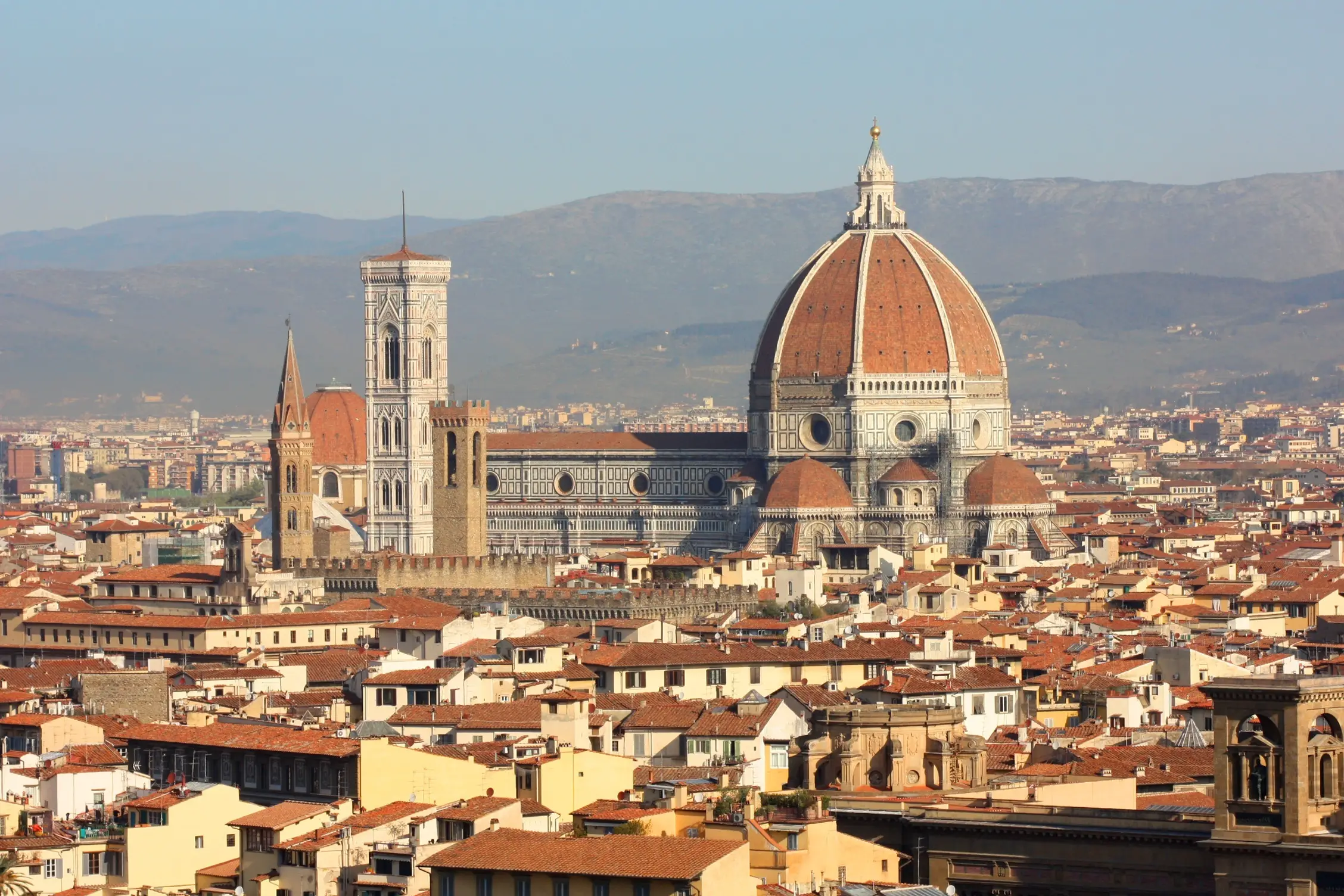
Florence
Culture and history are thick in the air in Florence. Located on the banks of the Arno River in Tuscany, Florence’s past is deeply compelling. The birthplace of the Renaissance, Florence is where innovators like Dante, Machiavelli, Michelangelo, and Da Vinci made their fortunes. Centuries of art, politics, and commerce have left their mark on every stone in this Northern Italian city. In the 15th and 16th centuries, Florentine banks funded new enterprises that went on to change the history of the world. Powerful families like the Medici’s financed some of the finest art in history and pioneered new ways of doing statecraft and politics. As you stand in the Piazzale Michelangelo and gaze upon the city below it’s hard to take it all in at once. It feels like behind every door in Florence might hide a work of genius. Michelangelo’s David and Botticelli’s Primavera can be found just a short walk away. After a long day wandering the streets and gazing at art, fueled by exquisite coffee and gelato, relax like the locals do: with a glass of some of the best wine in the world.
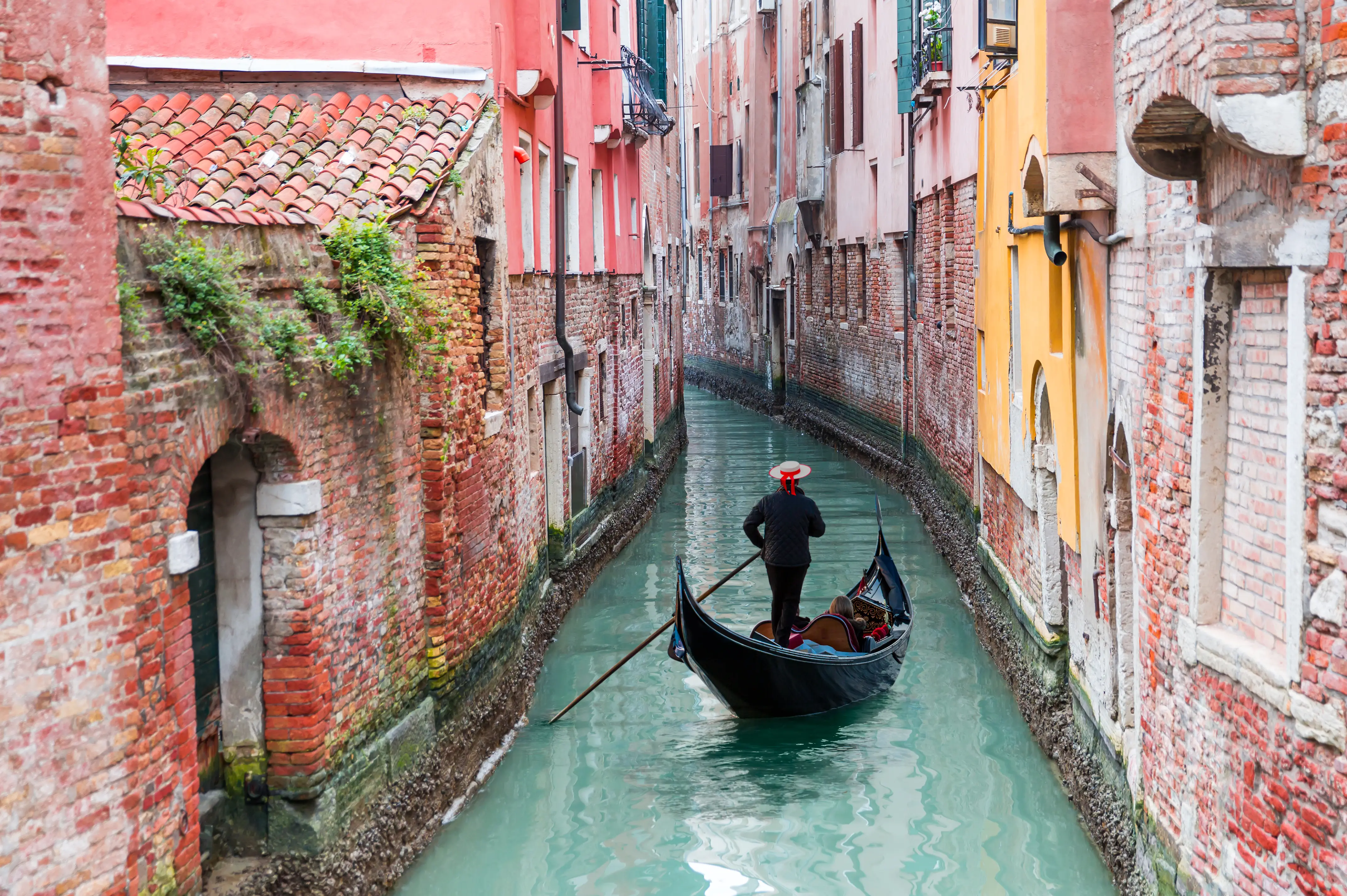
Venice
Venice is a city with no equal. Built on a series of islands on a lagoon, it was once a powerful city-state. Echoes of that old magnificence can be seen everywhere here, from the stunning buildings that rise out of the canals, to the bridges that arc across them. Take a Gondola ride through the canals that form the city’s veins, or wander through the winding streets drinking in the sights. You’ll see Venice attracts tourists in huge numbers, and that’s with good reason. It’s home to a seemingly limitless amount of art, culture, history, and architecture. St Mark’s Basilica, the Doge’s Palace, and the Campanile di San Marco just barely scratch the surface. There’s a 700-year-old market, Rialto, which is still open today. The Ponte di Rialto bridge connects the neighborhoods of San Marco and San Polo, stretching across the Grand Canal. Venice has weathered the last several centuries with elegance and pride, a place that will surpass even your highest expectations.
Milan
Milan is Italy’s most forward-looking city. An international center for fashion, fine dining, and design, it seems as though Milanese people breathe style. From the gleam on your wine glass to the twists of its cathedral’s spires, everything in Milan is finished to perfection. Home to the Italian stock exchange, a world-famous fashion industry, and a frantic business district, Milan is fast-paced and commercially minded. The shopping in Milan is second to none. At the Galleria Vittorio Emanuele II, one of the world’s oldest shopping malls, a glass-iron ceiling soars over brands like Louis Vuitton, Gucci, Massimo Dutti, and Amani. Along with the fashion, Milan’s cathedral, castle, and canals are also must-sees. But to view the city’s most prized possession - Leonardo da Vinci’s Last Supper, you must make an appointment. Tickets to view this mural sell out weeks in advance. It is truly a bucket-list worthy work of art. After a day taking in all the glamor and culture, take a seat in one of Milan’s well-appointed eateries. The Navigli Quarter is packed with restaurants, bars, and cafes, perfect for a relaxed Aperol spritz or pizza along the city’s canals.
Cinque Terre
Cinque Terre, a string of five fishing villages in the Liguria region of Italy, is a rare snapshot of a traditional way of life. Rustic and charming, these clusters of pastel houses clinging to steep Mediterranean cliffs hold a special allure. Hiking between the five villages is a popular way to experience the rugged Mediterranean landscape close up. There are no roads here — the only other way to get between the villages is by boat or train. Seafood, hauled in from the azure waters of the sea that laps against the rocky shore, is abundant and delicious here. It pairs well with the local wine, and perhaps a plate of olives. Cinque Terre is a place to take it slow, to breathe in the fresh sea air and bask in the balmy climate, many miles from the chaos and frenzy of the modern world.
Naples
Gritty and chaotic Naples calls to travelers who want to experience the real Italy. Pressed along the coast of Campania, hilly Naples is jammed with maze-like streets, strung with outdoor clotheslines, descending toward the sea below. A much deserved UNESCO World Heritage site, Naples is famous for its churches, museums, castles, and catacombs. As you navigate the city, you’ll find yourself immersed by its culture and history. You can easily occupy a full day gazing at churches like the Naples Cathedral, San Francesco di Paola, and Cappella Sansevero. If you cast your eyes toward the Gulf of Naples, you’ll see Mount Vesuvius looming over the harbor. This foreboding volcano erupted in AD 79. Not far from the inner city — less than an hour by train — you’ll find the ancient town of Pompeii, its dramatic ruins still preserved in ash from the eruption. One of the best things you can do in Naples is to eat. This is the city where pizza was born. Propped up by its ripe tomatoes, local cheeses, and fresh fish, food from Naples has come to define what many see as the height of Italian cuisine. Everything you taste in Naples seems like a delicacy. Authentic and vivid, Naples is a true Italian city where the ancient world meets the modern-day with a bang.
Rome
One of the must-sees of Italy, and indeed all of Europe, Rome is a city with history flowing through its veins. There is an endless amount to see, do, and learn here, with something for every taste and disposition. Rome was the center of Western civilization for a Millenium and during that time, accumulated a list of historical and cultural treasures that no other destination can truly match. The Pantheon, Colosseum, Roman Forum, and Cirus of Maxentius are just a few examples of what can be seen and experienced in Rome, which at times feels more like a giant outdoor museum than a city. At Rome’s heart, you’ll find the Vatican, home of the Roman Catholic Church and the Pope. Here visitors can see the legendary Sistine Chapel. Transcending a mere building, the chapel is a walk-in work of art. Although historical sights can be found on just about every corner, it’s entirely possible to fill a day just wandering around Rome. The city’s charming streets and open Piazzas are filled with beautiful sights and places to sit, grab the best Cappuccino in the world, and enjoy the view.
Florence
Culture and history are thick in the air in Florence. Located on the banks of the Arno River in Tuscany, Florence’s past is deeply compelling. The birthplace of the Renaissance, Florence is where innovators like Dante, Machiavelli, Michelangelo, and Da Vinci made their fortunes. Centuries of art, politics, and commerce have left their mark on every stone in this Northern Italian city. In the 15th and 16th centuries, Florentine banks funded new enterprises that went on to change the history of the world. Powerful families like the Medici’s financed some of the finest art in history and pioneered new ways of doing statecraft and politics. As you stand in the Piazzale Michelangelo and gaze upon the city below it’s hard to take it all in at once. It feels like behind every door in Florence might hide a work of genius. Michelangelo’s David and Botticelli’s Primavera can be found just a short walk away. After a long day wandering the streets and gazing at art, fueled by exquisite coffee and gelato, relax like the locals do: with a glass of some of the best wine in the world.
Venice
Venice is a city with no equal. Built on a series of islands on a lagoon, it was once a powerful city-state. Echoes of that old magnificence can be seen everywhere here, from the stunning buildings that rise out of the canals, to the bridges that arc across them. Take a Gondola ride through the canals that form the city’s veins, or wander through the winding streets drinking in the sights. You’ll see Venice attracts tourists in huge numbers, and that’s with good reason. It’s home to a seemingly limitless amount of art, culture, history, and architecture. St Mark’s Basilica, the Doge’s Palace, and the Campanile di San Marco just barely scratch the surface. There’s a 700-year-old market, Rialto, which is still open today. The Ponte di Rialto bridge connects the neighborhoods of San Marco and San Polo, stretching across the Grand Canal. Venice has weathered the last several centuries with elegance and pride, a place that will surpass even your highest expectations.
Hi! Need help planning your dream trip? 🌍
Go Real Travel Assistant
OnlineWelcome! Where are you in your journey?
Pick the option that fits you best so we can route you to the right help.