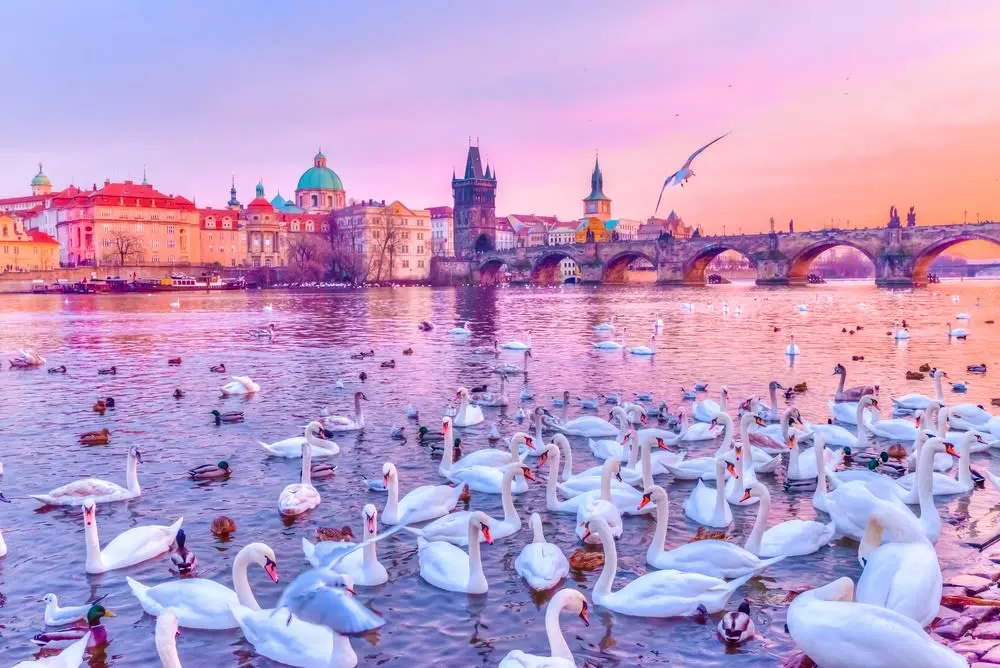
Lake Geneva
Lake
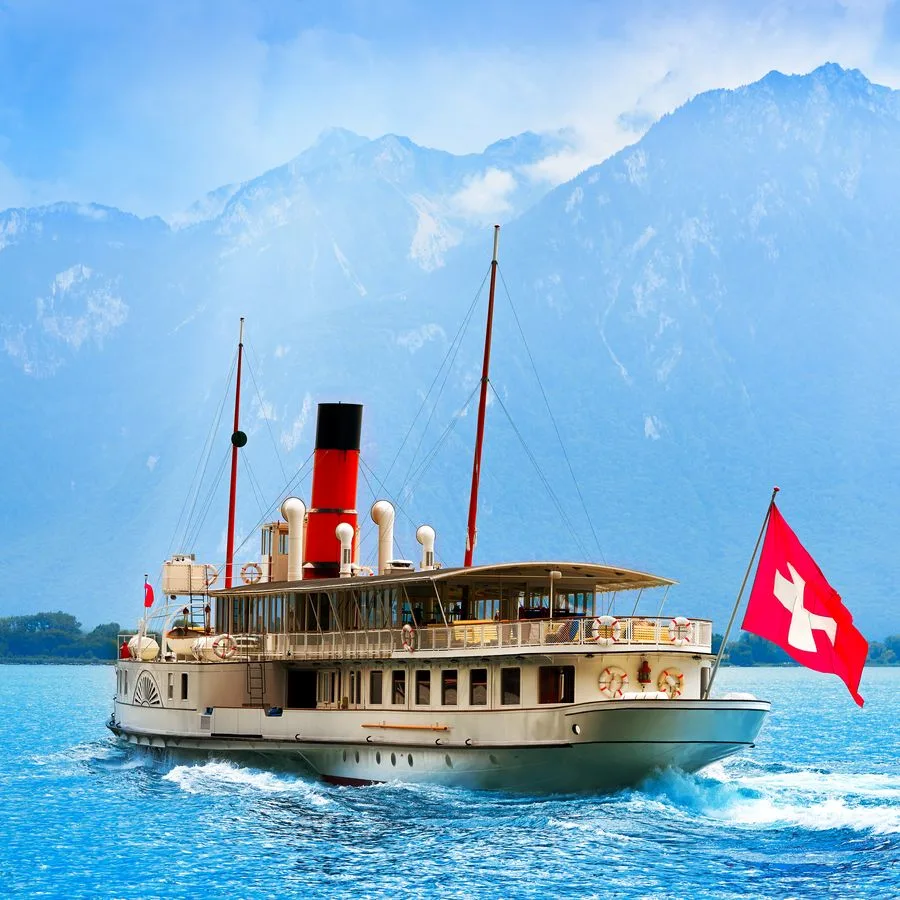
Lake Geneva (Lac Léman) is a crescent-shaped lake shared between France and Switzerland and overlooked by the Alps.
Hotels, transport and tours booked for you
14 days from $4,300per person
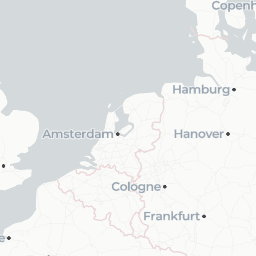
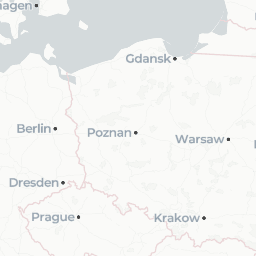
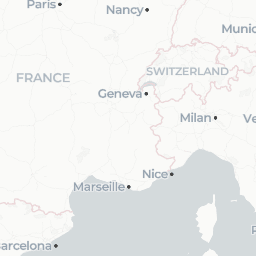
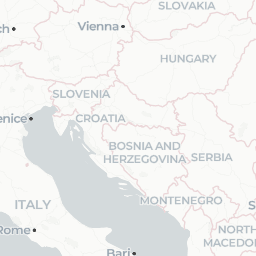
14 days and 13 nights in Geneva, Zurich, Lucerne, Salzburg and Prague from $4,300 per person (flights not included). Best time to go: Jan-Dec.
Explore Central Europe with detailed travel guidance on this Switzerland, Austria & Prague itinerary. Experience a mix of city life and nature with private guided tours of historic Geneva, Zurich, Salzburg, and Prague, as well as on self-guided guided excursions. You’ll travel by cable car to Mt. Titlis and ride on the cogwheel train to Mt. Pilatus for incredible views of Lake Lucerne. Discover Salzburg’s historic Old Town and Prague’s famous castle complex and take a boat ride beneath Charles Bridge. Wrap up your visit with a hike in the Czech Republic’s own version of Switzerland, a stunning natural area known as “Bohemian Switzerland".
Day 1
Arrive Geneva

To Be Determined
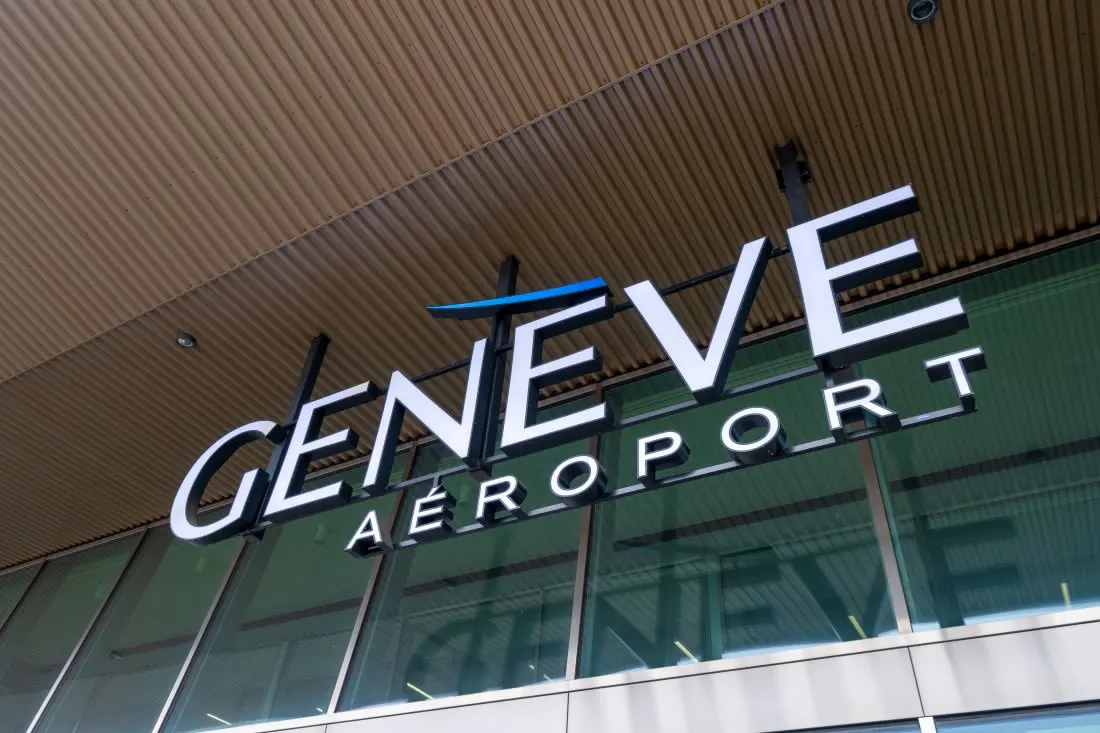
Pickup from Geneva Airport by Taxi
Geneva taxis are very reliable and honest, so this is cheaper than a pre-arranged transfer. Detailed information on navigating your way around the station and finding a taxi can be found in the Full Itinerary.
Mid-Day/Afternoon
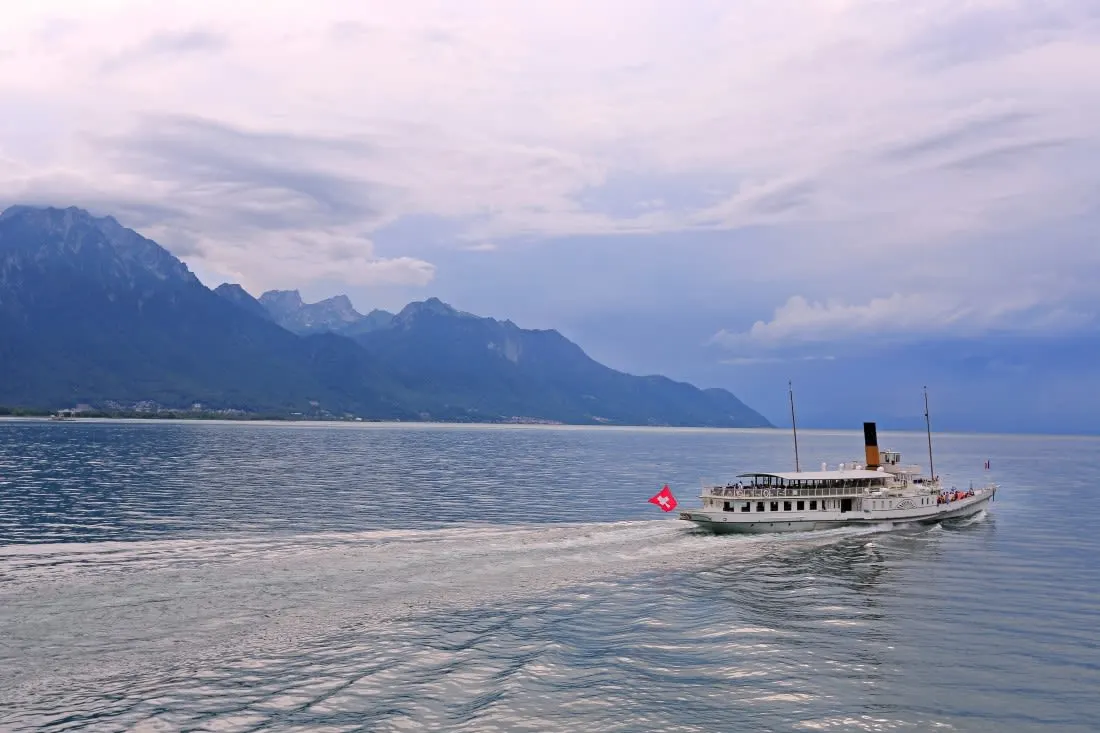
Boat Cruise on Lake Geneva
Experience Lake Geneva up close and personal with a short cruise on the lake. There are many options available including the Geneva Tour or the Mermaid Tour. No visit to Geneva is complete without a cruise on the largest lake in Europe.
Late Afternoon/Early Evening
Self Guided Tour of Old Town Geneva
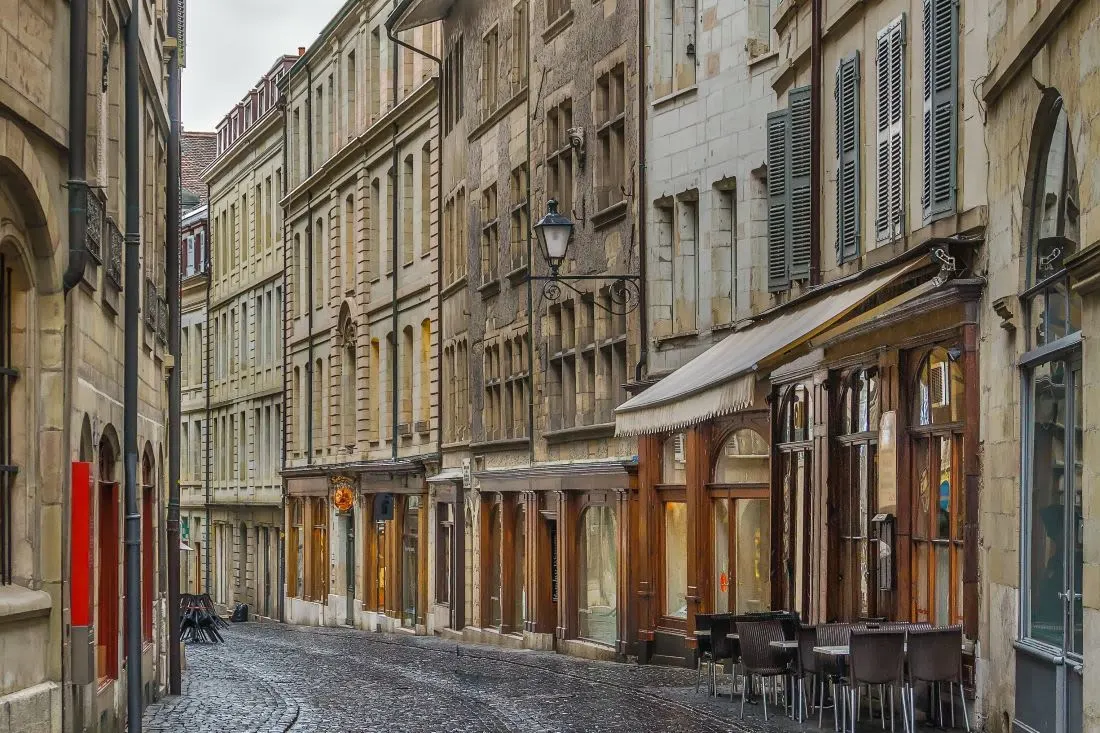
Geneva’s Old Town, overlooking Lake Geneva, is a winding maze of narrow streets and small squares that are filled with cozy cafes and quaint restaurants. At the very center of the Old Town, or Vieille Ville, is Bourg-de-Four Square where the ancient Romans used to trade goods in the marketplace. The Maison Tavel, St. Pierre’s Cathedral, and the Old Arsenal are among some of the top places to visit in the city’s historic Old Town area. Be sure to explore the rich history concentrated in this part of the city.
Day 1
Arrive Geneva
Airport Taxi Pickup, Self Arranged
OverviewAirport Taxi Pickup, Self Arranged
Geneva taxis are very reliable and honest, so this is cheaper than a pre-arranged transfer. Detailed information on navigating your way around the station and finding a taxi can be found in the Full Itinerary.
Boat cruise
Experience Lake Geneva up close and personal with a short cruise on the lake. There are many options available including the Geneva Tour or the Mermaid Tour. No visit to Geneva is complete without a cruise on the largest lake in Europe.
Old Town
Geneva’s Old Town, overlooking Lake Geneva, is a winding maze of narrow streets and small squares that are filled with cozy cafes and quaint restaurants. At the very center of the Old Town, or Vieille Ville, is Bourg-de-Four Square where the ancient Romans used to trade goods in the marketplace. The Maison Tavel, St. Pierre’s Cathedral, and the Old Arsenal are among some of the top places to visit in the city’s historic Old Town area. Be sure to explore the rich history concentrated in this part of the city.
Geneva taxis are very reliable and honest, so this is cheaper than a pre-arranged transfer. Detailed information on navigating your way around the station and finding a taxi can be found in the Full Itinerary.
Experience Lake Geneva up close and personal with a short cruise on the lake. There are many options available including the Geneva Tour or the Mermaid Tour. No visit to Geneva is complete without a cruise on the largest lake in Europe.
Lake
Lake Geneva (Lac Léman) is a crescent-shaped lake shared between France and Switzerland and overlooked by the Alps.
Geneva’s Old Town, overlooking Lake Geneva, is a winding maze of narrow streets and small squares that are filled with cozy cafes and quaint restaurants. At the very center of the Old Town, or Vieille Ville, is Bourg-de-Four Square where the ancient Romans used to trade goods in the marketplace. The Maison Tavel, St. Pierre’s Cathedral, and the Old Arsenal are among some of the top places to visit in the city’s historic Old Town area. Be sure to explore the rich history concentrated in this part of the city.
City Square
Geneva's oldest square that is filled with high-end shops, cafes with patios & fountains.
A monumental reminder of Geneva’s history and influence during the Reformation.
The men depicted on the wall are the main protagonists of the Reformation, John Calvin, Willian Farel, Theodore Beza, and John Knox. Engraved on the wall is the Genevan motto “Post Tenebras Lux” which translates to “light after darkness.”

Day 2
Geneva
Day 2
Geneva
9:00 AM - 11:00 AM
Privately Guided Walking Tour of Geneva
Your private guide will pick you up from your hotel and take you for a 2-hour walk through the center of Geneva. On this walk, you will visit Bastions Park where you’ll see the Reformation Wall, built in 1909 to celebrate religious reform in Europe. You'll discover special places related to people like Jean Calvin and Jean-Jacques Rousseau, or even presidents of the United States like Woodrow Wilson or Bill Clinton. You will also visit the peaceful Old Town with its majestic St. Peter’s Cathedral, the Jardin d’Anglais, to admire one of Patek Philippe’s most famous works, and the surprising, delightful Flower Clock. The tour will end at the Nations Park, where you will see the United Nations Organization Headquarters.
Mid-Day to Early Evening
Lakes, Canals, and Cobblestones: A Day in Annecy
Located in the southeastern part of France is the Alpine town of Annecy. The cobblestone streets, winding canals, and beautifully colored buildings make up the famous Annecy Vieille Ville (old town). Perched above the city is Château d’Annecy, which was once the home of many Counts of Geneva and which is now the city's museum with many artifacts dedicated to the history of the region. After exploring the city, take a walk around Lake Annecy and enjoy the scenic Alpine views.
Early Evening/Evening
Dining Out in Geneva
Geneva naturally offers all the traditional Swiss dishes that you've heard of, like Fondue (melted cheese in which you dip pieces of bread), Raclette (melted cheese with potatoes, from Wallis), Rösti (potatoes), Spätzli and typical Swiss Cervelat (a big sausage served with a "Bürli", piece of bread). But since it also is very multicultural, you can find food from a lot of foreign cultures as well.
Your private guide will pick you up from your hotel and take you for a 2-hour walk through the center of Geneva. On this walk, you will visit Bastions Park where you’ll see the Reformation Wall, built in 1909 to celebrate religious reform in Europe. You'll discover special places related to people like Jean Calvin and Jean-Jacques Rousseau, or even presidents of the United States like Woodrow Wilson or Bill Clinton. You will also visit the peaceful Old Town with its majestic St. Peter’s Cathedral, the Jardin d’Anglais, to admire one of Patek Philippe’s most famous works, and the surprising, delightful Flower Clock. The tour will end at the Nations Park, where you will see the United Nations Organization Headquarters.
A monumental reminder of Geneva’s history and influence during the Reformation.
The men depicted on the wall are the main protagonists of the Reformation, John Calvin, Willian Farel, Theodore Beza, and John Knox. Engraved on the wall is the Genevan motto “Post Tenebras Lux” which translates to “light after darkness.”
Located in the southeastern part of France is the Alpine town of Annecy. The cobblestone streets, winding canals, and beautifully colored buildings make up the famous Annecy Vieille Ville (old town). Perched above the city is Château d’Annecy, which was once the home of many Counts of Geneva and which is now the city's museum with many artifacts dedicated to the history of the region. After exploring the city, take a walk around Lake Annecy and enjoy the scenic Alpine views.
Geneva naturally offers all the traditional Swiss dishes that you've heard of, like Fondue (melted cheese in which you dip pieces of bread), Raclette (melted cheese with potatoes, from Wallis), Rösti (potatoes), Spätzli and typical Swiss Cervelat (a big sausage served with a "Bürli", piece of bread). But since it also is very multicultural, you can find food from a lot of foreign cultures as well.
Day 3 Train: 3h
Geneva to Zurich
Day 3 Train: 3h
Geneva to Zurich
8:35 AM
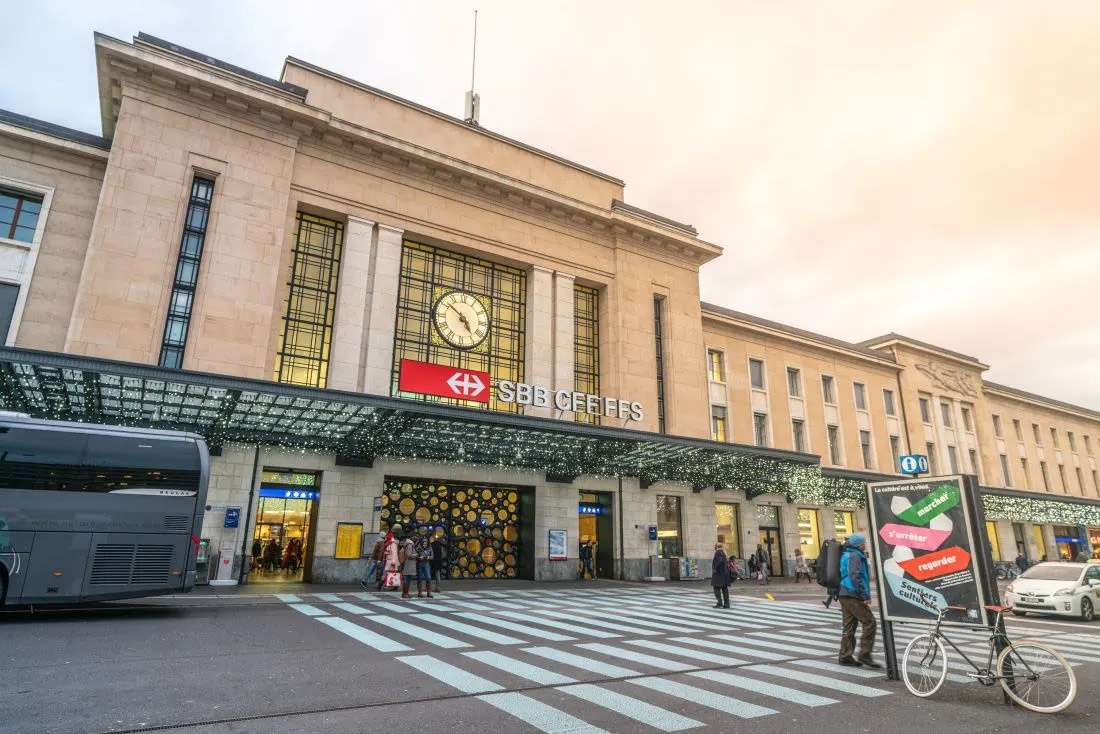
Taxi Transfer to Geneva Main Rail Station
Geneva taxis are generally reliable and honest, so this is cheaper than a pre-arranged transfer. If you are picked up one hour prior to departure, you should have plenty of time to catch your train.
09:42 - 12:28
Rail Journey from Geneva to Zurich
A Swiss Travel Pass for this approximately 2h45m rail journey is included in the purchase of the itinerary package. Detailed directions and instructions that make the trip easy stress-free are also included in the Full Itinerary.
12:28 PM
Arrival in Zurich and Self-Arranged Taxi Transfer to Hotel
Upon arrival in Zurich, you will exit the rail station and proceed to the taxi stand where you will find taxis waiting for arriving passengers. Taxis in Zurich are generally reliable and honest and are less expensive than using a pre-arranged pick up service for your transfer to the hotel. You can also use the Uber App if you have it installed on your phone. Detailed arrival information and instructions for taking a taxi are provided in the Full Itinerary.
1:15 PM - 3:45 PM
Private Introductory tour of the Zurich Old Town
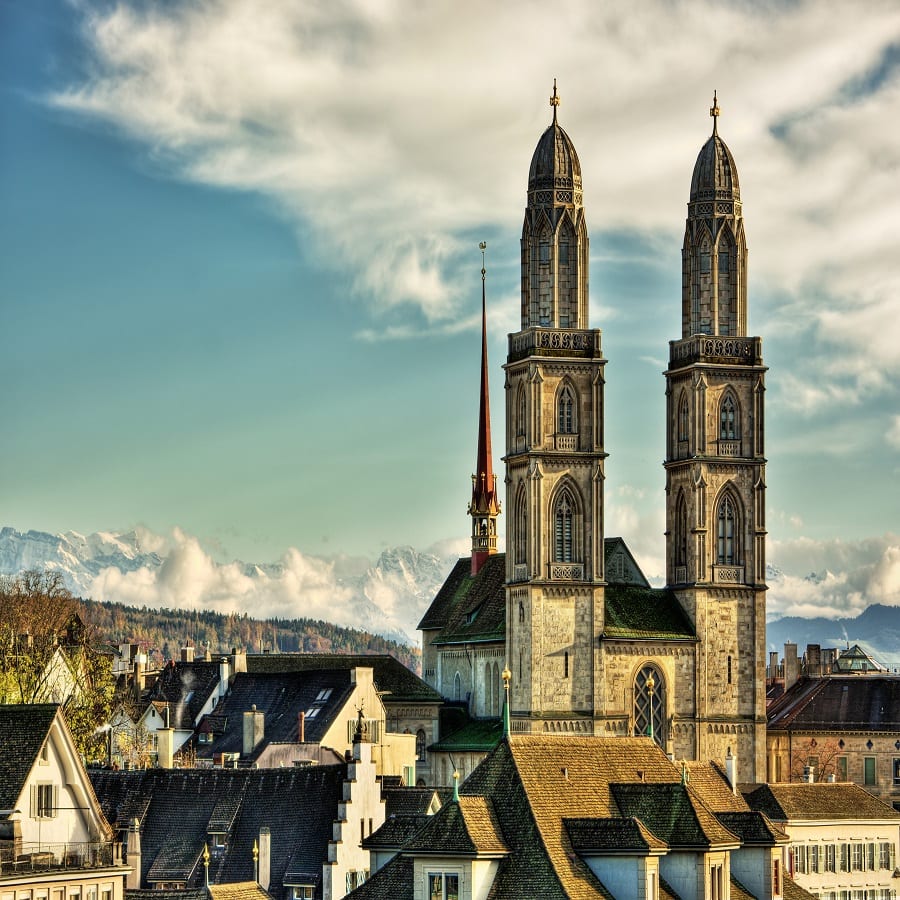
During this 2.5-hour private walking tour, you will learn how Switzerland became Switzerland, and why Zurich is its most populated and important city. The walk towards the lake will take you to the Lindenhof, where you will enjoy a marvelous view of the Limmat all the way over to the Grossmünster. From there you will head to the Fraumünster, passing by St. Peter's Church, which bears the biggest clock face in Europe. Passing by the side of the city's Grossmünster, you will walk from the Lake to the Niederdorfstrasse, where you will experience the focal point of Zurich's restaurants and bars.
Late Afternoon/Early Evening
Self Guided Tour of Zurich East Bank
Explore the environs of the left bank of the Limmat River in Zurich, including, for example, Grossmünster church where the Protestant Reformation found a receptive audience, as well as the modern artistic masterpieces housed in the Kunsthaus, before settling down to a traditional hearty cheese fondue somewhere along the pedestrianized Niederdorfstrasse.
Evening
Dining Out in Zurich
Zürich naturally offers all the traditional Swiss dishes that you've heard of, like fondue (melted cheese in which you dip pieces of bread), raclette (melted cheese with potatoes, from Wallis), rösti (potatoes), Spätzli, and typical Swiss cervelat (a big sausage served with "Bürli," a piece of bread). Nevertheless, since it also is very multicultural, you can find food from a lot of foreign cultures as well.
Geneva taxis are generally reliable and honest, so this is cheaper than a pre-arranged transfer. If you are picked up one hour prior to departure, you should have plenty of time to catch your train.
A Swiss Travel Pass for this approximately 2h45m rail journey is included in the purchase of the itinerary package. Detailed directions and instructions that make the trip easy stress-free are also included in the Full Itinerary.
Upon arrival in Zurich, you will exit the rail station and proceed to the taxi stand where you will find taxis waiting for arriving passengers. Taxis in Zurich are generally reliable and honest and are less expensive than using a pre-arranged pick up service for your transfer to the hotel. You can also use the Uber App if you have it installed on your phone. Detailed arrival information and instructions for taking a taxi are provided in the Full Itinerary.
During this 2.5-hour private walking tour, you will learn how Switzerland became Switzerland, and why Zurich is its most populated and important city. The walk towards the lake will take you to the Lindenhof, where you will enjoy a marvelous view of the Limmat all the way over to the Grossmünster. From there you will head to the Fraumünster, passing by St. Peter's Church, which bears the biggest clock face in Europe. Passing by the side of the city's Grossmünster, you will walk from the Lake to the Niederdorfstrasse, where you will experience the focal point of Zurich's restaurants and bars.
Explore the environs of the left bank of the Limmat River in Zurich, including, for example, Grossmünster church where the Protestant Reformation found a receptive audience, as well as the modern artistic masterpieces housed in the Kunsthaus, before settling down to a traditional hearty cheese fondue somewhere along the pedestrianized Niederdorfstrasse.
13th century church and crypt
The Gothic church is the site of the alleged martyrdom of Zurich's patron saints, Felix and Regula (they had deserted from their Roman legion in 286 and fled to Zurich before they were caught, tried and executed; after decapitation, they miraculously stood to their feet, picked up their own heads, walked forty paces uphill, and prayed before lying down in death). Behind the church is a statue of a sword-wielding Zwingli.
Art museum with major European collections from the 15th century
An absolute must for art enthusiasts. The collection begins before you even get inside: besides the main door is Rodin's vivid Gate of Hell depicting a scene from Dante's Inferno, while sculptures by Moore, Maillol, and others populate the grounds. Inside, Dutch and Flemish paintings are well represented by Rubens, Rembrandt, Hals, and others, and there's a Venetian room with works by Canaletto and El Greco. The collection of 20th-century art is one of the best in the world, with a selection of pop, concrete, and abstract expressionist art headlined by Warhol, Rothko, Bacon, and Twombly. Cubism, Fauvism, Dada, and Surrealism haven't been forgotten either. There are plenty of examples too of Picasso, Chagall, and Kandinsky, plus two canvasses by Monet, in addition to works by Van Gogh, Gauguin, and Cezanne, along with the largest Munch collection outside of Norway.
Zürich naturally offers all the traditional Swiss dishes that you've heard of, like fondue (melted cheese in which you dip pieces of bread), raclette (melted cheese with potatoes, from Wallis), rösti (potatoes), Spätzli, and typical Swiss cervelat (a big sausage served with "Bürli," a piece of bread). Nevertheless, since it also is very multicultural, you can find food from a lot of foreign cultures as well.
Day 4
Zurich
Day 4
Zurich
Morning to Late Afternoon
Self-Guided Excursion Up Mount Titlis
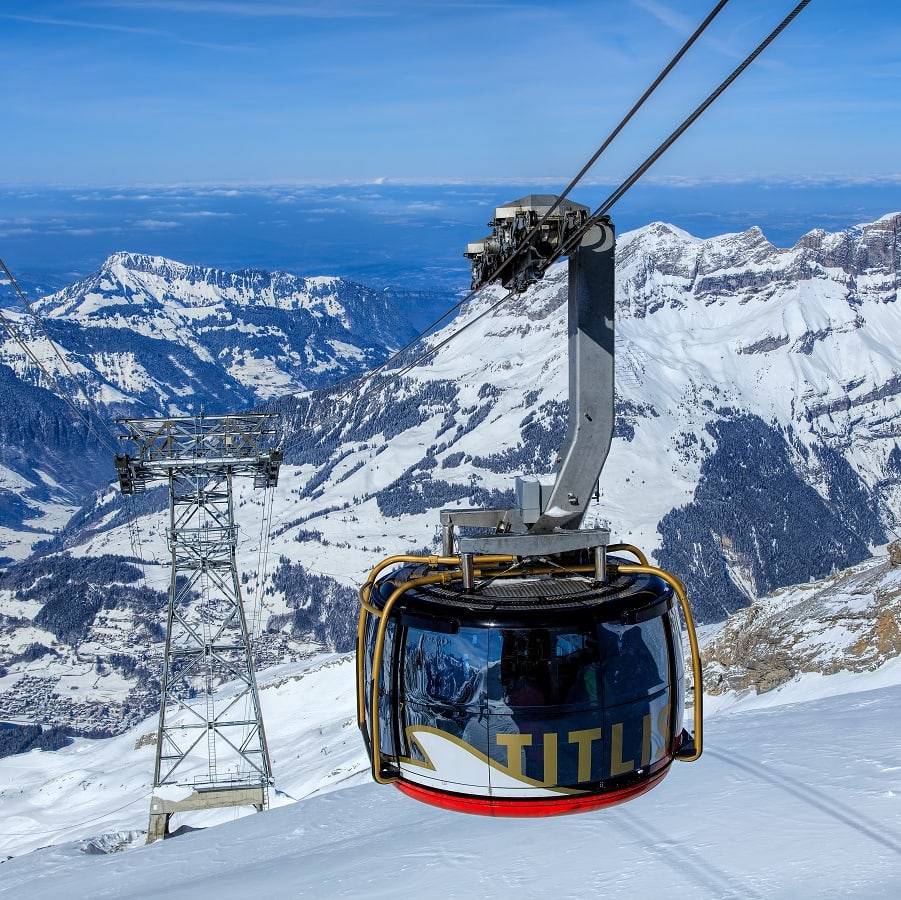
Take a cable car from the ski resort of Engelberg and then the world's first rotating gondola to get to the highest point in Central Switzerland - a 3028m/9934ft station just below the very characteristic crest-of-a-wave summit of Mount Titlis (3239m/10626ft). The views at the top are other-worldly, which you can best appreciate on the 100m-long Cliff Walk suspension bridge - Europe's highest.
Early Evening
Self Guided Visit to Zürich's West Bank
A wander around the West Bank of Zürich's Limmat River will help you experience the city's development over the centuries, from its iconic Fraumünster church, the rise of its famous banking industry around Paradeplatz, its associations with the Irish writer James Joyce, and its impact on modern sporting history at the FIFA World Football Museum.
Take a cable car from the ski resort of Engelberg and then the world's first rotating gondola to get to the highest point in Central Switzerland - a 3028m/9934ft station just below the very characteristic crest-of-a-wave summit of Mount Titlis (3239m/10626ft). The views at the top are other-worldly, which you can best appreciate on the 100m-long Cliff Walk suspension bridge - Europe's highest.
100m-long Cliff Walk suspension bridge
The Walk holds the record for being the highest suspension bridge in Europe.
Mulitpassenger chair lift that transports visitors to ski in the winter and over glaciers in the summer
Mulitpassenger chair lift that transports visitors to ski in the winter and over glaciers in the summer
A wander around the West Bank of Zürich's Limmat River will help you experience the city's development over the centuries, from its iconic Fraumünster church, the rise of its famous banking industry around Paradeplatz, its associations with the Irish writer James Joyce, and its impact on modern sporting history at the FIFA World Football Museum.
Museum displaying Swiss history
Housed in a purpose-built mock-Gothic castle, the museum is often visited just to marvel at its architecture, but actually, this massive building has such superbly presented state-of-the-art displays on the history of the Swiss Confederation that you're sure to find something here that's worth at least an hour or two. If there's one thing the Swiss do, it's that they don't skimp on culture, so you can expect excellent value for money here.
Museum dedicated to the great Irish writer, James Joyce, wrote Ulysses during his wartime exile in Zurich from 1915-19
Museum dedicated to the great Irish writer, James Joyce, wrote Ulysses during his wartime exile in Zurich from 1915-19
Modern museum with over 1000 displays on football (soccer)
Covering three floors in total, the museum traces the history of the game, FIFA, and both men's and women's World Cup competitions. Football junkies will delight in the details and memorabilia like old programs, shirts, boots and footballs, and even an unopened bottle of champagne from England's 1966 World Cup celebrations.

Day 5 Train: 1h
Zurich to Lucerne
Day 5 Train: 1h
Zurich to Lucerne

11:05 AM
Taxi Transfer to Zurich Main Rail Station
Zurich taxis are generally reliable and honest, so this is cheaper than a pre-arranged transfer. If you are picked up one hour prior to departure, you should have plenty of time to catch your train.
12:10 - 12:51
Rail Journey Zurich to Lucerne
A Swiss Travel Pass for this scenic direct journey to Lucerne, that takes about 45m, is included with the purchase of an itinerary. Detailed directions and instructions that make the trip easy and stress-free are also included in the Full Itinerary.
12:51 PM
Arrival in Lucerne and Self-Arranged Taxi Transfer to Hotel
Upon arrival in Lucerne, you will exit the rail station and proceed to the taxi stand where you will find taxis waiting for arriving passengers. Taxis in Lucerne are generally reliable and honest and are less expensive than using a pre-arranged pick up service for your transfer to the hotel. Detailed arrival information and instructions for taking a taxi are provided in the Full-Length itinerary with the purchase of an itinerary.
1:30 PM - 3:30 PM
Private Walking Tour of Lucerne
During this 2 hour guided private tour you will take in all the major highlights of Lucerne including: Lion Monument, Chapel Bridge, the Old Town and the Jesuit Church. Your professional guide will tell you about the fascinating history of the town and why Lucerne is a favorite destination for the Swiss and foreign visitors alike. You will also enjoy stunning views around Lake Lucerne, especially of the city's mountain, Mount Pilatus.
Late Afternoon/Early Evening
Tour Lucerne's Old Town on the South Bank
Explore Lucerne's Old Town on the south bank of the Reuss River, including its iconic Chapel Bridge and Jesuit Church. Close to the station you'll also find two of Switzerland's many premier league art galleries, or the city's most relaxing lakeside park. An enjoyable short hike further south along the lakefront will lead you to the exquisite villa where the composer Richard Wagner spent his last years.
Zurich taxis are generally reliable and honest, so this is cheaper than a pre-arranged transfer. If you are picked up one hour prior to departure, you should have plenty of time to catch your train.
A Swiss Travel Pass for this scenic direct journey to Lucerne, that takes about 45m, is included with the purchase of an itinerary. Detailed directions and instructions that make the trip easy and stress-free are also included in the Full Itinerary.
Upon arrival in Lucerne, you will exit the rail station and proceed to the taxi stand where you will find taxis waiting for arriving passengers. Taxis in Lucerne are generally reliable and honest and are less expensive than using a pre-arranged pick up service for your transfer to the hotel. Detailed arrival information and instructions for taking a taxi are provided in the Full-Length itinerary with the purchase of an itinerary.
During this 2 hour guided private tour you will take in all the major highlights of Lucerne including: Lion Monument, Chapel Bridge, the Old Town and the Jesuit Church. Your professional guide will tell you about the fascinating history of the town and why Lucerne is a favorite destination for the Swiss and foreign visitors alike. You will also enjoy stunning views around Lake Lucerne, especially of the city's mountain, Mount Pilatus.
One of the most beautiful Baroque buildings in Switzerland
One of the most beautiful Baroque buildings in Switzerland
Explore Lucerne's Old Town on the south bank of the Reuss River, including its iconic Chapel Bridge and Jesuit Church. Close to the station you'll also find two of Switzerland's many premier league art galleries, or the city's most relaxing lakeside park. An enjoyable short hike further south along the lakefront will lead you to the exquisite villa where the composer Richard Wagner spent his last years.
15th century home where the composer, Richard Wagner, once lived
His manor house is now an important museum for students and lovers of his music. Numerous paintings and photographs, along with hundreds of letters he wrote to admirers such as King Ludwig II, the philosopher, Friedrich Nietzsche, and the composer, Franz Liszt, all of whom visited the Tribschen house.
A contemporary cultural complex featuring a concert hall, an art museum, restaurants, and a convention center.
A contemporary cultural complex featuring a concert hall, an art museum, restaurants, and a convention center.
Built in 1557 as a private mansion, but now hosting Lucerne's cantonal government
Built in 1557 as a private mansion, but now hosting Lucerne's cantonal government

Day 6
Lucerne
Day 6
Lucerne
Early Morning to Afternoon
Self Guided Excursion to Mount Pilatus by Cog-Wheel Train
Ride the steepest rack-railway in the world at a gradient of nearly 48 percent from Alpnachstad up the giant mountain of Mt Pilatus that looms over the city of Lucerne, or glide up the other side on a gondola from Kriens. The highest point, Tomlishorn, with superlative views of Lake Lucerne, is only 30min on foot from the hotels and restaurants near the top.
Afternoon to Early Evening
Explore Lucerne's Old Town on the North Bank
Wander the Old Town on the north side of the Reuss River and discover the intricately cobbled squares and exquisitely preserved architecture of the townhouses before walking along part of the fortified Musegg city walls from tower to tower. Further north of the river you'll come across the famously heart-rending sculpture of the Löwendenkmal (Lion Monument), built to commemorate Swiss soldiers who fought and died defending Louis XVI during the French Revolution.
Early Evening/Evening
Dining Out in Lucerne
Lucerne affords some really interesting culinary options with a focus on homegrown, handmade and freshly foraged that help dispell the age-old notion that Swiss cuisine is only about chocolate-box cliches and high cholesterol counts resulting from heavy cheese-based dishes like fondue, rosti, and raclette. Make use of the list of our restaurant and cafe recommendations included in the Full Itinerary to treat yourself to an evening out on the town and discover real Swiss cooking at its best.
Ride the steepest rack-railway in the world at a gradient of nearly 48 percent from Alpnachstad up the giant mountain of Mt Pilatus that looms over the city of Lucerne, or glide up the other side on a gondola from Kriens. The highest point, Tomlishorn, with superlative views of Lake Lucerne, is only 30min on foot from the hotels and restaurants near the top.
Wander the Old Town on the north side of the Reuss River and discover the intricately cobbled squares and exquisitely preserved architecture of the townhouses before walking along part of the fortified Musegg city walls from tower to tower. Further north of the river you'll come across the famously heart-rending sculpture of the Löwendenkmal (Lion Monument), built to commemorate Swiss soldiers who fought and died defending Louis XVI during the French Revolution.
A modern glass building on Löwenplatz called the Bourbaki Panorama
Inside is a giant 114m-by-10m circular mural depicting the retreat into Switzerland of the French Eastern Army under General Bourbaki during the Franco-Prussian War of 1870-71
Discover the fascinating Glacier Garden, where Lucerne’s deep past comes alive in stone and ice.
The Gletschergarten (Glacier Garden) his open-air museum showcases giant potholes formed by glacial meltwater during the last Ice Age, alongside fossils dating back 20 million years. Wander through the rocky formations, climb the observation tower for sweeping city views, and don’t miss the quirky mirror maze built in 1896. A blend of natural wonder and playful history, the Glacier Garden is one of Lucerne’s most distinctive attractions.
Lucerne affords some really interesting culinary options with a focus on homegrown, handmade and freshly foraged that help dispell the age-old notion that Swiss cuisine is only about chocolate-box cliches and high cholesterol counts resulting from heavy cheese-based dishes like fondue, rosti, and raclette. Make use of the list of our restaurant and cafe recommendations included in the Full Itinerary to treat yourself to an evening out on the town and discover real Swiss cooking at its best.

Day 7 Train: 5.5h
Lucerne to Salzburg
Day 7 Train: 5.5h
Lucerne to Salzburg

12:35 PM
Taxi Rail Drop-Off at Lucerne Rail Station
Lucerne taxis are generally reliable and honest, so this is cheaper than a pre-arranged transfer. If you are picked up one hour prior to departure, you should have plenty of time to catch your train.
13:35 - 14:25, 14:40 - 20:03
Rail to Salzburg
The first part of this six-and-a-half hour journey will take you to Zurich where you will need to change trains. In most cases, you will then board a RailJet, EuroCity or InterCity train from Zurich to Salzburg, which are modern and comfortable trains with air conditioning and usually a good wifi connection. This train ride will take you past the exquisite Swiss lakes of Zürichsee, Obersee, and Walensee before crossing the border into Austria. The train will then continue through the beautiful landscape of the Austrian states of Vorarlberg and Tyrol, and stop briefly in Innsbruck before finally arriving in Salzburg.
8:03 PM
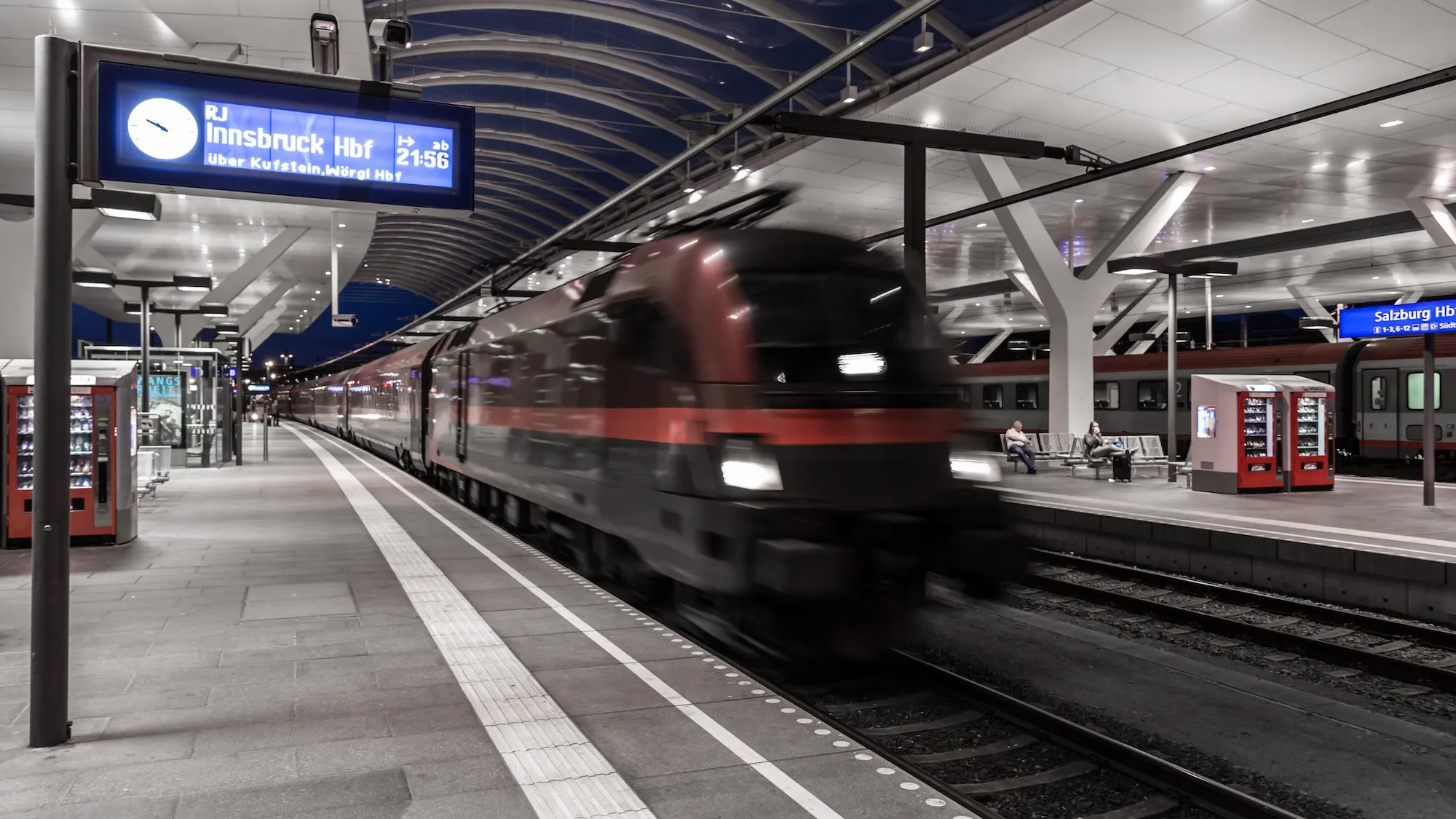
Arrival and Transfer by Taxi or Public Transport
Most trains arrive in Salzburg Main Station (Salzburg Hbf) station, the largest station in the city. Before spending money on a transfer, be sure to check whether your hotel is within easy walking distance. Also consider that public transport is the cheapest and sometimes fastest option, and buses pickup directly in front of the station. Taxis are available near the station entrance and are generally honest. Uber is also available for those with the app.
Lucerne taxis are generally reliable and honest, so this is cheaper than a pre-arranged transfer. If you are picked up one hour prior to departure, you should have plenty of time to catch your train.
The first part of this six-and-a-half hour journey will take you to Zurich where you will need to change trains. In most cases, you will then board a RailJet, EuroCity or InterCity train from Zurich to Salzburg, which are modern and comfortable trains with air conditioning and usually a good wifi connection. This train ride will take you past the exquisite Swiss lakes of Zürichsee, Obersee, and Walensee before crossing the border into Austria. The train will then continue through the beautiful landscape of the Austrian states of Vorarlberg and Tyrol, and stop briefly in Innsbruck before finally arriving in Salzburg.
Most trains arrive in Salzburg Main Station (Salzburg Hbf) station, the largest station in the city. Before spending money on a transfer, be sure to check whether your hotel is within easy walking distance. Also consider that public transport is the cheapest and sometimes fastest option, and buses pickup directly in front of the station. Taxis are available near the station entrance and are generally honest. Uber is also available for those with the app.
Day 8
Salzburg
Day 8
Salzburg
9:00 AM - 11:30 AM
Guided Walking Tour of Salzburg
Salzburg is simply overwhelming in all the best ways. It is alive with fascinating history, grandiose and sublime architecture fills every street and square, culture and music permeate the atmosphere, and it is surrounded by breath-taking natural scenery. This guided tour with a local will provide the context needed to bring all of this beauty into perspective, and to connect the physical city to its history, culture, and environment.
Mid-Day
Visit to the Hohensalzburg Fortress
The Festung Hohensalzburg dominates Salzburg, appearing simultaneously formidable and enticing. From one side of the fortress you will enjoy a breathtaking view of the city and from the other a beautiful view of the nearby Alps. In addition to touring the fortress staterooms, you can also visit the Fortress Museum, a Marionette Museum, the Torture Chamber, an observation tower, and more.
Afternoon/Late Afternoon
Explore the Altstadt
Salzburg's Altstadt, which simply means Old Town, is one of the world's most charming city centers. It possesses an amazing wealth of Baroque buildings, as its 17th and 18th centuries archbishop rulers focused on beautifying their town rather than fighting foreign wars like neighboring states. A series of squares runs through the old town, and most you will find dominated by a beautiful church. Throughout the Altstadt, you will find markets, pleasant shops, and cozy restaurants.
Early Evening/Evening
Concert or Other Cultural Event in Salzburg
Birthplace of Mozart, home to the world's most prestigious music festival (the Salzburger Festspiele), and forever associated with The Sound of Music, Salzburg is practically synonymous with music. The city fully embraces this heritage and today there are abundant opportunities to enjoy performances of classical music in the city. While it possesses several fine concert halls, its palaces, churches, and gardens also host performances and often provide the perfect venue.
Salzburg is simply overwhelming in all the best ways. It is alive with fascinating history, grandiose and sublime architecture fills every street and square, culture and music permeate the atmosphere, and it is surrounded by breath-taking natural scenery. This guided tour with a local will provide the context needed to bring all of this beauty into perspective, and to connect the physical city to its history, culture, and environment.
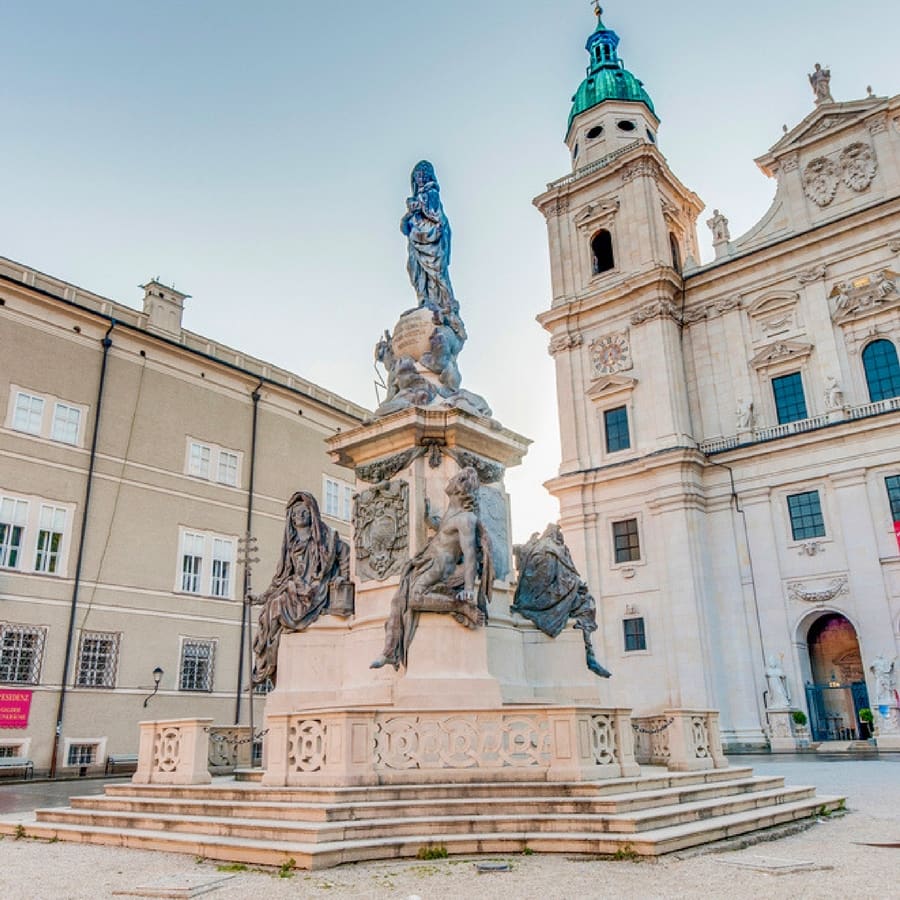
One of several grand squares in the center of Altstadt in Salzburg.
One of several grand squares in the center of Altstadt in Salzburg. In the Mozartplatz you can find a statue of the famous composer.
Step beneath Salzburg Cathedral’s immense dome to experience the monumental Baroque church at the heart of the city.
The first cathedral at this location was founded in 774 A.D. The current cathedral was built between 1614-1628 and is a masterpiece of baroque architecture. The cathedral was largely destroyed by an Allied bomb in WWII but was restored by 1959. One of the most significant treasures in the cathedral is the Baptismal Font, which was cast in 1321 and rests on copper lions dating back to the 1100s. Entry should be 7 € for adults and the cathedral closes between 5 - 7 PM depending on the season.
The Festung Hohensalzburg dominates Salzburg, appearing simultaneously formidable and enticing. From one side of the fortress you will enjoy a breathtaking view of the city and from the other a beautiful view of the nearby Alps. In addition to touring the fortress staterooms, you can also visit the Fortress Museum, a Marionette Museum, the Torture Chamber, an observation tower, and more.
Ascend the steep mountain to the fortress in seconds on the fortress funicular railway.
Hohensalzburg Fortress was never taken by force, although many attempts were made over the centuries. Fortunately, reaching it today is much easier: a steep funicular carries visitors directly up to the fortress. A round-trip Fortress Card costs €19 and includes admission to the fortress attractions, with the exception of the State Apartments and Theatre, which require an additional €3.40 ticket.
Experience the impressive splendor and craftmanship of the castle interior.
The State Apartments/Regency Chambers (Fürstenzimmer) are the top attraction within the fortress. These rooms were built as a showcase for state functions and to receive foreign visitors and dignitaries. You can also visit the Fortress Museum, a Marionette Museum, and the WWI-focused Rainer Museum.
Apart from featuring in The Sound of Music , Nonnberg Abbey is also one of the world’s oldest continuously operating convents, where medieval architecture, views across the city, and the real story behind the Sound of Music come together.
Founded around 712–715 by St. Rupert, Nonnberg has remained a Benedictine convent for more than 1,300 years, with St. Erentrudis serving as its first abbess. The abbey later became famous through Maria Kutschera, who was a novice here before the abbess sent her to care for the widowed Georg von Trapp’s children—beginning the real-life story that inspired The Sound of Music. Visitors cannot enter the working convent itself, but the abbey church and cemetery are freely accessible (and almost empty of tourists); inside the church, look for Romanesque frescoes, a Late Gothic winged altar, and the crypt containing the tomb of St. Erentrudis. Since it is usually empty, you must pay to light up the Romanesque frescoes and a Gothic altar, but this is half of a Euro well spent (especially in the case of the altar). Although you are unlikely to see large groups of nuns in black habits singing in unison as they wonder what to do with a problem like Maria, you may hear them from their enclosed choir during morning prayer or at evening Vespers.
Take in a breathtaking view of the nearby Alps.
The terrace of the fortress offers an absolutely stunning view of the Alps. You can see the Untersberg especially well. It was the mountain which the Von Trapp family climbed at the end of The Sound of Music to escape Austria. Ironically, it's on the Bavarian border, so they were actually climbing into Germany. In reality they took a train to Italy.
Salzburg's Altstadt, which simply means Old Town, is one of the world's most charming city centers. It possesses an amazing wealth of Baroque buildings, as its 17th and 18th centuries archbishop rulers focused on beautifying their town rather than fighting foreign wars like neighboring states. A series of squares runs through the old town, and most you will find dominated by a beautiful church. Throughout the Altstadt, you will find markets, pleasant shops, and cozy restaurants.
Step beneath Salzburg Cathedral’s immense dome to experience the monumental Baroque church at the heart of the city.
The first cathedral at this location was founded in 774 A.D. The current cathedral was built between 1614-1628 and is a masterpiece of baroque architecture. The cathedral was largely destroyed by an Allied bomb in WWII but was restored by 1959. One of the most significant treasures in the cathedral is the Baptismal Font, which was cast in 1321 and rests on copper lions dating back to the 1100s. Entry should be 7 € for adults and the cathedral closes between 5 - 7 PM depending on the season.
Understand Mozart and his music better by discovering the remarkable childhood behind the composer, from his earliest lessons with his father to the concert tours that made him famous across Europe before he was even a teenager.
Wolfgang Amadeus Mozart was born here at Getreidegasse 9 on January 27, 1756, and grew up with his parents, Leopold and Anna Maria, and his musically gifted older sister Nannerl. Leopold, himself a composer, violinist, and respected music teacher, recognized his son’s extraordinary abilities early; by five or six, Wolfgang was performing and composing, and soon he and Nannerl were appearing before aristocratic audiences across Europe on ambitious tours organized by their father. Today the birthplace is a museum focused on Mozart as both a person and musician, displaying family possessions and original instruments including his childhood violin; adult admission is currently €18, while entry is included with the Salzburg Card.
Sing Eidelweis in the concert venue made famous by The Sound of Music.
You can visit the concert halls of the world's most prestigious international music festival, the Salzburger Festspiele. The Salzburg Festival Halls grew from the former stables and riding schools of Salzburg’s prince-archbishops, first established here under Wolf Dietrich von Raitenau and gradually converted into performance spaces after the Salzburg Festival began in 1920. The most dramatic example is the Felsenreitschule, where 96 arcades were carved into a former stone quarry in 1693 for spectators at equestrian displays, while construction of the Großes Festspielhaus required blasting away some 55,000 cubic meters of the mountain to fit the enormous modern theater behind the historic façade. The 50-minute tour (provided in English and German simultaneously) includes all the major venues and many backstages as well.
Birthplace of Mozart, home to the world's most prestigious music festival (the Salzburger Festspiele), and forever associated with The Sound of Music, Salzburg is practically synonymous with music. The city fully embraces this heritage and today there are abundant opportunities to enjoy performances of classical music in the city. While it possesses several fine concert halls, its palaces, churches, and gardens also host performances and often provide the perfect venue.
Day 9
Salzburg
Day 9
Salzburg
Early Morning to Mid-Day
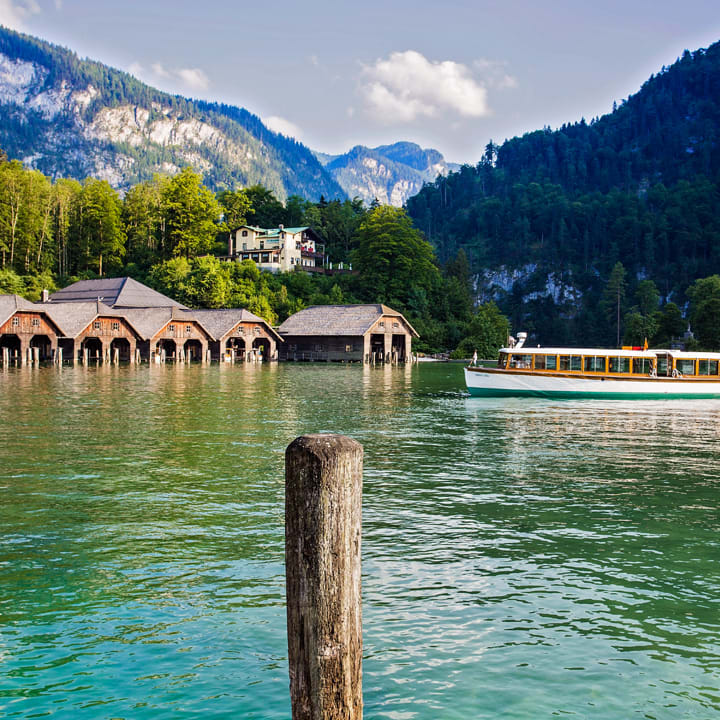
Excursion to the Königssee (King's Lake)
The breathtakingly beautiful Königssee (King's Lake) is the deepest lake in the Alps and is surrounded by steep mountains. Taking a cruise on the lake is an unforgettable experience. The boat will take you to the red-onion domed Kloster St. Bartolomä, where you then take a relaxing and enchanting walk along the forested lakeshore. For serious hikers, you can also continue on the boat to the far end of the lake, and then take a hike to a dramatic waterfall.
Afternoon to Early Evening
Excursion to Berchtesgaden
About 20 miles from Salzburg, just across the German border, lies Berchtesgaden. This charming Bavarian town is nestled amidst a dramatic Alpine valley, and is actually located within a national park. Berchtesgaden boasts charming market squares, imposing churches, and even a medieval palace. There are also plenty of traditional Bavarian restaurants and shops selling local crafts and art.
The breathtakingly beautiful Königssee (King's Lake) is the deepest lake in the Alps and is surrounded by steep mountains. Taking a cruise on the lake is an unforgettable experience. The boat will take you to the red-onion domed Kloster St. Bartolomä, where you then take a relaxing and enchanting walk along the forested lakeshore. For serious hikers, you can also continue on the boat to the far end of the lake, and then take a hike to a dramatic waterfall.
Venture a little further to find a perfect view of the lake.
The Malerwinkl (i.e. the Painters Angle) is less than a mile walk from the boat docks and offers a picture-frame view of the lake. You can walk down to the water and soak your feet. After enjoying the view, you can head back, or take a strenuous, approximately hour-long hike to the Jennerbahn cable car station. Just follow the signs for the Malerwinkl-Rundweg and the Jennerbahn-Talstation. This is a trail for experienced hikers with proper footwear, which includes a climb of about 400 feet.
Take an exhilarating ride into the Alpine peaks above the lake.
You will enjoy amazing views of the lake and the surrounding Bavarian Alps. If you are up for it, you can even hike in the mountains as well, or ski in the winter. You can board the Jennerbahn cable car near the same parking area and bus stop which services the lake. It costs approx. 27.50 EUR for an adult roundtrip ticket to the top. You can save money by hiking back down, but this is only recommended for experienced hikers with good footwear.
Take a short hike to this stunning lake nestled within the mountains.
You can take a quick jaunt to the Obersee, or better yet, you can take a 5 miles hike to a waterfall above the lake. The trail is well-maintained and well-traveled, although rocky and steep at times. The hike begins with a fairly flat and easy walk from the boat docks to the Obersee lake. You will then follow a trail along the right shore of the lake. The trail becomes rocky and steep, and you must ascend about 250 feet. At the high points of the trail, you will have a beautiful view of the lake below and surrounding mountains. You will then descend and reach the far end of the lake, where you will enjoy another beautiful view. You will then continue hiking towards the end of the valley, climbing another approximately 350 feet to reach the end of the valley, where you will see the waterfalls. Keep in mind that at the end of summer or in fall the waterfall may not be very impressive.
Hop off the boat for a pleasant and easy walk along the lake shore near this onion-domed church.
To take this easy, flat, but very beautiful hike, from the boat docks, follow the orange signs for the "St. Bartholomä-Rundweg". You will make a circle on a well-maintained trail, first walking along the lakeshore for about half a mile, and then turn left into the forest. Continue following the signs for the Rundweg, taking another left after about 350 yards, and returning to the docks in a little less than half a mile.
Relax on an unforgettable cruise across the lake, hopping on an off when you please.
The cruises are made all the more enjoyable as the electric boats are almost completely quiet. Nothing will distract you for the atmosphere and scenery. Cruises occur all year long unless the lake is iced over. Tickets are sold directly at the docks, although getting there early is highly recommended to avoid long lines.
About 20 miles from Salzburg, just across the German border, lies Berchtesgaden. This charming Bavarian town is nestled amidst a dramatic Alpine valley, and is actually located within a national park. Berchtesgaden boasts charming market squares, imposing churches, and even a medieval palace. There are also plenty of traditional Bavarian restaurants and shops selling local crafts and art.
Embark on an underground adventure that's both educational and thrilling.
Riding a miner's train deep into the mountain, you'll ride a miner's train into the mountain, explore ancient salt deposits, slide down miners' slides, and marvel at an illuminated subterranean salt lake. This unique experience offers a glimpse into the rich mining heritage of the region.
Tour the palace to experience a blend of historical architectural styles and Bavarian royal heritage.
The Royal Palace, originally a church collegium, showcases various architectural styles including Romanesque, Gothic, Renaissance, Baroque, and Rococo, reflecting its long history of expansions and renovations. Inside, visitors can explore rooms filled with period furniture and artwork, providing insight into the lives and times of its historical inhabitants.
Day 10 Train: 4.5h
Salzburg to Prague
Day 10 Train: 4.5h
Salzburg to Prague
9:10 AM
Transfer to Station by Taxi or Public Transport
Most trains depart from Salzburg Main Station (Salzburg Hbf) station, the largest station in the city. Before spending money on a transfer, be sure to check whether your hotel is within easy walking distance. Also consider that public transport is the cheapest and sometimes fastest option. If staying at a hotel, they can order a reliable taxi. Some private transfers will even help with your bags. Uber is also available for those with the app.
10:12 - 11:28, 11:52 - 15:56
Journey to Prague by Rail
Your scenic journey to Prague will consist of two parts. The first part of the journey is a 70-minute train journey from Salzburg to Linz, where on clear days you can enjoy a view of the Alps in the distance. The second part of the journey is a further four train trip from Linz to Prague through the beautiful countryside of northern Austria and Bohemia.
3:56 PM
Arrival & Transfer by Taxi or Public Transport
Most trains arrive in Prague Main Station (Praha hl.n.) station, the largest station in the city. Before spending money on a transfer, be sure to check whether your hotel is within easy walking distance. Also consider that the easiest way to reach your hotel may be by public transport. Taxis are available but are known for taking advantage of tourists. However if you prefer the convenience of not carrying your bags on public transport, they are an option. Some private transfers even meet you directly on the platform to help with bags. Uber and Bolt Taxis are also available for those with the app.
Late Afternoon/Early Evening
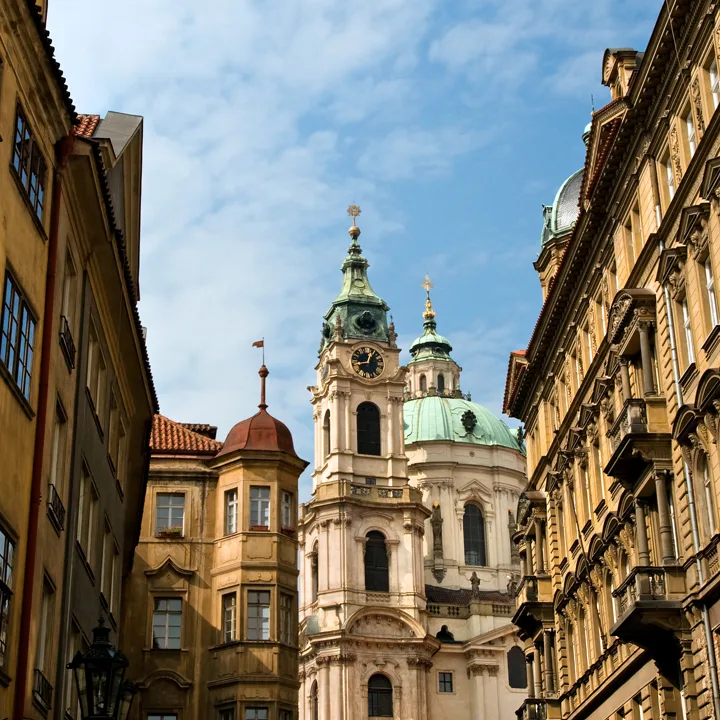
Exploring the Little Quarter
The Little Quarter is a quaint yet lively quarter of Prague tightly nestled on the slope and riverbank beneath the Prague Castle. It is filled with the homes of medieval and renaissance nobility who wanted to live as closely as possible to the castle. Picturesque side streets, beautiful churches, and impressive Baroque architecture all abound within the Little Quarter.
Most trains depart from Salzburg Main Station (Salzburg Hbf) station, the largest station in the city. Before spending money on a transfer, be sure to check whether your hotel is within easy walking distance. Also consider that public transport is the cheapest and sometimes fastest option. If staying at a hotel, they can order a reliable taxi. Some private transfers will even help with your bags. Uber is also available for those with the app.
Your scenic journey to Prague will consist of two parts. The first part of the journey is a 70-minute train journey from Salzburg to Linz, where on clear days you can enjoy a view of the Alps in the distance. The second part of the journey is a further four train trip from Linz to Prague through the beautiful countryside of northern Austria and Bohemia.
Most trains arrive in Prague Main Station (Praha hl.n.) station, the largest station in the city. Before spending money on a transfer, be sure to check whether your hotel is within easy walking distance. Also consider that the easiest way to reach your hotel may be by public transport. Taxis are available but are known for taking advantage of tourists. However if you prefer the convenience of not carrying your bags on public transport, they are an option. Some private transfers even meet you directly on the platform to help with bags. Uber and Bolt Taxis are also available for those with the app.
The Little Quarter is a quaint yet lively quarter of Prague tightly nestled on the slope and riverbank beneath the Prague Castle. It is filled with the homes of medieval and renaissance nobility who wanted to live as closely as possible to the castle. Picturesque side streets, beautiful churches, and impressive Baroque architecture all abound within the Little Quarter.
Cross the river dividing Prague's most historic neighborhoods, and experience one of Europe's most iconic landmarks.
Bridge construction began in 1357 under King Charles IV (hence the name), and it was the only bridge across the Vltava River until 1841. 30 baroque statues of saints line the bridge, and it is filled with street artists and entertainers. Not to be missed.
Stare in wonder at Prague's largest and most beautiful baroque church.
Construction on this elegant and incredibly ornate church began in 1745 and took 100 years and 3 generations of architects to complete. You can also climb the tower for a view.
Escape to these tranquil 17th-century gardens located behind the walls of the Senate palace.
Open from April to October, these grand late renaissance gardens feature a massive limestone grotto created by artificial stalactites, ornamental pools, & classically-inspired statues. Most tourists miss this hidden gem, as the gardens are reached through inconspicious passageways in Wallenstein Palace, which houses the Czech Senate, and the nearby the Malostranská Metro station.
See a historic wall that has been covered in John Lennon-inspired graffiti since Communist days.
The wall has been covered in graffiti since the 1960s, and during Communism anti-regime sentiment was common. John Lennon's assassination inspired grafitti reflecting his song, Imagine, which earned the wall its current moniker. It is now a favorite gathering place for tourists, and musicians sometimes congregate there as well. Just around the corner is the Maltese Square, which is one of Prague's more quaint and relaxed public spaces, despite being just off the main tourist route.
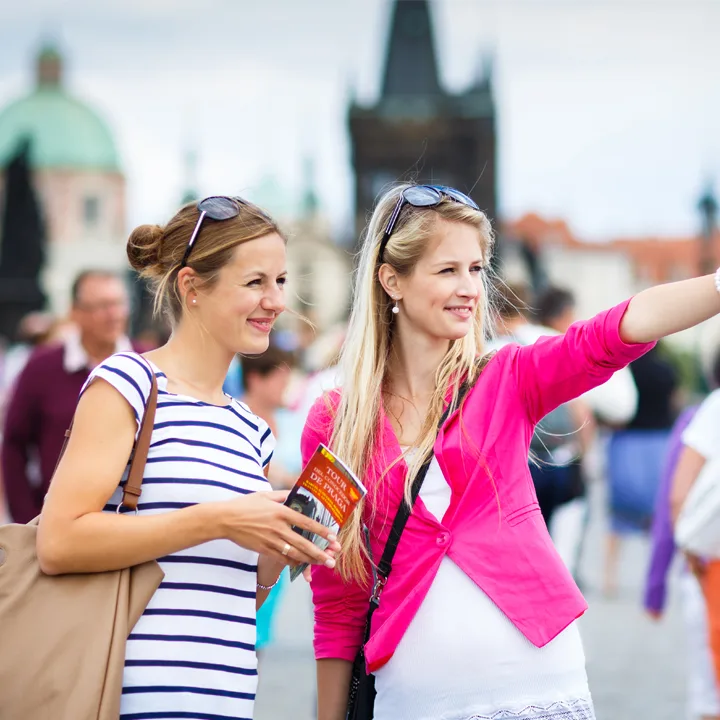
See the Infant Jesus of Prague, a wax effigy of the baby Jesus credited with many miracles, which attracts visitors from around the world.
The church was completed in 1613 in the Baroque style and houses the 18.5-inch statue. The church is somewhat plain in comparison to most churches in Prague, but visitors come to see the Infant Jesus of Prague (il Bambino di Praga).
Day 11
Prague
Day 11
Prague
9:00 AM - 12:30 PM
Prague Castle & Royal Route Guided Walk
On this charming guided walk, you will explore the Prague Castle, the largest castle complex in all of Europe. To reach the castle you will trace the Royal Coronation Route and cross the Charles Bridge, whose “speaking stones” reveal the amazing and often cruel history that occurred there. Your tour guide will then take you either through the castle courtyards and into the dramatic St. Vitus Cathedral in the center of the castle complex, or through the upper part of the castle district around the oversized palaces of the old Catholic nobility and the top of the Castle Steps for incomparable views over the red rooftops of the Little Quarter.
Mid-Day/Afternoon
Prague Castle and the Castle District
Prague Castle is the most visited destination in Prague, and for good reason. The castle's history stretches back over a 1000 years, and it has served as the seat of government for Bohemian kings, Holy Roman Emperors, and presidents of Czechoslovakia and the Czech Republic. The castle sits impressively perched on a hill overlooking the city, providing a breathtaking and romantic view.
Late Afternoon
Stroll through Petřín Park
Petřin Park is Prague's most prominent park, as it is located on the side of a large hill overlooking the city. The park is filled with cherry orchards, beautiful forests, and lawns, and is crisscrossed by numerous paths as well as the medieval Hunger Wall built by Emperor Charles IV. At the top of the park is an Eiffel Tower-like observation tower which provides an unobstructed view of the city.
Early Evening
Vltava River Cruise
Embark on a captivating evening river cruise in Prague on the Vltava River, where the city's historic landmarks come alive under the soft glow of twilight. Glide past Prague Castle, Charles Bridge, and the Old Town while enjoying a glass of bubbly or a gourmet dining experience with fine wines. This enchanting journey offers a unique perspective of Prague's beauty, creating memories against the backdrop of the city's sparkling lights.
On this charming guided walk, you will explore the Prague Castle, the largest castle complex in all of Europe. To reach the castle you will trace the Royal Coronation Route and cross the Charles Bridge, whose “speaking stones” reveal the amazing and often cruel history that occurred there. Your tour guide will then take you either through the castle courtyards and into the dramatic St. Vitus Cathedral in the center of the castle complex, or through the upper part of the castle district around the oversized palaces of the old Catholic nobility and the top of the Castle Steps for incomparable views over the red rooftops of the Little Quarter.
Prague Castle is one of the main attractions in Prague and is also the largest castle complex in the world.
The Prague Castle is the largest castle complex in the world with structures dating back to the 9th century. The St Vitus Cathedral and Basilica of St George can be found within the castle walls. The Prague Castle also includes several gardens, palaces, and a monastery. This castle was the seat of power for the Kings of Bohemia, Holy Roman Emperors, and presidents of former Czechoslovakia. Prague Castle is a UNESCO world heritage site and is one of the most visited places in the country.
Cross the river dividing Prague's most historic neighborhoods, and experience one of Europe's most iconic landmarks.
Bridge construction began in 1357 under King Charles IV (hence the name), and it was the only bridge across the Vltava River until 1841. 30 baroque statues of saints line the bridge, and it is filled with street artists and entertainers. Not to be missed.
See a historic wall that has been covered in John Lennon-inspired graffiti since Communist days.
The wall has been covered in graffiti since the 1960s, and during Communism anti-regime sentiment was common. John Lennon's assassination inspired grafitti reflecting his song, Imagine, which earned the wall its current moniker. It is now a favorite gathering place for tourists, and musicians sometimes congregate there as well. Just around the corner is the Maltese Square, which is one of Prague's more quaint and relaxed public spaces, despite being just off the main tourist route.
Prague Castle is the most visited destination in Prague, and for good reason. The castle's history stretches back over a 1000 years, and it has served as the seat of government for Bohemian kings, Holy Roman Emperors, and presidents of Czechoslovakia and the Czech Republic. The castle sits impressively perched on a hill overlooking the city, providing a breathtaking and romantic view.
Venture into a mesmerizing gothic church which is the resting place of saints, Bohemian kings, and Holy Roman emperors .
Located within the castle walls and acting as a symbol of the Czech nation, St Vitus Cathedral is the country's largest and most prominent church. Although construction on the cathedral began in 1344 it was not completed for another 600 years, although the later construction was faithful to the original medieval design. It even contains stained glass windows from the famed Czech artist Alfons Mucha. Entry to the front nave is free, although the crypts and other parts of the church are paid entry.
Wander a narrow street of brightly painted and picturesque cottages literally built out from the walls of the castle.
The Golden Lane is a street situated within the castle grounds. Originally built in the 16th century to house Rudolf II's castle guards, it takes its name from the goldsmiths that lived there in the 17th century. Throughout history, it's been occupied by castle guards, goldsmiths, and others, including for a short time Franz Kafka. The houses are now filled by shops.
Wander just slightly off-the-beaten-path to discover a hilltop medieval monastery with a stucco-paneled theological hall, a vast library, and a baroque church.
Strahov Monastery was founded in 1143 and in 1420, during the Hussite wars, it was attacked and plundered by the citizens of Prague. Luckily, this was before the monastery's prize attraction was built; a magnificent library with a magnificently painted ceiling. The monastery also contains a beautiful Baroque church, and you can find one of Prague's best viewpoints in the vineyards planted near its south entrance.
Take an intimate audio tour of an art-filled palace, which is narrated by its owners.
The Lobkowicz Palace is the only privately owned building in the Prague Castle complex. The excellent museum tells the fascinating tale of the noble family that once resided within it. An audio guide is narrated by actual family members, who tell the back story behind the beautiful art and artifacts their ancestors collected over the centuries, and describe their flight to America after Nazi and Communist political persecution.
Petřin Park is Prague's most prominent park, as it is located on the side of a large hill overlooking the city. The park is filled with cherry orchards, beautiful forests, and lawns, and is crisscrossed by numerous paths as well as the medieval Hunger Wall built by Emperor Charles IV. At the top of the park is an Eiffel Tower-like observation tower which provides an unobstructed view of the city.
Ascend the Czech version of the Eiffel Tower for an astounding 360-degree view.
Petřín Observatory Tower is a cast iron observation tower, built in 1891, that resembles the Eiffel Tower in Paris. Although this structure is only 64m tall, because it is built on a hill it is technically higher than the Eiffel Tower. Visitors enjoy a panoramic view of not only the city center, but also the suburbs and countryside surrounding Prague.
Get delightfully lost in a 19th-century, mirrored labyrinth.
This maze of mirrors was created for an 1891 Exhibition, and it was so popular that it is still open today. It is great fun for kids and adults, especially the trick mirrors. There is also a mural showing a battle which took place on the Charles Bridge in 1648.
Ride an incline railway to the top of the wooded Petřín Hill to discover forest paths and beautiful city views.
This inclined railway takes visitors to the top of Petřín Hill, where they can ascend the Observation Tower or take a walk through the beautiful forest park overlooking Prague. Riders can also get off at the middle station of the railway and visit one of several restaurants overlooking the city.
Embark on a captivating evening river cruise in Prague on the Vltava River, where the city's historic landmarks come alive under the soft glow of twilight. Glide past Prague Castle, Charles Bridge, and the Old Town while enjoying a glass of bubbly or a gourmet dining experience with fine wines. This enchanting journey offers a unique perspective of Prague's beauty, creating memories against the backdrop of the city's sparkling lights.
Day 12
Prague
Day 12
Prague
Morning to Afternoon
Excursion by Train to Karlštejn Castle
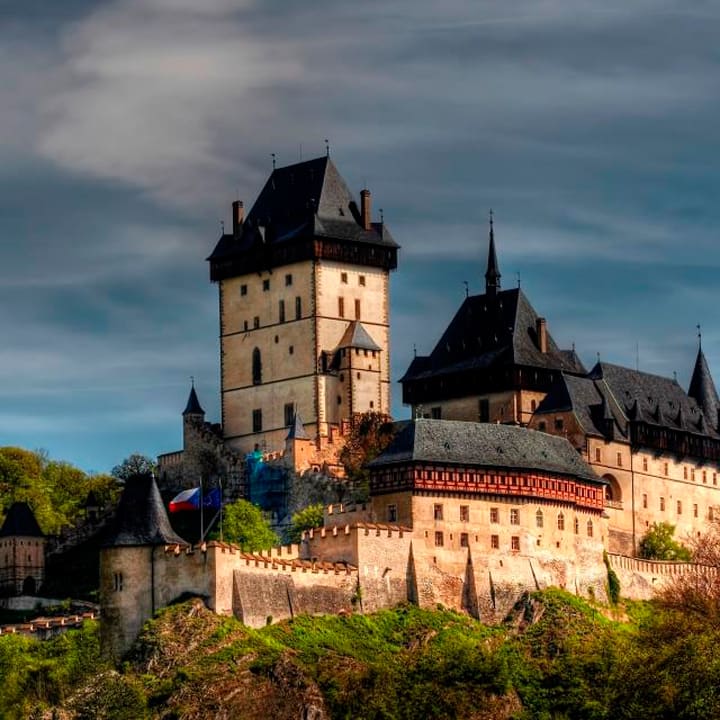
Karlštejn, i.e. Charles' Stone Castle, is the most famous castle in the Czech Republic. The fairy-tale perfect castle was founded by King Charles IV in 1348 to guard his royal treasures. It's massive towers and walls are spread out over a series of rocky peaks above the Berounka River and commands striking views of the surrounding hills.
Afternoon/Late Afternoon
Visit Prague's Jewish Quarter
Jews have lived in Prague since its beginnings in the 10th century and have endowed it with a rich heritage. The ghetto was created in the 12th century, as Jews were forced to live separately from Christians. Despite persecution, the community prospered, but sadly, only a small minority survived the Nazi occupation. A lasting legacy remains, including synagogues, architecture, and a fascinating cemetery.
Early Evening
Discover the New Town
Despite being 700 years old, the New Town (Nové Město) is the youngest of the original five independent towns that made up Medieval Prague. The heart of New Town is one of the three original markets around which the town was planned, Wenceslas Square. Not fully given over to tourism like the Old Town, the New Town combines a historic atmosphere with the daily commercial and social life of locals, making it a great place to get a taste of the real Prague.
Karlštejn, i.e. Charles' Stone Castle, is the most famous castle in the Czech Republic. The fairy-tale perfect castle was founded by King Charles IV in 1348 to guard his royal treasures. It's massive towers and walls are spread out over a series of rocky peaks above the Berounka River and commands striking views of the surrounding hills.
Tour a closely-guarded and jewel-encrusted chapel decorated with amazing medieval art.
The most important and impressive part of the castle, the Chapel of the Holy Rood, is open only to special guided tours due to the fact that its walls are literally covered in precious jewels.
Jews have lived in Prague since its beginnings in the 10th century and have endowed it with a rich heritage. The ghetto was created in the 12th century, as Jews were forced to live separately from Christians. Despite persecution, the community prospered, but sadly, only a small minority survived the Nazi occupation. A lasting legacy remains, including synagogues, architecture, and a fascinating cemetery.
Take an unforgettable visit to one of Europe's largest medieval Jewish cemeteries.
As the Jewish Ghetto was quite cramped, there was no room to expand the cemetery. Unable to acquire further land, and not wishing to dishonor ancestors through the demolition of existing graves, Prague's Jews buried their loved ones in multiple levels. Gravestones are packed in tightly and in some areas the burials reach 12 layers!
Discover the synagogue considered by many to be Prague's most beautiful.
Completed in 1868, the Spanish Synagogue is the newest synagogue in Prague's Jewish Quarter, but happens to be built on the site of the former Oldest Synagogue in Prague. It is built in a stunning Spanish Moorish style as a symbol of the flowering of the Jewish culture which occurred under Muslim rule on the Iberian Peninsula.
See the oldest surviving synagogue in Europe and also one of Prague's earliest Gothic buildings.
When built it was Prague’s newest synagogue, but over time became its oldest – hence the “Old-New”. A beautiful ark holds the Torah and legend says its attic is the hiding place of the legendary clay Golem.
Despite being 700 years old, the New Town (Nové Město) is the youngest of the original five independent towns that made up Medieval Prague. The heart of New Town is one of the three original markets around which the town was planned, Wenceslas Square. Not fully given over to tourism like the Old Town, the New Town combines a historic atmosphere with the daily commercial and social life of locals, making it a great place to get a taste of the real Prague.
Experience a mishmash of interesting architecture on Wenceslas Square, Prague's main commercial center.
The square, which could also be described as a wide boulevard, is named after the Patron Saint of Bohemia, whose statue can be seen at the top of the square. Many historical events have taken place here, including the demonstrations of the Velvet Revolution in 1989, which resulted in the collapse of the Communist regime. Today the square is lined by department stores, hotels, and office buildings, many of them notable architectural highlights of the 19th, 20th, and 21st century.
Tour a breathtaking art nouveau venue and stay for a concert, opera, or ballet.
The stunning concert hall is open for tours and hosts performances on most evenings. The main hall is painted by famous Czech artists including Alfons Mucha. A beautiful cafe and restaurant are also housed in the building, and you can find one of Prague's most ornate pubs in the cellar (the "American Bar").
Stroll down the river to find this curvaceous office block designed by Frank Gehry, and whi msically nicknamed Fred & Ginger.
There is no tour of the interior, so most visitors just snap a photo and head out. However, there is a restaurant and bar at the top called Ginger&Fred. For a spectacular view of the city check out the terrace on the top floor (only for paying customers).
Experience nationally-sponsored ballet & opera in a magnificent venue.
This concert hall is Prague's most prestigious, and it is not only a symbol of the 19th century Czech national revival but also arguably one of the most beautiful concert venues in Europe. Unfortunately, tours are not regularly offered, but you may attend an opera or ballet if you purchase tickets in advance. The riverfront near the concert hall is one of the most photographed spots in Prague.
Explore an interesting museum collection in a grand building completed in 1891.
The recently renovated and improved National Museum is fronted by the iconic equestrian statue of "good king Wenceslas". Beyond it's dramatic exterior you'll find a grand staircase which is a highlight of any visit. Founded in 1818, the museum played a major role in bringing natural science and history to the common man, and also played an important part in the Czech national revival occurring in the 19th century.
Day 13
Prague
Day 13
Prague
8:30 AM - 6:30 PM
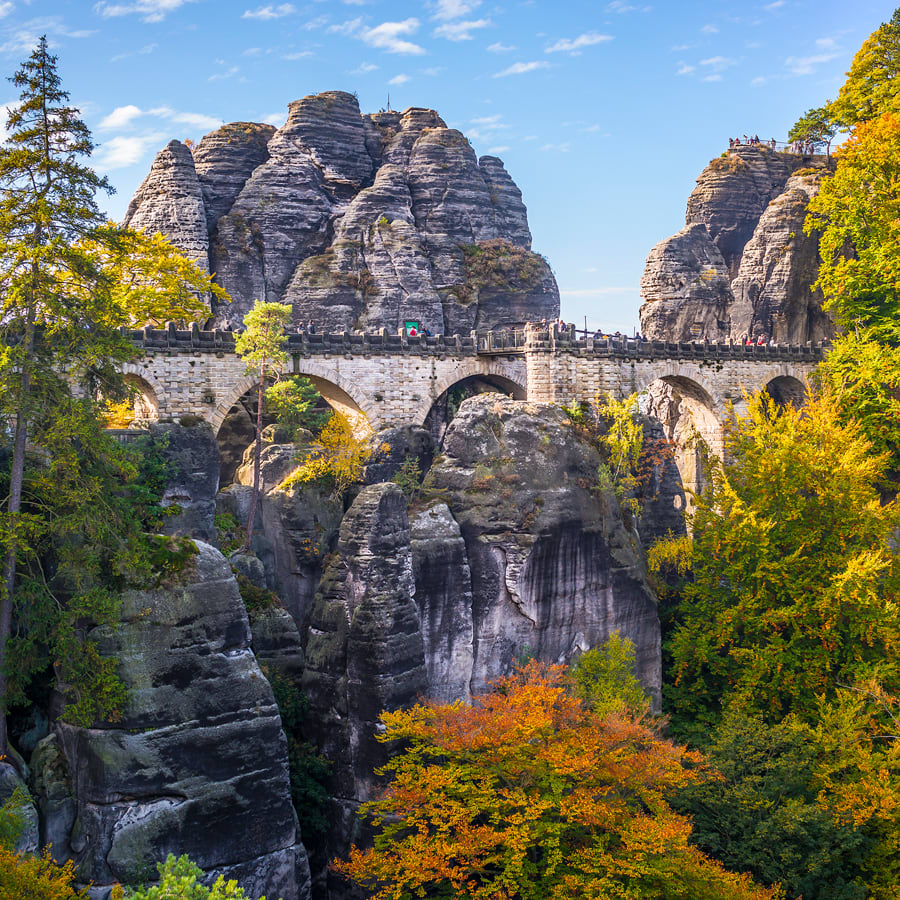
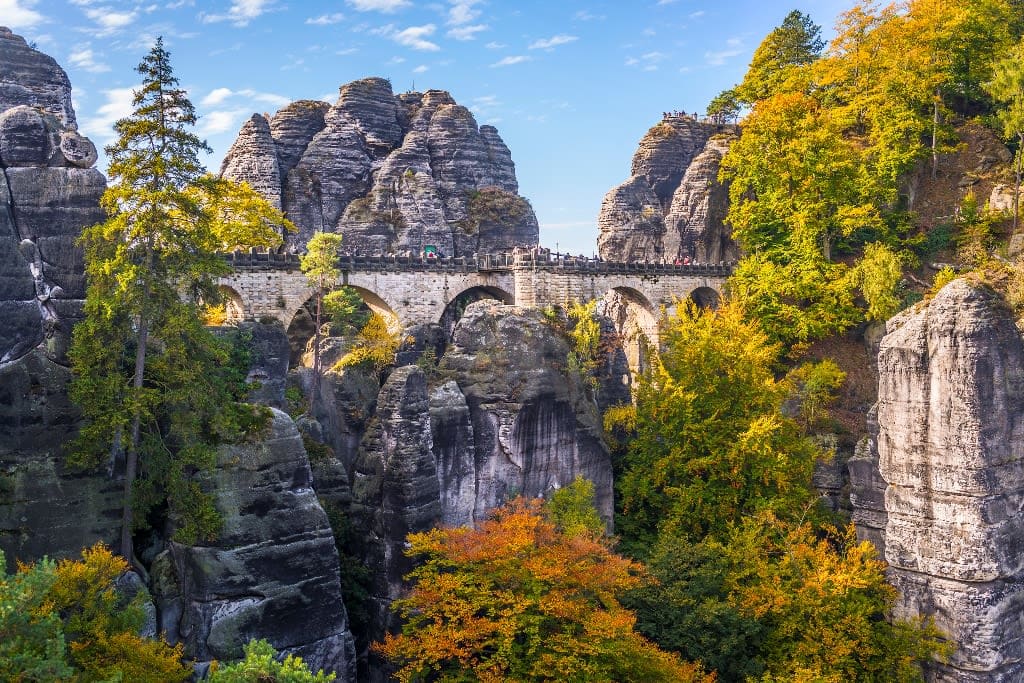
Easy Bohemian Switzerland Trip with Bastei Bridge (Shared)
For those who like to be inspired by nature and look for its soothing powers, and wind in your hair experience than this guided group tour through the Bohemia Switzerland National Park is for you. Explore some of the best views of the National Park on well-maintained paths and from the best lookout points amid the rock formations.
Early Evening/Evening
Concert or Other Cultural Event
A trip to a concert or other performance in the Czech Republic is a treat on many levels. Czech musicians, dancers, and actors are some of the world's best and are the product of a long-lasting national obsession with the arts. In fact, prior to Czech independence, the arts were one of the only outlets available to express Czech national pride and identity, which is one reason why today Prague has more theater and concert seats per resident than any other city in the world. Symphony, ballet, opera, and more are all on offer. We'll make it easy for you to enjoy the experience yourself, as our travelers receive detailed information on booking tickets and attending a performance in their full length itinerary.
For those who like to be inspired by nature and look for its soothing powers, and wind in your hair experience than this guided group tour through the Bohemia Switzerland National Park is for you. Explore some of the best views of the National Park on well-maintained paths and from the best lookout points amid the rock formations.
A trip to a concert or other performance in the Czech Republic is a treat on many levels. Czech musicians, dancers, and actors are some of the world's best and are the product of a long-lasting national obsession with the arts. In fact, prior to Czech independence, the arts were one of the only outlets available to express Czech national pride and identity, which is one reason why today Prague has more theater and concert seats per resident than any other city in the world. Symphony, ballet, opera, and more are all on offer. We'll make it easy for you to enjoy the experience yourself, as our travelers receive detailed information on booking tickets and attending a performance in their full length itinerary.
Hear an opera in one of Europe's oldest continuously operating theatres.
Opened in 1783, the Estates Theate is a tremendous site for musical history. It was here that "Where is my home?" was first performed, which is now the Czech national anthem. In 1787 Mozart premiered his world famous opera, Don Giovanni. The cloaked statue on the side of the theater is Il Commendatore, a character from Don Giovanni.
Listen to a symphony in an elegant 19th-century concert hall designed specifically for orchestral performances.
The Rudolfinum is a neo-renaissance style building opened in 1885. Named in honor of Rudolf, the Crown Prince of Austria, it is home to the prestigious Czech Philharmonic orchestra. While not normally open for tours, you may attend a performance.
Tour a breathtaking art nouveau venue and stay for a concert, opera, or ballet.
The stunning concert hall is open for tours and hosts performances on most evenings. The main hall is painted by famous Czech artists including Alfons Mucha. A beautiful cafe and restaurant are also housed in the building, and you can find one of Prague's most ornate pubs in the cellar (the "American Bar").
Experience nationally-sponsored ballet & opera in a magnificent venue.
This concert hall is Prague's most prestigious, and it is not only a symbol of the 19th century Czech national revival but also arguably one of the most beautiful concert venues in Europe. Unfortunately, tours are not regularly offered, but you may attend an opera or ballet if you purchase tickets in advance. The riverfront near the concert hall is one of the most photographed spots in Prague.
Enjoy a performance in an elegant gilded concert hall with an illustrious history and a world-class opera & ballet program.
The State Opera is a stunning venue of the prestigious Czech National Theatre company. It originally opened in 1888 as the New German Theater, and was so-called because it was sponsored by Prague's German-speaking population. It later became a refuge for German actors and musicians fleeing Nazi Germany.

Day 14
Depart Prague
Day 14
Depart Prague

To Be Determined
Transfer to Airport by Taxi
Choose your dates, travelers and hotel level. Your personalized plan is free, with no commitment.
Swap hotels, add or drop tours and change the pace with your travel consultant until it fits.
Your trip is booked once you approve the itinerary and pay the deposit. Nothing is charged before that.
 Pre-Paid Tours and Activities
 Pre-Paid Transportation
 Accommodation
 Go Real Travel Mobile App
City guides
Get a feel for each stop before you build your route.
 Switzerland
’s second-most populous city, Geneva is a place where languages, cultures, and institutions have converged for hundreds of years. Here, diplomacy and sophistication play a central role. Formerly home to the headquarters of the UN, Geneva still hosts the International Red Cross, World Trade Organization, and World Health Organization. Lake Geneva, the largest body of water in Switzerland, dominates the surrounding landscape with its calm waters and brooding presence. By the lakeside, the imposing Jet d’Eau blasts water 140 meters into the air for most of every day. As you stroll through the city’s enchanting old town, you'll find its winding streets dusted with antique shops, ancient architecture, galleries, and world-class restaurants. Centuries of influence from countless cultures have given Geneva a special, complex identity. Travelers here can spend hours sampling food and drink from across the world. Or, simply sit by the water, and sip an Espresso while you soak up Geneva's unique and cosmopolitan vibe.
 Switzerland
Zurich is Switzerland’s biggest city, located in the center of the country’s German-speaking region. It’s this location, superbly connected to almost everywhere else by train and close to an international airport, that makes Zurich an obvious destination for tourists. Well, that’s one of the reasons. There’s also the city’s bevy of bars and restaurants, the lakeside views, and stunning architecture around every corner.Take a stroll down the Bahnhofstrasse, a street known around the world for its unrivaled shopping. Weave through crowds of shoppers as you pass rows of world-famous and exclusive brands. Zurich is a small city, but that just makes it easier to get around. Lindenhof Hill, a slight rise of land in the center, offers views across all of the town. Among the city’s most striking features are the Grossmünster towers, which can also be climbed. This is a proud, sophisticated, and elegant city.
 Switzerland
Lucerne’s international name may be French, but this spellbinding little city is actually situated in the heart of Switzerland’s German area. Lucerne was one of the first cities to join the Swiss Confederation and is a microcosm of all the typical Swiss quirks and charm that draw visitors to the country from all over the world. The city’s old town is beautifully preserved and also extremely compact. This is a place that is perfect for walking and looking. You’ll soon start to get an in-depth feel for the Old Town after just a few hours. Stroll across the famous Kapellbrücke bridge or the smaller Spreuerbrücke, or wander to the Löwendenkmal, the wounded lion memorial carved from a rock face. Stunning nature surrounds Lucerne, and the landmark Mount Pilatus towers over the city. It’s possible to climb the mountain, where hikers (and cable-car riders) will be rewarded with breathtaking views of the town below and the Alps beyond. Back at ground level, Lake Lucerne calls out for boat trips, which stop at the many villages and parks around the shores.
 Austria
You've probably heard this before— the city of Salzburg is straight out of a fairytale. Nestled in the mountains, this romantic city's Baroque architecture with colorful domes and spires is especially striking against the ancient fortress and Austrian Alpine backdrop. If you're looking for an amazing view, climb up to Hohensalzburg Fortress, Central Europe's largest intact fortress, for a jaw-dropping panorama of the city backed by misty mountains. Perhaps most famous for being the birthplace of the renowned composer Wolfgang Amadeus Mozart and the filming location for the classic The Sound of Music, this city has much to offer. Salzburg has become an important artistic and cultural center, featuring magnificent concert halls that uphold the city's tradition of classical music every day of the year, as well as acclaimed art exhibitions and museums. If you do it right, your visit to Salzburg will immerse you in the city's unforgettable atmosphere and keep you coming back for more.
 Czech Republic
The city of Prague is indisputably the gem of Central Europe. Full of history, culture, and classic Czech pubs around every corner, Prague is teeming with nooks and crannies just waiting to be discovered. The narrow cobblestone streets and warm red rooftops give the city a homey feel, while the well-preserved medieval architecture transports you back in time. Walking across the Charles Bridge with the view of the Prague Castle will make you feel like you’re living in a fairytale, and you might as well be. As an up-and-coming destination, Prague is a perfect mix of classic and modern. New trendy cafes and bistros are always popping up, and you can always find a group of lively locals chowing down on goulash and quaffing pivo (the best beer in Europe!) at traditional Czech restaurants across the city. The clash of modernity and tradition, preservation and innovation, gives this city a mysterious air that you won’t soon forget.
See what travelers who went to these destinations have to say.
Average traveler rating
Based on 287 traveler reviews
We had a wonderful experience and Go Real Travel did an amazing job organizing our trip. The private tour guides were great and the details in the daily itineraries were extremely helpful. The location of the hotels was very convenient to access public transportation. We highly recommend Go Real Travel for an awesome vacation experience!
Stella Urrutia Moore
I used Go Real Travel for a 10 day trip to Europe (Salzburg, Prague and Munich). They gave me some excellent advice on the front end about locations and timing, arranged hotels for me to choose from, car services, train tickets and private tour guides - it was an amazing trip. In addition they were available and responsive the entire time with last minute questions and requests - highly recommend them and have already started planning my next trip with them.
Philip Tomhave
We have already recommended Go Real to friends. The trip was everything we had hoped for. Myles was fabulous to deal with. Your guides for the walking tours were incredible. Thank you so much!
Jane Albright
Our latest reviews from across all trips on Trustpilot.



10 Days
Alpine Majesty with Urban Delights - Zurich, Lucerne, Interlaken & Geneva

21 Days
Central European Journey through Switzerland, Germany, Austria and the Czech Republic

7 Days

10 Days

10 European Cities to Visit in Winter

13 Most Happening Things to Do in Prague at Night

18 Cheap and Free Things to do in Prague

10 Most Amazing Day Trips From Prague in 2024

Flying Solo: The Best Places to Travel Alone in Europe

16 Most Romantic Destinations in Europe
Pick the option that fits you best so we can route you to the right help.