
Winter Escape: Discover the Netherlands' Hidden Charms
 5 Day Tour of Amsterdam
Destinations on this trip: Amsterdam
Overview
Trip Map
Itinerary
Inclusions
Reviews



How Long Is the Dutch Winter Charm Trip and What Does It Cost?
 Duration5 days / 4 nights
- Best timeJan-Apr, Oct-Dec
 From$1645 / person (Flights not included)
- Discover Amsterdam’s Grachtengordel, a UNESCO heritage site, on a private guided walking tour.
- Learn the poignant story of Anne Frank on an emotional tour of the Jewish Quarter.
- Acquaint yourself with Dutch art in the Museum Quarter, home to the Rijksmuseum and Van Gogh Museum.
- Explore Zaanse Schans, where windmills & traditional Dutch crafts create an idyllic winter landscape
- Take a trip to Haarlem, known for medieval architecture & history, just a short ride from Amsterdam.
- Discover Amsterdam’s Grachtengordel, a UNESCO heritage site, on a private guided walking tour.
- Learn the poignant story of Anne Frank on an emotional tour of the Jewish Quarter.
- Acquaint yourself with Dutch art in the Museum Quarter, home to the Rijksmuseum and Van Gogh Museum.
- Explore Zaanse Schans, where windmills & traditional Dutch crafts create an idyllic winter landscape
- Take a trip to Haarlem, known for medieval architecture & history, just a short ride from Amsterdam.


Must see sights
Starting from
$1645
per person
 Not included
 Price varies by group size, hotel selection, and travel season.
Secure Your Customizable Trip
Enter your details to embark on a journey that can be tailored just for you.
Start
Travelers
Preferred Hotel Stars

Craft Your Own Itinerary
Select your interests and destinations for a trip plan inspired by you.
Where Does the Dutch Winter Charm Trip Trip Go?
| ← | Move left |
| → | Move right |
| ↑ | Move up |
| ↓ | Move down |
| + | Zoom in |
| - | Zoom out |
| Home | Jump left by 75% |
| End | Jump right by 75% |
| Page Up | Jump up by 75% |
| Page Down | Jump down by 75% |


Click To Make Map Interactive
Dutch Winter Charm Trip Timeline
Arrival
4 nights
Amsterdam
Netherlands
Departure
What Does the Dutch Winter Charm Trip Itinerary Look Like?

Day 1
Arrive Amsterdam

Day 1
Arrive Amsterdam


Mid-Day/Afternoon
Jordaan
The Jordaan district beckons with its narrow streets and quaint canals, epitomizing the charm and history of Amsterdam. Originally a working-class neighborhood established in the 17th century, Jordaan has evolved into one of Amsterdam's most sought-after areas. Known for its bohemian vibe, the district boasts an array of art galleries, unique shops, and cozy cafes, alongside traditional cafés and indie music venues. The Jordaan is also famous for its outdoor markets, such as the Noordermarkt, where locals and tourists alike browse for organic food, vintage clothes, and antiques. The area's historical architecture, including beautifully restored houses and hidden courtyards, provides a picturesque backdrop for leisurely walks.

Visit this beautiful 17th-century Protestant church built for the common folk of Jordaan.
Show More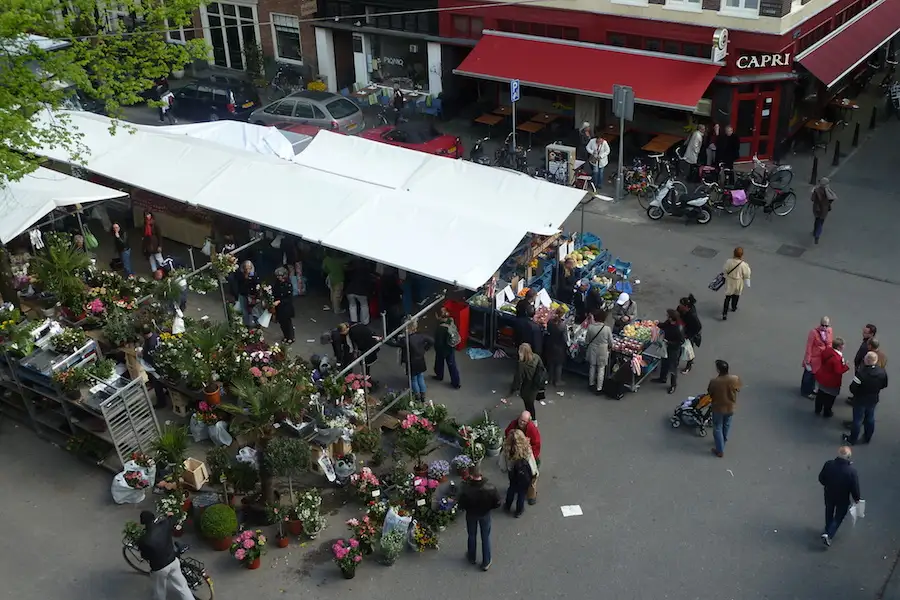
There's something for all tastes at the Lindengracht Market
Show More

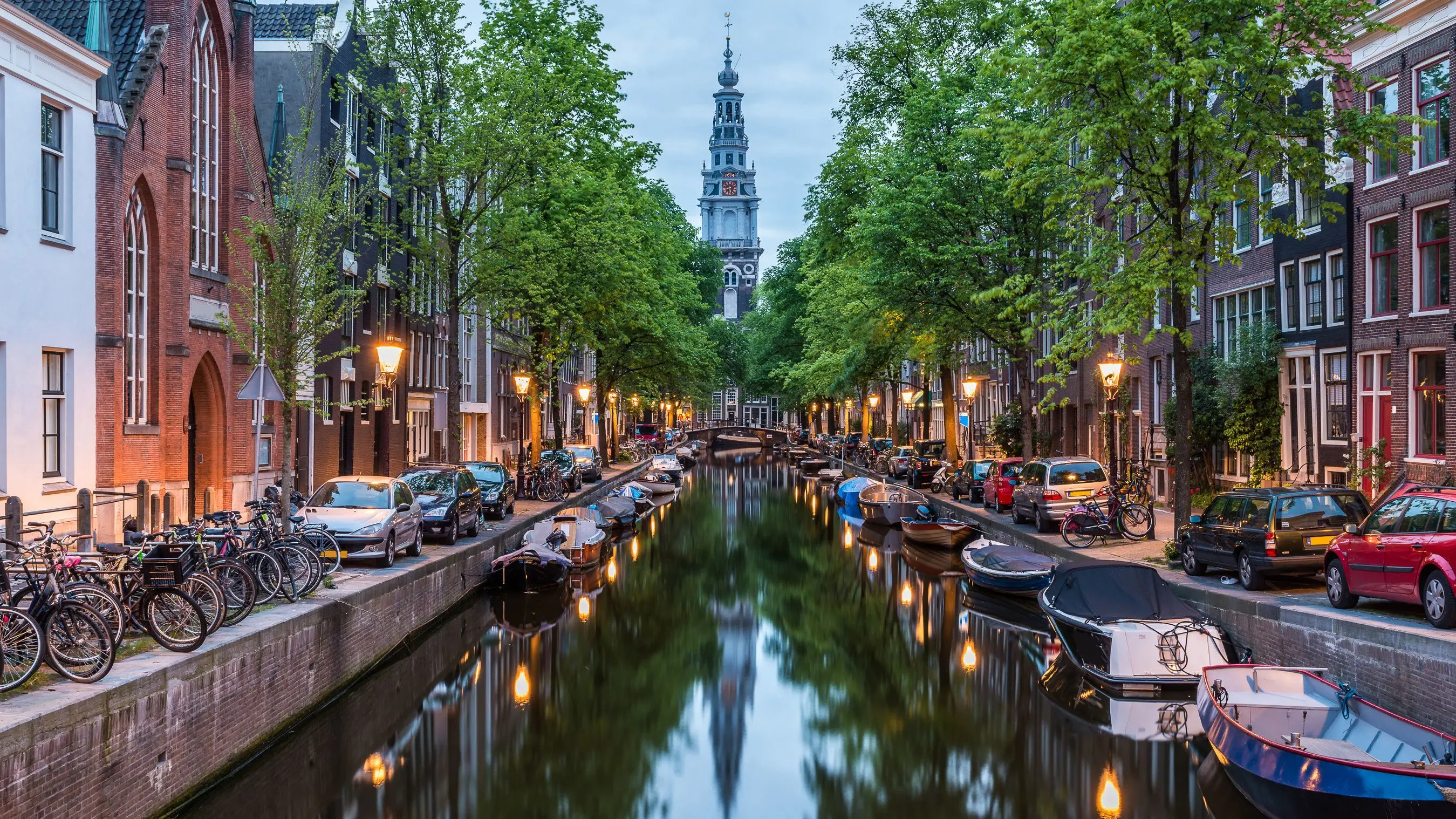
Visit Rembrandt's burial place in this Renaissance-era Protestant church with a crown-topped spire.
Show MoreVisit this beautiful 17th-century Protestant church built for the common folk of Jordaan.
Show MoreThere's something for all tastes at the Lindengracht Market
Show MoreVisit Rembrandt's burial place in this Renaissance-era Protestant church with a crown-topped spire.
Show MoreDay 1
Arrive Amsterdam

Day 1
Arrive Amsterdam
To Be Determined:
Taxi Transfer from Airport
Mid-Day/Afternoon:
Jordaan
Late Afternoon/Early Evening:
Grachtengordel
:
:
Noorderkerk
 Highlight of Jordaan
Visit this beautiful 17th-century Protestant church built for the common folk of Jordaan.
Besides functioning as an active community, the church serves as one of the city’s most beautiful event venues. Built in the years 1620–1623 to serve the rapidly growing population of the Jordaan neighborhood, the Noorderkerk became the church for the common people. The classical appearance of the church and excellent acoustics make it well suited for a variety of events, including receptions, small conferences, meetings, fashion shows, concerts, and more.
Lindengracht Market
Highlight of JordaanThere's something for all tastes at the Lindengracht Market
Lindengracht, which translates into the Lindentree Canal in English, was filled in 1895 and has been turned into a wide street with two rows of linden trees in the middle. This market, more than 900 meters long and offering a large variety of products, was held for the first time in 1894. Now, each Saturday, 232 market stands are erected along the whole street. Together with the nearby Farmer’s Market on the Nordermarkt, (both open on Saturday); Lindenmarkt is probably the best food market in Amsterdam. Local in nature, the market, and its many stalls feature cheeses, fresh fish, and beautiful bouquets.
Jordaan
OverviewJordaan
The Jordaan district beckons with its narrow streets and quaint canals, epitomizing the charm and history of Amsterdam. Originally a working-class neighborhood established in the 17th century, Jordaan has evolved into one of Amsterdam's most sought-after areas. Known for its bohemian vibe, the district boasts an array of art galleries, unique shops, and cozy cafes, alongside traditional cafés and indie music venues. The Jordaan is also famous for its outdoor markets, such as the Noordermarkt, where locals and tourists alike browse for organic food, vintage clothes, and antiques. The area's historical architecture, including beautifully restored houses and hidden courtyards, provides a picturesque backdrop for leisurely walks.
Westerkerk
Highlight of JordaanVisit Rembrandt's burial place in this Renaissance-era Protestant church with a crown-topped spire.
Westerkerk, in English, the Western Church, is is the most largest and most important church in the city. Built between 1619 to 1631, the church and its bell tower – the Westerkerk Tower – are often regarded as the symbol of the city. Come visit Westerkerk, if only to pay respects to that great master, the painter Rembrandt. Although technically a part of the canal ring, both the church and Anne Frank House are often described as a part of the Jordaan district as well. Since both these highlights rest on right on the border, it is the perfect starting point to explore either neighborhood!
Noorderkerk
Highlight of JordaanVisit this beautiful 17th-century Protestant church built for the common folk of Jordaan.
Besides functioning as an active community, the church serves as one of the city’s most beautiful event venues. Built in the years 1620–1623 to serve the rapidly growing population of the Jordaan neighborhood, the Noorderkerk became the church for the common people. The classical appearance of the church and excellent acoustics make it well suited for a variety of events, including receptions, small conferences, meetings, fashion shows, concerts, and more.
Lindengracht Market
Highlight of JordaanThere's something for all tastes at the Lindengracht Market
Lindengracht, which translates into the Lindentree Canal in English, was filled in 1895 and has been turned into a wide street with two rows of linden trees in the middle. This market, more than 900 meters long and offering a large variety of products, was held for the first time in 1894. Now, each Saturday, 232 market stands are erected along the whole street. Together with the nearby Farmer’s Market on the Nordermarkt, (both open on Saturday); Lindenmarkt is probably the best food market in Amsterdam. Local in nature, the market, and its many stalls feature cheeses, fresh fish, and beautiful bouquets.
Jordaan
OverviewJordaan
The Jordaan district beckons with its narrow streets and quaint canals, epitomizing the charm and history of Amsterdam. Originally a working-class neighborhood established in the 17th century, Jordaan has evolved into one of Amsterdam's most sought-after areas. Known for its bohemian vibe, the district boasts an array of art galleries, unique shops, and cozy cafes, alongside traditional cafés and indie music venues. The Jordaan is also famous for its outdoor markets, such as the Noordermarkt, where locals and tourists alike browse for organic food, vintage clothes, and antiques. The area's historical architecture, including beautifully restored houses and hidden courtyards, provides a picturesque backdrop for leisurely walks.
Westerkerk
Highlight of JordaanVisit Rembrandt's burial place in this Renaissance-era Protestant church with a crown-topped spire.
Westerkerk, in English, the Western Church, is is the most largest and most important church in the city. Built between 1619 to 1631, the church and its bell tower – the Westerkerk Tower – are often regarded as the symbol of the city. Come visit Westerkerk, if only to pay respects to that great master, the painter Rembrandt. Although technically a part of the canal ring, both the church and Anne Frank House are often described as a part of the Jordaan district as well. Since both these highlights rest on right on the border, it is the perfect starting point to explore either neighborhood!

Day 2
Amsterdam
Day 2
Amsterdam


9:00 AM - 1:00 PM
Highlights Walking Tour
Enjoy an introduction to Amsterdam with this 4-hour private guided walking tour. After picking you up from your hotel, your professional guide will lead you past many of the city's highlights, including its center, as well as the Jordaan, the Grachtengordel, and the infamous Red-Light District. The guide will explain how all these feature in the city's history and contemporary life. Your guide will be happy to share some great tips for the rest of your stay.

Day 2
Amsterdam

Day 3
Amsterdam
Day 3
Amsterdam
Morning to Afternoon
Museum Quarter
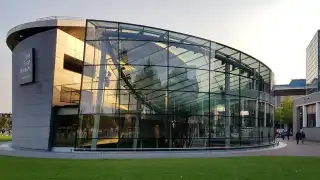
Arranged in a tight knot on the aptly named Museumplein, Amsterdam's premier world-class museums include the Van Gogh Museum (pre-booked tickets required), the Rijks Museum with its collection of Rembrandts, and the Stedelijk Museum of modern and contemporary art. The Amsterdam Diamond Museum is nearby as well. Choose to visit one or more of these wonderful cultural venues from the detailed descriptions provided in the Full Itinerary.
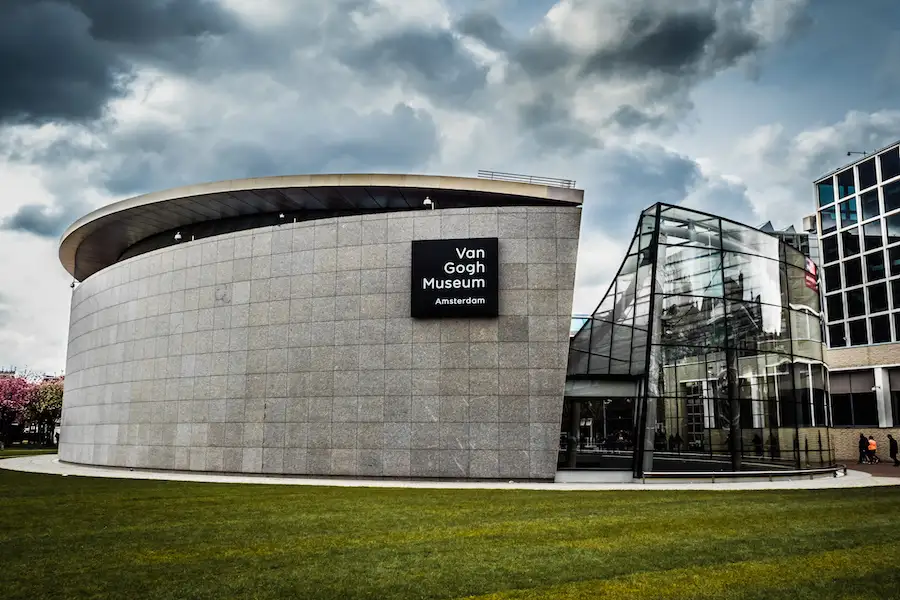
The Van Gogh Museum - How Can't You Be Impressed?
Show More
Contemporary in an Old City Can Be Beautiful Too
Show More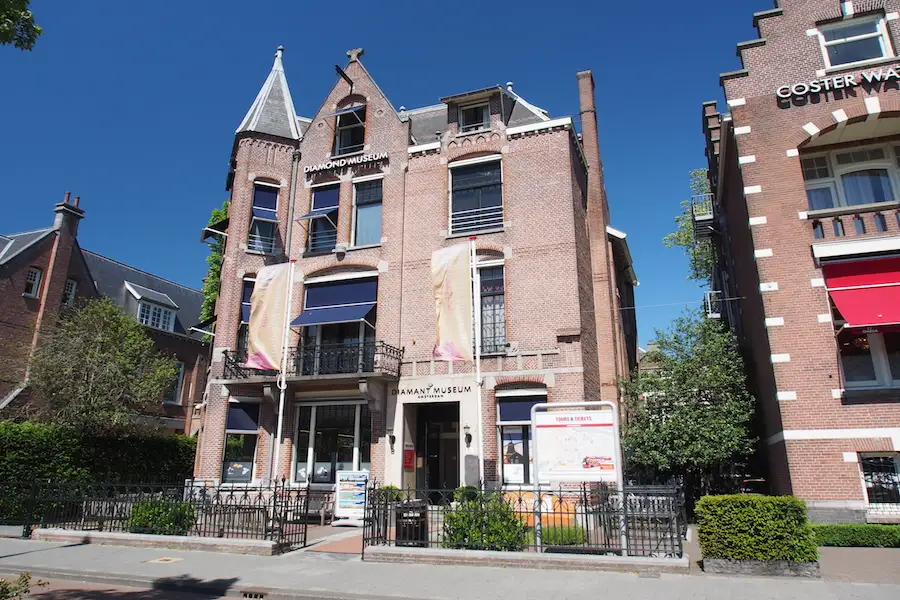
This museum will defintely make your eyes sparkle.
Show More
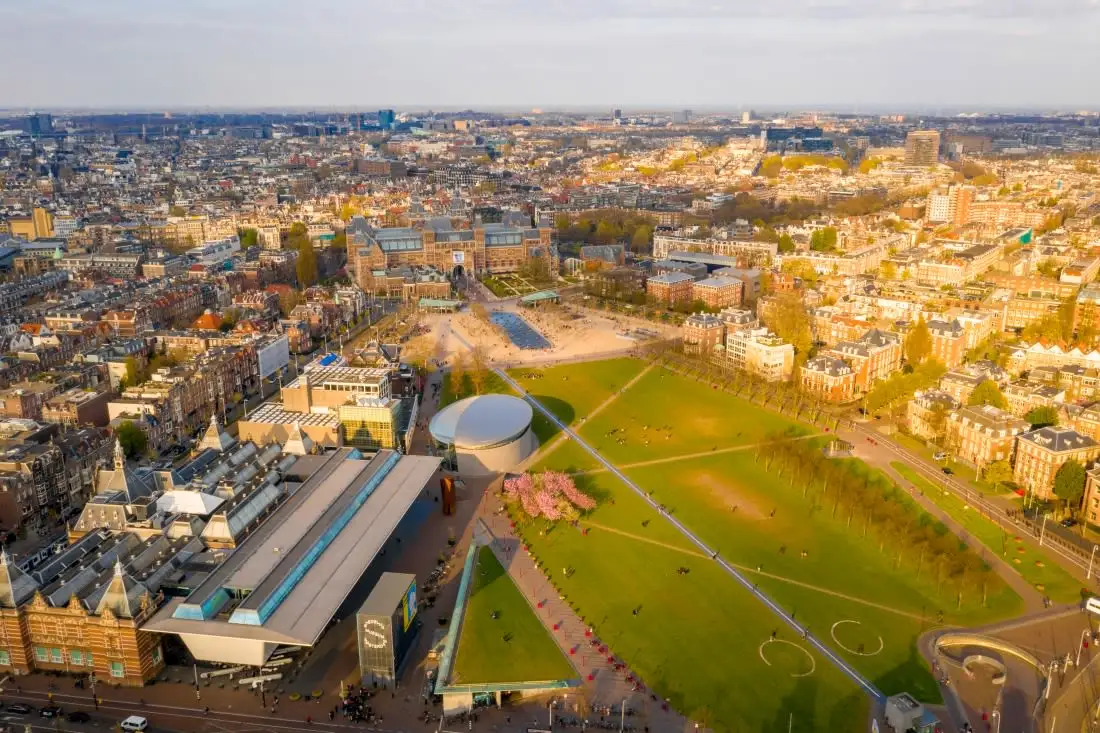
Find Tickets and Trinkets related to the Rijks- and Van Gogh Museums
Show MoreThe Van Gogh Museum - How Can't You Be Impressed?
Show MoreContemporary in an Old City Can Be Beautiful Too
Show MoreThis museum will defintely make your eyes sparkle.
Show MoreFind Tickets and Trinkets related to the Rijks- and Van Gogh Museums
Show MoreThe Van Gogh Museum - How Can't You Be Impressed?
Show MoreDay 3
Amsterdam
Day 4
Amsterdam
Day 4
Amsterdam

Morning to Late Afternoon
Haarlem, Self-Guided
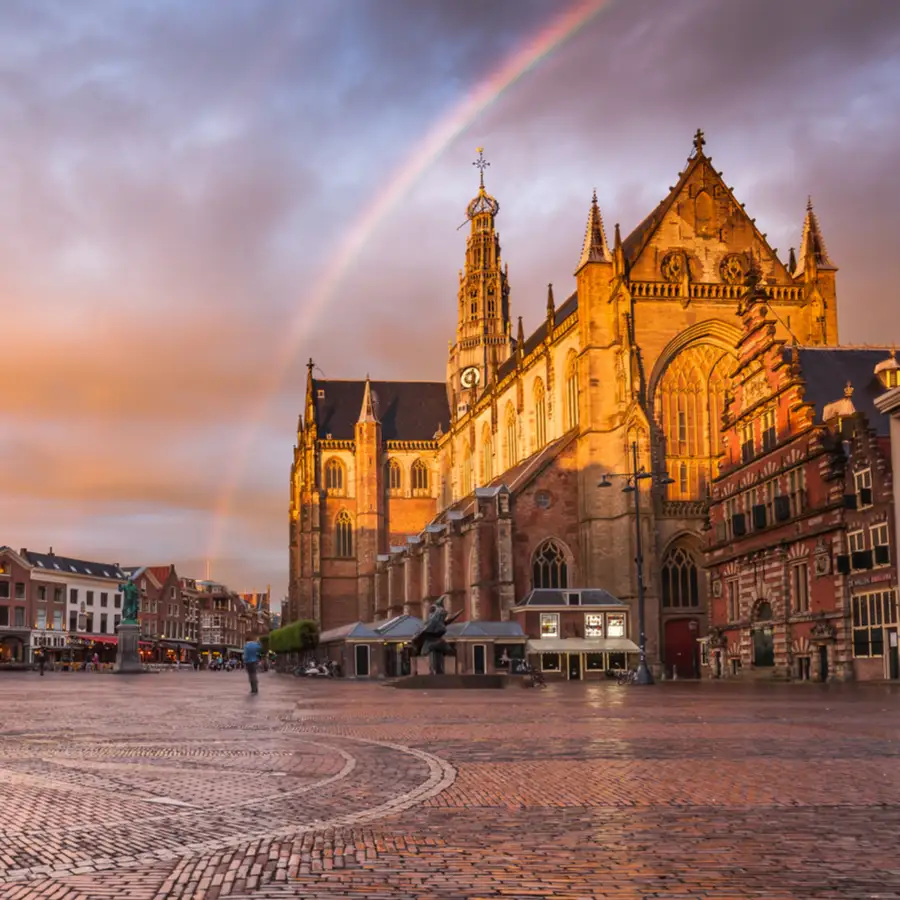
Haarlem, only a short 20-minute train ride away from the hustle and bustle of Amsterdam, is celebrated for its medieval architecture, cultural vibrancy, and historical significance as North Holland's capital. Home to the majestic Grote Kerk, the city's Grote Markt serves as a focal point surrounded by historical buildings. Famous for its contribution to the 17th-century tulip mania and picturesque canals, Haarlem offers a blend of art, history, and natural beauty, making it an enriching visit with a quiet charm.
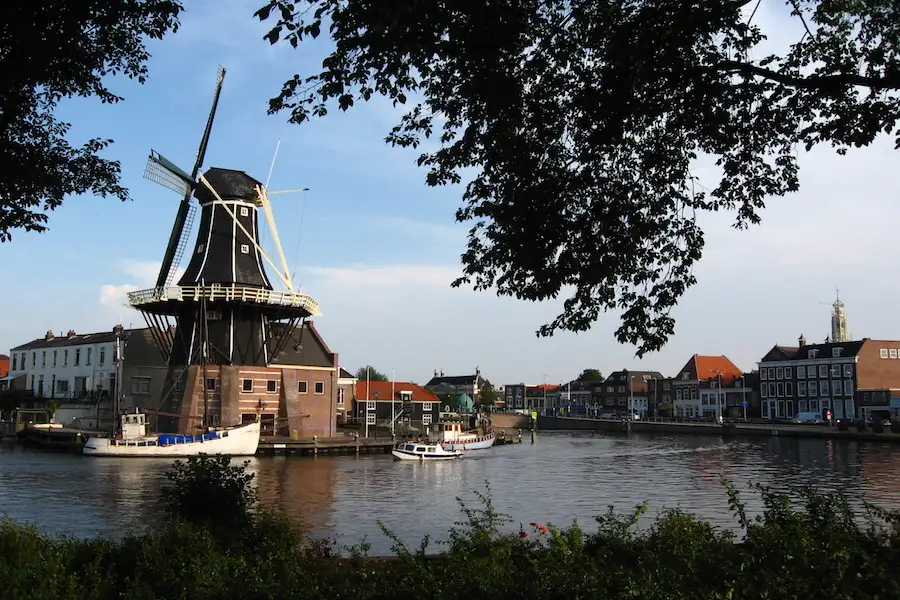
Enjoy this quintessential windmill in Haarlem...
Show More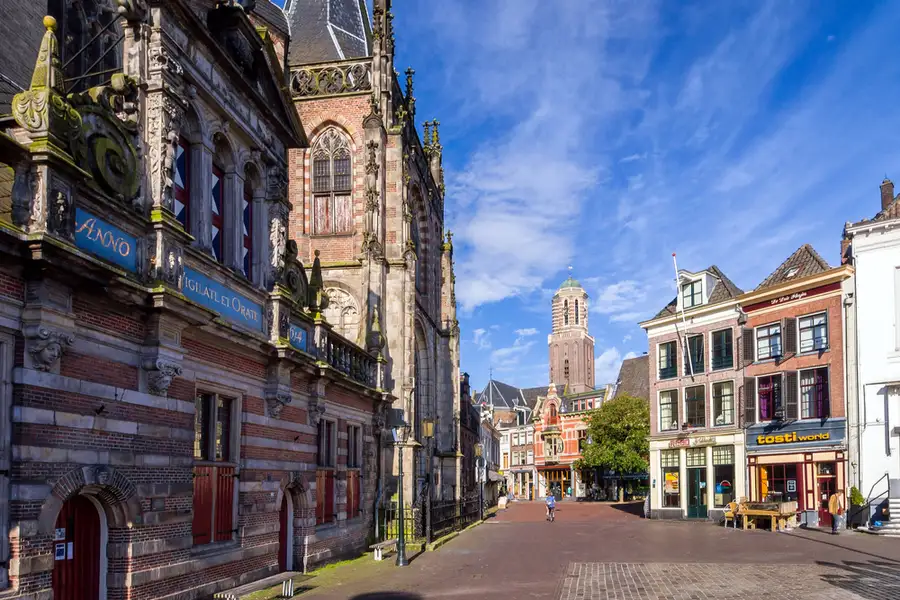
A Swell Tower and Church in Zwolle
Show More
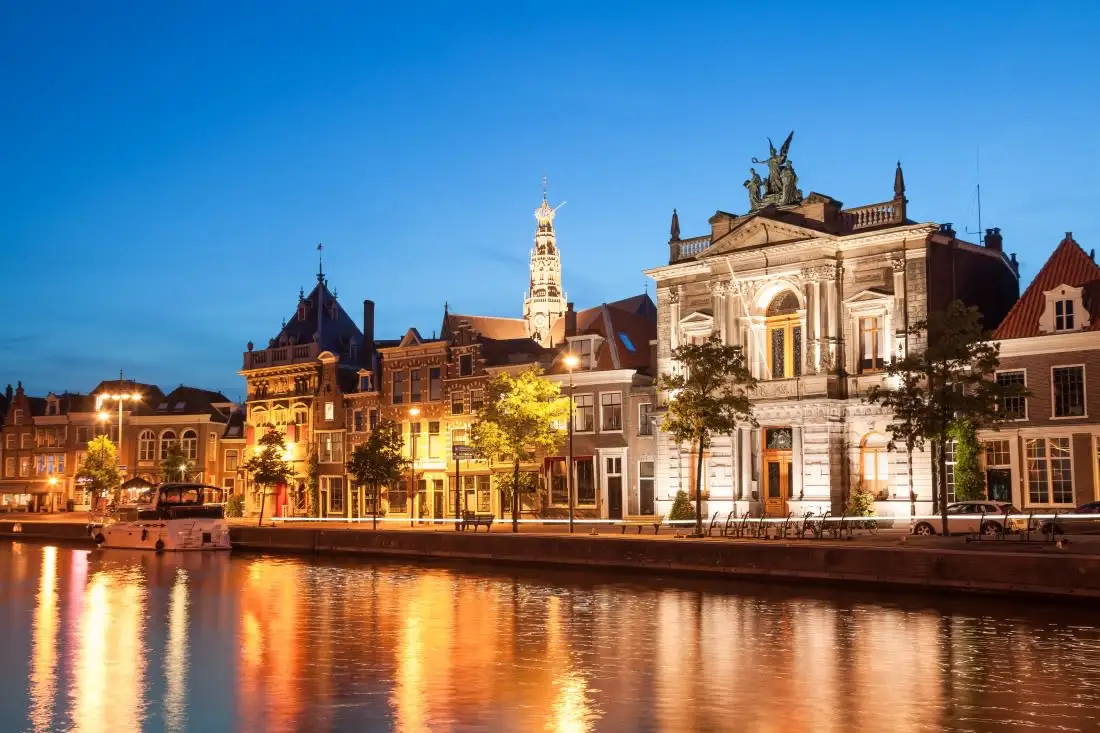
Enlighten Yourself with a Wise Visit to this Enlightenment Museum
Show MoreEnjoy this quintessential windmill in Haarlem...
Show MoreA Swell Tower and Church in Zwolle
Show MoreEnlighten Yourself with a Wise Visit to this Enlightenment Museum
Show MoreDay 4
Amsterdam

Day 5
Depart Amsterdam
Day 5
Depart Amsterdam

Morning/Mid-Day
Zaanse Schans, Self Guided
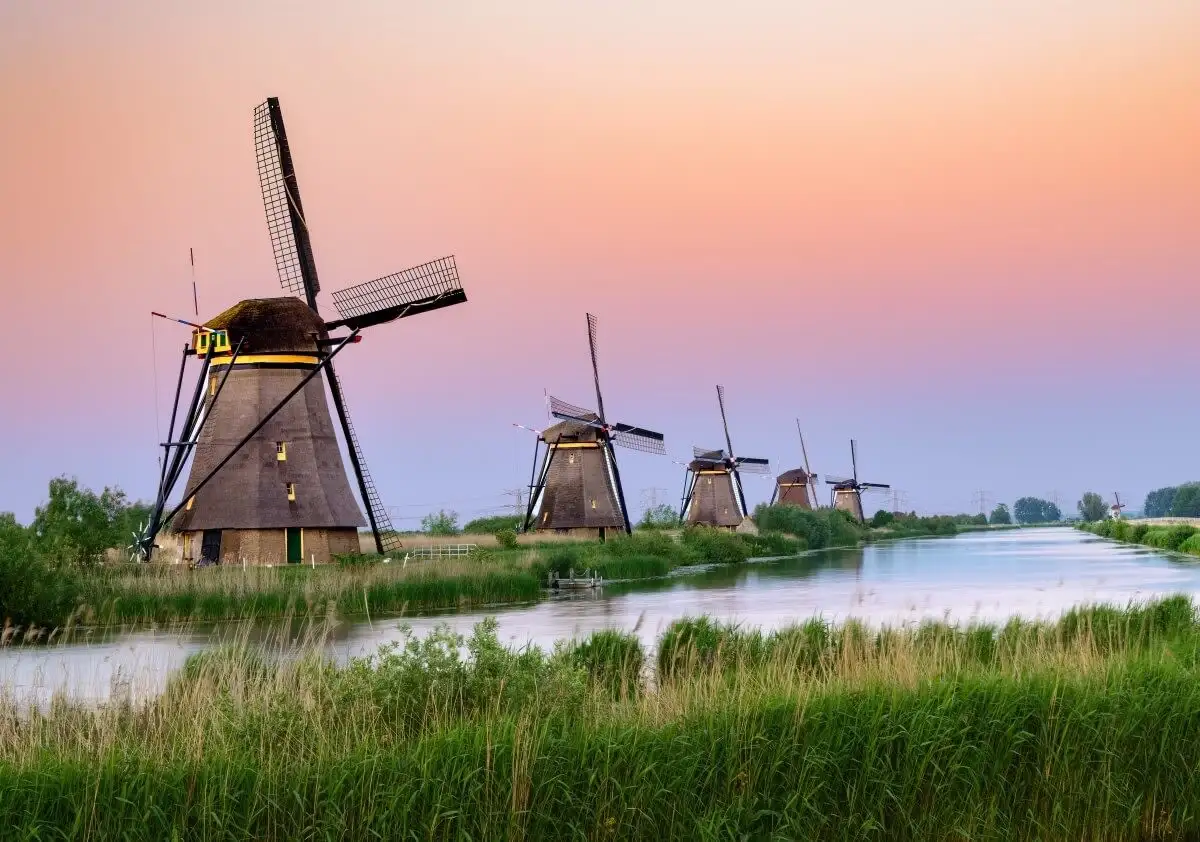
Zaanse Schans is one of the most popular day trips from Amsterdam, a panorama of features deemed quintessentially Dutch like windmills and wooden clogs. This well-preserved neighborhood feels like an open-air museum full of traditional Dutch handicrafts as the bakery museum offers freshly baked cookies and their free aromas. Clogs are still hewn here. You should not to miss the cheese factory, pewter foundry and the various windmills. In guarding these traditions Zaanse Schans has become immensely popular, and crowded at times. The neighborhood can seem a bit fantastical, and sometimes we want that on a holiday.

Day 5
Depart Amsterdam
What's Included in the Dutch Winter Charm Trip Trip?
Pre-Paid Tours and Activities:
- Privately Guided Walking Tour of Amsterdam
- Guided Visit to Anne Frank House & Jewish Quarter

Pre-Paid Transportation:
- Public Transport Tickets for Amsterdam

Accommodation:
- 4 nights at a hotel of your choice in Amsterdam

Go Real Travel Mobile App:
- Itinerary Plan & Reservations Info
- Points of Interest
- Detailed Travel Information
- Maps & Directions
Other Trips You May Like






Featured Blogs


Our Customers Say It Best


Malini Dutta, Boston, Massachusetts

Bev and Mark Frankel, Williamsburg, Virginia
Marianne Strydom, Paarl, South Africa
Otto Chuy, Los Angeles, California
Malini Dutta, Boston, Massachusetts
Bev and Mark Frankel, Williamsburg, Virginia
Marianne Strydom, Paarl, South Africa
Otto Chuy, Los Angeles, California
Malini Dutta, Boston, Massachusetts
Bev and Mark Frankel, Williamsburg, Virginia
Marianne Strydom, Paarl, South Africa
Otto Chuy, Los Angeles, California



Explore cities in more detail
Cologne
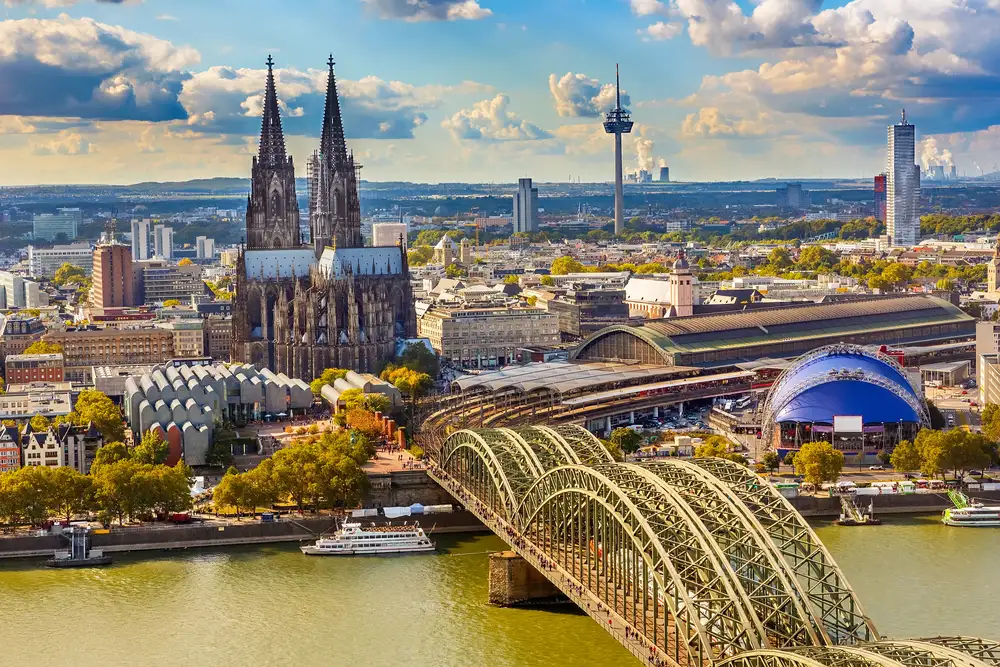
As you travel through Western Germany, Cologne is a cheerful, fun city to stop for a night or two. Flanking both sides of the Rhine river, Cologne's delightful architectural pastiche reflects the breezy anything-goes attitude of its inhabitants. Like most German cities, Cologne took a hit during WWII, losing some of its old-world buildings and neighborhoods. However, thanks to the endurance of the Cologne Cathedral and iconic Hohenzollern Bridge, the city has kept its identity close to hand. Sometimes quite literally in the form of a glass of sparkling Kölsch local beer. A visit to Cologne should always include paying a call to its eponymous Cathedral. A sensational, Gothic behemoth of a building and a UNESCO Heritage Site, Cologne Cathedral will get you right in the heart, humbling all who enter it. Just outside the cathedral, the Hohenzollern Bridge spans the Rhine, with three iron truss arches looping over the river like the bounces of a skimming stone. After wandering the riverside, if you're looking for some indulgence, Cologne's Chocolate Museum is an eternally popular choice. Maybe you'll be under the influence of the cocoa, but at the end of a day in Cologne, life can seem pretty sweet.
Paris
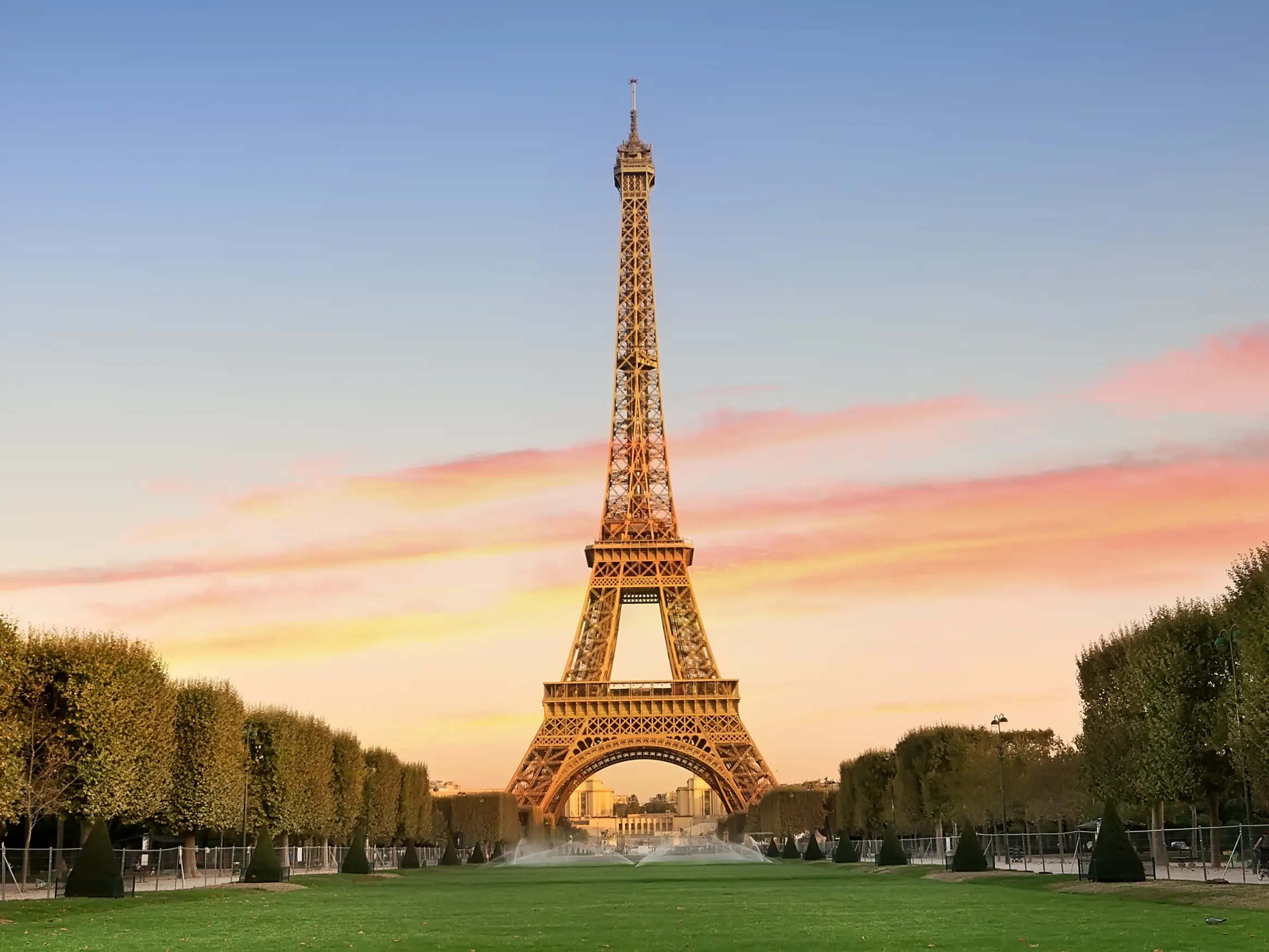
The magic of Paris is undeniable. This is the most romantic destination in Europe, and surely the number one bucket list destination of all time. If you want to say you've traveled, you have to visit Paris at least once. Along with classic must-sees like the Eiffel Tower and the Sacre-Coeur, there is so much to see and do in Paris that it helps to narrow it down by interest. Fashion and shopping enthusiast? Look no further than the Galeries Lafayette, Avenue des Champs-Élysées, or the Marais. Art aficionado? Once you're done with the Louvre, make a start on the Musée d'Orsay. History buffs won't be able to walk a block without uncovering a monument to Napoleon or Louis XIV. If you visit Paris with a foodie, be warned — you'll gaze in a lot of patisserie windows, and sample your weight in croissants. Because Paris always has so much on offer, it never grows old. At dusk, as you stroll the wide boulevards past Haussmann apartment buildings and sharply dressed Parisians, or gaze down at the city from the hill at Montmarte, you might find yourself saying 'Paris Je t' aime'. This is, after all, the City of Love.

Bruges
Bruges, nestled in the heart of West Flanders, is a city that invites quiet reflection as much as admiration. Its beauty lies not in grand displays, but in its timeless rhythm—canals that gently mirror the sky, stepped gables leaning softly into cobbled streets, and echoes of medieval life that still shape the present. This is a place where daily life blends seamlessly with history, and where simple moments—a bike ride at dawn, church bells across the rooftops—leave a lasting impression. As dusk falls, Bruges glows with a soft, golden hush. The crowds thin, lights flicker on behind old windows, and the city feels less like a destination and more like a reverie. It’s a place not just to see, but to absorb—quietly magical and endlessly human.
Amsterdam
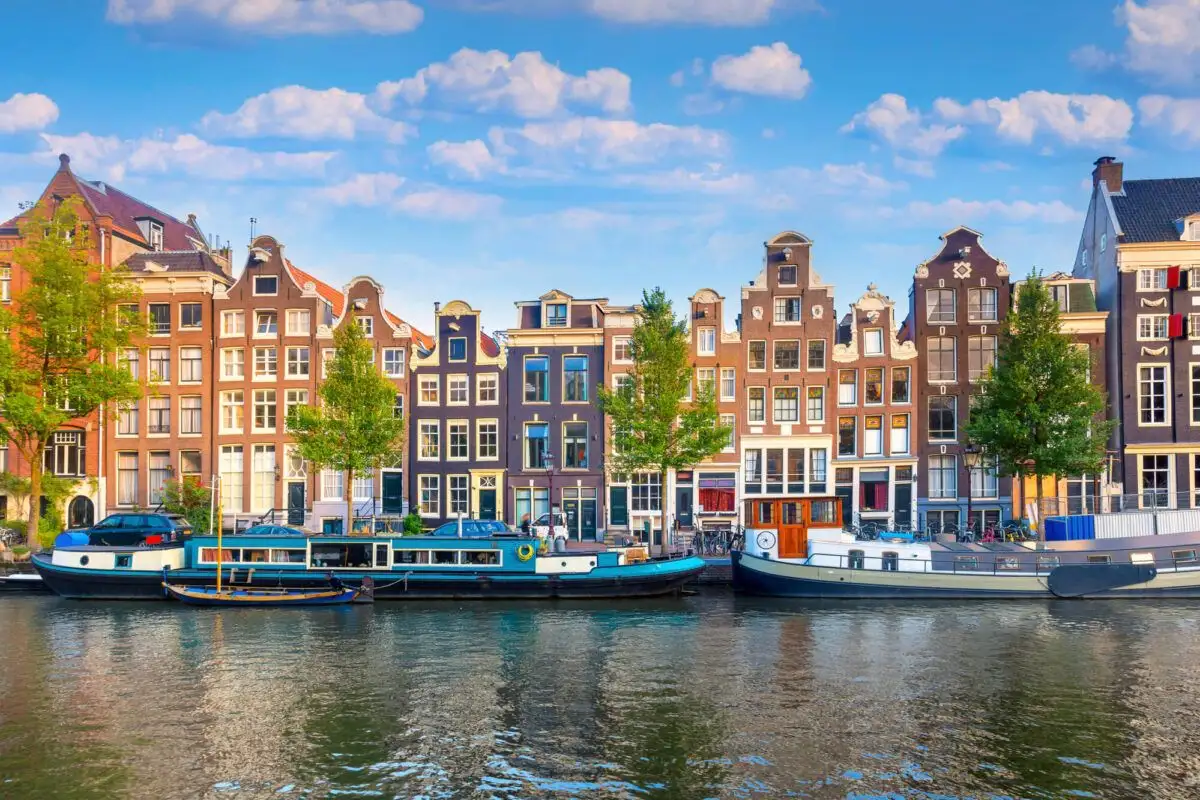
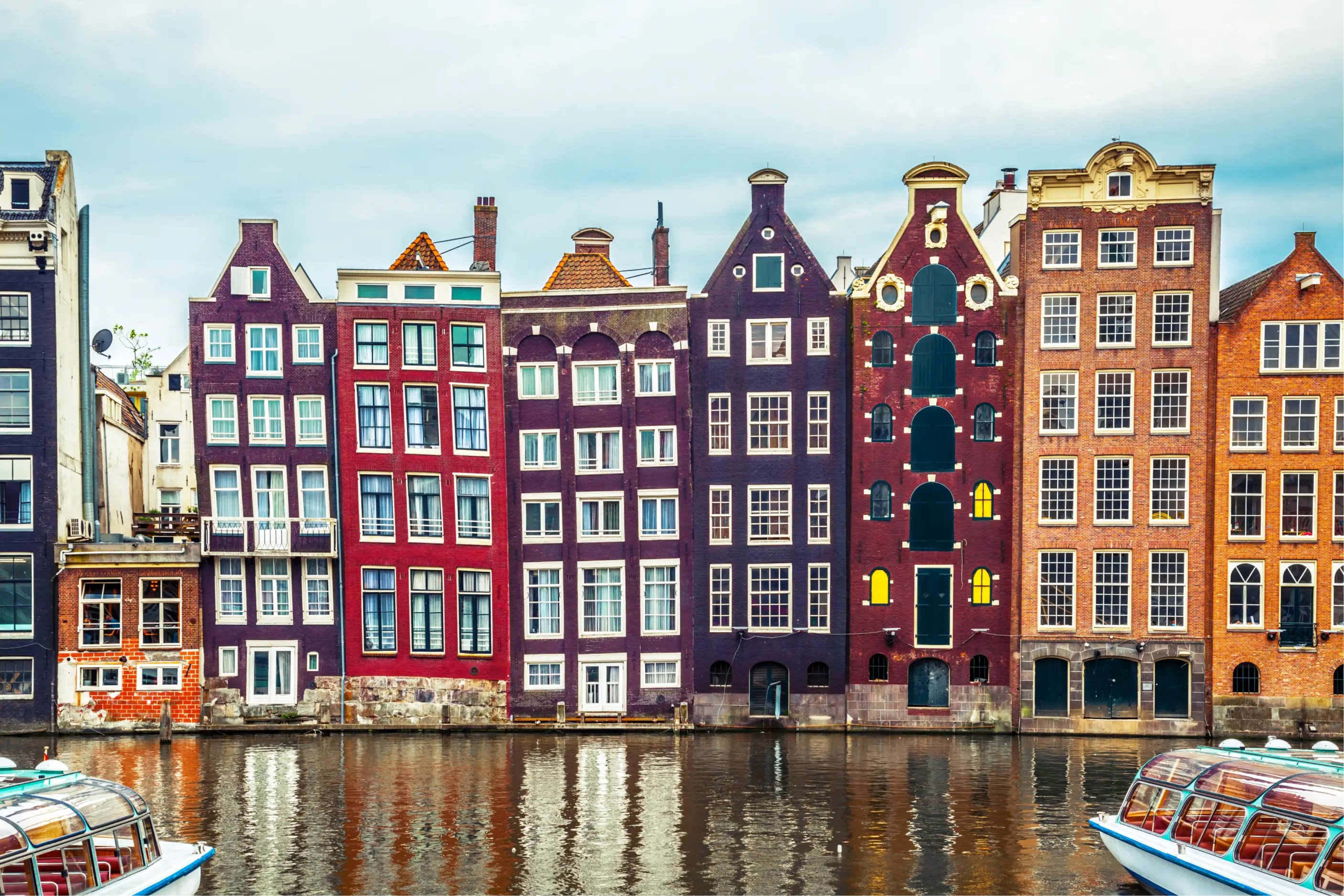
A waterside metropolis with a low-key vibe, a visit to Amsterdam is as fun and freewheeling as a fixed-gear bicycle. This is the city where you can let it all go. The streets of Amsterdam chime with bicycle bells and the laughter of people making their way between bars. Yellow wheels of cheese line shop windows, and in springtime, market stalls are abundant with the famous Dutch tulips. Younger than other cities in the Netherlands, Amsterdam sprang to life in the 17th century, when it became flush with trade from the Dutch colonies. From the gable tipped houses standing shoulder-to-shoulder on the canals to the Rembrandt paintings hanging on the walls of the Rijksmuseum, Amsterdam is strewn with relics from the Dutch Golden Age. Whether you rent a bicycle, float down a canal, or just sip on an amber-colored lager and watch the world go by, Amsterdam makes a lasting impression from start to finish.
Frankfurt
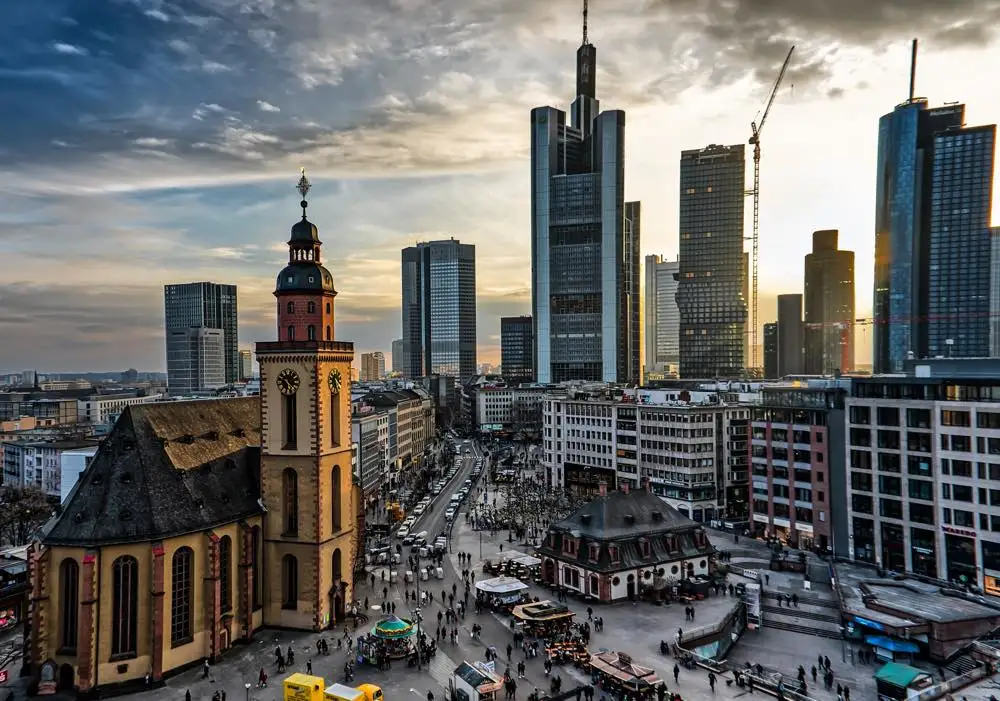
Dubbed ‘Mainhatten’ for its glass highrises, financial prowess, and proximity to the Main River, Frankfurt offers a fascinating glimpse into the ‘engine room’ of Europe’s economy with an unexpected twist. Among the glass and steel buildings, the old-worldly Römerberg square will give you a double-take. The square’s 15th-century half-timbered houses, old statues, and church spires contrast dramatically against the modern 21st-century skyscrapers beyond. If you visit at Christmas, the Römerberg is truly special, aglow with the light of the tallest Christmas tree in Germany. The square fills with stalls selling handicrafts, and the air is scented with hot apple wine, honey, and cinnamon. Delve deeper into Frankfurt and you’ll find a substantial museum district, the Museumsufer (Museum Embankment). This area features a cluster of twelve museums on either side of Main River. This includes the Städel, home to Tischbein’s famous painting of renowned writer Johann Wolfgang von Goethe, one of Frankfurt’s most prestigious sons. The more time you spend in Frankfurt, the more you’ll discover a highly cultured city lurking beneath its glass facades. If you have the time, Frankfurt is certainly worth a second look.
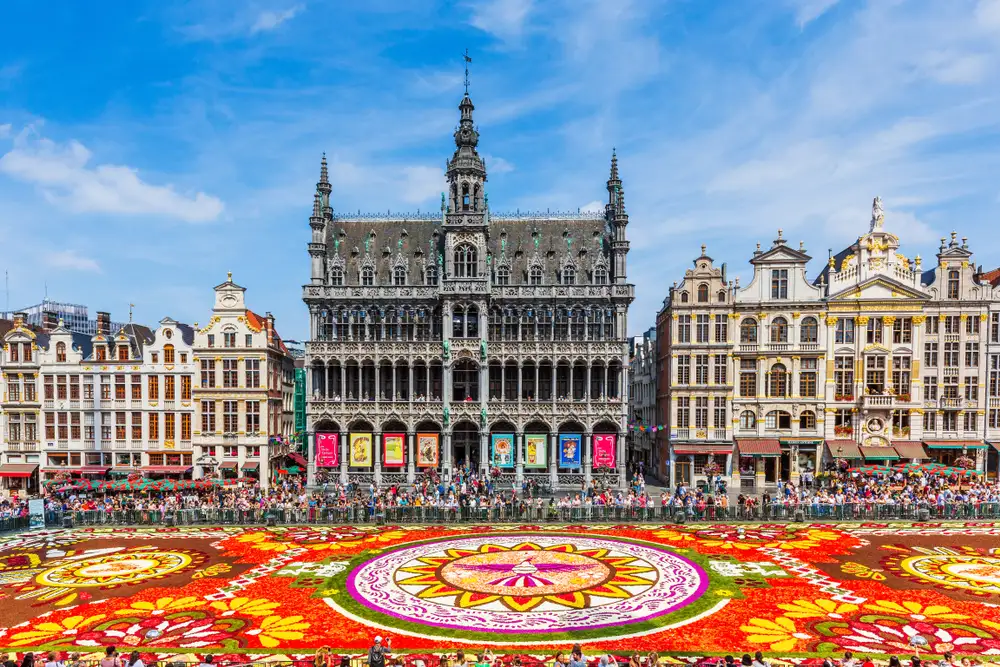
Brussels
It feels as though everything in Brussels is tinted with gold. From the gilded rooftops of the old houses on the Grand Palace to the foil-wrapped bonbons piled in chocolatier windows, Brussels seems to sparkle and wink at you around every corner. Aside from the lustrous architecture and Trappist ales, this shiny city is probably still best known for its iconic street food options: salty, golden fries, and fluffy, honey-colored waffles. While a major political center, home of the EU and NATO, don’t be fooled by Brussels stern ‘Eurocratic’ facade. Brussels revels in cheeky humor and mischief. So much so, Brussel’s beloved mascot, the ‘Manneken Pis’, is a statue of a small child urinating into a fountain. The city takes great pleasure in dressing this statue in festive-themed costumes. It’s no surprise that the artist Magritte, one of the great visual tricksters of the 20th century, called Brussels home. After a few days exploring the city, and taking in its sights and scenes, you’re sure to come away smiling.
Cologne
As you travel through Western Germany, Cologne is a cheerful, fun city to stop for a night or two. Flanking both sides of the Rhine river, Cologne's delightful architectural pastiche reflects the breezy anything-goes attitude of its inhabitants. Like most German cities, Cologne took a hit during WWII, losing some of its old-world buildings and neighborhoods. However, thanks to the endurance of the Cologne Cathedral and iconic Hohenzollern Bridge, the city has kept its identity close to hand. Sometimes quite literally in the form of a glass of sparkling Kölsch local beer. A visit to Cologne should always include paying a call to its eponymous Cathedral. A sensational, Gothic behemoth of a building and a UNESCO Heritage Site, Cologne Cathedral will get you right in the heart, humbling all who enter it. Just outside the cathedral, the Hohenzollern Bridge spans the Rhine, with three iron truss arches looping over the river like the bounces of a skimming stone. After wandering the riverside, if you're looking for some indulgence, Cologne's Chocolate Museum is an eternally popular choice. Maybe you'll be under the influence of the cocoa, but at the end of a day in Cologne, life can seem pretty sweet.
Paris
The magic of Paris is undeniable. This is the most romantic destination in Europe, and surely the number one bucket list destination of all time. If you want to say you've traveled, you have to visit Paris at least once. Along with classic must-sees like the Eiffel Tower and the Sacre-Coeur, there is so much to see and do in Paris that it helps to narrow it down by interest. Fashion and shopping enthusiast? Look no further than the Galeries Lafayette, Avenue des Champs-Élysées, or the Marais. Art aficionado? Once you're done with the Louvre, make a start on the Musée d'Orsay. History buffs won't be able to walk a block without uncovering a monument to Napoleon or Louis XIV. If you visit Paris with a foodie, be warned — you'll gaze in a lot of patisserie windows, and sample your weight in croissants. Because Paris always has so much on offer, it never grows old. At dusk, as you stroll the wide boulevards past Haussmann apartment buildings and sharply dressed Parisians, or gaze down at the city from the hill at Montmarte, you might find yourself saying 'Paris Je t' aime'. This is, after all, the City of Love.
Bruges
Bruges, nestled in the heart of West Flanders, is a city that invites quiet reflection as much as admiration. Its beauty lies not in grand displays, but in its timeless rhythm—canals that gently mirror the sky, stepped gables leaning softly into cobbled streets, and echoes of medieval life that still shape the present. This is a place where daily life blends seamlessly with history, and where simple moments—a bike ride at dawn, church bells across the rooftops—leave a lasting impression. As dusk falls, Bruges glows with a soft, golden hush. The crowds thin, lights flicker on behind old windows, and the city feels less like a destination and more like a reverie. It’s a place not just to see, but to absorb—quietly magical and endlessly human.
Amsterdam
A waterside metropolis with a low-key vibe, a visit to Amsterdam is as fun and freewheeling as a fixed-gear bicycle. This is the city where you can let it all go. The streets of Amsterdam chime with bicycle bells and the laughter of people making their way between bars. Yellow wheels of cheese line shop windows, and in springtime, market stalls are abundant with the famous Dutch tulips. Younger than other cities in the Netherlands, Amsterdam sprang to life in the 17th century, when it became flush with trade from the Dutch colonies. From the gable tipped houses standing shoulder-to-shoulder on the canals to the Rembrandt paintings hanging on the walls of the Rijksmuseum, Amsterdam is strewn with relics from the Dutch Golden Age. Whether you rent a bicycle, float down a canal, or just sip on an amber-colored lager and watch the world go by, Amsterdam makes a lasting impression from start to finish.
Frankfurt
Dubbed ‘Mainhatten’ for its glass highrises, financial prowess, and proximity to the Main River, Frankfurt offers a fascinating glimpse into the ‘engine room’ of Europe’s economy with an unexpected twist. Among the glass and steel buildings, the old-worldly Römerberg square will give you a double-take. The square’s 15th-century half-timbered houses, old statues, and church spires contrast dramatically against the modern 21st-century skyscrapers beyond. If you visit at Christmas, the Römerberg is truly special, aglow with the light of the tallest Christmas tree in Germany. The square fills with stalls selling handicrafts, and the air is scented with hot apple wine, honey, and cinnamon. Delve deeper into Frankfurt and you’ll find a substantial museum district, the Museumsufer (Museum Embankment). This area features a cluster of twelve museums on either side of Main River. This includes the Städel, home to Tischbein’s famous painting of renowned writer Johann Wolfgang von Goethe, one of Frankfurt’s most prestigious sons. The more time you spend in Frankfurt, the more you’ll discover a highly cultured city lurking beneath its glass facades. If you have the time, Frankfurt is certainly worth a second look.
Brussels
It feels as though everything in Brussels is tinted with gold. From the gilded rooftops of the old houses on the Grand Palace to the foil-wrapped bonbons piled in chocolatier windows, Brussels seems to sparkle and wink at you around every corner. Aside from the lustrous architecture and Trappist ales, this shiny city is probably still best known for its iconic street food options: salty, golden fries, and fluffy, honey-colored waffles. While a major political center, home of the EU and NATO, don’t be fooled by Brussels stern ‘Eurocratic’ facade. Brussels revels in cheeky humor and mischief. So much so, Brussel’s beloved mascot, the ‘Manneken Pis’, is a statue of a small child urinating into a fountain. The city takes great pleasure in dressing this statue in festive-themed costumes. It’s no surprise that the artist Magritte, one of the great visual tricksters of the 20th century, called Brussels home. After a few days exploring the city, and taking in its sights and scenes, you’re sure to come away smiling.
Hi! Need help planning your dream trip? 🌍
Go Real Travel Assistant
OnlineWelcome! Where are you in your journey?
Pick the option that fits you best so we can route you to the right help.