Overview
Overview
Overview
Overview
Overview
This website uses ‘cookies’ to give you the best, most relevant experience. By using this website, you consent to our Privacy Policy
×Overview

Trip Map
Itinerary
Inclusions
Reviews


Must see sights


Starting from
per person
Enter your details to embark on a journey that can be tailored just for you.
Start
Travelers
Preferred Hotel Stars
Select your interests and destinations for a trip plan inspired by you.
| ← | Move left |
| → | Move right |
| ↑ | Move up |
| ↓ | Move down |
| + | Zoom in |
| - | Zoom out |
| Home | Jump left by 75% |
| End | Jump right by 75% |
| Page Up | Jump up by 75% |
| Page Down | Jump down by 75% |


Click To Make Map Interactive
Overview
Overview
Overview
Overview
OverviewArrival
2 nights
Berlin
Germany
Train: 4.5h
Train: 2.5h
4 nights
Amsterdam
Netherlands
Departure

Day 1
Arrive Berlin
Day 1
Arrive Berlin
Late Afternoon/Early Evening
With booming 19th-century population growth, nearly every unoccupied space in Berlin was filled by tenement buildings surrounding small courtyards. The Spandauer Vorstadt neighborhood possesses some of Berlin’s most beautiful courtyards, the Hackesche Höfe, as well as other courtyards which better recall the crowded conditions of industrial Berlin. Here you can discover the partially reconstructed New Synagogue, the former site of the Jewish cemetery, and many hidden reminders of a once vibrant community.

Explore a traditional Berlin alleyway courtyard which harbours a trio of small museums relating to the Jewish experience during WWII.
Show More
Visit one of the most important legacies of Berlin's pre-Holocaust Jewish community.
Show More
Browse the gallery to see some of the highlights

Stop for a drink or go shopping within Berlin’s most beautiful courtyards.
Show More
Explore a traditional Berlin alleyway courtyard which harbours a trio of small museums relating to the Jewish experience during WWII.
Show More
Visit one of the most important legacies of Berlin's pre-Holocaust Jewish community.
Show More
Browse the gallery to see some of the highlights

Stop for a drink or go shopping within Berlin’s most beautiful courtyards.
Show More
Day 1
Arrive Berlin

Day 1
Arrive Berlin
To Be Determined:
Airport Transfer
Mid-Day/Afternoon:
TV Tower & Old Berlin
Late Afternoon/Early Evening:
Courtyards of Berlin


Haus Schwarzenberg
Highlight of Courtyards of BerlinExplore a traditional Berlin alleyway courtyard which harbours a trio of small museums relating to the Jewish experience during WWII.
The courtyard's crumbling and grafittied facades give visitors a feel for Berlin tenement life during the late 19th and early 20th centuries. Among the museums is the fascinating Museum Blindenwerkstatt Otto Wendt (free; open 10am-8pm daily). It is located in the former rooms of a broom and brush factory run by one Otto Wendt, whose employees were mainly deaf, blind and Jewish. He managed to protect his workers from the concentration camps by having the factory declared essential to the war effort.


New Synagogue
Highlight of Courtyards of BerlinVisit one of the most important legacies of Berlin's pre-Holocaust Jewish community.
The partially reconstructed synagogue was damaged on Kristallnacht, an anti-Jewish Nazi pogrom. It was not completely destroyed thanks to the intervention of the local police chief. Its ultimate destruction was left to Allied bombers and reconstruction didn’t begin until the late 1980s. While large parts remain unreconstructed, it is still possible to visit the interior.


Courtyards of Berlin
OverviewCourtyards of Berlin
With booming 19th-century population growth, nearly every unoccupied space in Berlin was filled by tenement buildings surrounding small courtyards. The Spandauer Vorstadt neighborhood possesses some of Berlin’s most beautiful courtyards, the Hackesche Höfe, as well as other courtyards which better recall the crowded conditions of industrial Berlin. Here you can discover the partially reconstructed New Synagogue, the former site of the Jewish cemetery, and many hidden reminders of a once vibrant community.


Hackesche Höfe
Highlight of Courtyards of BerlinStop for a drink or go shopping within Berlin’s most beautiful courtyards.
These nine courtyards are classic examples of Art Deco. Built in 1905-1907 to house businesses, flats and places of entertainment, Hackesche Höfe was conceived of as an antidote to the dowdy and overcrowded courtyards of working-class Berlin. They are elaborately decorated with blue mosaic tiles and other artistic finishes, but nevertheless preserve a layout that was highly typical of much of pre-war Berlin.


Haus Schwarzenberg
Highlight of Courtyards of BerlinExplore a traditional Berlin alleyway courtyard which harbours a trio of small museums relating to the Jewish experience during WWII.
The courtyard's crumbling and grafittied facades give visitors a feel for Berlin tenement life during the late 19th and early 20th centuries. Among the museums is the fascinating Museum Blindenwerkstatt Otto Wendt (free; open 10am-8pm daily). It is located in the former rooms of a broom and brush factory run by one Otto Wendt, whose employees were mainly deaf, blind and Jewish. He managed to protect his workers from the concentration camps by having the factory declared essential to the war effort.


New Synagogue
Highlight of Courtyards of BerlinVisit one of the most important legacies of Berlin's pre-Holocaust Jewish community.
The partially reconstructed synagogue was damaged on Kristallnacht, an anti-Jewish Nazi pogrom. It was not completely destroyed thanks to the intervention of the local police chief. Its ultimate destruction was left to Allied bombers and reconstruction didn’t begin until the late 1980s. While large parts remain unreconstructed, it is still possible to visit the interior.


Courtyards of Berlin
OverviewCourtyards of Berlin
With booming 19th-century population growth, nearly every unoccupied space in Berlin was filled by tenement buildings surrounding small courtyards. The Spandauer Vorstadt neighborhood possesses some of Berlin’s most beautiful courtyards, the Hackesche Höfe, as well as other courtyards which better recall the crowded conditions of industrial Berlin. Here you can discover the partially reconstructed New Synagogue, the former site of the Jewish cemetery, and many hidden reminders of a once vibrant community.


Hackesche Höfe
Highlight of Courtyards of BerlinStop for a drink or go shopping within Berlin’s most beautiful courtyards.
These nine courtyards are classic examples of Art Deco. Built in 1905-1907 to house businesses, flats and places of entertainment, Hackesche Höfe was conceived of as an antidote to the dowdy and overcrowded courtyards of working-class Berlin. They are elaborately decorated with blue mosaic tiles and other artistic finishes, but nevertheless preserve a layout that was highly typical of much of pre-war Berlin.

Haus Schwarzenberg
Highlight of Courtyards of BerlinExplore a traditional Berlin alleyway courtyard which harbours a trio of small museums relating to the Jewish experience during WWII.
The courtyard's crumbling and grafittied facades give visitors a feel for Berlin tenement life during the late 19th and early 20th centuries. Among the museums is the fascinating Museum Blindenwerkstatt Otto Wendt (free; open 10am-8pm daily). It is located in the former rooms of a broom and brush factory run by one Otto Wendt, whose employees were mainly deaf, blind and Jewish. He managed to protect his workers from the concentration camps by having the factory declared essential to the war effort.

New Synagogue
Highlight of Courtyards of BerlinVisit one of the most important legacies of Berlin's pre-Holocaust Jewish community.
The partially reconstructed synagogue was damaged on Kristallnacht, an anti-Jewish Nazi pogrom. It was not completely destroyed thanks to the intervention of the local police chief. Its ultimate destruction was left to Allied bombers and reconstruction didn’t begin until the late 1980s. While large parts remain unreconstructed, it is still possible to visit the interior.

Courtyards of Berlin
OverviewCourtyards of Berlin
With booming 19th-century population growth, nearly every unoccupied space in Berlin was filled by tenement buildings surrounding small courtyards. The Spandauer Vorstadt neighborhood possesses some of Berlin’s most beautiful courtyards, the Hackesche Höfe, as well as other courtyards which better recall the crowded conditions of industrial Berlin. Here you can discover the partially reconstructed New Synagogue, the former site of the Jewish cemetery, and many hidden reminders of a once vibrant community.

Hackesche Höfe
Highlight of Courtyards of BerlinStop for a drink or go shopping within Berlin’s most beautiful courtyards.
These nine courtyards are classic examples of Art Deco. Built in 1905-1907 to house businesses, flats and places of entertainment, Hackesche Höfe was conceived of as an antidote to the dowdy and overcrowded courtyards of working-class Berlin. They are elaborately decorated with blue mosaic tiles and other artistic finishes, but nevertheless preserve a layout that was highly typical of much of pre-war Berlin.

Haus Schwarzenberg
Highlight of Courtyards of BerlinExplore a traditional Berlin alleyway courtyard which harbours a trio of small museums relating to the Jewish experience during WWII.
The courtyard's crumbling and grafittied facades give visitors a feel for Berlin tenement life during the late 19th and early 20th centuries. Among the museums is the fascinating Museum Blindenwerkstatt Otto Wendt (free; open 10am-8pm daily). It is located in the former rooms of a broom and brush factory run by one Otto Wendt, whose employees were mainly deaf, blind and Jewish. He managed to protect his workers from the concentration camps by having the factory declared essential to the war effort.

New Synagogue
Highlight of Courtyards of BerlinVisit one of the most important legacies of Berlin's pre-Holocaust Jewish community.
The partially reconstructed synagogue was damaged on Kristallnacht, an anti-Jewish Nazi pogrom. It was not completely destroyed thanks to the intervention of the local police chief. Its ultimate destruction was left to Allied bombers and reconstruction didn’t begin until the late 1980s. While large parts remain unreconstructed, it is still possible to visit the interior.

Courtyards of Berlin
OverviewCourtyards of Berlin
With booming 19th-century population growth, nearly every unoccupied space in Berlin was filled by tenement buildings surrounding small courtyards. The Spandauer Vorstadt neighborhood possesses some of Berlin’s most beautiful courtyards, the Hackesche Höfe, as well as other courtyards which better recall the crowded conditions of industrial Berlin. Here you can discover the partially reconstructed New Synagogue, the former site of the Jewish cemetery, and many hidden reminders of a once vibrant community.

Hackesche Höfe
Highlight of Courtyards of BerlinStop for a drink or go shopping within Berlin’s most beautiful courtyards.
These nine courtyards are classic examples of Art Deco. Built in 1905-1907 to house businesses, flats and places of entertainment, Hackesche Höfe was conceived of as an antidote to the dowdy and overcrowded courtyards of working-class Berlin. They are elaborately decorated with blue mosaic tiles and other artistic finishes, but nevertheless preserve a layout that was highly typical of much of pre-war Berlin.

Day 2
Berlin
Day 2
Berlin
9:00 AM - 12:00 PM
On this 3 hour tour, your guide will show you the highlights of Berlin and help you understand what makes this city so unique. Sites visited will include the boulevard Unter den Linden, the Gendarmenmarkt, Check Point Charlie, remnants of the Berlin Wall, Potsdamer Platz, the Holocaust Memorial, the Brandenburg Gate, and the Reichstag.
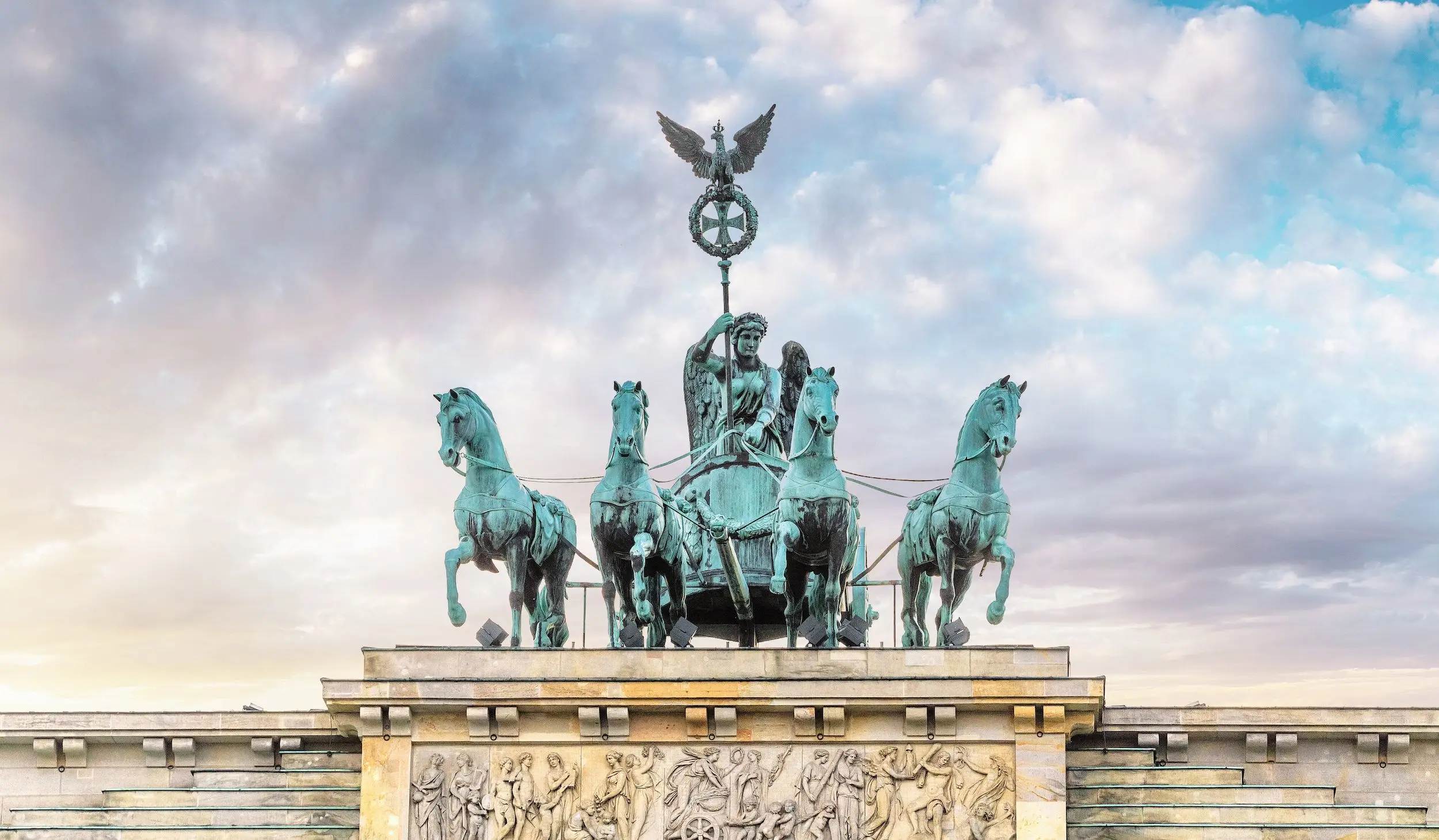
Quadriga. Hey, There's a Word to Know When Learning About this Historic Gate
Show More
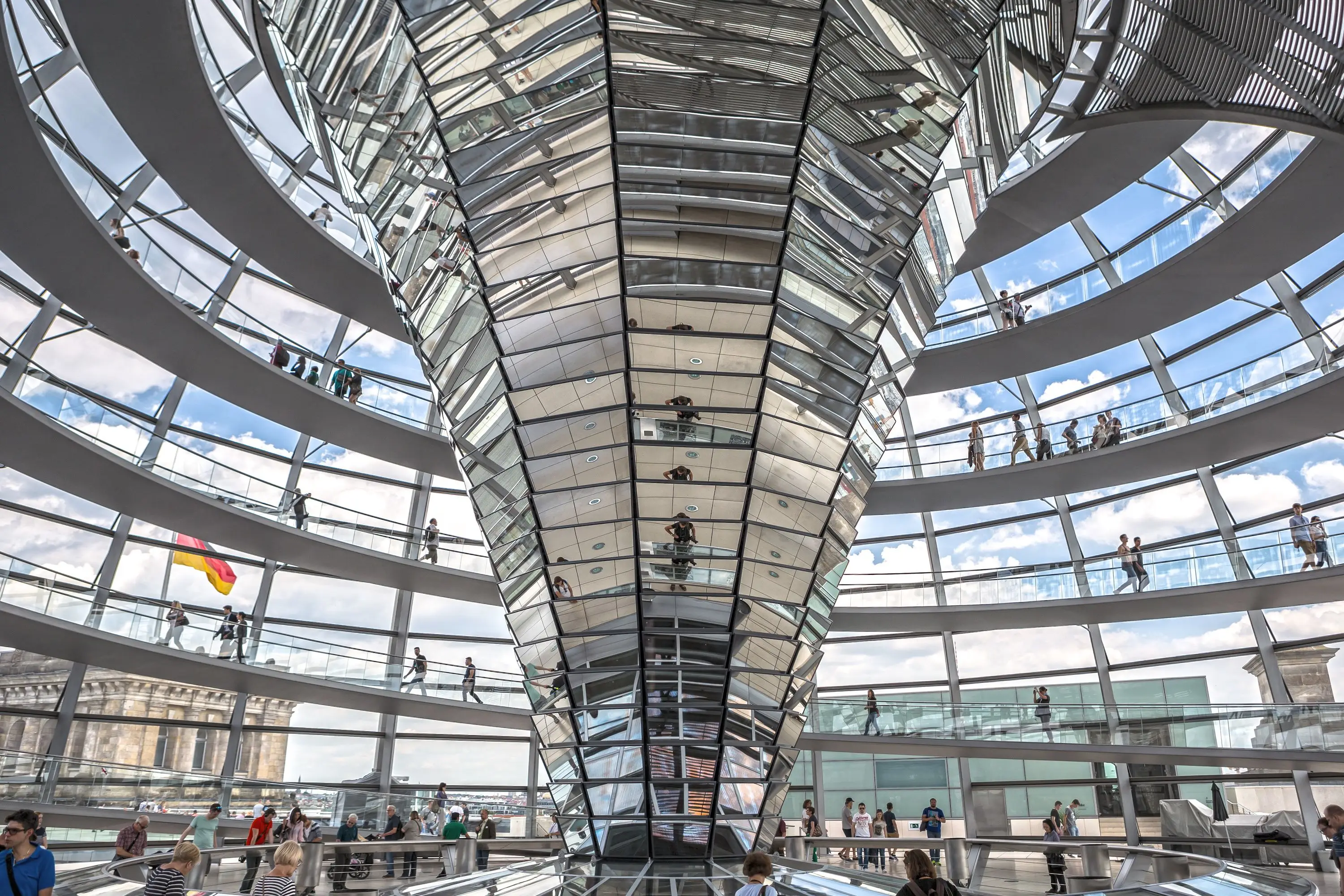
Make your way to the top of the dome enjoying amazing views and looking down at debating members of the German Parliament below.
Show More
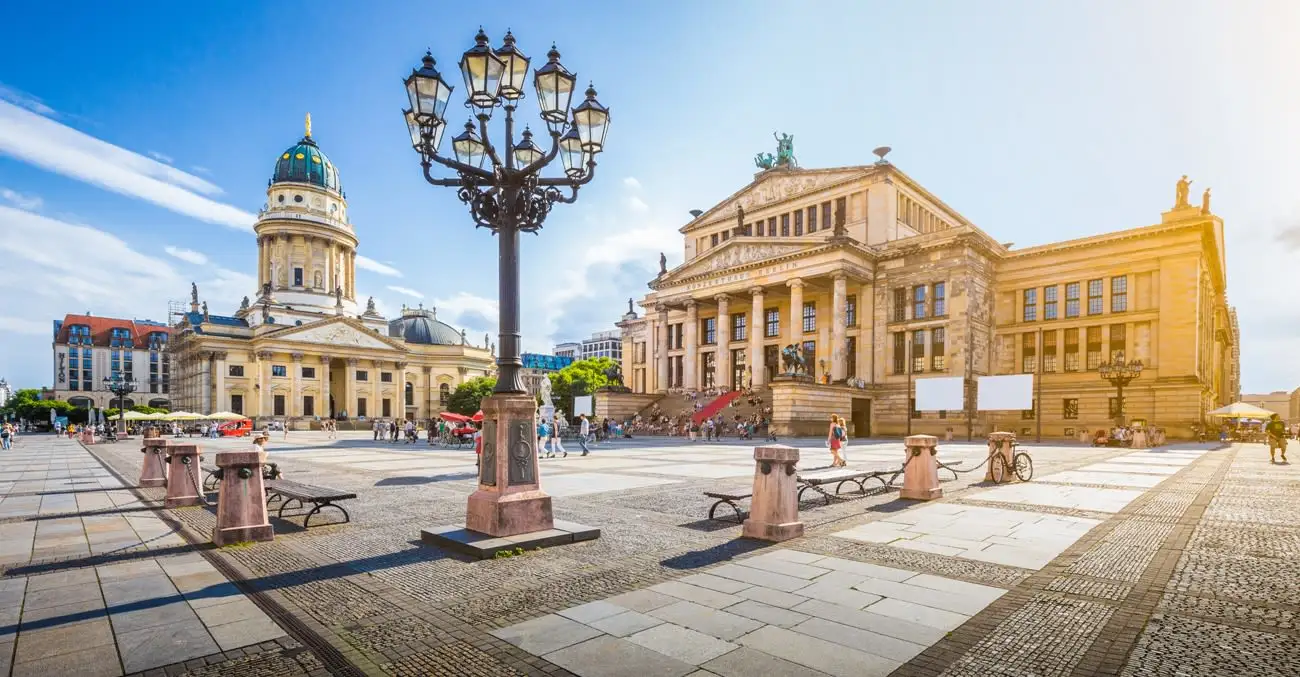
Browse the gallery to see some of the highlights

Quadriga. Hey, There's a Word to Know When Learning About this Historic Gate
Show More
Make your way to the top of the dome enjoying amazing views and looking down at debating members of the German Parliament below.
Show More
Browse the gallery to see some of the highlights

Quadriga. Hey, There's a Word to Know When Learning About this Historic Gate
Show More
Day 2
Berlin

Brandenburg Gate
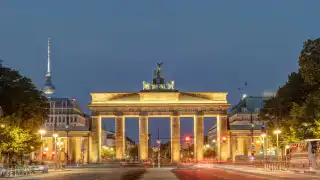
Highlight of Guided Walking Tour of BerlinQuadriga. Hey, There's a Word to Know When Learning About this Historic Gate
The Brandenburg Gate was built as a symbol of peace, perverted into a symbol of power by the Nazis, and became a symbol of division during the Cold War. Now, however, it is a symbol of reunification. Completed in 1791, it was topped by the quadriga, a chariot drawn by four horses driven by the goddess of peace. Napoleon seized the quadriga as a spoil of war, but after his defeat, it was returned to the city and met by cheering crowds along the way, transforming the goddess of peace into a goddess of victory, holding a Germanic cross.

Reichstag
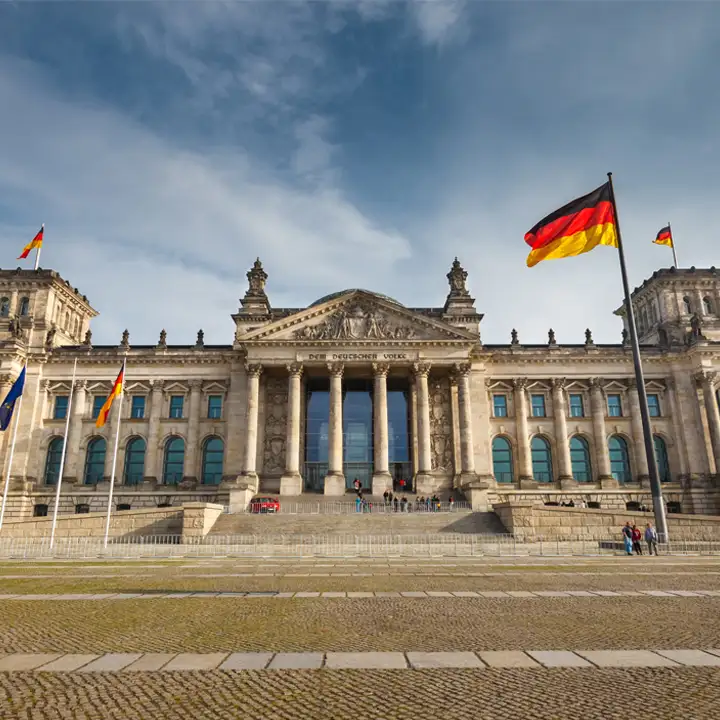
Highlight of Guided Walking Tour of BerlinMake your way to the top of the dome enjoying amazing views and looking down at debating members of the German Parliament below.
Officially, the Reichstag is actually the Bundestag, which means the federal parliament. The Reichstag was reduced to a ruined shell by arson in 1933 and by World War II fighting, but it was rebuilt with a striking egg-shaped glass dome. Visitors are given a free audio guide that discusses the building’s history and architecture, while also orientating you to the sites of Berlin. It is an excellent introduction to the city. Note that it is usually necessary to book well in advance!

Guided Walking Tour of Berlin
OverviewGuided Walking Tour of Berlin
On this 3 hour tour, your guide will show you the highlights of Berlin and help you understand what makes this city so unique. Sites visited will include the boulevard Unter den Linden, the Gendarmenmarkt, Check Point Charlie, remnants of the Berlin Wall, Potsdamer Platz, the Holocaust Memorial, the Brandenburg Gate, and the Reichstag.

Brandenburg Gate
Highlight of Guided Walking Tour of BerlinQuadriga. Hey, There's a Word to Know When Learning About this Historic Gate
The Brandenburg Gate was built as a symbol of peace, perverted into a symbol of power by the Nazis, and became a symbol of division during the Cold War. Now, however, it is a symbol of reunification. Completed in 1791, it was topped by the quadriga, a chariot drawn by four horses driven by the goddess of peace. Napoleon seized the quadriga as a spoil of war, but after his defeat, it was returned to the city and met by cheering crowds along the way, transforming the goddess of peace into a goddess of victory, holding a Germanic cross.

Reichstag
Highlight of Guided Walking Tour of BerlinMake your way to the top of the dome enjoying amazing views and looking down at debating members of the German Parliament below.
Officially, the Reichstag is actually the Bundestag, which means the federal parliament. The Reichstag was reduced to a ruined shell by arson in 1933 and by World War II fighting, but it was rebuilt with a striking egg-shaped glass dome. Visitors are given a free audio guide that discusses the building’s history and architecture, while also orientating you to the sites of Berlin. It is an excellent introduction to the city. Note that it is usually necessary to book well in advance!

Guided Walking Tour of Berlin
OverviewGuided Walking Tour of Berlin
On this 3 hour tour, your guide will show you the highlights of Berlin and help you understand what makes this city so unique. Sites visited will include the boulevard Unter den Linden, the Gendarmenmarkt, Check Point Charlie, remnants of the Berlin Wall, Potsdamer Platz, the Holocaust Memorial, the Brandenburg Gate, and the Reichstag.

Brandenburg Gate
Highlight of Guided Walking Tour of BerlinQuadriga. Hey, There's a Word to Know When Learning About this Historic Gate
The Brandenburg Gate was built as a symbol of peace, perverted into a symbol of power by the Nazis, and became a symbol of division during the Cold War. Now, however, it is a symbol of reunification. Completed in 1791, it was topped by the quadriga, a chariot drawn by four horses driven by the goddess of peace. Napoleon seized the quadriga as a spoil of war, but after his defeat, it was returned to the city and met by cheering crowds along the way, transforming the goddess of peace into a goddess of victory, holding a Germanic cross.

Day 3
Berlin to Amsterdam
Day 3
Berlin to Amsterdam
Morning
Once the hunting ground of the Prussian kings, the Tiergarten is Berlin’s most famous and expansive park. It is a wonderful escape from urban stress located in the very center of the city. You will discover beautiful forests, fields, and ponds, all easily reached through an extensive and well maintained network of trails. Some of Berlin's favorite beer gardens are also located in the park.

Take a Break in a Popular Beer Garden Nestled Within the Park.
Show More

Shop within the forest at Berlin’s best flea market.
Show More
Browse the gallery to see some of the highlights

Climb the historic column for a panoramic view of the city amidst a sea of green trees.
Show More
Take a Break in a Popular Beer Garden Nestled Within the Park.
Show More
Shop within the forest at Berlin’s best flea market.
Show More
Browse the gallery to see some of the highlights

Climb the historic column for a panoramic view of the city amidst a sea of green trees.
Show More
Day 3
Berlin to Amsterdam

Café am Neuen See
Highlight of TiergartenTake a Break in a Popular Beer Garden Nestled Within the Park.
Even if you don’t feel like stopping for a drink or a meal, it is still worth a quick peek just to experience the atmosphere. The location is absolutely ideal, surrounded by forest and looking over the lake with its many paddle boaters. There's a formal sit-down café on the terrace and a self-service beer garden, where sharing benches is expected and completely normal.

Trödel Markt
Highlight of TiergartenShop within the forest at Berlin’s best flea market.
If you are looking for a unique purchase then this is the place. The market takes place every weekend from 10am-5pm. Discover art, family heirlooms, furniture, clothing, souvenirs, food, and more.

Tiergarten
OverviewTiergarten
Once the hunting ground of the Prussian kings, the Tiergarten is Berlin’s most famous and expansive park. It is a wonderful escape from urban stress located in the very center of the city. You will discover beautiful forests, fields, and ponds, all easily reached through an extensive and well maintained network of trails. Some of Berlin's favorite beer gardens are also located in the park.

Victory Column
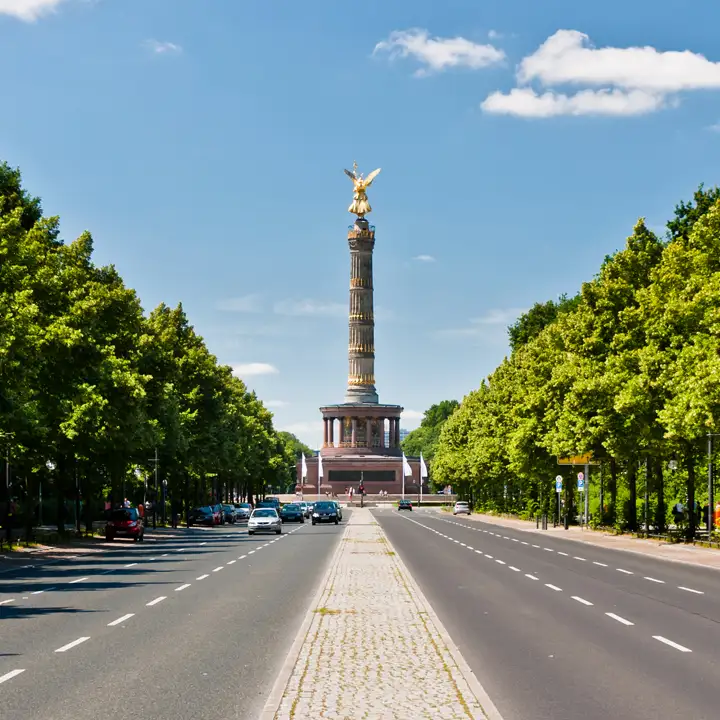
Highlight of TiergartenClimb the historic column for a panoramic view of the city amidst a sea of green trees.
One of Berlin’s most familiar sights, the column commemorates victories over Denmark, Austria, and France during the mid-19th century. These victories enabled the founding of the German Empire in 1871. It was moved to the current location on the express orders of Hitler.

Café am Neuen See
Highlight of TiergartenTake a Break in a Popular Beer Garden Nestled Within the Park.
Even if you don’t feel like stopping for a drink or a meal, it is still worth a quick peek just to experience the atmosphere. The location is absolutely ideal, surrounded by forest and looking over the lake with its many paddle boaters. There's a formal sit-down café on the terrace and a self-service beer garden, where sharing benches is expected and completely normal.

Trödel Markt
Highlight of TiergartenShop within the forest at Berlin’s best flea market.
If you are looking for a unique purchase then this is the place. The market takes place every weekend from 10am-5pm. Discover art, family heirlooms, furniture, clothing, souvenirs, food, and more.

Tiergarten
OverviewTiergarten
Once the hunting ground of the Prussian kings, the Tiergarten is Berlin’s most famous and expansive park. It is a wonderful escape from urban stress located in the very center of the city. You will discover beautiful forests, fields, and ponds, all easily reached through an extensive and well maintained network of trails. Some of Berlin's favorite beer gardens are also located in the park.

Victory Column
Highlight of TiergartenClimb the historic column for a panoramic view of the city amidst a sea of green trees.
One of Berlin’s most familiar sights, the column commemorates victories over Denmark, Austria, and France during the mid-19th century. These victories enabled the founding of the German Empire in 1871. It was moved to the current location on the express orders of Hitler.

Day 4
Amsterdam
Day 4
Amsterdam
9:00 AM - 1:00 PM
Enjoy an introduction to Amsterdam with this 4-hour private guided walking tour. After picking you up from your hotel, your professional guide will lead you past many of the city's highlights, including its center, as well as the Jordaan, the Grachtengordel, and the infamous Red-Light District. The guide will explain how all these feature in the city's history and contemporary life. Your guide will be happy to share some great tips for the rest of your stay.


Day 4
Amsterdam

Highlights Walking Tour
OverviewHighlights Walking Tour
Enjoy an introduction to Amsterdam with this 4-hour private guided walking tour. After picking you up from your hotel, your professional guide will lead you past many of the city's highlights, including its center, as well as the Jordaan, the Grachtengordel, and the infamous Red-Light District. The guide will explain how all these feature in the city's history and contemporary life. Your guide will be happy to share some great tips for the rest of your stay.

Highlights Walking Tour
OverviewHighlights Walking Tour
Enjoy an introduction to Amsterdam with this 4-hour private guided walking tour. After picking you up from your hotel, your professional guide will lead you past many of the city's highlights, including its center, as well as the Jordaan, the Grachtengordel, and the infamous Red-Light District. The guide will explain how all these feature in the city's history and contemporary life. Your guide will be happy to share some great tips for the rest of your stay.

Highlights Walking Tour
OverviewHighlights Walking Tour
Enjoy an introduction to Amsterdam with this 4-hour private guided walking tour. After picking you up from your hotel, your professional guide will lead you past many of the city's highlights, including its center, as well as the Jordaan, the Grachtengordel, and the infamous Red-Light District. The guide will explain how all these feature in the city's history and contemporary life. Your guide will be happy to share some great tips for the rest of your stay.

Highlights Walking Tour
OverviewHighlights Walking Tour
Enjoy an introduction to Amsterdam with this 4-hour private guided walking tour. After picking you up from your hotel, your professional guide will lead you past many of the city's highlights, including its center, as well as the Jordaan, the Grachtengordel, and the infamous Red-Light District. The guide will explain how all these feature in the city's history and contemporary life. Your guide will be happy to share some great tips for the rest of your stay.

Highlights Walking Tour
OverviewHighlights Walking Tour
Enjoy an introduction to Amsterdam with this 4-hour private guided walking tour. After picking you up from your hotel, your professional guide will lead you past many of the city's highlights, including its center, as well as the Jordaan, the Grachtengordel, and the infamous Red-Light District. The guide will explain how all these feature in the city's history and contemporary life. Your guide will be happy to share some great tips for the rest of your stay.

Day 5
Amsterdam
Day 5
Amsterdam
Morning
Arranged in a tight knot on the aptly named Museumplein, Amsterdam's premier world-class museums include the Van Gogh Museum (pre-booked tickets required), the Rijks Museum with its collection of Rembrandts, and the Stedelijk Museum of modern and contemporary art. The Amsterdam Diamond Museum is nearby as well. Choose to visit one or more of these wonderful cultural venues from the detailed descriptions provided in the Full Itinerary.
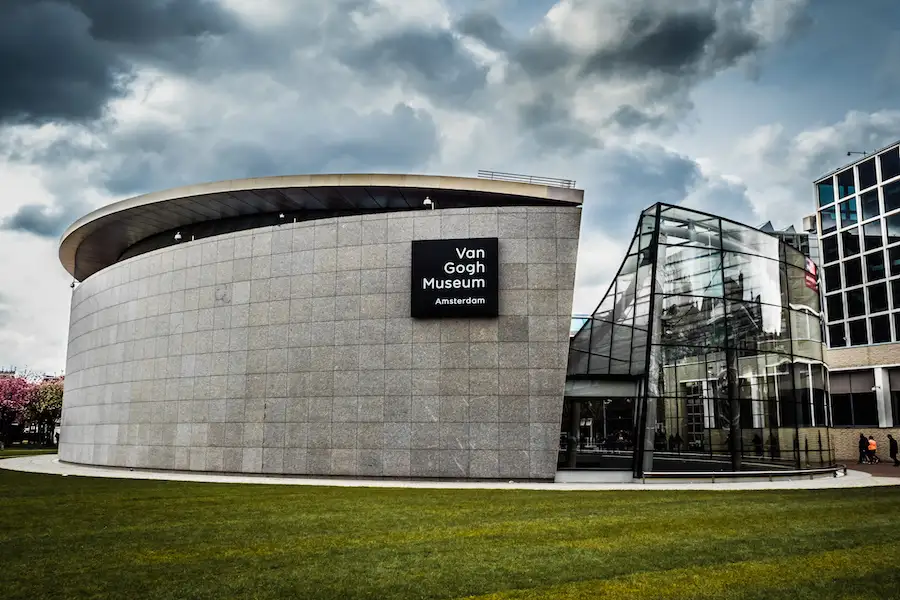
The Van Gogh Museum - How Can't You Be Impressed?
Show More
Contemporary in an Old City Can Be Beautiful Too
Show More
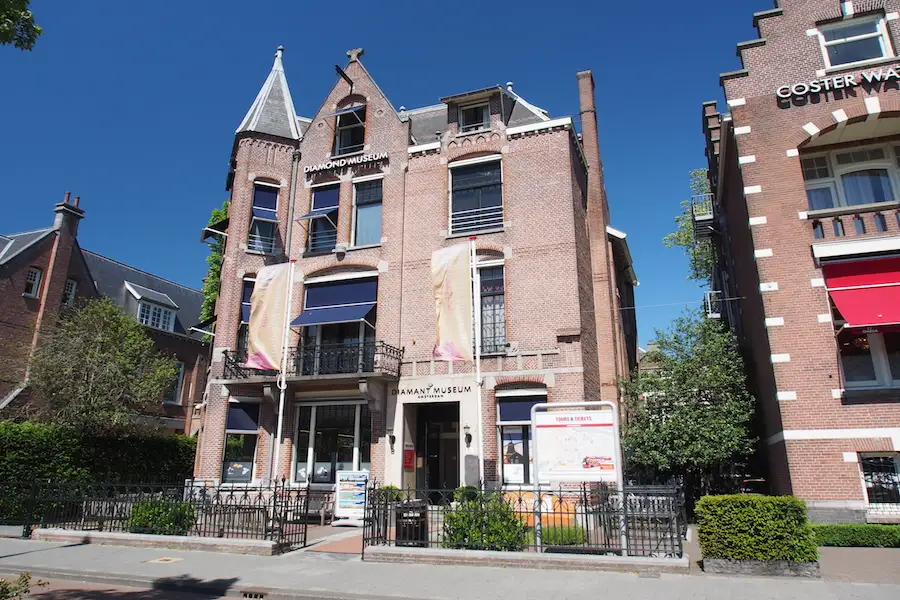
This museum will defintely make your eyes sparkle.
Show More
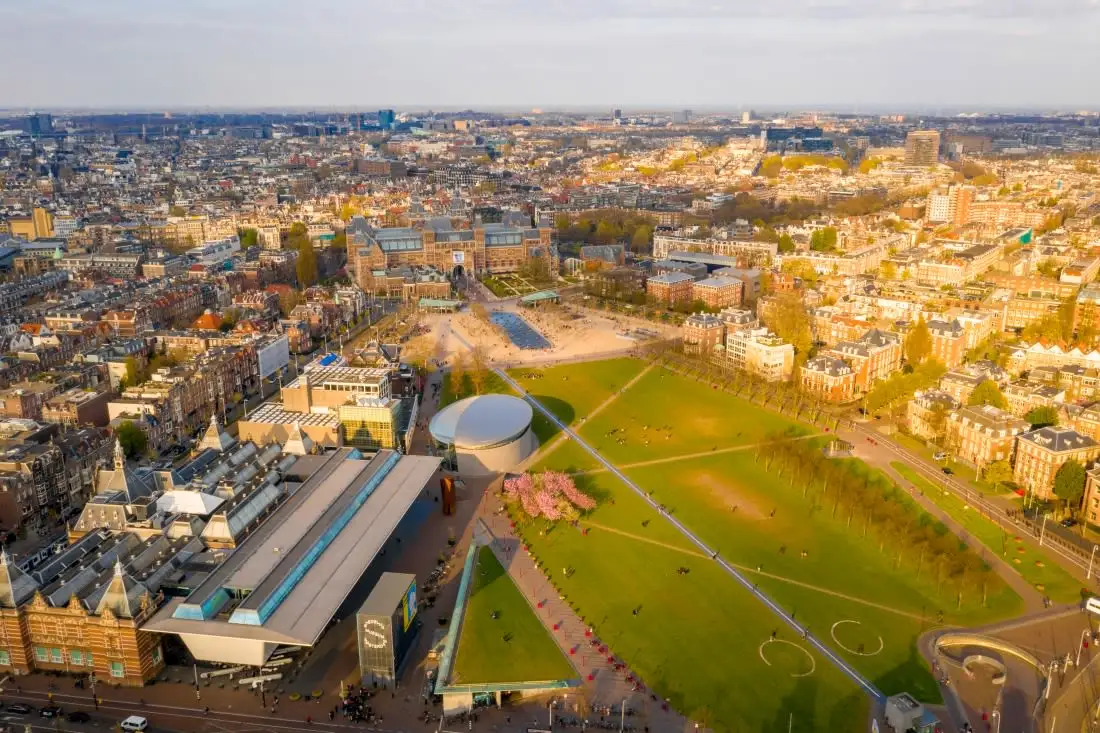
Browse the gallery to see some of the highlights

Find Tickets and Trinkets related to the Rijks- and Van Gogh Museums
Show More
The Van Gogh Museum - How Can't You Be Impressed?
Show More
Contemporary in an Old City Can Be Beautiful Too
Show More
This museum will defintely make your eyes sparkle.
Show More
Browse the gallery to see some of the highlights

Find Tickets and Trinkets related to the Rijks- and Van Gogh Museums
Show More
The Van Gogh Museum - How Can't You Be Impressed?
Show More
Day 5
Amsterdam

Van Gogh Museum
Highlight of Museum QuarterThe Van Gogh Museum - How Can't You Be Impressed?
Maybe no other artist since Michelangelo has touched the Western World as deeply as Vincent Van Gogh. His exhuberent palates of color, the frenetic pace at which he painted, the humanity of his subjects, not to mention the pathos of his own life, all combined to make unforgettable works - many of whic hare at this museum. Millions of words have been written about the man and his art; but somehow, seeing them live often leaves a person speechless.

Moco Museum
Highlight of Museum QuarterContemporary in an Old City Can Be Beautiful Too
The MoCo Museum dedicates itself to showcasing modern, cutting-edge works from some of the most influential artists of the 20th and 21st centuries. Situated in a renovated townhouse in the heart of Amsterdam, it offers a dynamic and engaging art experience, featuring both permanent and temporary exhibitions. Highlights include pieces by Maria Abramović, Banksy, Andy Warhol, and other iconic figures who have shaped the contemporary art scene. The museum's intimate scale allows for a personal exploration of the artworks

Diamond Museum
Highlight of Museum QuarterThis museum will defintely make your eyes sparkle.
The Diamant Museum in Amsterdam delves into this dazzling gem's history, highlighting Amsterdam's significance in the diamond industry since the 16th century. Simultaneously, it showcases its journey from raw stones to exquisite jewelry, emphasizing the art of diamond cutting and polishing, and, of course, features a collection of gems and artifacts,.

Museum Quarter
OverviewMuseum Quarter
Arranged in a tight knot on the aptly named Museumplein, Amsterdam's premier world-class museums include the Van Gogh Museum (pre-booked tickets required), the Rijks Museum with its collection of Rembrandts, and the Stedelijk Museum of modern and contemporary art. The Amsterdam Diamond Museum is nearby as well. Choose to visit one or more of these wonderful cultural venues from the detailed descriptions provided in the Full Itinerary.

Rijks Museum Shop
Highlight of Museum QuarterFind Tickets and Trinkets related to the Rijks- and Van Gogh Museums
Located on Museumplein (Museum Square), this convienent shop is operated by both museums to contend with the overflow at their respective ticket offices. Even this shop can become busy. However, if you don't plan on visiting the museums, but still want to pick up some souvenirs, this is your spot: both museums supply this store with their own merchandise.

Van Gogh Museum
Highlight of Museum QuarterThe Van Gogh Museum - How Can't You Be Impressed?
Maybe no other artist since Michelangelo has touched the Western World as deeply as Vincent Van Gogh. His exhuberent palates of color, the frenetic pace at which he painted, the humanity of his subjects, not to mention the pathos of his own life, all combined to make unforgettable works - many of whic hare at this museum. Millions of words have been written about the man and his art; but somehow, seeing them live often leaves a person speechless.

Moco Museum
Highlight of Museum QuarterContemporary in an Old City Can Be Beautiful Too
The MoCo Museum dedicates itself to showcasing modern, cutting-edge works from some of the most influential artists of the 20th and 21st centuries. Situated in a renovated townhouse in the heart of Amsterdam, it offers a dynamic and engaging art experience, featuring both permanent and temporary exhibitions. Highlights include pieces by Maria Abramović, Banksy, Andy Warhol, and other iconic figures who have shaped the contemporary art scene. The museum's intimate scale allows for a personal exploration of the artworks

Diamond Museum
Highlight of Museum QuarterThis museum will defintely make your eyes sparkle.
The Diamant Museum in Amsterdam delves into this dazzling gem's history, highlighting Amsterdam's significance in the diamond industry since the 16th century. Simultaneously, it showcases its journey from raw stones to exquisite jewelry, emphasizing the art of diamond cutting and polishing, and, of course, features a collection of gems and artifacts,.

Museum Quarter
OverviewMuseum Quarter
Arranged in a tight knot on the aptly named Museumplein, Amsterdam's premier world-class museums include the Van Gogh Museum (pre-booked tickets required), the Rijks Museum with its collection of Rembrandts, and the Stedelijk Museum of modern and contemporary art. The Amsterdam Diamond Museum is nearby as well. Choose to visit one or more of these wonderful cultural venues from the detailed descriptions provided in the Full Itinerary.

Rijks Museum Shop
Highlight of Museum QuarterFind Tickets and Trinkets related to the Rijks- and Van Gogh Museums
Located on Museumplein (Museum Square), this convienent shop is operated by both museums to contend with the overflow at their respective ticket offices. Even this shop can become busy. However, if you don't plan on visiting the museums, but still want to pick up some souvenirs, this is your spot: both museums supply this store with their own merchandise.

Van Gogh Museum
Highlight of Museum QuarterThe Van Gogh Museum - How Can't You Be Impressed?
Maybe no other artist since Michelangelo has touched the Western World as deeply as Vincent Van Gogh. His exhuberent palates of color, the frenetic pace at which he painted, the humanity of his subjects, not to mention the pathos of his own life, all combined to make unforgettable works - many of whic hare at this museum. Millions of words have been written about the man and his art; but somehow, seeing them live often leaves a person speechless.

Day 6
Amsterdam
Day 6
Amsterdam
Morning to Afternoon
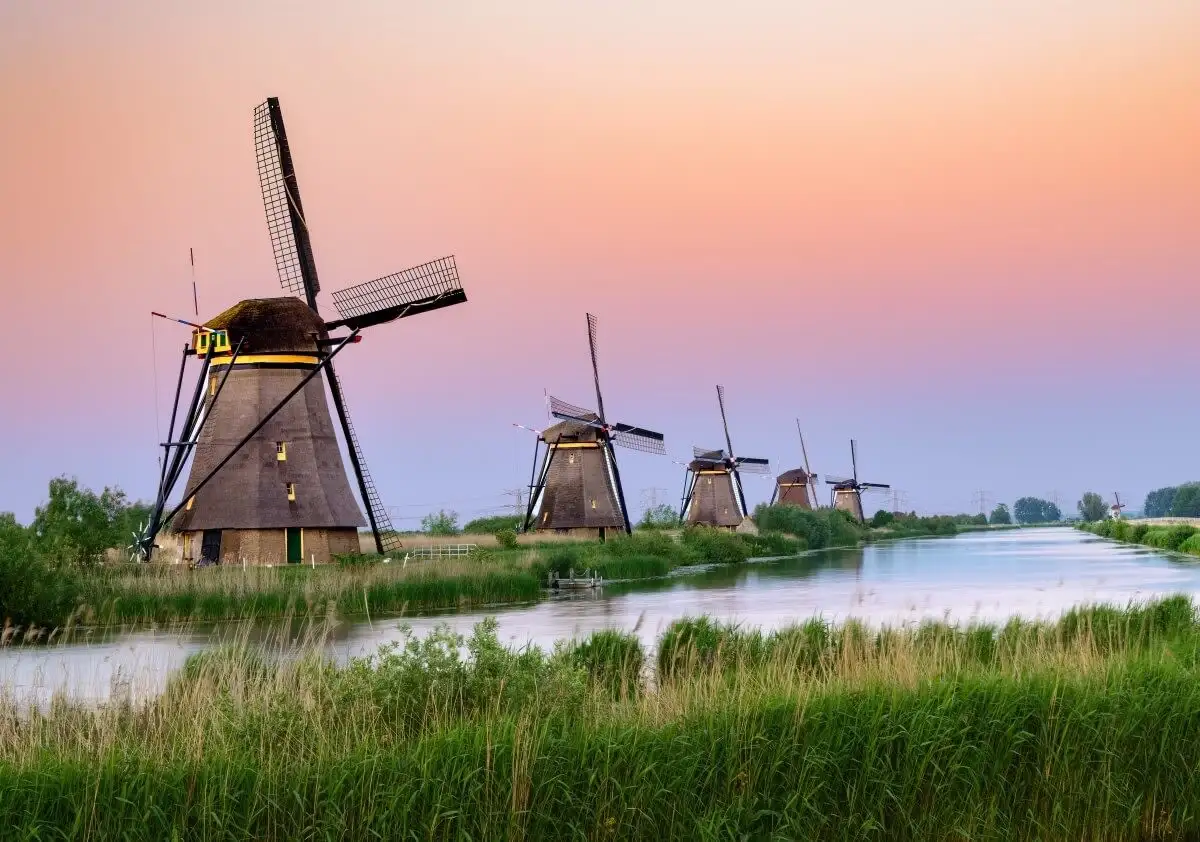
Zaanse Schans is one of the most popular day trips from Amsterdam, a panorama of features deemed quintessentially Dutch like windmills and wooden clogs. This well-preserved neighborhood feels like an open-air museum full of traditional Dutch handicrafts as the bakery museum offers freshly baked cookies and their free aromas. Clogs are still hewn here. You should not to miss the cheese factory, pewter foundry and the various windmills. In guarding these traditions Zaanse Schans has become immensely popular, and crowded at times. The neighborhood can seem a bit fantastical, and sometimes we want that on a holiday.


Day 6
Amsterdam

Zaanse Schans, Self Guided
OverviewZaanse Schans, Self Guided
Zaanse Schans is one of the most popular day trips from Amsterdam, a panorama of features deemed quintessentially Dutch like windmills and wooden clogs. This well-preserved neighborhood feels like an open-air museum full of traditional Dutch handicrafts as the bakery museum offers freshly baked cookies and their free aromas. Clogs are still hewn here. You should not to miss the cheese factory, pewter foundry and the various windmills. In guarding these traditions Zaanse Schans has become immensely popular, and crowded at times. The neighborhood can seem a bit fantastical, and sometimes we want that on a holiday.

Zaanse Schans, Self Guided
OverviewZaanse Schans, Self Guided
Zaanse Schans is one of the most popular day trips from Amsterdam, a panorama of features deemed quintessentially Dutch like windmills and wooden clogs. This well-preserved neighborhood feels like an open-air museum full of traditional Dutch handicrafts as the bakery museum offers freshly baked cookies and their free aromas. Clogs are still hewn here. You should not to miss the cheese factory, pewter foundry and the various windmills. In guarding these traditions Zaanse Schans has become immensely popular, and crowded at times. The neighborhood can seem a bit fantastical, and sometimes we want that on a holiday.

Zaanse Schans, Self Guided
OverviewZaanse Schans, Self Guided
Zaanse Schans is one of the most popular day trips from Amsterdam, a panorama of features deemed quintessentially Dutch like windmills and wooden clogs. This well-preserved neighborhood feels like an open-air museum full of traditional Dutch handicrafts as the bakery museum offers freshly baked cookies and their free aromas. Clogs are still hewn here. You should not to miss the cheese factory, pewter foundry and the various windmills. In guarding these traditions Zaanse Schans has become immensely popular, and crowded at times. The neighborhood can seem a bit fantastical, and sometimes we want that on a holiday.

Zaanse Schans, Self Guided
OverviewZaanse Schans, Self Guided
Zaanse Schans is one of the most popular day trips from Amsterdam, a panorama of features deemed quintessentially Dutch like windmills and wooden clogs. This well-preserved neighborhood feels like an open-air museum full of traditional Dutch handicrafts as the bakery museum offers freshly baked cookies and their free aromas. Clogs are still hewn here. You should not to miss the cheese factory, pewter foundry and the various windmills. In guarding these traditions Zaanse Schans has become immensely popular, and crowded at times. The neighborhood can seem a bit fantastical, and sometimes we want that on a holiday.

Zaanse Schans, Self Guided
OverviewZaanse Schans, Self Guided
Zaanse Schans is one of the most popular day trips from Amsterdam, a panorama of features deemed quintessentially Dutch like windmills and wooden clogs. This well-preserved neighborhood feels like an open-air museum full of traditional Dutch handicrafts as the bakery museum offers freshly baked cookies and their free aromas. Clogs are still hewn here. You should not to miss the cheese factory, pewter foundry and the various windmills. In guarding these traditions Zaanse Schans has become immensely popular, and crowded at times. The neighborhood can seem a bit fantastical, and sometimes we want that on a holiday.

Day 7
Depart Amsterdam
Day 7
Depart Amsterdam
To Be Determined
Amsterdam has one main airport, Amsterdam Airport Schiphol. The most affordable and often fastest way to reach the airport is by train. Local direct trains to the airport depart every ten minutes, usually from platform 14a or platform 15, and get you there in about 20 minutes. Your hotel can arrange a reliable taxi or if you have the app, Uber is also a good option. You can also arrange a private transfer. If you are picked up about two hours and 45 minutes before your departure time, you should arrive at the airport with about two hours to spare, depending on traffic. If you are leaving during rush hour, you may want to budget an extra fifteen to thirty minutes.


Day 7
Depart Amsterdam

Taxi Transfer to Airport
OverviewTaxi Transfer to Airport
Amsterdam has one main airport, Amsterdam Airport Schiphol. The most affordable and often fastest way to reach the airport is by train. Local direct trains to the airport depart every ten minutes, usually from platform 14a or platform 15, and get you there in about 20 minutes. Your hotel can arrange a reliable taxi or if you have the app, Uber is also a good option. You can also arrange a private transfer. If you are picked up about two hours and 45 minutes before your departure time, you should arrive at the airport with about two hours to spare, depending on traffic. If you are leaving during rush hour, you may want to budget an extra fifteen to thirty minutes.

Taxi Transfer to Airport
OverviewTaxi Transfer to Airport
Amsterdam has one main airport, Amsterdam Airport Schiphol. The most affordable and often fastest way to reach the airport is by train. Local direct trains to the airport depart every ten minutes, usually from platform 14a or platform 15, and get you there in about 20 minutes. Your hotel can arrange a reliable taxi or if you have the app, Uber is also a good option. You can also arrange a private transfer. If you are picked up about two hours and 45 minutes before your departure time, you should arrive at the airport with about two hours to spare, depending on traffic. If you are leaving during rush hour, you may want to budget an extra fifteen to thirty minutes.

Taxi Transfer to Airport
OverviewTaxi Transfer to Airport
Amsterdam has one main airport, Amsterdam Airport Schiphol. The most affordable and often fastest way to reach the airport is by train. Local direct trains to the airport depart every ten minutes, usually from platform 14a or platform 15, and get you there in about 20 minutes. Your hotel can arrange a reliable taxi or if you have the app, Uber is also a good option. You can also arrange a private transfer. If you are picked up about two hours and 45 minutes before your departure time, you should arrive at the airport with about two hours to spare, depending on traffic. If you are leaving during rush hour, you may want to budget an extra fifteen to thirty minutes.

Taxi Transfer to Airport
OverviewTaxi Transfer to Airport
Amsterdam has one main airport, Amsterdam Airport Schiphol. The most affordable and often fastest way to reach the airport is by train. Local direct trains to the airport depart every ten minutes, usually from platform 14a or platform 15, and get you there in about 20 minutes. Your hotel can arrange a reliable taxi or if you have the app, Uber is also a good option. You can also arrange a private transfer. If you are picked up about two hours and 45 minutes before your departure time, you should arrive at the airport with about two hours to spare, depending on traffic. If you are leaving during rush hour, you may want to budget an extra fifteen to thirty minutes.

Taxi Transfer to Airport
OverviewTaxi Transfer to Airport
Amsterdam has one main airport, Amsterdam Airport Schiphol. The most affordable and often fastest way to reach the airport is by train. Local direct trains to the airport depart every ten minutes, usually from platform 14a or platform 15, and get you there in about 20 minutes. Your hotel can arrange a reliable taxi or if you have the app, Uber is also a good option. You can also arrange a private transfer. If you are picked up about two hours and 45 minutes before your departure time, you should arrive at the airport with about two hours to spare, depending on traffic. If you are leaving during rush hour, you may want to budget an extra fifteen to thirty minutes.
Pre-Paid Tours and Activities:
Pre-Paid Transportation:
Accommodation:
Go Real Travel Mobile App:

7 Days

5 Days

5 Days

5 Days

9 Days
Capitals, Canals, and Castles: A 9-Day Tour of Amsterdam, Berlin, and Prague
Netherlands, Germany, Czech Republic

10 Days

21 Days
Jewels of Europe: Art, History and Waterways in Paris, Amsterdam, Berlin, Prague, Vienna & Budapest
France, Netherlands, Germany, Czech Republic, Austria, Hungary

21 Days
Canals, Castles, and Culture: A Three-Week Journey in the Netherlands & Germany
Netherlands, Germany

5 Days

7 Days

5 Days

5 Days

5 Days

9 Days
Capitals, Canals, and Castles: A 9-Day Tour of Amsterdam, Berlin, and Prague
Netherlands, Germany, Czech Republic

10 Days

21 Days
Jewels of Europe: Art, History and Waterways in Paris, Amsterdam, Berlin, Prague, Vienna & Budapest
France, Netherlands, Germany, Czech Republic, Austria, Hungary

21 Days
Canals, Castles, and Culture: A Three-Week Journey in the Netherlands & Germany
Netherlands, Germany

5 Days


Nearly every wall and rooftop in Dresden seems to be finished with a flourish. Defined by its ornamental baroque architecture, a power statement of Saxon royalty, Dresden is made all the more miraculous considering the city was leveled by firebombing in WWII. After the war, the city was reconstructed, brick by painstaking brick. Even under East German-Soviet rule, which usually eschewed frivolous design, buildings like the Semper Opera House were pieced back to their former glory. Restoration of the majestic Zwinger Palace and bell domed Church of Our Lady slowly followed, with the Frauenkirche only fully repaired in 2005. Arguably there is no other city in Europe that cherishes its hard-won architecture as much as Dresden. Although it is a compact city, so many of its buildings will stop you in your tracks that architecture fans will easily lose a whole day in the Old Town area. Especially during the winter months, Dresden sparkles with a joyous, uplifting ambiance. The city is recognized as having the best-ever Christmas market in all of Europe. Between the twinkling lights, the scent of hot wine and gingerbread, and the towering Christmas tree, it’s worth going out of your way to see Dresden at this time of year.
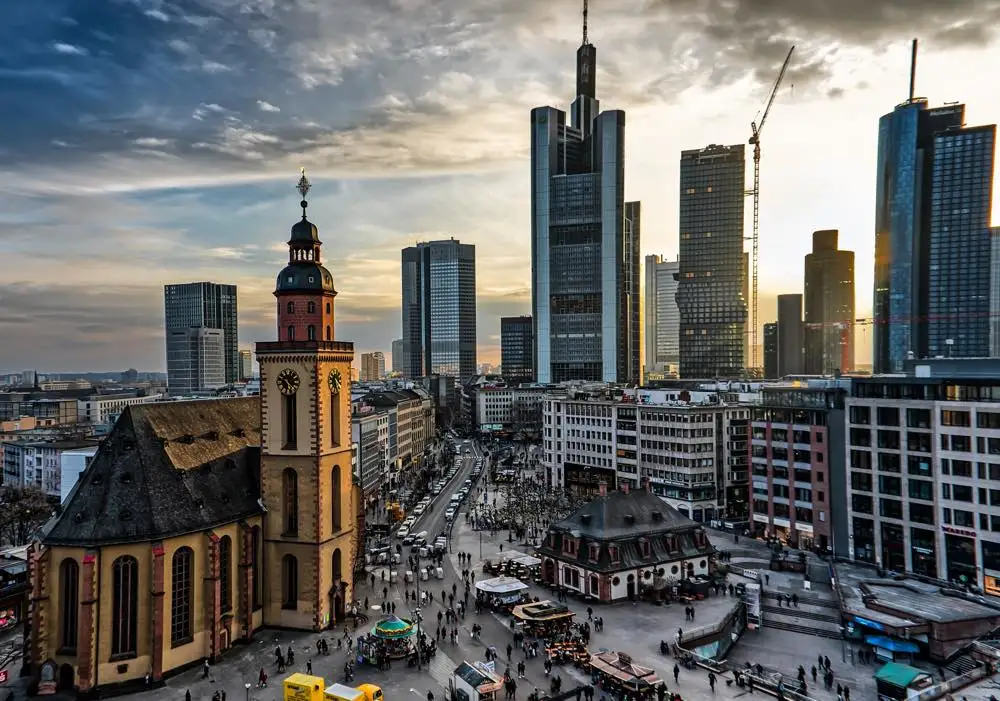
Dubbed ‘Mainhatten’ for its glass highrises, financial prowess, and proximity to the Main River, Frankfurt offers a fascinating glimpse into the ‘engine room’ of Europe’s economy with an unexpected twist. Among the glass and steel buildings, the old-worldly Römerberg square will give you a double-take. The square’s 15th-century half-timbered houses, old statues, and church spires contrast dramatically against the modern 21st-century skyscrapers beyond. If you visit at Christmas, the Römerberg is truly special, aglow with the light of the tallest Christmas tree in Germany. The square fills with stalls selling handicrafts, and the air is scented with hot apple wine, honey, and cinnamon. Delve deeper into Frankfurt and you’ll find a substantial museum district, the Museumsufer (Museum Embankment). This area features a cluster of twelve museums on either side of Main River. This includes the Städel, home to Tischbein’s famous painting of renowned writer Johann Wolfgang von Goethe, one of Frankfurt’s most prestigious sons. The more time you spend in Frankfurt, the more you’ll discover a highly cultured city lurking beneath its glass facades. If you have the time, Frankfurt is certainly worth a second look.
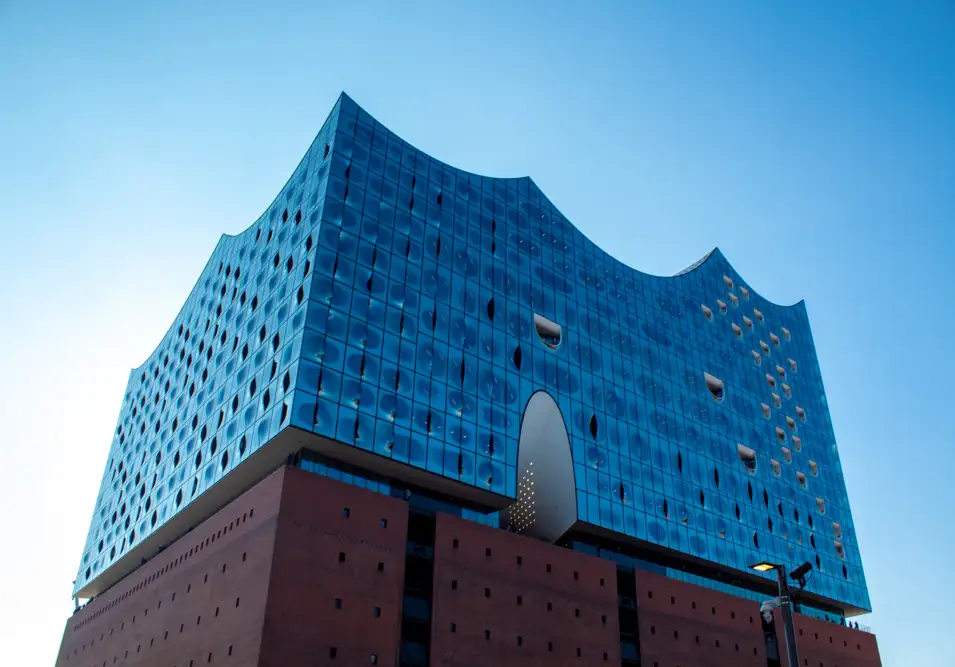
Compared to other German cities, Hamburg has a moody, nautical charisma all of its own. Despite being battered throughout history by floods, fires, and bombs, Hamburg has always held its head up high. Resilience is in the air in Hamburg, along with the briny smell of the North Sea. In recent years Hamburg has garnered a reputation for commerce and nightlife. Frequent travelers whisper that Hamburg is Germany’s ‘undiscovered’ city, the place to go for a little business and a lot of fun. Known as Germany’s ‘gateway to the world’, ships dock in Hamburg as they haul cargo up and down the Elbe River. The city thrives as Germany’s primary seaport and has been a center of trade since the middle ages. Its affluence shows in the 19th-century brick warehouses, flourishing restaurant scene, and recently constructed Elbphilharmonie concert hall, which floats majestically in the harbor, part ship and part island. Hamburg is a city for those who like to live large - in a cultured, German kind of way. Attend a performance at the orchestra, cruise on a boat around the Außenalster Lake, or have a night on the Reeperbahn, the Vegas-like strip where the Beatles once performed. Whatever you do in the city, Hamburg will make you look twice and see Germany from a totally different point of view.
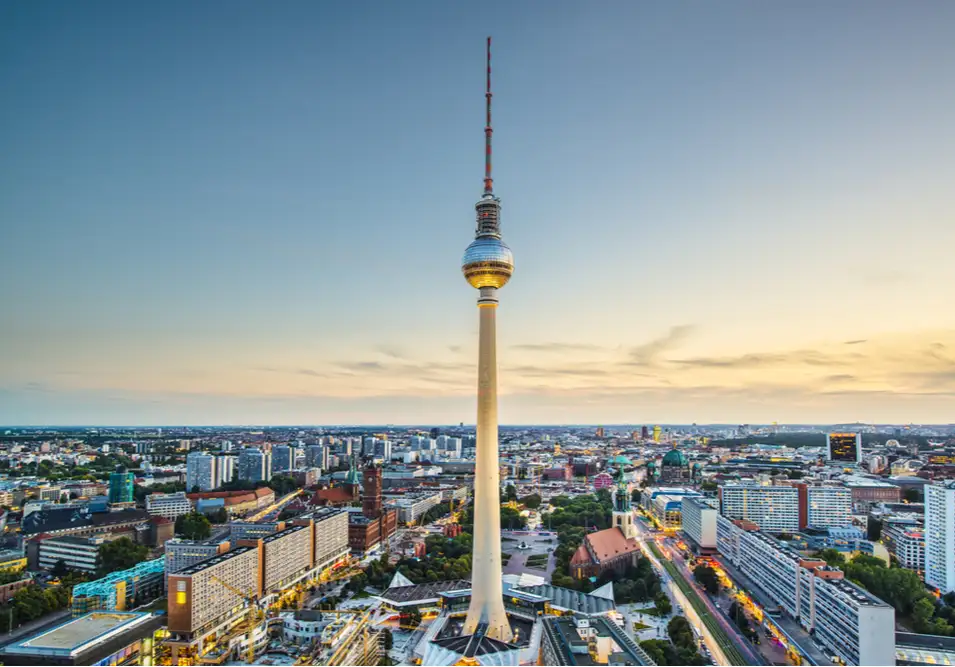
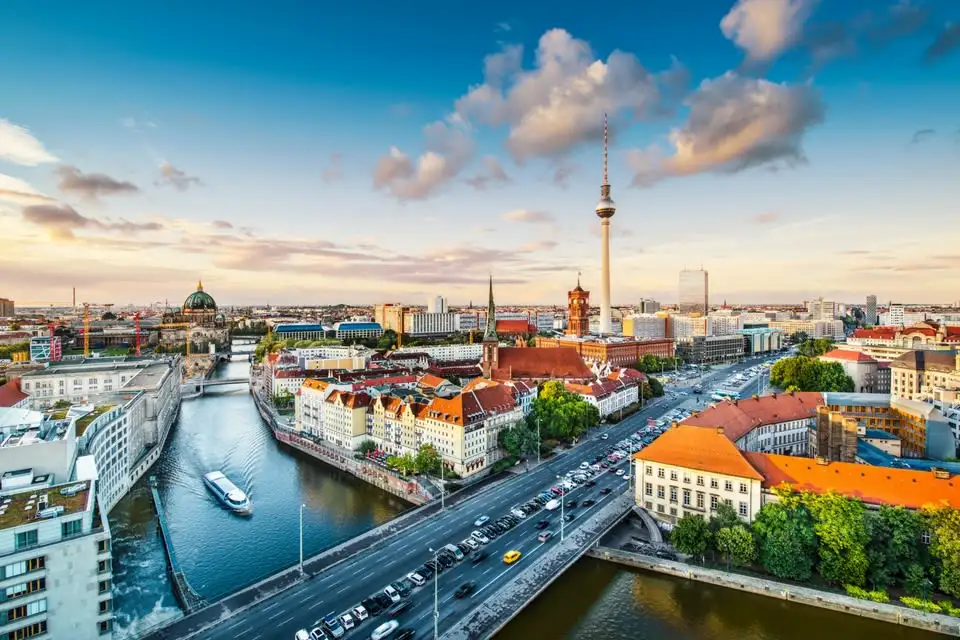
Since the fall of its notorious wall, Berlin’s unification has seen it go from strength to strength. No wonder the city feels like it hasn’t stopped partying since the 1990s. There is so much to celebrate here. Fueled by the robust economy, a thriving tech scene, and straight-up German bonhomie, when you step into Berlin you’ll soon be caught up in its spirit. For all this gusto, Berlin hasn’t forgotten its troubled past. A visit to Berlin is to bear witness to history. Portions of the wall remain intact, and the city’s Jewish Museum offers a detailed, emotional examination of the Holocaust. Inside the reconstructed Reichstag, every attempt has been made to preserve the parliament’s beleaguered history. The buildings' glass dome addition feels less like a triumphal crown and more like a freshly healed battle scar. Days in Berlin are easily spent wandering from a cafe to the cultural institutions on Museum Island, or over to the Charlottenburg Palace. By night, crowds wander through the booming bars and nightclubs or gaze upon the floodlit Brandenburg Gate and Victory Column monuments. An international city that can offer something to everyone, Berlin is an unmissable stop on your German journey.
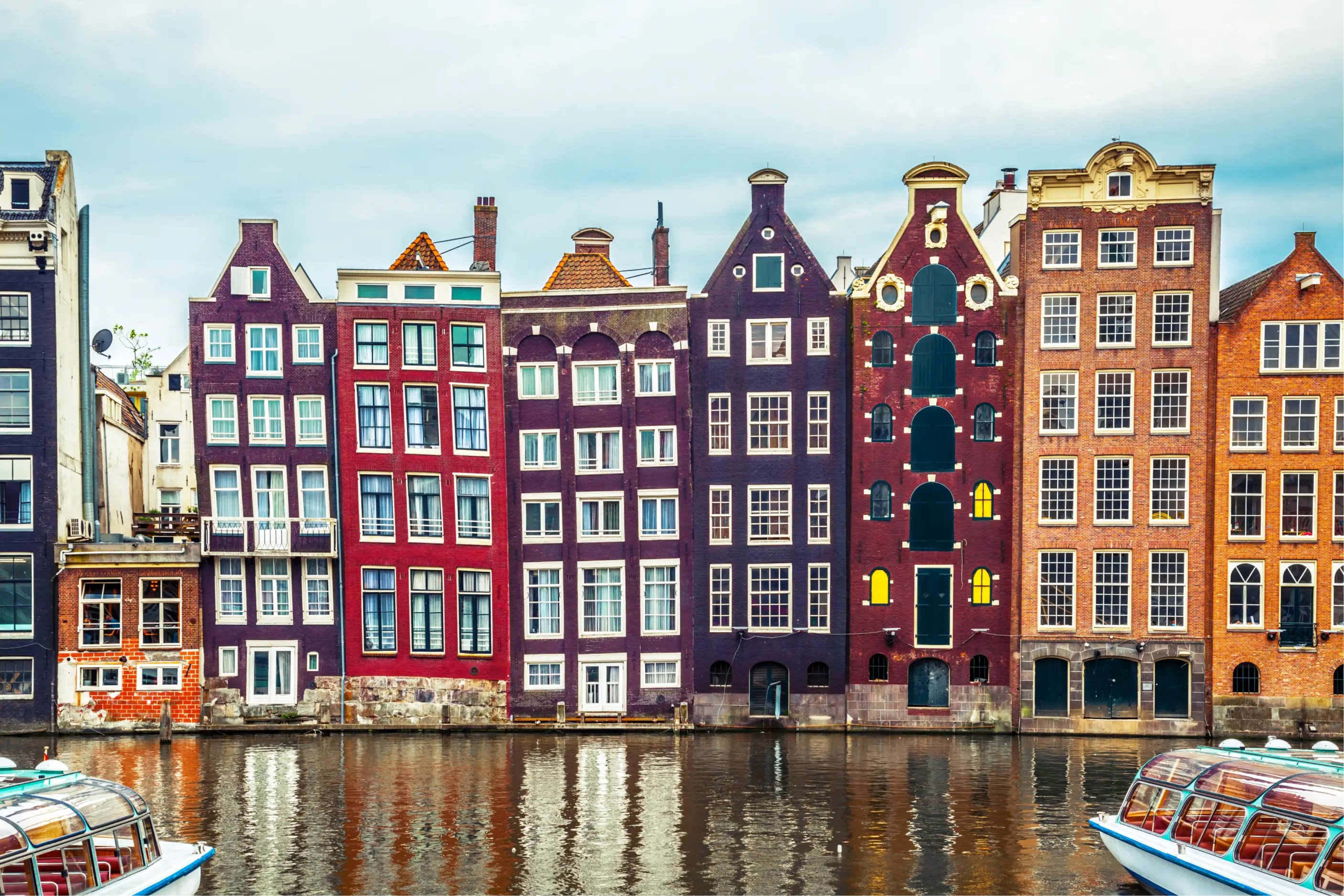
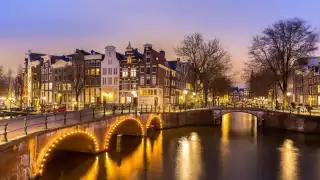
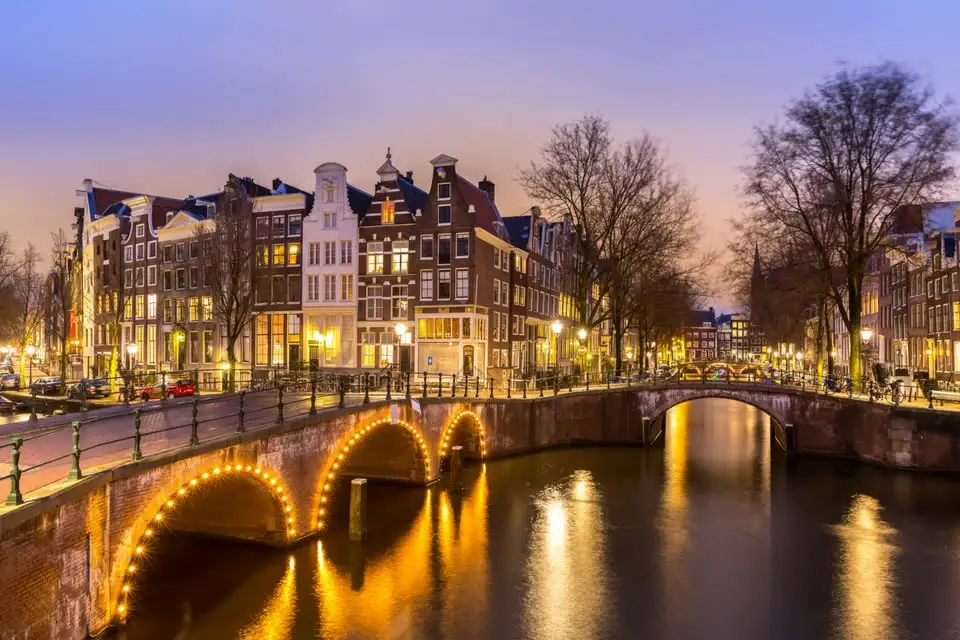
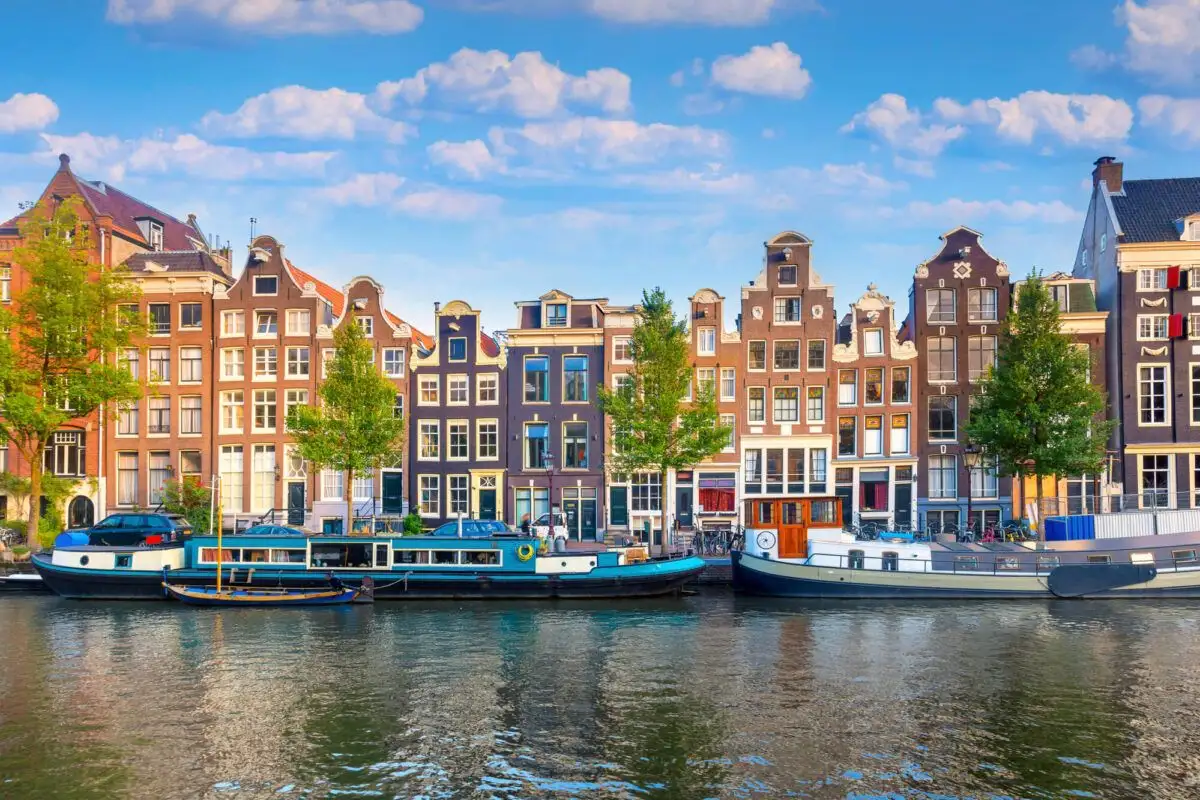
A waterside metropolis with a low-key vibe, a visit to Amsterdam is as fun and freewheeling as a fixed-gear bicycle. This is the city where you can let it all go. The streets of Amsterdam chime with bicycle bells and the laughter of people making their way between bars. Yellow wheels of cheese line shop windows, and in springtime, market stalls are abundant with the famous Dutch tulips. Younger than other cities in the Netherlands, Amsterdam sprang to life in the 17th century, when it became flush with trade from the Dutch colonies. From the gable tipped houses standing shoulder-to-shoulder on the canals to the Rembrandt paintings hanging on the walls of the Rijksmuseum, Amsterdam is strewn with relics from the Dutch Golden Age. Whether you rent a bicycle, float down a canal, or just sip on an amber-colored lager and watch the world go by, Amsterdam makes a lasting impression from start to finish.
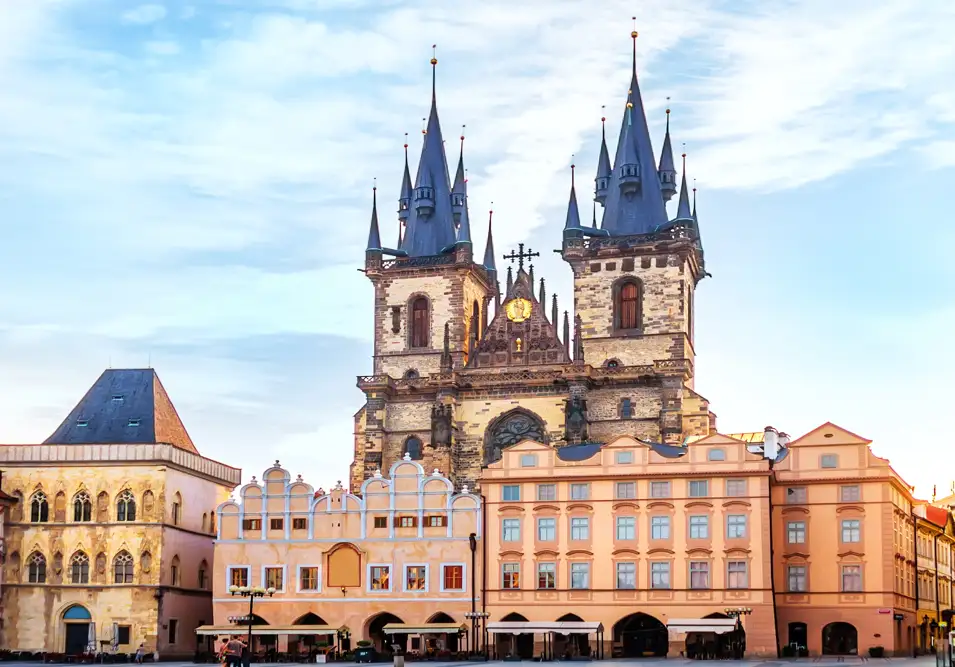
The city of Prague is indisputably the gem of Central Europe. Full of history, culture, and classic Czech pubs around every corner, Prague is teeming with nooks and crannies just waiting to be discovered. The narrow cobblestone streets and warm red rooftops give the city a homey feel, while the well-preserved medieval architecture transports you back in time. Walking across the Charles Bridge with the view of the Prague Castle will make you feel like you’re living in a fairytale, and you might as well be. As an up-and-coming destination, Prague is a perfect mix of classic and modern. New trendy cafes and bistros are always popping up, and you can always find a group of lively locals chowing down on goulash and quaffing pivo (the best beer in Europe!) at traditional Czech restaurants across the city. The clash of modernity and tradition, preservation and innovation, gives this city a mysterious air that you won’t soon forget.

Nearly every wall and rooftop in Dresden seems to be finished with a flourish. Defined by its ornamental baroque architecture, a power statement of Saxon royalty, Dresden is made all the more miraculous considering the city was leveled by firebombing in WWII. After the war, the city was reconstructed, brick by painstaking brick. Even under East German-Soviet rule, which usually eschewed frivolous design, buildings like the Semper Opera House were pieced back to their former glory. Restoration of the majestic Zwinger Palace and bell domed Church of Our Lady slowly followed, with the Frauenkirche only fully repaired in 2005. Arguably there is no other city in Europe that cherishes its hard-won architecture as much as Dresden. Although it is a compact city, so many of its buildings will stop you in your tracks that architecture fans will easily lose a whole day in the Old Town area. Especially during the winter months, Dresden sparkles with a joyous, uplifting ambiance. The city is recognized as having the best-ever Christmas market in all of Europe. Between the twinkling lights, the scent of hot wine and gingerbread, and the towering Christmas tree, it’s worth going out of your way to see Dresden at this time of year.

Dubbed ‘Mainhatten’ for its glass highrises, financial prowess, and proximity to the Main River, Frankfurt offers a fascinating glimpse into the ‘engine room’ of Europe’s economy with an unexpected twist. Among the glass and steel buildings, the old-worldly Römerberg square will give you a double-take. The square’s 15th-century half-timbered houses, old statues, and church spires contrast dramatically against the modern 21st-century skyscrapers beyond. If you visit at Christmas, the Römerberg is truly special, aglow with the light of the tallest Christmas tree in Germany. The square fills with stalls selling handicrafts, and the air is scented with hot apple wine, honey, and cinnamon. Delve deeper into Frankfurt and you’ll find a substantial museum district, the Museumsufer (Museum Embankment). This area features a cluster of twelve museums on either side of Main River. This includes the Städel, home to Tischbein’s famous painting of renowned writer Johann Wolfgang von Goethe, one of Frankfurt’s most prestigious sons. The more time you spend in Frankfurt, the more you’ll discover a highly cultured city lurking beneath its glass facades. If you have the time, Frankfurt is certainly worth a second look.

Compared to other German cities, Hamburg has a moody, nautical charisma all of its own. Despite being battered throughout history by floods, fires, and bombs, Hamburg has always held its head up high. Resilience is in the air in Hamburg, along with the briny smell of the North Sea. In recent years Hamburg has garnered a reputation for commerce and nightlife. Frequent travelers whisper that Hamburg is Germany’s ‘undiscovered’ city, the place to go for a little business and a lot of fun. Known as Germany’s ‘gateway to the world’, ships dock in Hamburg as they haul cargo up and down the Elbe River. The city thrives as Germany’s primary seaport and has been a center of trade since the middle ages. Its affluence shows in the 19th-century brick warehouses, flourishing restaurant scene, and recently constructed Elbphilharmonie concert hall, which floats majestically in the harbor, part ship and part island. Hamburg is a city for those who like to live large - in a cultured, German kind of way. Attend a performance at the orchestra, cruise on a boat around the Außenalster Lake, or have a night on the Reeperbahn, the Vegas-like strip where the Beatles once performed. Whatever you do in the city, Hamburg will make you look twice and see Germany from a totally different point of view.

Since the fall of its notorious wall, Berlin’s unification has seen it go from strength to strength. No wonder the city feels like it hasn’t stopped partying since the 1990s. There is so much to celebrate here. Fueled by the robust economy, a thriving tech scene, and straight-up German bonhomie, when you step into Berlin you’ll soon be caught up in its spirit. For all this gusto, Berlin hasn’t forgotten its troubled past. A visit to Berlin is to bear witness to history. Portions of the wall remain intact, and the city’s Jewish Museum offers a detailed, emotional examination of the Holocaust. Inside the reconstructed Reichstag, every attempt has been made to preserve the parliament’s beleaguered history. The buildings' glass dome addition feels less like a triumphal crown and more like a freshly healed battle scar. Days in Berlin are easily spent wandering from a cafe to the cultural institutions on Museum Island, or over to the Charlottenburg Palace. By night, crowds wander through the booming bars and nightclubs or gaze upon the floodlit Brandenburg Gate and Victory Column monuments. An international city that can offer something to everyone, Berlin is an unmissable stop on your German journey.

A waterside metropolis with a low-key vibe, a visit to Amsterdam is as fun and freewheeling as a fixed-gear bicycle. This is the city where you can let it all go. The streets of Amsterdam chime with bicycle bells and the laughter of people making their way between bars. Yellow wheels of cheese line shop windows, and in springtime, market stalls are abundant with the famous Dutch tulips. Younger than other cities in the Netherlands, Amsterdam sprang to life in the 17th century, when it became flush with trade from the Dutch colonies. From the gable tipped houses standing shoulder-to-shoulder on the canals to the Rembrandt paintings hanging on the walls of the Rijksmuseum, Amsterdam is strewn with relics from the Dutch Golden Age. Whether you rent a bicycle, float down a canal, or just sip on an amber-colored lager and watch the world go by, Amsterdam makes a lasting impression from start to finish.

The city of Prague is indisputably the gem of Central Europe. Full of history, culture, and classic Czech pubs around every corner, Prague is teeming with nooks and crannies just waiting to be discovered. The narrow cobblestone streets and warm red rooftops give the city a homey feel, while the well-preserved medieval architecture transports you back in time. Walking across the Charles Bridge with the view of the Prague Castle will make you feel like you’re living in a fairytale, and you might as well be. As an up-and-coming destination, Prague is a perfect mix of classic and modern. New trendy cafes and bistros are always popping up, and you can always find a group of lively locals chowing down on goulash and quaffing pivo (the best beer in Europe!) at traditional Czech restaurants across the city. The clash of modernity and tradition, preservation and innovation, gives this city a mysterious air that you won’t soon forget.


Zoom In to the cities to see your itinerary in more detail