Discover Munich, Salzburg & Vienna in Just 7 Days

destination-icon7 Day Tour of Munich, Salzburg and Vienna

Destinations on this trip: Munich,Salzburg,Vienna

A wine tavern (heurigen) in the village of Grinzing near Vienna.
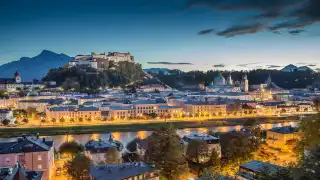
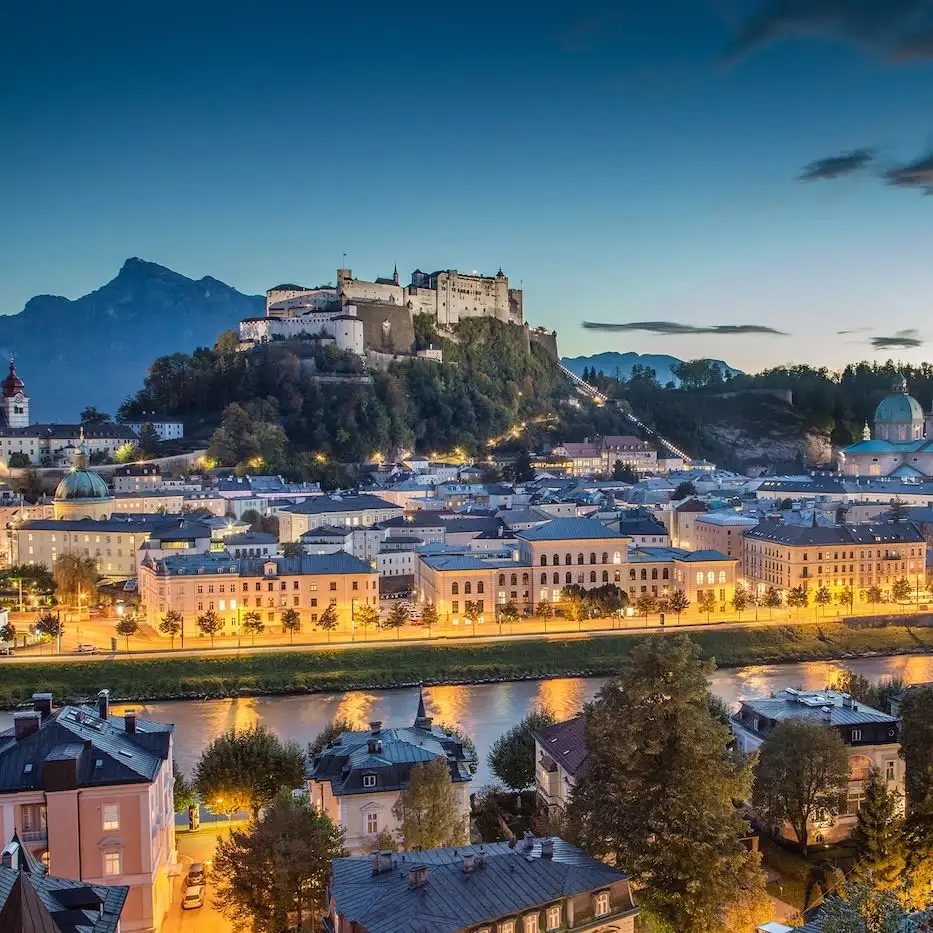
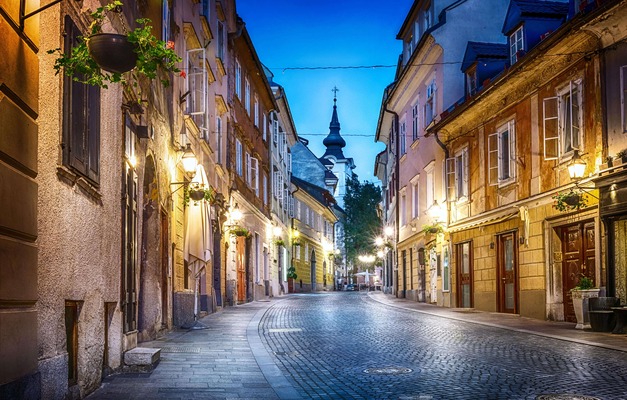
Evening view of Salzburg
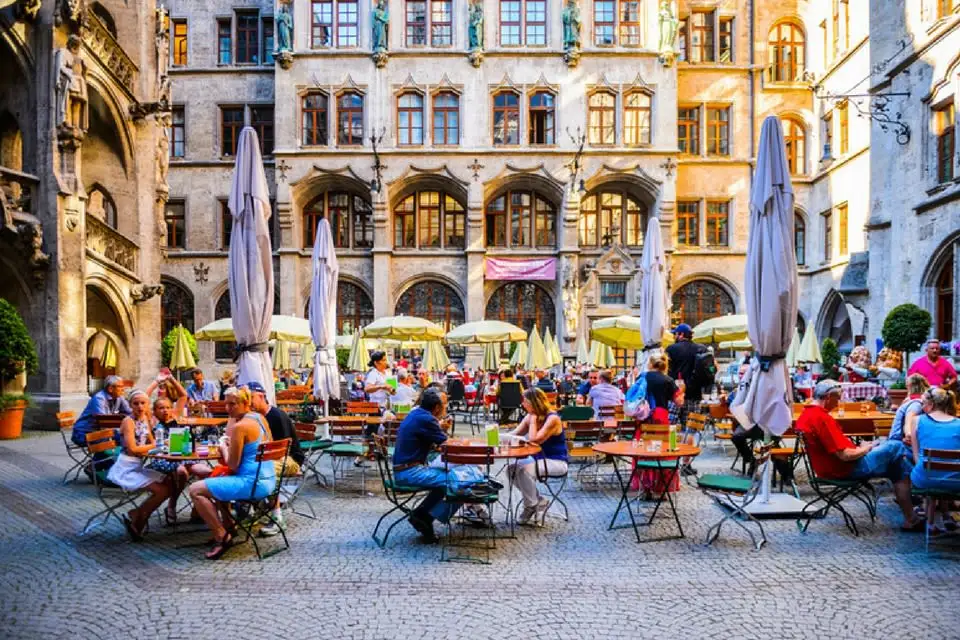
Munich Beer Garden
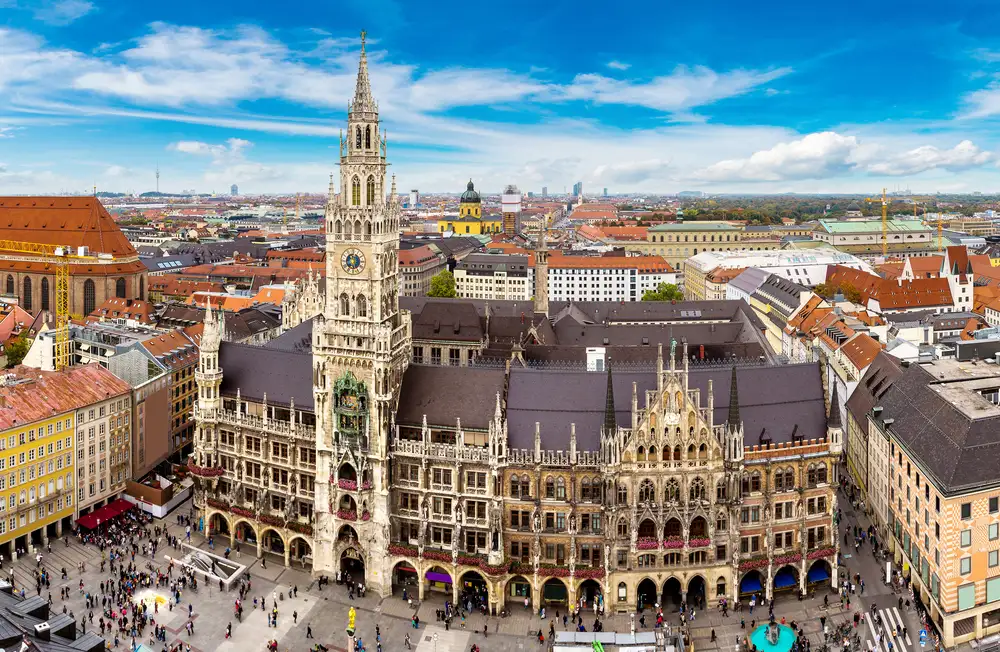
View of the Neues Rathaus and Marienplatz above Munich's Alstadt
image
arrowLightLeft
arrowLightRight

How Long Is the Munich, Salzburg & Vienna Trip and What Does It Cost?

Cultural ExplorationBeer Drinkers
  • Duration
    7 days / 6 nights
  • Best time
    Jan-Dec
  • From
    $1498 / person (Flights not included)
This 7-day journey brings you to Central European cities known for their beauty, elegance, and culture. Begin with Munich's historic grandeur and end your trip amidst Vienna's imperial beauty, punctuated by a 2-night stay within sight of Alpine peaks in Salzburg. Each city is revealed to you through the eyes of a local on private guided tours, as you wander medieval streets and visit baroque palaces. With Go Real Travel's mobile app, you'll enjoy detailed travel directions and content tailored for your trip, meaning you'll effortlessly experience your trip, from the lively beer halls of Munich to the landscaped gardens of Schönbrunn Palace.
  • Tour Munich's Residence Palace and relax with locals in the beautiful English Garden.
  • Discover Salzburg's Old Town on a walking tour, and visit Fortress Hohensalzburg & Mirabell Gardens.
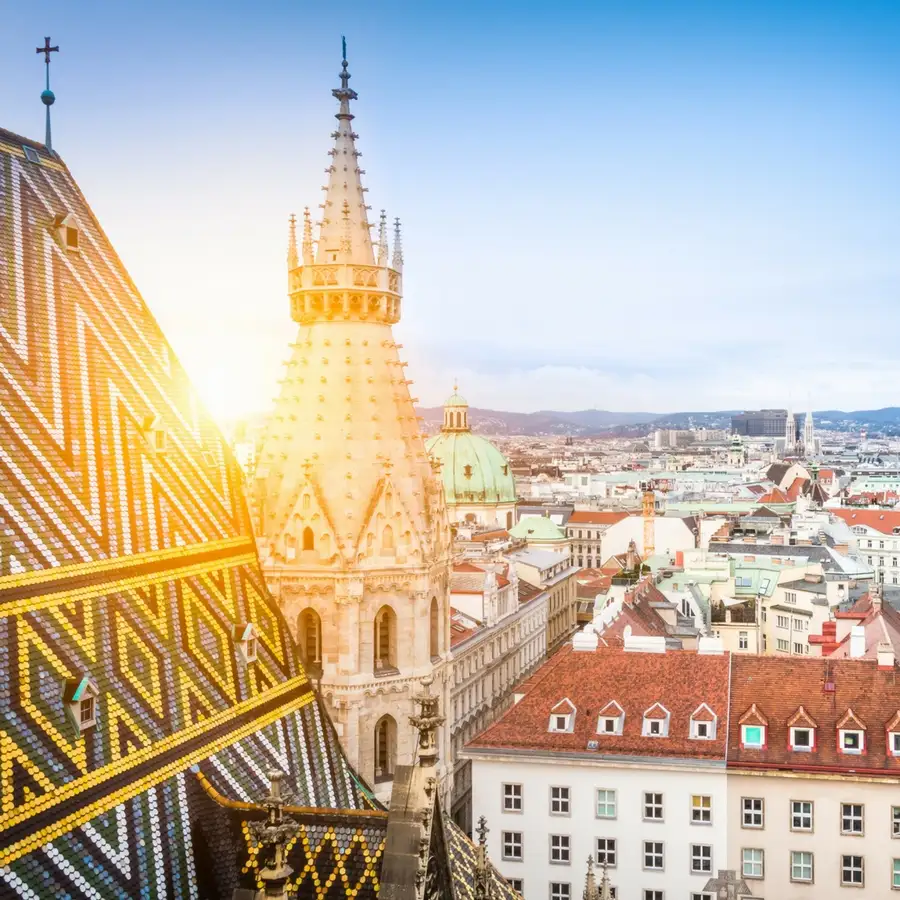
  • Admire medieval and baroque architecture in Vienna's Inner City and tour majestic Schönbrunn Palace.
  • Make friends in Munich's famous beer gardens and relax in a traditional beer hall in Salzburg.
  • Enjoy a relaxing evening in a comfy wine tavern in the picturesque village of Grinzing near Vienna.
This 7-day journey brings you to Central European cities known for their beauty, elegance, and culture. Begin with Munich's historic grandeur and end your trip amidst Vienna's imperial beauty, punctuated by a 2-night stay within sight of Alpine peaks in Salzburg. Each city is revealed to you through the eyes of a local on private guided tours, as you wander medieval streets and visit baroque palaces. With Go Real Travel's mobile app, you'll enjoy detailed travel directions and content tailored for your trip, meaning you'll effortlessly experience your trip, from the lively beer halls of Munich to the landscaped gardens of Schönbrunn Palace.
  • Tour Munich's Residence Palace and relax with locals in the beautiful English Garden.
  • Discover Salzburg's Old Town on a walking tour, and visit Fortress Hohensalzburg & Mirabell Gardens.
  • Admire medieval and baroque architecture in Vienna's Inner City and tour majestic Schönbrunn Palace.
  • Make friends in Munich's famous beer gardens and relax in a traditional beer hall in Salzburg.
  • Enjoy a relaxing evening in a comfy wine tavern in the picturesque village of Grinzing near Vienna.
Old Town - Must-See Sight
Old Town
Architecture
Residence Palace - Must-See Sight
Residence Palace
Castles & Chateaux
Deutsches Museum  - Must-See Sight
Deutsches Museum
Museums & Galleries
The English Gardens - Must-See Sight
The English Gardens
Parks & Gardens
Hohensalzburg Fortress - Must-See Sight
Hohensalzburg Fortress
Castles & Chateaux
Old Town - Must-See Sight
Old Town
Architecture
Hofburg Palace - Must-See Sight
Hofburg Palace
Castles & Chateaux
St Stephen’s Cathedral - Must-See Sight
St Stephen’s Cathedral
Churches & Monasteries
Schönbrunn Palace & Zoo - Must-See Sight
Schönbrunn Palace & Zoo
Parks & Gardens

Must see sights

Old Town - Must-See Sight
Old Town
Architecture
Residence Palace - Must-See Sight
Residence Palace
Castles & Chateaux
Deutsches Museum  - Must-See Sight
Deutsches Museum
Museums & Galleries
The English Gardens - Must-See Sight
The English Gardens
Parks & Gardens
Hohensalzburg Fortress - Must-See Sight
Hohensalzburg Fortress
Castles & Chateaux
Old Town - Must-See Sight
Old Town
Architecture
Hofburg Palace - Must-See Sight
Hofburg Palace
Castles & Chateaux
St Stephen’s Cathedral - Must-See Sight
St Stephen’s Cathedral
Churches & Monasteries
Schönbrunn Palace & Zoo - Must-See Sight
Schönbrunn Palace & Zoo
Parks & Gardens
Loading...

Starting from

$1498

per person

no-flightNot included

Price varies by group size, hotel selection, and travel season.


Secure Your Customizable Trip

Enter your details to embark on a journey that can be tailored just for you.

Start

Travelers

0 travelers
Add Room
Remove Room

Preferred Hotel Stars

Select Hotel Stars
Craft Your Own Itinerary

Select your interests and destinations for a trip plan inspired by you.

Where Does the Munich, Salzburg & Vienna Trip Trip Go?

Enable/Disable Map Scrolling

Click To Make Map Interactive

Munich, Salzburg & Vienna Trip Timeline

Arrival

2 nights

Munich

Germany

Train: 2h

2 nights

Salzburg

Austria

Train: 3h

2 nights

Vienna

Austria

Departure

What Does the Munich, Salzburg & Vienna Trip Itinerary Look Like?
image

Day 1

Arrive Munich

Day 1

Arrive Munich

icon
icon
icon
icon

To Be Determined

Transfer from Airport

Munich has one main airport, Munich International Airport, where almost all visitors arrive. Taxis are available directly at the terminal exit, or you can arrange a private transfer for added convenience. The cheapest and fastest way to reach central Munich from is by train. The regional "S-bahn" trains delivers you from the airport train station (just follow the signs) directly to Munich's main station (München hbf) in the center of the city, from where you can easily hail a taxi that will be much less expensive than from the airport.

Transfer from Airport

To Be Determined — Transfer from Airport

Munich has one main airport, Munich International Airport, where almost all visitors arrive. Taxis are available directly at the terminal exit, or you can arrange a private transfer for added convenience. The cheapest and fastest way to reach central Munich from is by train. The regional "S-bahn" trains delivers you from the airport train station (just follow the signs) directly to Munich's main station (München hbf) in the center of the city, from where you can easily hail a taxi that will be much less expensive than from the airport.

Mid-Day/Afternoon — Residence Palace

The Munich Residenz was the seat of Bavaria's Dukes and Kings from the middle ages until 1918. Originally a medieval castle, it was transformed over the centuries into a beautiful palace. Today it is open to the public and you can explore its magnificent interiors, numerous courtyards, and elegant garden. The living quarters of the royal family have been transformed into a museum which provides a fascinating glimpse into the lives of Kings and Queens. You can also peruse numerous jewels, gold objects, and other precious items which are held in the Residenz Schatzkammer (treasury).
Residenz Palace Museum

Wander where you will, audio guide in hand, through the spectactular royal residence.

You'll experience jaw-dropping architecture and beautiful artwork as you explore the museum and the adjacent Royal Treasury. Among the many highlights, unmissable is the Antiquarium, the largest and most lavish Renaissance hall north of the Alps. The window reveals are decorated with 102 views of towns, markets, and palaces in what was then the Duchy of Bavaria, providing an unique insight into how the country once looked. The Rich Chapel (Reiche Kapelle) was the private place of worship of Duke Maximilian I and his wife, and it was decorated with particular magnificence using colored marble and gilt reliefs. The Ornate Rooms (Reiche Zimmer) meanwhile represent a high point of the court Rococo style, and are works of art in their own right. 
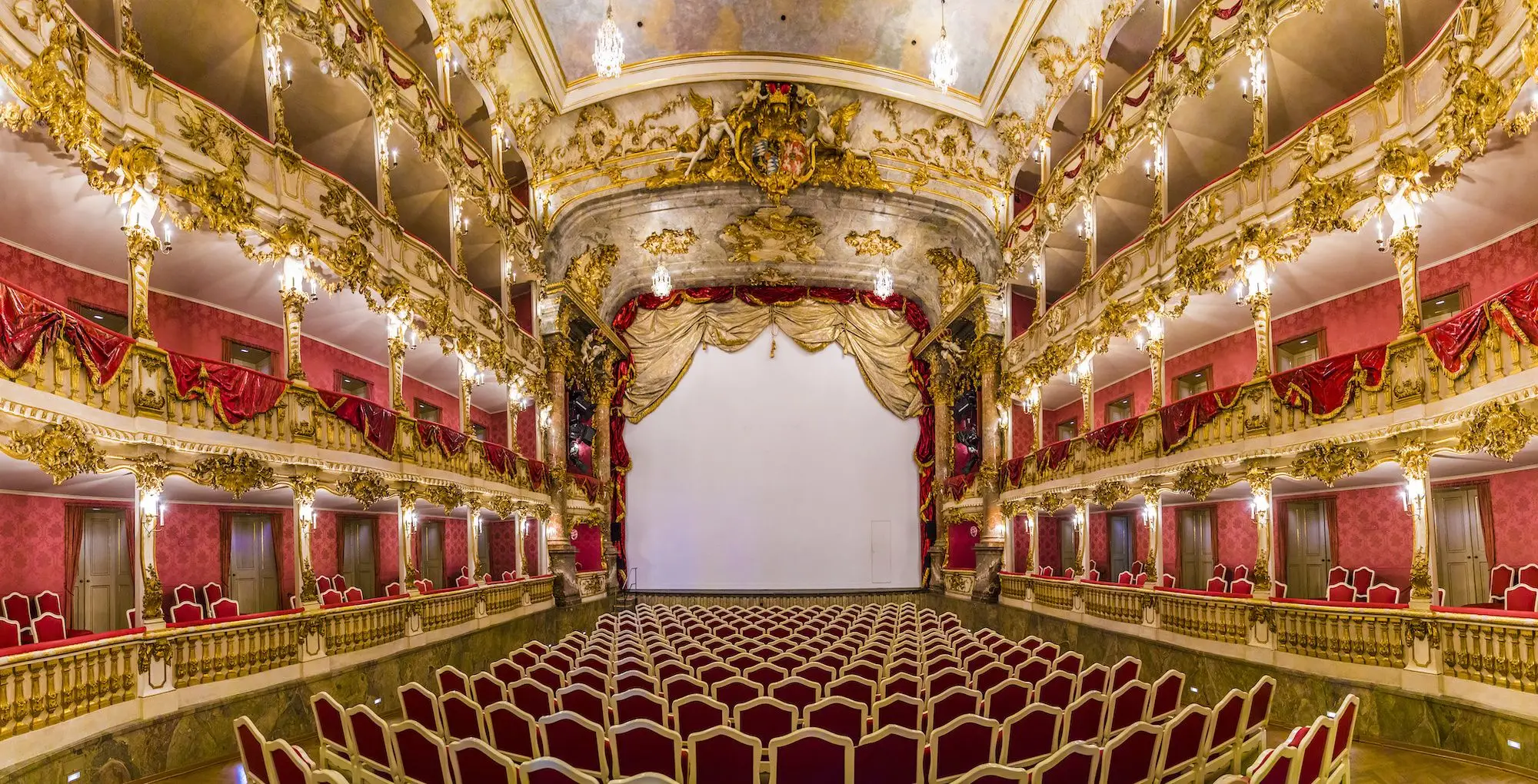
Cuvilliés-Theatre

Visit what is perhaps the most ostentatious and sensually overwhelming building in Munich.

The exceptionally extravagant court theatre was built by Elector Max III Joseph's court architect François Cuvilliés between 1751 and 1755, and was intended to showcase Munich as a home to the arts and the enlightenment. It only survived the destruction of WWII because the elaborately carved tiers of boxes were removed from their original location in the Alte Residenztheater building for safekeeping. It's still used as a theatre today.FYI - to visit the Cuvilliés-Theatre you need to exit the museum and walk around the palace to get onto Residenzstraße and then re-enter the palace and cross through either the Chapel Courtyard or the Imperial Courtyard. 

Odeonsplatz

See the square where Hitler's Beer Hall Putsch came to a bloody end.

The square directly adjacent to the Residence is the Odeonsplatz, which is guarded by the Feldherrnhalle (Field Marshalls' Hall) in honor of the Bavarian army. It was here that Hitler's Beer Hall Putsch in 1923 came to a bloody end in a gun battle with the police. During the Nazi regime, anyone passing the Feldherrnhalle was obliged to give the Nazi salute, which prompted some locals to instead take a side street. The Nazis derogatorily nicknamed it the Shirkers' Alley, but the 'shirkers' are memorialized in a trail of brass cobblestones. Also on the square is the bright yellow Theatinerkirche with its two massive twin towers. It was the personal church of Bavaria's rulers and many of them are interred there.  

Afternoon/Late Afternoon — English Gardens

The English Garden is one of Europe's largest parks; in fact, it is larger than New York's Central Park. While it is called the "English Garden" after the style of the park, it was actually designed by an American-Englishman and is now a symbol of the very Bavarian city of Munich. The park is a perfect place to escape the city for a long stroll, where you can enjoy the natural scenery and the people watching.

Chinese Tower

Enjoy some Bavarian brews with the locals in Munich's second largest beer garden.

Located in the middle of the English Gardens, this beer garden (7,000 seats) is located beneath the wooden Chinese Tower. The 25 meter high (75 feet) pagoda was built in 1789 during a pan-European craze for all things East Asian. The food stalls around the pagoda offer traditional beer garden food such as Steckerlfisch (grilled fish on a stick), Hendl (roasted chicken) and Schweinshaxn (roasted pork knuckle). The beer served is Hofbräu and a Maß Hell (lager).

Eisbachwelle

Watch surfers catch some waves in the middle of the city.

At the extreme southern end of the park you can find one of the more unusual and entertaining pastimes enjoyed by the locals - surfing on the man-made Eisbach river. There is a standing wave produced by the water pumping mechanism and surfers line up along the bank taking turns entering the water with their boards. After a minute or so, successful surfers will voluntarily drop out, returning to the end of the line allowing the next person in line an opportunity. The water is cold and shallow (sometimes only 40 cm deep), making it suitable only for experienced surfers.

Early Evening — Augustiner Keller

This vast beer garden under leafy chestnut trees is immensely popular with the locals, so you can study the lederhosen-clad men and dirndl attired women at close quarters while quaffing the Augustiner's own Edelstaff beer from your Maßkrug (one-liter glass beer mug) and wolfing down a plate stacked high with Bavarian sausage and mashed potato.

image

Day 1

Arrive Munich


icon
icon
icon
icon

To Be Determined:

Transfer from Airport

Mid-Day/Afternoon:

Residence Palace

Afternoon/Late Afternoon:

English Gardens

Early Evening:

Augustiner Keller

Transfer from Airport

Transfer from Airport

Munich has one main airport, Munich International Airport, where almost all visitors arrive. Taxis are available directly at the terminal exit, or you can arrange a private transfer for added convenience. The cheapest and fastest way to reach central Munich from is by train. The regional "S-bahn" trains delivers you from the airport train station (just follow the signs) directly to Munich's main station (München hbf) in the center of the city, from where you can easily hail a taxi that will be much less expensive than from the airport.

To Be Determined — Transfer from Airport

Munich has one main airport, Munich International Airport, where almost all visitors arrive. Taxis are available directly at the terminal exit, or you can arrange a private transfer for added convenience. The cheapest and fastest way to reach central Munich from is by train. The regional "S-bahn" trains delivers you from the airport train station (just follow the signs) directly to Munich's main station (München hbf) in the center of the city, from where you can easily hail a taxi that will be much less expensive than from the airport.

Mid-Day/Afternoon — Residence Palace

The Munich Residenz was the seat of Bavaria's Dukes and Kings from the middle ages until 1918. Originally a medieval castle, it was transformed over the centuries into a beautiful palace. Today it is open to the public and you can explore its magnificent interiors, numerous courtyards, and elegant garden. The living quarters of the royal family have been transformed into a museum which provides a fascinating glimpse into the lives of Kings and Queens. You can also peruse numerous jewels, gold objects, and other precious items which are held in the Residenz Schatzkammer (treasury).

Residenz Palace Museum

Wander where you will, audio guide in hand, through the spectactular royal residence.

You'll experience jaw-dropping architecture and beautiful artwork as you explore the museum and the adjacent Royal Treasury. Among the many highlights, unmissable is the Antiquarium, the largest and most lavish Renaissance hall north of the Alps. The window reveals are decorated with 102 views of towns, markets, and palaces in what was then the Duchy of Bavaria, providing an unique insight into how the country once looked. The Rich Chapel (Reiche Kapelle) was the private place of worship of Duke Maximilian I and his wife, and it was decorated with particular magnificence using colored marble and gilt reliefs. The Ornate Rooms (Reiche Zimmer) meanwhile represent a high point of the court Rococo style, and are works of art in their own right. 

Cuvilliés-Theatre

Visit what is perhaps the most ostentatious and sensually overwhelming building in Munich.

The exceptionally extravagant court theatre was built by Elector Max III Joseph's court architect François Cuvilliés between 1751 and 1755, and was intended to showcase Munich as a home to the arts and the enlightenment. It only survived the destruction of WWII because the elaborately carved tiers of boxes were removed from their original location in the Alte Residenztheater building for safekeeping. It's still used as a theatre today.FYI - to visit the Cuvilliés-Theatre you need to exit the museum and walk around the palace to get onto Residenzstraße and then re-enter the palace and cross through either the Chapel Courtyard or the Imperial Courtyard. 

Odeonsplatz

See the square where Hitler's Beer Hall Putsch came to a bloody end.

The square directly adjacent to the Residence is the Odeonsplatz, which is guarded by the Feldherrnhalle (Field Marshalls' Hall) in honor of the Bavarian army. It was here that Hitler's Beer Hall Putsch in 1923 came to a bloody end in a gun battle with the police. During the Nazi regime, anyone passing the Feldherrnhalle was obliged to give the Nazi salute, which prompted some locals to instead take a side street. The Nazis derogatorily nicknamed it the Shirkers' Alley, but the 'shirkers' are memorialized in a trail of brass cobblestones. Also on the square is the bright yellow Theatinerkirche with its two massive twin towers. It was the personal church of Bavaria's rulers and many of them are interred there.  

Afternoon/Late Afternoon — English Gardens

The English Garden is one of Europe's largest parks; in fact, it is larger than New York's Central Park. While it is called the "English Garden" after the style of the park, it was actually designed by an American-Englishman and is now a symbol of the very Bavarian city of Munich. The park is a perfect place to escape the city for a long stroll, where you can enjoy the natural scenery and the people watching.

Chinese Tower

Enjoy some Bavarian brews with the locals in Munich's second largest beer garden.

Located in the middle of the English Gardens, this beer garden (7,000 seats) is located beneath the wooden Chinese Tower. The 25 meter high (75 feet) pagoda was built in 1789 during a pan-European craze for all things East Asian. The food stalls around the pagoda offer traditional beer garden food such as Steckerlfisch (grilled fish on a stick), Hendl (roasted chicken) and Schweinshaxn (roasted pork knuckle). The beer served is Hofbräu and a Maß Hell (lager).

Eisbachwelle

Watch surfers catch some waves in the middle of the city.

At the extreme southern end of the park you can find one of the more unusual and entertaining pastimes enjoyed by the locals - surfing on the man-made Eisbach river. There is a standing wave produced by the water pumping mechanism and surfers line up along the bank taking turns entering the water with their boards. After a minute or so, successful surfers will voluntarily drop out, returning to the end of the line allowing the next person in line an opportunity. The water is cold and shallow (sometimes only 40 cm deep), making it suitable only for experienced surfers.

Early Evening — Augustiner Keller

This vast beer garden under leafy chestnut trees is immensely popular with the locals, so you can study the lederhosen-clad men and dirndl attired women at close quarters while quaffing the Augustiner's own Edelstaff beer from your Maßkrug (one-liter glass beer mug) and wolfing down a plate stacked high with Bavarian sausage and mashed potato.

image

Day 2

Munich

Day 2

Munich

icon
icon
icon
icon

9:00 AM - 11:30 AM

Guided Walk Tour of Historic Munich

Munich contains many reminders of a long and varied history but also encompasses the modern features of a strong and vibrant city. The insights of a local help make sense of the traditions, trends, and promises of Bavaria's Capital - sometimes referred to as the city of laptops and lederhosen. On this tour, your guide will show you the highlights of Munich and point out the many hidden treasures.

Guided Walk Tour of Historic Munich

9:00 AM - 11:30 AM — Guided Walk Tour of Historic Munich

Munich contains many reminders of a long and varied history but also encompasses the modern features of a strong and vibrant city. The insights of a local help make sense of the traditions, trends, and promises of Bavaria's Capital - sometimes referred to as the city of laptops and lederhosen. On this tour, your guide will show you the highlights of Munich and point out the many hidden treasures.

Mid-Day/Afternoon — Altstadt

Munich boasts a large old town (Altstadt) with many beautiful historic buildings. Sometimes called the world's largest village, it is a perfect place to wander. You will discover many Medieval, Renaissance, and Baroque buildings, as well as several stunning examples of modern architecture. Pleasant cafes, beer halls, cozy restaurants, and great shopping all add to the charming atmosphere.

Hofbräuhaus

Enjoy some fine Bavarian brews in a beer hall that dates back to 1589.

Originally built in 1598 by Maximilian I, Duke of Bavaria, as an extension to the state brewery, this beer hall was opened to the public in 1828, remodeled in 1897, almost completely destroyed during World War II, and reopened following its restoration in 1958. It is now situated across three floors, with a restaurant, ballroom, and beer garden, and is one of the largest tourist attractions in the city as well as a favorite of locals. This is where the ingurgitation of vast quantities of beer and pretzels has been taking place since 1644. Even if you're a teetotaller, you'll want to at least take a look at the interior of the three-storied temple to the consumption of fermented hops and watch the odd local quaff his or her ale amid the sea of tourists. There's also an attractive courtyard where you can escape the din on a summer's day or evening.

New Town Hall & Glockenspiel

Enjoy the mechanical show as the figures on the Glockenspiel on the New City Hall come to life and re-enact stories from the 16th century.

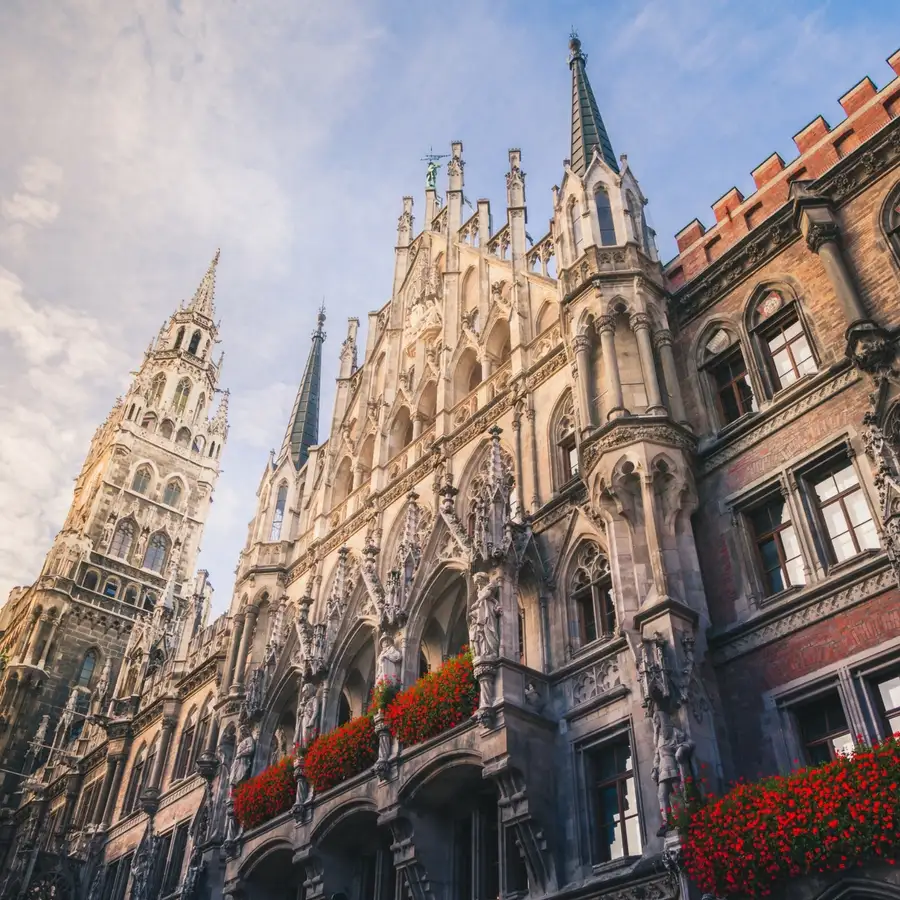
The Marienplatz is the main square of the Altstadt, and its centerpiece is the domineering facade of the neo-Gothic Neues Rathaus (New Town Hall). It is decorated with gargoyles and statues, including a dragon scaling the turrets. For a great view of the city, ascend the 279ft (85m) tower (elevator available to the left just inside the main entrance to the town hall). The highlight of the building is the Glockenspiel, which attracts large numbers of tourists at 11 am and noon (and 5pm in the summer) who come to watch the contraption in operation. There's dancing, a joust, and more, all set to musical chimes. Unusually, the New Town Hall mostly survived WWII intact, probably because it was used by Allied bombers as a direction finder for obliterating the rest of the city.

Peterskirche

Climb to the top of Munich's oldest church tower for what is still today its best view.

The best views of central Munich can be viewed from the 302ft (92m) tower of St Peterskirche, inner Munich's oldest church and possibly the city's origin point. The presence of a church on its site goes back to before the city's founding, and it has existed in a number of iterations since. Its nearly 3000ft-tall tower is affectionately called "Alter Pete" or "Old Pete" as a recognition of its significance to Munich's social and cultural history.

Viktualienmarkt

Assemble a gourmet picnic lunch in one of Europe's best known markets.

The Viktualienmarkt is one of Central Europe's finest gourmet markets where many of the stalls have been run by generations of the same family. Prices are high, but you can gather all the ingredients for an haute cuisine picnic and then seat yourself in the market's own beer garden to enjoy an al fresco lunch. The very existence of such a market in an old town quarter is the result of Munich's dedication to preserving its past. Fearing that fast food chains will replace the old-fashioned market stalls and quaint eateries that make the Viktulienmarkt one of Europe’s most charming squares, the city subsidizes the rent so they can survive on the some of Germany’s most expensive real estate.

Jewish Museum

Learn about Munich's rich Jewish heritage and see it's most striking synagogue.

The museum focuses on Munich's Jewish heritage, as well as Jewish history and culture in general, with a contemporary flair and modern means of display. Adjacent to the museum is the Ohel Jakob synagogue, which ranks among the most striking structures built in the city in recent years. It is the first synagogue to serve as the main synagogue of the city since the Nazi Kristallnacht (i.e. the Night of Broken Glass). Tours are offered but must be arranged 10 days in advance.

Frauenkirche

Restored Gothic church.

The Frauenkirche, or Church of Our Lady, dominates the Altstadt. This is because the twin onion-domed towers inspired the city council to prohibit any other building in the Altstadt from exceeding their height of 325ft (99m). Much of the interior was destroyed during WWII, but it has been rebuilt. An attraction that survived the bombing in original form is the Teufelstritt, or Devil's Footstep, at the entrance. This is a black mark resembling a footprint, which according to legend is the result of a deal the devil made with the builder to finance construction of the church on the condition that it contains no windows. The clever builder, however, tricked the devil by positioning columns so that the windows were not visible from the spot where the devil stood in the foyer. By the time the devil discovered that he had been tricked, he could not enter the already consecrated church. The devil could only stand in the foyer and stomp his foot furiously, which left the dark footprint that remains visible in the church's entrance today.

Afternoon/Late Afternoon — Deutsches Museum

The Deutsches Museum (i.e., the German Museum) is the world's largest museum of science and technology. It is located on a small island in the River Isar, which flows through central Munich. The museum's vast and fascinating collection is spread out among 40 different exhibitions. You will encounter examples of technology stretching across humanity's long history, from a reproduction of pre-historic cave paintings to the laboratory where the atom was split.

Early Evening — Maxvorstadt

Maxvorstadt is not just Munich’s most central nightlife hotspot, it’s one of the most historically fascinating neighborhoods in all of Bavaria. The area is often called the “Brains of Munich” for its concentration of arts and education centers, including seven universities and several museums and galleries. It’s a lively spot from day to evening to be sure, with a diversity of cozy bars, restaurants, and cafes appealing to the large student population and foreign visitors.

image

Day 2

Munich

image

Day 3

Munich to Salzburg

Day 3

Munich to Salzburg

icon
icon
icon
icon
icon
icon

11:00 PM

Transfer to Rail Station

Most trains depart from Müchen Hbf station, the largest station in the city. Before spending money on a transfer, be sure to check whether your hotel is within easy walking distance. Also consider that public transport is the cheapest and sometimes fastest option. If staying at a hotel, they can order a reliable taxi. Some private transfers will even help with your bags. Uber is also available for those with the app.

Transfer to Rail Station

11:00 PM — Transfer to Rail Station

Most trains depart from Müchen Hbf station, the largest station in the city. Before spending money on a transfer, be sure to check whether your hotel is within easy walking distance. Also consider that public transport is the cheapest and sometimes fastest option. If staying at a hotel, they can order a reliable taxi. Some private transfers will even help with your bags. Uber is also available for those with the app.

00:00 - 00:00 — Rail to Salzburg

Your scenic journey to Salzburg should take about 1.5 to 2 hours. After leaving Munich, you will pass through the beautiful countryside of Bavaria before reaching the Austrian border, which Salzburg lies just beyond. Germany and Austria both speak German and share many cultural similarities. This is especially the case with Bavaria and Austria, so the transition over the border will not seem too dramatic, although if you keep your eyes peeled you will notice some minor differences.

12:00 AM — Rail Station Transfer

Most trains arrive in Salzburg Main Station (Salzburg Hbf) station, the largest station in the city. Before spending money on a transfer, be sure to check whether your hotel is within easy walking distance. Also consider that public transport is the cheapest and sometimes fastest option, and buses pickup directly in front of the station. Taxis are available near the station entrance and are generally honest. Uber is also available for those with the app.

Mid-Day/Afternoon — Old Town (Altstadt)

Salzburg's Altstadt, which simply means Old Town, is one of the world's most charming city centers. It possesses an amazing wealth of Baroque buildings, as its 17th and 18th centuries archbishop rulers focused on beautifying their town rather than fighting foreign wars like neighboring states. A series of squares runs through the old town, and most you will find dominated by a beautiful church. Throughout the Altstadt, you will find markets, pleasant shops, and cozy restaurants.

Salzburg Cathedral

Visit Salzburg's largest and most impressive church.

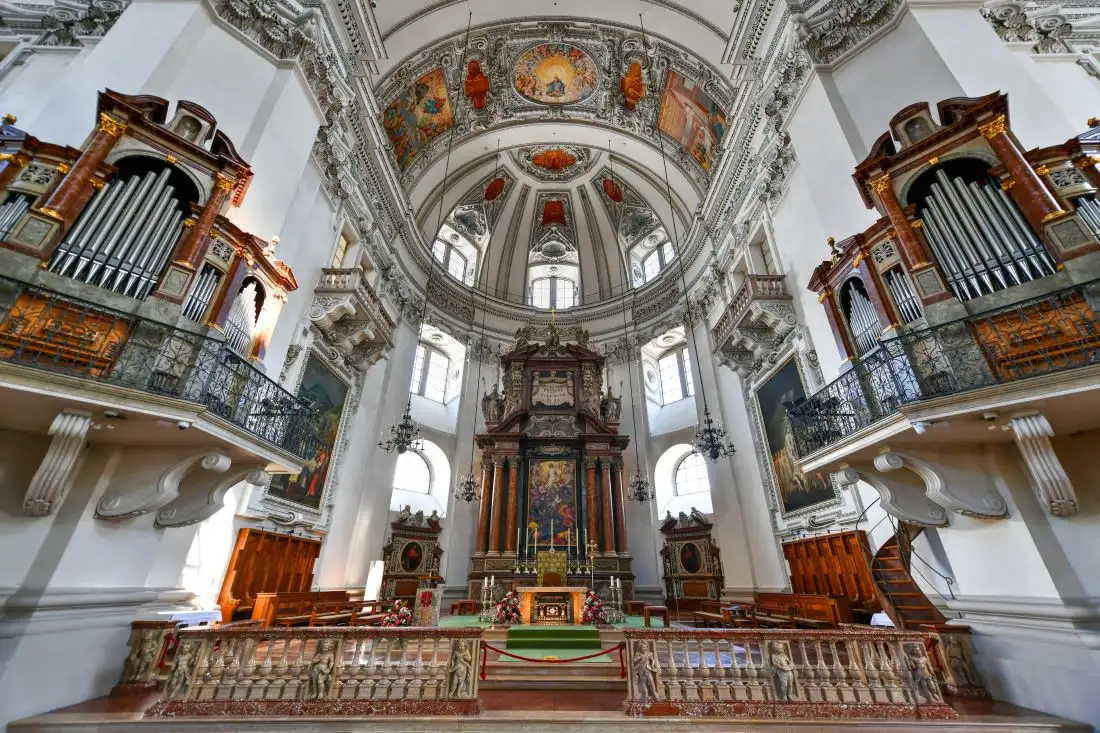
The current cathedral was built between 1614-1628 and is a masterpiece of baroque architecture. The cathedral was largely destroyed by an Allied bomb in WWII but was restored by 1959. One of the most significant treasures in the cathedral is the Baptismal Font, which was cast in 1321 and rests on copper lions dating back to the 1100s.

Mozart Birthhouse

Tour the historic home where Mozart was born.

The Altstadt is where Mozart was born and his music is still closely associated with Salzburg. You can visit his birth house on Getreidegasse. If possible, it is better to visit this particular attraction early in the day, as it gets quite crowded. 

Felsenreitschule Concert Hall

Sing Eidelweis in the concert venue made famous by The Sound of Music.

 You can visit the concert halls of the world's most prestigious international music festival, the Salzburger Festspiele. Carved into the rock of the mountain, this is where the Von Trapp family sang at the climax of the movie (and also in reality). The 50-minute tour (provided in English and German simultaneously) includes all the major venues and many backstages as well.

Afternoon/Late Afternoon — Hohensalzburg Fortress

The Festung Hohensalzburg dominates Salzburg, appearing simultaneously formidable and enticing. From one side of the fortress you will enjoy a breathtaking view of the city and from the other a beautiful view of the nearby Alps. In addition to touring the fortress staterooms, you can also visit the Fortress Museum, a Marionette Museum, the Torture Chamber, an observation tower, and more.

Fortress Funicular

Ascend the steep mountain to the fortress in seconds on the fortress funicular railway.

The fortress was never taken by force, even though it was not for a lack of trying. Luckily for you, today you can simply buy a ticket and easily reach the fortress by a steep funicular railway. 

Fortress Museums and Interior

Experience the impressive splendor and craftmanship of the castle interior.

The State Apartments/Regency Chambers (Fürstenzimmer) are the top attraction within the fortress. These rooms were built as a showcase for state functions and to receive foreign visitors and dignitaries. You can also visit the Fortress Museum, a Marionette Museum, and the WWI-focused Rainer Museum. 

Nonnberg Abbey

Take a short walk from the fortress to discover Maria's abbey from the Sound of Music.

Sadly the abbey is down to only a handful of nuns, so you are unlikely to see large groups of nuns in black habits singing in unison as they wonder aloud what to do with a problem like Maria. However, you can still walk some of the grounds and visit a lovely Romanesque and Gothic church, which is almost empty of tourists. Since it is usually empty, you must pay to light up the Romanesque frescoes and a Gothic altar, although this is half of a Euro well spent (especially in the case of the altar).

Fortress Terrace

Take in a breathtaking view of the nearby Alps.

The terrace of the fortress offers an absolutely stunning view of the Alps. You can see the Untersberg especially well. It was the mountain which the Von Trapp family climbed at the end of The Sound of Music to escape Austria. Ironically, it's on the Bavarian border, so they were actually climbing into Germany. In reality they took a train to Italy.

Late Afternoon/Early Evening — Mönchsberg

Although tiny in comparison to the mountains of the nearby Alps, the Mönchsberg (Monk’s Mountain) dominates the Altstadt. While the highest portion of the mountain is occupied by the Fortress Hohensalzburg, the rest of the mountain is covered by idyllic forests and pastures, romantic homes, and castle ruins. A stroll through this enchanting landscape also affords numerous beautiful views of Salzburg's Altstadt below. Perhaps best of all, it can all be enjoyed away from the crowds of the city. The Salzburg Card covers the cost of an elevator built into the side of mountain which will take you to the top!

Augustinian Beer Hall

Quaff a beer in Salzburg's favorite and most historic brewery.

At the foot of the Mönchsberg, in the village-like neighborhood of Mülln, lies Austria's largest beer hall. Since 1621 it has served the famously delicious brew of the Augustinian monks. Although it attracts many visitors, it remains a favorite among locals, especially in the warmer months when the beer garden is open. Even if you don't drink beer, it is still a great way to try some traditional Austrian cuisine and mingle with Salzburgers in a wonderfully authentic atmosphere.

Richterhöhe

Discover these castle ruins which most visitors never find and enjoy unique views of the fortress and the Alps.

The Richterhöhe castle ruins date back to the year 1367. After the castle became obsolete, it's courtyard actually provided an ideal locale for grape growing. Vineyards therefore soon took over the bailey and can still be seen today. The most outstanding feature of the Richterhöhe is the amazing panoramic view it offers. It is one of the best views in all of Salzburg, and you will likely have it all to yourself.

image

Day 3

Munich to Salzburg

image

Day 4

Salzburg

Day 4

Salzburg

icon
icon
icon

9:00 AM - 11:30 AM

Guided Walking Tour of Salzburg

Salzburg is simply overwhelming in all the best ways. It is alive with fascinating history, grandiose and sublime architecture fills every street and square, culture and music permeate the atmosphere, and it is surrounded by breath-taking natural scenery. This guided tour with a local will provide the context needed to bring all of this beauty into perspective, and to connect the physical city to its history, culture, and environment.
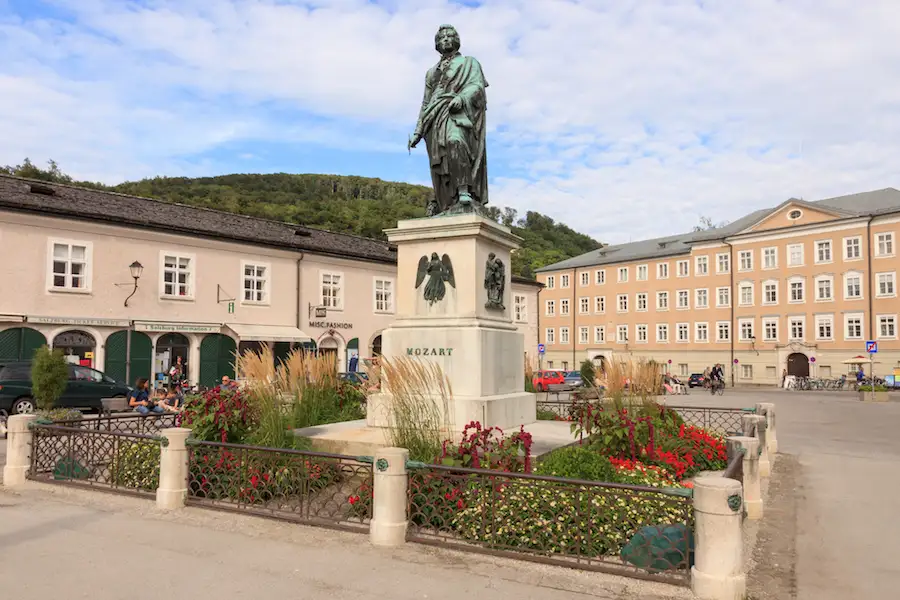
Guided Walking Tour of Salzburg

9:00 AM - 11:30 AM — Guided Walking Tour of Salzburg

Salzburg is simply overwhelming in all the best ways. It is alive with fascinating history, grandiose and sublime architecture fills every street and square, culture and music permeate the atmosphere, and it is surrounded by breath-taking natural scenery. This guided tour with a local will provide the context needed to bring all of this beauty into perspective, and to connect the physical city to its history, culture, and environment.

Mozartplatz

One of several grand squares in the center of Altstadt in Salzburg.

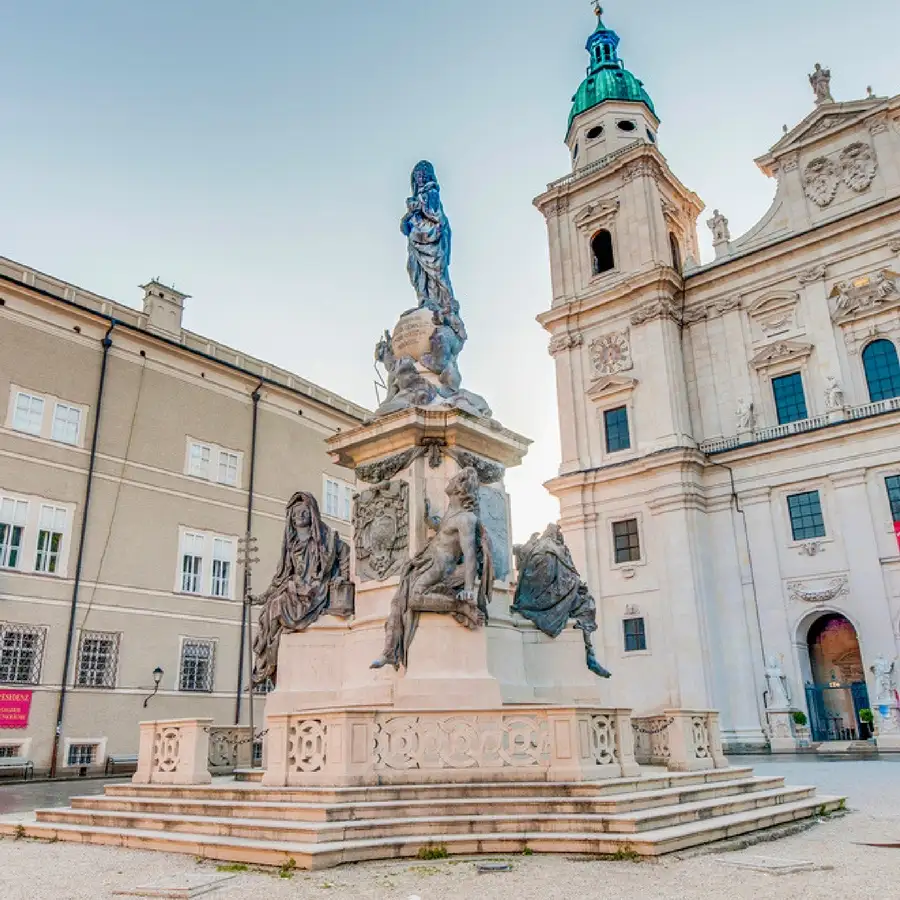
One of several grand squares in the center of Altstadt in Salzburg. In the Mozartplatz you can find a statue of the famous composer. 

Salzburg Cathedral

Visit Salzburg's largest and most impressive church.

The current cathedral was built between 1614-1628 and is a masterpiece of baroque architecture. The cathedral was largely destroyed by an Allied bomb in WWII but was restored by 1959. One of the most significant treasures in the cathedral is the Baptismal Font, which was cast in 1321 and rests on copper lions dating back to the 1100s.

Mid-Day/Afternoon — Hellbrunn Palace

Built as a summer palace by Salzburg's Prince-Bishop, the Hellbrunn Palace is a picturesque palace surrounded by even more beautiful gardens.  The early baroque palace was built exclusively for the purpose of entertainment, as the Prince-Bishop would actually return to Salzburg in the evening.  It can be toured with an audio guide and includes several beautiful frescoed ceilings. There is a great deal to discover in the gardens - hidden grottos, clever statues, reflecting pools, as well as flora and fauna. And the trick fountains are a must for every visit. Both the transportation (bus #25) and the entry are covered by the Salzburg Card.

Trick Water Fountains

Get a little wet in this delightful garden of tricks.

The famous "Wasserspiele" are trick water fountains that never fail to delight, astonish, and befuddle. The fountains were actually built with the express purpose of playing practical jokes on guests, and they continue to provide plenty of amusement today. 

Afternoon/Late Afternoon — Neustadt

On the right bank of Salzach river lies the Neustadt (New Town). Although it may be just a bit newer than the Altstadt, it still boasts hundreds of years of history in it's winding and narrow Medieval lanes. The Mirabell Palace, a Baroque masterpiece built in 1606 by the Prince-Archbishop of Salzburg for his concubine, is the most famous site in the Neustadt. As impressive as the palace and its interior are, the elaborate gardens surrounding the palace are more famous than the palace itself.

Mirabell Palace Gardens

Stroll this tranquil garden amidst the city hubbub and sing "Do-Re-Me" .

Within the gardens, you will discover not only greenery and flowers but also statues of a pegasus, unicorns, lions and other exotic animals, as well as a gnome garden, grand staircases, fountains, and other picturesque spots. Sound of Music fans will recognize it, as this is where several parts of the "Do-Re-Me" song were filmed. Maria and the children march around the pegasus statue and fountain, race through the lattice garden tunnels, pose at the garden gates, and pet the gnomes on the head. Not much of the palace interior is open to visitors, however, the best part of the palace, a marble staircase lined by Raphael Donner statues, is open to those who know how to find it. The corridor to the staircase can be found in the passage that connects the palace courtyard to the gardens and the Pegasus fountain. If you are coming from the courtyard, the door to the corridor is on your right. You will find the staircase within a few steps.

Linzer Gasse

Hang out with locals on this street lined by shopping and restaurants.

The Linzer Gasse and the streets surrounding it, with their historic storefronts and a multitude of restaurants and old guesthouses, give the Altstadt a run for its money in terms of liveliness and charm.  One of the best views in Salzburg is hidden near the Linzer Gasse. Just look for the gateway passage, which is located on the right side of the Linzer Gasse if you are coming from the river and head up the mountain side.

St. Sebastian's cemetery

Wander off of the beaten path to find one of Salzburg's hidden treasures, St. Sebastian's cemetery.

The peaceful cemetery is the resting place of many prominent Salzburgers, including Mozart's wife and father. The cemetery is lined by a cloister passageway, and in the center of the cemetery lies the magnificent mausoleum of the Prince Archbishop Wolf Dietrich. To find the cemetery just walk towards the church tower on the Linzer Gasse. The cemetery is located behind the church. There is usually an entrance open to the right of the church, but if that is closed, go the sidestreet to the left of the church (where you see the archway). You will find another entrance on the right side of the courtyard.

image

Day 4

Salzburg

image

Day 5

Salzburg to Vienna

Day 5

Salzburg to Vienna

icon
icon
icon
icon
icon
icon

7:20 AM

Transfer to Rail Station

Most trains depart from Salzburg Main Station (Salzburg Hbf) station, the largest station in the city. Before spending money on a transfer, be sure to check whether your hotel is within easy walking distance. Also consider that public transport is the cheapest and sometimes fastest option. If staying at a hotel, they can order a reliable taxi. Some private transfers will even help with your bags. Uber is also available for those with the app.

Transfer to Rail Station

7:20 AM — Transfer to Rail Station

Most trains depart from Salzburg Main Station (Salzburg Hbf) station, the largest station in the city. Before spending money on a transfer, be sure to check whether your hotel is within easy walking distance. Also consider that public transport is the cheapest and sometimes fastest option. If staying at a hotel, they can order a reliable taxi. Some private transfers will even help with your bags. Uber is also available for those with the app.

08:22 - 11:15 — Train from Salzburg to Vienna

The scenic journey on the comfortable train will take about two and a half hours. The journey is aboard a comfortable, modern train with wi-fi, provided either by the Austrian rail company or a private rail carrier called Westbahn. The verdant rolling countryside of northern Austria makes for a pleasant voyage, and on clear days, you can also enjoy a view on the Alps in the distance from the right side of the train. You also have detailed instructions below for the voyage, as well as a translation and explanation of your tickets in your ticket booklet.

11:15 AM — Transfer from Rail Station

Upon arrival in Vienna, you will exit the rail station and proceed to the taxi stand where you will find taxis waiting for arriving passengers.  Taxis in Vienna are generally reliable and honest and are less expensive than using a pre-arranged pick up service for your transfer to the Hotel. Detailed arrival information and instructions for taking a taxi are provided in the Full-Length itinerary with purchase of an itinerary.

Mid-Day/Afternoon — Imperial Vienna

Discover the very heart of the Habsburg Empire that once covered most of central Europe. Within the vast Hofburg Palace complex, which was once home to Austria’s emperors and their administrators, you will find palaces, museums, a famed riding hall, the Austrian national library, and much more. The State Opera House and other major monuments are also nearby. Majestically stunning, the buildings and squares of Imperial Vienna still evoke awe in the observer even if the Empire they were built for is now long gone.

State Opera House

Visit the famous opera house on a guided tour, or better yet, enjoy a world-class performance.

Once the most pre-eminent music hall in the entire Austro-Hungarian Empire, it still dwarfs its surroundings. It was mostly destroyed in bombing during WWII, but the lavish and stunning foyer was encased in a protective structure and saved, and the rest was rebuilt. Just across from the State Opera house is the famous Hotel Sacher, home of the Sachertorte.

Imperial Treasury

See firsthand the treasures collected by Austrian emperors over the last 1,000 years.

The Imperial Treasury is today a museum collection of the secular and religious treasures amassed by the Austrian emporers. You'll see crowns, coronation robes, scepters, bejeweled swords, precious gems, religious relics, and much more. Be sure to get an audio guide.

Spanish Riding School

See an equestrian performance from a world-famous riding school dating back to 1572.

Originally founded in order to train horses for the complicated maneuvers necessary in battle, the riding school today is dedicated to the preservation of classical dressage and the training of the renowned white Lipizzaner stallions. It offers regular demonstrations & shows and is located in the interior of a palace.

Café Central

Dine in an elegant 19th century cafe.

The soaring gothic ceilings and fine cuisine of the Café Central made it the frequent haunt of historic figures such as Freud and Trotsky. Reservations are highly recommended. 

Hofburg Palace

Tour the palaces and courtyards of the massive Hofburg Palace complex.

The complex consists of numerous palaces which once housed the imperial family during the winter months, and also held the offices which were used to administer the state. They now hold museums and collections from the imperial past. There are also grand plazas and pleasant gardens, such as the enchanting Burggarten. 

Late Afternoon/Early Evening — Inner City

When the Viennese say they are going “into the city”, they are talking about the Inner City (Innere Stadt). The Inner City corresponds to Vienna’s original medieval city, which was once surrounded by defensive walls that stood where the Ringstrasse (Ring Street) now runs. A warren of medieval alleyways crowded into the protected space between the walls, creating a dense network of pedestrian streets that remains to this day.

St. Stephen's Cathedral

Visit this awe-inspiring cathedral which is one of the most important and renowned Gothic buildings in Central Europe.

The cathedral is Vienna’s most famous landmark and dominates the Inner City. Founded in 1147 A.D. and built over hundreds of years, it has elements of both Romanesque and Gothic architecture. You can also climb the (many) steps of the tower for a view.

The Graben

Walk the most famous street in Vienna and see stunning monuments and beautiful architecture.

Vienna’s main street since the Middle Ages, this wide pedestrian boulevard abounds in cafes, smart shops, and atmosphere. There are two fountains and a column (built as thanks for the end of the plague), which are beautiful examples of Baroque architecture. Also hidden on the street is the world's most beautiful public restroom.

Mozarthaus

Get to know Mozart in his former apartment, where he spent his happiest years.

Despite his modern-day association with Salzburg, Mozart's time in Vienna was his most productive and happy. Here you can learn about Mozart and what life was like for him and others in the city at the time. You can listen to musical selections and see original scores and other materials. 

Peterskirche (Church of St. Peter)

Step into this heavenly 18th-century church featuring incredibly ornate baroque art & architecture.

This church from the early 1700's is Vienna’s first domed baroque building. Amazing architectural details are crammed into the small interior, and glass crypts contain the human remains of martyred saints. There are daily organ recitals in the church.

Jewish Museum

Discover Vienna's rich history of Jewish life.

The museum is located in two separate buildings within the Inner City (one ticket covers both). The branch on the Judenplatz showcases medieval Jewish life, including a virtual tour of life in the 14th century. It is fronted by a monumental Holocaust Memorial. The main branch is located on the street Dorotheergasse.  

Early Evening/Evening — Hip Vienna

The centuries-old market known as the Naschmarkt and its surroundings are a great destination for those who love shopping, art, cafes, and nightlife. With a population of students and young professionals this area is one of Vienna’s youngest, and not coincidentally, it’s most hip and bohemian. Even the nearby Museum Quarter is happening, as it's abuzz with activity even well after its outstanding museums have closed.

Leopold Museum

Get acquainted with modern art at one of Vienna's most celebrated artistic collections.

The Leopold hosts the most extensive collection of Egon Schiele works in existence, as well as masterpieces from the Secessionist, Modernist, and Expressionist Movements. Museum visitors can also take a break in a chique roof top café. 

MuseumsQuartier

Peruse outstanding art and hang out with the smart crowd.

Once home to the Imperial Stables, the Museumsquartier now hosts several outstanding museums, such as the interactive Zoom Children's Museum. Cafes, bars, and bookstores make this one of Vienna's hippest social scenes. Funky couches and other fun seating arrangements have transformed it into an open-air entertainment district, and on long summer evenings, the sounds of laughter and conversation echo late into the night.

image

Day 5

Salzburg to Vienna

image

Day 6

Vienna

Day 6

Vienna

icon
icon
icon
icon

9:00 AM - 11:30 AM

Guided Walk of the Inner City

This tour takes you back in history to explore the Vienna that stood within the old city walls. You will learn about the humble beginnings of Vienna before it became the capital of a great empire and one of the most important cities in Europe. You will discover how Vienna's early inhabitants lived and how they left their mark on the city and its beautiful Medieval, Renaissance, and Baroque architecture.

Guided Walk of the Inner City

9:00 AM - 11:30 AM — Guided Walk of the Inner City

This tour takes you back in history to explore the Vienna that stood within the old city walls. You will learn about the humble beginnings of Vienna before it became the capital of a great empire and one of the most important cities in Europe. You will discover how Vienna's early inhabitants lived and how they left their mark on the city and its beautiful Medieval, Renaissance, and Baroque architecture.

Mid-Day/Afternoon — Schönbrunn Palace

The magnificent Baroque palace of Schönbrunn is most famously associated with Empress Maria Theresa, who lived here surrounded by 16 little archdukes and duchesses who also happened to be her children. On your tour of the palace, you will see how Maria Theresa and other past imperial residents lived. No visit is complete without a stroll in the vast gardens surrounding the palace.

Schönbrunn Zoo

Join local families enjoying one of Europe's best zoos.

With an entrance directly connected to the Schönbrunn palace gardens, visiting the zoo can be a great addition to any trip to the palace. Founded as an imperial menagerie in 1752, it is the oldest continually operated zoo in the world, and today is home to many rare species such as giant pandas.

Schönbrunn Gardens

Get lost in the huge imperial gardens.

The beautiful park is a mix of formal gardens and woodlands, and is dotted with enchanting statues & fountains, including a massive fountain of Neptune. The Gloriette pavilion sits on a rise opposite the palace and commands a wonderful view. Kids will love the labyrinth, racing to find the tower at the center of the maze.

Afternoon/Late Afternoon — Ring Street

The Ringstrasse, or the Ring Street, surrounds Vienna's old town where the city walls once stood until the 19th century. The Austro-Hungarian Empire was at the height of its prosperity at the time the walls were torn down, and so it lined the wide Ringstrasse with monumental buildings such as the neo-Gothic town hall and neo-Classical parliament buildling. A fun experience is to take a tram ride around the entire length of the Ringstrasse, soaking in the full richness of the spectacle.

Rathaus (City Hall)

Get in touch with the local vibe at the Rathausplatz, a huge square in front of the Vienna City Hall.

The 19th-century city hall was built in a fanciful neo-Gothic style with 30 million bricks. It is an important center for social life in the city, hosting balls, concerts, and other events. The square in front of the hall is home to activities all year long, including markets, food fairs, exhibitions, and the city's biggest Christmas Market. 

Natural History Museum

Explore one of the world's most important natural history collections.

The museum is a treasure trove of anthropological and archeological exhibits, including dinosaurs and other extinct animals, precious gems, and more. It also holds the famous pre-historic finds from the Austrian village of Hallstatt, where an ancient salt mine was located.

Kunsthistorisches Museum

Find artistic bliss in this lavish 19th-century museum housing art collections & antiquities.

The Kunsthistorisches Museum, or Art History Museum, is one of the world's most important collections of art. It houses many masterpieces as well as ancient and classical art antiquities. Its amazing interior is worth seeing just on its own merits, and includes an incredible mural painted by Gustav Klimt.

Early Evening/Evening — Wine Village

Nothing better symbolizes the Viennese love of “gemütlichkeit” (roughly translated as coziness) than the wine villages and vineyards which hug the gentle slopes beneath the Vienna woods. They are home to wine taverns known as Heurigen. The most famous of the wine villages is Grinzing, which is easily reached from the city center by tram. Despite its closeness to the city center, a visit to Grinzing seems to transport you to the countryside, as quaint cottages and cozy old farmhouses create a charming village atmosphere.

image

Day 6

Vienna

image

Day 7

Depart Vienna

Day 7

Depart Vienna

icon

To Be Determined

Taxi Transfer to Vienna Airport

Vienna taxis are generally reliable and honest, so taking a taxi is cheaper than a pre-arranged transfer. Your hotel will be happy to arrange a pick up for you.  If you are picked up three hours prior to departure, you should have plenty of time to catch your flight.  If you are leaving during rush hour, you may want to budget an extra fifteen minutes or so.

Taxi Transfer to Vienna Airport

To Be Determined — Taxi Transfer to Vienna Airport

Vienna taxis are generally reliable and honest, so taking a taxi is cheaper than a pre-arranged transfer. Your hotel will be happy to arrange a pick up for you.  If you are picked up three hours prior to departure, you should have plenty of time to catch your flight.  If you are leaving during rush hour, you may want to budget an extra fifteen minutes or so.

image

Day 7

Depart Vienna

What's Included in the Munich, Salzburg & Vienna Trip Trip?

Fork

Pre-Paid Tours and Activities:

  • Guided Walk Tour of Historic Munich
  • Guided Walking Tour of Salzburg
  • Guided Walk through Vienna's Inner City
  • City Card for Munich, including discounts to many popular attractions
train

Pre-Paid Transportation:

  • 2nd Class Train Tickets from München Hbf to Salzburg Hbf
  • 2nd Class Train Tickets from Salzburg to Vienna
  • Public Transport Tickets for Munich and Vienna
train

Accommodation:

  • 2 nights at a hotel of your choice in Munich
  • 2 nights at a hotel of your choice in Salzburg
  • 2 nights at a hotel of your choice in Vienna
mobile

Go Real Travel Mobile App:

  • Itinerary Plan & Reservations Info
  • Points of Interest
  • Detailed Travel Information
  • Maps & Directions

Other Trips You May Like

Trip image

14 Days

From$2897USD

14-Day Trip to Historic Munich, Salzburg, Vienna, and Prague

View Trip
Trip image

14 Days

From$3775USD

Alpine Enchantment: A Family Adventure Through Historic Cities & Scenic Landscapes

View Trip
Trip image

21 Days

From$5199USD

Central European Journey through Switzerland, Germany, Austria and the Czech Republic

View Trip
Trip image

9 Days

From$1598USD

Austrian Serenade: Imperial Cities and Alpine Splendors

View Trip
Trip image

5 Days

From$868USD

Melodic Journeys in Austria: Vienna to Salzburg

View Trip
Trip image

7 Days

From$1240USD

One Week in Austria: Charming Cities & Scenic Beauty

View Trip
Trip image

7 Days

From$1675USD

Winter Escape: Vienna & Salzburg, including the Bavarian Alps

View Trip
Trip image

7 Days

From$1635USD

Alpine Majesty and Cultural Splendor in Munich, Salzburg, & Hallstatt

View Trip
Trip image

10 Days

From$1749USD

Melodies and Marvels: A 10-Day Musical Journey through Vienna, Salzburg, and Hallstatt

View Trip

Featured Blogs

Trip image
Europe
Seasonal guide

10 European Cities to Visit in Winter

Trip image
Europe
Travel solo

Flying Solo: The Best Places to Travel Alone in Europe

Trip image
Germany
Trip planning

How to Plan a Trip to Germany – Step-by-Step Guide

Trip image
Central Europe
Castles

Top 5 Castles In Central Europe

Trip image
Austria
Villages

14 Most Beautiful Villages in Austria: Discover the Hidden Gems

Trip image
Germany
Villages

15 Most Beautiful Towns & Villages in Germany

Trip image
Europe
Family

How to Plan the Perfect Family Trip to Europe

Our Customers Say It Best

Malini Dutta, Boston, Massachusetts
We can't thank you enough for the detailed plans, maps, and suggestions. It really felt that someone was holding our hands and showing us around. We had all the excitement of discovering foreign lands, with none of the problems that can happen while negotiating unfamiliar places. In fact, all the cities felt like home within a few hours of arriving and exploring.
Bev and Mark Frankel, Williamsburg, Virginia
We could not be more pleased with Go Real Travel! You took the guess work out of things like public transport but still managed to allow us the freedom to tour as we wanted. Our guides were exceptional and every time I saw a Viking Cruise tour of 25 people, I realized the quality experience we were getting with Go Real.
Marianne Strydom, Paarl, South Africa
I just wanted to thank you for organizing an amazing trip for me – I packed in so much in such a short period of time and everything was just perfect. The way you do things makes it possible to really get to know the destination, which for me as a travel agent could not have been better.
Otto Chuy, Los Angeles, California
I am still surprised how everything worked as planned, without a hitch. All instructions in your itinerary were precise and correct. Your suggestions and comments in each of the locations we went to were very helpful. All your guides, without exception, were wonderful and exactly on time.
Go Real Travel, Inc. BBB Business ReviewASTA Member

Explore cities in more detail

old town square munich germany

Munich

Arriving in Munich, you would be forgiven for thinking you were on the set of a movie about old Bavaria. At the Old Town beer halls, barmaids laced in dirndl dresses serve up frosty Helles lager, as oom-pah music drifts across the Marienplatz square. Men in lederhosen and checked shirts merrily give toasts as they knock glasses, or steins, as they’re known here. They sit at tables laden with wurst sausage and giant pretzels oozing with herby butter. This is Germany’s Germany, a place where folk traditions never stopped, and the revelry doesn’t either. Even when it isn’t Oktoberfest, the town’s notorious beer-drinking celebration, Munich is always happy to show you a good time. Simply cast your eyes around the lavish, gilded banquet hall at the Munich Residenz, the 13th-century Wittelsbach palace. You’ll see Munich has been impressing guests for centuries. Or, swing by the BMW Museum and check out the classic German cars. They even let you sit inside to test out the new models. At the city’s English Gardens, surfers ride waves on one of the park’s rivers. Munich is filled to the brim with this kind of pure-hearted German fun.     

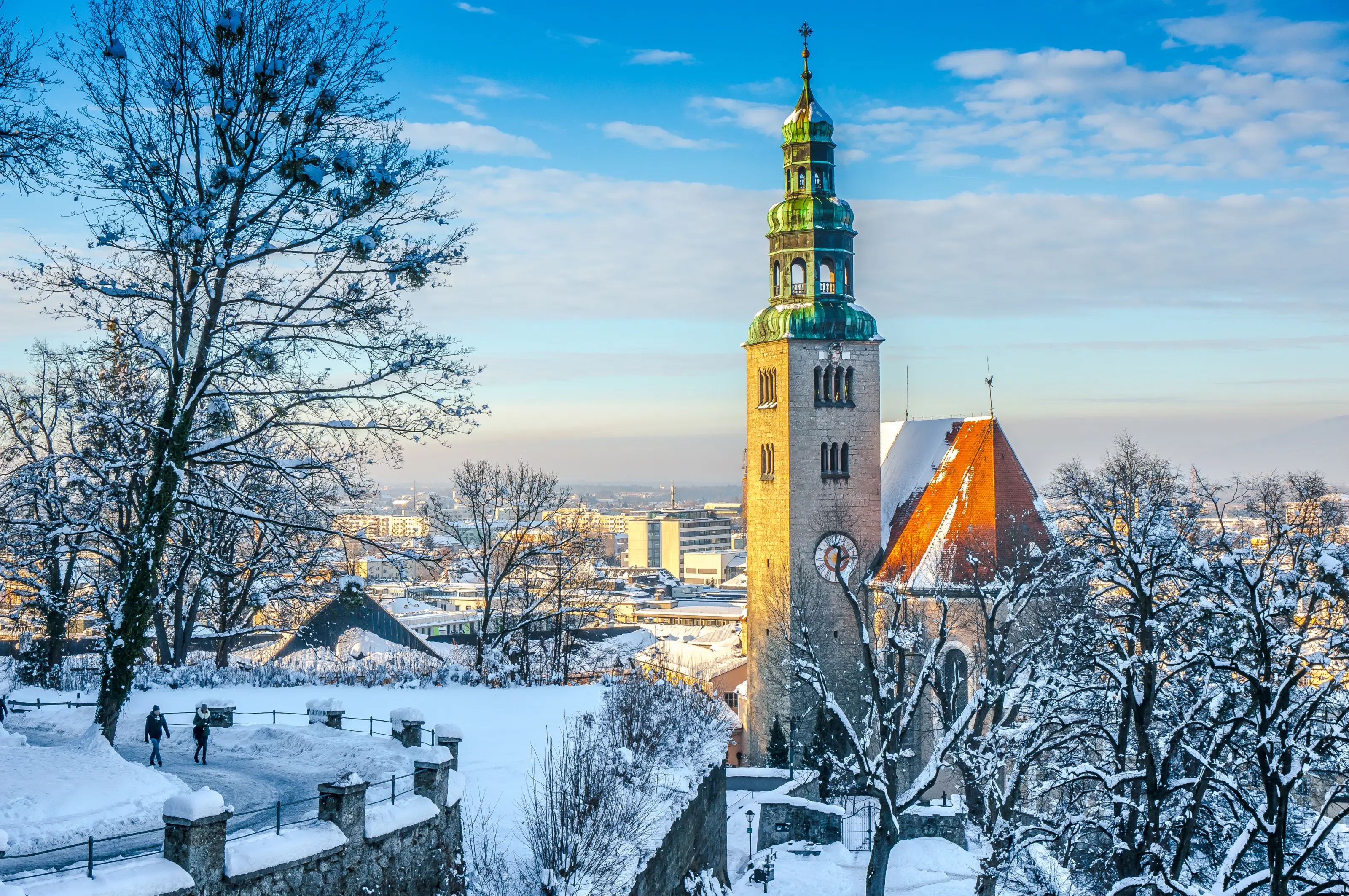
winter in salzburg germany

Salzburg

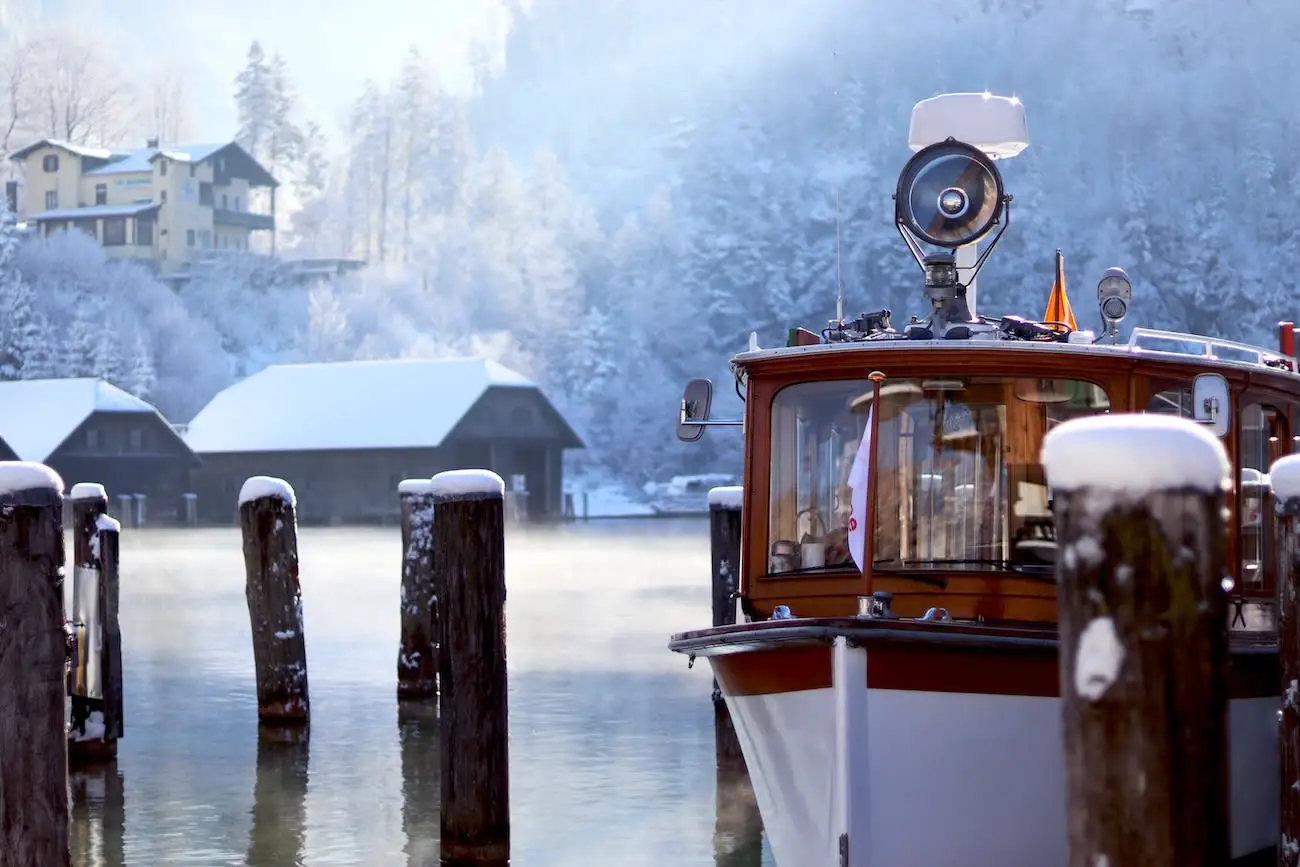
You've probably heard this before— the city of Salzburg is straight out of a fairytale. Nestled in the mountains, this romantic city's Baroque architecture with colorful domes and spires is especially striking against the ancient fortress and Austrian Alpine backdrop. If you're looking for an amazing view, climb up to Hohensalzburg Fortress, Central Europe's largest intact fortress, for a jaw-dropping panorama of the city backed by misty mountains. Perhaps most famous for being the birthplace of the renowned composer Wolfgang Amadeus Mozart and the filming location for the classic The Sound of Music, this city has much to offer. Salzburg has become an important artistic and cultural center, featuring magnificent concert halls that uphold the city's tradition of classical music every day of the year, as well as acclaimed art exhibitions and museums. If you do it right, your visit to Salzburg will immerse you in the city's unforgettable atmosphere and keep you coming back for more. 

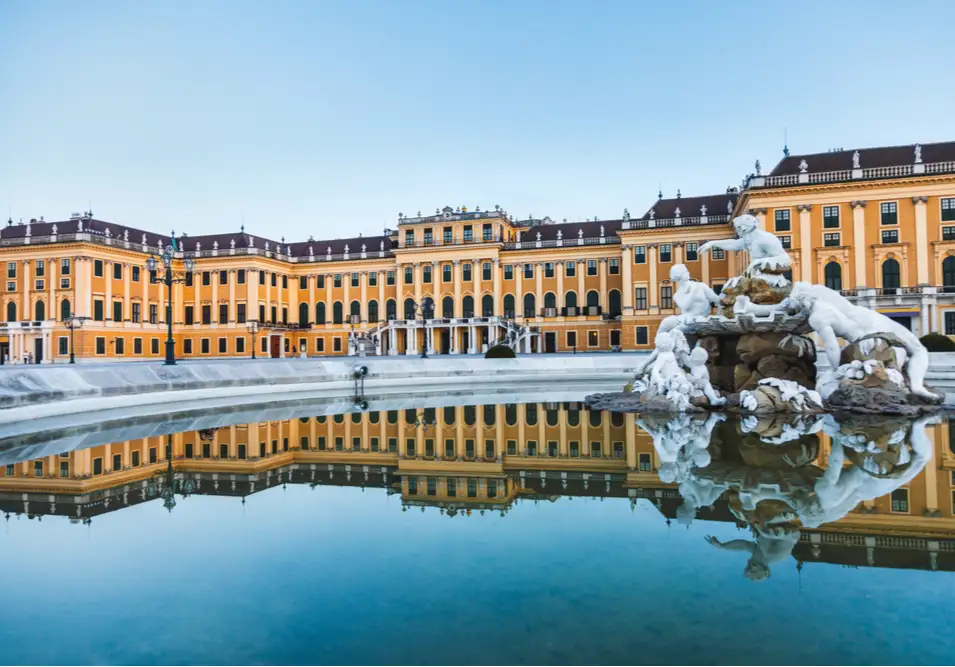
winter Schönbrunn Palace in Vienna austria

Vienna

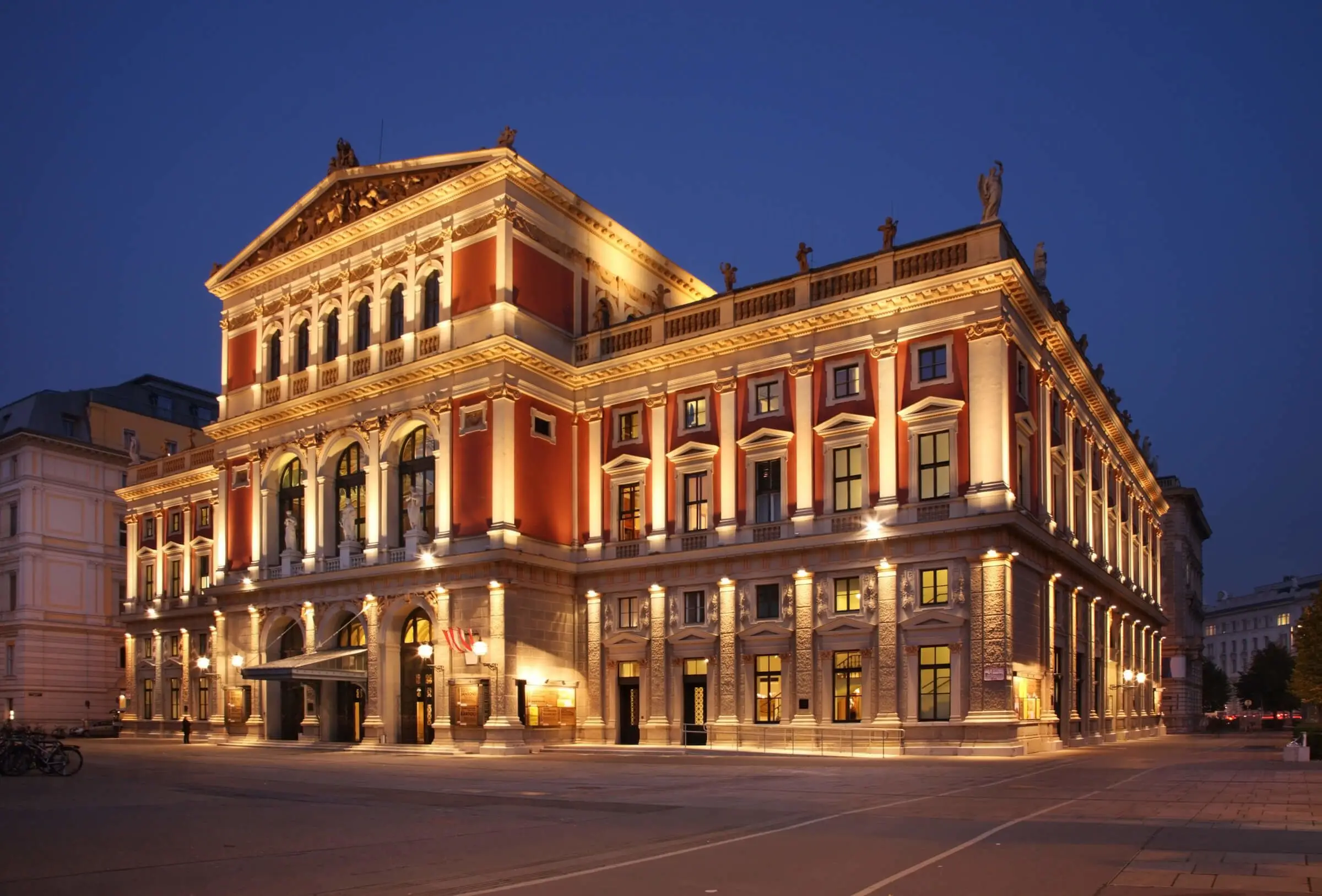
Artistic and musical, historical and elegant, Vienna is the definition of class. The seat of the Habsburg monarchy for over six centuries, it's no wonder this city is still fit for royalty. Baroque buildings and imperial palaces dominate the cityscape, while locals stride gracefully through the streets, likely on their way to a classical music concert or art exhibition. Visitors from all over the world flock to Schonbrunn Palace, historical museums, and local eateries for authentic Viennese schnitzel.  Vienna is also home to world-class wining and dining. Famous dishes include Wiener schnitzel, Tafelspitz (prime boiled beef), and apfelstrudel (apple strudel), all of which pair well with a glass of fine Austrian wine. No matter how long you spend in Vienna, you'll leave with a new appreciation for the finer things in life. 

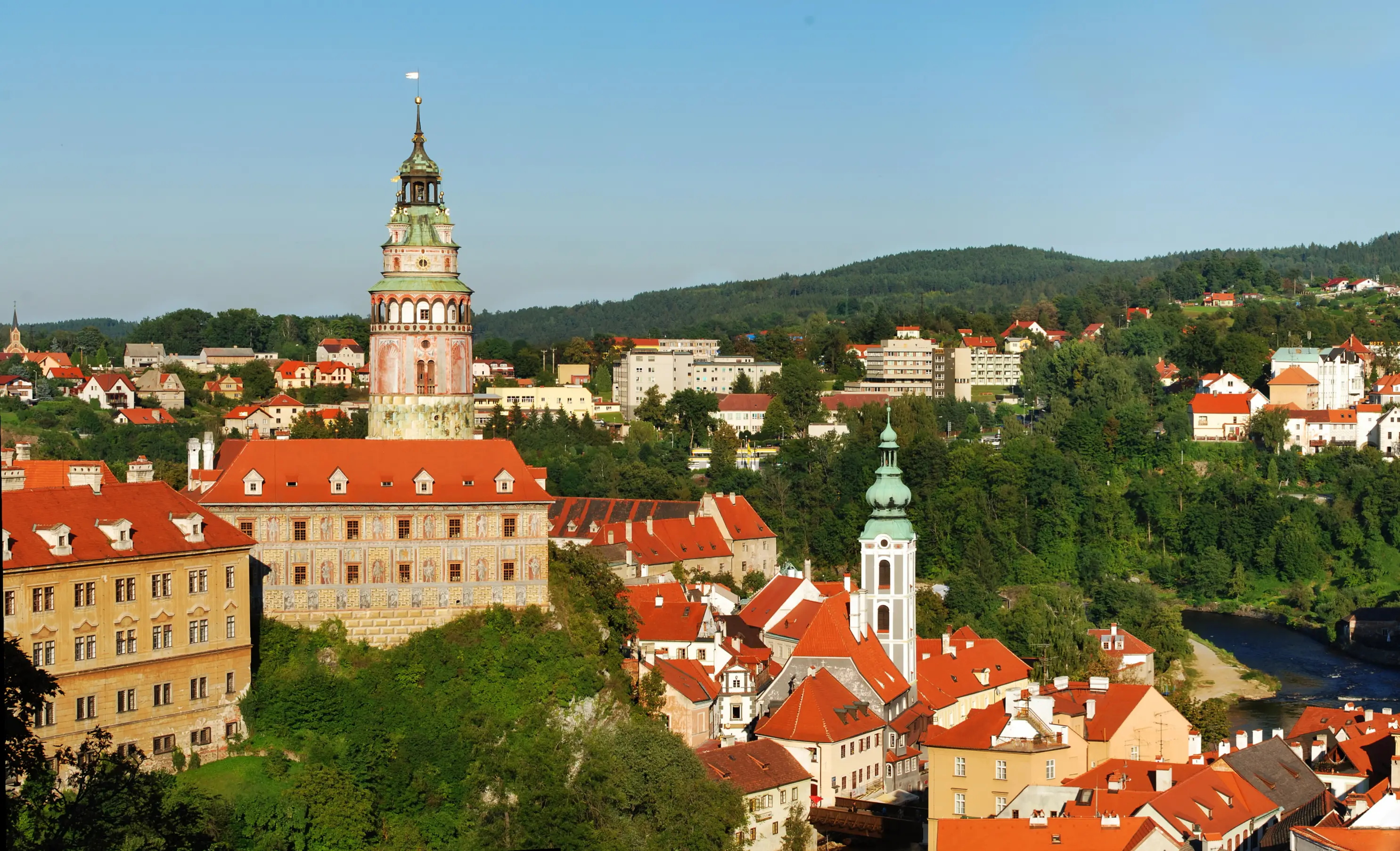
Overhead View of Red Rooftops in Cesky Krumlov

Cesky Krumlov

Cesky Krumlov is a charming little town in South Bohemia. It might be small, but it’s full of whimsical character and mystery. Walking through the narrow streets and across the bridge, the views of the medieval Cesky Krumlov Castle will take your breath away. At night, street musicians serenade visitors on the bridge where you can dance beneath the stars and the watchful eye of the magnificent tower.  Dozens of unique local artisan shops, cafes, and restaurants are woven among the winding streets. In the summer, the city is lush with life and greenery. Rafters race down the river, stopping in the center along the way to enjoy a hearty meal before continuing their journey. In the winter, the main square transforms into a magnificent Christmas market and light blankets of snow cover the rooftops. This quaint little town will exceed your expectations and you may never want to leave.  
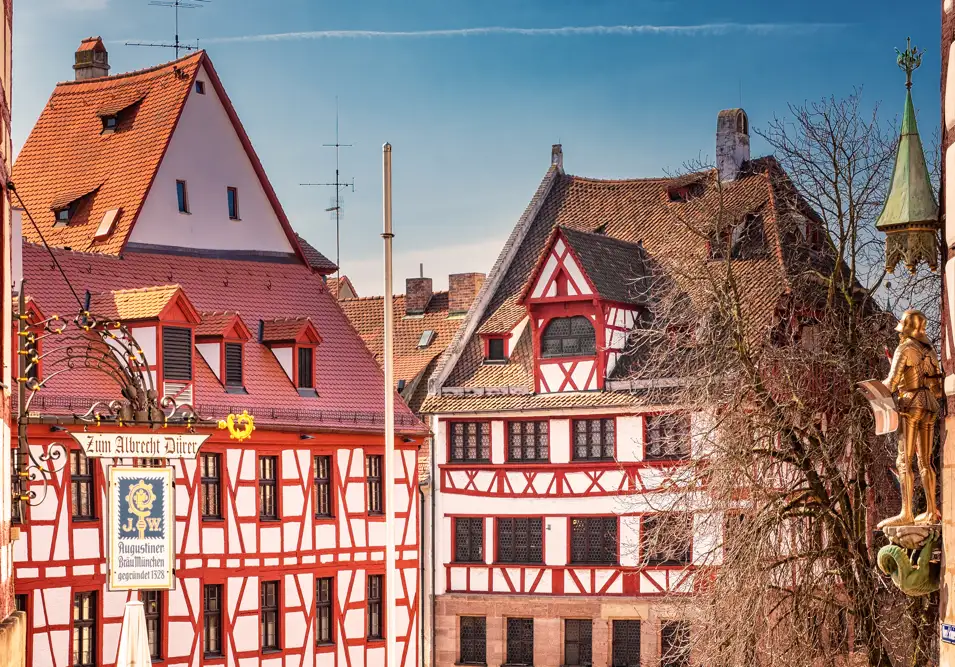
half timbered houses in nuremberg germany

Nuremberg

One of the most authentic, storied German destinations, Nuremberg's picturesque old town, glorious castle, and buzzing Christmas Market makes this city a time-true classic. The ideal gateway to old Bavaria, Nuremberg offers a primer in German history before you embark on the lovely journey through old Bavaria, known as the Romantic Road. Considered the capital of the Holy Roman Empire in the middle ages, Nuremberg would have felt like the center of the world as a procession of kings and emperors passed through its magnificent gates. When the German Renaissance came, Nuremberg was at its heart. Albrecht Dürer, the great German master artist, was born here, and Martin Luther called Nuremberg Germany's 'eyes and ears'. Skip forward a few centuries, and the city took a dark turn, as Nuremberg became a gathering point for the German National Socialists. Slightly outside of town, you can still find the Nazi Party Rallying Grounds, a sobering reminder of the not so distant past. If it all gets too heavy, you can end the day with a glass of rotbier (red beer) and mull it over. Nuremberg is a must-see for anyone who wants to delve into Germany's past. 
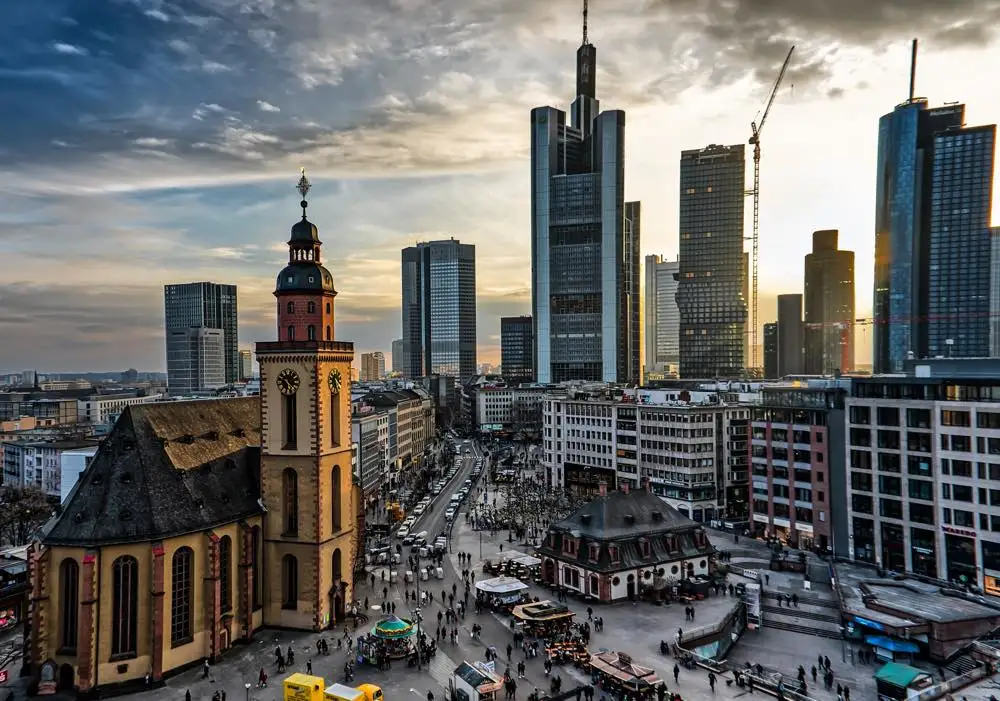
Skyscrapers and an old church at sunset in Frankfurt

Frankfurt

Dubbed ‘Mainhatten’ for its glass highrises, financial prowess, and proximity to the Main River, Frankfurt offers a fascinating glimpse into the ‘engine room’ of Europe’s economy with an unexpected twist. Among the glass and steel buildings, the old-worldly Römerberg square will give you a double-take. The square’s 15th-century half-timbered houses, old statues, and church spires contrast dramatically against the modern 21st-century skyscrapers beyond. If you visit at Christmas, the Römerberg is truly special, aglow with the light of the tallest Christmas tree in Germany. The square fills with stalls selling handicrafts, and the air is scented with hot apple wine, honey, and cinnamon.  Delve deeper into Frankfurt and you’ll find a substantial museum district, the Museumsufer (Museum Embankment). This area features a cluster of twelve museums on either side of Main River. This includes the Städel, home to Tischbein’s famous painting of renowned writer Johann Wolfgang von Goethe, one of Frankfurt’s most prestigious sons. The more time you spend in Frankfurt, the more you’ll discover a highly cultured city lurking beneath its glass facades. If you have the time, Frankfurt is certainly worth a second look.      
👋

Hi! Need help planning your dream trip? 🌍

Go Real Travel Assistant

Online

Welcome! Where are you in your journey?

Pick the option that fits you best so we can route you to the right help.