👋

Hi! Need help planning your dream trip? 🌍

Go Real Travel Assistant

Online

Welcome! Where are you in your journey?

Pick the option that fits you best so we can route you to the right help.

The Ultimate Southern Spain and Portugal Itinerary

destination-icon10 Day Tour of Seville, Lisbon and Porto

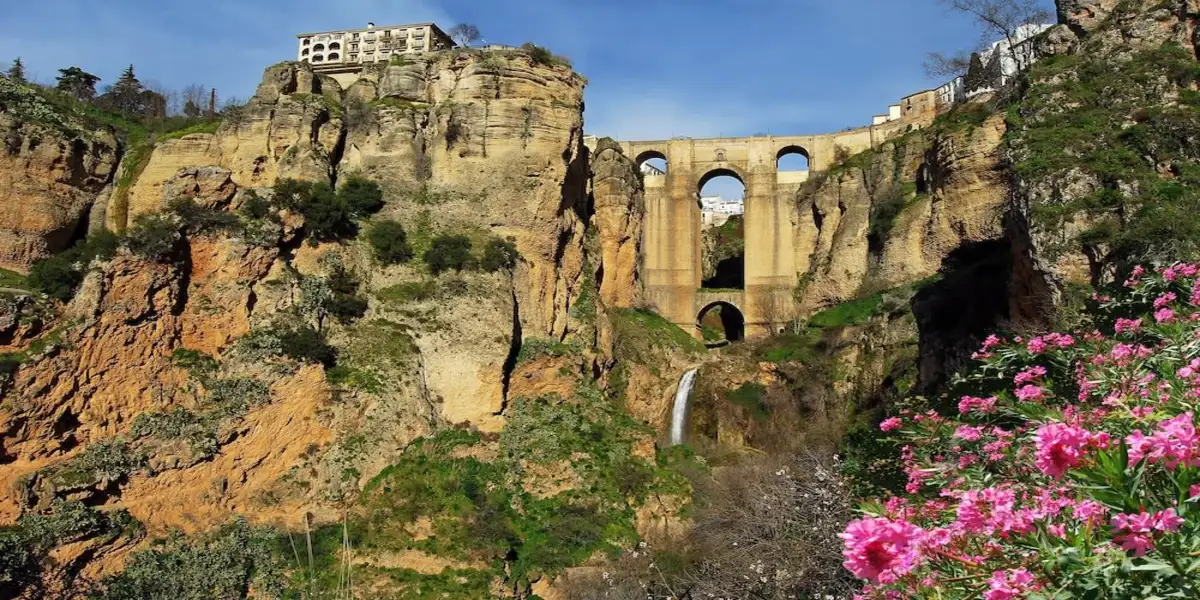
Ronda New Bridge View
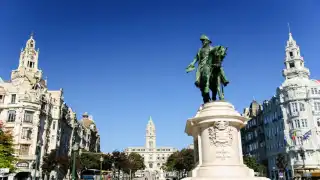
porto equestrian monument in front of the city hall
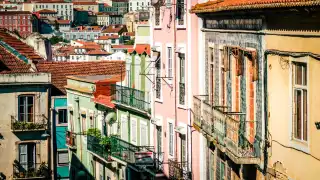
colourful street and buldings in downtown lisbon
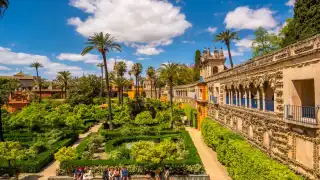
alcazar gardens from balcony
image
arrowLightLeft
arrowLightRight
calendar-icon
10 Days 9 Nights
calendar-icon
Best Time: Jan-Dec
building-icon
History Buffs
family-icon
Experiencing the Local Scene
Explore Spain's Andalusia and Portugal's most beautiful cities on a captivating 10-day journey through Seville, Lisbon, and Porto. This trip blends historic charm with local culture and nightlife. It includes private guided tours in each city, unveiling grand royal palaces and UNESCO world heritage sites, such as the Seville Cathedral. Experience the charm of Moorish architecture in the Royal Alcazar, and be astounded by the grand Jerónimos Monastery. Our meticulously planned itinerary includes day trips to Andalusia's cliffside jewel, Ronda, and to the Douro River Valley, and it's all made easy with our mobile app's detailed travel guidance.
  • Wander Seville's Casco Antiguo, tour the Royal Alcazar, and enjoy an evening flamenco performance.
  • Take a private guided day trip to the cliffside town of Ronda to explore Spain's oldest bullring.
  • In Lisbon, explore the historic districts of Bairro Alto and Chiado.
  • See Porto's historic Ribeira district and enjoy a tasting tour in the port wine cellars of Gaia.
  • Take a quick jaunt to Matosinhos for sandy beaches and the seaside charm of the coast near Porto.
Explore Spain's Andalusia and Portugal's most beautiful cities on a captivating 10-day journey through Seville, Lisbon, and Porto. This trip blends historic charm with local culture and nightlife. It includes private guided tours in each city, unveiling grand royal palaces and UNESCO world heritage sites, such as the Seville Cathedral. Experience the charm of Moorish architecture in the Royal Alcazar, and be astounded by the grand Jerónimos Monastery. Our meticulously planned itinerary includes day trips to Andalusia's cliffside jewel, Ronda, and to the Douro River Valley, and it's all made easy with our mobile app's detailed travel guidance.
  • Wander Seville's Casco Antiguo, tour the Royal Alcazar, and enjoy an evening flamenco performance.
  • Take a private guided day trip to the cliffside town of Ronda to explore Spain's oldest bullring.
  • In Lisbon, explore the historic districts of Bairro Alto and Chiado.
  • See Porto's historic Ribeira district and enjoy a tasting tour in the port wine cellars of Gaia.
  • Take a quick jaunt to Matosinhos for sandy beaches and the seaside charm of the coast near Porto.
European Adventure
Alcazar
UNESCO World Heritage
Scenic Europe
Seville Cathedral
Churches & Monasteries
Exploring European Beauty
Plaza de Espana
Architecture
Traveling Through Europe
Santa Cruz
Jewish Heritage
European Wonders
Triana District
Neighborhood
Captivating European Destinations
Plaza de Toros
National Site
Picturesque Europe
Baixa
Neighborhood
European Charm
Praça do Comércio
Architecture
Discovering Europe's Treasures
Ribeira Square
Neighborhood

Must see sights

European Adventure
Alcazar
UNESCO World Heritage
Scenic Europe
Seville Cathedral
Churches & Monasteries
Exploring European Beauty
Plaza de Espana
Architecture
Traveling Through Europe
Santa Cruz
Jewish Heritage
European Wonders
Triana District
Neighborhood
Captivating European Destinations
Plaza de Toros
National Site
Picturesque Europe
Baixa
Neighborhood
European Charm
Praça do Comércio
Architecture
Discovering Europe's Treasures
Ribeira Square
Neighborhood
Loading...

Starting from

$2799

per person

no-flightNot included

Secure Your Customizable Trip

Enter your details to embark on a journey that can be tailored just for you.

Start

Travelers

0 travelers
Add Room
Remove Room

Preferred Hotel Stars

Select Hotel Stars
Craft Your Own Itinerary

Select your interests and destinations for a trip plan inspired by you.

Andulacia and Portugal Trip - Map & Itinerary

Enable/Disable Map Scrolling

Click To Make Map Interactive

Andulacia and Portugal Trip Timeline

Arrival

3 nights

Seville

Spain

Air: 1h05m

2 nights

Lisbon

Portugal

Train: 3h

4 nights

Porto

Portugal

Departure

Day-By-Day Itinerary of Andulacia and Portugal Trip

image

Day 1

Arrive Seville

Day 1

Arrive Seville

icon
icon
icon

11:00 AM

Airport Pick-up

Seville airport has one terminal for arrivals and departures. This simplicity allows for uncomplicated access to taxis.  Sevilla Taxis, however, are a bit complicated.  It is important to know your destination, and understand what you can and cannot be charged for.  A trip from the airport to downtown Seville is a flat rate + baggage + airport access. More details will be provided in your full itinerary. Unless you place a premium on ease of travel, or if you have heavy bags, using the bus or local train that serves the airport might be a better option.

Airport Pick-up

11:00 AM — Airport Pick-up

Seville airport has one terminal for arrivals and departures. This simplicity allows for uncomplicated access to taxis.  Sevilla Taxis, however, are a bit complicated.  It is important to know your destination, and understand what you can and cannot be charged for.  A trip from the airport to downtown Seville is a flat rate + baggage + airport access. More details will be provided in your full itinerary. Unless you place a premium on ease of travel, or if you have heavy bags, using the bus or local train that serves the airport might be a better option.
Mid-Day/Afternoon — Seville Centro

Uncover the historic heart of Seville and visit its most iconic attractions. This area, centered around the breath-taking Seville Cathedral and the nearby Church of the Divine Savior, offers a mix of grand architecture, religious heritage, and lively street life. Bounded by the Alcázar to the south and the Guadalquivir River to the west, this section of Seville has been an active hub since the city’s Moorish period, making it a must-see for your visit.

Seville Cathedral

La Giralda

Visit an ancient acheivement to see Seville both old and new.

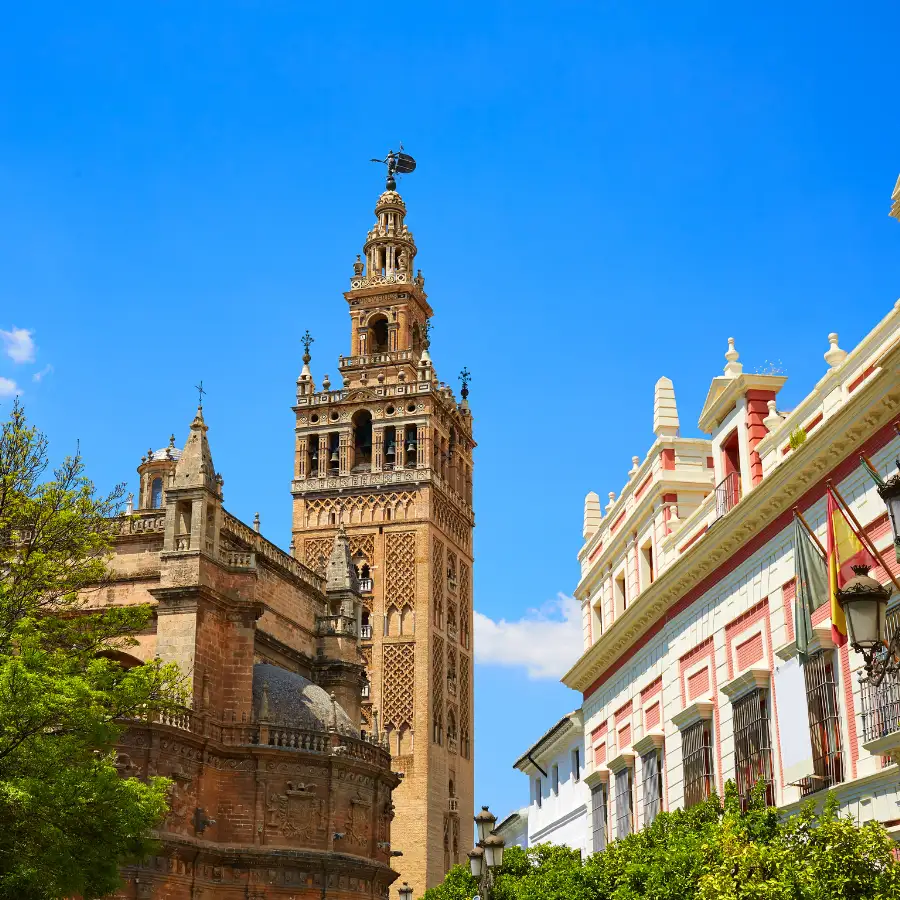
La Giralda, an iconic symbol of Seville, is a bell tower of the Seville Cathedral originally built as a minaret during the Almohad dynasty in the 12th century. Standing at 104 meters, it was one of the tallest towers in the world upon completion. The tower combines Islamic and Renaissance architectural styles, with a stunning Renaissance belfry added in the 16th century. Visitors can climb the ramped passageways to the top for panoramic views of Seville. La Giralda's rich history and architectural grandeur make it a highlight of the city's skyline.

Torre del Oro

Visit this tower, one of the Moorish landmarks of the city.

The Torre del Oro is a 13th-century military watchtower situated on the banks of the Guadalquivir River in Seville. Built by the Almohad dynasty, it served as a defensive structure to control access to the river and protect the city from naval attacks. The tower's name, "Tower of Gold," is thought to refer either to the golden hue of its reflection on the river or to its original use as a storage place for gold brought from the Americas. Today, the Torre del Oro houses a small maritime museum and offers panoramic views of the city from its rooftop.

Plaza de Toros de la Maestranza

Step into the ring...

Plaza de Toros de la Maestranza is one of the most famous bullrings in Spain, located in the heart of Seville along the Guadalquivir River. Completed in the 18th century, it is known for its distinctive Baroque façade and is one of the oldest bullrings still in use today. The bullring has a seating capacity of around 12,000 and hosts the annual Feria de Abril, one of the most important events in the Spanish bullfighting calendar. In addition to the bullfights, the site includes a museum that offers insights into the history and tradition of bullfighting in Seville.

Late Afternoon/Early Evening — Casco Antiguo Norte

The northern part of Seville's Casco Antiguo (Old Town) offers captivating historical attractions as well as a strikingly modern landmark in the Setas de Sevilla. This area, with its mix of cultural landmarks and lively atmosphere, provides a unique perspective on Seville's heritage, while also offering a glimpse into the city's life beyond the most touristed quarters. For instance, this is where you'll find the Alameda de Hércules, a vibrant boulevard filled with cafes and nightlife, where the locals often head for an evening out on the town. You can explore two of Seville's most beautiful architectural masterpieces, the majestic Duenas Palace with its rich history and stunning gardens, and the Casa de Pilatos, which is a showcase for exquisite architecture and art. Art lovers should also not miss the Museum of Fine Arts for an impressive array of Spanish masterpieces. For some visitors, the highlight of their visit to the city is the contemporary Setas de Sevilla, also known as the Metropol Parasol. It offers panoramic views and a glimpse into Seville's innovative spirit.

Setas de Sevilla

Walk above the rooftops of Seville on this strikingly modern wooden parasol.

Discover the contemporary Metropol Parasol, also known as "Las Setas," a striking wooden structure that offers panoramic views of Seville and covers one of the city's main squares. Completed in 2011, it features a lively market, archaeological museum, and rooftop walkway. It's a modern architectural icon blending history and innovation in the heart of the city.

Duenas Palace

Explore the lavish Duenas Palace and its breathtaking gardens.

Although overshadowed by the Royal Alcazar and Casa de Pilatos, you may find the opulent Duenas Palace is your favorite place in Seville. The palace is a stunning example of Andalusian architecture with beautiful gardens, an excellent art collection, and an interesting history that dates back to the 15th century. This palace, once home to the Duchess of Alba, showcases a mix of Renaissance, Gothic, and Moorish styles that are not only beautiful, but perfectly preserved, creating a magical setting.

Alameda de Hércules

Stroll a lively and wide boulevard that is also Seville's oldest public garden.

The Alameda de Hércules is a lively boulevard is adorned with Roman columns and statues of Hercules and is a hub of local culture and nightlife. It was established in 1574 as Seville's oldest public garden, but today it's an ideal spot to experience the city's vibrant social scene amidst locals and to enjoy various cafes and bars.

Casa de Pilatos

Tour one of Seville's most magnificent architectural gems, the Casa de Pilatos.

The splendid Casa de Pilatos is a 16th-century palace renowned for its exquisite Mudéjar, Gothic, and Renaissance architectural elements. The palace features a stunning courtyard, richly decorated rooms, and a remarkable collection of ancient artifacts and artworks. It's a masterpiece of Seville's architectural heritage.

Museum of Fine Arts

Admire Spanish masterpieces at the Museum of Fine Arts.

The Museum of Fine Arts' extensive collection of Spanish art is housed in a former convent. Established in 1839, the museum boasts works by renowned artists such as Murillo, Zurbarán, and Goya. The 17th-century building itself is a beautiful example of Baroque architecture, with tranquil courtyards and ornate interiors.

image

Day 1

Arrive Seville


icon
icon
icon

11:00 AM:

Airport Pick-up

Mid-Day/Afternoon:

Seville Centro

Late Afternoon/Early Evening:

Casco Antiguo Norte

Airport Pick-up

Airport Pick-up

Seville airport has one terminal for arrivals and departures. This simplicity allows for uncomplicated access to taxis.  Sevilla Taxis, however, are a bit complicated.  It is important to know your destination, and understand what you can and cannot be charged for.  A trip from the airport to downtown Seville is a flat rate + baggage + airport access. More details will be provided in your full itinerary. Unless you place a premium on ease of travel, or if you have heavy bags, using the bus or local train that serves the airport might be a better option.

11:00 AM — Airport Pick-up

Seville airport has one terminal for arrivals and departures. This simplicity allows for uncomplicated access to taxis.  Sevilla Taxis, however, are a bit complicated.  It is important to know your destination, and understand what you can and cannot be charged for.  A trip from the airport to downtown Seville is a flat rate + baggage + airport access. More details will be provided in your full itinerary. Unless you place a premium on ease of travel, or if you have heavy bags, using the bus or local train that serves the airport might be a better option.

Mid-Day/Afternoon — Seville Centro

Uncover the historic heart of Seville and visit its most iconic attractions. This area, centered around the breath-taking Seville Cathedral and the nearby Church of the Divine Savior, offers a mix of grand architecture, religious heritage, and lively street life. Bounded by the Alcázar to the south and the Guadalquivir River to the west, this section of Seville has been an active hub since the city’s Moorish period, making it a must-see for your visit.

Seville Cathedral

La Giralda

Visit an ancient acheivement to see Seville both old and new.

La Giralda, an iconic symbol of Seville, is a bell tower of the Seville Cathedral originally built as a minaret during the Almohad dynasty in the 12th century. Standing at 104 meters, it was one of the tallest towers in the world upon completion. The tower combines Islamic and Renaissance architectural styles, with a stunning Renaissance belfry added in the 16th century. Visitors can climb the ramped passageways to the top for panoramic views of Seville. La Giralda's rich history and architectural grandeur make it a highlight of the city's skyline.

Torre del Oro

Visit this tower, one of the Moorish landmarks of the city.

The Torre del Oro is a 13th-century military watchtower situated on the banks of the Guadalquivir River in Seville. Built by the Almohad dynasty, it served as a defensive structure to control access to the river and protect the city from naval attacks. The tower's name, "Tower of Gold," is thought to refer either to the golden hue of its reflection on the river or to its original use as a storage place for gold brought from the Americas. Today, the Torre del Oro houses a small maritime museum and offers panoramic views of the city from its rooftop.

Plaza de Toros de la Maestranza

Step into the ring...

Plaza de Toros de la Maestranza is one of the most famous bullrings in Spain, located in the heart of Seville along the Guadalquivir River. Completed in the 18th century, it is known for its distinctive Baroque façade and is one of the oldest bullrings still in use today. The bullring has a seating capacity of around 12,000 and hosts the annual Feria de Abril, one of the most important events in the Spanish bullfighting calendar. In addition to the bullfights, the site includes a museum that offers insights into the history and tradition of bullfighting in Seville.

Late Afternoon/Early Evening — Casco Antiguo Norte

The northern part of Seville's Casco Antiguo (Old Town) offers captivating historical attractions as well as a strikingly modern landmark in the Setas de Sevilla. This area, with its mix of cultural landmarks and lively atmosphere, provides a unique perspective on Seville's heritage, while also offering a glimpse into the city's life beyond the most touristed quarters. For instance, this is where you'll find the Alameda de Hércules, a vibrant boulevard filled with cafes and nightlife, where the locals often head for an evening out on the town. You can explore two of Seville's most beautiful architectural masterpieces, the majestic Duenas Palace with its rich history and stunning gardens, and the Casa de Pilatos, which is a showcase for exquisite architecture and art. Art lovers should also not miss the Museum of Fine Arts for an impressive array of Spanish masterpieces. For some visitors, the highlight of their visit to the city is the contemporary Setas de Sevilla, also known as the Metropol Parasol. It offers panoramic views and a glimpse into Seville's innovative spirit.

Setas de Sevilla

Walk above the rooftops of Seville on this strikingly modern wooden parasol.

Discover the contemporary Metropol Parasol, also known as "Las Setas," a striking wooden structure that offers panoramic views of Seville and covers one of the city's main squares. Completed in 2011, it features a lively market, archaeological museum, and rooftop walkway. It's a modern architectural icon blending history and innovation in the heart of the city.

Duenas Palace

Explore the lavish Duenas Palace and its breathtaking gardens.

Although overshadowed by the Royal Alcazar and Casa de Pilatos, you may find the opulent Duenas Palace is your favorite place in Seville. The palace is a stunning example of Andalusian architecture with beautiful gardens, an excellent art collection, and an interesting history that dates back to the 15th century. This palace, once home to the Duchess of Alba, showcases a mix of Renaissance, Gothic, and Moorish styles that are not only beautiful, but perfectly preserved, creating a magical setting.

Alameda de Hércules

Stroll a lively and wide boulevard that is also Seville's oldest public garden.

The Alameda de Hércules is a lively boulevard is adorned with Roman columns and statues of Hercules and is a hub of local culture and nightlife. It was established in 1574 as Seville's oldest public garden, but today it's an ideal spot to experience the city's vibrant social scene amidst locals and to enjoy various cafes and bars.

Casa de Pilatos

Tour one of Seville's most magnificent architectural gems, the Casa de Pilatos.

The splendid Casa de Pilatos is a 16th-century palace renowned for its exquisite Mudéjar, Gothic, and Renaissance architectural elements. The palace features a stunning courtyard, richly decorated rooms, and a remarkable collection of ancient artifacts and artworks. It's a masterpiece of Seville's architectural heritage.

Museum of Fine Arts

Admire Spanish masterpieces at the Museum of Fine Arts.

The Museum of Fine Arts' extensive collection of Spanish art is housed in a former convent. Established in 1839, the museum boasts works by renowned artists such as Murillo, Zurbarán, and Goya. The 17th-century building itself is a beautiful example of Baroque architecture, with tranquil courtyards and ornate interiors.

image

Day 2

Seville

Day 2

Seville

icon
icon
icon

9:00 AM - 12:30 PM

Guided Highlights & Alcazar

Walk with your private guide and discover the long, eventful history of Seville. From Roman walls built at the command of Julius Caesar to the Royal Alcazar Palace of the Caliphs, from and St. Mary's Cathedral, a repurposed mosque, to the General Archive ofthe Indies containing the early records of New World exploration, this tour will amaze you. Your guide will help you skip the lines for the Alcazar, one of the triumphs of Moorish architecture, to illustrate the many winds of history that have blown through Seville's streets.

Guided Highlights & Alcazar

9:00 AM - 12:30 PM — Guided Highlights & Alcazar

Walk with your private guide and discover the long, eventful history of Seville. From Roman walls built at the command of Julius Caesar to the Royal Alcazar Palace of the Caliphs, from and St. Mary's Cathedral, a repurposed mosque, to the General Archive ofthe Indies containing the early records of New World exploration, this tour will amaze you. Your guide will help you skip the lines for the Alcazar, one of the triumphs of Moorish architecture, to illustrate the many winds of history that have blown through Seville's streets.
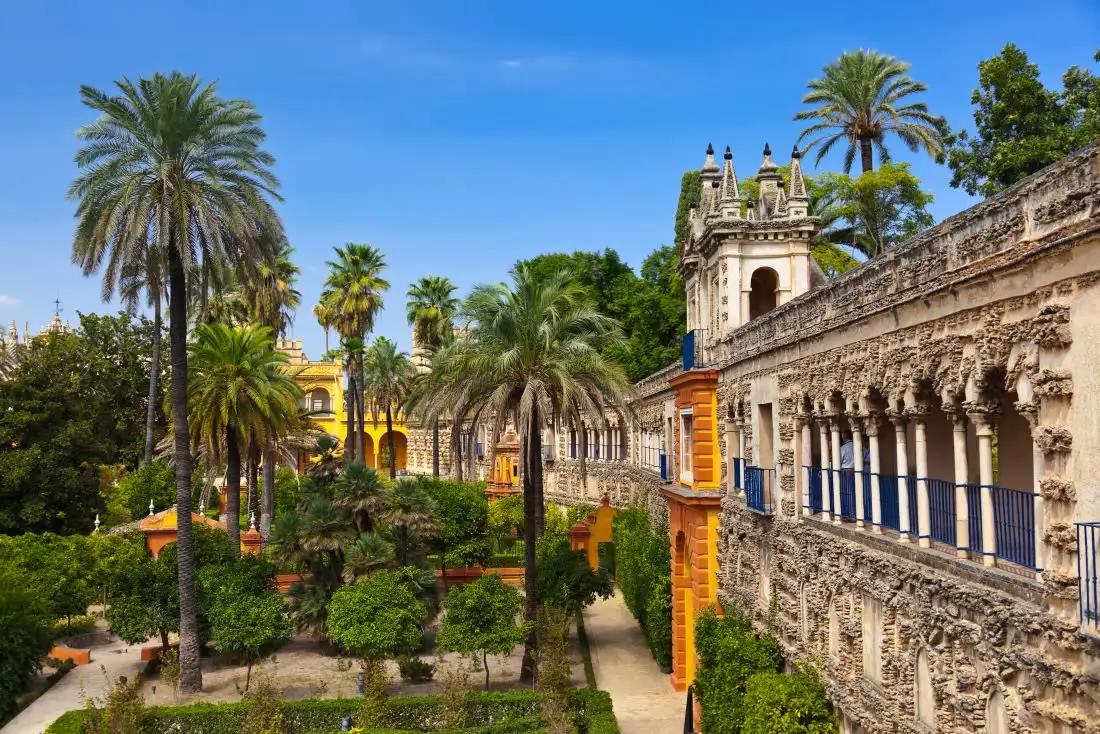
Seville Alcazar

The Seville Alcázar, a UNESCO World Heritage site, is a stunning blend of Mudéjar, Gothic, Renaissance, and Baroque architecture. Originally a 10th-century fortress, it features the exquisite Patio de las Doncellas, the grand Salón de Embajadores, and lush, expansive gardens.

The Seville Alcázar, a UNESCO World Heritage site, stands as a testament to Spain's rich cultural history and architectural prowess. Originally built in the 10th century as a fortress for the Cordoban governors of Seville, the Alcázar was later transformed into a magnificent royal palace. This evolution resulted in a unique blend of Mudéjar, Gothic, Renaissance, and Baroque styles, creating a visually stunning and historically significant monument. Visitors can explore the enchanting Patio de las Doncellas, a courtyard renowned for its intricate tilework and lush greenery. The Salón de Embajadores, once the site of grand state affairs, dazzles with its elaborate decoration and regal ambiance. The Alcázar's expansive gardens are a highlight, featuring tranquil fountains, fragrant orange trees, and meticulously maintained landscapes. These gardens offer a serene escape and a vivid glimpse into the luxurious lifestyles of Spain's Moorish and Christian rulers.

Mid-Day/Afternoon — Plaza de España

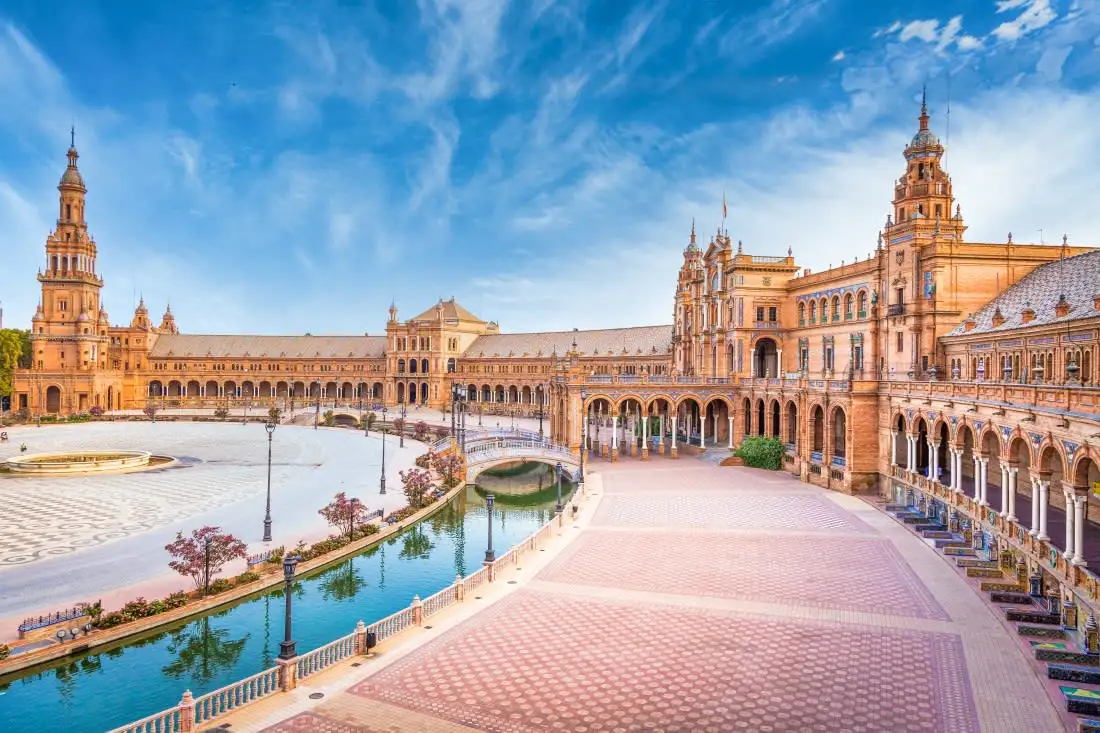
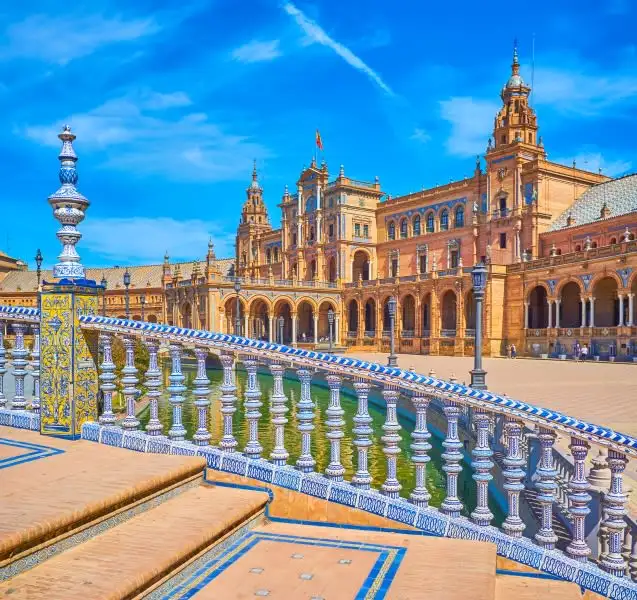
The Plaza de España and its surrounding 1929 Exhibition Grounds in Seville offer a remarkable combination of historical grandeur, cultural experiences, and scenic beauty. Originally built for the 1929 Ibero-American Exposition, the area is a stunning example of Renaissance Revival architecture and a key cultural hub within the city. Nestled along the Parque de Maria Luisa, a large green oasis in the city center, it's a perfect opportunity for leisurely walks, visiting museums, and enjoying local traditions such as impromptu flamenco performance

Plaza de España

Marvel at its grand architecture, vibrant tilework, and picturesque canal at the Plaza de España

The semi-circular plaza features beautifully painted ceramic tiles representing each province of Spain, showcasing the country's rich cultural heritage. You can rent a rowboat for a serene boat ride along the canal, offering a unique perspective of this iconic landmark. You may also catch a flamenco performance, the traditional dance of Andalusia, as dancers often put on a show for the tourists (tips expected).

Afternoon to Early Evening — Triana

Less sights, more neighborhood. Though it has changed a bit over the past few years, the Triana quarter across the river from Seville's center, remains a living place dedicated to the needs and desires of the residents. People live here. They are happy to share their history with visitors, and feel free to shop along at the Triana market or investigate the area's long history of ceramics at the Centro Cerámicas. A walk along the waterfront affords beautiful views of the old city and its sights like the Torre del Oro. And when you visit the Torre del Oro, you can gaze over at the brightly-hued waterfront of Triana!

Mercado de Triana

Quaint indoor bazaar with many vendor stalls selling produce, meat & prepared meals, plus a museum.

Mercado de Triana, situated in the vibrant Triana district of Seville, is a lively market steeped in history and culture. Located on the site of the ancient Castillo de San Jorge, this bustling market offers a rich variety of fresh produce, local delicacies, and traditional Spanish goods. Wander through its colorful stalls to find everything from fresh seafood and Iberian ham to artisanal cheeses and fragrant spices. The market's lively atmosphere and friendly vendors provide an authentic taste of local life. Beyond shopping, visitors can enjoy tapas at one of the market's many bars or explore the small museum dedicated to the history of the Castillo de San Jorge, adding a unique historical dimension to the experience.

Church of Santa Ana

Historic 13th-century Catholic church with Gothic-Mudéjar architecture, a crypt & a museum.

The Real Parroquia de Señora Santa Ana, located in the heart of Seville's Triana district, is one of the city's oldest and most revered churches. Built in the 13th century by King Alfonso X, this Gothic-Mudéjar structure is often referred to as the "Cathedral of Triana." Admire the church's striking exterior with its distinct brickwork and rose window, and step inside to marvel at the richly decorated altarpiece and beautiful chapels. The church holds significant historical and cultural importance, serving as a spiritual center for the local community and a testament to Seville's architectural heritage. Visitors can also explore the nearby Calle Betis, enjoying stunning views of the Guadalquivir River and the historic cityscape.

Teatro Flamenco Triana

Experience a flamenco show in one of Seville's most esteemed venues.

Teatro Flamenco Triana in Seville offers an intimate and authentic experience of Andalusia's most iconic art form. Nestled in the heart of Triana, a neighborhood deeply connected to flamenco's roots, the theater showcases passionate performances by talented local dancers, singers, and guitarists. The venue’s compact size ensures that every visitor has a close-up view, making the emotions and intensity of each performance even more palpable. 

Capilla de los Marineros

Pay a short pilgrimage with the locals to this shrine of Mary.

Capilla de los Marineros is a small chapel located in the heart of the Triana district, dedicated to the Brotherhood of the Esperanza de Triana. The chapel is famous for housing the revered statue of Our Lady of Hope (Esperanza de Triana), one of Seville's most venerated religious icons. The chapel is a key site during Holy Week, when the statue is carried in one of the city's most significant processions. The interior of the Capilla de los Marineros is richly decorated, reflecting the deep religious and cultural traditions of the Triana community.

image

Day 2

Seville

image

Day 3

Seville

Day 3

Seville

icon
icon

9:00 AM - 5:00 PM

Ronda Guided Excursion

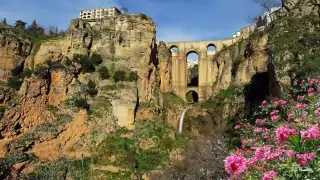
Ronda, perched dramatically above a deep gorge in the Andalusian mountains of Spain, is a city intergrated with its natural beauty. This ancient town, famously split by the El Tajo gorge, over which the impressive Puente Nuevo bridge stands, offers breathtaking views that have inspired artists and writers for centuries. Ronda is known for its historic bullring, one of the oldest in Spain, and boasts writer Earnest Hemmingway and dircetor Orson Welles as devotees. This private guided excursion to Ronda will allow you to visit Spain's oldest bullfighting ring, explore winding cobbled streets, discover local wines and tapas, and immerse themselves in a place where every corner reflects the millennia of Spanish history.

Ronda Guided Excursion

9:00 AM - 5:00 PM — Ronda Guided Excursion

Ronda, perched dramatically above a deep gorge in the Andalusian mountains of Spain, is a city intergrated with its natural beauty. This ancient town, famously split by the El Tajo gorge, over which the impressive Puente Nuevo bridge stands, offers breathtaking views that have inspired artists and writers for centuries. Ronda is known for its historic bullring, one of the oldest in Spain, and boasts writer Earnest Hemmingway and dircetor Orson Welles as devotees. This private guided excursion to Ronda will allow you to visit Spain's oldest bullfighting ring, explore winding cobbled streets, discover local wines and tapas, and immerse themselves in a place where every corner reflects the millennia of Spanish history.

Ronda Bullring (Plaza de Toros)

Experience the grandeur of Plaza de Toros, Spain's oldest and most iconic bullring.

Built in 1785, this Neoclassical bullring is renowned for its monumental architecture and historical significance as a birthplace of modern bullfighting. Explore the ring’s sandy arena, follow the path of bulls and bullfighters through the arena complex, and wander through its museum to learn about the art and tradition of bullfighting.

Waterfall & New Bridge View

Marvel at the iconic Mirador Puente Nuevo de Ronda, where breathtaking views of the New Bridge and a stunning waterfall come together in a perfect scene.

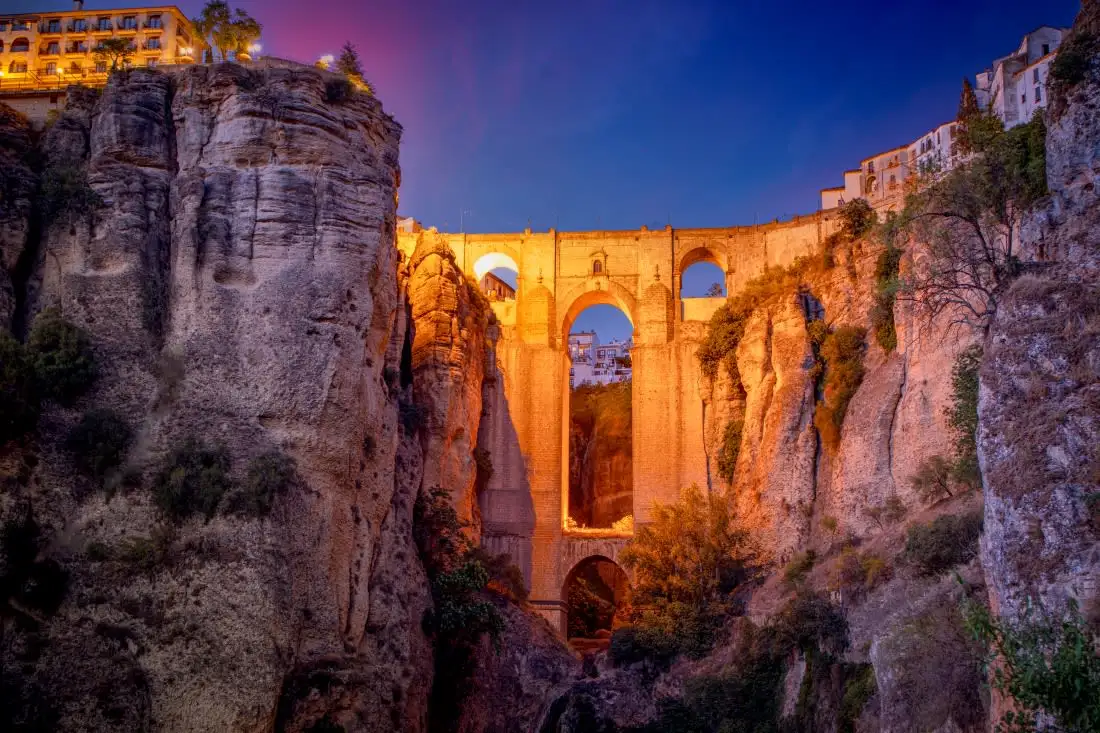
This vantage point offers a dramatic perspective of the 18th-century Puente Nuevo, soaring 320 feet (98m) above the El Tajo gorge, with the Guadalevín River cascading into a beautiful waterfall below. The combination of the bridge’s architectural grandeur, the rushing water, and the gorge’s rugged cliffs creates an unforgettable panorama.

Early Evening/Evening — Flamenco Evening

Explore Seville's enchanting Santa Cruz neighborhood, a historic quarter renowned for its narrow, winding streets, charming little squares, and vibrant atmosphere. Santa Cruz is the former Jewish quarter, and each corner of it reveals a piece of Seville's rich cultural tapestry. Santa Cruz is filled with picturesque alleyways, lush gardens, and beautiful patios, offering a glimpse into the city's storied past. Not coincidentally, it is also a good place to witness authentic flamenco performances that capture the soul of Andalusian culture. Of course Seville has plenty of other neighborhoods to enjoy a performance in as well, so your itinerary will include advice on other options. Whether you're a first-time visitor or a seasoned traveler, a good performance can leave you spellbound by the intensity and beauty of this iconic Spanish art form.

image

Day 3

Seville

image

Day 4

Seville to Lisbon

Day 4

Seville to Lisbon

icon
icon
icon
icon
icon

To Be Determined

Taxi to Airport

The Aeropuerto de Seville rests about a 15-minute taxi ride from town (depending on your precise location). If you leave from your hotel 2 hours and 45 minutes before your flight, you should have a good amount of time to deposit bags and pass through security.  In heavy traffic, the ride can last up to 40 mins.  Depending on time of day, the ride will cost between 30 and 45 euros. Uber has a limited presence in Seville, but it is available.

Taxi to Airport

To Be Determined — Taxi to Airport

The Aeropuerto de Seville rests about a 15-minute taxi ride from town (depending on your precise location). If you leave from your hotel 2 hours and 45 minutes before your flight, you should have a good amount of time to deposit bags and pass through security.  In heavy traffic, the ride can last up to 40 mins.  Depending on time of day, the ride will cost between 30 and 45 euros. Uber has a limited presence in Seville, but it is available.

To Be Determined — Flight to Lisbon (Cost not included)

You need to purchase these flight tickets yourself - they are not included in your itinerary. When traveling from Seville to Lisbon, the majority of flights are direct, taking approximately 1 hour and 5 minutes, with Tap Air Portugal and Ryanair as the primary carriers. Flights operate daily, providing good flexibility for your schedule. If a connecting flight is necessary, the typical connection is through Madrid, with total travel durations ranging from about 3.5 to 7.5 hours. As both cities are within the Schengen Zone, there are no immigration or customs controls to navigate. Please be aware that while low-cost airlines might offer economical fares, additional fees for luggage and other services can increase the total cost significantly. IMPORTANT: the flight cost is not included in your itinerary.

To Be Determined — Taxi from Airport

Lisbon has one main airport, Aeroporto Humberto Delgado. The most affordable way from the airport to central Lisbon is by the Metro Red Line, up to a 40-minute ride. Oftern quicker are taxis, Ubers and Bolts. Taxi may be pick up by the stands directly outside your terminal and Uber and Bolt can pick up people at the airport (with certain complications). You can also arrange a private transfer. A ride to the city center will take 20-40 minutes depending on traffic and will cost between 12-25€ for a taxi.

2:00 PM - 5:00 PM — Introduction to Lisbon Walking Tour

Immerse yourself in the centuries of history on this 3 hour winding walking tour through the heart of Lisbon. Get acquainted with Lisbon's three most influential neighbourhoods, Bairro Alto, Chiado and Baixa with an expert Lisbon guide who specialises in history and archaeology.

Early Evening/Evening — Baixa

The Baixa neighborhood, also known as Baixa Pombalina, is the bustling downtown district of Lisbon, meticulously rebuilt after the devastating 1755 earthquake under the direction of the Marquês de Pombal. This area is characterized by its grand neoclassical architecture, broad squares, and straight, grid-like streets. Highlights include the majestic Praça do Comércio, a riverside square offering stunning views of the Tagus River and a grand triumphal arch; Rossio Square, famous for its wave-patterned pavement and lively cafés; and Rua Augusta, a vibrant pedestrian street lined with shops, restaurants, and street performers. Baixa is the perfect place to experience Lisbon's rich history, shop for souvenirs, and enjoy traditional Portuguese cuisine.

Sé de Lisbon (Lisbon Cathedral)

Step inside Lisbon's oldest church, the Sé Cathedral, a historical marvel with stunning architectural features.

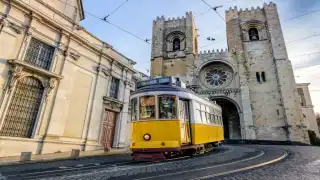
Sé de Lisboa, also known as the Lisbon Cathedral, is the city’s oldest church, built in 1147 after the reconquest from the Moors. The cathedral showcases a blend of Romanesque, Gothic, and Baroque architectural styles, with notable features like the rose window, Gothic cloister, and a treasury of sacred art. Its historical significance and stunning interior make it a must-visit landmark for anyone exploring Lisbon.  

Arco da Rua Augusta

It's not the oldest archway in the world, but gosh is it beautiful!

The Arco da Rua Augusta is a grand triumphal arch located at the northern end of Praça do Comércio in Lisbon's Baixa district. Completed in 1875, it commemorates the city's reconstruction after the devastating 1755 earthquake. The arch is adorned with statues of historical figures, including Vasco da Gama and the Marquis of Pombal, and offers panoramic views of Lisbon from its terrace. It serves as a gateway between the bustling Rua Augusta and the expansive Praça do Comércio.

Praça do Comércio

This square opened up onto the riches of the world.

Praça do Comércio, also known as Terreiro do Paço, is a large, waterfront square in Lisbon, bordered by classical 18th-century buildings. It was once the site of the Royal Ribeira Palace before the 1755 earthquake, and today, it is a symbol of Lisbon's resilience and renewal. The square features the Arco da Rua Augusta and a central statue of King José I on horseback. It serves as a central hub for both locals and tourists, offering cafés, restaurants, and views of the Tagus River.

Carmo Archaeological Museum / Igreja do Carmo

A visit to this museum will show you just how deep Portugal's history goes.

The Igreja do Carmo, also known as the Carmo Convent, is a former Gothic church in Lisbon that was partially destroyed in the 1755 earthquake.  The convent now houses the Carmo Archaeological Museum, which established in 1864, showcases a diverse collection of artifacts ranging from prehistoric times to the Middle Ages, including tombs, ceramics, and ancient sculptures. Visitors can explore the evocative open-air nave, where the remains of the church's roofless arches frame the sky, creating a striking backdrop for the exhibits.

image

Day 4

Seville to Lisbon

image

Day 5

Lisbon

Day 5

Lisbon

icon
icon

Early Morning to Mid-Day

Graca & Alfama

Wander into Alfama, Lisbon’s oldest and most atmospheric neighborhood, where narrow alleyways twist between sun-bleached facades and traditional Fado melodies drift out of tucked-away taverns. This historic district clings to the hillside below the castle, and as you climb its maze of cobbled lanes, you'll uncover viewpoints, tiled courtyards, and a glimpse into Lisbon’s soul. Just uphill from here, the neighborhood of Graça offers a quieter, more local vibe. From the panoramic terrace of Miradouro da Senhora do Monte to unassuming cafés where life ticks by at a relaxed pace, Graça makes a perfect complement to Alfama's intensity.
Graca & Alfama

Early Morning to Mid-Day — Graca & Alfama

Wander into Alfama, Lisbon’s oldest and most atmospheric neighborhood, where narrow alleyways twist between sun-bleached facades and traditional Fado melodies drift out of tucked-away taverns. This historic district clings to the hillside below the castle, and as you climb its maze of cobbled lanes, you'll uncover viewpoints, tiled courtyards, and a glimpse into Lisbon’s soul. Just uphill from here, the neighborhood of Graça offers a quieter, more local vibe. From the panoramic terrace of Miradouro da Senhora do Monte to unassuming cafés where life ticks by at a relaxed pace, Graça makes a perfect complement to Alfama's intensity.

Our Lady of the Mountain Viewpoint

Start or end your day with the spectacular views from the Chapel of Our Lady of the Mountain.

This scenic viewpoint of Our Lady of the Mountain, known in Portuguese as Capela da Senhora do Monte, is situated at one of the highest points in Lisbon, providing an exceptional vantage point over the city. Built in the late 18th century, the chapel is dedicated to Our Lady of the Mountain, a revered figure among locals. The simple yet charming interior houses a revered statue of the Virgin Mary. Outside, the chapel's terrace offers a breathtaking panoramic outlook over the city, including the Castle of São Jorge, the River Tagus, and the downtown area. It's a perfect spot for photography and enjoying the sunset.

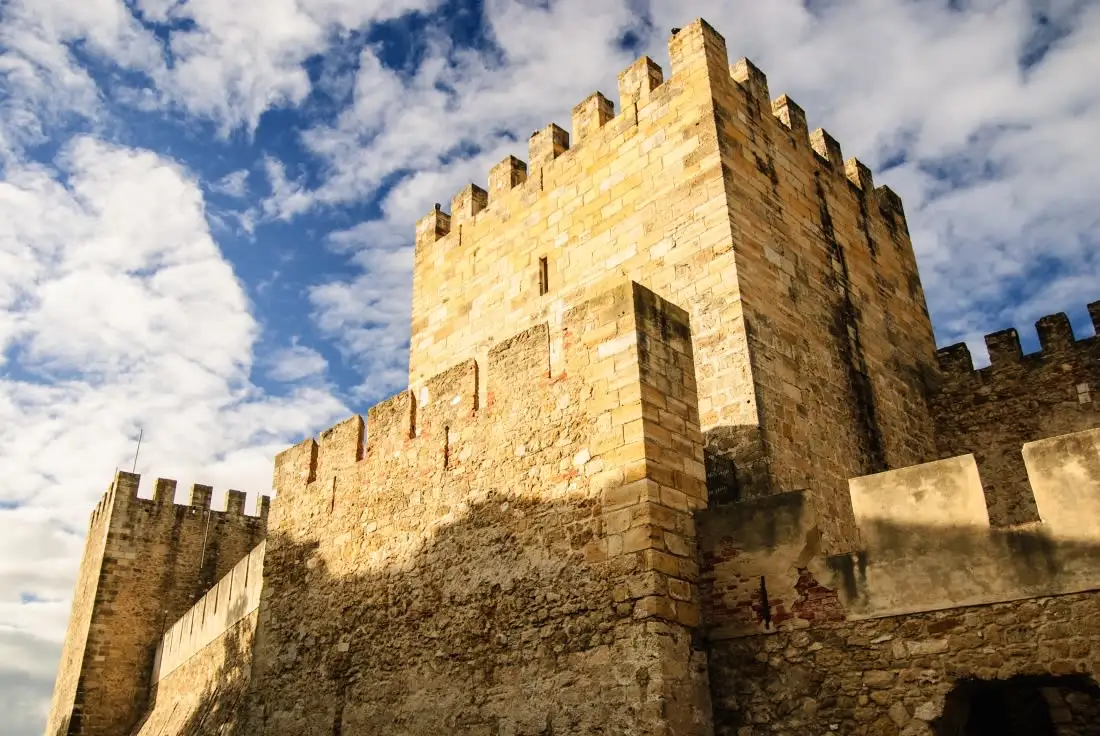
São Jorge Castle

Discover the historic Castelo de São Jorge with its impressive fortifications and panoramic views over Lisbon.

Castelo de São Jorge, perched atop one of Lisbon's highest hills, is a testament to the city's rich history, dating back to the 11th century. The structure was built by the Moors upon fortifications going back to at least the Roman Empire. The castle has been a royal residence and military stronghold over the centuries. Today, visitors can explore the well-preserved ramparts, towers, and courtyards, while enjoying breathtaking views of the city and the Tagus River, making it a must-visit attraction for history enthusiasts and sightseers.

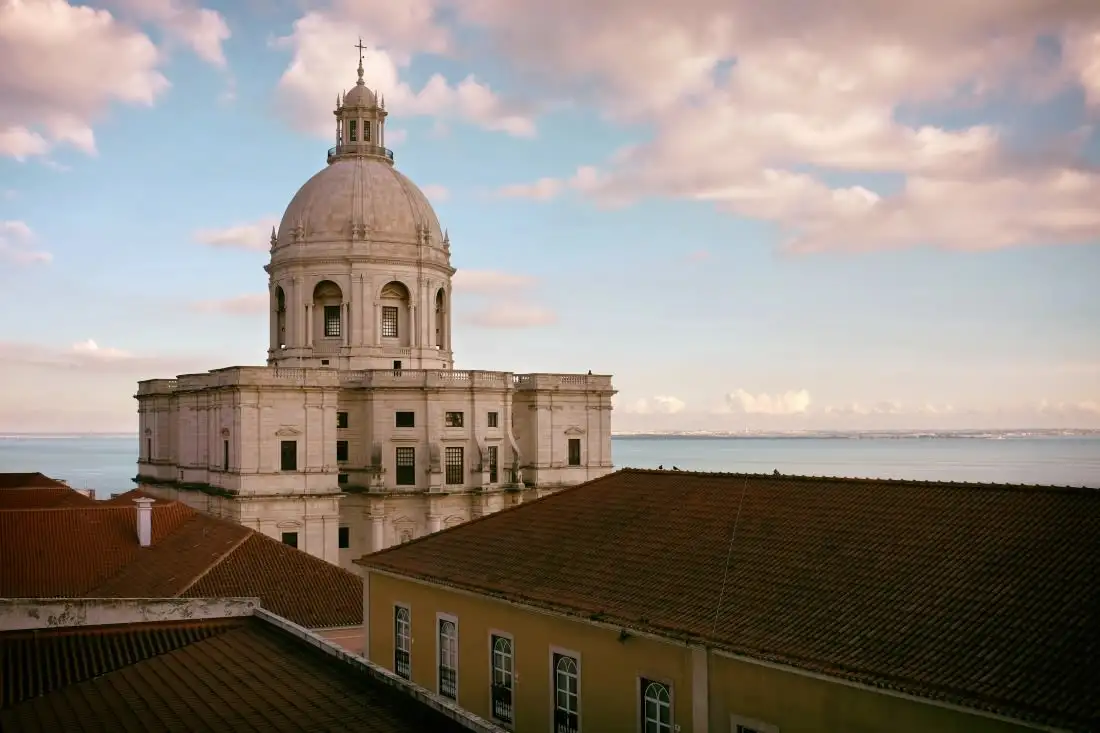
Panteão Nacional

Meet some Portuguese notables and heros...

Most likely, we don't know the names of many of the people who are buried here, memorialized in the National Pantheon of Portugal. But we probably could learn something from their lives. The Panteão Nacional is sacred space. Step in here to make a deeper understanding of the Portugal, and its people.

São Vicente de Fora Church and Monastery

Visit the tombs of the Royal Family at this church and monastery

Discover the historic São Vicente de Fora Church and Monastery, a masterpiece of Mannerist architecture that stands as one of Lisbon's most significant religious sites. Built in the late 16th century under the orders of King Philip II of Spain, this complex is dedicated to Saint Vincent, the patron saint of Lisbon.The monastery, still partially active, houses the royal pantheon of the Braganza dynasty and offers visitors a peaceful cloister and a museum showcasing religious art and historical artifacts. The terrace provides stunning views over the Alfama district and the Tagus River.

2:00 PM - 7:45 PM — Belem with Jerónimos Monastery Walking Tour

Join an engaging, local expert ran tour of the picturesque district of Belem, known for its historical significance, cultural landmarks, and beautiful riverside location. This area is a treasure trove of Portuguese history and heritage, symbolizing the Age of Discoveries when Portuguese explorers embarked on voyages around the world. Your three hour tour will visit the Jerónimos Monastery-UNESCO World Heritage site, an important example of Manueline architecture Padrão dos Descobrimentos-monument honoring the Age of Discovery and Portuguese explorers Belém Tower (exterior)- UNESCO World Heritage site, stands as an emblem of the Age of Discovery. Note this tour does not include entry to the interior of the Bélem Tower.

image

Day 5

Lisbon

image

Day 6

Lisbon to Porto

Day 6

Lisbon to Porto

icon
icon
icon
icon

Morning to Afternoon

Excursion to Cascais

Enjoy beaches fit for a queen, See the "Mouth of Hell," or get a nice meal and a glass of wine. They're all options in Cascais. This long famous beach-town boasts the Praia da Reinha, "The Queen's Beach." The queen in question: Amelia, the last of her status in Portugal. If this one is full, there will be space at the neighboring beaches, one titled "Beach of the Duchess." On the opposite side of this city, the oceans isn't so calm, and it roars and erupts under a natural bridge -- giving rise to the name, "Boco do Inferno." With a heritage of royalty, the standard of food has to be high. Whether in the center,  or beyond the Boco, you'll find a wide selection of restaurants and demur bars for a regal time.

Excursion to Cascais

Morning to Afternoon — Excursion to Cascais

Enjoy beaches fit for a queen, See the "Mouth of Hell," or get a nice meal and a glass of wine. They're all options in Cascais. This long famous beach-town boasts the Praia da Reinha, "The Queen's Beach." The queen in question: Amelia, the last of her status in Portugal. If this one is full, there will be space at the neighboring beaches, one titled "Beach of the Duchess." On the opposite side of this city, the oceans isn't so calm, and it roars and erupts under a natural bridge -- giving rise to the name, "Boco do Inferno." With a heritage of royalty, the standard of food has to be high. Whether in the center,  or beyond the Boco, you'll find a wide selection of restaurants and demur bars for a regal time.

Boca do Inferno

Come for the dramatic rock formation and crashing waves at Boca do Inferno, stay for a bit of cinematographic history.

Known as "Hell’s Mouth," this natural chasm on the rugged coastline is a spectacular sight, especially when waves crash into the rocks with thunderous force. It's a popular spot for photography and offers a glimpse into the power of the Atlantic Ocean. Fun fact: The Boco is the location of the world's first cinematic recording of a wave, a 1896 film called, "A Sea Cave in Lisbon," shot by Henry Short and produced by Robert Paul.  The film is silent, of course, and lasts around 13 seconds, but even if it had been two hours, it still would have been a "Short" film!

Praias da Conceição, & da Duquesa (Two Beaches)

Get a little sun and ocean in Cascais, but you won't be alone.

Praias (Beaches) da Rainha, da Conceição, & da Duquesa are all within 7 minutes walking of Cascais Train Station. As such, they are quite popular with visitors and locals alike. Da Rainha is the closest and smallest beach, da Conceição, & da Duquesa lay on the other side of da Rainha heading away from town. Hidden inside the bay, all three generally have calm water, and all boast restaurants and bathrooms.  Enjoy the chance for some sunshine and meeting new people!

Santa Marta Lighthouse

Admire this very aesthetically pleasing lighthouse.

Santa Marta Lighthouse is a picturesque beacon located on the edge of Cascais, guiding ships along the rugged coast since the 19th century. The lighthouse, with its distinctive blue and white tiles, also houses a museum that offers insights into the history of Portuguese maritime navigation. The surrounding area provides stunning views of the Atlantic, making it a perfect spot for photography enthusiasts.

Casa das Histórias--Paula Rego

Discover artistic depths away from the ocean at the Casa das Histórias--Paula Rego

Casa das Histórias--Paula Rego Casa das Histórias is a contemporary art museum dedicated to the works of Paula Rego, one of Portugal's most celebrated artists. Located in Cascais, the museum's unique architecture, designed by Eduardo Souto de Moura, complements the bold and expressive nature of Rego's art. Visitors can explore a wide range of her works, including paintings, drawings, and prints, in this thoughtfully curated space.

3:55 PM — Taxi to Rail Station

Most trains depart from Lisbon's downtown station of St. Apolónia, and Uber, Bolt or a taxi isn't a bad idea if your lodging rests on one of Lisbon's many hills. Rides, depending on time of day, can take as little as 15m to an hour if traffic is very bad. It's good to leave with more time than less; one may always enjoy a coffee at the train station.

17:00 - 19:58 — Rail to Porto

Traveling by train from Lisbon to Porto is an easy, comfortable way to move between Portugal’s two biggest cities, with the journey taking around 3 hours, depending on whether you’re on the faster Alfa Pendular or the Intercidades service. Most trains arrive at Porto–Campanhã, Porto’s main station a few kilometers outside the historic center. If your itinerary continues to Porto–São Bento, you’ll make a quick, straightforward connection from Campanhã to São Bento, the more central station for most hotels and sightseeing.

7:58 PM — Taxi from Rail Station

When you arrive in Porto by train from Lisbon, you’ll almost always arrive at Porto–Campanhã Station, a few kilometers outside the historic center. In some cases, your itinerary may continue onward to Porto–São Bento, the more central station—either via a quick connection or a service that lists São Bento as the final stop. You can also take the metro into town, but if you’d rather avoid managing luggage—especially on Porto’s steep, hilly streets—a taxi is the easiest and most comfortable option. Expect to pay around €10–€15, with potential increases at night, on weekends/holidays, or with large luggage.

image

Day 6

Lisbon to Porto

image

Day 7

Porto

Day 7

Porto

icon
icon
icon

9:00 AM - 1:00 PM

Porto Guided Tour

Enjoy a 4 hour private guided tour of Porto, Capital of Northern Portugal and UNESCO World Heritage. Everything in this wonderful city makes this tour a memorable trip, from the Cathedral to the Port Wine Cellars, where you can enjoy two wine tastings. You will have the opportunity to discover also about Portuguese tradition and culture and important references will be given about the streets and squares of the historic centre.

Porto Guided Tour

9:00 AM - 1:00 PM — Porto Guided Tour

Enjoy a 4 hour private guided tour of Porto, Capital of Northern Portugal and UNESCO World Heritage. Everything in this wonderful city makes this tour a memorable trip, from the Cathedral to the Port Wine Cellars, where you can enjoy two wine tastings. You will have the opportunity to discover also about Portuguese tradition and culture and important references will be given about the streets and squares of the historic centre.

Afternoon/Late Afternoon — Central Porto

There's no way around them; Porto has hills. They made the city quite hard to attack; they make 10,000 steps a work-out. Fortunately, they also create layer after layer of stupendous views. Walking through Virtudes Park, admiring the tiles of the Sao Bento train station, or evening climbing the heights of the Clérigos Tower, your eyes will never tire of the beauty of Porto's undulating center. Sunrises or sunsets mark the small neighborhoods that make up Porto's heart with beautiful light, creating unforgettable moments.

Late Afternoon to Evening — Ribeira

The Ribeira is the touristic heart of Porto and certainly merits a stroll through its cobbled streets. Stunning views and sober grandeur will surround you, as well as the lively chatter of locals and visitors. You'll be able to fill your time here with food, drink, and a lot of architecture. The history here generally hides quietly, as quietly as Portuguese granite. But seek and you shall find; stories as bright as azulejos (traditional tiles) will begin to shine as soon as you look around. One clear highlight: the Sé of Porto (Porto Cathedral) This fortress-like cathedral has been serving the spiritual (and some temporal) needs of its flock since the 12th century.

Ribeira Square

The touristic center of Porto is the tourist center for a reason...

The Praça da Ribeira (Ribeira Square), funnels visitors up and down and left and right through one of Porto's most exciting districts, the Ribeira. Traditional restaurants sell meals at untraditional prices (The setting  is  beautiful, though). Two Johns define the square: John Whitehead, a British architect who assisted in designing the square in the late 18th / early 19th century, and the entertainingly awkward statue of St. John the Baptist nestled above a fountain at the top of the space. This modern sculpture somehow fits in with the intricate ironwork and venerable walls that surround it. Modern and traditional, Ribeira Square despite all the hub-bub, maintains a very Portuguese solemnity.

Porto Cathedral (Sé do Porto)

A rugged cathedral hewn from rugged rock...

The Cathedral of Porto, also known as Sé do Porto, is a 12th-century Catholic church that presents fortress-like example of Romanesque architecture. Its imposing square towers and thick walls reflect its dual purpose as a place of worship and a defensive stronghold. Additions of later architectural styles, including a striking gothic cloister added in the 14th century and baroque renovations designed by architect Nicolau Nasoni do not lessen its imposing stature. Inside, the high, narrow nave focuses attention on the magnificent silver altarpiece crafted by Santos Pacheco.

The Church and Museum of Saint Francis

Can a Franciscan church be opulent? Take a look inside...

The gold interior of St. Francis' church in the Ribeira can be gloriously discombobulating - truly a sight to behold. How Francis would have felt about the gold... one may discuss.  In any case, please enjoy the intricacies of this church and museum.  A 7,50€ ticket allows you access to both the sanctuary and museum that describes the history of the Franciscans in this area. One gleaming highlight among many is the incredibly complex "Tree of Jesse" altarpiece, a sculptural summary of certain Biblical prophecies of Jesus Christ.

The Stock Exchange Palace of Porto

The investors of Porto invested a lot in their building too; enjoy the elegant results.

Founded as a structure in 1842, the Bolsa Palace displays the wealth of stock investors from Porto. Dramatic and elegant rooms, including the Hall of Nations and Arabian rooms, complement the more spartan chamber of Gustav Eiffel, who worked here to transform Porto's transportation.  All awe the many visitors that pass through its doors. A fine-dining resturant would make for a pleasant lunch or dinner, but one should dress up a bit for the occasion.

image

Day 7

Porto

image

Day 8

Porto

Day 8

Porto

icon
icon

Early Morning to Mid-Day

Matosinhos

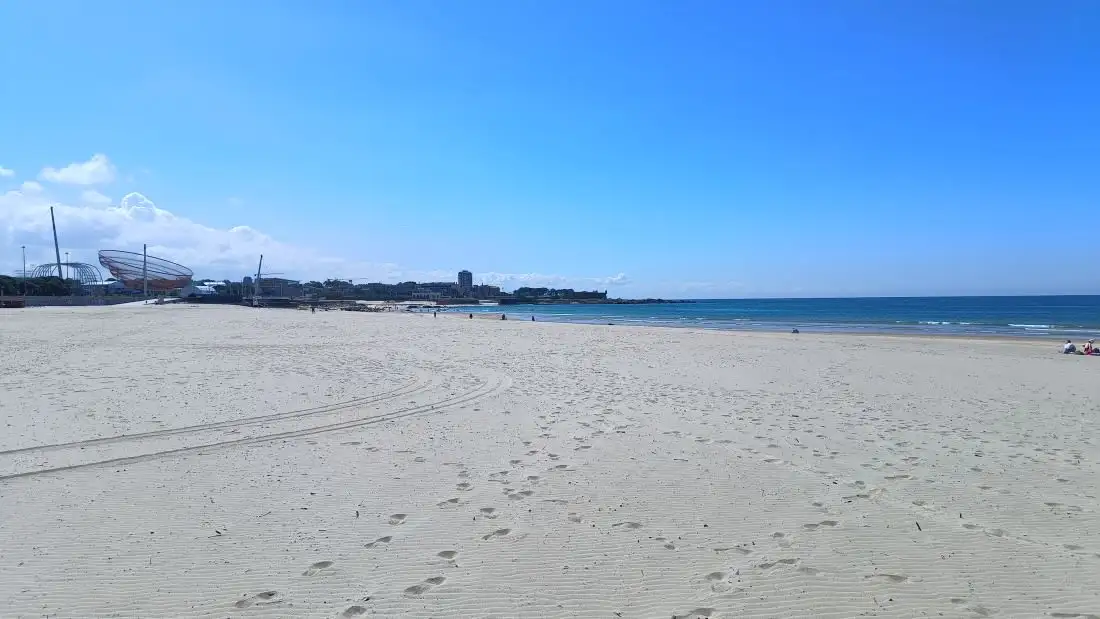
Matosinhos, a happy town just a 30-minute metro-ride away from Porto, provides the beach-bum, or the traveling family, sand between their toes and the cool water of the Atlantic. But why limit yourself to an ocean breeze? The town's renowned municipal market is housed in an attractive architectural monument; Porto's largest green-space abuts the shoreline and invites passerbys to visit its aquarium, Sea Life. Get this, you can visit country's Center for Architecture and go on a tour of a working fish-tinning factory on the same street (It's better than it sounds)! There's even a fortress called "Cheese Castle" but please, don't let your kids try to bite it, and don't try yourself. So many things to see, so much sand and so little time!

Matosinhos

Early Morning to Mid-Day — Matosinhos

Matosinhos, a happy town just a 30-minute metro-ride away from Porto, provides the beach-bum, or the traveling family, sand between their toes and the cool water of the Atlantic. But why limit yourself to an ocean breeze? The town's renowned municipal market is housed in an attractive architectural monument; Porto's largest green-space abuts the shoreline and invites passerbys to visit its aquarium, Sea Life. Get this, you can visit country's Center for Architecture and go on a tour of a working fish-tinning factory on the same street (It's better than it sounds)! There's even a fortress called "Cheese Castle" but please, don't let your kids try to bite it, and don't try yourself. So many things to see, so much sand and so little time!

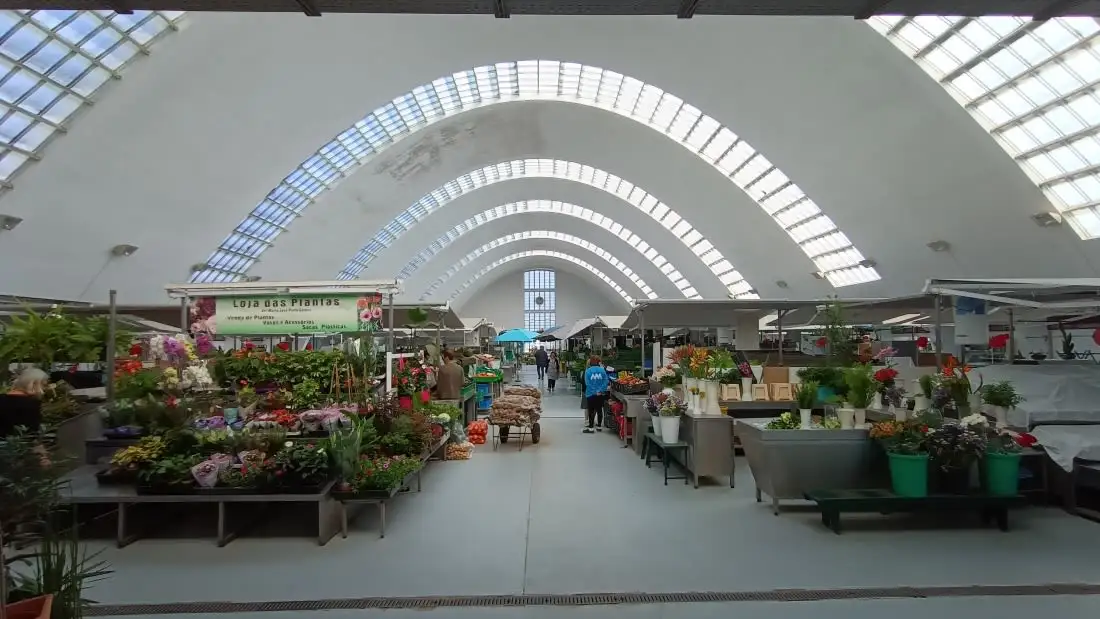
Matosinhos Town Market

Whether cured meats, fresh fish, or vegetables, this market offers it all...

Matosinhos Market hums a northern Portuguese tune with its local commerce Renowned for its fresh seafood, caught daily by local fishermen and showcased in an array of colorful stalls this exemplar of mid-century architecture can be a pleasure for all five senses. In addition to seafood, you'll find a variety of fresh produce, regional delicacies, and artisanal products, making it a perfect spot to sample the authentic flavors of the region. (Hours: Sunday, closed; Monday, 7-14:00; Tuesday- Friday 6:30-18:00; Saturday, 6:30-16:00)

Pinhais Cannery Museum

Canned Sardines. We know, it doesn't sound exciting. But...

 Pinhais Cannery is passionate about what they do at their museum / factory. Commerical fishing is an important part of Portugal's economy, and Pinhais still produces tins by hand, providing jobs for locals and delicious fish to the rest of the world. The 90-minute tour will take you past the dilligent workers and through the history of Portugal's fishing industry; you will even have the chance to wrap your own tin in the distinct, brightly-colored paper of the Pinhais brand.

Matosinhos Beach

Discover Matosinhos Beach, just a metro ride and short stroll away from Downtown Porto.

 This expansive beach, a 30-minute metro ride from Downtown Porto, invites locals and tourists to its golden shores Known for its lively atmosphere, Matosinhos Beach has excellent conditions for surfing, thanks to its consistent waves, and hosts numerous surf schools for beginners. Beyond the water, enjoy the bustling promenade lined with seafood restaurants, where you can savor fresh catches of the day. Matosinhos Beach provides a perfect blend of relaxation and activity, at a Portuguese pace.

Parque da Cidade

It might look very old, but it holds some modern amenities to make a visit relaxed and leisurely.

Porto's largest green-space, the Parque da Cidade makes a visit, well, a walk in the park. Created in 1993. this large public space boasts three ponds, 74 varieties of trees, and a feeling called, "Rural Porto." Using traditional materials and construction techniques, the creators of the park sought to give people a sensation of another era. Cafes appear at either end of this 1km-long park, and bathrooms and water spigots make a visit comfortable and unhurried. The Pavilion of Water located in the northeast corner of the park allows children and adults to learn about H2O.

Afternoon to Early Evening — Gaia & Port Tasting

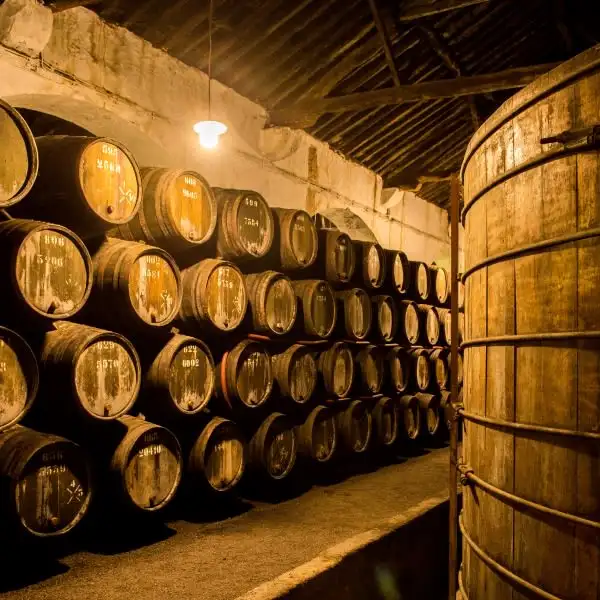
Brave the tall views from the Luiz I Bridge and visit the gustatory heights of Vila Nova de Gaia, located just across the Douro River from Porto. Renowned for its historic port wine cellars, Gaia offers a unique opportunity to delve into the rich heritage of Portugal's iconic fortified wine. Wander through the cobbled streets lined with centuries-old warehouses where famous port houses, such as Cockburn's, Taylor's and many more, invite you to experience guided tours. Learn about the intricate process of port production and savor a variety of exquisite port wines in atmospheric tasting rooms. Beyond Port, the waterfront on Gaia's bank offers a more spacious, festive vibe than the Ribeira across the Duoro.

Port Houses

Taste and see the history of Port wines. It's more immense than you think, and delicious too.

The Port Houses of Vila Nova de Gaia are literally granite-hard monuments to the world-famous fortified wine known as Port. Nestled along the banks of the Douro River, these historic, stone, port lodges with names like Sandeman, Kopke, and Graham's are renowned for producing world-famous tawny ports and vintage ports. Visitors can explore these traditional wine cellars, where the rich aroma of aging casks fills the air. Many port houses provide comprehensive audio guides, and often real guides to explain the wine-making process. Port and cheese tastings allow visitors to savor the unique flavors of the Douro Valley, making each visit a memorable exploration of Portugal's viticultural heritage.

Serra do Pilar

The Former Monastery of Serra do Pillar is beautiful to look at and beautiful to look from...

The Serra do Pilar is a prominent hill located in Vila Nova de Gaia, Portugal, offering breathtaking panoramic views of Porto and the Douro River. This iconic site is home to the Serra do Pilar Monastery, a 16th-century Augustinian monastery recognized for its circular church and cloister, a unique architectural feature inspired by the Church of Santa Maria in Rome. Declared a UNESCO World Heritage site, the monastery is notable for its Renaissance architecture and its significant role during the Siege of Porto in the Portuguese Civil War. Visitors can explore the church, the cloister, and the terrace for spectacular views, making it a must-visit highlight when in the Porto area.

Mercado Beira-Rio

Gaia doesn't have to be all port wine, have some fruit - or grilled pork - at this thrivign market on the waterfront.

The Mercado Municipal da Beira-Rio delightfully blends traditional and contemporary Portuguese culture. Situated along the scenic Douro River, this market is known for its lively atmosphere and diverse array of stalls selling fresh produce, local delicacies, artisanal goods, and gourmet foods. Recently renovated, the market features modern amenities while retaining its historical charm, making it a popular destination for both locals and tourists. Visitors can enjoy a variety of culinary experiences, from traditional Portuguese dishes to innovative cuisine, all while soaking in the lively ambiance.  FYI, it's a good place to watch a football (er. soccer) match.

image

Day 8

Porto

image

Day 9

Porto

Day 9

Porto

icon

Early Morning to Early Evening

Douro River Excursion

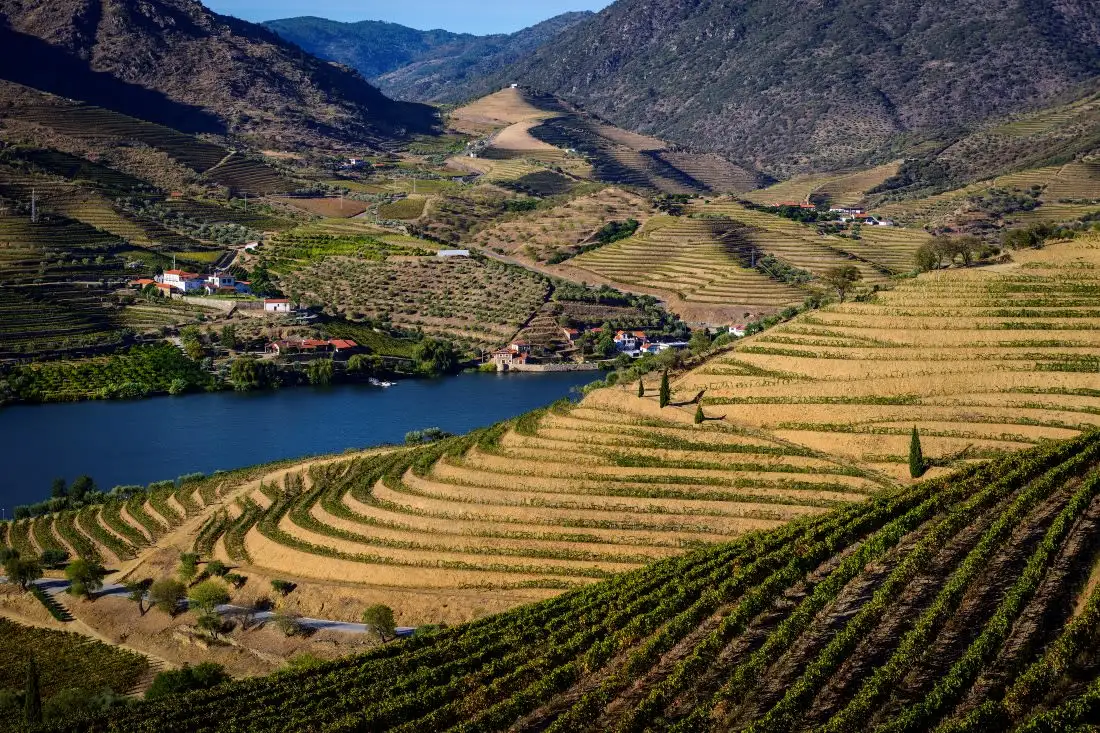
Travel through the stunning depths of the UNESCO-protected Douro River Valley, and discover the wines of royalty. Taking a train from Porto through the Douro River Valley is an unforgettable journey that reveals some of Portugal's most stunning landscapes. As the train winds along the river, passengers are treated to panoramic views of terraced vineyards climbing steep hillsides, traditional quintas (wine estates), and quaint villages that dot the riverbank. This scenic railway route is often considered one of the most beautiful in Europe, offering a peaceful and picturesque way to experience the heart of Portugal's famous wine country. Along the way, the train passes through historic towns and stops at various points, allowing travelers the opportunity to explore the regional culture, cuisine, and, of course, sample the region's renowned wines. Many people say, "It's about the journey, not the destination." Not here. Here the journey and destination are rolled into one on the rails connecting Porto to Pinhão.

Douro River Excursion

Early Morning to Early Evening — Douro River Excursion

Travel through the stunning depths of the UNESCO-protected Douro River Valley, and discover the wines of royalty. Taking a train from Porto through the Douro River Valley is an unforgettable journey that reveals some of Portugal's most stunning landscapes. As the train winds along the river, passengers are treated to panoramic views of terraced vineyards climbing steep hillsides, traditional quintas (wine estates), and quaint villages that dot the riverbank. This scenic railway route is often considered one of the most beautiful in Europe, offering a peaceful and picturesque way to experience the heart of Portugal's famous wine country. Along the way, the train passes through historic towns and stops at various points, allowing travelers the opportunity to explore the regional culture, cuisine, and, of course, sample the region's renowned wines. Many people say, "It's about the journey, not the destination." Not here. Here the journey and destination are rolled into one on the rails connecting Porto to Pinhão.

Pinhão

Enter this village built between river and mountain, and enjoy a walk and meal among the vines.

Pinhão rests at one of the most picturesque corners of the endlessly picturesque Duoro River Valley. Inhabited since prehistoric times, today the village serves as a waystation for visitors exploring the crenalated landscapes of the Duoro River valley.  A delightful place to pause for lunch or even a wine-tasting.

Douro Museum

This Museum proudly communicates the history of the Douro, and of course, port wine.

The Museu do Douro in Régua, Portugal, stands as a tribute to the region’s long history and viticultural heritage. Nestled in the heart of the Douro Valley, a UNESCO World Heritage site, the museum captures the evolution of the wine industry through a fascinating array of exhibits. Visitors can explore everything from the ancient tools used in wine production to multimedia presentations that bring the valley's scenic beauty and historical significance to life. This museum celebrates the past and present of Douro wine while providing panoramic views of the surrounding terraced vineyards, making it a highlight for anyone visiting the region.

image

Day 9

Porto

image

Day 10

Depart Porto

Day 10

Depart Porto

icon

To Be Determined

Airport Drop-off

A Taxi ride or Uber to the airport is generally the quickest way to arrive at Porto's airport, with little hassle about luggage. The metro is certainly the least expensive route to the airport, but can take considerably longer. Read on to choose which is right for you.

Airport Drop-off

To Be Determined — Airport Drop-off

A Taxi ride or Uber to the airport is generally the quickest way to arrive at Porto's airport, with little hassle about luggage. The metro is certainly the least expensive route to the airport, but can take considerably longer. Read on to choose which is right for you.

image

Day 10

Depart Porto

What's Included In Andulacia and Portugal Trip

Fork

Pre-Paid Tours and Activities:

  • Guided Tour of the Highlights of Seville including the Royal Alcazar
  • Guided Excursion to Ronda, Andalusia's Cliffside Jewel
  • Introduction to Lisbon Tour: Bairro Alto, Chiado, and Baixa
  • Lisbon Belém Tour with Jerónimos Monastery
  • Highlights of Porto Private Guided Walking Tour by Minibus
  • City Card for Lisbon, including discounts to many popular attractions
train

Pre-Paid Transportation:

  • 2nd Class Train Tickets from Lisbon-Porto
  • Public Transport Tickets for Lisbon
train

Accommodation:

  • 3 nights at a hotel of your choice in Seville
  • 2 nights at a hotel of your choice in Lisbon
  • 4 nights at a hotel of your choice in Porto
mobile

Go Real Travel Mobile App:

  • Itinerary Plan & Reservations Info
  • Points of Interest
  • Detailed Travel Information
  • Maps & Directions

Other Trips You May Like
Trip image

21 Days

From$4999USD

Relaxed 3-Week Spain and Portugal Itinerary

View Trip
Trip image

14 Days

From$2259USD

2-Week In-Depth Journey Through Portugal: From Lisbon to Porto

View Trip
Trip image

7 Days

From$1149USD

Essence of Portugal: A 7-Day Cultural Journey Through Lisbon and Porto

View Trip
Trip image

14 Days

From$3679USD

Iberian Insights: A 14-Day Journey Through Art, History, and Charm

View Trip
Trip image

15 Days

From$5274USD

Southern European Treasures: A 15-Day Cultural Odyssey in Portugal, Spain & Italy

View Trip
Trip image

15 Days

From$3832USD

Explore the Best of France, Spain, and Portugal in 2 Weeks

View Trip
Trip image

3 Days

From$499USD

Seville Unveiled: A 3-Day Journey Through History, Culture, and Nightlife

View Trip
Trip image

5 Days

From$1699USD

Andalusia's Splendor: A Journey to Seville, Ronda, and Gibraltar

View Trip
Trip image

7 Days

From$1998USD

7 Days in Lisbon and Barcelona: An Introduction to Spain & Portugal

View Trip

Featured Blogs

Trip image
Europe
Romantic

16 Most Romantic Destinations in Europe

Trip image
Europe
Family

How to Plan the Perfect Family Trip to Europe

Trip image
Europe
Travel tips

11 Tips for First Time Travelers to Europe

Trip image
Europe
Booking flights

What’s The Best Time to Book International Flights to Europe?

Trip image
Europe
Transport

A Guide To Public Transportation and Taxis in Europe

Trip image
Austria
Villages

14 Most Beautiful Villages in Austria: Discover the Hidden Gems

Trip image
Italy
Villages

12 Most Beautiful Towns and Villages in Tuscany

Our Customers Say It Best

Malini Dutta, Boston, Massachusetts
We can't thank you enough for the detailed plans, maps, and suggestions. It really felt that someone was holding our hands and showing us around. We had all the excitement of discovering foreign lands, with none of the problems that can happen while negotiating unfamiliar places. In fact, all the cities felt like home within a few hours of arriving and exploring.
Bev and Mark Frankel, Williamsburg, Virginia
We could not be more pleased with Go Real Travel! You took the guess work out of things like public transport but still managed to allow us the freedom to tour as we wanted. Our guides were exceptional and every time I saw a Viking Cruise tour of 25 people, I realized the quality experience we were getting with Go Real.
Marianne Strydom, Paarl, South Africa
I just wanted to thank you for organizing an amazing trip for me – I packed in so much in such a short period of time and everything was just perfect. The way you do things makes it possible to really get to know the destination, which for me as a travel agent could not have been better.
Otto Chuy, Los Angeles, California
I am still surprised how everything worked as planned, without a hitch. All instructions in your itinerary were precise and correct. Your suggestions and comments in each of the locations we went to were very helpful. All your guides, without exception, were wonderful and exactly on time.

Explore cities in more detail

Plaza de España

Seville

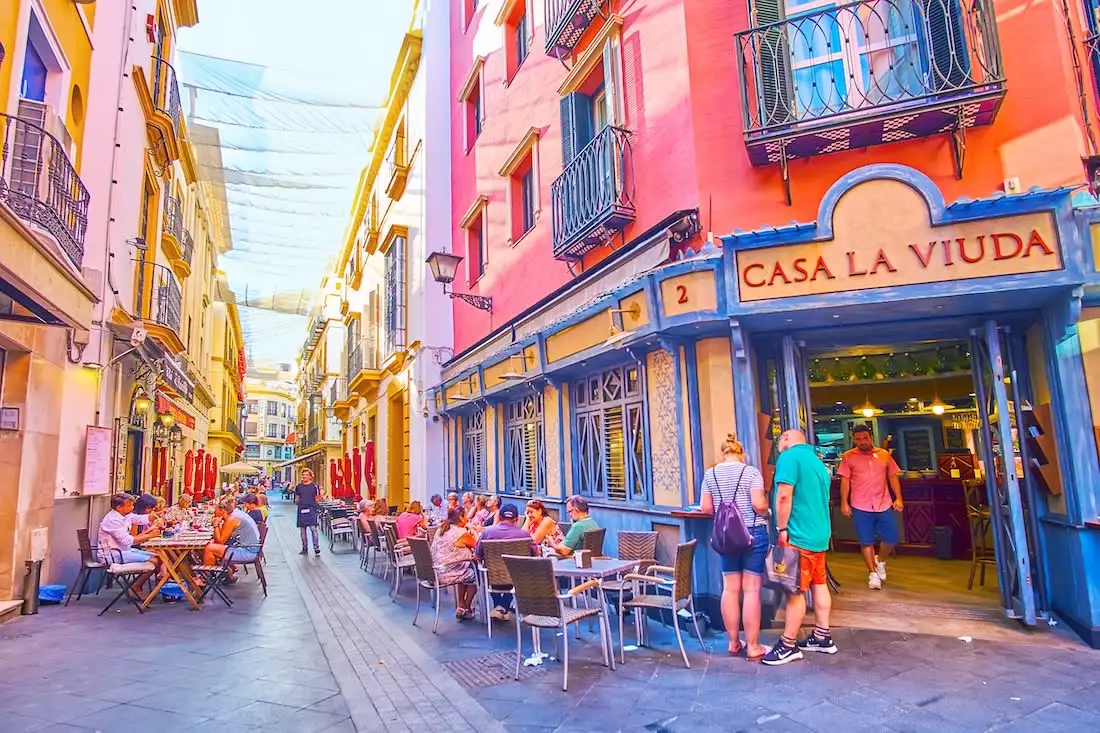
Seville, the capital of Spain's Andalusia region, is a city rich in history and culture. Architectural marvels like Plaza de España, Seville Cathedral, and the Alcazar reflect its storied past, while its vibrant cuisine and flamenco music showcase its lively present. Key landmarks include the Giralda, a minaret turned bell tower, and the bustling old town, filled with narrow streets, traditional tapas bars, and lively plazas. Whether exploring historical sites or savoring local flavors, Seville captivates with its spirited atmosphere and colorful heritage, making it a true center of Spanish culture and tradition.

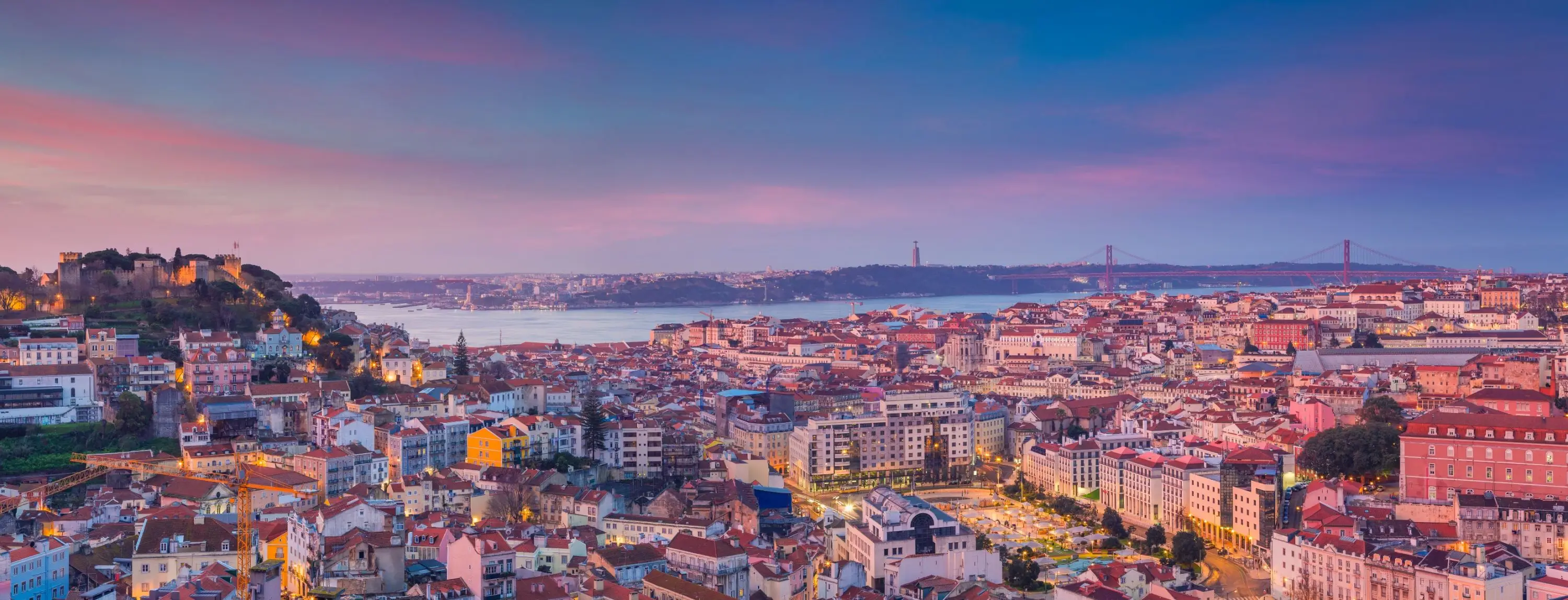
Lisbon at Sunrise

Lisbon

The charm of Lisbon is simply irresistible. One of Europe's "forgotten" capitals, Lisbon effortlessly blends old-world history with a modern, cosmopolitan vibe. A must-visit destination for any traveler, Lisbon offers iconic sights like the historic Belém Tower and the stunning Jerónimos Monastery, both UNESCO World Heritage Sites. There is so much to experience in this city, and it helps to explore it through your own personal interests. Foodie? You’re in luck. Lisbon's cuisine will capture your heart with fresh seafood at Mercado da Ribeira and the famed pastéis de nata from Pastéis de Belém. Love history? Discover the city’s past through the ancient streets of Alfama, where every corner unveils a piece of Lisbon’s storied heritage, from Roman influences to the Age of Exploration. Art and architecture lovers will be enchanted by the Azulejos (traditional tiles) that decorate the city, or can dive into contemporary works at the MAAT museum. And as you climb the hills of Bairro Alto or gaze across the city from the iconic viewpoint at Miradouro da Senhora do Monte, you'll realize that Lisbon’s beauty never fades. Whether riding a vintage tram through the narrow streets or watching the sunset over the River Tagus, it’s easy to fall in love with this sun-drenched gem of Portugal.

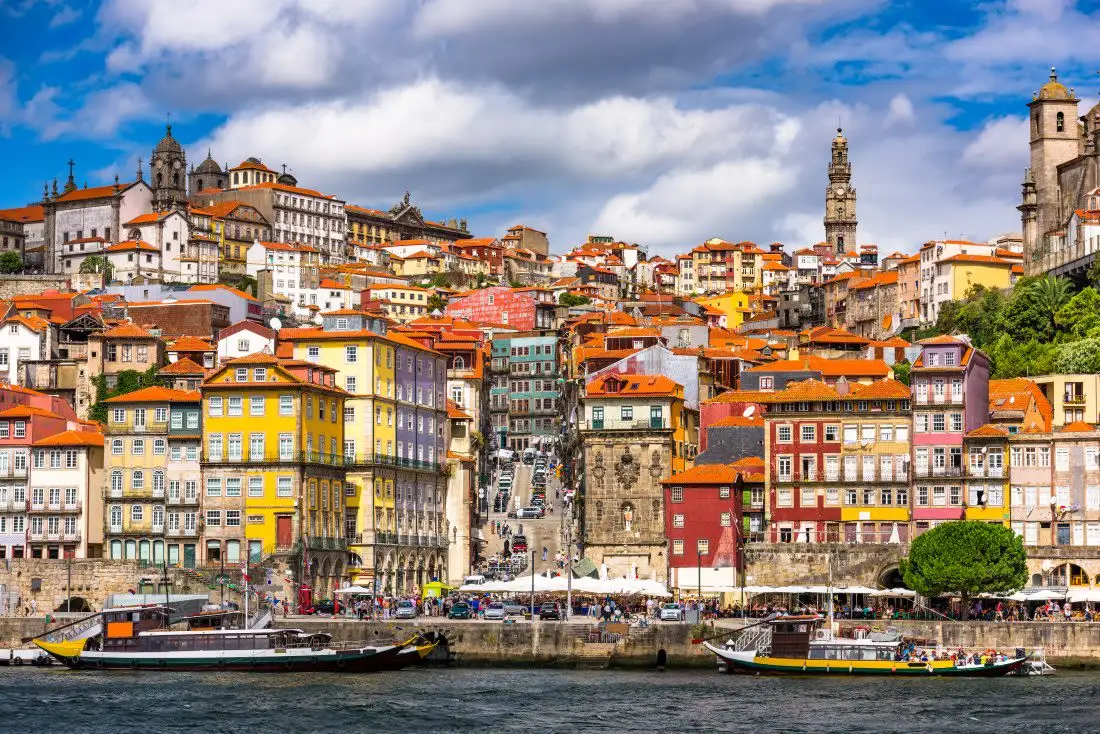
porto view with river

Porto

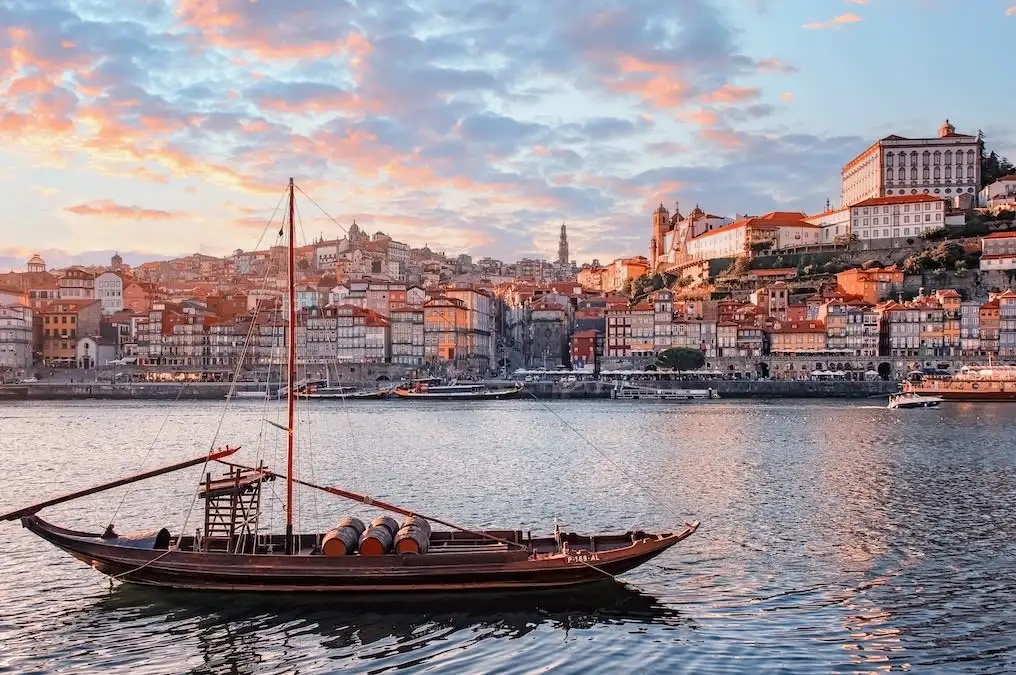
With cliffs like these, who needs skyscrapers? Porto drapes its steep hillsides with colorful homes, ancient palaces, convents, and factories, each telling a story. These precipitous structures loom above the bustling Ribeira District, or sparkle like jewels when viewed from the venerable Clérigos Tower, perched on a central hilltop. Porto can be sunny or rainy, just like its architecture; the sober, local granite provides a solid foundation from which bright azulejos tiles radiate warmth. The locals’ homes that still grace even the most touristed areas are as thrilling to see as the iconic Sé Cathedral. Explore Porto's winding streets through the Centro Histórico, marvel at the nearly magical Lello bookstore, sip and snack your way through the vibrant Bolhão market, or delve into the rich history of port wine. With our Porto travel guide and tailored Porto travel itineraries, you’ll uncover delightful contrasts of old and new. No matter where you wander, Porto promises to leave you with sweet memories of its breathtaking heights and vibrant spirit.

skyline of madrid with catedral de la almudena at sunset

Madrid

     What are the best Madrid recommendations for Madrid travel? Take two parts culture, two part history, douse it with art, sprinkle it all with lots of Spanish zest, and live vigorously: That's the recipe for Madrid, Spain's capital. Let Go Real be your guide to Madrid, the city alive with the rhythms of passionate flamenco on its cosmopolitan streets, inviting travelers into its warm embrace. Here, art enthusiasts can lose themselves in the hallowed halls of the Prado Museum, home to masterpieces by Velázquez, Goya, and El Greco, while the Reina Sofia and Thyssen-Bornemisza museums complete Madrid's famed Art Triangle, offering a journey through centuries of art history. The city's culinary scene is equally compelling, with tapas bars and bustling markets like Mercado San Miguel offering a taste of Spain's rich gastronomic heritage through an array of tapas, wines, and cheeses. Madrid's architectural splendor is evident in its royal palaces, ornate plazas, and expansive parks, such as the Retiro, a green oasis in the heart of the city where locals and tourists alike find respite by its serene lake.  As night falls, Madrid's streets come alive with an infectious energy, from the historic tapas bars in the Latina district to the chic dancehalls in Malasaña and Chueca, reflecting the city's open-hearted spirit and its inhabitants' joie de vivre. With Go Real's Madrid sightseeing guide and using our Madrid tips, you will find the best place to bask in the sun at a lively terrace café, explore the treasures of the Hapsburg Madrid, or discover your own precious finds at Rastro's flea market. With our best Madrid travelguide, the city offers an endless array of experiences that beckon the curious traveler to taste its many charms.

malaga cathedral and castle cityscape

Malaga

Málaga, a gem on Spain’s sun-drenched Costa del Sol, is a city that effortlessly blends the charm of its Moorish past with the vibrancy of modern Mediterranean life. Nestled between the azure waves of the Alboran Sea and the rolling hills of Andalusia, Málaga invites you to explore its rich history, from the ancient Alcazaba fortress to the birthplace of Picasso. Wander through bustling plazas lined with palm trees, sip sangria at a beachside chiringuito, and feast on fresh seafood at the lively Atarazanas Market. This city is a sensory delight where sun-kissed days melt into nights buzzing with flamenco rhythms and the laughter of locals enjoying late-night tapas. Whether you're seeking cultural treasures, coastal relaxation, or a taste of Andalusian zest, Málaga promises a vibrant, warm, and unforgettable escape.
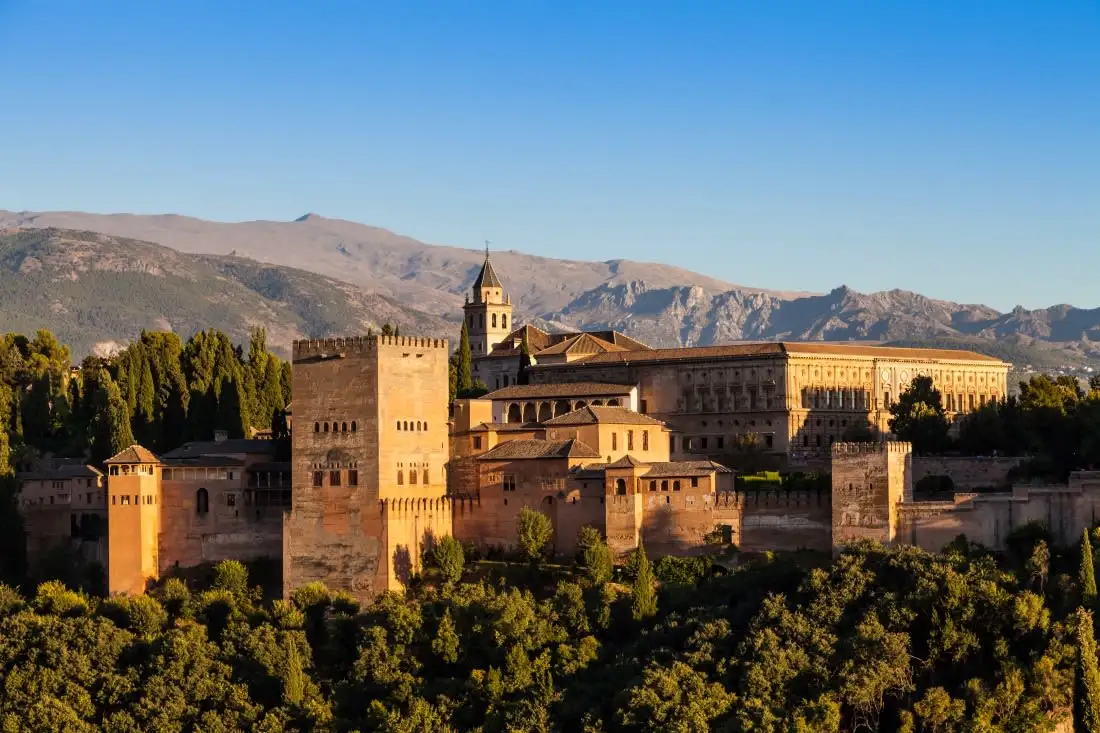
a view of the alhambra with mountains in background

Granada

Granada is a city where history, culture, and natural beauty converge to create an unforgettable travel experience. At the heart of this enchanting destination lies the iconic Alhambra Palace, a breathtaking masterpiece of Moorish architecture that captures the essence of Spain's rich Islamic past. Wander through the Nasrid Palaces and be transported to a world of intricate designs and tranquil gardens. Explore the bustling streets of the Centro, where the Granada Cathedral stands as a monumental symbol of the city’s Catholic history. The nearby Albaicín district, with its narrow, winding streets, offers a glimpse into the daily life Granada’s Medieval past. Here, the Mirador de San Nicolás provides an amazing view of the Alhambra, especially magical at sunset when the palace glows against the backdrop of the Sierra Nevada mountains. Granada’s unique cuisine is a delightful fusion of Spanish and Moorish flavors, with tapas bars offering a taste of the city’s culinary traditions. Whether you’re savoring the local dishes, exploring historical sites, or simply enjoying the unique atmosphere, Granada promises a journey that’s as enriching as it is unforgettable.