👋

Hi! Need help planning your dream trip? 🌍

Go Real Travel Assistant

Online

Welcome! Where are you in your journey?

Pick the option that fits you best so we can route you to the right help.

Europe's Urban Treasures: Paris, Prague, Vienna, and Budapest

destination-icon12 Day Tour of Paris, Prague, Vienna and Budapest

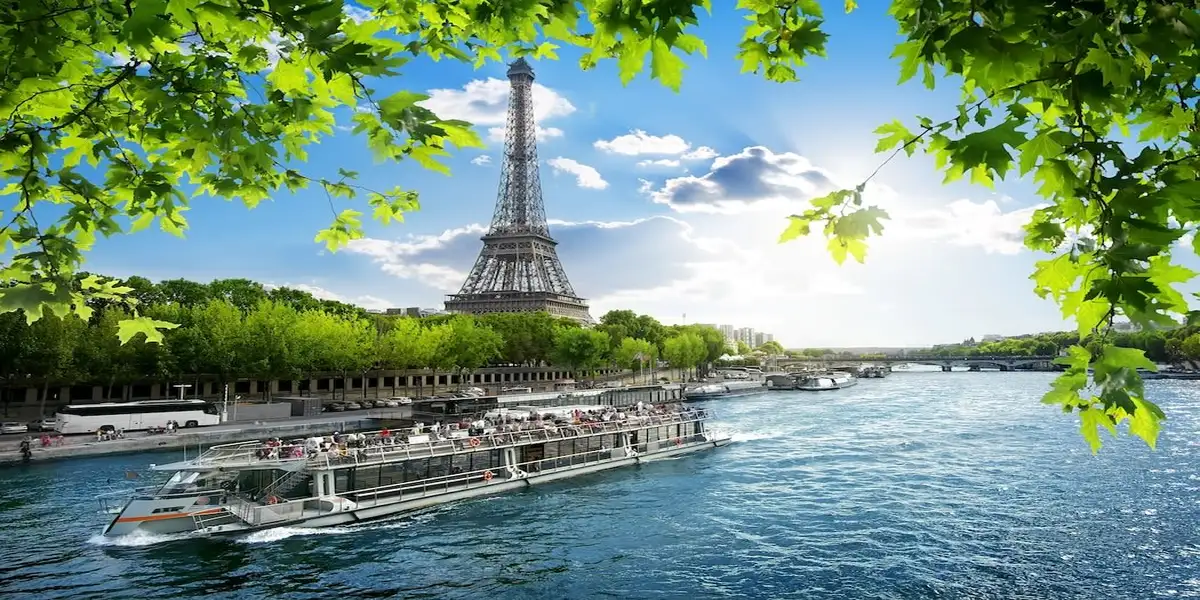
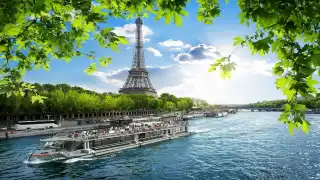
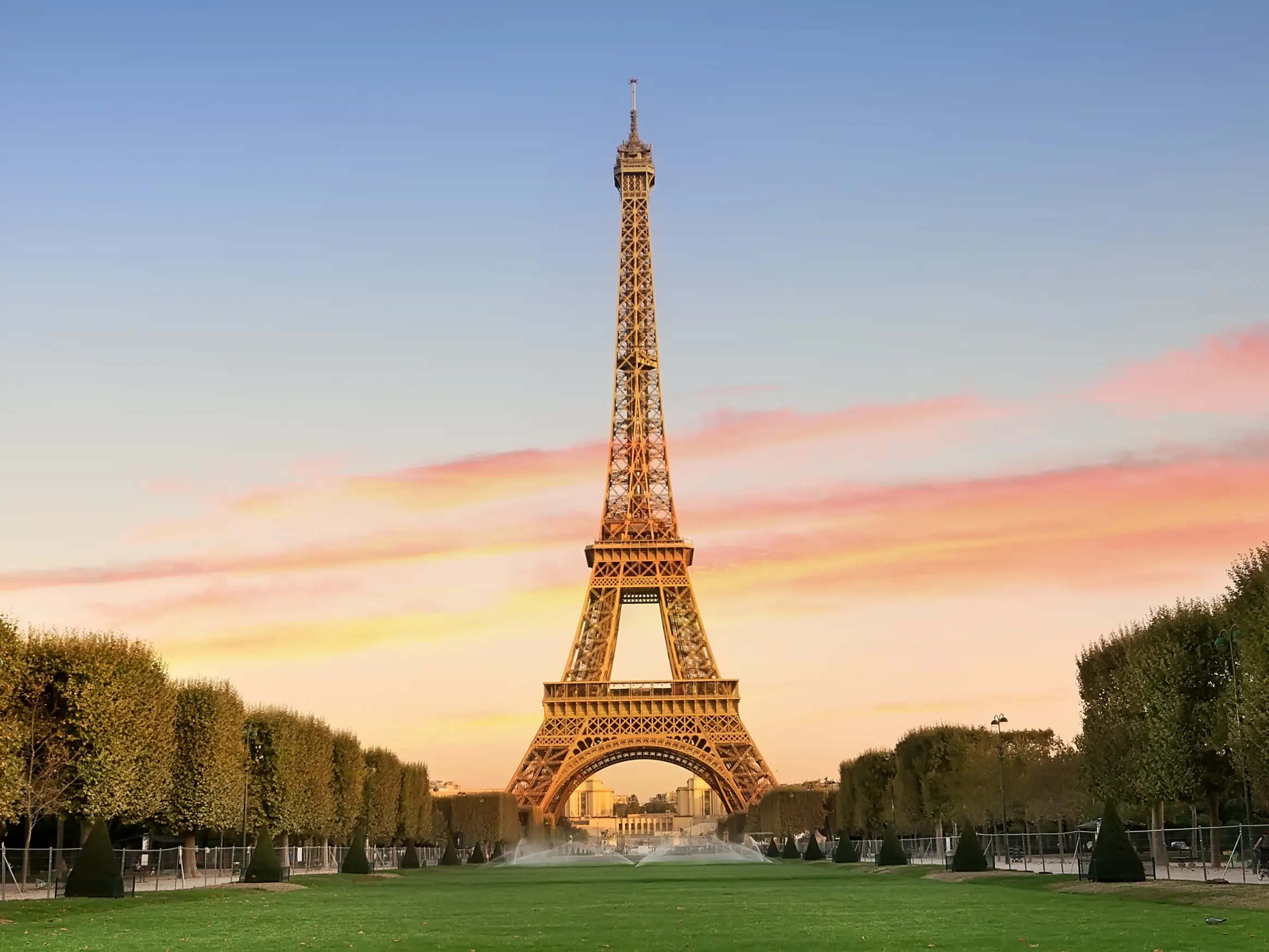
A boat cruises along the Seine River in Paris beneath the Eiffel Tower
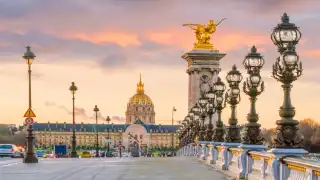
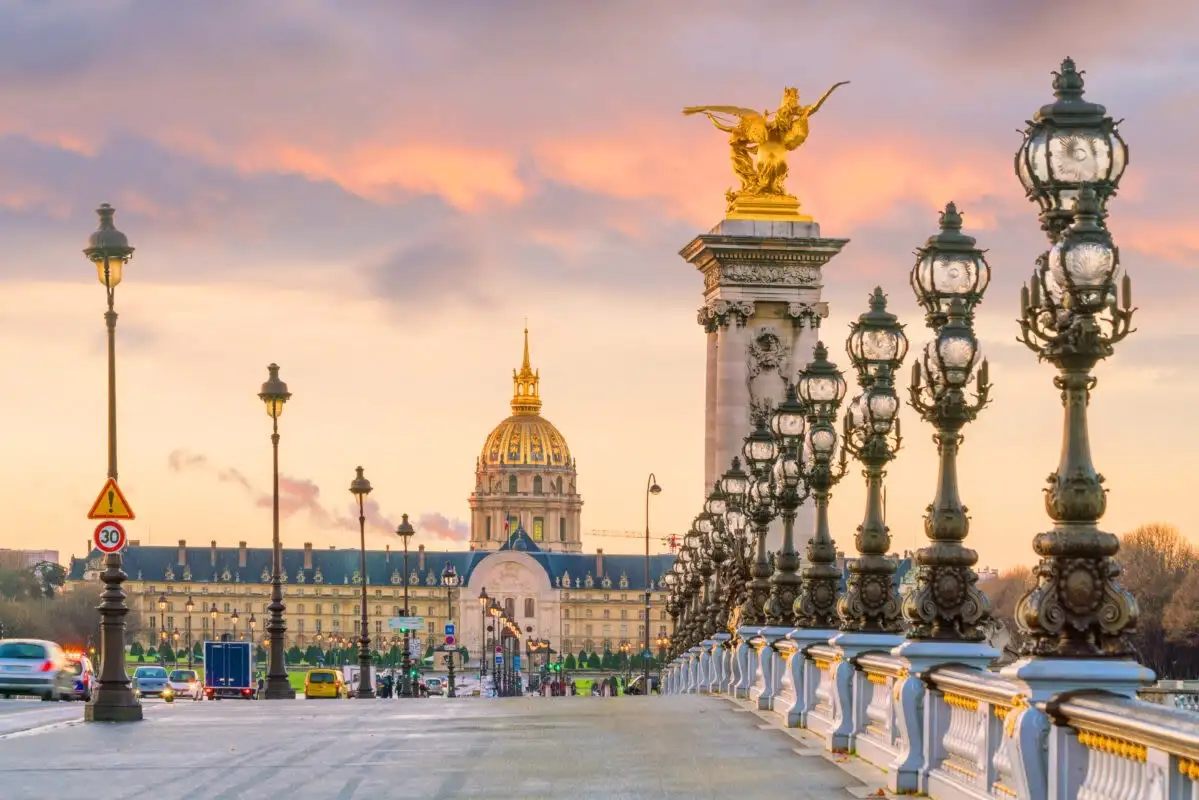
Pont Alexander II in Paris
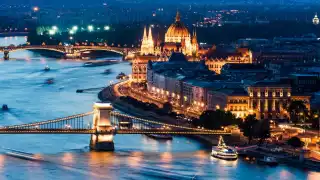
Budapest Danube Chain Bridge
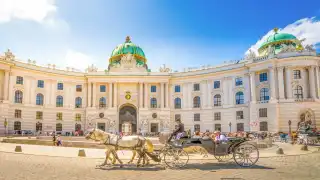
Hofburg Palace in Vienna
image
arrowLightLeft
arrowLightRight
calendar-icon
12 Days 11 Nights
calendar-icon
Best Time: Jan-Dec
building-icon
Day Cruises
family-icon
History Buffs
Embark on a journey through history with exclusive day cruises and private guided tours through the heart of Europe, spanning from Paris to Budapest. Savor the romance of Paris, the medieval allure of Prague, Vienna's imperial splendor, and the dynamic energy of Budapest. You'll even take a cruise on the Wachau Valley, the most beautiful stretch of the Danube. Each city unveils its unique story, brought to life with detailed travel guidance through our mobile app, ensuring a seamless and enriching experience. Discover hidden treasures, from the Seine to the Danube, and let Europe’s legendary landscapes and cultures captivate you.
  • Admire Paris on a Seine River Cruise, capturing the City of Lights in its full glory.
  • Follow the Royal Route across the Charles Bridge to Prague Castle and enjoy a cruise on the Vltava.
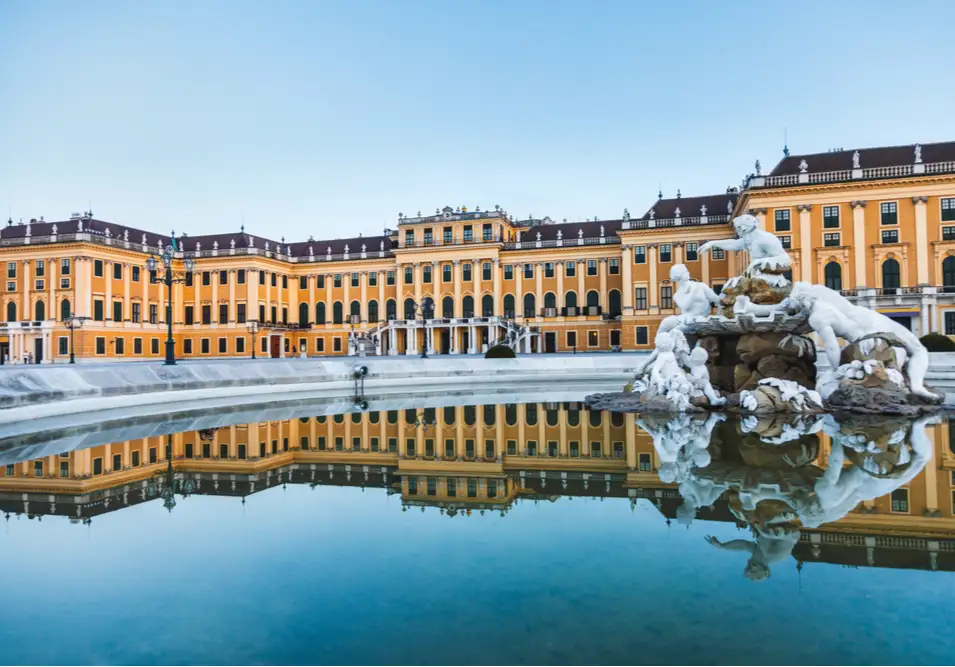
  • Explore Vienna from the Ringstrasse to the elegant Schönbrunn Palace, and cruise the Wachau Valley.
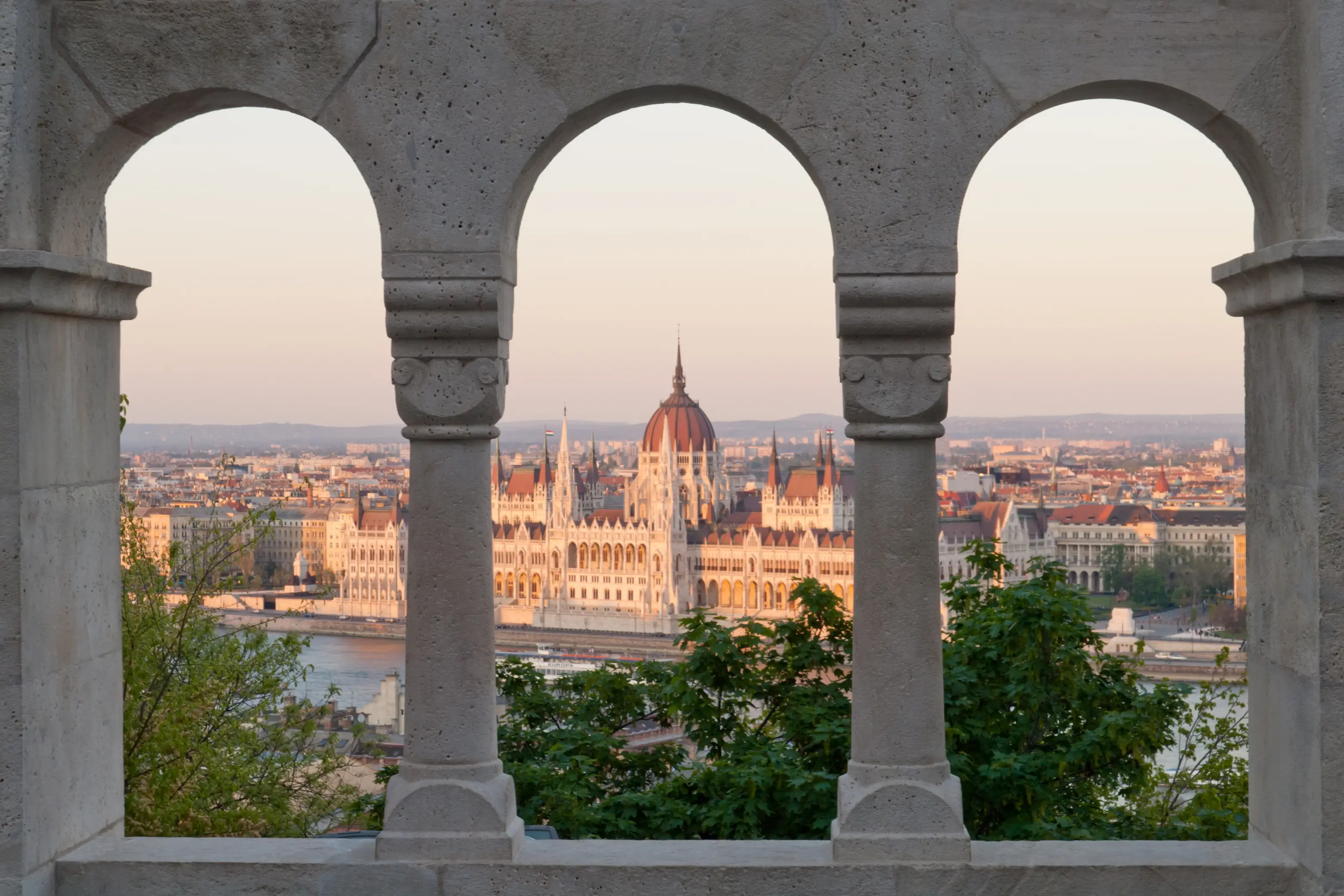
  • Sail the Danube for breathtaking night views of Budapest's Parliament and the historic Buda Castle.
  • Explore the gems of the cities, from Wenceslas Square in Prague to Budapest's vibrant nightlife.
Embark on a journey through history with exclusive day cruises and private guided tours through the heart of Europe, spanning from Paris to Budapest. Savor the romance of Paris, the medieval allure of Prague, Vienna's imperial splendor, and the dynamic energy of Budapest. You'll even take a cruise on the Wachau Valley, the most beautiful stretch of the Danube. Each city unveils its unique story, brought to life with detailed travel guidance through our mobile app, ensuring a seamless and enriching experience. Discover hidden treasures, from the Seine to the Danube, and let Europe’s legendary landscapes and cultures captivate you.
  • Admire Paris on a Seine River Cruise, capturing the City of Lights in its full glory.
  • Follow the Royal Route across the Charles Bridge to Prague Castle and enjoy a cruise on the Vltava.
  • Explore Vienna from the Ringstrasse to the elegant Schönbrunn Palace, and cruise the Wachau Valley.
  • Sail the Danube for breathtaking night views of Budapest's Parliament and the historic Buda Castle.
  • Explore the gems of the cities, from Wenceslas Square in Prague to Budapest's vibrant nightlife.
European Adventure
Eiffel Tower
Historic Landmarks
Scenic Europe
Louvre Museum
Museums & Galleries
Exploring European Beauty
Prague Castle
Castles & Chateaux
Traveling Through Europe
Charles Bridge
Historic Landmarks
European Wonders
Hofburg Palace
Castles & Chateaux
Captivating European Destinations
Schönbrunn Palace & Zoo
Parks & Gardens
Picturesque Europe
National Museum
Museums & Galleries
European Charm
Central Market
Street Markets
Discovering Europe's Treasures
Castle Hill
Castles & Chateaux

Must see sights

European Adventure
Eiffel Tower
Historic Landmarks
Scenic Europe
Louvre Museum
Museums & Galleries
Exploring European Beauty
Prague Castle
Castles & Chateaux
Traveling Through Europe
Charles Bridge
Historic Landmarks
European Wonders
Hofburg Palace
Castles & Chateaux
Captivating European Destinations
Schönbrunn Palace & Zoo
Parks & Gardens
Picturesque Europe
National Museum
Museums & Galleries
European Charm
Central Market
Street Markets
Discovering Europe's Treasures
Castle Hill
Castles & Chateaux
Loading...

Starting from

$2399

per person

no-flightNot included

Secure Your Customizable Trip

Enter your details to embark on a journey that can be tailored just for you.

Start

Travelers

0 travelers
Add Room
Remove Room

Preferred Hotel Stars

Select Hotel Stars
Craft Your Own Itinerary

Select your interests and destinations for a trip plan inspired by you.

Europe's Urban Treasures Trip - Map & Itinerary

Enable/Disable Map Scrolling

Click To Make Map Interactive

Europe's Urban Treasures Trip Timeline

Arrival

3 nights

Paris

France

Air: 1h45m

2 nights

Prague

Czech Republic

Train: 4.5h

3 nights

Vienna

Austria

Train: 3h

3 nights

Budapest

Hungary

Departure

Day-By-Day Itinerary of Europe's Urban Treasures Trip

image

Day 1

Arrive Paris

Day 1

Arrive Paris

icon
icon
icon
icon

To Be Determined

Airport Taxi Pick-Up

Upon arrival at one of Paris's Charles de Gaulle or Orly Airports, it's fairly easy to catch a taxi from outside the main terminal building to your hotel. This is cheaper than a pre-arranged private transfer, although that option is also available if you wish - just ask your consultant. Parisien taxi drivers are generally reliable and honest, but we will provide you with instructions on how to avoid possible scammers and charlatans. If you want to save money, and often quite a lot of time as well, we will also give you alternative instructions on taking public transport into the city center. Details are contained in the full itinerary and mobile app available to our travelers. If on the other hand, you are arriving at Paris's third airport, Beauvais Airport (BVA), then you should always take the shuttle bus. The taxi fare might cost more than the flight - it's  nearly 50 miles (75km) outside the city.

Airport Taxi Pick-Up

To Be Determined — Airport Taxi Pick-Up

Upon arrival at one of Paris's Charles de Gaulle or Orly Airports, it's fairly easy to catch a taxi from outside the main terminal building to your hotel. This is cheaper than a pre-arranged private transfer, although that option is also available if you wish - just ask your consultant. Parisien taxi drivers are generally reliable and honest, but we will provide you with instructions on how to avoid possible scammers and charlatans. If you want to save money, and often quite a lot of time as well, we will also give you alternative instructions on taking public transport into the city center. Details are contained in the full itinerary and mobile app available to our travelers. If on the other hand, you are arriving at Paris's third airport, Beauvais Airport (BVA), then you should always take the shuttle bus. The taxi fare might cost more than the flight - it's  nearly 50 miles (75km) outside the city.

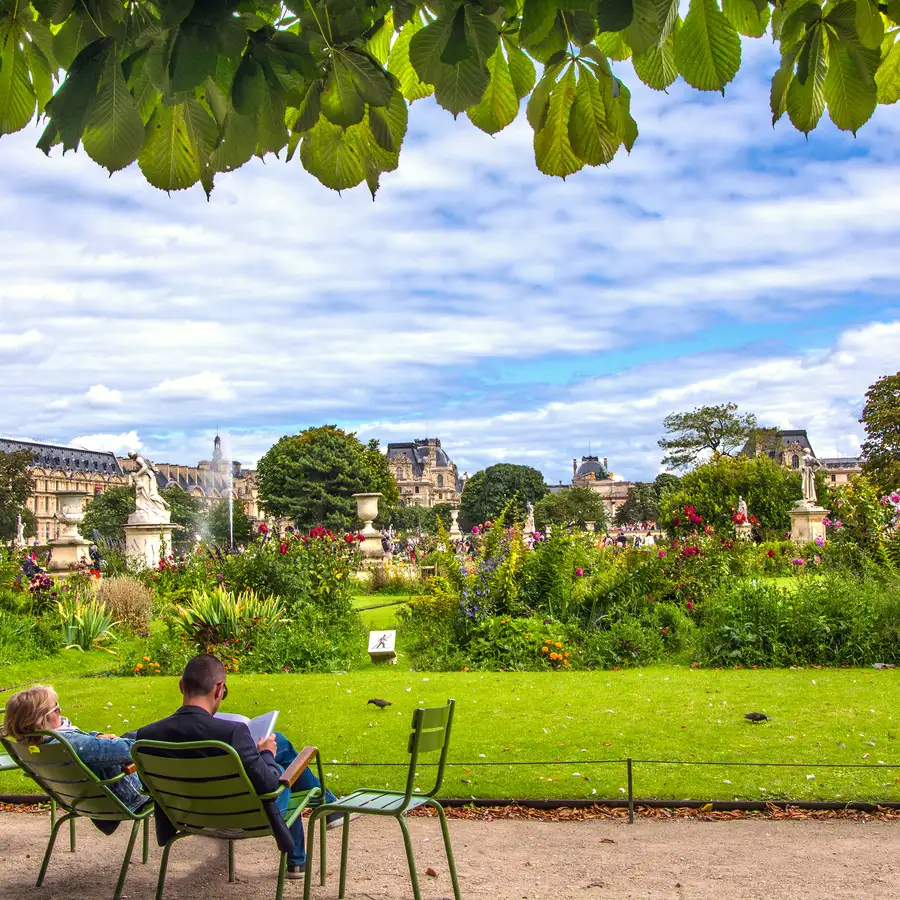
Mid-Day/Afternoon — Tuileries Gardens & Nearby Museums

Stroll in the Tuileries and attend one of the nearby museums, a classic way to spend your free hours in Paris. Originally cultivated in 1564 as the grounds for the Tuileries Palace, the gardens are the oldest in Paris. Its succession of royal owners ended and the garden became a public park in the 19th century; Parisians congregated to relax and socialize beside the fountains and leafy horse chestnut trees - they still do today. The Musée de l'Orangerie, in the Western corner of the gardens, exhibits many Impressionist and 20th-century artworks, including Claude Monet’s famous water lilies.

Tuileries Garden

Relax in the beautiful Tuileries Gardens, an oasis of manicured landscapes and historic statues in the heart of Paris.

The Tuileries Gardens, located next to the Louvre Museum, offer a peaceful retreat amidst the bustling city. Originally created as the royal gardens for the Tuileries Palace in the 16th century, they represent a classic example of French garden design. Visitors can marvel at the array of statues, including works by Rodin and Maillol, stroll along its perfectly aligned trees and flowerbeds, and enjoy panoramic views of the Seine and the Eiffel Tower.

Museum d'Orsay

Soak it all in at the Musée d'Orsay, a former Beaux-Arts railway station transformed into a stunning showcase of Impressionist and Post-Impressionist masterpieces.

The Musée d'Orsay, housed in an elegantly converted railway station, offers a world-renowned collection of Impressionist and Post-Impressionist art, featuring works by masters like Monet, Van Gogh, and Renoir. Its unique architecture, with grand clocks and sweeping galleries, complements the diverse array of sculptures, paintings, and decorative arts on display. A visit to the Musée d'Orsay is not just a tour of art history, but an immersive experience in a space where the past and present merge beautifully.

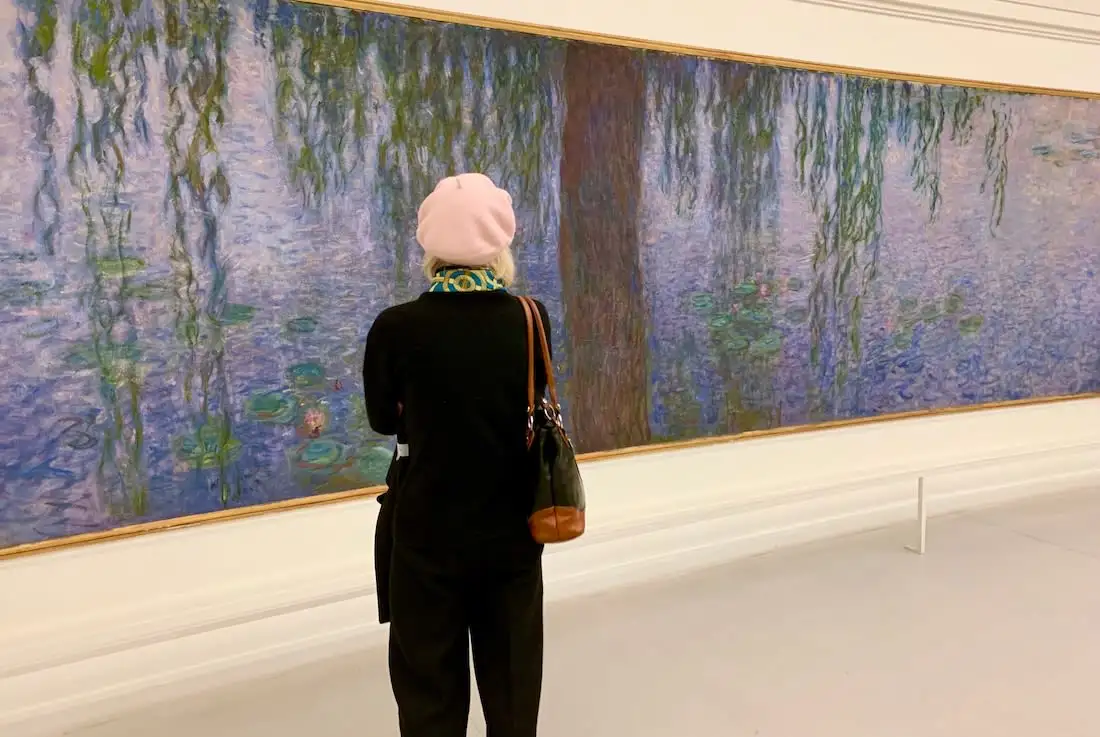
Orangerie

Let your vision swim with Monet's Water Lilies and other Impressionist artwork at the Musée de l'Orangerie

The Musée de l'Orangerie, nestled in a corner of the Tuileries Gardens, exhibits the stunning "Water Lilies" series by Claude Monet. This series of large-scale paintings, designed specifically for the two oval rooms they inhabit, offers an immersive experience into Monet's impressionist vision of his garden at Giverny. Beyond Monet, the museum boasts the Jean Walter and Paul Guillaume collection, featuring masterpieces by renowned artists such as Renoir, Cézanne, Matisse, Picasso, and Modigliani.   

Afternoon to Early Evening — Hôtel des Invalides

The Eglise du Dome Church close to the Eiffel Tower is where you observe the gilded tomb of the historic French General and Emperor, Napoleon, but his bones are just a miniscule part of the gigantic Hôtel des Invalides housing the French National Army Museum. Spend some time learning about French warfare from the earliest times to the wax and wane of the Napoloenic Wars and on to the modern French army and a new section dedicated to the life of General Charles de Gaulle.

Napoleon's Tomb

Discover the tomb of one of history's most fearsome generals, and a controversial figure of the 19th century.

Reflect at the sarcophagus resting underneath the dome of Les Invalides' church - Napoleon's tomb is as still as his life was frenetic. Crafted from red quartzite and set upon a green granite base within a circular crypt, Napoleon's sarcophagus is surrounded by a series of statues representing his victories and achievements. The entire ensemble, designed with solemn grandeur, reflect both the power and complexity of his legacy. But visitors can come and go please, this great general commands no one now.

The Army Museum

Exploring the martial history of France in this regal strucure

Gather your forces and lay touristic seige to the French Army Museum and its immersive expositions of French military history from medieval times to the present. Will you conquer the extensive Medieval Collections, Napoleon Bonaparte's grand tomb, and detailed exhibits of the World Wars, or will they conquer you? These exhibts and more offer insights into the evolution of warfare, strategic intracacies, and personal narratives of conflict. A visit to the Army Museum encourages discussion about the contradictions and complexities of war, one of the most important, and disturbing, traits of our humanity.

Rodin Museum

Let the greatest sculptures of the 19th and 20th centuries inspire you

The remarkable sanctuary of art and beauty that is the Musée de Rodin displays the greatest works of the French sculptor Auguste Rodin. Nestled in the exquisite Hôtel Biron, and its serene garden, this museum invites visitors to discover the profound depth of Rodin's creativity. Thrill at the world-reknowned pieces "The Thinker" and "The Gates of Hell," among others, each piece exploring  human emotion and thought through its dynamic forms. Wander through the garden paths to encounter these and other masterpieces in an intimate setting, where the fusion of art and nature crafts a truly unforgettable experience.

Early Evening — Seine Cruise

Embark on an enchanting Seine River Boat Cruise that offers an unparalleled view of the City of Light. Glide past iconic landmarks such as the Eiffel Tower, Notre-Dame Cathedral, and the Louvre, all while basking in Paris' famed romantic ambiance. Whether you choose a daytime voyage to admire the city in its full glory or a nighttime excursion to see Paris illuminated against the night sky, a Seine River Boat Cruise is an unforgettable highlight that offers a new perspective on the timeless beauty of Paris.

image

Day 1

Arrive Paris


icon
icon
icon
icon

To Be Determined:

Airport Taxi Pick-Up

Mid-Day/Afternoon:

Tuileries Gardens & Nearby Museums

Afternoon to Early Evening:

Hôtel des Invalides

Early Evening:

Seine Cruise

Airport Taxi Pick-Up

Airport Taxi Pick-Up

Upon arrival at one of Paris's Charles de Gaulle or Orly Airports, it's fairly easy to catch a taxi from outside the main terminal building to your hotel. This is cheaper than a pre-arranged private transfer, although that option is also available if you wish - just ask your consultant. Parisien taxi drivers are generally reliable and honest, but we will provide you with instructions on how to avoid possible scammers and charlatans. If you want to save money, and often quite a lot of time as well, we will also give you alternative instructions on taking public transport into the city center. Details are contained in the full itinerary and mobile app available to our travelers. If on the other hand, you are arriving at Paris's third airport, Beauvais Airport (BVA), then you should always take the shuttle bus. The taxi fare might cost more than the flight - it's  nearly 50 miles (75km) outside the city.

To Be Determined — Airport Taxi Pick-Up

Upon arrival at one of Paris's Charles de Gaulle or Orly Airports, it's fairly easy to catch a taxi from outside the main terminal building to your hotel. This is cheaper than a pre-arranged private transfer, although that option is also available if you wish - just ask your consultant. Parisien taxi drivers are generally reliable and honest, but we will provide you with instructions on how to avoid possible scammers and charlatans. If you want to save money, and often quite a lot of time as well, we will also give you alternative instructions on taking public transport into the city center. Details are contained in the full itinerary and mobile app available to our travelers. If on the other hand, you are arriving at Paris's third airport, Beauvais Airport (BVA), then you should always take the shuttle bus. The taxi fare might cost more than the flight - it's  nearly 50 miles (75km) outside the city.

Mid-Day/Afternoon — Tuileries Gardens & Nearby Museums

Stroll in the Tuileries and attend one of the nearby museums, a classic way to spend your free hours in Paris. Originally cultivated in 1564 as the grounds for the Tuileries Palace, the gardens are the oldest in Paris. Its succession of royal owners ended and the garden became a public park in the 19th century; Parisians congregated to relax and socialize beside the fountains and leafy horse chestnut trees - they still do today. The Musée de l'Orangerie, in the Western corner of the gardens, exhibits many Impressionist and 20th-century artworks, including Claude Monet’s famous water lilies.

Tuileries Garden

Relax in the beautiful Tuileries Gardens, an oasis of manicured landscapes and historic statues in the heart of Paris.

The Tuileries Gardens, located next to the Louvre Museum, offer a peaceful retreat amidst the bustling city. Originally created as the royal gardens for the Tuileries Palace in the 16th century, they represent a classic example of French garden design. Visitors can marvel at the array of statues, including works by Rodin and Maillol, stroll along its perfectly aligned trees and flowerbeds, and enjoy panoramic views of the Seine and the Eiffel Tower.

Museum d'Orsay

Soak it all in at the Musée d'Orsay, a former Beaux-Arts railway station transformed into a stunning showcase of Impressionist and Post-Impressionist masterpieces.

The Musée d'Orsay, housed in an elegantly converted railway station, offers a world-renowned collection of Impressionist and Post-Impressionist art, featuring works by masters like Monet, Van Gogh, and Renoir. Its unique architecture, with grand clocks and sweeping galleries, complements the diverse array of sculptures, paintings, and decorative arts on display. A visit to the Musée d'Orsay is not just a tour of art history, but an immersive experience in a space where the past and present merge beautifully.

Orangerie

Let your vision swim with Monet's Water Lilies and other Impressionist artwork at the Musée de l'Orangerie

The Musée de l'Orangerie, nestled in a corner of the Tuileries Gardens, exhibits the stunning "Water Lilies" series by Claude Monet. This series of large-scale paintings, designed specifically for the two oval rooms they inhabit, offers an immersive experience into Monet's impressionist vision of his garden at Giverny. Beyond Monet, the museum boasts the Jean Walter and Paul Guillaume collection, featuring masterpieces by renowned artists such as Renoir, Cézanne, Matisse, Picasso, and Modigliani.   

Afternoon to Early Evening — Hôtel des Invalides

The Eglise du Dome Church close to the Eiffel Tower is where you observe the gilded tomb of the historic French General and Emperor, Napoleon, but his bones are just a miniscule part of the gigantic Hôtel des Invalides housing the French National Army Museum. Spend some time learning about French warfare from the earliest times to the wax and wane of the Napoloenic Wars and on to the modern French army and a new section dedicated to the life of General Charles de Gaulle.

Napoleon's Tomb

Discover the tomb of one of history's most fearsome generals, and a controversial figure of the 19th century.

Reflect at the sarcophagus resting underneath the dome of Les Invalides' church - Napoleon's tomb is as still as his life was frenetic. Crafted from red quartzite and set upon a green granite base within a circular crypt, Napoleon's sarcophagus is surrounded by a series of statues representing his victories and achievements. The entire ensemble, designed with solemn grandeur, reflect both the power and complexity of his legacy. But visitors can come and go please, this great general commands no one now.

The Army Museum

Exploring the martial history of France in this regal strucure

Gather your forces and lay touristic seige to the French Army Museum and its immersive expositions of French military history from medieval times to the present. Will you conquer the extensive Medieval Collections, Napoleon Bonaparte's grand tomb, and detailed exhibits of the World Wars, or will they conquer you? These exhibts and more offer insights into the evolution of warfare, strategic intracacies, and personal narratives of conflict. A visit to the Army Museum encourages discussion about the contradictions and complexities of war, one of the most important, and disturbing, traits of our humanity.

Rodin Museum

Let the greatest sculptures of the 19th and 20th centuries inspire you

The remarkable sanctuary of art and beauty that is the Musée de Rodin displays the greatest works of the French sculptor Auguste Rodin. Nestled in the exquisite Hôtel Biron, and its serene garden, this museum invites visitors to discover the profound depth of Rodin's creativity. Thrill at the world-reknowned pieces "The Thinker" and "The Gates of Hell," among others, each piece exploring  human emotion and thought through its dynamic forms. Wander through the garden paths to encounter these and other masterpieces in an intimate setting, where the fusion of art and nature crafts a truly unforgettable experience.

Early Evening — Seine Cruise

Embark on an enchanting Seine River Boat Cruise that offers an unparalleled view of the City of Light. Glide past iconic landmarks such as the Eiffel Tower, Notre-Dame Cathedral, and the Louvre, all while basking in Paris' famed romantic ambiance. Whether you choose a daytime voyage to admire the city in its full glory or a nighttime excursion to see Paris illuminated against the night sky, a Seine River Boat Cruise is an unforgettable highlight that offers a new perspective on the timeless beauty of Paris.

image

Day 2

Paris

Day 2

Paris

icon
icon
icon

9:00 AM - 1:00 PM

Paris Highlights Walking Tour

Embark on a captivating 4-hour walking tour of the center of Paris, the City of Lights, where history and modernity blend seamlessly along its enchanting streets. Starting from Odette Pastry Shop (77 Rue Galande), you will explore the heart of this dynamic city and learn how to navigate Paris as a local.

Paris Highlights Walking Tour

9:00 AM - 1:00 PM — Paris Highlights Walking Tour

Embark on a captivating 4-hour walking tour of the center of Paris, the City of Lights, where history and modernity blend seamlessly along its enchanting streets. Starting from Odette Pastry Shop (77 Rue Galande), you will explore the heart of this dynamic city and learn how to navigate Paris as a local.

Afternoon/Late Afternoon — Île de la Cité

Discover the origins of Paris on the Ile de la Cité, it's glorious heart. The original settlement from which Paris grew overwhelms with the iconic Notre-Dame Cathedral, the Revolutionary history of the Conciergerie, the numinous kaleidoscope of Sainte-Chapelle's stained glass, and a plethora of other interesting sights. This island is a captivating blend of Parisian history and beauty, offering unforgettable experiences at every turn. A visit here traverses the river Seine and centuries, perfect for capturing the spirit of Paris.

Sainte-Chapelle

It's ok, you can be dumbstruck at the incomparable stained glass of this royal chapel

The Sainte-Chapelle glows in the heart of Paris with its breathtaking stained-glass windows. Regard in awe the 15 windows, each 15m high, illustrating biblical stories in vibrant colors and intricate detail. Built in the 13th century on the Île de la Cité for Saint King Louis IX, this chapel was originally conceived to house precious Christian relics, including spines from Jesus Christ's Crown of Thorns. Visitors today, like kings and kings of yesteryear are often awestruck by the celestial light and serene ambiance that these windows transmit, casting a kaleidoscope of colors across the chapel's interior. The upper chapel, in particular, offers an ethereal experience, with its towering windows and star-studded vaulted ceiling.

Conciergerie

Explore the somber past of this Gothic riverside fortress, a heart of the Great Terror that followed the French Revolution

  The Conciergerie in Paris is a historic monument and former prison on the Île de la Cité, and an inflection point between France's royal and revolutionary pasts. Once part of the royal palace, but later transformed into a prison during the French Revolution, its most infamous inmate was Queen Marie Antoinette before her execution. Visitors can explore the medieval halls, the somber cells - even the Queen's own - while absorbing the tales of justice, power, and tragedy that echo through its walls. This site stands as a poignant reminder of France's turbulent history, here where the Revolutionary Tribunal sat from 1793, condemning some 2,600 persons to the guillotine.

Notre-Dame de Paris

Thrill at one of the most beautiful and recognized churches on Earth.

Gaze at the heart of Paris, Notre-Dame Cathedral, as iconic to the city as it is to Gothic architecture. Standing on the Île de la Cité, this 13th-century medieval masterpiece, still boasts its stunning rose windows, flying buttresses, and sculpted facades, despite a devastating fire in 2019.  The ongoing reconstruction of this center of French spirituality is captivating in itself, and people around the world await the full restoration's of this symbol's élégance, planned for December 8th, 2024.

Late Afternoon to Evening — Eiffel Tower

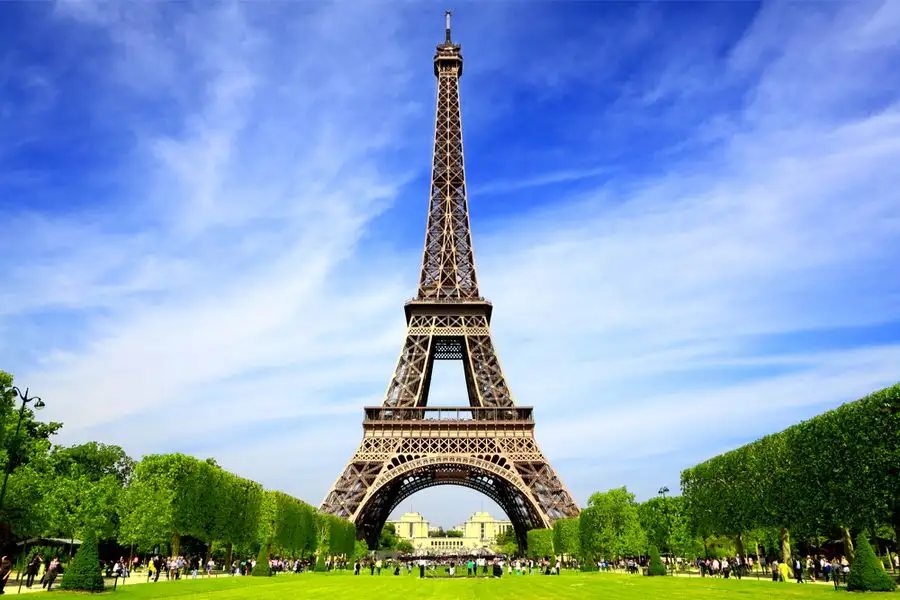
Maybe the most recognized landmark in the world, the Eiffel Tower never fails to impress and inspire.  Its elegance has always drawn crowds, and it demands a little logistical planning in order to expedite the security checks and avoid the crowds. We'll provide you with very detailed information on how to do this in the Full Itinerary, along with how to purchase tickets to speed up your visit. Let your consultant know if you wish to have your Eiffel Tower tickets purchased for you - they require a very specific time slot. We will also provide you with information on the other grand sights to visit nearby, including the famous Museum of Man across the river at Trocadero, and the Quai Branly Museum.

Quai Branly Museum

Discover a captivating collection of indigenous art in this literally verdant building.

The Quai Branly Museum, oficially known as L'Musée du quai Branly - Jacques Chirac, is a vibrant celebration of indigenous art and cultures from Africa, Asia, Oceania, and the Americas. Located on the banks of the Seine near the Eiffel Tower, this innovative museum stands out with its striking modern architecture and a lush wall garden adorning its exterior. Inside, visitors are treated to a rich tapestry of artifacts, including traditional costumes, masks, sculptures, and jewelry, all showcased in a dynamic and immersive display. The museum's commitment to cultural diversity and its extensive collection offer a unique opportunity to explore the history, art, and traditions of non-Western civilizations.

Museum of Man

Ponder some of the Big Questions while visiting this museum...

Le Musée de l'Homme in Paris's Place du Trocadéro delves into human evolution and diversity through anthropology, ethnology, and prehistory. Showcasing artifacts from prehistoric tools to modern art, it highlights humans' biological and cultural development while exploring our identities, societies, and relationship with nature. Interactive and engaging, the museum offers a profound investigation into the essence of humanity, prompting reflection on our collective past and future.

Palais de Tokyo

Discovering the greatest of modern and contemporary French art in this dramatic structure

Que vous seriez un peu plus parisien(ne)... That you would be a bit more Parisian, visit the Palais de Tokyo in the 16th arrondissement, a beacon of contemporary art known for its avant-garde exhibitions and innovative art installations. Blending historical elegance with modern creativity, it offers visitors a privilaged exploration of the latest artistic expressions. Highlights include its own modernist architecture, a constantly evolving array of exhibitions showcasing everything from installations to live performances, and the Yoyo nightclub and Le Tokyo Eat for leisure and dining. Visit the Palais de Tokyo to step into an intersection of art, culture, and architecture, and let the cutting edge of contemporary art in Paris take you away.

image

Day 2

Paris

image

Day 3

Paris

Day 3

Paris

icon
icon
icon

Early Morning to Afternoon

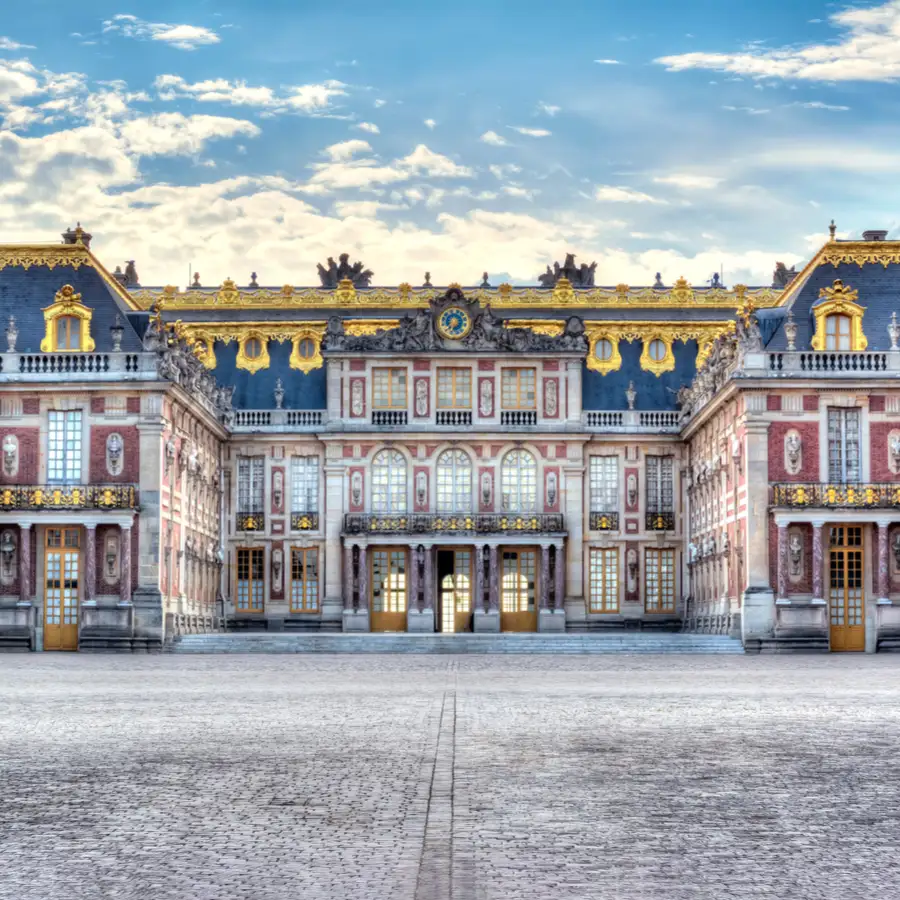
Palace of Versailles

The Château of Versailles, a symbol of the grandeur of French monarchy, invites visitors to explore its lavish history and architectural majesty. From the spellbinding elegance of the Hall of Mirrors, where the Treaty of Versailles was signed, to the vast, meticulously manicured Gardens the pinnacle of French garden design, every corner tells a story of opulence and power. Discover the intimate escapes of royalty at the Grand and Petit Trianon, and marvel at the divine beauty of the Royal Chapel, a masterpiece of Baroque architecture.

Palace of Versailles

Early Morning to Afternoon — Palace of Versailles

The Château of Versailles, a symbol of the grandeur of French monarchy, invites visitors to explore its lavish history and architectural majesty. From the spellbinding elegance of the Hall of Mirrors, where the Treaty of Versailles was signed, to the vast, meticulously manicured Gardens the pinnacle of French garden design, every corner tells a story of opulence and power. Discover the intimate escapes of royalty at the Grand and Petit Trianon, and marvel at the divine beauty of the Royal Chapel, a masterpiece of Baroque architecture.

Main Palace of Versailles

There are palaces, and then there is Versailles...

Enlarged by for Emperor Louis XIV as an escape from the dreary political tension of Paris, Versailles might have been the most luxurious palace in the world.  Even now, the building stuptifies with its grandeur and elegance, a stunning representation of the French monarchy's opulence. The famous Hall of Mirrors is just one of many, many (2300!)  stunning rooms, only a small percentage of which are open for display.  It might be too much, or one visit might never be enough.

The Queen's Hamlet

Imagine living like the "peasants" here?

Desiring something different, Queen Marie Antoinette had a hamlet erected where she could supervise servants milking cows, tending pigs, collecting eggs from chickens.  She dressed down to play her part, but apparently never got her hands dirty, as far as we know.  Her peasant cottage only had two living rooms, a billiard room, a dining hall, and a library.  If you are accustomed to palaces, only two living rooms is roughing it.  Lest the queen got tired of it all, she could return to the Petit Trianon, a beautiful chateau built on the grounds of the Grand Trianon, which was the retreat chateau built on the grounds of the Palace of Versailles, which was a retreat from the Louvre Palace in Paris.

Parc de Versailles

Feel like a king, feel like a queen, hopefully you'll feel good looking out across the park

The Parc de Versailles, features some 800 hectares of manicured lawns, stunning fountains, and the Grand Canal, all masterminded by André Le Nôtre. Highlights include the Neptune and Apollo Fountains, the Trianon Palaces, and the Queen's Hamlet. This vast garden symbolizes royal power, but you are welcomed to enjoy yourself on these pleasure grounds.

Afternoon/Late Afternoon — Arc de Triomphe

The Arc de Triomphe de l'Étoile is an enduring icon of Paris and offers a spectacular view across the city. In fact, some people say the best view of Paris is from the Arc de Triomphe, as the sweeping vista found at the top includes the Eiffel Tower. 'De l'Étoile' or 'star' refers to the junction on which the Arc de Triomphe stands. This is the meeting point of 12 straight avenues including the Avenue des Champs-Élysées, famous for its theatres, cafés, and luxury shops, and the inspiration for the catchy, eponymous song by Joe Dassin. Although this area of Paris bustles with shoppers, tourists, and commercial enterprises there is still much to explore, see, and do here, and some secret places to be found away from the crowds.

Arc de Triomphe

Ascend one of the most iconic monuments in the world, and view Paris from this beloved symbol of France

L' Arc is not just a symbol of French pride and triumph. Yes, this monument crowning the western end of the Champs-Élysées honors those who fought and died in the French Revolutionary and Napoleonic War. However, it also commorates the horrific losses of World War I with the Tomb of the Unknown Soldier.  Your visit here can be surprisingly poignant. Visitors can ascend to the top for panoramic views of the City of Lights below, whose energy somehow rotates around this reminder that there is a little sobriety in every party.

Grand Palais

Structure built for the Universal Exhibition in 1900, now a children's science museum and art gallery.

The Grand Palais, built for the Universal Exhibition in 1900, boasts a large glass and iron roof. It is home to the Palais de la Découverte science museum for children - be aware this museum only offers information in French, which greatly reduces its value to English speakers. Another wing of the building features rotating art exhibitions, which are usually curated by theme (such as The Moon or Soviet Art). Look on the website https://www.grandpalais.fr/en if you are interested in finding out what's on during your time in Paris. You may purchase tickets on site should you choose to attend.

Petit Palais

Pop in for a Rembrandt painting and discover a secret garden in one of Paris's "hidden gems".

The Petit Palais in Paris, built for the 1900 Exposition Universelle, is a Beaux-Arts architectural marvel that houses the City of Paris Museum of Fine Arts. With free admission to its permanent collections, it showcases an extensive array of artworks from ancient to early 20th century, including notable pieces by Rembrandt and Courbet. Its stunning architecture, complete with a grand dome and a serene courtyard garden, makes it a cultural and visual haven. Located just off the Champs-Élysées, the Petit Palais is a key destination for art enthusiasts.

Champs-Elysées

Experience a promenade on the most famous road in the world!

Stretch your legs on the Avenue Champs-Élysées, an emblem of French prestige and elegance. On this unparalleled thoroughfare stretching from Place de la Concorde to the Arc de Triomphe waits a parade of luxury shops, fine dining, and lush greenery, offering an unparalleled urban experience. On the "Champs" you can indulge in world-class shopping, savor exquisite French cuisine at chic cafés, and marvel at the architectural beauty of illustrious building.

Late Afternoon to Evening — Montmartre

Montmartre, Paris's bohemian heart, where countless artists have whiled away their time, beckons with its cobblestone streets and vibrant history. Ascend the butte to find the Sacré-Cœur Basilica, a white-domed sentinel offering breathtaking views of the city below. Wander through Place du Tertre, where artists capture the essence of Paris on canvas. Delve into the nightlife at the Moulin Rouge, a testament to the area's hedonistic past. Montmartre, a blend of artistic legacy and lively modern culture, offers a captivating escape into the soul of Paris, where every corner tells a story, and every moment is a brushstroke on the canvas of the city.

Moulin Rouge

World Famous Dinner Theater and Cabaret

The Moulin Rouge, the iconic cabaret of Paris, beckons visitors with an unforgettable evening in the City of Lights. Famous for pioneering the can-can dance, this legendary establishment has been dazzling audiences since 1889 with its extravagant performances, featuring a troupe of highly-trained dancers adorned in outrageous costumes. Dive into an evening of glamour and romance, where the spirit of Parisian nightlife comes alive amidst spectacular shows in the historic ambiance of a venue that has hosted generations of artists and admirers.

Montmartre Museum

Experience la vie bohémienne at the Montmartre museum

To peruse the charming Montmartre Museum is to experience the captivating, artistic history of bohemian Paris. Housed in a 17th-century building that once served as a studio for many notable artists, including Renoir and Raoul Dufy, the museum invites visitors to its rich collection of paintings, photographs, and memorabilia. The museum vividly brings to life the rollicking, artistic fervor that defined Montmartre at the turn of the 20th century.

L’Espace Dali

Indulge your surreality in Dalí Paris while twitching your mustache at his largest collection in France, over 300 pieces.

The Spaniard found fame in Paris in the 1920s and 30s, and developed his paranoic-critical method designed to access the sub-conscious and enhance creativity. He lived in Montmartre for a while before moving to Montparnasse. The collection here, mostly of sculpture and etchings, with titles like Space Elephant and Moses and Montheism, will have you questioning your sensibilities, or maybe Dalí's.

Sacre-Coeur Basilica

Iconic white domed church that features mosaics, stained glass windows, and a crypt

The exterior, with its domes and stark white façade, looks ancient but was finished only a century ago. In 1870 war broke out between France and Prussia. The Council that was being held in the Vatican at the time was suspended and the Pope, no longer under the protection of French troops, considered himself a prisoner within the Vatican. France was subsequently defeated and partially occupied by German troops. Alexandre Legentil and Hubert Rohault de Fleury vowed to build a church dedicated to the Sacred Heart “as reparation,” as penance for infidelity and sin for they held that the misfortunes of France had spiritual rather than political causes.

Mur des je t’aime (I Love You Wall)

A wall trying to bring a little tenderness into the world

The singer Paul Simon wrote a song "Fifty Ways To Leave Your Lover,"  but this wall below Montmartre teaches you how to say "I love you" in 250 languages. Find the one that sounds most beautiful to you, and then practice saying it to yourself and others.

image

Day 3

Paris

image

Day 4

Paris to Prague

Day 4

Paris to Prague

icon
icon
icon
icon
icon

To Be Determined

Airport Dropoff by Taxi

Paris taxis are generally reliable and honest, so taking a taxi is cheaper than a pre-arranged transfer. Your hotel will be happy to arrange a pick up for you. If you are picked up about 3.5 hours before your departure time, you should arrive at the airport with a little over two hours to spare. If you are leaving during rush hour, you may want to budget an extra fifteen minutes or so. There are also alternative transport instructions for buses and trains in the Full Itinerary if wish you save on the taxi fare.  line-holder  NOTE : If you're leaving from Beauvais Airport you should definitely take a shuttle bus because it's 75km/46.6mi from the city center.

Airport Dropoff by Taxi

To Be Determined — Airport Dropoff by Taxi

Paris taxis are generally reliable and honest, so taking a taxi is cheaper than a pre-arranged transfer. Your hotel will be happy to arrange a pick up for you. If you are picked up about 3.5 hours before your departure time, you should arrive at the airport with a little over two hours to spare. If you are leaving during rush hour, you may want to budget an extra fifteen minutes or so. There are also alternative transport instructions for buses and trains in the Full Itinerary if wish you save on the taxi fare.  line-holder  NOTE : If you're leaving from Beauvais Airport you should definitely take a shuttle bus because it's 75km/46.6mi from the city center.

To Be Determined — Flight to Prague

You can fly directly from Paris to Prague, as there are numerous direct connections on a daily basis for this approximately 2-hour flight. Both the Czech Republic and France are part of the European Union's internal visa-free Schengen Area, so you won't need to undergo any immigration or customs control when flying between the two countries. However, you will need to purchase your own flight tickets. The Full Itinerary provides information on searching for and purchasing the best flights available, or ask your personal Go Real travel consultant to help you find the flight that suits you best.

To Be Determined — Airport Transfer

Prague has one main airport, Václav Havel Airport Prague, where almost all visitors arrive. Taxis are available directly at the terminal exit, or you can arrange a private transfer for added convenience.

Late Afternoon/Early Evening — Old Town

A visit to the Old Town transports you to an entirely different era. A labyrinth of twisting cobblestone lanes and alleys surrounds Old Town Square, which has been Prague's municipal center since the Middle Ages. The square is lined by magnificent churches and imposing Renaissance palaces. As you wander through the Old Town, you discover numerous other delights, including several beautiful churches, a plentiful supply of cozy cafes and pubs, and an outdoor market dating back to the Middle Ages.

Old Town Square

Make sure to visit one of Europe's most important, historic, and stunning city squares.

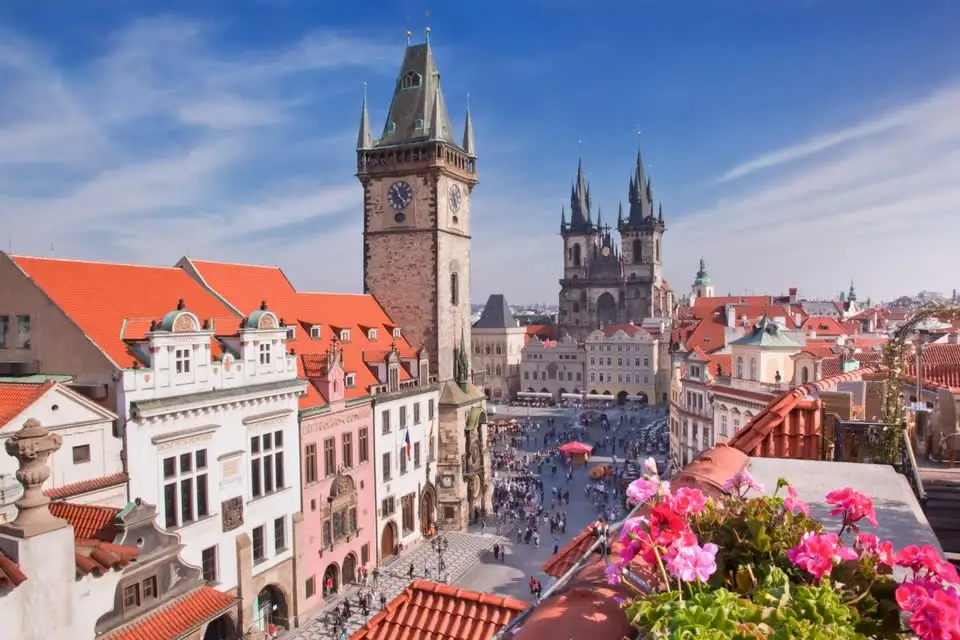
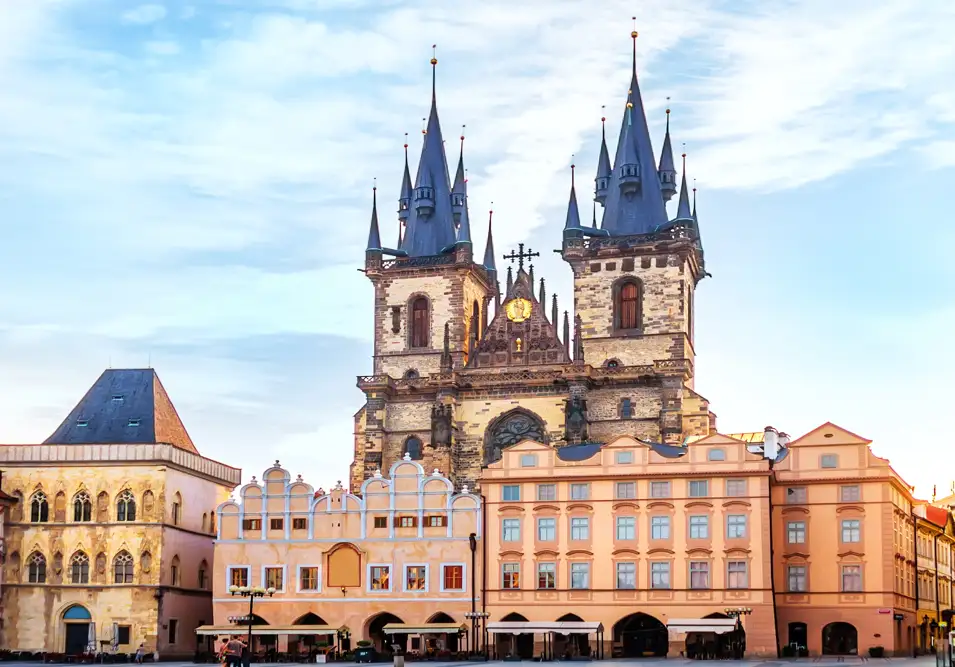
The square is filled with rich history and surrounded by many beautiful old buildings, such as the gothic church of Our Lady before Týn and the baroque church of St. Nicholas. At the center of the square is a large statue of Jan Hus, a church reformer burnt at the stake in 1415, and a lovely and recently-restored column topped by the Virgin Mary. Today the square is filled with street performers, food stalls, and horse-drawn carriages. 

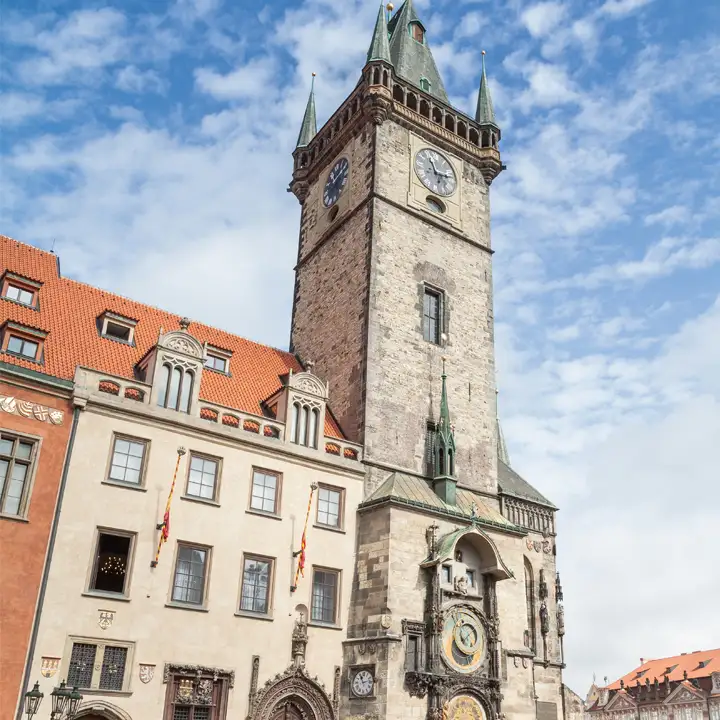
Old Town Hall and Astronomical Clock

See Prague's most photographed moment when the late medieval timepiece constructed on the side of the Old Town Hall Tower comes to life at the top of the hour.

Apostles proceed from the tower’s 1410 astronomical clock hourly, flanked by figures representing vanity, greed, death, and pleasure. You can also take an elevator to the top of the Old Town Hall tower for a great view of the Old Town Square and rooftops. Tours of the town hall and its gothic cellars are also offered. 

Church of Our Lady before Týn

Count the spires on the Church of Our Lady Týn before discovering the hidden courtyard behind it.

The 14th-century, Gothic church is a stunning structure with asymmetrical towers (note that the one on the right is slightly larger than the one on the left). It is the dominant feature of Old Town square and serves as an extensive gallery of Gothic, Renaissance and Early Baroque works. The church is the final resting place for the great astronomer Tycho Brahe.

Clementinum

Discover a large historical complex of buildings and courtyards "hidden in plain sight" within the Old Town.

Founded as an abbey in the 11th century and later transformed into a Jesuit university, it is the second largest complex of buildings in Prague after the castle and contains four separate churches. Guided tours begin at 10am, and include an awe-inspiring Baroque library hall and the Astronomical Tower, from which you have a beautiful view of the Old Town.

Early Evening/Evening — Evening Boat Cruise

Embark on a captivating evening river cruise in Prague on the Vltava River, where the city's historic landmarks come alive under the soft glow of twilight. Glide past Prague Castle, Charles Bridge, and the Old Town while enjoying a glass of bubbly or a gourmet dining experience with fine wines. This enchanting journey offers a unique perspective of Prague's beauty, creating memories against the backdrop of the city's sparkling lights.

image

Day 4

Paris to Prague

image

Day 5

Prague

Day 5

Prague

icon
icon
icon
icon

9:00 AM - 12:30 PM

Royal Route Guided Tour

On this charming guided walk, you will explore the Prague Castle, the largest castle complex in all of Europe. To reach the castle you will trace the Royal Coronation Route and cross the Charles Bridge, whose “speaking stones” reveal the amazing and often cruel history that occurred there. Your tour guide will then take you either through the castle courtyards and into the dramatic St. Vitus Cathedral in the center of the castle complex, or through the upper part of the castle district around the oversized palaces of the old Catholic nobility and the top of the Castle Steps for incomparable views over the red rooftops of the Little Quarter.

Royal Route Guided Tour

9:00 AM - 12:30 PM — Royal Route Guided Tour

On this charming guided walk, you will explore the Prague Castle, the largest castle complex in all of Europe. To reach the castle you will trace the Royal Coronation Route and cross the Charles Bridge, whose “speaking stones” reveal the amazing and often cruel history that occurred there. Your tour guide will then take you either through the castle courtyards and into the dramatic St. Vitus Cathedral in the center of the castle complex, or through the upper part of the castle district around the oversized palaces of the old Catholic nobility and the top of the Castle Steps for incomparable views over the red rooftops of the Little Quarter.

Prague Castle

Prague Castle is one of the main attractions in Prague and is also the largest castle complex in the world.

The Prague Castle is the largest castle complex in the world with structures dating back to the 9th century. The St Vitus Cathedral and Basilica of St George can be found within the castle walls. The Prague Castle also includes several gardens, palaces, and a monastery. This castle was the seat of power for the Kings of Bohemia, Holy Roman Emperors, and presidents of former Czechoslovakia. Prague Castle is a UNESCO world heritage site and is one of the most visited places in the country. 

Charles Bridge

Cross the river dividing Prague's most historic neighborhoods, and experience one of Europe's most iconic landmarks.

Bridge construction began in 1357 under King Charles IV (hence the name), and it was the only bridge across the Vltava River until 1841. 30 baroque statues of saints line the bridge, and it is filled with street artists and entertainers. Not to be missed.

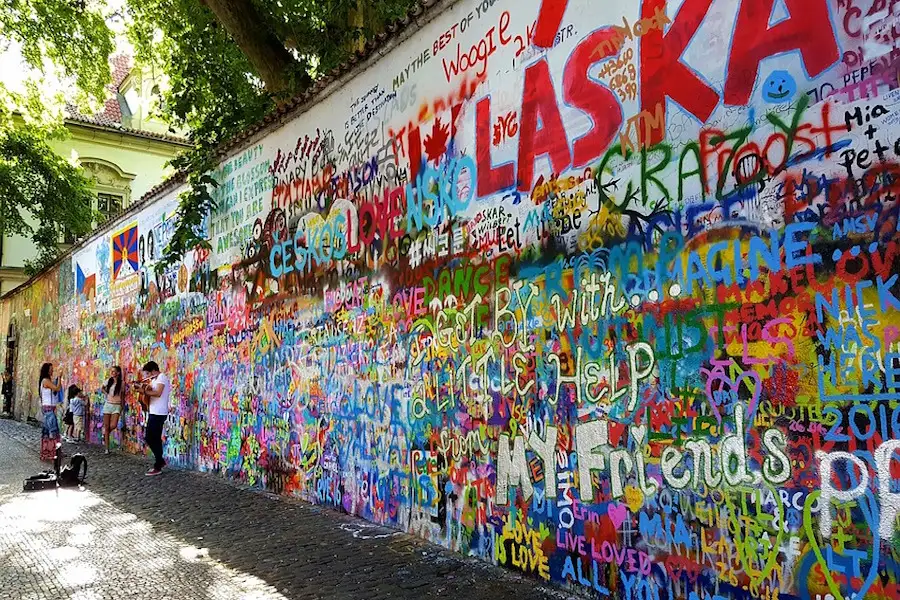
Maltese Square & Lennon Wall

See a historic wall that has been covered in John Lennon-inspired graffiti since Communist days.

The wall has been covered in graffiti since the 1960s, and during Communism anti-regime sentiment was common. John Lennon's assassination inspired grafitti reflecting his song, Imagine, which earned the wall its current moniker. It is now a favorite gathering place for tourists, and musicians sometimes congregate there as well. Just around the corner is the Maltese Square, which is one of Prague's more quaint and relaxed public spaces, despite being just off the main tourist route.

Mid-Day/Afternoon — Prague Castle

Prague Castle is the most visited destination in Prague, and for good reason. The castle's history stretches back over a 1000 years, and it has served as the seat of government for Bohemian kings, Holy Roman Emperors, and presidents of Czechoslovakia and the Czech Republic. The castle sits impressively perched on a hill overlooking the city, providing a breathtaking and romantic view.

St Vitus Cathedral

Venture into a mesmerizing gothic church which is the resting place of saints, Bohemian kings, and Holy Roman emperors .

Located within the castle walls and acting as a symbol of the Czech nation, St Vitus Cathedral is the country's largest and most prominent church. Although construction on the cathedral began in 1344 it was not completed for another 600 years, although the later construction was faithful to the original medieval design. It even contains stained glass windows from the famed Czech artist Alfons Mucha. Entry to the front nave is free, although the crypts and other parts of the church are paid entry.

Golden Lane

Wander a narrow street of brightly painted and picturesque cottages literally built out from the walls of the castle.

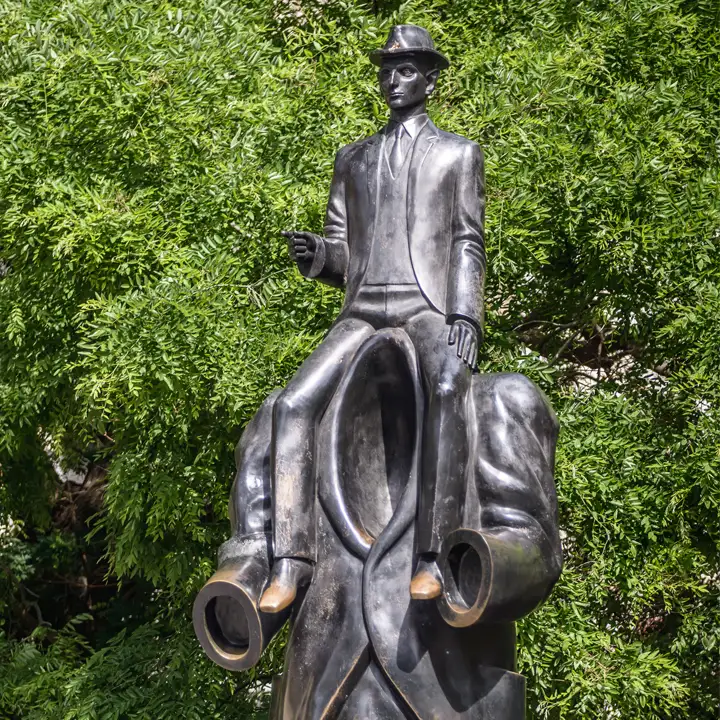
The Golden Lane is a street situated within the castle grounds. Originally built in the 16th century to house Rudolf II's castle guards, it takes its name from the goldsmiths that lived there in the 17th century. Throughout history, it's been occupied by castle guards, goldsmiths, and others, including for a short time Franz Kafka. The houses are now filled by shops. 

Strahov Monastery

Wander just slightly off-the-beaten-path to discover a hilltop medieval monastery with a stucco-paneled theological hall, a vast library, and a baroque church.

Strahov Monastery was founded in 1143 and in 1420, during the Hussite wars, it was attacked and plundered by the citizens of Prague. Luckily, this was before the monastery's prize attraction was built; a magnificent library with a magnificently painted ceiling. The monastery also contains a beautiful Baroque church, and you can find one of Prague's best viewpoints in the vineyards planted near its south entrance. 

Lobkowicz Palace

Take an intimate audio tour of an art-filled palace, which is narrated by its owners.

The Lobkowicz Palace is the only privately owned building in the Prague Castle complex. The excellent museum tells the fascinating tale of the noble family that once resided within it. An audio guide is narrated by actual family members, who tell the back story behind the beautiful art and artifacts their ancestors collected over the centuries, and describe their flight to America after Nazi and Communist political persecution. 

Late Afternoon — Petřín Park

Petřin Park is Prague's most prominent park, as it is located on the side of a large hill overlooking the city. The park is filled with cherry orchards, beautiful forests, and lawns, and is crisscrossed by numerous paths as well as the medieval Hunger Wall built by Emperor Charles IV. At the top of the park is an Eiffel Tower-like observation tower which provides an unobstructed view of the city.

Petřín Observatory Tower

Ascend the Czech version of the Eiffel Tower for an astounding 360-degree view.

Petřín Observatory Tower is a cast iron observation tower, built in 1891, that resembles the Eiffel Tower in Paris. Although this structure is only 64m tall, because it is built on a hill it is technically higher than the Eiffel Tower. Visitors enjoy a panoramic view of not only the city center, but also the suburbs and countryside surrounding Prague.

Petřín Mirror Labyrinth

Get delightfully lost in a 19th-century, mirrored labyrinth.

This maze of mirrors was created for an 1891 Exhibition, and it was so popular that it is still open today. It is great fun for kids and adults, especially the trick mirrors. There is also a mural showing a battle which took place on the Charles Bridge in 1648. 

Petřín Funicular Railway

Ride an incline railway to the top of the wooded Petřín Hill to discover forest paths and beautiful city views.

This inclined railway takes visitors to the top of Petřín Hill, where they can ascend the Observation Tower or take a walk through the beautiful forest park overlooking Prague. Riders can also get off at the middle station of the railway and visit one of several restaurants overlooking the city.

Early Evening/Evening — The Little Quarter

The Little Quarter is a quaint yet lively quarter of Prague tightly nestled on the slope and riverbank beneath the Prague Castle. It is filled with the homes of medieval and renaissance nobility who wanted to live as closely as possible to the castle. Picturesque side streets, beautiful churches, and impressive Baroque architecture all abound within the Little Quarter.

Charles Bridge

Cross the river dividing Prague's most historic neighborhoods, and experience one of Europe's most iconic landmarks.

Bridge construction began in 1357 under King Charles IV (hence the name), and it was the only bridge across the Vltava River until 1841. 30 baroque statues of saints line the bridge, and it is filled with street artists and entertainers. Not to be missed.

Church of St. Nicholas

Stare in wonder at Prague's largest and most beautiful baroque church.

Construction on this elegant and incredibly ornate church began in 1745 and took 100 years and 3 generations of architects to complete. You can also climb the tower for a view.

Wallenstein Garden

Escape to these tranquil 17th-century gardens located behind the walls of the Senate palace.

Open from April to October, these grand late renaissance gardens feature a massive limestone grotto created by artificial stalactites, ornamental pools, & classically-inspired statues. Most tourists miss this hidden gem, as the gardens are reached through inconspicious passageways in Wallenstein Palace, which houses the Czech Senate, and the nearby the Malostranská Metro station.

Maltese Square & Lennon Wall

See a historic wall that has been covered in John Lennon-inspired graffiti since Communist days.

The wall has been covered in graffiti since the 1960s, and during Communism anti-regime sentiment was common. John Lennon's assassination inspired grafitti reflecting his song, Imagine, which earned the wall its current moniker. It is now a favorite gathering place for tourists, and musicians sometimes congregate there as well. Just around the corner is the Maltese Square, which is one of Prague's more quaint and relaxed public spaces, despite being just off the main tourist route.

Infant Jesus of Prague

See the Infant Jesus of Prague, a wax effigy of the baby Jesus credited with many miracles, which attracts visitors from around the world.

The church was completed in 1613 in the Baroque style and houses the 18.5-inch statue. The church is somewhat plain in comparison to most churches in Prague, but visitors come to see the Infant Jesus of Prague (il Bambino di Praga).

image

Day 5

Prague

image

Day 6

Prague to Vienna

Day 6

Prague to Vienna

icon
icon
icon
icon
icon

Morning

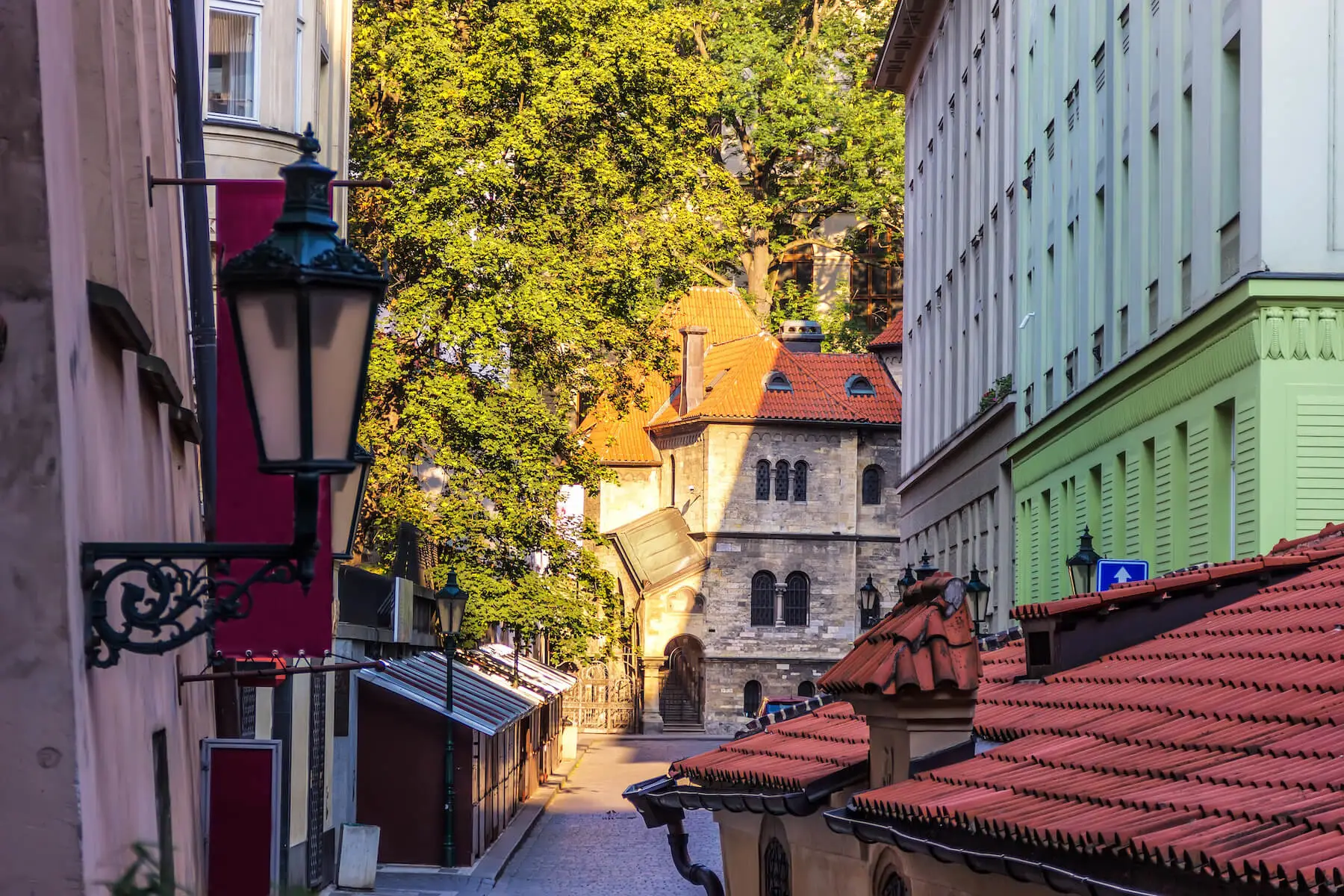
Jewish Quarter

Jews have lived in Prague since its beginnings in the 10th century and have endowed it with a rich heritage. The ghetto was created in the 12th century, as Jews were forced to live separately from Christians. Despite persecution, the community prospered, but sadly, only a small minority survived the Nazi occupation. A lasting legacy remains, including synagogues, architecture, and a fascinating cemetery.

Jewish Quarter

Morning — Jewish Quarter

Jews have lived in Prague since its beginnings in the 10th century and have endowed it with a rich heritage. The ghetto was created in the 12th century, as Jews were forced to live separately from Christians. Despite persecution, the community prospered, but sadly, only a small minority survived the Nazi occupation. A lasting legacy remains, including synagogues, architecture, and a fascinating cemetery.

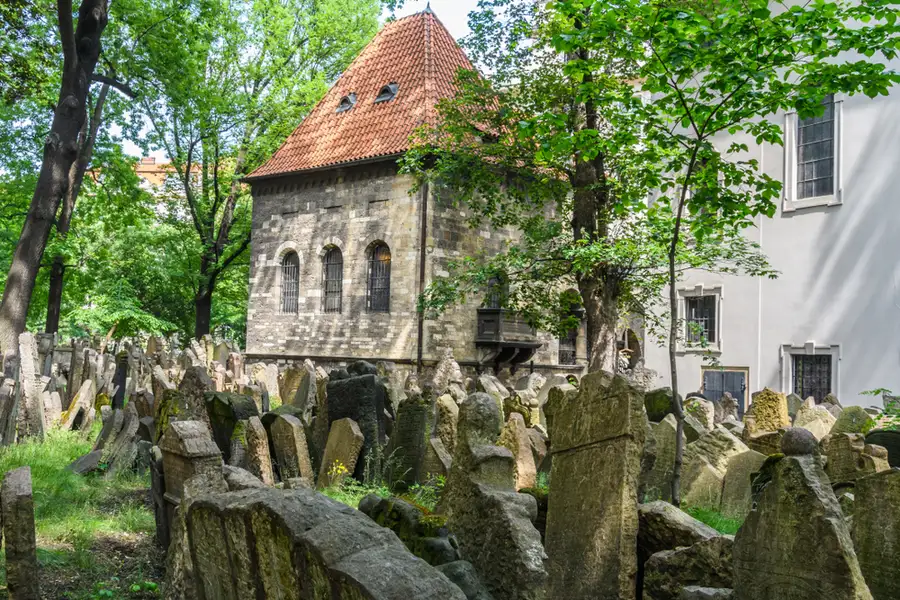
Old Jewish Cemetery

Take an unforgettable visit to one of Europe's largest medieval Jewish cemeteries.

As the Jewish Ghetto was quite cramped, there was no room to expand the cemetery. Unable to acquire further land, and not wishing to dishonor ancestors through the demolition of existing graves, Prague's Jews buried their loved ones in multiple levels. Gravestones are packed in tightly and in some areas the burials reach 12 layers!

Spanish Synagogue

Discover the synagogue considered by many to be Prague's most beautiful.

Completed in 1868, the Spanish Synagogue is the newest synagogue in Prague's Jewish Quarter, but happens to be built on the site of the former Oldest Synagogue in Prague. It is built in a stunning Spanish Moorish style as a symbol of the flowering of the Jewish culture which occurred under Muslim rule on the Iberian Peninsula.

Old-New Synagogue

See the oldest surviving synagogue in Europe and also one of Prague's earliest Gothic buildings.

When built it was Prague’s newest synagogue, but over time became its oldest – hence the “Old-New”. A beautiful ark holds the Torah and legend says its attic is the hiding place of the legendary clay Golem.

Mid-Day/Afternoon — New Town

Despite being 700 years old, the New Town (Nové Město) is the youngest of the original five independent towns that made up Medieval Prague. The heart of New Town is one of the three original markets around which the town was planned, Wenceslas Square. Not fully given over to tourism like the Old Town, the New Town combines a historic atmosphere with the daily commercial and social life of locals, making it a great place to get a taste of the real Prague.

Wenceslas Square

Experience a mishmash of interesting architecture on Wenceslas Square, Prague's main commercial center.

The square, which could also be described as a wide boulevard, is named after the Patron Saint of Bohemia, whose statue can be seen at the top of the square. Many historical events have taken place here, including the demonstrations of the Velvet Revolution in 1989, which resulted in the collapse of the Communist regime. Today the square is lined by department stores, hotels, and office buildings, many of them notable architectural highlights of the 19th, 20th, and 21st century.

Municipal House

Tour a breathtaking art nouveau venue and stay for a concert, opera, or ballet.

The stunning concert hall is open for tours and hosts performances on most evenings. The main hall is painted by famous Czech artists including Alfons Mucha. A beautiful cafe and restaurant are also housed in the building, and you can find one of Prague's most ornate pubs in the cellar (the "American Bar").

Dancing House

Stroll down the river to find this curvaceous office block designed by Frank Gehry, and whi msically nicknamed Fred & Ginger.

There is no tour of the interior, so most visitors just snap a photo and head out. However, there is a restaurant and bar at the top called Ginger&Fred. For a spectacular view of the city check out the terrace on the top floor (only for paying customers).

National Theater

Experience nationally-sponsored ballet & opera in a magnificent venue.

This concert hall is Prague's most prestigious, and it is not only a symbol of the 19th century Czech national revival but also arguably one of the most beautiful concert venues in Europe. Unfortunately, tours are not regularly offered, but you may attend an opera or ballet if you purchase tickets in advance. The riverfront near the concert hall is one of the most photographed spots in Prague.

National Museum

Explore an interesting museum collection in a grand building completed in 1891.

The recently renovated and improved National Museum is fronted by the iconic equestrian statue of "good king Wenceslas". Beyond it's dramatic exterior you'll find a grand staircase which is a highlight of any visit. Founded in 1818, the museum played a major role in bringing natural science and history to the common man, and also played an important part in the Czech national revival occurring in the 19th century.

3:40 PM — Taxi Transfer to Rail Station

Most trains depart from Prague Main Station (Praha hl.n.) station, the largest station in the city. Before spending money on a transfer, be sure to check whether your hotel is within easy walking distance. Also consider that the cheapest and sometimes fastest way to reach your hotel may be by public transport. If staying at a hotel, they can order a reliable taxi. Some private transfers will even help with your bags. Uber is also available for those with the app. Information on finding your departure platform is provided in the itinerary mobile app.

16:42 - 20:49 — Train to Vienna

Your scenic journey to Vienna should take about 4 hours. After departing Prague, you will first pass through the rolling countryside of central Bohemia. You will then enter an enchanting region of deep forests and river valleys, followed by the wine-growing region of southern Moravia, and then approach the border to Austria. The passage over the border is interesting when you consider that it used to be a closely guarded and heavily garrisoned no man’s land during Communism. The countryside is relatively flat by Austrian standards but quite pleasant, with a mix of fields, forests, and small lakes. As you enter Vienna, you will pass over a series of islands, forest, and canals as you cross the Danube River.

8:49 PM — Transfer from Rail Station

Most trains arrive in Vienna's Main Station (Wien Hbf) station, but if coming from the west, you may be able to get off at the west station, Wien Westbahnhof, which may also be closer to your hotel. Before spending money on a transfer, be sure to check whether your hotel is within easy walking distance. Also consider that public transport is the cheapest and sometimes fastest option. Taxis are available at all rail stations and are generally honest. Some private transfers even meet you directly on the platform to help with bags. Uber is also available for those with the app.

image

Day 6

Prague to Vienna

image

Day 7

Vienna

Day 7

Vienna

icon
icon
icon
icon

9:00 AM - 11:00 AM

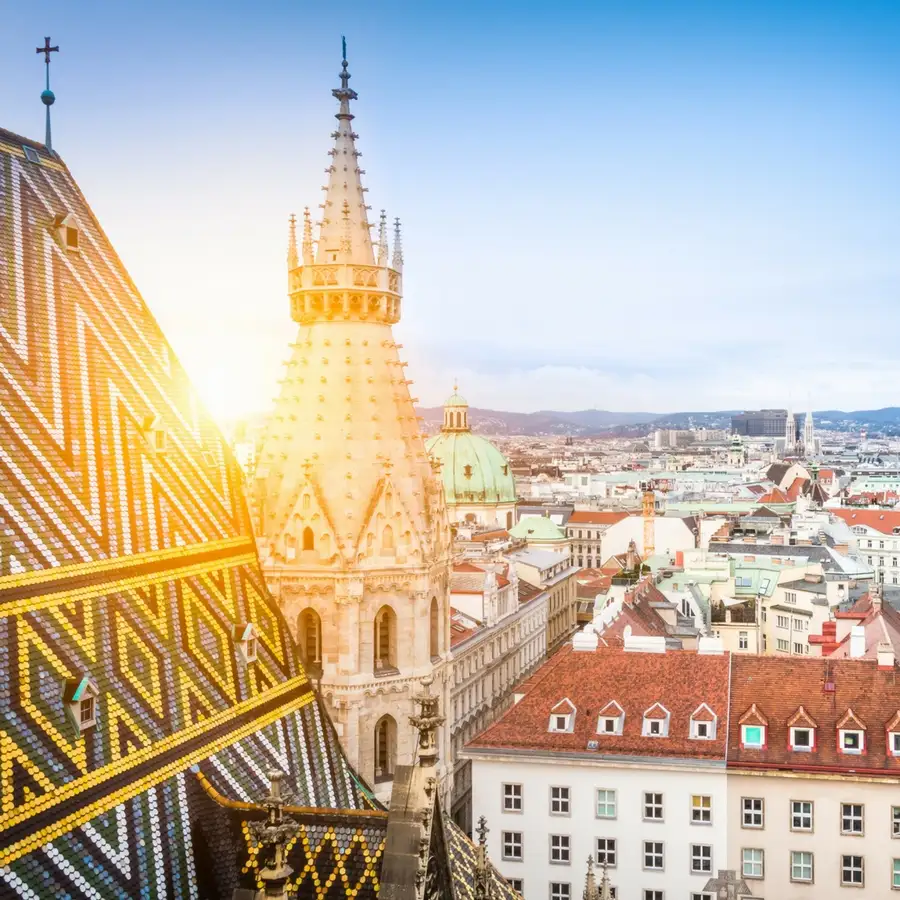
Guided Walk of the Inner City

This tour takes you back in history to explore the Vienna that stood within the old city walls. You will learn about the humble beginnings of Vienna before it became the capital of a great empire and one of the most important cities in Europe. You will discover how Vienna's early inhabitants lived and how they left their mark on the city and its beautiful Medieval, Renaissance, and Baroque architecture.

Guided Walk of the Inner City

9:00 AM - 11:00 AM — Guided Walk of the Inner City

This tour takes you back in history to explore the Vienna that stood within the old city walls. You will learn about the humble beginnings of Vienna before it became the capital of a great empire and one of the most important cities in Europe. You will discover how Vienna's early inhabitants lived and how they left their mark on the city and its beautiful Medieval, Renaissance, and Baroque architecture.

Mid-Day/Afternoon — Imperial Vienna

Discover the very heart of the Habsburg Empire that once covered most of central Europe. Within the vast Hofburg Palace complex, which was once home to Austria’s emperors and their administrators, you will find palaces, museums, a famed riding hall, the Austrian national library, and much more. The State Opera House and other major monuments are also nearby. Majestically stunning, the buildings and squares of Imperial Vienna still evoke awe in the observer even if the Empire they were built for is now long gone.

State Opera House

Visit the famous opera house on a guided tour, or better yet, enjoy a world-class performance.

Once the most pre-eminent music hall in the entire Austro-Hungarian Empire, it still dwarfs its surroundings. It was mostly destroyed in bombing during WWII, but the lavish and stunning foyer was encased in a protective structure and saved, and the rest was rebuilt. Just across from the State Opera house is the famous Hotel Sacher, home of the Sachertorte.

Imperial Treasury

See firsthand the treasures collected by Austrian emperors over the last 1,000 years.

The Imperial Treasury is today a museum collection of the secular and religious treasures amassed by the Austrian emporers. You'll see crowns, coronation robes, scepters, bejeweled swords, precious gems, religious relics, and much more. Be sure to get an audio guide.

Spanish Riding School

See an equestrian performance from a world-famous riding school dating back to 1572.

Originally founded in order to train horses for the complicated maneuvers necessary in battle, the riding school today is dedicated to the preservation of classical dressage and the training of the renowned white Lipizzaner stallions. It offers regular demonstrations & shows and is located in the interior of a palace.

Café Central

Dine in an elegant 19th century cafe.

The soaring gothic ceilings and fine cuisine of the Café Central made it the frequent haunt of historic figures such as Freud and Trotsky. Reservations are highly recommended. 

Hofburg Palace

Tour the palaces and courtyards of the massive Hofburg Palace complex.

The complex consists of numerous palaces which once housed the imperial family during the winter months, and also held the offices which were used to administer the state. They now hold museums and collections from the imperial past. There are also grand plazas and pleasant gardens, such as the enchanting Burggarten. 

Afternoon/Late Afternoon — Ring Street

The Ringstrasse, or the Ring Street, surrounds Vienna's old town where the city walls once stood until the 19th century. The Austro-Hungarian Empire was at the height of its prosperity at the time the walls were torn down, and so it lined the wide Ringstrasse with monumental buildings such as the neo-Gothic town hall and neo-Classical parliament buildling. A fun experience is to take a tram ride around the entire length of the Ringstrasse, soaking in the full richness of the spectacle.

Rathaus (City Hall)

Get in touch with the local vibe at the Rathausplatz, a huge square in front of the Vienna City Hall.

The 19th-century city hall was built in a fanciful neo-Gothic style with 30 million bricks. It is an important center for social life in the city, hosting balls, concerts, and other events. The square in front of the hall is home to activities all year long, including markets, food fairs, exhibitions, and the city's biggest Christmas Market. 

Natural History Museum

Explore one of the world's most important natural history collections.

The museum is a treasure trove of anthropological and archeological exhibits, including dinosaurs and other extinct animals, precious gems, and more. It also holds the famous pre-historic finds from the Austrian village of Hallstatt, where an ancient salt mine was located.

Kunsthistorisches Museum

Find artistic bliss in this lavish 19th-century museum housing art collections & antiquities.

The Kunsthistorisches Museum, or Art History Museum, is one of the world's most important collections of art. It houses many masterpieces as well as ancient and classical art antiquities. Its amazing interior is worth seeing just on its own merits, and includes an incredible mural painted by Gustav Klimt.

Early Evening/Evening — Hundertwasser Haus

The charming and unusual Hundertwasserhaus is one of Austria's architectural highlights. The colorful building represents a harmonic place where human beings and nature can live together with equal rights. Just a short walk away is the Prater, a large and pleasant public park. You can make your through the park to Vienna's oldest fun park, which is home to a towering Ferris wheel called the Wiener Riesenrad.

Riesenrad

Take a fifteen-minute trip back in time on a 212-foot ferris wheel, enjoying breathtaking views over the roofs of the city.

The 'Wiener Riesenrad' was constructed in 1897 and is now a symbol of Vienna. It held the record of the world's tallest Ferris wheel from 1920 until 1985. It's surrounded by a famous amusement park, where you'll find carousels, swings, roller coasters, and haunted houses, as well as coffee houses and beer gardens. 

Hundertwasserhaus

See an entirely different idea for what makes a good apartment building.

This extraordinary apartment building with a colorful facade was completed in 1985. It features a grass-covered roof and trees growing out of rooms. It was created by the artist Friedensreich Hundertwasser. As the building is inhabited, it can be viewed only from the outside but in the art café on the ground floor you can watch a free video film, where the artist guides you through his masterpiece. 

image

Day 7

Vienna

image

Day 8

Vienna

Day 8

Vienna

icon
icon

Early Morning to Late Afternoon

Wachau Valley

A one-and-a-half-hour train ride from Vienna brings you to the town of Melk, where you can tour the vast Melk Abbey. From there you can begin a 22-mile cruise through the Wachau Valley, considered the most beautiful stretch of the entire Danube River. You'll pass medieval castle ruins, hills covered in vineyards, and several charming villages, where you can debark to try some wine or take a hike up to a castle. The valley is also a perfect destination for cyclers and winery tours.

Wachau Valley

Early Morning to Late Afternoon — Wachau Valley

A one-and-a-half-hour train ride from Vienna brings you to the town of Melk, where you can tour the vast Melk Abbey. From there you can begin a 22-mile cruise through the Wachau Valley, considered the most beautiful stretch of the entire Danube River. You'll pass medieval castle ruins, hills covered in vineyards, and several charming villages, where you can debark to try some wine or take a hike up to a castle. The valley is also a perfect destination for cyclers and winery tours.

Melk Abbey

Tour a huge and splendid Baroque monastery.

Founded in 1089 when the Austrian duke gave one of his castles to Benedictine monks, Melk Abbey is now both a place of pilgrimage and a major tourist attraction. Visitors come for the museum of religious artifacts, the jaw-dropping library, and the sublime church. The town square below the abbey is also a great place for a meal or wine.

Spitz

Stop to taste the wine in a postcard-pretty town surrounded by vineyards.

Spitz is a favorite stop due to its bucolic atmosphere and abundance of wine taverns and restaurants. It is also home to the Tausendeimerberg or "House of a Thousand Buckets" (so named for the abundance of wine fields) and the castle ruins of Hinterhaus, which make for a nice (if steep) hike from the village.

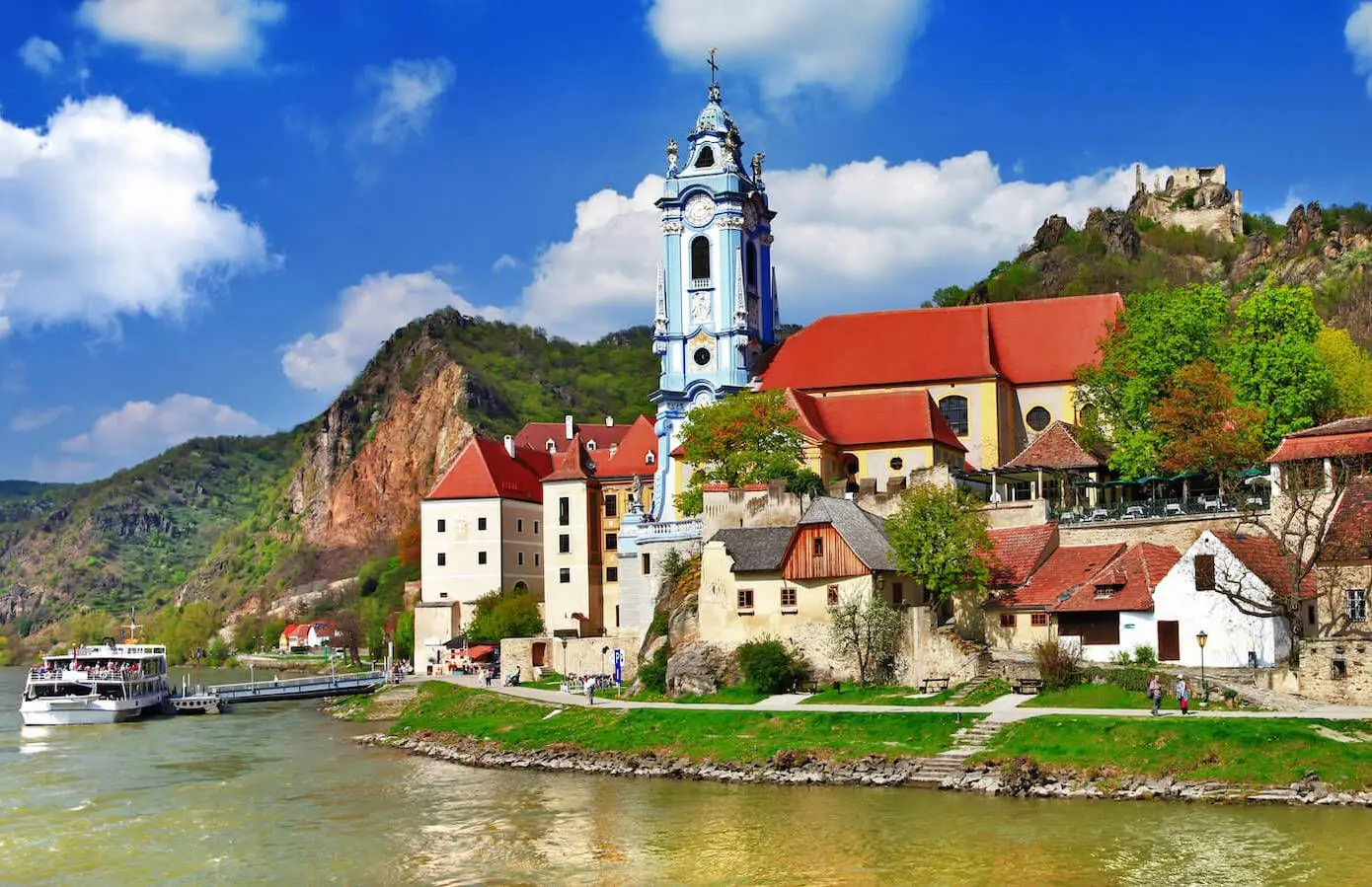
Dürnstein

Explore the twisting narrow lanes of this delightful monastery town.

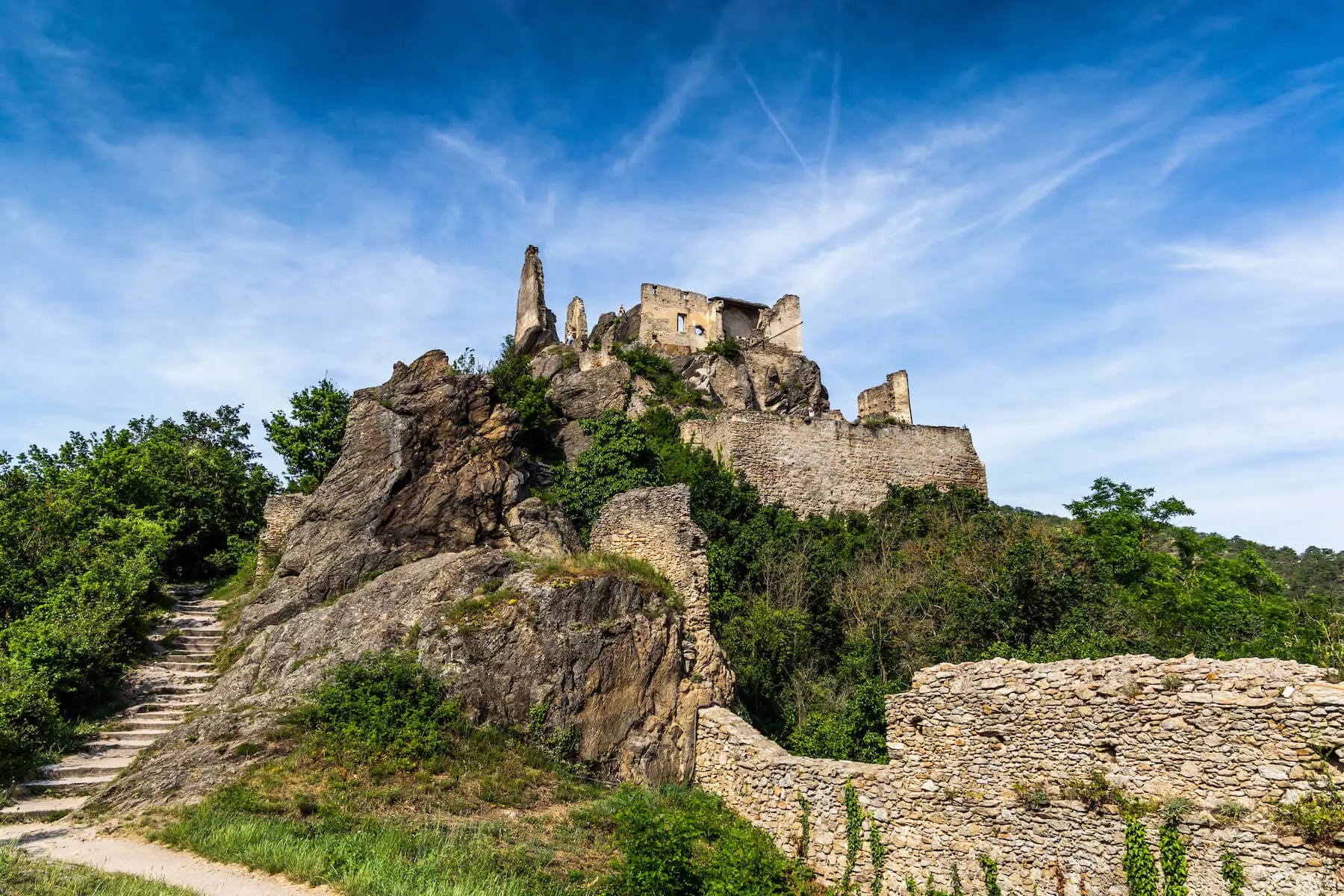
Named for the castle that overlooks it, Dürnstein is probably the most-visited stop in the Wachau valley. Reached by an ancient tunnel leading from the boat docks,  it is well-known for its wine as well as the beautiful blue church tower of its Augustinian monastery. 

Dürnstein Castle Ruins

Hike to the dramatic ruins of a medieval castle built in 1100's.

The hike leading to the castle is steep, but the amazing view you are rewarded with makes it all worth while. The fascinating ruins are extensive and can be freely explored. The castle was made famous by its most illustrious prisoner, King Richard the Lionhearted of England, who was held there for ransom.

Early Evening/Evening — Wine Village

Nothing better symbolizes the Viennese love of “gemütlichkeit” (roughly translated as coziness) than the wine villages and vineyards which hug the gentle slopes beneath the Vienna woods. They are home to wine taverns known as Heurigen. The most famous of the wine villages is Grinzing, which is easily reached from the city center by tram. Despite its closeness to the city center, a visit to Grinzing seems to transport you to the countryside, as quaint cottages and cozy old farmhouses create a charming village atmosphere.

image

Day 8

Vienna

image

Day 9

Vienna to Budapest

Day 9

Vienna to Budapest

icon
icon
icon
icon
icon

9:25 AM

Taxi Transfer to Rail Station

Most trains depart from Vienna Main Station (Wien Hbf) station. If traveling to the west though, there is a good possibility you will leave from the west station (Wien Westbahnhof). Before spending money on a transfer, be sure to check whether your hotel is within easy walking distance. Also consider that public transport is the cheapest and sometimes fastest option. If staying at a hotel, they can order a reliable taxi. Some private transfers will even help with your bags. Uber is also available for those with the app.

Taxi Transfer to Rail Station

9:25 AM — Taxi Transfer to Rail Station

Most trains depart from Vienna Main Station (Wien Hbf) station. If traveling to the west though, there is a good possibility you will leave from the west station (Wien Westbahnhof). Before spending money on a transfer, be sure to check whether your hotel is within easy walking distance. Also consider that public transport is the cheapest and sometimes fastest option. If staying at a hotel, they can order a reliable taxi. Some private transfers will even help with your bags. Uber is also available for those with the app.

10:27 - 13:14 — Train to Budapest

The scenic journey to Budapest takes a little less than 3 hours. Even though separated only by a political border, the look and feel of the natural setting changes between Austria and Hungary.  It is interesting to consider that the border area used to be a closely guarded and heavily garrisoned no man’s land. During Communism, any Hungarian civilian entering this area risked being shot and killed. Today you will pass empty stations and checkpoints.

1:14 PM — Private Transfer to Hotel

Upon your arrival in Budapest, your driver will meet you on the platform. He will be carrying a sign with your name on it. The driver will drop you off at your hotel. This is a private transfer. The price of the pickup is already included in your itinerary cost so you will not have to pay the driver.  IMPORTANT NOTE:  Please be aware the car service can fit up to 1 checked item of luggage and 1 personal item per person, such as a purse or small backpack. If you think you will have more baggage, please inform your travel consultant as this may result in an additional fee.

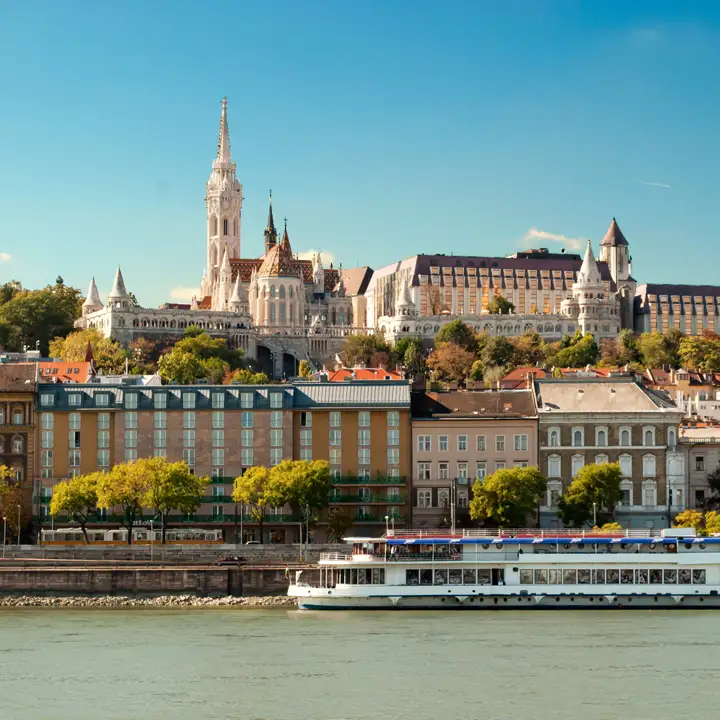
Afternoon/Late Afternoon — Castle Hill

The historic Renaissance and Baroque architecture of Buda's hilltop Castle District make it feel like a quaint step back in time. Indeed, in the little squares and narrow lanes of the Castle District, you will find the heart of historic Hungary. Numerous points in the Castle District also provide breathtaking views over the Danube and the Pest side of the city.

Matthias Church

Visit this lovely, late-gothic church and learn its storied history.

This 13th century church is named after King Matthius, who was married here twice. Under Turkish occupation it was converted into a Mosque, then reconverted into a baroque church, and finally was splendidly reinvented in the late 1800's by combining historic elements with neo-Gothic reconstruction. It holds the tomb of Béla III, one of Hungary's tallest medieval kings. 

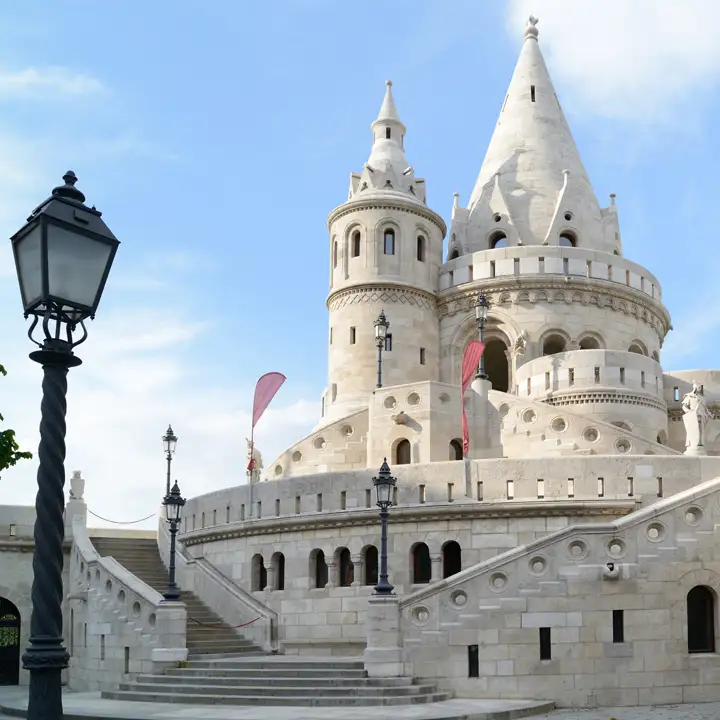
Fisherman's Bastion

Take in stunning panoramic views from this faux fortress with 7 turreted lookout towers.

This fanciful late-19th century creation replaced the original walls where the Fisherman's guild was responsible for town defense. It offers outstanding views of Pest and the river. More photos are taken here than any other place in Budapest. The upper terrace of the bastion offers the best views, but you must pay for entry. 

Palace Courtyard

Discover a beautiful fountain in this courtyard in the center of the castle complex.

The north gate into the courtyard features a raven (the symbol of the famed King Matthias) and the south gate features two lions. In the center of the square is a statue of a cowboy and horse from the Hungarian plains. Most strikingly, an ornate fountain shows King Matthias on a hunt and the peasant girl who fell in love with him.

National Gallery

Experience exquisite Hungarian national art in this museum located in the former Royal Palace.

The museum contains the most important collection of Hungarian art works from the 15th century to the modern day. Exquisite Gothic altarpieces, Károly Lotz's Secession-era paintings, and Mihály Munkácsy's tender realism are only a few of its many highlights. 

Early Evening/Evening — Gellert Hill and Baths

You can enjoy the best view in Budapest from Gellért Hill. Just beneath it you will find two of the city's most famous baths. The Secession-style Gellért baths, with an elegant collonaded main pool and incredible tile-work, and the 500-year-old Rudas Baths, which were built by the Turks when they ruled Hungary.

Gellért Baths

Go for a swim in one of Budapest's most famous and architecturally significant baths.

These early 19th century Secession-style baths are some of city's most popular. They offer open air baths with a wave pool, a glass-ceilinged indoor pool surrounded by columns, and thermal baths separated by sex. The men's thermal baths feature beautiful mosaic tile. 

Rudas Baths

Enjoy an otherworldly experience in this 16th-century spa complex with traditional Turkish baths.

These nearly 500 year old steam baths date back to the Turkish occupation. It is a fascinating and exotic experience to bathe beneath the stone cupola, with the dim light filtering through colored stained glass. Bathing is co-ed on weekends, women only on Tuesdays, and men only on other days.

Gellért Hill

Hike up this small mountain in the heart of the city for perfect panoramic views.

A walk up this small hill leads to balconies with scenic views of the Danube. With numerous trails criss-crossing it, the park offers a green oasis in the city and has long been a favorite spot for picnics and weekend outings. The walk to the top is somewhat strenuous, but the park can be enjoyed without making it to the top.

image

Day 9

Vienna to Budapest

image

Day 10

Budapest

Day 10

Budapest

icon
icon
icon
icon

9:00 AM - 12:30 PM

Guided Walk in Budapest

During your tour you will take in a gorgeous vista of the city from the Fisherman's Bastion, explore the winding streets of the Castle District, gaze in awe at the striking interior of St. Stephen's Basilica, travel along the city's most elegant avenue and more. Along the way you will experience the city as a local does, stopping to check out intimate courtyards, enjoying a pastry and soaking in the ambiance of Budapest's most elegant cafes.

Guided Walk in Budapest

9:00 AM - 12:30 PM — Guided Walk in Budapest

During your tour you will take in a gorgeous vista of the city from the Fisherman's Bastion, explore the winding streets of the Castle District, gaze in awe at the striking interior of St. Stephen's Basilica, travel along the city's most elegant avenue and more. Along the way you will experience the city as a local does, stopping to check out intimate courtyards, enjoying a pastry and soaking in the ambiance of Budapest's most elegant cafes.

Mid-Day/Afternoon — Central Pest

In Central Pest you will discover the beating heart of the city, with grand apartment houses and art nouveau architectural gems. No visit to Budapest is complete without seeing its highlights, including St. Stephen's Basilica, which dramatically rises above the city, and the Chain Bridge, which regally spans the Danube.

St. Stephen's Basilica

Enjoy an awe-inspiring visit to this vast cupola-topped church; the most famous in Budapest.

Completed in 1905, the construction of the neo-classical Catholic church took over 50 years. The mummified hand of Hungary's first king, St. Stephen, is kept in a small chapel in the rear. Take a lift to the dome to enjoy one of Budapest's most interesting panoramic views. The church hosts frequent concerts. 

Széchenyi Chain Bridge

Stroll across a beautiful landmark 19th-century suspension bridge which is a symbol of Budapest.

This was Budapest's first permanent bridge over the Danube, enabling the cities of Buda and Pest to merge. Named after Count István Széchenyi, it hangs from iron chains (hence, the Chain Bridge) anchored by two towering river piers. These piers were the only elements to survive WWII fighting. The rest was rebuilt.

Café Gerbeaud

Enjoy a leisurely coffee and cake in one of Budapest's most storied cafes.

Over 160 years old, with a grand, high-ceilinged dining room, the cafe is deservedly one of Budapest's most popular attractions. It serves coffee, mouthwatering Hungarian pastries, and traditional bistro dishes. It retains the elegance and sophistication of its 19th century origins, and the terrace sits on the lively Vörösmarty Square. 

Gresham Palace

Take a peak at this pearl of art nouveau architecture, which now houses a Four Seasons Hotel.

The hotel doesn't mind tourists exploring the lavish arcade on the first floor, as it is lined by shops and a café. Be sure to note the organic themes of the façade and the beautiful wrought iron peacock gate on the north side of the building.

Late Afternoon/Early Evening — Central Market & Váci Street

The Central Market Hall is a mezzanine shopping arcade first opened in 1897. Today the Central Market teems with activity like small shops and stands offer a remarkable assortment of goods, including fruits and vegetables, meats and cheeses, fish, flowers, and Hungarian specialties. There are also many souvenirs available on the second floor of the market.

Váci Street (Váci utca)

Walk one of Budapest's main pedestrian thoroughfares, which is very popular with shoppers and tourists.

The street is lined by shops, boutiques, cafés, and restaurants. Many elegant buildings line the street, most dating to the late19th century. Numerous courtyards and passageways branch off from the street. Although touristy, it is an integral part of the city and an interesting place to stroll.

Promenade

Discover why this pedestrian walkway along the Danube River, with it's beautiful views of the river and castle, is a favorite of both locals and visitors alike.

This promenade above the river embankment was the place to see-and-be-seen in 19th century Budapest. Cafes and luxury hotels lined the promenade, taking advantage of stunning views of the castle. They were destroyed in WWII and replaced with large modern hotels, eliminating some of the charm. The view, however, is still incredible.

Central Market Hall

Shop in a huge market hall built in the late 19th century.

This restored neo-gothic Market Hall is a favorite with visitors but also still visited by locals for its outstanding food stands and grocery stalls on the ground floor. On the upper levels, you can shop for souvenirs and traditional Hungarian goods & crafts.   

Early Evening/Evening — Evening Cruise

The Danube River defines Budapest, as it divides the metropolis into two distinct city environments - Buda and Pest. It is spanned by a succession of stunning bridges which are best appreciated from the water. An evening river cruise is a relaxing way to soak in the beauty of the city, as you enjoy a drink or meal, and watch as the brightly-lit buildings cast reflections on the water.

Margaret Island

Join the locals and explore this island on the Danube which holds an enchanting park and baths.

This island park is an oasis of tranquility and a favorite retreat of locals. It is connected by one of the city's prettiest bridges, the Margit Híd (the Margaret Bridge). King Béla IV promised his 9 year old daughter Margaret to God after the Mongols retreated from Hungary, giving the island its name.

image

Day 10

Budapest

image

Day 11

Budapest

Day 11

Budapest

icon
icon
icon
icon

Morning/Mid-Day

Szentendre Excursion

The little cobblestoned town of Szentendre lies charmingly nestled alongside the Danube River and is less than an hour away from Budapest by train or car. Nearly every building in the town dates back to the period of baroque architecture. It is now a haven for artists, who sell their works throughout town.

Szentendre Excursion

Morning/Mid-Day — Szentendre Excursion

The little cobblestoned town of Szentendre lies charmingly nestled alongside the Danube River and is less than an hour away from Budapest by train or car. Nearly every building in the town dates back to the period of baroque architecture. It is now a haven for artists, who sell their works throughout town.

Belgrade Church, Szentendre

A baroque Orthodox church and museum with stunning Orthodox icons and other religious art.

The museum features art collected from Hungary's formerly Serbian churches. The churches were closed as Serbs emigrated to Serbia or integrated into the Hungarian population, and the finest art from the churches was saved and sent to Szentendre. An 800 HUF admission covers both the church and the museum – you may even have the museum to yourselves. 

Templom tér

A square overlooking the town that is missed by many visitors.

The Templom square above Fő square provides a nice viewpoint from which to admire the town, and the Church of St. John is also worth a peak if open. Also on the square is a small art museum dedicated to Béla Czóbel (1883-1976), a Hungarian avant-garde painter.

Fő tér (Fő Square)

A colorful pedestrian square in the heart of the town.

You will find restaurants and shops lining the cobblestoned square. Also on the square is the Szentendre Gallery, which is located in the ground floor of a building dating back to 1720. The Orthodox church adjacent to the square is also definitely worth a look.

Szentendre Skanzen Village Museum

A Hungarian folk culture open-air museum

The museum consists of an entire village, taking visitors back in time to 18th- to 20th-century rural and farming life. You can see reconstructed farm dwellings and a museological collection.

Afternoon — Hungarian Parliament & Nearby

The Hungarian Parliament building is a magnificent sight as it rises above the waters of the Danube, and the interior is also quite jaw-dropping. As a visitor, you may even feel a bit overwhelmed by the sumptuous décor and attention-to-detail. You could be forgiven for expecting a queen to arrive or an aristocratic ball to break out at any moment.

Hungarian Parliament

Tour this massive and stunning Gothic Revival–style edifice with a guide.

The Parliament is ostentatious, but undeniably grand and beautiful. A teeming mass of spires, arches, and towers surrounds the central dome, beneath which the royal crown of Hungary lies under armed guard. Tours of the lavish interiors include the crown, parliament chambers, and grand entry hall. Pre-purchasing tickets is recommended as they often sell out well in advance. 

Former Museum of Ethnography

This building once housed the Hungarian Supreme Court and the Ethnographic museum. The museum is relocating to City Park and will open in 2022.

It was the second place winner in the competition to design the Hungarian Parliament. Many believe it is as beautiful at the Parliament, especially it's interiors.

Shoes on the Danube Bank

Reflect at a waterside sculpture of shoes memorializing the victims of fascism who died at this spot.

This moving memorial consists of empty shoes by the riverbank. Near the end of World War II a fascist party took control in Hungary. Jews were lined up along the river bank, forced to step out of their shoes (so they could be collected later), and then machine gunned into the river.

Late Afternoon/Early Evening — Andrássy Avenue

The wide, tree-lined Andrássy Avenue is Budapest's most prominent street, and is lined by imposing neo-Renaissance palaces and buildings. It is home to the breathtakingly beautiful State Opera House, making it the musical heart of Hungary. You will also find the superb House of Terror museum, which focuses on the horrors inflicted by 20th century totalitarian regimes.

State Opera House & Opera Metro Station

Experience an unforgettable visit to the incredibly lavish neo-Renaissance Hungarian State Opera House.

The Opera House is a symbol of the Hungarian nation and is one of it's most beautiful buildings. It is among the world's finest venues in terms of beauty and acoustics. When completed in 1886, the Austro-Hungarian Emperor was said to be upset because it outshone the opera house of Vienna. You can experience a performance here, or take an entertaining guided tour. 

House of Terror Museum

Experience a chilling museum documenting the terrors of Fascism & Communism in Hungary .

This somber and foreboding interactive museum tells the tragic story of Hungary's totalitarian experiences under Fascism and Communism. It is located in the headquarters building of the Arrow Cross Party (Hungarian fascists), and later the Communist secret police after WWII. Hear stories of those who suffered as well as their oppressors, and wander the dank cells where victims were tortured and interrogated.

Early Evening to Late Evening — Szechenyi Baths and Nearby

The Széchenyi Baths are the largest and the most popular of all the city's baths. With eighteen indoor and outdoor pools and impressive neo-Baroque architecture, the baths make for an unforgettable visit. Nearby, you will find the fascinating Vajdahunyad Castle, a delightful zoo, and the monumental Heroes’ Square, which tells a 1,000-year old tale of Hungarian history.

Heroes' Square

A dramatic square at the end of Adrássy Avenue, displaying statues of the leaders of 7 tribes who founded Hungary.

The vast square was the center of the Millenium celebrations in 1896, which celebrated Hungary's 1,000th anniversary. The Millenium Monument features a central column and two massive colonnades. The column is topped by the Archangel Gabriel, who offered the crown to Hungary's first king, Stephen. Along the base of the column and colonnades are romantic representations of Hungarian historical figures. The two chariots atop the colonnades represent war and peace.

Vajdahunyad Castle

This fantastical castle with a boating lake shows the evolution of Hungarian architecture in its elaborate design.

Built for the 1896 Millenium celebrations as a temporary exhibit, the castle proved so popular that it was rebuilt as a permanent structure. It's divided into sections by architectural style as a demonstration of the historical phases of Hungary. Each section is fashioned after a renowned Hungarian example of that architectural style.

Budapest Zoo

One of Europe's most enjoyable zoos with hundreds of animal species and historic architecture throughout the park.

The Secession style architecture of the buildings is a delight, incorporating animals and natural themes into the structures. Adjacent to the zoo is Holnemvolt Park, which combines animal exhibits with theme park rides. One ticket covers both.

image

Day 11

Budapest

image

Day 12

Depart Budapest

Day 12

Depart Budapest

icon

To Be Determined

Taxi Transfer to Airport

Budapest has one main airport, Budapest Ferenc Liszt International Airport, where almost all visitors depart. Your hotel can arrange a reliable taxi (there is no Uber in Budapest). You can also arrange a private transfer. If you are picked up about two hours and forty-five minutes before your departure time, you should arrive at the airport with about two hours to spare, depending on traffic. If you are leaving during rush hour, you may want to budget an extra fifteen to thirty minutes.

Taxi Transfer to Airport

To Be Determined — Taxi Transfer to Airport

Budapest has one main airport, Budapest Ferenc Liszt International Airport, where almost all visitors depart. Your hotel can arrange a reliable taxi (there is no Uber in Budapest). You can also arrange a private transfer. If you are picked up about two hours and forty-five minutes before your departure time, you should arrive at the airport with about two hours to spare, depending on traffic. If you are leaving during rush hour, you may want to budget an extra fifteen to thirty minutes.

image

Day 12

Depart Budapest

What's Included In Europe's Urban Treasures Trip

Fork

Pre-Paid Tours and Activities:

  • Private Guided Walking Tour of the Center of Paris
  • Prague Castle & Royal Route Guided Walk
  • Guided Walk through Vienna's Inner City
  • Best of Budapest: Half-Day Walking Tour of Highlights & Hidden Finds
train

Pre-Paid Transportation:

  • 2nd Class Train Tickets from Praha hl.n. to Wien Hbf
  • 2nd Class Train Tickets from Wien Hbf to Budapest-Déli
  • Public Transport Tickets for Vienna
  • Private Transfer from the Budapest Rail Station
train

Accommodation:

  • 3 nights at a hotel of your choice in Paris
  • 2 nights at a hotel of your choice in Prague
  • 3 nights at a hotel of your choice in Vienna
  • 3 nights at a hotel of your choice in Budapest
mobile

Go Real Travel Mobile App:

  • Itinerary Plan & Reservations Info
  • Points of Interest
  • Detailed Travel Information
  • Maps & Directions

Other Trips You May Like

Trip image

21 Days

From$5789USD

Jewels of Europe: Art, History and Waterways in Paris, Amsterdam, Berlin, Prague, Vienna & Budapest

View Trip
Trip image

12 Days

From$2675USD

Jewish Heritage and Scenic Rivers: A Journey through Prague, Vienna, and Budapest

View Trip
Trip image

14 Days

From$2350USD

Imperial Elegance: Prague, Vienna and Budapest Itinerary 14 Days

View Trip
Trip image

15 Days

From$2750USD

Prague, Vienna, and Budapest, 15 Days of Must See Sights & Local Scenes

View Trip
Trip image

7 Days

From$1695USD

Perfectly Planned Week in Prague, Vienna & Budapest

View Trip
Trip image

8 Days

From$1425USD

Enchanting Central Europe: 8-Days in Prague, Vienna & Budapest

View Trip
Trip image

12 Days

From$2350USD

Pearls of the Empire: A Central European Odyssey

View Trip
Trip image

11 Days

From$2098USD

Palaces, Culture & Capitals: Munich to Budapest Epic

View Trip
Trip image

10 Days

From$1799USD

Central European Rhapsody: A Cultural and Historical Odyssey

View Trip

Featured Blogs

Trip image
Europe
Travel solo

Flying Solo: The Best Places to Travel Alone in Europe

Trip image
Europe
Romantic

16 Most Romantic Destinations in Europe

Trip image
Europe
Seasonal guide

10 European Cities to Visit in Winter

Trip image
Prague
Nightlife

13 Most Happening Things to Do in Prague at Night

Trip image
Prague
Cheap

18 Cheap and Free Things to do in Prague

Trip image
Paris
Seasonal guide

The Best Time to Visit Paris: A Seasonal Guide

Trip image
Prague
Why visit

Top 10 Reasons to Visit Prague

Our Customers Say It Best

Malini Dutta, Boston, Massachusetts
We can't thank you enough for the detailed plans, maps, and suggestions. It really felt that someone was holding our hands and showing us around. We had all the excitement of discovering foreign lands, with none of the problems that can happen while negotiating unfamiliar places. In fact, all the cities felt like home within a few hours of arriving and exploring.
Bev and Mark Frankel, Williamsburg, Virginia
We could not be more pleased with Go Real Travel! You took the guess work out of things like public transport but still managed to allow us the freedom to tour as we wanted. Our guides were exceptional and every time I saw a Viking Cruise tour of 25 people, I realized the quality experience we were getting with Go Real.
Marianne Strydom, Paarl, South Africa
I just wanted to thank you for organizing an amazing trip for me – I packed in so much in such a short period of time and everything was just perfect. The way you do things makes it possible to really get to know the destination, which for me as a travel agent could not have been better.
Otto Chuy, Los Angeles, California
I am still surprised how everything worked as planned, without a hitch. All instructions in your itinerary were precise and correct. Your suggestions and comments in each of the locations we went to were very helpful. All your guides, without exception, were wonderful and exactly on time.

Explore cities in more detail

the Eiffel tower at sunset in Paris

Paris

The magic of Paris is undeniable. This is the most romantic destination in Europe, and surely the number one bucket list destination of all time. If you want to say you've traveled, you have to visit Paris at least once.  Along with classic must-sees like the Eiffel Tower and the  Sacre-Coeur, there is so much to see and do in Paris that it helps to narrow it down by interest. Fashion and shopping enthusiast? Look no further than the Galeries Lafayette, Avenue des Champs-Élysées, or the Marais. Art aficionado? Once you're done with the Louvre, make a start on the Musée d'Orsay. History buffs won't be able to walk a block without uncovering a monument to Napoleon or Louis XIV. If you visit Paris with a foodie, be warned — you'll gaze in a lot of patisserie windows, and sample your weight in croissants. Because Paris always has so much on offer, it never grows old.  At dusk, as you stroll the wide boulevards past Haussmann apartment buildings and sharply dressed Parisians, or gaze down at the city from the hill at Montmarte, you might find yourself saying 'Paris Je t' aime'. This is, after all, the City of Love.

Church of Our Lady before Týn old town prague czech republic

Prague

The city of Prague is indisputably the gem of Central Europe. Full of history, culture, and classic Czech pubs around every corner, Prague is teeming with nooks and crannies just waiting to be discovered. The narrow cobblestone streets and warm red rooftops give the city a homey feel, while the well-preserved medieval architecture transports you back in time. Walking across the Charles Bridge with the view of the Prague Castle will make you feel like you’re living in a fairytale, and you might as well be.    As an up-and-coming destination, Prague is a perfect mix of classic and modern. New trendy cafes and bistros are always popping up, and you can always find a group of lively locals chowing down on goulash and quaffing pivo (the best beer in Europe!) at traditional Czech restaurants across the city. The clash of modernity and tradition, preservation and innovation, gives this city a mysterious air that you won’t soon forget.

winter Schönbrunn Palace in Vienna austria

Vienna

Artistic and musical, historical and elegant, Vienna is the definition of class. The seat of the Habsburg monarchy for over six centuries, it's no wonder this city is still fit for royalty. Baroque buildings and imperial palaces dominate the cityscape, while locals stride gracefully through the streets, likely on their way to a classical music concert or art exhibition. Visitors from all over the world flock to Schonbrunn Palace, historical museums, and local eateries for authentic Viennese schnitzel.  Vienna is also home to world-class wining and dining. Famous dishes include Wiener schnitzel, Tafelspitz (prime boiled beef), and apfelstrudel (apple strudel), all of which pair well with a glass of fine Austrian wine. No matter how long you spend in Vienna, you'll leave with a new appreciation for the finer things in life. 

View of the Hungarian Parliament from a Hillside in Budapest

Budapest

Situated at the heart of Europe, Budapest is the capital of Hungary, appropriately named 'The Pearl of the Danube,' for its fixating and almost haunting beauty. Formerly two separate cities, Buda and Pest were forged into one by time, occupation, and the eight bridges that anchor them together today. From the Romans to the Communists, each occupier left its flavor profile in Budapest, evident in the famous spicy Hungarian stew known as 'goulash.'  Budapest is a melting pot of history, culture, and taste, from the magnificent Baroque and neo-Gothic architecture to the Turkish thermal baths. After a long day of sightseeing, treat yourself to a glass of Tokaj, what King Louis XIV of France referred to as the "Wine of Kings, King of Wines". Budapest has a flavor to satisfy any taste.
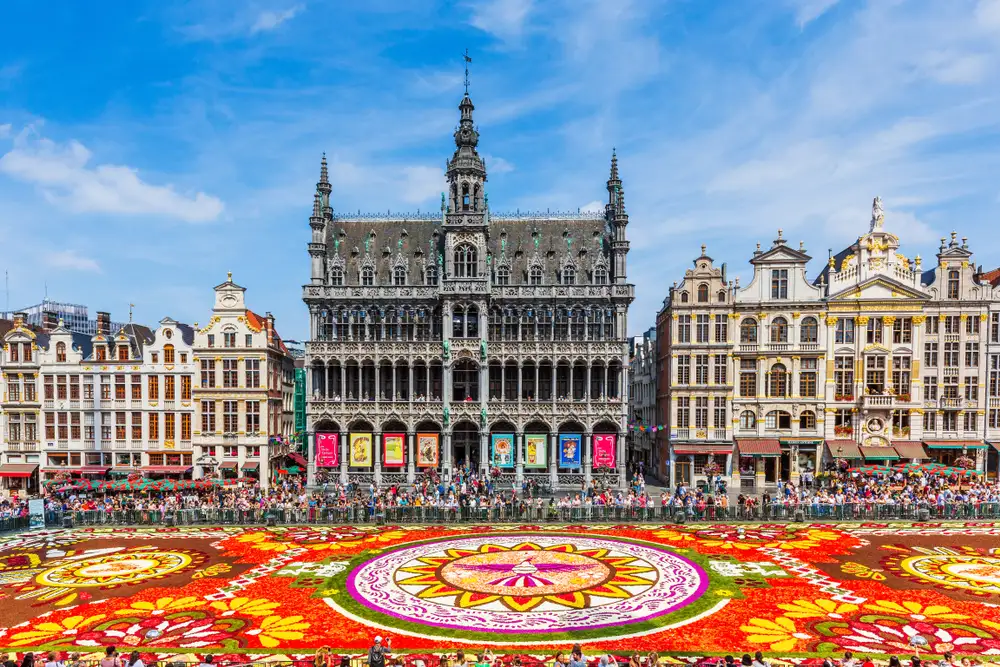
The Grand Place Square in Brussels

Brussels

It feels as though everything in Brussels is tinted with gold. From the gilded rooftops of the old houses on the Grand Palace to the foil-wrapped bonbons piled in chocolatier windows, Brussels seems to sparkle and wink at you around every corner. Aside from the lustrous architecture and Trappist ales, this shiny city is probably still best known for its iconic street food options: salty, golden fries, and fluffy, honey-colored waffles.    While a major political center, home of the EU and NATO, don’t be fooled by Brussels stern ‘Eurocratic’ facade. Brussels revels in cheeky humor and mischief. So much so, Brussel’s beloved mascot, the ‘Manneken Pis’, is a statue of a small child urinating into a fountain. The city takes great pleasure in dressing this statue in festive-themed costumes. It’s no surprise that the artist Magritte, one of the great visual tricksters of the 20th century, called Brussels home. After a few days exploring the city, and taking in its sights and scenes, you’re sure to come away smiling.         

pont du faisan

Strasbourg

Strasbourg, the enchanting capital of Alsace, blends French elegance with German charm in a way that feels utterly unique. This riverside city invites you to stroll through cobblestone streets where half-timbered houses and flower-decked canals paint a storybook scene. At its heart rises the majestic Strasbourg Cathedral, a Gothic masterpiece whose spire once made it the tallest building in the world. Nearby, the fairytale district of Petite France beckons with its winding lanes and medieval ambiance. Beyond its old-world beauty, Strasbourg proudly serves as the seat of European unity, home to institutions like the European Parliament. In winter, its world-famous Christmas markets transform the city into a glittering wonderland of lights, aromas, and festive cheer. Whether you’re admiring centuries-old architecture or savoring Alsatian cuisine beside the river, Strasbourg offers an experience that’s both timeless and alive with spirit.