👋

Hi! Need help planning your dream trip? 🌍

Go Real Travel Assistant

Online

Welcome! Where are you in your journey?

Pick the option that fits you best so we can route you to the right help.

A Journey Through Culture and Time in Paris, Amsterdam, and Germany

destination-icon10 Day Tour of Paris, Amsterdam, Cologne and Munich

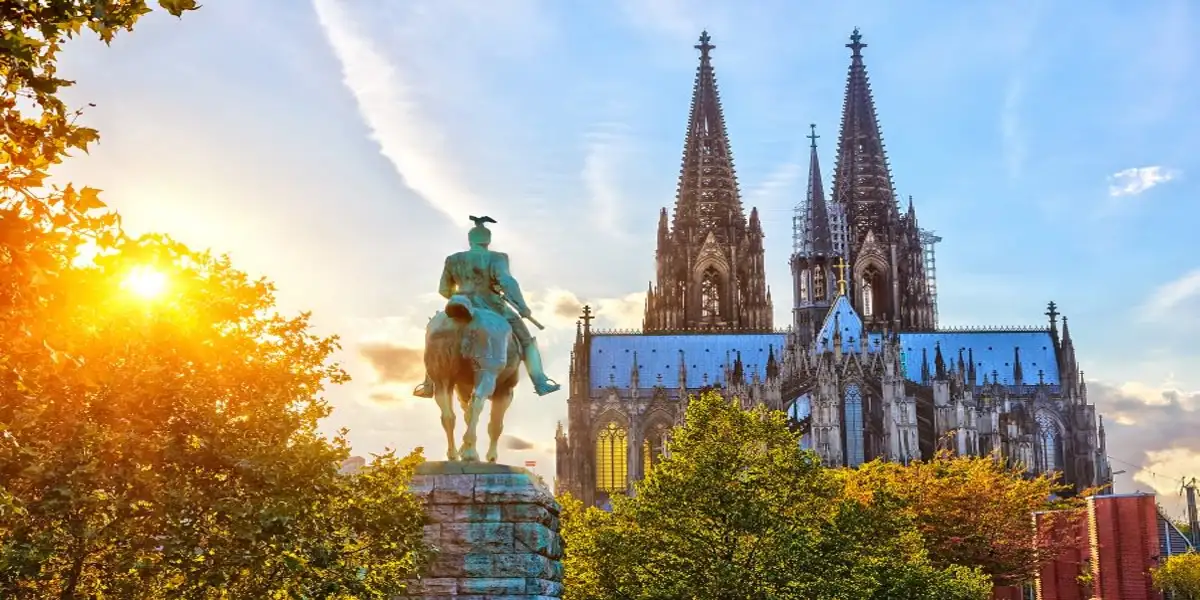
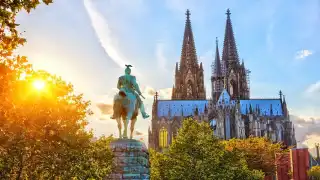
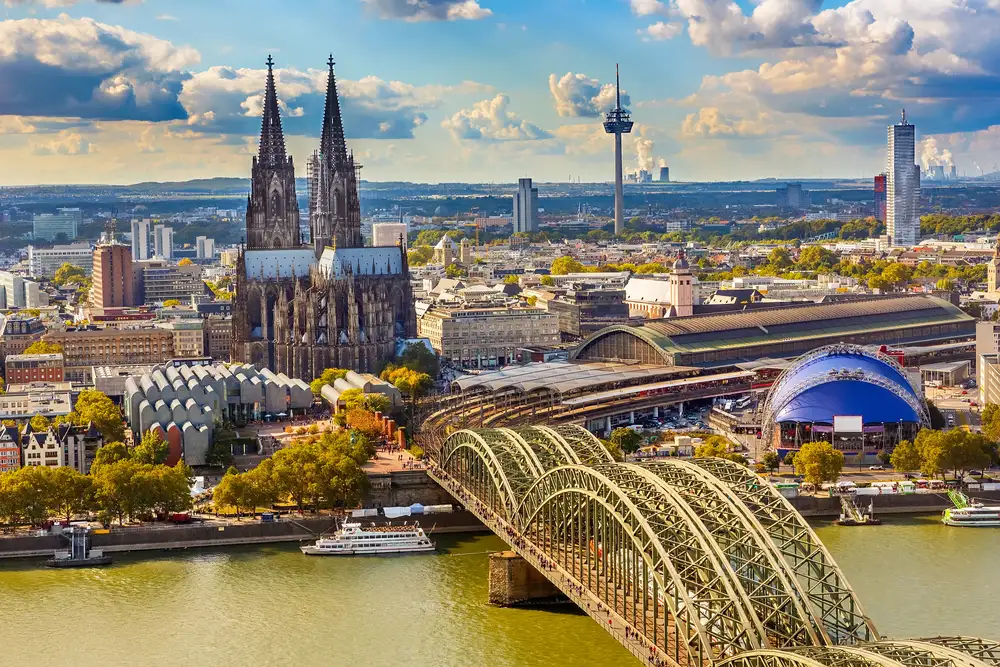
An equestrian statue of the kaiser in front of Cologne Cathedral.
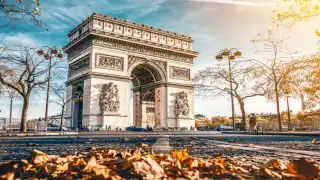
Arc de Triomphe in Paris
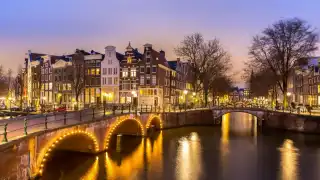
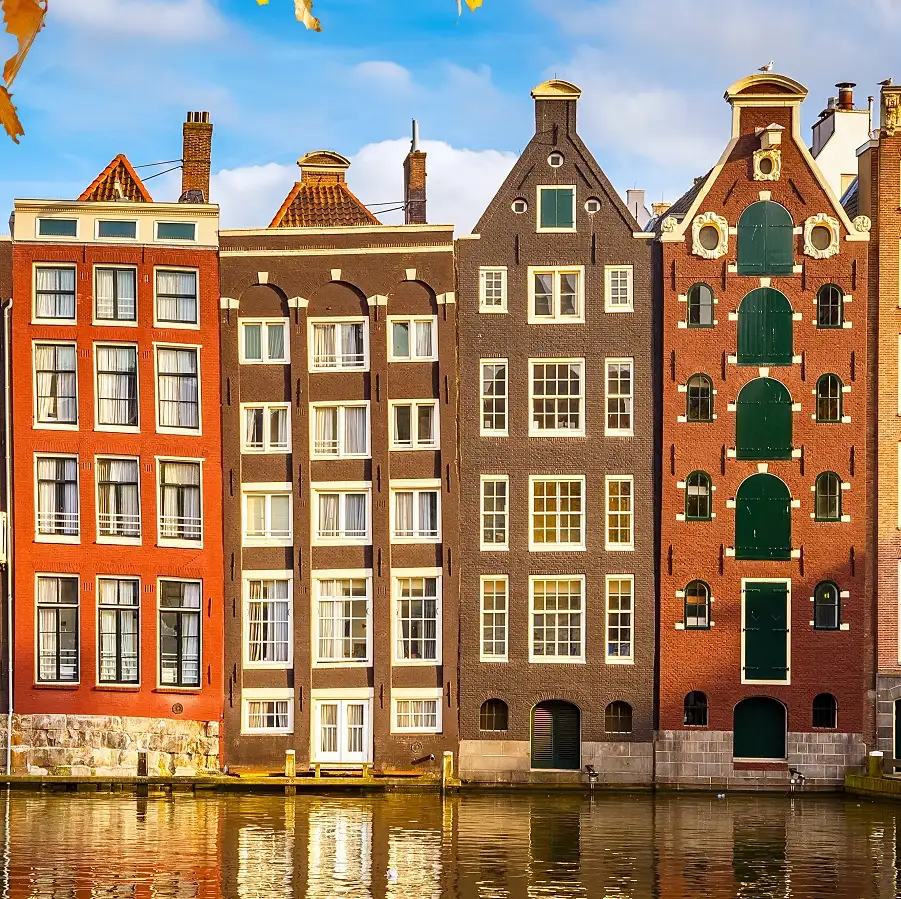
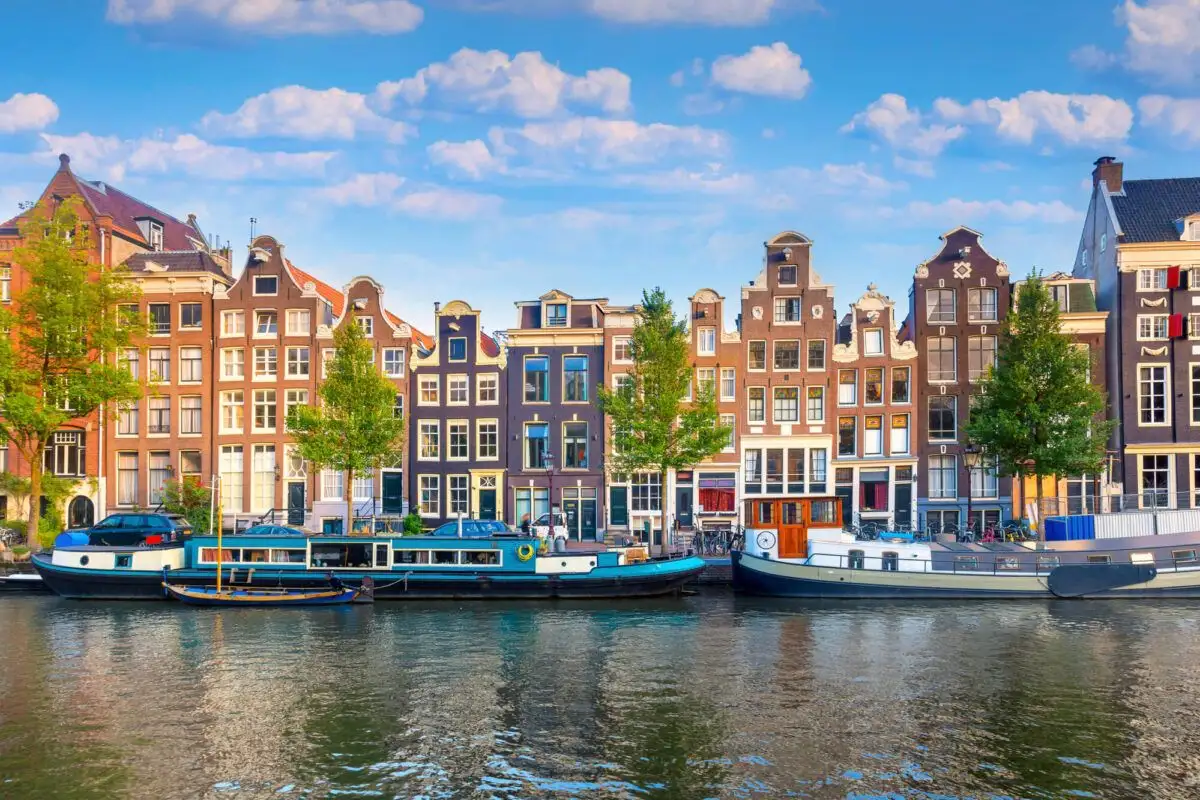
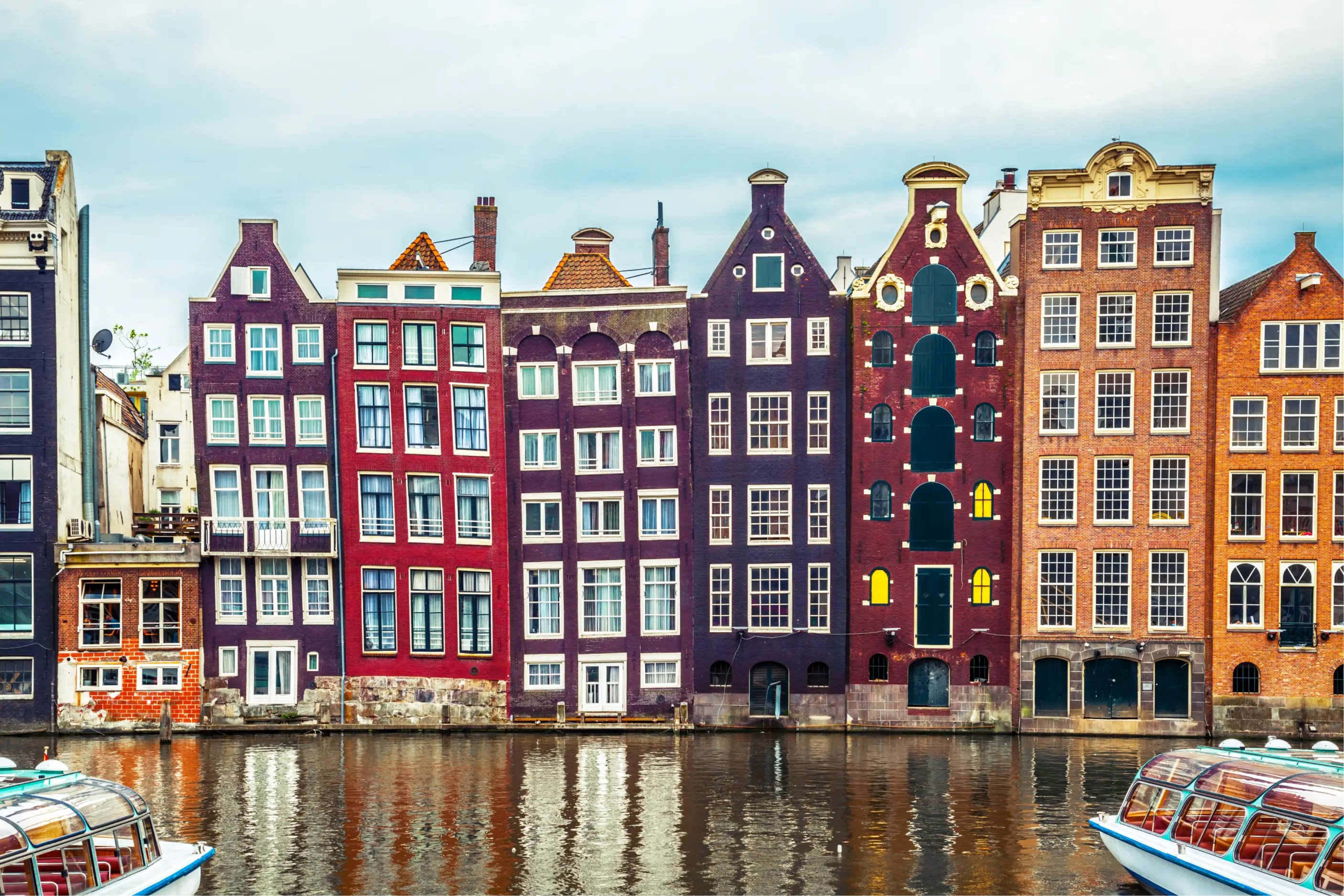
Keizersgracht Canal at dusk, Amsterdam, Netherlands
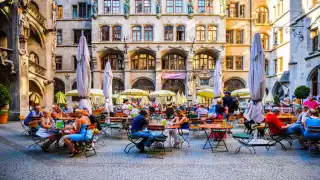
Munich beer garden server with beer
image
arrowLightLeft
arrowLightRight
calendar-icon
10 Days 9 Nights
calendar-icon
Best Time: Jan-Dec
building-icon
History Buffs
family-icon
Cultural Exploration
Enjoy elegance, beauty, and charm in some of Europe's most beloved cities on a 10-day journey that weaves through Paris, Amsterdam, Cologne, and Munich. Including private guided tours in each city, this trip promises an intimate exploration of culture and history, augmented by the detailed itinerary guidance provided in our mobile app. From the artistic splendors of Paris to the charming canals of Amsterdam, the rich history of Cologne, and Munich's medieval streets, you'll experience many of Europe's finest attractions without worrying about the hassles or logistics.
  • Ascend the Eiffel Tower for unmatched views of Paris and let the charm of Montmartre captivate you.
  • Witness the elegance & opulence of Versailles, once home to French royals such as Marie Antoinette.
  • Cruise through Amsterdam's canal-laced cityscape and take in the historic beauty of the waterways.
  • Explore Cologne's Altstadt & cathedral, and take a day trip to Bonn, the former West German capital.
  • Get a local's perspective on a private guided tour through the storied lanes Munich's Old Town.
Enjoy elegance, beauty, and charm in some of Europe's most beloved cities on a 10-day journey that weaves through Paris, Amsterdam, Cologne, and Munich. Including private guided tours in each city, this trip promises an intimate exploration of culture and history, augmented by the detailed itinerary guidance provided in our mobile app. From the artistic splendors of Paris to the charming canals of Amsterdam, the rich history of Cologne, and Munich's medieval streets, you'll experience many of Europe's finest attractions without worrying about the hassles or logistics.
  • Ascend the Eiffel Tower for unmatched views of Paris and let the charm of Montmartre captivate you.
  • Witness the elegance & opulence of Versailles, once home to French royals such as Marie Antoinette.
  • Cruise through Amsterdam's canal-laced cityscape and take in the historic beauty of the waterways.
  • Explore Cologne's Altstadt & cathedral, and take a day trip to Bonn, the former West German capital.
  • Get a local's perspective on a private guided tour through the storied lanes Munich's Old Town.
European Adventure
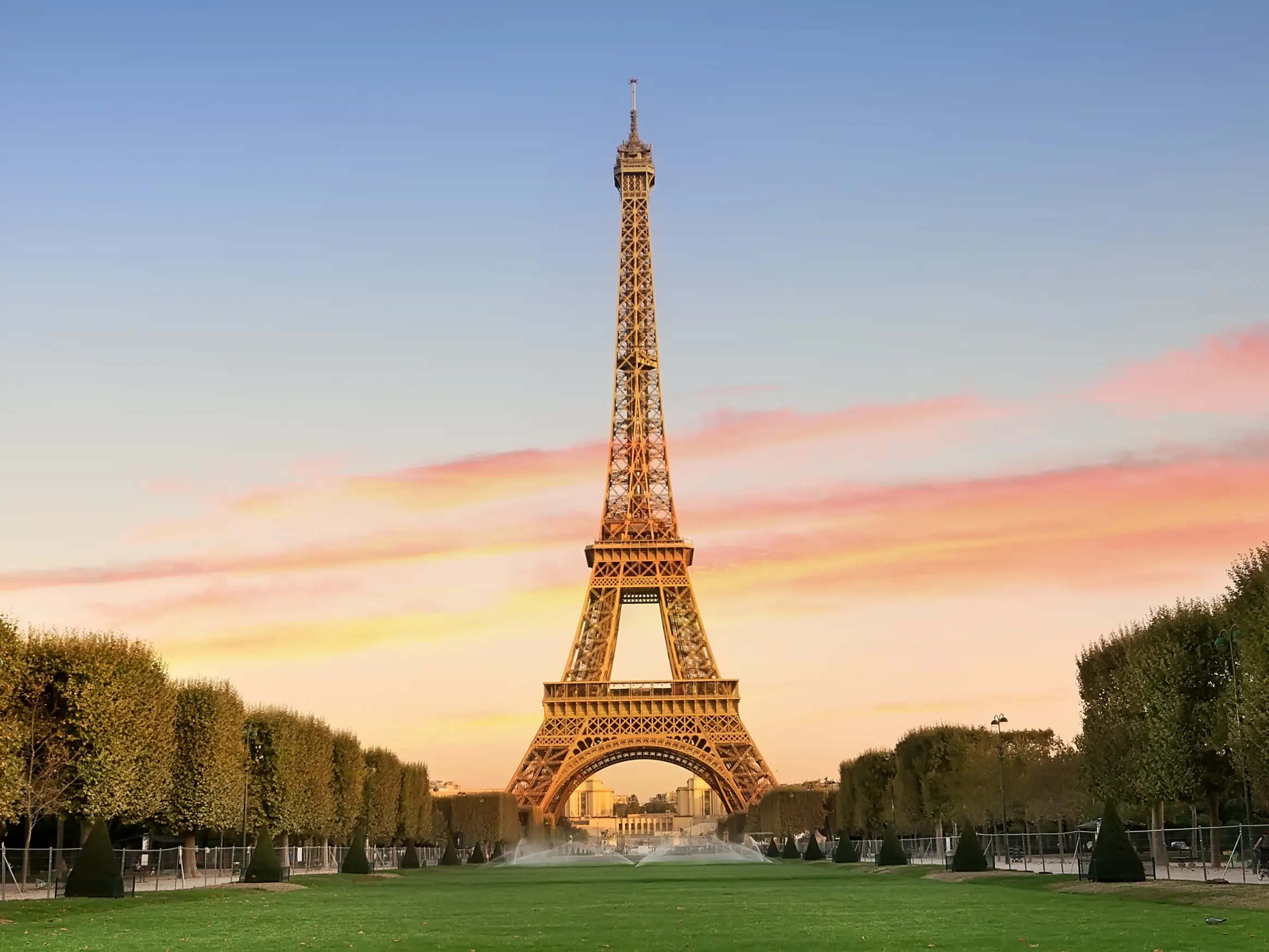
Eiffel Tower
Historic Landmarks
Scenic Europe
Louvre Museum
Museums & Galleries
Exploring European Beauty
Arc de Triomphe
Architecture
Traveling Through Europe
Old Town
Historic Landmarks
European Wonders
Anne Frank House
Historic Landmarks
Captivating European Destinations
Cologne Cathedral
UNESCO World Heritage
Picturesque Europe
Hohenzollern Bridge
Architecture
European Charm
Old Town
Architecture
Discovering Europe's Treasures
Residence Palace
Castles & Chateaux

Must see sights

European Adventure
Eiffel Tower
Historic Landmarks
Scenic Europe
Louvre Museum
Museums & Galleries
Exploring European Beauty
Arc de Triomphe
Architecture
Traveling Through Europe
Old Town
Historic Landmarks
European Wonders
Anne Frank House
Historic Landmarks
Captivating European Destinations
Cologne Cathedral
UNESCO World Heritage
Picturesque Europe
Hohenzollern Bridge
Architecture
European Charm
Old Town
Architecture
Discovering Europe's Treasures
Residence Palace
Castles & Chateaux
Loading...

Starting from

$3099

per person

no-flightNot included

Secure Your Customizable Trip

Enter your details to embark on a journey that can be tailored just for you.

Start

Travelers

0 travelers
Add Room
Remove Room

Preferred Hotel Stars

Select Hotel Stars
Craft Your Own Itinerary

Select your interests and destinations for a trip plan inspired by you.

Western European Highlights Trip - Map & Itinerary

Enable/Disable Map Scrolling

Click To Make Map Interactive

Western European Highlights Trip Timeline

Arrival

3 nights

Paris

France

Train: 3.5h

2 nights

Amsterdam

Netherlands

Train: 2.5h

2 nights

Cologne

Germany

Train: 4.5h

2 nights

Munich

Germany

Departure

Day-By-Day Itinerary of Western European Highlights Trip

image

Day 1

Arrive Paris

Day 1

Arrive Paris

icon
icon
icon
icon

To Be Determined

Airport Taxi Pick-Up

Upon arrival at one of Paris's Charles de Gaulle or Orly Airports, it's fairly easy to catch a taxi from outside the main terminal building to your hotel. This is cheaper than a pre-arranged private transfer, although that option is also available if you wish - just ask your consultant. Parisien taxi drivers are generally reliable and honest, but we will provide you with instructions on how to avoid possible scammers and charlatans. If you want to save money, and often quite a lot of time as well, we will also give you alternative instructions on taking public transport into the city center. Details are contained in the full itinerary and mobile app available to our travelers. If on the other hand, you are arriving at Paris's third airport, Beauvais Airport (BVA), then you should always take the shuttle bus. The taxi fare might cost more than the flight - it's  nearly 50 miles (75km) outside the city.

Airport Taxi Pick-Up

To Be Determined — Airport Taxi Pick-Up

Upon arrival at one of Paris's Charles de Gaulle or Orly Airports, it's fairly easy to catch a taxi from outside the main terminal building to your hotel. This is cheaper than a pre-arranged private transfer, although that option is also available if you wish - just ask your consultant. Parisien taxi drivers are generally reliable and honest, but we will provide you with instructions on how to avoid possible scammers and charlatans. If you want to save money, and often quite a lot of time as well, we will also give you alternative instructions on taking public transport into the city center. Details are contained in the full itinerary and mobile app available to our travelers. If on the other hand, you are arriving at Paris's third airport, Beauvais Airport (BVA), then you should always take the shuttle bus. The taxi fare might cost more than the flight - it's  nearly 50 miles (75km) outside the city.

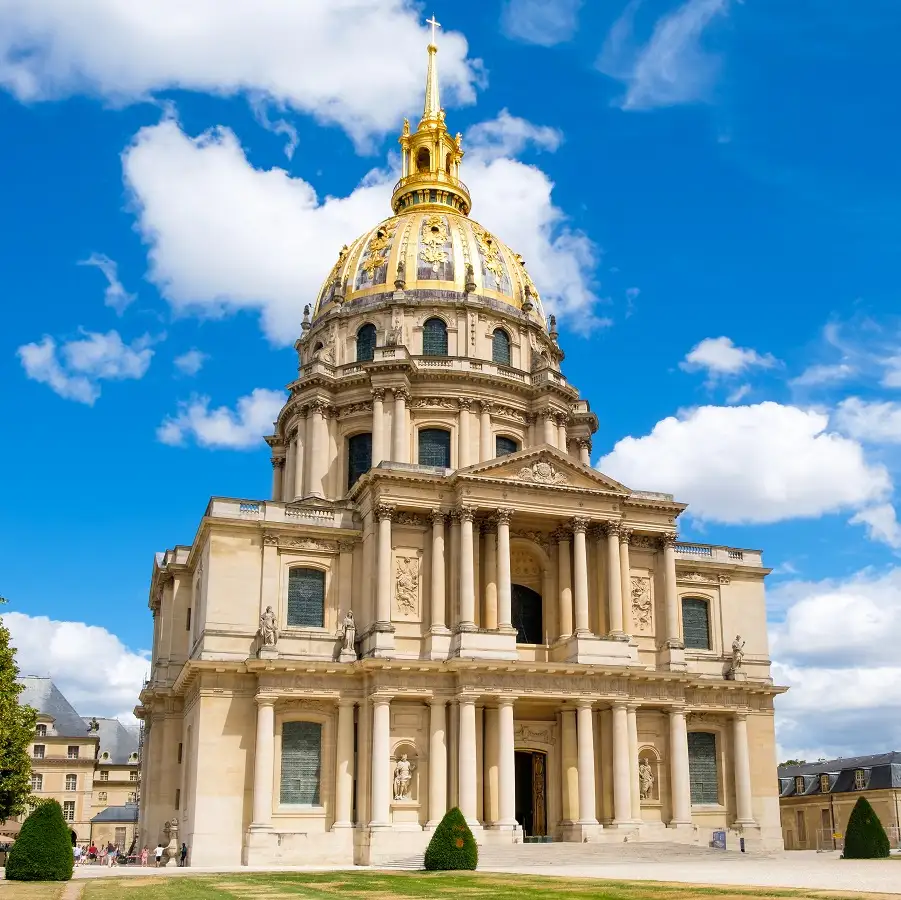
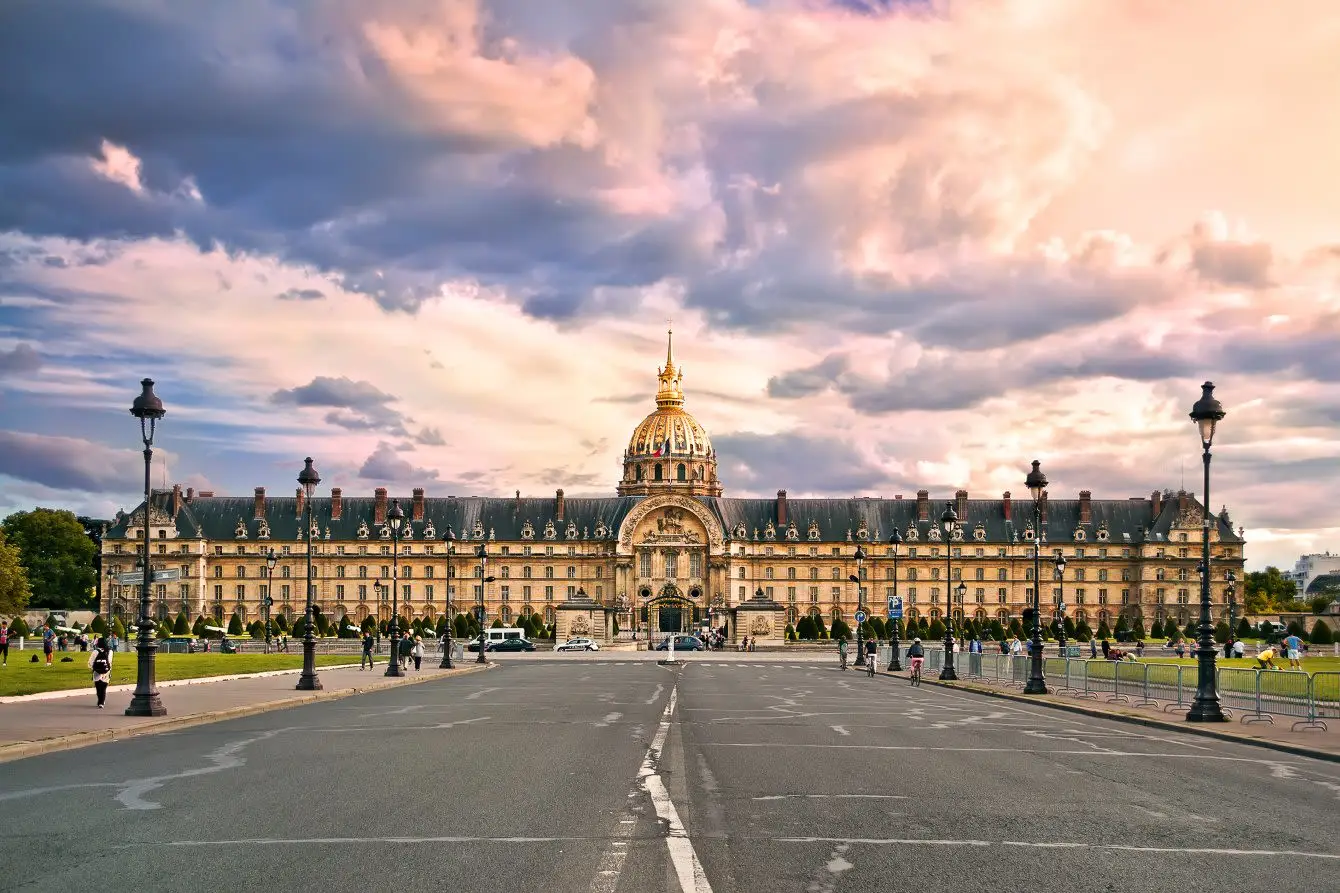
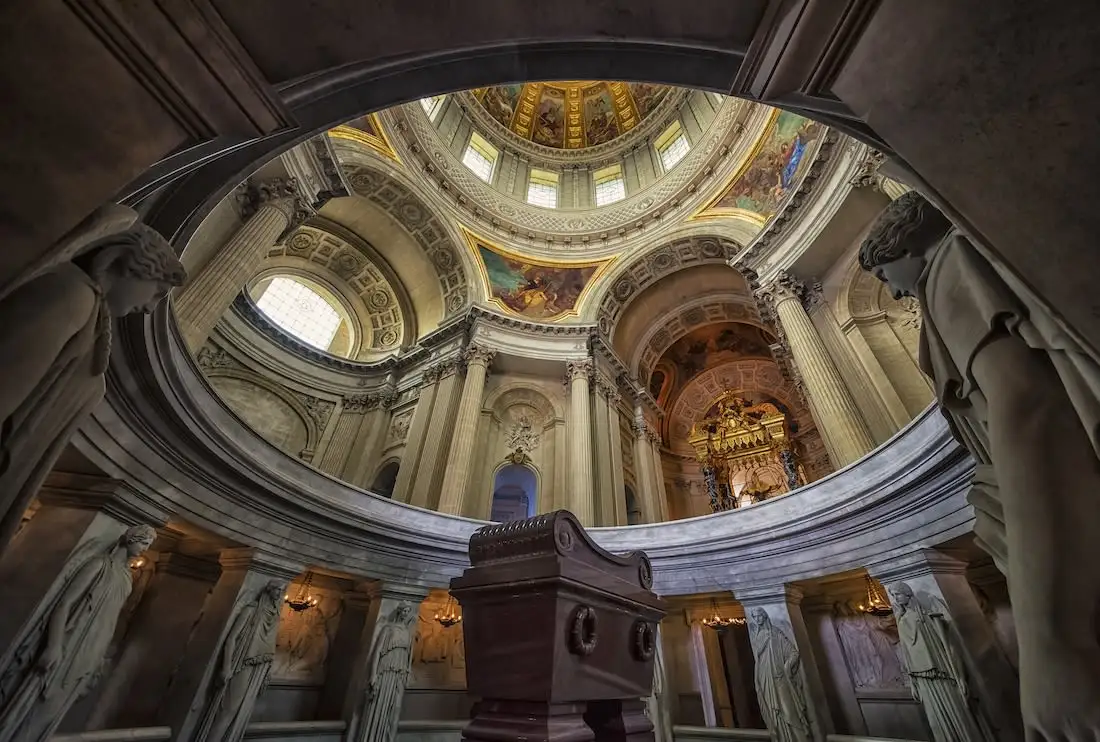
Mid-Day/Afternoon — Hôtel des Invalides

The Eglise du Dome Church close to the Eiffel Tower is where you observe the gilded tomb of the historic French General and Emperor, Napoleon, but his bones are just a miniscule part of the gigantic Hôtel des Invalides housing the French National Army Museum. Spend some time learning about French warfare from the earliest times to the wax and wane of the Napoloenic Wars and on to the modern French army and a new section dedicated to the life of General Charles de Gaulle.
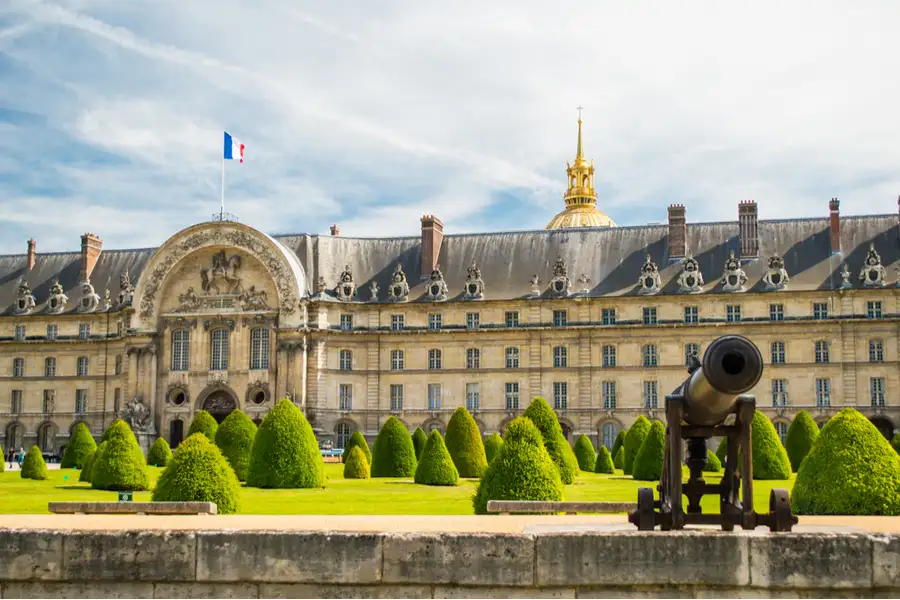
Napoleon's Tomb

Discover the tomb of one of history's most fearsome generals, and a controversial figure of the 19th century.

Reflect at the sarcophagus resting underneath the dome of Les Invalides' church - Napoleon's tomb is as still as his life was frenetic. Crafted from red quartzite and set upon a green granite base within a circular crypt, Napoleon's sarcophagus is surrounded by a series of statues representing his victories and achievements. The entire ensemble, designed with solemn grandeur, reflect both the power and complexity of his legacy. But visitors can come and go please, this great general commands no one now.

The Army Museum

Exploring the martial history of France in this regal strucure

Gather your forces and lay touristic seige to the French Army Museum and its immersive expositions of French military history from medieval times to the present. Will you conquer the extensive Medieval Collections, Napoleon Bonaparte's grand tomb, and detailed exhibits of the World Wars, or will they conquer you? These exhibts and more offer insights into the evolution of warfare, strategic intracacies, and personal narratives of conflict. A visit to the Army Museum encourages discussion about the contradictions and complexities of war, one of the most important, and disturbing, traits of our humanity.

Rodin Museum

Let the greatest sculptures of the 19th and 20th centuries inspire you

The remarkable sanctuary of art and beauty that is the Musée de Rodin displays the greatest works of the French sculptor Auguste Rodin. Nestled in the exquisite Hôtel Biron, and its serene garden, this museum invites visitors to discover the profound depth of Rodin's creativity. Thrill at the world-reknowned pieces "The Thinker" and "The Gates of Hell," among others, each piece exploring  human emotion and thought through its dynamic forms. Wander through the garden paths to encounter these and other masterpieces in an intimate setting, where the fusion of art and nature crafts a truly unforgettable experience.

Late Afternoon — Tuileries Gardens & Nearby Museums

Stroll in the Tuileries and attend one of the nearby museums, a classic way to spend your free hours in Paris. Originally cultivated in 1564 as the grounds for the Tuileries Palace, the gardens are the oldest in Paris. Its succession of royal owners ended and the garden became a public park in the 19th century; Parisians congregated to relax and socialize beside the fountains and leafy horse chestnut trees - they still do today. The Musée de l'Orangerie, in the Western corner of the gardens, exhibits many Impressionist and 20th-century artworks, including Claude Monet’s famous water lilies.

Tuileries Garden

Relax in the beautiful Tuileries Gardens, an oasis of manicured landscapes and historic statues in the heart of Paris.

The Tuileries Gardens, located next to the Louvre Museum, offer a peaceful retreat amidst the bustling city. Originally created as the royal gardens for the Tuileries Palace in the 16th century, they represent a classic example of French garden design. Visitors can marvel at the array of statues, including works by Rodin and Maillol, stroll along its perfectly aligned trees and flowerbeds, and enjoy panoramic views of the Seine and the Eiffel Tower.

Museum d'Orsay

Soak it all in at the Musée d'Orsay, a former Beaux-Arts railway station transformed into a stunning showcase of Impressionist and Post-Impressionist masterpieces.

The Musée d'Orsay, housed in an elegantly converted railway station, offers a world-renowned collection of Impressionist and Post-Impressionist art, featuring works by masters like Monet, Van Gogh, and Renoir. Its unique architecture, with grand clocks and sweeping galleries, complements the diverse array of sculptures, paintings, and decorative arts on display. A visit to the Musée d'Orsay is not just a tour of art history, but an immersive experience in a space where the past and present merge beautifully.

Orangerie

Let your vision swim with Monet's Water Lilies and other Impressionist artwork at the Musée de l'Orangerie

The Musée de l'Orangerie, nestled in a corner of the Tuileries Gardens, exhibits the stunning "Water Lilies" series by Claude Monet. This series of large-scale paintings, designed specifically for the two oval rooms they inhabit, offers an immersive experience into Monet's impressionist vision of his garden at Giverny. Beyond Monet, the museum boasts the Jean Walter and Paul Guillaume collection, featuring masterpieces by renowned artists such as Renoir, Cézanne, Matisse, Picasso, and Modigliani.   

Early Evening — Arc de Triomphe

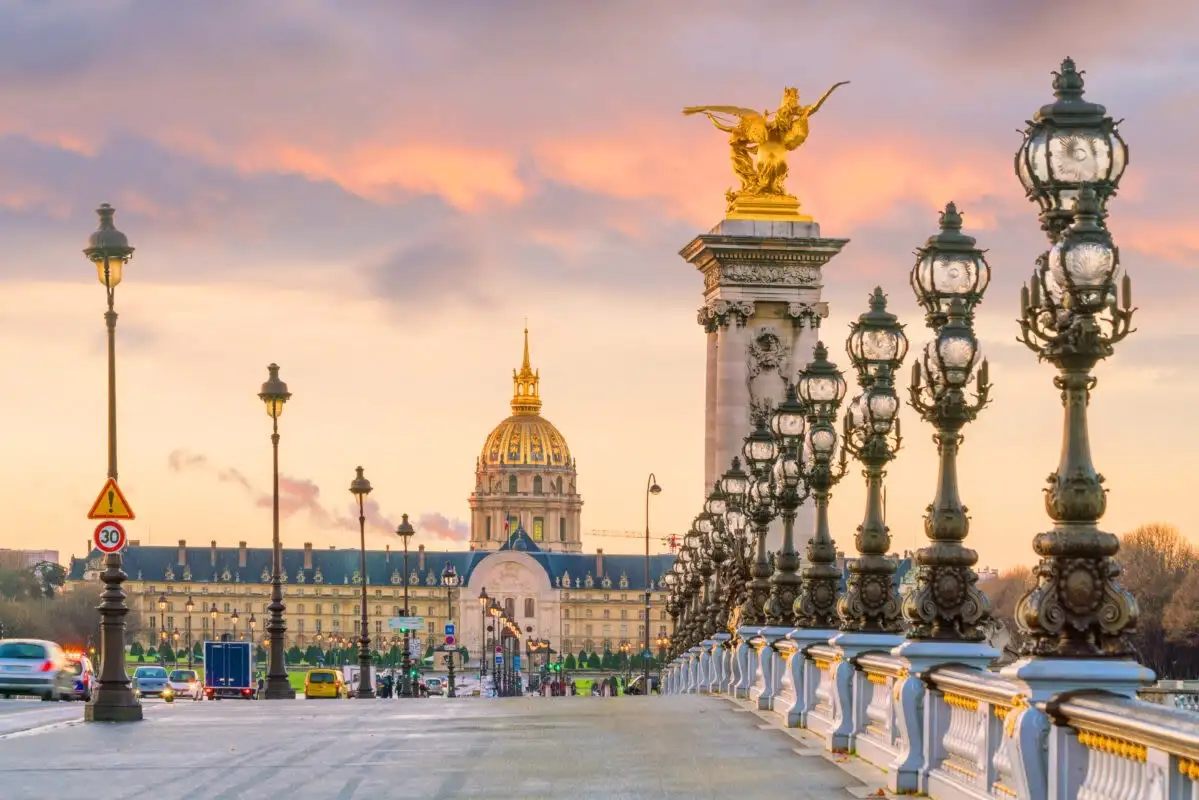
The Arc de Triomphe de l'Étoile is an enduring icon of Paris and offers a spectacular view across the city. In fact, some people say the best view of Paris is from the Arc de Triomphe, as the sweeping vista found at the top includes the Eiffel Tower. 'De l'Étoile' or 'star' refers to the junction on which the Arc de Triomphe stands. This is the meeting point of 12 straight avenues including the Avenue des Champs-Élysées, famous for its theatres, cafés, and luxury shops, and the inspiration for the catchy, eponymous song by Joe Dassin. Although this area of Paris bustles with shoppers, tourists, and commercial enterprises there is still much to explore, see, and do here, and some secret places to be found away from the crowds.

Arc de Triomphe

Ascend one of the most iconic monuments in the world, and view Paris from this beloved symbol of France

L' Arc is not just a symbol of French pride and triumph. Yes, this monument crowning the western end of the Champs-Élysées honors those who fought and died in the French Revolutionary and Napoleonic War. However, it also commorates the horrific losses of World War I with the Tomb of the Unknown Soldier.  Your visit here can be surprisingly poignant. Visitors can ascend to the top for panoramic views of the City of Lights below, whose energy somehow rotates around this reminder that there is a little sobriety in every party.

Grand Palais

Structure built for the Universal Exhibition in 1900, now a children's science museum and art gallery.

The Grand Palais, built for the Universal Exhibition in 1900, boasts a large glass and iron roof. It is home to the Palais de la Découverte science museum for children - be aware this museum only offers information in French, which greatly reduces its value to English speakers. Another wing of the building features rotating art exhibitions, which are usually curated by theme (such as The Moon or Soviet Art). Look on the website https://www.grandpalais.fr/en if you are interested in finding out what's on during your time in Paris. You may purchase tickets on site should you choose to attend.

Petit Palais

Pop in for a Rembrandt painting and discover a secret garden in one of Paris's "hidden gems".

The Petit Palais in Paris, built for the 1900 Exposition Universelle, is a Beaux-Arts architectural marvel that houses the City of Paris Museum of Fine Arts. With free admission to its permanent collections, it showcases an extensive array of artworks from ancient to early 20th century, including notable pieces by Rembrandt and Courbet. Its stunning architecture, complete with a grand dome and a serene courtyard garden, makes it a cultural and visual haven. Located just off the Champs-Élysées, the Petit Palais is a key destination for art enthusiasts.

Champs-Elysées

Experience a promenade on the most famous road in the world!

Stretch your legs on the Avenue Champs-Élysées, an emblem of French prestige and elegance. On this unparalleled thoroughfare stretching from Place de la Concorde to the Arc de Triomphe waits a parade of luxury shops, fine dining, and lush greenery, offering an unparalleled urban experience. On the "Champs" you can indulge in world-class shopping, savor exquisite French cuisine at chic cafés, and marvel at the architectural beauty of illustrious building.

image

Day 1

Arrive Paris


icon
icon
icon
icon

To Be Determined:

Airport Taxi Pick-Up

Mid-Day/Afternoon:

Hôtel des Invalides

Late Afternoon:

Tuileries Gardens & Nearby Museums

Early Evening:

Arc de Triomphe

Airport Taxi Pick-Up

Airport Taxi Pick-Up

Upon arrival at one of Paris's Charles de Gaulle or Orly Airports, it's fairly easy to catch a taxi from outside the main terminal building to your hotel. This is cheaper than a pre-arranged private transfer, although that option is also available if you wish - just ask your consultant. Parisien taxi drivers are generally reliable and honest, but we will provide you with instructions on how to avoid possible scammers and charlatans. If you want to save money, and often quite a lot of time as well, we will also give you alternative instructions on taking public transport into the city center. Details are contained in the full itinerary and mobile app available to our travelers. If on the other hand, you are arriving at Paris's third airport, Beauvais Airport (BVA), then you should always take the shuttle bus. The taxi fare might cost more than the flight - it's  nearly 50 miles (75km) outside the city.

To Be Determined — Airport Taxi Pick-Up

Upon arrival at one of Paris's Charles de Gaulle or Orly Airports, it's fairly easy to catch a taxi from outside the main terminal building to your hotel. This is cheaper than a pre-arranged private transfer, although that option is also available if you wish - just ask your consultant. Parisien taxi drivers are generally reliable and honest, but we will provide you with instructions on how to avoid possible scammers and charlatans. If you want to save money, and often quite a lot of time as well, we will also give you alternative instructions on taking public transport into the city center. Details are contained in the full itinerary and mobile app available to our travelers. If on the other hand, you are arriving at Paris's third airport, Beauvais Airport (BVA), then you should always take the shuttle bus. The taxi fare might cost more than the flight - it's  nearly 50 miles (75km) outside the city.

Mid-Day/Afternoon — Hôtel des Invalides

The Eglise du Dome Church close to the Eiffel Tower is where you observe the gilded tomb of the historic French General and Emperor, Napoleon, but his bones are just a miniscule part of the gigantic Hôtel des Invalides housing the French National Army Museum. Spend some time learning about French warfare from the earliest times to the wax and wane of the Napoloenic Wars and on to the modern French army and a new section dedicated to the life of General Charles de Gaulle.

Napoleon's Tomb

Discover the tomb of one of history's most fearsome generals, and a controversial figure of the 19th century.

Reflect at the sarcophagus resting underneath the dome of Les Invalides' church - Napoleon's tomb is as still as his life was frenetic. Crafted from red quartzite and set upon a green granite base within a circular crypt, Napoleon's sarcophagus is surrounded by a series of statues representing his victories and achievements. The entire ensemble, designed with solemn grandeur, reflect both the power and complexity of his legacy. But visitors can come and go please, this great general commands no one now.

The Army Museum

Exploring the martial history of France in this regal strucure

Gather your forces and lay touristic seige to the French Army Museum and its immersive expositions of French military history from medieval times to the present. Will you conquer the extensive Medieval Collections, Napoleon Bonaparte's grand tomb, and detailed exhibits of the World Wars, or will they conquer you? These exhibts and more offer insights into the evolution of warfare, strategic intracacies, and personal narratives of conflict. A visit to the Army Museum encourages discussion about the contradictions and complexities of war, one of the most important, and disturbing, traits of our humanity.

Rodin Museum

Let the greatest sculptures of the 19th and 20th centuries inspire you

The remarkable sanctuary of art and beauty that is the Musée de Rodin displays the greatest works of the French sculptor Auguste Rodin. Nestled in the exquisite Hôtel Biron, and its serene garden, this museum invites visitors to discover the profound depth of Rodin's creativity. Thrill at the world-reknowned pieces "The Thinker" and "The Gates of Hell," among others, each piece exploring  human emotion and thought through its dynamic forms. Wander through the garden paths to encounter these and other masterpieces in an intimate setting, where the fusion of art and nature crafts a truly unforgettable experience.

Late Afternoon — Tuileries Gardens & Nearby Museums

Stroll in the Tuileries and attend one of the nearby museums, a classic way to spend your free hours in Paris. Originally cultivated in 1564 as the grounds for the Tuileries Palace, the gardens are the oldest in Paris. Its succession of royal owners ended and the garden became a public park in the 19th century; Parisians congregated to relax and socialize beside the fountains and leafy horse chestnut trees - they still do today. The Musée de l'Orangerie, in the Western corner of the gardens, exhibits many Impressionist and 20th-century artworks, including Claude Monet’s famous water lilies.

Tuileries Garden

Relax in the beautiful Tuileries Gardens, an oasis of manicured landscapes and historic statues in the heart of Paris.

The Tuileries Gardens, located next to the Louvre Museum, offer a peaceful retreat amidst the bustling city. Originally created as the royal gardens for the Tuileries Palace in the 16th century, they represent a classic example of French garden design. Visitors can marvel at the array of statues, including works by Rodin and Maillol, stroll along its perfectly aligned trees and flowerbeds, and enjoy panoramic views of the Seine and the Eiffel Tower.

Museum d'Orsay

Soak it all in at the Musée d'Orsay, a former Beaux-Arts railway station transformed into a stunning showcase of Impressionist and Post-Impressionist masterpieces.

The Musée d'Orsay, housed in an elegantly converted railway station, offers a world-renowned collection of Impressionist and Post-Impressionist art, featuring works by masters like Monet, Van Gogh, and Renoir. Its unique architecture, with grand clocks and sweeping galleries, complements the diverse array of sculptures, paintings, and decorative arts on display. A visit to the Musée d'Orsay is not just a tour of art history, but an immersive experience in a space where the past and present merge beautifully.

Orangerie

Let your vision swim with Monet's Water Lilies and other Impressionist artwork at the Musée de l'Orangerie

The Musée de l'Orangerie, nestled in a corner of the Tuileries Gardens, exhibits the stunning "Water Lilies" series by Claude Monet. This series of large-scale paintings, designed specifically for the two oval rooms they inhabit, offers an immersive experience into Monet's impressionist vision of his garden at Giverny. Beyond Monet, the museum boasts the Jean Walter and Paul Guillaume collection, featuring masterpieces by renowned artists such as Renoir, Cézanne, Matisse, Picasso, and Modigliani.   

Early Evening — Arc de Triomphe

The Arc de Triomphe de l'Étoile is an enduring icon of Paris and offers a spectacular view across the city. In fact, some people say the best view of Paris is from the Arc de Triomphe, as the sweeping vista found at the top includes the Eiffel Tower. 'De l'Étoile' or 'star' refers to the junction on which the Arc de Triomphe stands. This is the meeting point of 12 straight avenues including the Avenue des Champs-Élysées, famous for its theatres, cafés, and luxury shops, and the inspiration for the catchy, eponymous song by Joe Dassin. Although this area of Paris bustles with shoppers, tourists, and commercial enterprises there is still much to explore, see, and do here, and some secret places to be found away from the crowds.

Arc de Triomphe

Ascend one of the most iconic monuments in the world, and view Paris from this beloved symbol of France

L' Arc is not just a symbol of French pride and triumph. Yes, this monument crowning the western end of the Champs-Élysées honors those who fought and died in the French Revolutionary and Napoleonic War. However, it also commorates the horrific losses of World War I with the Tomb of the Unknown Soldier.  Your visit here can be surprisingly poignant. Visitors can ascend to the top for panoramic views of the City of Lights below, whose energy somehow rotates around this reminder that there is a little sobriety in every party.

Grand Palais

Structure built for the Universal Exhibition in 1900, now a children's science museum and art gallery.

The Grand Palais, built for the Universal Exhibition in 1900, boasts a large glass and iron roof. It is home to the Palais de la Découverte science museum for children - be aware this museum only offers information in French, which greatly reduces its value to English speakers. Another wing of the building features rotating art exhibitions, which are usually curated by theme (such as The Moon or Soviet Art). Look on the website https://www.grandpalais.fr/en if you are interested in finding out what's on during your time in Paris. You may purchase tickets on site should you choose to attend.

Petit Palais

Pop in for a Rembrandt painting and discover a secret garden in one of Paris's "hidden gems".

The Petit Palais in Paris, built for the 1900 Exposition Universelle, is a Beaux-Arts architectural marvel that houses the City of Paris Museum of Fine Arts. With free admission to its permanent collections, it showcases an extensive array of artworks from ancient to early 20th century, including notable pieces by Rembrandt and Courbet. Its stunning architecture, complete with a grand dome and a serene courtyard garden, makes it a cultural and visual haven. Located just off the Champs-Élysées, the Petit Palais is a key destination for art enthusiasts.

Champs-Elysées

Experience a promenade on the most famous road in the world!

Stretch your legs on the Avenue Champs-Élysées, an emblem of French prestige and elegance. On this unparalleled thoroughfare stretching from Place de la Concorde to the Arc de Triomphe waits a parade of luxury shops, fine dining, and lush greenery, offering an unparalleled urban experience. On the "Champs" you can indulge in world-class shopping, savor exquisite French cuisine at chic cafés, and marvel at the architectural beauty of illustrious building.

image

Day 2

Paris

Day 2

Paris

icon
icon
icon
icon

9:00 AM - 1:00 PM

Paris Highlights Walking Tour

Embark on a captivating 4-hour walking tour of the center of Paris, the City of Lights, where history and modernity blend seamlessly along its enchanting streets. Starting from Odette Pastry Shop (77 Rue Galande), you will explore the heart of this dynamic city and learn how to navigate Paris as a local.

Paris Highlights Walking Tour

9:00 AM - 1:00 PM — Paris Highlights Walking Tour

Embark on a captivating 4-hour walking tour of the center of Paris, the City of Lights, where history and modernity blend seamlessly along its enchanting streets. Starting from Odette Pastry Shop (77 Rue Galande), you will explore the heart of this dynamic city and learn how to navigate Paris as a local.

Afternoon/Late Afternoon — Île de la Cité

Discover the origins of Paris on the Ile de la Cité, it's glorious heart. The original settlement from which Paris grew overwhelms with the iconic Notre-Dame Cathedral, the Revolutionary history of the Conciergerie, the numinous kaleidoscope of Sainte-Chapelle's stained glass, and a plethora of other interesting sights. This island is a captivating blend of Parisian history and beauty, offering unforgettable experiences at every turn. A visit here traverses the river Seine and centuries, perfect for capturing the spirit of Paris.

Sainte-Chapelle

It's ok, you can be dumbstruck at the incomparable stained glass of this royal chapel

The Sainte-Chapelle glows in the heart of Paris with its breathtaking stained-glass windows. Regard in awe the 15 windows, each 15m high, illustrating biblical stories in vibrant colors and intricate detail. Built in the 13th century on the Île de la Cité for Saint King Louis IX, this chapel was originally conceived to house precious Christian relics, including spines from Jesus Christ's Crown of Thorns. Visitors today, like kings and kings of yesteryear are often awestruck by the celestial light and serene ambiance that these windows transmit, casting a kaleidoscope of colors across the chapel's interior. The upper chapel, in particular, offers an ethereal experience, with its towering windows and star-studded vaulted ceiling.

Conciergerie

Explore the somber past of this Gothic riverside fortress, a heart of the Great Terror that followed the French Revolution

  The Conciergerie in Paris is a historic monument and former prison on the Île de la Cité, and an inflection point between France's royal and revolutionary pasts. Once part of the royal palace, but later transformed into a prison during the French Revolution, its most infamous inmate was Queen Marie Antoinette before her execution. Visitors can explore the medieval halls, the somber cells - even the Queen's own - while absorbing the tales of justice, power, and tragedy that echo through its walls. This site stands as a poignant reminder of France's turbulent history, here where the Revolutionary Tribunal sat from 1793, condemning some 2,600 persons to the guillotine.

Notre-Dame de Paris

Thrill at one of the most beautiful and recognized churches on Earth.

Gaze at the heart of Paris, Notre-Dame Cathedral, as iconic to the city as it is to Gothic architecture. Standing on the Île de la Cité, this 13th-century medieval masterpiece, still boasts its stunning rose windows, flying buttresses, and sculpted facades, despite a devastating fire in 2019.  The ongoing reconstruction of this center of French spirituality is captivating in itself, and people around the world await the full restoration's of this symbol's élégance, planned for December 8th, 2024.

Late Afternoon/Early Evening — Montmartre

Montmartre, Paris's bohemian heart, where countless artists have whiled away their time, beckons with its cobblestone streets and vibrant history. Ascend the butte to find the Sacré-Cœur Basilica, a white-domed sentinel offering breathtaking views of the city below. Wander through Place du Tertre, where artists capture the essence of Paris on canvas. Delve into the nightlife at the Moulin Rouge, a testament to the area's hedonistic past. Montmartre, a blend of artistic legacy and lively modern culture, offers a captivating escape into the soul of Paris, where every corner tells a story, and every moment is a brushstroke on the canvas of the city.

Moulin Rouge

World Famous Dinner Theater and Cabaret

The Moulin Rouge, the iconic cabaret of Paris, beckons visitors with an unforgettable evening in the City of Lights. Famous for pioneering the can-can dance, this legendary establishment has been dazzling audiences since 1889 with its extravagant performances, featuring a troupe of highly-trained dancers adorned in outrageous costumes. Dive into an evening of glamour and romance, where the spirit of Parisian nightlife comes alive amidst spectacular shows in the historic ambiance of a venue that has hosted generations of artists and admirers.

Montmartre Museum

Experience la vie bohémienne at the Montmartre museum

To peruse the charming Montmartre Museum is to experience the captivating, artistic history of bohemian Paris. Housed in a 17th-century building that once served as a studio for many notable artists, including Renoir and Raoul Dufy, the museum invites visitors to its rich collection of paintings, photographs, and memorabilia. The museum vividly brings to life the rollicking, artistic fervor that defined Montmartre at the turn of the 20th century.

L’Espace Dali

Indulge your surreality in Dalí Paris while twitching your mustache at his largest collection in France, over 300 pieces.

The Spaniard found fame in Paris in the 1920s and 30s, and developed his paranoic-critical method designed to access the sub-conscious and enhance creativity. He lived in Montmartre for a while before moving to Montparnasse. The collection here, mostly of sculpture and etchings, with titles like Space Elephant and Moses and Montheism, will have you questioning your sensibilities, or maybe Dalí's.

Sacre-Coeur Basilica

Iconic white domed church that features mosaics, stained glass windows, and a crypt

The exterior, with its domes and stark white façade, looks ancient but was finished only a century ago. In 1870 war broke out between France and Prussia. The Council that was being held in the Vatican at the time was suspended and the Pope, no longer under the protection of French troops, considered himself a prisoner within the Vatican. France was subsequently defeated and partially occupied by German troops. Alexandre Legentil and Hubert Rohault de Fleury vowed to build a church dedicated to the Sacred Heart “as reparation,” as penance for infidelity and sin for they held that the misfortunes of France had spiritual rather than political causes.

Mur des je t’aime (I Love You Wall)

A wall trying to bring a little tenderness into the world

The singer Paul Simon wrote a song "Fifty Ways To Leave Your Lover,"  but this wall below Montmartre teaches you how to say "I love you" in 250 languages. Find the one that sounds most beautiful to you, and then practice saying it to yourself and others.

Evening/Late Evening — Eiffel Tower

Maybe the most recognized landmark in the world, the Eiffel Tower never fails to impress and inspire.  Its elegance has always drawn crowds, and it demands a little logistical planning in order to expedite the security checks and avoid the crowds. We'll provide you with very detailed information on how to do this in the Full Itinerary, along with how to purchase tickets to speed up your visit. Let your consultant know if you wish to have your Eiffel Tower tickets purchased for you - they require a very specific time slot. We will also provide you with information on the other grand sights to visit nearby, including the famous Museum of Man across the river at Trocadero, and the Quai Branly Museum.

Quai Branly Museum

Discover a captivating collection of indigenous art in this literally verdant building.

The Quai Branly Museum, oficially known as L'Musée du quai Branly - Jacques Chirac, is a vibrant celebration of indigenous art and cultures from Africa, Asia, Oceania, and the Americas. Located on the banks of the Seine near the Eiffel Tower, this innovative museum stands out with its striking modern architecture and a lush wall garden adorning its exterior. Inside, visitors are treated to a rich tapestry of artifacts, including traditional costumes, masks, sculptures, and jewelry, all showcased in a dynamic and immersive display. The museum's commitment to cultural diversity and its extensive collection offer a unique opportunity to explore the history, art, and traditions of non-Western civilizations.

Museum of Man

Ponder some of the Big Questions while visiting this museum...

Le Musée de l'Homme in Paris's Place du Trocadéro delves into human evolution and diversity through anthropology, ethnology, and prehistory. Showcasing artifacts from prehistoric tools to modern art, it highlights humans' biological and cultural development while exploring our identities, societies, and relationship with nature. Interactive and engaging, the museum offers a profound investigation into the essence of humanity, prompting reflection on our collective past and future.

Palais de Tokyo

Discovering the greatest of modern and contemporary French art in this dramatic structure

Que vous seriez un peu plus parisien(ne)... That you would be a bit more Parisian, visit the Palais de Tokyo in the 16th arrondissement, a beacon of contemporary art known for its avant-garde exhibitions and innovative art installations. Blending historical elegance with modern creativity, it offers visitors a privilaged exploration of the latest artistic expressions. Highlights include its own modernist architecture, a constantly evolving array of exhibitions showcasing everything from installations to live performances, and the Yoyo nightclub and Le Tokyo Eat for leisure and dining. Visit the Palais de Tokyo to step into an intersection of art, culture, and architecture, and let the cutting edge of contemporary art in Paris take you away.

image

Day 2

Paris

image

Day 3

Paris

Day 3

Paris

icon
icon
icon
icon

Early Morning to Mid-Day

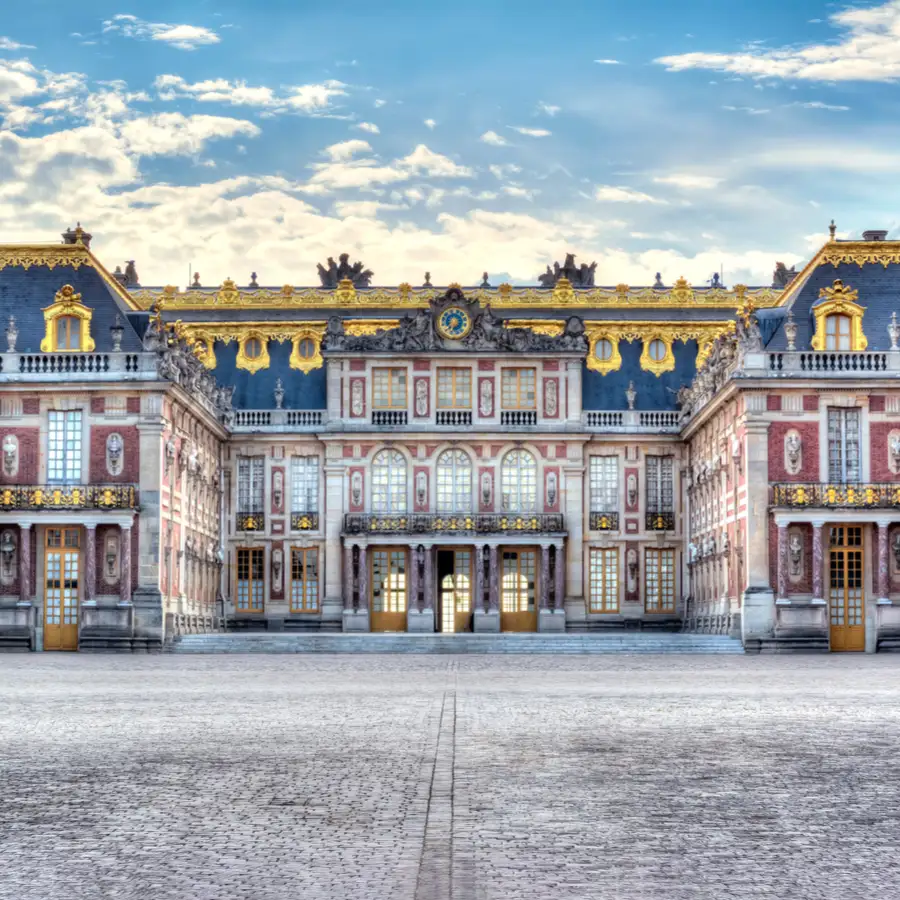
Palace of Versailles

The Château of Versailles, a symbol of the grandeur of French monarchy, invites visitors to explore its lavish history and architectural majesty. From the spellbinding elegance of the Hall of Mirrors, where the Treaty of Versailles was signed, to the vast, meticulously manicured Gardens the pinnacle of French garden design, every corner tells a story of opulence and power. Discover the intimate escapes of royalty at the Grand and Petit Trianon, and marvel at the divine beauty of the Royal Chapel, a masterpiece of Baroque architecture.

Palace of Versailles

Early Morning to Mid-Day — Palace of Versailles

The Château of Versailles, a symbol of the grandeur of French monarchy, invites visitors to explore its lavish history and architectural majesty. From the spellbinding elegance of the Hall of Mirrors, where the Treaty of Versailles was signed, to the vast, meticulously manicured Gardens the pinnacle of French garden design, every corner tells a story of opulence and power. Discover the intimate escapes of royalty at the Grand and Petit Trianon, and marvel at the divine beauty of the Royal Chapel, a masterpiece of Baroque architecture.

Main Palace of Versailles

There are palaces, and then there is Versailles...

Enlarged by for Emperor Louis XIV as an escape from the dreary political tension of Paris, Versailles might have been the most luxurious palace in the world.  Even now, the building stuptifies with its grandeur and elegance, a stunning representation of the French monarchy's opulence. The famous Hall of Mirrors is just one of many, many (2300!)  stunning rooms, only a small percentage of which are open for display.  It might be too much, or one visit might never be enough.

The Queen's Hamlet

Imagine living like the "peasants" here?

Desiring something different, Queen Marie Antoinette had a hamlet erected where she could supervise servants milking cows, tending pigs, collecting eggs from chickens.  She dressed down to play her part, but apparently never got her hands dirty, as far as we know.  Her peasant cottage only had two living rooms, a billiard room, a dining hall, and a library.  If you are accustomed to palaces, only two living rooms is roughing it.  Lest the queen got tired of it all, she could return to the Petit Trianon, a beautiful chateau built on the grounds of the Grand Trianon, which was the retreat chateau built on the grounds of the Palace of Versailles, which was a retreat from the Louvre Palace in Paris.

Parc de Versailles

Feel like a king, feel like a queen, hopefully you'll feel good looking out across the park

The Parc de Versailles, features some 800 hectares of manicured lawns, stunning fountains, and the Grand Canal, all masterminded by André Le Nôtre. Highlights include the Neptune and Apollo Fountains, the Trianon Palaces, and the Queen's Hamlet. This vast garden symbolizes royal power, but you are welcomed to enjoy yourself on these pleasure grounds.

Afternoon — Montparnasse

Montparnasse grew in esthetic stature in the earlier 20th century, as artists congregated their for inexpensive living close to the center of Paris. Vestiges of this bohemian era remain,  lively cafes and restaurants allude to painterly luminaries like Alphonse Mucha and Paul Gauguin.  As interesting as their lives were, as busy as the neighborhood is, still more dramatic is what lies under Monparnasse: the Paris Catacombs, the final resting place of over 6 million Parisians dating back centuries.

Catacombs of Paris - Entrance

Wander the corridors of this eerie but matter-of-fact underground filled with skeletal remains.

The Catacombs of Paris offer a disturbing journey beneath the city, where millions of Parisians' remains line the ancient corridors. From the stark warning at the entrance hall, inviting visitors into the Empire of Death, to the dark depths where the Crypt of the Sepulchral Lamp casts a solemn glow, each highlight contributes to the macabre atmosphere. Notable curiosities include the artistic Barrel of Passion, and the intricately carved Sculpture of Port-Mahon, both testaments to the catacombs' dual function as a burial site and a monument to humanity's strangeness.

Bourdelle Museum

Immerse yourself in this a hidden treasure of Parisian art, the original atelier of celebrated sculptor, Antoine Bourdelle.

The Antoine Bourdelle Museum, set in the artist's former studio in Montparnasse, showcases an impressive collection of his sculptures, paintings, and drawings. Here, visitors can experience the authentic atmosphere of Bourdelle's creative space and enjoy the serene garden, which displays his monumental works in bronze and marble. This intimate museum offers a unique glimpse into the artistic process of one of France's great sculptors.

Fondation Cartier

Supporting contemporary art in many luxurious ways

Confront your artistic sensibilities, or maybe just luxuriate at the Fondation Cartier pour l'Art Contemporain, a cornerstone of contemporary art. Housed in an architectural masterpiece by Jean Nouvel that blends verdant surroundings with glass and steel, it showcases diverse  exhibitions of both renowned and emerging global artists, alongside commissioned site-specific works. Contemplate today's masterpieces in the foundation's lush garden, designed by Lothar Baumgarten, that acts as a living art installation, complementing cultural programs like concerts, lectures, and the unique "Nomadic Nights" series.

Montparnasse Tower

Get a different perspective from Paris' modern skyscraper

The Montparnasse Tower remains one of Paris' few traditional skyscrapers and with its rare standing offers an unparalleled vantage point from its 56th floor and rooftop terrace. Rising to a height of 210 meters, it punctuates the Parisian skyline and provides breathtaking 360-degree views that stretch out over the city, from the winding Seine to the majestic Eiffel Tower and beyond. Visitors can ascend this towering skyscraper to witness the beauty of Paris from above, capturing the essence of the city's layout and landmarks in a single glance.

Late Afternoon/Early Evening — Opéra District

Enamored with the late 19th-century, Belle-epoque Paris? Then, the Opéra area is for you. Many of the delights we now associate with the City pf Lights - fashion, can-can dancing, art nouveau architecture, opera and ballet, emanated from this part of Paris in the late 1800s. Also known as the 9th Arrondissement, this neighborhood features the Palais Garnier Opera House, the grand department stores Galeries Lafayette and Printemps, and hidden gems of museums such as the lavish Musée Jacquemart-André.   Special Note: Be aware that the Palais Garnier Opera House routinely closes for performances during the day. Check the website calendar in advance to best plan your visit.

Opera House, Palais Garnier

Tour Paris's most beautiful concert hall.

The Opera House was conceived of by Emperor Napoleon III, who endured an assassination attempt at the previous Opera House at Salle Le Peletier, prompting him to seek out a more secure opera venue in the more established and aristocratic 9th arrondissement. An evening at the opera was an important event for the upper classes, who used the occasion as an opportunity to flirt, politically align, and do business (sometimes the three were one and the same). Although architect Charles Garnier won its commission in 1860, the Opera House only opened in 1874 - a war, a siege, and a revolution later. 

Galeries Lafayette

Regaling shoppers in Art Nouveau splendor since 1912

Galeries Lafayette is celebrated for its stunning Art Nouveau dome, luxury shopping, and panoramic views of the city from its rooftop terrace. It features a wide range of designer brands, a gourmet food hall, and hosts weekly fashion shows and cultural events. The department store is a blend of shopping, art, and architecture, a veritable temple of the commerce of fashion.

Fragonard Perfume Museum

A refreshing visit with hints of citrus, lavander, and bay leaf

The Fragonard Musée du Parfum, offered by the illustrious Fragonard family, offers an immersive look into the world of perfume making, from its history and the evolution of bottle design to the craftsmanship behind fragrance creation. Visitors can explore interactive workshops, smell historical and contemporary fragrances, and learn about the artistry and science of perfumes through hands-on exhibits. It's an educational and sensory experience that appeals to both enthusiasts and curious travelers.

Early Evening/Evening — Seine Cruise

Embark on an enchanting Seine River Boat Cruise that offers an unparalleled view of the City of Light. Glide past iconic landmarks such as the Eiffel Tower, Notre-Dame Cathedral, and the Louvre, all while basking in Paris' famed romantic ambiance. Whether you choose a daytime voyage to admire the city in its full glory or a nighttime excursion to see Paris illuminated against the night sky, a Seine River Boat Cruise is an unforgettable highlight that offers a new perspective on the timeless beauty of Paris.

image

Day 3

Paris

image

Day 4

Paris to Amsterdam

Day 4

Paris to Amsterdam

icon
icon
icon
icon
icon

9:10 AM

Taxi to Rail Station

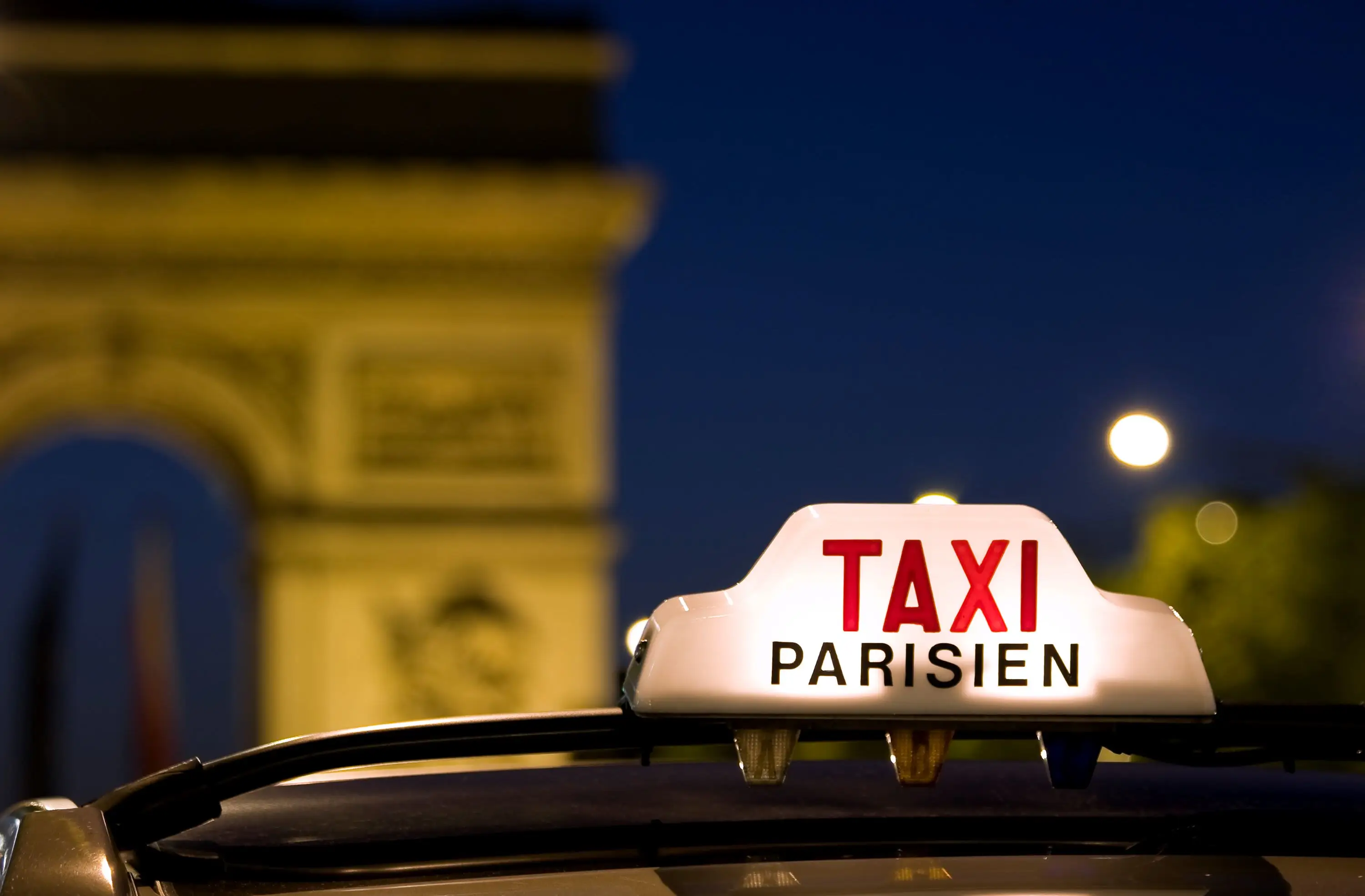
Paris traffic can be heavy and unpredictable, so we recommend leaving for the station with plenty of time to spare. Taxis in Paris are generally reliable and often more economical than pre-arranged private transfers. Gare du Nord is a large and busy station, and if you are traveling on Eurostar, you should allow additional time for check-in, security screening, and passport controls. Below, we provide instructions to help you find your way through the station and locate your train.
Taxi to Rail Station

9:10 AM — Taxi to Rail Station

Paris traffic can be heavy and unpredictable, so we recommend leaving for the station with plenty of time to spare. Taxis in Paris are generally reliable and often more economical than pre-arranged private transfers. Gare du Nord is a large and busy station, and if you are traveling on Eurostar, you should allow additional time for check-in, security screening, and passport controls. Below, we provide instructions to help you find your way through the station and locate your train.

10:25 - 13:50 — Train to Amsterdam

Tickets and seat reservations for this approximately 3h20min rail journey from Paris to Amsterdam are included in the purchase of the itinerary package. Detailed directions and instructions that make the trip easy and stress-free are also included in the Full Itinerary.

1:50 PM — Taxi Transfer from Rail Station

Most trains arrive in Amsterdam Central Station (Centraal) station, the largest station in the city. Before spending money on a transfer, be sure to check whether your hotel is within easy walking distance. Also consider that public transport is the cheapest and sometimes fastest option, and trams pick up directly in front of the station at the main entrance (on the Centrum side of the station). You'll also find an entrance to the Metro just outside the main entrance. You won't, however, find taxis or Uber drivers in front of the main entrance, as it is a pedestrian zone. Instead, taxis can be found on the Ij-zijde (waterside) to the left of the Western tunnel. Simply look at the overhead signs that indicate the direction. If in any doubt, follow the ferry symbols.

Late Afternoon/Early Evening — Old Town

The basis of the old joke that 'God created Earth, but the Dutch created the Netherlands' can best be seen in the horseshoe-shaped old center of Amsterdam where the early inhabitants reclaimed much of their city from the sea and built the perfectly straight canals to keep the new land dry. Most of the picture-perfect gabled houses still retain their winch beams and hooks for hauling goods to the attic. These days its most renown historic buildings share space with Amsterdam's famous Red Light District.

Koninklijk Paleis

Yes, the Dutch Have Royalty, and You Can Often Visit Their Home.

Amsterdam's Royal Palace, originally built as the city hall in the 17th century during the Dutch Golden Age, stands majestically in Dam Square. Renowned for its classical architecture and opulent interiors, the palace serves as one of the King's official residences and is used for state visits, awards ceremonies, and other official functions. Its rich history and architectural grandeur, including lavish rooms and intricate sculptures, reflect Amsterdam's past prominence and wealth.

Jewish History Museum

Examine hundreds of years of stories and histories.

The Jewish Historical Museum in Amsterdam, set in the city's former Jewish Quarter in four 17th-century synagogues, delves into Jewish traditions, religion, and contributions to Dutch society. It features artifacts, personal Holocaust stories, and interactive exhibits, highlighting Amsterdam's Jewish heritage and its impact on the Netherlands. This museum fosters understanding and dialogue, making it vital for anyone interested in exploring Jewish history and culture.

Early Evening/Evening — Grachtengordel

The Grachtengordel, or Canal Ring, in Amsterdam, a UNESCO World Heritage Site, embodies the city's 17th-century architectural and urban planning. This historic network of canals, designed during the Dutch Golden Age, is lined with elegant merchant houses and bridges, reflecting Amsterdam's rich past. Today, it's a lively district filled with cafes, galleries, and boutiques, A visit here is essential to understanding both Amsterdam's past and present.

Westerkerk

Visit Rembrandt's burial place in this Renaissance-era Protestant church with a crown-topped spire.

Westerkerk, in English, the Western Church, is is the most largest and most important church in the city. Built between 1619 to 1631, the church and its bell tower – the Westerkerk Tower – are often regarded as the symbol of the city.  Come visit Westerkerk, if only to pay respects to that great master, the painter Rembrandt. Although technically a part of the canal ring, both the church and Anne Frank House are often described as a part of the Jordaan district as well. Since both these highlights rest on right on the border, it is the perfect starting point to explore either neighborhood!

Amsterdam Anne Frank House

Learn about one life of six million lives

The Anne Frank House in Amsterdam stands as a poignant tribute to the young Jewish girl who, along with her family, hid from Nazi persecution during World War II. Visitors are invited to explore the secret annex where Anne penned her now-famous diary, offering a deeply moving glimpse into the struggles faced during one of history's darkest periods.

image

Day 4

Paris to Amsterdam

image

Day 5

Amsterdam

Day 5

Amsterdam

icon
icon
icon

9:30 AM - 1:30 PM

Highlights Walking Tour

Enjoy an introduction to Amsterdam with this 4-hour private guided walking tour. After picking you up from your hotel, your professional guide will lead you past many of the city's highlights, including its center, as well as the Jordaan, the Grachtengordel, and the infamous Red-Light District. The guide will explain how all these feature in the city's history and contemporary life. Your guide will be happy to share some great tips for the rest of your stay.

Highlights Walking Tour

9:30 AM - 1:30 PM — Highlights Walking Tour

Enjoy an introduction to Amsterdam with this 4-hour private guided walking tour. After picking you up from your hotel, your professional guide will lead you past many of the city's highlights, including its center, as well as the Jordaan, the Grachtengordel, and the infamous Red-Light District. The guide will explain how all these feature in the city's history and contemporary life. Your guide will be happy to share some great tips for the rest of your stay.

Morning/Mid-Day — Haarlem, Self-Guided

Haarlem, only a short 20-minute train ride away from the hustle and bustle of Amsterdam, is celebrated for its medieval architecture, cultural vibrancy, and historical significance as North Holland's capital. Home to the majestic Grote Kerk, the city's Grote Markt serves as a focal point surrounded by historical buildings. Famous for its contribution to the 17th-century tulip mania and picturesque canals, Haarlem offers a blend of art, history, and natural beauty, making it an enriching visit with a quiet charm.

Teylers Museum

Enlighten Yourself with a Wise Visit to this Enlightenment Museum

The Teylers Museum in Haarlem, Netherlands, is a remarkable journey back into the Age of Enlightenment, where art and science converge in the oldest museum in the country. Established in 1784, it houses an eclectic collection ranging from rare books and fossils to historical scientific instruments and works by great masters like Michelangelo and Rembrandt. The museum's unique atmosphere is enhanced by its preserved 18th-century interior, offering visitors a genuine experience of stepping back in time.

Windmill De Adriaan

Enjoy this quintessential windmill in Haarlem...

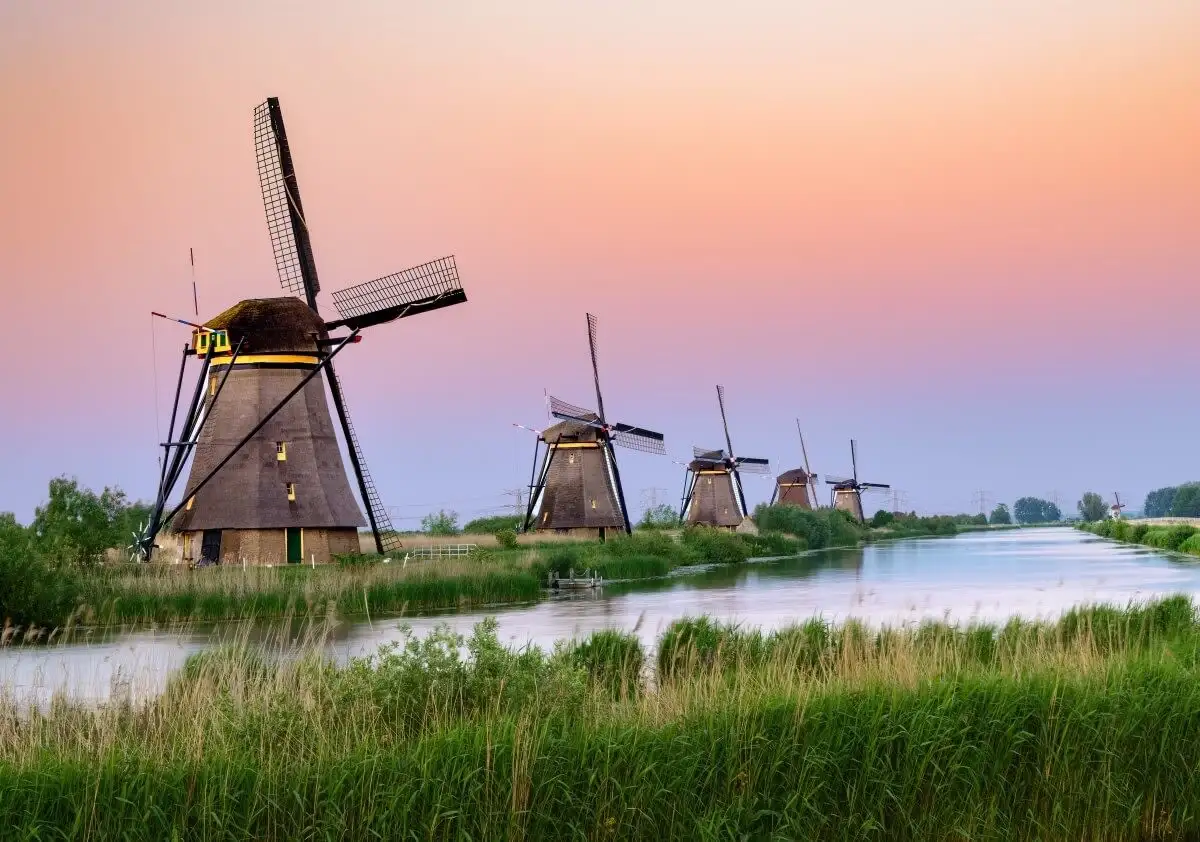
... And the story of its place in the hearts of locals. Windmill De Adriaan, perched on the banks of the River Spaarne in Haarlem, is a striking landmark that offers a glimpse into Dutch windmill engineering since its original construction in 1779. Though it was rebuilt in 2002 after a devastating fire decades before, De Adriaan retains its historic charm and functionality, demonstrating traditional milling techniques used for various purposes, including producing paint, tobacco, and flour. Visitors can explore the interior through guided tours, learning about the windmill's mechanics and its role in Dutch culture and industry.

Grote Kerk, Zwolle

A Swell Tower and Church in Zwolle

The Grote Kerk (St. Michael's Church) in Zwolle, notable for its late Gothic architecture, dates back to the 15th century. Though its tower was aimed to outdo Utrecht's Dom Tower, it remains unfinished thanks to a series of lightning strikes. The church's interior features a carved pulpit, an ornate organ, and beautiful stained glass windows. The church has indirectly given Zwolle's inhabitants their nickname, Blauwvingers (Bluefingers).  For once, a Dutch story that doesn't reward frugality.

Evening — Oost District Dining

Eating out in Amsterdam Oost district has never been more popular as it is now, with all its new hotspots. There are so many great options for food and drinks that any foodie will see this district as it is …the place to be! Whether you are looking for fine dining for a family dinner or a great burger for lunch, you can find everything here, from a quick bite to an Instagrammable spot for brunch. Oost has its charm, a district with a nice mixture of everything: busy streets, green parks, historical boroughs or modern cultural gems and of course everything is very diverse and colorful. The neighborhood is continuously developing and is an ideal place to witness the city's lifestyle. Oost is where the first movements in Amsterdam started – a once shady Javastraat is full of the most exciting bars, restaurants, and places to hang out. In Oost, you can find a good mix of different cultures, brown cafes, hip hotspots, and young creatives.

image

Day 5

Amsterdam

image

Day 6

Amsterdam to Cologne

Day 6

Amsterdam to Cologne

icon
icon
icon
icon
icon
icon

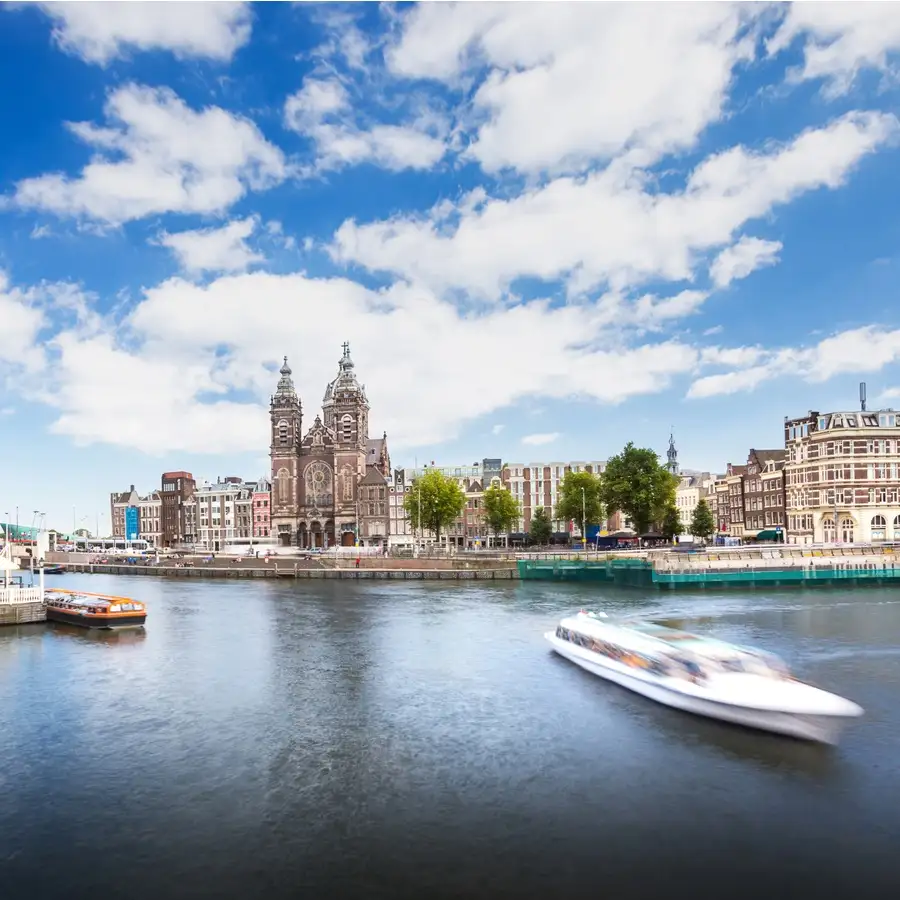
10:00 AM - 11:00 AM

Canal Cruise

A canal cruise is one of the best ways to discover Amsterdam! A 1-hour tour includes many of Amsterdam's most famous monuments and memorials. Starting from the dock near the Anne Frank House, you will float along the impressive Unesco Heritage Golden Age canals of Amsterdam, and pass the Jordaan neighborhood known for its famous Prinsengracht (Princes' Canal). Spy the romantic Magere Brug, the Amstel river, the 7 bridges, and the important Golden Bend before returning to land.
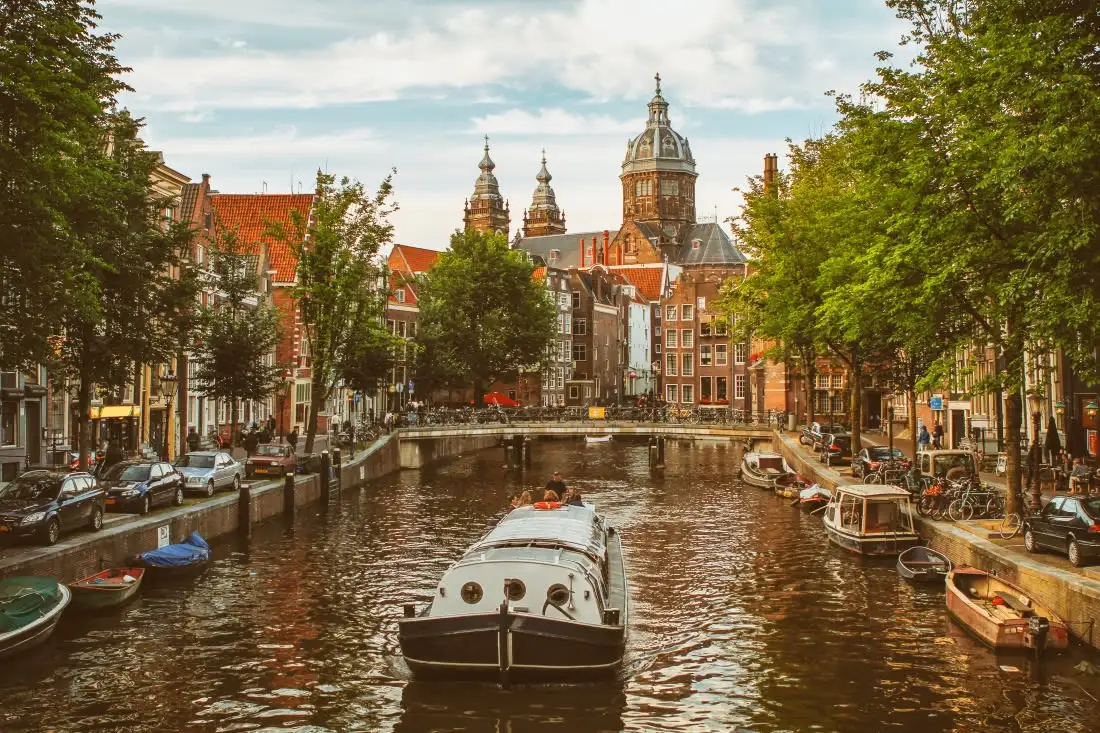
Canal Cruise

10:00 AM - 11:00 AM — Canal Cruise

A canal cruise is one of the best ways to discover Amsterdam! A 1-hour tour includes many of Amsterdam's most famous monuments and memorials. Starting from the dock near the Anne Frank House, you will float along the impressive Unesco Heritage Golden Age canals of Amsterdam, and pass the Jordaan neighborhood known for its famous Prinsengracht (Princes' Canal). Spy the romantic Magere Brug, the Amstel river, the 7 bridges, and the important Golden Bend before returning to land.

Mid-Day — Jordaan

The Jordaan district beckons with its narrow streets and quaint canals, epitomizing the charm and history of Amsterdam. Originally a working-class neighborhood established in the 17th century, Jordaan has evolved into one of Amsterdam's most sought-after areas. Known for its bohemian vibe, the district boasts an array of art galleries, unique shops, and cozy cafes, alongside traditional cafés and indie music venues. The Jordaan is also famous for its outdoor markets, such as the Noordermarkt, where locals and tourists alike browse for organic food, vintage clothes, and antiques. The area's historical architecture, including beautifully restored houses and hidden courtyards, provides a picturesque backdrop for leisurely walks.

Westerkerk

Visit Rembrandt's burial place in this Renaissance-era Protestant church with a crown-topped spire.

Westerkerk, in English, the Western Church, is is the most largest and most important church in the city. Built between 1619 to 1631, the church and its bell tower – the Westerkerk Tower – are often regarded as the symbol of the city.  Come visit Westerkerk, if only to pay respects to that great master, the painter Rembrandt. Although technically a part of the canal ring, both the church and Anne Frank House are often described as a part of the Jordaan district as well. Since both these highlights rest on right on the border, it is the perfect starting point to explore either neighborhood!

Noorderkerk

Visit this beautiful 17th-century Protestant church built for the common folk of Jordaan.

Besides functioning as an active community, the church serves as one of the city’s most beautiful event venues. Built in the years 1620–1623 to serve the rapidly growing population of the Jordaan neighborhood, the Noorderkerk became the church for the common people. The classical appearance of the church and excellent acoustics make it well suited for a variety of events, including receptions, small conferences, meetings, fashion shows, concerts, and more. 

Lindengracht Market

There's something for all tastes at the Lindengracht Market

Lindengracht, which translates into the Lindentree Canal in English, was filled in 1895 and has been turned into a wide street with two rows of linden trees in the middle. This market, more than 900 meters long and offering a large variety of products, was held for the first time in 1894. Now, each Saturday, 232 market stands are erected along the whole street. Together with the nearby Farmer’s Market on the Nordermarkt, (both open on Saturday); Lindenmarkt is probably the best food market in Amsterdam. Local in nature, the market, and its many stalls feature cheeses, fresh fish, and beautiful bouquets.

1:35 PM — Transfer to Rail Station

Most trains depart from Amsterdam Central Station (Centraal) station, the largest station in the city. Before spending money on a transfer, be sure to check whether your hotel is within easy walking distance. Also consider that public transport is the cheapest and sometimes fastest option. Trams and the metro deliver you to the main entrance of the station. If staying at a hotel, they can order a reliable taxi. Uber is also available for those with the app. There is not such convenient access by car to the Central Station, but your taxi driver will nonetheless be able to drop you off on the lakeside side of the station. To get to the platforms you need to swipe the bar code on your train ticket on the small screen on the automatic gates. The main entry tunnel, as well as two other tunnels, lead you to the station platforms.

14:38 - 17:08 — Train to Cologne

Your approximately 3-hour rail journey to Cologne will cross the bucolic countryside of the Netherlands and Germany's northern Rhine Valley. You'll also pass through Germany's industrial heartland. There are some direct connections to both Cologne's main rail station and Messe/Deutz station (both of which are located in central Cologne), but you may need to connect trains in Dusseldorf.

5:08 PM — Transfer from Rail Station

There are two main rail stations where visitors arrive in Cologne. You will likely arrive in the Cologne main station (Köln hbf, i.e. hauptbahnhof) although keep in mind that you amay arrive in the Messe/Deutz station just across the river from the main station.. Before spending money on a transfer, be sure to check whether your hotel is within easy walking distance. Also consider that public transport is the cheapest and sometimes fastest option. Taxis are available at all rail stations and are generally honest, so if you prefer the convenience of not carrying your bags on public transport, they are an option. Some private transfers even meet you directly on the platform to help with bags. Uber is also available for those with the app.

Evening — Kölsch Beer Culture

Kölsch beer is a special beer only brewed in Cologne. It's a light ale and is served in traditional tall and cylindrical 0.2 litre Kölsch glasses which waiters carry around in purpose-built circular serving receptacles that look like communion trays. Beer lovers often find that the regional specialties are the brews that are most distinctive and memorable, and no style better exemplifies that spirit of community pride and distinction than Kölsch. Indeed, Cologne boasts more breweries than any other major city worldwide. You can taste for yourself and get to know the etiquette associated with Kölsch beer during an evening out in Cologne's bars and brew houses.

image

Day 6

Amsterdam to Cologne

image

Day 7

Cologne

Day 7

Cologne

icon
icon
icon

Morning/Mid-Day

Bonn Excursion

Take a less than half hour train ride to what was until the fall of the Berlin Wall the capital of the Federal Republic of Germany (West Germany). Bonn has reverted back to provincial status, but plenty remains to see of its former capital status, including the modern government district and a general spread of fascinating museums, all located near a very attractive stretch of the Rhine River. The city also makes the most of its associations with Beethoven, who was born here and whose birthplace has been turned into a museum also. You can also embark upon the Weg der Demokratie ("Path of Democracy"), a signposted walkthrough of sites associated with Bonn's period as the federal capital.
Bonn Excursion

Morning/Mid-Day — Bonn Excursion

Take a less than half hour train ride to what was until the fall of the Berlin Wall the capital of the Federal Republic of Germany (West Germany). Bonn has reverted back to provincial status, but plenty remains to see of its former capital status, including the modern government district and a general spread of fascinating museums, all located near a very attractive stretch of the Rhine River. The city also makes the most of its associations with Beethoven, who was born here and whose birthplace has been turned into a museum also. You can also embark upon the Weg der Demokratie ("Path of Democracy"), a signposted walkthrough of sites associated with Bonn's period as the federal capital.

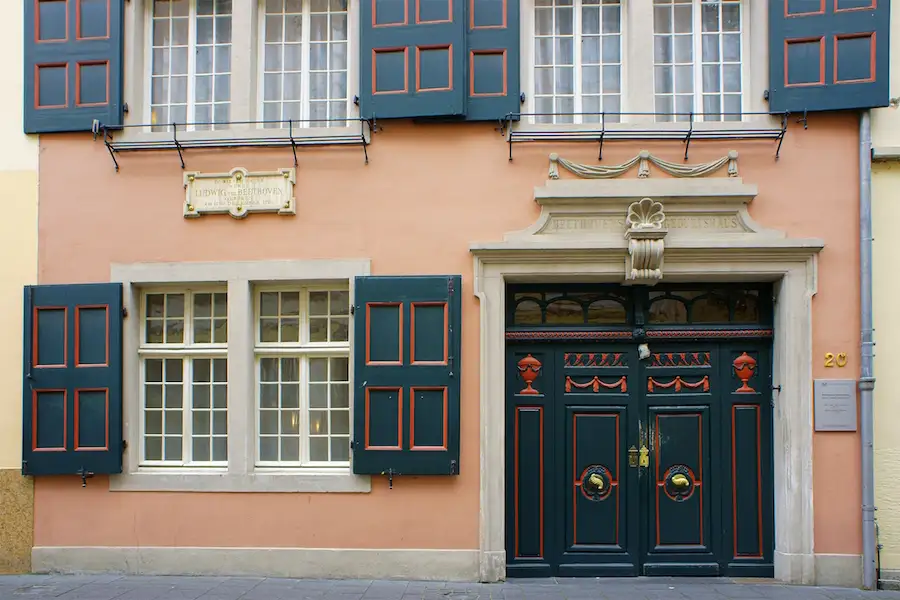
Beethoven-Haus

See the home where Ludwig van Beethoven was born in an attic room in 1770.

Beethoven was born here thanks to his father's position as court musician with the Electorate of Cologne, whose capital Bonn was at the time. You'll see family portraits, pianos, Beethoven's death mask and ear trumpets, and the room he was born in. Other than the very creaky wood-floors, the museum is without listening stations as you'd expect, so you have to be a true Beethoven admirer to truly appreciate the exhibits by themselves. But thankfully there is music and his life story told on the audio guide, which we highly suggest if you want to get the most out of the museum.

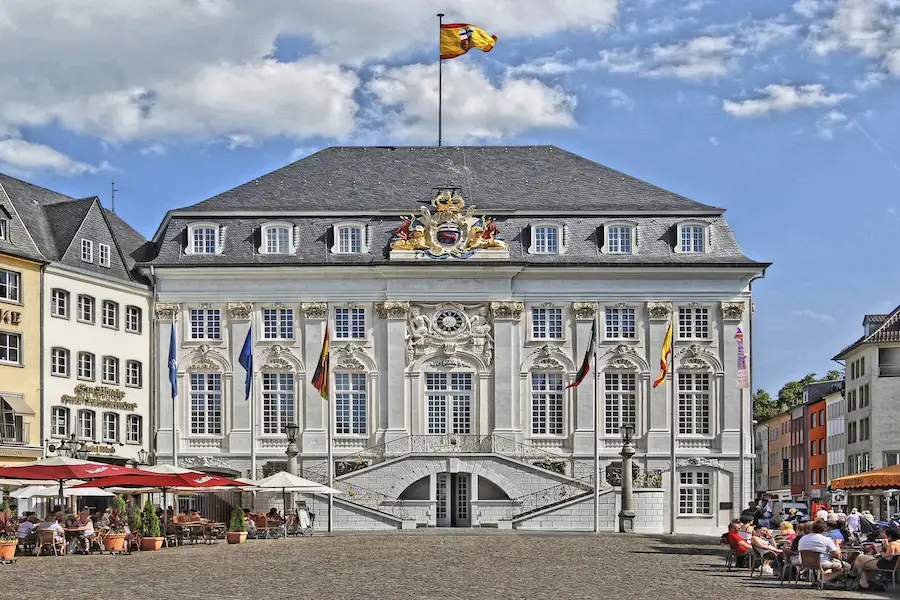
City Hall (Rathaus)

See one of the Bonn's liveliest squares in front of the historic town hall.

The Bonn town hall is an attractive 18th century roccoco building. Visiting VIPs during the town's halycon days as federal capital, like Charles de Gaulle and John F. Kennedy, would roll out in front of the crowds on the Rathaus steps. Today the square in front of the town hall is filled with cafes and is a favorite gathering place for both locals and visitors.

Haus der Geschichte

Take a trip back into the recent past and learn about the old West Germany.

For modern history buffs, the Haus der Geschichte is a museum dedicated to the story of the German state since 1945, looking at the social and economic rebirth of a nation in ruins. 

Kunstmuseum Bonn

Experience a unique gallery space filled with groundbreaking modern art.

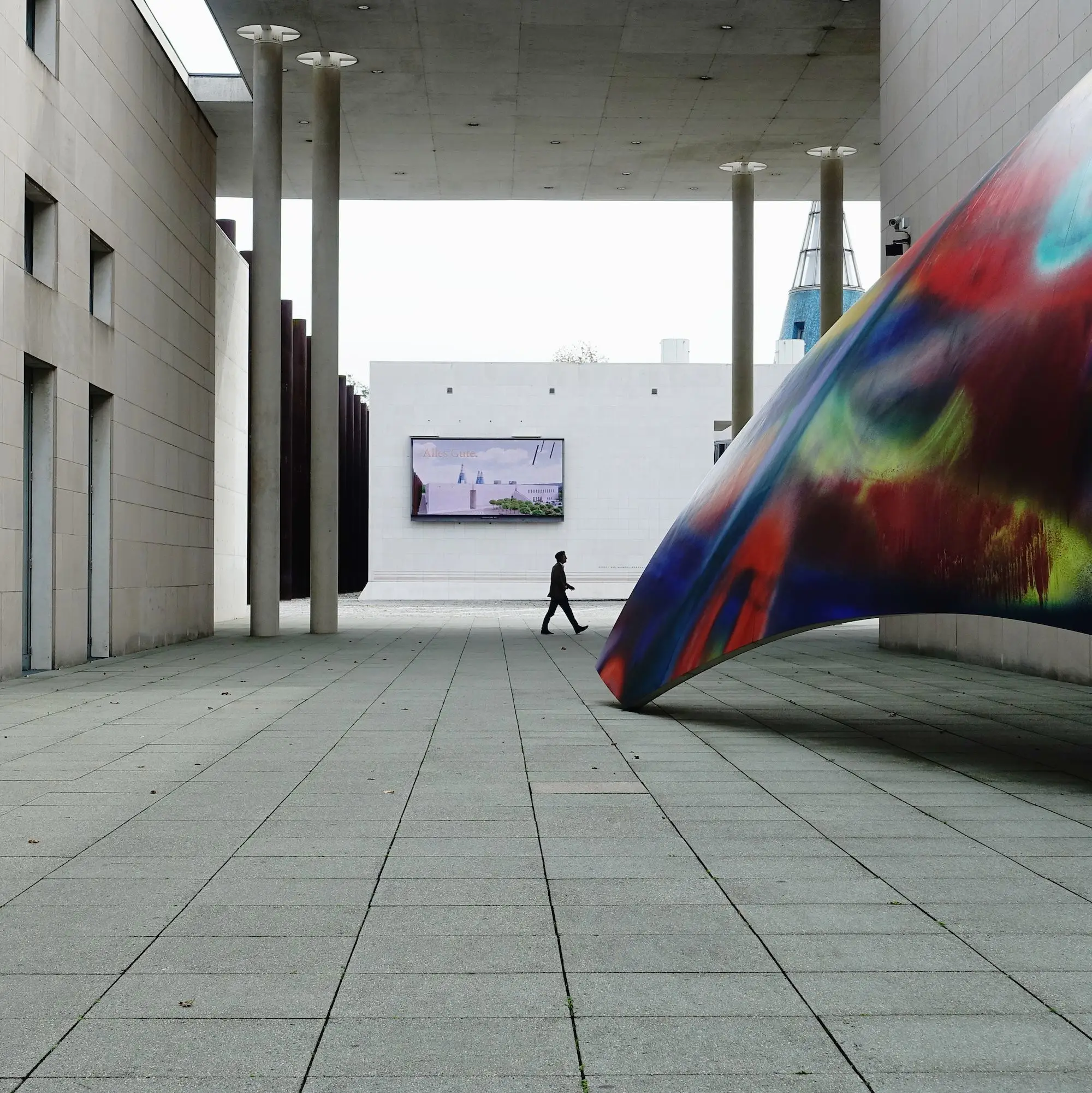
The Kunstmuseum is a splendid hub of German art, showcasing bright works by Rhineland expressionist August Macke, challenging pieces by abstract painter Ernst Wilhelm Nay, and slabs of contemporary colour by modernist Thomas Rentmeister. Its starkly beautiful modernist interior also contains a substantial collection of post-1945 German art. 

Afternoon/Late Afternoon — Old Town

Cologne has a history stretching well back into Roman times, and it is most famous for its massive Gothic Cathedral. While the Altstadt, i.e. the Old Town, is full of small alleyways and historic buildings, many are not in their original form because nearly three quarters of the city was leveled by WWII bombing raids. Indeed, in many ways Cologne feels like a modern city built onto the bones of an ancient city. With that said, there are many sites well-worth seeing, as well as great museums, such as the Romano-Germanic and Ludwig Museums. Taking a walk along the promenade on the Rhine River is also a must.

Cologne Cathedral

See Germany's most visited landmark for yourself and then climb a tower that was once the tallest in the world.

Construction began in 1248 but was paused in the 1500's and did not continue until the 19th century. Once completed in 1880, it was the tallest building in the world and to this day it has the tallest twin spires of any Gothic church in the world. The towers’ spires reach a height of 157 m (515 ft). The cathedral is as large as it is strong. During WWII the church was struck with 14 aerial bombs; its enormous size made it a good landmark for the Allied aircraft bombers. Although it was badly damaged by these attacks, it remained standing. The cathedral is home to many treasures, such as the high altar which was constructed in 1322 and is made out of solid black marble. Its most celebrated work of art is the Shrine of the Three Kings. The golden structure is believed to hold the remains to the Three Wise Men, whose remnants were brought from Milan in 1164. Those with a strong constitution can climb 533 steps to a viewing platform on the south tower.

Modern Art Museum/Ludwig Museum

Explore a tremendous collection of modern art from greats such as Pablo Picasso and Andy Warhol.

The Museum of Modern Art is a former collection of Peter Ludwig, a German chocolatier who is said to have had the largest private collection of art until his passing in 1996. Ludwig also helped many other museums by donating or lending them pieces from his collection after WWII. In 1976 Ludwig donated 350 art pieces, then valued at $45 million, to the Wallraf-Richartz Museum. The collection donated was so large that the Ludwig Museum of Modern Art was constructed. The collection ranges from Pop Art to Abstract and Surrealism. It is also said to be the largest collection of works by Pablo Picasso in all of Europe. The Cologne Card provides a 20% discount on entrance.

Church of Great St. Martin

Descend into the basement to find the Roman origins of this distinctive church.

The unusual crossing tower of the Church of Great St. Martin has shaped the Cologne skyline since the middle ages. Built on top of the remains of a Roman warehouse, it actually incorporates the remains. The church was severely damaged during WWII and during the repairs many archeological excavations took place. The reconstruction created a smooth transition from the foundations of the Roman warehouse to the walls of the church aisles. The church is open to the public and the Roman remains may be seen in the basement.

Chocolate Museum

Visit the real-life Willy Wonka Chocolate factory on an island in the Rhine River.

Founded in 1993 by Hans Imhoff and his wife, this museum is dedicated to the history and production of chocolate. The large complex sits on an island in the Rhine. It not only displays the discovery and history of chocolate as it was used by the Mayans and the Aztecs but also includes a walk-through palm house to show the environment in which cocoa beans are grown. The museum is also a working chocolate factory and visitors can see the production of chocolate from start to finish behind glass walls. Visitors even have the opportunity to create a custom bar of chocolate. As one of the most visited museums in the city, the Chocolate Museum is not to be missed. The Cologne Card provides a 25% entry discount.

Late Afternoon/Early Evening — Nazi Documentation Center, Self-Guided

Cologne’s National Socialism Documentation Center is the largest regional memorial site in Germany for the victims of Nazism. Housed in the city's former Gestapo Headquarters, the Center is a place of commemoration, learning and research all in one, with a highly effective and evocative interactive permanent exhibition at its core.

image

Day 7

Cologne

image

Day 8

Cologne to Munich

Day 8

Cologne to Munich

icon
icon
icon
icon
icon

7:45 AM

Taxi Dropoff at Rail Station

There are two main rail stations where visitors depart from Cologne. You will likely depart from the Cologne main station (Köln hbf, i.e hauptbahnhof), but be careful to check that you should not depart from the station Messe/Deutz, which is located just across the river. Before spending money on a transfer, be sure to check whether your hotel is within easy walking distance. Also consider that public transport is the cheapest and sometimes fastest option. If staying at a hotel, they can order a reliable taxi. Some private transfers will even help with your bags. Uber is also available for those with the app.

Taxi Dropoff at Rail Station

7:45 AM — Taxi Dropoff at Rail Station

There are two main rail stations where visitors depart from Cologne. You will likely depart from the Cologne main station (Köln hbf, i.e hauptbahnhof), but be careful to check that you should not depart from the station Messe/Deutz, which is located just across the river. Before spending money on a transfer, be sure to check whether your hotel is within easy walking distance. Also consider that public transport is the cheapest and sometimes fastest option. If staying at a hotel, they can order a reliable taxi. Some private transfers will even help with your bags. Uber is also available for those with the app.

08:44 - 13:06 — Rail Cologne to Munich

In most cases, you will travel on a EuroCity or InterCity train, which is a modern and comfortable train with air conditioning and usually a good wifi connection. This train ride will take you through the charming countryside of the German states of North Rhine-Westphalia, Hessen, and Bavaria before arriving in Munich. The rail journey will take approximately 4.5 hours.

1:06 PM — Transfer from Rail Station

Most trains arrive in Müchen Hbf station, the largest station in the city. Before spending money on a transfer, be sure to check whether your hotel is within easy walking distance. Also consider that public transport is the cheapest and sometimes fastest option - there is a subway and local rail station co-located with the train station. Taxis are available at all rail stations and are generally honest. Some private transfers even meet you directly on the platform to help with bags. Uber is also available for those with the app.

Afternoon/Late Afternoon — Altstadt

Munich boasts a large old town (Altstadt) with many beautiful historic buildings. Sometimes called the world's largest village, it is a perfect place to wander. You will discover many Medieval, Renaissance, and Baroque buildings, as well as several stunning examples of modern architecture. Pleasant cafes, beer halls, cozy restaurants, and great shopping all add to the charming atmosphere.

Hofbräuhaus

Enjoy some fine Bavarian brews in a beer hall that dates back to 1589.

Originally built in 1598 by Maximilian I, Duke of Bavaria, as an extension to the state brewery, this beer hall was opened to the public in 1828, remodeled in 1897, almost completely destroyed during World War II, and reopened following its restoration in 1958. It is now situated across three floors, with a restaurant, ballroom, and beer garden, and is one of the largest tourist attractions in the city as well as a favorite of locals. This is where the ingurgitation of vast quantities of beer and pretzels has been taking place since 1644. Even if you're a teetotaller, you'll want to at least take a look at the interior of the three-storied temple to the consumption of fermented hops and watch the odd local quaff his or her ale amid the sea of tourists. There's also an attractive courtyard where you can escape the din on a summer's day or evening.

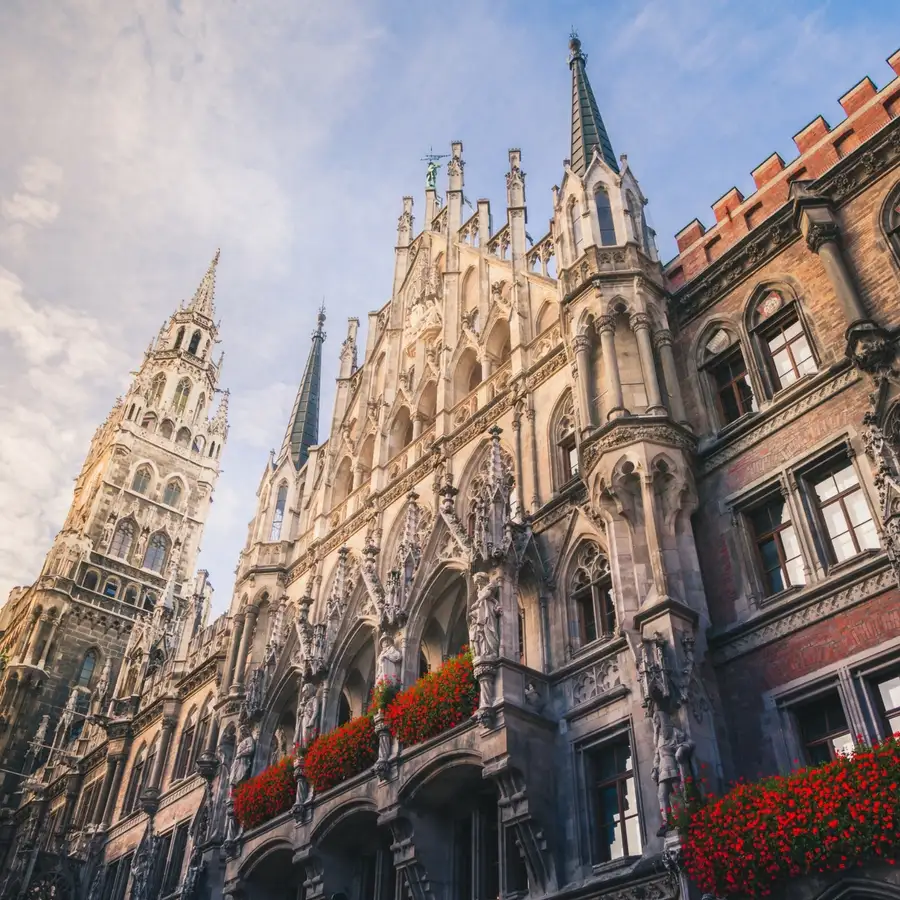
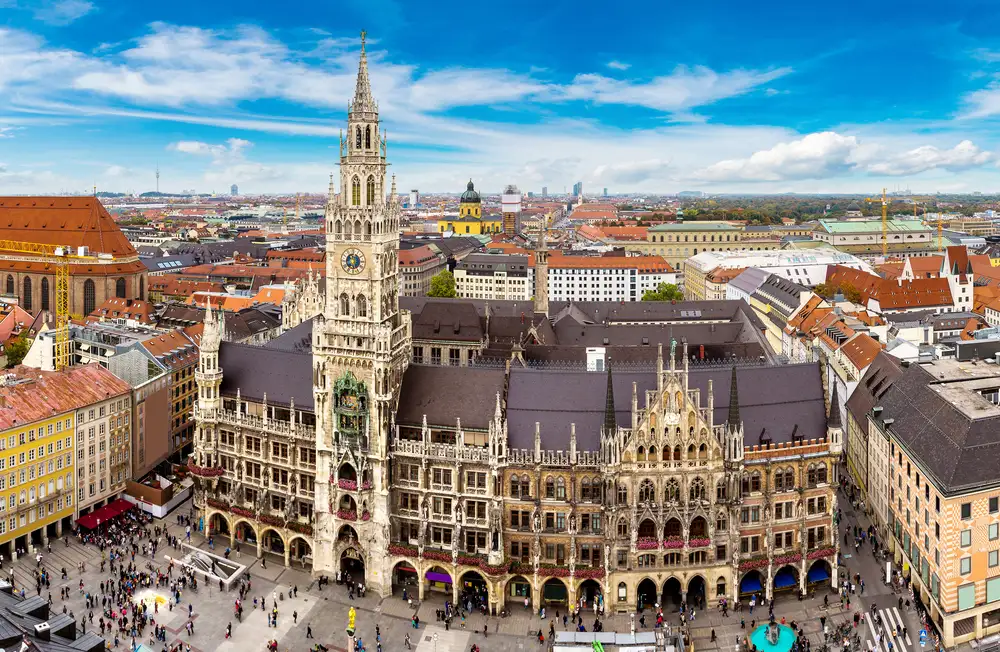
New Town Hall & Glockenspiel

Enjoy the mechanical show as the figures on the Glockenspiel on the New City Hall come to life and re-enact stories from the 16th century.

The Marienplatz is the main square of the Altstadt, and its centerpiece is the domineering facade of the neo-Gothic Neues Rathaus (New Town Hall). It is decorated with gargoyles and statues, including a dragon scaling the turrets. For a great view of the city, ascend the 279ft (85m) tower (elevator available to the left just inside the main entrance to the town hall). The highlight of the building is the Glockenspiel, which attracts large numbers of tourists at 11 am and noon (and 5pm in the summer) who come to watch the contraption in operation. There's dancing, a joust, and more, all set to musical chimes. Unusually, the New Town Hall mostly survived WWII intact, probably because it was used by Allied bombers as a direction finder for obliterating the rest of the city.

Peterskirche

Climb to the top of Munich's oldest church tower for what is still today its best view.

The best views of central Munich can be viewed from the 302ft (92m) tower of St Peterskirche, inner Munich's oldest church and possibly the city's origin point. The presence of a church on its site goes back to before the city's founding, and it has existed in a number of iterations since. Its nearly 3000ft-tall tower is affectionately called "Alter Pete" or "Old Pete" as a recognition of its significance to Munich's social and cultural history.

Viktualienmarkt

Assemble a gourmet picnic lunch in one of Europe's best known markets.

The Viktualienmarkt is one of Central Europe's finest gourmet markets where many of the stalls have been run by generations of the same family. Prices are high, but you can gather all the ingredients for an haute cuisine picnic and then seat yourself in the market's own beer garden to enjoy an al fresco lunch. The very existence of such a market in an old town quarter is the result of Munich's dedication to preserving its past. Fearing that fast food chains will replace the old-fashioned market stalls and quaint eateries that make the Viktulienmarkt one of Europe’s most charming squares, the city subsidizes the rent so they can survive on the some of Germany’s most expensive real estate.

Jewish Museum

Learn about Munich's rich Jewish heritage and see it's most striking synagogue.

The museum focuses on Munich's Jewish heritage, as well as Jewish history and culture in general, with a contemporary flair and modern means of display. Adjacent to the museum is the Ohel Jakob synagogue, which ranks among the most striking structures built in the city in recent years. It is the first synagogue to serve as the main synagogue of the city since the Nazi Kristallnacht (i.e. the Night of Broken Glass). Tours are offered but must be arranged 10 days in advance.

Frauenkirche

Restored Gothic church.

The Frauenkirche, or Church of Our Lady, dominates the Altstadt. This is because the twin onion-domed towers inspired the city council to prohibit any other building in the Altstadt from exceeding their height of 325ft (99m). Much of the interior was destroyed during WWII, but it has been rebuilt. An attraction that survived the bombing in original form is the Teufelstritt, or Devil's Footstep, at the entrance. This is a black mark resembling a footprint, which according to legend is the result of a deal the devil made with the builder to finance construction of the church on the condition that it contains no windows. The clever builder, however, tricked the devil by positioning columns so that the windows were not visible from the spot where the devil stood in the foyer. By the time the devil discovered that he had been tricked, he could not enter the already consecrated church. The devil could only stand in the foyer and stomp his foot furiously, which left the dark footprint that remains visible in the church's entrance today.

Evening — Augustiner Keller

This vast beer garden under leafy chestnut trees is immensely popular with the locals, so you can study the lederhosen-clad men and dirndl attired women at close quarters while quaffing the Augustiner's own Edelstaff beer from your Maßkrug (one-liter glass beer mug) and wolfing down a plate stacked high with Bavarian sausage and mashed potato.

image

Day 8

Cologne to Munich

image

Day 9

Munich

Day 9

Munich

icon
icon
icon
icon

9:00 AM - 11:30 AM

Guided Walk Tour of Historic Munich

Munich contains many reminders of a long and varied history but also encompasses the modern features of a strong and vibrant city. The insights of a local help make sense of the traditions, trends, and promises of Bavaria's Capital - sometimes referred to as the city of laptops and lederhosen. On this tour, your guide will show you the highlights of Munich and point out the many hidden treasures.

Guided Walk Tour of Historic Munich

9:00 AM - 11:30 AM — Guided Walk Tour of Historic Munich

Munich contains many reminders of a long and varied history but also encompasses the modern features of a strong and vibrant city. The insights of a local help make sense of the traditions, trends, and promises of Bavaria's Capital - sometimes referred to as the city of laptops and lederhosen. On this tour, your guide will show you the highlights of Munich and point out the many hidden treasures.

Mid-Day/Afternoon — Residence Palace

The Munich Residenz was the seat of Bavaria's Dukes and Kings from the middle ages until 1918. Originally a medieval castle, it was transformed over the centuries into a beautiful palace. Today it is open to the public and you can explore its magnificent interiors, numerous courtyards, and elegant garden. The living quarters of the royal family have been transformed into a museum which provides a fascinating glimpse into the lives of Kings and Queens. You can also peruse numerous jewels, gold objects, and other precious items which are held in the Residenz Schatzkammer (treasury).

Residenz Palace Museum

Wander where you will, audio guide in hand, through the spectactular royal residence.

You'll experience jaw-dropping architecture and beautiful artwork as you explore the museum and the adjacent Royal Treasury. Among the many highlights, unmissable is the Antiquarium, the largest and most lavish Renaissance hall north of the Alps. The window reveals are decorated with 102 views of towns, markets, and palaces in what was then the Duchy of Bavaria, providing an unique insight into how the country once looked. The Rich Chapel (Reiche Kapelle) was the private place of worship of Duke Maximilian I and his wife, and it was decorated with particular magnificence using colored marble and gilt reliefs. The Ornate Rooms (Reiche Zimmer) meanwhile represent a high point of the court Rococo style, and are works of art in their own right. 

Cuvilliés-Theatre

Visit what is perhaps the most ostentatious and sensually overwhelming building in Munich.

The exceptionally extravagant court theatre was built by Elector Max III Joseph's court architect François Cuvilliés between 1751 and 1755, and was intended to showcase Munich as a home to the arts and the enlightenment. It only survived the destruction of WWII because the elaborately carved tiers of boxes were removed from their original location in the Alte Residenztheater building for safekeeping. It's still used as a theatre today.FYI - to visit the Cuvilliés-Theatre you need to exit the museum and walk around the palace to get onto Residenzstraße and then re-enter the palace and cross through either the Chapel Courtyard or the Imperial Courtyard. 

Odeonsplatz

See the square where Hitler's Beer Hall Putsch came to a bloody end.

The square directly adjacent to the Residence is the Odeonsplatz, which is guarded by the Feldherrnhalle (Field Marshalls' Hall) in honor of the Bavarian army. It was here that Hitler's Beer Hall Putsch in 1923 came to a bloody end in a gun battle with the police. During the Nazi regime, anyone passing the Feldherrnhalle was obliged to give the Nazi salute, which prompted some locals to instead take a side street. The Nazis derogatorily nicknamed it the Shirkers' Alley, but the 'shirkers' are memorialized in a trail of brass cobblestones. Also on the square is the bright yellow Theatinerkirche with its two massive twin towers. It was the personal church of Bavaria's rulers and many of them are interred there.  

Afternoon/Late Afternoon — English Gardens

The English Garden is one of Europe's largest parks; in fact, it is larger than New York's Central Park. While it is called the "English Garden" after the style of the park, it was actually designed by an American-Englishman and is now a symbol of the very Bavarian city of Munich. The park is a perfect place to escape the city for a long stroll, where you can enjoy the natural scenery and the people watching.

Chinese Tower

Enjoy some Bavarian brews with the locals in Munich's second largest beer garden.

Located in the middle of the English Gardens, this beer garden (7,000 seats) is located beneath the wooden Chinese Tower. The 25 meter high (75 feet) pagoda was built in 1789 during a pan-European craze for all things East Asian. The food stalls around the pagoda offer traditional beer garden food such as Steckerlfisch (grilled fish on a stick), Hendl (roasted chicken) and Schweinshaxn (roasted pork knuckle). The beer served is Hofbräu and a Maß Hell (lager).

Eisbachwelle

Watch surfers catch some waves in the middle of the city.

At the extreme southern end of the park you can find one of the more unusual and entertaining pastimes enjoyed by the locals - surfing on the man-made Eisbach river. There is a standing wave produced by the water pumping mechanism and surfers line up along the bank taking turns entering the water with their boards. After a minute or so, successful surfers will voluntarily drop out, returning to the end of the line allowing the next person in line an opportunity. The water is cold and shallow (sometimes only 40 cm deep), making it suitable only for experienced surfers.

Early Evening/Evening — Maxvorstadt

Maxvorstadt is not just Munich’s most central nightlife hotspot, it’s one of the most historically fascinating neighborhoods in all of Bavaria. The area is often called the “Brains of Munich” for its concentration of arts and education centers, including seven universities and several museums and galleries. It’s a lively spot from day to evening to be sure, with a diversity of cozy bars, restaurants, and cafes appealing to the large student population and foreign visitors.

image

Day 9

Munich

image

Day 10

Depart Munich

Day 10

Depart Munich

icon

To Be Determined

Transfer to Airport

Munich has one main airport, Munich International Airport, where almost all visitors depart. The most affordable and often fastest way to reach the airport is by train. The "S-bahn" local trains takes 40 minutes and leaves directly from the main station in central Munich (München hbf). Other regional trains to the airport depart from other stations in Munich, so you may have an even better departure option near your hotel.  Your hotel can arrange a reliable taxi or if you have the app, Uber is also a good option. You can also arrange a private transfer. If you are picked up about 3 hours before your departure time, you should arrive at the airport with a little over 2 hours to spare, depending on traffic. If you are leaving during rush hour, you may want to budget an extra fifteen to thirty minutes.

Transfer to Airport

To Be Determined — Transfer to Airport

Munich has one main airport, Munich International Airport, where almost all visitors depart. The most affordable and often fastest way to reach the airport is by train. The "S-bahn" local trains takes 40 minutes and leaves directly from the main station in central Munich (München hbf). Other regional trains to the airport depart from other stations in Munich, so you may have an even better departure option near your hotel.  Your hotel can arrange a reliable taxi or if you have the app, Uber is also a good option. You can also arrange a private transfer. If you are picked up about 3 hours before your departure time, you should arrive at the airport with a little over 2 hours to spare, depending on traffic. If you are leaving during rush hour, you may want to budget an extra fifteen to thirty minutes.

image

Day 10

Depart Munich

What's Included In Western European Highlights Trip

Fork

Pre-Paid Tours and Activities:

  • Private Guided Walking Tour of the Center of Paris
  • Privately Guided Walking Tour of Amsterdam
  • Canal Cruise in Amsterdam
  • Guided Walk Tour of Historic Munich
  • City Cards for Cologne and Munich, including discounts to many popular attractions
train

Pre-Paid Transportation:

  • 2nd Class Train Tickets from Paris Nord to Amsterdam Centraal
  • 2nd Class Train Tickets from Amsterdam Centraal to Köln Messe/Deutz
  • 2nd Class Train Tickets from Cologne-Munich
  • Public Transport Tickets for Munich, Amsterdam, and Cologne
train

Accommodation:

  • 3 nights at a hotel of your choice in Paris
  • 2 nights at a hotel of your choice in Amsterdam
  • 2 nights at a hotel of your choice in Cologne
  • 2 nights at a hotel of your choice in Munich
mobile

Go Real Travel Mobile App:

  • Itinerary Plan & Reservations Info
  • Points of Interest
  • Detailed Travel Information
  • Maps & Directions

Other Trips You May Like

Trip image

17 Days

From$4530.9234235USD

European Castles & Cultural Tapestry Tour

View Trip
Trip image

21 Days

From$5199USD

Canals, Castles, and Culture: A Three-Week Journey in the Netherlands & Germany

View Trip
Trip image

10 Days

From$3780USD

European Epilogue: London, Paris, Amsterdam

View Trip
Trip image

10 Days

From$2995USD

Capitals of Culture: Exploring Paris, Amsterdam, and Berlin

View Trip
Trip image

13 Days

From$3699USD

An exciting and immersive 13 day tour of Paris, Amsterdam & Rome

View Trip
Trip image

10 Days

From$2980USD

Exploring the Best of Paris, Amsterdam, and Rome

View Trip
Trip image

9 Days

From$2829USD

Art, History, and Heritage in Amsterdam, Brussels, & Paris

View Trip
Trip image

14 Days

From$3895USD

Two-Week Adventure in Paris, Brussels, and Amsterdam

View Trip
Trip image

14 Days

From$4050USD

From Normandy to Bavaria: Exploring the Heritage of France and Germany

View Trip

Featured Blogs

Trip image
Europe
Romantic

16 Most Romantic Destinations in Europe

Trip image
Amsterdam
Romantic

18 Most Romantic Things to do in Amsterdam

Trip image
Netherlands
Travel guide

Plan a Trip To Netherlands: Your Ultimate Travel Guide

Trip image
Paris
Seasonal guide

The Best Time to Visit Paris: A Seasonal Guide

Trip image
Europe
Travel solo

Flying Solo: The Best Places to Travel Alone in Europe

Trip image
Germany
Trip planning

How to Plan a Trip to Germany – Step-by-Step Guide

Trip image
Germany
Villages

15 Most Beautiful Towns & Villages in Germany

Our Customers Say It Best

Malini Dutta, Boston, Massachusetts
We can't thank you enough for the detailed plans, maps, and suggestions. It really felt that someone was holding our hands and showing us around. We had all the excitement of discovering foreign lands, with none of the problems that can happen while negotiating unfamiliar places. In fact, all the cities felt like home within a few hours of arriving and exploring.
Bev and Mark Frankel, Williamsburg, Virginia
We could not be more pleased with Go Real Travel! You took the guess work out of things like public transport but still managed to allow us the freedom to tour as we wanted. Our guides were exceptional and every time I saw a Viking Cruise tour of 25 people, I realized the quality experience we were getting with Go Real.
Marianne Strydom, Paarl, South Africa
I just wanted to thank you for organizing an amazing trip for me – I packed in so much in such a short period of time and everything was just perfect. The way you do things makes it possible to really get to know the destination, which for me as a travel agent could not have been better.
Otto Chuy, Los Angeles, California
I am still surprised how everything worked as planned, without a hitch. All instructions in your itinerary were precise and correct. Your suggestions and comments in each of the locations we went to were very helpful. All your guides, without exception, were wonderful and exactly on time.

Explore cities in more detail

the Eiffel tower at sunset in Paris

Paris

The magic of Paris is undeniable. This is the most romantic destination in Europe, and surely the number one bucket list destination of all time. If you want to say you've traveled, you have to visit Paris at least once.  Along with classic must-sees like the Eiffel Tower and the  Sacre-Coeur, there is so much to see and do in Paris that it helps to narrow it down by interest. Fashion and shopping enthusiast? Look no further than the Galeries Lafayette, Avenue des Champs-Élysées, or the Marais. Art aficionado? Once you're done with the Louvre, make a start on the Musée d'Orsay. History buffs won't be able to walk a block without uncovering a monument to Napoleon or Louis XIV. If you visit Paris with a foodie, be warned — you'll gaze in a lot of patisserie windows, and sample your weight in croissants. Because Paris always has so much on offer, it never grows old.  At dusk, as you stroll the wide boulevards past Haussmann apartment buildings and sharply dressed Parisians, or gaze down at the city from the hill at Montmarte, you might find yourself saying 'Paris Je t' aime'. This is, after all, the City of Love.

A Row of Colorful Gable Houses by a Canal

Amsterdam

A waterside metropolis with a low-key vibe, a visit to Amsterdam is as fun and freewheeling as a fixed-gear bicycle. This is the city where you can let it all go. The streets of Amsterdam chime with bicycle bells and the laughter of people making their way between bars. Yellow wheels of cheese line shop windows, and in springtime, market stalls are abundant with the famous Dutch tulips.      Younger than other cities in the Netherlands, Amsterdam sprang to life in the 17th century, when it became flush with trade from the Dutch colonies. From the gable tipped houses standing shoulder-to-shoulder on the canals to the Rembrandt paintings hanging on the walls of the Rijksmuseum, Amsterdam is strewn with relics from the Dutch Golden Age. Whether you rent a bicycle, float down a canal, or just sip on an amber-colored lager and watch the world go by, Amsterdam makes a lasting impression from start to finish.   

Cologne cathedral next to a bridge across the Rhine

Cologne

As you travel through Western Germany, Cologne is a cheerful, fun city to stop for a night or two. Flanking both sides of the Rhine river, Cologne's delightful architectural pastiche reflects the breezy anything-goes attitude of its inhabitants. Like most German cities, Cologne took a hit during WWII, losing some of its old-world buildings and neighborhoods. However, thanks to the endurance of the Cologne Cathedral and iconic Hohenzollern Bridge, the city has kept its identity close to hand. Sometimes quite literally in the form of a glass of sparkling Kölsch local beer.  A visit to Cologne should always include paying a call to its eponymous Cathedral. A sensational, Gothic behemoth of a building and a UNESCO Heritage Site, Cologne Cathedral will get you right in the heart, humbling all who enter it. Just outside the cathedral, the Hohenzollern Bridge spans the Rhine, with three iron truss arches looping over the river like the bounces of a skimming stone. After wandering the riverside, if you're looking for some indulgence, Cologne's Chocolate Museum is an eternally popular choice. Maybe you'll be under the influence of the cocoa, but at the end of a day in Cologne, life can seem pretty sweet.       

old town square munich germany

Munich

Arriving in Munich, you would be forgiven for thinking you were on the set of a movie about old Bavaria. At the Old Town beer halls, barmaids laced in dirndl dresses serve up frosty Helles lager, as oom-pah music drifts across the Marienplatz square. Men in lederhosen and checked shirts merrily give toasts as they knock glasses, or steins, as they’re known here. They sit at tables laden with wurst sausage and giant pretzels oozing with herby butter. This is Germany’s Germany, a place where folk traditions never stopped, and the revelry doesn’t either. Even when it isn’t Oktoberfest, the town’s notorious beer-drinking celebration, Munich is always happy to show you a good time. Simply cast your eyes around the lavish, gilded banquet hall at the Munich Residenz, the 13th-century Wittelsbach palace. You’ll see Munich has been impressing guests for centuries. Or, swing by the BMW Museum and check out the classic German cars. They even let you sit inside to test out the new models. At the city’s English Gardens, surfers ride waves on one of the park’s rivers. Munich is filled to the brim with this kind of pure-hearted German fun.     
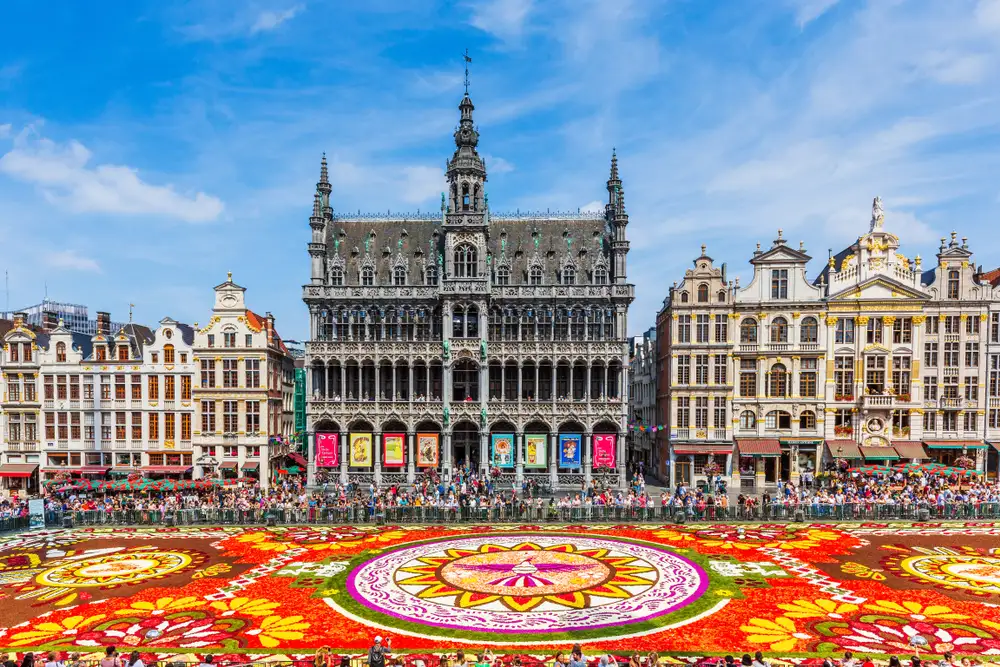
The Grand Place Square in Brussels

Brussels

It feels as though everything in Brussels is tinted with gold. From the gilded rooftops of the old houses on the Grand Palace to the foil-wrapped bonbons piled in chocolatier windows, Brussels seems to sparkle and wink at you around every corner. Aside from the lustrous architecture and Trappist ales, this shiny city is probably still best known for its iconic street food options: salty, golden fries, and fluffy, honey-colored waffles.    While a major political center, home of the EU and NATO, don’t be fooled by Brussels stern ‘Eurocratic’ facade. Brussels revels in cheeky humor and mischief. So much so, Brussel’s beloved mascot, the ‘Manneken Pis’, is a statue of a small child urinating into a fountain. The city takes great pleasure in dressing this statue in festive-themed costumes. It’s no surprise that the artist Magritte, one of the great visual tricksters of the 20th century, called Brussels home. After a few days exploring the city, and taking in its sights and scenes, you’re sure to come away smiling.         

pont du faisan

Strasbourg

Strasbourg, the enchanting capital of Alsace, blends French elegance with German charm in a way that feels utterly unique. This riverside city invites you to stroll through cobblestone streets where half-timbered houses and flower-decked canals paint a storybook scene. At its heart rises the majestic Strasbourg Cathedral, a Gothic masterpiece whose spire once made it the tallest building in the world. Nearby, the fairytale district of Petite France beckons with its winding lanes and medieval ambiance. Beyond its old-world beauty, Strasbourg proudly serves as the seat of European unity, home to institutions like the European Parliament. In winter, its world-famous Christmas markets transform the city into a glittering wonderland of lights, aromas, and festive cheer. Whether you’re admiring centuries-old architecture or savoring Alsatian cuisine beside the river, Strasbourg offers an experience that’s both timeless and alive with spirit.