

Cousins together at a reunion are pure magic.
Then real life kicks in: soccer schedules, school projects, different time zones, and suddenly “we’ll see them sometime” turns into a year.
What if one well-planned Europe trip could shift that into “we grew up together”?
I’m writing this for Gen X and Millenial parents doing the mental math of family trip planning: keep kids happy, adults engaged, and everyone fed and rested without turning the trip into a bootcamp. Multi-generational travel is up, but you don’t need a color-coded binder: just a few smart decisions so cousin bonding happens naturally and the logistics stay quiet.
Two honest notes before we get practical: you can’t force cousin closeness, and trips can create friction. Naming both early makes everything else easier, especially if you want the kids to remember how it felt, not what you managed to “cover.”
Start with a cousin-first trip design (so bonding happens naturally)
Choose a base that supports repeat contact
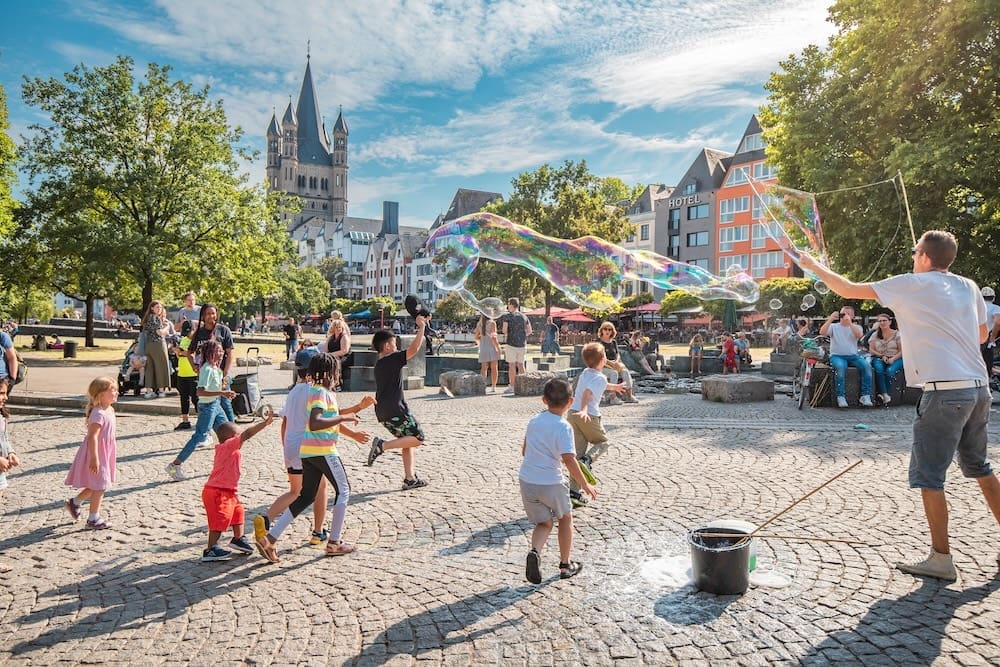
I’ve found the fastest way to get cousins talking is not a big “wow” day. It’s the small stuff: bumping into each other at breakfast, racing up the same stairs, arguing about who gets the window seat on the walk to the bakery.
If you change one thing first, make it your home base. Prioritize one or two bases over constant movement so cousins keep crossing paths in normal moments. That is where inside jokes show up, and it is also where adults stop feeling like cruise directors.
Families are leaning toward slower, simpler routing: custom trips have seen a recent 21% jump among families with children, and earlier planning is also proving more popular, as it protects everyone’s energy (and the cousins’ mood).
How this looks on the ground: pick a neighborhood where you can walk to breakfast, a park, and dinner without negotiating transit every time. When the “in-between” is easy, you get more true togetherness with less coordination.
Build simple rituals that repeat daily
Keep this part almost laughably simple:
- Morning pastry run (same place, same time).
- Daily gelato vote (everyone gets a say).
- Nightly two-minute photo recap (kids pick the funniest moment).
Small rituals build comfort fast, and comfort turns into play. The deeper win is predictability: when kids know what comes next, they spend less energy negotiating and more energy connecting.

Plan “wide” activities with optional intensity
Choose experiences with multiple lanes: a scenic lift where some hike down and others ride down, or a market where adults browse while kids do a snack scavenger hunt. Protect unstructured time, too. Bonding often happens in the margins, not the headline activity.
One planning lens that helps: ask whether an activity still works if someone needs to bow out for 45 minutes. If it does, it is probably a good fit for mixed ages, and you will avoid the pressure-cooker feeling that can make kids clingy and adults snippy.
First Mountain in Grindelwald is a great example: everyone can ride the lift up for the alpine views, then thrill-seekers can tackle the Cliff Walk (pictured below) or glider zip line, others can relax at the mountaintop restaurant or take an easy scenic stroll, and those wanting a bit of fun without a full hike can ride the mountain scooters down.

Pacing for mixed ages: keep adults engaged and kids happy without splitting the family all day
Design days with an “anchor” plus flexible options
Here’s the trick that makes cousin trip ideas actually work in real life: build each day around one shared anchor, then let households choose their own options around it. Which part of your day usually unravels first: mornings, transit, or dinner?
I used to overpack the day until I noticed something obvious in retrospect. Kids can do one big thing well. Two big things plus long transit is when things start to fray. Adults aren’t that different, especially if you are juggling naps, snacks, and “where is the bathroom?”
Sample day: late-morning hands-on food experience, downtime/playground, early dinner near your base, then a teen-friendly mini challenge while little kids wind down.
Why this works: it creates a shared story each day, but it does not demand identical energy levels. That’s how you keep the group together without insisting everyone does everything.
Use geography to reduce meltdowns (walking distance is destiny)
In mixed-age travel, geography is strategy. Keep daily transit short and avoid the triple hit of long walks with luggage, late dinners, and rushed connections. When cousins are tired, bonding gets harder and patience gets short.
Go Real Travel notes kid-friendly rail details, like special train carriages on some routes, which can make transit noticeably calmer. A calmer transit hour can save the afternoon: less friction, more together time.
One practical habit: after you sketch a day, estimate door-to-door transitions (hotel to train, train to lunch, lunch to downtime). If you have more than two “big transitions,” simplify. Cousins bond when they have time to just be kids.
Make grown-up enjoyment visible, not guilty
Pick kid-friendly experiences adults truly enjoy: neighborhood wandering with a purpose, markets with tasting stops, gentle nature with a cafe endpoint. And build “teen autonomy windows” in safe zones: a gelato errand, a supervised wander in a pedestrian area, a quick challenge to photograph five “textures of the city.” Autonomy is often how older cousins bond.
This is also a good moment to model travel confidence. When kids see adults relaxed about navigating a new place, they take the cue that they are safe, and they loosen into the trip instead of holding tight to routine.
Large group travel logistics that protect relationships (and keep the cousins in the center)
Decide how you’ll decide (before you pick places)
Large group travel logistics can either fade into the background or quietly poison the mood. Use a simple system: one coordinator per household, a shared doc, and a tie-break rule.
A tip that saves friendships: decide what requires full-group agreement (dates and home base) versus what can be optional (museums, shopping, a morning run). Most conflict comes from treating every decision like it needs consensus.
Money, fairness, and expectations: set them early and kindly
What’s the one topic your family avoids that always bites later?
Fairness is usually the trip stressor: who pays, who plans, who gets downtime. Pew data shared via Business Insider shows multigenerational households quadrupled between 1971 and 2021; more families are already practicing shared systems, so bring that clarity into travel early.
- Pace: early birds vs slow starters (and one non-negotiable quiet hour).
- Meals: reservations vs flexible grazing.
- Together time: when the full group must be together (and when it’s optional).
The “safety net” that still feels independent
Some families resist structure because they fear it will feel controlling. I get that. But a light framework is what creates freedom: pre-booked transport, clear meeting points, and a humane sick-day plan. That’s the invisible support layer.
For multi-household Europe travel, a thoughtfully designed plan reduces decision fatigue: pacing and flow, geography that works on the ground, and key details in one place. With Go Real Travel custom travel itineraries, our mobile app keeps day-by-day context, directions, transport instructions, and confirmations together so you’re not digging through inboxes when everyone’s ready to move.
To start, draft a one-page “Cousin Connection Trip Brief”: travelers + ages, one shared goal, two non-negotiables, and your pacing preferences.
FAQ
How do you plan a multi-generational travel itinerary that keeps cousins together without exhausting everyone?
Aim for one shared anchor each day (a late-morning activity or an early dinner), then offer options by energy level. Limit to one or two bases, protect downtime, and use this pacing + logistics guide as your checklist: Go Real Travel.
What are the hardest large group travel logistics in Europe for families?
Arrivals, realistic transit, meals for mixed ages, and decision-making without friction. A shared doc, clear roles (who books, who confirms, who communicates), and fewer lodging changes solve more problems than a packed sightseeing plan.
What are good cousin trip ideas in Europe that work for both kids and adults?
Look for “wide” experiences with multiple ways to participate: scenic rail or boat rides, markets with snack missions, gentle nature walks with a cafe endpoint, and neighborhoods where everyone can wander safely and regroup easily. The best bonding often happens during playground stops, pool time, and evening games.
How far in advance should we start family trip planning for a cousin-focused Europe trip?
Start early for multi-household trips: align school calendars, room setups, and trains first, then lock your route and lodging style before you pick experiences.
Can a custom itinerary still feel flexible for independent travel?
Yes. The sweet spot is handling the non-fun parts (routing, tickets, transfers, clear instructions) while leaving breathing room for spontaneous choices. Go Real Travel designs trips around your pace so the structure supports flexibility rather than fighting it.