




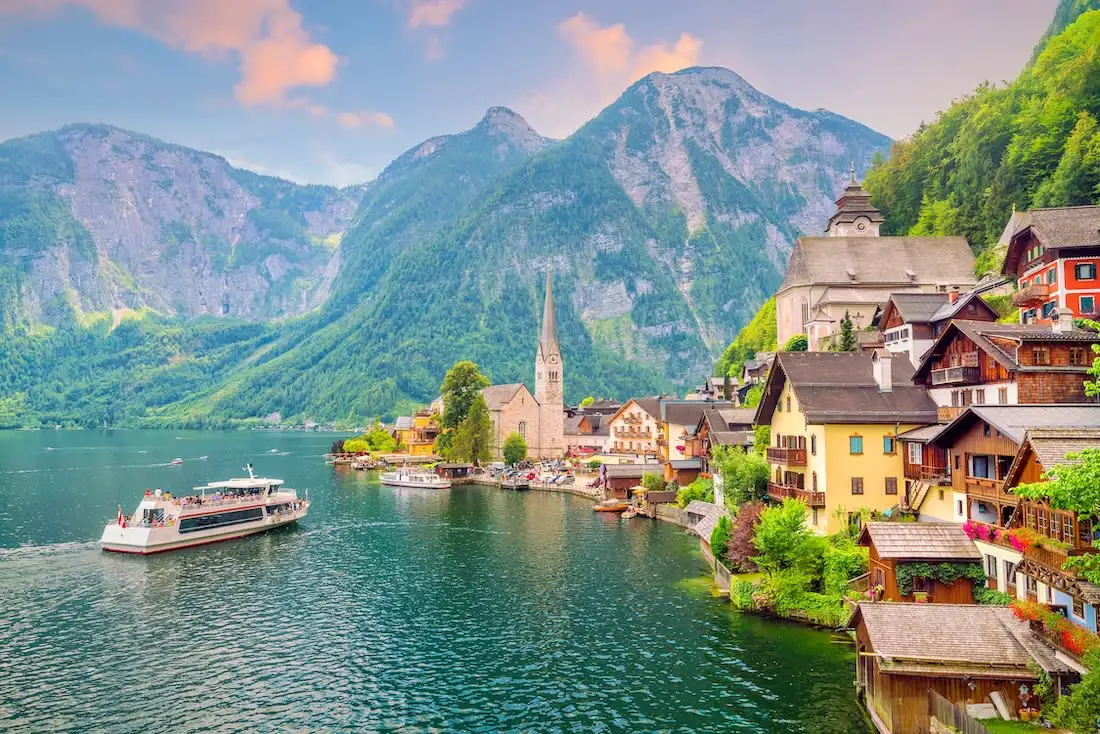


Recommends us Facebook
The hotels are excellent! The itinerary offers you a lot of free time to explore on your own. Customer service is extraordinary.
 3 Day Tour of Vienna
Destinations on this trip: Vienna
Overview
Trip Map
Itinerary
Inclusions
Reviews ★4.9


 DurationBest time
 From
From


Must see sights
Starting from
per person
 Not included
 Price varies by group size, hotel selection, and travel season.
Enter your details to embark on a journey that can be tailored just for you.
Start
Travelers
Preferred Hotel Stars

Select your interests and destinations for a trip plan inspired by you.
| ← | Move left |
| → | Move right |
| ↑ | Move up |
| ↓ | Move down |
| + | Zoom in |
| - | Zoom out |
| Home | Jump left by 75% |
| End | Jump right by 75% |
| Page Up | Jump up by 75% |
| Page Down | Jump down by 75% |


Click To Make Map Interactive
Arrival
2 nights
Vienna
Austria
Departure
Day 1
Arrive Vienna

Day 1
Arrive Vienna


To Be Determined
Vienna has one main airport, Vienna International Airport, where almost all visitors arrive. Taxis are available directly at the terminal exit, or you can arrange a private transfer for added convenience. Uber is also available to those who have the app.

Day 1
Arrive Vienna

Day 1
Arrive Vienna
To Be Determined:
Taxi Transfer to Hotel
Mid-Day/Afternoon:
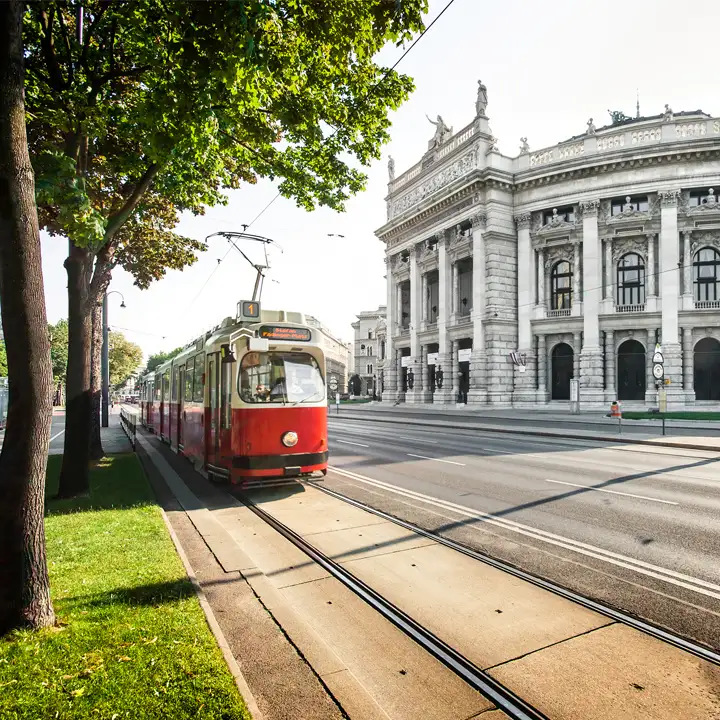
Ring Street
Afternoon/Late Afternoon:
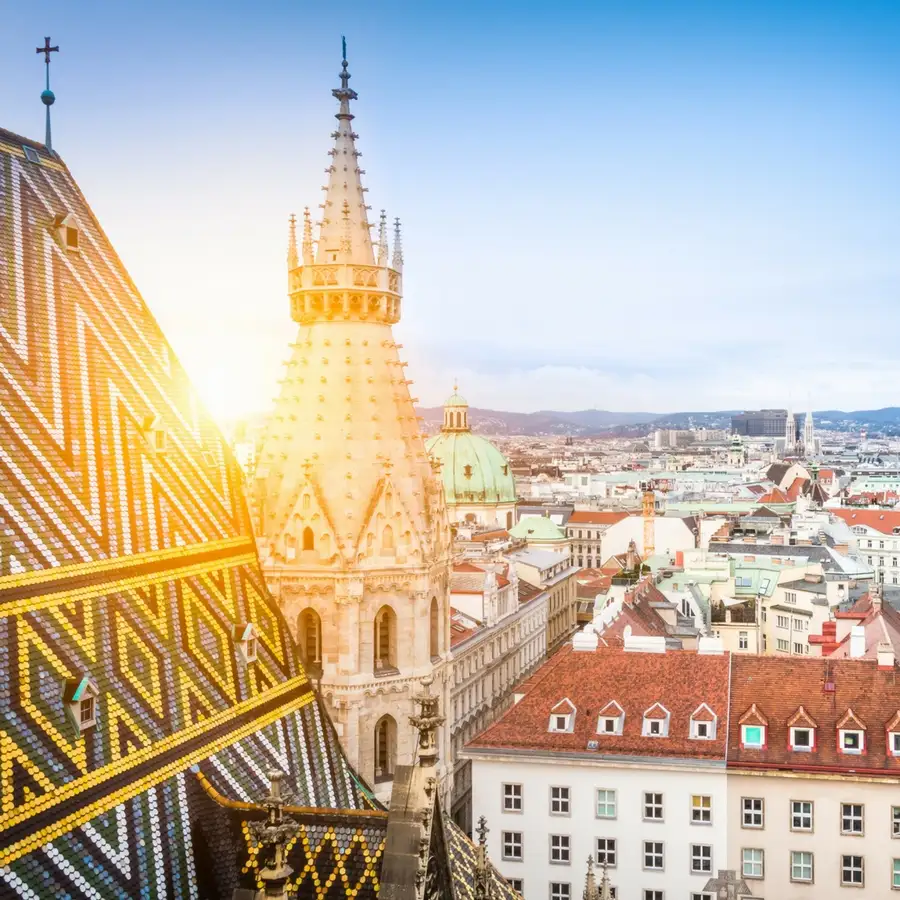
Inner City
Early Evening/Evening:
Spittelberg Quarter
Taxi Transfer to Hotel
OverviewTaxi Transfer to Hotel
Vienna has one main airport, Vienna International Airport, where almost all visitors arrive. Taxis are available directly at the terminal exit, or you can arrange a private transfer for added convenience. Uber is also available to those who have the app.
Taxi Transfer to Hotel
OverviewTaxi Transfer to Hotel
Vienna has one main airport, Vienna International Airport, where almost all visitors arrive. Taxis are available directly at the terminal exit, or you can arrange a private transfer for added convenience. Uber is also available to those who have the app.
Taxi Transfer to Hotel
OverviewTaxi Transfer to Hotel
Vienna has one main airport, Vienna International Airport, where almost all visitors arrive. Taxis are available directly at the terminal exit, or you can arrange a private transfer for added convenience. Uber is also available to those who have the app.
Taxi Transfer to Hotel
OverviewTaxi Transfer to Hotel
Vienna has one main airport, Vienna International Airport, where almost all visitors arrive. Taxis are available directly at the terminal exit, or you can arrange a private transfer for added convenience. Uber is also available to those who have the app.
Taxi Transfer to Hotel
OverviewTaxi Transfer to Hotel
Vienna has one main airport, Vienna International Airport, where almost all visitors arrive. Taxis are available directly at the terminal exit, or you can arrange a private transfer for added convenience. Uber is also available to those who have the app.
Day 2
Vienna
Day 2
Vienna


9:00 AM - 11:30 AM
This tour takes you back in history to explore the Vienna that stood within the old city walls. You will learn about the humble beginnings of Vienna before it became the capital of a great empire and one of the most important cities in Europe. You will discover how Vienna's early inhabitants lived and how they left their mark on the city and its beautiful Medieval, Renaissance, and Baroque architecture.

Day 2
Vienna
Day 3
Depart Vienna
Day 3
Depart Vienna

Morning
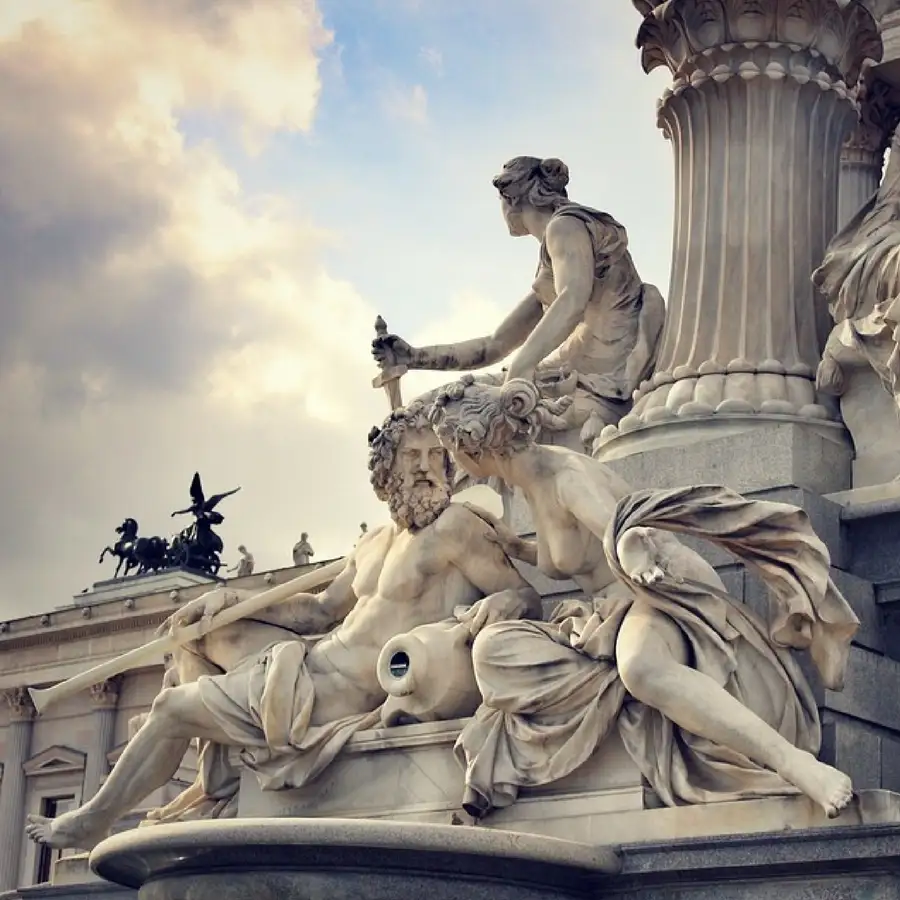
The magnificent Baroque palace of Schönbrunn is most famously associated with Empress Maria Theresa, who lived here surrounded by 16 little archdukes and duchesses who also happened to be her children. On your tour of the palace, you will see how Maria Theresa and other past imperial residents lived. No visit is complete without a stroll in the vast gardens surrounding the palace.

Join local families enjoying one of Europe's best zoos.
Show More
Get lost in the huge imperial gardens.
Show More

Join local families enjoying one of Europe's best zoos.
Show MoreGet lost in the huge imperial gardens.
Show MoreJoin local families enjoying one of Europe's best zoos.
Show MoreDay 3
Depart Vienna
Pre-Paid Tours and Activities:

Pre-Paid Transportation:

Accommodation:

Go Real Travel Mobile App:
See what travelers who went to these destinations have to say.
Average traveler rating
Based on 326 traveler reviews
The hotels are excellent! The itinerary offers you a lot of free time to explore on your own. Customer service is extraordinary.
Daniel Sharkey
My sister and I just returned from an amazing two week trip to Central Europe, thanks in large part to #Go Real Travel. What a terrific travel company!!! They listened to our ideas and mapped out a plan for us to visit Budapest, Vienna, and Prague. They made all of our hotel reservations, purchased train tickets, included all of our private transfers to and from the airports, trains and hotels, and included a private, English-speaking walking tour of each city. The hotels were lovely and within walking distance of the heart of each city. A breakfast buffet was included with each. The tour guides were well informed, friendly, gave us a good overview of each city and taught us how to use public transportation. All the drivers were very friendly and gave us mini-tours along the way. Our private itinerary was on an app that we followed with daily reminders. We found the staff to be very responsive and communication with them easy. All of the plans and connections went smoothly with no problems!!! I highly recommend Go Real Travel and will definitely use them again!!!
Nancy Pullen
We had a wonderful experience. The tours were great. We did have a tiny hiccup but we figured it out.
Kathleen Kraus
Excellent experience with GoRealEurope! Since I knew nothing about the area, I was hesitant to tackle planning a Christmas holiday trip to Vienna and Salzburg. GoRealEurope tailored the trip to our interests and provided an extremely detailed itinerary complete with landmarks and background information on each of the sites we visited. They also made hotel reservations and provided tickets, travel instructions, and taxi arrangements for all local and inter-city transportation. Our agent, Brendan, arranged to have private English speaking tours that provided an overview of our destination cities, and also set up dinner reservations for several evenings of our stay. All in all, my husband, myself, and my children (age 21 and 19) had a wonderful time. I would not hesitate to recommend them to anyone. My one suggestion would be to include the name of the Google Maps destination in some of the walking directions, as we found it easier to follow our phone map than the printed instructions in those cases. Also, once the initial itinerary is established, the customer needs to review carefully and be proactive in contacting the agent in order to make changes. Since we were traveling over Christmas, some tweaks were needed to account for holiday closings.
JoAnn Barney
We used Go Real Travel for our very first trip to Europe. It was well orchestrated and exceeded all of our expectations. Martin stated in our first conversation that their trips were like meeting family in each city, and he was right. Every tour guide felt like family and treated us to unique experiences, with their own personal perspective. Samantha was responsive to any email questions I had and their 24 hour phone line was also reassuring. I would not hesitate to use Go Real Travel on our next trip and have told several friends about our experience, they also plan to look into using them.
Lynn Barnes-Wallace
This was our first time to use GoReal Europe and they are fantastic. All our guides, travel arrangements and accommodations were perfect. The guide book they prepare is fabulous, complete with pictures so you know exactly where to catch a bus. It was a pleasure to plan our trip and then execute it with their help. You won't regret using their service!
Linda Bryce
Our latest reviews from across all trips on Trustpilot.



How to Plan the Perfect Family Trip to Europe
11 Tips for First Time Travelers to Europe

What’s The Best Time to Book International Flights to Europe?
Flying Solo: The Best Places to Travel Alone in Europe

10 European Cities to Visit in Winter
14 Most Beautiful Villages in Austria: Discover the Hidden Gems
How to Plan the Perfect Family Trip to Europe
11 Tips for First Time Travelers to Europe
What’s The Best Time to Book International Flights to Europe?
Flying Solo: The Best Places to Travel Alone in Europe
10 European Cities to Visit in Winter
14 Most Beautiful Villages in Austria: Discover the Hidden Gems
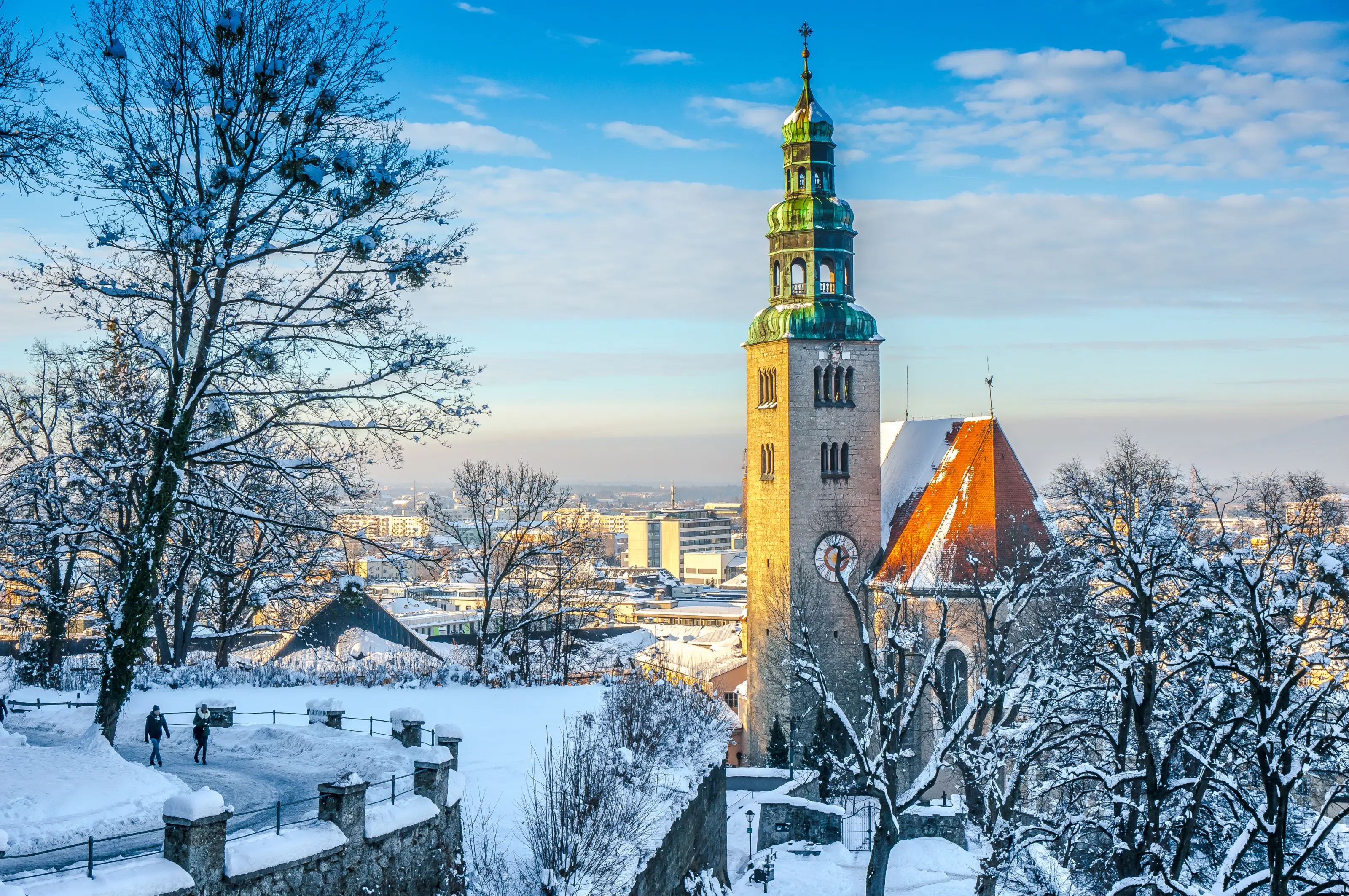
You've probably heard this before— the city of Salzburg is straight out of a fairytale. Nestled in the mountains, this romantic city's Baroque architecture with colorful domes and spires is especially striking against the ancient fortress and Austrian Alpine backdrop. If you're looking for an amazing view, climb up to Hohensalzburg Fortress, Central Europe's largest intact fortress, for a jaw-dropping panorama of the city backed by misty mountains. Perhaps most famous for being the birthplace of the renowned composer Wolfgang Amadeus Mozart and the filming location for the classic The Sound of Music, this city has much to offer. Salzburg has become an important artistic and cultural center, featuring magnificent concert halls that uphold the city's tradition of classical music every day of the year, as well as acclaimed art exhibitions and museums. If you do it right, your visit to Salzburg will immerse you in the city's unforgettable atmosphere and keep you coming back for more.

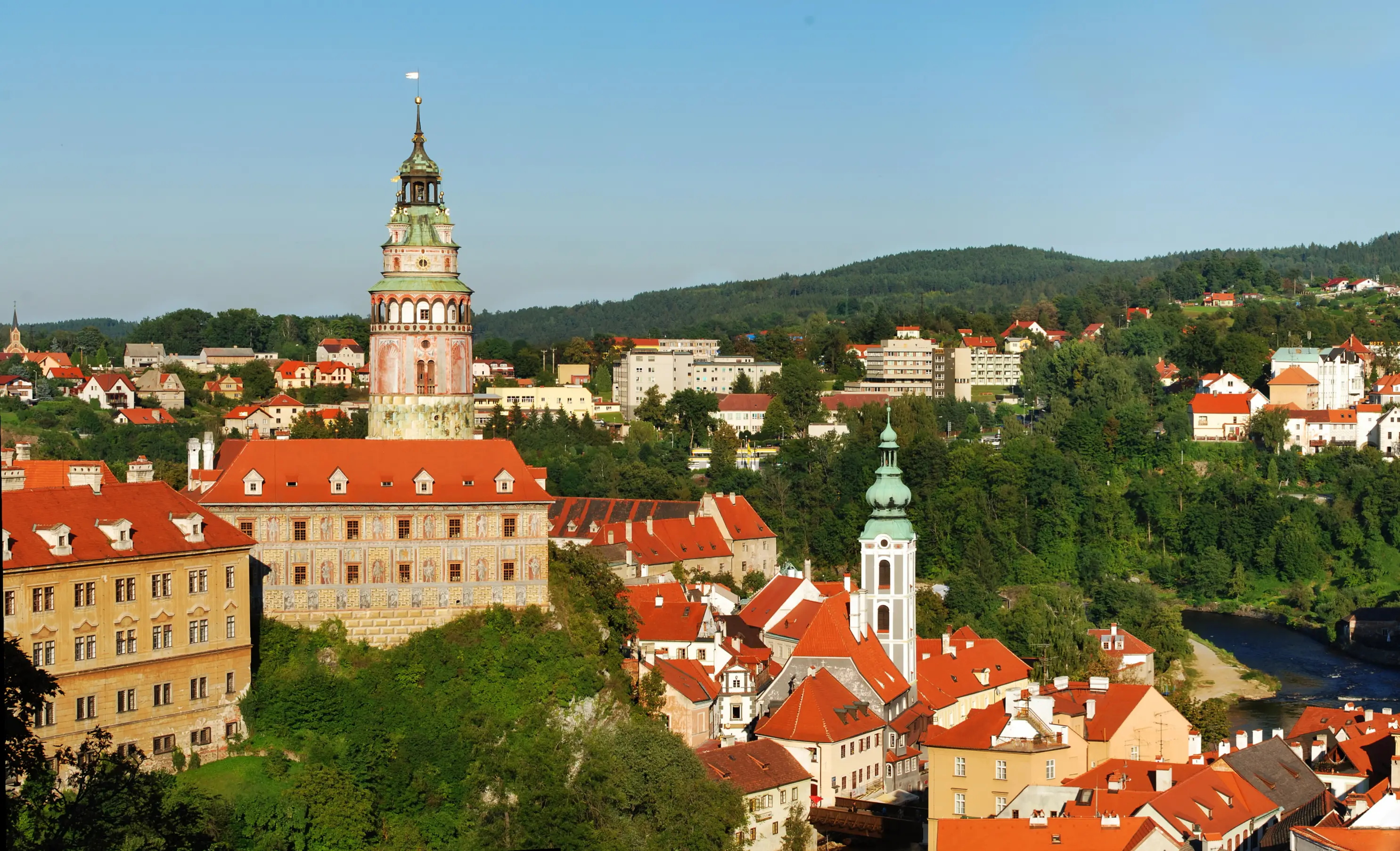
Cesky Krumlov is a charming little town in South Bohemia. It might be small, but it’s full of whimsical character and mystery. Walking through the narrow streets and across the bridge, the views of the medieval Cesky Krumlov Castle will take your breath away. At night, street musicians serenade visitors on the bridge where you can dance beneath the stars and the watchful eye of the magnificent tower. Dozens of unique local artisan shops, cafes, and restaurants are woven among the winding streets. In the summer, the city is lush with life and greenery. Rafters race down the river, stopping in the center along the way to enjoy a hearty meal before continuing their journey. In the winter, the main square transforms into a magnificent Christmas market and light blankets of snow cover the rooftops. This quaint little town will exceed your expectations and you may never want to leave.
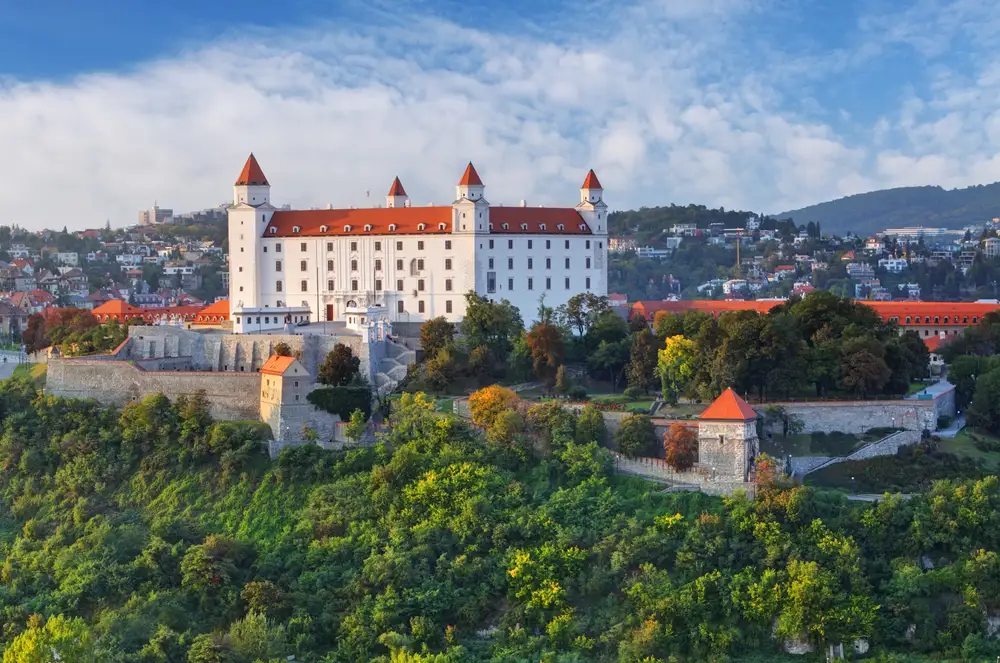
Bratislava is one of the most up-and-coming cities in central Europe. After years in the shadows of the Soviet bloc, and often drowned out by Prague, Bratislava has finally broken out. The Bratislavan region is now one of the richest per capita in the EU. This economic upswing has infused Bratislava with a newfound zeal. Trendy cafes and cool shopping centers are popping up everywhere, and the city’s already happening nightlife scene is only set to get better. Still less crowded than its central European neighbors Prague, Vienna, and Budapest, but just as intriguing, there’s really never been a better time for a visit to Bratislava. Ruled over by the Hungarians, Austrians, and most recently the Soviets, Bratislava is a city of strange contrasts. As soon as you arrive in Bratislava, you’ll see the pastel-hued churches, baroque houses, and the cobbled Old Town Square brush shoulders with modern brutalist buildings, retrofuturistic towers, and the clunky communist built UFO bridge. The city’s oldest building, its castle, is set atop the western edge of the Little Carpathian Hills like a trophy, the city’s hard-won main icon. For the first time in nearly a millennium, Bratislava has now seized control of its own destiny, and it shows.
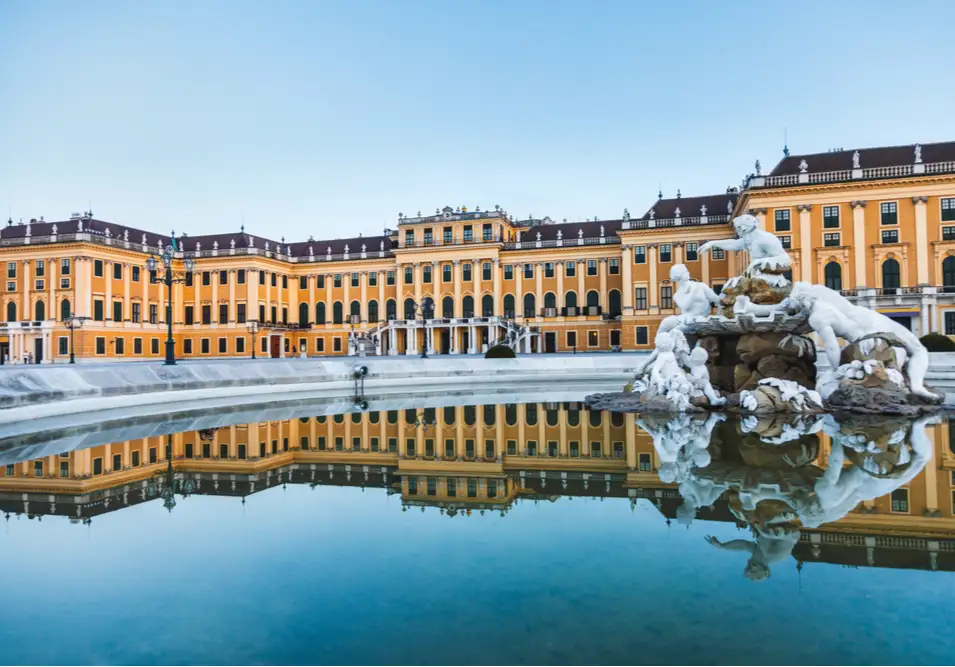
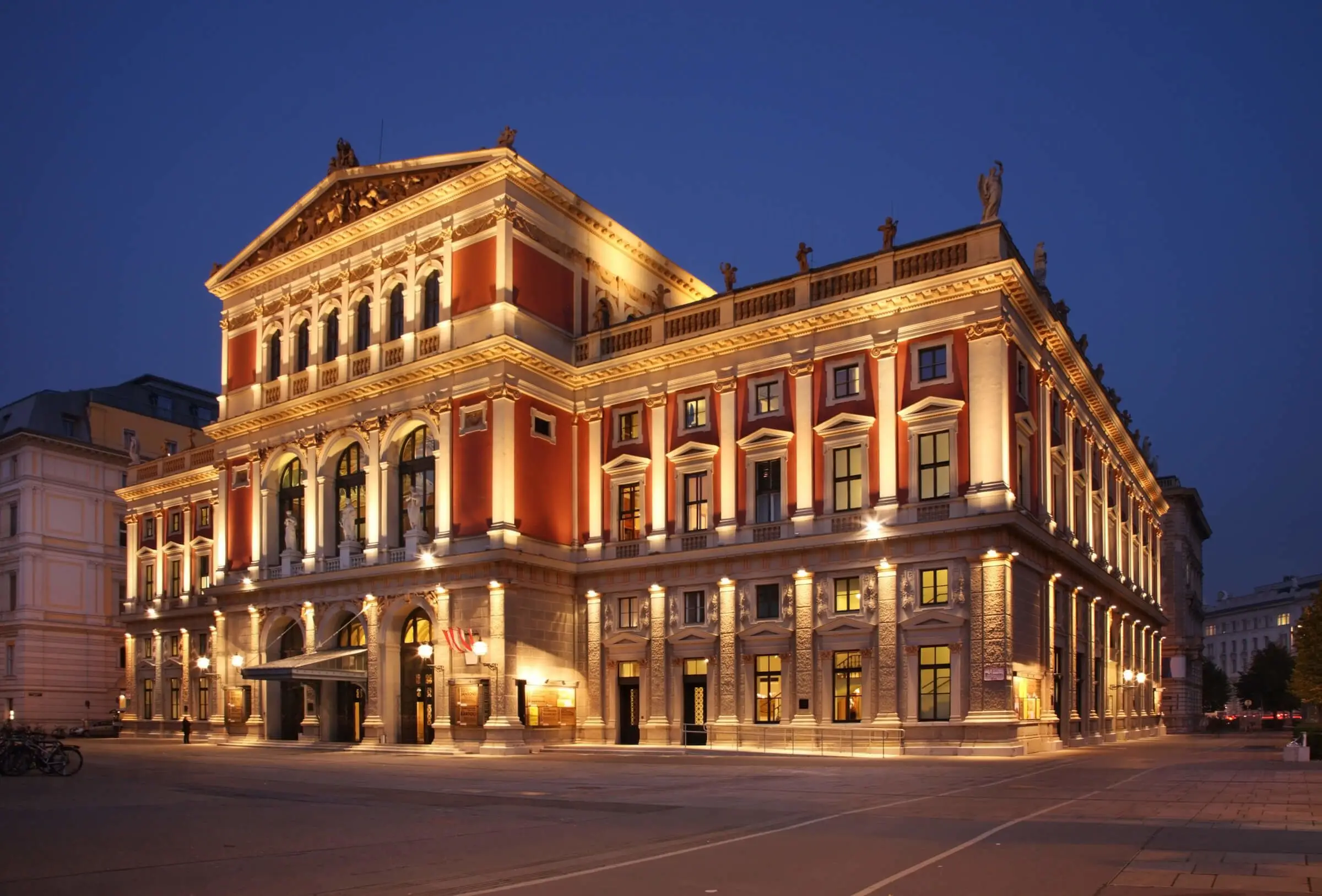
Artistic and musical, historical and elegant, Vienna is the definition of class. The seat of the Habsburg monarchy for over six centuries, it's no wonder this city is still fit for royalty. Baroque buildings and imperial palaces dominate the cityscape, while locals stride gracefully through the streets, likely on their way to a classical music concert or art exhibition. Visitors from all over the world flock to Schonbrunn Palace, historical museums, and local eateries for authentic Viennese schnitzel. Vienna is also home to world-class wining and dining. Famous dishes include Wiener schnitzel, Tafelspitz (prime boiled beef), and apfelstrudel (apple strudel), all of which pair well with a glass of fine Austrian wine. No matter how long you spend in Vienna, you'll leave with a new appreciation for the finer things in life.
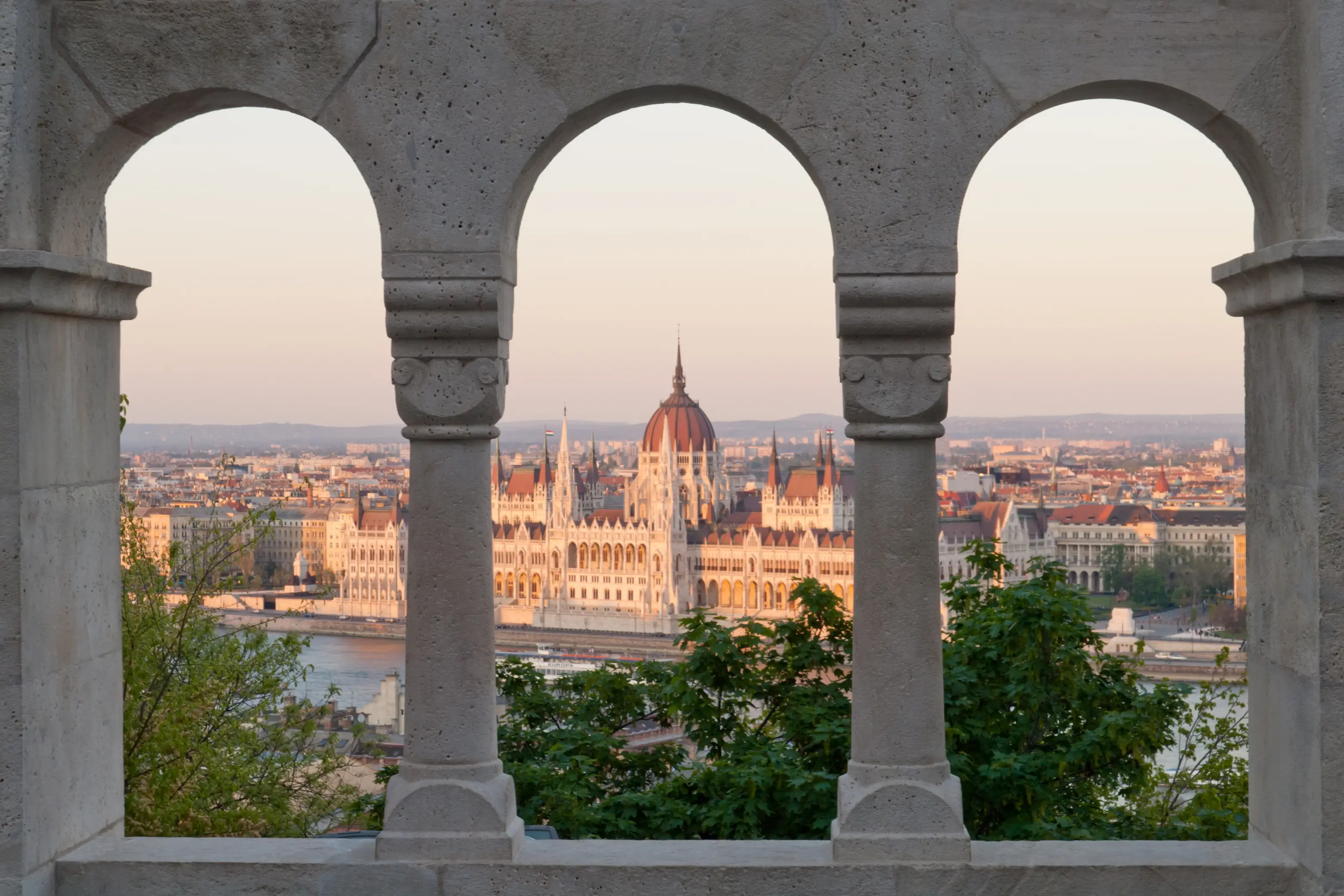
Situated at the heart of Europe, Budapest is the capital of Hungary, appropriately named 'The Pearl of the Danube,' for its fixating and almost haunting beauty. Formerly two separate cities, Buda and Pest were forged into one by time, occupation, and the eight bridges that anchor them together today. From the Romans to the Communists, each occupier left its flavor profile in Budapest, evident in the famous spicy Hungarian stew known as 'goulash.' Budapest is a melting pot of history, culture, and taste, from the magnificent Baroque and neo-Gothic architecture to the Turkish thermal baths. After a long day of sightseeing, treat yourself to a glass of Tokaj, what King Louis XIV of France referred to as the "Wine of Kings, King of Wines". Budapest has a flavor to satisfy any taste.
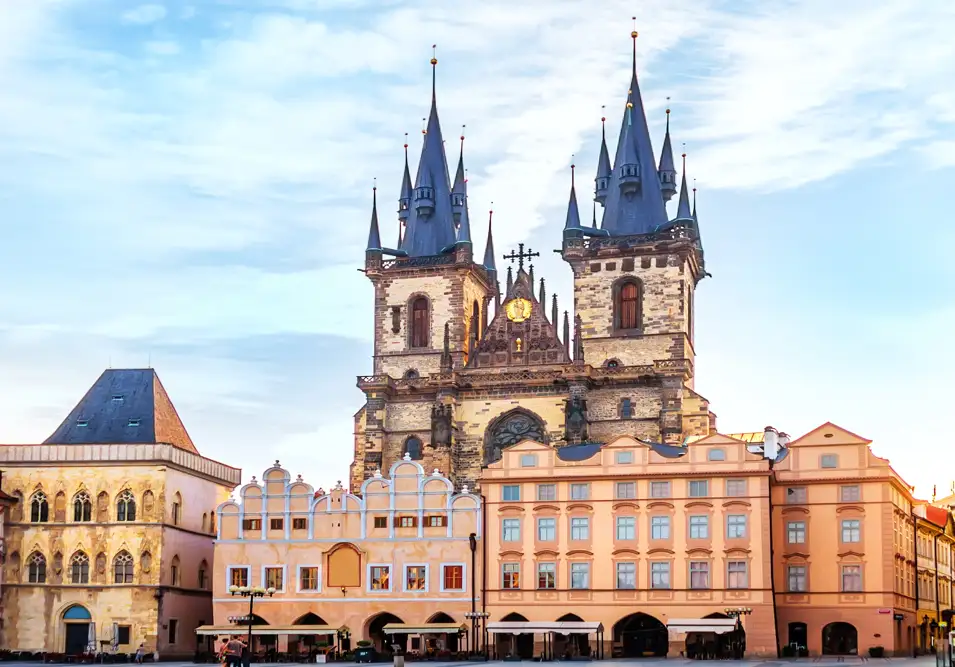
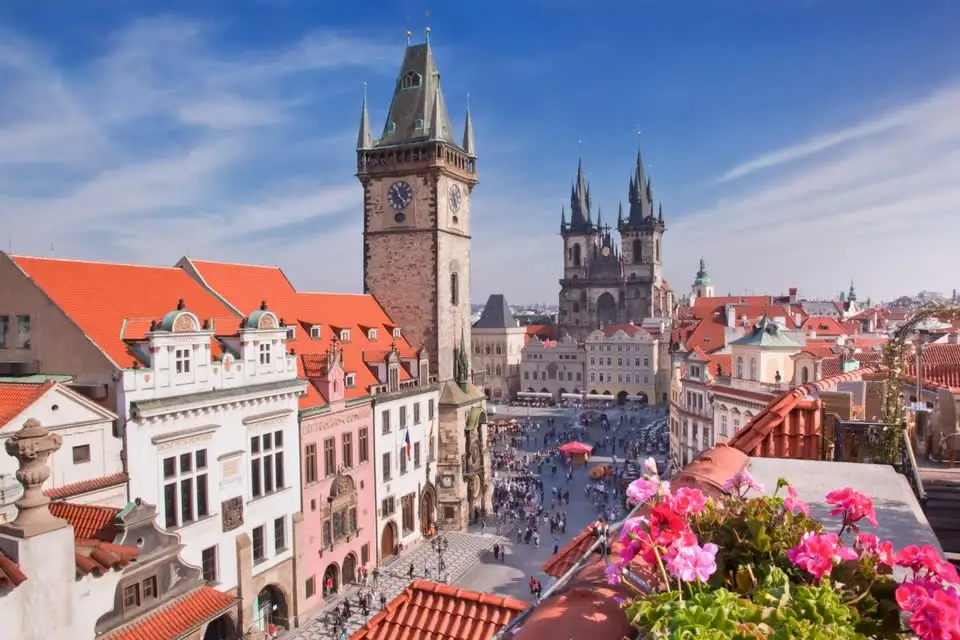
The city of Prague is indisputably the gem of Central Europe. Full of history, culture, and classic Czech pubs around every corner, Prague is teeming with nooks and crannies just waiting to be discovered. The narrow cobblestone streets and warm red rooftops give the city a homey feel, while the well-preserved medieval architecture transports you back in time. Walking across the Charles Bridge with the view of the Prague Castle will make you feel like you’re living in a fairytale, and you might as well be. As an up-and-coming destination, Prague is a perfect mix of classic and modern. New trendy cafes and bistros are always popping up, and you can always find a group of lively locals chowing down on goulash and quaffing pivo (the best beer in Europe!) at traditional Czech restaurants across the city. The clash of modernity and tradition, preservation and innovation, gives this city a mysterious air that you won’t soon forget.
You've probably heard this before— the city of Salzburg is straight out of a fairytale. Nestled in the mountains, this romantic city's Baroque architecture with colorful domes and spires is especially striking against the ancient fortress and Austrian Alpine backdrop. If you're looking for an amazing view, climb up to Hohensalzburg Fortress, Central Europe's largest intact fortress, for a jaw-dropping panorama of the city backed by misty mountains. Perhaps most famous for being the birthplace of the renowned composer Wolfgang Amadeus Mozart and the filming location for the classic The Sound of Music, this city has much to offer. Salzburg has become an important artistic and cultural center, featuring magnificent concert halls that uphold the city's tradition of classical music every day of the year, as well as acclaimed art exhibitions and museums. If you do it right, your visit to Salzburg will immerse you in the city's unforgettable atmosphere and keep you coming back for more.
Cesky Krumlov is a charming little town in South Bohemia. It might be small, but it’s full of whimsical character and mystery. Walking through the narrow streets and across the bridge, the views of the medieval Cesky Krumlov Castle will take your breath away. At night, street musicians serenade visitors on the bridge where you can dance beneath the stars and the watchful eye of the magnificent tower. Dozens of unique local artisan shops, cafes, and restaurants are woven among the winding streets. In the summer, the city is lush with life and greenery. Rafters race down the river, stopping in the center along the way to enjoy a hearty meal before continuing their journey. In the winter, the main square transforms into a magnificent Christmas market and light blankets of snow cover the rooftops. This quaint little town will exceed your expectations and you may never want to leave.
Bratislava is one of the most up-and-coming cities in central Europe. After years in the shadows of the Soviet bloc, and often drowned out by Prague, Bratislava has finally broken out. The Bratislavan region is now one of the richest per capita in the EU. This economic upswing has infused Bratislava with a newfound zeal. Trendy cafes and cool shopping centers are popping up everywhere, and the city’s already happening nightlife scene is only set to get better. Still less crowded than its central European neighbors Prague, Vienna, and Budapest, but just as intriguing, there’s really never been a better time for a visit to Bratislava. Ruled over by the Hungarians, Austrians, and most recently the Soviets, Bratislava is a city of strange contrasts. As soon as you arrive in Bratislava, you’ll see the pastel-hued churches, baroque houses, and the cobbled Old Town Square brush shoulders with modern brutalist buildings, retrofuturistic towers, and the clunky communist built UFO bridge. The city’s oldest building, its castle, is set atop the western edge of the Little Carpathian Hills like a trophy, the city’s hard-won main icon. For the first time in nearly a millennium, Bratislava has now seized control of its own destiny, and it shows.
Artistic and musical, historical and elegant, Vienna is the definition of class. The seat of the Habsburg monarchy for over six centuries, it's no wonder this city is still fit for royalty. Baroque buildings and imperial palaces dominate the cityscape, while locals stride gracefully through the streets, likely on their way to a classical music concert or art exhibition. Visitors from all over the world flock to Schonbrunn Palace, historical museums, and local eateries for authentic Viennese schnitzel. Vienna is also home to world-class wining and dining. Famous dishes include Wiener schnitzel, Tafelspitz (prime boiled beef), and apfelstrudel (apple strudel), all of which pair well with a glass of fine Austrian wine. No matter how long you spend in Vienna, you'll leave with a new appreciation for the finer things in life.
Situated at the heart of Europe, Budapest is the capital of Hungary, appropriately named 'The Pearl of the Danube,' for its fixating and almost haunting beauty. Formerly two separate cities, Buda and Pest were forged into one by time, occupation, and the eight bridges that anchor them together today. From the Romans to the Communists, each occupier left its flavor profile in Budapest, evident in the famous spicy Hungarian stew known as 'goulash.' Budapest is a melting pot of history, culture, and taste, from the magnificent Baroque and neo-Gothic architecture to the Turkish thermal baths. After a long day of sightseeing, treat yourself to a glass of Tokaj, what King Louis XIV of France referred to as the "Wine of Kings, King of Wines". Budapest has a flavor to satisfy any taste.
The city of Prague is indisputably the gem of Central Europe. Full of history, culture, and classic Czech pubs around every corner, Prague is teeming with nooks and crannies just waiting to be discovered. The narrow cobblestone streets and warm red rooftops give the city a homey feel, while the well-preserved medieval architecture transports you back in time. Walking across the Charles Bridge with the view of the Prague Castle will make you feel like you’re living in a fairytale, and you might as well be. As an up-and-coming destination, Prague is a perfect mix of classic and modern. New trendy cafes and bistros are always popping up, and you can always find a group of lively locals chowing down on goulash and quaffing pivo (the best beer in Europe!) at traditional Czech restaurants across the city. The clash of modernity and tradition, preservation and innovation, gives this city a mysterious air that you won’t soon forget.

Hi! Need help planning your dream trip? 🌍
Pick the option that fits you best so we can route you to the right help.
