Overview
Overview
Overview
Overview
OverviewHi! Need help planning your dream trip? 🌍

This website uses ‘cookies’ to give you the best, most relevant experience. By using this website, you consent to our Privacy Policy
×Overview
Trip Map
Itinerary
Inclusions
Reviews


Must see sights


Starting from
per person
Enter your details to embark on a journey that can be tailored just for you.
Start
Travelers
Preferred Hotel Stars
Select your interests and destinations for a trip plan inspired by you.
| ← | Move left |
| → | Move right |
| ↑ | Move up |
| ↓ | Move down |
| + | Zoom in |
| - | Zoom out |
| Home | Jump left by 75% |
| End | Jump right by 75% |
| Page Up | Jump up by 75% |
| Page Down | Jump down by 75% |


Click To Make Map Interactive
Overview
Overview
Overview
Overview
OverviewArrival
3 nights
Milan
Italy
Train: 2.5h
Train: 0.5h
2 nights
Interlaken
Switzerland
Train: 0.5h
Train: 3h
1 nights
Milan
Italy
Departure

Day 1
Arrive Milan
Day 1
Arrive Milan
Mid-Day to Late Afternoon
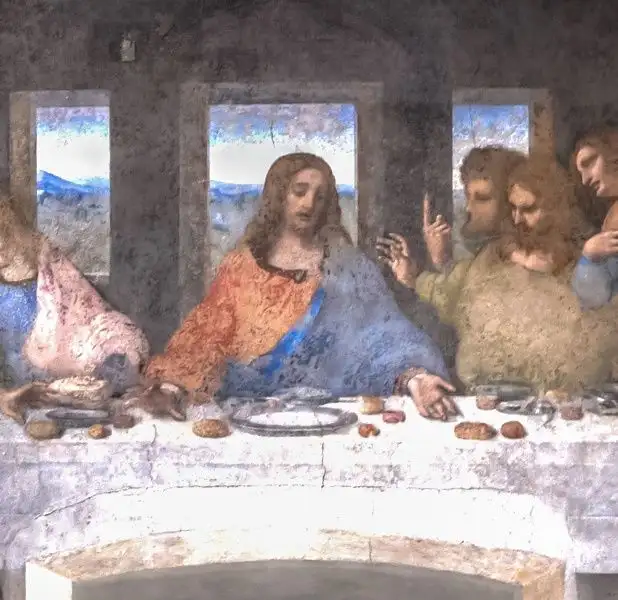
Preserved in the refectory (i.e. the dining hall) of the convent of Santa Maria delle Grazie, Leonardo da Vinci's The Last Supper is not only one of Milan's top attractions, but one of the most famous paintings in the world. Painted between 1494 and 1498, it depicts the last "dinner" between Jesus and his apostles. The painting shows the dramatic moment in which Christ reveals that he will be betrayed by one of the twelve apostles sitting at the table, as told in the Gospel of St John. A mandatory reservation has to be made either online or over the phone if you wish to visit The Last Supper. Reservations for each calendar month go on sale approximately 3 months in advance. Spots are very limited, so if you miss your chance, then the best bet is a guided tour which includes The Last Supper. With so much to learn about the painting, seeing it with an expert is a good idea in any case. The Last Supper of Leonardo da Vinci is undoubtedly one of the most important works of art of all time, but Milan is a city full of surprises and you'll find numerous other sights linked to the great artist just a short distance away.

Visit a historic vineyard that once beloved by Leonardo di Vinci.
Show More
Discover a fascinating and oft-missed church that dates all the way back to 387 AD.
Show More
Discover this large science museum dedicated to Leonardo da Vinci, and see some of his theoretical inventions brought to life.
Show More
Browse the gallery to see some of the highlights

Discover this famous Renaissance church and convent which is the home of The Last Supper.
Show More
Visit a historic vineyard that once beloved by Leonardo di Vinci.
Show More
Discover a fascinating and oft-missed church that dates all the way back to 387 AD.
Show More
Discover this large science museum dedicated to Leonardo da Vinci, and see some of his theoretical inventions brought to life.
Show More
Browse the gallery to see some of the highlights

Discover this famous Renaissance church and convent which is the home of The Last Supper.
Show More
Visit a historic vineyard that once beloved by Leonardo di Vinci.
Show More
Day 1
Arrive Milan

Day 1
Arrive Milan
To Be Determined:
Transfer from Airport
Mid-Day to Late Afternoon:
The Last Supper
Late Afternoon/Early Evening:
City Center


La Vigna di Leonardo
Highlight of The Last SupperVisit a historic vineyard that once beloved by Leonardo di Vinci.
In 1498, the Duke of Milan, Ludovico “Il Moro”, gifted this beautiful vineyard to Leonardo in return for his work on The Last Supper. It is said that Leonardo da Vinci cherished the vineyard, so much so that he cared for it until the day he died. Even after fleeing Milan during the French invasion, he returned to the city and recovered his precious vineyard. The vineyard, as well as a museum dedicated to the artist , can both be visited.


Basilica of Sant'Ambrogio
Highlight of The Last SupperDiscover a fascinating and oft-missed church that dates all the way back to 387 AD.
One of the finest examples of Romanesque churches in all of Lombardy, the Basilica of Sant'Ambrogio is perhaps Milan's most underrated place of worship. Founded back in the 4th century and renovated in the 11th, the basilica is dedicated to St Ambrose, the patron saint of Milan whose relics can be seen in a glass crypt within the church. St. Ambrose was key in the conversion of St. Augustine, who later become one of the most significant figures in Christian history and theology. The red-bricked Basilica’s exterior is quite unique, with two bell towers of differing height towering above a courtyard which is almost as large as the church itself. The Basilica’s earliest history can still be seen near the back of the church, where you will discover 4th-century mosaics and a picture of Saint Ambrose. Another precious piece of more-than-thousand-year-old history is the 9th century Golden Altar, which is completely covered in gold, silver, and over 400 precious stones. It is covered by a Byzantine-Lombard style canopy resting on four salvaged Roman columns.


Museo Nazionale della Scienza e della Tecnologia Leonardo da Vinci
Highlight of The Last SupperDiscover this large science museum dedicated to Leonardo da Vinci, and see some of his theoretical inventions brought to life.
The museum first opened to the public in 1953 with the Leonardo da Vinci exhibition, the Museo Nazionale della Scienza e della Tecnologia (National Science and Technology Museum) is the largest museum of science and technology in Italy and one of the most important in the world. It houses a number of permanent exhibitions including more than 1,300 square meters and 170 historical models and works of art from Leonardo da Vinci, bringing his creations and antiquities to life.


The Last Supper
OverviewThe Last Supper
Preserved in the refectory (i.e. the dining hall) of the convent of Santa Maria delle Grazie, Leonardo da Vinci's The Last Supper is not only one of Milan's top attractions, but one of the most famous paintings in the world. Painted between 1494 and 1498, it depicts the last "dinner" between Jesus and his apostles. The painting shows the dramatic moment in which Christ reveals that he will be betrayed by one of the twelve apostles sitting at the table, as told in the Gospel of St John. A mandatory reservation has to be made either online or over the phone if you wish to visit The Last Supper. Reservations for each calendar month go on sale approximately 3 months in advance. Spots are very limited, so if you miss your chance, then the best bet is a guided tour which includes The Last Supper. With so much to learn about the painting, seeing it with an expert is a good idea in any case. The Last Supper of Leonardo da Vinci is undoubtedly one of the most important works of art of all time, but Milan is a city full of surprises and you'll find numerous other sights linked to the great artist just a short distance away.


Church and Convent of Santa Maria delle Grazie
Highlight of The Last SupperDiscover this famous Renaissance church and convent which is the home of The Last Supper.
This terracotta Renaissance church and Dominican convent is the home to Da Vinci's The Last Supper. It was also once home to another great masterpiece, Titian's altarpiece depicting Christ receiving the crown of thorns. However, as that work was stolen by the French in 1797, you would have to travel to the Louvre in Paris to see it. Luckily The Last Supper was painted onto the wall, otherwise it probably would have ended up in the Louvre as well. The church is now a UNESCO World Heritage Site, as it is an outstanding work of architecture in its own right. In 1460, the Duke of Milan Francesco I Sforza ordered the construction of the convent and church, which was also to serve as a family burial place. The groundbreaking architecture of the church, attributed to its architect Bramante, as well as Da Vinci’s The Last Supper, are both considered symbols of Renaissance Milan, as well as of a new era in European art.


La Vigna di Leonardo
Highlight of The Last SupperVisit a historic vineyard that once beloved by Leonardo di Vinci.
In 1498, the Duke of Milan, Ludovico “Il Moro”, gifted this beautiful vineyard to Leonardo in return for his work on The Last Supper. It is said that Leonardo da Vinci cherished the vineyard, so much so that he cared for it until the day he died. Even after fleeing Milan during the French invasion, he returned to the city and recovered his precious vineyard. The vineyard, as well as a museum dedicated to the artist , can both be visited.


Basilica of Sant'Ambrogio
Highlight of The Last SupperDiscover a fascinating and oft-missed church that dates all the way back to 387 AD.
One of the finest examples of Romanesque churches in all of Lombardy, the Basilica of Sant'Ambrogio is perhaps Milan's most underrated place of worship. Founded back in the 4th century and renovated in the 11th, the basilica is dedicated to St Ambrose, the patron saint of Milan whose relics can be seen in a glass crypt within the church. St. Ambrose was key in the conversion of St. Augustine, who later become one of the most significant figures in Christian history and theology. The red-bricked Basilica’s exterior is quite unique, with two bell towers of differing height towering above a courtyard which is almost as large as the church itself. The Basilica’s earliest history can still be seen near the back of the church, where you will discover 4th-century mosaics and a picture of Saint Ambrose. Another precious piece of more-than-thousand-year-old history is the 9th century Golden Altar, which is completely covered in gold, silver, and over 400 precious stones. It is covered by a Byzantine-Lombard style canopy resting on four salvaged Roman columns.


Museo Nazionale della Scienza e della Tecnologia Leonardo da Vinci
Highlight of The Last SupperDiscover this large science museum dedicated to Leonardo da Vinci, and see some of his theoretical inventions brought to life.
The museum first opened to the public in 1953 with the Leonardo da Vinci exhibition, the Museo Nazionale della Scienza e della Tecnologia (National Science and Technology Museum) is the largest museum of science and technology in Italy and one of the most important in the world. It houses a number of permanent exhibitions including more than 1,300 square meters and 170 historical models and works of art from Leonardo da Vinci, bringing his creations and antiquities to life.


The Last Supper
OverviewThe Last Supper
Preserved in the refectory (i.e. the dining hall) of the convent of Santa Maria delle Grazie, Leonardo da Vinci's The Last Supper is not only one of Milan's top attractions, but one of the most famous paintings in the world. Painted between 1494 and 1498, it depicts the last "dinner" between Jesus and his apostles. The painting shows the dramatic moment in which Christ reveals that he will be betrayed by one of the twelve apostles sitting at the table, as told in the Gospel of St John. A mandatory reservation has to be made either online or over the phone if you wish to visit The Last Supper. Reservations for each calendar month go on sale approximately 3 months in advance. Spots are very limited, so if you miss your chance, then the best bet is a guided tour which includes The Last Supper. With so much to learn about the painting, seeing it with an expert is a good idea in any case. The Last Supper of Leonardo da Vinci is undoubtedly one of the most important works of art of all time, but Milan is a city full of surprises and you'll find numerous other sights linked to the great artist just a short distance away.


Church and Convent of Santa Maria delle Grazie
Highlight of The Last SupperDiscover this famous Renaissance church and convent which is the home of The Last Supper.
This terracotta Renaissance church and Dominican convent is the home to Da Vinci's The Last Supper. It was also once home to another great masterpiece, Titian's altarpiece depicting Christ receiving the crown of thorns. However, as that work was stolen by the French in 1797, you would have to travel to the Louvre in Paris to see it. Luckily The Last Supper was painted onto the wall, otherwise it probably would have ended up in the Louvre as well. The church is now a UNESCO World Heritage Site, as it is an outstanding work of architecture in its own right. In 1460, the Duke of Milan Francesco I Sforza ordered the construction of the convent and church, which was also to serve as a family burial place. The groundbreaking architecture of the church, attributed to its architect Bramante, as well as Da Vinci’s The Last Supper, are both considered symbols of Renaissance Milan, as well as of a new era in European art.


La Vigna di Leonardo
Highlight of The Last SupperVisit a historic vineyard that once beloved by Leonardo di Vinci.
In 1498, the Duke of Milan, Ludovico “Il Moro”, gifted this beautiful vineyard to Leonardo in return for his work on The Last Supper. It is said that Leonardo da Vinci cherished the vineyard, so much so that he cared for it until the day he died. Even after fleeing Milan during the French invasion, he returned to the city and recovered his precious vineyard. The vineyard, as well as a museum dedicated to the artist , can both be visited.

La Vigna di Leonardo
Highlight of The Last SupperVisit a historic vineyard that once beloved by Leonardo di Vinci.
In 1498, the Duke of Milan, Ludovico “Il Moro”, gifted this beautiful vineyard to Leonardo in return for his work on The Last Supper. It is said that Leonardo da Vinci cherished the vineyard, so much so that he cared for it until the day he died. Even after fleeing Milan during the French invasion, he returned to the city and recovered his precious vineyard. The vineyard, as well as a museum dedicated to the artist , can both be visited.

Basilica of Sant'Ambrogio
Highlight of The Last SupperDiscover a fascinating and oft-missed church that dates all the way back to 387 AD.
One of the finest examples of Romanesque churches in all of Lombardy, the Basilica of Sant'Ambrogio is perhaps Milan's most underrated place of worship. Founded back in the 4th century and renovated in the 11th, the basilica is dedicated to St Ambrose, the patron saint of Milan whose relics can be seen in a glass crypt within the church. St. Ambrose was key in the conversion of St. Augustine, who later become one of the most significant figures in Christian history and theology. The red-bricked Basilica’s exterior is quite unique, with two bell towers of differing height towering above a courtyard which is almost as large as the church itself. The Basilica’s earliest history can still be seen near the back of the church, where you will discover 4th-century mosaics and a picture of Saint Ambrose. Another precious piece of more-than-thousand-year-old history is the 9th century Golden Altar, which is completely covered in gold, silver, and over 400 precious stones. It is covered by a Byzantine-Lombard style canopy resting on four salvaged Roman columns.

Museo Nazionale della Scienza e della Tecnologia Leonardo da Vinci
Highlight of The Last SupperDiscover this large science museum dedicated to Leonardo da Vinci, and see some of his theoretical inventions brought to life.
The museum first opened to the public in 1953 with the Leonardo da Vinci exhibition, the Museo Nazionale della Scienza e della Tecnologia (National Science and Technology Museum) is the largest museum of science and technology in Italy and one of the most important in the world. It houses a number of permanent exhibitions including more than 1,300 square meters and 170 historical models and works of art from Leonardo da Vinci, bringing his creations and antiquities to life.

The Last Supper
OverviewThe Last Supper
Preserved in the refectory (i.e. the dining hall) of the convent of Santa Maria delle Grazie, Leonardo da Vinci's The Last Supper is not only one of Milan's top attractions, but one of the most famous paintings in the world. Painted between 1494 and 1498, it depicts the last "dinner" between Jesus and his apostles. The painting shows the dramatic moment in which Christ reveals that he will be betrayed by one of the twelve apostles sitting at the table, as told in the Gospel of St John. A mandatory reservation has to be made either online or over the phone if you wish to visit The Last Supper. Reservations for each calendar month go on sale approximately 3 months in advance. Spots are very limited, so if you miss your chance, then the best bet is a guided tour which includes The Last Supper. With so much to learn about the painting, seeing it with an expert is a good idea in any case. The Last Supper of Leonardo da Vinci is undoubtedly one of the most important works of art of all time, but Milan is a city full of surprises and you'll find numerous other sights linked to the great artist just a short distance away.

Church and Convent of Santa Maria delle Grazie
Highlight of The Last SupperDiscover this famous Renaissance church and convent which is the home of The Last Supper.
This terracotta Renaissance church and Dominican convent is the home to Da Vinci's The Last Supper. It was also once home to another great masterpiece, Titian's altarpiece depicting Christ receiving the crown of thorns. However, as that work was stolen by the French in 1797, you would have to travel to the Louvre in Paris to see it. Luckily The Last Supper was painted onto the wall, otherwise it probably would have ended up in the Louvre as well. The church is now a UNESCO World Heritage Site, as it is an outstanding work of architecture in its own right. In 1460, the Duke of Milan Francesco I Sforza ordered the construction of the convent and church, which was also to serve as a family burial place. The groundbreaking architecture of the church, attributed to its architect Bramante, as well as Da Vinci’s The Last Supper, are both considered symbols of Renaissance Milan, as well as of a new era in European art.

La Vigna di Leonardo
Highlight of The Last SupperVisit a historic vineyard that once beloved by Leonardo di Vinci.
In 1498, the Duke of Milan, Ludovico “Il Moro”, gifted this beautiful vineyard to Leonardo in return for his work on The Last Supper. It is said that Leonardo da Vinci cherished the vineyard, so much so that he cared for it until the day he died. Even after fleeing Milan during the French invasion, he returned to the city and recovered his precious vineyard. The vineyard, as well as a museum dedicated to the artist , can both be visited.

Basilica of Sant'Ambrogio
Highlight of The Last SupperDiscover a fascinating and oft-missed church that dates all the way back to 387 AD.
One of the finest examples of Romanesque churches in all of Lombardy, the Basilica of Sant'Ambrogio is perhaps Milan's most underrated place of worship. Founded back in the 4th century and renovated in the 11th, the basilica is dedicated to St Ambrose, the patron saint of Milan whose relics can be seen in a glass crypt within the church. St. Ambrose was key in the conversion of St. Augustine, who later become one of the most significant figures in Christian history and theology. The red-bricked Basilica’s exterior is quite unique, with two bell towers of differing height towering above a courtyard which is almost as large as the church itself. The Basilica’s earliest history can still be seen near the back of the church, where you will discover 4th-century mosaics and a picture of Saint Ambrose. Another precious piece of more-than-thousand-year-old history is the 9th century Golden Altar, which is completely covered in gold, silver, and over 400 precious stones. It is covered by a Byzantine-Lombard style canopy resting on four salvaged Roman columns.

Museo Nazionale della Scienza e della Tecnologia Leonardo da Vinci
Highlight of The Last SupperDiscover this large science museum dedicated to Leonardo da Vinci, and see some of his theoretical inventions brought to life.
The museum first opened to the public in 1953 with the Leonardo da Vinci exhibition, the Museo Nazionale della Scienza e della Tecnologia (National Science and Technology Museum) is the largest museum of science and technology in Italy and one of the most important in the world. It houses a number of permanent exhibitions including more than 1,300 square meters and 170 historical models and works of art from Leonardo da Vinci, bringing his creations and antiquities to life.

The Last Supper
OverviewThe Last Supper
Preserved in the refectory (i.e. the dining hall) of the convent of Santa Maria delle Grazie, Leonardo da Vinci's The Last Supper is not only one of Milan's top attractions, but one of the most famous paintings in the world. Painted between 1494 and 1498, it depicts the last "dinner" between Jesus and his apostles. The painting shows the dramatic moment in which Christ reveals that he will be betrayed by one of the twelve apostles sitting at the table, as told in the Gospel of St John. A mandatory reservation has to be made either online or over the phone if you wish to visit The Last Supper. Reservations for each calendar month go on sale approximately 3 months in advance. Spots are very limited, so if you miss your chance, then the best bet is a guided tour which includes The Last Supper. With so much to learn about the painting, seeing it with an expert is a good idea in any case. The Last Supper of Leonardo da Vinci is undoubtedly one of the most important works of art of all time, but Milan is a city full of surprises and you'll find numerous other sights linked to the great artist just a short distance away.

Church and Convent of Santa Maria delle Grazie
Highlight of The Last SupperDiscover this famous Renaissance church and convent which is the home of The Last Supper.
This terracotta Renaissance church and Dominican convent is the home to Da Vinci's The Last Supper. It was also once home to another great masterpiece, Titian's altarpiece depicting Christ receiving the crown of thorns. However, as that work was stolen by the French in 1797, you would have to travel to the Louvre in Paris to see it. Luckily The Last Supper was painted onto the wall, otherwise it probably would have ended up in the Louvre as well. The church is now a UNESCO World Heritage Site, as it is an outstanding work of architecture in its own right. In 1460, the Duke of Milan Francesco I Sforza ordered the construction of the convent and church, which was also to serve as a family burial place. The groundbreaking architecture of the church, attributed to its architect Bramante, as well as Da Vinci’s The Last Supper, are both considered symbols of Renaissance Milan, as well as of a new era in European art.

La Vigna di Leonardo
Highlight of The Last SupperVisit a historic vineyard that once beloved by Leonardo di Vinci.
In 1498, the Duke of Milan, Ludovico “Il Moro”, gifted this beautiful vineyard to Leonardo in return for his work on The Last Supper. It is said that Leonardo da Vinci cherished the vineyard, so much so that he cared for it until the day he died. Even after fleeing Milan during the French invasion, he returned to the city and recovered his precious vineyard. The vineyard, as well as a museum dedicated to the artist , can both be visited.

Day 2
Milan
Day 2
Milan
9:00 AM - 12:00 PM
Milan is the center of business and the capital of Italian fashion, but it also has an ancient heritage and a fascinating history; here you find some of the greatest masterpieces of Italian art! Together with your guide, you’ll explore the magnificent Duomo, Galleria, Scala opera house, merchant square, financial district, food street, and Sforza Castle.

Take a tour or experience an opera or ballet in this world-famous opera house.
Show More
A huge Medieval-Renaissance fortress with a number of interesting history and art museums
Show More
Browse the gallery to see some of the highlights

Take a stroll through this ornate covered shopping mall that was completed in 1877.
Show More
Take a tour or experience an opera or ballet in this world-famous opera house.
Show More
A huge Medieval-Renaissance fortress with a number of interesting history and art museums
Show More
Browse the gallery to see some of the highlights

Take a stroll through this ornate covered shopping mall that was completed in 1877.
Show More
Day 2
Milan

La Scala Opera House
Highlight of Guided Walk in MilanTake a tour or experience an opera or ballet in this world-famous opera house.
Considered one of the most important and famous theatres in the world, known as the ‘Temple of Opera’, La Scala has hosted the most revered names in the world of music and theatre. Many famous operas have had their first production in La Scala, such as Othello, Nabucco by Verdi or Madame Butterfly by Giacomo Puccini. While seeing a performance is the best way to experience the theater, visiting the Theatre Museum or taking a guided tour which includes the museum are also great options. In addition to a large collection of paintings, busts, costumes, and other objects related to the world of opera and theater, you will get to see parts of La Scala which are otherwise off limits, like the boxes. Unless a rehearsal or show is in progress, visitors can even watch the set-moving machinery in action.

Sforzesco Castle
Highlight of Guided Walk in MilanA huge Medieval-Renaissance fortress with a number of interesting history and art museums
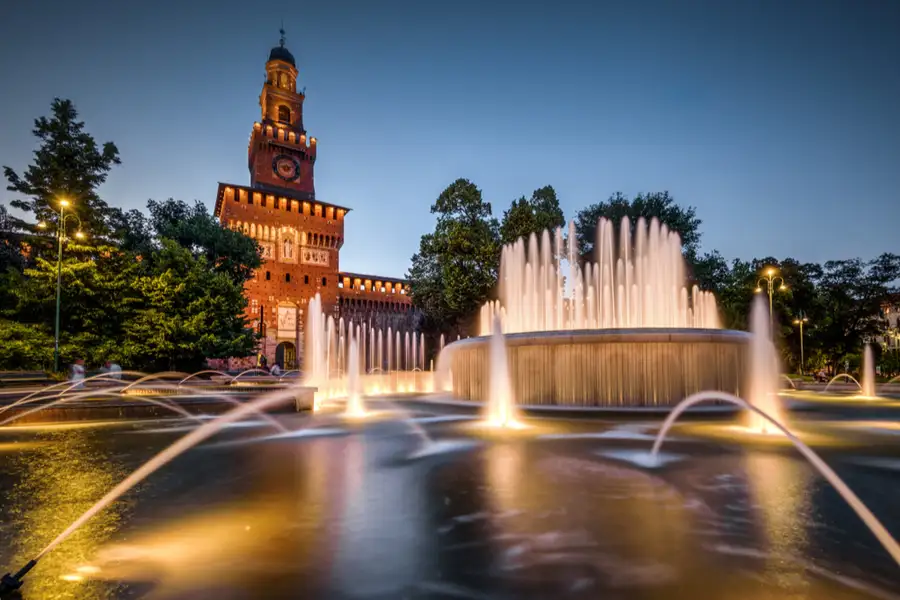
The Sforzesco Castle, one of the most popular monuments in Milan, has undergone various and complex transformations over the centuries; it has been defense fortress, military barracks, private residence and now a center of cultural institutions with several specialized museums and galleries that hold important fragments of Milan's cultural and civic history.

Guided Walk in Milan
OverviewGuided Walk in Milan
Milan is the center of business and the capital of Italian fashion, but it also has an ancient heritage and a fascinating history; here you find some of the greatest masterpieces of Italian art! Together with your guide, you’ll explore the magnificent Duomo, Galleria, Scala opera house, merchant square, financial district, food street, and Sforza Castle.

Galleria Vittorio Emanuele II
Highlight of Guided Walk in MilanTake a stroll through this ornate covered shopping mall that was completed in 1877.
Known as the "drawing room" of Milan, due to its numerous shops and importance as a common Milanese meeting and dining place, the Galleria Vittorio Emanuele II is Italy's oldest active shopping mall and a major landmark in the city. It is one of the most magnificent shopping arcades in the world, home to some of the most luxurious boutiques and brands including Prada, Armani, Gucci.

La Scala Opera House
Highlight of Guided Walk in MilanTake a tour or experience an opera or ballet in this world-famous opera house.
Considered one of the most important and famous theatres in the world, known as the ‘Temple of Opera’, La Scala has hosted the most revered names in the world of music and theatre. Many famous operas have had their first production in La Scala, such as Othello, Nabucco by Verdi or Madame Butterfly by Giacomo Puccini. While seeing a performance is the best way to experience the theater, visiting the Theatre Museum or taking a guided tour which includes the museum are also great options. In addition to a large collection of paintings, busts, costumes, and other objects related to the world of opera and theater, you will get to see parts of La Scala which are otherwise off limits, like the boxes. Unless a rehearsal or show is in progress, visitors can even watch the set-moving machinery in action.

Sforzesco Castle
Highlight of Guided Walk in MilanA huge Medieval-Renaissance fortress with a number of interesting history and art museums
The Sforzesco Castle, one of the most popular monuments in Milan, has undergone various and complex transformations over the centuries; it has been defense fortress, military barracks, private residence and now a center of cultural institutions with several specialized museums and galleries that hold important fragments of Milan's cultural and civic history.

Guided Walk in Milan
OverviewGuided Walk in Milan
Milan is the center of business and the capital of Italian fashion, but it also has an ancient heritage and a fascinating history; here you find some of the greatest masterpieces of Italian art! Together with your guide, you’ll explore the magnificent Duomo, Galleria, Scala opera house, merchant square, financial district, food street, and Sforza Castle.

Galleria Vittorio Emanuele II
Highlight of Guided Walk in MilanTake a stroll through this ornate covered shopping mall that was completed in 1877.
Known as the "drawing room" of Milan, due to its numerous shops and importance as a common Milanese meeting and dining place, the Galleria Vittorio Emanuele II is Italy's oldest active shopping mall and a major landmark in the city. It is one of the most magnificent shopping arcades in the world, home to some of the most luxurious boutiques and brands including Prada, Armani, Gucci.

Day 3
Milan
Day 3
Milan
Early Morning to Mid-Day
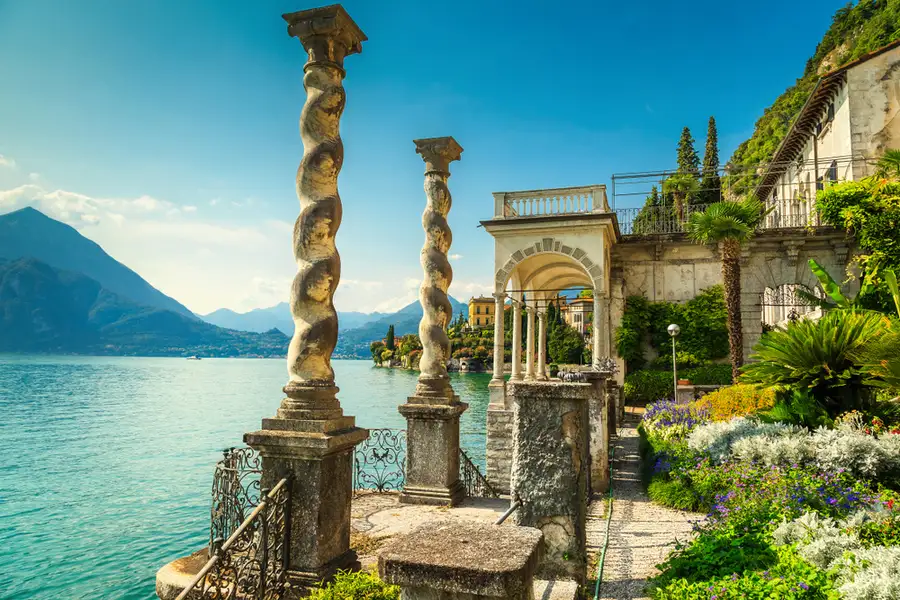
Often cited as the most picturesque lake in Europe, Lake Como has enchanted artists and travelers for centuries and it's easy to see why. Tucked away in the foothills of the northern Italian Alps, Lake Como is the perfect day trip destination from Milan, offering the perfect chance to escape the hustle and bustle of city life. Discover some of the picturesque lakeside villages, take a thrilling boat ride across the lake, or explore the many grand villas and beautiful gardens.

Explore the lush gardens surrounding this villa and enjoy stunning lake views from its terraces.
Show More
Ride a 19th Century funicular up the mountainside above Como to enjoy beautiful views over Lake Como.
Show More
Take a liesurely private sail, enjoy a lake cruise, or villa hop by ferry.
Show More
Visit Lake Como's most famously beautiful lakeside town.
Show More
Browse the gallery to see some of the highlights

Admire the wonderful details of this grand Duomo which incorporates architectural styles from across five centuries.
Show More
Wander through the magnificent lakeside gardens which surround this beautiful white villa in Bellagio.
Show More
Visit a villa that began as a peaceful lakeside convent and was later transformed into a luxurious residence.
Show More
Explore the lush gardens surrounding this villa and enjoy stunning lake views from its terraces.
Show More
Ride a 19th Century funicular up the mountainside above Como to enjoy beautiful views over Lake Como.
Show More
Take a liesurely private sail, enjoy a lake cruise, or villa hop by ferry.
Show More
Visit Lake Como's most famously beautiful lakeside town.
Show More
Browse the gallery to see some of the highlights

Admire the wonderful details of this grand Duomo which incorporates architectural styles from across five centuries.
Show More
Wander through the magnificent lakeside gardens which surround this beautiful white villa in Bellagio.
Show More
Visit a villa that began as a peaceful lakeside convent and was later transformed into a luxurious residence.
Show More
Day 3
Milan

Villa Cipressi
Highlight of Excursion to Lake ComoExplore the lush gardens surrounding this villa and enjoy stunning lake views from its terraces.
Just a short distance from Villa Monastero, you'll find the Villa Cirpressi, a grand villa built between the 15th and 19th century which offers great architectural elements of late Renaissance and fine Neoclassical features. Aside from the villa which is now a 4-star hotel, it is home to another manicured lakeside garden. Smaller in size, the centuries-old gardens are open to the public to visit, offering a journey of perfumes and magical sensations that go beyond a normal botanical garden. The terraced garden overlooking the lake deserves a visit, especially for anyone interested in nature.

Lake Como Funicular
Highlight of Excursion to Lake ComoRide a 19th Century funicular up the mountainside above Como to enjoy beautiful views over Lake Como.
Lake Como is surrounded by beautiful hills and mountains, and while it’s definitely possible to hike up the steep incline on foot, most people opt to ride on the Brunate Funicular, which brings riders to the small town of Brunate in just 7 minutes. The Funicular Railway has linked Lake Como and Brunate since 1894 and is still the quickest way of travelling between these two towns. A trip on the railway offers stunning views and an opportunity to see panoramic views of rural Como, all whilst having an enjoyable jaunt on a train!

Cruise on Lake Como
Highlight of Excursion to Lake ComoTake a liesurely private sail, enjoy a lake cruise, or villa hop by ferry.
One good way to combine a lake cruise with visits to the best villas and prettiest towns is to use the lake ferries. Just take the train from Milan to Varenna and then when you're done there, catch a ferry across the lake to Bellagio. From Bellagio you can take another ferry to Como, where you can catch a train back to Milan. If you go straight to Como, from April to October there are leisure boats offering 30-minute journeys along the nearby shoreline. With a high number of tourists, boats leave quite frequently and are very affordable at around 5 Euros per person. The better boats will point out sites of interest along the way, including spots where famous movies were filmed. If you want a truly special experience, you can also hire a private tour on a sail boat or small motor yacht. You'll feel like a real movie star as the you glide across the blue waters of the lake and wave to your fellow celebrities in the passing boats.

Bellagio
Highlight of Excursion to Lake ComoVisit Lake Como's most famously beautiful lakeside town.
It is impossible not to be smitten by Bellagio's picturesque waterfront, bobbing boats and its maze of stone staircases, alleys, and cypress tree groves, and you may want to spend the most time during your day trip here. Bellagio has been a favored summertime resort since the Roman Times, and very little has changed, with Italians and tourists heading to the lakes for a cooler (but still incredibly warm) climate, away from the sweltering heat of the cities.

Excursion to Lake Como
OverviewExcursion to Lake Como
Often cited as the most picturesque lake in Europe, Lake Como has enchanted artists and travelers for centuries and it's easy to see why. Tucked away in the foothills of the northern Italian Alps, Lake Como is the perfect day trip destination from Milan, offering the perfect chance to escape the hustle and bustle of city life. Discover some of the picturesque lakeside villages, take a thrilling boat ride across the lake, or explore the many grand villas and beautiful gardens.
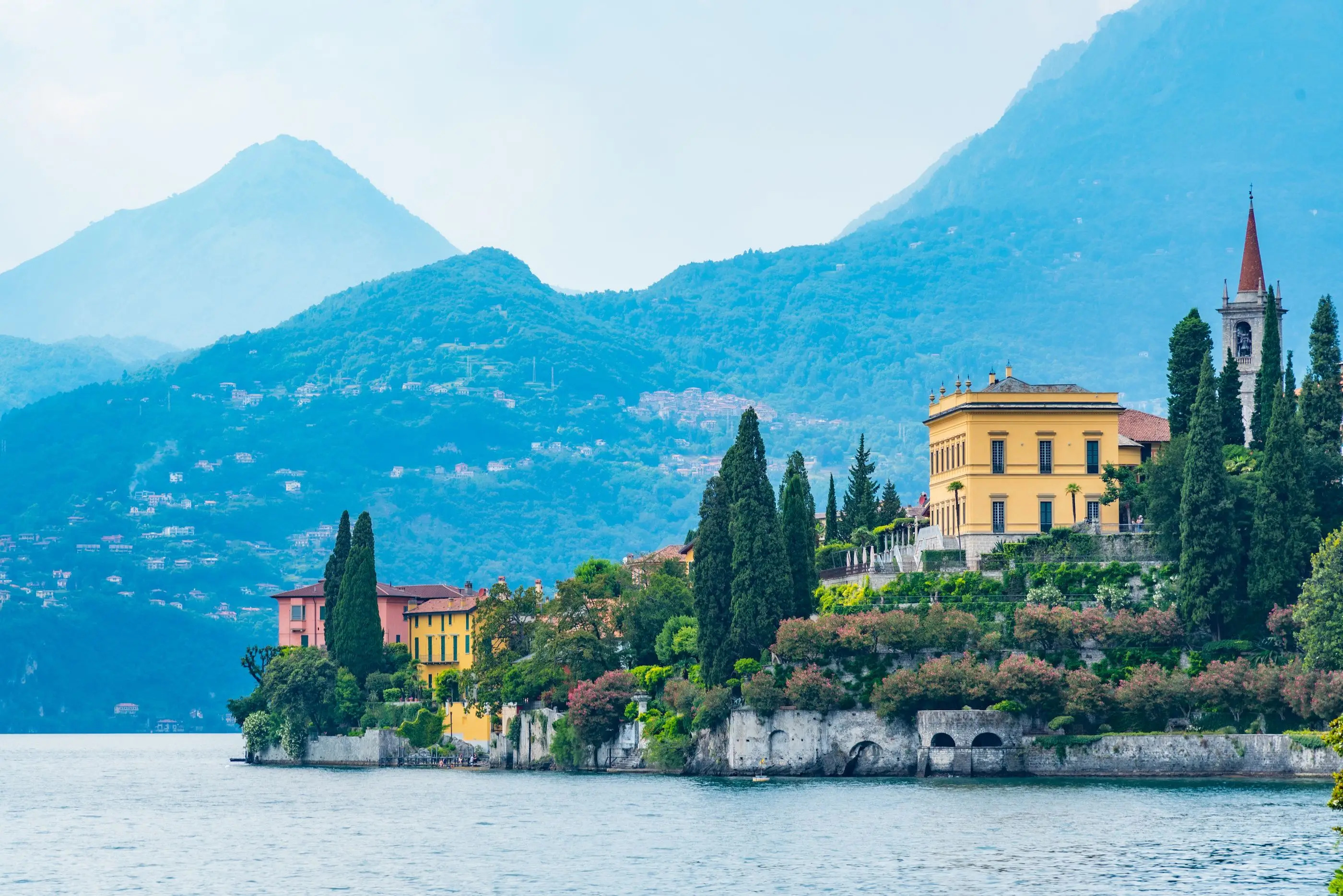
Cathedral of Como
Highlight of Excursion to Lake ComoAdmire the wonderful details of this grand Duomo which incorporates architectural styles from across five centuries.
The imposing cathedral (Duomo) is located in the heart of Como's medieval walled city. Built between 1300 and 1744, the cathedral brings together elements of several architectural styles, including the late Gothic structure, the Renaissance facade, and the imposing Baroque dome. The front façade boasts an abundance of ornate stonework and stone statues, and is topped with a series of small decorative towers. The interior is also lavishly decorated. The standout feature is a central dome covered with gold artwork and other beautiful decor.

Villa Melzi
Highlight of Excursion to Lake ComoWander through the magnificent lakeside gardens which surround this beautiful white villa in Bellagio.
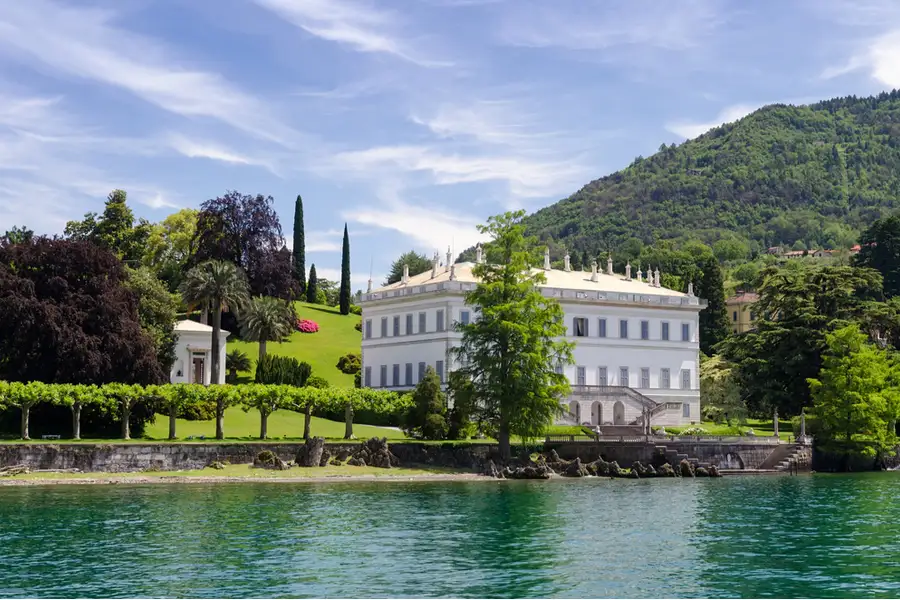
The town of Bellagio was fought over in wars between Como and Milan, but most of the time, it has been a destination of pleasure and leisure since late Roman times. For this reason, Napoleon decided to reward one of his generals, Francesco Melzi, with the white neo-Classical Villa Melzi. Located to the south of the Bellagio, it is visited primarily for its spectacular gardens, embellished with ancient artefacts such as an Etruscan urn that dates back to the 3rd Century BC and two ancient Egyptian sculptures.

Villa Monastero
Highlight of Excursion to Lake ComoVisit a villa that began as a peaceful lakeside convent and was later transformed into a luxurious residence.
Built-in various styles (Baroque, Classic and Moresque), the origins of the Villa Monastero in the town of Varenna stretch back to the 12th century, when it was founded as a Cistercian convent. The estate was purchased by Paolo Mornico in 1569, using his fortune amassed through iron mining. He then transformed it into a very elaborate aristocratic residence, while retaining some beautiful elements from the convent. These days the villa is now used as an international conference center and wedding venue. Luckily for visitors, the gardens are open to the public and there is also a House Museum, which features 14 lavish rooms filled with period furniture, refined decorations, and luxurious furnishings.

Villa Cipressi
Highlight of Excursion to Lake ComoExplore the lush gardens surrounding this villa and enjoy stunning lake views from its terraces.
Just a short distance from Villa Monastero, you'll find the Villa Cirpressi, a grand villa built between the 15th and 19th century which offers great architectural elements of late Renaissance and fine Neoclassical features. Aside from the villa which is now a 4-star hotel, it is home to another manicured lakeside garden. Smaller in size, the centuries-old gardens are open to the public to visit, offering a journey of perfumes and magical sensations that go beyond a normal botanical garden. The terraced garden overlooking the lake deserves a visit, especially for anyone interested in nature.

Lake Como Funicular
Highlight of Excursion to Lake ComoRide a 19th Century funicular up the mountainside above Como to enjoy beautiful views over Lake Como.
Lake Como is surrounded by beautiful hills and mountains, and while it’s definitely possible to hike up the steep incline on foot, most people opt to ride on the Brunate Funicular, which brings riders to the small town of Brunate in just 7 minutes. The Funicular Railway has linked Lake Como and Brunate since 1894 and is still the quickest way of travelling between these two towns. A trip on the railway offers stunning views and an opportunity to see panoramic views of rural Como, all whilst having an enjoyable jaunt on a train!

Cruise on Lake Como
Highlight of Excursion to Lake ComoTake a liesurely private sail, enjoy a lake cruise, or villa hop by ferry.
One good way to combine a lake cruise with visits to the best villas and prettiest towns is to use the lake ferries. Just take the train from Milan to Varenna and then when you're done there, catch a ferry across the lake to Bellagio. From Bellagio you can take another ferry to Como, where you can catch a train back to Milan. If you go straight to Como, from April to October there are leisure boats offering 30-minute journeys along the nearby shoreline. With a high number of tourists, boats leave quite frequently and are very affordable at around 5 Euros per person. The better boats will point out sites of interest along the way, including spots where famous movies were filmed. If you want a truly special experience, you can also hire a private tour on a sail boat or small motor yacht. You'll feel like a real movie star as the you glide across the blue waters of the lake and wave to your fellow celebrities in the passing boats.

Bellagio
Highlight of Excursion to Lake ComoVisit Lake Como's most famously beautiful lakeside town.
It is impossible not to be smitten by Bellagio's picturesque waterfront, bobbing boats and its maze of stone staircases, alleys, and cypress tree groves, and you may want to spend the most time during your day trip here. Bellagio has been a favored summertime resort since the Roman Times, and very little has changed, with Italians and tourists heading to the lakes for a cooler (but still incredibly warm) climate, away from the sweltering heat of the cities.

Excursion to Lake Como
OverviewExcursion to Lake Como
Often cited as the most picturesque lake in Europe, Lake Como has enchanted artists and travelers for centuries and it's easy to see why. Tucked away in the foothills of the northern Italian Alps, Lake Como is the perfect day trip destination from Milan, offering the perfect chance to escape the hustle and bustle of city life. Discover some of the picturesque lakeside villages, take a thrilling boat ride across the lake, or explore the many grand villas and beautiful gardens.

Cathedral of Como
Highlight of Excursion to Lake ComoAdmire the wonderful details of this grand Duomo which incorporates architectural styles from across five centuries.
The imposing cathedral (Duomo) is located in the heart of Como's medieval walled city. Built between 1300 and 1744, the cathedral brings together elements of several architectural styles, including the late Gothic structure, the Renaissance facade, and the imposing Baroque dome. The front façade boasts an abundance of ornate stonework and stone statues, and is topped with a series of small decorative towers. The interior is also lavishly decorated. The standout feature is a central dome covered with gold artwork and other beautiful decor.

Villa Melzi
Highlight of Excursion to Lake ComoWander through the magnificent lakeside gardens which surround this beautiful white villa in Bellagio.
The town of Bellagio was fought over in wars between Como and Milan, but most of the time, it has been a destination of pleasure and leisure since late Roman times. For this reason, Napoleon decided to reward one of his generals, Francesco Melzi, with the white neo-Classical Villa Melzi. Located to the south of the Bellagio, it is visited primarily for its spectacular gardens, embellished with ancient artefacts such as an Etruscan urn that dates back to the 3rd Century BC and two ancient Egyptian sculptures.

Villa Monastero
Highlight of Excursion to Lake ComoVisit a villa that began as a peaceful lakeside convent and was later transformed into a luxurious residence.
Built-in various styles (Baroque, Classic and Moresque), the origins of the Villa Monastero in the town of Varenna stretch back to the 12th century, when it was founded as a Cistercian convent. The estate was purchased by Paolo Mornico in 1569, using his fortune amassed through iron mining. He then transformed it into a very elaborate aristocratic residence, while retaining some beautiful elements from the convent. These days the villa is now used as an international conference center and wedding venue. Luckily for visitors, the gardens are open to the public and there is also a House Museum, which features 14 lavish rooms filled with period furniture, refined decorations, and luxurious furnishings.

Day 4
Milan to Interlaken
Day 4
Milan to Interlaken
10:05 AM
Most trains depart from Milano Centrale station, the largest station in the city. Before spending money on a transfer, be sure to check whether your hotel is within easy walking distance. Also, consider that public transport is the cheapest and sometimes fastest option since the station has its own metro stop. If you are staying at a hotel, they can order a reliable taxi for you and give you an estimate on cost. Some private transfers will even help with your bags. Uber is also available for those with the app. Information on finding your departure platform is provided in the itinerary mobile app.


Day 4
Milan to Interlaken

Taxi Transfer to Rail Station
OverviewTaxi Transfer to Rail Station
Most trains depart from Milano Centrale station, the largest station in the city. Before spending money on a transfer, be sure to check whether your hotel is within easy walking distance. Also, consider that public transport is the cheapest and sometimes fastest option since the station has its own metro stop. If you are staying at a hotel, they can order a reliable taxi for you and give you an estimate on cost. Some private transfers will even help with your bags. Uber is also available for those with the app. Information on finding your departure platform is provided in the itinerary mobile app.

Taxi Transfer to Rail Station
OverviewTaxi Transfer to Rail Station
Most trains depart from Milano Centrale station, the largest station in the city. Before spending money on a transfer, be sure to check whether your hotel is within easy walking distance. Also, consider that public transport is the cheapest and sometimes fastest option since the station has its own metro stop. If you are staying at a hotel, they can order a reliable taxi for you and give you an estimate on cost. Some private transfers will even help with your bags. Uber is also available for those with the app. Information on finding your departure platform is provided in the itinerary mobile app.

Taxi Transfer to Rail Station
OverviewTaxi Transfer to Rail Station
Most trains depart from Milano Centrale station, the largest station in the city. Before spending money on a transfer, be sure to check whether your hotel is within easy walking distance. Also, consider that public transport is the cheapest and sometimes fastest option since the station has its own metro stop. If you are staying at a hotel, they can order a reliable taxi for you and give you an estimate on cost. Some private transfers will even help with your bags. Uber is also available for those with the app. Information on finding your departure platform is provided in the itinerary mobile app.

Taxi Transfer to Rail Station
OverviewTaxi Transfer to Rail Station
Most trains depart from Milano Centrale station, the largest station in the city. Before spending money on a transfer, be sure to check whether your hotel is within easy walking distance. Also, consider that public transport is the cheapest and sometimes fastest option since the station has its own metro stop. If you are staying at a hotel, they can order a reliable taxi for you and give you an estimate on cost. Some private transfers will even help with your bags. Uber is also available for those with the app. Information on finding your departure platform is provided in the itinerary mobile app.

Taxi Transfer to Rail Station
OverviewTaxi Transfer to Rail Station
Most trains depart from Milano Centrale station, the largest station in the city. Before spending money on a transfer, be sure to check whether your hotel is within easy walking distance. Also, consider that public transport is the cheapest and sometimes fastest option since the station has its own metro stop. If you are staying at a hotel, they can order a reliable taxi for you and give you an estimate on cost. Some private transfers will even help with your bags. Uber is also available for those with the app. Information on finding your departure platform is provided in the itinerary mobile app.

Day 5
Interlaken
Day 5
Interlaken
8:00 AM - 4:00 PM
During this 8-hour tour, you will have a chance to discover the beauty of Swiss nature. Your personal driver/guide will pick you up from your hotel in the morning and together you'll discover the most spectacular places in the Interlaken neighborhood. The tour includes the Lake Brienz, Lake Thun, Iseltwald and Brienz villages, the Giessbach waterfalls and the famous Aare Gorge.

Browse the gallery to see some of the highlights

Small village located on the southern shore of Lake Brienz
Show More
Browse the gallery to see some of the highlights

Small village located on the southern shore of Lake Brienz
Show More
Browse the gallery to see some of the highlights

Small village located on the southern shore of Lake Brienz
Show More
Day 5
Interlaken

Lakes, Waterfalls and Gorge Tour
OverviewLakes, Waterfalls and Gorge Tour
During this 8-hour tour, you will have a chance to discover the beauty of Swiss nature. Your personal driver/guide will pick you up from your hotel in the morning and together you'll discover the most spectacular places in the Interlaken neighborhood. The tour includes the Lake Brienz, Lake Thun, Iseltwald and Brienz villages, the Giessbach waterfalls and the famous Aare Gorge.

Iseltwald
Highlight of Lakes, Waterfalls and Gorge TourSmall village located on the southern shore of Lake Brienz

Lakes, Waterfalls and Gorge Tour
OverviewLakes, Waterfalls and Gorge Tour
During this 8-hour tour, you will have a chance to discover the beauty of Swiss nature. Your personal driver/guide will pick you up from your hotel in the morning and together you'll discover the most spectacular places in the Interlaken neighborhood. The tour includes the Lake Brienz, Lake Thun, Iseltwald and Brienz villages, the Giessbach waterfalls and the famous Aare Gorge.

Iseltwald
Highlight of Lakes, Waterfalls and Gorge TourSmall village located on the southern shore of Lake Brienz

Lakes, Waterfalls and Gorge Tour
OverviewLakes, Waterfalls and Gorge Tour
During this 8-hour tour, you will have a chance to discover the beauty of Swiss nature. Your personal driver/guide will pick you up from your hotel in the morning and together you'll discover the most spectacular places in the Interlaken neighborhood. The tour includes the Lake Brienz, Lake Thun, Iseltwald and Brienz villages, the Giessbach waterfalls and the famous Aare Gorge.

Iseltwald
Highlight of Lakes, Waterfalls and Gorge TourSmall village located on the southern shore of Lake Brienz

Day 6
Interlaken to Milan
Day 6
Interlaken to Milan
Early Morning to Afternoon
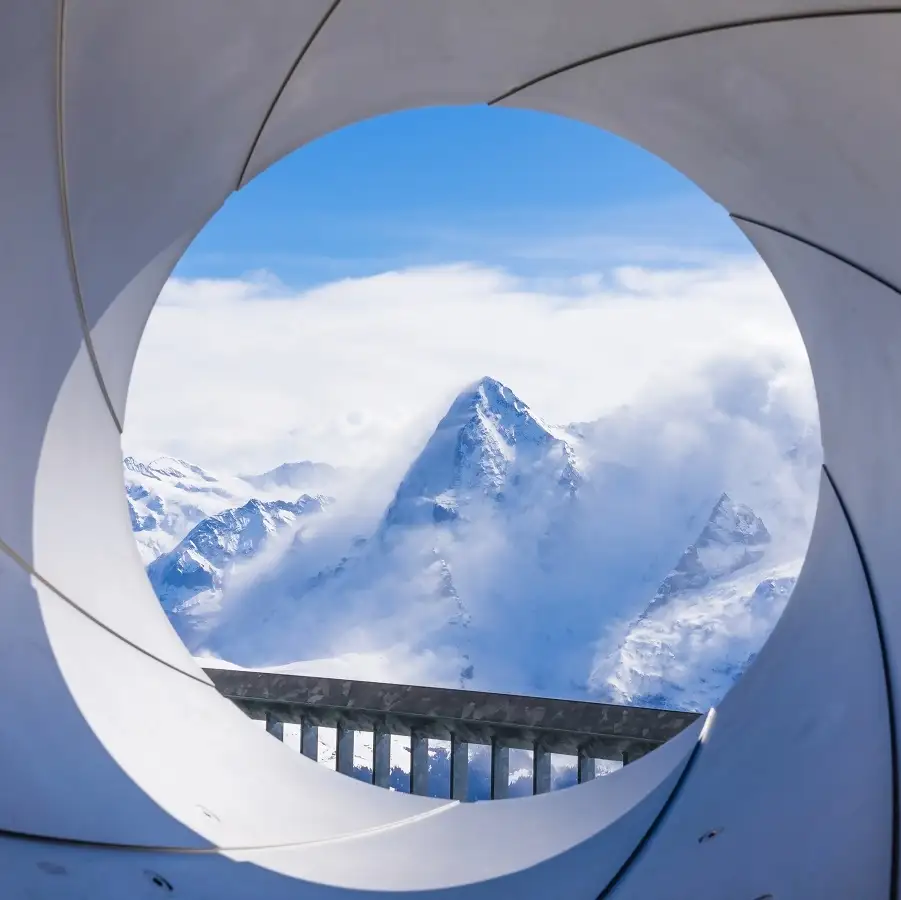
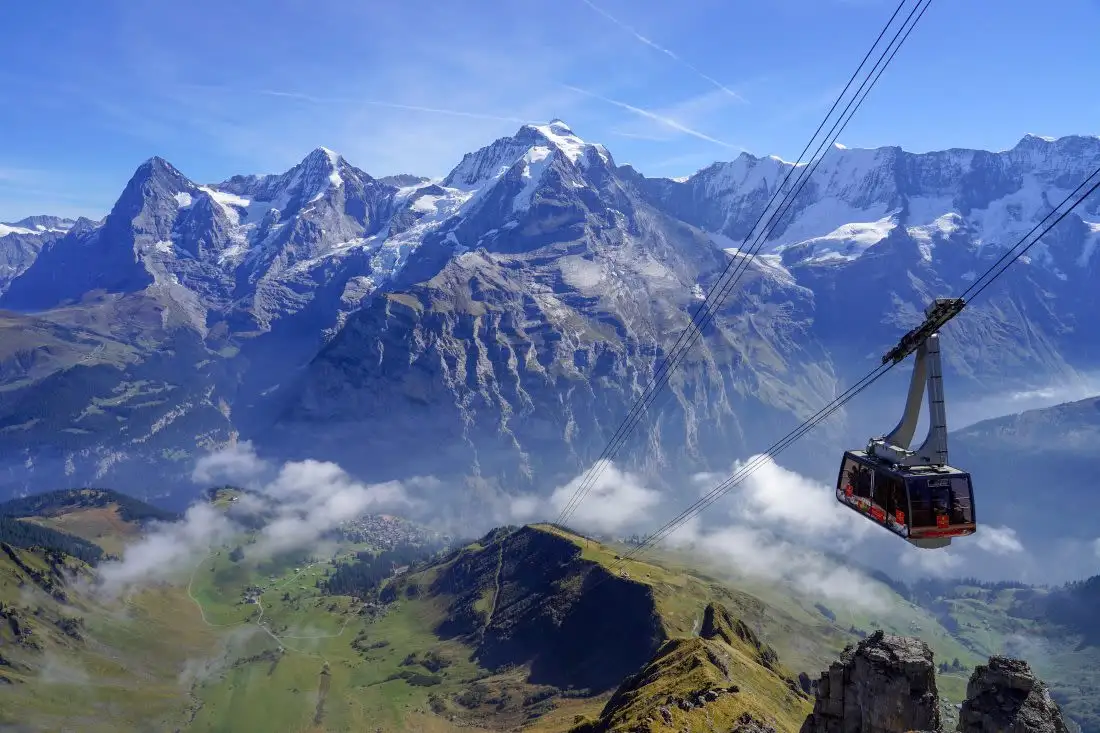
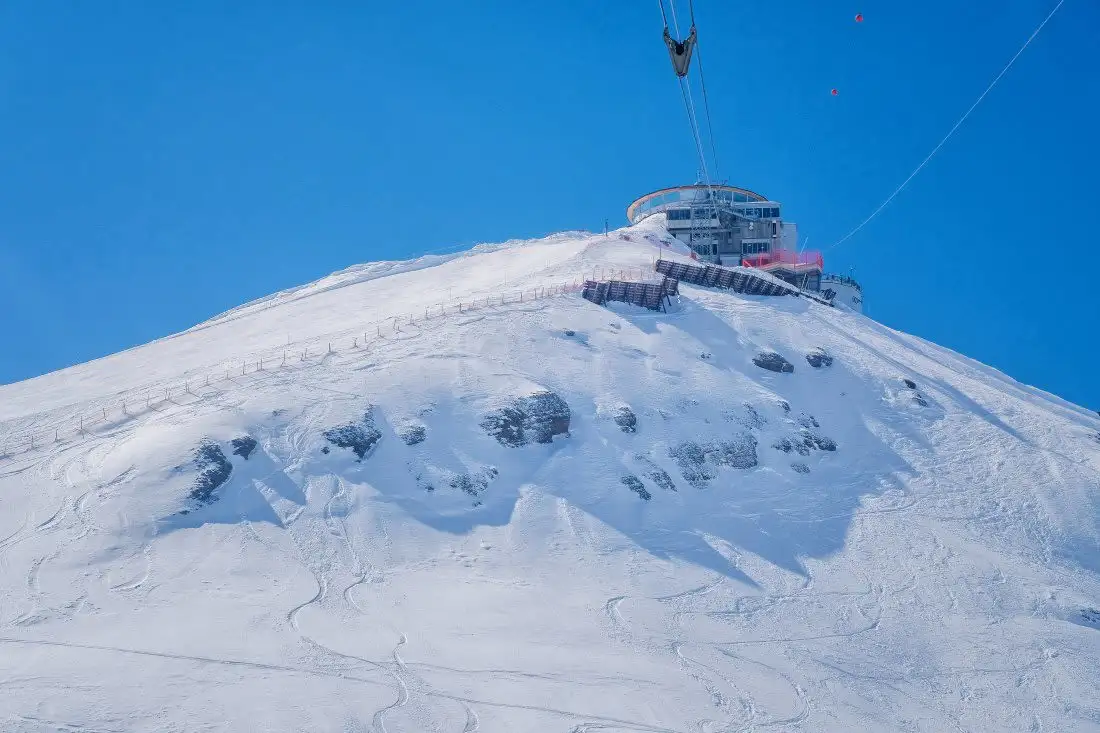
Discover the evil Blofeld's mountain top hideaway, Piz Gloria, from the film location for the James Bond film, On Her Majesty's Secret Service, by traveling to the Schilthorn summit on a jaw-dropping cable car ride via the winter resort of Mürren. Stop off at the Birg gondola station along the way to try out the hair-raising, glass-floored "thrill walk".


Picturesque Swiss town
Show More
Browse the gallery to see some of the highlights

Revolving restaurant
Show More

Picturesque Swiss town
Show More
Browse the gallery to see some of the highlights

Revolving restaurant
Show More
Day 6
Interlaken to Milan

Mürren
Highlight of Excursion to Schilthorn

Lauterbrunnen
Highlight of Excursion to SchilthornPicturesque Swiss town

Excursion to Schilthorn
OverviewExcursion to Schilthorn
Discover the evil Blofeld's mountain top hideaway, Piz Gloria, from the film location for the James Bond film, On Her Majesty's Secret Service, by traveling to the Schilthorn summit on a jaw-dropping cable car ride via the winter resort of Mürren. Stop off at the Birg gondola station along the way to try out the hair-raising, glass-floored "thrill walk".

Piz Gloria
Highlight of Excursion to SchilthornRevolving restaurant
The revolving restaurant on the peak of Schilthorn that was featured in the James Bond film 'On Her Majesty's Secret Service'

Mürren
Highlight of Excursion to Schilthorn

Lauterbrunnen
Highlight of Excursion to SchilthornPicturesque Swiss town

Excursion to Schilthorn
OverviewExcursion to Schilthorn
Discover the evil Blofeld's mountain top hideaway, Piz Gloria, from the film location for the James Bond film, On Her Majesty's Secret Service, by traveling to the Schilthorn summit on a jaw-dropping cable car ride via the winter resort of Mürren. Stop off at the Birg gondola station along the way to try out the hair-raising, glass-floored "thrill walk".

Piz Gloria
Highlight of Excursion to SchilthornRevolving restaurant
The revolving restaurant on the peak of Schilthorn that was featured in the James Bond film 'On Her Majesty's Secret Service'

Day 7
Depart Milan
Day 7
Depart Milan
Morning/Mid-Day
Visiting a cemetery is not usually perceived of as a typical tourist activity unless it's the final resting place of a famous celebrity, but like the cemetery in Prague's Jewish Quarter, or Paris's Père Lachaise Cemetery, Milan Monumentalale Cemetery (or Cimitero Monumentale in Italian) is an exception to the rule. The cemetery is, in fact, the second most visited place in the city after the Duomo. While the cemetery is important as the resting place of thousands of past Milanese residents, both noble and common, it is also a collection of beautiful sculptures, fascinating architecture, and famous graves, including that of the great Italian poet, Manzoni. Set just a short distance from the heart of the city, this grand oasis of peace and silence is a truly important place both for locals and tourists to visit.


Day 7
Depart Milan

Monumental Cemetery
OverviewMonumental Cemetery
Visiting a cemetery is not usually perceived of as a typical tourist activity unless it's the final resting place of a famous celebrity, but like the cemetery in Prague's Jewish Quarter, or Paris's Père Lachaise Cemetery, Milan Monumentalale Cemetery (or Cimitero Monumentale in Italian) is an exception to the rule. The cemetery is, in fact, the second most visited place in the city after the Duomo. While the cemetery is important as the resting place of thousands of past Milanese residents, both noble and common, it is also a collection of beautiful sculptures, fascinating architecture, and famous graves, including that of the great Italian poet, Manzoni. Set just a short distance from the heart of the city, this grand oasis of peace and silence is a truly important place both for locals and tourists to visit.

Monumental Cemetery
OverviewMonumental Cemetery
Visiting a cemetery is not usually perceived of as a typical tourist activity unless it's the final resting place of a famous celebrity, but like the cemetery in Prague's Jewish Quarter, or Paris's Père Lachaise Cemetery, Milan Monumentalale Cemetery (or Cimitero Monumentale in Italian) is an exception to the rule. The cemetery is, in fact, the second most visited place in the city after the Duomo. While the cemetery is important as the resting place of thousands of past Milanese residents, both noble and common, it is also a collection of beautiful sculptures, fascinating architecture, and famous graves, including that of the great Italian poet, Manzoni. Set just a short distance from the heart of the city, this grand oasis of peace and silence is a truly important place both for locals and tourists to visit.

Monumental Cemetery
OverviewMonumental Cemetery
Visiting a cemetery is not usually perceived of as a typical tourist activity unless it's the final resting place of a famous celebrity, but like the cemetery in Prague's Jewish Quarter, or Paris's Père Lachaise Cemetery, Milan Monumentalale Cemetery (or Cimitero Monumentale in Italian) is an exception to the rule. The cemetery is, in fact, the second most visited place in the city after the Duomo. While the cemetery is important as the resting place of thousands of past Milanese residents, both noble and common, it is also a collection of beautiful sculptures, fascinating architecture, and famous graves, including that of the great Italian poet, Manzoni. Set just a short distance from the heart of the city, this grand oasis of peace and silence is a truly important place both for locals and tourists to visit.

Monumental Cemetery
OverviewMonumental Cemetery
Visiting a cemetery is not usually perceived of as a typical tourist activity unless it's the final resting place of a famous celebrity, but like the cemetery in Prague's Jewish Quarter, or Paris's Père Lachaise Cemetery, Milan Monumentalale Cemetery (or Cimitero Monumentale in Italian) is an exception to the rule. The cemetery is, in fact, the second most visited place in the city after the Duomo. While the cemetery is important as the resting place of thousands of past Milanese residents, both noble and common, it is also a collection of beautiful sculptures, fascinating architecture, and famous graves, including that of the great Italian poet, Manzoni. Set just a short distance from the heart of the city, this grand oasis of peace and silence is a truly important place both for locals and tourists to visit.

Monumental Cemetery
OverviewMonumental Cemetery
Visiting a cemetery is not usually perceived of as a typical tourist activity unless it's the final resting place of a famous celebrity, but like the cemetery in Prague's Jewish Quarter, or Paris's Père Lachaise Cemetery, Milan Monumentalale Cemetery (or Cimitero Monumentale in Italian) is an exception to the rule. The cemetery is, in fact, the second most visited place in the city after the Duomo. While the cemetery is important as the resting place of thousands of past Milanese residents, both noble and common, it is also a collection of beautiful sculptures, fascinating architecture, and famous graves, including that of the great Italian poet, Manzoni. Set just a short distance from the heart of the city, this grand oasis of peace and silence is a truly important place both for locals and tourists to visit.
Pre-Paid Tours and Activities:
Pre-Paid Transportation:
Accommodation:
Go Real Travel Mobile App:

10 Days

7 Days

10 Days

10 Days

10 Days

14 Days
Swiss Adventure with Germany & Italy: Lakes, Castles & Cultural Wonders
Germany, Switzerland, Italy

7 Days

3 Days

7 Days

10 Days

7 Days

10 Days

10 Days

10 Days

14 Days
Swiss Adventure with Germany & Italy: Lakes, Castles & Cultural Wonders
Germany, Switzerland, Italy

7 Days

3 Days

7 Days


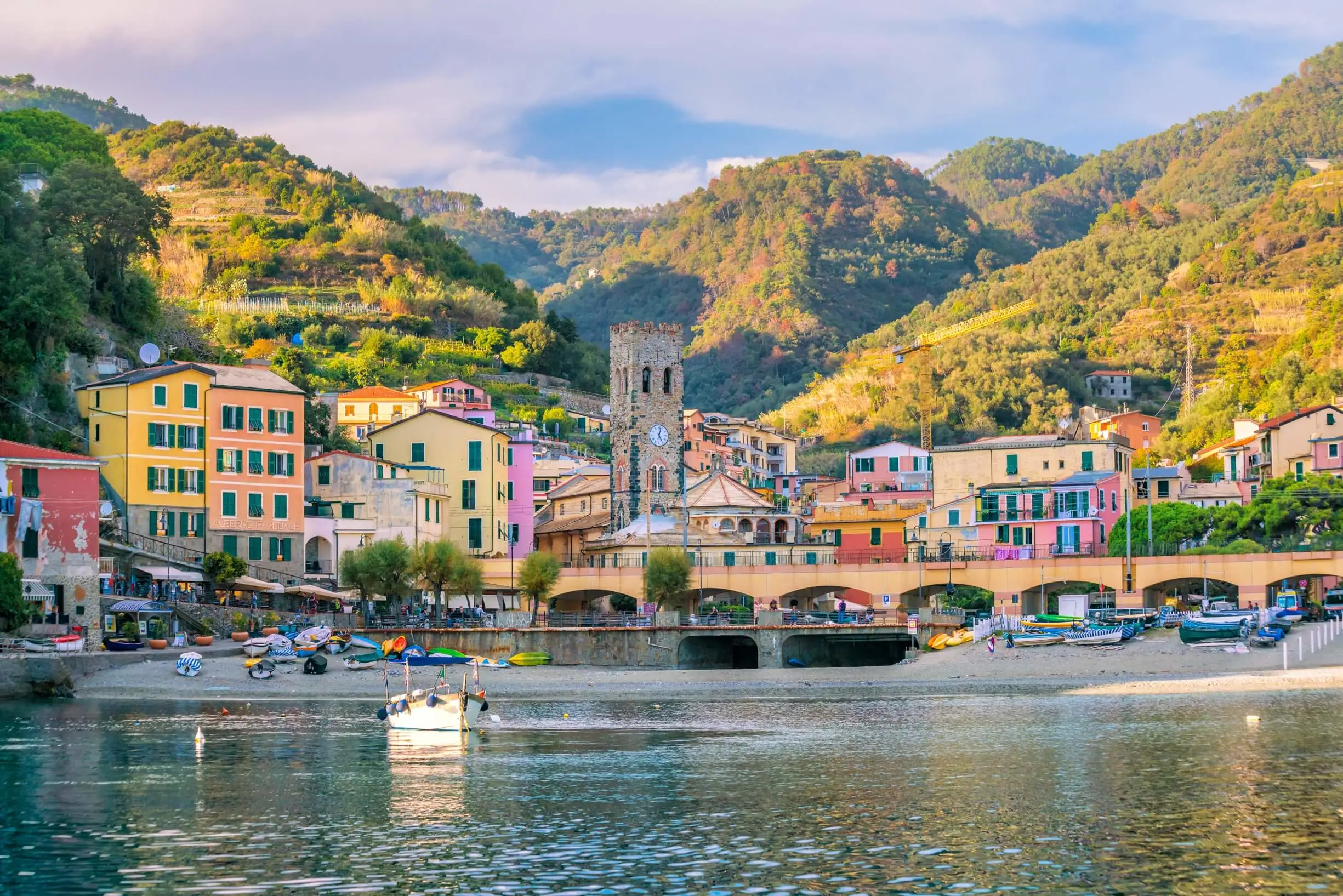
Cinque Terre, a string of five fishing villages in the Liguria region of Italy, is a rare snapshot of a traditional way of life. Rustic and charming, these clusters of pastel houses clinging to steep Mediterranean cliffs hold a special allure. Hiking between the five villages is a popular way to experience the rugged Mediterranean landscape close up. There are no roads here — the only other way to get between the villages is by boat or train. Seafood, hauled in from the azure waters of the sea that laps against the rocky shore, is abundant and delicious here. It pairs well with the local wine, and perhaps a plate of olives. Cinque Terre is a place to take it slow, to breathe in the fresh sea air and bask in the balmy climate, many miles from the chaos and frenzy of the modern world.

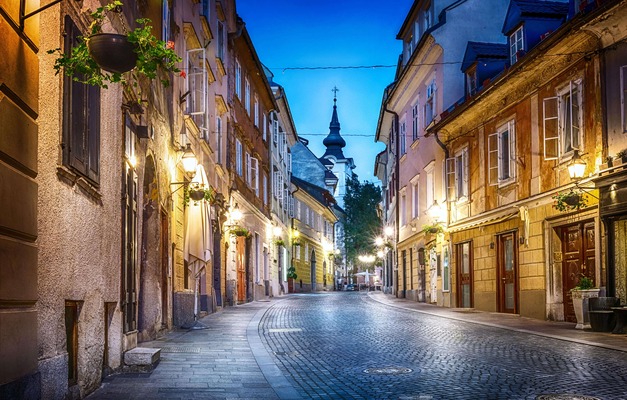
Bologna, set at the crossroads of northern Italy, is a city that reveals itself through depth rather than spectacle. Its character lives in layers—endless porticoes sheltering everyday life, warm terracotta facades glowing under shifting light, and streets shaped by centuries of scholars, merchants, and craftsmen. Here, history isn’t staged; it’s lived, woven into lunchtime rituals, quiet piazzas, and the steady pulse of a working city. As evening settles, Bologna softens. The arcades echo with slower footsteps, kitchens hum behind shuttered windows, and the air carries the promise of long dinners and conversation. It’s a city that rewards lingering—rich, grounded, and quietly confident—less about being impressed, and more about feeling entirely at ease.

Verona, set along a gentle bend of the Adige River, blends ancient history with an easy, romantic rhythm of daily life. Roman monuments, medieval bridges, and elegant piazzas shape a compact city that’s ideal for unhurried exploration, from the grandeur of the Arena to the lively energy of Piazza delle Erbe. Literary legends and local traditions sit side by side, with quiet courtyards, riverside walks, and inviting cafés just steps apart.Whether you’re wandering historic streets, lingering over a glass of Valpolicella, or watching the light fade from an ancient bridge, Verona delivers a timeless and effortlessly rewarding Italian experience.

Lake Como has long been a muse for poets and painters, its shimmering waters and mountain-framed villages evoking pure romance. A retreat for aristocrats and artists, it still exudes an air of timeless elegance. Step onto its shores, and you’ll be swept into a world where grand villas, sunlit promenades, and the slow rhythm of la dolce vita create a dreamlike escape. For all its glamour, Lake Como remains deeply authentic. Ancient churches stand beside pastel-hued trattorias, where the scent of espresso lingers in the air. Villas once home to nobility now welcome travelers eager to wander their manicured gardens. The lake itself is a stage—ferries glide between storybook villages, each revealing a piece of Como’s rich history and effortless beauty. Days drift by on boat rides to Bellagio’s cobbled streets, hikes to breathtaking viewpoints, or long lunches on waterfront terraces. By night, the lake glows with lantern-lit reflections as prosecco flows beneath the Alps. A visit to Lake Como isn’t just a getaway—it’s a step into a living masterpiece, where nature and history entwine in perfect harmony.

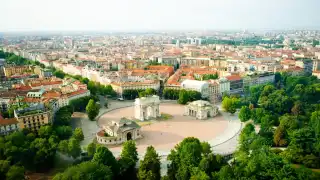
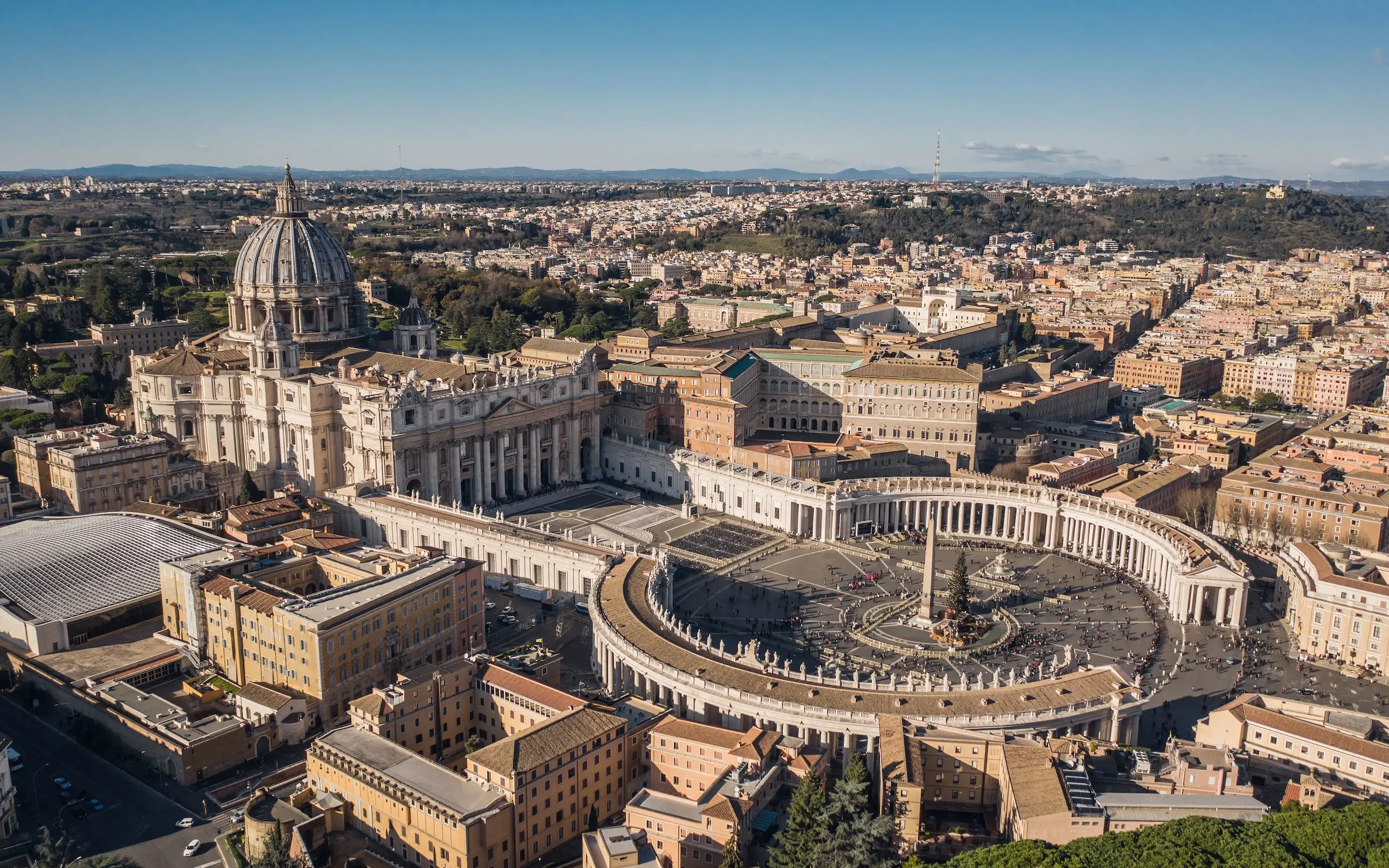
Milan is Italy’s most forward-looking city. An international center for fashion, fine dining, and design, it seems as though Milanese people breathe style. From the gleam on your wine glass to the twists of its cathedral’s spires, everything in Milan is finished to perfection. Home to the Italian stock exchange, a world-famous fashion industry, and a frantic business district, Milan is fast-paced and commercially minded. The shopping in Milan is second to none. At the Galleria Vittorio Emanuele II, one of the world’s oldest shopping malls, a glass-iron ceiling soars over brands like Louis Vuitton, Gucci, Massimo Dutti, and Amani. Along with the fashion, Milan’s cathedral, castle, and canals are also must-sees. But to view the city’s most prized possession - Leonardo da Vinci’s Last Supper, you must make an appointment. Tickets to view this mural sell out weeks in advance. It is truly a bucket-list worthy work of art. After a day taking in all the glamor and culture, take a seat in one of Milan’s well-appointed eateries. The Navigli Quarter is packed with restaurants, bars, and cafes, perfect for a relaxed Aperol spritz or pizza along the city’s canals.

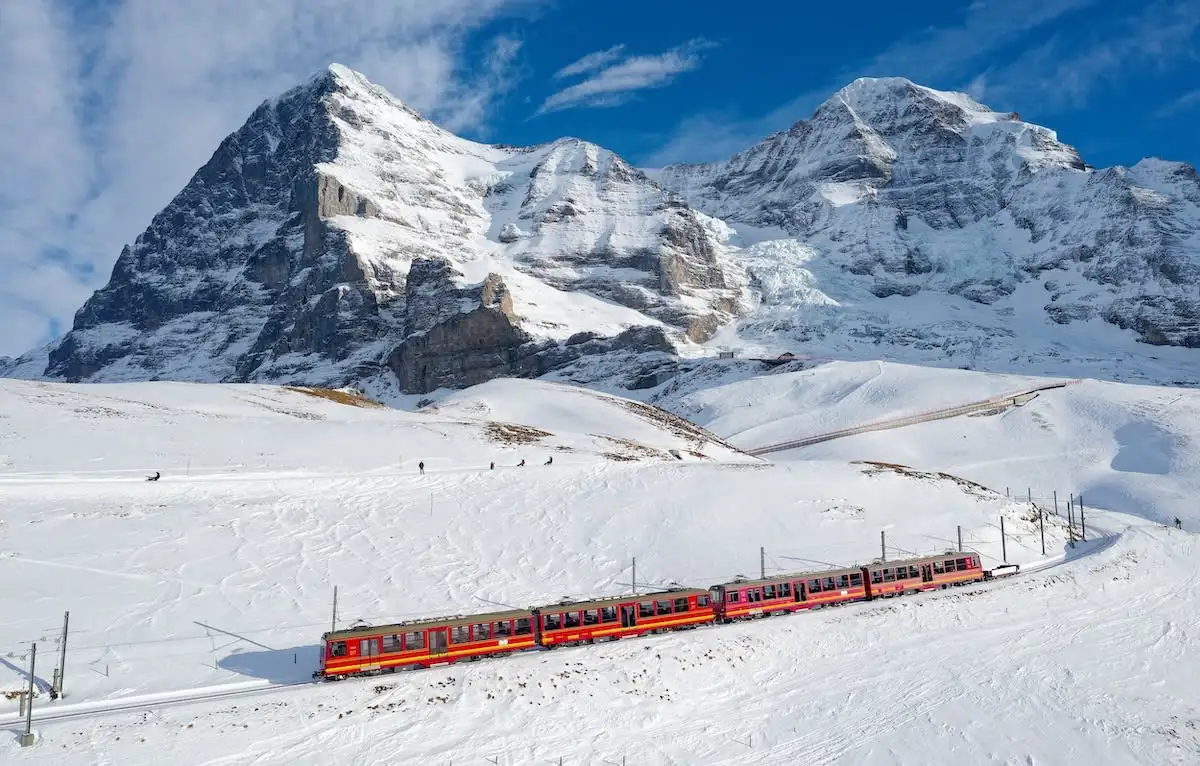
Located between two bodies of water — Lake Brienz and Lake Thun — Interlaken is the perfect place to explore the serene natural beauty at Switzerland’s heart. Interlaken is a place for those who seek adventure amid spectacular natural surrounds. Rock climbing, canyoning, bungee jumping, and paragliding are just some of the ways to fill a day here, and countless backpackers descend on the town every summer to do all of these and more. Less intense, but no less rewarding, are the many opportunities for hiking, sailing, and swimming. Or, take to the rails. At the nearby Kleine Scheidegg pass, a train runs through the snowy Swiss Alps to the highest train station on the continent. The fun here doesn’t stop at night. After a hard day of adventure, backpackers flock to the town’s many pubs and bars to soothe their aches and pains with steins of beer. Interlaken is a place where fun and excitement reign supreme and somewhere to experience Switzerland’s striking nature in the most thrilling way.

Milan is Italy’s most forward-looking city. An international center for fashion, fine dining, and design, it seems as though Milanese people breathe style. From the gleam on your wine glass to the twists of its cathedral’s spires, everything in Milan is finished to perfection. Home to the Italian stock exchange, a world-famous fashion industry, and a frantic business district, Milan is fast-paced and commercially minded. The shopping in Milan is second to none. At the Galleria Vittorio Emanuele II, one of the world’s oldest shopping malls, a glass-iron ceiling soars over brands like Louis Vuitton, Gucci, Massimo Dutti, and Amani. Along with the fashion, Milan’s cathedral, castle, and canals are also must-sees. But to view the city’s most prized possession - Leonardo da Vinci’s Last Supper, you must make an appointment. Tickets to view this mural sell out weeks in advance. It is truly a bucket-list worthy work of art. After a day taking in all the glamor and culture, take a seat in one of Milan’s well-appointed eateries. The Navigli Quarter is packed with restaurants, bars, and cafes, perfect for a relaxed Aperol spritz or pizza along the city’s canals.

Cinque Terre, a string of five fishing villages in the Liguria region of Italy, is a rare snapshot of a traditional way of life. Rustic and charming, these clusters of pastel houses clinging to steep Mediterranean cliffs hold a special allure. Hiking between the five villages is a popular way to experience the rugged Mediterranean landscape close up. There are no roads here — the only other way to get between the villages is by boat or train. Seafood, hauled in from the azure waters of the sea that laps against the rocky shore, is abundant and delicious here. It pairs well with the local wine, and perhaps a plate of olives. Cinque Terre is a place to take it slow, to breathe in the fresh sea air and bask in the balmy climate, many miles from the chaos and frenzy of the modern world.

Bologna, set at the crossroads of northern Italy, is a city that reveals itself through depth rather than spectacle. Its character lives in layers—endless porticoes sheltering everyday life, warm terracotta facades glowing under shifting light, and streets shaped by centuries of scholars, merchants, and craftsmen. Here, history isn’t staged; it’s lived, woven into lunchtime rituals, quiet piazzas, and the steady pulse of a working city. As evening settles, Bologna softens. The arcades echo with slower footsteps, kitchens hum behind shuttered windows, and the air carries the promise of long dinners and conversation. It’s a city that rewards lingering—rich, grounded, and quietly confident—less about being impressed, and more about feeling entirely at ease.

Verona, set along a gentle bend of the Adige River, blends ancient history with an easy, romantic rhythm of daily life. Roman monuments, medieval bridges, and elegant piazzas shape a compact city that’s ideal for unhurried exploration, from the grandeur of the Arena to the lively energy of Piazza delle Erbe. Literary legends and local traditions sit side by side, with quiet courtyards, riverside walks, and inviting cafés just steps apart.Whether you’re wandering historic streets, lingering over a glass of Valpolicella, or watching the light fade from an ancient bridge, Verona delivers a timeless and effortlessly rewarding Italian experience.

Lake Como has long been a muse for poets and painters, its shimmering waters and mountain-framed villages evoking pure romance. A retreat for aristocrats and artists, it still exudes an air of timeless elegance. Step onto its shores, and you’ll be swept into a world where grand villas, sunlit promenades, and the slow rhythm of la dolce vita create a dreamlike escape. For all its glamour, Lake Como remains deeply authentic. Ancient churches stand beside pastel-hued trattorias, where the scent of espresso lingers in the air. Villas once home to nobility now welcome travelers eager to wander their manicured gardens. The lake itself is a stage—ferries glide between storybook villages, each revealing a piece of Como’s rich history and effortless beauty. Days drift by on boat rides to Bellagio’s cobbled streets, hikes to breathtaking viewpoints, or long lunches on waterfront terraces. By night, the lake glows with lantern-lit reflections as prosecco flows beneath the Alps. A visit to Lake Como isn’t just a getaway—it’s a step into a living masterpiece, where nature and history entwine in perfect harmony.

Milan is Italy’s most forward-looking city. An international center for fashion, fine dining, and design, it seems as though Milanese people breathe style. From the gleam on your wine glass to the twists of its cathedral’s spires, everything in Milan is finished to perfection. Home to the Italian stock exchange, a world-famous fashion industry, and a frantic business district, Milan is fast-paced and commercially minded. The shopping in Milan is second to none. At the Galleria Vittorio Emanuele II, one of the world’s oldest shopping malls, a glass-iron ceiling soars over brands like Louis Vuitton, Gucci, Massimo Dutti, and Amani. Along with the fashion, Milan’s cathedral, castle, and canals are also must-sees. But to view the city’s most prized possession - Leonardo da Vinci’s Last Supper, you must make an appointment. Tickets to view this mural sell out weeks in advance. It is truly a bucket-list worthy work of art. After a day taking in all the glamor and culture, take a seat in one of Milan’s well-appointed eateries. The Navigli Quarter is packed with restaurants, bars, and cafes, perfect for a relaxed Aperol spritz or pizza along the city’s canals.

Located between two bodies of water — Lake Brienz and Lake Thun — Interlaken is the perfect place to explore the serene natural beauty at Switzerland’s heart. Interlaken is a place for those who seek adventure amid spectacular natural surrounds. Rock climbing, canyoning, bungee jumping, and paragliding are just some of the ways to fill a day here, and countless backpackers descend on the town every summer to do all of these and more. Less intense, but no less rewarding, are the many opportunities for hiking, sailing, and swimming. Or, take to the rails. At the nearby Kleine Scheidegg pass, a train runs through the snowy Swiss Alps to the highest train station on the continent. The fun here doesn’t stop at night. After a hard day of adventure, backpackers flock to the town’s many pubs and bars to soothe their aches and pains with steins of beer. Interlaken is a place where fun and excitement reign supreme and somewhere to experience Switzerland’s striking nature in the most thrilling way.

Milan is Italy’s most forward-looking city. An international center for fashion, fine dining, and design, it seems as though Milanese people breathe style. From the gleam on your wine glass to the twists of its cathedral’s spires, everything in Milan is finished to perfection. Home to the Italian stock exchange, a world-famous fashion industry, and a frantic business district, Milan is fast-paced and commercially minded. The shopping in Milan is second to none. At the Galleria Vittorio Emanuele II, one of the world’s oldest shopping malls, a glass-iron ceiling soars over brands like Louis Vuitton, Gucci, Massimo Dutti, and Amani. Along with the fashion, Milan’s cathedral, castle, and canals are also must-sees. But to view the city’s most prized possession - Leonardo da Vinci’s Last Supper, you must make an appointment. Tickets to view this mural sell out weeks in advance. It is truly a bucket-list worthy work of art. After a day taking in all the glamor and culture, take a seat in one of Milan’s well-appointed eateries. The Navigli Quarter is packed with restaurants, bars, and cafes, perfect for a relaxed Aperol spritz or pizza along the city’s canals.

Cinque Terre, a string of five fishing villages in the Liguria region of Italy, is a rare snapshot of a traditional way of life. Rustic and charming, these clusters of pastel houses clinging to steep Mediterranean cliffs hold a special allure. Hiking between the five villages is a popular way to experience the rugged Mediterranean landscape close up. There are no roads here — the only other way to get between the villages is by boat or train. Seafood, hauled in from the azure waters of the sea that laps against the rocky shore, is abundant and delicious here. It pairs well with the local wine, and perhaps a plate of olives. Cinque Terre is a place to take it slow, to breathe in the fresh sea air and bask in the balmy climate, many miles from the chaos and frenzy of the modern world.


Zoom In to the cities to see your itinerary in more detail