
3-Days in Enchanting Salzburg
 3 Day Tour of Salzburg
Destinations on this trip: Salzburg
Overview
Trip Map
Itinerary
Inclusions
Reviews


How Long Is the Salzburg City Escape Trip and What Does It Cost?
 Duration3 days / 2 nights
- Best timeJan-Dec
 From$400 / person (Flights not included)
- Discover the stunning Mirabell Palace Gardens, made famous by the Sound of Music.
- Ascend to the majestic Hohensalzburg Fortress for panoramic city views.
- Stroll through Salzburg's historic Altstadt, brimming with Baroque architecture.
- Enjoy an optional live concert, embracing Salzburg’s rich musical heritage.
- Reach the summit of Untersberg for awe-inspiring Alpine vistas.
- Discover the stunning Mirabell Palace Gardens, made famous by the Sound of Music.
- Ascend to the majestic Hohensalzburg Fortress for panoramic city views.
- Stroll through Salzburg's historic Altstadt, brimming with Baroque architecture.
- Enjoy an optional live concert, embracing Salzburg’s rich musical heritage.
- Reach the summit of Untersberg for awe-inspiring Alpine vistas.


Must see sights
Starting from
$400
per person
 Not included
 Price varies by group size, hotel selection, and travel season.
Secure Your Customizable Trip
Enter your details to embark on a journey that can be tailored just for you.
Start
Travelers
Preferred Hotel Stars

Craft Your Own Itinerary
Select your interests and destinations for a trip plan inspired by you.
Where Does the Salzburg City Escape Trip Trip Go?
| ← | Move left |
| → | Move right |
| ↑ | Move up |
| ↓ | Move down |
| + | Zoom in |
| - | Zoom out |
| Home | Jump left by 75% |
| End | Jump right by 75% |
| Page Up | Jump up by 75% |
| Page Down | Jump down by 75% |


Click To Make Map Interactive
Salzburg City Escape Trip Timeline
Arrival
2 nights
Salzburg
Austria
Departure
What Does the Salzburg City Escape Trip Itinerary Look Like?
Day 1
Arrive Salzburg

Day 1
Arrive Salzburg


Afternoon
Neustadt
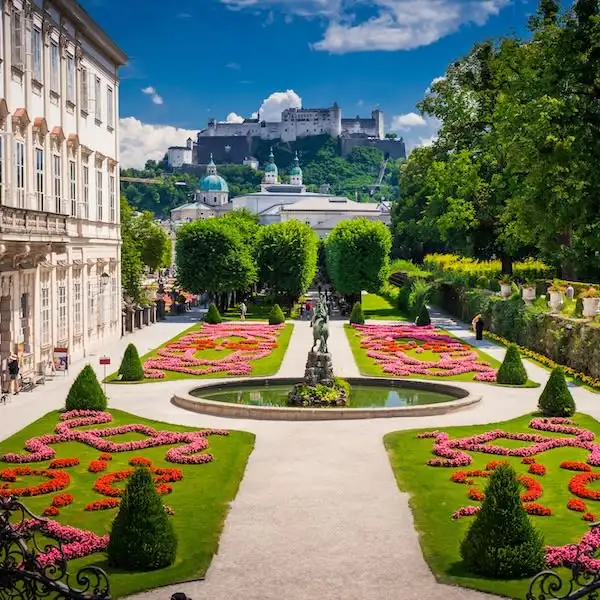
On the right bank of Salzach river lies the Neustadt (New Town). Although it may be just a bit newer than the Altstadt, it still boasts hundreds of years of history in it's winding and narrow Medieval lanes. The Mirabell Palace, a Baroque masterpiece built in 1606 by the Prince-Archbishop of Salzburg for his concubine, is the most famous site in the Neustadt. As impressive as the palace and its interior are, the elaborate gardens surrounding the palace are more famous than the palace itself.
Stroll this tranquil garden amidst the city hubbub and sing "Do-Re-Me" .
Show More
Hang out with locals on this pedestrian street lined by shopping and restaurants.
Show More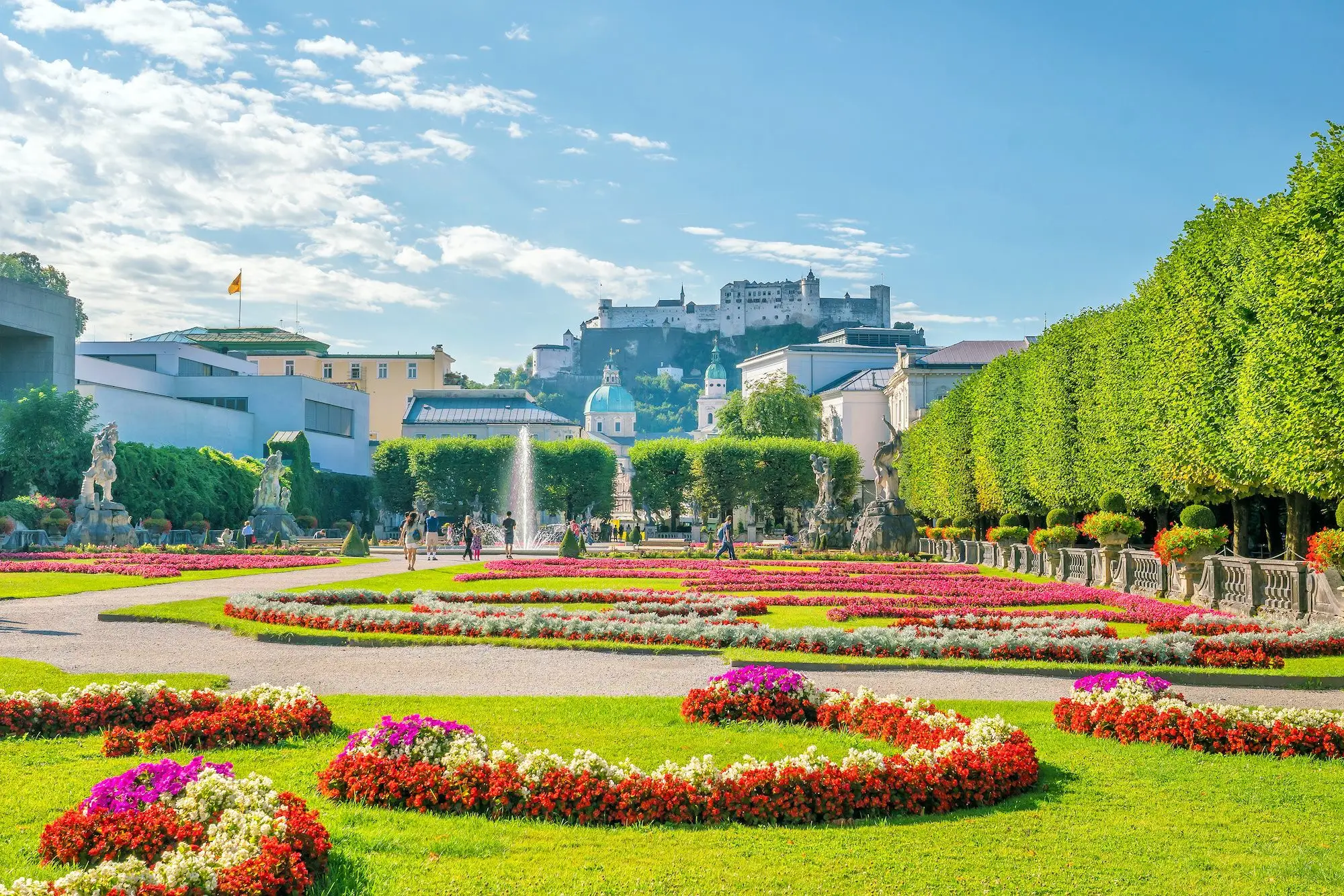

Stroll this tranquil garden amidst the city hubbub and sing "Do-Re-Me" .
Show MoreHang out with locals on this pedestrian street lined by shopping and restaurants.
Show MoreStroll this tranquil garden amidst the city hubbub and sing "Do-Re-Me" .
Show MoreDay 1
Arrive Salzburg

Day 1
Arrive Salzburg
To Be Determined:
Transfer from Airport
Afternoon:
Neustadt
Late Afternoon/Early Evening:
Mönchsberg
:
:
Mirabell Palace Gardens
 Highlight of Neustadt
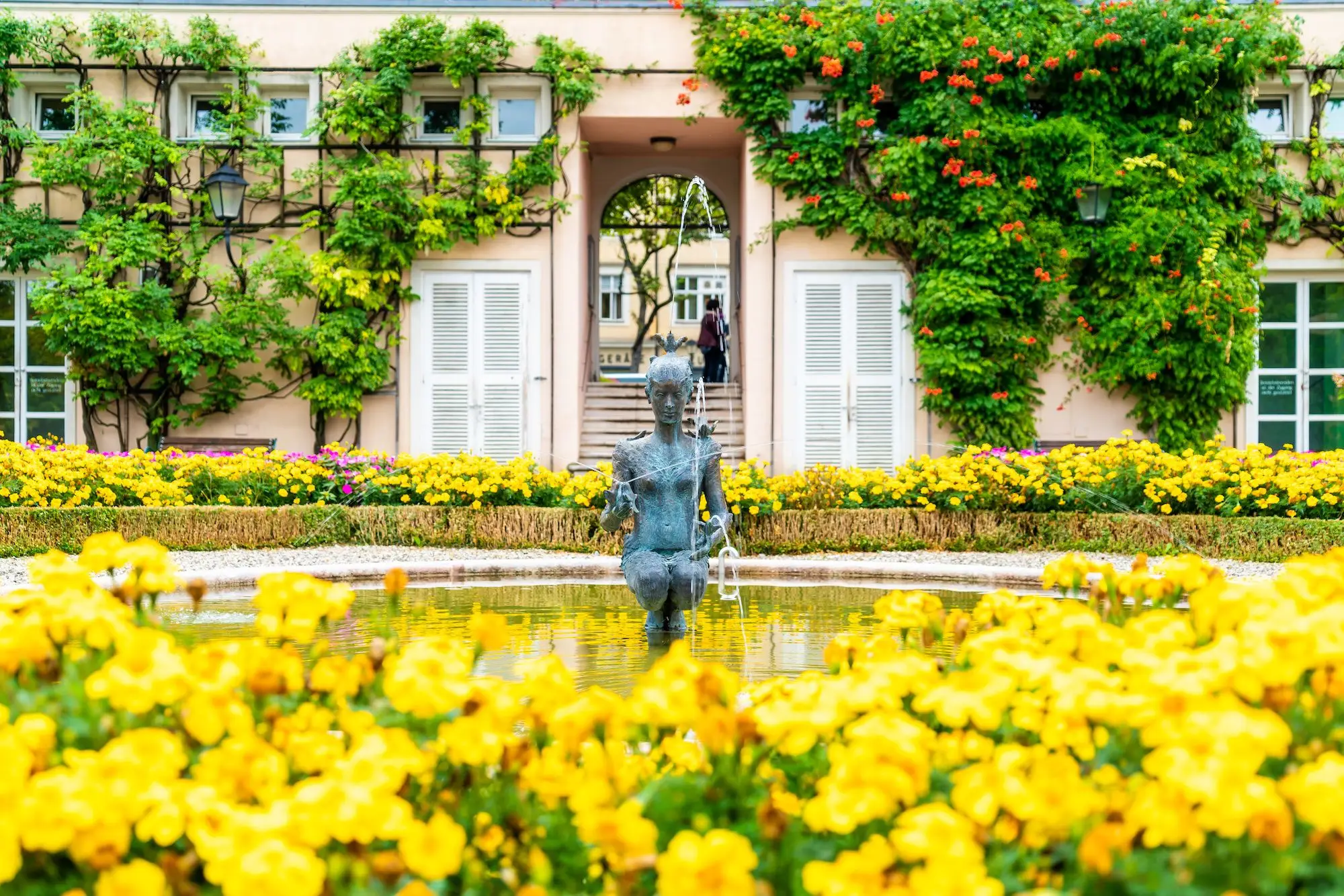
Stroll this tranquil garden amidst the city hubbub and sing "Do-Re-Me" .
Within the gardens, you will discover not only greenery and flowers but also statues of a pegasus, unicorns, lions and other exotic animals, as well as a gnome garden, grand staircases, fountains, and other picturesque spots. Sound of Music fans will recognize it, as this is where several parts of the "Do-Re-Me" song were filmed. Maria and the children march around the pegasus statue and fountain, race through the lattice garden tunnels, pose at the garden gates, and pet the gnomes on the head. Not much of the palace interior is open to visitors, however, the best part of the palace, a marble staircase lined by Raphael Donner statues, is open to those who know how to find it. The corridor to the staircase can be found in the passage that connects the palace courtyard to the gardens and the Pegasus fountain. If you are coming from the courtyard, the door to the corridor is on your right. You will find the staircase within a few steps.
Linzer Gasse
Highlight of NeustadtHang out with locals on this pedestrian street lined by shopping and restaurants.
Linzer Gasse has served as an important route since Roman times. Historically associated with merchants and craftsmen, many of its medieval townhouses survived in restored form after a devastating fire swept through the neighborhood in 1818. Look for the former home of Paracelsus at No. 3, and farther along the street, St. Sebastian’s Church and Cemetery; Linzer Gasse also provides access to the steep historic route up the Kapuzinerberg. Just look for the gateway passage, which is located on the right side of the Linzer Gasse if you are coming from the river and head up the mountain side.
Neustadt
OverviewNeustadt
On the right bank of Salzach river lies the Neustadt (New Town). Although it may be just a bit newer than the Altstadt, it still boasts hundreds of years of history in it's winding and narrow Medieval lanes. The Mirabell Palace, a Baroque masterpiece built in 1606 by the Prince-Archbishop of Salzburg for his concubine, is the most famous site in the Neustadt. As impressive as the palace and its interior are, the elaborate gardens surrounding the palace are more famous than the palace itself.
Mirabell Palace Gardens
Highlight of NeustadtStroll this tranquil garden amidst the city hubbub and sing "Do-Re-Me" .
Within the gardens, you will discover not only greenery and flowers but also statues of a pegasus, unicorns, lions and other exotic animals, as well as a gnome garden, grand staircases, fountains, and other picturesque spots. Sound of Music fans will recognize it, as this is where several parts of the "Do-Re-Me" song were filmed. Maria and the children march around the pegasus statue and fountain, race through the lattice garden tunnels, pose at the garden gates, and pet the gnomes on the head. Not much of the palace interior is open to visitors, however, the best part of the palace, a marble staircase lined by Raphael Donner statues, is open to those who know how to find it. The corridor to the staircase can be found in the passage that connects the palace courtyard to the gardens and the Pegasus fountain. If you are coming from the courtyard, the door to the corridor is on your right. You will find the staircase within a few steps.
Linzer Gasse
Highlight of NeustadtHang out with locals on this pedestrian street lined by shopping and restaurants.
Linzer Gasse has served as an important route since Roman times. Historically associated with merchants and craftsmen, many of its medieval townhouses survived in restored form after a devastating fire swept through the neighborhood in 1818. Look for the former home of Paracelsus at No. 3, and farther along the street, St. Sebastian’s Church and Cemetery; Linzer Gasse also provides access to the steep historic route up the Kapuzinerberg. Just look for the gateway passage, which is located on the right side of the Linzer Gasse if you are coming from the river and head up the mountain side.
Neustadt
OverviewNeustadt
On the right bank of Salzach river lies the Neustadt (New Town). Although it may be just a bit newer than the Altstadt, it still boasts hundreds of years of history in it's winding and narrow Medieval lanes. The Mirabell Palace, a Baroque masterpiece built in 1606 by the Prince-Archbishop of Salzburg for his concubine, is the most famous site in the Neustadt. As impressive as the palace and its interior are, the elaborate gardens surrounding the palace are more famous than the palace itself.
Mirabell Palace Gardens
Highlight of NeustadtStroll this tranquil garden amidst the city hubbub and sing "Do-Re-Me" .
Within the gardens, you will discover not only greenery and flowers but also statues of a pegasus, unicorns, lions and other exotic animals, as well as a gnome garden, grand staircases, fountains, and other picturesque spots. Sound of Music fans will recognize it, as this is where several parts of the "Do-Re-Me" song were filmed. Maria and the children march around the pegasus statue and fountain, race through the lattice garden tunnels, pose at the garden gates, and pet the gnomes on the head. Not much of the palace interior is open to visitors, however, the best part of the palace, a marble staircase lined by Raphael Donner statues, is open to those who know how to find it. The corridor to the staircase can be found in the passage that connects the palace courtyard to the gardens and the Pegasus fountain. If you are coming from the courtyard, the door to the corridor is on your right. You will find the staircase within a few steps.
Day 2
Salzburg
Day 2
Salzburg


9:00 AM - 11:30 AM
Guided Walking Tour of Salzburg
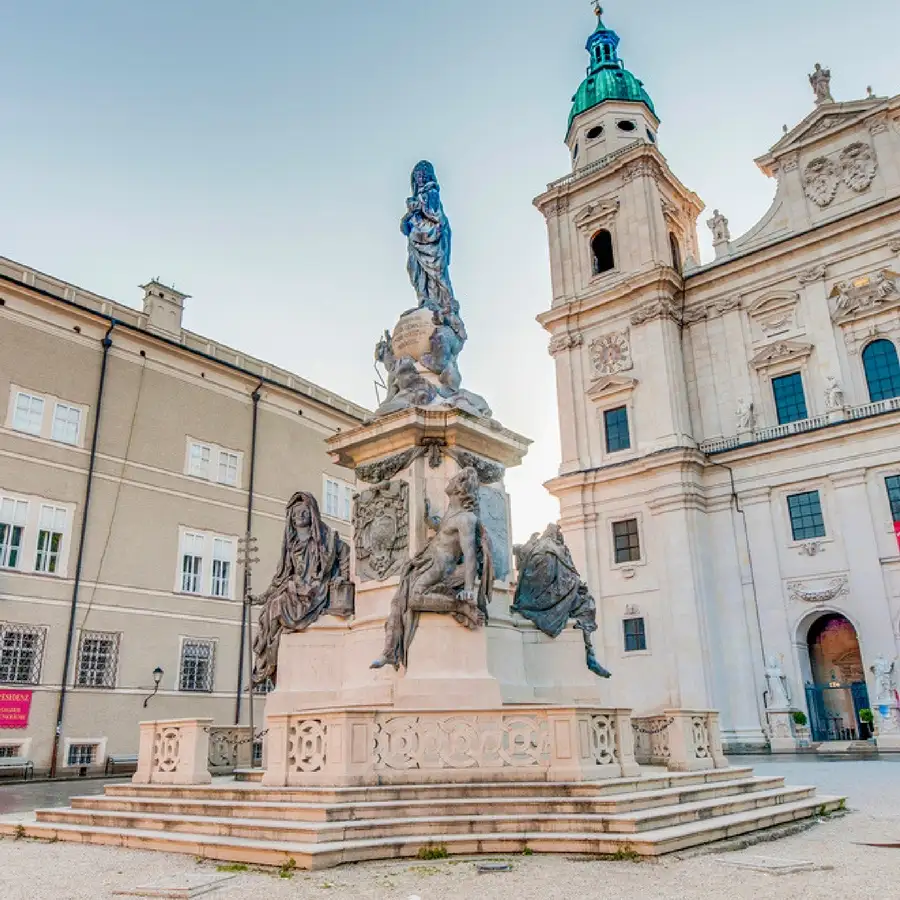
Salzburg is simply overwhelming in all the best ways. It is alive with fascinating history, grandiose and sublime architecture fills every street and square, culture and music permeate the atmosphere, and it is surrounded by breath-taking natural scenery. This guided tour with a local will provide the context needed to bring all of this beauty into perspective, and to connect the physical city to its history, culture, and environment.
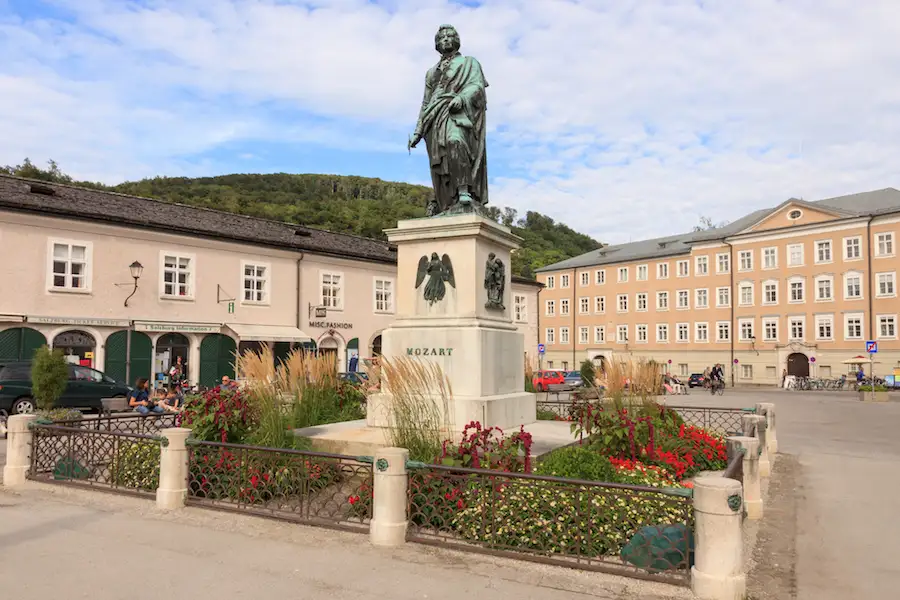
One of several grand squares in the center of Altstadt in Salzburg.
Show More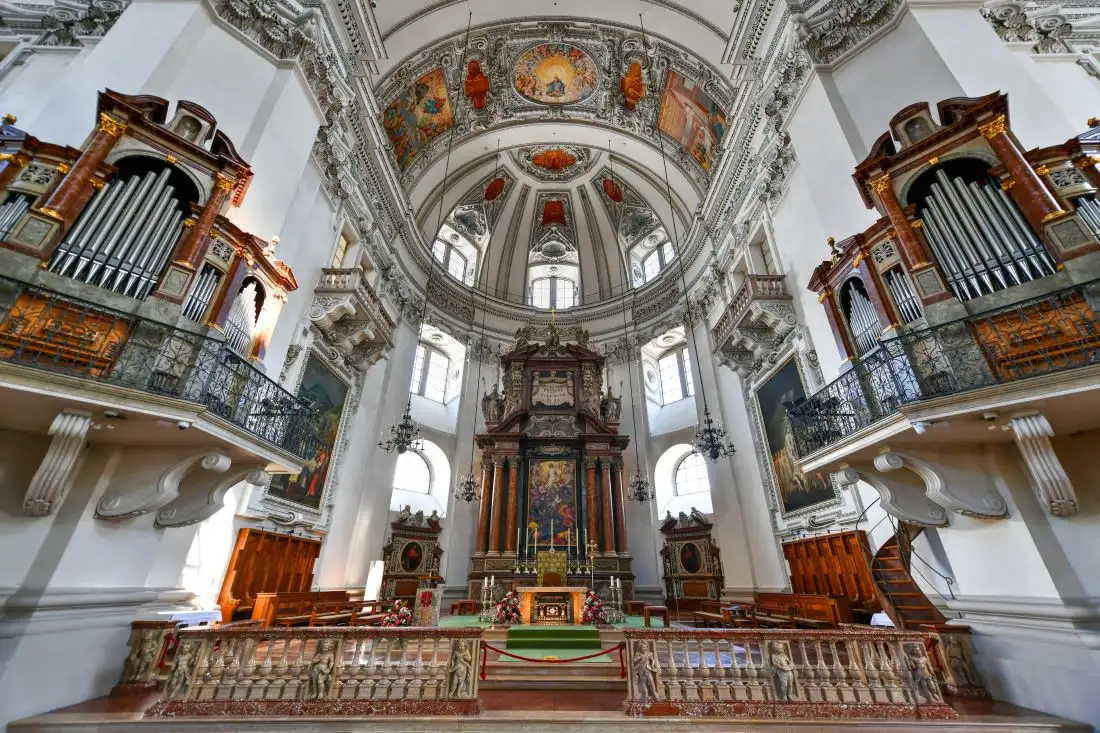
Step beneath Salzburg Cathedral’s immense dome to experience the monumental Baroque church at the heart of the city.
Show More
One of several grand squares in the center of Altstadt in Salzburg.
Show MoreStep beneath Salzburg Cathedral’s immense dome to experience the monumental Baroque church at the heart of the city.
Show MoreOne of several grand squares in the center of Altstadt in Salzburg.
Show MoreDay 2
Salzburg

Day 3
Depart Salzburg
Day 3
Depart Salzburg

Early Morning/Morning
Untersberg Peak
The nearly 6,000-foot high Untersberg is Salzburg's nearest Alpine Mountain, and a visit to its peak is the perfect way to experience the Alps without traveling too far. Don't worry, there's no need to bring your climbing gear. You can take a bus from Salzburg to the base of the mountain, and then take an exhilarating cable lift ride all the way to the limestone summit. There you will find a stupendous view of the Alps spread out before you, and if you feel like wandering a bit, a network of rocky trails spreads out from the summit. The Salzburg card covers both the bus ride to the lift (it's the last stop of bus line #25) and the cable car tickets!

Day 3
Depart Salzburg
What's Included in the Salzburg City Escape Trip Trip?
Pre-Paid Tours and Activities:
- Guided Walking Tour of Salzburg

Pre-Paid Transportation:

Accommodation:
- 2 nights at a hotel of your choice in Salzburg

Go Real Travel Mobile App:
- Itinerary Plan & Reservations Info
- Points of Interest
- Detailed Travel Information
- Maps & Directions
Other Trips You May Like





Featured Blogs




Our Customers Say It Best


Malini Dutta, Boston, Massachusetts

Bev and Mark Frankel, Williamsburg, Virginia
Marianne Strydom, Paarl, South Africa
Otto Chuy, Los Angeles, California
Malini Dutta, Boston, Massachusetts
Bev and Mark Frankel, Williamsburg, Virginia
Marianne Strydom, Paarl, South Africa
Otto Chuy, Los Angeles, California
Malini Dutta, Boston, Massachusetts
Bev and Mark Frankel, Williamsburg, Virginia
Marianne Strydom, Paarl, South Africa
Otto Chuy, Los Angeles, California



Explore cities in more detail
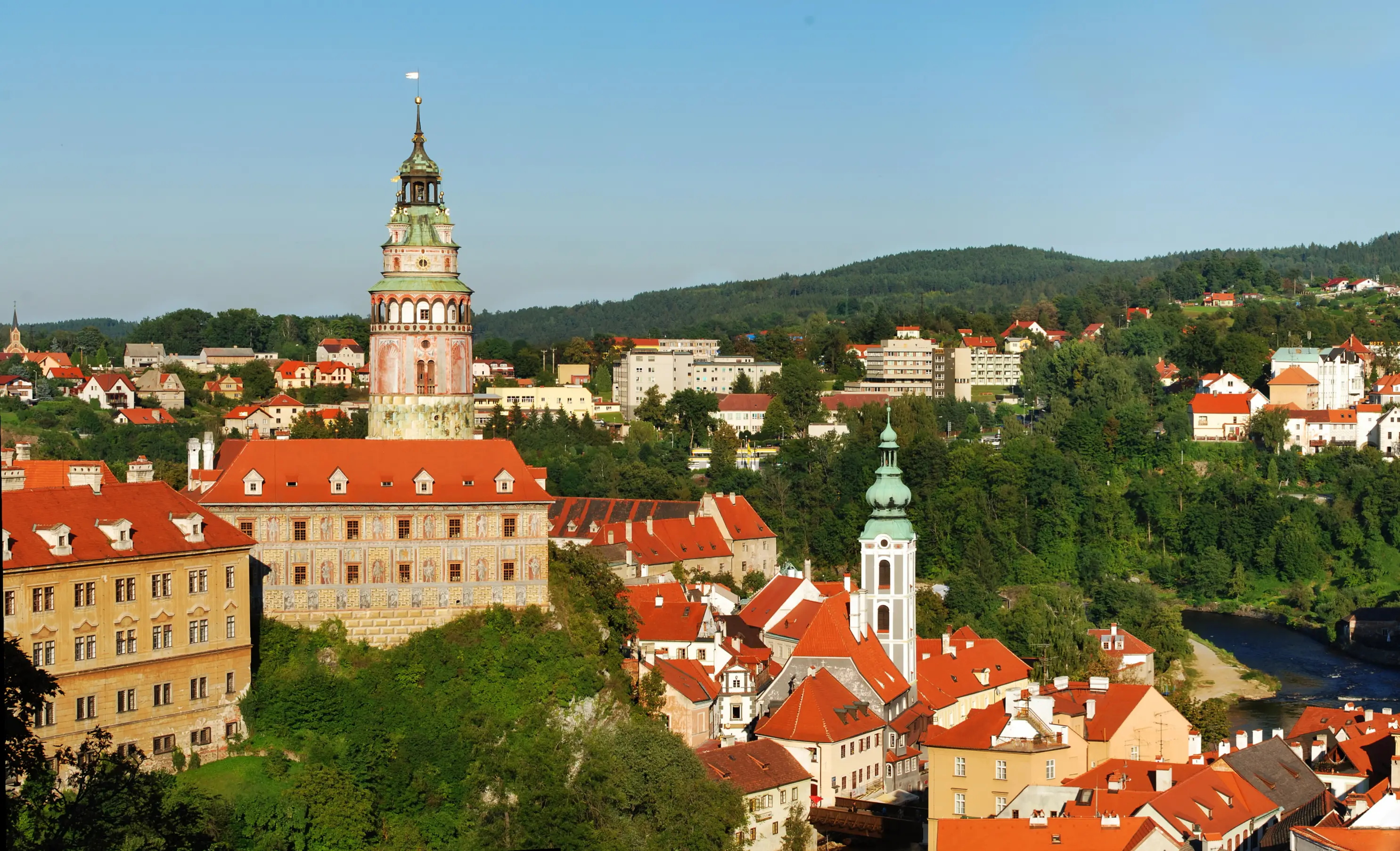
Cesky Krumlov
Cesky Krumlov is a charming little town in South Bohemia. It might be small, but it’s full of whimsical character and mystery. Walking through the narrow streets and across the bridge, the views of the medieval Cesky Krumlov Castle will take your breath away. At night, street musicians serenade visitors on the bridge where you can dance beneath the stars and the watchful eye of the magnificent tower. Dozens of unique local artisan shops, cafes, and restaurants are woven among the winding streets. In the summer, the city is lush with life and greenery. Rafters race down the river, stopping in the center along the way to enjoy a hearty meal before continuing their journey. In the winter, the main square transforms into a magnificent Christmas market and light blankets of snow cover the rooftops. This quaint little town will exceed your expectations and you may never want to leave.
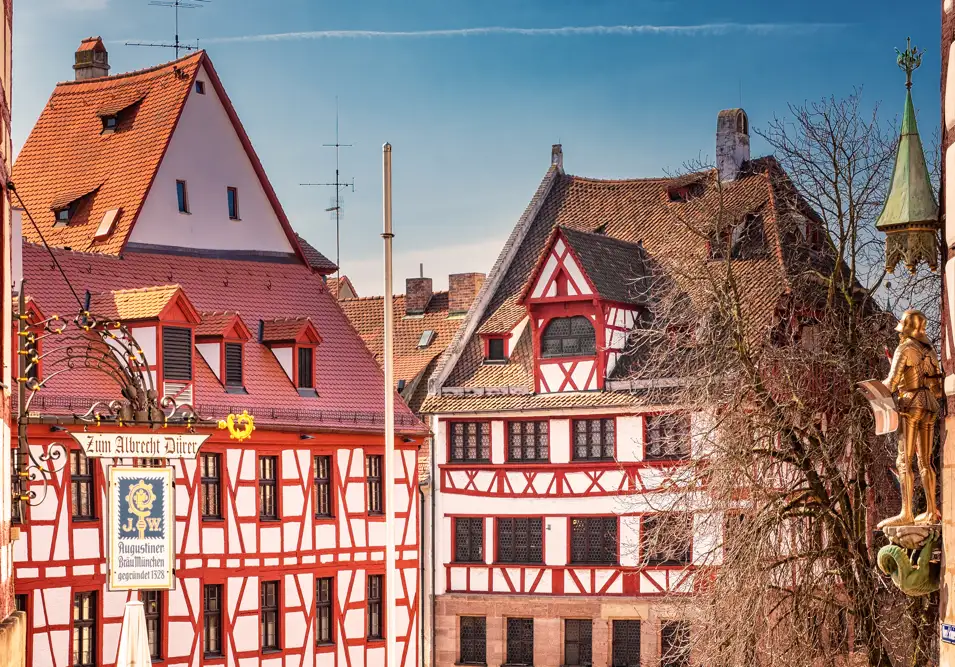
Nuremberg
One of the most authentic, storied German destinations, Nuremberg's picturesque old town, glorious castle, and buzzing Christmas Market makes this city a time-true classic. The ideal gateway to old Bavaria, Nuremberg offers a primer in German history before you embark on the lovely journey through old Bavaria, known as the Romantic Road. Considered the capital of the Holy Roman Empire in the middle ages, Nuremberg would have felt like the center of the world as a procession of kings and emperors passed through its magnificent gates. When the German Renaissance came, Nuremberg was at its heart. Albrecht Dürer, the great German master artist, was born here, and Martin Luther called Nuremberg Germany's 'eyes and ears'. Skip forward a few centuries, and the city took a dark turn, as Nuremberg became a gathering point for the German National Socialists. Slightly outside of town, you can still find the Nazi Party Rallying Grounds, a sobering reminder of the not so distant past. If it all gets too heavy, you can end the day with a glass of rotbier (red beer) and mull it over. Nuremberg is a must-see for anyone who wants to delve into Germany's past.
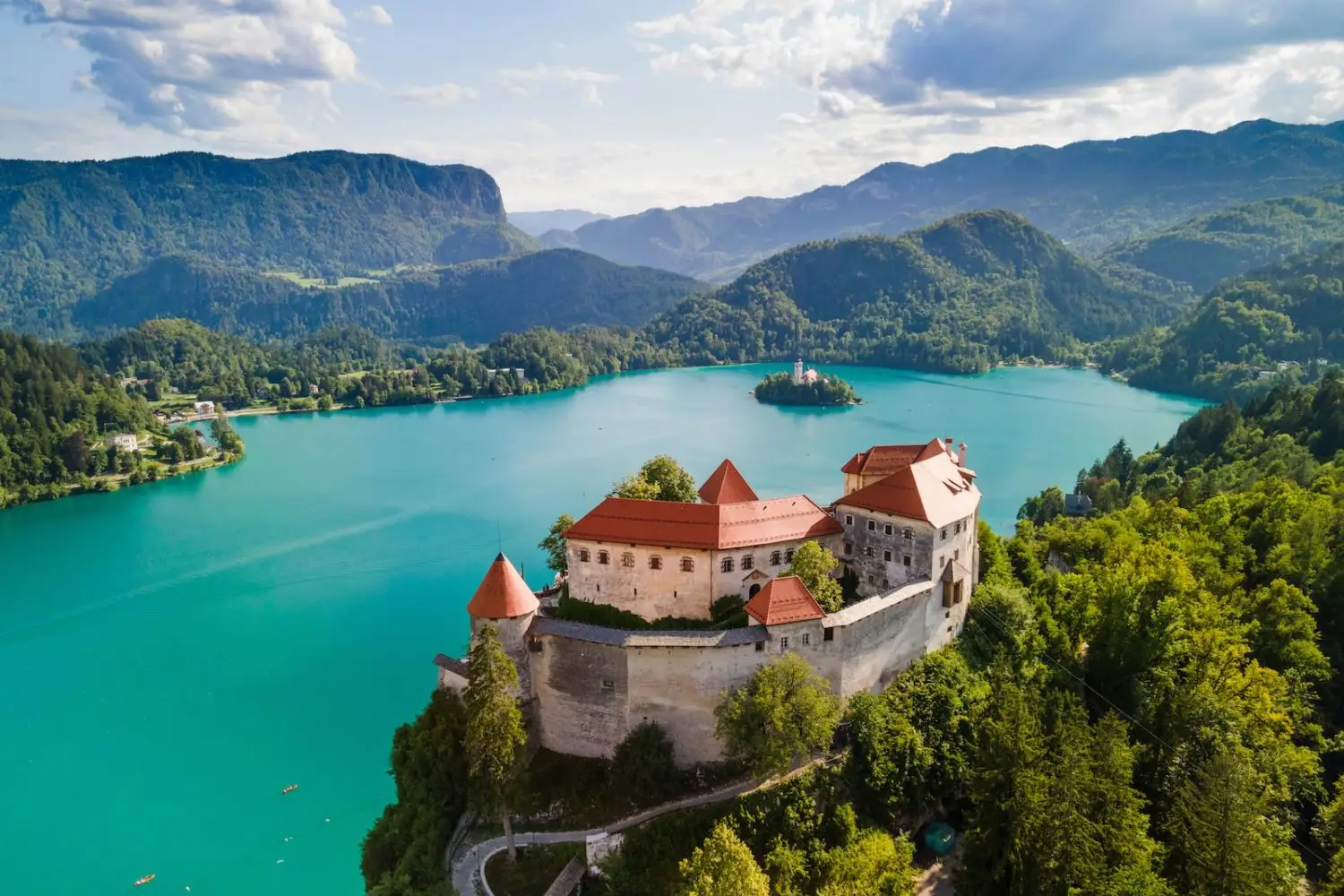
Lake Bled
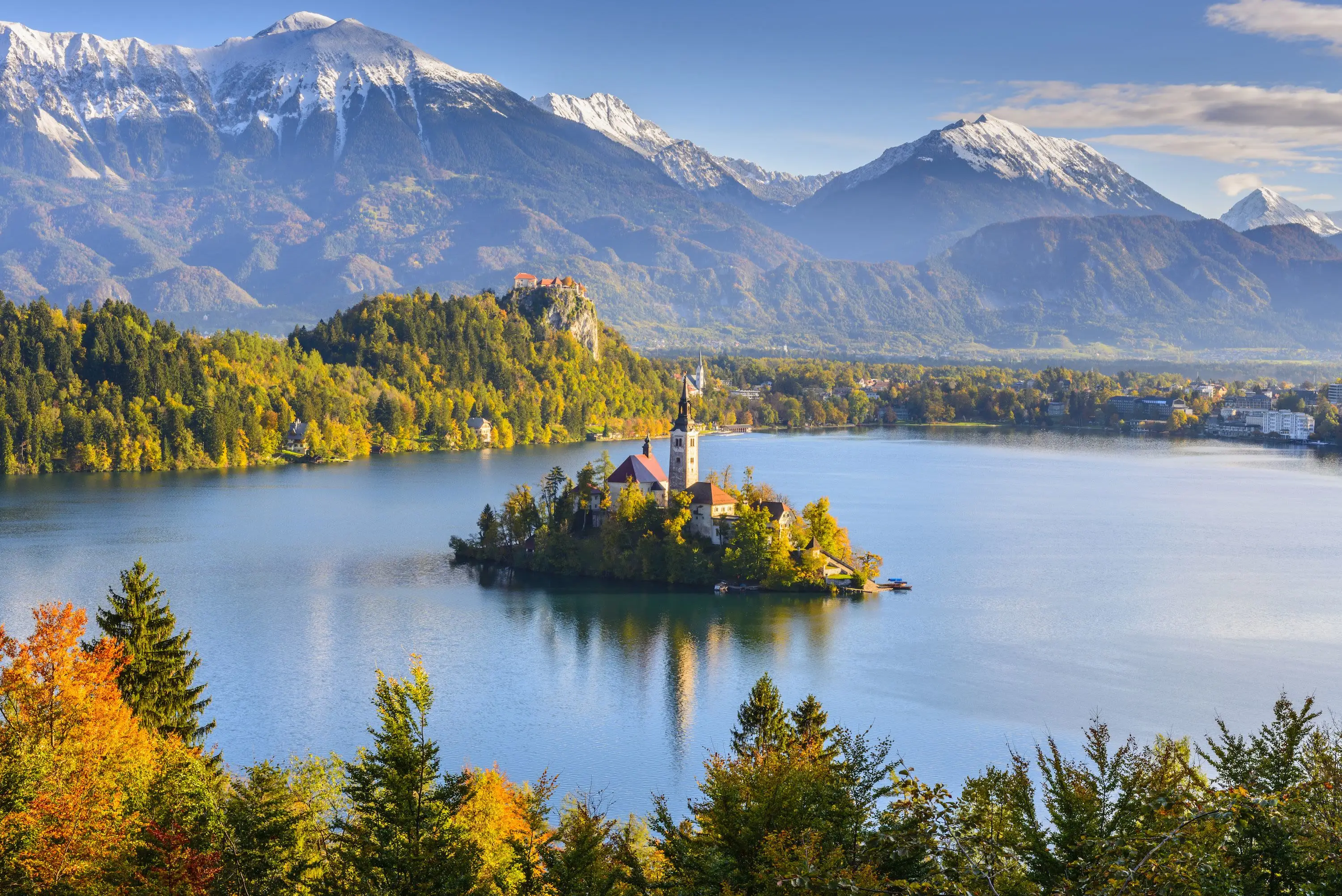
Lake Bled, cradled by the Julian Alps, feels almost improbably serene. At its edge, a small alpine town unfolds with gracious villas, lakeside paths, and cafés that look out toward the water, while a medieval castle rises dramatically from a cliff above. Just offshore, the tiny island crowned by its white church has anchored local legend and tradition for centuries. Life here moves at a gentler rhythm. You might glide across the lake in a traditional pletna boat, explore the castle’s terraces for sweeping views, wander forested trails, or simply linger over a slice of the famous kremšnita cream cake. As evening settles and the light fades over the mountains, Bled becomes noticeably quieter, taking on a calm and relaxed atmosphere.
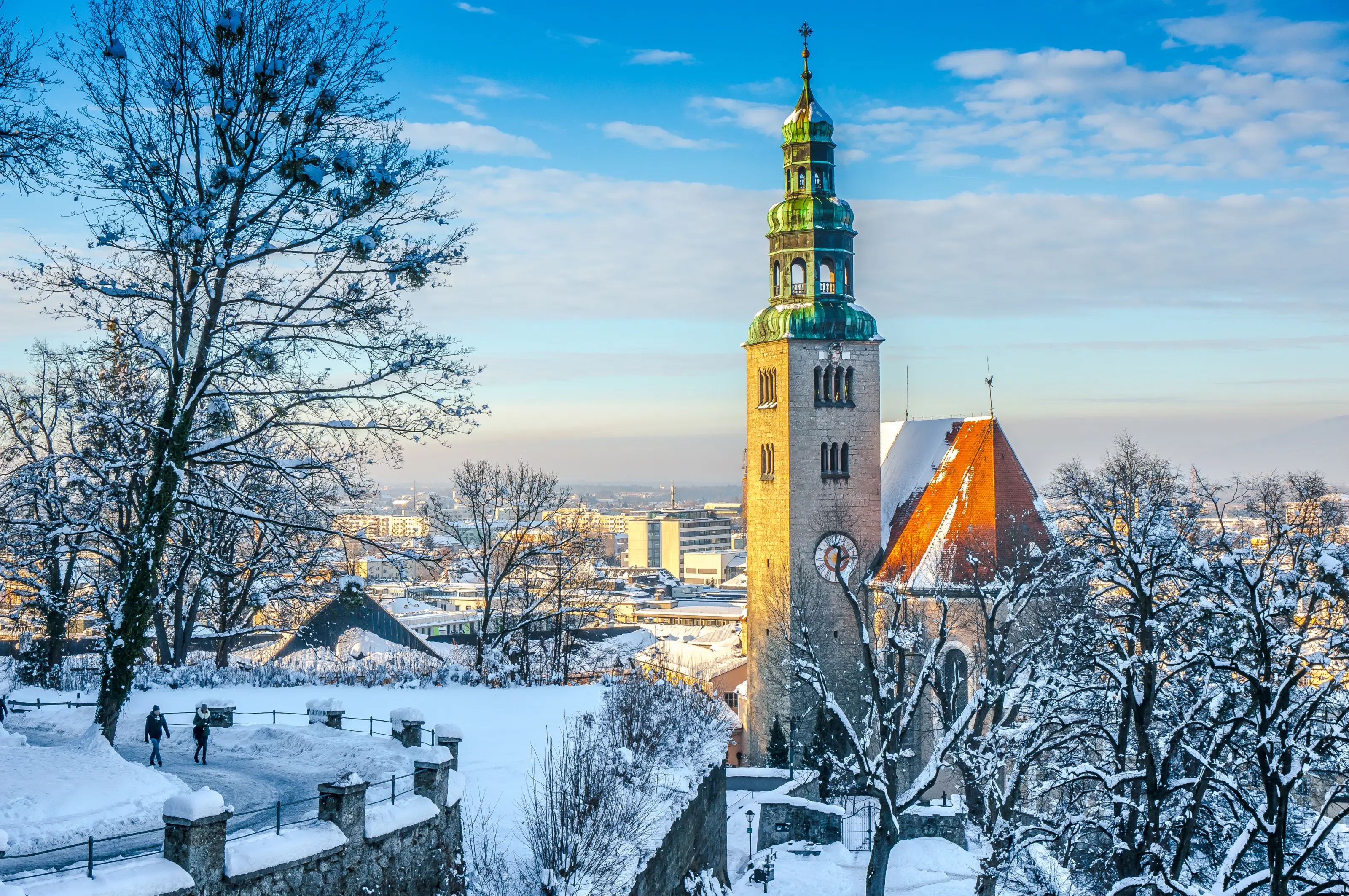
Salzburg
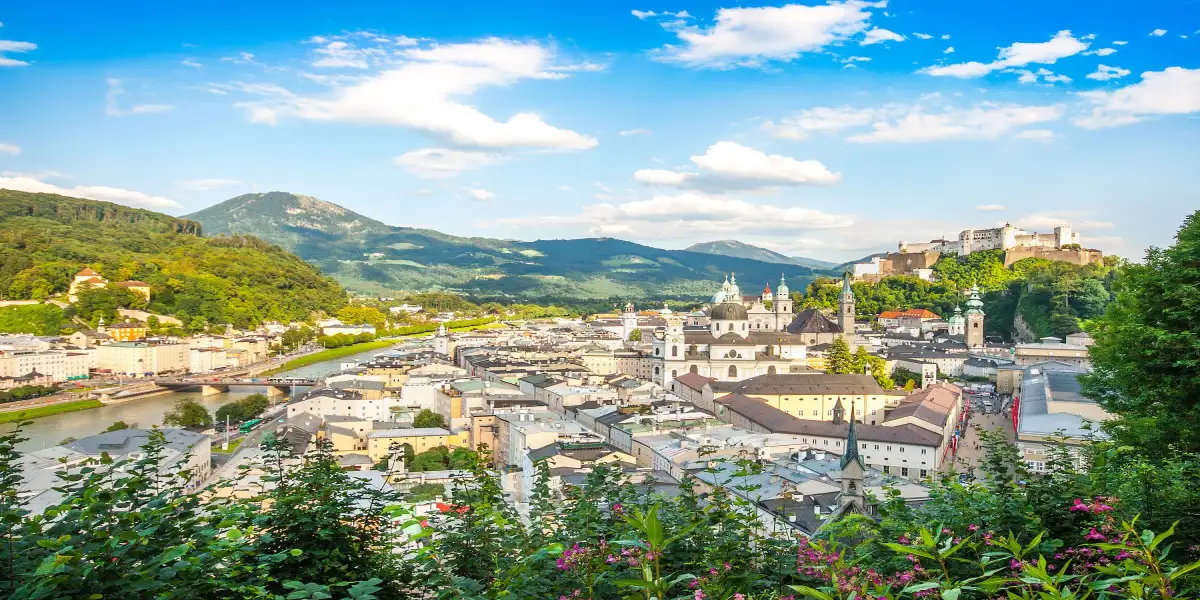
You've probably heard this before— the city of Salzburg is straight out of a fairytale. Nestled in the mountains, this romantic city's Baroque architecture with colorful domes and spires is especially striking against the ancient fortress and Austrian Alpine backdrop. If you're looking for an amazing view, climb up to Hohensalzburg Fortress, Central Europe's largest intact fortress, for a jaw-dropping panorama of the city backed by misty mountains. Perhaps most famous for being the birthplace of the renowned composer Wolfgang Amadeus Mozart and the filming location for the classic The Sound of Music, this city has much to offer. Salzburg has become an important artistic and cultural center, featuring magnificent concert halls that uphold the city's tradition of classical music every day of the year, as well as acclaimed art exhibitions and museums. If you do it right, your visit to Salzburg will immerse you in the city's unforgettable atmosphere and keep you coming back for more.
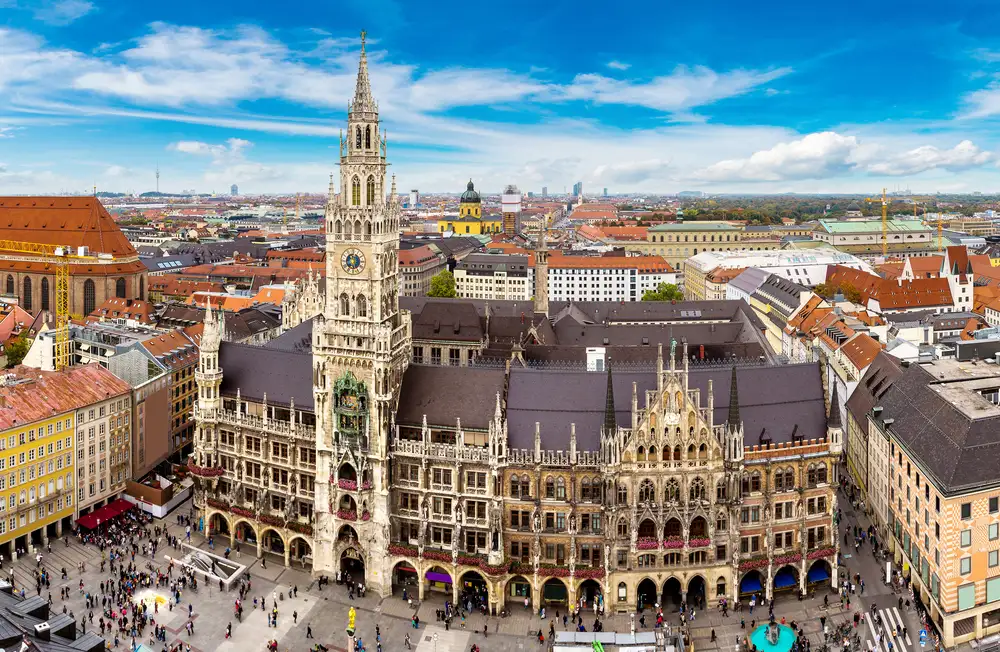
Munich
Arriving in Munich, you would be forgiven for thinking you were on the set of a movie about old Bavaria. At the Old Town beer halls, barmaids laced in dirndl dresses serve up frosty Helles lager, as oom-pah music drifts across the Marienplatz square. Men in lederhosen and checked shirts merrily give toasts as they knock glasses, or steins, as they’re known here. They sit at tables laden with wurst sausage and giant pretzels oozing with herby butter. This is Germany’s Germany, a place where folk traditions never stopped, and the revelry doesn’t either. Even when it isn’t Oktoberfest, the town’s notorious beer-drinking celebration, Munich is always happy to show you a good time. Simply cast your eyes around the lavish, gilded banquet hall at the Munich Residenz, the 13th-century Wittelsbach palace. You’ll see Munich has been impressing guests for centuries. Or, swing by the BMW Museum and check out the classic German cars. They even let you sit inside to test out the new models. At the city’s English Gardens, surfers ride waves on one of the park’s rivers. Munich is filled to the brim with this kind of pure-hearted German fun.
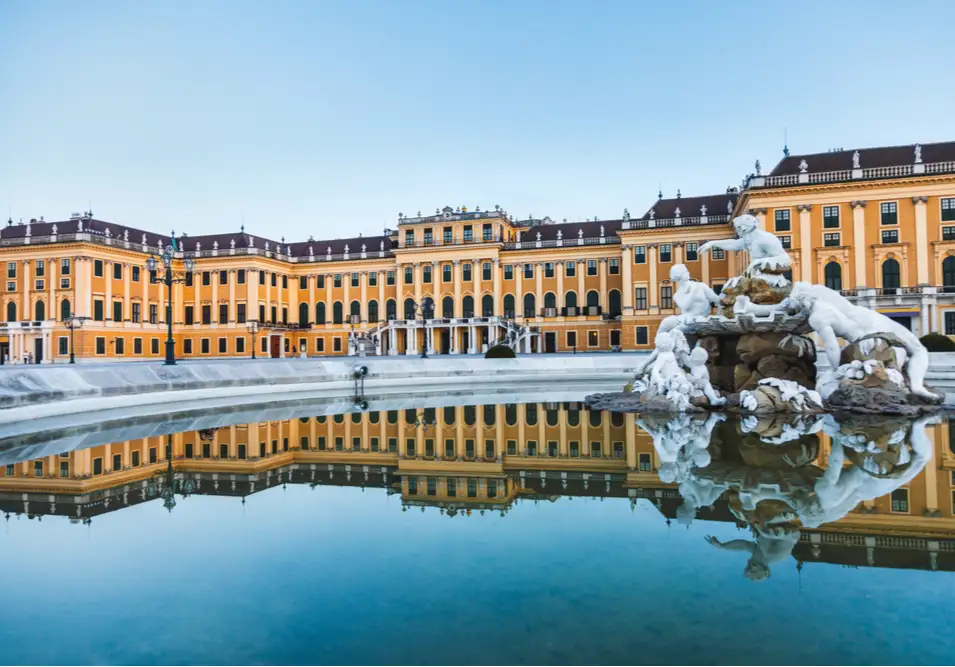
Vienna
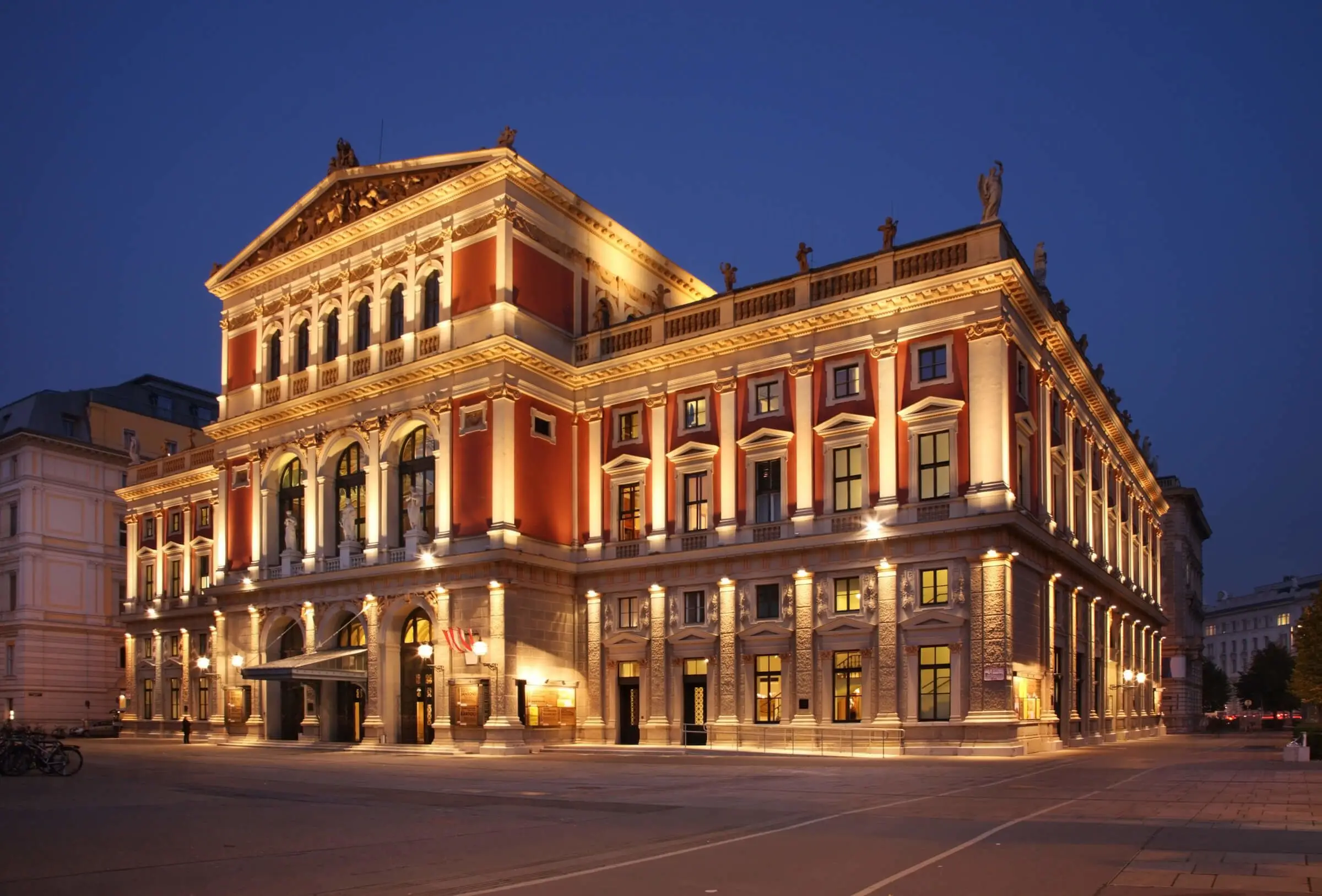
Artistic and musical, historical and elegant, Vienna is the definition of class. The seat of the Habsburg monarchy for over six centuries, it's no wonder this city is still fit for royalty. Baroque buildings and imperial palaces dominate the cityscape, while locals stride gracefully through the streets, likely on their way to a classical music concert or art exhibition. Visitors from all over the world flock to Schonbrunn Palace, historical museums, and local eateries for authentic Viennese schnitzel. Vienna is also home to world-class wining and dining. Famous dishes include Wiener schnitzel, Tafelspitz (prime boiled beef), and apfelstrudel (apple strudel), all of which pair well with a glass of fine Austrian wine. No matter how long you spend in Vienna, you'll leave with a new appreciation for the finer things in life.
Cesky Krumlov
Cesky Krumlov is a charming little town in South Bohemia. It might be small, but it’s full of whimsical character and mystery. Walking through the narrow streets and across the bridge, the views of the medieval Cesky Krumlov Castle will take your breath away. At night, street musicians serenade visitors on the bridge where you can dance beneath the stars and the watchful eye of the magnificent tower. Dozens of unique local artisan shops, cafes, and restaurants are woven among the winding streets. In the summer, the city is lush with life and greenery. Rafters race down the river, stopping in the center along the way to enjoy a hearty meal before continuing their journey. In the winter, the main square transforms into a magnificent Christmas market and light blankets of snow cover the rooftops. This quaint little town will exceed your expectations and you may never want to leave.
Nuremberg
One of the most authentic, storied German destinations, Nuremberg's picturesque old town, glorious castle, and buzzing Christmas Market makes this city a time-true classic. The ideal gateway to old Bavaria, Nuremberg offers a primer in German history before you embark on the lovely journey through old Bavaria, known as the Romantic Road. Considered the capital of the Holy Roman Empire in the middle ages, Nuremberg would have felt like the center of the world as a procession of kings and emperors passed through its magnificent gates. When the German Renaissance came, Nuremberg was at its heart. Albrecht Dürer, the great German master artist, was born here, and Martin Luther called Nuremberg Germany's 'eyes and ears'. Skip forward a few centuries, and the city took a dark turn, as Nuremberg became a gathering point for the German National Socialists. Slightly outside of town, you can still find the Nazi Party Rallying Grounds, a sobering reminder of the not so distant past. If it all gets too heavy, you can end the day with a glass of rotbier (red beer) and mull it over. Nuremberg is a must-see for anyone who wants to delve into Germany's past.
Lake Bled
Lake Bled, cradled by the Julian Alps, feels almost improbably serene. At its edge, a small alpine town unfolds with gracious villas, lakeside paths, and cafés that look out toward the water, while a medieval castle rises dramatically from a cliff above. Just offshore, the tiny island crowned by its white church has anchored local legend and tradition for centuries. Life here moves at a gentler rhythm. You might glide across the lake in a traditional pletna boat, explore the castle’s terraces for sweeping views, wander forested trails, or simply linger over a slice of the famous kremšnita cream cake. As evening settles and the light fades over the mountains, Bled becomes noticeably quieter, taking on a calm and relaxed atmosphere.
Salzburg
You've probably heard this before— the city of Salzburg is straight out of a fairytale. Nestled in the mountains, this romantic city's Baroque architecture with colorful domes and spires is especially striking against the ancient fortress and Austrian Alpine backdrop. If you're looking for an amazing view, climb up to Hohensalzburg Fortress, Central Europe's largest intact fortress, for a jaw-dropping panorama of the city backed by misty mountains. Perhaps most famous for being the birthplace of the renowned composer Wolfgang Amadeus Mozart and the filming location for the classic The Sound of Music, this city has much to offer. Salzburg has become an important artistic and cultural center, featuring magnificent concert halls that uphold the city's tradition of classical music every day of the year, as well as acclaimed art exhibitions and museums. If you do it right, your visit to Salzburg will immerse you in the city's unforgettable atmosphere and keep you coming back for more.
Munich
Arriving in Munich, you would be forgiven for thinking you were on the set of a movie about old Bavaria. At the Old Town beer halls, barmaids laced in dirndl dresses serve up frosty Helles lager, as oom-pah music drifts across the Marienplatz square. Men in lederhosen and checked shirts merrily give toasts as they knock glasses, or steins, as they’re known here. They sit at tables laden with wurst sausage and giant pretzels oozing with herby butter. This is Germany’s Germany, a place where folk traditions never stopped, and the revelry doesn’t either. Even when it isn’t Oktoberfest, the town’s notorious beer-drinking celebration, Munich is always happy to show you a good time. Simply cast your eyes around the lavish, gilded banquet hall at the Munich Residenz, the 13th-century Wittelsbach palace. You’ll see Munich has been impressing guests for centuries. Or, swing by the BMW Museum and check out the classic German cars. They even let you sit inside to test out the new models. At the city’s English Gardens, surfers ride waves on one of the park’s rivers. Munich is filled to the brim with this kind of pure-hearted German fun.
Vienna
Artistic and musical, historical and elegant, Vienna is the definition of class. The seat of the Habsburg monarchy for over six centuries, it's no wonder this city is still fit for royalty. Baroque buildings and imperial palaces dominate the cityscape, while locals stride gracefully through the streets, likely on their way to a classical music concert or art exhibition. Visitors from all over the world flock to Schonbrunn Palace, historical museums, and local eateries for authentic Viennese schnitzel. Vienna is also home to world-class wining and dining. Famous dishes include Wiener schnitzel, Tafelspitz (prime boiled beef), and apfelstrudel (apple strudel), all of which pair well with a glass of fine Austrian wine. No matter how long you spend in Vienna, you'll leave with a new appreciation for the finer things in life.
Hi! Need help planning your dream trip? 🌍
Go Real Travel Assistant
OnlineWelcome! Where are you in your journey?
Pick the option that fits you best so we can route you to the right help.