





I recently returned from a wonderful two-week trip organized by Go Real Travel, and I cannot recommend them enough. Their mobile app was incredibly helpful, keeping all of our transit details, event tickets, and hotel bookings organized in one place. The selected hotels were very nice, featuring great included breakfasts and adequate air conditioning. I also appreciated their transparency, as they proactively warned us that our assigned train seats were not guaranteed. The app even initiated check-ins to see how our trip was going, and customer support replied instantly in real time whenever we had questions. Finally, the private drivers were highly appreciated, and the private tours were absolutely excellent. They made our vacation seamless and stress-free from start to finish!
Epic Trifecta: London, Paris, & Rome - A Cultural Odyssey
 14 Day Tour of London, Paris and Rome
Overview
Trip Map
Itinerary
Inclusions
Reviews ★4.9


How Long Is the Tri-City Treasures and What Does It Cost?
 Duration14 days / 13 nights
- Best timeJan-Dec
 From$3999 / person (Flights not included)
- In London, explore Westminster Abbey and the British Museum’s treasures from across the ages.
- Experience Paris with a private tour of the Louvre and the iconic Notre-Dame Cathedral.
- Wander ancient Rome, from the Colosseum’s grandeur to the sacred treasures of Vatican City.
- Stroll through London’s South Bank and along the romantic riverside paths of the Seine in Paris.
- Explore Rome’s rich heritage at Castel Sant’Angelo and the awe-inspiring Pantheon.
- In London, explore Westminster Abbey and the British Museum’s treasures from across the ages.
- Experience Paris with a private tour of the Louvre and the iconic Notre-Dame Cathedral.
- Wander ancient Rome, from the Colosseum’s grandeur to the sacred treasures of Vatican City.
- Stroll through London’s South Bank and along the romantic riverside paths of the Seine in Paris.
- Explore Rome’s rich heritage at Castel Sant’Angelo and the awe-inspiring Pantheon.






Must see sights
Starting from
per person
 Not included
 Price varies by group size, hotel selection, and travel season.
Enter your details to embark on a journey that can be tailored just for you.
Start
Travelers
Preferred Hotel Stars

Select your interests and destinations for a trip plan inspired by you.
Where Does the Tri-City Treasures Go?
| ← | Move left |
| → | Move right |
| ↑ | Move up |
| ↓ | Move down |
| + | Zoom in |
| - | Zoom out |
| Home | Jump left by 75% |
| End | Jump right by 75% |
| Page Up | Jump up by 75% |
| Page Down | Jump down by 75% |


Click To Make Map Interactive
Tri-City Treasures Timeline
Arrival
4 nights
London
United Kingdom
Train: 3.5h
4 nights
Paris
France
Air: 2h5m
5 nights
Rome
Italy
Departure
What Does the Tri-City Treasures Itinerary Look Like?

Day 1
Arrive London

Day 1
Arrive London


Mid-Day to Late Afternoon
Royal London & Westminster Abbey
Embark on a self-guided walk through one of the most famous areas of London, Westminster and St James, where London's history, grandeur, tradition, and regal charm unfold before you. Visit the iconic Westminster Abbey where centuries of coronations and royal weddings echo through its Gothic halls, walk up stately avenues, and discover the lush oasis of St James's Park leading to Buckingham Palace, the heart and soul of the British Monarchy. Witness the grandeur of the Changing of the Guard and explore the ceremonial side of London passing by the Horse Guards Parade, Household Cavalry Museum and more.


Browse the gallery to see some of the highlights

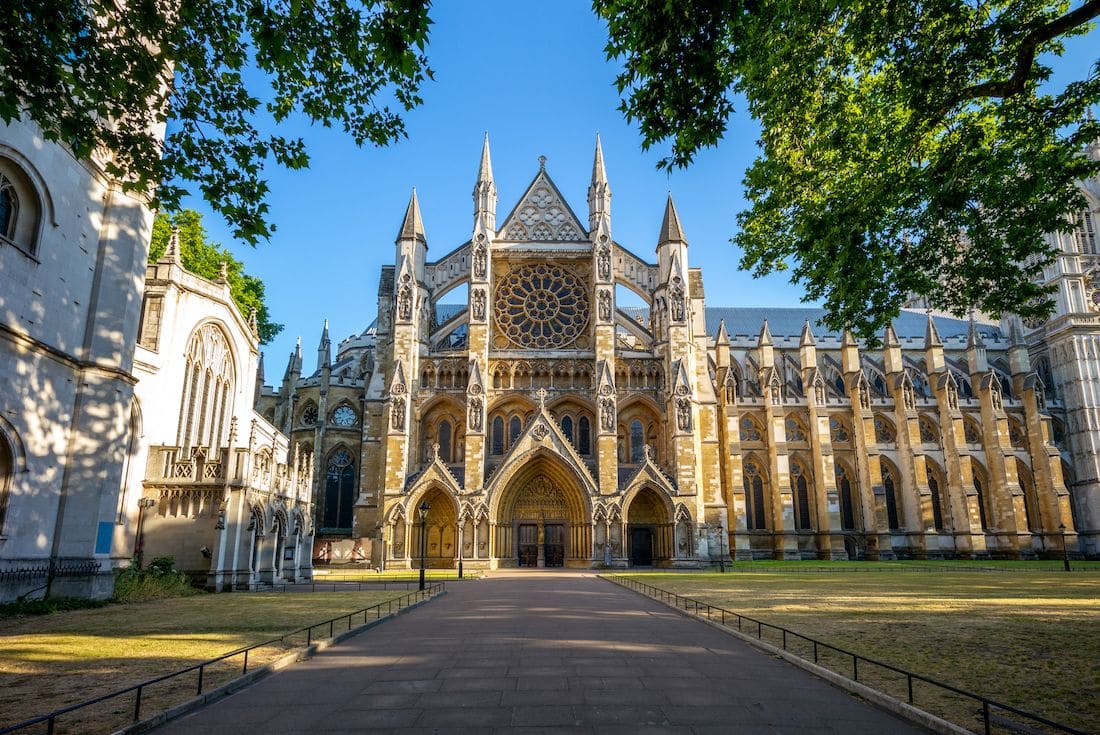
Westminster Abbey is a masterpiece of Gothic architecture and one of Britain’s most iconic landmarks, serving for centuries as the coronation church and final resting place for monarchs, poets, and statesmen alike.
Show More
Red & white striped Byzantine style Catholic Cathedral.
Show More
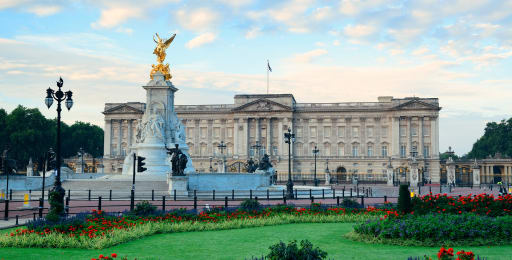
Historic landmark and monument, Buckingham Palace is the home to the British Monarch and Royal Family. Its opulent staterooms are open for touring at certain times of the year and the changing of the palace guards outside its grounds is a sight worth trying to catch!
Show MoreDay 1
Arrive London

Day 1
Arrive London
To Be Determined, To Be Determined:
Airport Pickup by Taxi
Mid-Day to Late Afternoon:
Royal London & Westminster Abbey
Late Afternoon/Early Evening:
Edgware Road Dining Out
Royal London & Westminster Abbey
OverviewRoyal London & Westminster Abbey
Embark on a self-guided walk through one of the most famous areas of London, Westminster and St James, where London's history, grandeur, tradition, and regal charm unfold before you. Visit the iconic Westminster Abbey where centuries of coronations and royal weddings echo through its Gothic halls, walk up stately avenues, and discover the lush oasis of St James's Park leading to Buckingham Palace, the heart and soul of the British Monarchy. Witness the grandeur of the Changing of the Guard and explore the ceremonial side of London passing by the Horse Guards Parade, Household Cavalry Museum and more.
Westminster Abbey
 Highlight of Royal London & Westminster Abbey
Westminster Abbey is a masterpiece of Gothic architecture and one of Britain’s most iconic landmarks, serving for centuries as the coronation church and final resting place for monarchs, poets, and statesmen alike.
Westminster Cathedral
Highlight of Royal London & Westminster AbbeyRed & white striped Byzantine style Catholic Cathedral.
Red-&-white striped Victorian Catholic cathedral in Byzantine style with gold, mosaics & marble interior.
Buckingham Palace
Highlight of Royal London & Westminster AbbeyHistoric landmark and monument, Buckingham Palace is the home to the British Monarch and Royal Family. Its opulent staterooms are open for touring at certain times of the year and the changing of the palace guards outside its grounds is a sight worth trying to catch!

Day 2
London
Day 2
London


8:30 AM - 11:30 AM
Introduction to London Tour
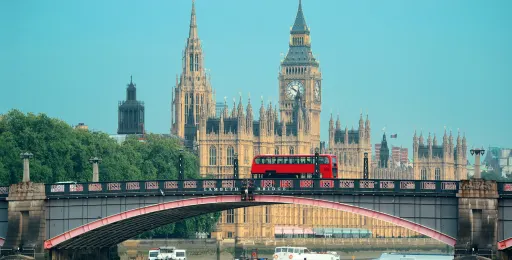
Explore the key monuments of London's history with a leading expert on this 3 hour private guided walking tour that takes you from Big Ben and the Houses of Parliament to Westminster Abbey, Buckingham Palace to St Paul's Cathedral.
Day 2
London

Day 3
London
Day 3
London
Early Morning to Afternoon
London Bridge
The London Bridge area is one of the city's most exciting destinations, blending history, architecture, and vibrant culture along the Thames. Towering above it all, The Shard offers breathtaking views, while the legendary Tower Bridge and the imposing Tower of London bring centuries of royal and military history to life. Step aboard HMS Belfast, a WWII warship-turned-museum, or dive into Borough Market, a foodie’s paradise filled with world-class street food and artisanal delights. With its mix of landmark attractions, riverside charm, and buzzing markets, this area is a must-visit for history lovers, sightseers, and food enthusiasts alike.

Browse the gallery to see some of the highlights
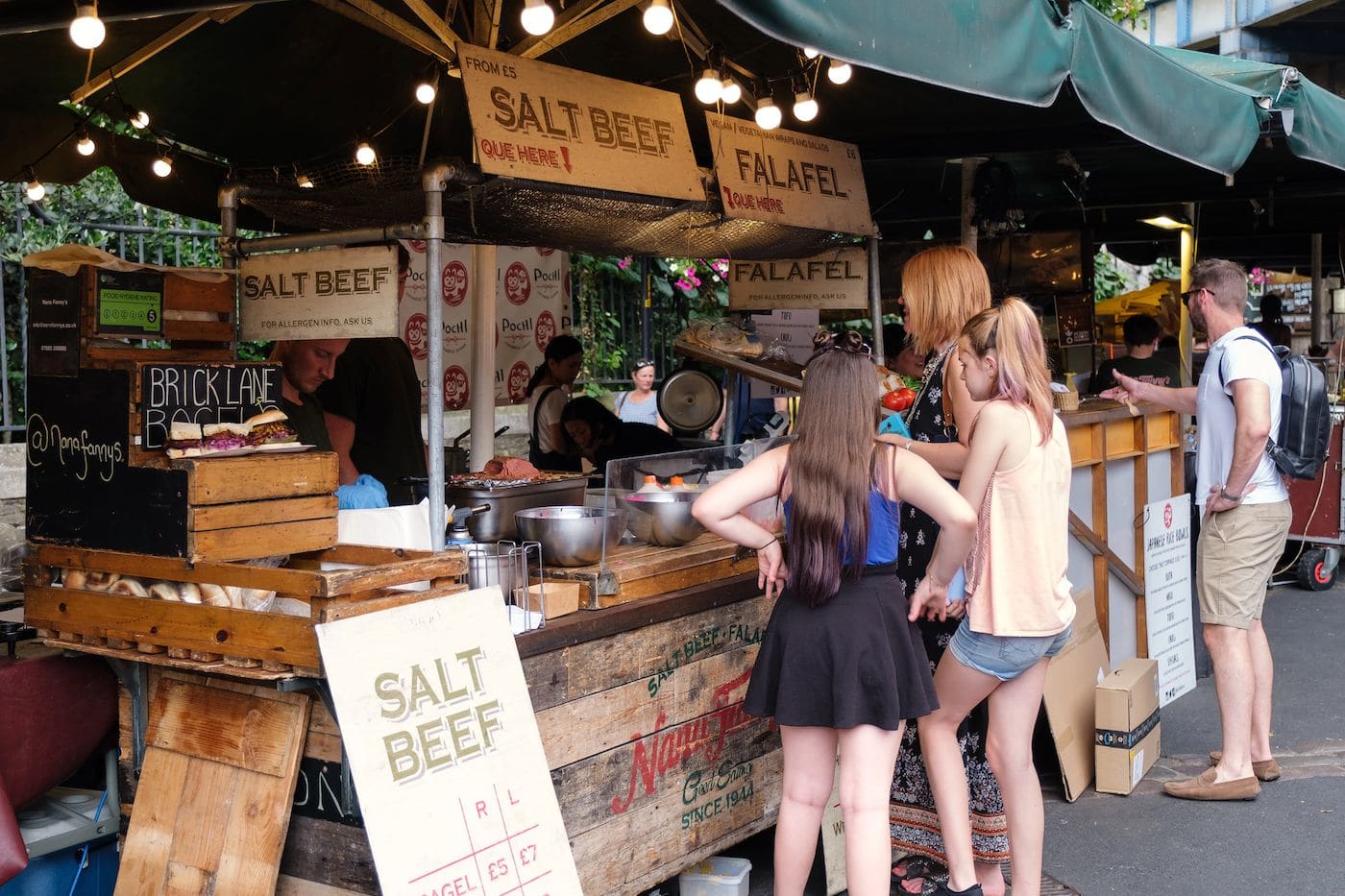
Borough Market is one of London’s oldest and most beloved food markets, offering a vibrant mix of artisanal produce, global street food, and gourmet specialties beneath its iconic glass and iron Victorian roof.
Show More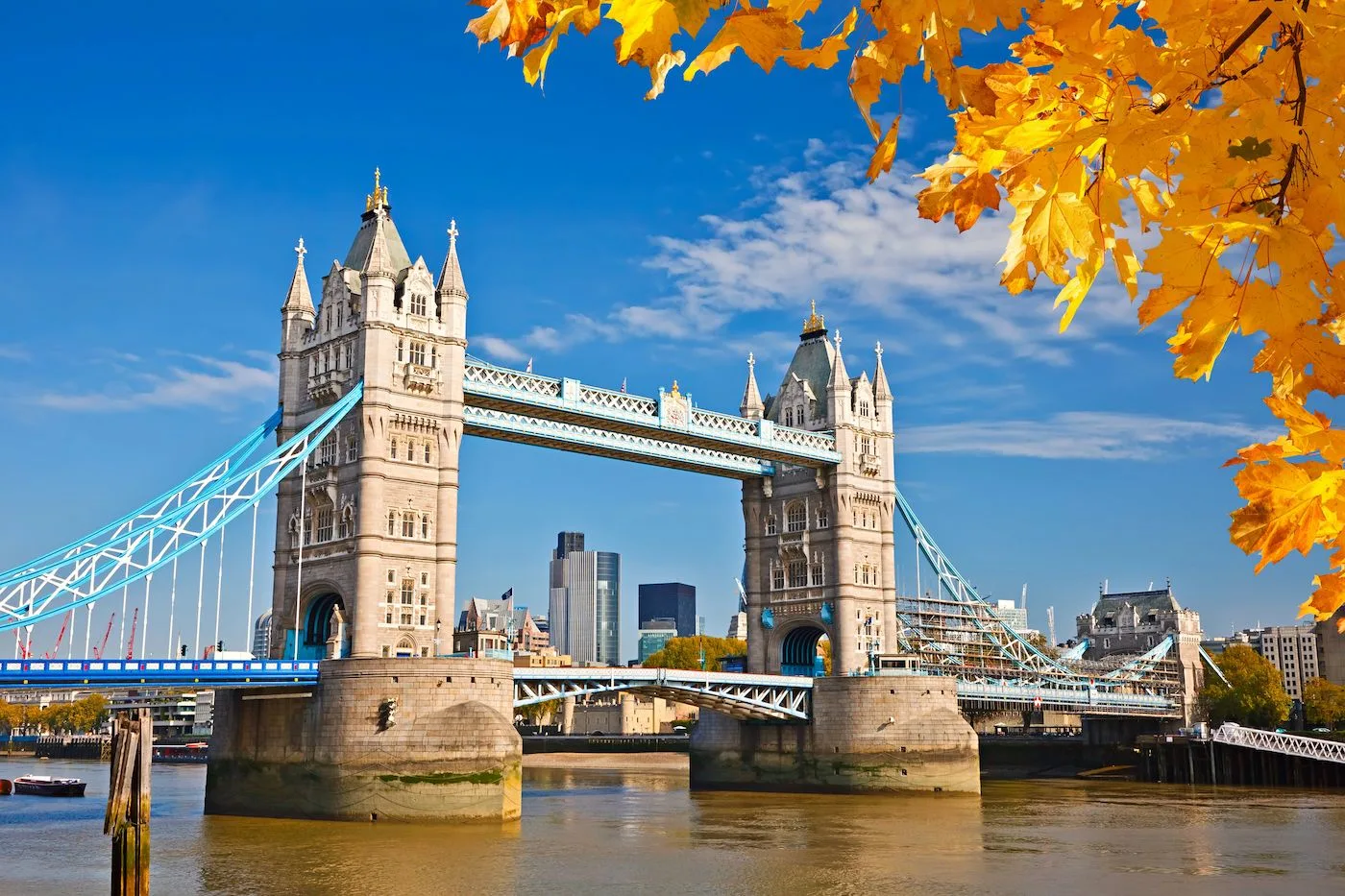
Tower Bridge is London’s most iconic river crossing, known for its twin Gothic-style towers and lifting bascules, offering both a working drawbridge and a glass-floored walkway with panoramic views over the Thames.
Show More
The Tower of London is a historic fortress on the banks of the Thames, famous for its thousand-year royal history, the Crown Jewels, and its role as a former palace, prison, and place of execution.
Show MoreDay 3
London

Day 4
London
Day 4
London
Early Morning to Mid-Day
Central London - British Museum
This central London district is a haven for history buffs, book lovers, and culture seekers. The British Museum houses a world-class collection of treasures, while the British Library holds literary gems, including Shakespeare’s First Folio. Fans of classic literature can explore the Charles Dickens Museum, set in the author’s former home. Nearby, King’s Cross delights Harry Potter fans with the famous Platform 9¾, while the towering BT Tower stands as a symbol of London’s telecommunications legacy. With its mix of museums, literary landmarks, and iconic sights, this area offers a fascinating glimpse into London’s cultural and intellectual heritage.
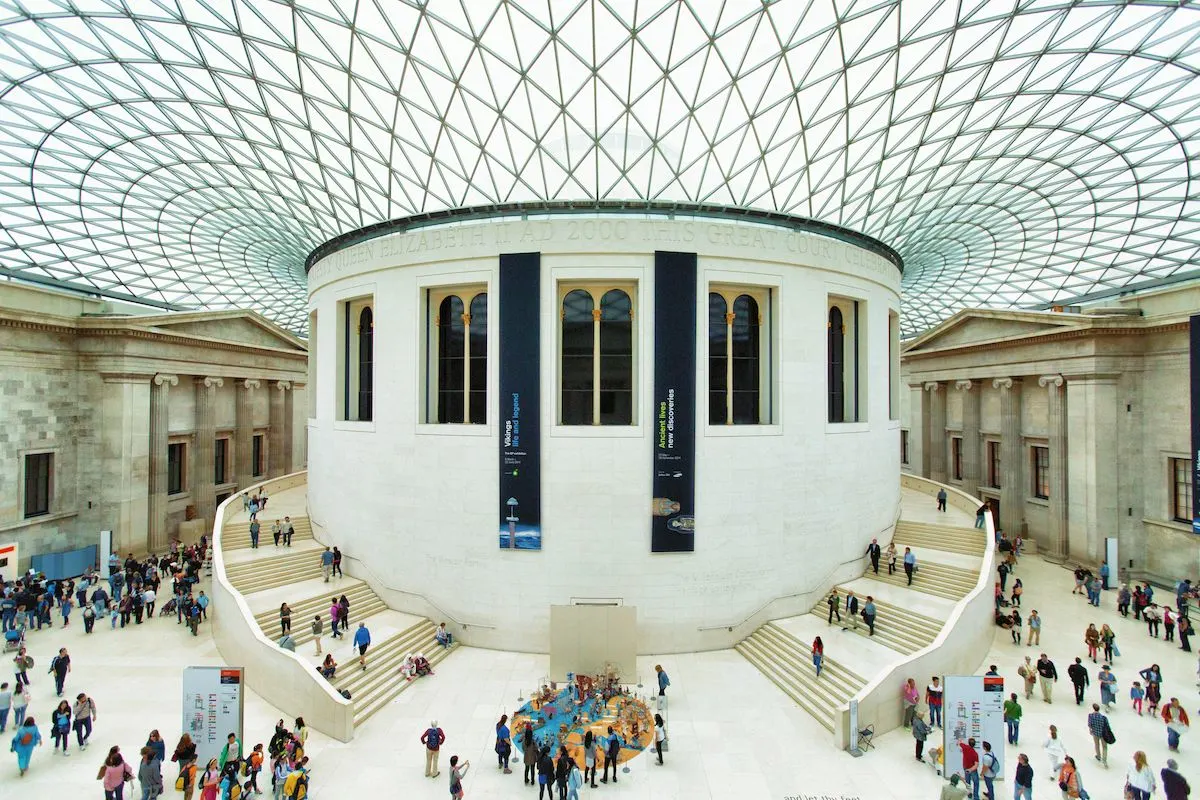
Browse the gallery to see some of the highlights
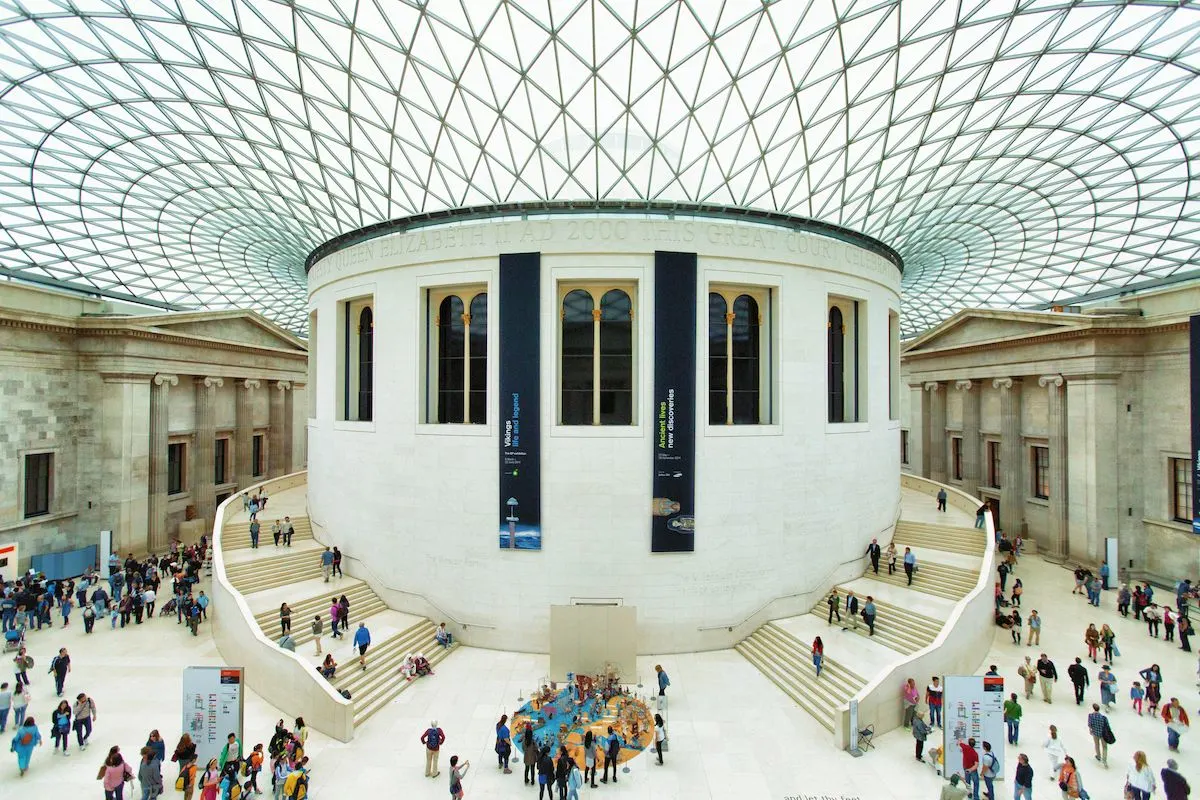
The British Museum is one of the world’s most comprehensive and iconic museums, home to over eight million artifacts—including the Rosetta Stone and the Parthenon sculptures—spanning two million years of global history.
Show More
The British Library is the UK’s national library and one of the largest in the world, home to over 170 million items—including treasures like the Magna Carta, Shakespeare’s First Folio, and handwritten Beatles lyrics.
Show MoreDay 4
London

Day 5
London to Paris
Day 5
London to Paris


9:00 AM - 1:30 PM
Churchill & The War Rooms
This 4 hour 30 minute private walking tour is for all fans of the man who tops lists of the Greatest Briton of all time, Sir Winston Churchill, war time Prime Minster of the United Kingdom. This walking tour takes place around the streets of Piccadilly, St James and Westminster, places that were important in the life of Churchill. Your tour ends at the War Rooms where your guide will leave you to explore them by yourselves. Entry ticket to the War Rooms is included and are non-refundable from the time of booking.

Day 5
London to Paris

Day 6
Paris
Day 6
Paris

9:00 AM - 1:00 PM
Paris Highlights Walking Tour
Embark on a captivating 4-hour walking tour of the center of Paris, the City of Lights, where history and modernity blend seamlessly along its enchanting streets. Starting from Odette Pastry Shop (77 Rue Galande), you will explore the heart of this dynamic city and learn how to navigate Paris as a local.

Day 6
Paris
Day 7
Paris
Day 7
Paris
Morning/Mid-Day
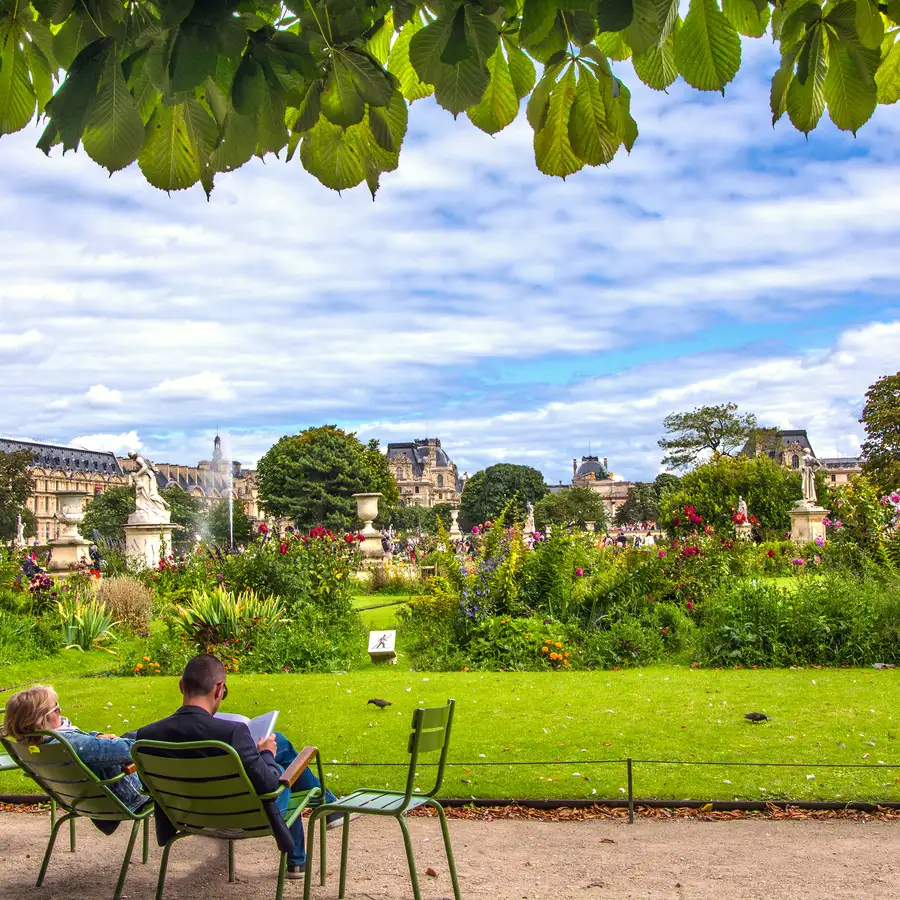
Tuileries Gardens & Nearby Museums
Stroll in the Tuileries and attend one of the nearby museums, a classic way to spend your free hours in Paris. Originally cultivated in 1564 as the grounds for the Tuileries Palace, the gardens are the oldest in Paris. Its succession of royal owners ended and the garden became a public park in the 19th century; Parisians congregated to relax and socialize beside the fountains and leafy horse chestnut trees - they still do today. The Musée de l'Orangerie, in the Western corner of the gardens, exhibits many Impressionist and 20th-century artworks, including Claude Monet’s famous water lilies.

Browse the gallery to see some of the highlights

Relax in the beautiful Tuileries Gardens, an oasis of manicured landscapes and historic statues in the heart of Paris.
Show More
Soak it all in at the Musée d'Orsay, a former Beaux-Arts railway station transformed into a stunning showcase of Impressionist and Post-Impressionist masterpieces.
Show More
Let your vision swim with Monet's Water Lilies and other Impressionist artwork at the Musée de l'Orangerie
Show MoreDay 7
Paris
Day 8
Paris
Day 8
Paris
Early Morning to Mid-Day
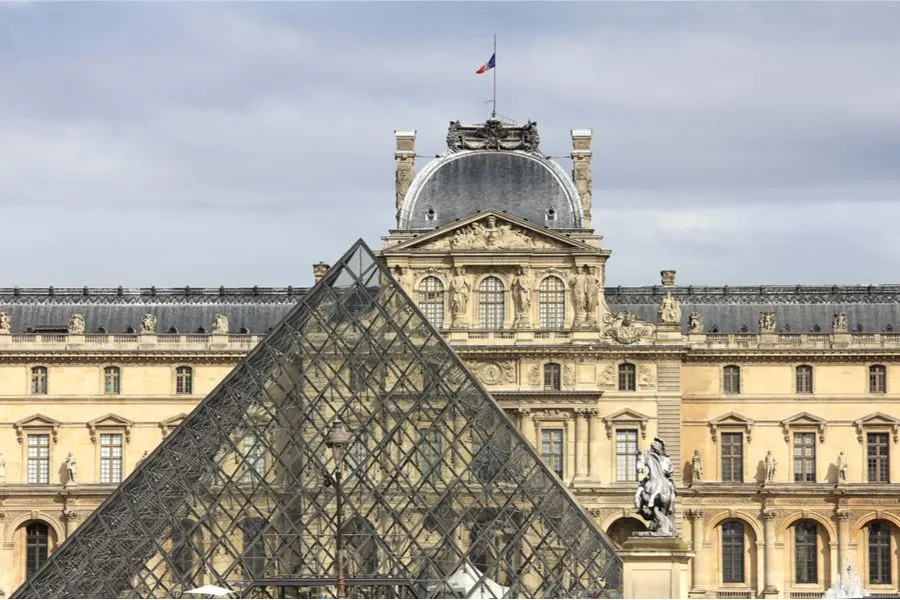
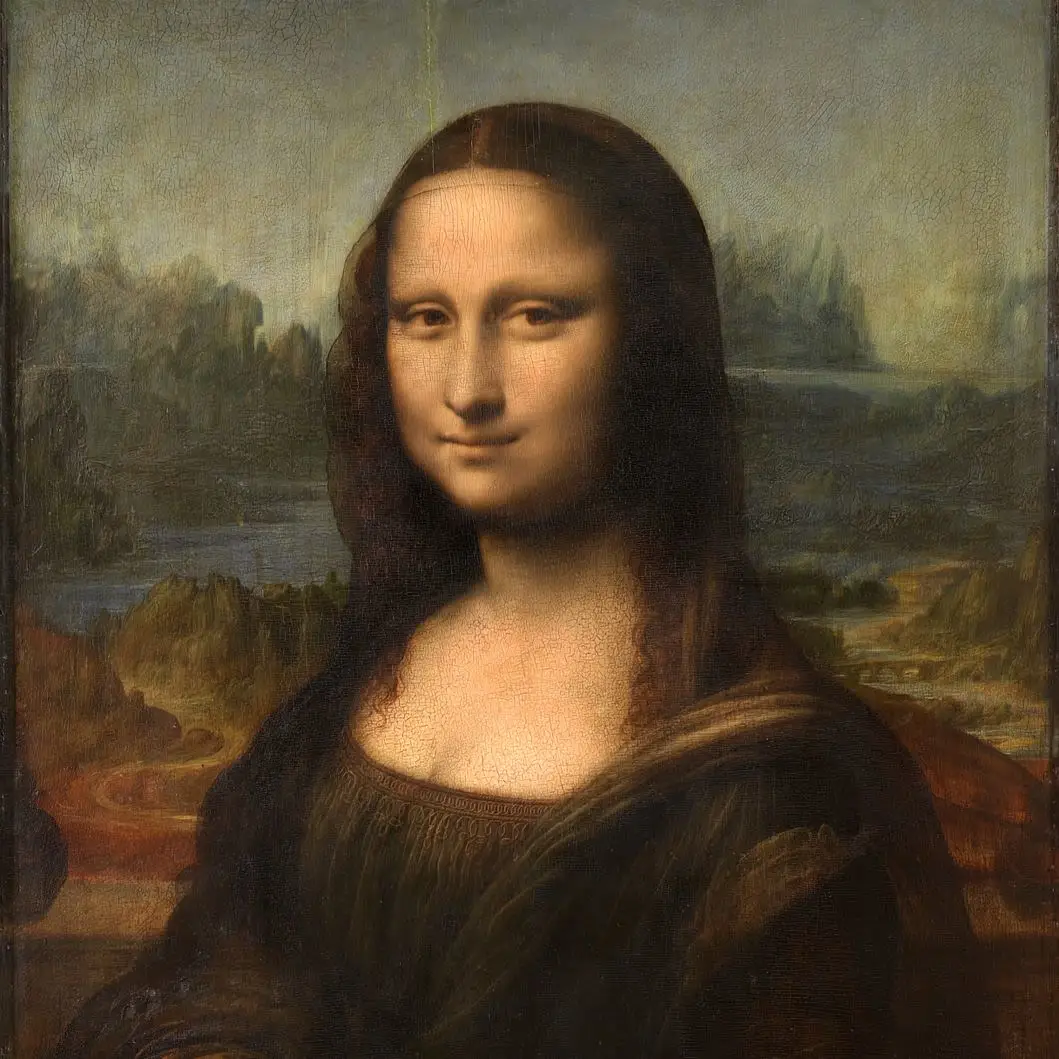
Louvre Museum
It might be the greatest art museum in the world; it certainly is the largest with over 380,000 objects; to view every single one for even a minute apiece would take 75 days. And those descriptions still don't do the building and its collection justice. Marvel at treasures inside, including Leonardo Da Vinci's mysterious woman, the Mona Lisa, and everything from an Egyptian masterpiece of mummification to the famed Hellenistic sculpture, Venus de Milo, to patriotic French masterpieces like Delacroix’s Liberty Leading the People. Although the Louvre is vast and ever-crowded, with some strategy and a few helpful tips your visit will take in maximum artworks with minimal hassle.

Day 8
Paris

Day 9
Paris to Rome
Day 9
Paris to Rome

To Be Determined
Airport Dropoff by Taxi
Paris taxis are generally reliable and honest, so taking a taxi is cheaper than a pre-arranged transfer. Your hotel will be happy to arrange a pick up for you. If you are picked up about 3.5 hours before your departure time, you should arrive at the airport with a little over two hours to spare. If you are leaving during rush hour, you may want to budget an extra fifteen minutes or so. There are also alternative transport instructions for buses and trains in the Full Itinerary if wish you save on the taxi fare. line-holder NOTE : If you're leaving from Beauvais Airport you should definitely take a shuttle bus because it's 75km/46.6mi from the city center.

Day 9
Paris to Rome
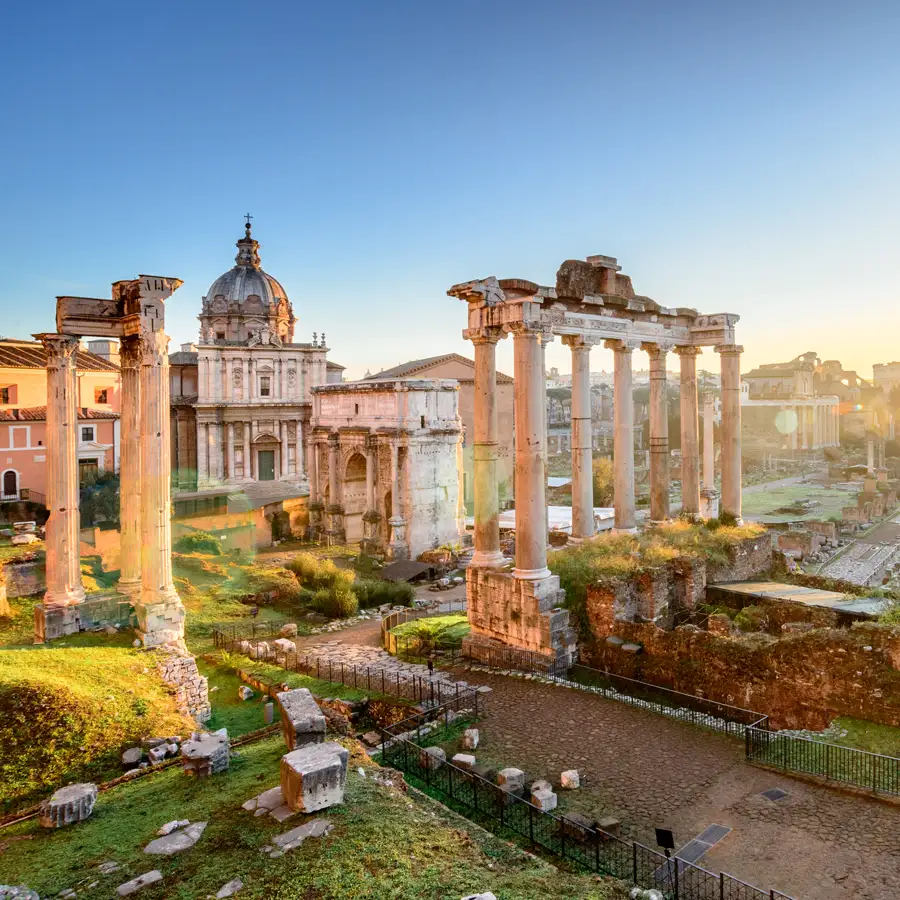
Day 10
Rome
Day 10
Rome
9:00 AM - 12:00 PM
Ancient Rome Guided Walk
On this 3-hour private guided tour, you will explore the imposing remains of ancient Rome. Your guide will explain the extraordinary history of the birth of Rome, life in the city and everything about the fall of the Empire. Visit the Colosseum, the monumental ruins of the Roman Forum, and end the tour on the Capitoline Hill, the smallest and most important of the seven hills of Ancient Rome.

Browse the gallery to see some of the highlights

Ancient Roman Ampitheater
Show MoreDay 10
Rome

Day 11
Rome
Day 11
Rome
Early Morning to Late Afternoon
Vatican City
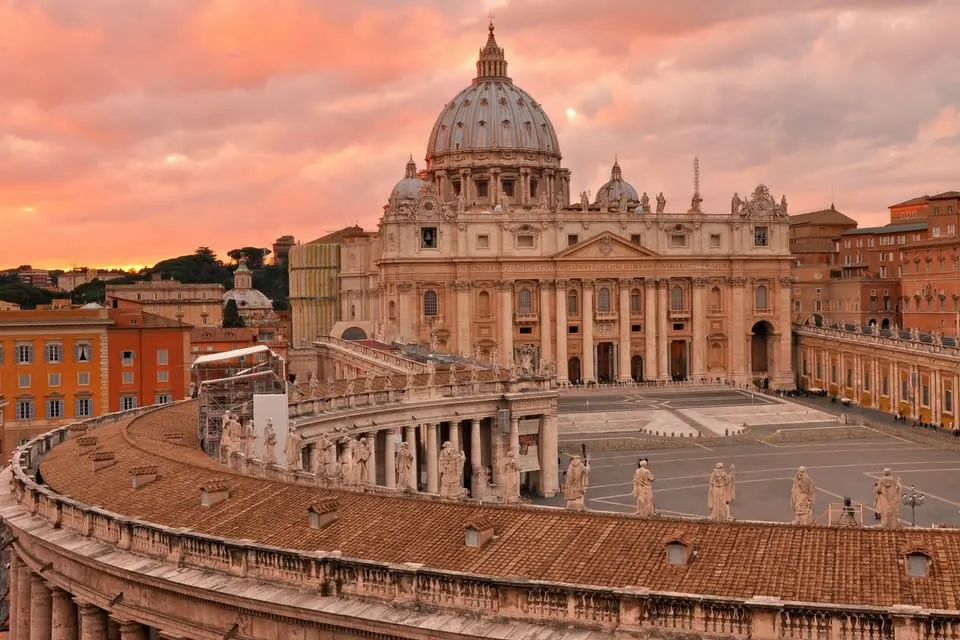
Rome is unique in the world in that it contains an independent country within its city limits - the Vatican City, from where the Pope administers the Catholic Church. The symbolic center of Catholicism is St Peter's Basilica, the second-largest Catholic church in the world and among the most beautiful. The Vatican Museum contains one of the greatest collections of art in existence, including Michelangelo's jaw-dropping Sistine Chapel. The popes had a bigger influence on Rome than just the collection of art. The Pope's title is actually Bishop of Rome, and popes administed the city for centuries, shaping its architecture & public spaces. Rome was re-built to be an example of urban beauty, and the Vatican was meant to be the showcase within the showcase. Their success is evident from the throngs of visitors who flock here even today.

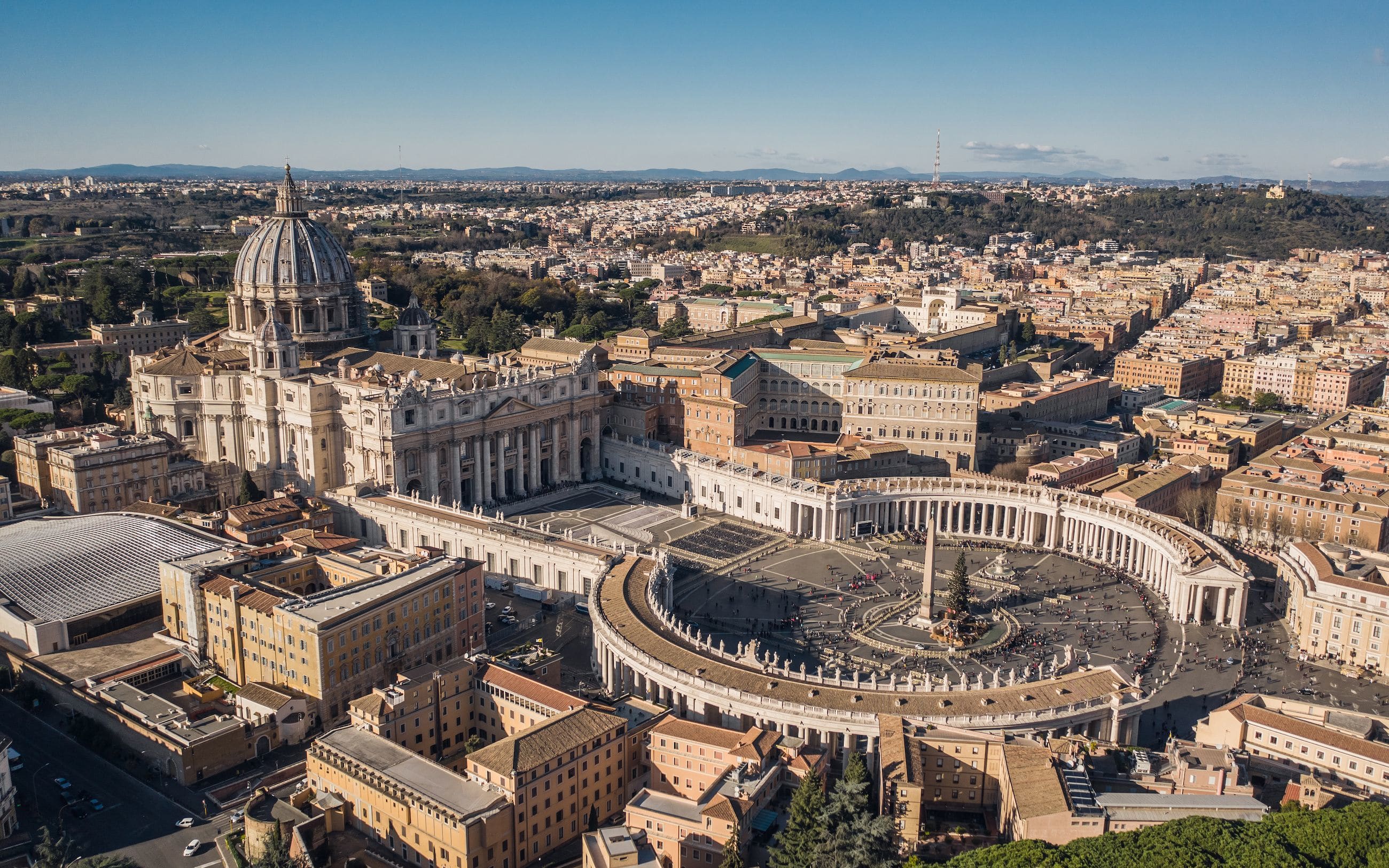
Browse the gallery to see some of the highlights
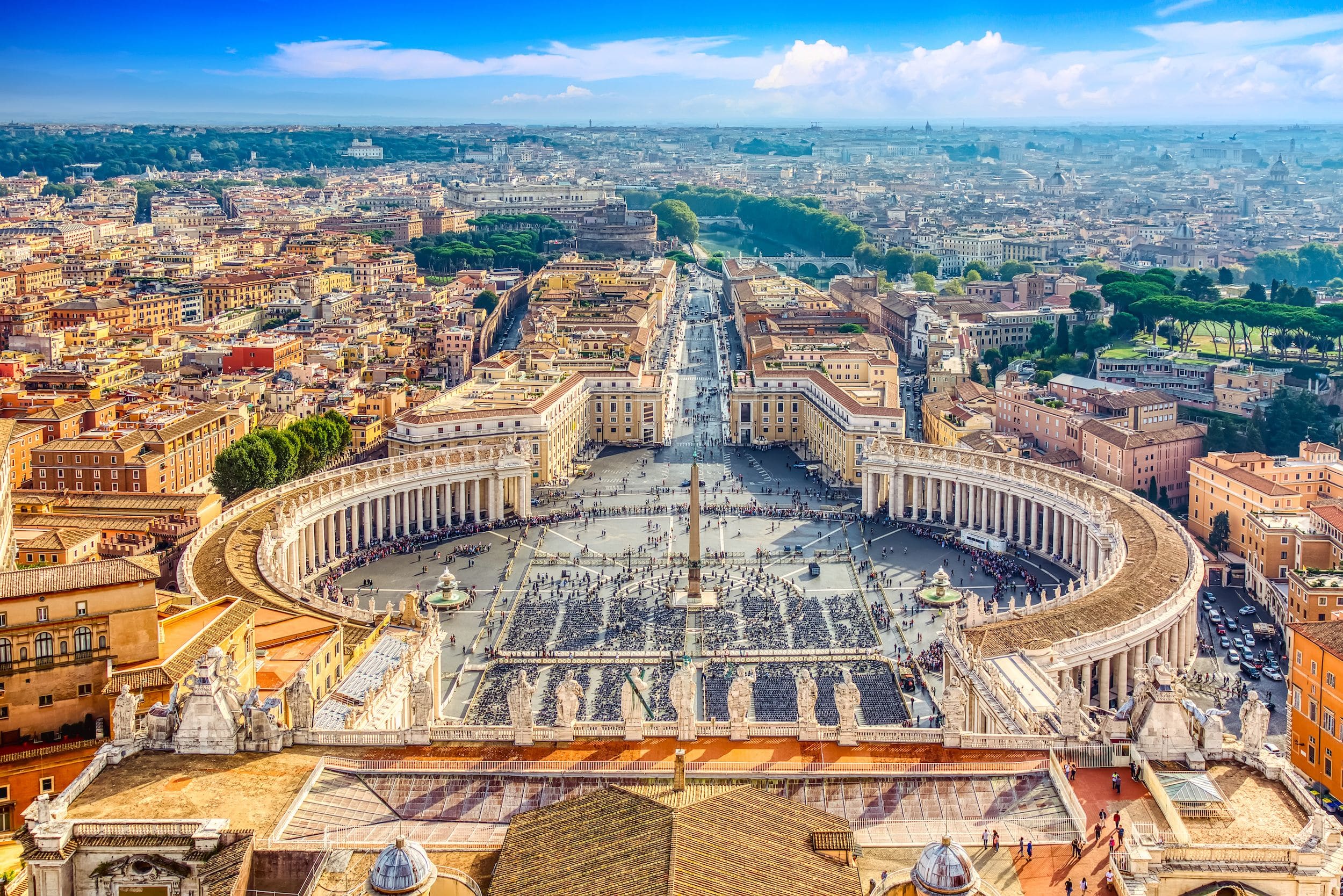
Stand in the middle of this famous square in which the faithful gather to hear the Pope give audiences and celebrate mass.
Show More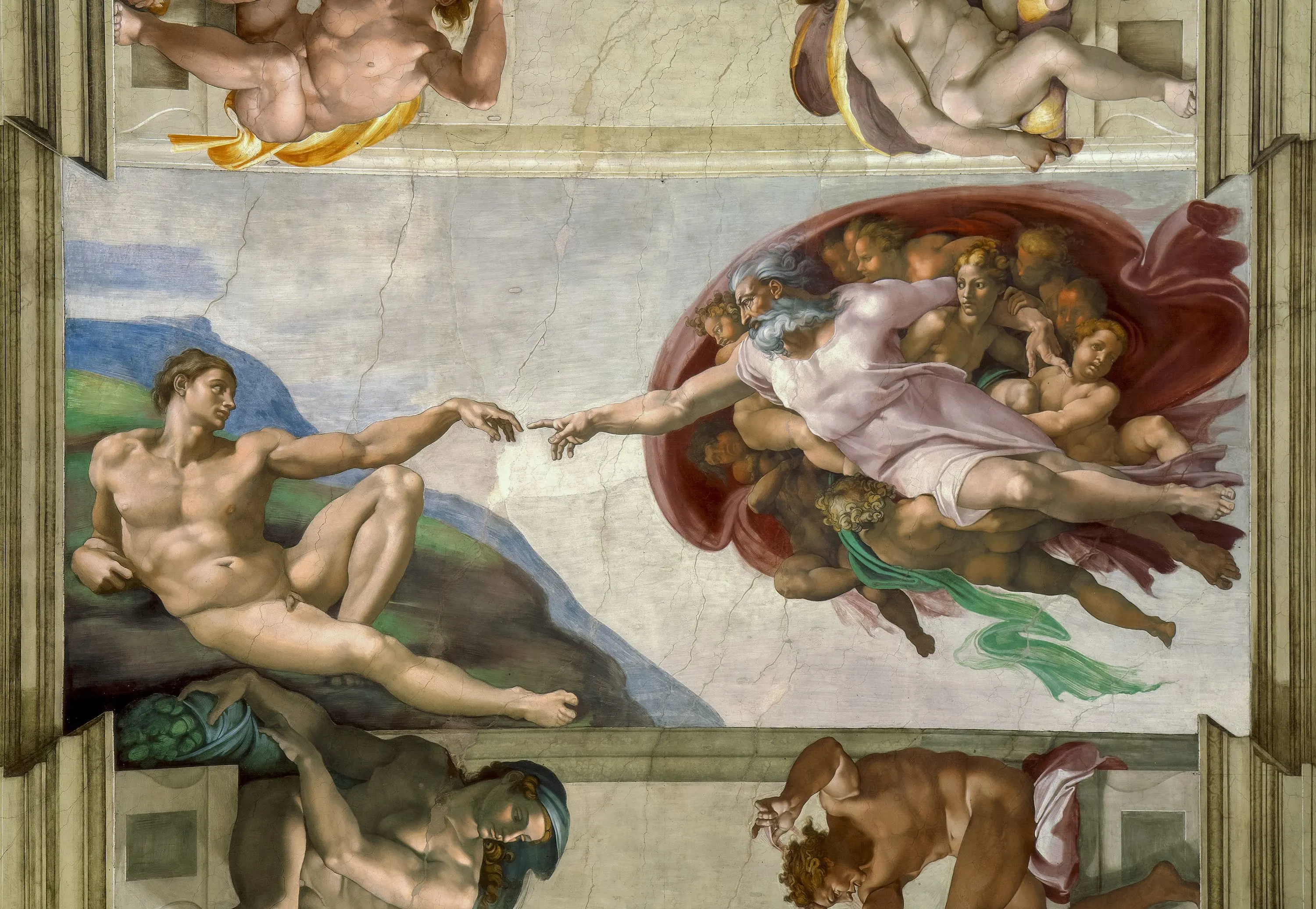
Gaze up at the world's most famous ceiling, the masterpiece of Michelangelo.
Show More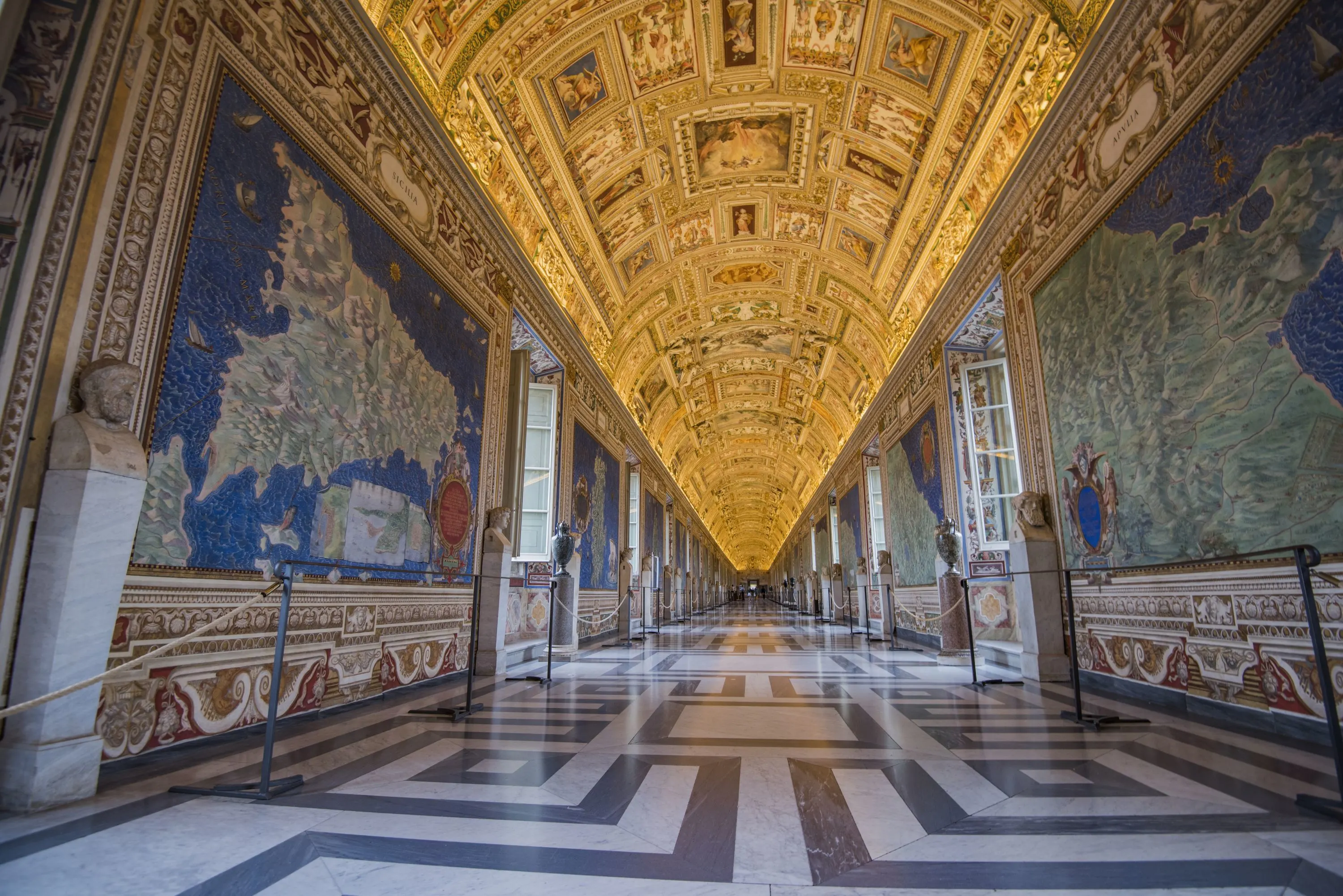
Book early if you want to see the Vatican Museum's monumental works of art from the greatest Italian artists of the Renaissance.
Show More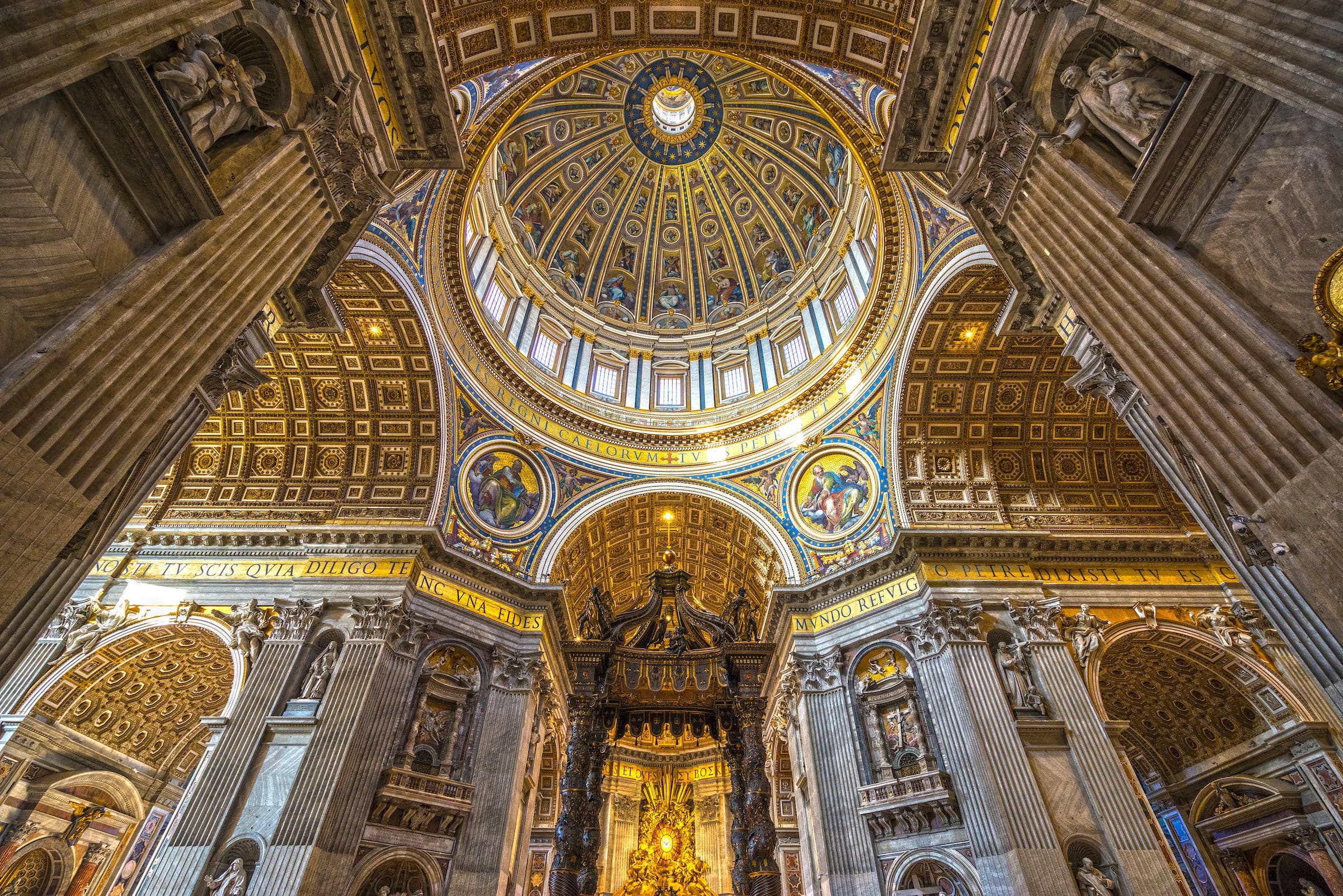
Explore the gigantic and incredibly beautiful church known as "the greatest of all churches of Christendom".
Show More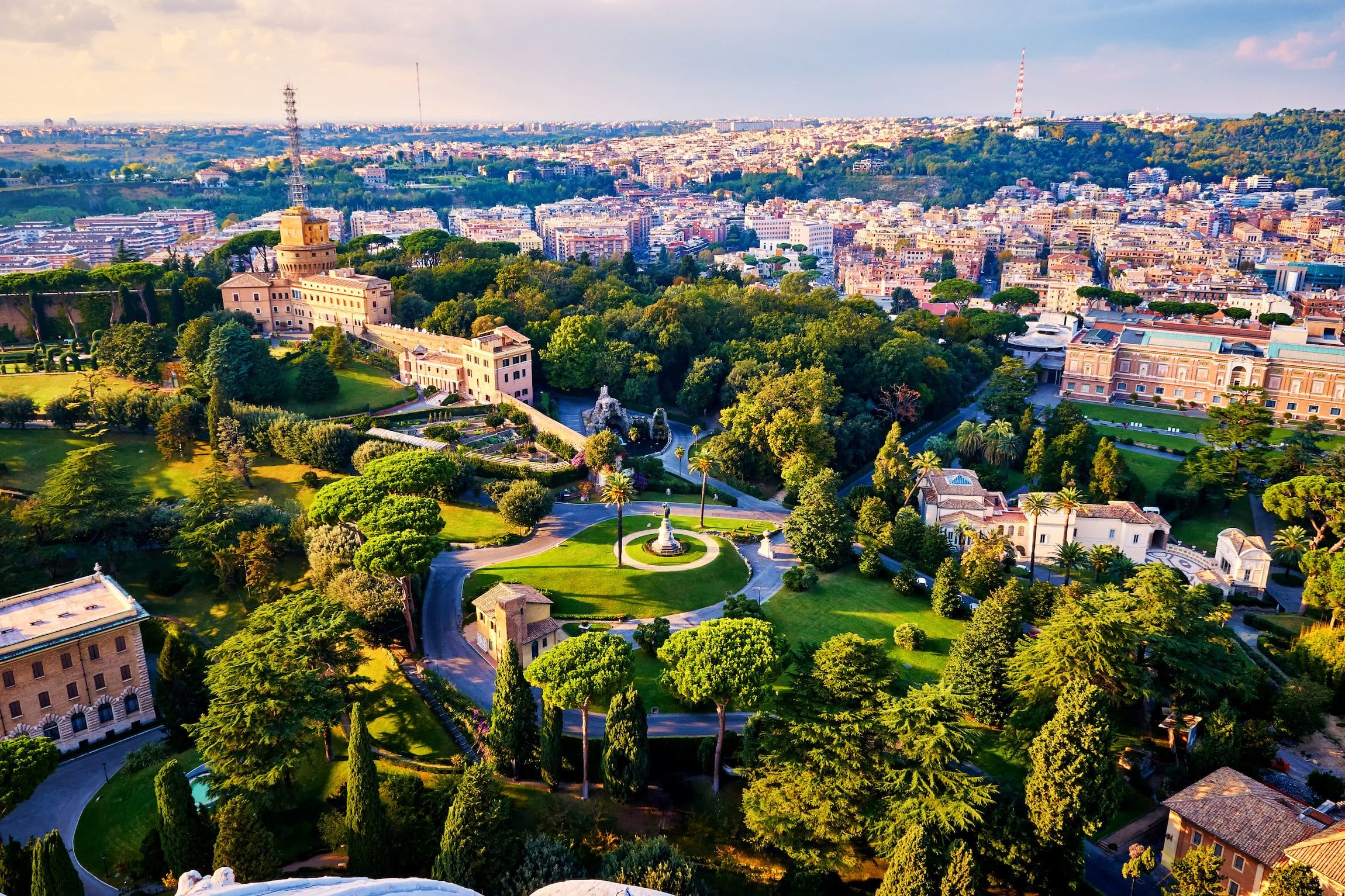
Escape the crowds in this oasis of green hidden behind the walls of the Vatican.
Show MoreDay 11
Rome

Day 12
Rome
Day 12
Rome
Morning/Mid-Day
Rome's Historic Center
Rome's tangled historical center is packed full of some of the most fascinating and incredible sights. Explore elegant squares and piazzas, centuries-year-old churches, and baroque fountains and wander at leisure the labyrinth of ancient Roman cobbled lanes. Highlights include the Baroque grandeur of Piazza Navona and the great and endlessly copied Roman Pantheon.

Browse the gallery to see some of the highlights

Stand in one of the most beautiful squares in Rome, home to the famous Fontana dei Fiumi Fountain by Bernini.
Show More
Visit this iconic former pagan temple converted into a Christian church.
Show More
Column formerly dedicated to Emperor Marcus Aurelius; a statue of St. Paul now stands in place of his.
Show More
One of the main streets in Rome.
Show MoreDay 12
Rome

Day 13
Rome
Day 13
Rome
Morning/Mid-Day
Esquilino District
Upon first glance, this urban neighborhood of Rome may seem busy and overwhelming, but hidden among its traffic-noisy streets are some of Rome's most beautiful churches, artistic treasures, and cultural museums, including the Baths of Diocletian.

Browse the gallery to see some of the highlights
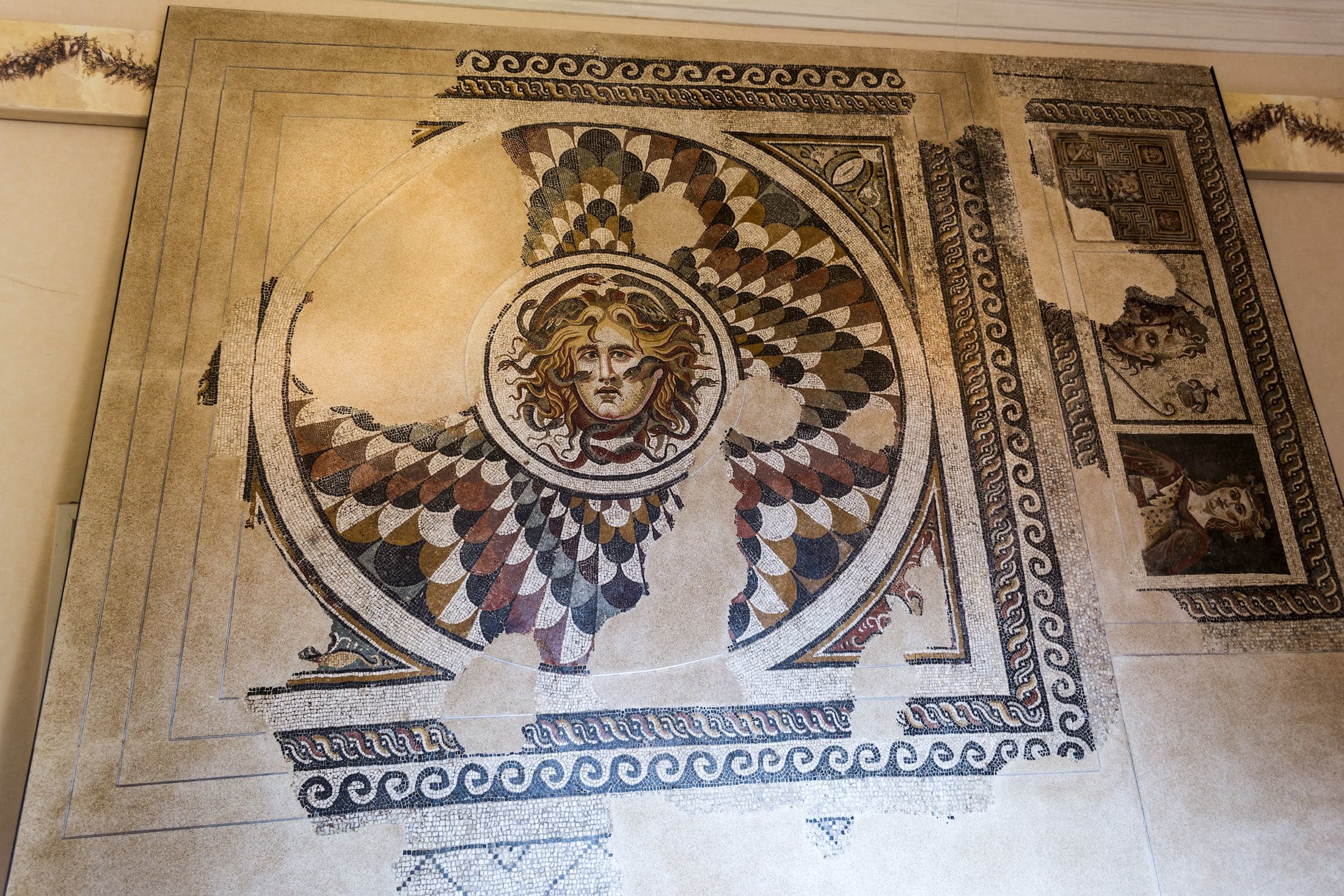
Walk the ruins of what was once the largest themal baths in the ancient Roman world.
Show More
See a Michelangelo-designed church built within the former Baths of Diocletian.
Show More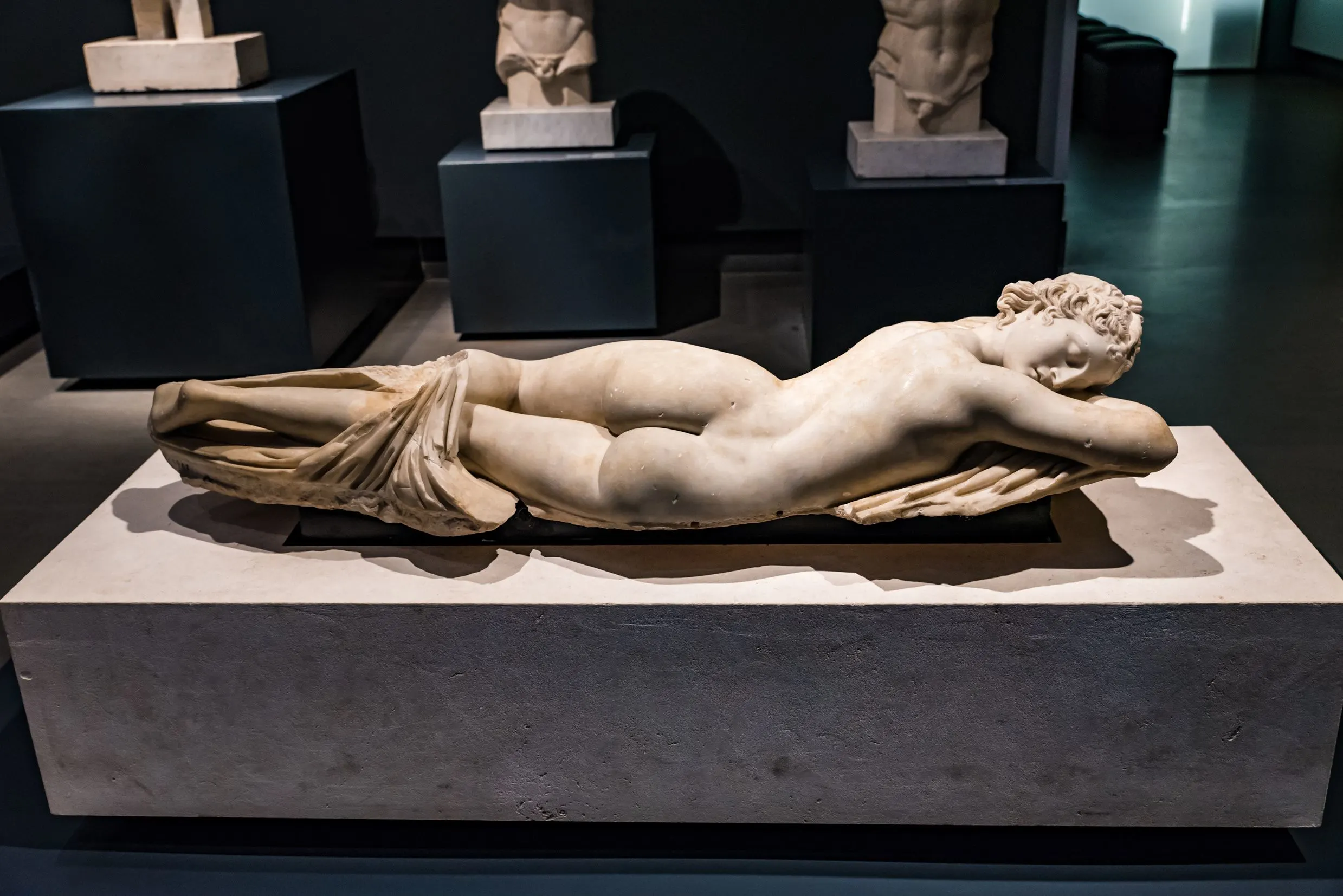
Visit one of Rome's greatest but most unheralded museums of antiquity.
Show MoreDay 13
Rome

Day 14
Depart Rome
Day 14
Depart Rome
To Be Determined
Private Transfer to Rome Fiumicino or Ciampino Airport
A car service will pick you up from your hotel and take you directly to Rome Fiumicino Airport. This is a private transfer for you and your travel party. You do not need to pay the driver as the cost of the private transfer is included in your itinerary. IMPORTANT NOTE: Please be aware the car service can fit up to 1 checked item of luggage and 1 personal item per person, such as a purse or small backpack. If you think you will have more baggage, please inform your travel consultant as this may result in an additional fee.

Day 14
Depart Rome
What's Included in the Tri-City Treasures?
Pre-Paid Tours and Activities:

Pre-Paid Transportation:

Accommodation:

Go Real Travel Mobile App:
What's Included in the Tri-City Treasures?
Pre-Paid Tours and Activities:
- London for Beginners Walking Tour
- Winston Churchill Private Walking Tour & War Rooms Visit
- Private Guided Walking Tour of the Center of Paris
- Heart of the Empire: Private Tour of Ancient Rome & the Colosseum
- City Card for Rome, including discounts to many popular attractions
Pre-Paid Transportation:
- 2nd Class Train Tickets from London - Paris
- Public Transport Tickets for Rome
- Private Transfer from Rome Fiumicino to Hotel
- Private Transfer to Rome Fiumicino or Ciampino Airport
Accommodation:
- 4 nights at a hotel of your choice in London
- 4 nights at a hotel of your choice in Paris
- 5 nights at a hotel of your choice in Rome
Go Real Travel Mobile App:
- Itinerary Plan & Reservations Info
- Points of Interest
- Detailed Travel Information
- Maps & Directions
Other Trips You May Like
Reviews From Similar Trips
See what travelers who went to these destinations have to say.
Average traveler rating
Based on 9 traveler reviews
- Trustpilot (7)
- Facebook (1)
- Go Real Travel Reviews (1)
What an incredible experience! Our trip to Italy exceeded every expectation, and we are so grateful to Go Real Travel for putting together such a memorable journey. From the moment we arrived in Rome, touring the Vatican and the iconic Colosseum, to exploring the vibrant streets of Naples, walking through the incredible ruins of Pompeii, and taking in the beauty of Sorrento, Capri, and the breathtaking Amalfi Coast, every destination was unforgettable. One of the most meaningful parts of the trip for me was visiting Sturno, the town where my father was from. It was a special experience that I’ll cherish forever. Everything was so well organized, from the hotels and transportation to the tours and local experiences. We never had to worry about the details because everything was handled with care, allowing us to simply enjoy every moment. A special thank you to the entire Go Real Travel team for your professionalism, organization, and genuine passion for creating unforgettable experiences. You didn’t just plan a vacation, you created memories that will stay with us for a lifetime. I highly recommend Go Real Travel to anyone looking for an authentic, stress-free, and truly amazing travel experience. Thank you for making our dream trip to Italy a reality. We can’t wait to travel with you again!
How Can I Help Elder Care
It was fantastic. The guides were amazing. Hotels were good. Travel within Italy went smoothly. Just a dream trip.
Karen Mattern
Everything has worked out so seamlessly. I have never used a travel agent company before so for this being my first time, I can not stop saying how wonderful everything is going! Thank you all so much!
Andrea Hayes
Go Real Travel set up the perfect trip for us and provided us with a detailed guide for every day of our trip. The guide provided directions for travel and daily excursions that provided such phrases as "with your back to the cathedral, walk to the right and take the second street to the left" and similar directions. They also responded quickly to email questions and made immediate changes to our itinerary as requested. For example, just days before our trip, we decided that would like to see Vatican City in Rome, and within a few hours, Anna sent us an updated itinerary with those changes. We highly recommend Go Real Travel.
Tom Valesky
Just back from 15 day trip to Italy planned for us by Go Real Travel. Go Real formulated an outstanding trip for us based on the locations we wanted to explore. Connections were seamless. Go Real was available throughout the trip to provide on the spot advice and assistance. Our drivers and tour guides were top notch. Our Vatican tour guide was full of great information that made the tour terrific. He even had a PhD in religious studies. Language no problem as they all were fluent in English. We had plenty of time for ourselves and, although we had a full schedule, we didn’t feel rushed. Hotels were in great locations and met our needs. We especially liked the hotel in Sorrento with a view of Mt Vesuvius, and with easy access to Pompeii, Capri,and the Amalfi Coast. Go Real gave us an abundance of information on each of the destinations, so we were well versed even before we got there. They provided step by step instructions for public transportation, which made that portion of our travels easy. We highly recommend that you Go with Go Real!
Michael Wallack
What Travelers Say About Go Real Travel
Our latest reviews from across all trips on Trustpilot.


Featured Blogs

12 Most Beautiful Towns and Villages in Tuscany

How to Plan the Perfect Family Trip to Europe

11 Tips for First Time Travelers to Europe

What’s The Best Time to Book International Flights to Europe?

The Best Time to Visit Paris: A Seasonal Guide

16 Most Romantic Destinations in Europe

10 European Cities to Visit in Winter
12 Most Beautiful Towns and Villages in Tuscany
How to Plan the Perfect Family Trip to Europe
11 Tips for First Time Travelers to Europe
What’s The Best Time to Book International Flights to Europe?
The Best Time to Visit Paris: A Seasonal Guide
16 Most Romantic Destinations in Europe
10 European Cities to Visit in Winter
12 Most Beautiful Towns and Villages in Tuscany
Explore cities in more detail
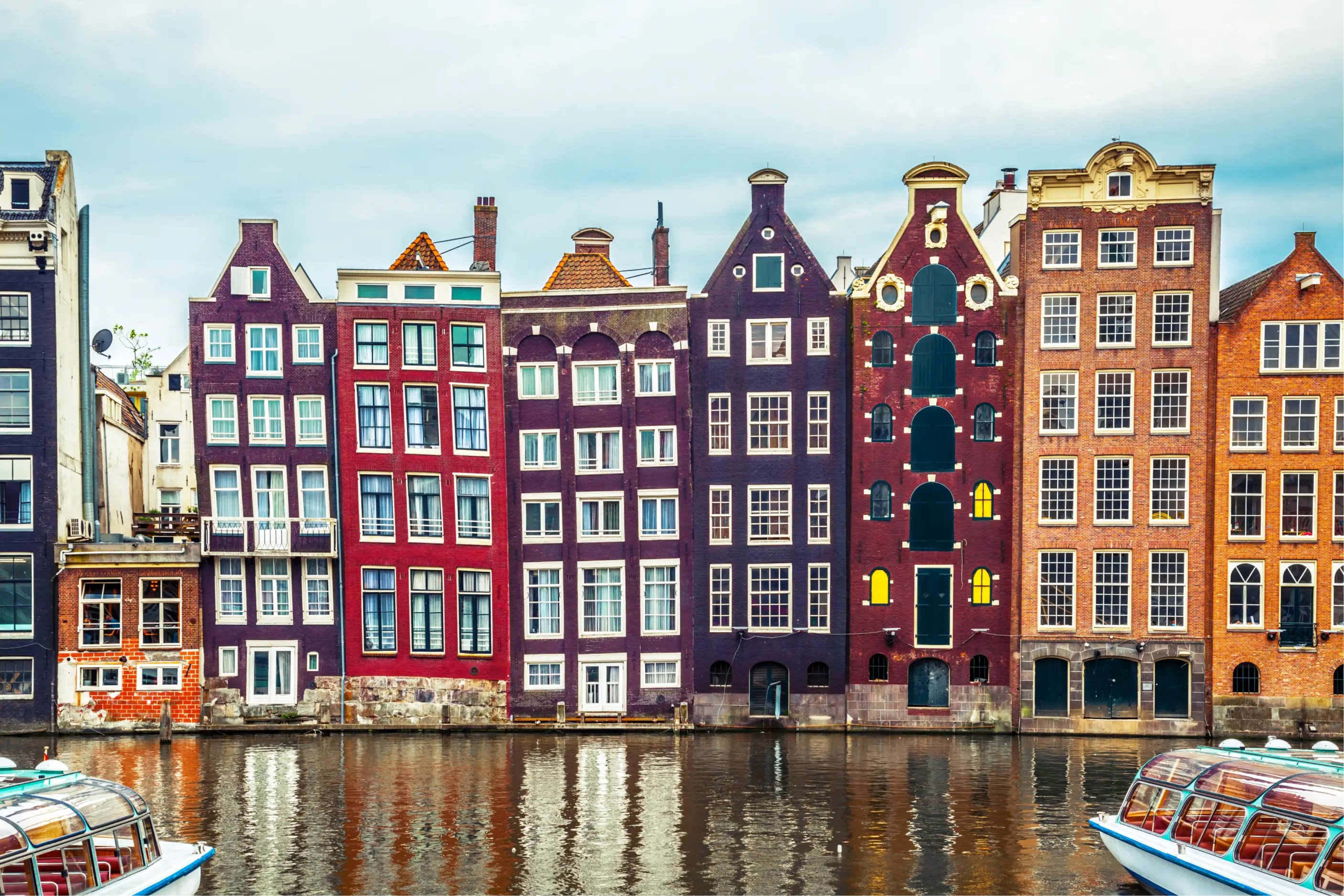
Amsterdam
A waterside metropolis with a low-key vibe, a visit to Amsterdam is as fun and freewheeling as a fixed-gear bicycle. This is the city where you can let it all go. The streets of Amsterdam chime with bicycle bells and the laughter of people making their way between bars. Yellow wheels of cheese line shop windows, and in springtime, market stalls are abundant with the famous Dutch tulips. Younger than other cities in the Netherlands, Amsterdam sprang to life in the 17th century, when it became flush with trade from the Dutch colonies. From the gable tipped houses standing shoulder-to-shoulder on the canals to the Rembrandt paintings hanging on the walls of the Rijksmuseum, Amsterdam is strewn with relics from the Dutch Golden Age. Whether you rent a bicycle, float down a canal, or just sip on an amber-colored lager and watch the world go by, Amsterdam makes a lasting impression from start to finish.

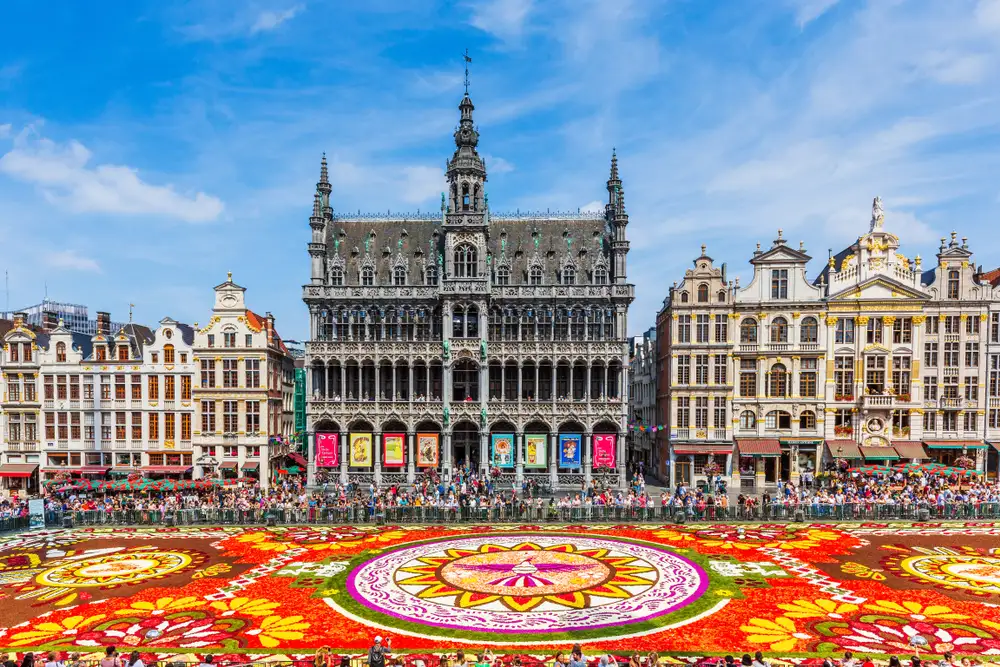
Brussels
It feels as though everything in Brussels is tinted with gold. From the gilded rooftops of the old houses on the Grand Palace to the foil-wrapped bonbons piled in chocolatier windows, Brussels seems to sparkle and wink at you around every corner. Aside from the lustrous architecture and Trappist ales, this shiny city is probably still best known for its iconic street food options: salty, golden fries, and fluffy, honey-colored waffles. While a major political center, home of the EU and NATO, don’t be fooled by Brussels stern ‘Eurocratic’ facade. Brussels revels in cheeky humor and mischief. So much so, Brussel’s beloved mascot, the ‘Manneken Pis’, is a statue of a small child urinating into a fountain. The city takes great pleasure in dressing this statue in festive-themed costumes. It’s no surprise that the artist Magritte, one of the great visual tricksters of the 20th century, called Brussels home. After a few days exploring the city, and taking in its sights and scenes, you’re sure to come away smiling.

Edinburgh
Edinburgh is a city where layers of royal tradition, literary legend, and dramatic landscapes combine to create a captivating travel experience. At its heart stands the iconic Edinburgh Castle, perched high above the city, with the Palace of Holyroodhouse and the cobbled Royal Mile linking centuries of Scottish history and intrigue. Stroll through the Old Town’s winding closes and the elegance of the Georgian New Town, where neoclassical facades meet independent shops, galleries, and cafés. From Arthur’s Seat to Princes Street Gardens, Edinburgh offers moments of wild nature right in the city’s core, while hidden courtyards and historic pubs reveal its quieter charms. The city’s culinary scene is as diverse as its heritage—offering everything from haggis and whisky pairings to Michelin-starred innovation and cosy tearooms. Whether you’re exploring ancient vaults, taking in a show at the Festival Fringe, or catching the skyline at sunset, Edinburgh promises unforgettable discovery around every corner.
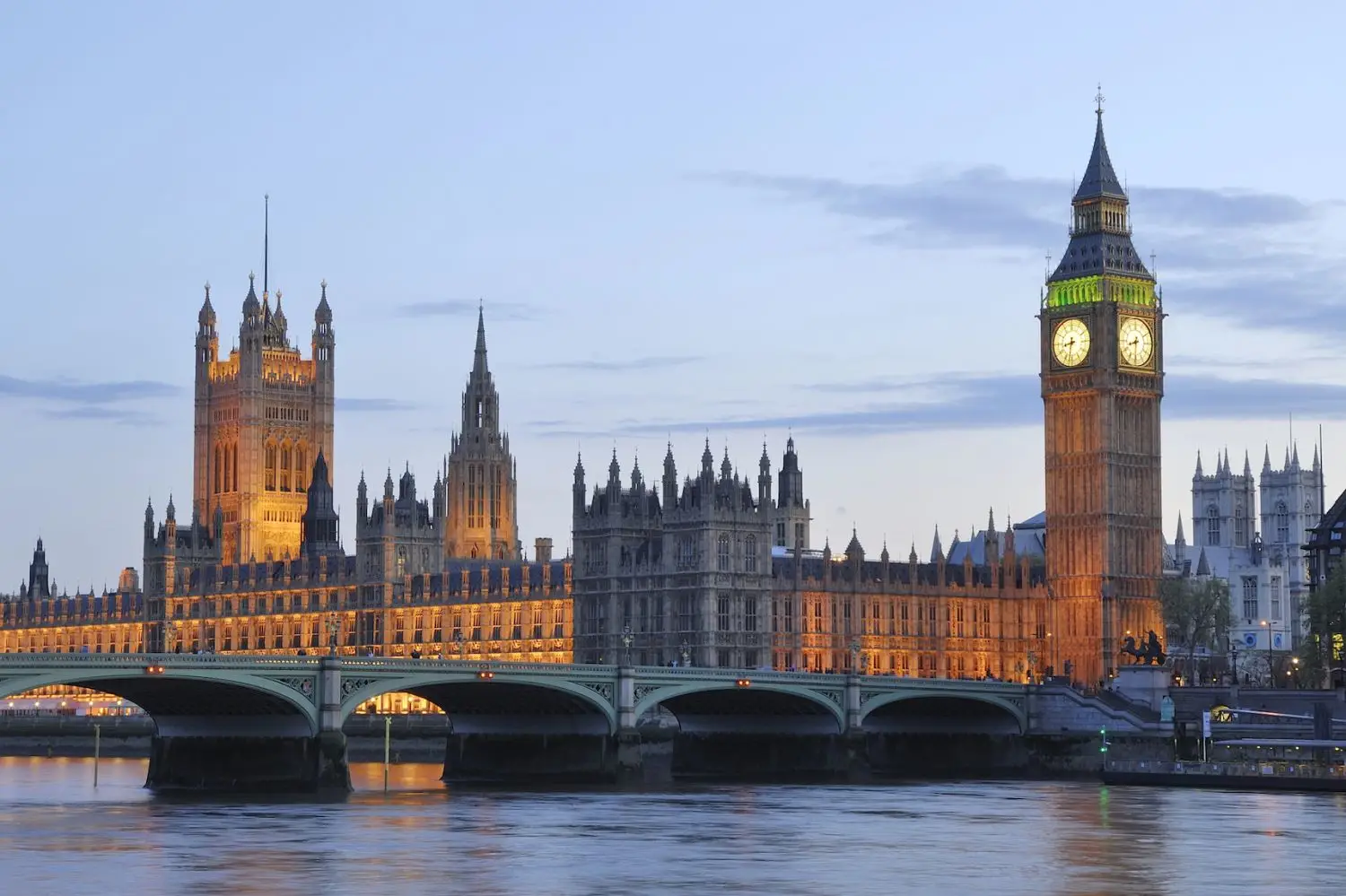
London
London is a city where centuries of royal history, cultural heritage, and cosmopolitan life come together to create a thrilling travel experience. At its core stand iconic landmarks like Big Ben, Westminster Abbey, and the Tower of London, each telling tales of monarchs, revolutions, and traditions that have shaped the nation. Stroll along the River Thames, past the grandeur of Parliament and the London Eye, and dive into the buzz of neighborhoods like Covent Garden, Soho, and Chinatown—each brimming with character, cuisine, and charm. From the stately Mall leading to Buckingham Palace to the vibrant energy of Piccadilly Circus, London is a city of contrasts where old and new exist in vivid harmony. Culinary adventures await across its boroughs, from refined afternoon teas to global street food and traditional pub fare. Whether you’re catching a play in the West End, exploring world-class museums, or unwinding in one of its royal parks, London invites you to discover something extraordinary at every turn.
Paris
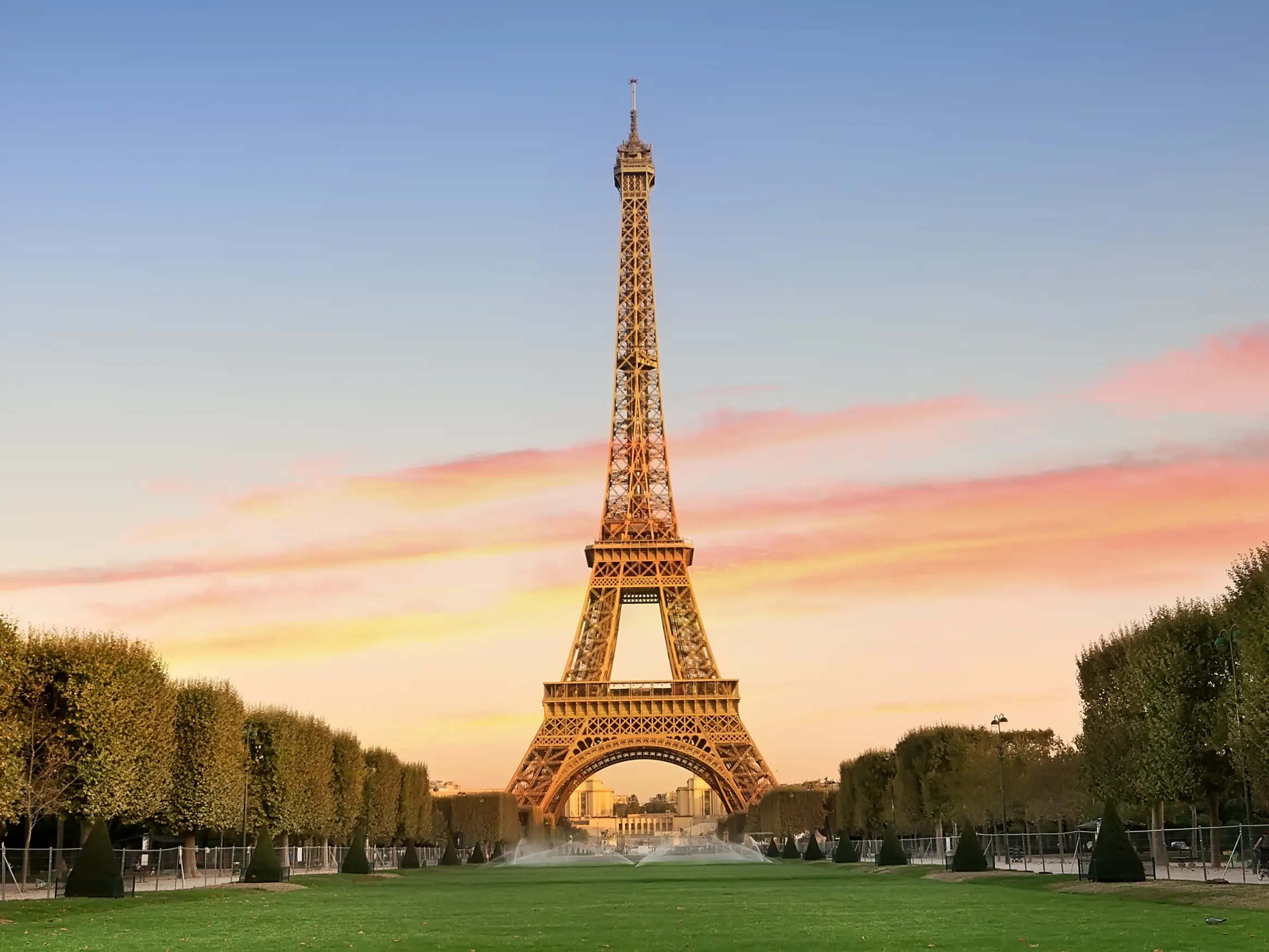
The magic of Paris is undeniable. This is the most romantic destination in Europe, and surely the number one bucket list destination of all time. If you want to say you've traveled, you have to visit Paris at least once. Along with classic must-sees like the Eiffel Tower and the Sacre-Coeur, there is so much to see and do in Paris that it helps to narrow it down by interest. Fashion and shopping enthusiast? Look no further than the Galeries Lafayette, Avenue des Champs-Élysées, or the Marais. Art aficionado? Once you're done with the Louvre, make a start on the Musée d'Orsay. History buffs won't be able to walk a block without uncovering a monument to Napoleon or Louis XIV. If you visit Paris with a foodie, be warned — you'll gaze in a lot of patisserie windows, and sample your weight in croissants. Because Paris always has so much on offer, it never grows old. At dusk, as you stroll the wide boulevards past Haussmann apartment buildings and sharply dressed Parisians, or gaze down at the city from the hill at Montmarte, you might find yourself saying 'Paris Je t' aime'. This is, after all, the City of Love.

Rome
One of the must-sees of Italy, and indeed all of Europe, Rome is a city with history flowing through its veins. There is an endless amount to see, do, and learn here, with something for every taste and disposition. Rome was the center of Western civilization for a Millenium and during that time, accumulated a list of historical and cultural treasures that no other destination can truly match. The Pantheon, Colosseum, Roman Forum, and Cirus of Maxentius are just a few examples of what can be seen and experienced in Rome, which at times feels more like a giant outdoor museum than a city. At Rome’s heart, you’ll find the Vatican, home of the Roman Catholic Church and the Pope. Here visitors can see the legendary Sistine Chapel. Transcending a mere building, the chapel is a walk-in work of art. Although historical sights can be found on just about every corner, it’s entirely possible to fill a day just wandering around Rome. The city’s charming streets and open Piazzas are filled with beautiful sights and places to sit, grab the best Cappuccino in the world, and enjoy the view.
Amsterdam
A waterside metropolis with a low-key vibe, a visit to Amsterdam is as fun and freewheeling as a fixed-gear bicycle. This is the city where you can let it all go. The streets of Amsterdam chime with bicycle bells and the laughter of people making their way between bars. Yellow wheels of cheese line shop windows, and in springtime, market stalls are abundant with the famous Dutch tulips. Younger than other cities in the Netherlands, Amsterdam sprang to life in the 17th century, when it became flush with trade from the Dutch colonies. From the gable tipped houses standing shoulder-to-shoulder on the canals to the Rembrandt paintings hanging on the walls of the Rijksmuseum, Amsterdam is strewn with relics from the Dutch Golden Age. Whether you rent a bicycle, float down a canal, or just sip on an amber-colored lager and watch the world go by, Amsterdam makes a lasting impression from start to finish.
Brussels
It feels as though everything in Brussels is tinted with gold. From the gilded rooftops of the old houses on the Grand Palace to the foil-wrapped bonbons piled in chocolatier windows, Brussels seems to sparkle and wink at you around every corner. Aside from the lustrous architecture and Trappist ales, this shiny city is probably still best known for its iconic street food options: salty, golden fries, and fluffy, honey-colored waffles. While a major political center, home of the EU and NATO, don’t be fooled by Brussels stern ‘Eurocratic’ facade. Brussels revels in cheeky humor and mischief. So much so, Brussel’s beloved mascot, the ‘Manneken Pis’, is a statue of a small child urinating into a fountain. The city takes great pleasure in dressing this statue in festive-themed costumes. It’s no surprise that the artist Magritte, one of the great visual tricksters of the 20th century, called Brussels home. After a few days exploring the city, and taking in its sights and scenes, you’re sure to come away smiling.
Edinburgh
Edinburgh is a city where layers of royal tradition, literary legend, and dramatic landscapes combine to create a captivating travel experience. At its heart stands the iconic Edinburgh Castle, perched high above the city, with the Palace of Holyroodhouse and the cobbled Royal Mile linking centuries of Scottish history and intrigue. Stroll through the Old Town’s winding closes and the elegance of the Georgian New Town, where neoclassical facades meet independent shops, galleries, and cafés. From Arthur’s Seat to Princes Street Gardens, Edinburgh offers moments of wild nature right in the city’s core, while hidden courtyards and historic pubs reveal its quieter charms. The city’s culinary scene is as diverse as its heritage—offering everything from haggis and whisky pairings to Michelin-starred innovation and cosy tearooms. Whether you’re exploring ancient vaults, taking in a show at the Festival Fringe, or catching the skyline at sunset, Edinburgh promises unforgettable discovery around every corner.
London
London is a city where centuries of royal history, cultural heritage, and cosmopolitan life come together to create a thrilling travel experience. At its core stand iconic landmarks like Big Ben, Westminster Abbey, and the Tower of London, each telling tales of monarchs, revolutions, and traditions that have shaped the nation. Stroll along the River Thames, past the grandeur of Parliament and the London Eye, and dive into the buzz of neighborhoods like Covent Garden, Soho, and Chinatown—each brimming with character, cuisine, and charm. From the stately Mall leading to Buckingham Palace to the vibrant energy of Piccadilly Circus, London is a city of contrasts where old and new exist in vivid harmony. Culinary adventures await across its boroughs, from refined afternoon teas to global street food and traditional pub fare. Whether you’re catching a play in the West End, exploring world-class museums, or unwinding in one of its royal parks, London invites you to discover something extraordinary at every turn.
Paris
The magic of Paris is undeniable. This is the most romantic destination in Europe, and surely the number one bucket list destination of all time. If you want to say you've traveled, you have to visit Paris at least once. Along with classic must-sees like the Eiffel Tower and the Sacre-Coeur, there is so much to see and do in Paris that it helps to narrow it down by interest. Fashion and shopping enthusiast? Look no further than the Galeries Lafayette, Avenue des Champs-Élysées, or the Marais. Art aficionado? Once you're done with the Louvre, make a start on the Musée d'Orsay. History buffs won't be able to walk a block without uncovering a monument to Napoleon or Louis XIV. If you visit Paris with a foodie, be warned — you'll gaze in a lot of patisserie windows, and sample your weight in croissants. Because Paris always has so much on offer, it never grows old. At dusk, as you stroll the wide boulevards past Haussmann apartment buildings and sharply dressed Parisians, or gaze down at the city from the hill at Montmarte, you might find yourself saying 'Paris Je t' aime'. This is, after all, the City of Love.
Rome
One of the must-sees of Italy, and indeed all of Europe, Rome is a city with history flowing through its veins. There is an endless amount to see, do, and learn here, with something for every taste and disposition. Rome was the center of Western civilization for a Millenium and during that time, accumulated a list of historical and cultural treasures that no other destination can truly match. The Pantheon, Colosseum, Roman Forum, and Cirus of Maxentius are just a few examples of what can be seen and experienced in Rome, which at times feels more like a giant outdoor museum than a city. At Rome’s heart, you’ll find the Vatican, home of the Roman Catholic Church and the Pope. Here visitors can see the legendary Sistine Chapel. Transcending a mere building, the chapel is a walk-in work of art. Although historical sights can be found on just about every corner, it’s entirely possible to fill a day just wandering around Rome. The city’s charming streets and open Piazzas are filled with beautiful sights and places to sit, grab the best Cappuccino in the world, and enjoy the view.

Go Real Travel Assistant
OnlineWelcome! Where are you in your journey?
Pick the option that fits you best so we can route you to the right help.